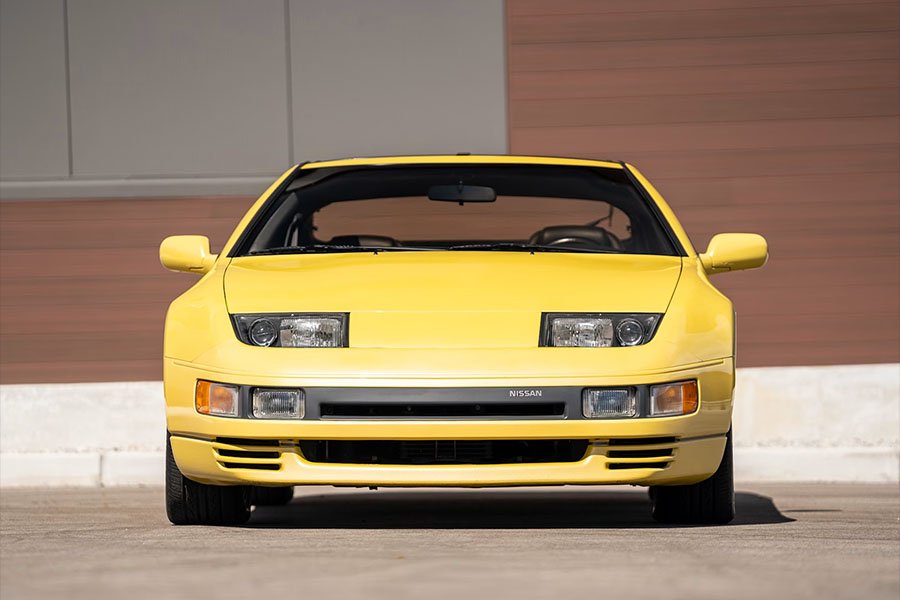
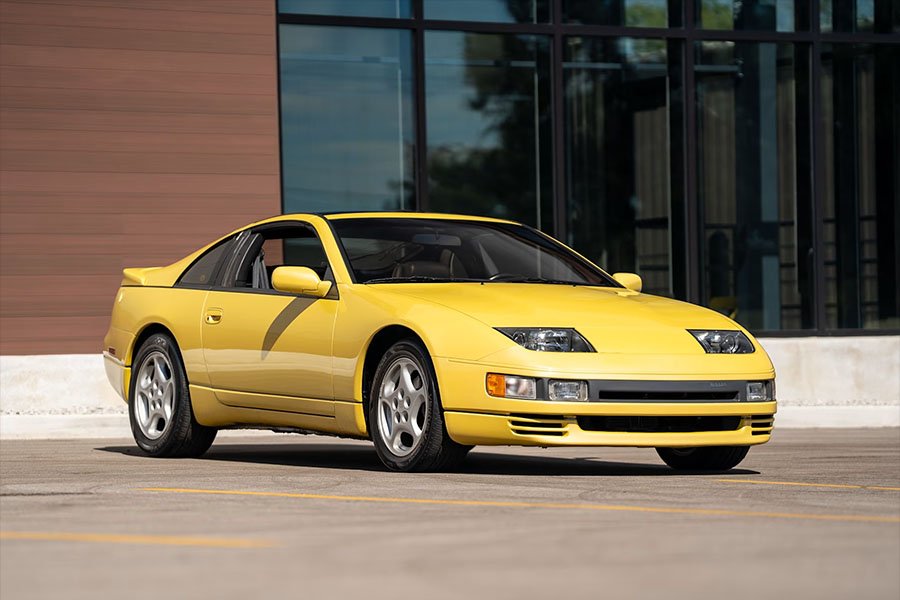
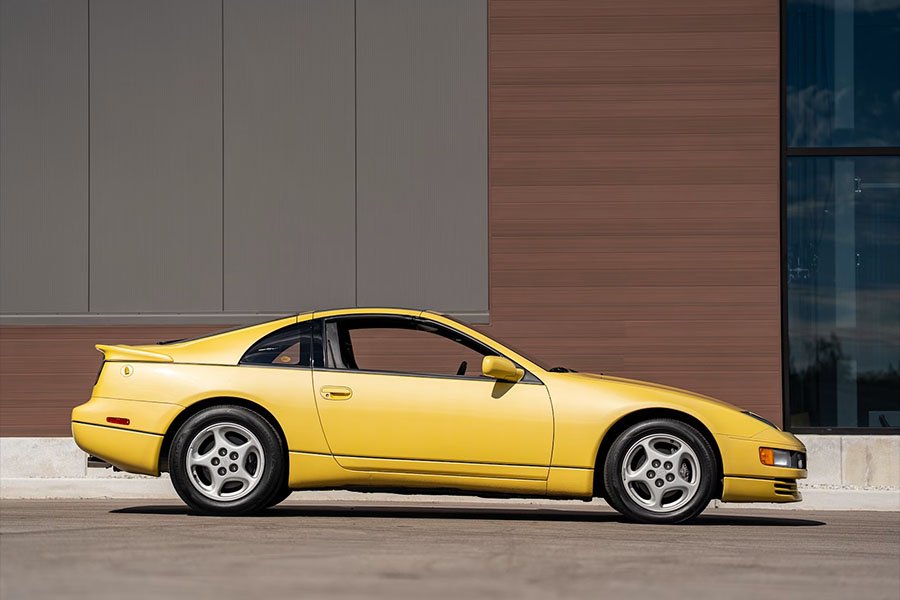
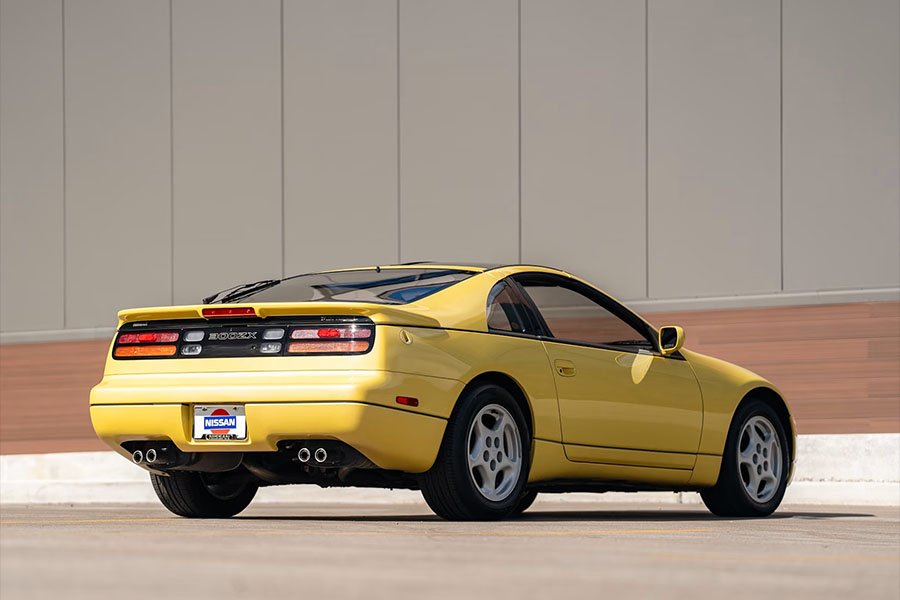
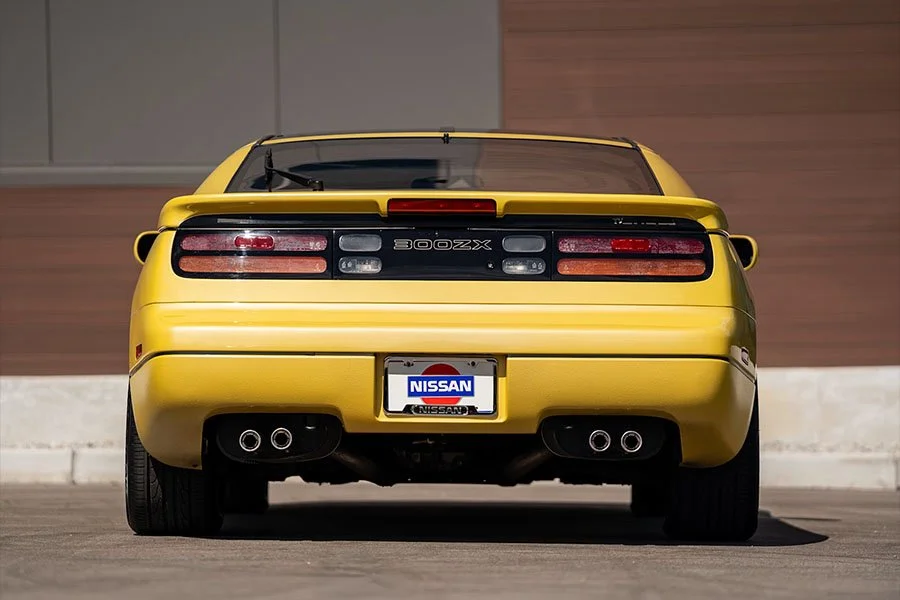
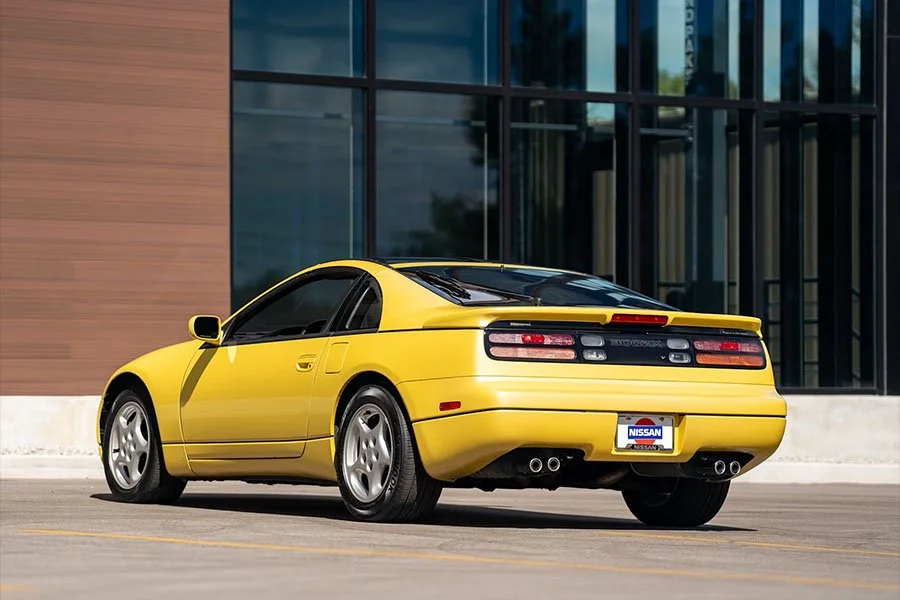
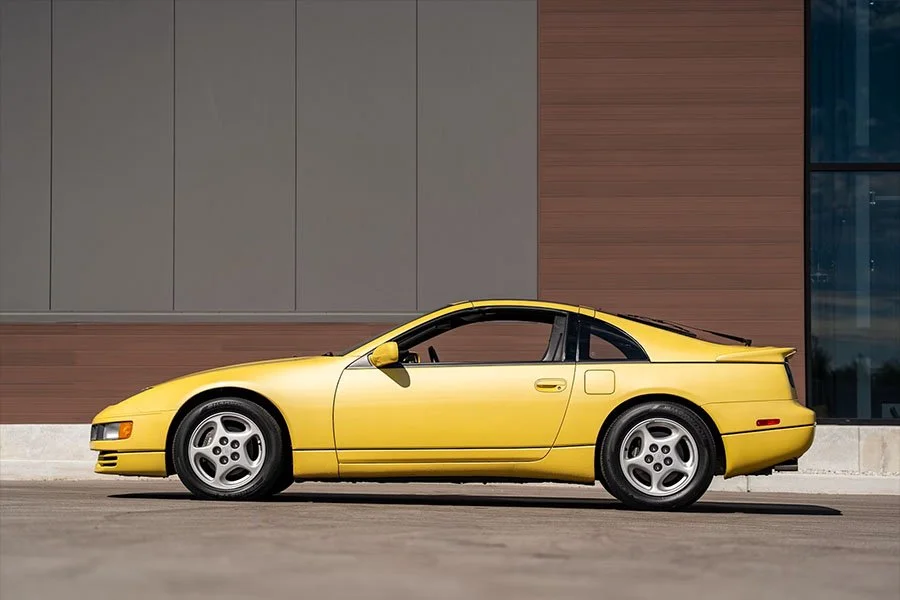
One to Buy: 17,000 mile Pearlglow Yellow 1990 Nissan 300 ZX Turbo
/ Ben Tyer
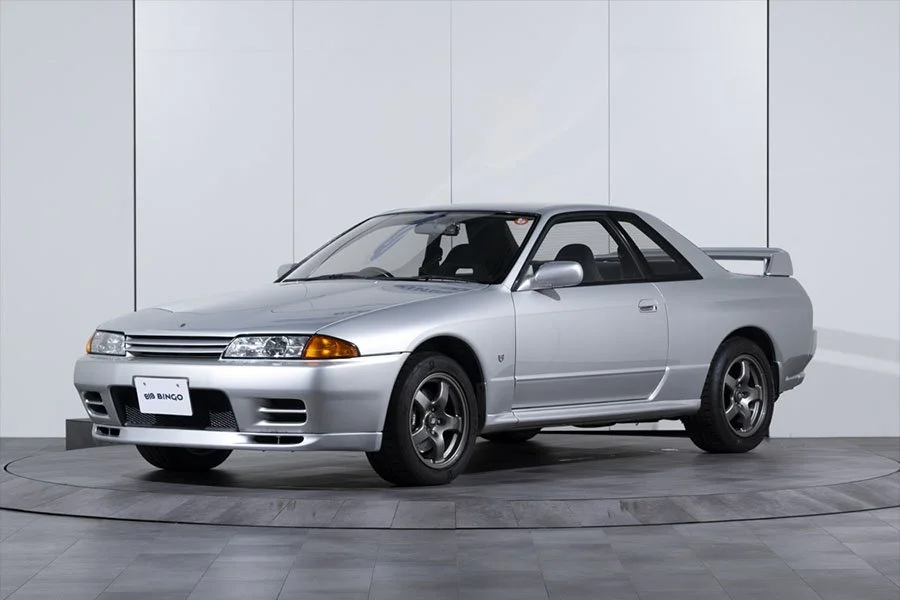
Although the R32 Skyline GT-R has come to be regarded as the seminal piece of Nissan hardware from the tail end of the 1980s and early 1990s, at the time it only had limited exposure outside of Japan with all but 100 of the circa 44,000 units built being reserved for the domestic market.
By contrast, the contemporary 300 ZX offered throughout the globe had a much bigger impact, outselling the GT-R by more than 3-to-1. The fourth iteration of Nissan’s Z-car theme, the Z32-based 300 ZX also served as the basis for an enormously successful IMSA GTO / GTS programme that delivered titles in 1992 and ‘94 plus outright victory at the Daytona 24 Hours and a class win at Le Mans.
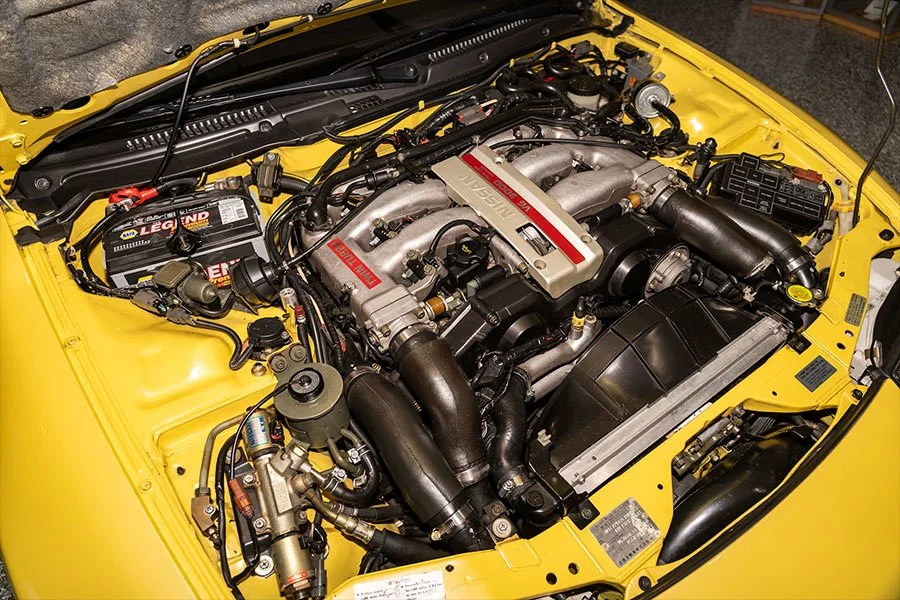
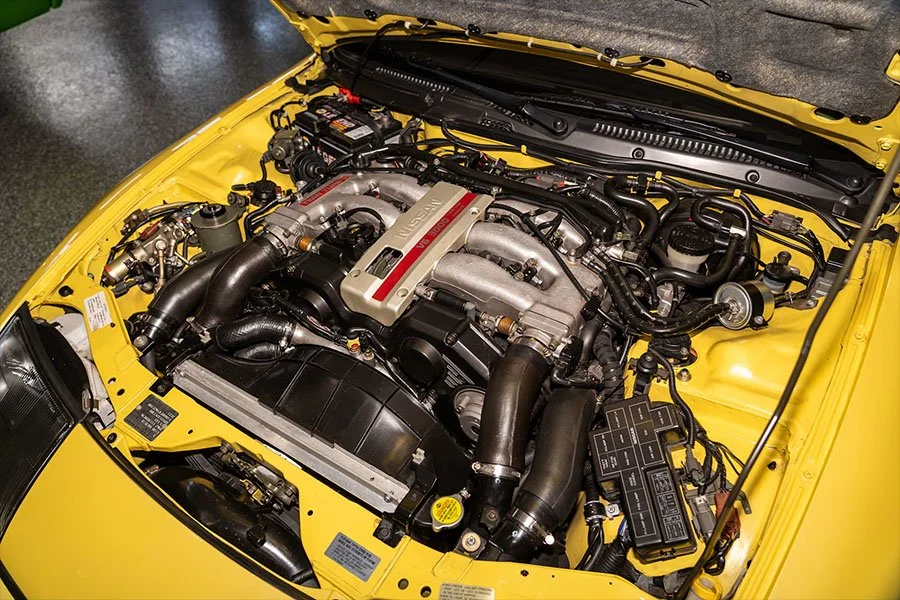
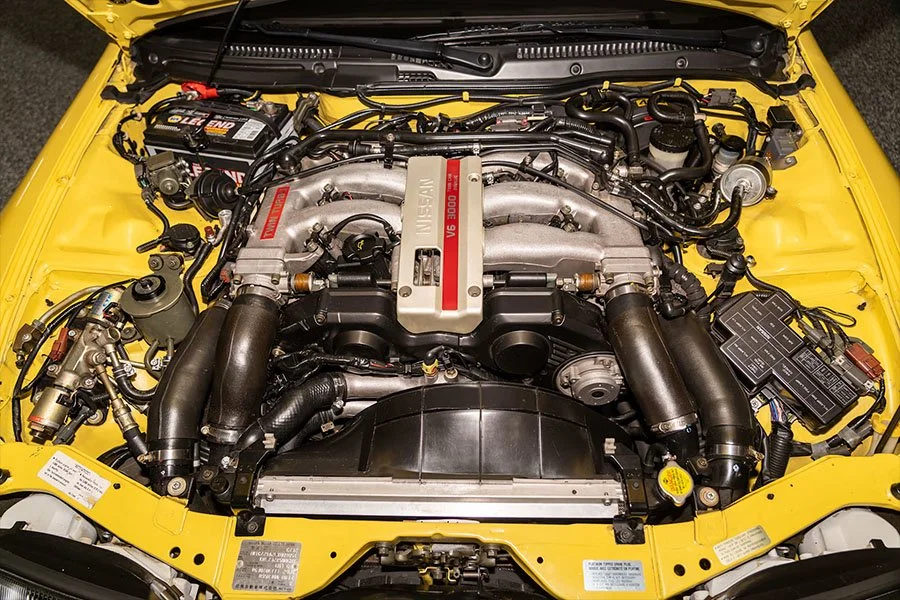
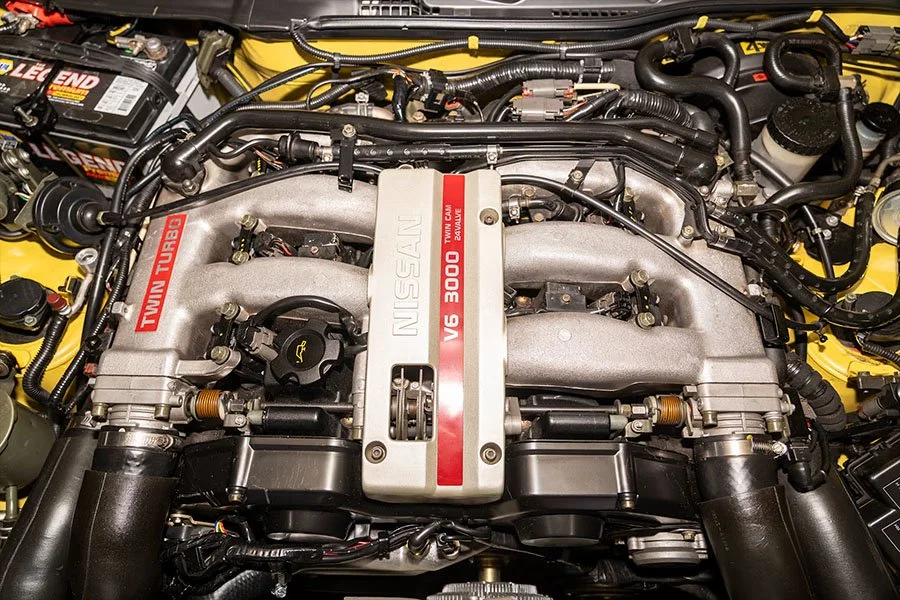
Nissan offered the Z32 in two states of tune: normally aspirated and twin turbocharged. Having added dual overhead camshafts and variable valve timing to the ‘atmo’ engine, the forced induction version was further enhanced by way of two intercooled Garret turbos that took it from 222bhp to 300bhp. With a top speed of 155mph and 0-62mph taking a little over five seconds, the 300 ZX Turbo (or Fairlady Z Turbo as it was marketed in Japan), took Nissan’s Z-car firmly into supercar territory.
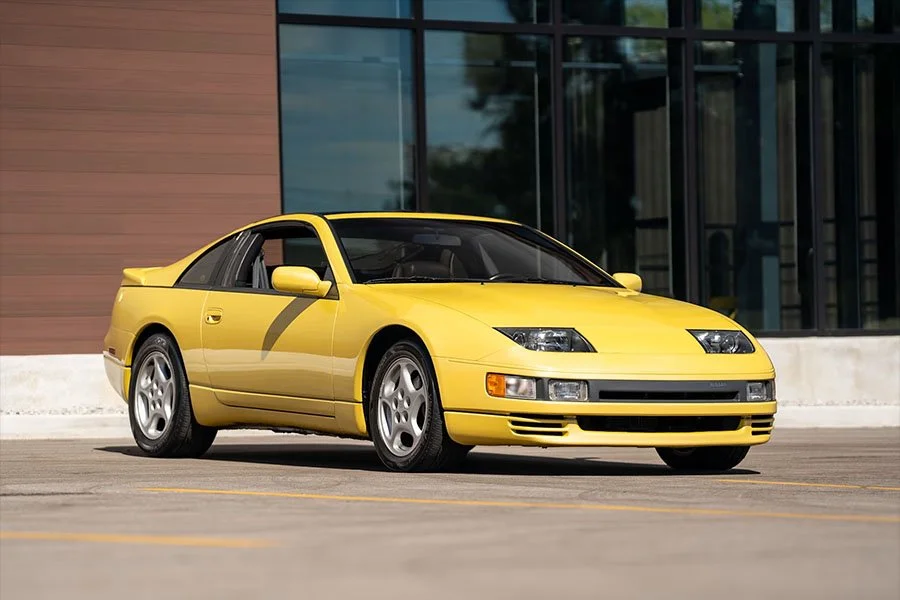
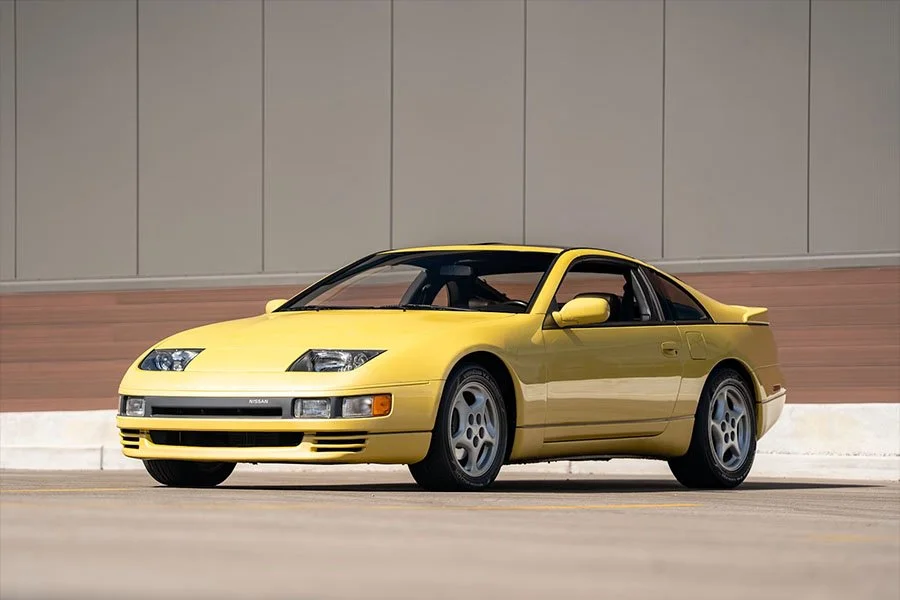
Unsurprisingly, given its competitive price, superb chassis, excellent build quality, handsome looks and impressive performance, the 300 ZX Turbo proved a massive hit in the United States where a little under 7000 were sold during the car’s debut model year (1990). Most of these went on to live a hard life, racking up intergalactic mileage, but on October 22nd a superb collector-grade example will be going under the hammer at Mecum’s sale in Fort Worth, Dallas.
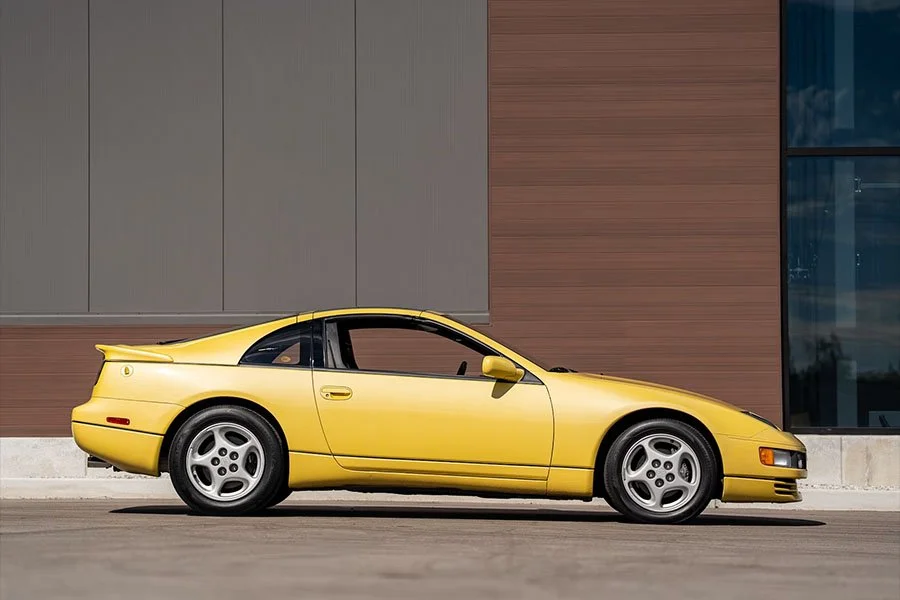
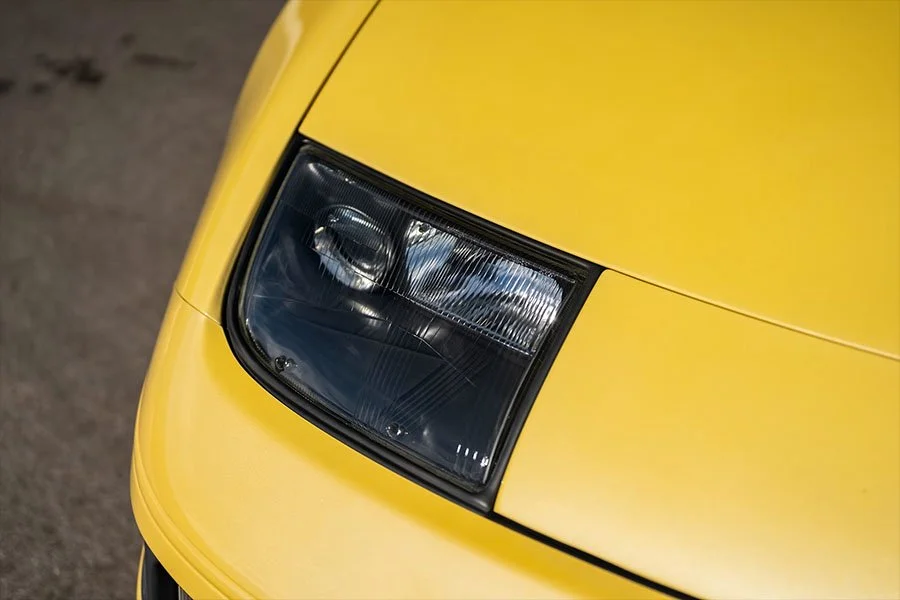
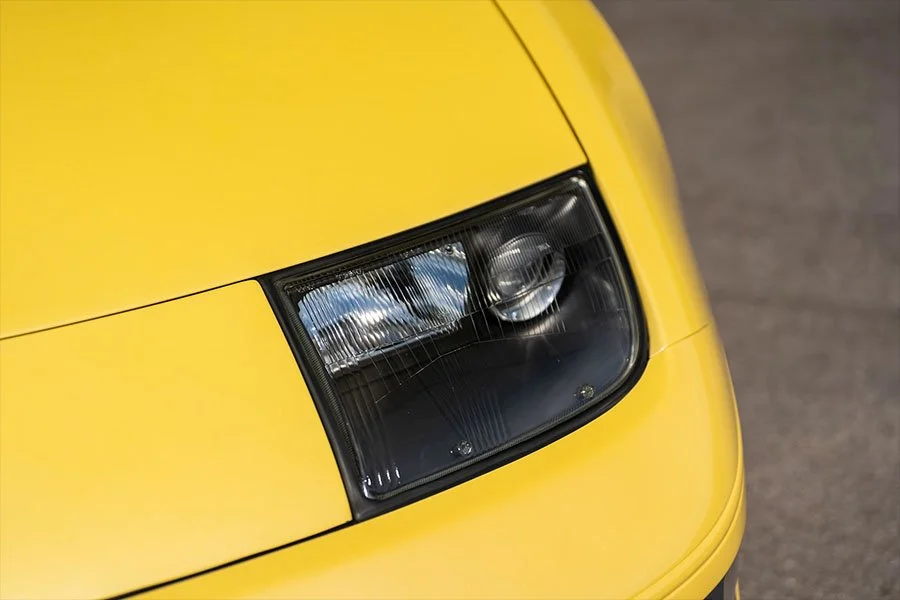
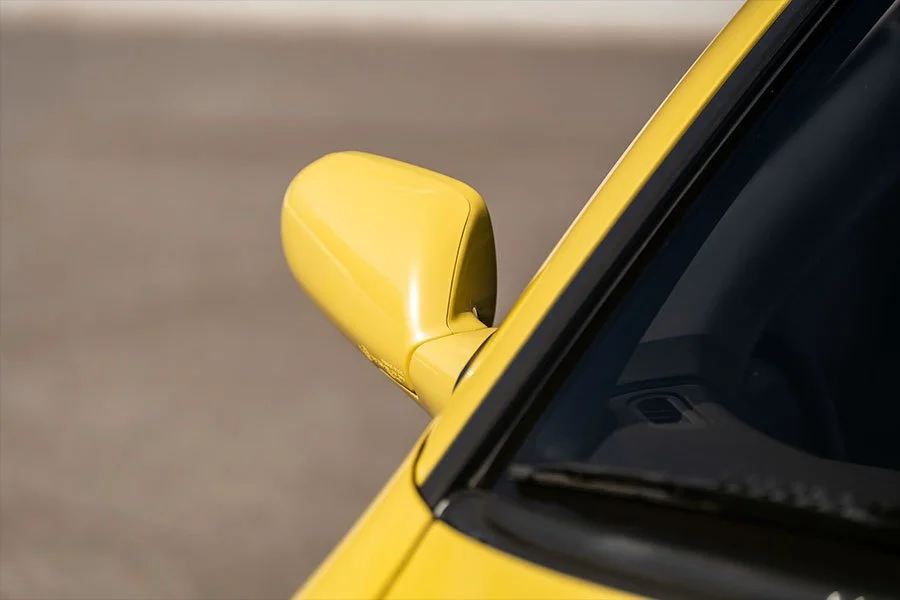
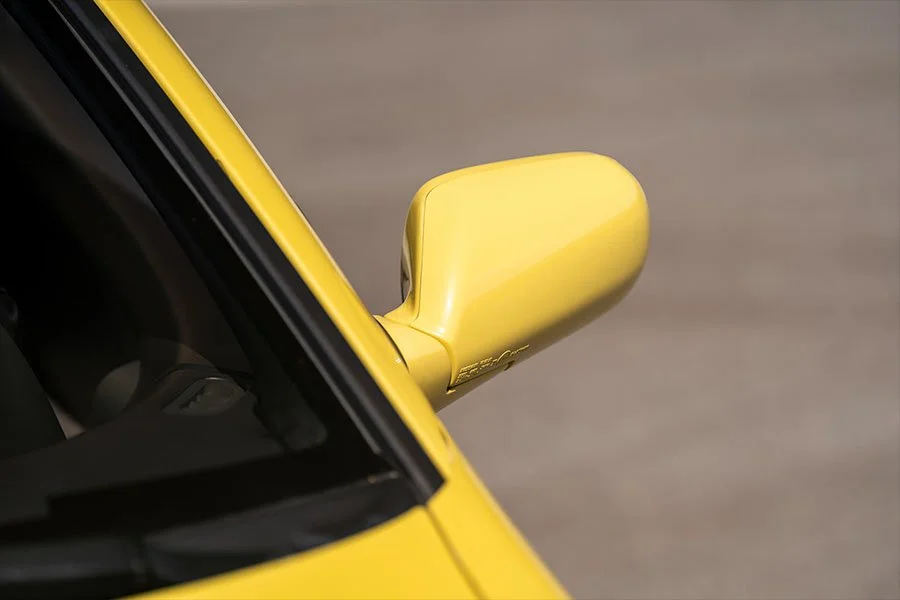
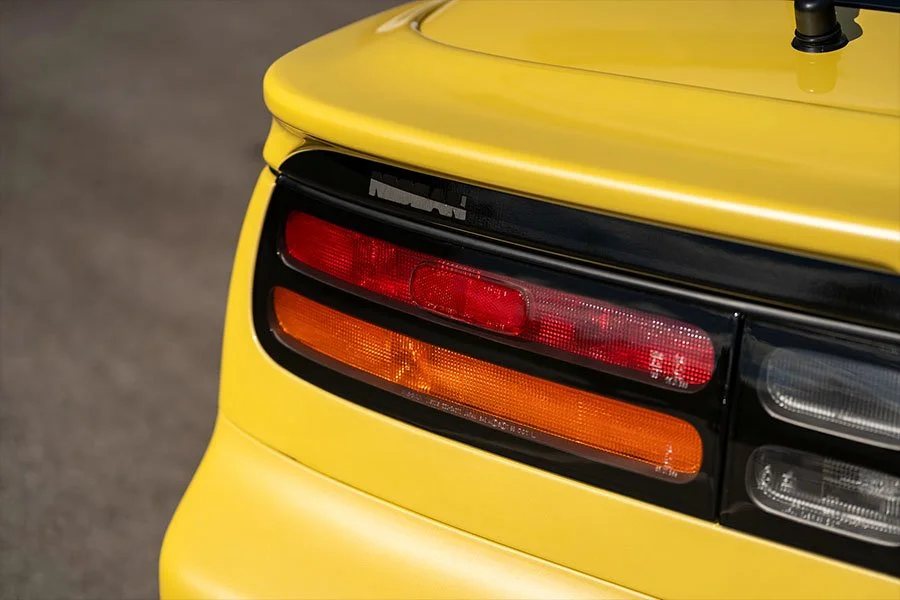
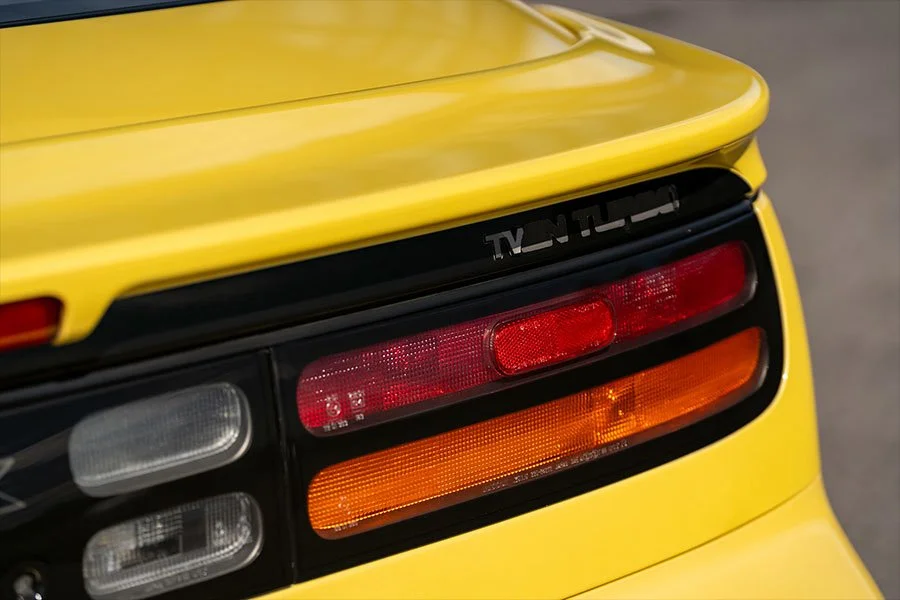
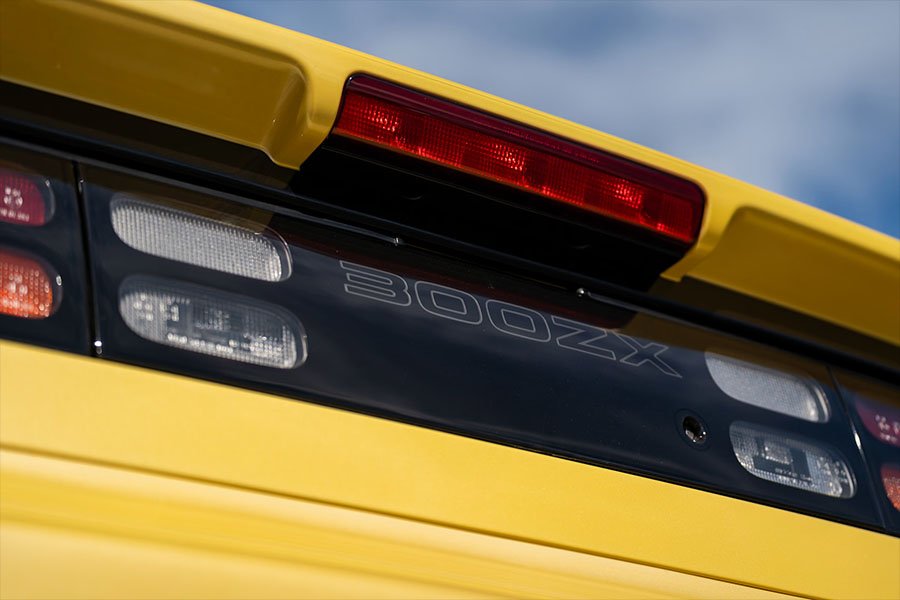
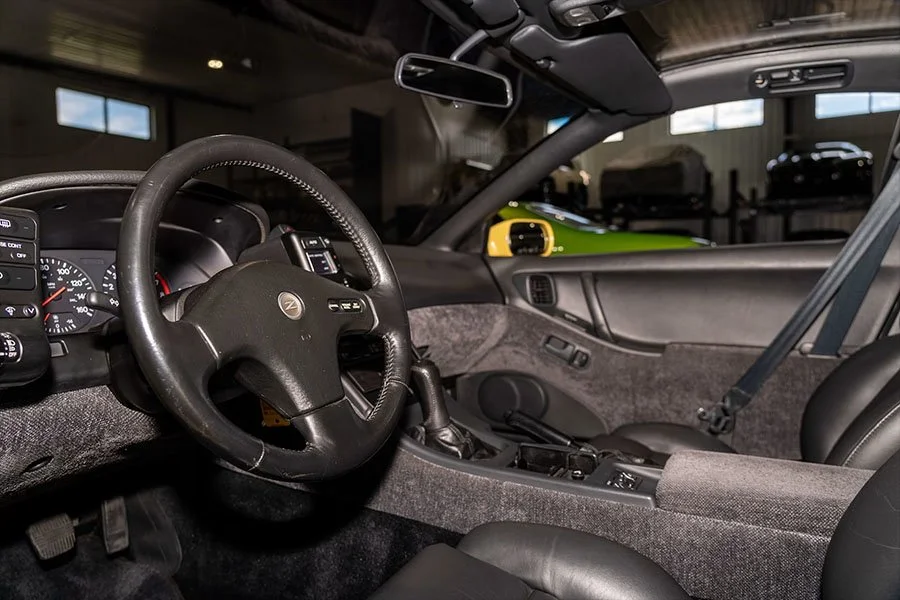
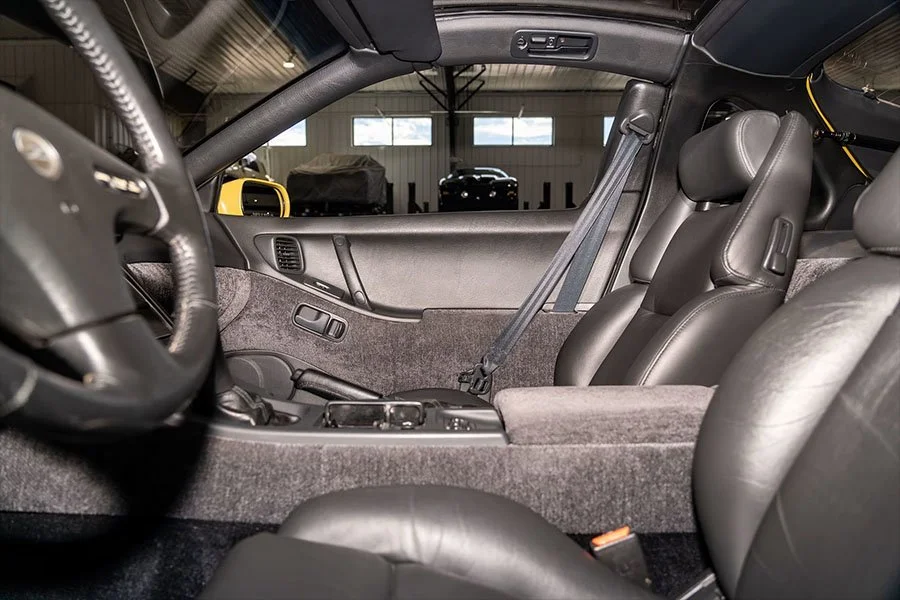
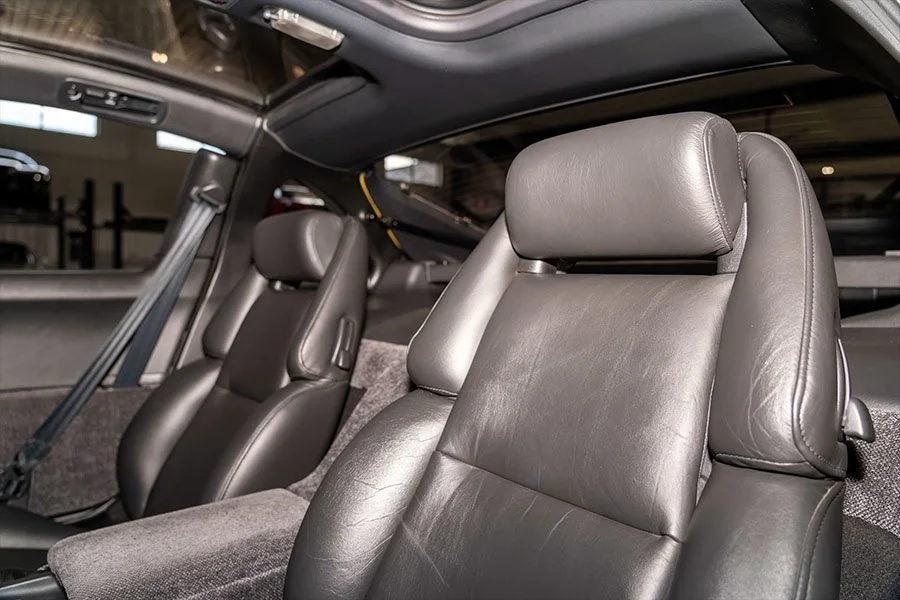
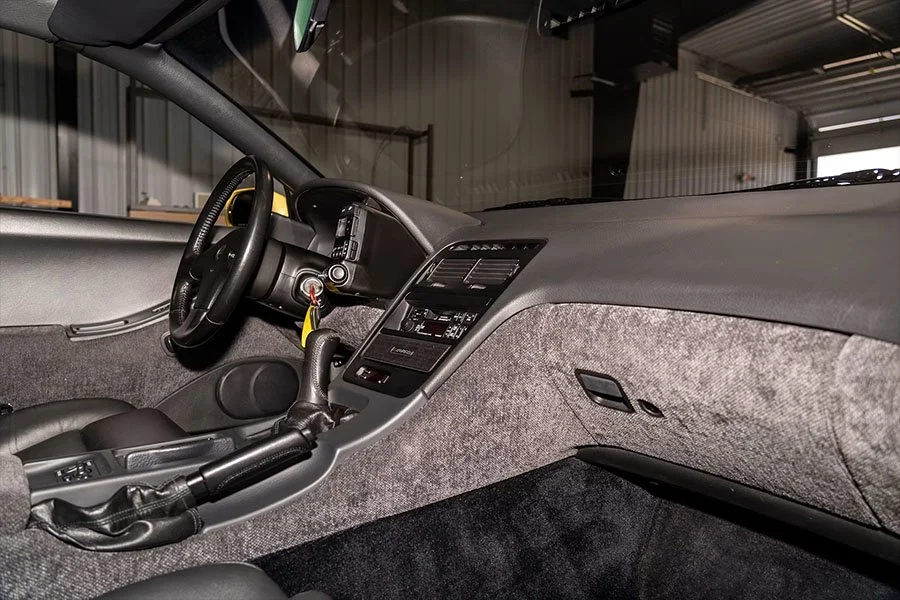
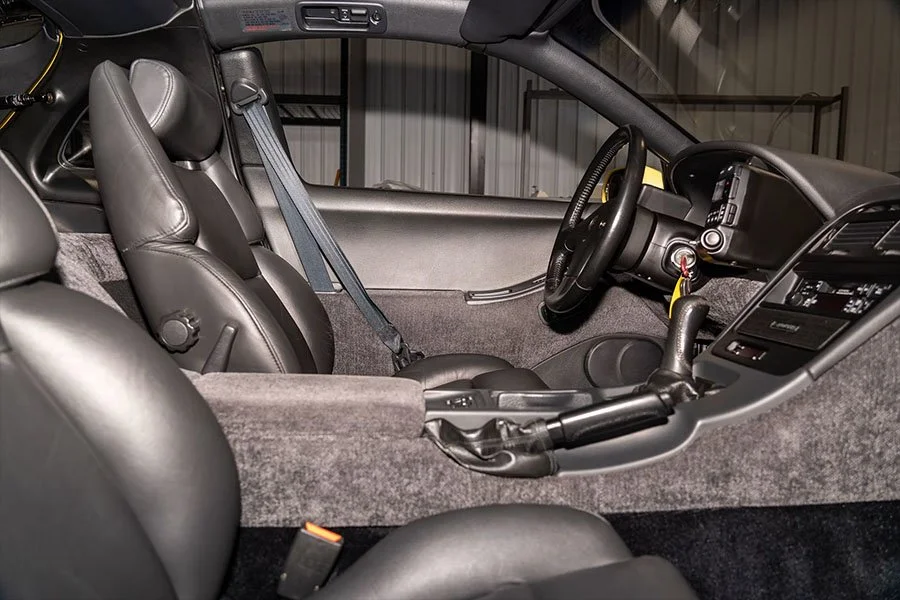
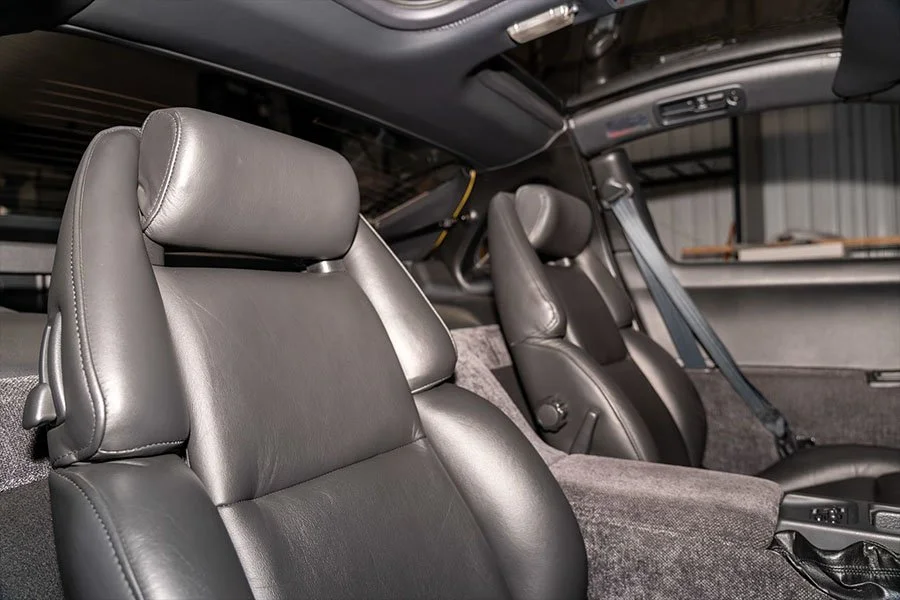
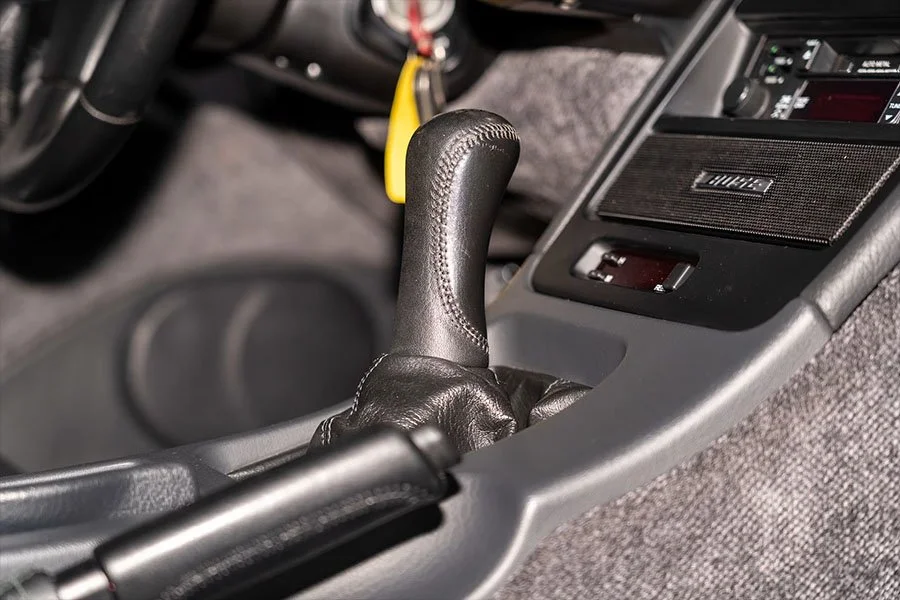
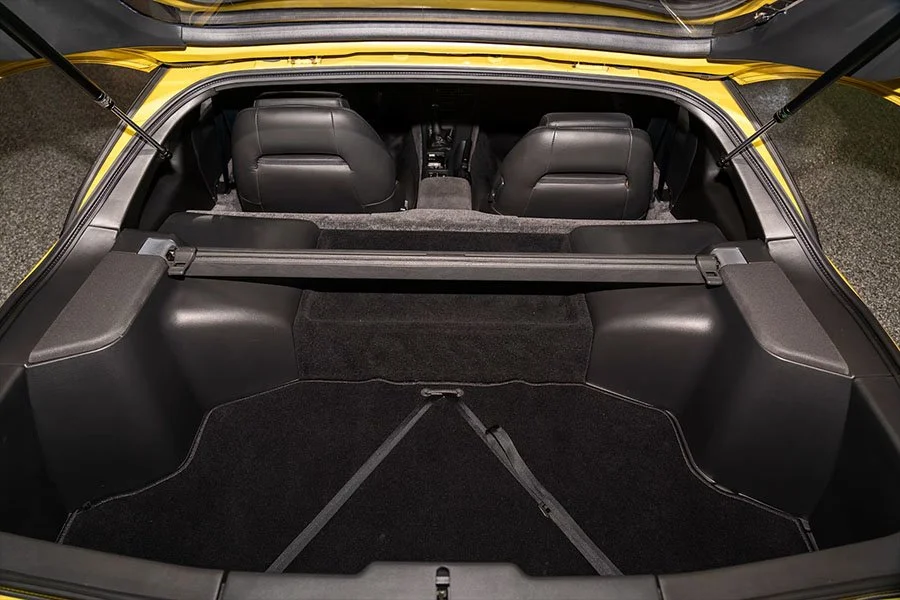
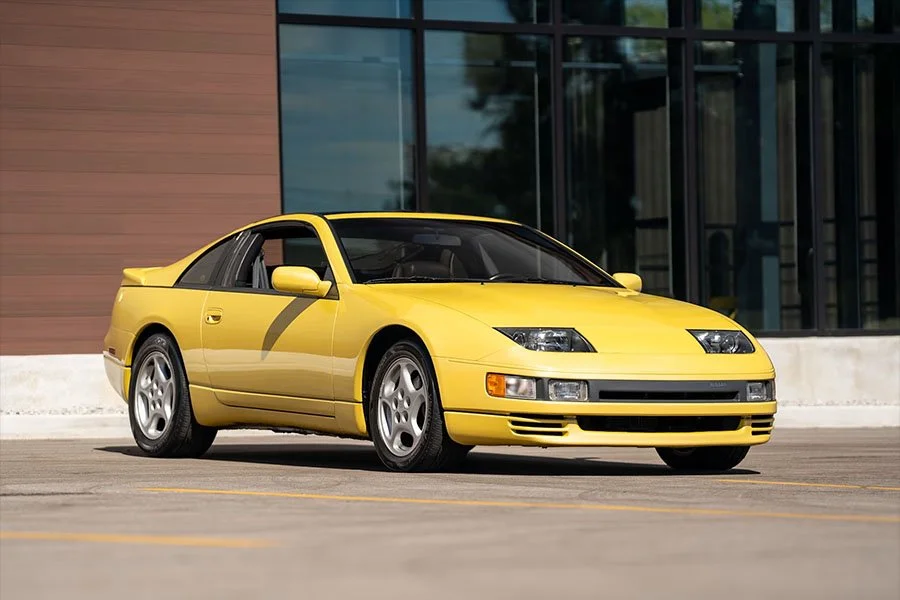
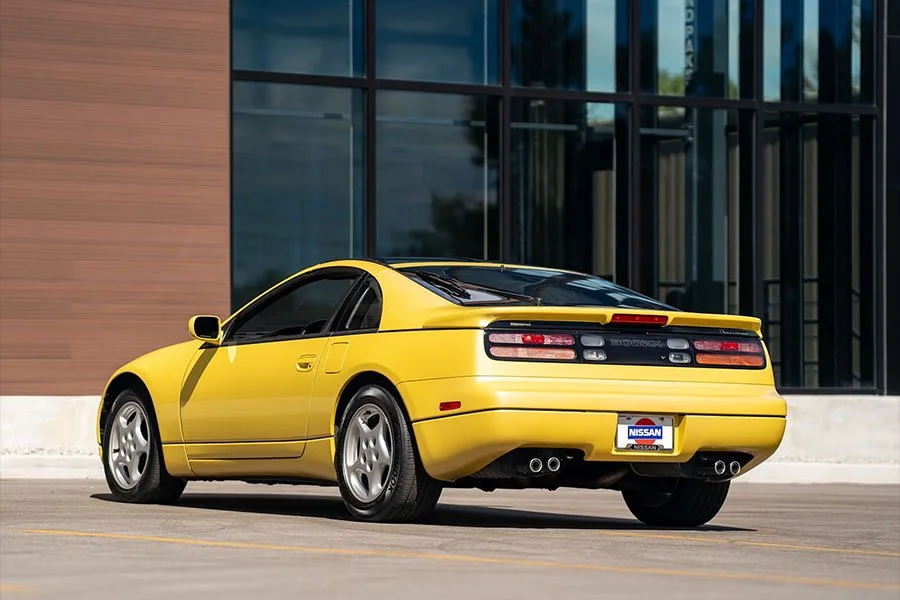
Configured in rarely seen Pearlglow Yellow (which was only offered during the 1990 and 1991 model years), chassis JN1CZ24A2LX004051 was also optioned with leather upholstery. We don’t know much about the car’s history, but as the photos suggest, it looks to be in superb original condition throughout as reflected by a remarkably low mileage of just under 17,000.
For more information visit the Mecum website at: https://www.mecum.com/
Although the R32 Skyline GT-R has come to be regarded as the seminal piece of Nissan hardware from the tail end of the 1980s and early 1990s, at the time it only had limited exposure outside of…
Although Nissan’s standard RB26DETT straight six offered formidable tuning potential as evidenced by the litany of circa 1000bhp GT-Rs that had been tweaked with aftermarket parts, when it came to…
Erik Comas first won the JGTC GT500 championship with an R33 GT-R and then again with the R34 GT-R in its debut year. Dino DC spends an afternoon with him and his R390 GT1 Le Mans race car turned street car!
After Toyota’s massive balls up with the 2000 GT which proved an expensive flop, Nissan showed the other Japanese manufacturers how to create a globally successful sports car with the Fairlady Z / 240Z.
Take a deep dive into one of the rarest Skylines's ever built, the 1995 Nissan GT-R LM Nismo, a true unicorn of the JDM world born from Nissan’s legendary racing heritage.
Because Nissan elected to follow a very different path with the R35 GT-R, making it an entirely new model that severed all links with the Skyline range, the prior R34 manufactured between 1999 and…
The NISMO 400R is one of the rarest, most valuable Skylines in existence. Just 44 examples of this R33 GT-R were built in the mid-1990s, although millions got the chance to drive one (virtually) thanks to its appearance in Gran Turismo on the Sony Playstation.
There’s a strong case that the R33 remains Nissan’s best looking Skyline GT-R. However, in some cases OEM examples can definitely look a little ‘under-wheeled’. As you would expect from a car…
With only 14 units known to have been completed in period, Nismo’s S-Tune is one of the most rarely seen factory sanctioned iterations of the legendary Nissan R34 Skyline GT-R. Conceived as…
Although the Toyota 2000 GT had broken new ground for a Japanese manufacturer, from a commercial it was an absolute flop with barely 350 units manufactured during a little over three…
Of the myriad aftermarket tuners that worked their magic on Nissan’s R34 Skyline GT-R, the creations that emerged from Tommykaira’s Kyoto HQ have come to be regarded among the most sought after.
After their disappointing run at Le Mans in 1997, TWR and Nissan pledged to return in 1998 with an uprated R390: more speed and improved reliability was the order of the day. The R390 programme…
The 1990s was an undeniably great time for automotive styling and here at Supercar Nostalgia we don’t think there are many better looking cars from this era than an R33 Skyline GT-R riding on a set…
If prices are anything to go buy, today’s market seems to most highly prize R34 iterations of the Skyline GT-R. However, here at Supercar Nostalgia we much prefer the more elegant R32 and R33…
If any of Nissan’s off-the-shelf R34-based Skyline GT-Rs fail to get a customer’s juices going, they can always turn to Nismo who continue to build an array of specially tuned creations from their…
Although the Nismo 400R was the ultimate R33-based Skyline GT-R that Nissan offered to the public, at the time there was insufficient demand to meet the projected sales target of 100 units…
With a state-of-art specification that none of its challengers could rival, Nissan’s R32 Skyline GT-R became one of the most successful Group A Touring Car of its era. It then repeated the trick in GT…
Between 1987 and 1989, Ford’s Sierra Cosworth and the BMW E30 M3 had proven themselves the quickest Group A Touring Cars around. However, when the Nissan R32 Skyline GT-R arrived on the…
Before its early-to-mid 90s crisis, the Prototype racing scene had been incredibly competitive with works teams from Mercedes-Benz, Jaguar, Porsche, Aston Martin, Peugeot, Nissan, Toyota and…
Thanks to a turbocharged engine that seemingly offered unlimited tuning potential, it was always going to take something special to topple Ford’s Sierra RS Cosworth from the top of the Group A…
Owing to the vast cost associated with small production runs of special bodied motor cars, coachbuilders have usually decided to focus on super high end products from the most prestigious…
In September 1972 Nissan began production of a fourth generation Skyline: the C110. From a styling perspective, this latest Skyline appeared more Americanised than its predecessor while three body…
Among the pantheon of great Japanese motor cars from the 20th century, the NISMO-developed 400R based on Nissan’s R33 Skyline GT-R is one of the most highly regarded. Conceived as the…
Having established an enviable reputation on the special stages that culminated in seven outright Safari Rally wins between 1970 and ‘82, Nissan decided to embark on a Group B programme for 1983.
With its immensely tuneable twin turbocharged inline six cylinder engine and a four-wheel drive chassis riddled with state-of-art technology, Nissan’s R32 Skyline GT-R blew the competition into the…
Manufactured between 1999 and 2002, the R34 was the third and (for many) best incarnation of the modern era GT-R that Nissan revisited after a 16 year gap in 1989. Based around a slightly smaller…
For the 1971 racing season, the FIA revised their existing competition class framework. In terms of production-based machinery of the type available in new car showrooms, manufacturers could…
At the Tokyo Motor Show in October 1970, Nissan replaced the original four-door Skyline GT-R with a handsome new two-door Coupe: the KPGC-10. In addition to its sportier appearance, the KPGC-10…
Having established an enviable reputation on the special stages that culminated in seven outright Safari Rally wins beginning in 1970, Nissan decided to embark on a Group B programme for 1983.
In December 1969, Nissan presented the third iteration of their Japanese Domestic Market Fairlady Z. Although it looked broadly similar to the existing S30S (Fairlady Z) and the slightly better equipped…