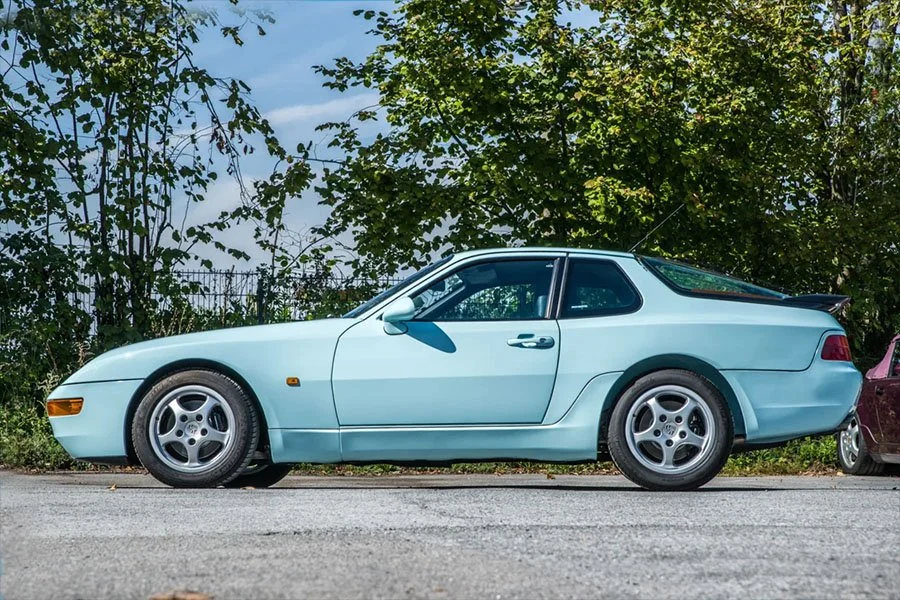
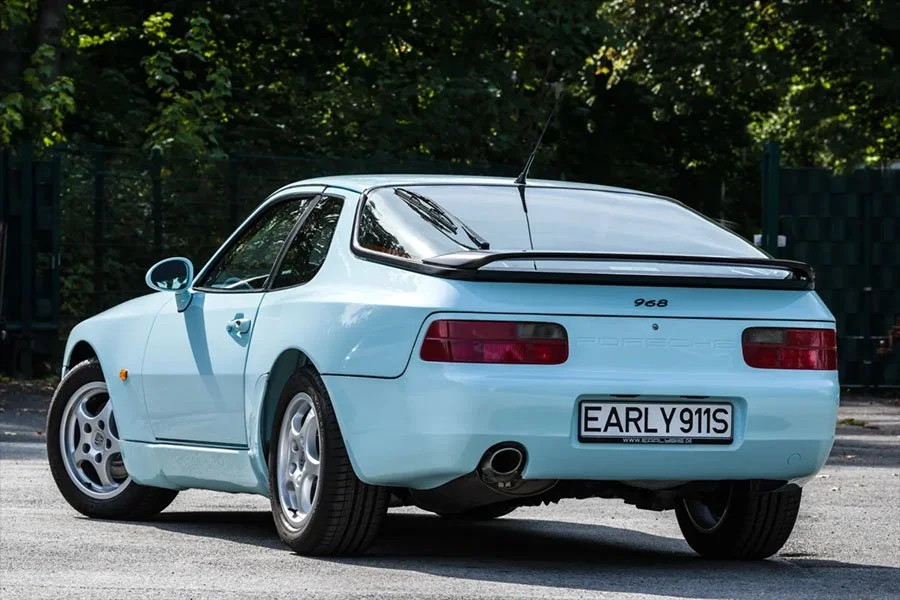
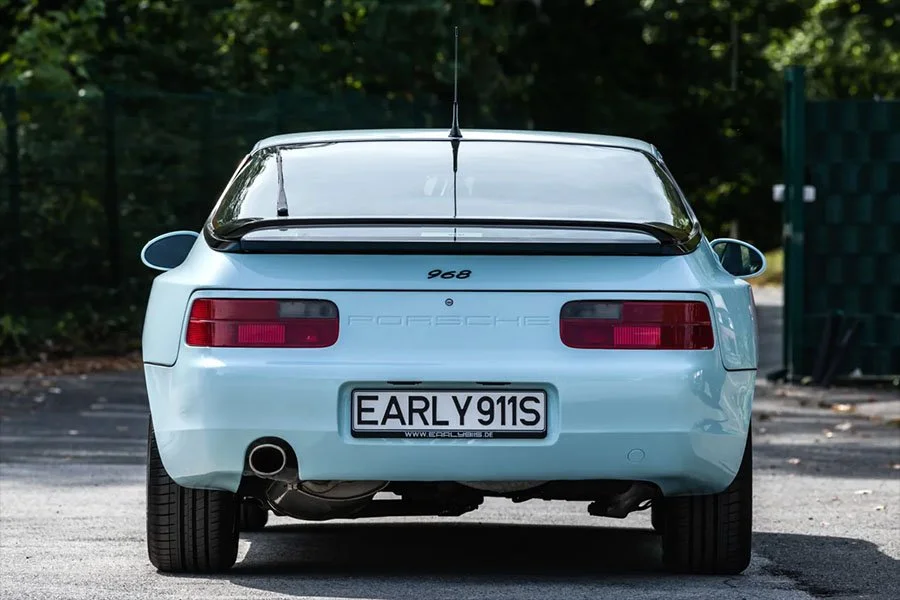
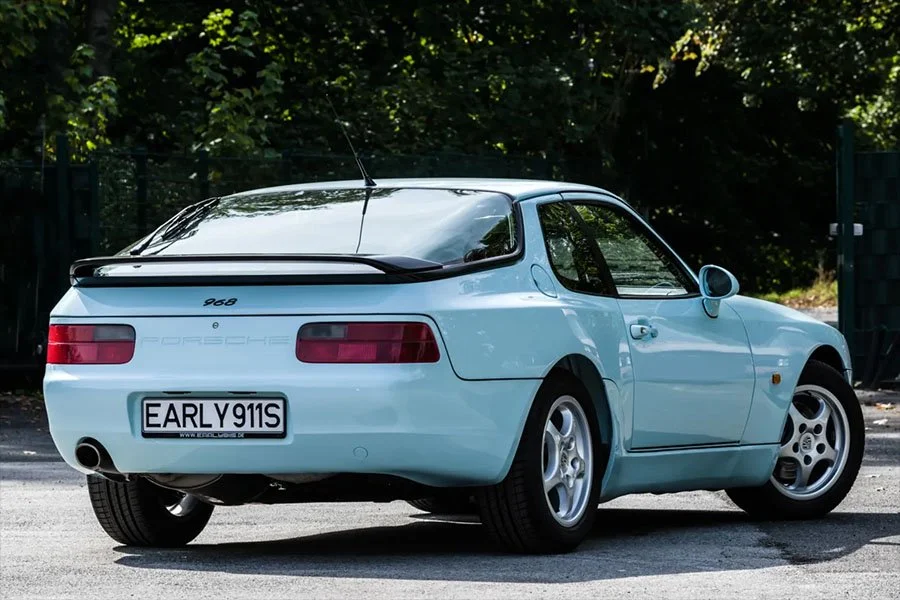
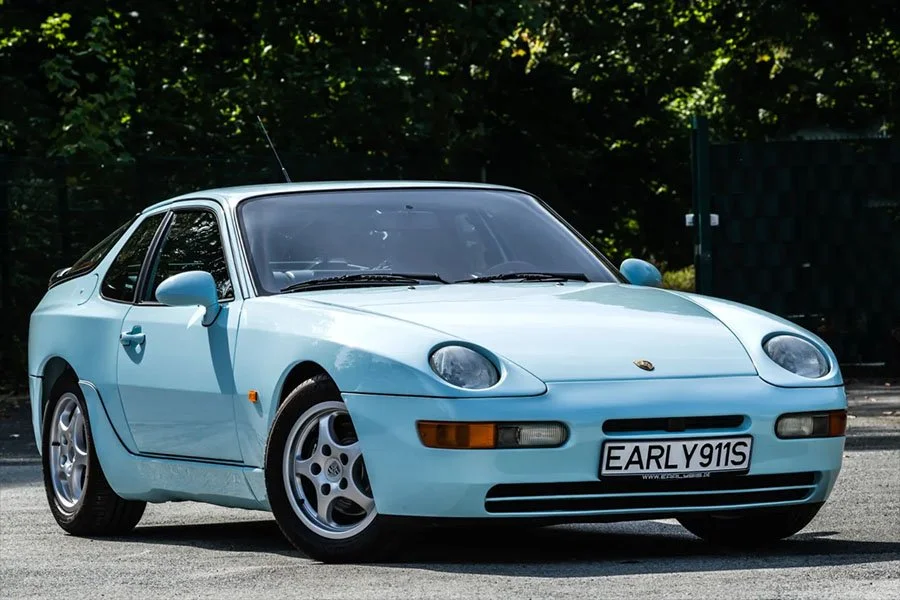
One to Buy: Coppa Florio Blue 5000km 1993 Porsche 968
/ Ben Tyer
Owing to a global economic downturn, the early 1990s was a tough time to be in the prestige auto making business.
A few years prior Porsche sales had been booming, but by 1993 orders had collapsed to the extent that the firm briefly teetered on the edge of bankruptcy. With a product line that dated back to the 1970s and inefficient production techniques, the outlook seemed dire.
The model that perhaps best exemplified Porsche’s struggle during this period was the 968.
Launched in August 1991 as a face-lifted and mildly updated replacement for the 944, commercially the 968 absolutely bombed with a little under 13,000 produced during a five year production run. This was less than a third of what Porsche had been expecting.
Originally, the overwhelming majority of 968 Coupes were ordered in mainstream liveries and pressed into daily driver duties, quickly racking up a substantial mileage. The result is that, today, only a tiny number exist that offer the right combination of mileage, condition and specification to interest serious collectors.
However, one such 968 Coupe is currently on offer at the Early 911S showroom in Wuppertal, Germany.
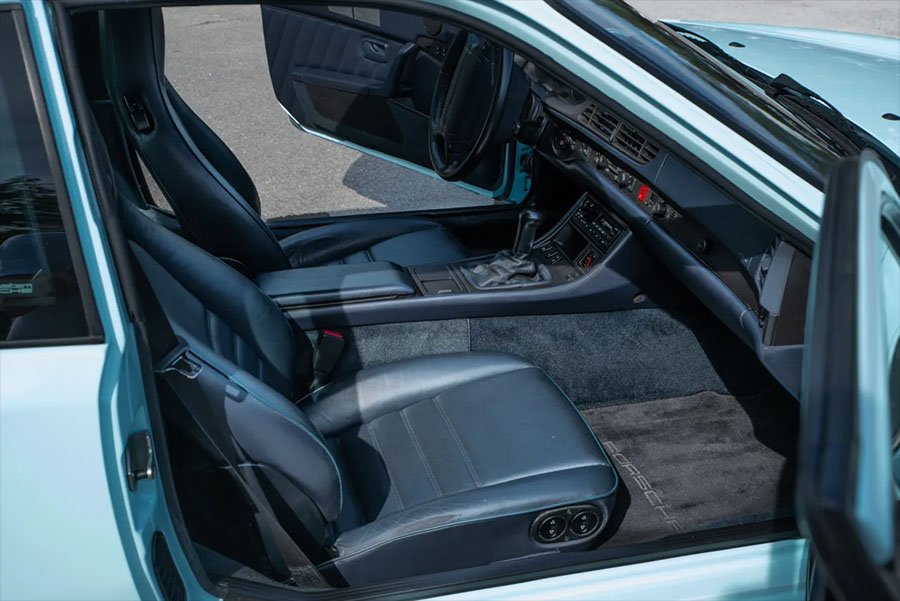
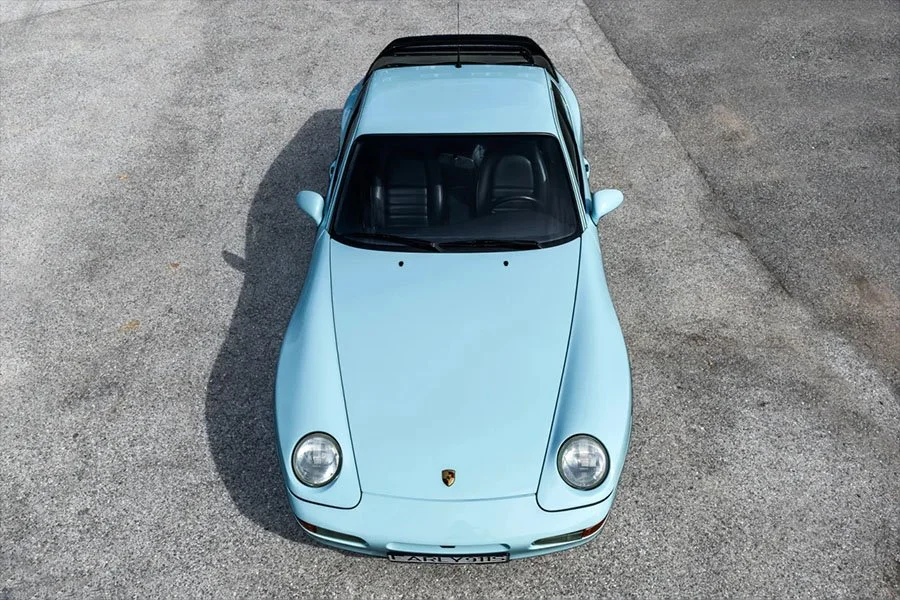
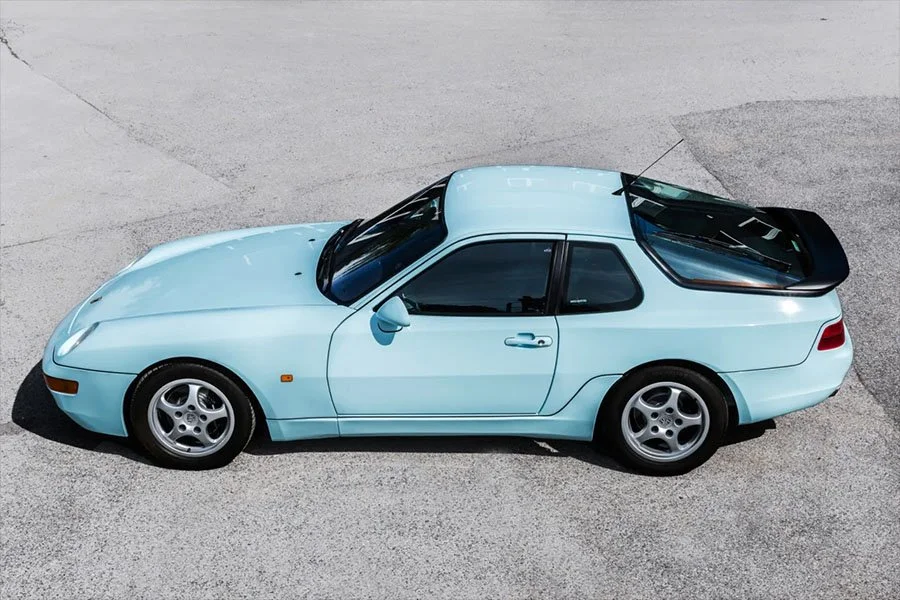
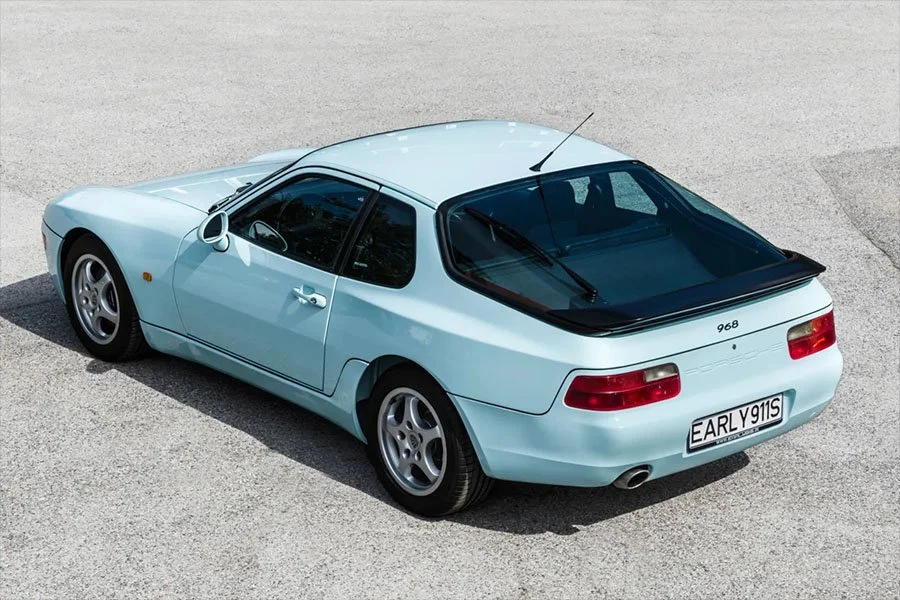
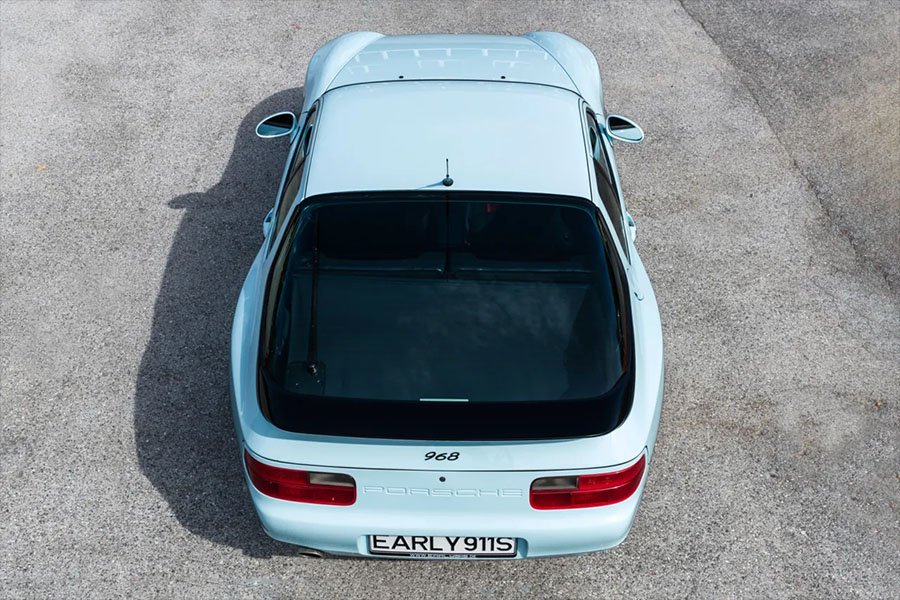
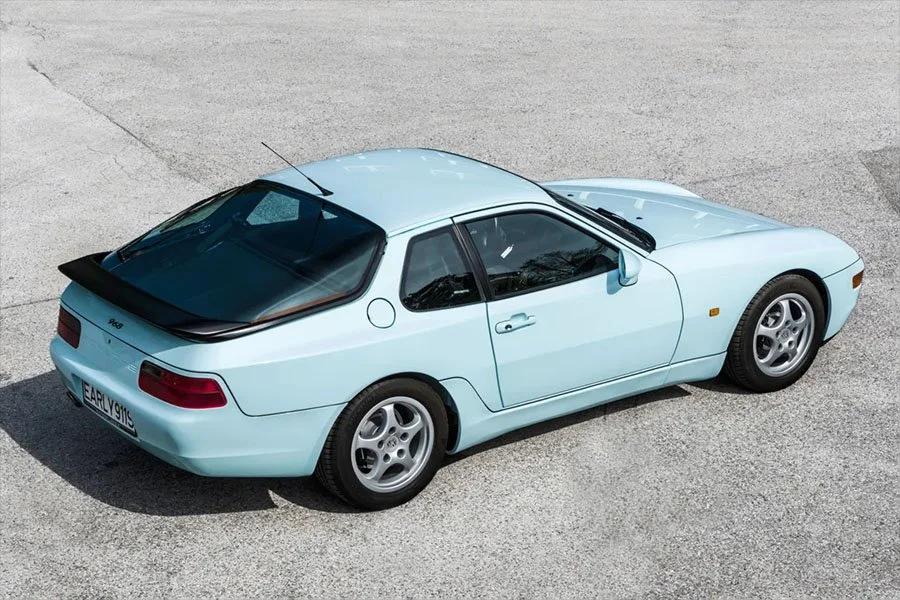
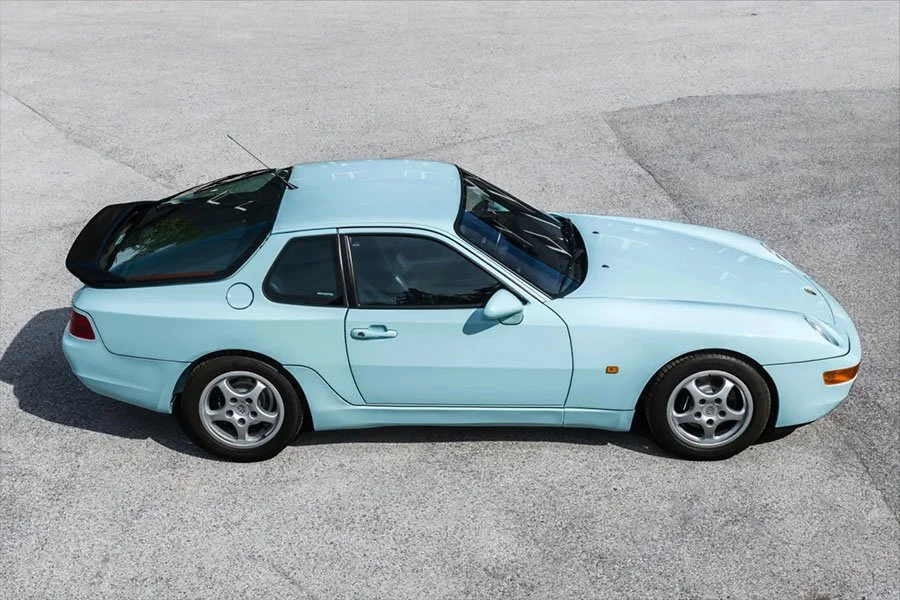
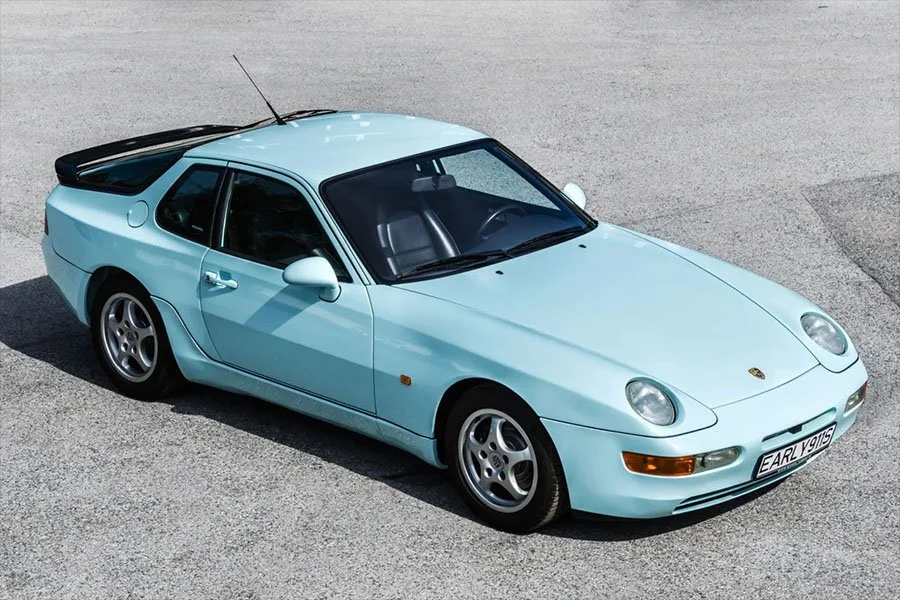
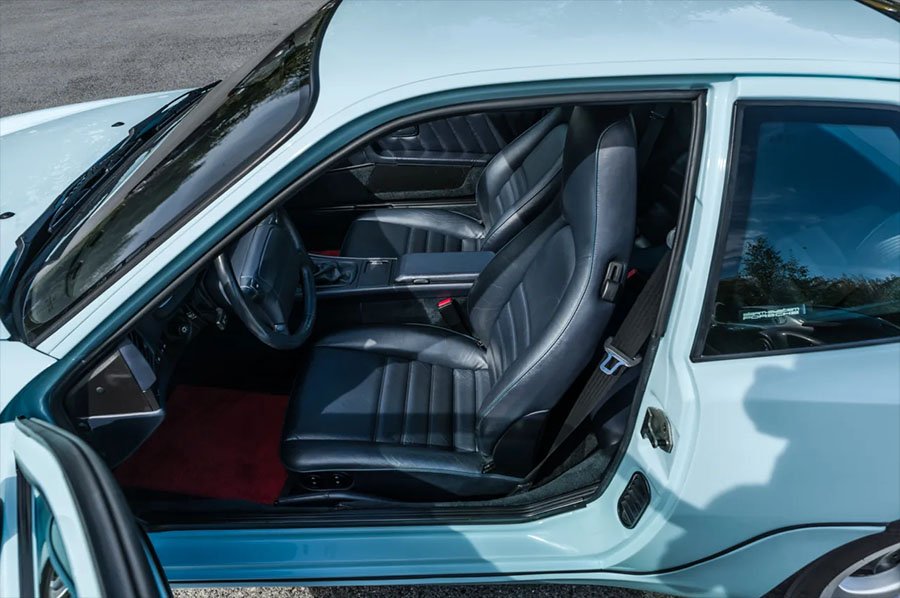
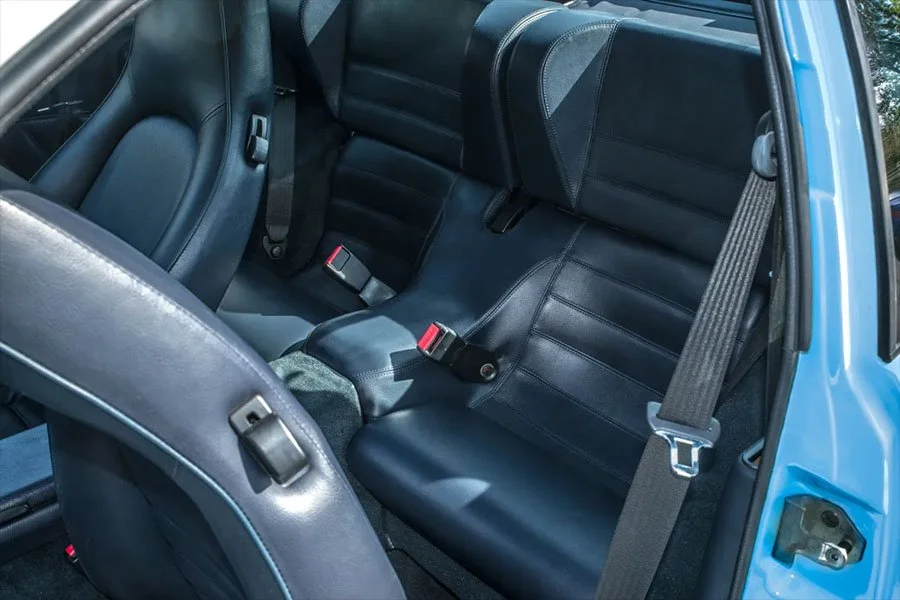
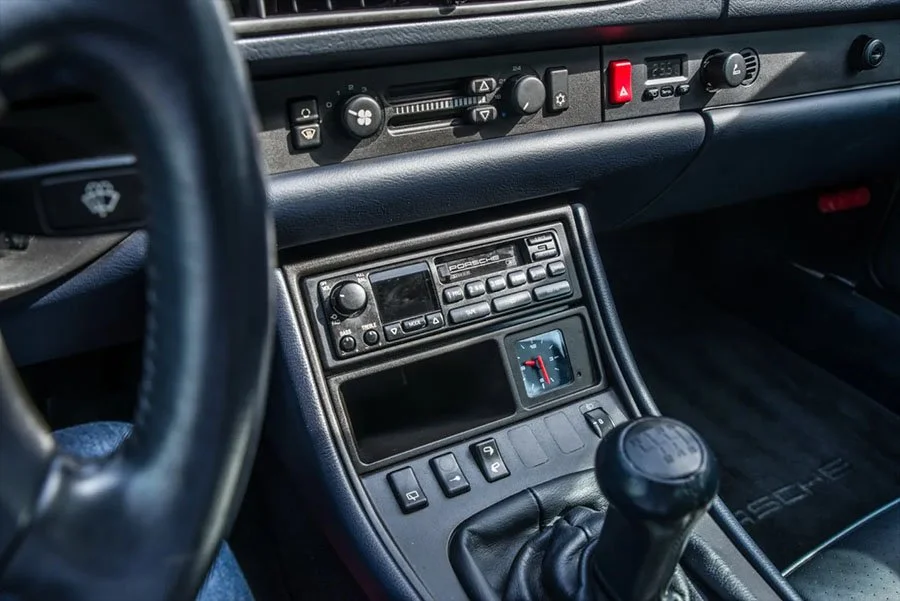
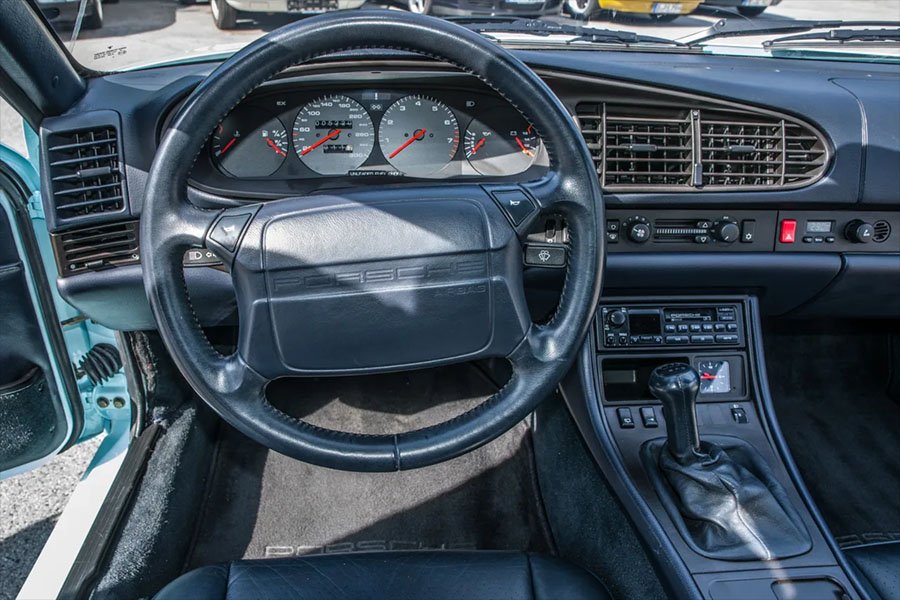
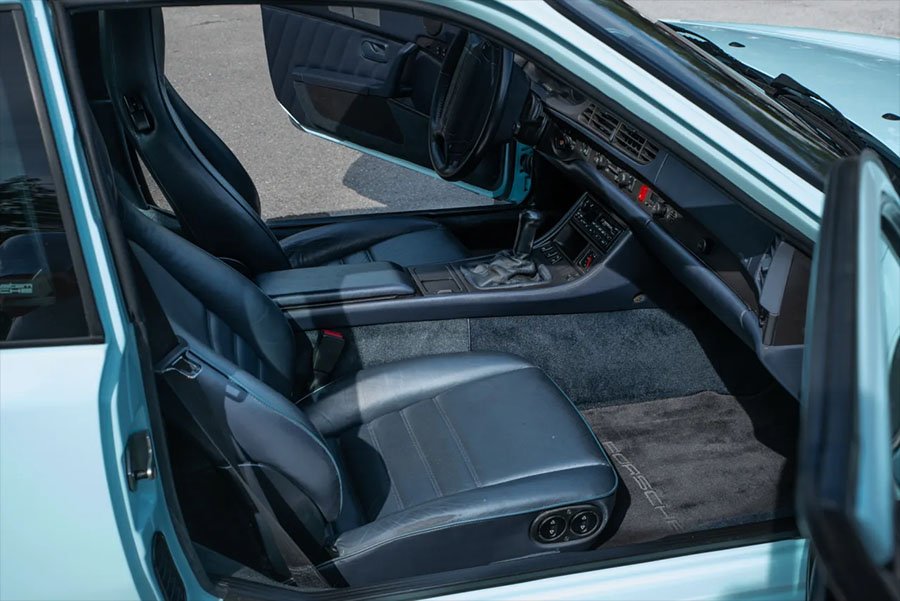
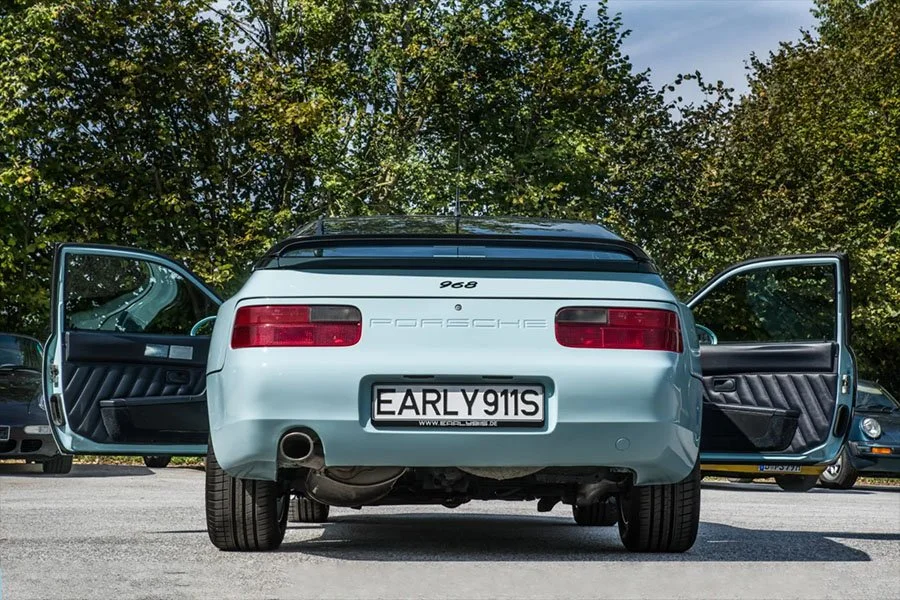
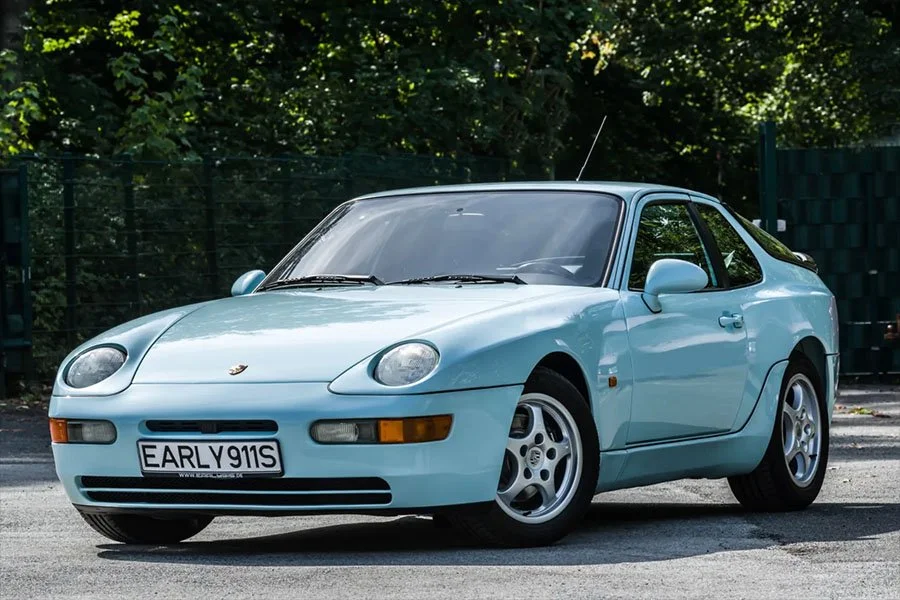
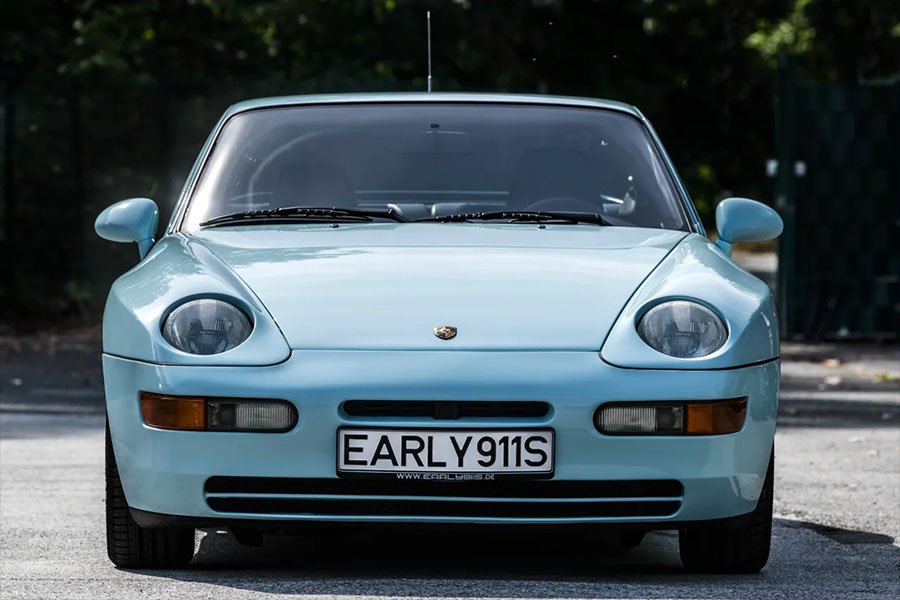
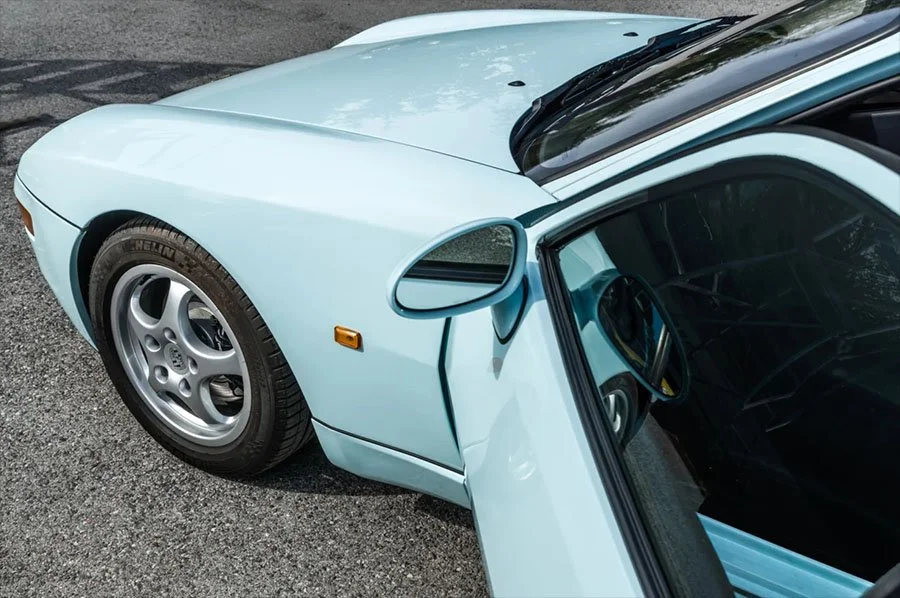
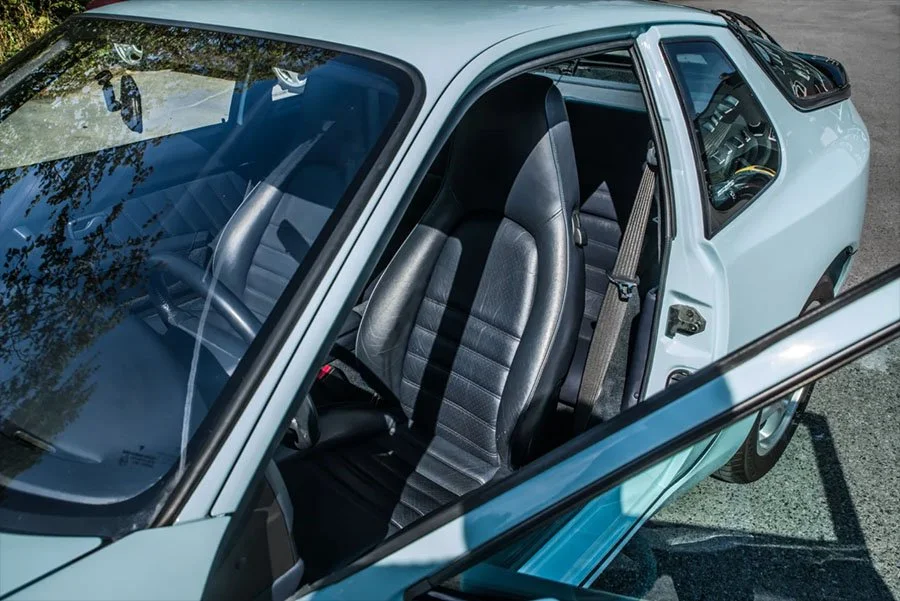
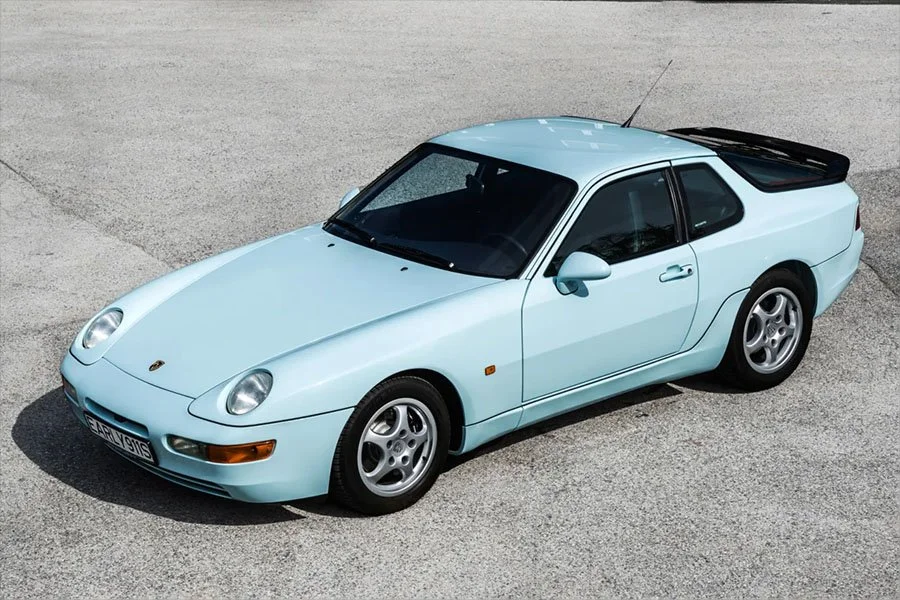
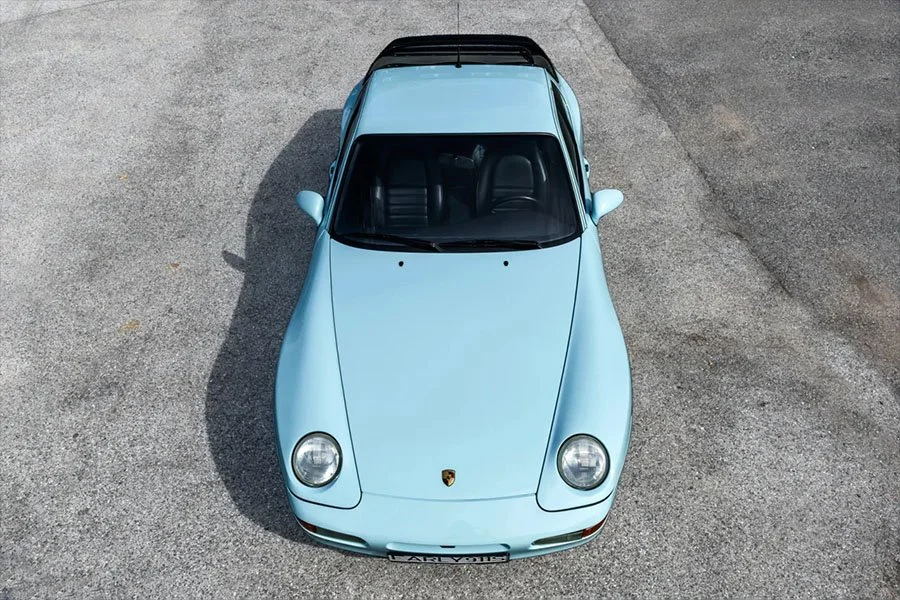
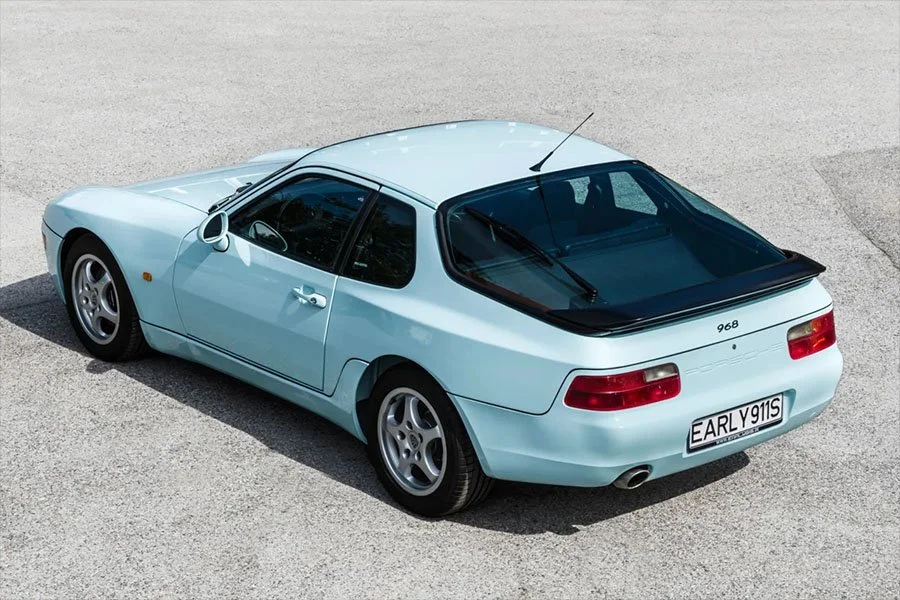
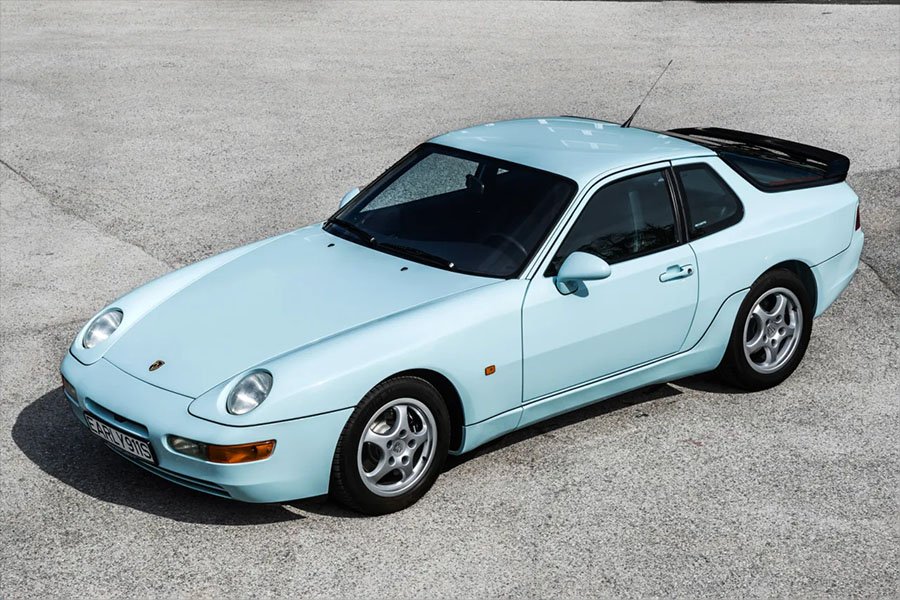
A 1993 model year Rest of World example originally delivered to Japan, chassis WP0ZZZ96ZPS800247 was ordered in Paint to Sample Coppa Florio Blue with Marine Blue leather upholstery and matching carpet. This almost certainly one-off specification was further enhanced with the optional air-conditioning upgrade and a passenger airbag.
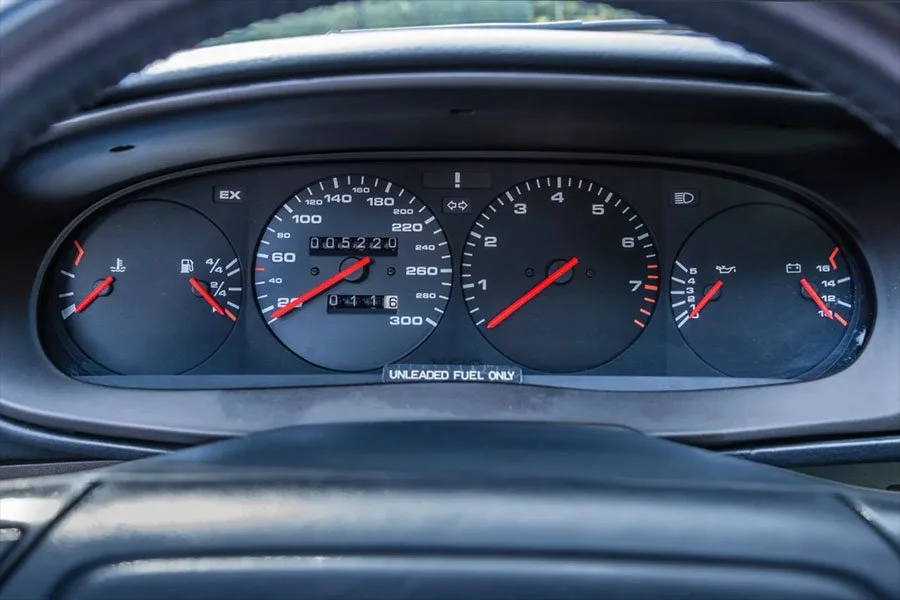
Remarkably, having resided in the care of two Japanese custodians prior to its return home, the six-speed manual non-sunroof car has covered just 5200km from new making it an unrepeatable opportunity.
For more information visit the Early 911S website at: https://www.early911s.de/en/
In addition to an in-house 935-inspired K1 and Vaillant-liveried 934 on the books for 1976, the Cologne-based Kremer brothers prepared a 934 financed by German privateer, Gerhard Holup.
Five years after he had joimed Porsche (back when the company was based in the Austrian town of Gmund and the 356/1 prototype was still on the drawing board), engineer Ernst Fuhrmann was given…
When it comes to most extreme iterations of the 911, three candidates stand out. One is the 1974 Carrera RSR Turbo, another the 935 it spawned which, from 1976, was built in various states of tune.
During the peak of its popularity in the mid 1980s, the 944 Turbo was selling in almost as many numbers as the 911 Carrera - well over 10,000 a year. However, by the early 1990s, the 944 was…
During 1973, the Martini-backed Porsche works team ran 911 Carrera RSRs that became ever more extreme as they were developed away from production-based Group 4 trim towards out-and-out…
Porsche’s 911 Turbo, internal code 930, paved the way for two forced induction racing cars that debuted in 1976: the Group 4 934 and Group 5 935. In Group 4, only relatively light modifications…
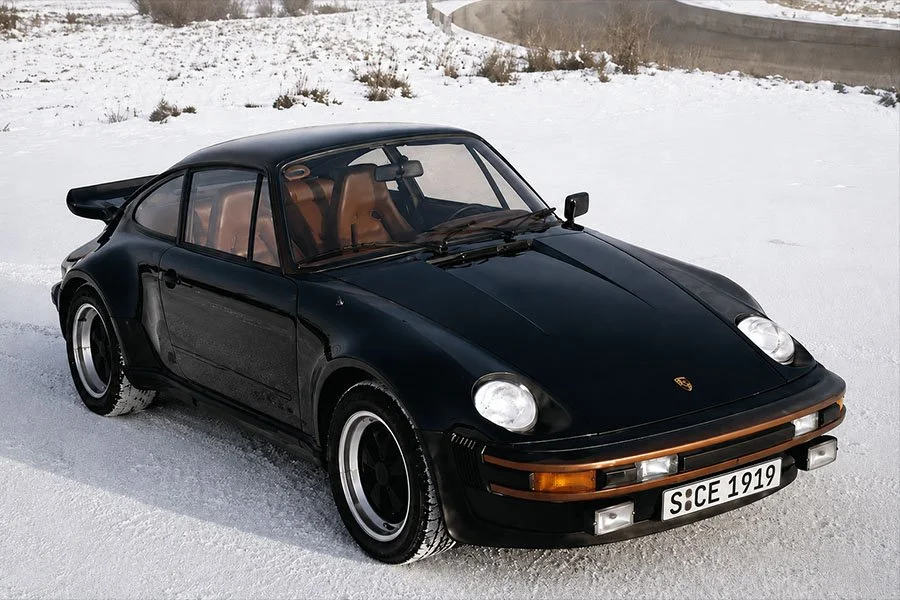
Chassis 9305700022 was the last of Porsche’s pre-production 911 Turbos. Originally configured in Black with Brown upholstery and Sports seats, the car was registered S-CE 1919 and served as a…
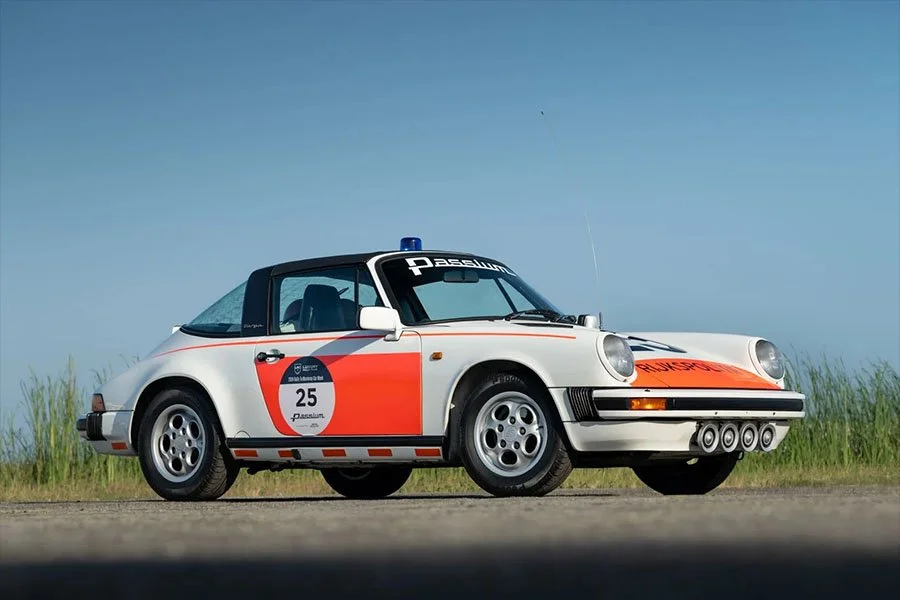
Between the 1950s and 1990s, members of the Korps Rijkspolitie, the Dutch National Police responsible for the nation's highways, were issued a variety of open top Porsche patrol cars; 356…
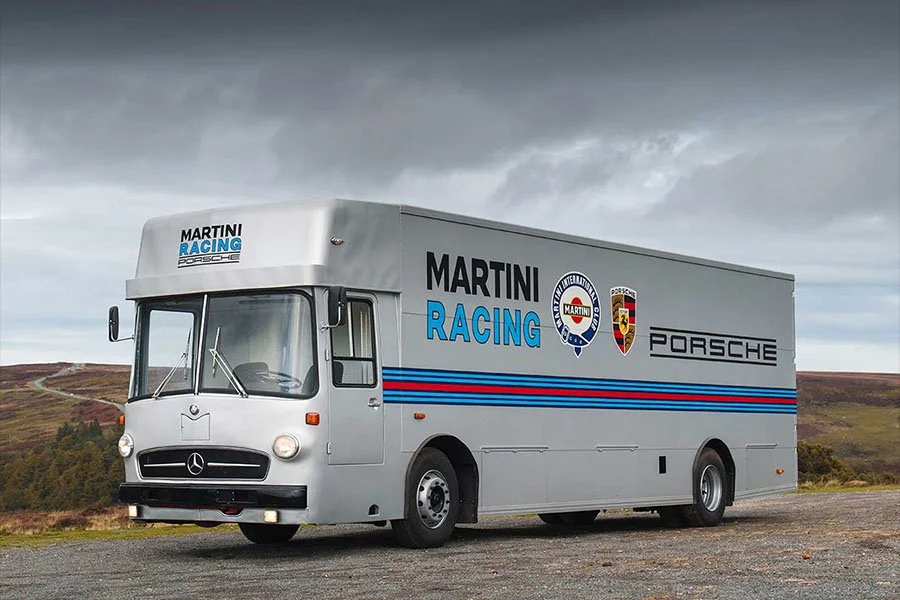
Between 1967 and 1969, Porsche commissioned three transporters from Mercedes-Benz based on the O317 platform. During the years that followed, this handsome trio traversed Europe, initially…
Porsche most famously came a cropper with regard to trademark law when, in late 1964, the German firm was forced to re-brand its 901 as the 911 because Peugeot had already registered three digit…
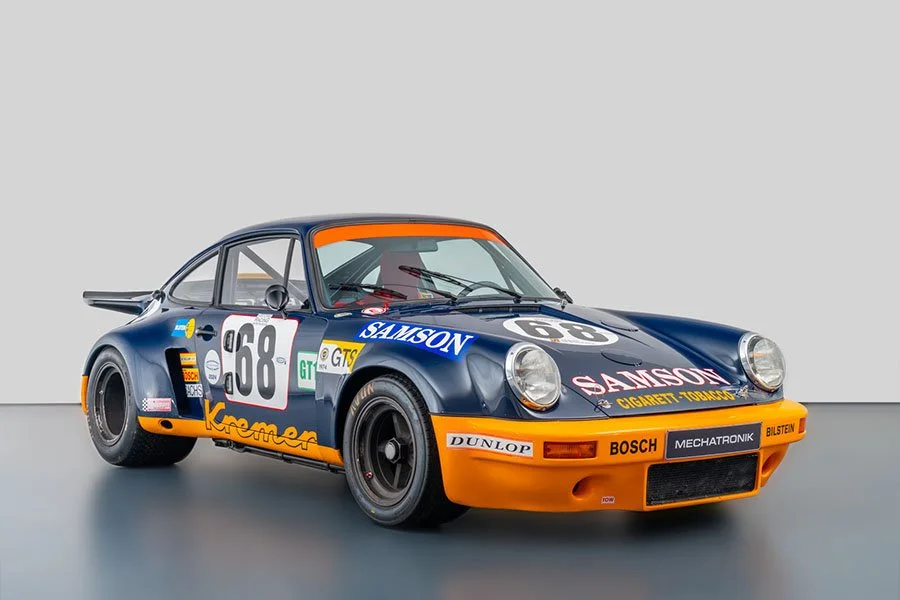
Kremer Racing’s 1974 campaign focused primarily on two of the latest specification 911 RSRs which the Cologne outfit built up from naked Porsche-supplied bodyshells. Together, chassis 004…
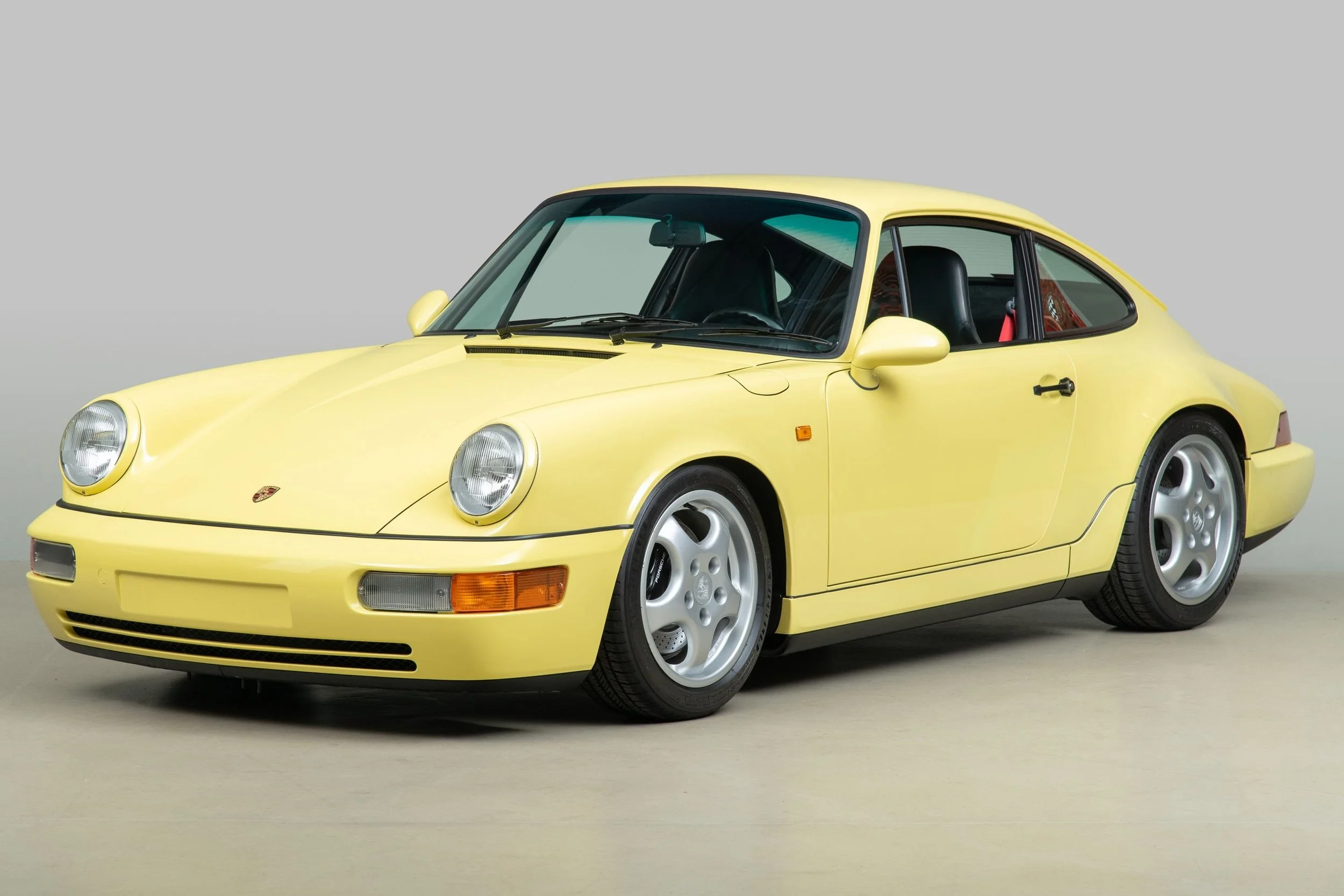
Although Porsche produced a batch of 20 Group B 911 SCs that wore the Renn Sport moniker in 1984, the 964-based RS launched in early 1991 marked a return to the street for this iconic sobriquet after…
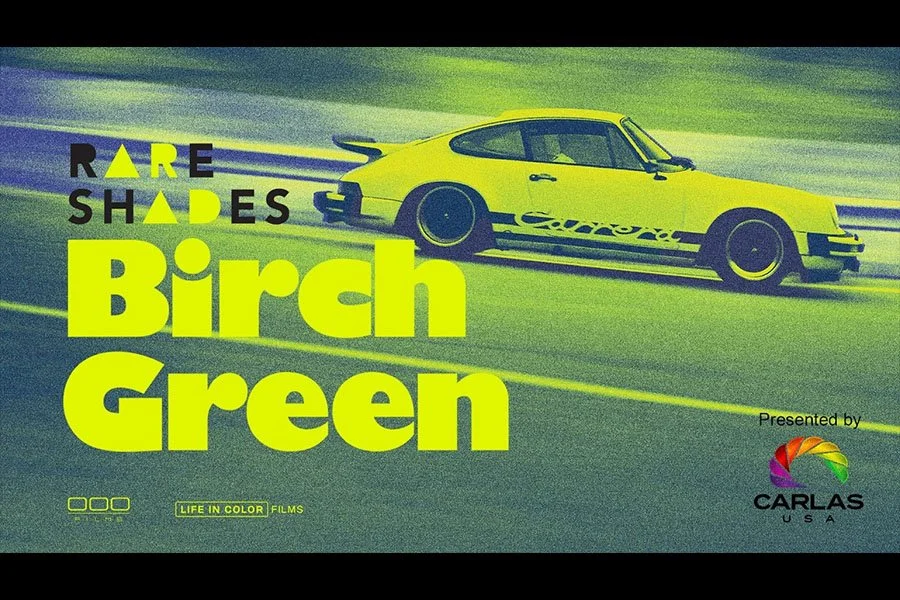
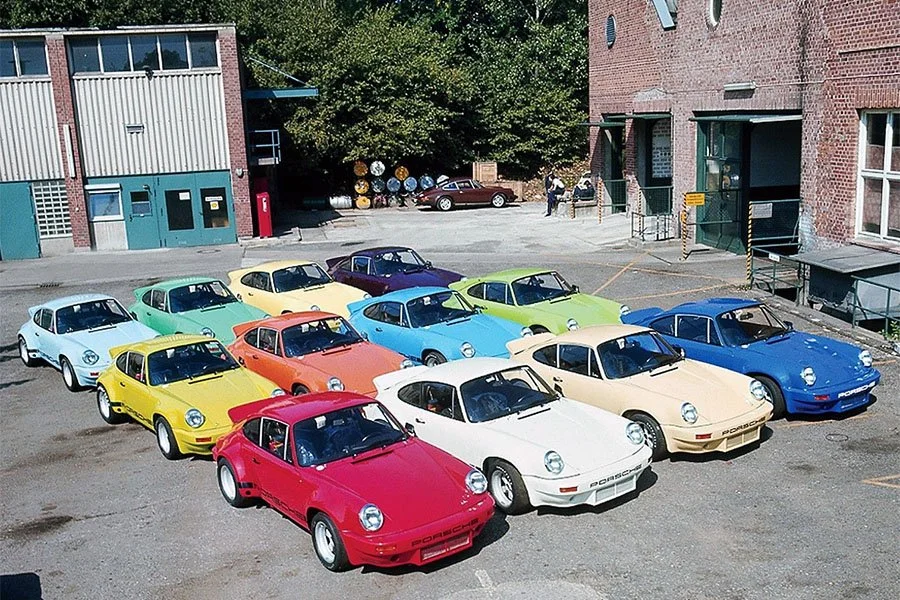
The 1970s were an era of bold expression: fashion, furniture, music, design, and, in this case, car colors. Birch Green, an almost fluorescent hue, was developed more than 50 years ago, specifically for the 911 RSR.
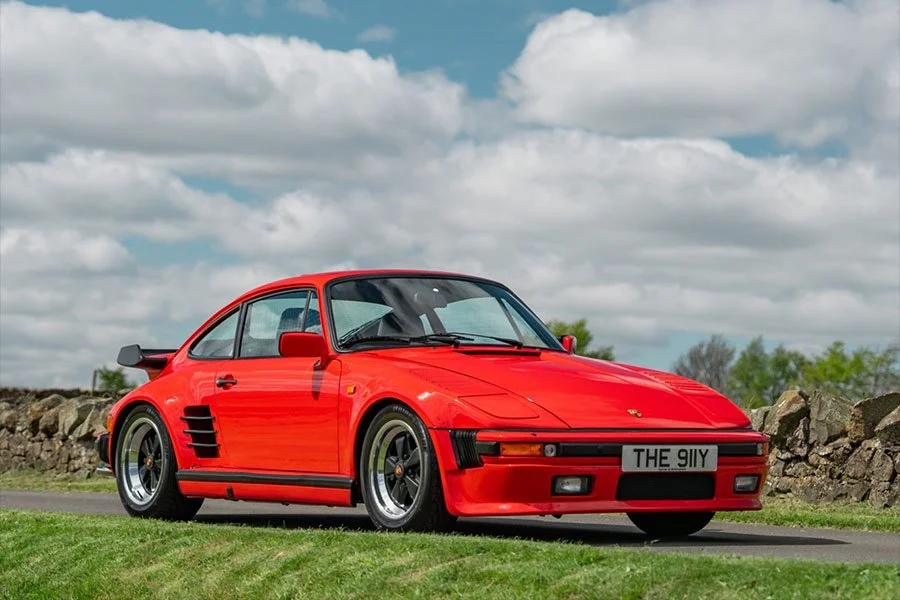
Two of the most famous Flachbau 930s were commissioned by key members from the McLaren F1 team that ran Porsche’s TAG-branded engines with such great success between mid 1983 and 1987.
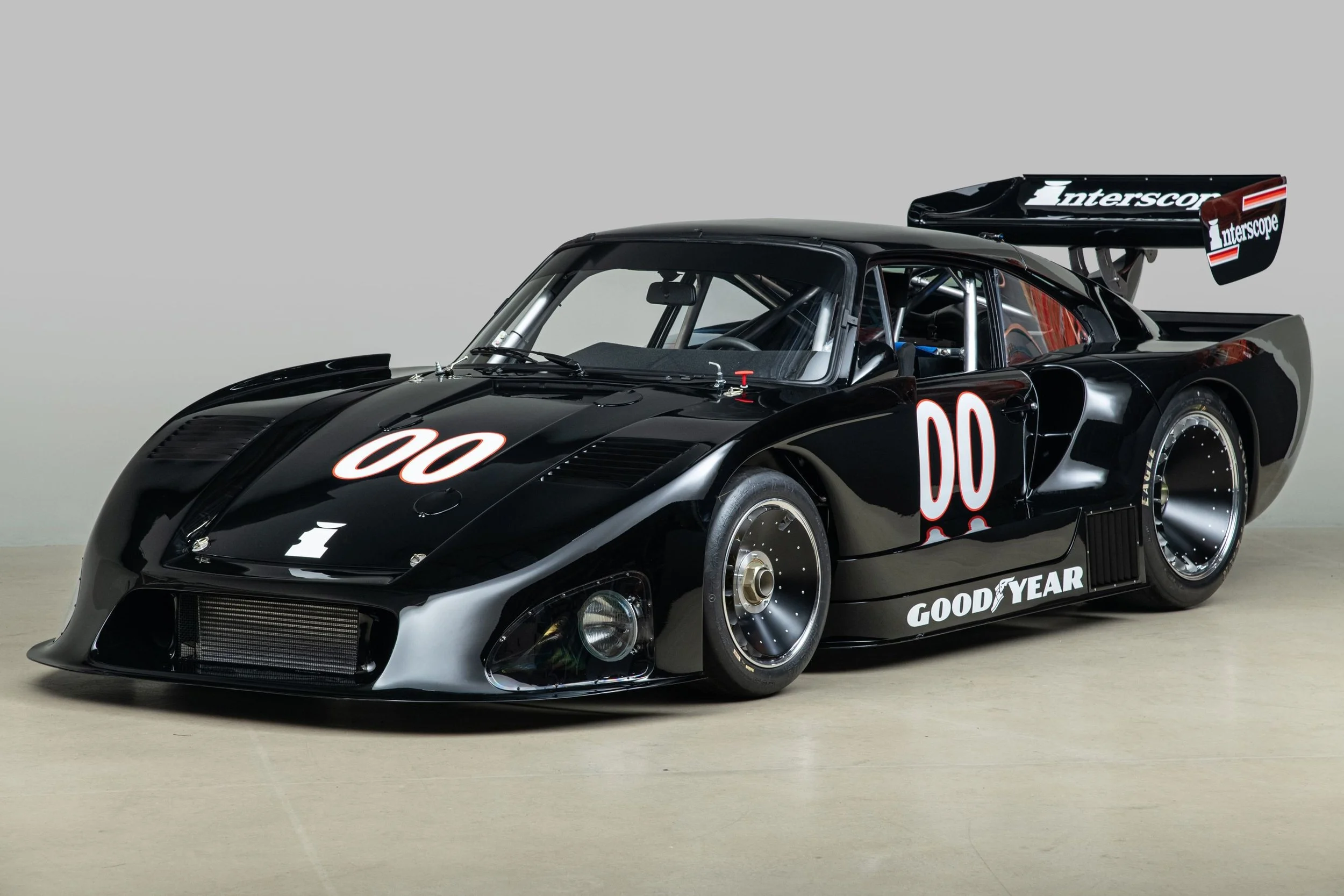
After the 935/78 ‘Moby Dick’-inspired K3 that, in 1979, became the first production-based car to win at Le Mans during the post World War 2 era, Kremer created the even more radical K4 of which just…
Five months after the production-ready 911 Turbo (930) was unveiled at the 1974 Frankfurt Motor Show, Porsche displayed their new range-topping model at the ‘75 Geneva Salon which was widely…
During the 1973 season, renowned American industrialist and race team owner, Roger Penske, began to develop plans for a one make series that would pitch the world’s top Formula 1, NASCAR and…
Somewhat surprisingly given the red hot nature of the late 1980s collector car market, Porsche only built 29 copies of the formidable 959 Sport between 1987 and ‘89. Conceived to take the 959…
Having reserved the 956 strictly for works use during the model’s maiden season (1982), Porsche began to offer customer copies for 1983. The following year, a further updated iteration was supplied…
At the 1979 Le Mans 24 Hours, victory went to a production-based car as opposed to a purpose-built prototype for the first time in the post World War 2 era. That vehicle was a works Kremer K3 derived…
Chassis 9306700159 was one of two 934s supplied to Cologne-based property magnate and team owner, Georg Loos. Since starting to race seriously in 1968, Loos had campaigned an array of…
As Porsche had refused to sell customer copies of the brand new 935 for the 1976 season, the renowned Kremer Racing outfit in Cologne assembled their own 935-style Group 5 car using a…
Porsche’s thinking behind the 911 Carrera RS which it launched in late 1972 was to pave the way for the most extreme Group 4 competition car possible (the Carrera RSR). Having largely focused its…
As expected, the 996-based 911 GT3R spawned by its road-going counterpart launched at the Geneva Motor Show in 1999 proved a best in class mount despite arguably the most competitive…
Aside from the super hardcore 911 GT homologation special, the most potent off-the-shelf iteration of Porsche’s 993 manufactured between 1993 and 1998 was the rarely seen Turbo S. Introduced for…
When Porsche introduced the light weight and high performance 911 2.7 Carrera RS in late 1972, they expected demand would just about prove sufficient to sell the 500 copies required for homologation…
For the inaugural International Race of Champions which took place at Riverside and Daytona over the winter of 1973-1974, Roger Penske ordered a batch of identical 911 Carrera RSRs. Uniquely…
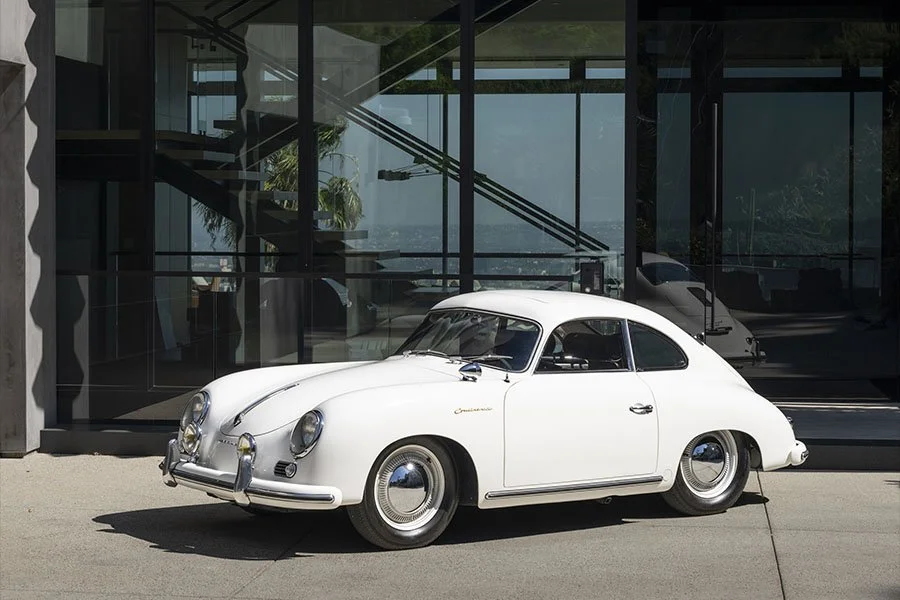
Prior to the arrival of Ernst Fuhrmann’s exceedingly complex four cam Carrera motor which was offered in the 356 from late 1955, the ultimate engine for Porsche’s little flyer was the 1500cc pushrod…
To celebrate the remarkable feat of having produced 250,000 911s over a 25 year period, Porsche created a limited edition Commemorative model during the 1988 model year. Configured to the…
Prior to the arrival of Porsche’s own purpose-built Sports racing car in 1953 (the 550), a small number of well-connected privateers created their own interpretation of such a vehicle. Among…