From Sonderwunsch to Exclusiv - a Historical & Technical Appraisal of the Porsche 911 3.3 Turbo Flachbau Series 2 (930)
/
BACKGROUND
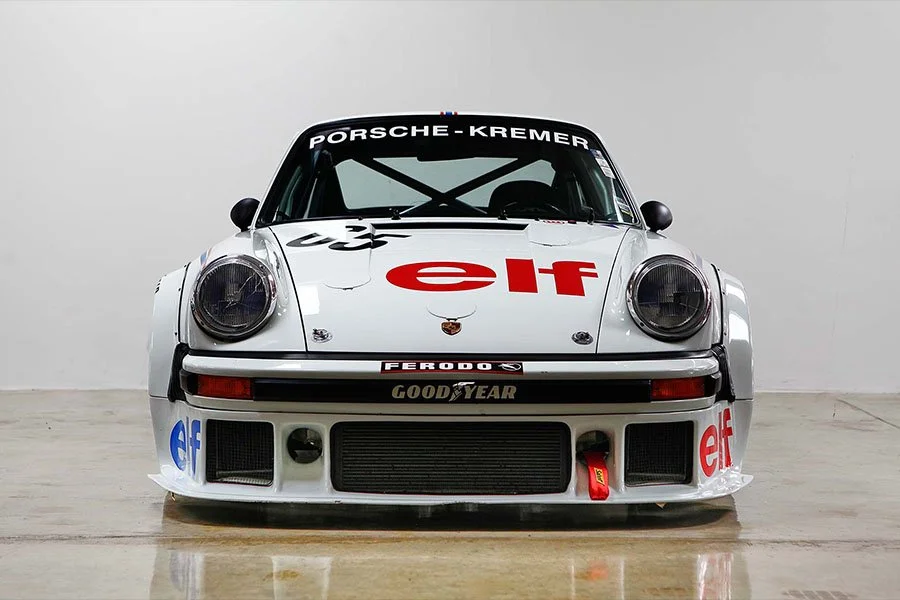
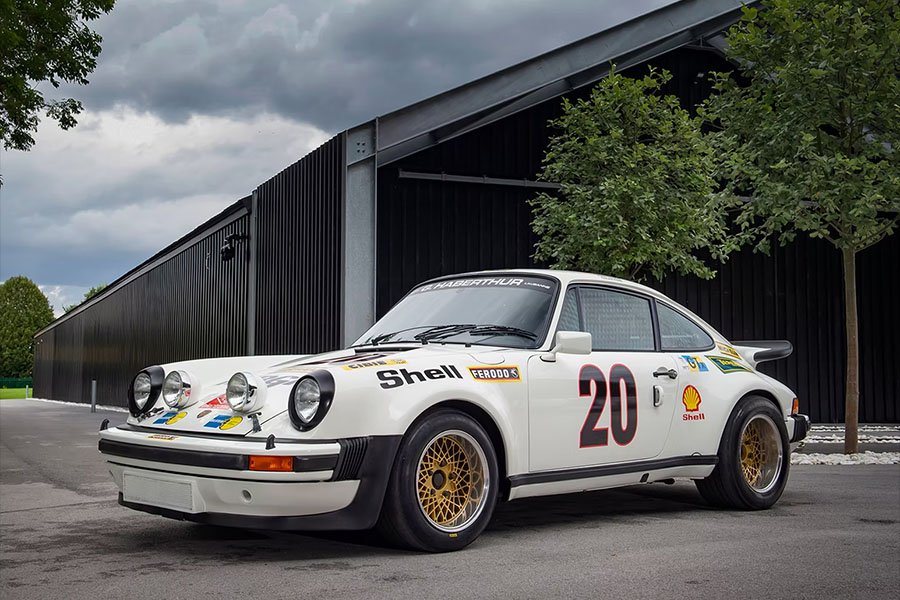
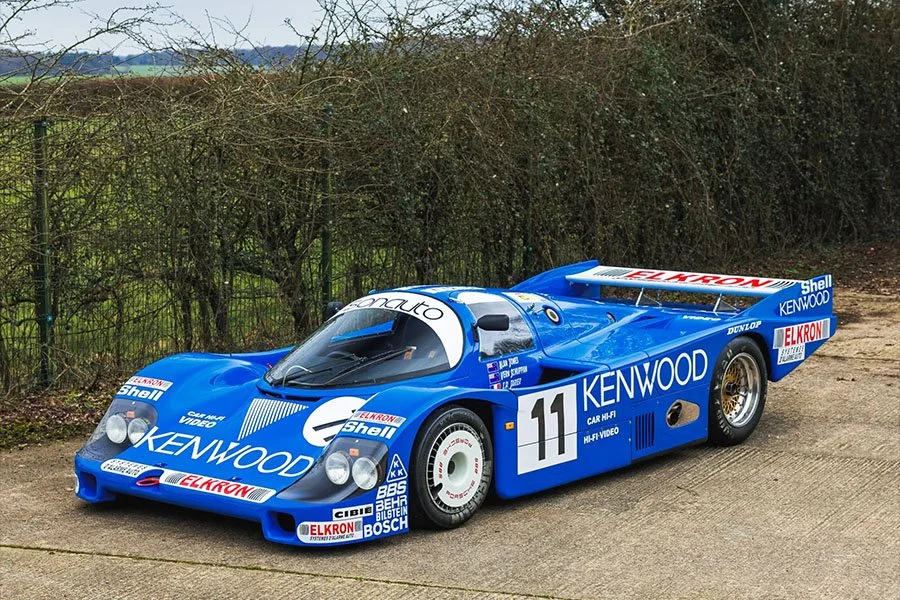
Porsche’s 911 Turbo, internal code 930, paved the way for two forced induction racing cars that debuted in 1976: the Group 4 934 and Group 5 935.
In Group 4, only relatively light modifications were permitted and Porsche elected to leave this category to its customers.
By contrast, in Group 5, a manufacturer could make radical changes to practically every aspect of the design, so long as the original car’s silhouette between the bulkheads was retained.
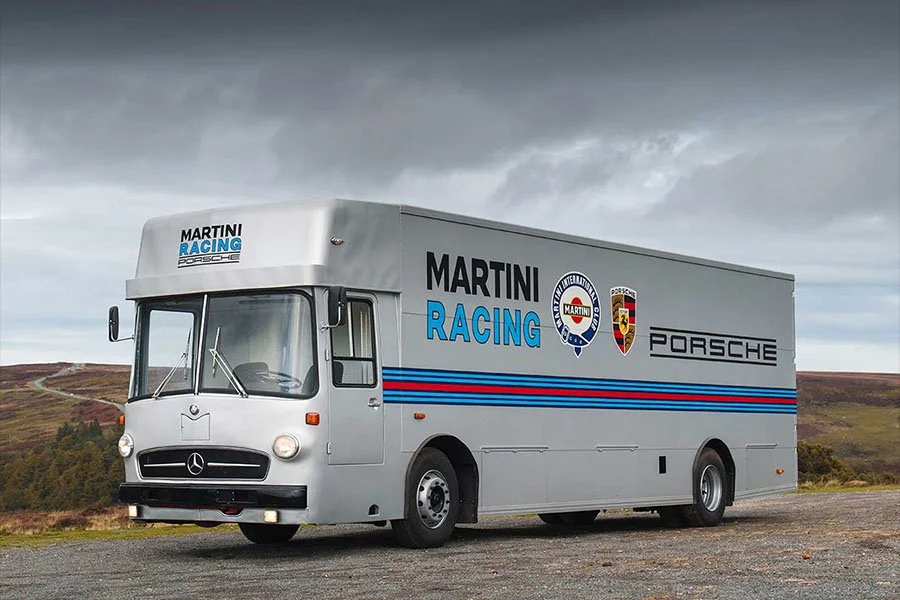
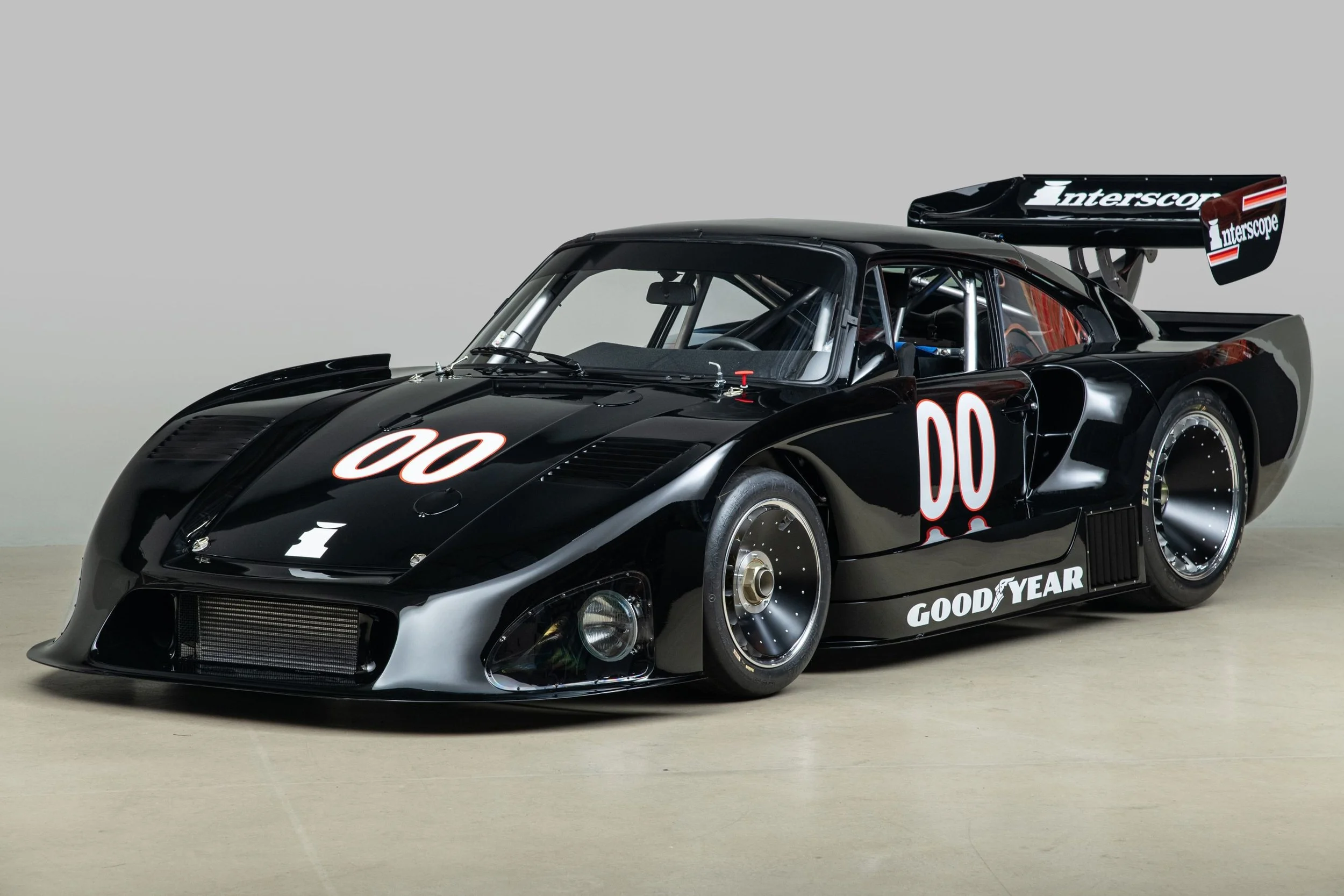
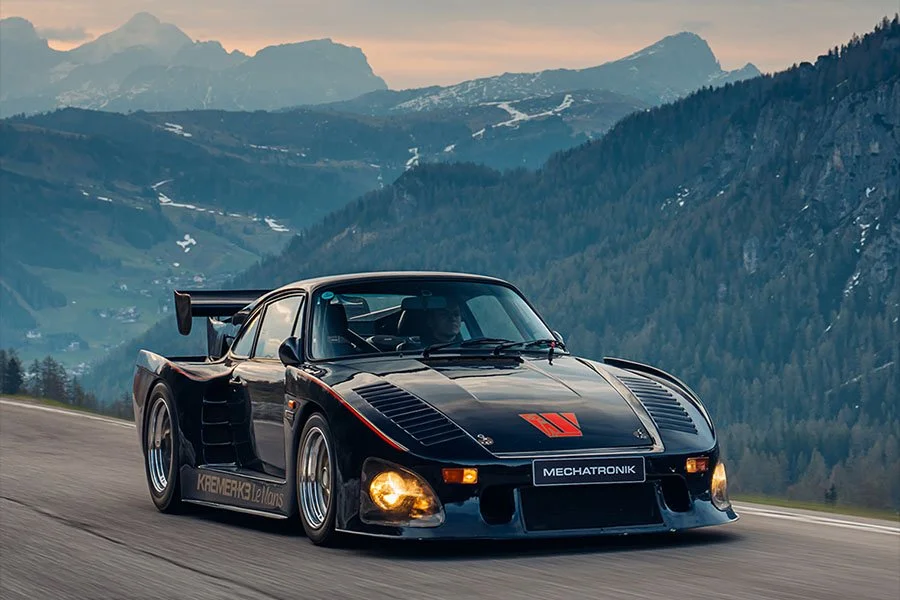
The resultant Martini-backed 935 that Porsche took racing was, until 1977, reserved exclusively for works use. Equipped with massive spoilers, equally enormous fender extensions and a fire-breathing engine, the 935 arguably became most famous for its Flat Nose body that abandoned the shapely front fender / headlight installations common to every other 911 thus far.
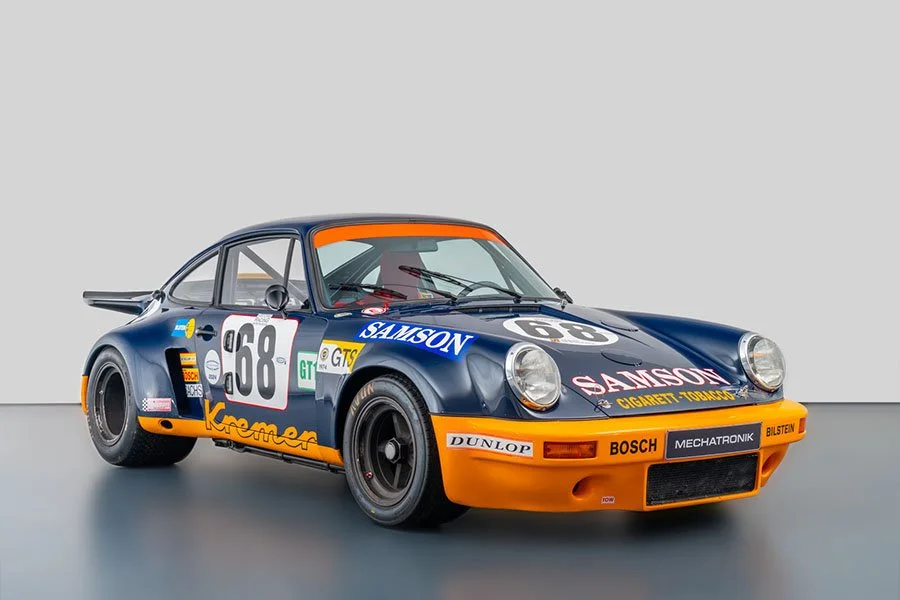
Unsurprisingly, Porsche’s customers were quick to start requesting a 935-style machine for themselves. However, the German firm refused to indulge such appeals until late 1980, by which time the number of owners that had sent cars to outside tuners like Kremer, DP and BB for expensive conversion to Flachbau trim had become too great to ignore.
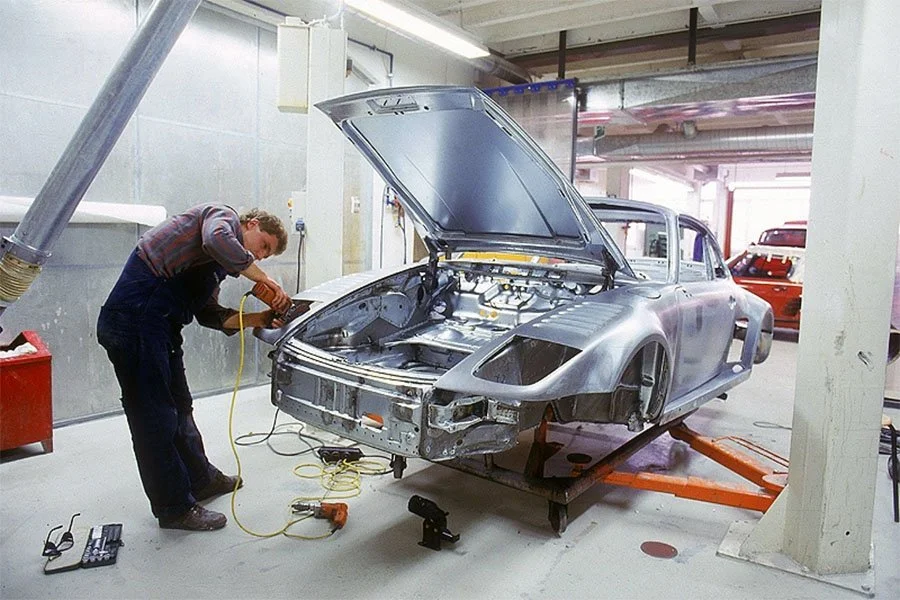
Porsche’s decision coincided with the opening of its Sonderwunsch department (Special Wish in English) located at the Zuffenhausen Werk 1 repair and restoration workshop. More space was freed up when the customer racing department moved to Weissach in 1981. The Sonderwunsch facility would satisfy growing demand from ultra wealthy customers who wanted more heavily customised Porsches than the regular production line would permit.
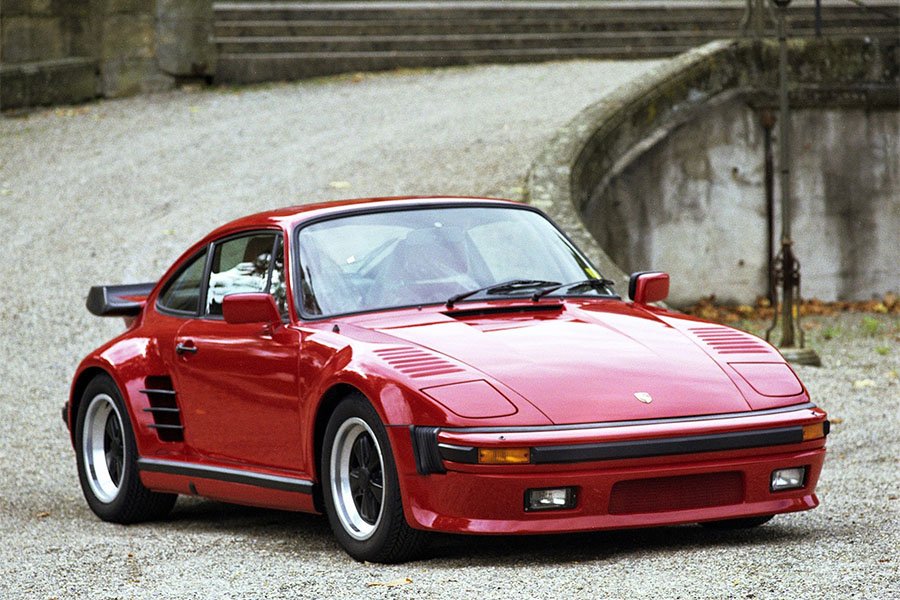
Between 1980 and 1983, the overwhelming majority of commissions carried out at the Sonderwunsch department focused on assembly of Flachbau 911 Turbos. Uniquely among 935-style conversions, these first generation cars were equipped with four exposed rectangular headlights housed in a single-piece GRP front apron complete with jutting chin spoiler.
In total, just under 60 copies of the Series 1 930 Flachbau were assembled before Porsche was forced to make a major design change. Because the aforementioned light units were deemed too low and there was no longer any impact-absorption mechanism, a solution had to be found that would retain the 935’s characteristic Flat Nose configuration and also satisfy the latest international safety legislation.
SONDERWUNSCH BODYWORK
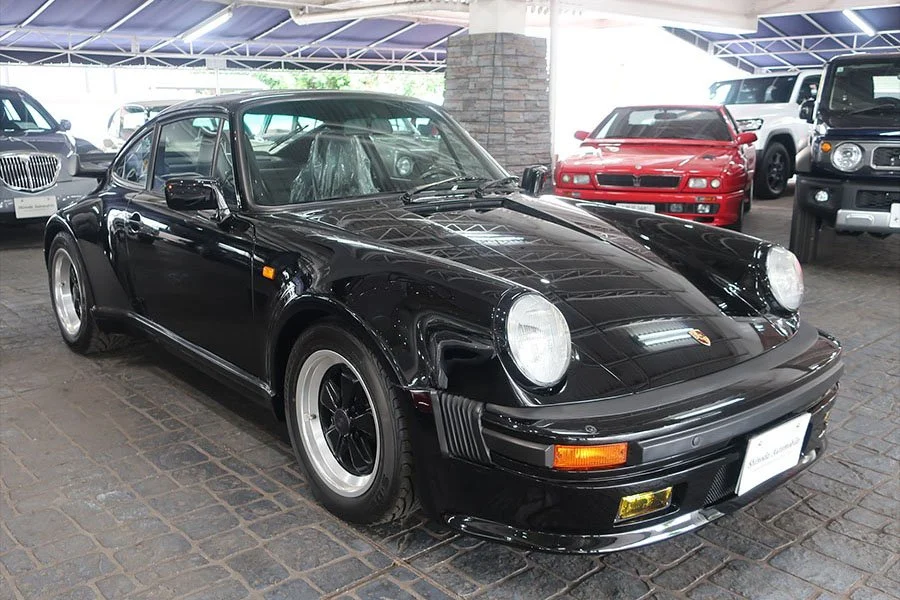
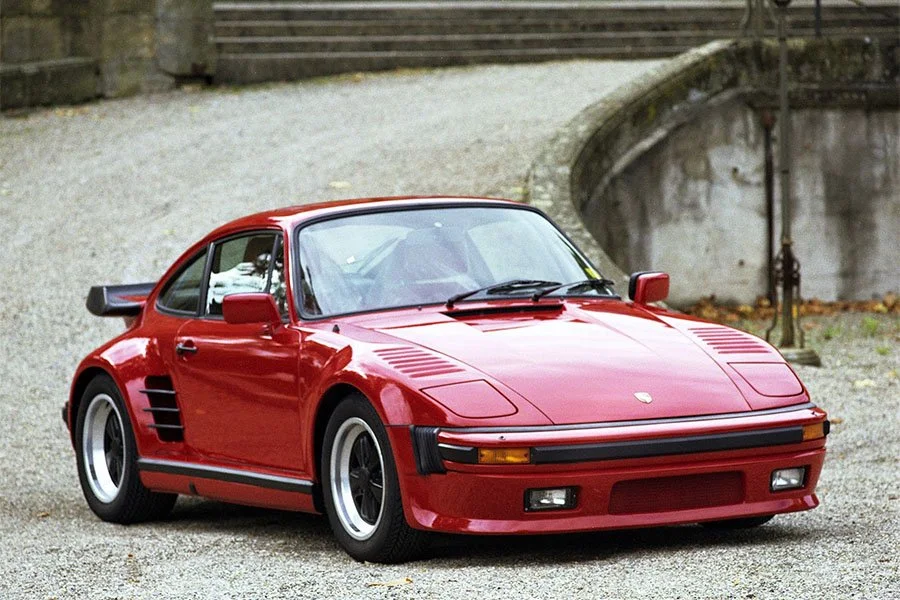
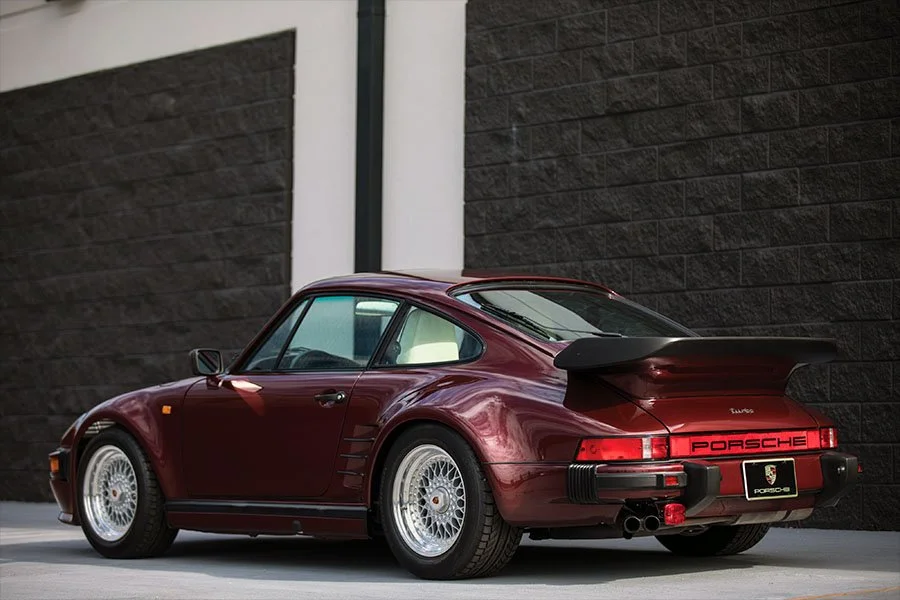
For the Series 2 Flachbau, Porsche adopted the same type of retractable headlights used on the one-off 935 Street completed in July 1983 for McLaren shareholder, Mansour Ojjeh, who had bankrolled development of the TAG-branded Porsche V6 F1 turbo engine.
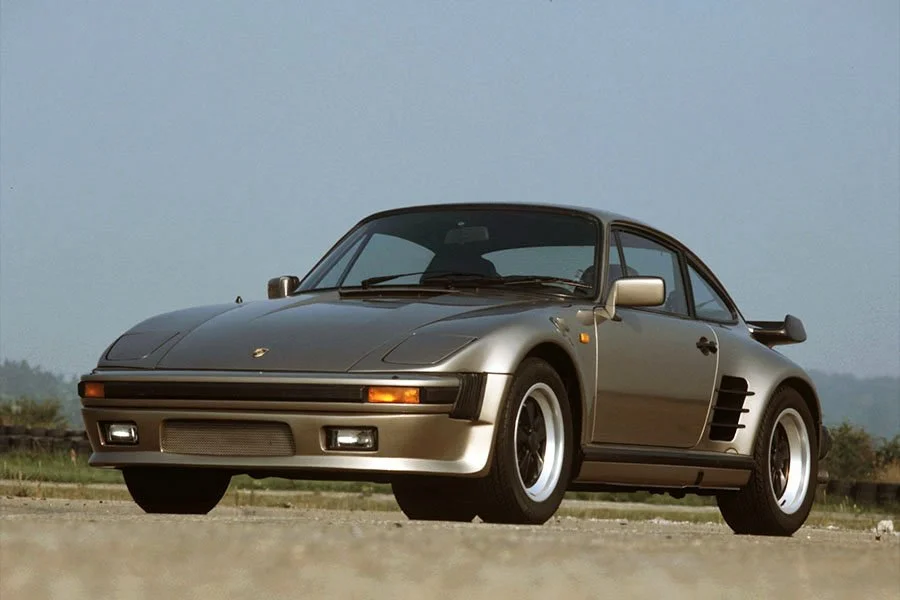
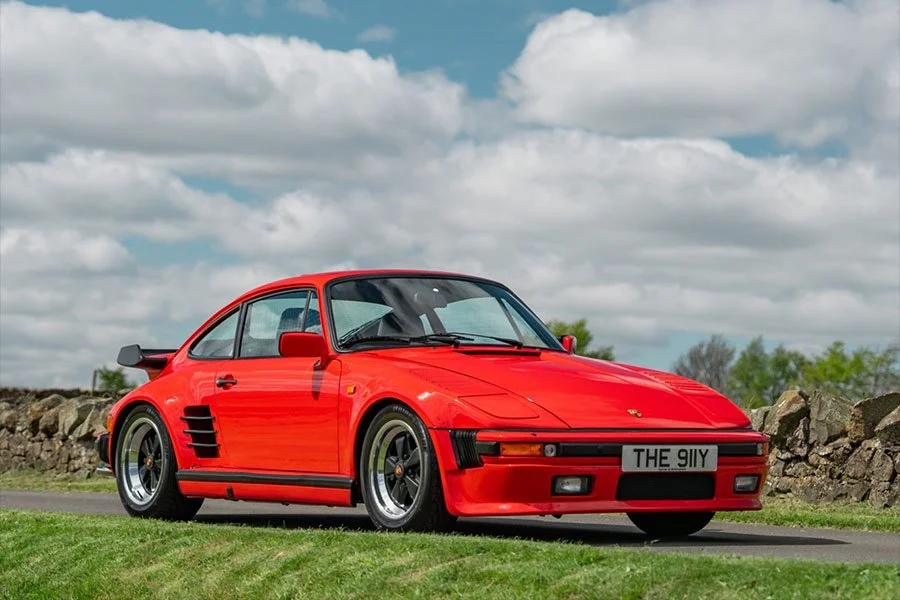
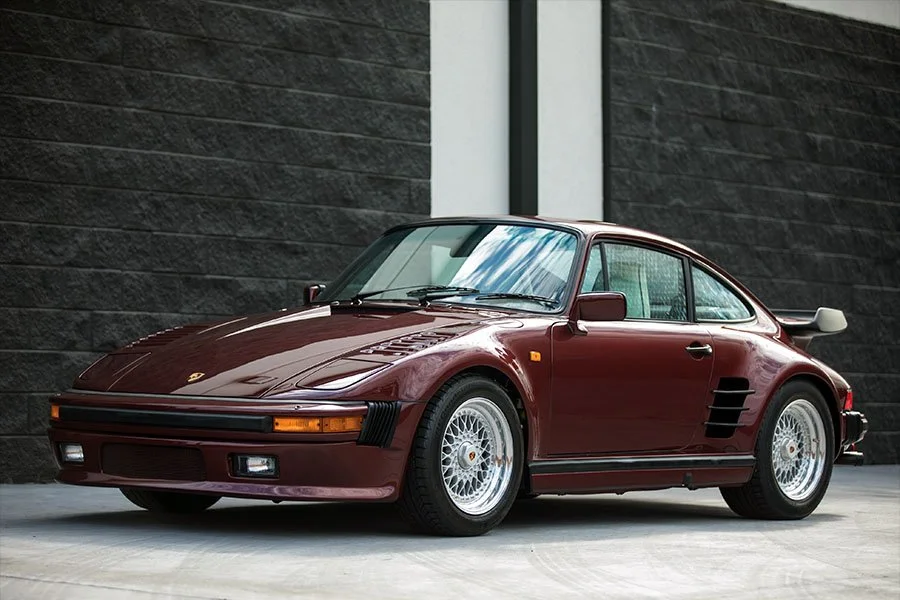
This revised configuration enabled installation of Porsche’s elegant impact-absorbing front bumper assembly. Underneath the bumper was a new fibreglass front apron that housed a pair of rectangular spot lights, a large central oil cooler intake and an integrated body coloured chin spoiler.
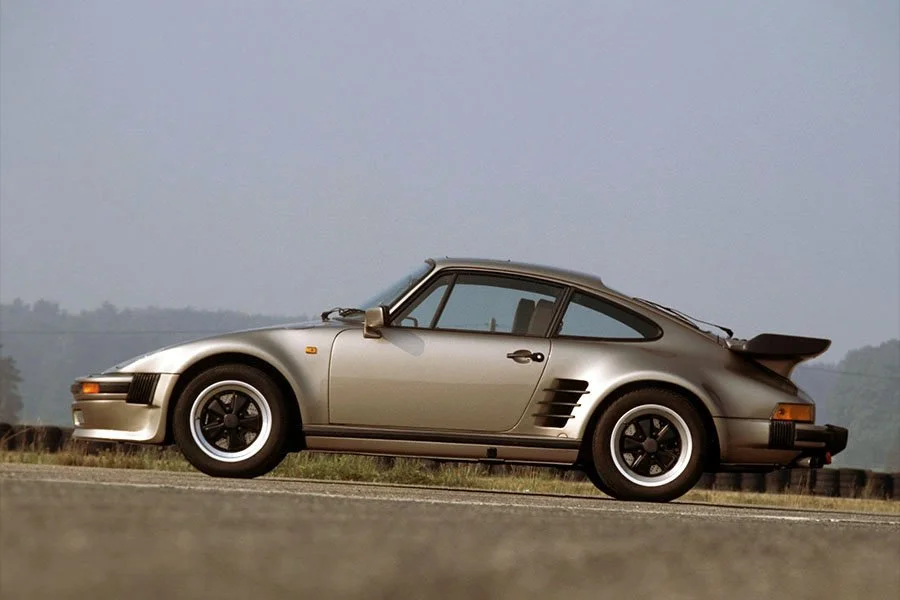
In addition to the Flachbau front end conversion, customers could have their car’s bodywork further enhanced with a bank of wheelarch ventilation louvres carved out from atop the front fenders (just behind the retractable headlight units), deep running board-style side skirts and slatted rear fender intakes.
Less exciting was the optional Special Wish rear window washer nozzle.
SONDERWUNSCH TURBO S ENGINE
In terms of mechanical upgrades, the Turbo S package comprised a 330bhp version of the existing engine that featured high lift camshafts, an uprated intercooler, enhanced turbocharger and a four-pipe exhaust system. The four-pipe exhaust system required installation of a modified rear apron and reworked right-hand side lower section of the rear fender.
Another essential aspect of the Turbo S conversion was the addition of a front-mounted engine oil cooler which meant Porsche’s revised fibreglass front apron always had to be fitted.
SONDERWUNSCH WHEELS
Instead of standard Fuchs rims, Porsche also offered three-piece BBS wheels: either 7 or 8 × 16-inch with 205/55 VR16 tyres for the front and 9 × 16-inch with 245/45 VR16 tyres at the rear.
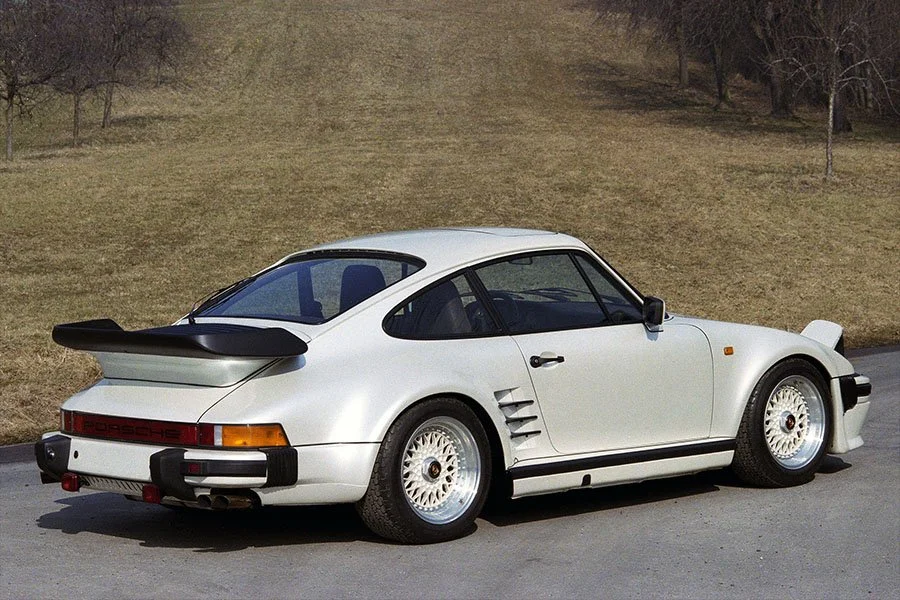
By special request, a 930 could be adapted to run centre-lock instead of five-bolt wheels. These cars could also be ordered with BBS Turbo Fan wheel discs.
SONDERWUNSCH INTERIOR EQUIPMENT
For the interior, Recaro Ideal C electric seats were available which could also be heated and ordered with an additional switch console for the heating controls.
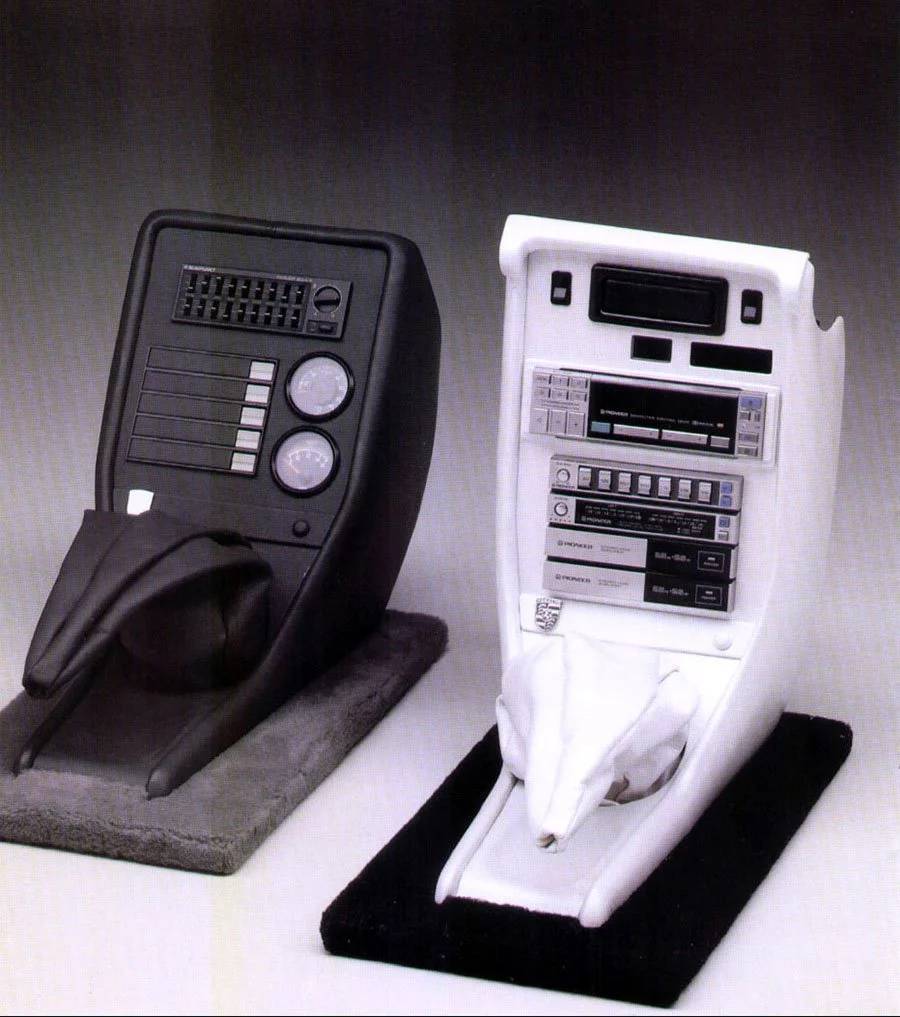
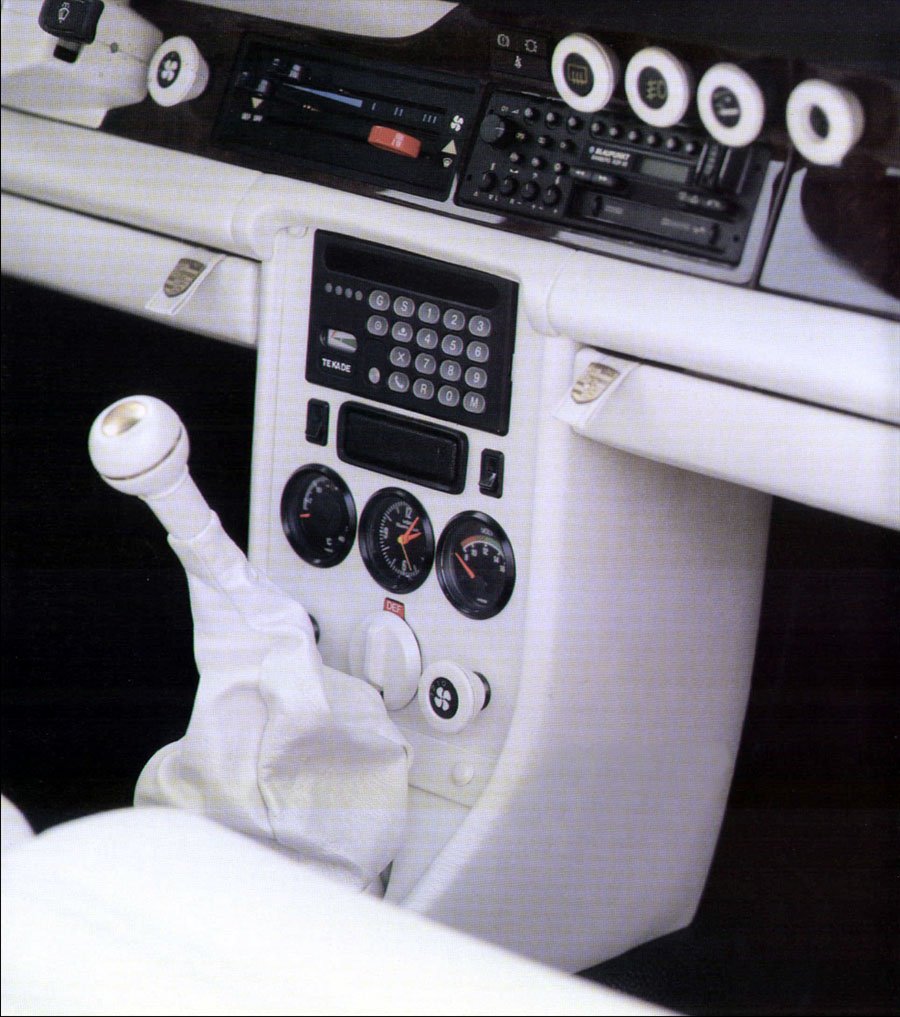
Two types of Sonderwunsch centre console were available, Type B and Type C, layouts for which could be tailored to the customer’s requirements in terms of gauges, audio systems, telephones and in-car computers. Additional gauges for the centre console included a voltmeter, clock and inside / outside temperature display. The heater / ventilation control unit could also be relocated to the centre console if desired. If the clock was moved from the primary binnacle to the centre console, an electronic turbo boost gauge could be installed in the clock’s original location.
Telephone installation was offered with a handset mounted either on the centre console or between the seats.
Instead of a standard three-spoke steering wheel, the Sonderwunsch department could supply a factory-type 928-style four-spoke item or three-spoke Italvolanti ATI-3 unit. Customers could also request their brand of steering wheel if desired.
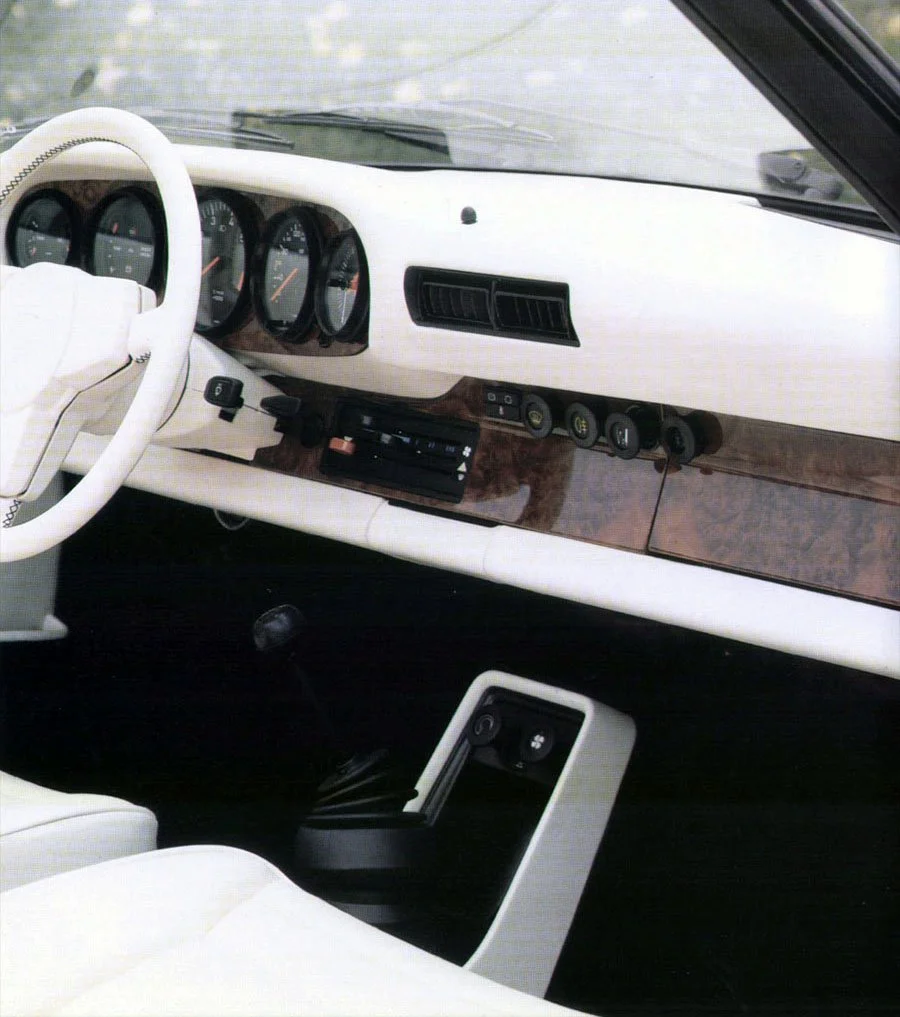
Steering wheels could be partially or fully upholstered in mono or two-tone leather. An embossed Porsche crest, gold Porsche crest (in matt or high gloss) and silver Porsche crest (in silver late or enamel) could be added to all factory-supplied wheels.
Light or dark finish burr walnut inserts could be fitted for the instrument binnacle and dash fascia.
Under the knee roll, two types of cassette storage compartments were offered.
An illuminated vanity mirror could be mounted inside the glovebox lid.
Luggage compartment carpet could be trimmed to match the interior carpet.
For those customers that wanted the last word in luxury, the Sonderwunsch department could use leather to upholster the instrument binnacle and dashboard fascia, instrument bezels, operating / control knobs, glovebox lock button, ignition lock surround, dashboard fresh-air vents, hazard warning switch, turn signal / windscreen wiper control stalk, electric window switches, door lock escutcheons and locking knobs, heating / ventilation controls to include the operating lever knobs, steering wheel centre pad on Porsche-made steering wheels, steering column shroud, gearshift boot, gearshift knob (which could also be configured with the owner’s initials engraved on top), handbrake lever, door speaker grilles, door grab handles and door pocket trim panels, door release handles, sun visors, seatbelt buckles (excluding the buckle housings), carpet edges, headliner, telephone handset and holder, ignition key, door key and cassette storage compartments.
Beyond these ‘official’ Sonderwunsch options, Porsche made all kinds of provision for requests such as custom audio installations, roll cages and storage bins instead of rear seats.
CHASSIS
930s were based around Porsche’s familiar galvanised steel bodyshell into which an 80-litre fuel tank was mounted under the front lid.
Suspension was fully independent. The front end utilised a MacPherson strut layout with lower wishbone, longitudinal torsion bar and anti-dive geometry. The back used semi-trailing arms with anti-squat. Bilstein shocks were fitted all round along with an anti-roll bar at either end.
917-derived cross-drilled and ventilated servo-assisted discs were mounted on aluminium hubs and ran finned four piston alloy calipers. Disc diameter was 304mm front and 309mm rear.
Standard wheel type were the familiar forged light alloys supplied by Fuchs. These measured 16 x 7-inches and 16 x 8-inches front to rear. Dunlop or Pirelli tyres were usually issued.
ENGINE / TRANSMISSION
Fitted as standard in the engine bay was the latest iteration of Porsche’s air-cooled all-alloy Flat 6 with two valves per cylinder, single overhead camshafts and dry-sump lubrication. Designated Type 930/66, this most recent motor had been introduced for the 1983 model year and offered a little more torque than previous variants.
Displacement came in at 3299cc thanks to a bore and stroke of 97mm and 74.4mm respectively. The compression ratio was 7.0:1. Other equipment included Bosch K-Jetronic fuel-injection, a KKK K27 turbocharger and air-to-air intercooler.
Porsche quoted peak output figures of 300bhp at 5500rpm and 318lb-ft at 4000rpm.
Transmission was through an aluminium-cased four-speed Type 930/34 gearbox, single-plate clutch and open differential.
BODYWORK
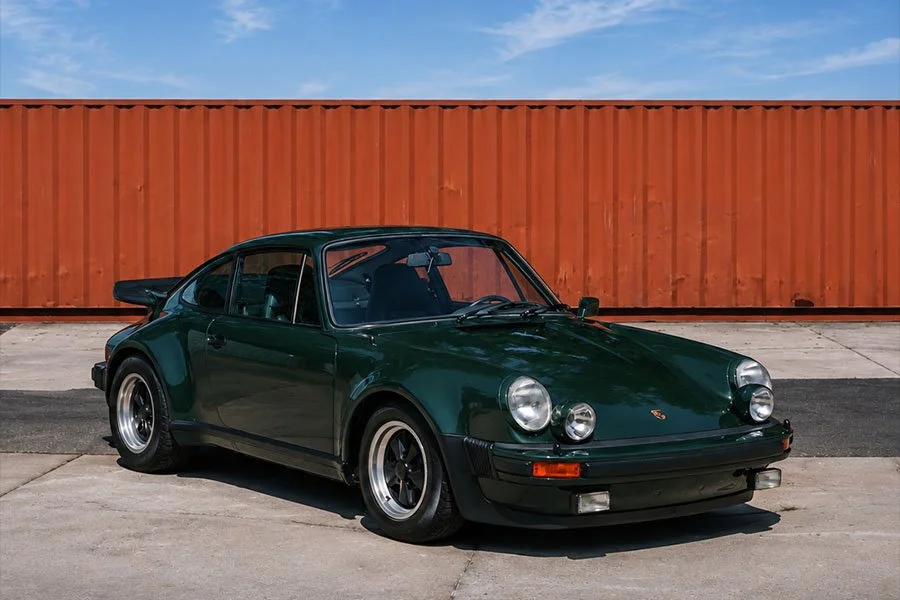
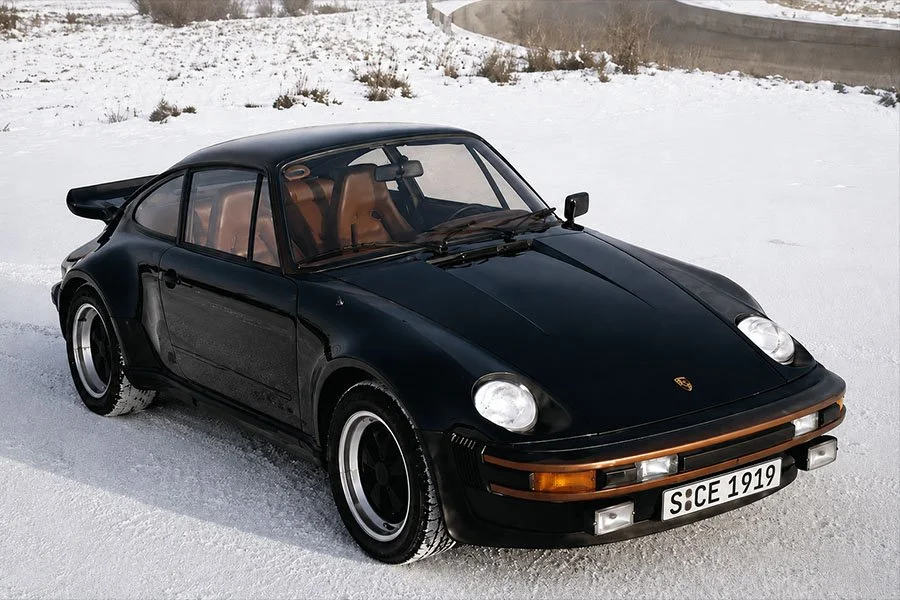
Compared to normally aspirated 911s, the turbocharged 930’s exterior was characterised by its dramatically widened bodywork. Flared fenders gave the model a more macho appearance that mimicked some of the great 911-based racers of recent times.
Body panels were fashioned predominantly from steel.
INTERIOR
Unless specified otherwise, cockpit fixtures and fittings were lifted from the standard 930.
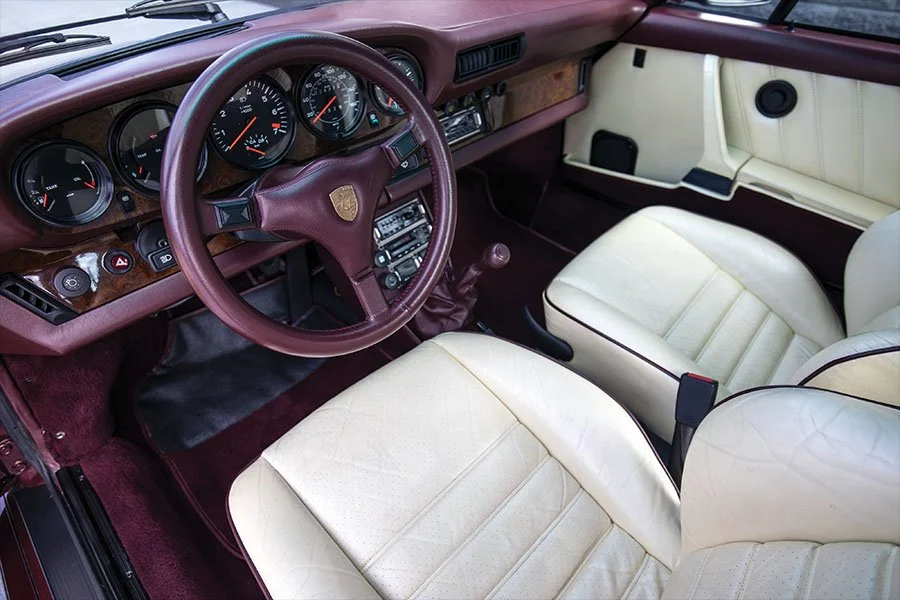
Directly behind the three-spoke steering wheel was Porsche’s familiar five gauge instrument binnacle that featured a central tachometer with integrated boost indicator. Off to the right was a speedometer and clock. To the left was a combined oil pressure / oil temperature gauge and a read out for oil level / fuel.
Thanks to slim pillars, all round visibility was excellent and cockpit access was extremely easy on account of the good-sized doors. Once inside, there was plenty of head, leg and elbow room. The rear seats could be folded down to serve as an additional luggage shelf.
Upholstery was a combination of leather with fabric inserts for the seats and door cards.
OPTIONS
Standard equipment included electric windows, a four-speaker stereo with front wing-mounted electric antenna, a rear wiper, headlight washers and front fog lights.
From the regular options list, customers could request a ZF limited-slip differential, rear fog lights, air-conditioning, an electric sunroof, sports seats, an uprated audio system and full leather upholstery.
At this stage, the 930 was only available as a Coupe.
WEIGHT / PERFORMANCE
The stock 3.3-litre 911 Turbo had a 161mph top speed, 0-62mph time of 5.1 seconds and weighed in at 1300kg.
In 330bhp Flachbau trim, top speed rose to 168mph and the 0-62mph time was cut to 5 seconds flat. Weight was typically a little higher than a regular 930 but very much dependent on an individual car’s specification.
1985 MODEL YEAR F-SERIES
Industrial action resulted in the 1985 model year F-series 930 not entering production until October 1984 (instead of September).
The F-series came with thicker anti-roll bars, an enlarged 85-litre fuel tank and bigger brake master cylinder.
Inside, re-designed high-backed seats were heated and electrically operated. Central locking became standard and the radio antenna was integrated to the windscreen.
A short shift gear lever was added along with a new four-spoke steering wheel.
The door handles and storage bin lid were now upholstered with leather.
Sports seats became a no-cost option.
1986 MODEL YEAR G-SERIES
Production of the 1986 model year G-series 930 got underway in September 1985. It featured new Bosch LE-Jetronic fuel-injection, 9-inch wide rear wheels (up from 8-inches), a subtly reworked dash fascia, sun visors with covered vanity mirrors and front seats mounted a little lower than before.
USA VERSION
Thanks to the arrival of a new emissions friendly Type 930/68 engine, the 911 Turbo was re-introduced to the US market after a five year absence.
Equipped with a three-way catalytic converter, Lambda oxygen sensors and DME engine management, the US-spec. Type 930/68 motor produced 282bhp at 5500rpm and 288lb-ft at 4000rpm.
Cosmetic changes to these US-spec. derivatives included amber running lights and red rear indicators. Flachbau versions came with standard 930 front aprons instead of the fibreglass Sonderwunsch unit.
Weight was officially unaffected but performance figures were slightly inferior.
1987 MODEL YEAR H-SERIES
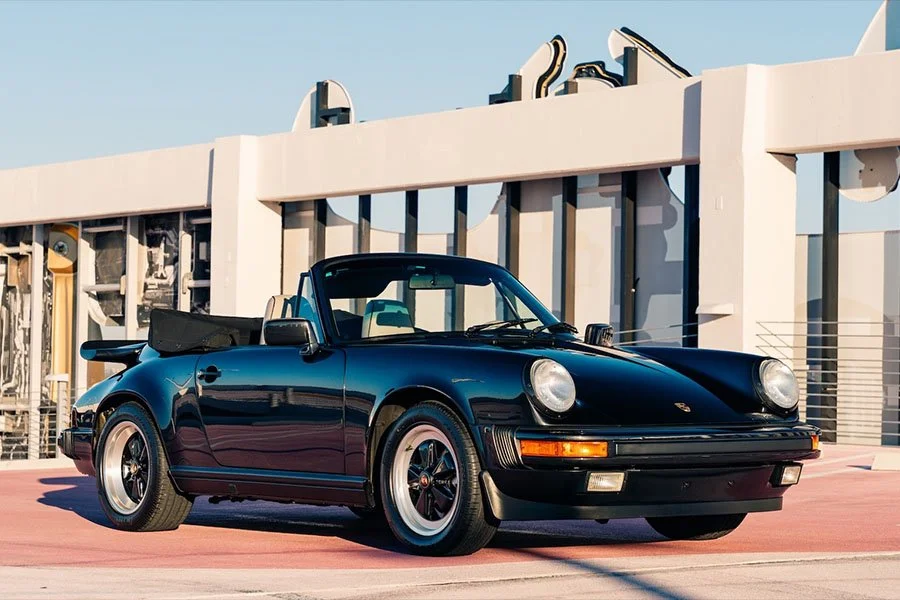
For the 1987 model year, Porsche began to offer the 930 in Targa and Cabriolet body styles as well as the original Coupe format.
Other updates introduced for the 1987 model year included a modified tail reflector strip that incorporated the fog lights which had previously been located underneath the back bumper.
Inside, fully electric seats were made standard.
The brakes were improved with bevelled vents to assist cooling.
SONDERWUNSCH BECOMES EXCLUSIV
The 1987 model year also saw Porsche’s Sonderwunsch division re-branded as the Exclusiv department (Exclusive in English).
At the same time, the Flachbau Turbo S became an officially recognised option in Rest of World markets (M506). Available in Coupe, Targa and Cabriolet body styles, the M506 bundle comprised vented Flachbau front fenders, deep running board-style side skirts, vented rear fenders, the fibreglass front apron with oil cooler intake and 330bhp Turbo S engine. Inside, the Turbo S Flachbau came with an ATI three-spoke steering wheel, leather covered Type B centre console, leather gear knob, cassette holders and air-conditioning.
Because the 330bhp Turbo S engine was outlawed in the United States on emissions grounds, customers in North America were offered the M505 package that was identical to the M506 Rest of World bundle but combined a standard 930 front apron without nose-mounted oil cooler and emissions equipped Type 930/68 282bhp engine.
1988 MODEL YEAR I-SERIES
For the 1988 mode year, a passenger door mirror and eight-speaker stereo came fitted as standard.
1989 MODEL YEAR J-SERIES
For the final year of production (1989), Porsche switched from its existing four-speed Type 930 gearbox to a five-speed Getrag-supplied G50 unit (Type G50/50).
An alarm was added along with a smaller rear anti-roll bar (this having been offset by more prominent torsion bars and stiffer shocks).
END OF PRODUCTION
By September 1986, when the Sonderwunsch department was re-branded, 204 copies of the 930 Series 2 Flachbau had been completed, all of which were in Coupe trim.
During the 1987 through 1989 model years, an additional 609 cars were built by the newly titled Exclusive division. Of these, 349 were Coupes, 229 were Cabriolets and 31 were Targas.
Text copyright: Supercar Nostalgia
Photo copyright: Porsche - https://www.porsche.com & RM Sotheby’s - https://rmsothebys.com/