End of the Dream - a Historical & Technical Appraisal of the Porsche 928 GTS
/
BACKGROUND
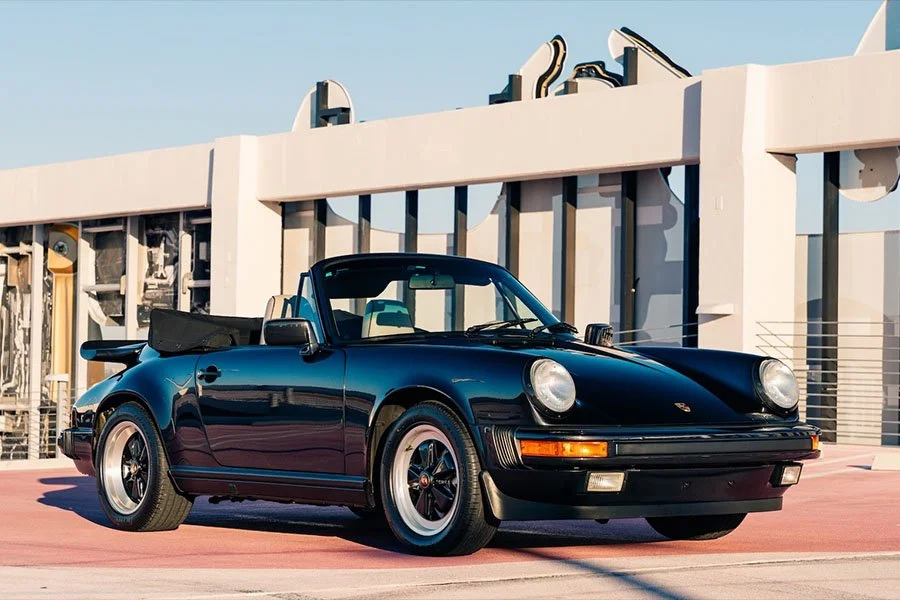
Looking back, it’s hard to imagine that for much of the 1970s, Porsche management thought its future lay in more conventional products than the quirky rear-engined 911 which, along with the 356, had given the brand its unique identity and made it the world’s most successful builder of thoroughbred sports cars.
The reasons Porsche began to consider alternative layouts centred around increasingly stringent safety and emissions legislation.Some thought rear-engined models would ultimately be outlawed owing to theoretical disadvantages in terms of impact protection. Another was that air-cooled motors were living on borrowed time in terms of their environmental efficiency. With a range of water-cooled front-engined models, Porsche would be able to secure its future and simultaneously attract buyers who wanted a more traditionally designed vehicle.
In November 1975, Porsche unveiled the 924, an entry level front-engined 2+2 Coupe powered by a water-cooled two-litre inline four cylinder motor.
18 months later, the flagship 928 broke cover at the Geneva Motor Show in March 1977. Powered by a brand new 4.5-litre water-cooled V8, the 928 was another front-engined 2+2 Coupe that, with its choice of manual and automatic gearbox options, was expected to rival similar models on offer from the likes of Mercedes-Benz, BMW and Jaguar.
Ultimately, the 928 was also expected to replace the 911 which Porsche had scheduled to discontinue in a few years time. However, when Peter Schutz took on the role of Porsche boss in 1980, the decision to scrap the 911 was abandoned. For the next decade-and-a-half, this gave Porsche the best of both worlds: a superb high end Grand Tourer with a traditional layout, the iconic line of 911 sports cars and a choice of junior four cylinder offerings that, like every model in the range, were practical enough for day-to-day use.
During the years that followed, Porsche continually updated the 928 to ensure it retained its class-leading reputation. The original 240bhp 4.5-litre version was joined by a spoilered 4.7-litre 300bhp 928 S in late 1979 that subsequently gained an extra 10bhp in late 1983. One year later, 928s bound for the US market got a 5-litre engine with dual overhead camshafts and four valves per cylinder. In late 1986, this engine served as the basis for the face-lifted world market 928 S4.
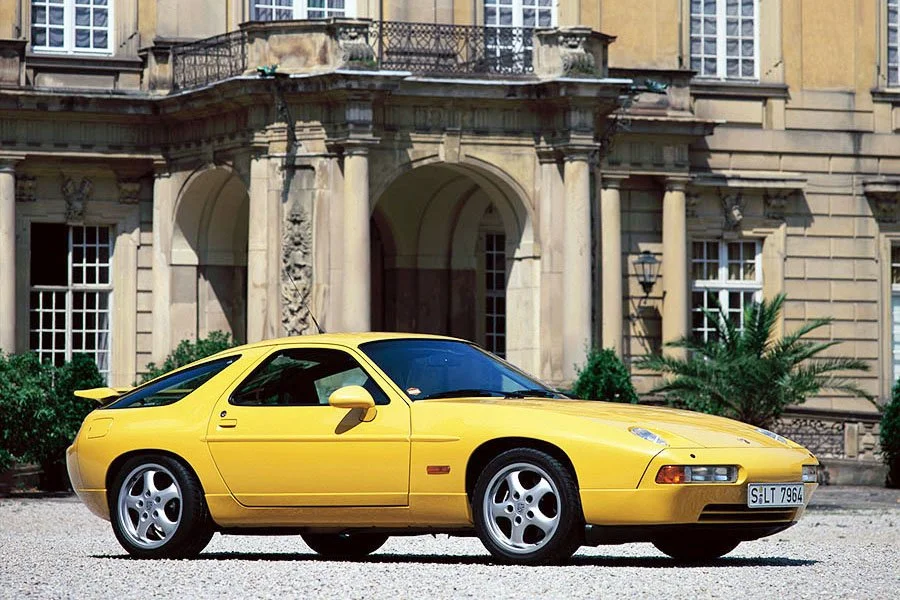
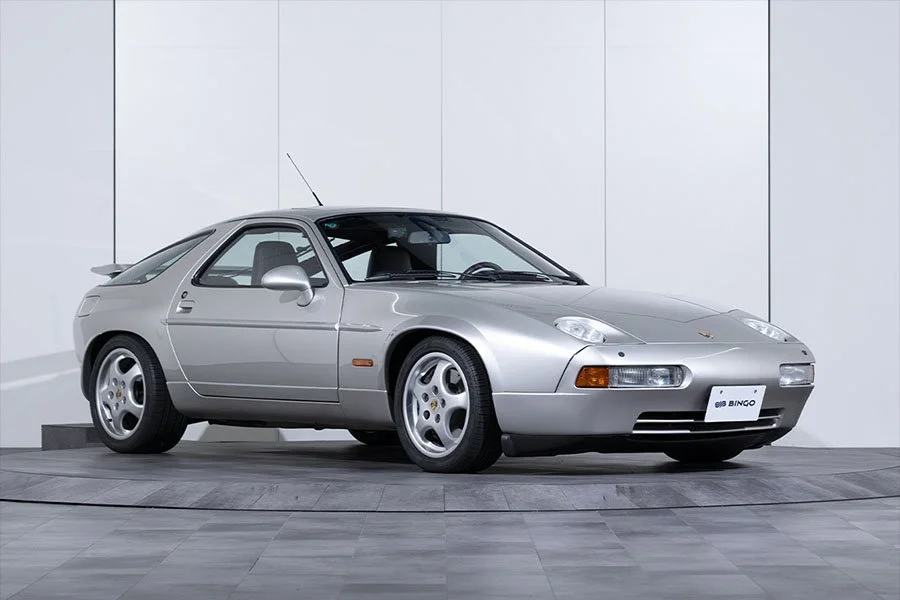
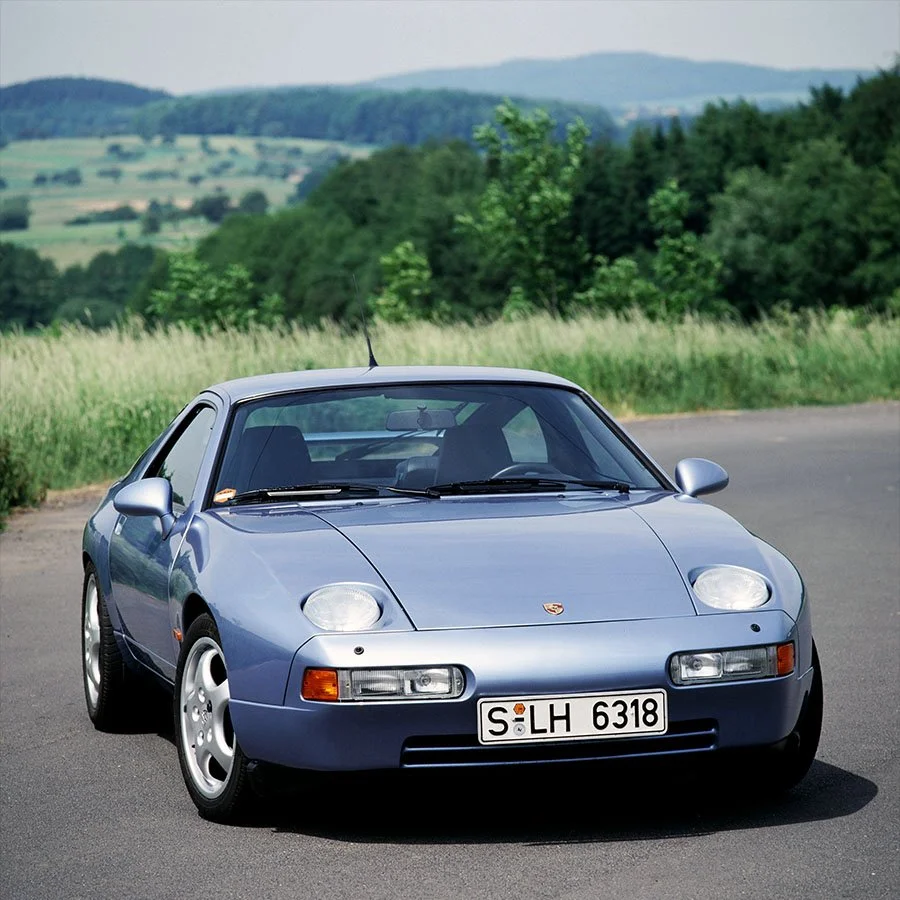
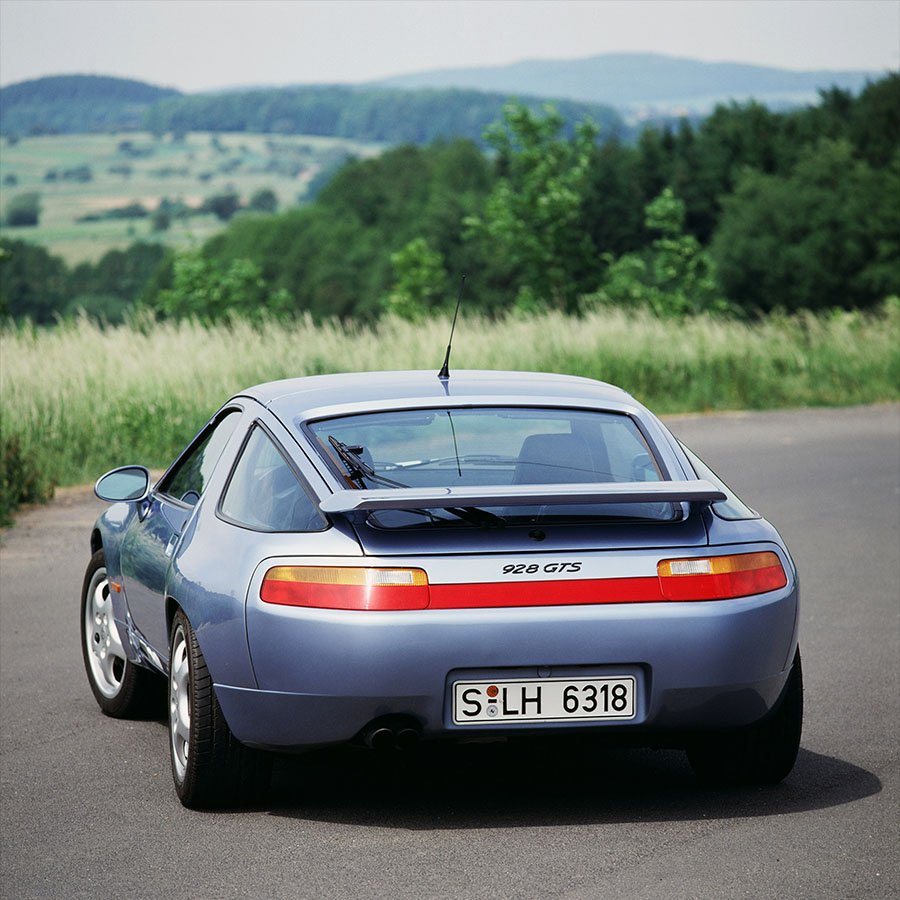
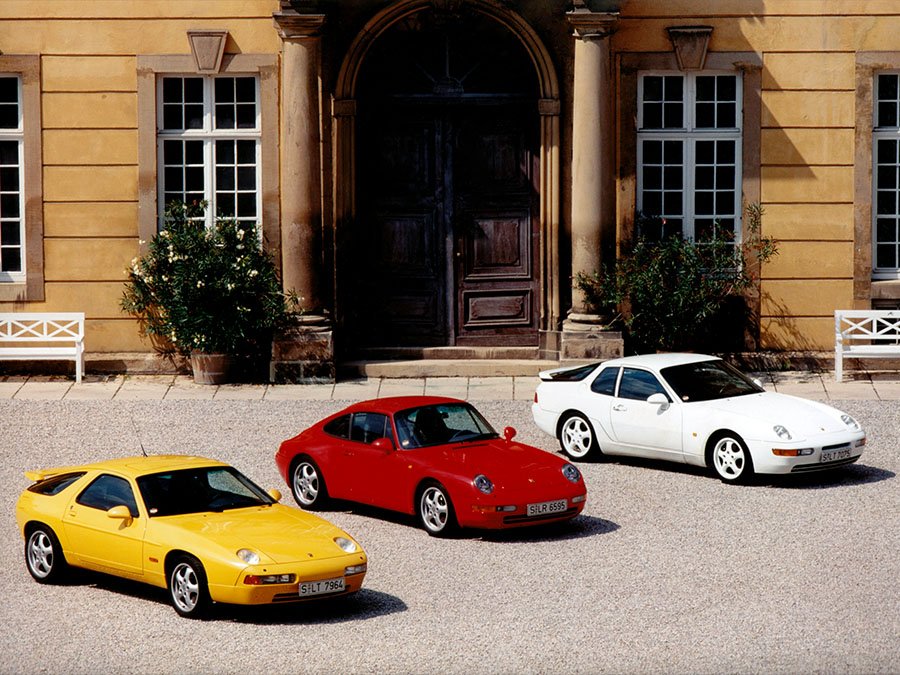
The last of the 928s unveiled at the Frankfurt Motor Show in September 1991 when Porsche debuted the GTS version. Blessed with more power and torque thanks to an enlarged 5.4-litre engine, the GTS also featured uprated brakes, bigger wheels, the latest tyres and a choice of revised transmission options. Cosmetically, it underwent a little surgery to freshen up the appearance.
Unfortunately, because it was launched amid a global economic downturn, the 928 GTS struggled to find buyers. In a tough market, many customers satisfied themselves with the one of the big Japanese sports Coupes that offered broadly similar performance and more contemporary styling at a fraction of the 928’s price.
ENGINE / TRANSMISSION
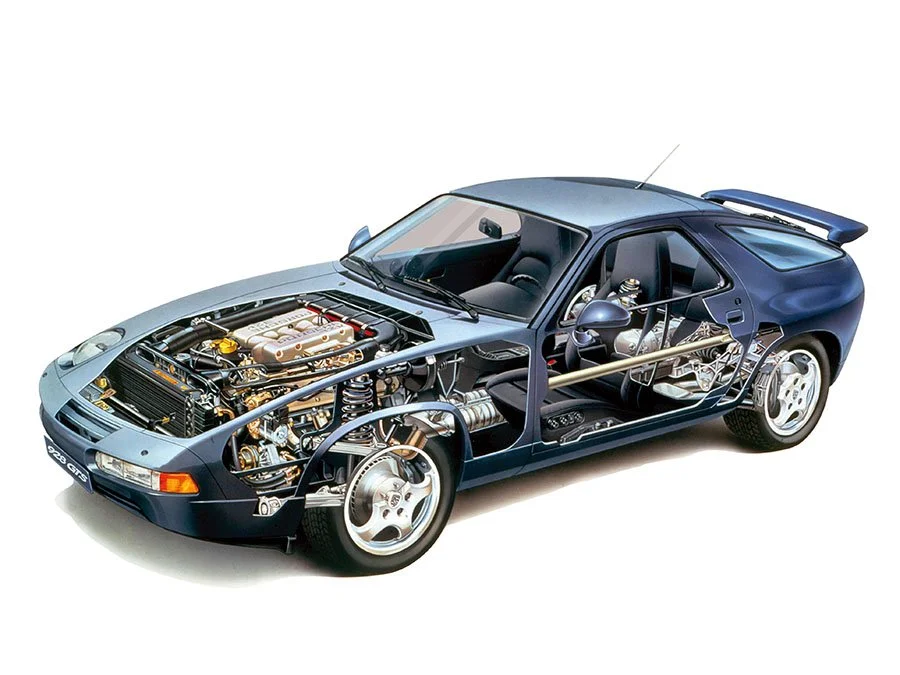
By far the most significant update in the transition from S4 to GTS trim came in the engine bay where Porsche fitted a long stroke 5.4-litre version of the DOHC 48 valve all-alloy Type M28 90° V8 to replace the outgoing 5-litre unit.
GTS engines were enlarged by 440cc taking displacement from 4957cc to 5397cc. This was achieved by extending the stroke from 78.9mm to 85.9mm which required a GTS-specific crankshaft with eight instead of six counterweights. The cylinder bores were kept at 100mm.
The pistons were a new forged cast alloy low-friction type modified for better efficiency and able to generate a higher compression ratio (now 10.4:1 as opposed to 10.0:1). Despite having been fashioned from steel as opposed to forged alloy, the connecting rods were lighter than before.
A less aggressive camshaft profile was adopted for cleaner emissions.
Moulded plastic intake tubes were replaced with insulated items. The breathing apparatus was machined from ultra-lightweight magnesium with coated ducts to speed up air flow and the entire intake manifold was fine-tuned to deliver a more even torque supply.
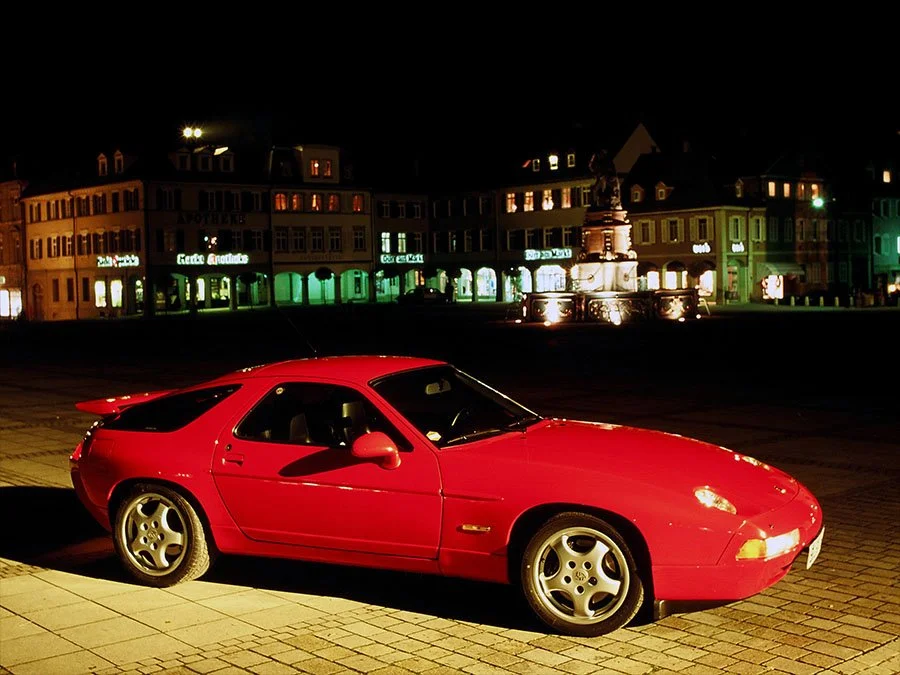
Engine management was courtesy of Bosch LH-Jetronic fuel-injection and a sophisticated new Electronic Octane Knock Control ignition system.
Other GTS-specific parts included a cat-equipped exhausts system tailored to the revised engine’s increased output.
All told, Porsche quoted a peak output of 345bhp at 5700rpm and 369lb-ft at 4250rpm.
For comparison, the outgoing 928 S4 had developed 320bhp at 6000rpm and 317lb-ft at 3000rpm.
Two versions of the M28 engine were fitted to the 928 GTS: the M28/49 with five-speed manual gearbox and 2.73:1 final drive ratio and the M28/50 with a four-speed automatic ‘box and 2.54:1 final drive ratio.
The manual version came with a reinforced clutch, a front-mounted transmission oil cooler and a differential-driven oil pump.
The automatic gearbox GTS featured a revised shift program to handle the increased output.
Both transmissions came with an electronically-controlled variable-ratio limited-slip differential fitted as standard.
CHASSIS
As per every iteration of the 928, the GTS was based around a hot-dip galvanised steel bodyshell with a 2500mm wheelbase. An 86-litre fuel tank was fitted under the trunk floor.
Front suspension was via a multi-link MacPherson strut arrangement. At the back Porsche fitted their famed Weissach multi-link set up. An evolution of the semi-trailing arm configuration, the Weissach axle replaced the front pivot bushing of a trailing arm layout with a short link that allowed the suspension to adjust itself during cornering. The result was a dramatic reduction in lift-off oversteer and much improved stability.
Coil sprung shock absorbers were fitted at each corner along with an anti-roll bar at either end.
For the GTS, Porsche fine-tuned the suspension tolerances, added slightly softer shocks and adjusted the ride height.
The brake system also came in for some attention.
Instead of the S4’s 282mm diameter ventilated front discs, the GTS came with 322mm items plus uprated Brembo calipers and brake pads with a larger surface area. The existing 289mm diameter discs were carried over at the rear. ABS was standard as usual.
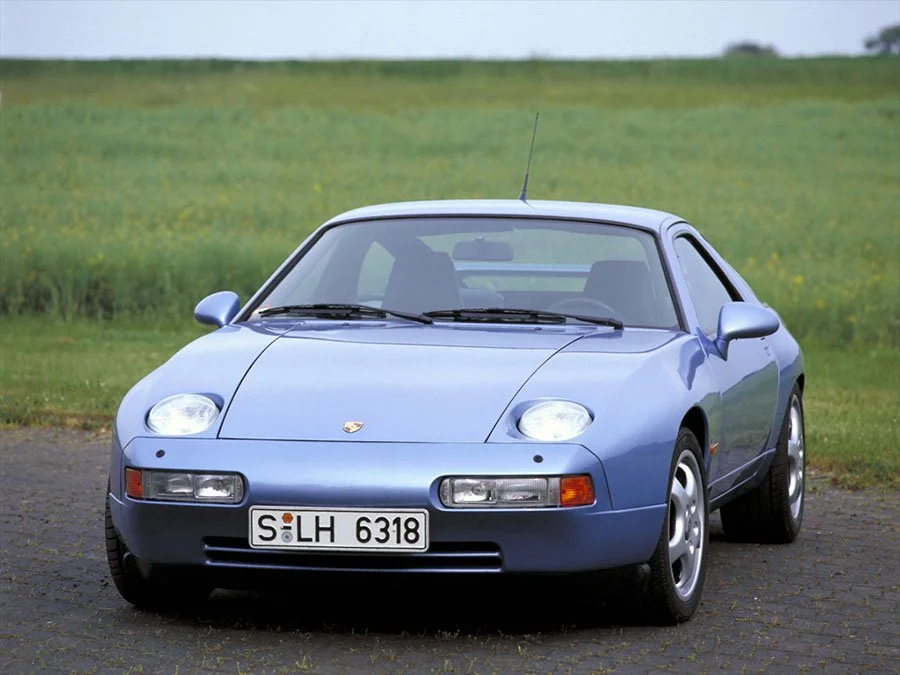
To bring the 928 GTS into line with the rest of Porsche’s product range, five-spoke Cup Design 1 wheels were fitted. Enlarged from a 16 to 17-inch diameter, they were also wider than before: 7.5 as opposed to 7-inches at the front and 9 as opposed to 8-inches at the back (where spacers were also added). Tyres were 225/45 and 255/40 respectively.
To compensate for the wider wheels and tyres, the power steering system was made slightly lighter than before.
A digital tyre pressure monitoring was once again fitted as standard.
BODYWORK
After the 928 S had added front and rear spoilers to the original 928 in 1979, Porsche gave the model a major face-lift in 1986 when the 928 S4 was introduced. By adding new nose and tail fascias that were more in line with the softened design language becoming increasingly popular at the time, the 928 was transformed into arguably its most handsome iteration yet.
However, the smoother, more rounded profile was not a purely aesthetic exercise as aerodynamic efficiency was simultaneously much improved. A big part of the S4’s improved drag coefficient had revolved around its new discrete front spoiler that, in addition to channelling more air to the brakes, re-directed it underneath the car as opposed to around the sides. Sensor-driven cooling flaps added between the grille and radiator had greatly reduced drag as did revised underbody panelling.
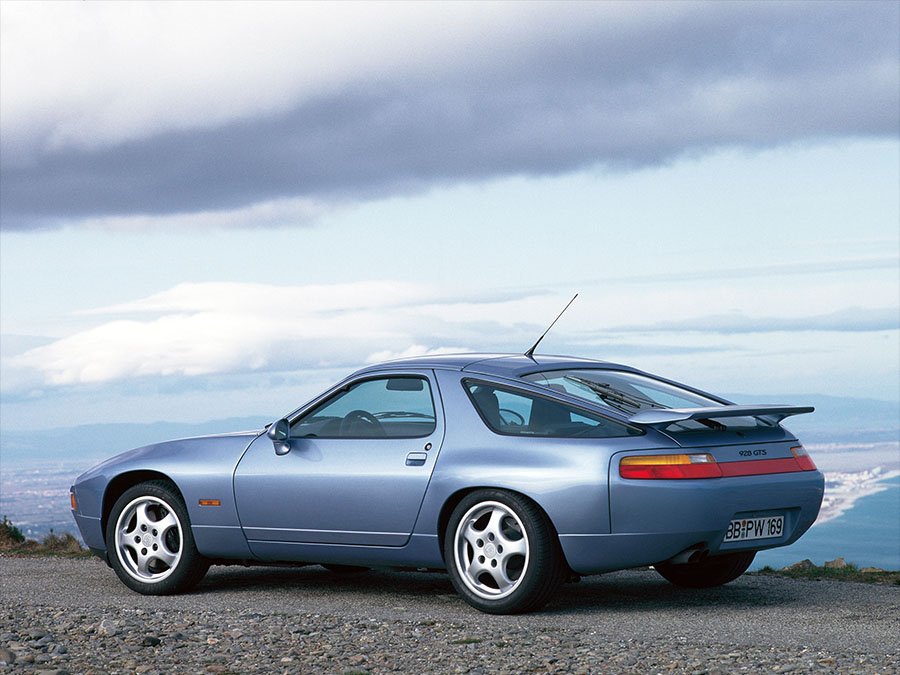
To further optimise the updated aero pack, Porsche had also switched the S4 to a bonded windscreen, positioned the wipers lower down than before and added deeper side skirts that diverted air around the rear tyres.
Given that five years later the S4 still looked remarkably fresh, Porsche made just a few subtle tweaks to the GTS version.
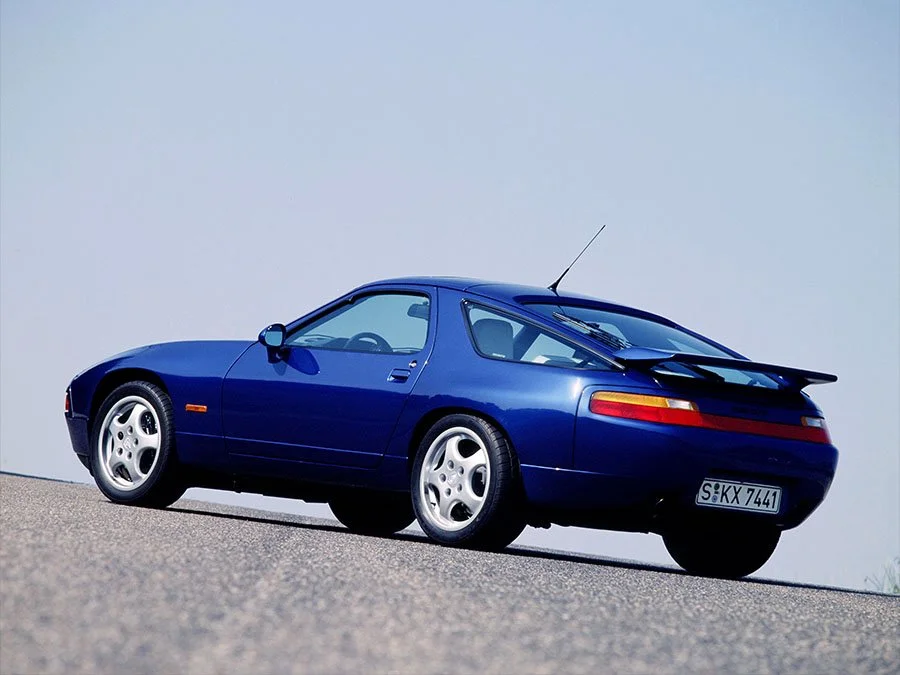
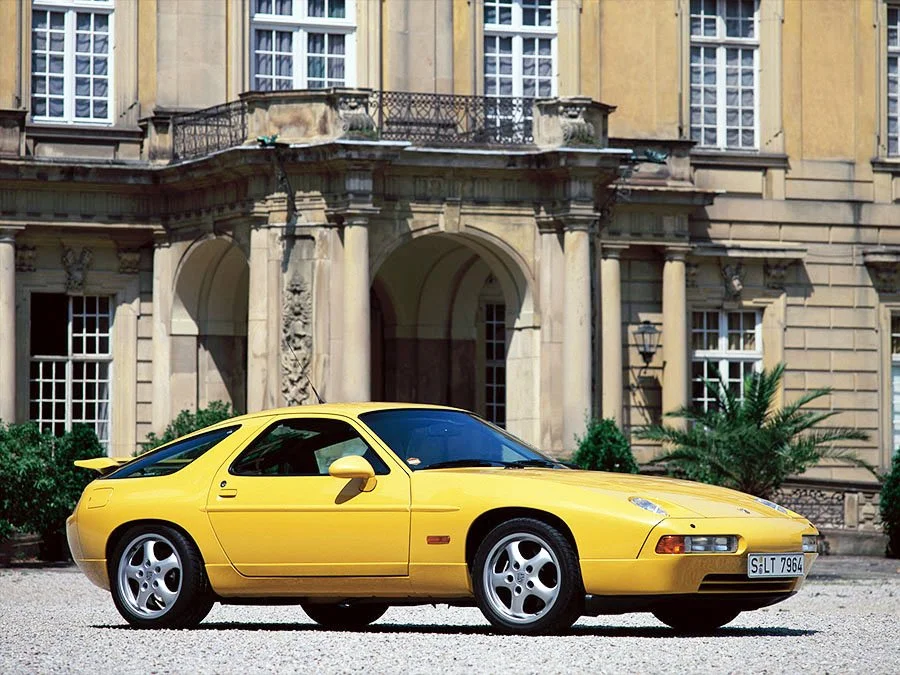
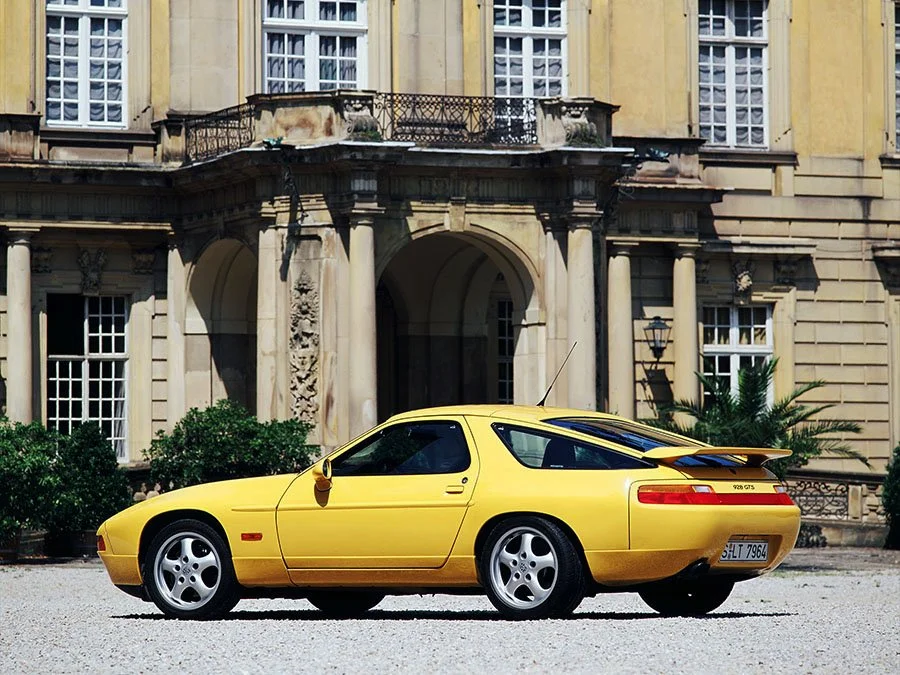
Down each flank, the exterior mirrors got new aerodynamically formed Cup-style housings. In addition, flared rear fenders were added to accommodate the wide track back axle.
Perhaps the most immediately noticeable change was made at the rear where a 911-style Porsche-branded reflective panel now linked the S4’s flush-fitting light housings. Directly above this was a new 928 GTS script.
Body panels were fashioned from a mixture of steel (roof, rear quarter panels and opening rear hatch), aluminium (hood, front fenders and doors) and thermoplastic (pretty much everything else).
INTERIOR
Inside, all left-hand drive copies of the 928 GTS came with a driver and passenger airbag. For the first year of production, right-hand drive cars retained the old-fashioned pre-airbag steering wheel with its four horizontal spokes and rectangular horn pad along with the original pre-airbag treatment for the passenger-side of the dash.
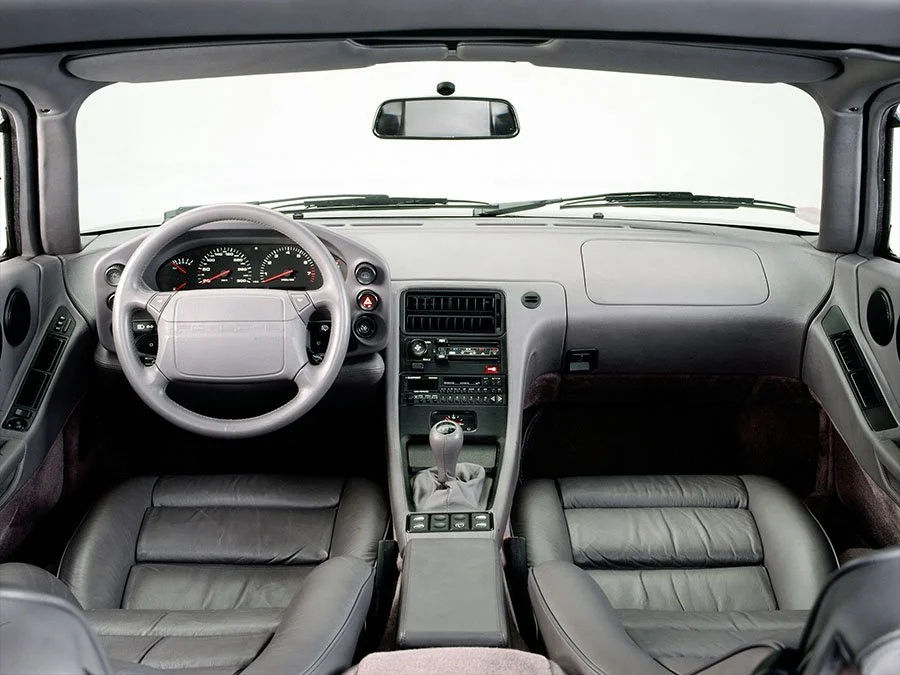
Aside from GTS-branded sill covers, everything else was imported from the outgoing 928 S4.
Housed in the adjustable instrument binnacle were large analogue read outs for road and engine speed. Outboard of these were smaller voltmeter, oil temperature, water temperature and fuel gauges.
The rest of the switchgear (ventilation controls, audio system etc.) was located on the central console that adjoined the slim forward section of the transmission tunnel. This tunnel widened dramatically towards the back of the car and meant the rear seats were no more spacious than those in the 911.
Each car was built to a very high specification with leather upholstery, automatic climate control, a ten speaker audio system, onboard computer, cruise control, four-way electric seats, three-position driver’s seat memory function, electric windows, electric mirrors and central locking fitted as standard.
OPTIONS
Porsche offered a practically limitless level of customisation for the 928 S4, both through the official options list and the Exclusive department.
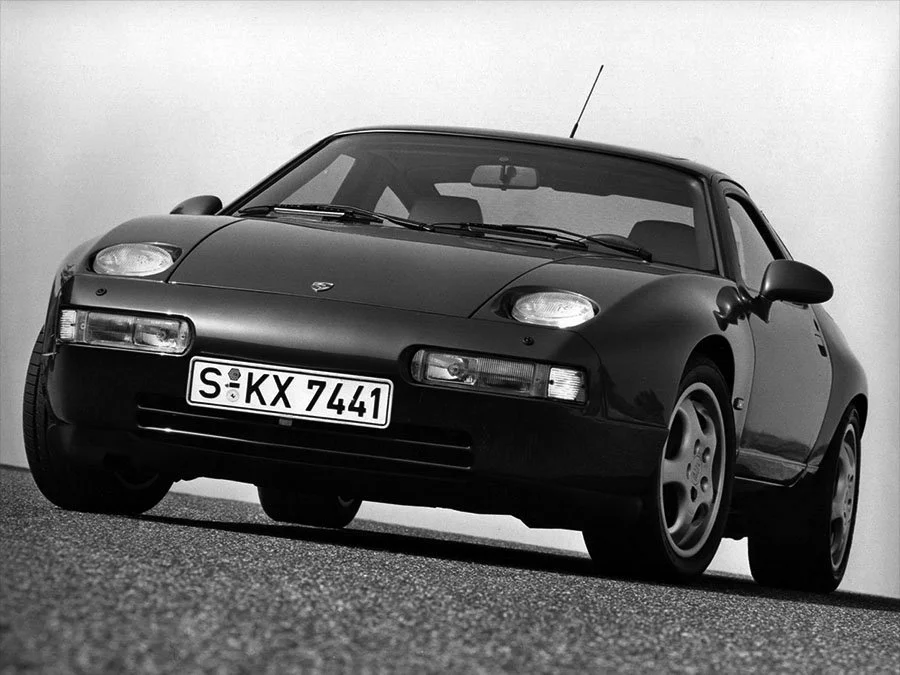
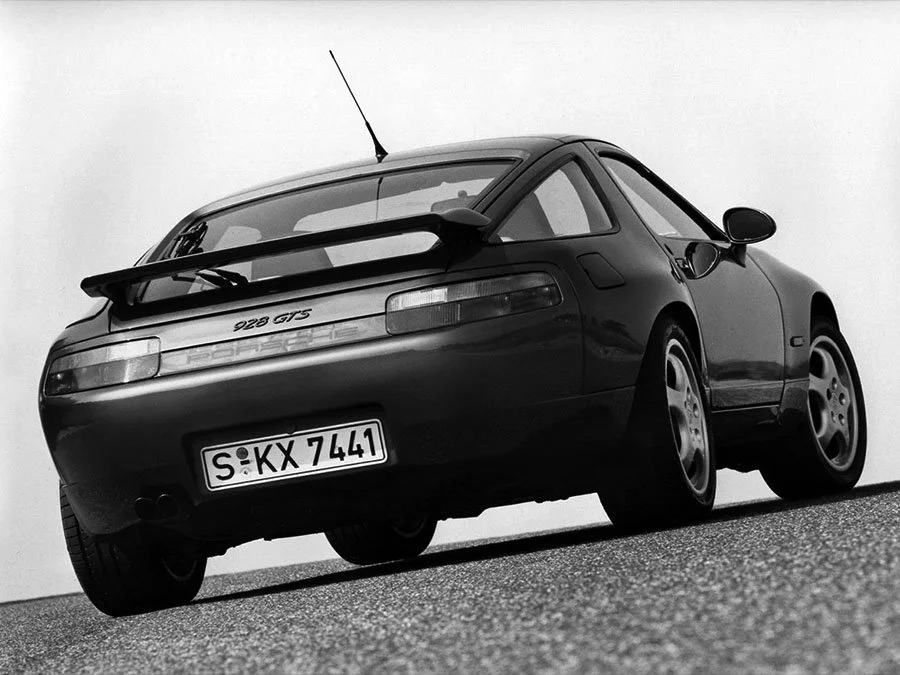
In addition to an automatic transmission, buyers could request a 40% locking limited-slip differential, sports seats, two-tone leather upholstery, contrast seat piping, an electric sunroof, tinted glass, rubbing strips and out-of-range paint and leather combinations.
Given sufficiently deep pockets, you could have a car sent to the Exclusive department where practically any indulgence could be catered for - from leather and wood-covered everything to body coloured wheel centres.
WEIGHT / PERFORMANCE
At 1630kg, both the manual and automatic versions of the 928 GTS weighed in around 50kg heavier than the 928 S4.
However, top speeds of the manual and automatic versions was higher (both 171mph as opposed to 165mph).
The 0-62mph time of the manul version dropped from 5.9 seconds to 5.7 seconds.
The automatic GTS did 0-62mph in 5.9 seconds compared to 6.3 seconds for its predecessor.
1992 MODEL YEAR PRODUCTION
The 928 GTS was only officially offered in Rest of World trim for the 1992 model year (and not USA trim).
Production ran from August 1991 until July 1992, during which time 955 units were completed.
The year prior, 1650 Rest of World 928s had been built in addition to 387 US market variants marking a steep decline in the model’s popularity.
1993 MODEL YEAR
For the 1993 model year, Porsche made several changes to the 928 GTS. Most notably, the studs on the lower half of the cylinder block were replaced with bolts, new pistons featured stronger skirts and the piston rings were modified to limit oil consumption.
The air-conditioning refrigerant was changed to R-134A type.
A driver’s airbag became standard on right-hand drive cars. However, for economic reasons, right-hand drive cars retained the original pre-airbag passenger side dash arrangement.
Production ran from August 1992 to July 1993 and totalled 811 units. This figure comprised 621 Rest of World variants and 190 for the US market.
1994 MODEL YEAR
More changes came on stream for the 1994 model year, the most obvious of which was the switch from Cup Design 1 wheels to new Cup Design 2 items which had a more rounded spoke profile.
Elsewhere, Porsche added a cabin pollen filter whil automatic variants now came with a dynamic kickdown feature.
The digital tyre pressure monitoring system that had been introduced for the 1989 model year was dropped.
Mid way through the ‘94 model year, Porsche upgraded the Type M28 engine with stronger connecting rods.
Production ran from August 1993 until July 1994, during which a total of 662 units were manufactured. This figure comprised 523 Rest of World derivatives and 139 for the US market.
1995 MODEL YEAR
For the 1995 model year, Porsche offered the 928 GTS in some markets with 8-inch wide instead of the usual 7.5-inch wide front wheels.
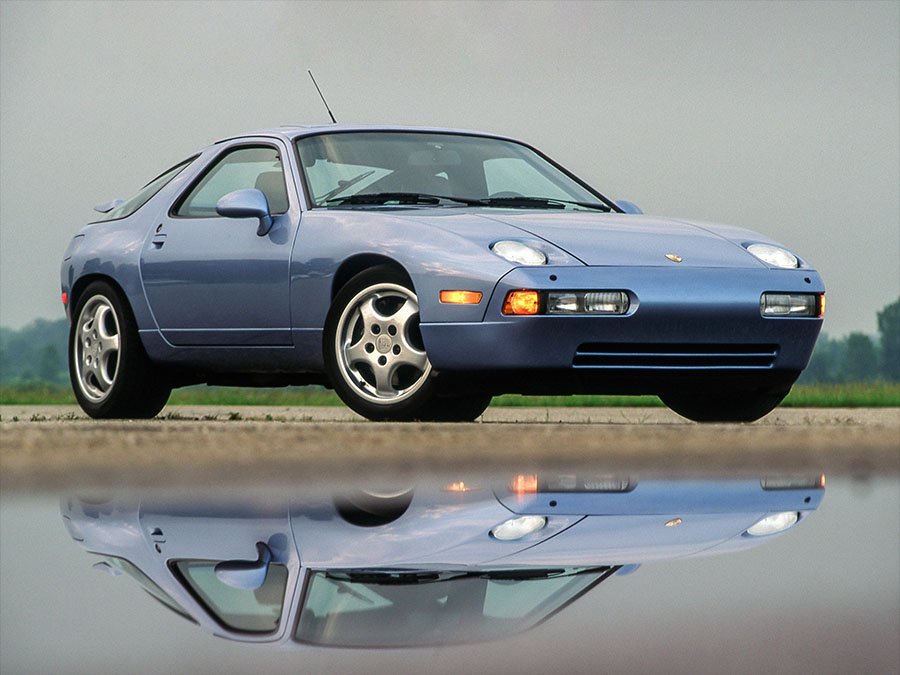
A couple of special colours were also introduced to include Iris Blue Metallic and Aventurine Green Metallic.
Just 476 copies of the 928 GTS were manufactured during the model’s final twelve months in production which ran from August 1994 until July 1995. This figure comprised 399 Rest of World derivatives and 77 for the US market.
END OF PRODUCTION
After four years in production, the 928 GTS was discontinued in July 1995 and not replaced.
2904 examples had been completed which took overall Porsche 928 production to a whisker over 61,000 units across its 18 year lifespan.
Text copyright: Supercar Nostalgia
Photo copyright: Porsche - https://www.porsche.com