One to Buy: non-sunroof Wimbledon Green Metallic 1996 Porsche 911 3.6 Turbo "S"
/ Ben Tyer
Aside from the super hardcore 911 GT homologation special, the most potent off-the-shelf iteration of Porsche’s 993 manufactured between 1993 and 1998 was the rarely seen Turbo S.
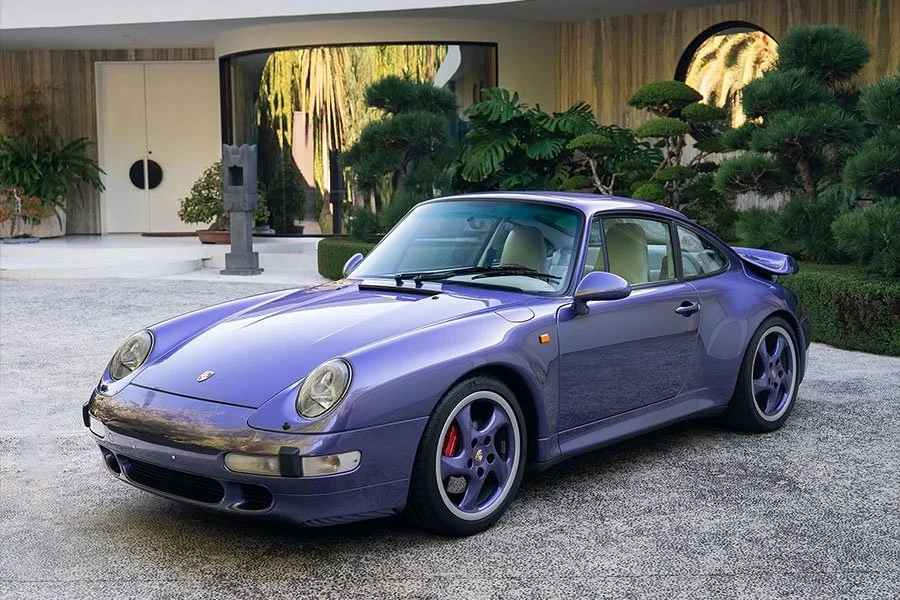
Introduced for the 1996 model year and based on the all-wheel drive 911 Turbo, the Turbo S bundled an array of desirable options, many of which were from Porsche’s Exclusive department. At its heart was an engine equipped with the uprated X50 Power Kit that featured a re-mapped ECU (boosting output from 408bhp to 430bhp) and a supplementary oil cooler.
Other aspects of the Turbo S specification included Aero Kit II front and rear spoilers, brake cooling ducts inboard of the front indicators, engine cooling scoops carved out from the rear fenders, 18-inch Technology wheels with Turbo S-branded centre caps, yellow brake calipers and a Turbo S script on the engine cover.
Inside, exposed carbonfibre was used for the instrument panel, door inserts, door pulls, door threshold panels, steering wheel and trunk liner.
By the time Turbo S production came to an end, a total of 345 copies had been completed. However, the model was not initially officially offered in the lucrative Japanese market. Instead, early Japanese customers wanting a Turbo S had to upgrade a base Turbo by ordering the individual S options.
A good example of such a machine is chassis WP0ZZZ99ZTS372059 which will be going under the hammer at Bonhams’ Miami auction on May 3rd.
Configured in Paint to Sample Wimbledon Green Metallic with Grey upholstery, chassis ‘372059’ was built with most Turbo S upgrades and also ordered in rarely seen non-sunroof trim. Completed in late 1995 and registered in early 1996, the car remains in highly original unrestored condition having covered a little over 97,000km from new.
For more information visit the Bonhams website at: https://cars.bonhams.com/
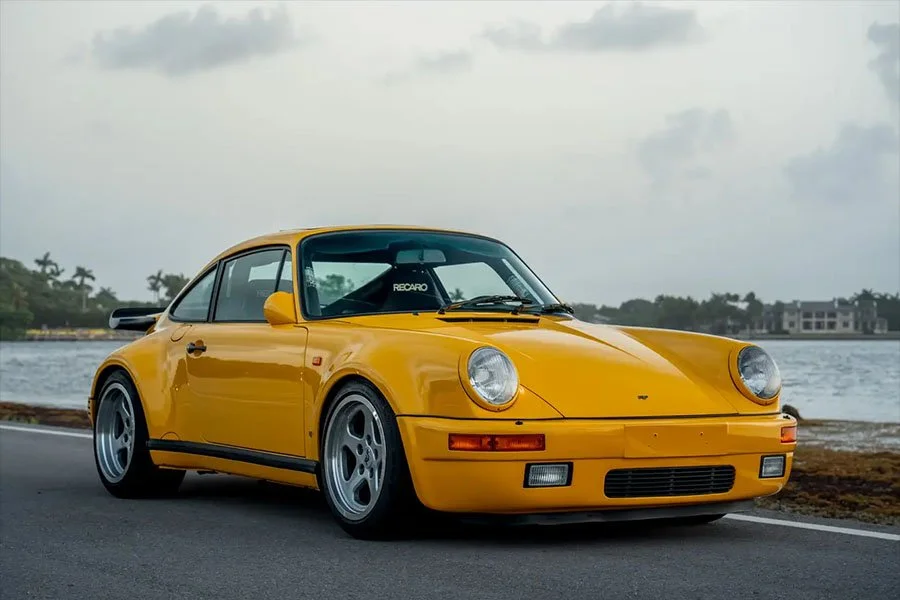
While other firms operating in the Super Tuner arena nearly all offered flamboyant coachwork elaboration, Ruf took a distilled approach to its Porsches which has resulted in the cars from…
Having started to blossom during the late 1970s, Super Tuning became one of the defining characteristics of 1980s car culture when an era of wealth, optimism and conspicuous consumption…
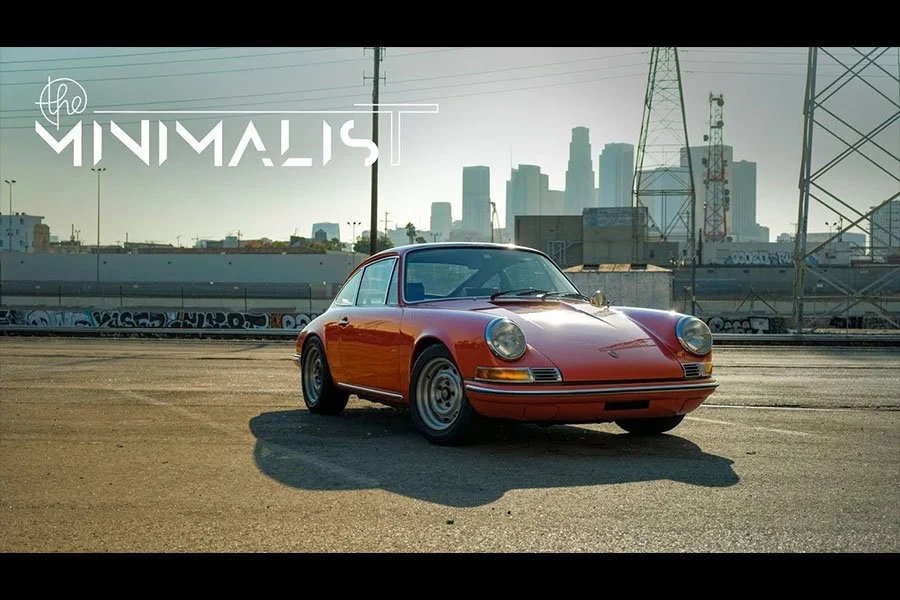
The 911 T was the most stripped-down model in the range, and arguably the most pleasurable experience because of it. No excessive luxuries or functionality to take away from a pure driving experience.
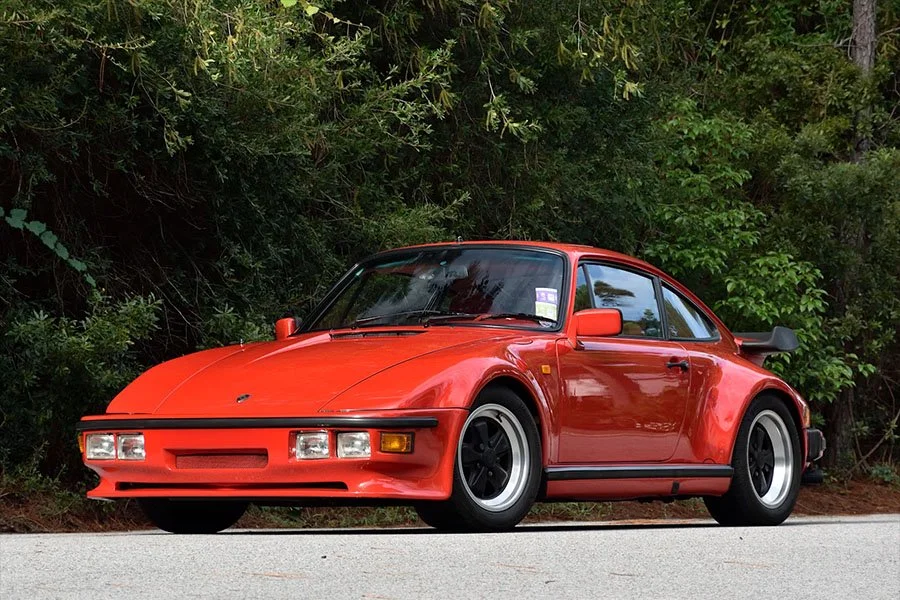
If you were a sufficiently wealthy and well-connected Porsche customer back in the early 1980s, you might just have been offered something a little secretive. Something no regular Joe walking into the…
Looking back, it’s hard to imagine that for much of the 1970s, Porsche management thought its future lay in more conventional products than the quirky rear-engined 911 which, along with the…
In the calm before Le Mans 2025, a new chapter of Porsche motorsport history took shape. Join the one-of-one 963 RSP and the original 917 as they trace a path through the French countryside – a rare glimpse of racing heritage, re-imagined for the road.
Few Porsche prototypes survive the rigours of development and, of these, hardly any make their way out of captivity into private hands. However, currently residing at the Gallery Aaldering showroom in…
Chassis 9306700168 was sold new to Autohaus Max Moritz GmbH in Reutlingen. Having started his career as an independent mechanic, Max Moritz opened a Volkswagen and Porsche…
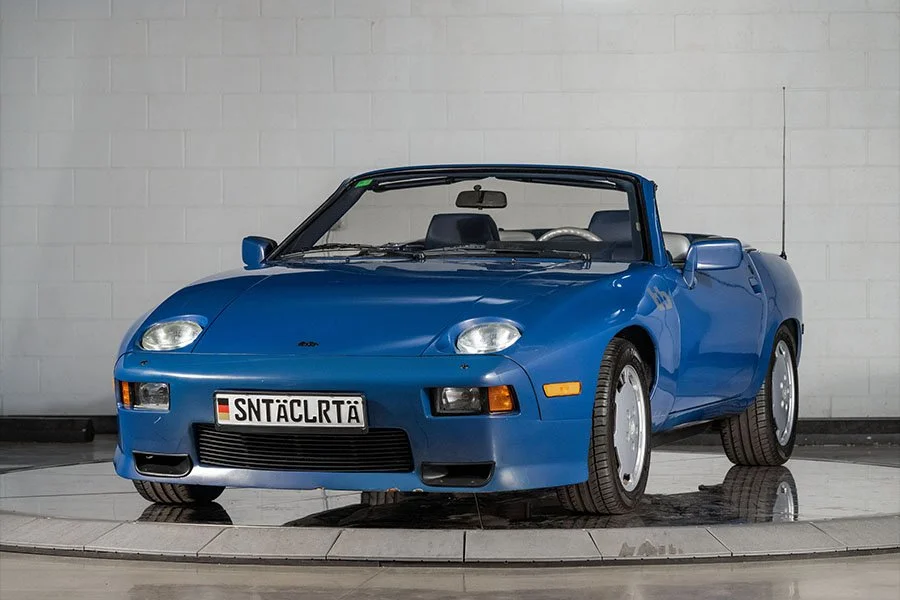
Despite the 928’s waning popularity and generally poor trading conditions, Porsche made some substantial changes to what would be the final iteration of its flagship Grand Tourer. Most…
The 1989 model year was the last for Porsche’s iconic 3.2-litre Carrera before only 964-based models were offered. As usual, customers could order their new car as a Coupe, Targa or Cabriolet in either…
Arriving mid way through the 1957 season, the 718 was Porsche’s second effort at a purpose-built racing car after the enormously successful 550 line. Owing to regulatory changes, the new model…
Among the most famous UK-domiciled Porsches during the 1980s was Peter Grant’s black 911 Turbo registered BAD 1. As manager of rock bands Led Zeppelin and Bad Company, Grant was able to…
We hope you enjoy the first ever real world road test of the most expensive new car money could buy back in 1992: the Schuppan-Porsche 962 CR.
Porsche had originally planned a production run of 1500 Carrera GTs but, owing to relatively subdued demand in a post dot-com boom era, just 1270 were produced between 2004 and 2005…
When Porsche added a turbocharged 911 to its range in early 1975, the firm finally had a model that was a genuine alternative to the likes of a Ferrari BB or Lamborghini Countach. However, while the…
Although Porsche had offered open top versions of its two prior 911 variants with all the Turbo equipment bar a forced induction engine, that policy was abandoned on the 993 which was only…
Which 930 is most collectable, significant or desirable remains open to debate. By contrast, when it comes to the ultimate 930-based driving experience, the one-year-only five-speed model produced…
Somewhat surprisingly given the red hot nature of the late 1980s collector car market, Porsche only built 29 copies of the formidable 959 Sport between 1987 and ‘89. Conceived to take the 959…
With its bulging Coke-bottle shape, slanted headlights and massive tea tray rear spoiler, the 993-type 911 Turbo became an icon of late 90s automotive design. Produced between 1995 and ‘98, this…
In addition to an in-house 935-inspired K1 and Vaillant-liveried 934 on the books for 1976, the Cologne-based Kremer brothers prepared a 934 financed by German privateer, Gerhard Holup.
Five years after he had joimed Porsche (back when the company was based in the Austrian town of Gmund and the 356/1 prototype was still on the drawing board), engineer Ernst Fuhrmann was given…
When it comes to most extreme iterations of the 911, three candidates stand out. One is the 1974 Carrera RSR Turbo, another the 935 it spawned which, from 1976, was built in various states of tune.
During the peak of its popularity in the mid 1980s, the 944 Turbo was selling in almost as many numbers as the 911 Carrera - well over 10,000 a year. However, by the early 1990s, the 944 was…
During 1973, the Martini-backed Porsche works team ran 911 Carrera RSRs that became ever more extreme as they were developed away from production-based Group 4 trim towards out-and-out…
Porsche’s 911 Turbo, internal code 930, paved the way for two forced induction racing cars that debuted in 1976: the Group 4 934 and Group 5 935. In Group 4, only relatively light modifications…
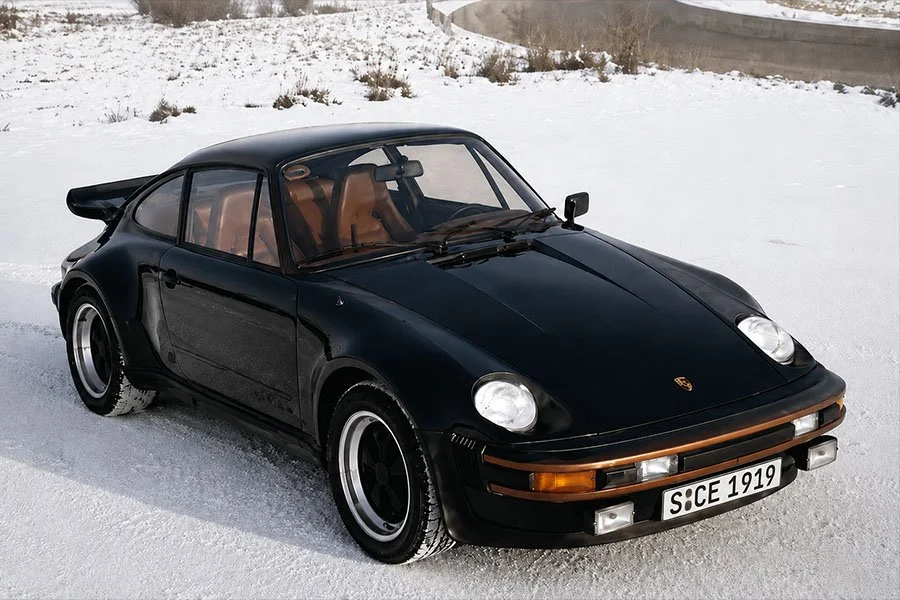
Chassis 9305700022 was the last of Porsche’s pre-production 911 Turbos. Originally configured in Black with Brown upholstery and Sports seats, the car was registered S-CE 1919 and served as a…
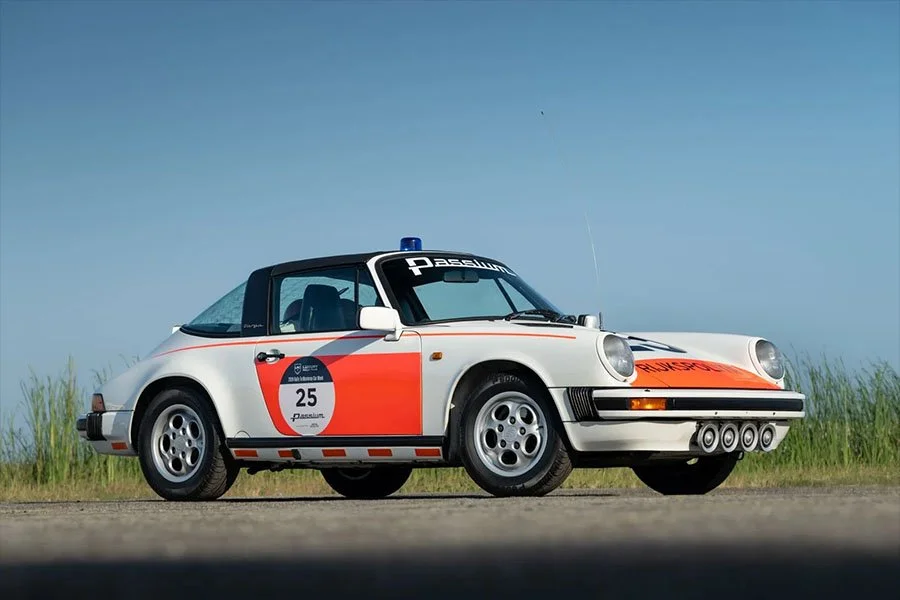
Between the 1950s and 1990s, members of the Korps Rijkspolitie, the Dutch National Police responsible for the nation's highways, were issued a variety of open top Porsche patrol cars; 356…
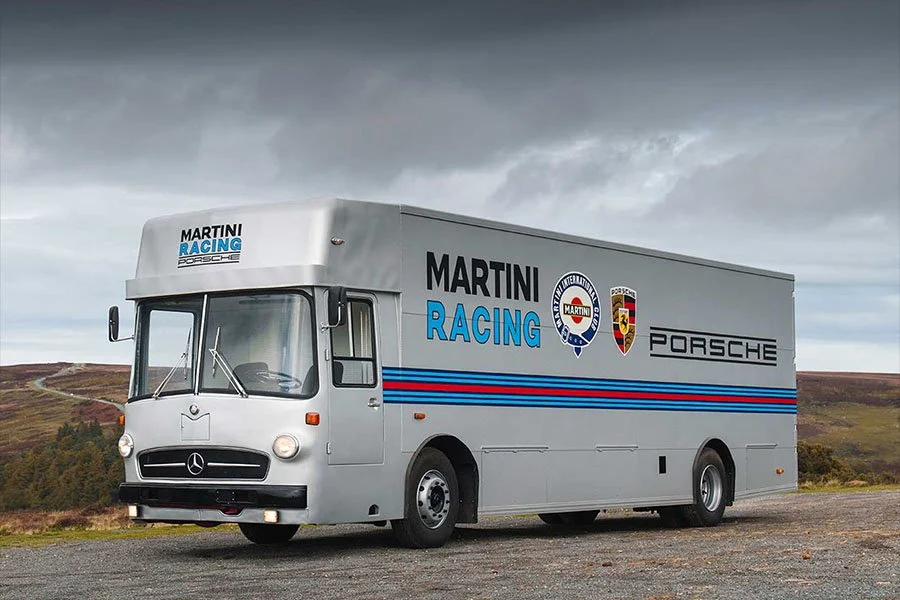
Between 1967 and 1969, Porsche commissioned three transporters from Mercedes-Benz based on the O317 platform. During the years that followed, this handsome trio traversed Europe, initially…
Porsche most famously came a cropper with regard to trademark law when, in late 1964, the German firm was forced to re-brand its 901 as the 911 because Peugeot had already registered three digit…
Kremer Racing’s 1974 campaign focused primarily on two of the latest specification 911 RSRs which the Cologne outfit built up from naked Porsche-supplied bodyshells. Together, chassis 004…