VIN: the works Porsche 911 2.8 Carrera RSR prototype chassis 9113600001
/ Ben Tyer
HISTORY OF CHASSIS 9113600001
Chassis 9113600001 (0001) was an early Carrera RSR prototype built up by Porsche in anticipation of an attack on the 1973 World Sportscar Championship.
Some of the parts used in the assembly of 0001 were sourced from a 2.5-litre 911 ST Group 4 rally car (chassis 9112300769) which had been crashed heavily by Sobieslaw Zasada on the Polish Rally in mid July of 1972.
Installation of the salvageable parts to 0001’s brand new bodyshell began in September 1972.
Upon completion, the Indian Red prototype was used for testing and development along with a sister car (0002) that had been completed a few weeks earlier. Both vehicles retained many features of 1972 model year 911s, most notably a separate oil filler cap behind the right-hand B-pillar.
With its R&D role over, 0001 was transferred to Porsche’s press and competition department on December 20th 1972. However, it was never subsequently raced (the only example from the batch of ten prototypes / R-numbered RSRs not to compete).
Following a successful 1973 campaign that had seen the Carrera RSR win the Daytona 24 Hours and Targa Florio, Porsche ran a batch of experimental turbocharged 911s in 1974.
With 0001 now surplus to requirements, it was sold (minus engine) to Stanley Parker of Surrey on February 5th 1974.
Parker had Josh Sadler of Autofarm fit the car with a 2.7-litre RS engine and 0001 was subsequently UK registered TRD 91M.
Stanley Parker retained 0001 for about a year, at which point it was sold to David Agnew.
Agnew was an enthusiastic amateur rally driver and purchased 0001 to replace a BMW 2002 Ti that he had used for the last few seasons. Together with navigator Robert Harkness, Agnew embarked on a series of rallies over the next couple of seasons, during which time he most notably finished second on the 1975 Galway International and fourth on the 1976 Donegal International. However, reliability did not prove the car’s strong point and Agnew switched to a BMW 2002 Tii for the second half of his 1976 campaign.
0001 was subsequently sold to Sean Campbell who used it during 1977. That year, Campbell picked up a second place finish on the Donegal International Rally and a sixth on the Ulster Rally. Once again though, 0001 did not prove the most reliable mount and Campbell switched to an Escort RS2000 for 1978.
Chassis 0001 was subsequently retired from competition duty. Since then, the car has been restored to its original factory configuration.
Notable History
Indian Red
Prototype reserved for factory test and development programme
05/02/1974 sold minus engine to Stanley Parker, Surrey
Fitted with 2.7-litre RS engine by Autofarm
Registered TRD 91M
Sold to David Agnew
09/02/1975 ERC Galway International Rally (D. Agnew / R. Harkness) 2nd oa, 2nd Gr.4 class (#15)
01/04/1975 ERC Circuit of Ireland (D. Agnew / R. Harkness) DNF (#9)
22/06/1975 ERC Donegal International Rally (D. Agnew / R. Harkness) 8th oa, 8th Gr.4 class (#14)
28/06/1975 IND Texaco Rally (D. Agnew / R. Harkness) DNF (#10)
23/08/1975 NIR Bushwhacker Rally (D. Agnew / R. Harkness) DNF (#5)
08/02/1976 ERC Galway International Rally (D. Agnew / R. Harkness) DNF (#??)
20/04/1976 ERC Circuit of Ireland (D. Agnew / R. Harkness) DNF (#12)
20/06/1976 ERC Donegal International Rally (D. Agnew / R. Harkness) 4th oa, 4th Gr.4 class (#12)
Sold to Sean Campbell
06/02/1977 ERC Galway International Rally (S. Campbell / Y. Campbell) DNF (#27)
20/03/1977 IND West Cork Rally (S. Campbell / D. Campbell) DNF (#7)
12/04/1977 ERC Circuit of Ireland (W. Moffett) DNF (#17)
19/06/1977 IND Donegal International Rally (S. Campbell / P. Speer) 2nd oa, 2nd Gr.4 class (#7)
03/09/1977 GBR Ulster Rally (S. Campbell / P. Speer) 6th oa, 6th Gr.6 class (#9)
Text copyright: Supercar Nostalgia
Photo copyright: Porsche - https://www.porsche.com
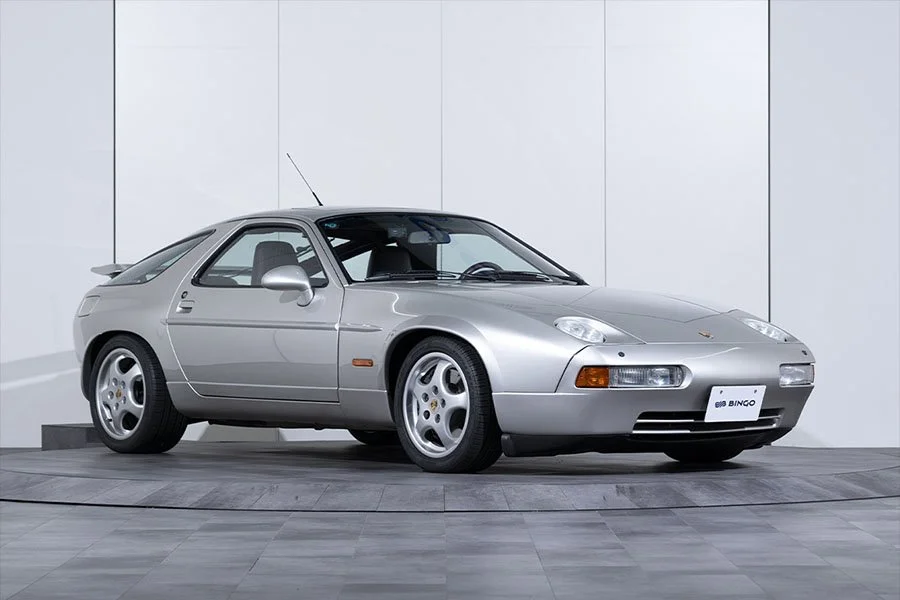
Despite the 928’s waning popularity and generally poor trading conditions, Porsche made some substantial changes to what would be the final iteration of its flagship Grand Tourer. Most…
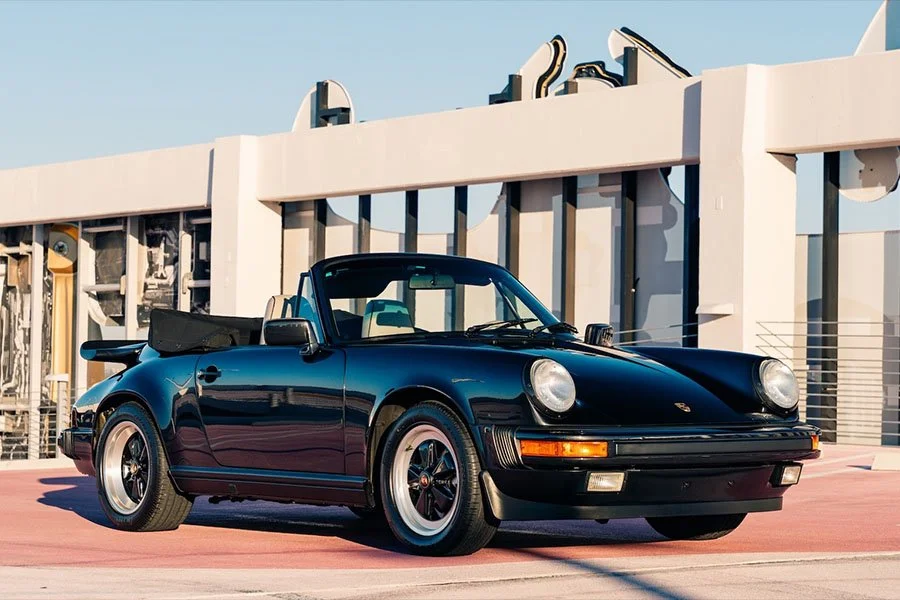
The 1989 model year was the last for Porsche’s iconic 3.2-litre Carrera before only 964-based models were offered. As usual, customers could order their new car as a Coupe, Targa or Cabriolet in either…
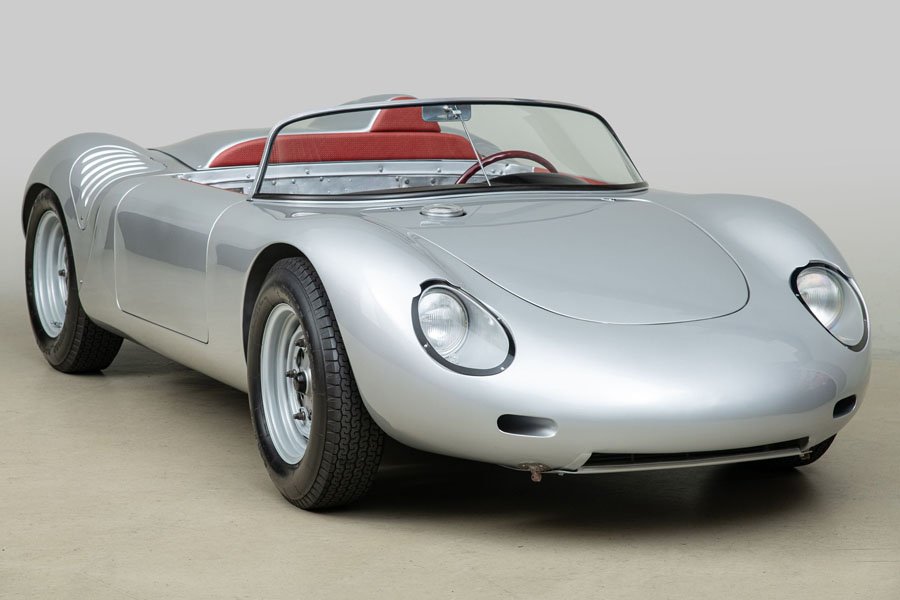
Arriving mid way through the 1957 season, the 718 was Porsche’s second effort at a purpose-built racing car after the enormously successful 550 line. Owing to regulatory changes, the new model…
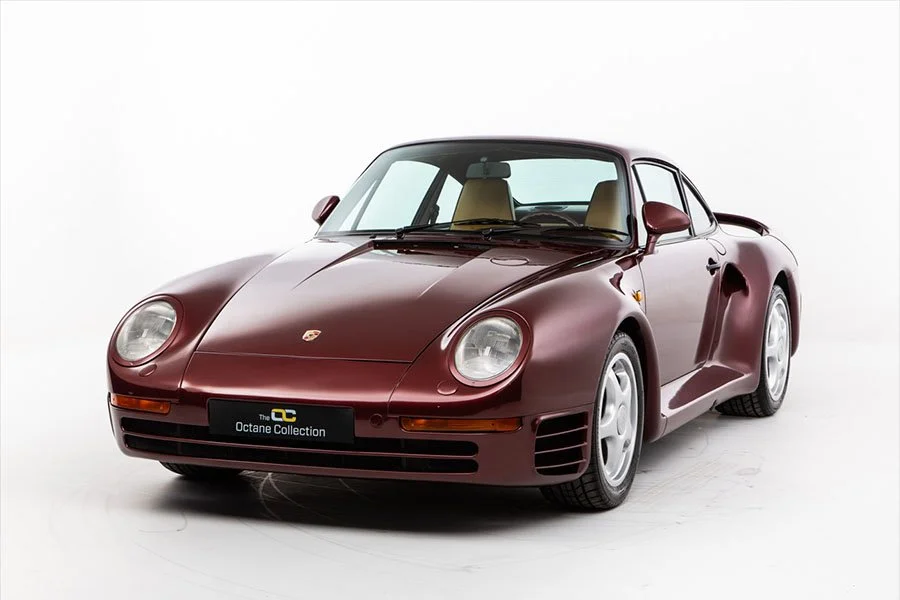
Among the most famous UK-domiciled Porsches during the 1980s was Peter Grant’s black 911 Turbo registered BAD 1. As manager of rock bands Led Zeppelin and Bad Company, Grant was able to…
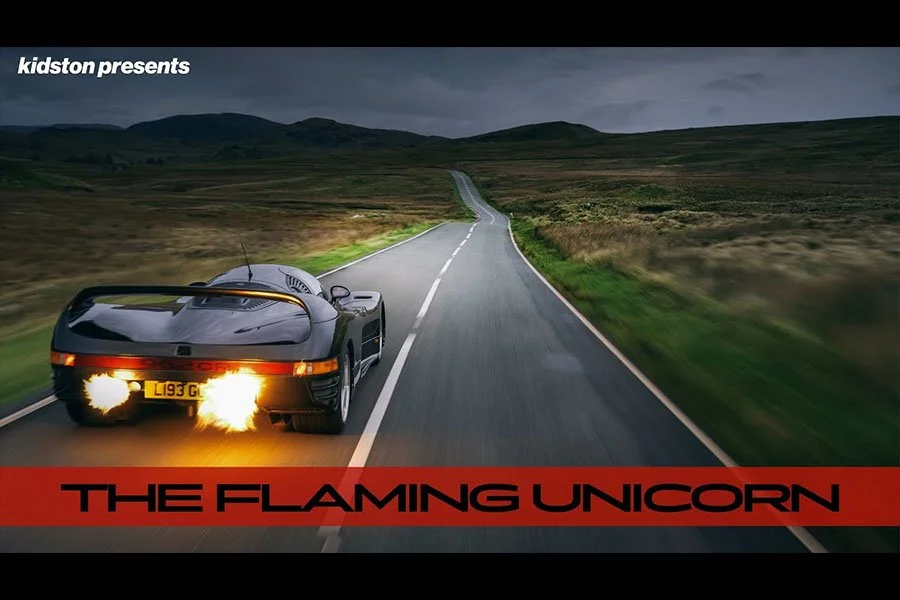
We hope you enjoy the first ever real world road test of the most expensive new car money could buy back in 1992: the Schuppan-Porsche 962 CR.
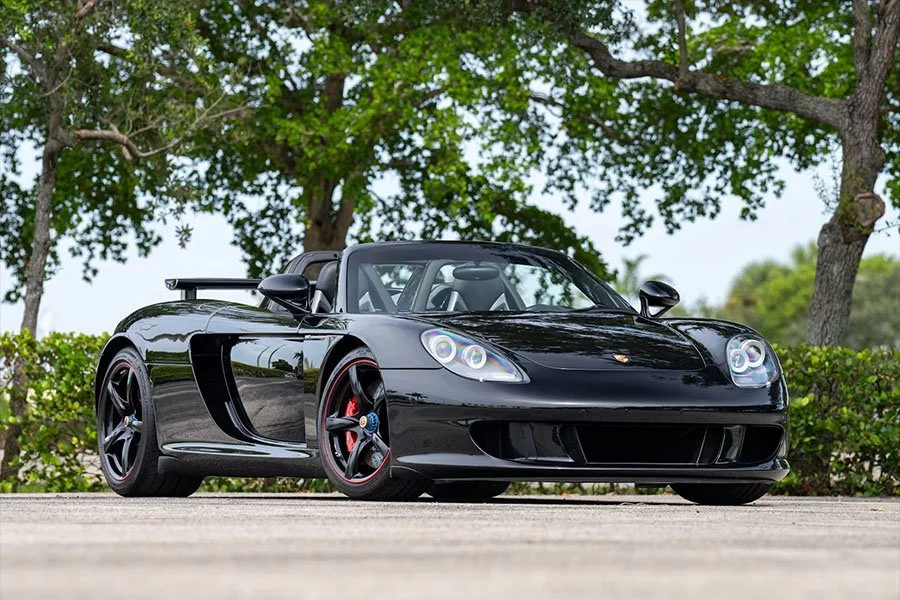
Porsche had originally planned a production run of 1500 Carrera GTs but, owing to relatively subdued demand in a post dot-com boom era, just 1270 were produced between 2004 and 2005…
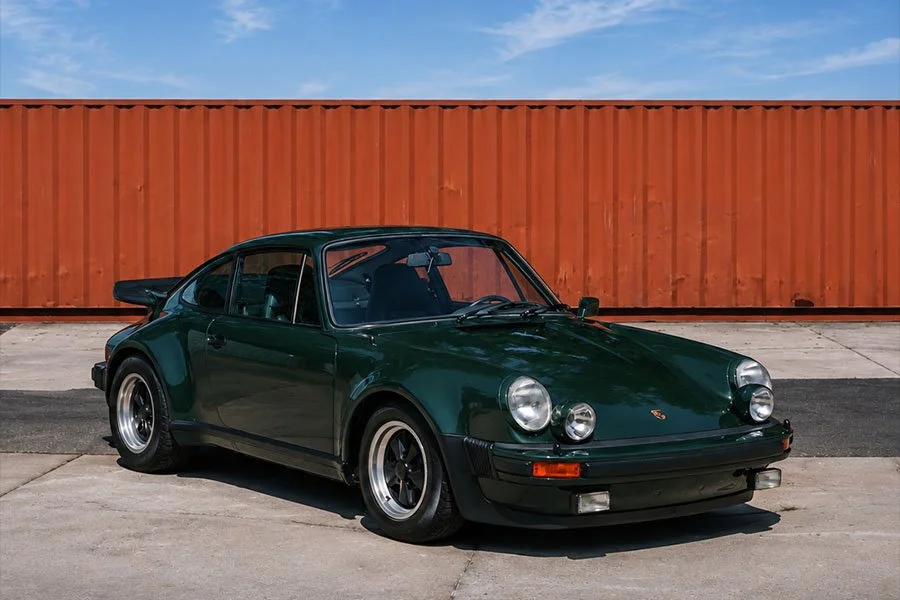
When Porsche added a turbocharged 911 to its range in early 1975, the firm finally had a model that was a genuine alternative to the likes of a Ferrari BB or Lamborghini Countach. However, while the…
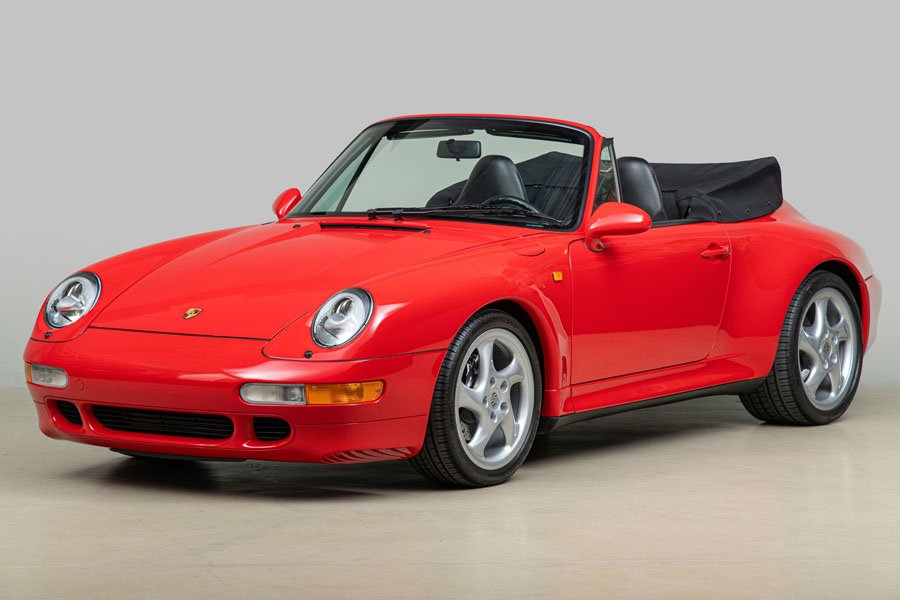
Although Porsche had offered open top versions of its two prior 911 variants with all the Turbo equipment bar a forced induction engine, that policy was abandoned on the 993 which was only…
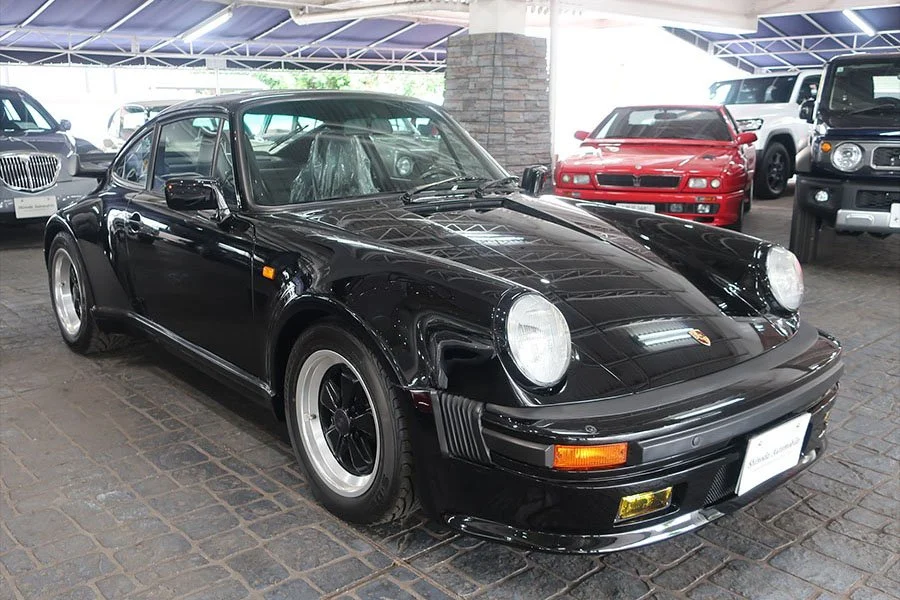
Which 930 is most collectable, significant or desirable remains open to debate. By contrast, when it comes to the ultimate 930-based driving experience, the one-year-only five-speed model produced…
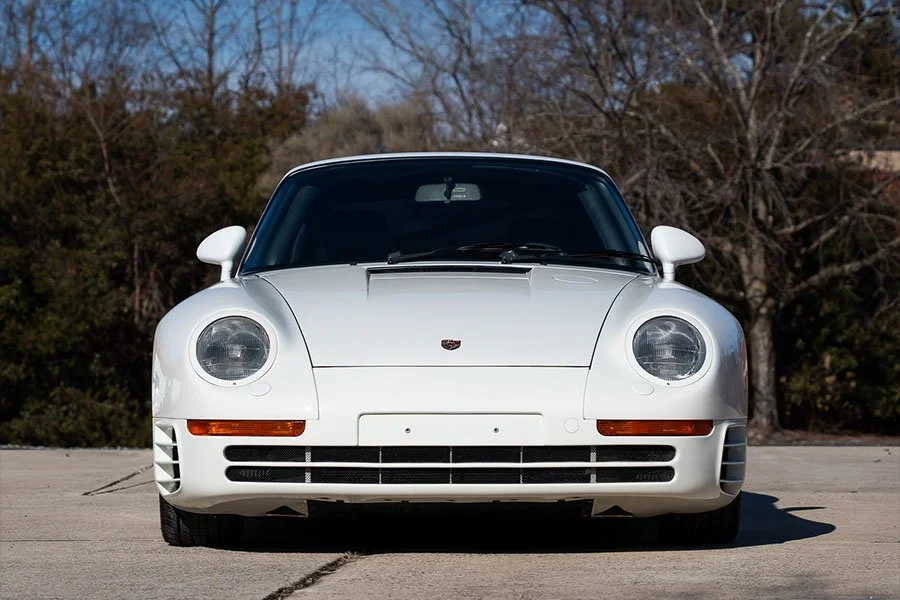
Somewhat surprisingly given the red hot nature of the late 1980s collector car market, Porsche only built 29 copies of the formidable 959 Sport between 1987 and ‘89. Conceived to take the 959…
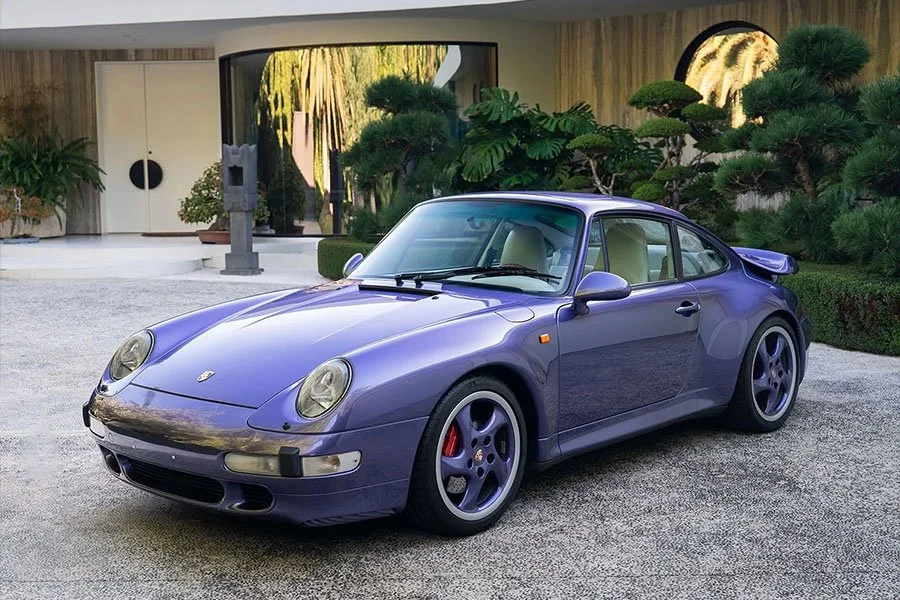
With its bulging Coke-bottle shape, slanted headlights and massive tea tray rear spoiler, the 993-type 911 Turbo became an icon of late 90s automotive design. Produced between 1995 and ‘98, this…
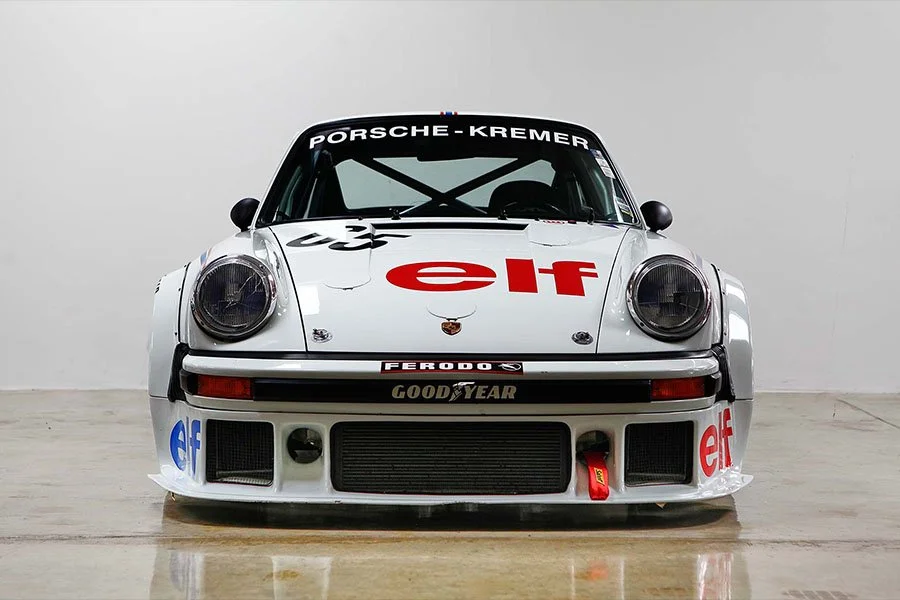
In addition to an in-house 935-inspired K1 and Vaillant-liveried 934 on the books for 1976, the Cologne-based Kremer brothers prepared a 934 financed by German privateer, Gerhard Holup.
Five years after he had joimed Porsche (back when the company was based in the Austrian town of Gmund and the 356/1 prototype was still on the drawing board), engineer Ernst Fuhrmann was given…
When it comes to most extreme iterations of the 911, three candidates stand out. One is the 1974 Carrera RSR Turbo, another the 935 it spawned which, from 1976, was built in various states of tune.
During the peak of its popularity in the mid 1980s, the 944 Turbo was selling in almost as many numbers as the 911 Carrera - well over 10,000 a year. However, by the early 1990s, the 944 was…
During 1973, the Martini-backed Porsche works team ran 911 Carrera RSRs that became ever more extreme as they were developed away from production-based Group 4 trim towards out-and-out…
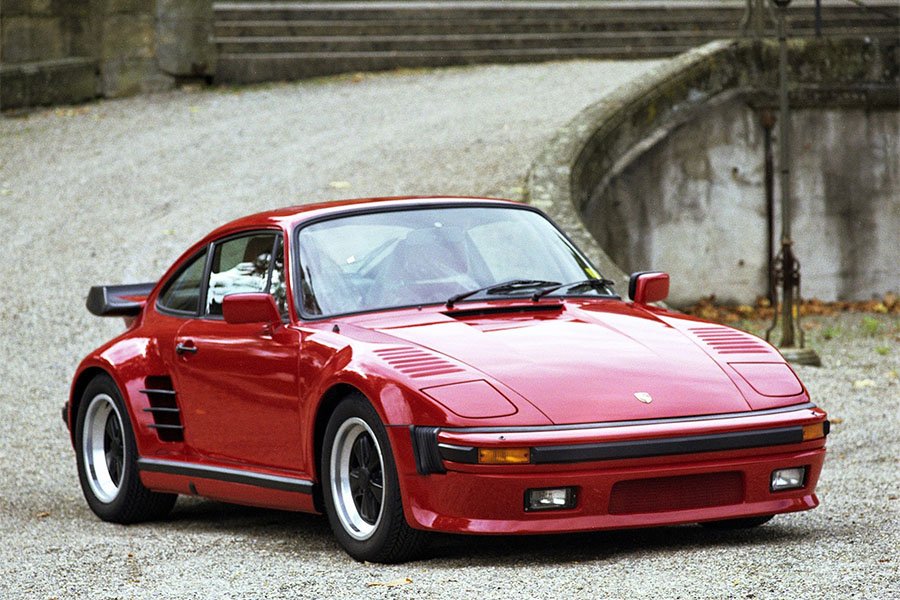
Porsche’s 911 Turbo, internal code 930, paved the way for two forced induction racing cars that debuted in 1976: the Group 4 934 and Group 5 935. In Group 4, only relatively light modifications…
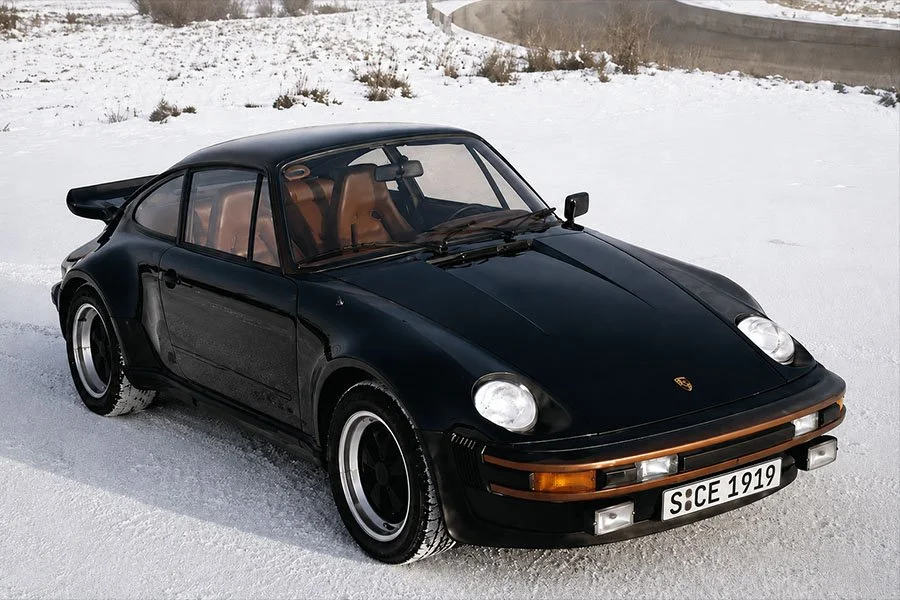
Chassis 9305700022 was the last of Porsche’s pre-production 911 Turbos. Originally configured in Black with Brown upholstery and Sports seats, the car was registered S-CE 1919 and served as a…
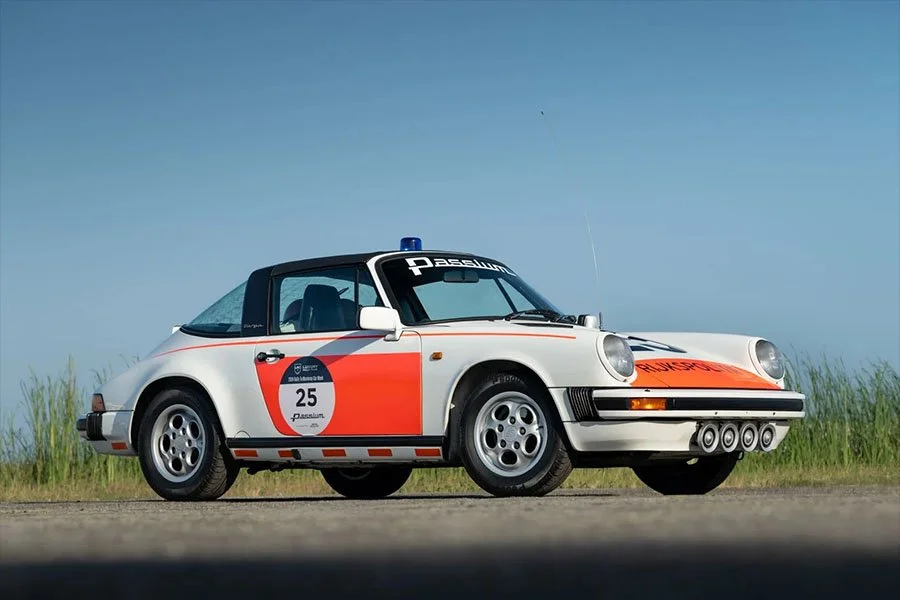
Between the 1950s and 1990s, members of the Korps Rijkspolitie, the Dutch National Police responsible for the nation's highways, were issued a variety of open top Porsche patrol cars; 356…
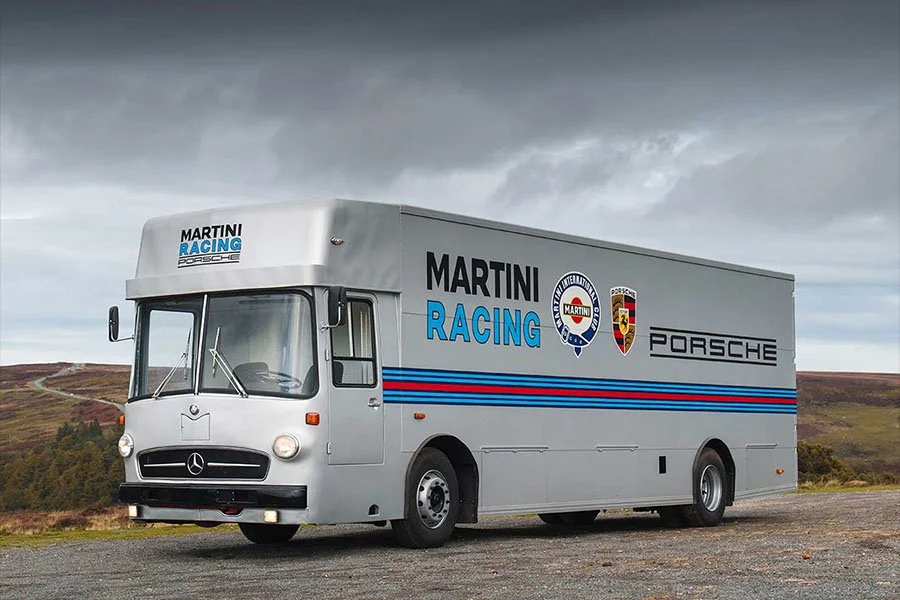
Between 1967 and 1969, Porsche commissioned three transporters from Mercedes-Benz based on the O317 platform. During the years that followed, this handsome trio traversed Europe, initially…
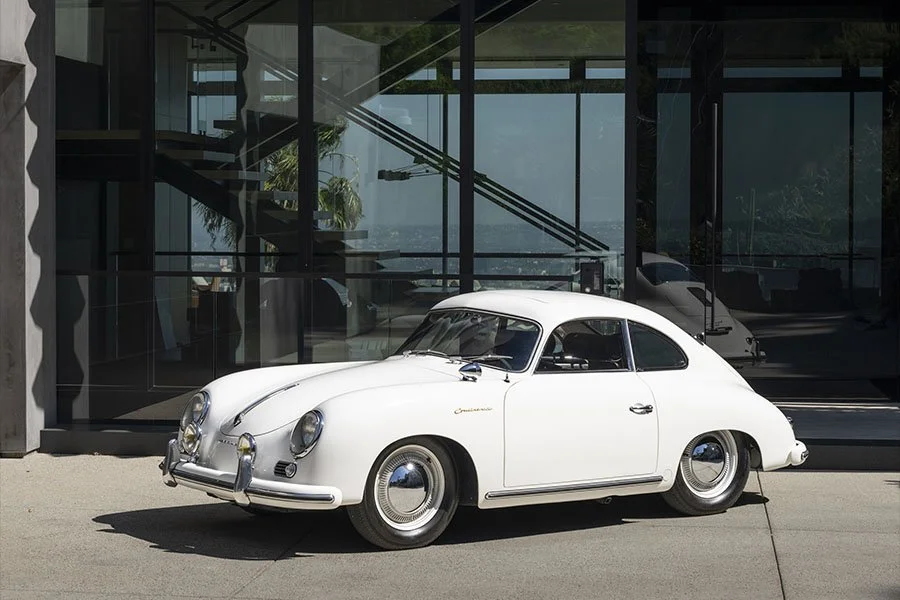
Porsche most famously came a cropper with regard to trademark law when, in late 1964, the German firm was forced to re-brand its 901 as the 911 because Peugeot had already registered three digit…
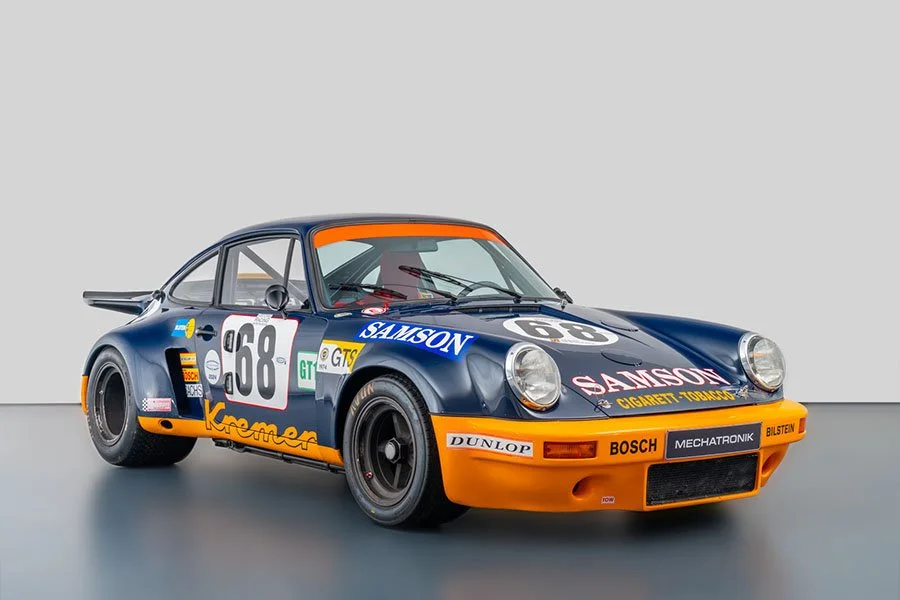
Kremer Racing’s 1974 campaign focused primarily on two of the latest specification 911 RSRs which the Cologne outfit built up from naked Porsche-supplied bodyshells. Together, chassis 004…
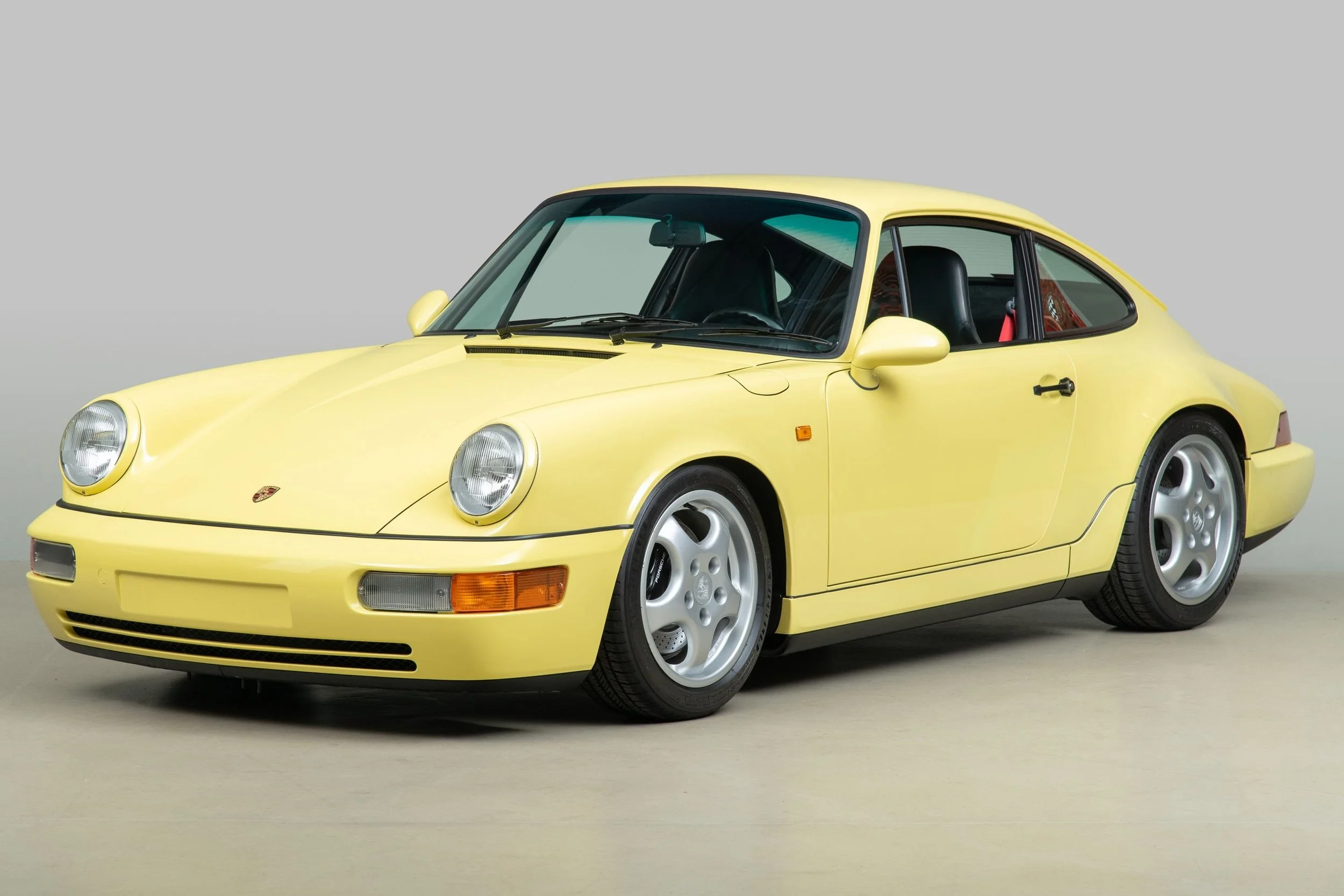
Although Porsche produced a batch of 20 Group B 911 SCs that wore the Renn Sport moniker in 1984, the 964-based RS launched in early 1991 marked a return to the street for this iconic sobriquet after…
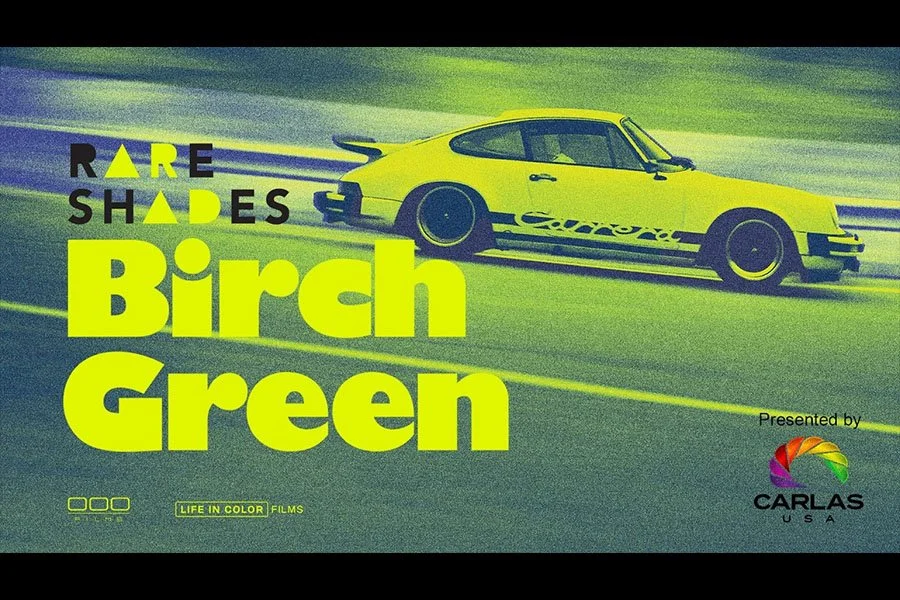
The 1970s were an era of bold expression: fashion, furniture, music, design, and, in this case, car colors. Birch Green, an almost fluorescent hue, was developed more than 50 years ago, specifically for the 911 RSR.
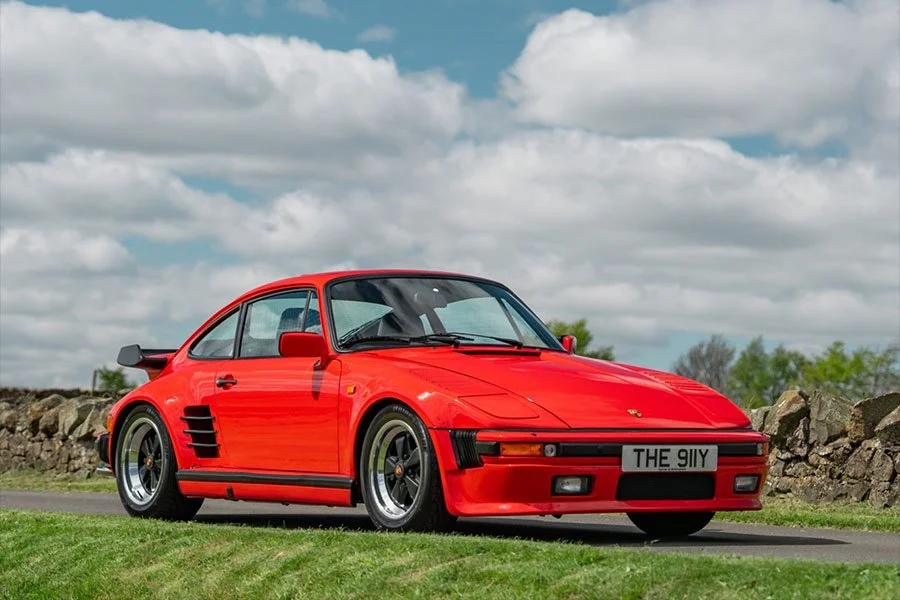
Two of the most famous Flachbau 930s were commissioned by key members from the McLaren F1 team that ran Porsche’s TAG-branded engines with such great success between mid 1983 and 1987.
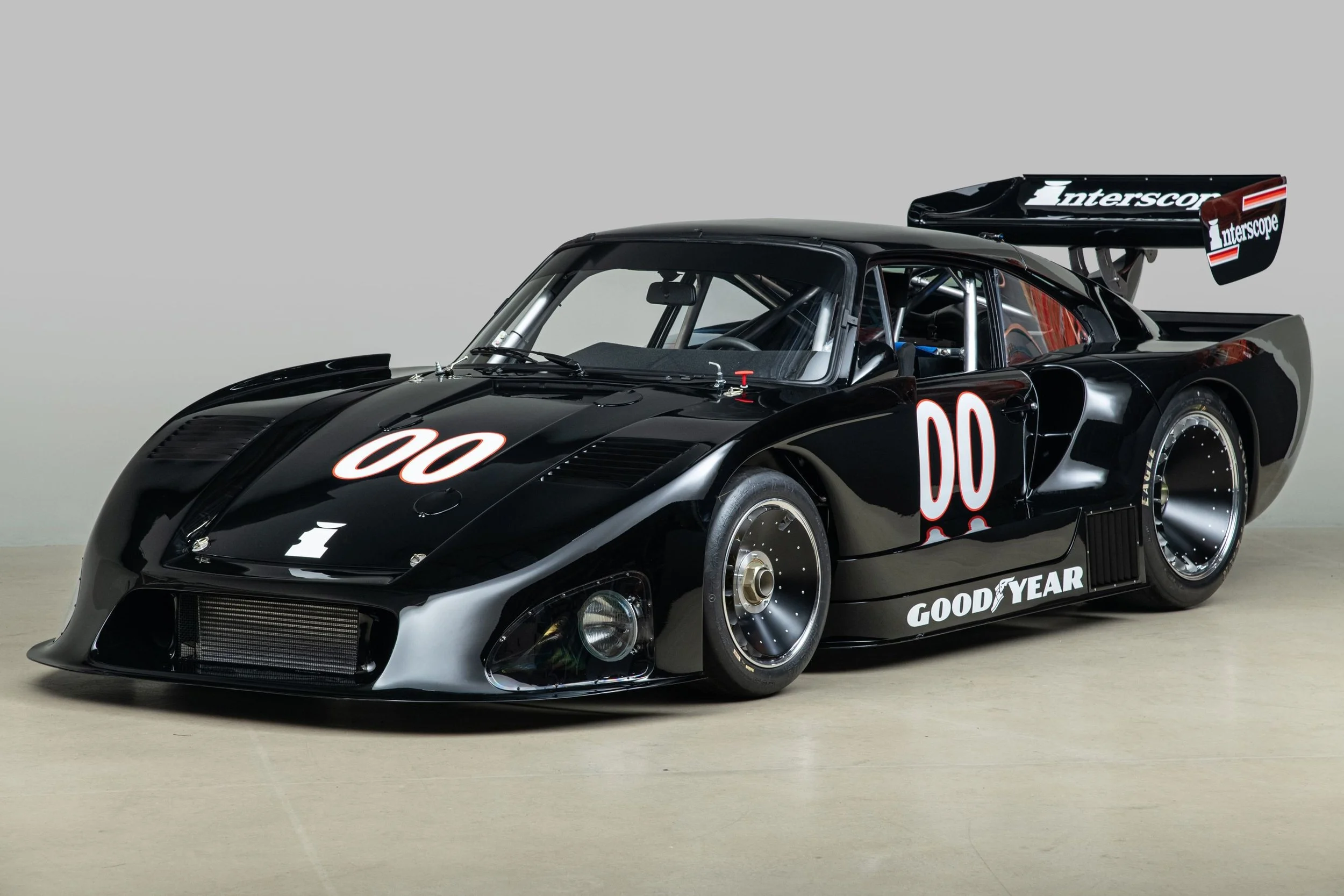
After the 935/78 ‘Moby Dick’-inspired K3 that, in 1979, became the first production-based car to win at Le Mans during the post World War 2 era, Kremer created the even more radical K4 of which just…
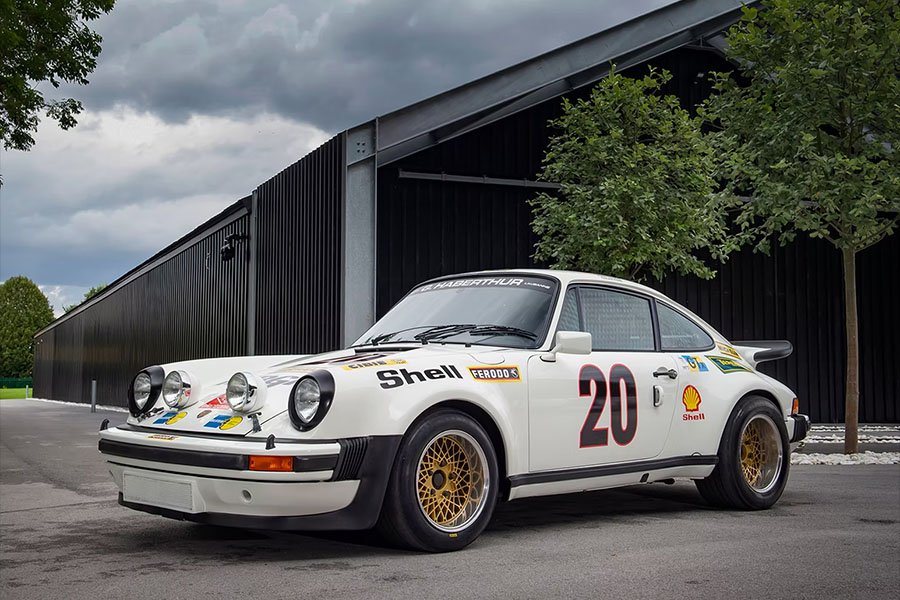
Five months after the production-ready 911 Turbo (930) was unveiled at the 1974 Frankfurt Motor Show, Porsche displayed their new range-topping model at the ‘75 Geneva Salon which was widely…
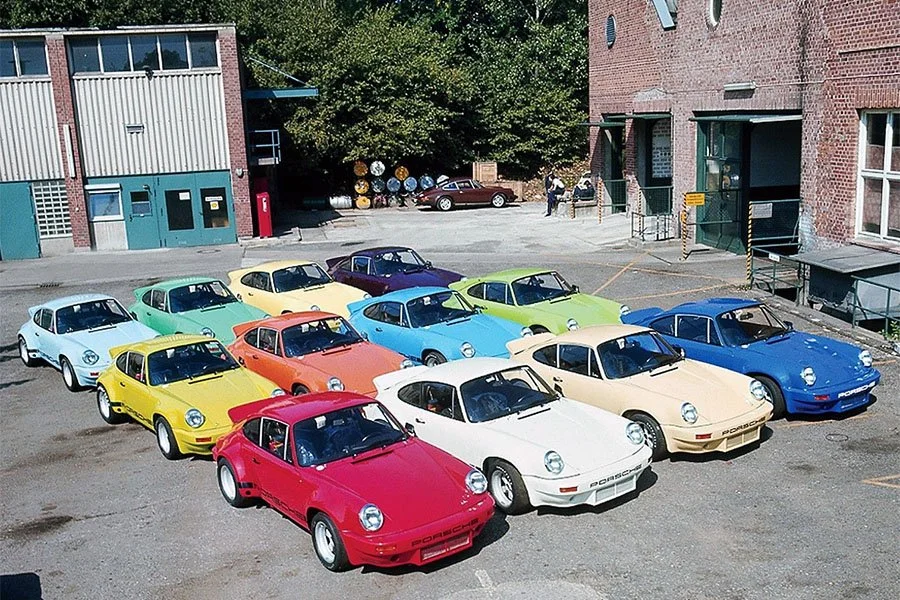
During the 1973 season, renowned American industrialist and race team owner, Roger Penske, began to develop plans for a one make series that would pitch the world’s top Formula 1, NASCAR and…
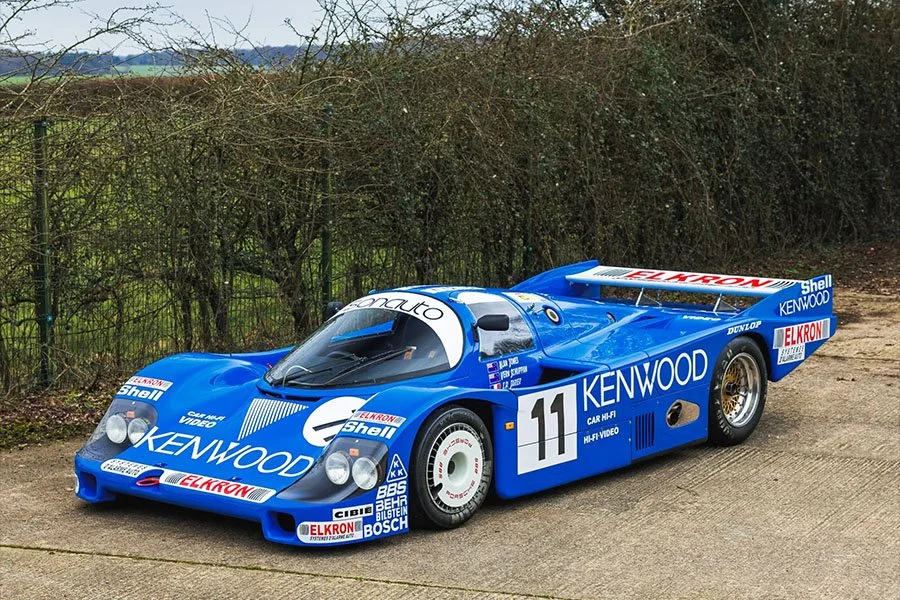
Having reserved the 956 strictly for works use during the model’s maiden season (1982), Porsche began to offer customer copies for 1983. The following year, a further updated iteration was supplied…
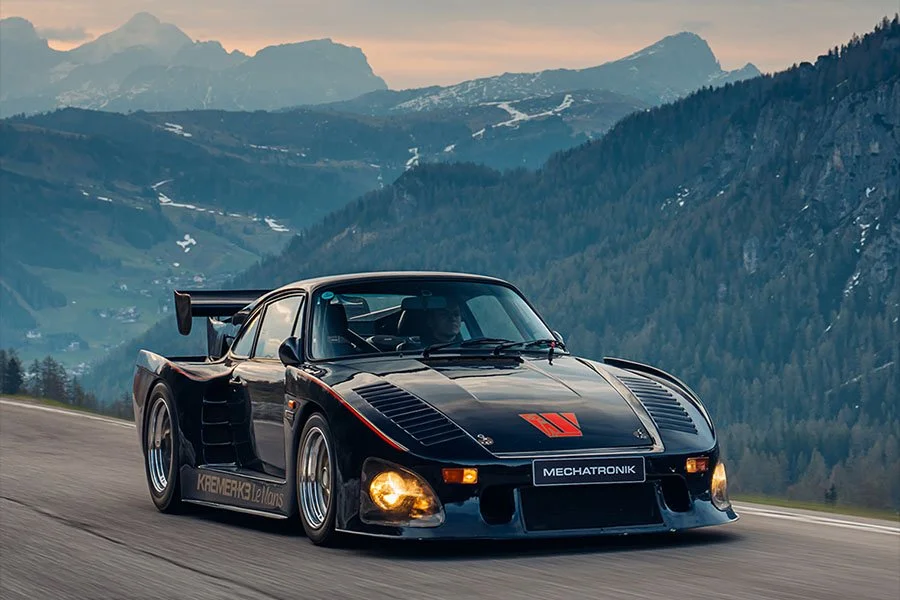
At the 1979 Le Mans 24 Hours, victory went to a production-based car as opposed to a purpose-built prototype for the first time in the post World War 2 era. That vehicle was a works Kremer K3 derived…