VIN: the Porsche Salzburg / Martini Racing Porsche 917 / 917 K chassis 023
/ Ben Tyer
HISTORY OF CHASSIS 023
Chassis 023 was one of four 917s leased to the Porsche Konstruktionen Salzburg team for the 1970 season.
The Salzburg operation was a quasi-works outfit run by Ferdinand Porsche’s grandson, Ferdinand Piech.
Although Porsche had signed a deal with John Wyer Automotive Engineering to race the 917 for 1970 and 917, Piech (who had been a key player in the car’s development) still wanted to run the 917 in a semi-official capacity.
As a result, 917s appeared throughout 1970 under the Porsche Konstruktionen Salzburg banner (Piech’s mother’s Austrian distributorship for the marque). Factory drivers Kurt Ahrens Jr., Vic Elford, Rudi Lins and Hans Herrmann were employed and the first John Wyer knew of the Salzburg operation was when they turned up for the season opener at Daytona.
For chassis 023’s first three races it ran in a plain white livery and was driven by Vic Elford. At the Brands Hatch 1000km, Elford was joined by Denny Hulme (substituting for Kurt Ahrens Jr. who had been injured in a high speed crash behind the wheel of a 917 Langheck). 023 qualified third and after a very wet race finished second.
At Monza, 023 ran the new 4.9-litre engine and updated Girling brake system. This time with Elford / Ahrens Jr. at the wheel, it qualified third but retired at mid-distance as the engine had been over revved.
At Spa, the same drivers qualified twelfth and had a good run to finish third.
For 023’s next two appearances it ran in a handsome orange and white-striped livery.

Richard Attwood and Hans Herrmann shared the car at the Le Mans 24 Hours where they qualified 15th. As the other 917s dropped out, 023 came through to take Porsche’s first outright win at la Sarthe. It finished five laps clear of the only other 917 to go the distance: the purple and green Martini-backed Langheck of Gerard Larrousse and Willi Kauhsen.
Despite such a historic victory, chassis 023 was pressed into service for three additional races.
Its last outing for the Salzburg squad came at the final World Championship event of season: the Zeltweg 1000km. Elford / Attwood qualified fourth and, although they stopped eight laps from the end owing to a broken oil cooler, 023 covered sufficient distance to be classified in fourth.
For 1971, the Salzburg operation was disbanded and their cars were leased to the Martini International Racing Team run by Hans-Dieter Dechent. Dechent inherited Porsche’s full roster of drivers to include Vic Elford, Gerard Larrousse, Kurt Ahrens Jr., Helmut Marko, Rudi Lins and Gijs van Lennep.
023 made two appearances for the Martini squad in 1971.
At the season-opening Buenos Aires 1000km, Elford / Larrousse qualified fourth, but they were disqualified having completed 65 laps after two mechanics went out on track to try and fix a faulty fuel pump.
Elford / van Lennep then qualified eleventh for the next round at Daytona. However, just before midnight, 023 suffered a tyre blowout while Elford was at the wheel. The car went up into the banking where it was heavily damaged albeit without injury to the driver. 023 was repaired but not raced again.
In 1972, Porsche sold chassis 023 to Vasek Polak for the collection at his Hermosa Beach showroom in California. Polak retained the car until 1982, at which point it departed for the collection of Yoshio Matsuda in Gotemba on the outskirts of Tokyo.
Matsuda in turn sold the car in 1999, since which time it has been through the hands of a couple more major collectors.
Notable History
Porsche Konstriktionen Salzburg
White livery
12/04/1970 WSC Brands Hatch 1000km (V. Elford / D. Hulme) 2nd oa, 2nd S5.0 class (#11)
25/04/1970 WSC Monza 1000km (V. Elford / K. Ahrens Jr.) DNF (#10)
17/05/1970 WSC Spa 1000km (V. Elford / K. Ahrens Jr.) 3rd oa, 3rd S5.0 class (#28)
Red with white stripes
14/06/1970 WSC Le Mans 24 Hours (R. Attwood / H. Herrmann) 1st oa, 1st S5.0 class (#23)
11/10/1970 WSC Zeltweg 1000km (V. Elford / R. Attwood) 4th oa, 2nd S5.0 class (#21)
Martini International Racing Team
Silver Martini livery
10/01/1971 WSC Buenos Aires 1000km (V. Elford / G. Larrousse) DSQ (#38)
31/01/1971 WSC Daytona 24 Hours (V. Elford / G. van Lennep) DNF (#4)
1972 sold to Vasek Polak, California
1982 sold to Yoshio Matsuda, Japan
1999 sold to Symbolic Motors, California
2000 sold to Julio Palmaz, California
2011 sold to Carlos Monteverde, London
Text copyright: Supercar Nostalgia
Photo copyright: Porsche - https://www.porsche.com
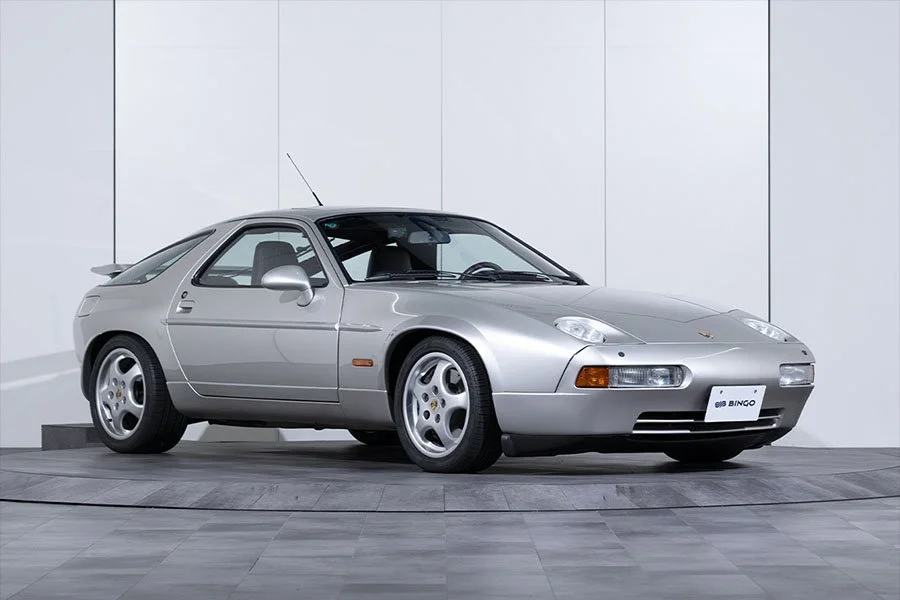
Despite the 928’s waning popularity and generally poor trading conditions, Porsche made some substantial changes to what would be the final iteration of its flagship Grand Tourer. Most…
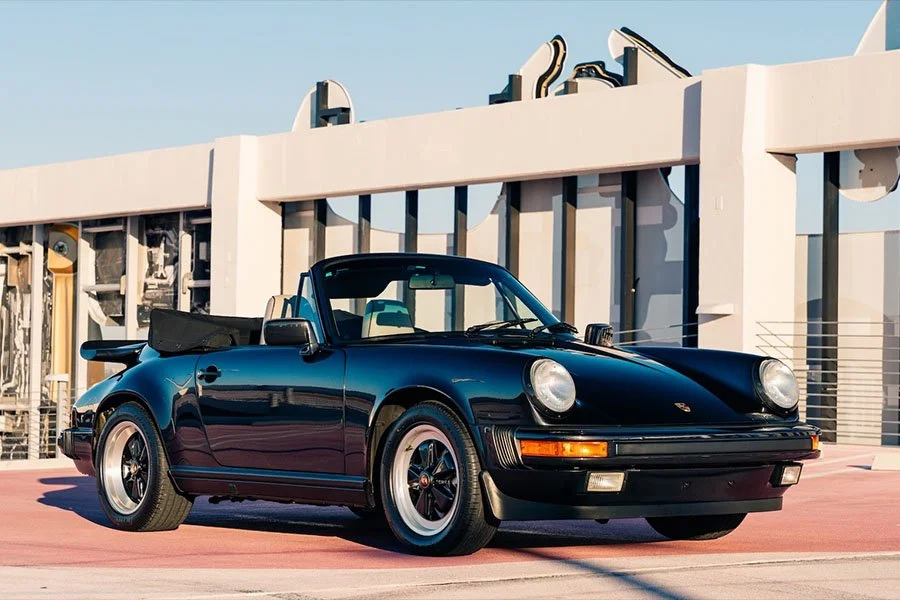
The 1989 model year was the last for Porsche’s iconic 3.2-litre Carrera before only 964-based models were offered. As usual, customers could order their new car as a Coupe, Targa or Cabriolet in either…
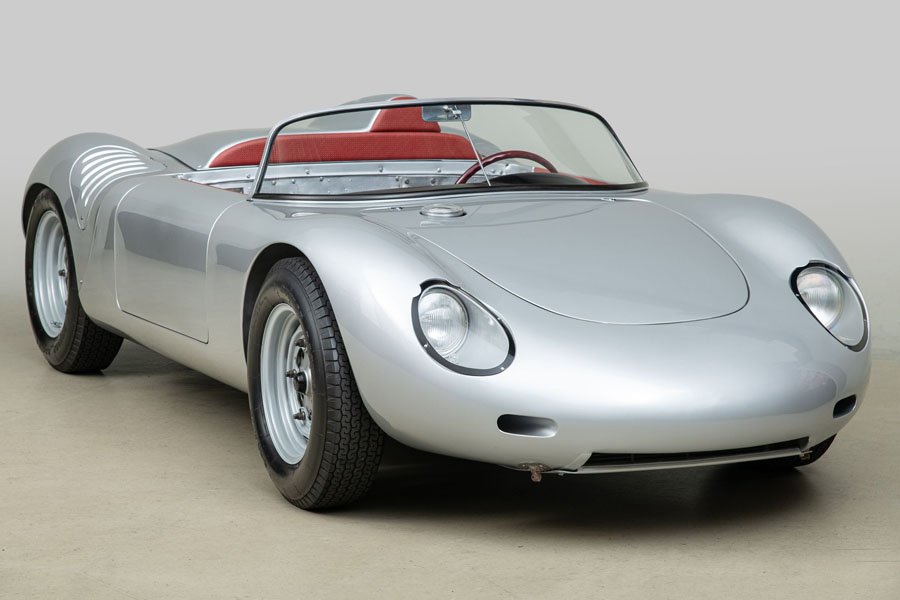
Arriving mid way through the 1957 season, the 718 was Porsche’s second effort at a purpose-built racing car after the enormously successful 550 line. Owing to regulatory changes, the new model…
Among the most famous UK-domiciled Porsches during the 1980s was Peter Grant’s black 911 Turbo registered BAD 1. As manager of rock bands Led Zeppelin and Bad Company, Grant was able to…
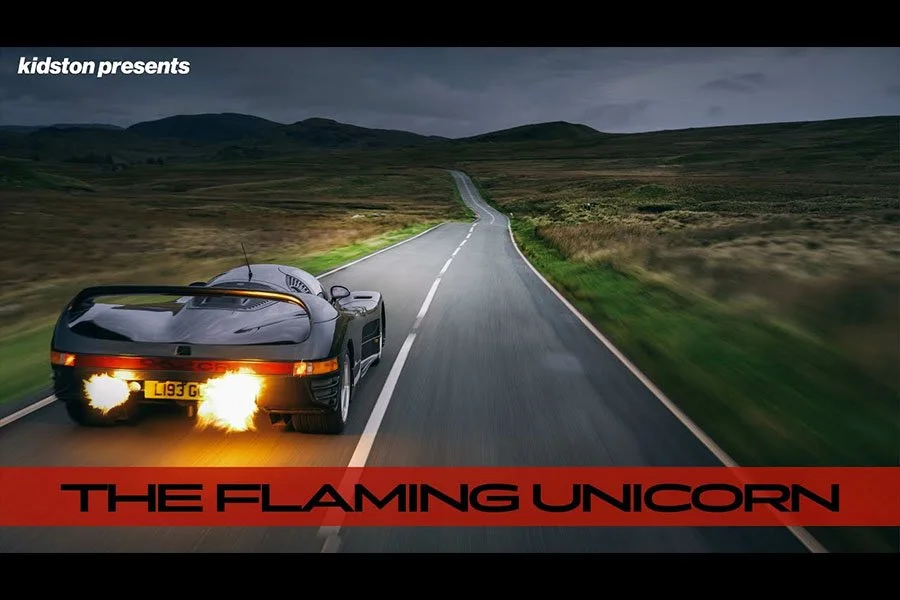
We hope you enjoy the first ever real world road test of the most expensive new car money could buy back in 1992: the Schuppan-Porsche 962 CR.
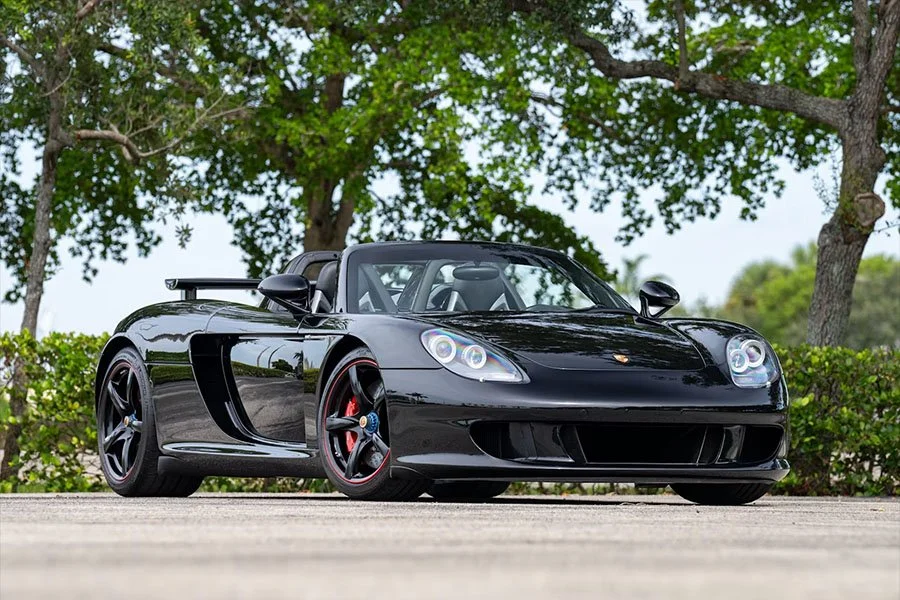
Porsche had originally planned a production run of 1500 Carrera GTs but, owing to relatively subdued demand in a post dot-com boom era, just 1270 were produced between 2004 and 2005…
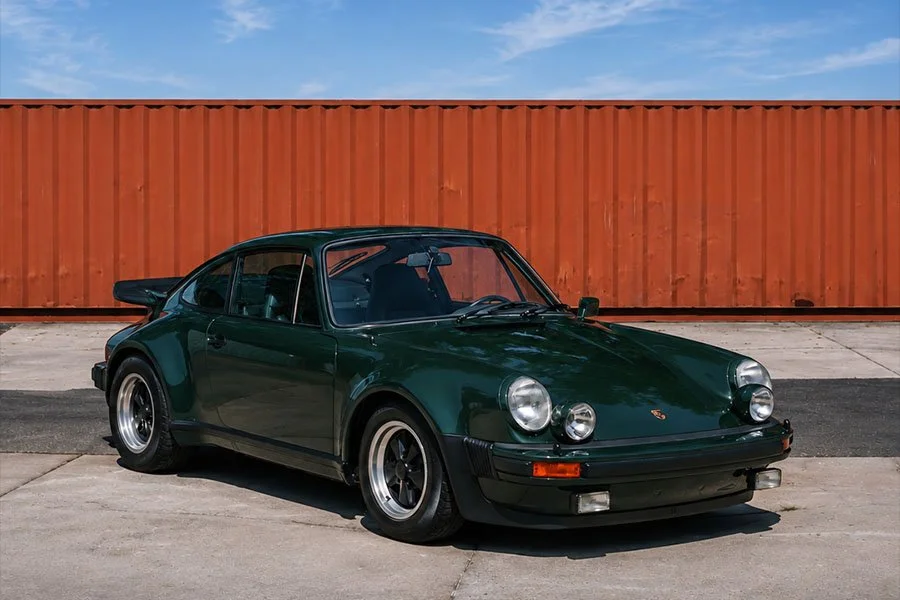
When Porsche added a turbocharged 911 to its range in early 1975, the firm finally had a model that was a genuine alternative to the likes of a Ferrari BB or Lamborghini Countach. However, while the…
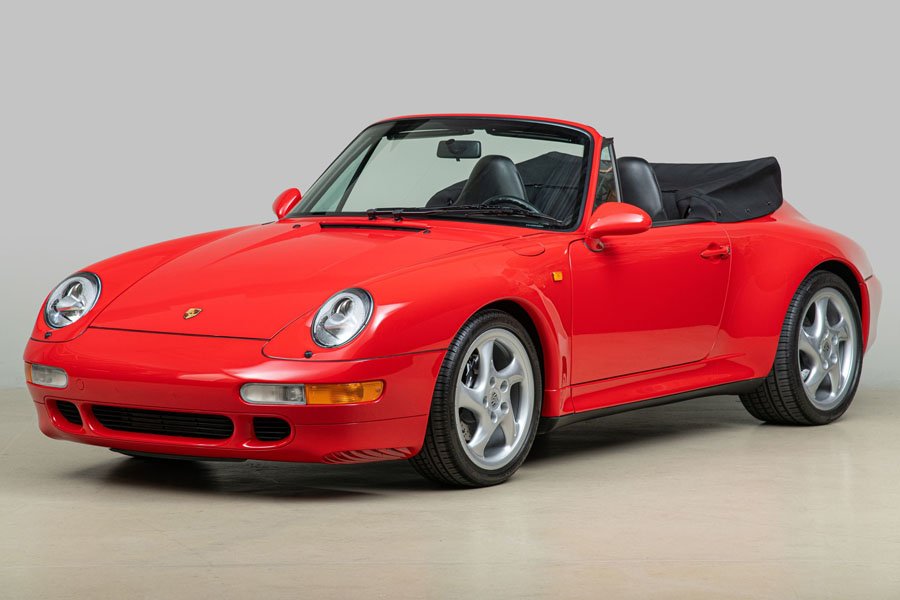
Although Porsche had offered open top versions of its two prior 911 variants with all the Turbo equipment bar a forced induction engine, that policy was abandoned on the 993 which was only…
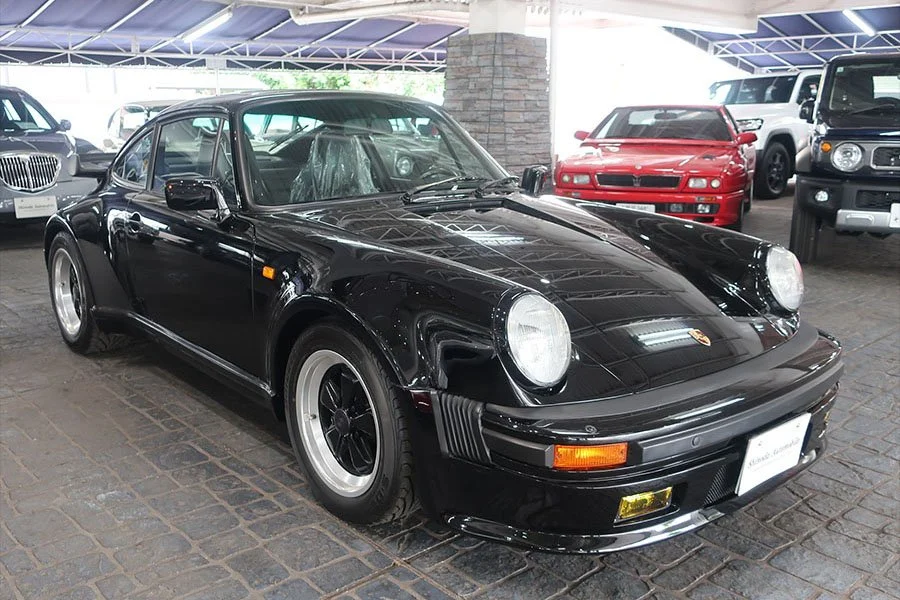
Which 930 is most collectable, significant or desirable remains open to debate. By contrast, when it comes to the ultimate 930-based driving experience, the one-year-only five-speed model produced…
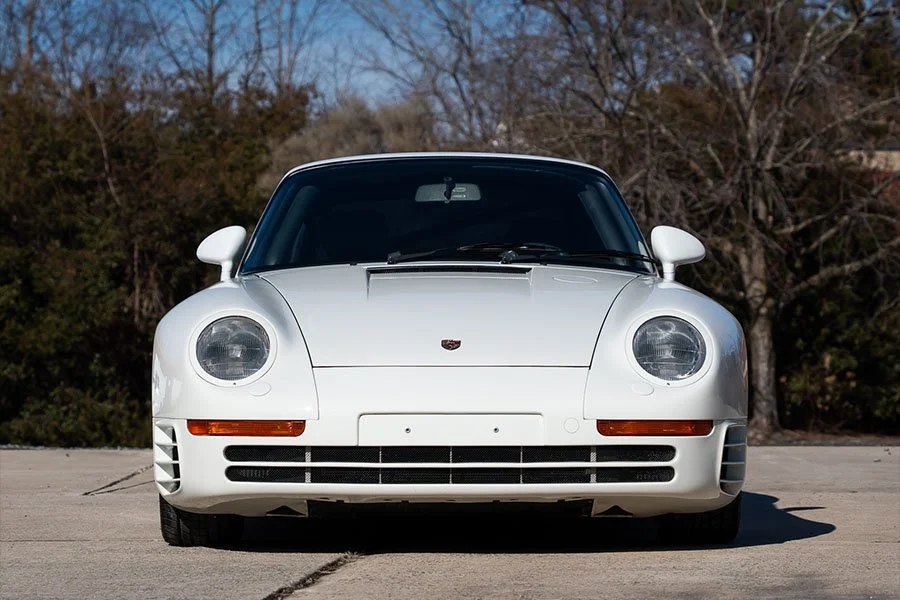
Somewhat surprisingly given the red hot nature of the late 1980s collector car market, Porsche only built 29 copies of the formidable 959 Sport between 1987 and ‘89. Conceived to take the 959…
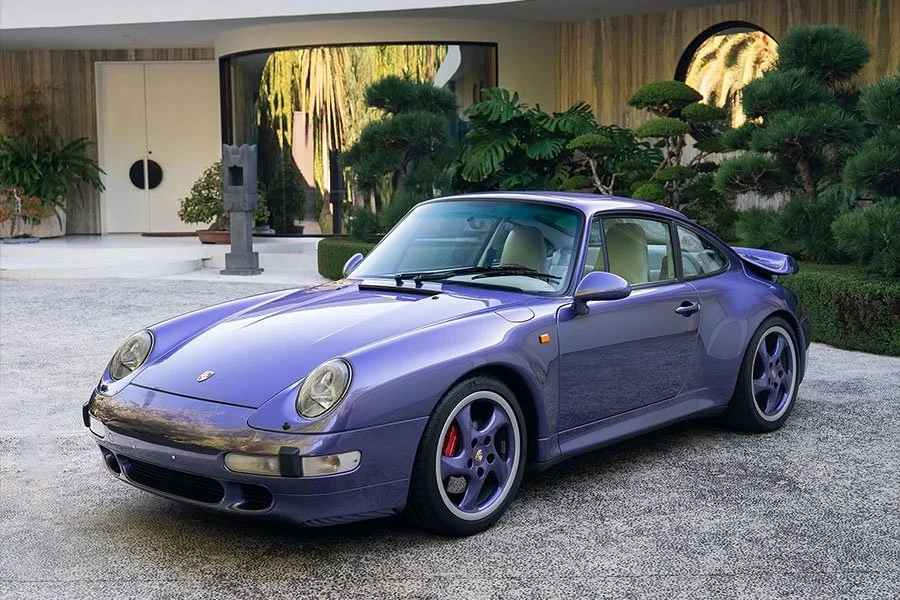
With its bulging Coke-bottle shape, slanted headlights and massive tea tray rear spoiler, the 993-type 911 Turbo became an icon of late 90s automotive design. Produced between 1995 and ‘98, this…
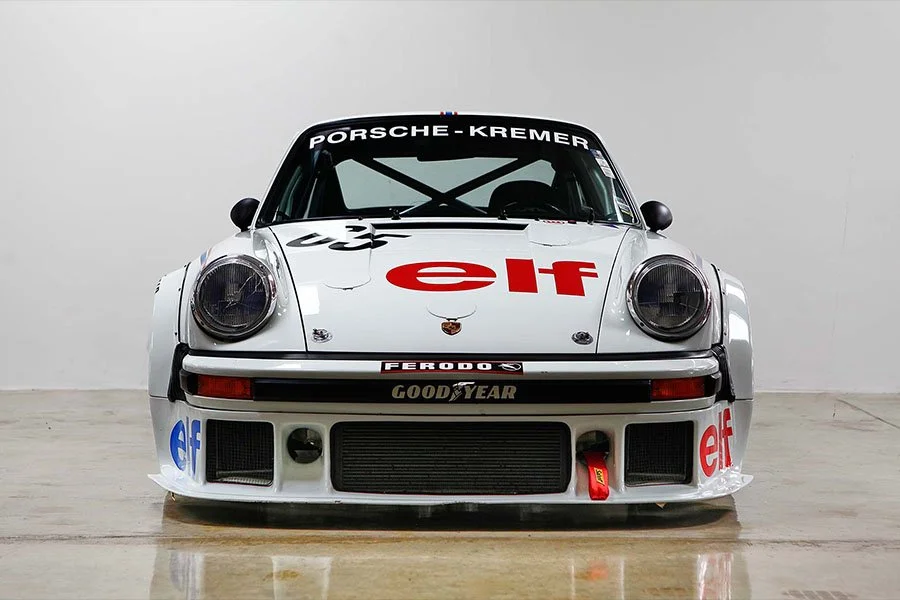
In addition to an in-house 935-inspired K1 and Vaillant-liveried 934 on the books for 1976, the Cologne-based Kremer brothers prepared a 934 financed by German privateer, Gerhard Holup.
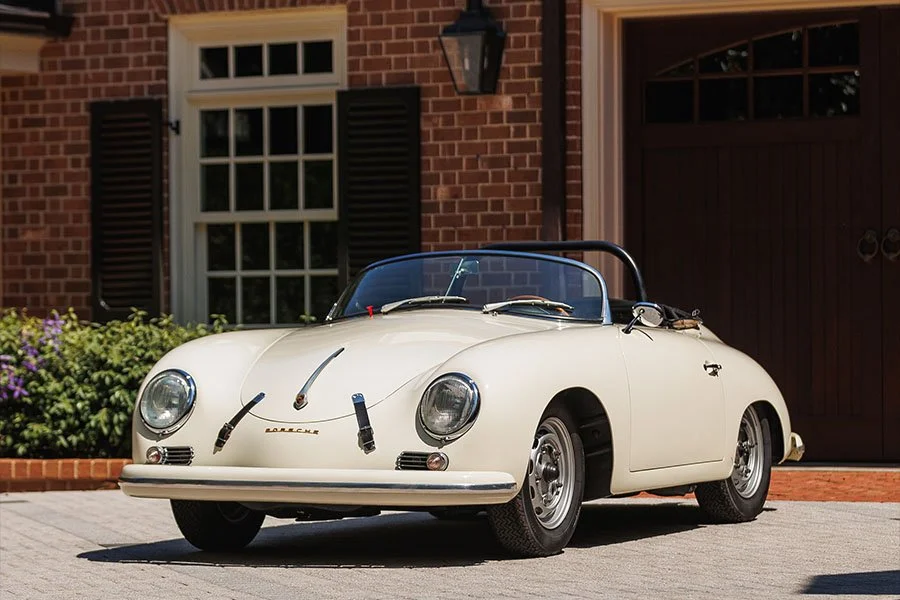
Five years after he had joimed Porsche (back when the company was based in the Austrian town of Gmund and the 356/1 prototype was still on the drawing board), engineer Ernst Fuhrmann was given…
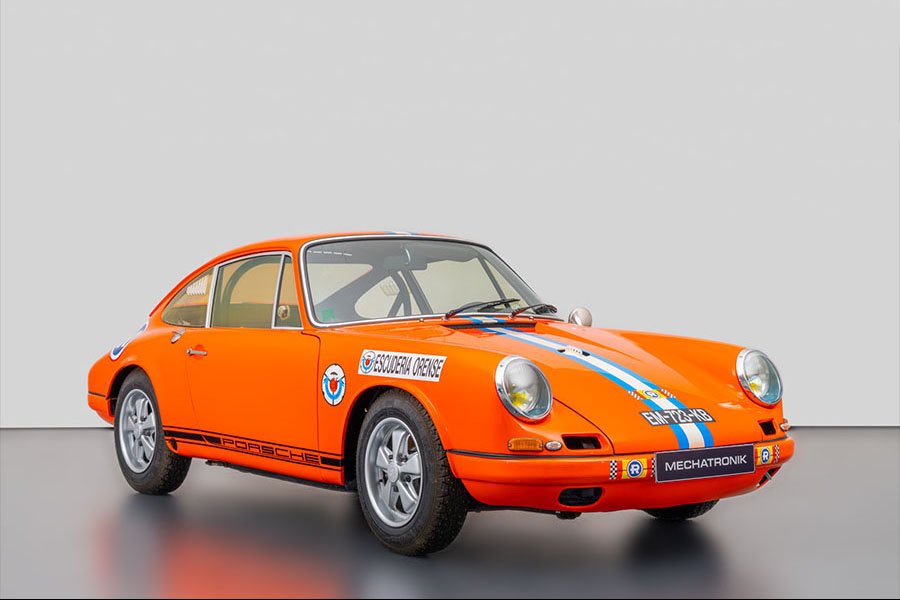
When it comes to most extreme iterations of the 911, three candidates stand out. One is the 1974 Carrera RSR Turbo, another the 935 it spawned which, from 1976, was built in various states of tune.
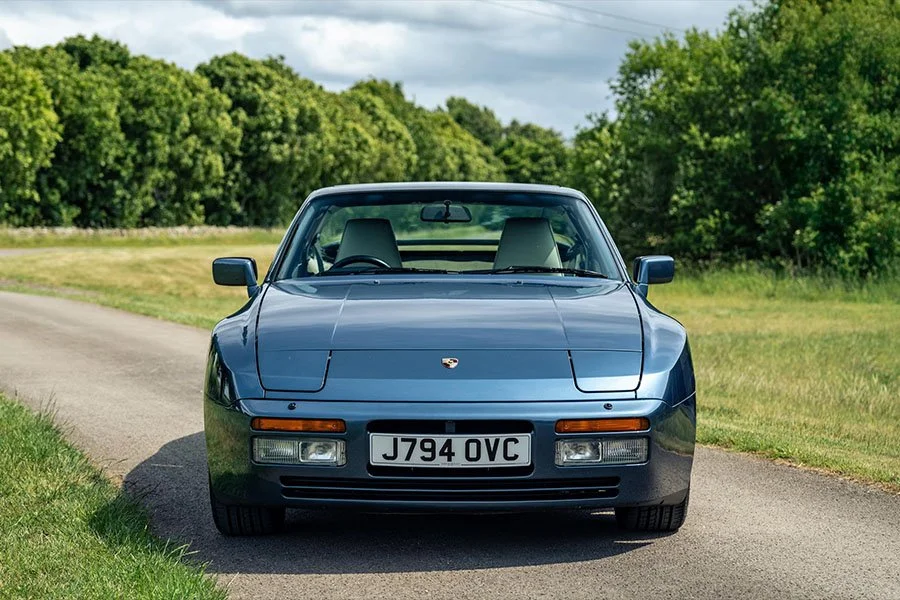
During the peak of its popularity in the mid 1980s, the 944 Turbo was selling in almost as many numbers as the 911 Carrera - well over 10,000 a year. However, by the early 1990s, the 944 was…
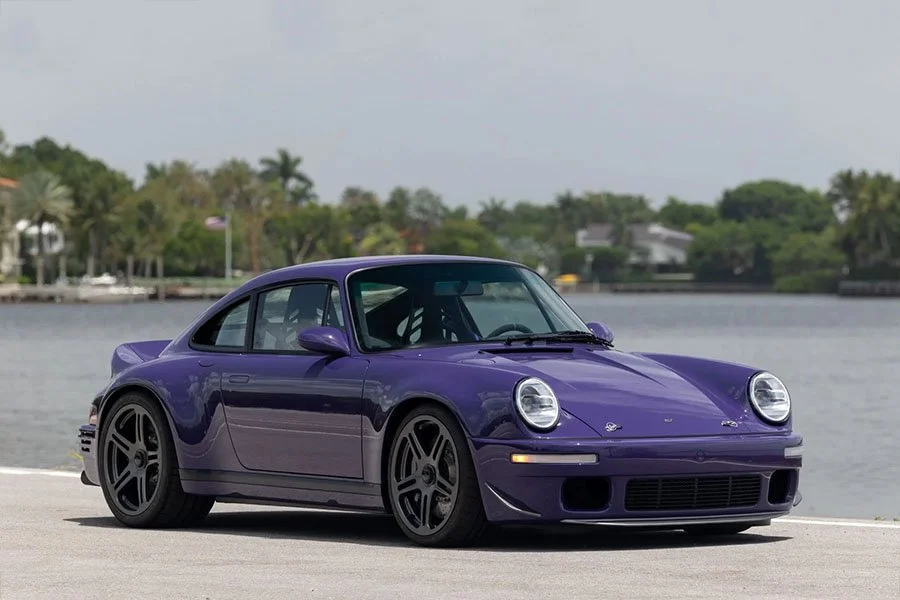
During 1973, the Martini-backed Porsche works team ran 911 Carrera RSRs that became ever more extreme as they were developed away from production-based Group 4 trim towards out-and-out…
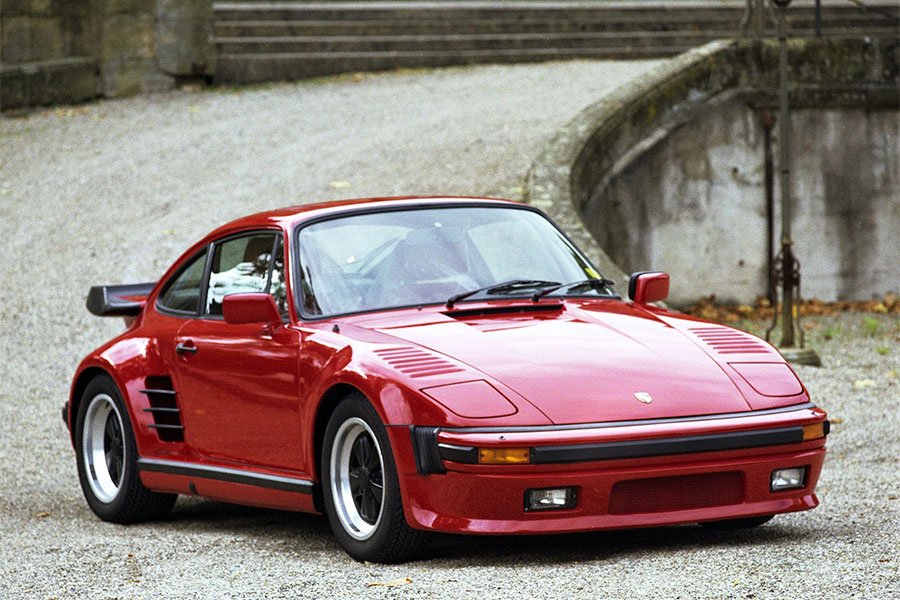
Porsche’s 911 Turbo, internal code 930, paved the way for two forced induction racing cars that debuted in 1976: the Group 4 934 and Group 5 935. In Group 4, only relatively light modifications…
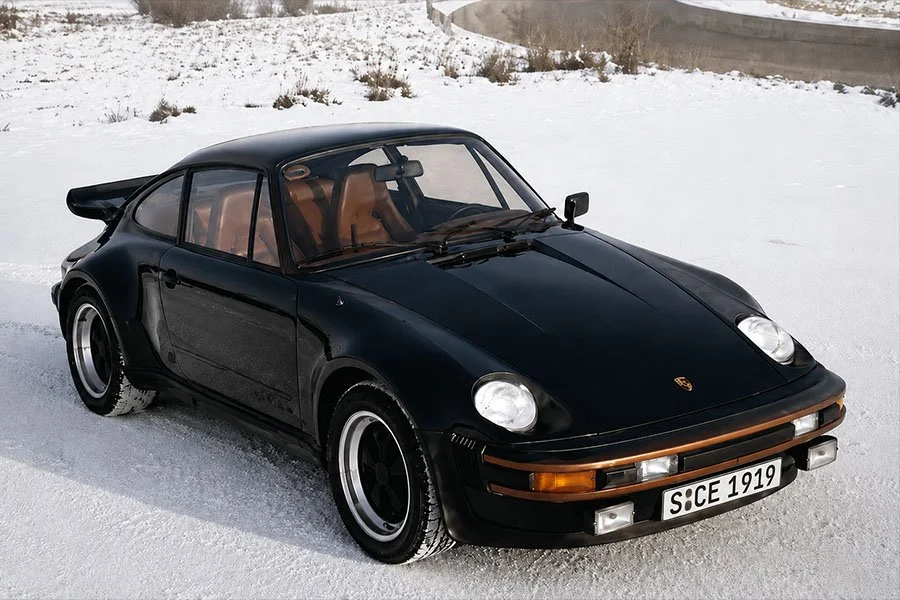
Chassis 9305700022 was the last of Porsche’s pre-production 911 Turbos. Originally configured in Black with Brown upholstery and Sports seats, the car was registered S-CE 1919 and served as a…
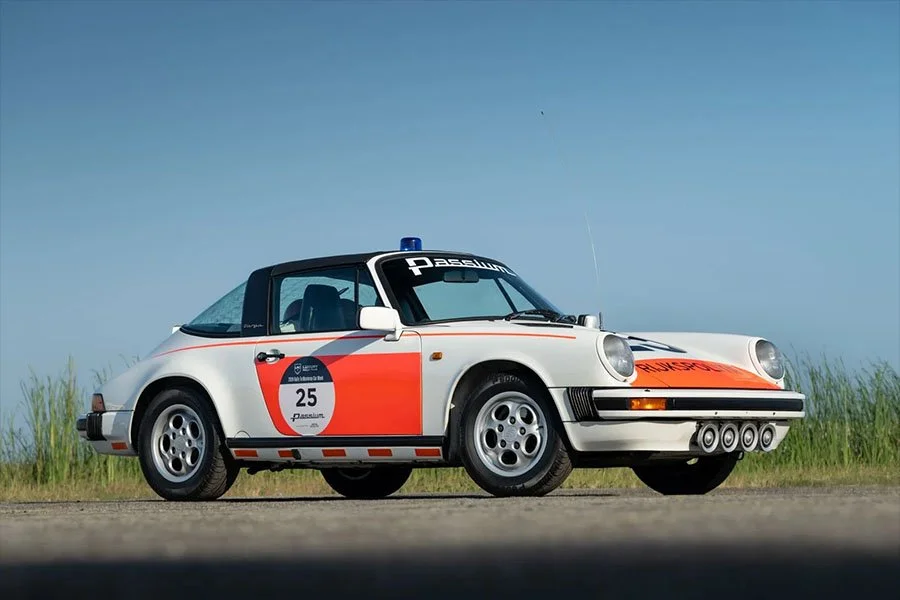
Between the 1950s and 1990s, members of the Korps Rijkspolitie, the Dutch National Police responsible for the nation's highways, were issued a variety of open top Porsche patrol cars; 356…
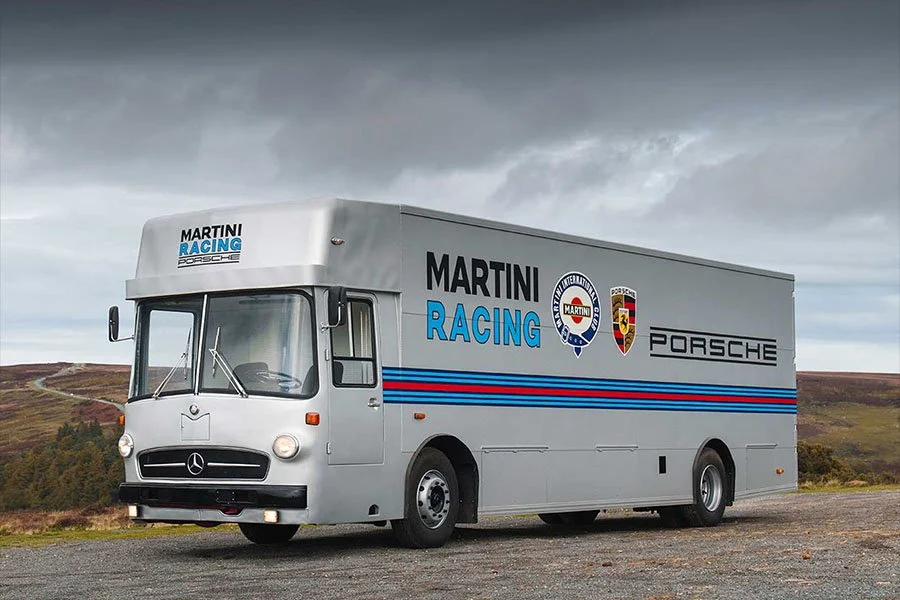
Between 1967 and 1969, Porsche commissioned three transporters from Mercedes-Benz based on the O317 platform. During the years that followed, this handsome trio traversed Europe, initially…
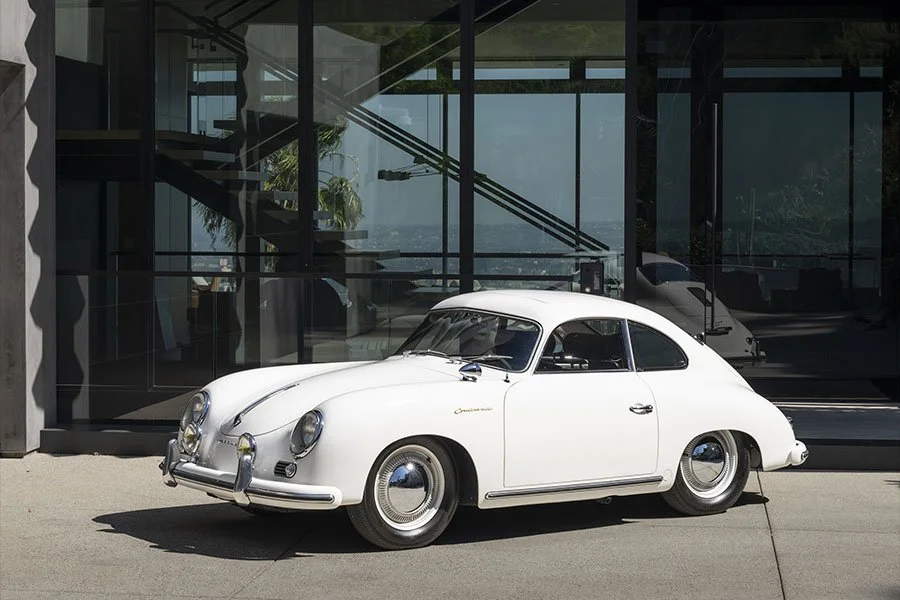
Porsche most famously came a cropper with regard to trademark law when, in late 1964, the German firm was forced to re-brand its 901 as the 911 because Peugeot had already registered three digit…
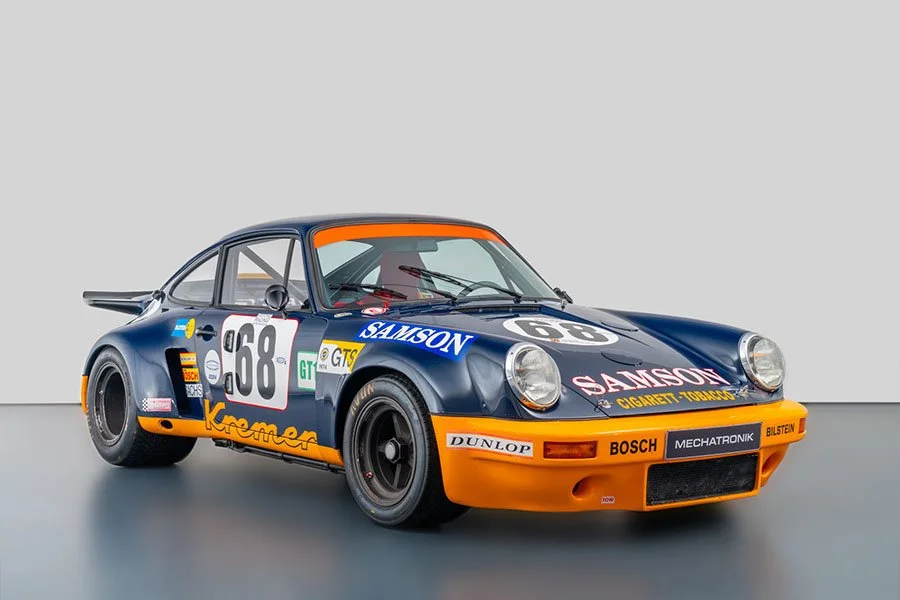
Kremer Racing’s 1974 campaign focused primarily on two of the latest specification 911 RSRs which the Cologne outfit built up from naked Porsche-supplied bodyshells. Together, chassis 004…
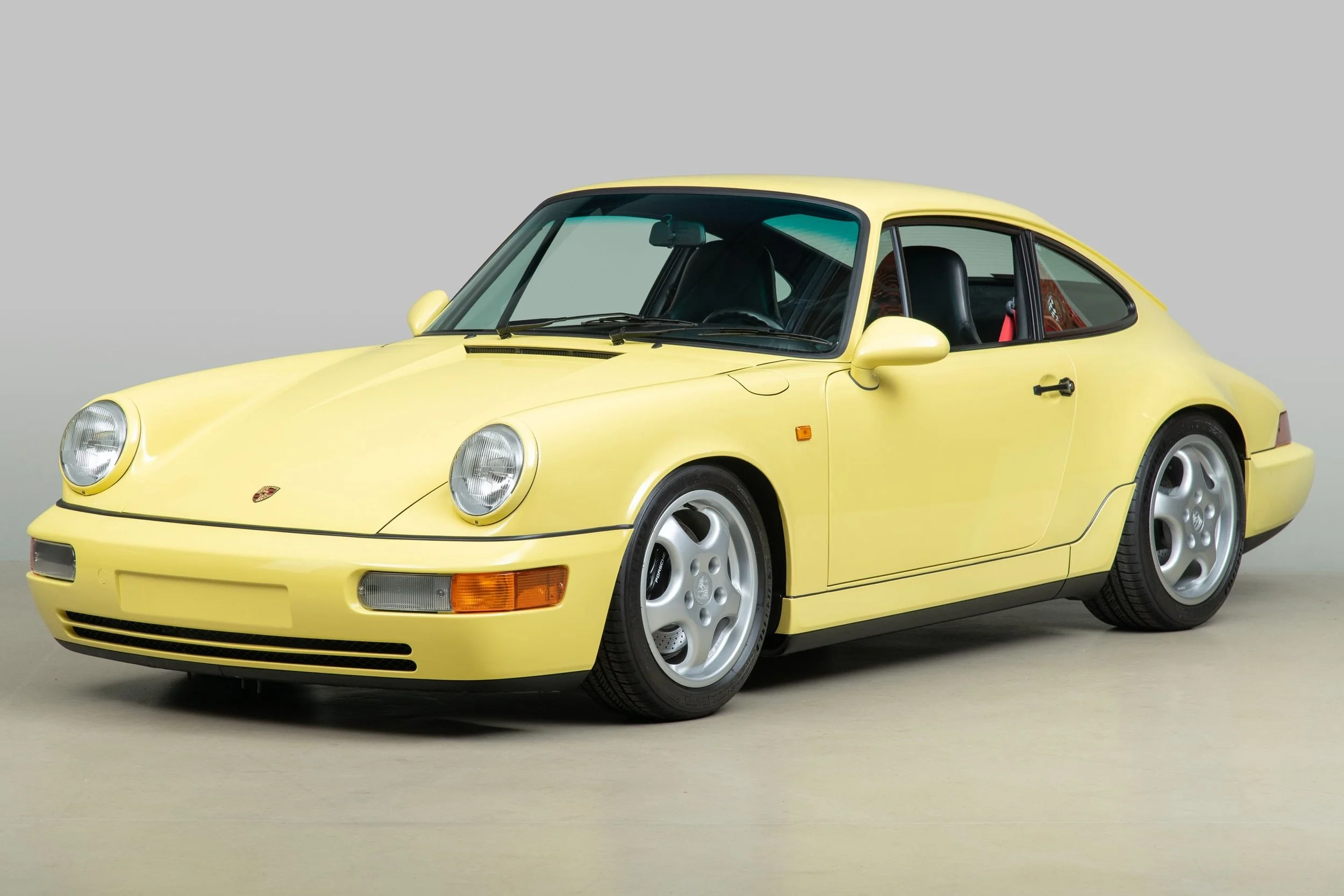
Although Porsche produced a batch of 20 Group B 911 SCs that wore the Renn Sport moniker in 1984, the 964-based RS launched in early 1991 marked a return to the street for this iconic sobriquet after…
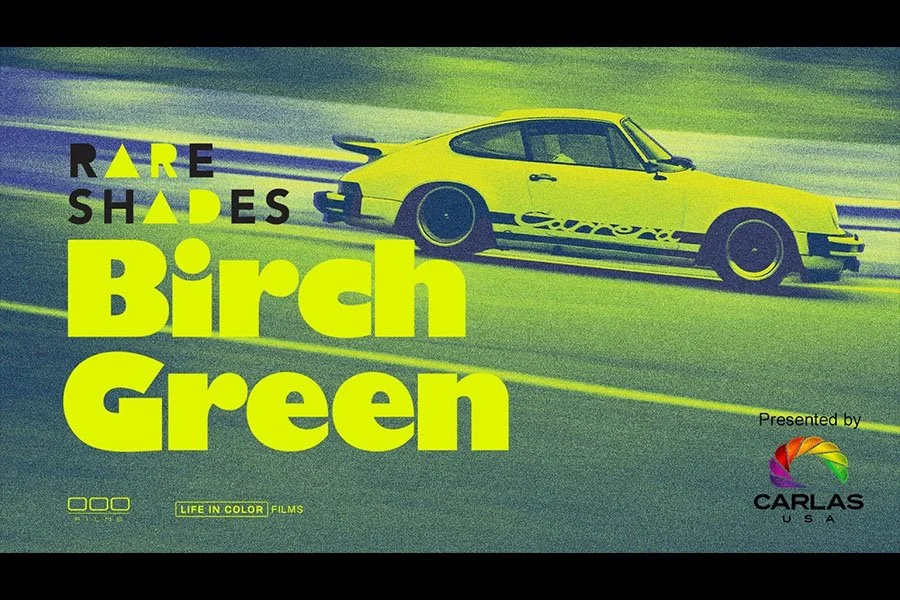
The 1970s were an era of bold expression: fashion, furniture, music, design, and, in this case, car colors. Birch Green, an almost fluorescent hue, was developed more than 50 years ago, specifically for the 911 RSR.
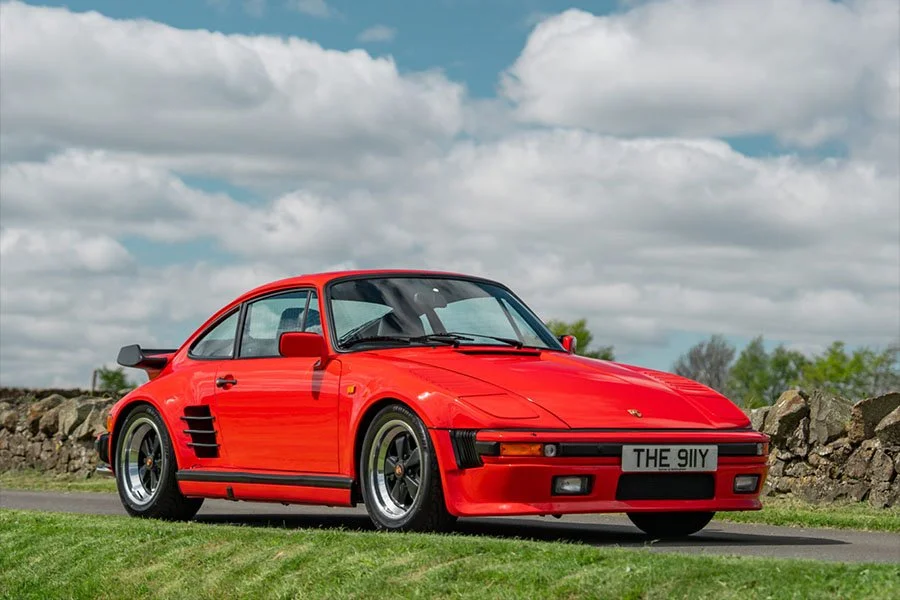
Two of the most famous Flachbau 930s were commissioned by key members from the McLaren F1 team that ran Porsche’s TAG-branded engines with such great success between mid 1983 and 1987.
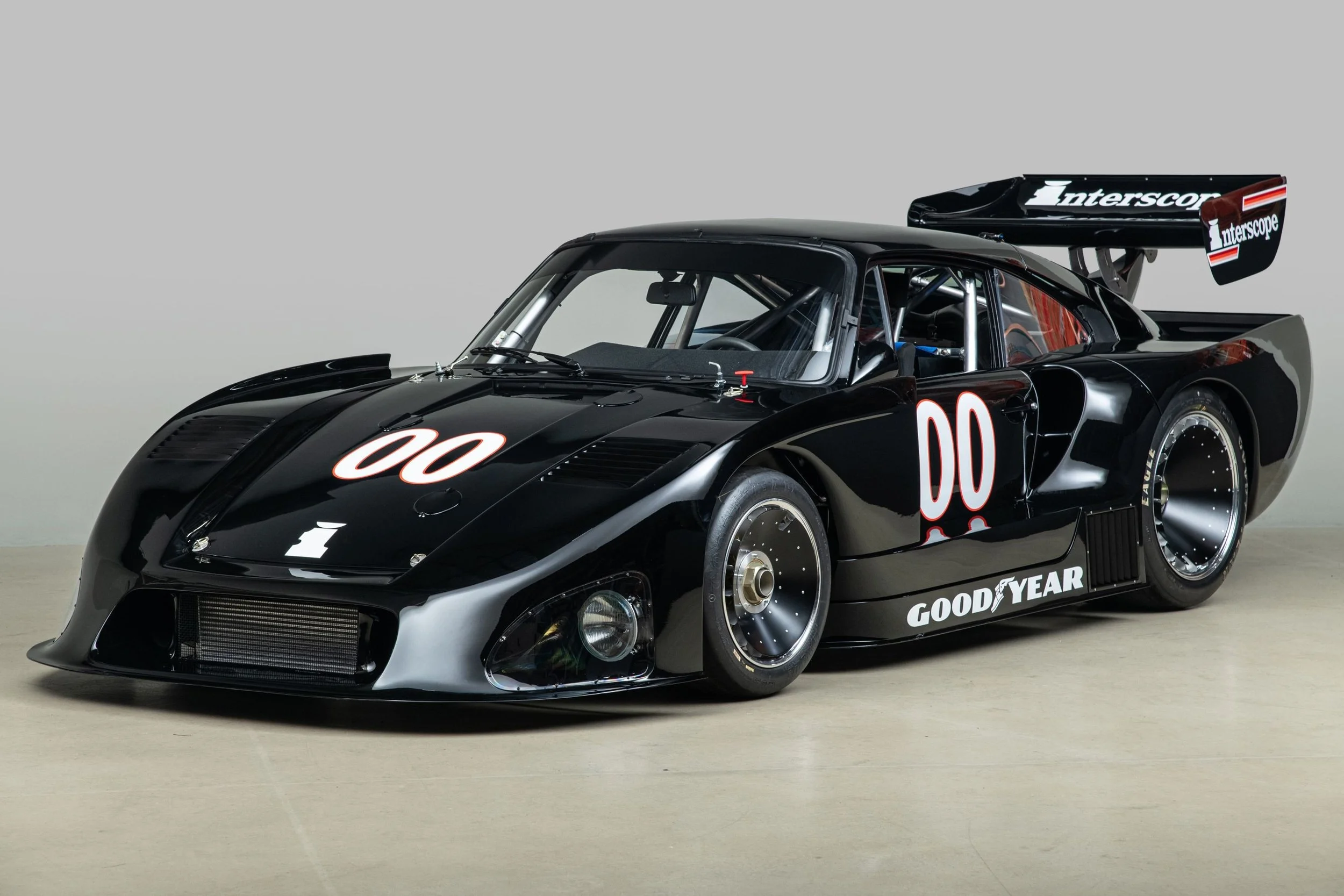
After the 935/78 ‘Moby Dick’-inspired K3 that, in 1979, became the first production-based car to win at Le Mans during the post World War 2 era, Kremer created the even more radical K4 of which just…
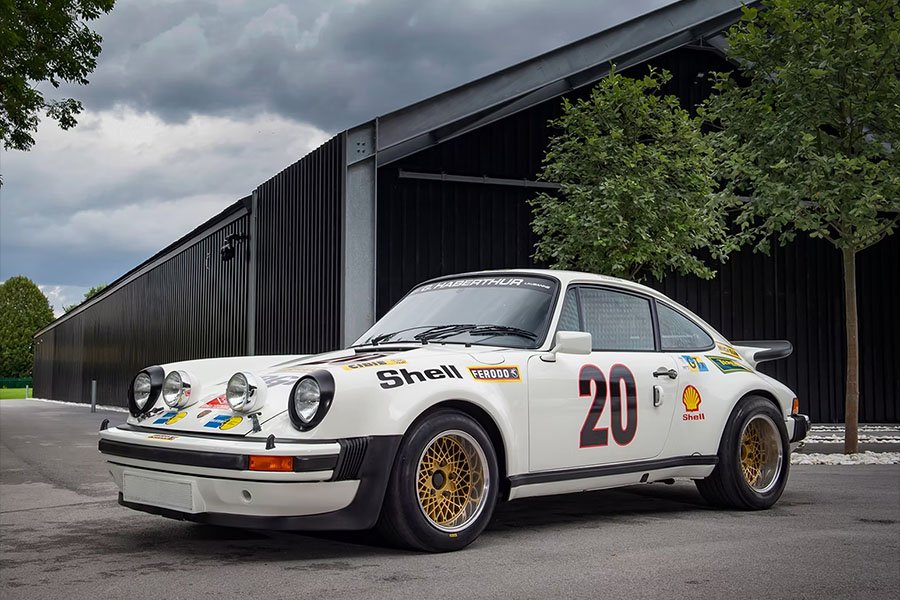
Five months after the production-ready 911 Turbo (930) was unveiled at the 1974 Frankfurt Motor Show, Porsche displayed their new range-topping model at the ‘75 Geneva Salon which was widely…
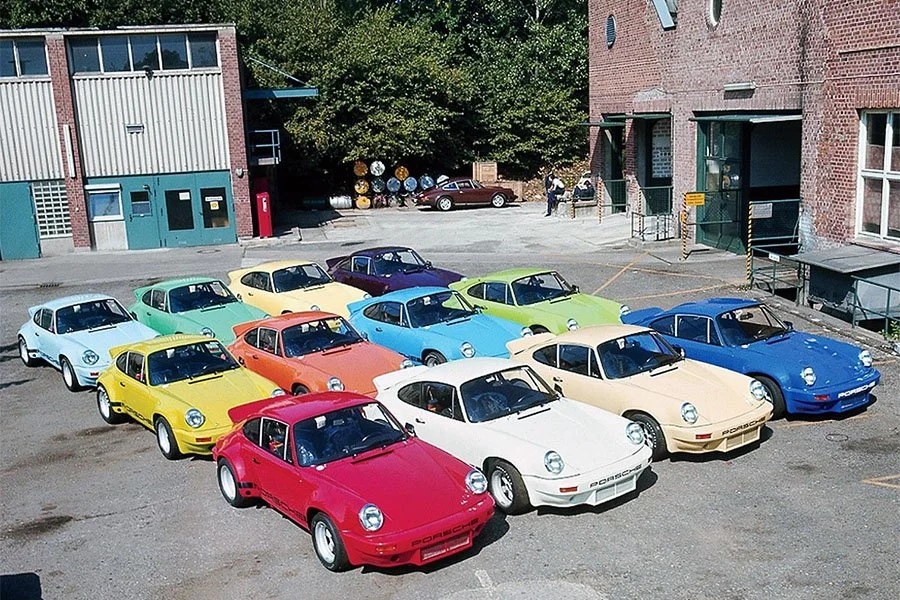
During the 1973 season, renowned American industrialist and race team owner, Roger Penske, began to develop plans for a one make series that would pitch the world’s top Formula 1, NASCAR and…
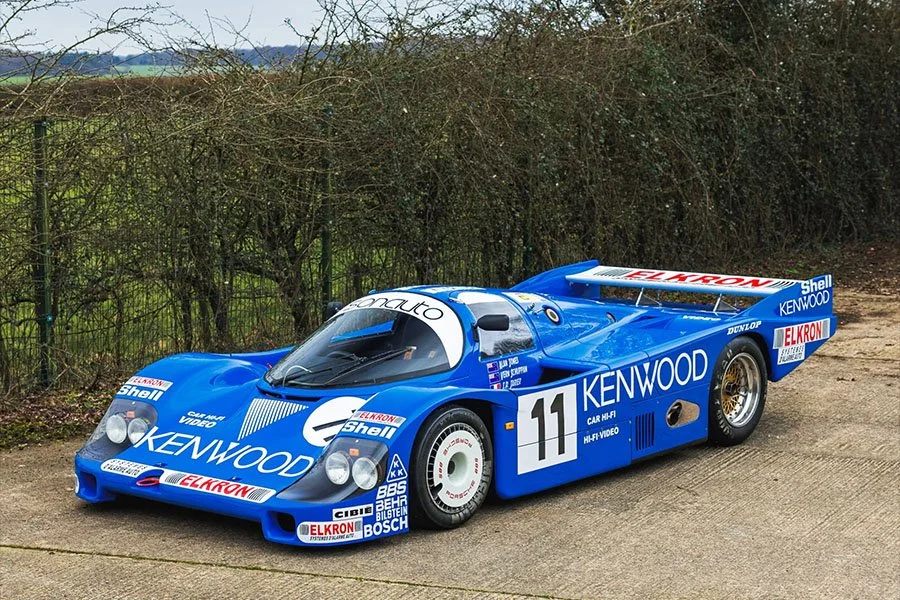
Having reserved the 956 strictly for works use during the model’s maiden season (1982), Porsche began to offer customer copies for 1983. The following year, a further updated iteration was supplied…
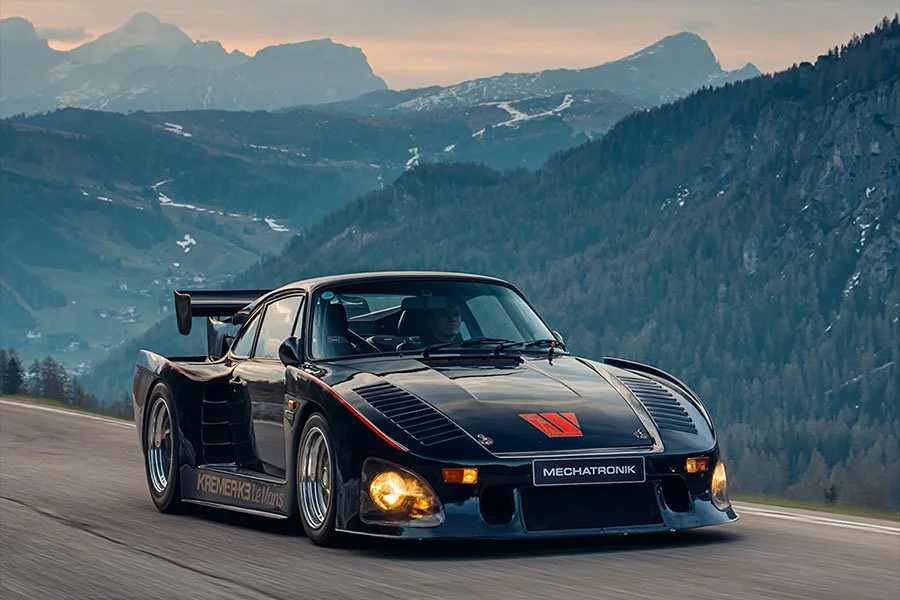
At the 1979 Le Mans 24 Hours, victory went to a production-based car as opposed to a purpose-built prototype for the first time in the post World War 2 era. That vehicle was a works Kremer K3 derived…