One to Buy: 61,000km from new 1969 Lamborghini Espada Series 1
/
Having established his car company to build the kind of conservatively-styled Grand Tourers that appealed to discrete industrialists like himself, Ferruccio Lamborghini’s firm soon found itself producing the most extraordinary-looking cars on the planet.
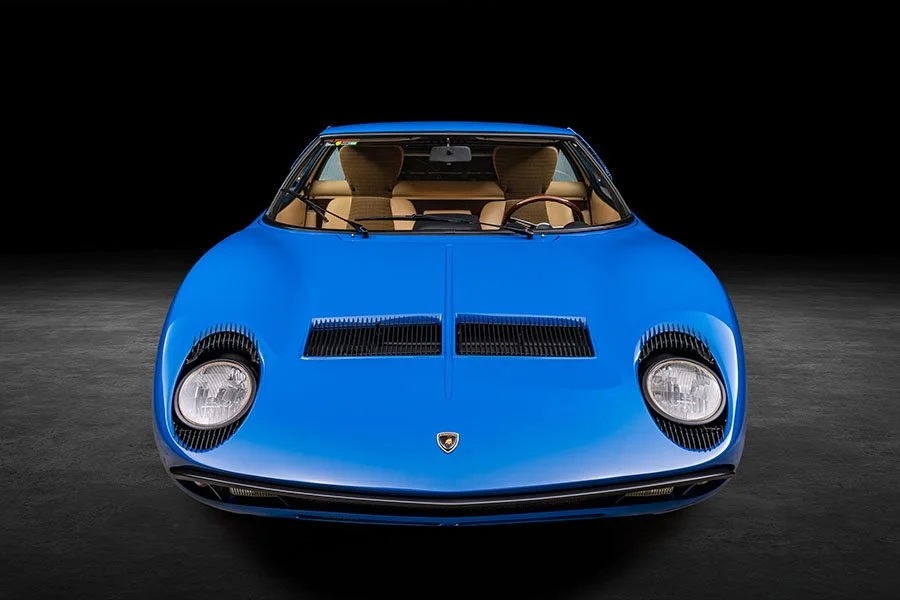
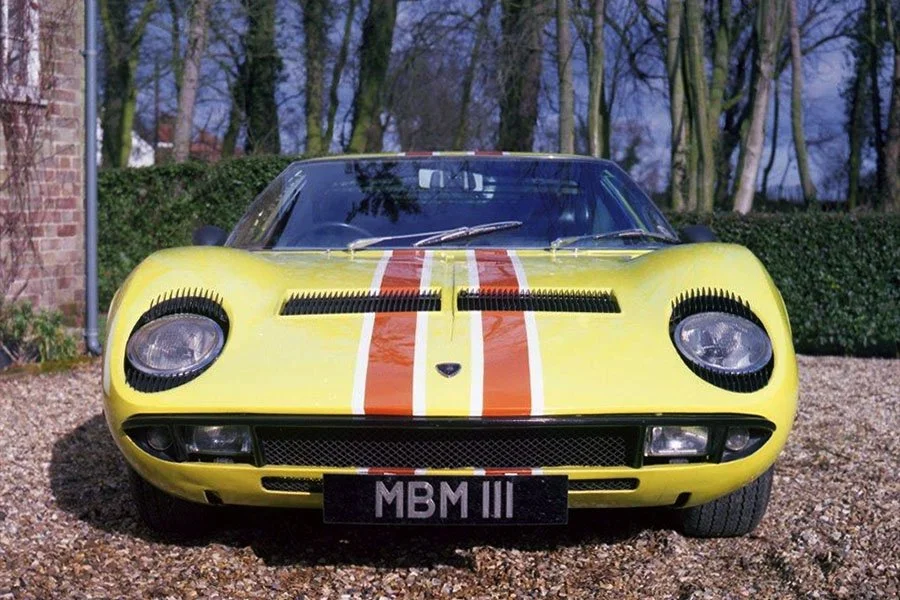
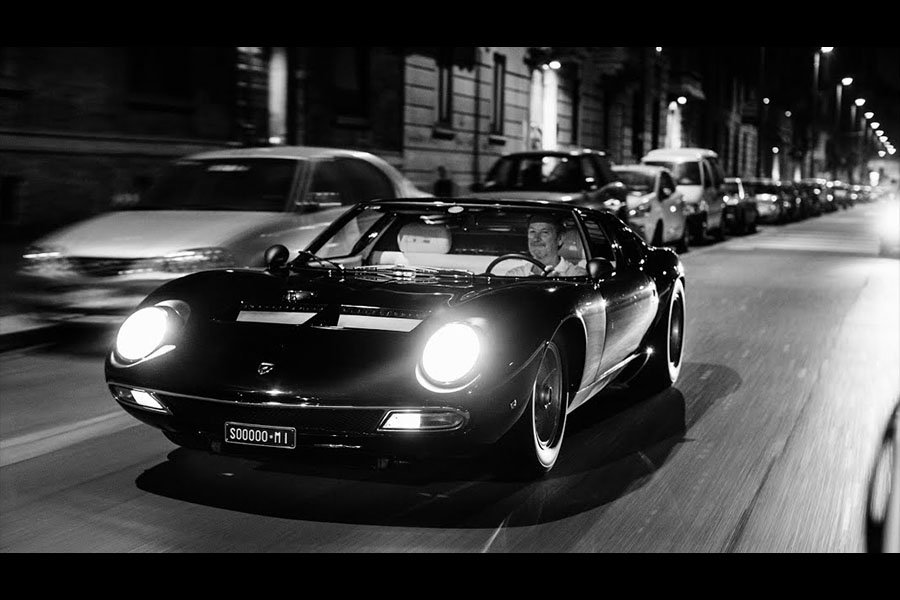
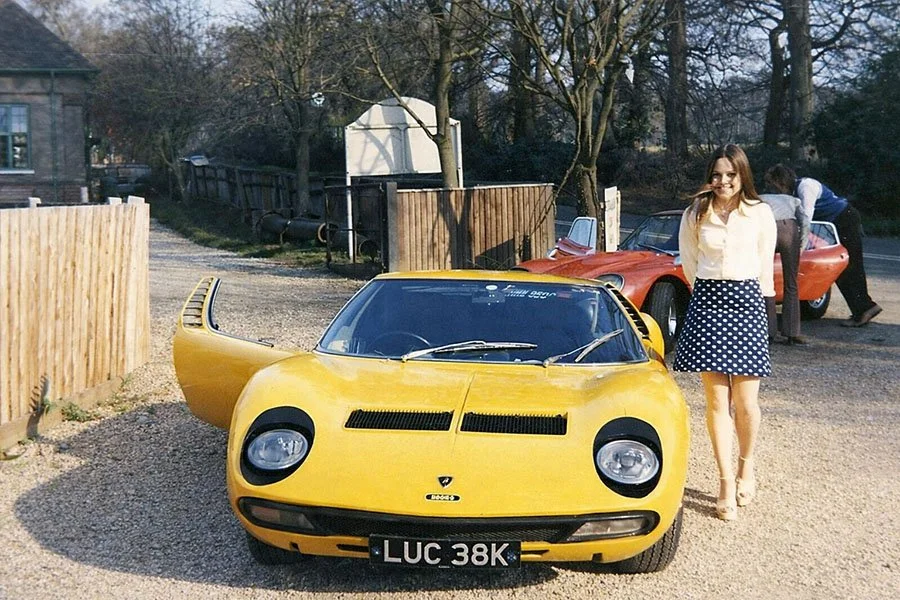
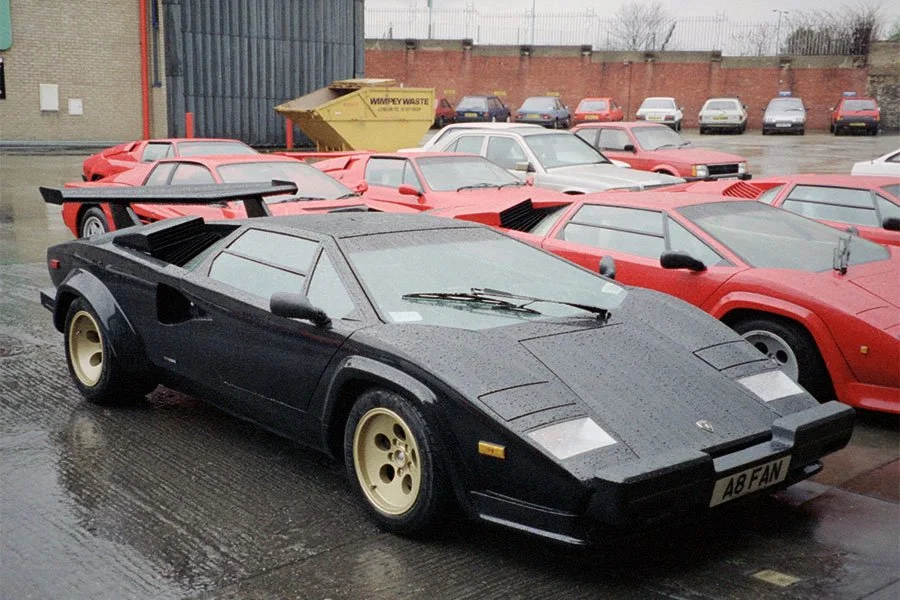
The first of these to arrive was the mid-engined Miura that a small team of Lamborghini engineers had developed in their spare time. Ferruccio Lamborghini gave the green light to the Miura thinking it would serve as a useful publicity tool, but the response from customers was so positive that a production version became inevitable.
Two years after the Miura debuted in fully clothed trim at the Geneva Salon in March 1966, a no less fantastic creation arrived at the same show two years later.
Unlike the Miura, the Espada adopted a conventional front-engined layout which made its remarkable appearance arguably an even more impressive feat.

The Espada’s specification comprised a steel monocoque bodyshell with double wishbone suspension and disc brakes all round. In the engine bay was a reduced compression version of the Miura V12 with side instead of downdraught carburettors to facilitate the lowest possible hood profile.
Just 186 examples of the first series Espada were built between 1968 and 1969, after which the specification was toned down a little to make it more commercially appealing. The revised Series 2 variant perhaps most notably came with an interior that veered away from Marcello Gandini’s show car-esque original.

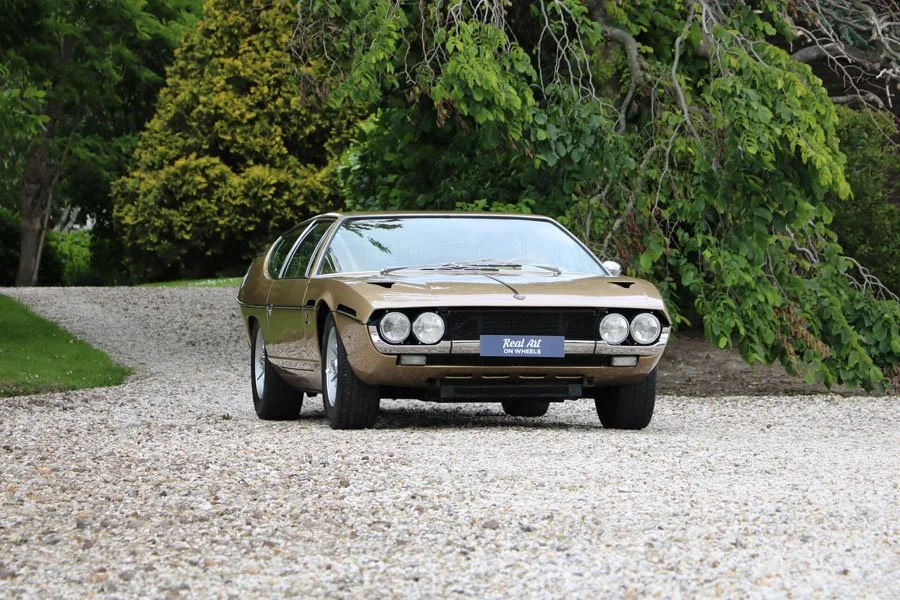
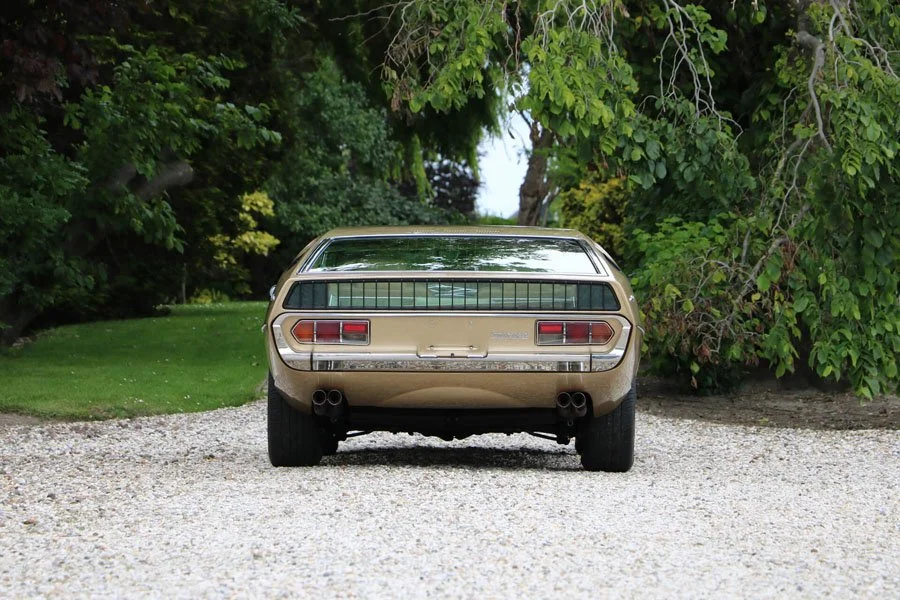
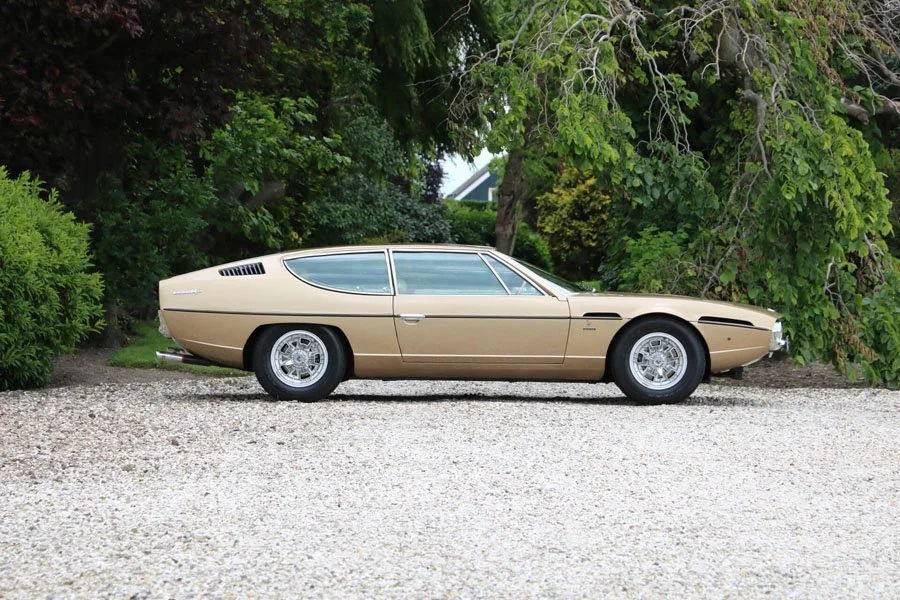
This beautiful late production Series 1 Espada (chassis 7458) is currently on offer with Real Art on Wheels in Burgeveen, Amsterdam. It was delivered new to an Italian customer via the Lamborcar agency in Milan and left the factory configured in the fantastic exterior colour of Oro Metallizato which it retains today.
Chassis 7458’s second owner was based in Los Angeles and registered the car in February 1971. He retained it until 2009, at which point the gold Espada returned to Europe. Today it has a little over 61,000km which is believed to be original.