VIN: the works Nissan R390 Long Tail chassis R7
/ Ben Tyer
HISTORY OF CHASSIS R7
After the 1997 debacle at Le Mans where two of the three R390s had to be sacrificed to ensure there would be enough parts for the lead car to finish, Nissan and their motor sport partner, TWR, returned in 1998 with much-improved machinery.
The problems of 1997 had arisen as a result of last-minute modifications that were not properly tested. The R390s had been permitted to run at Pre-Qualifying in May despite not conforming to the 125-litre luggage space regulations for cars in the GT1 category.
Prior to the 24 hour race in June, TWR reworked the exhaust system to free up sufficient luggage space. However, it transpired the re-routed pipes melted the solder that held the gearbox oil coolers together.
Midway through the race, Nissan decided to retire chassis R1 and R4 so that R2 (the best placed R390) would have the parts it needed to finish.
No such errors were made in 1998 when the new long tailed R390s proved a model of reliability.
For Pre-Qualifying, chassis R7 was allocated to Kazuyoshi Hoshino and Aguri Suzuki. The light blue machine posted eighth quickest time overall while the sister cars were sixth and seventh.
A fourth R390 (a 1997 car rebuilt to the latest spec. for Nova Engineering) was 16th.
The three works Long Tails arrived at the 24 Hour race with new light blue and white colour schemes. Each was sponsored by a different Nissan partner: R7 was backed by Calsonic which produced automotive air-conditioners and heat exchangers.
Hoshino and Suzuki were joined by Masahiko Kageyama for the race. They lined up 14th on the grid behind R8 in tenth and R6 in 13th. The silver and green Nova entry (R1) was 19th.
Although the R390s were eclipsed by the latest GT1 cars from Toyota and Mercedes-Benz in terms of single lap pace, reliability proved the R390’s strong suit in 1998.
By the third hour, all three TWR cars were running in the top ten. Thereafter, only minor problems for R6 and R8 hampered progress.
Meanwhile, R7 ran faultlessly to finish third overall.
It become the first all-Japanese crewed car to make the podium at Le Mans.
R7 was subsequently retired to Nissan’s Heritage Collection.
Notable History
Light Blue Nissan livery
03/05/1998 IND Le Mans Pre-Qualifying (K. Hoshino / A. Suzuki) 8th oa, 8th GT1 class (#32)
Light Blue & White Calsonic livery
07/06/1998 IND Le Mans 24 Hours (K. Hoshino / A. Suzuki / M. Kageyama) 3rd oa, 3rd GT1 class (#32)
Nissan Heritage Collection
Text copyright: Supercar Nostalgia
Photo copyright: Nissan - https://www.nissan-global.com
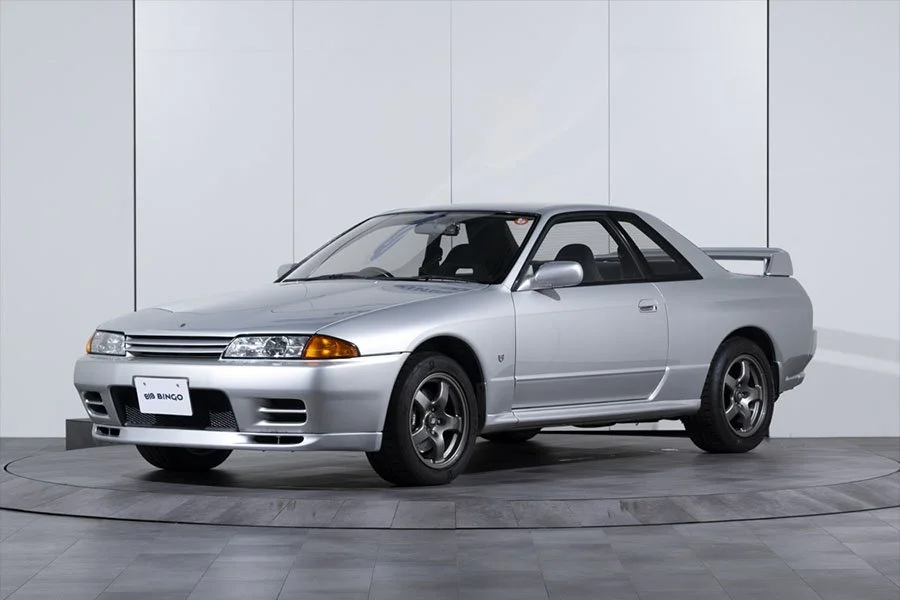
Although the market seems to favour Nissan’s last (to date) iteration of the Skyline GT-R, at Supercar Nostalgia we prefer the more aesthetically pleasing R32 and R33 variants. In terms of desirability, a…
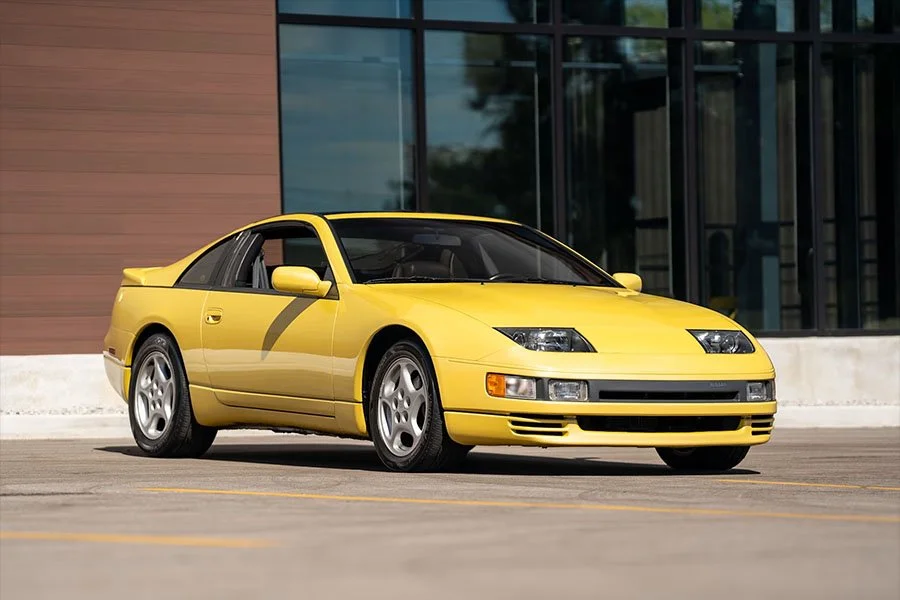
Although the R32 Skyline GT-R has come to be regarded as the seminal piece of Nissan hardware from the tail end of the 1980s and early 1990s, at the time it only had limited exposure outside of…
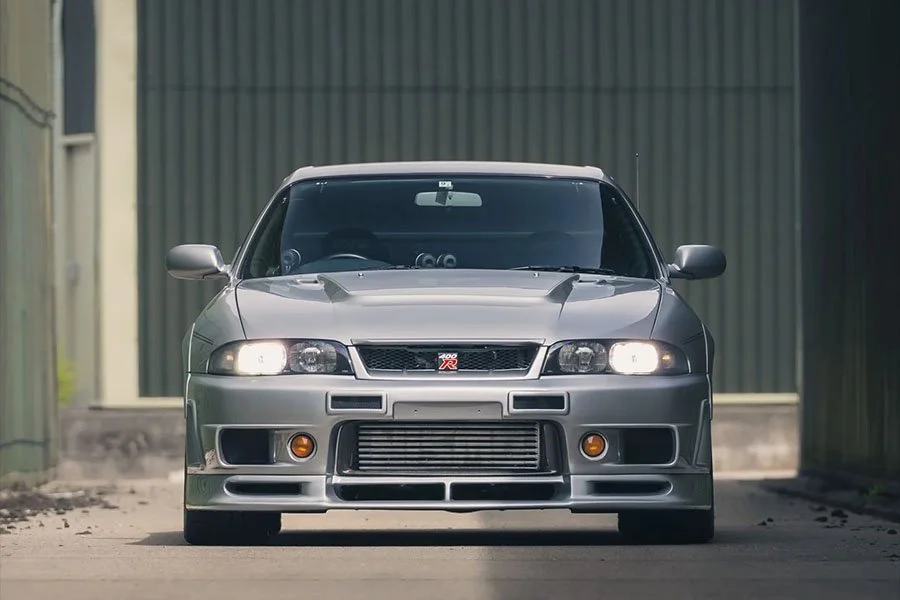
Although Nissan’s standard RB26DETT straight six offered formidable tuning potential as evidenced by the litany of circa 1000bhp GT-Rs that had been tweaked with aftermarket parts, when it came to…
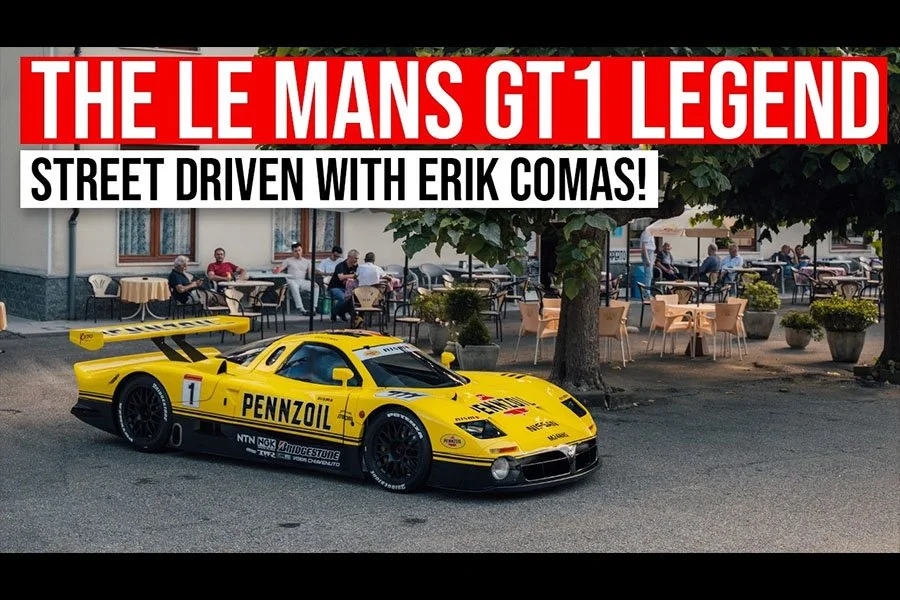
Erik Comas first won the JGTC GT500 championship with an R33 GT-R and then again with the R34 GT-R in its debut year. Dino DC spends an afternoon with him and his R390 GT1 Le Mans race car turned street car!
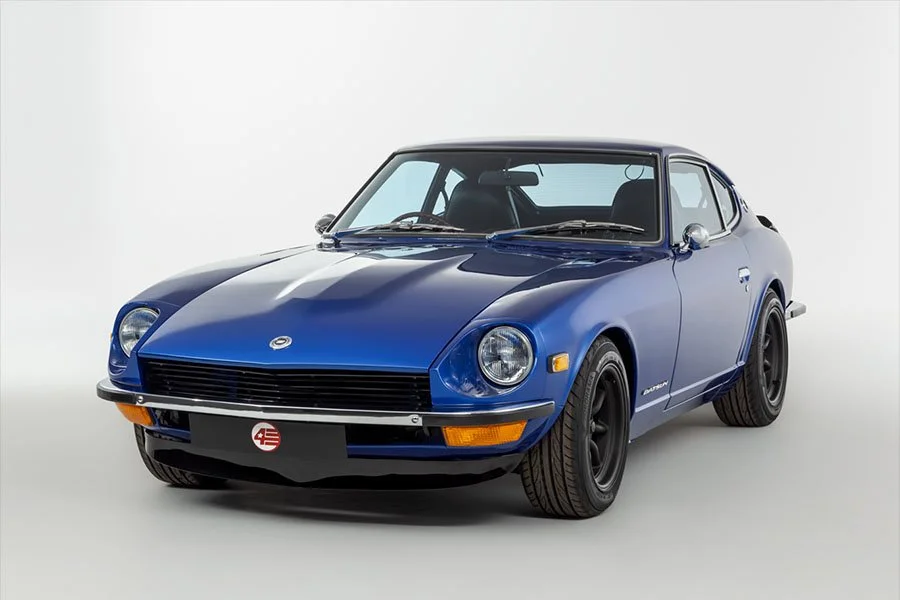
After Toyota’s massive balls up with the 2000 GT which proved an expensive flop, Nissan showed the other Japanese manufacturers how to create a globally successful sports car with the Fairlady Z / 240Z.
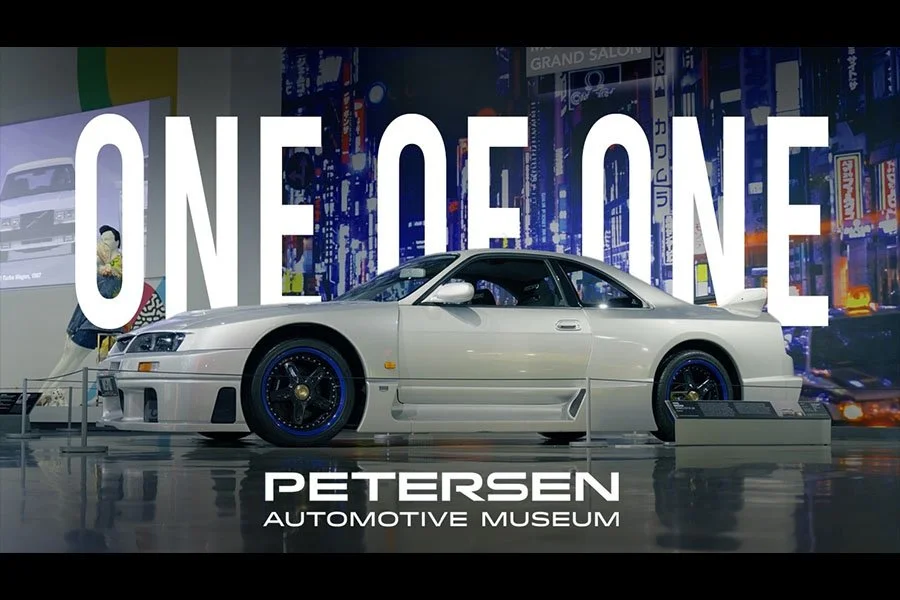
Take a deep dive into one of the rarest Skylines's ever built, the 1995 Nissan GT-R LM Nismo, a true unicorn of the JDM world born from Nissan’s legendary racing heritage.
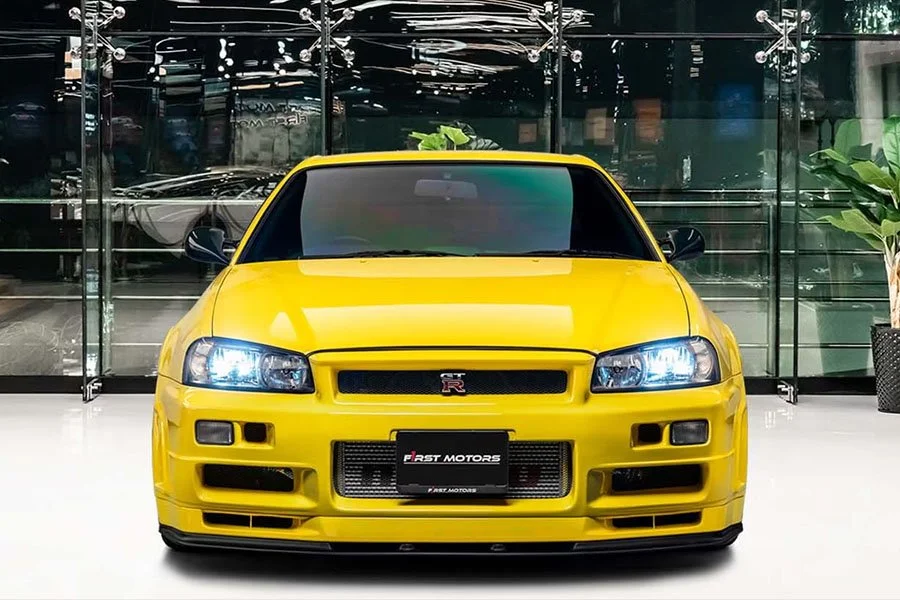
Because Nissan elected to follow a very different path with the R35 GT-R, making it an entirely new model that severed all links with the Skyline range, the prior R34 manufactured between 1999 and…
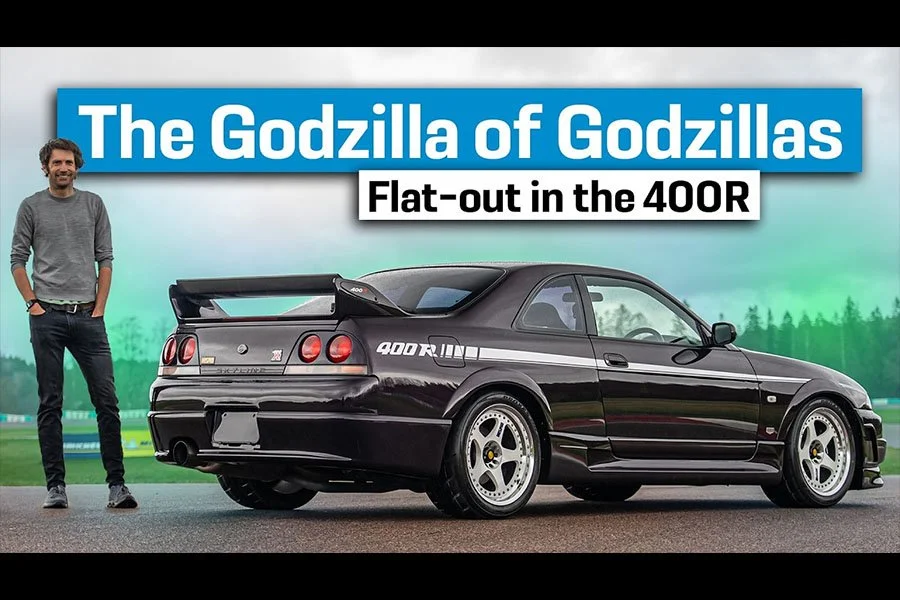
The NISMO 400R is one of the rarest, most valuable Skylines in existence. Just 44 examples of this R33 GT-R were built in the mid-1990s, although millions got the chance to drive one (virtually) thanks to its appearance in Gran Turismo on the Sony Playstation.
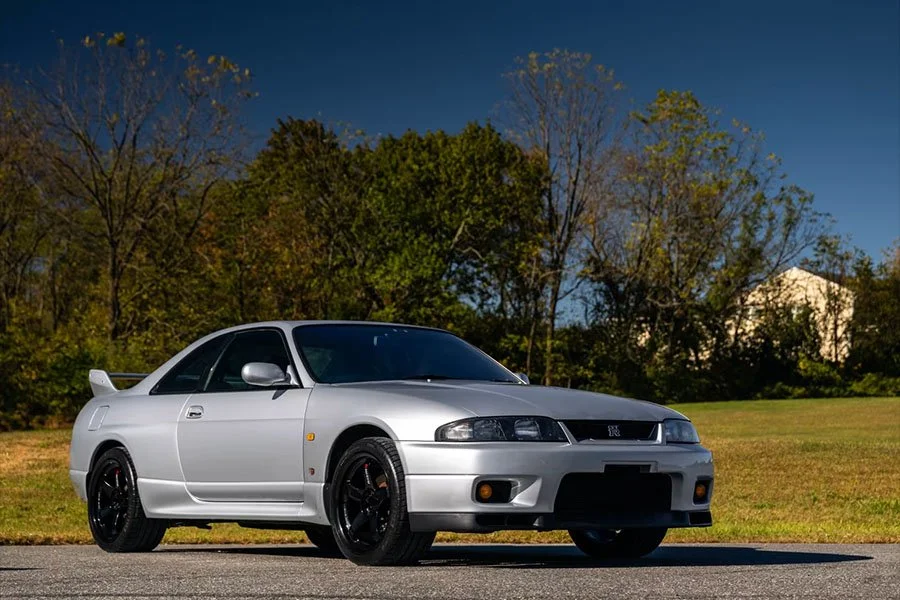
There’s a strong case that the R33 remains Nissan’s best looking Skyline GT-R. However, in some cases OEM examples can definitely look a little ‘under-wheeled’. As you would expect from a car…

With only 14 units known to have been completed in period, Nismo’s S-Tune is one of the most rarely seen factory sanctioned iterations of the legendary Nissan R34 Skyline GT-R. Conceived as…

Although the Toyota 2000 GT had broken new ground for a Japanese manufacturer, from a commercial it was an absolute flop with barely 350 units manufactured during a little over three…

Of the myriad aftermarket tuners that worked their magic on Nissan’s R34 Skyline GT-R, the creations that emerged from Tommykaira’s Kyoto HQ have come to be regarded among the most sought after.

After their disappointing run at Le Mans in 1997, TWR and Nissan pledged to return in 1998 with an uprated R390: more speed and improved reliability was the order of the day. The R390 programme…

The 1990s was an undeniably great time for automotive styling and here at Supercar Nostalgia we don’t think there are many better looking cars from this era than an R33 Skyline GT-R riding on a set…

If prices are anything to go buy, today’s market seems to most highly prize R34 iterations of the Skyline GT-R. However, here at Supercar Nostalgia we much prefer the more elegant R32 and R33…

If any of Nissan’s off-the-shelf R34-based Skyline GT-Rs fail to get a customer’s juices going, they can always turn to Nismo who continue to build an array of specially tuned creations from their…
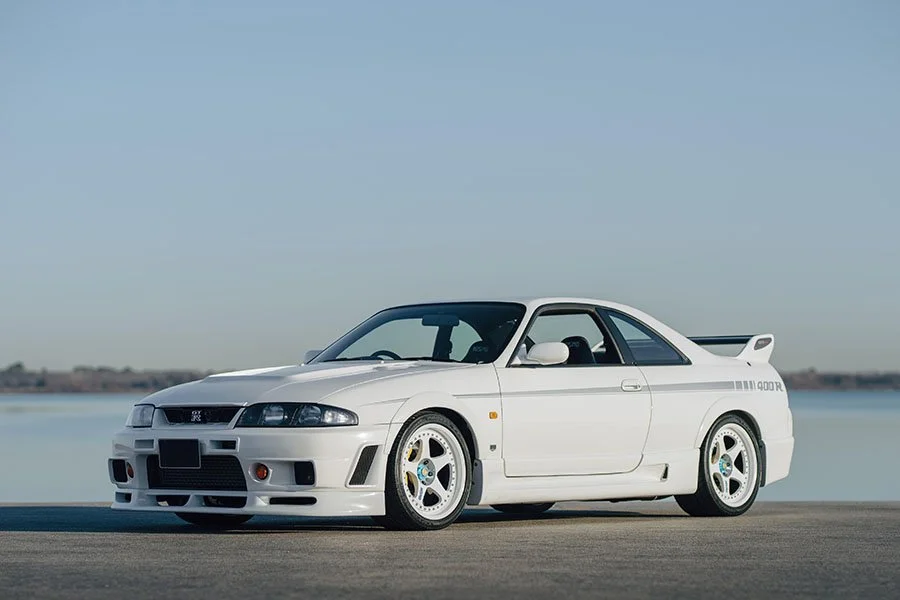
Although the Nismo 400R was the ultimate R33-based Skyline GT-R that Nissan offered to the public, at the time there was insufficient demand to meet the projected sales target of 100 units…

With a state-of-art specification that none of its challengers could rival, Nissan’s R32 Skyline GT-R became one of the most successful Group A Touring Car of its era. It then repeated the trick in GT…

Between 1987 and 1989, Ford’s Sierra Cosworth and the BMW E30 M3 had proven themselves the quickest Group A Touring Cars around. However, when the Nissan R32 Skyline GT-R arrived on the…

Before its early-to-mid 90s crisis, the Prototype racing scene had been incredibly competitive with works teams from Mercedes-Benz, Jaguar, Porsche, Aston Martin, Peugeot, Nissan, Toyota and…

Thanks to a turbocharged engine that seemingly offered unlimited tuning potential, it was always going to take something special to topple Ford’s Sierra RS Cosworth from the top of the Group A…

Owing to the vast cost associated with small production runs of special bodied motor cars, coachbuilders have usually decided to focus on super high end products from the most prestigious…

In September 1972 Nissan began production of a fourth generation Skyline: the C110. From a styling perspective, this latest Skyline appeared more Americanised than its predecessor while three body…
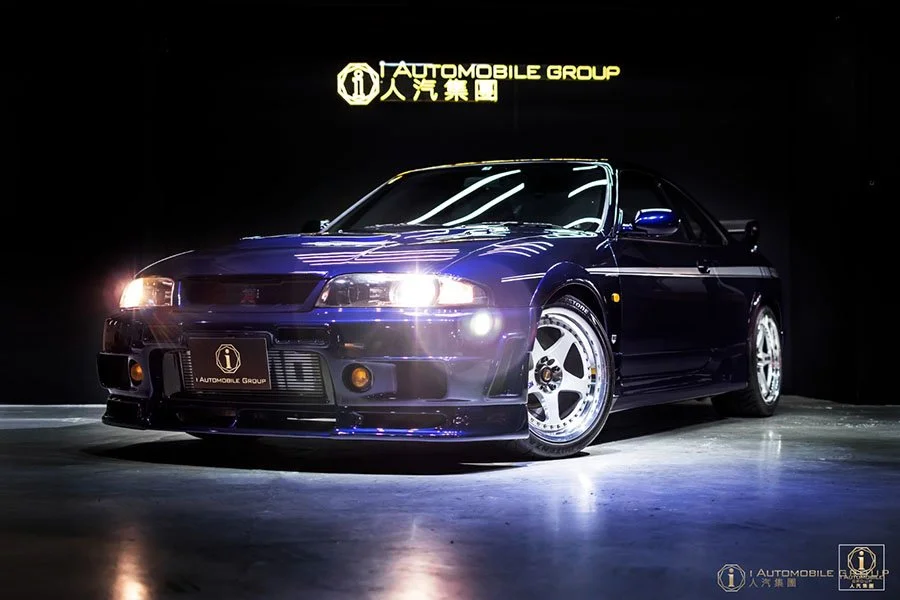
Among the pantheon of great Japanese motor cars from the 20th century, the NISMO-developed 400R based on Nissan’s R33 Skyline GT-R is one of the most highly regarded. Conceived as the…

Having established an enviable reputation on the special stages that culminated in seven outright Safari Rally wins between 1970 and ‘82, Nissan decided to embark on a Group B programme for 1983.

With its immensely tuneable twin turbocharged inline six cylinder engine and a four-wheel drive chassis riddled with state-of-art technology, Nissan’s R32 Skyline GT-R blew the competition into the…

Manufactured between 1999 and 2002, the R34 was the third and (for many) best incarnation of the modern era GT-R that Nissan revisited after a 16 year gap in 1989. Based around a slightly smaller…

For the 1971 racing season, the FIA revised their existing competition class framework. In terms of production-based machinery of the type available in new car showrooms, manufacturers could…

At the Tokyo Motor Show in October 1970, Nissan replaced the original four-door Skyline GT-R with a handsome new two-door Coupe: the KPGC-10. In addition to its sportier appearance, the KPGC-10…

Having established an enviable reputation on the special stages that culminated in seven outright Safari Rally wins beginning in 1970, Nissan decided to embark on a Group B programme for 1983.