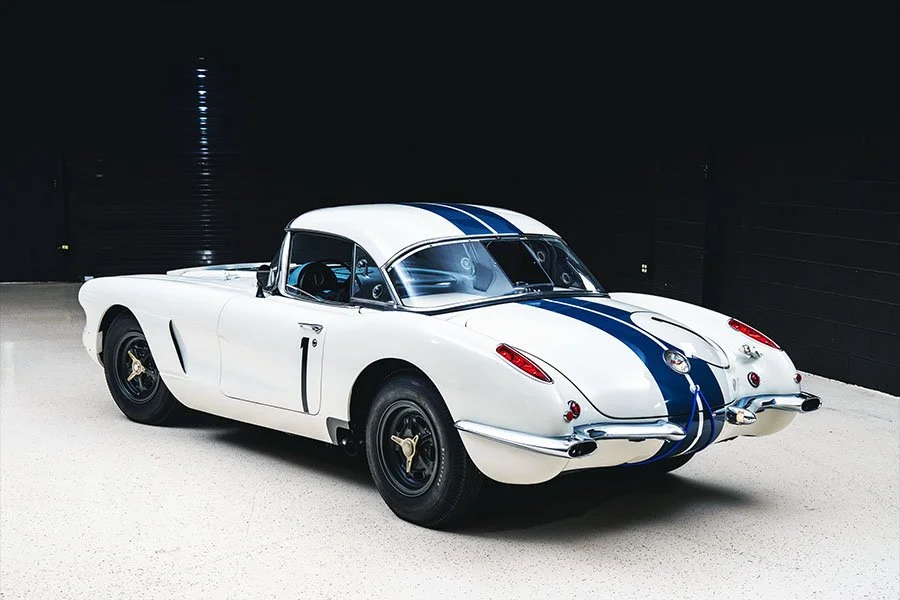
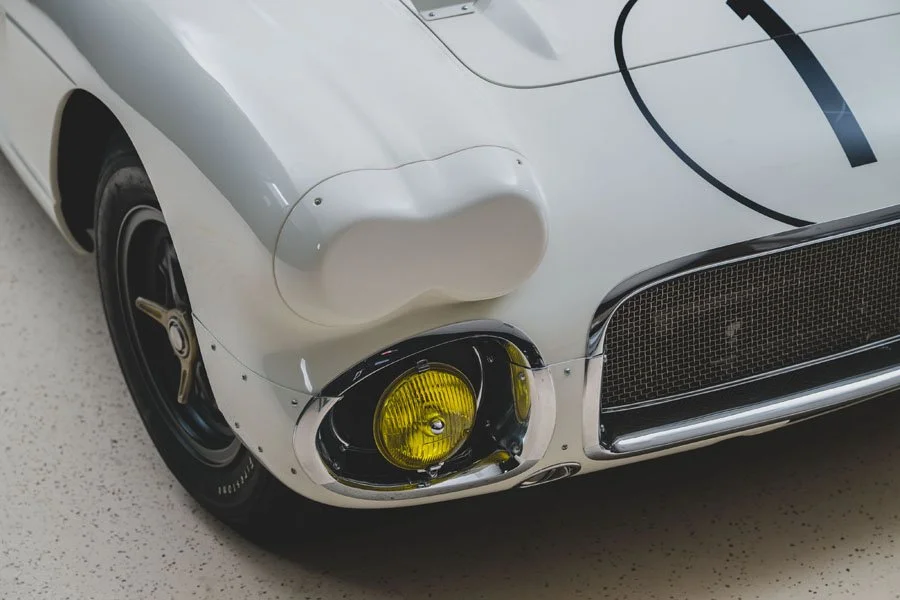
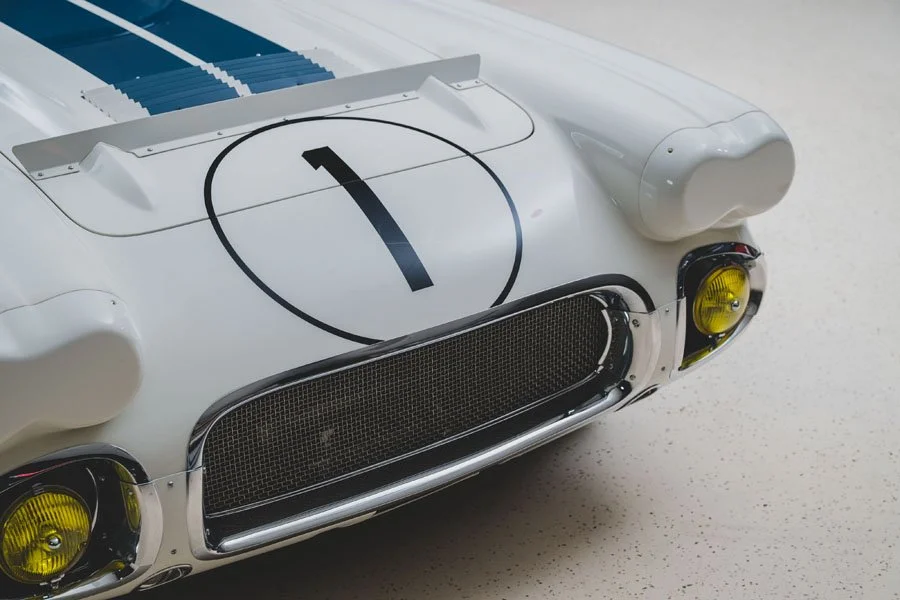
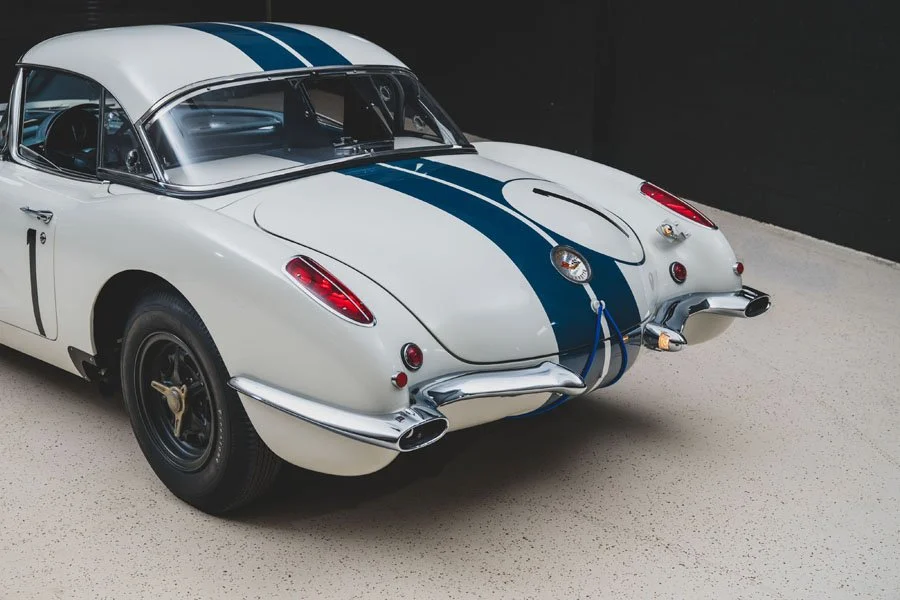
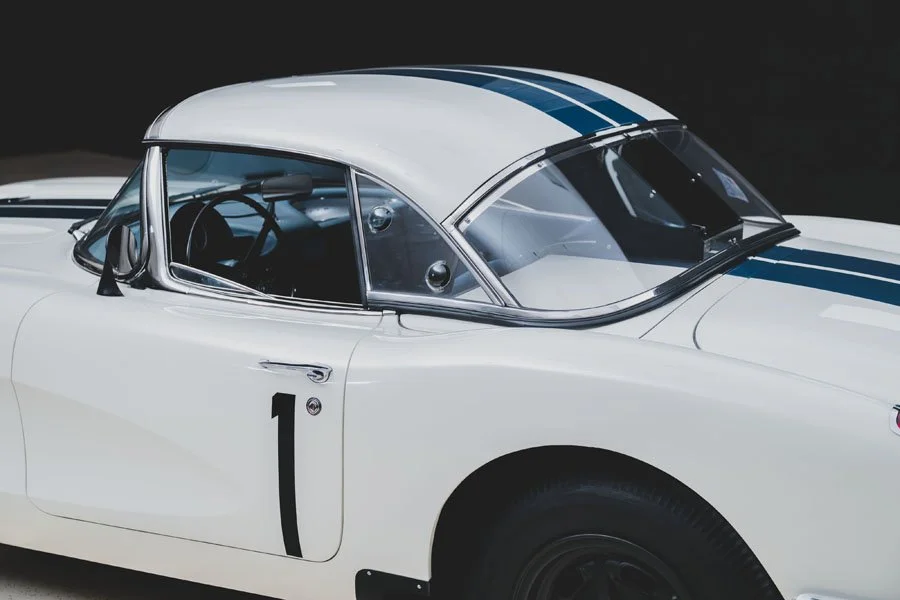
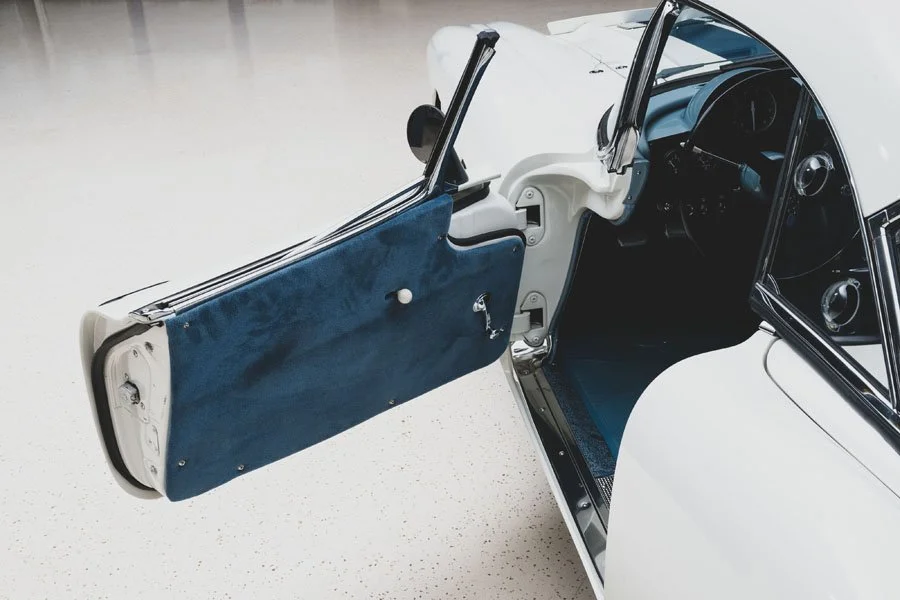
One to Buy: ex works - Briggs Cunningham 1960 Chevrolet Corvette LM
/ Ben Tyer
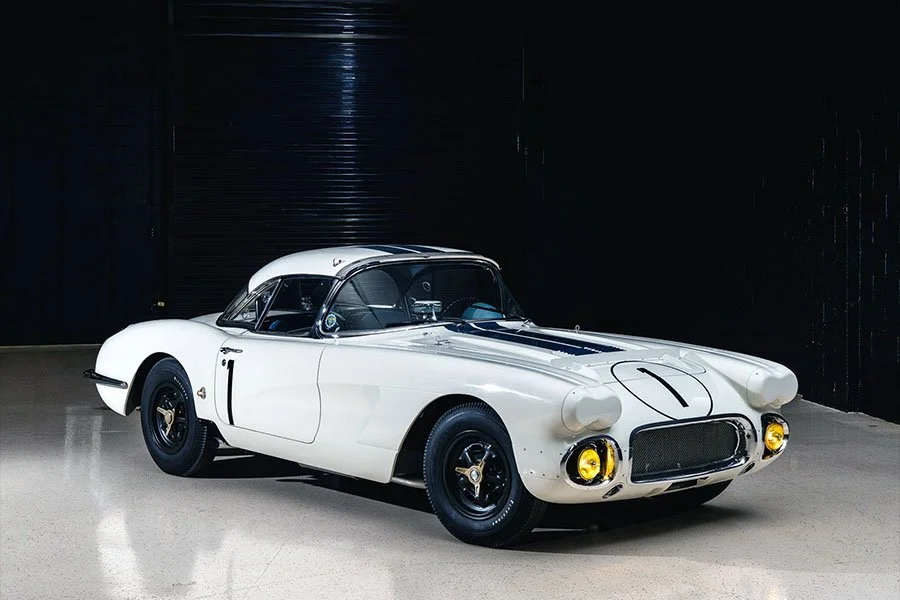
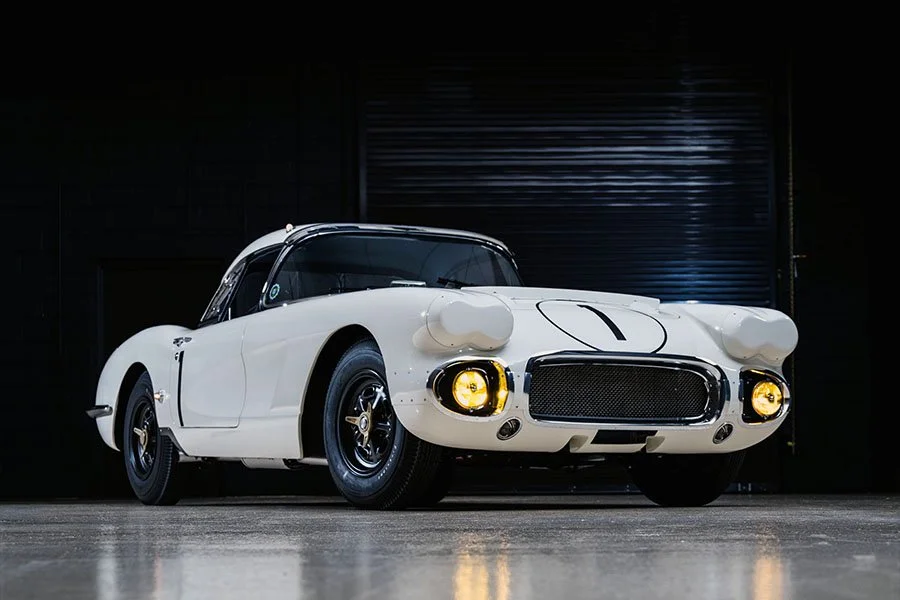
In January 1960, Chevrolet struck a deal with noted American sportsman, Briggs Cunningham, to campaign a trio of Corvettes at the 1960 Le Mans 24 Hours. Ever since 1950, Cunningham (who was heir to a massive fortune) had been the United States’ foremost representative at la Sarthe racing all manner of makes and models including some built under his own name.
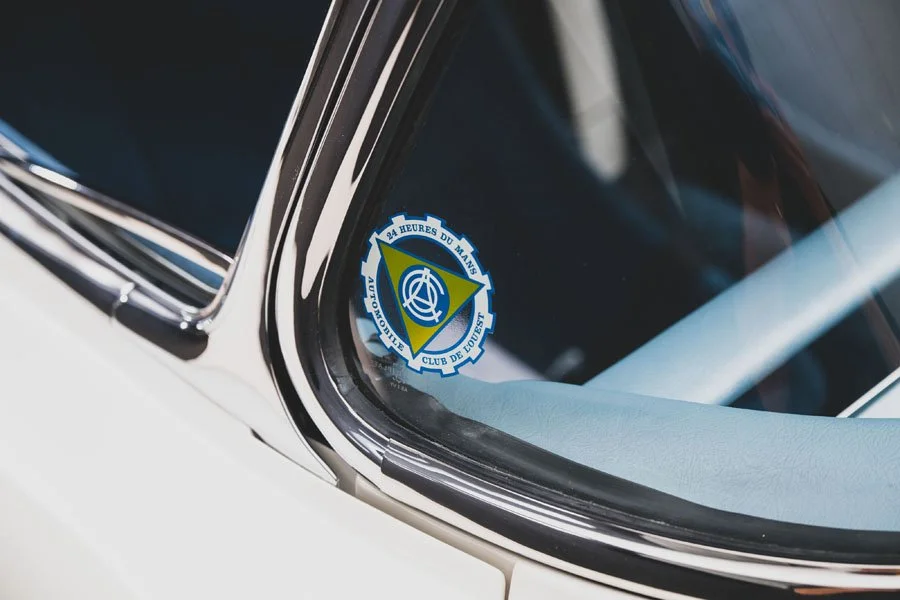
While the 1960 World Sportscar Championship was open to cars with an engine size no greater than three-litres, race organisers were permitted to hold classes for non points-scoring vehicles with larger capacity motors if they wished. At Le Mans (which was the fifth and final round of that year’s World Championship), the Automobile Club de l’Ouest added crowd-pleasing classes for Sports and GT cars of up to four-litres, up to five-litres and over five-litres.
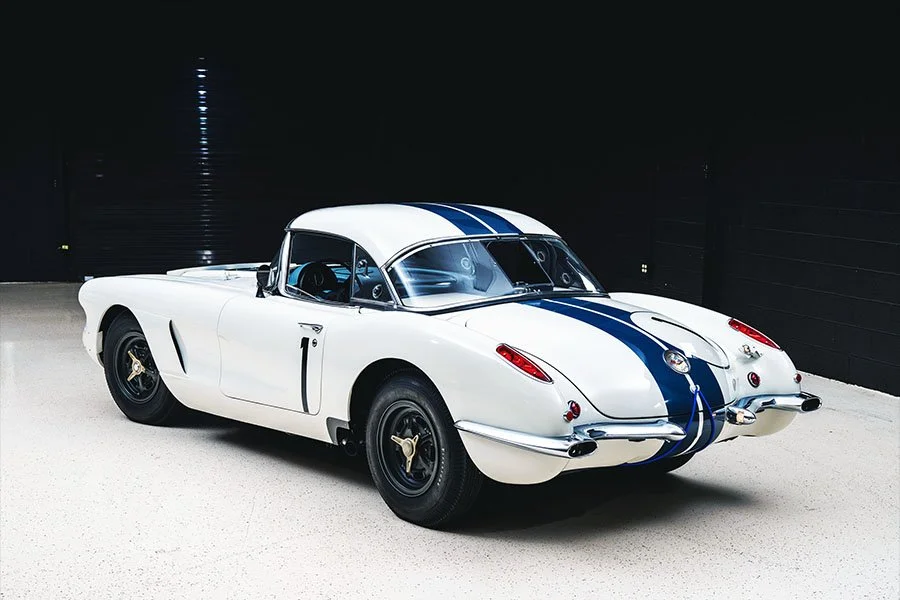
To circumvent the North American Automobile Manufacturers Association ban on official motor sport participation by US car builders which had been imposed since 1957, Chevrolet’s involvement in the 1960 Le Mans campaign was to be kept secret. Accordingly, a trio of specially prepared Corvettes were acquired by Cunningham via Don Allen Midtown Chevrolet in New York City on March 16th 1960.
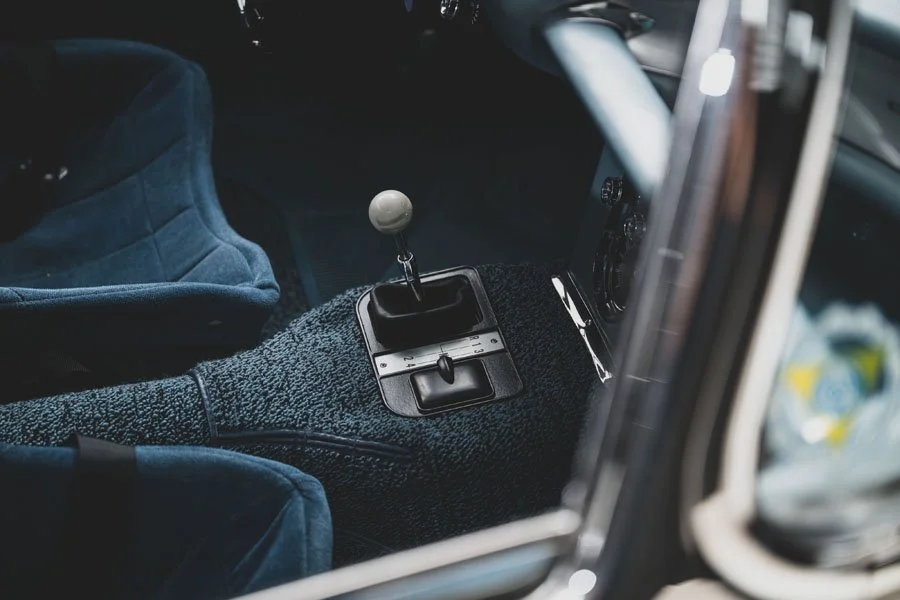
At this stage, each car featured a temperature-controlled radiator fan, quick-ratio steering, a close-ratio four-speed manual gearbox, a Posi-Traction limited-slip differential, uprated brakes and heavy-duty suspension.
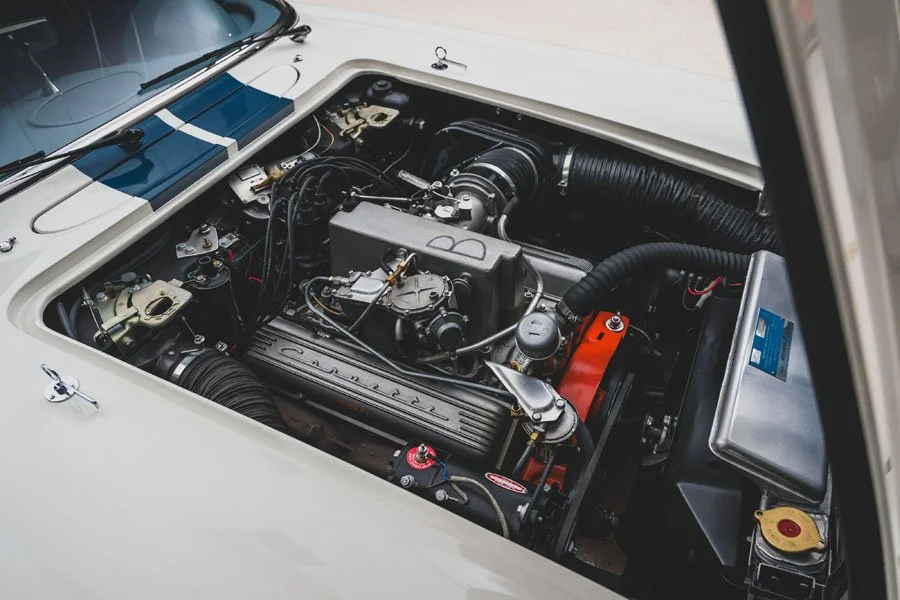
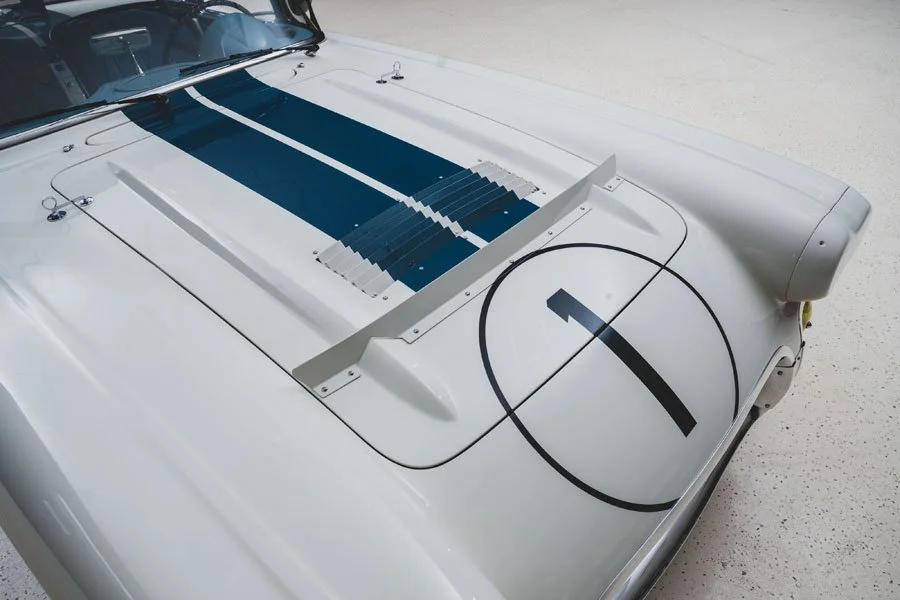
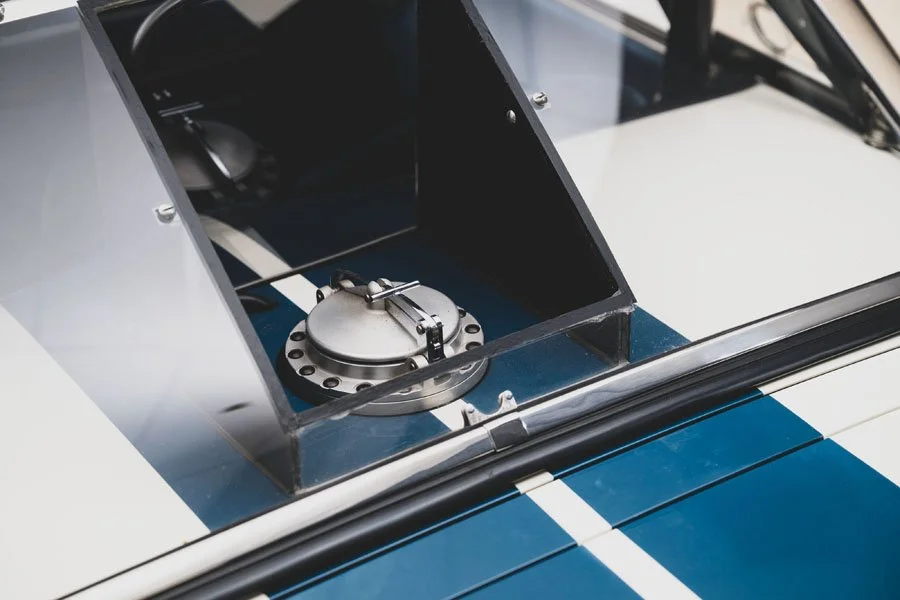
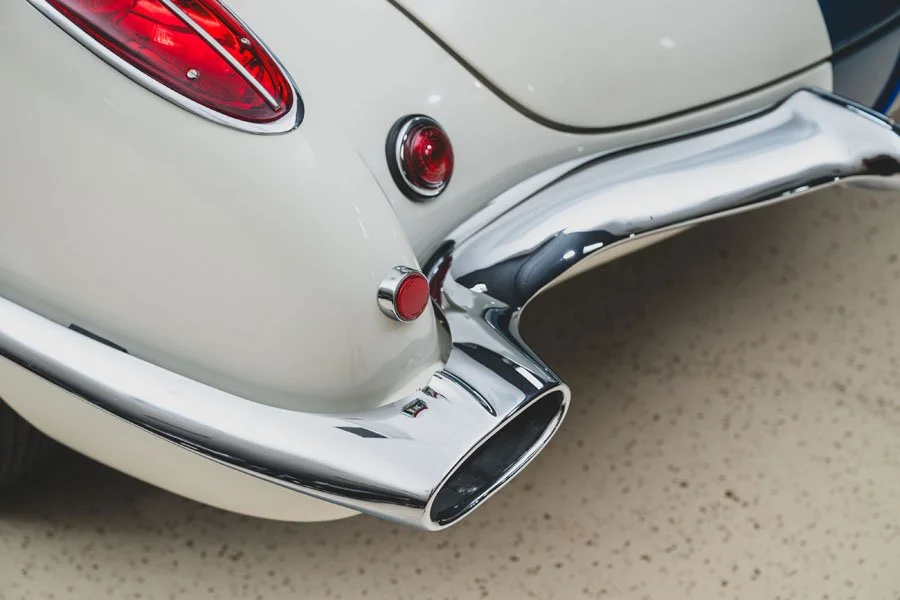
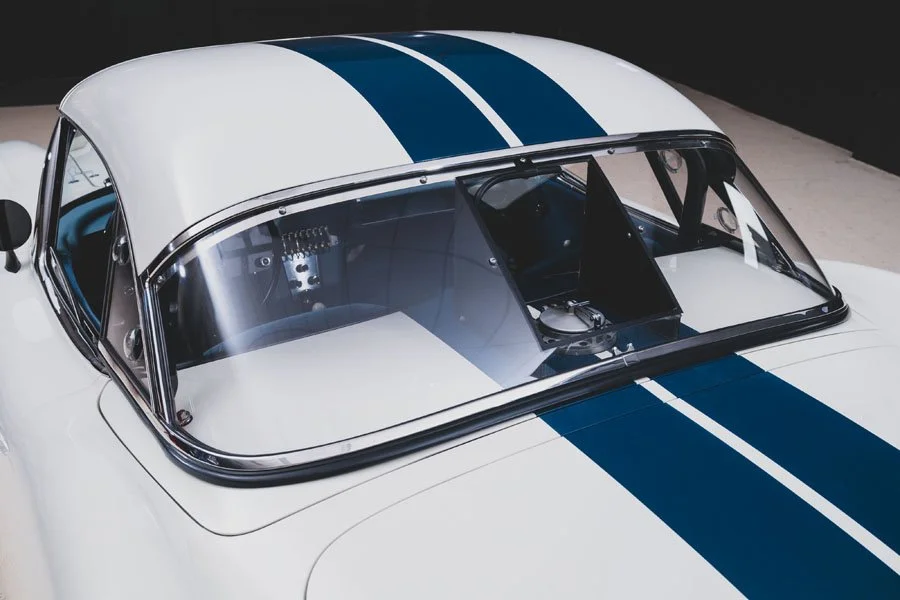
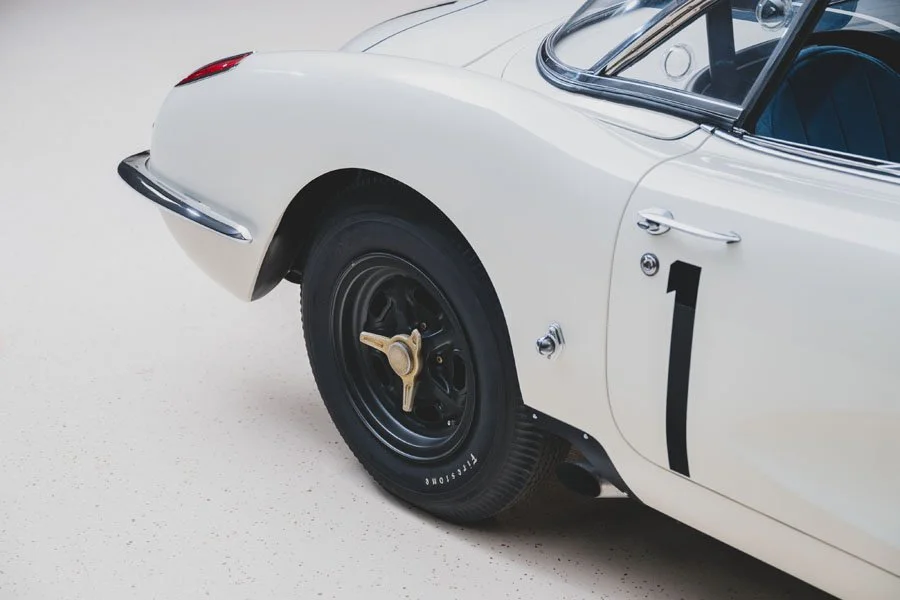
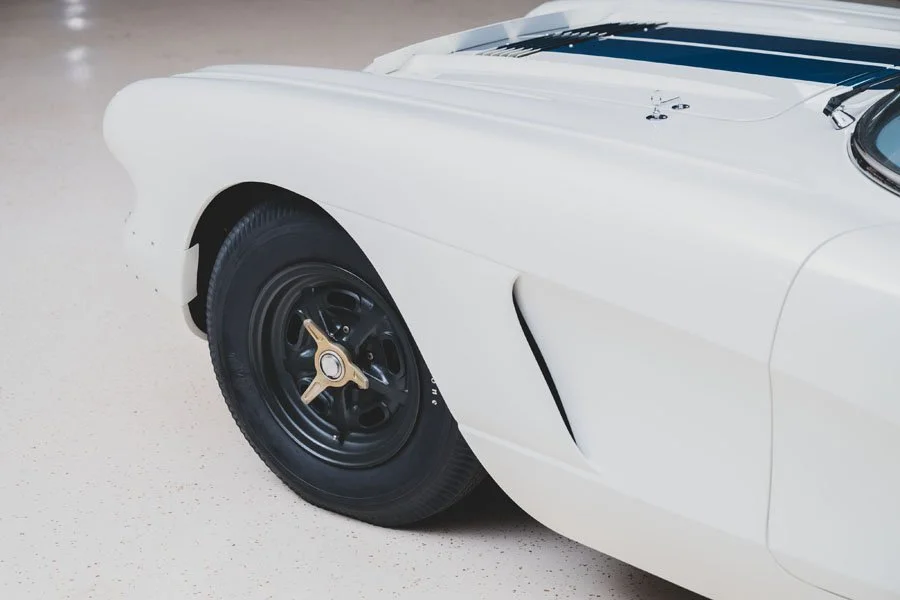
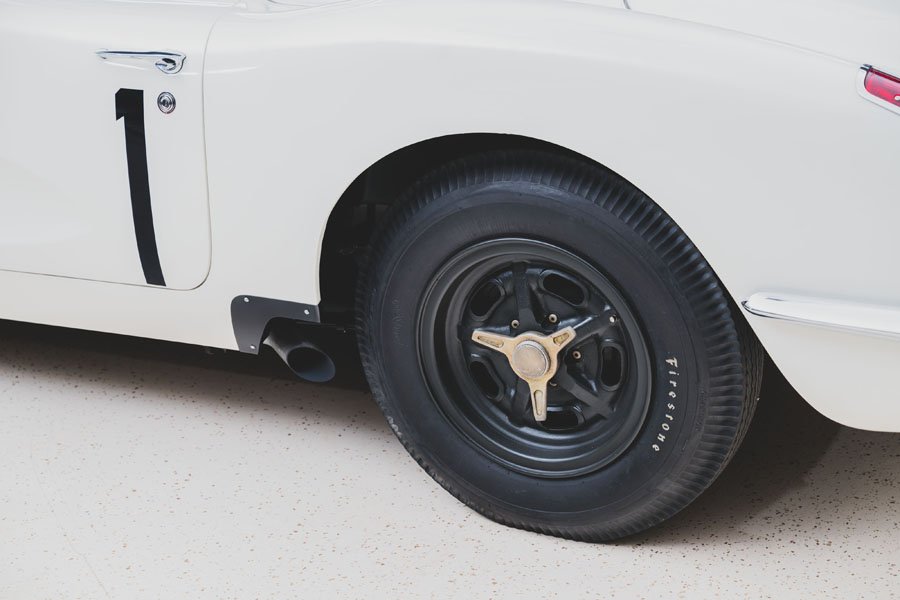
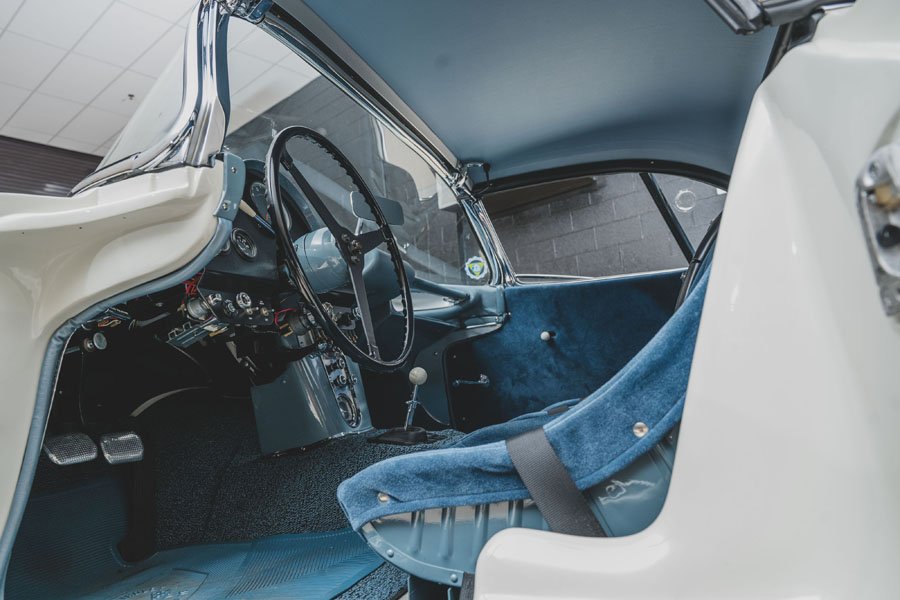
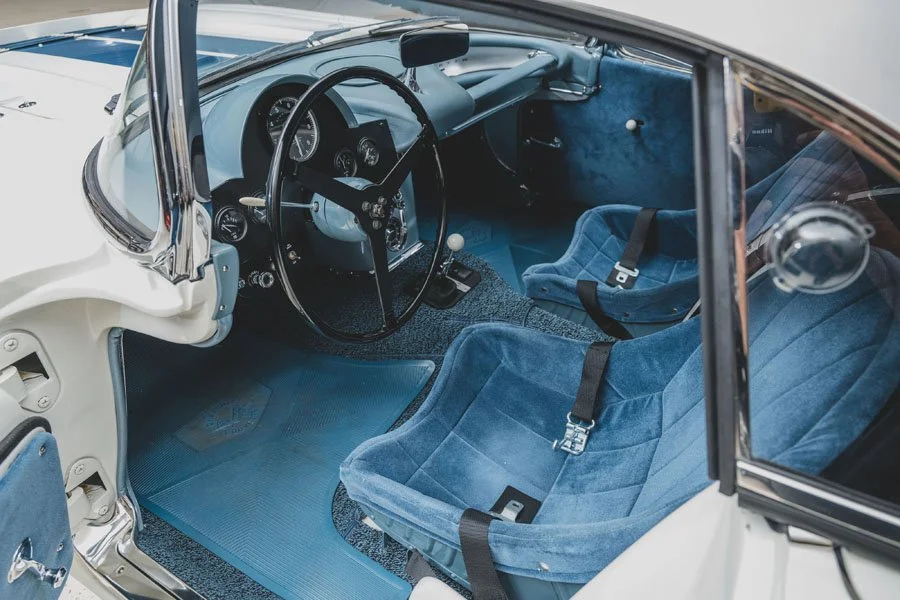
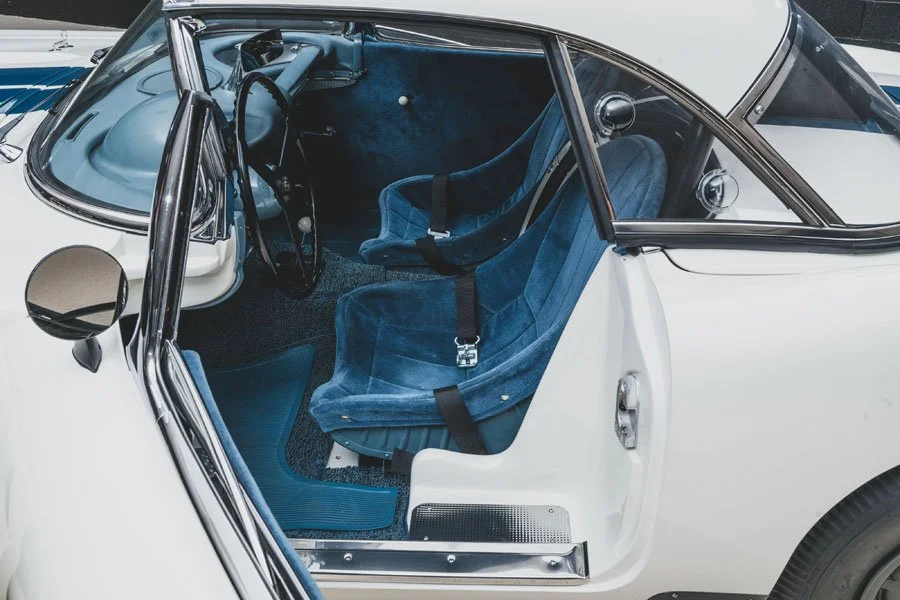
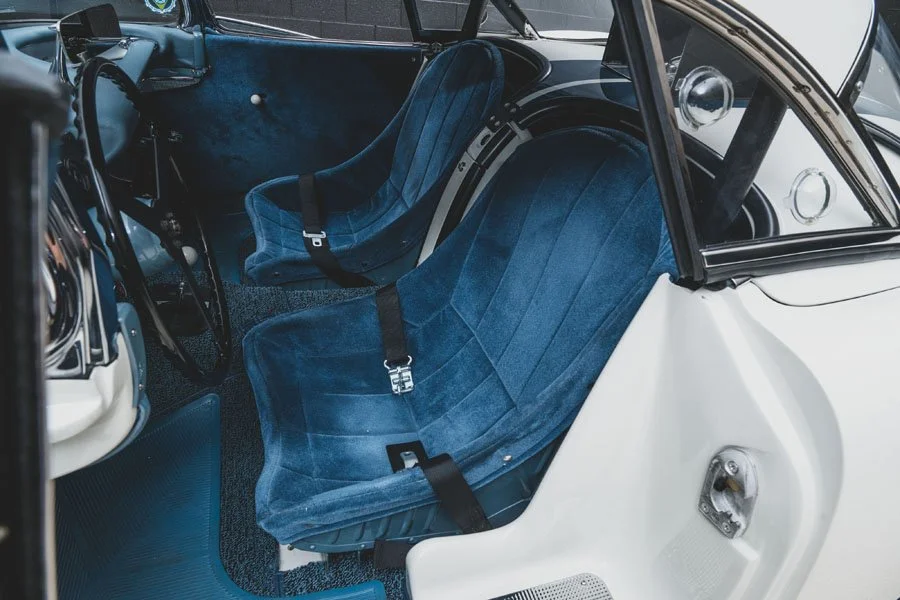
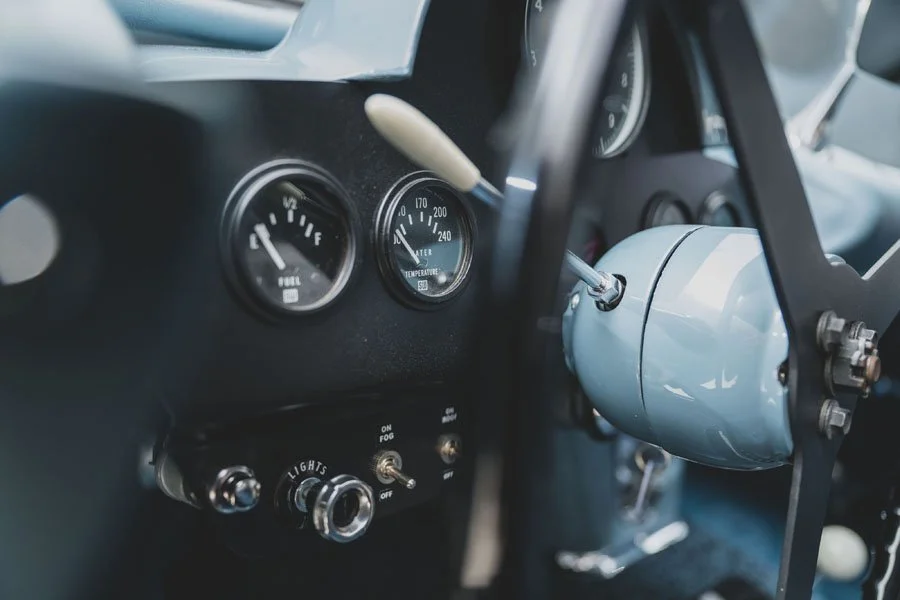
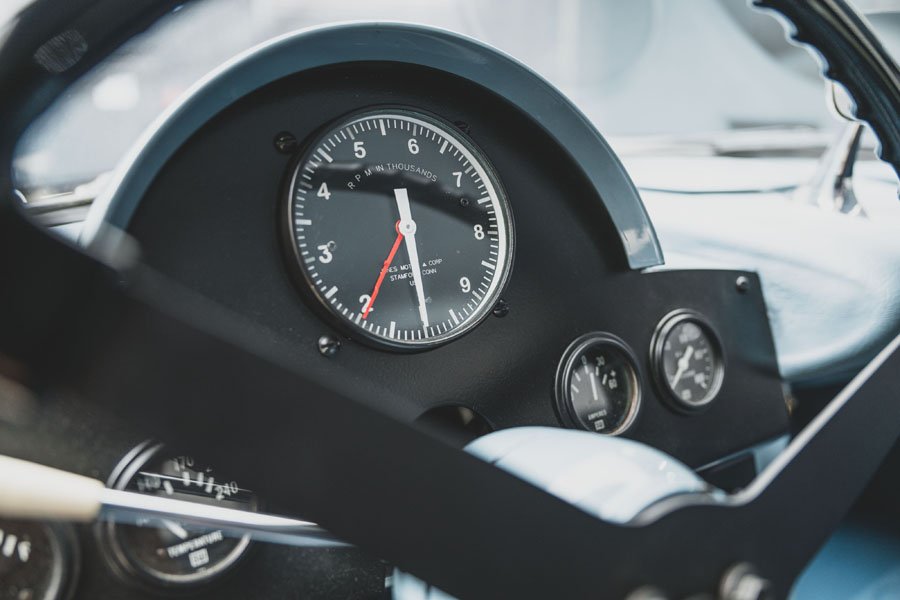
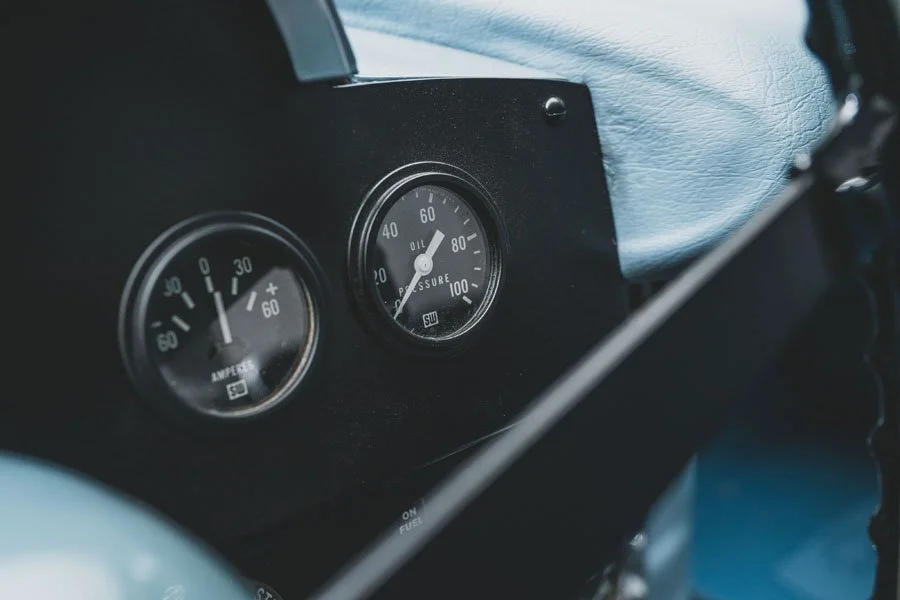
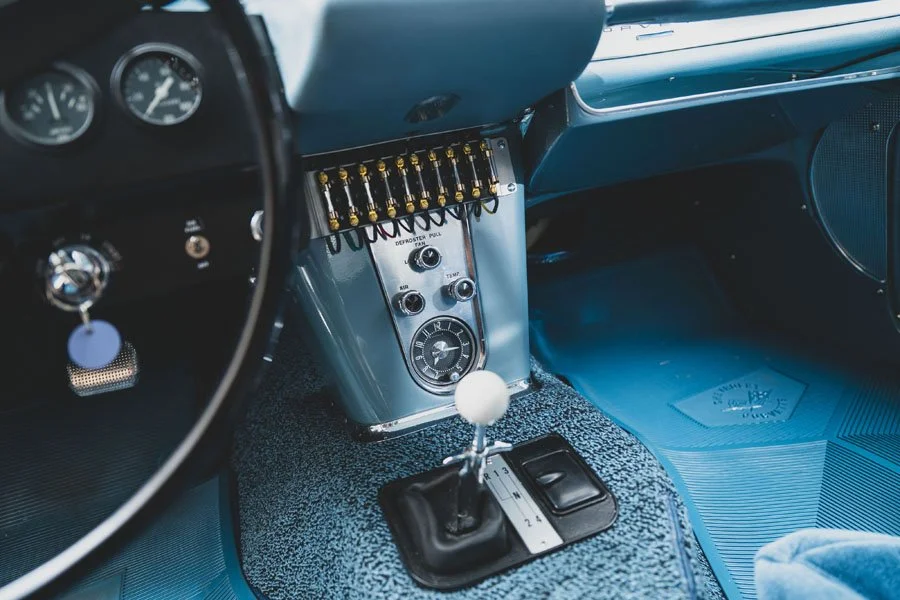
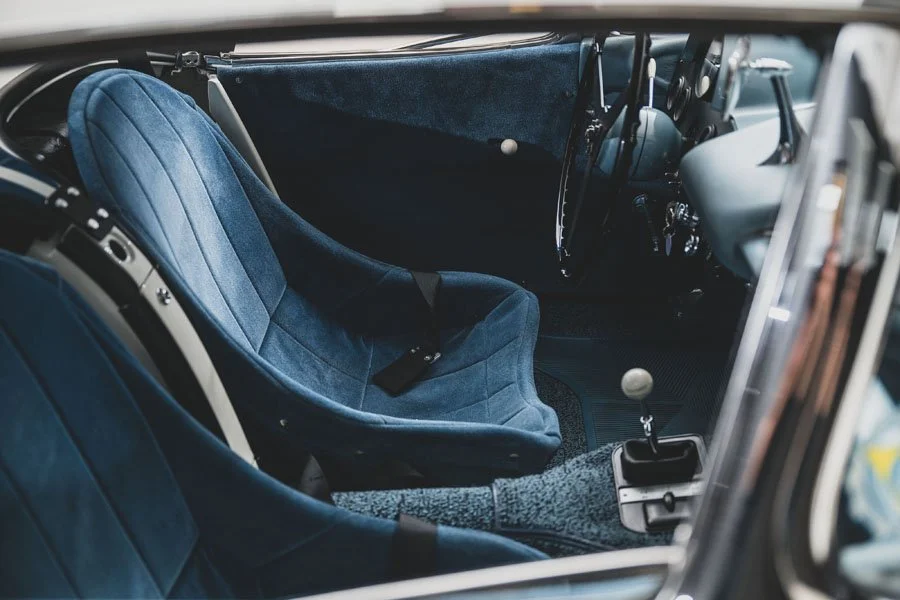
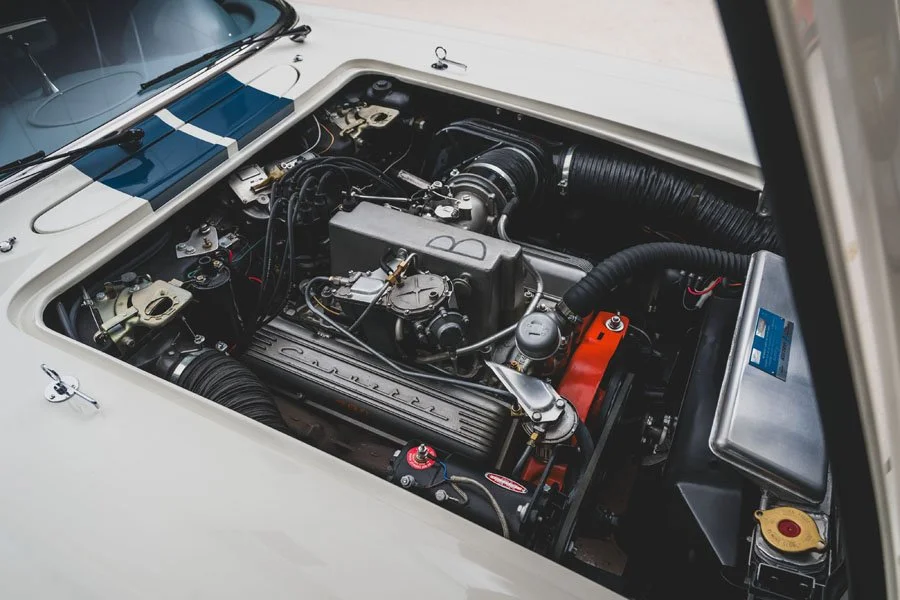
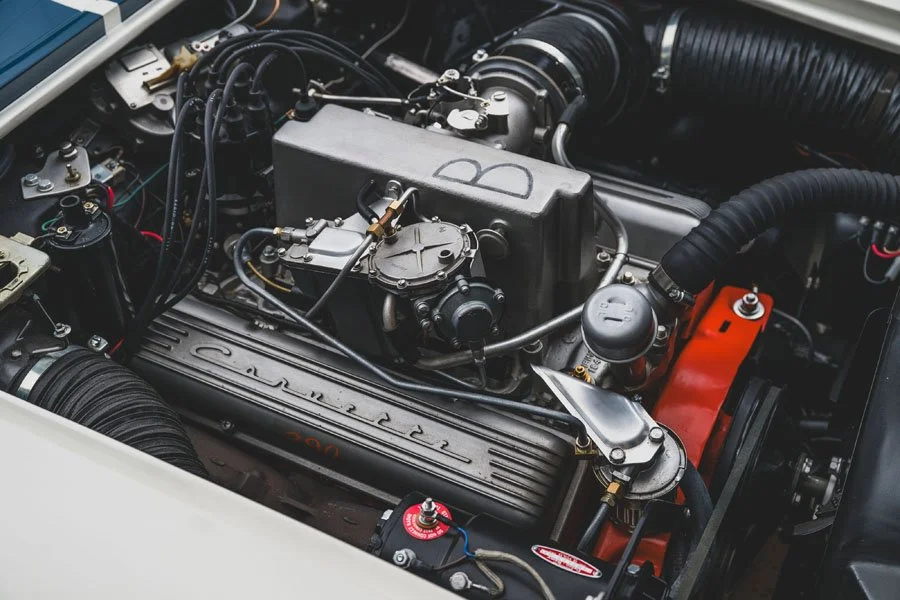
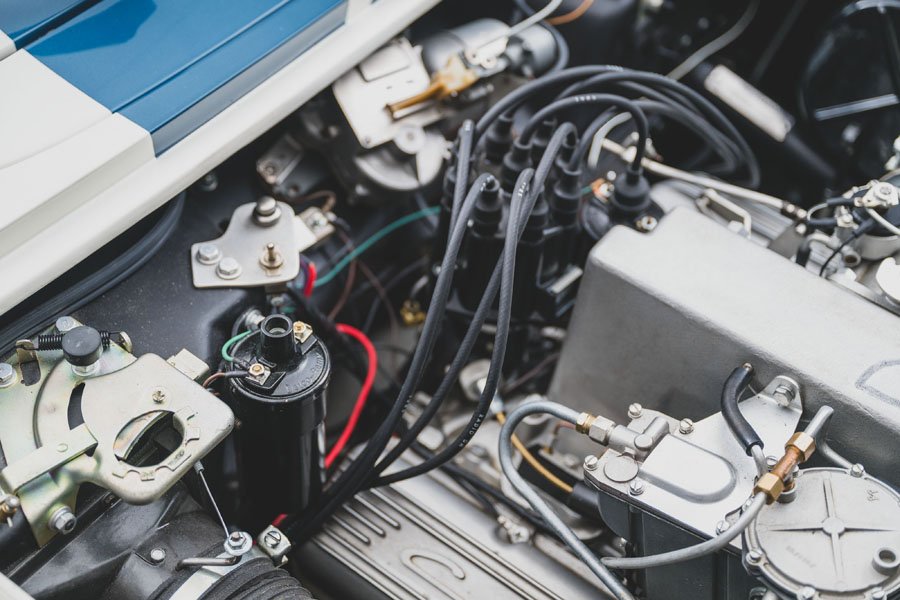
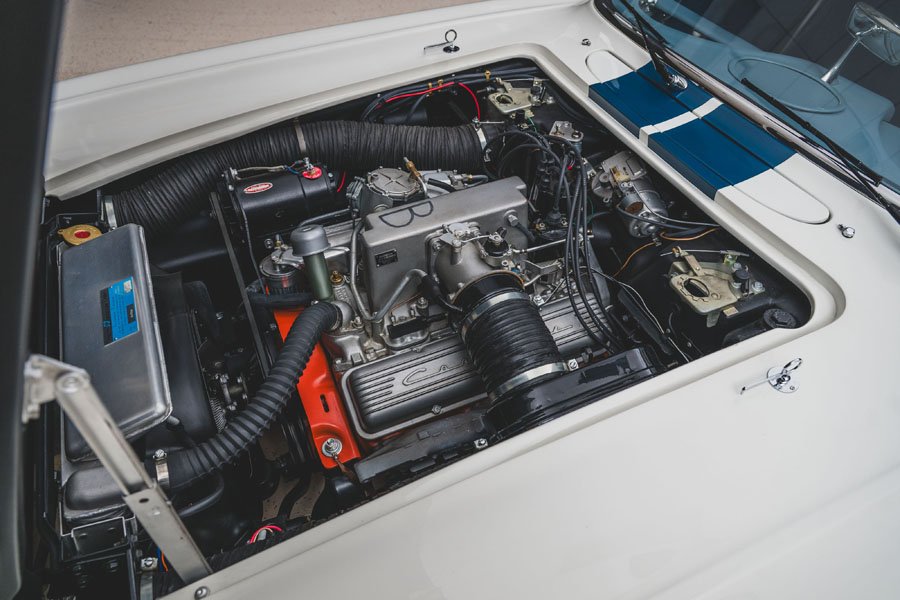
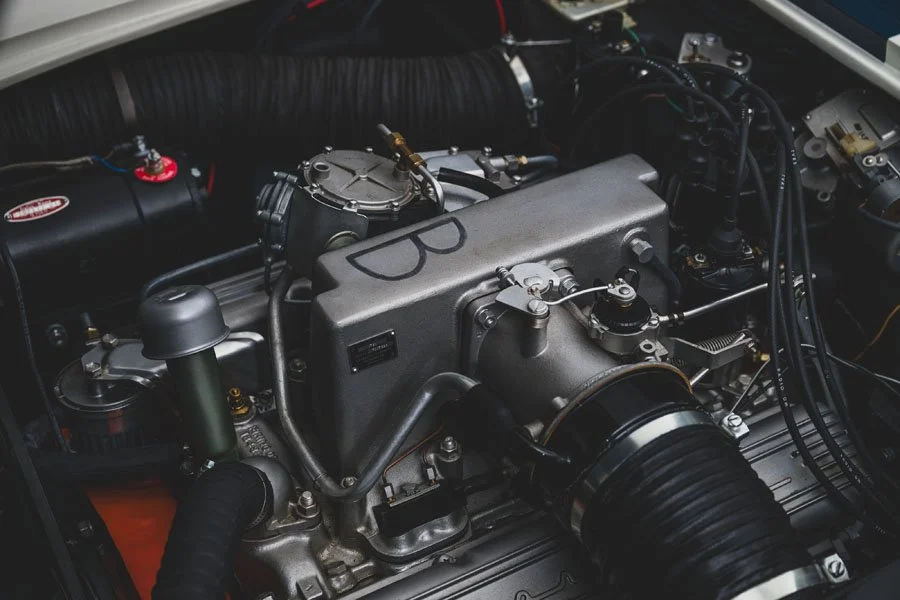
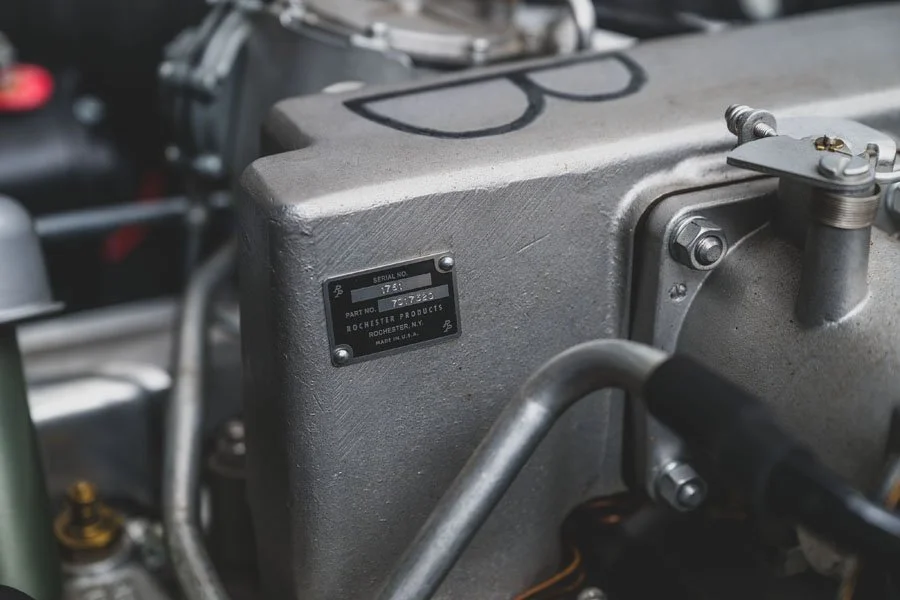
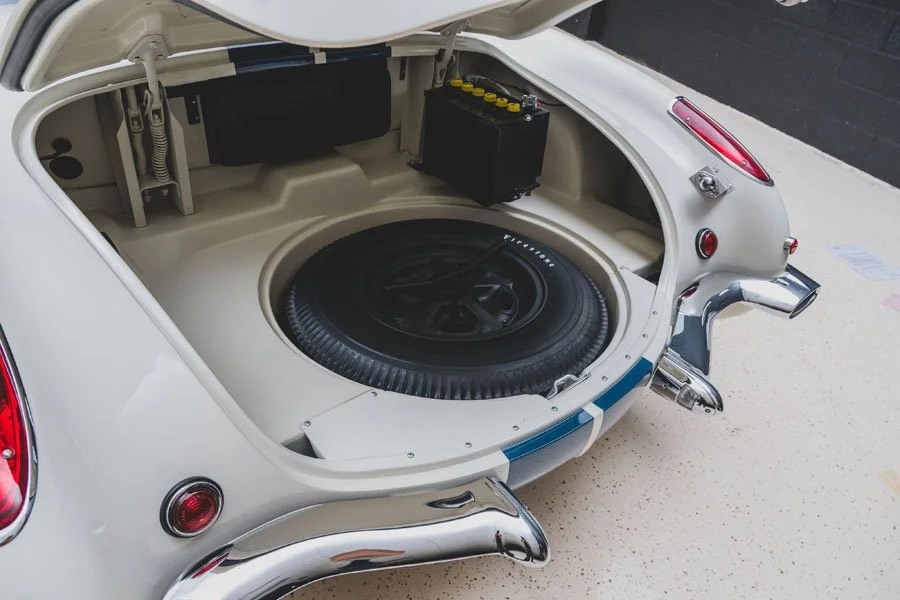
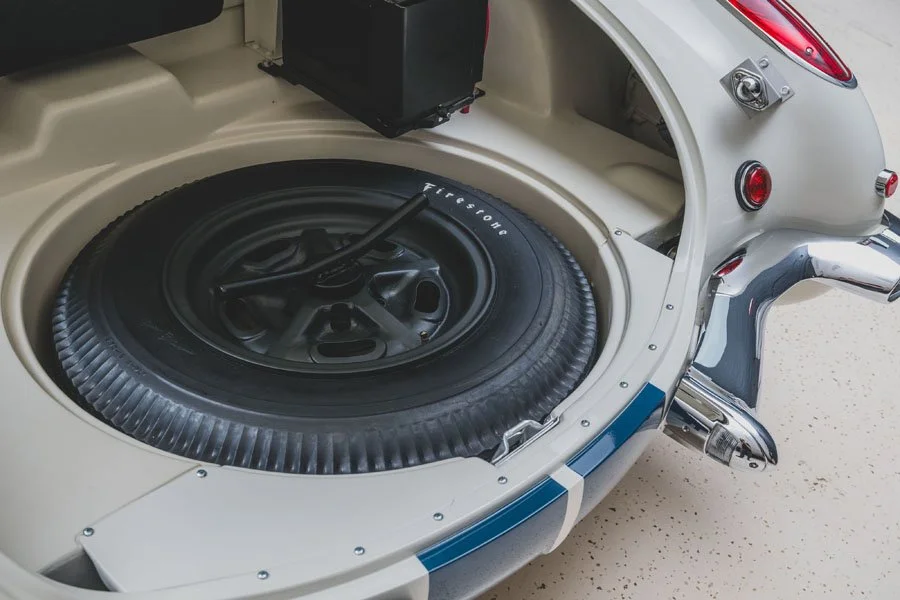
Upon delivery to Cunningham’s race team manager, Alfred Momo at the Momo Corporation in Woodside, New York, a series of further upgrades were made. They included installation of factory-supplied race-spec fuel-injected engines with side-exiting exhausts, twin Bendix fuel pumps (primary and backup), a long-range fuel tank with quick filler cap, Koni shock absorbers, an additional front anti-roll bar, Halibrand magnesium wheels shod with Firestone racing tyres, Stewart Warner instrumentation and a pair of lightweight seats from a Douglas C-47 Skytrain aircraft.
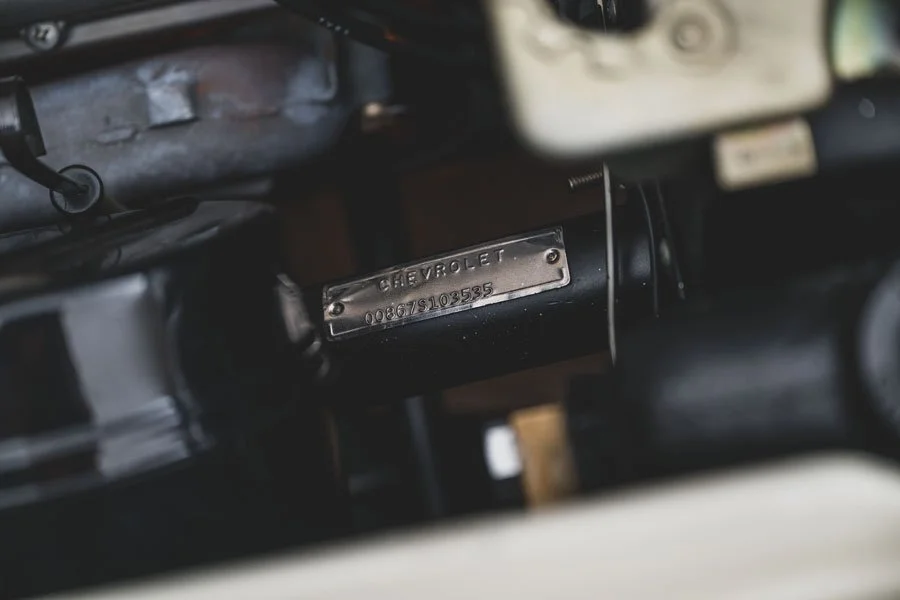
After shakedown tests at Sebring and Daytona, two of the Corvettes (chassis 2538 and 3535) were entered for the Sebring 12 Hours. Unfortunately, neither car finished with 2538 crashing out and 3535 suffering engine failure.
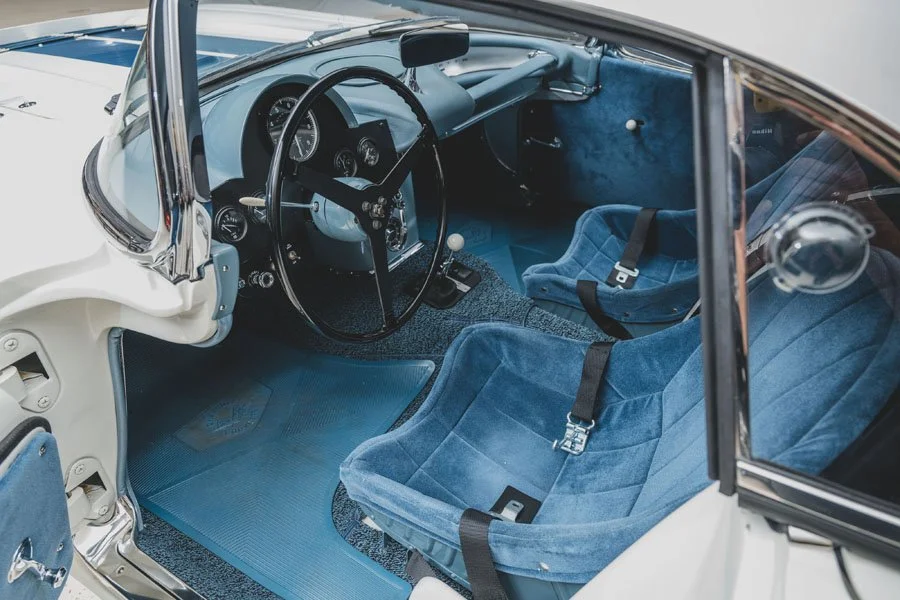
As the third Corvette had still not been completed and chassis 2538 was being repaired following its accident at Sebring, chassis 3535 went on to attend the annual Le Mans Test weekend where it posted sixth fastest time. Following a further development session at Bridgehampton in mid May, the three Corvettes were shipped back to France.
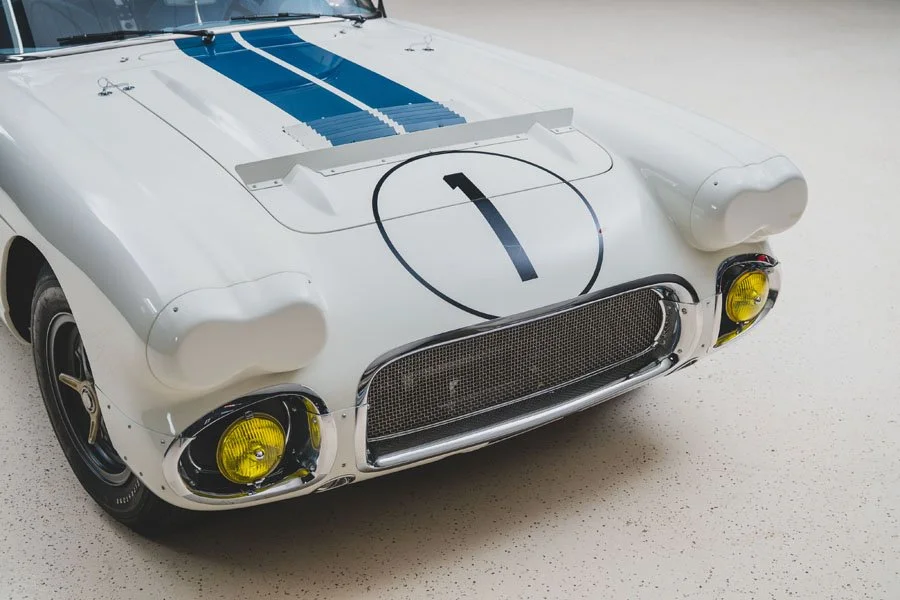
Despite a 24 hour enduro that saw some spectacularly bad weather, the #3 Corvette driven by John Fitch and Bob Grossman (chassis 2538) eventually finished eighth overall and won the five-litre GT class. As for the other pair, the #2 car (chassis 4117) driven by Dick Thompson and Fred Windridge retired with engine failure. The #1 car (chassis 3535) driven by Briggs Cunningham and Bill Kimberly was involved in a spectacular accident. Having been sent out in torrential ran on slick tyres, Kimberley aquaplaned off at Maison Blanche and rolled end-over-end twice. Fortunately, the car ended right side up and Kimberly was unhurt.
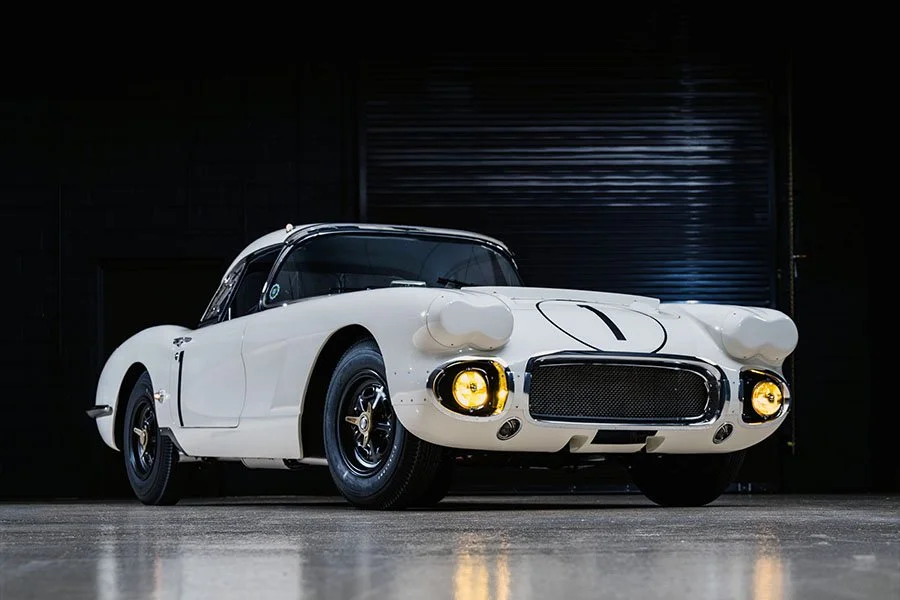
Upon its return to the US, chassis 3535 was sold in its damaged state minus engine and hardtop to Marshall “Perry” Boswell Jr. of Delray Beach, Florida. Boswell rebuilt the car with a number of custom modifications and retained it until 1966. Chassis 3535 subsequently passed through the hands of four more owners before its acquisition by Richard Carr Sr. of St. Petersburg, Florida, with whom it remained out of public view for nearly four decades.
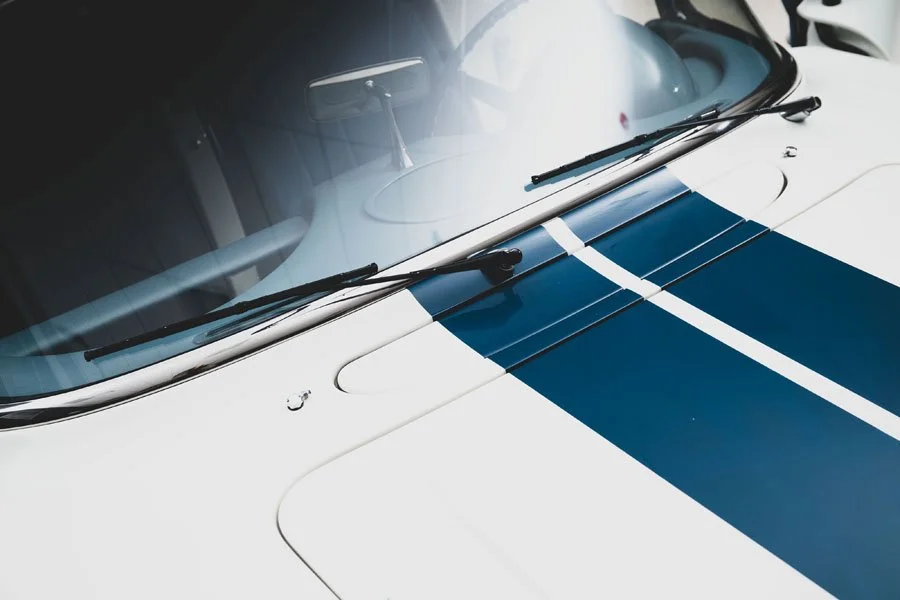
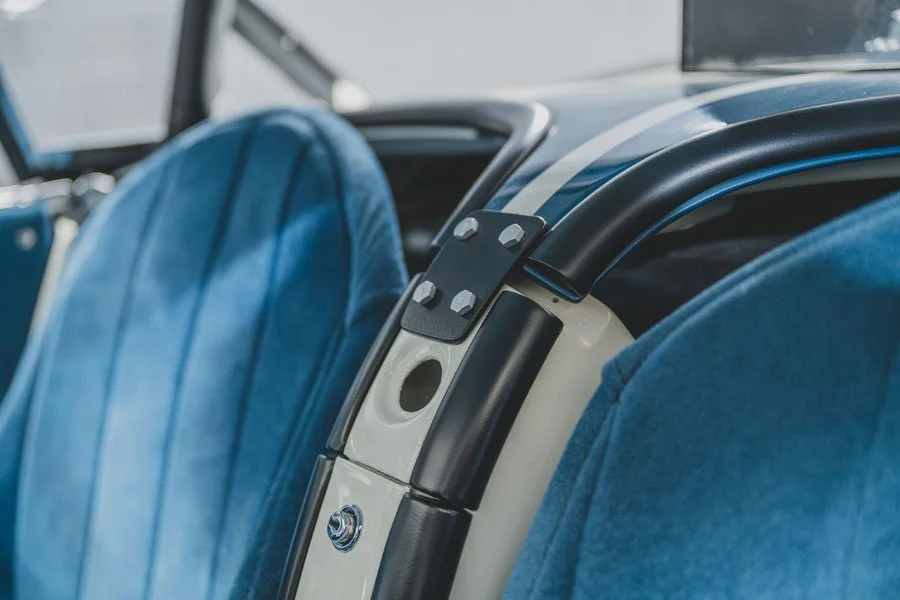
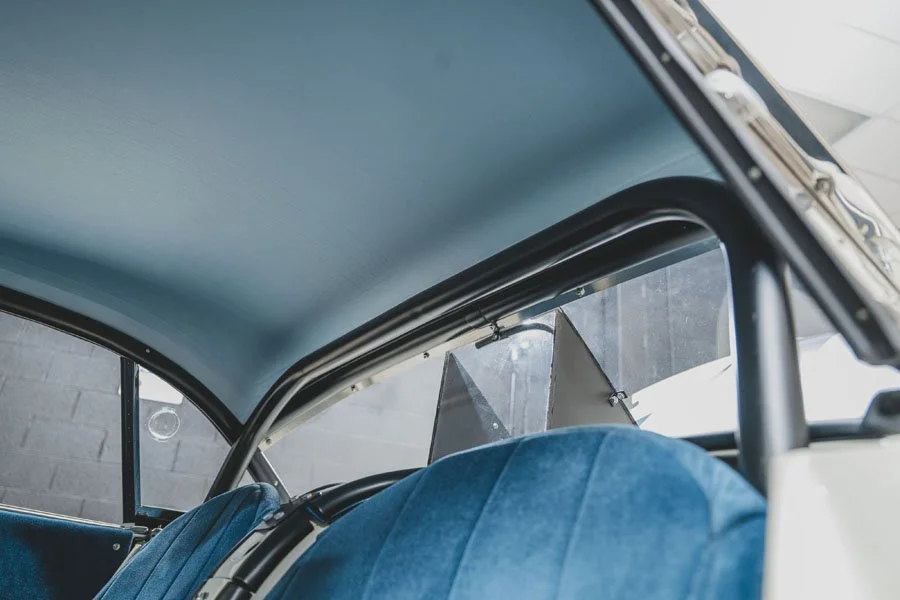
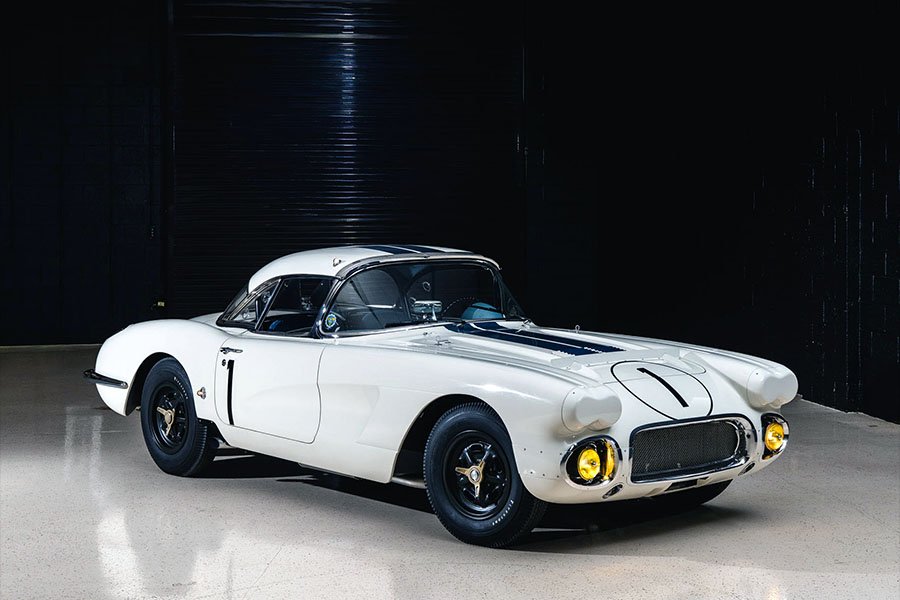
In March 2021 the Corvette was reacquired by the Cunningham family who commissioned a complete body-off restoration to 1960 Le Mans trim by marque expert Kevin Mackay and his team at Corvette Repair Inc. in Valley Stream, New York. The restoration was completed in 2023 and the car has been retained by the Cunningham family ever since.
Chassis 3535 will be heading to auction at RM Sotheby’s Monterey sale scheduled for August 13th through 15th.
For more information visit the RM Sotheby’s website at: https://rmsothebys.com/
Somewhat surprisingly given the red hot nature of the late 1980s collector car market, Porsche only built 29 copies of the formidable 959 Sport between 1987 and ‘89. Conceived to take the 959…
Famously, Ford’s attempt to create a softer, more commercially appealing iteration of the GT40 proved a commercial flop; having hoped to shift a run of at least 20 units, just seven copies of…
With its bulging Coke-bottle shape, slanted headlights and massive tea tray rear spoiler, the 993-type 911 Turbo became an icon of late 90s automotive design. Produced between 1995 and ‘98, this…
In the world of Group A Touring Cars, every twelve months a manufacturer could build batches of 500 Evolution variants (using an already homologated base car) to pave the way for updated…
Aston Martin launched the DB4 in late 1958 to replace the ageing DB MkIII which could trace its origins back to 1949. In addition to handsome new Touring of Milan coachwork, the DB4 ushered in a…
In addition to an in-house 935-inspired K1 and Vaillant-liveried 934 on the books for 1976, the Cologne-based Kremer brothers prepared a 934 financed by German privateer, Gerhard Holup.
Five years after Lamborghini had displayed the original production-spec. Countach (the LP400), an even more dramatic variant was revealed under lights at the Geneva Motor Show in 1978. Dubbed…
Five years after he had joimed Porsche (back when the company was based in the Austrian town of Gmund and the 356/1 prototype was still on the drawing board), engineer Ernst Fuhrmann was given…
Although BMW’s Formula 1 programme of 2000 to 2009 did not deliver on championship-winning potential, it did pave the way for an F1-inspired V10 to find itself in the 2004-2010 M5 and the 2005…
When it comes to most extreme iterations of the 911, three candidates stand out. One is the 1974 Carrera RSR Turbo, another the 935 it spawned which, from 1976, was built in various states of tune.
Inspired by Zagato-bodied iterations of the Ferrari 250 GT Competizione, Japanese collector, Yoshiyuki Hayashi, commissioned a coachbuilt mid 2000s revamp based on the 575M. Zagato’s…
Although the Stratos had it all and then some, the Fiat Group’s replacement was derived from more mainstream fare and proved you didn’t need bona fide supercar characteristics to become the era’s…
During the peak of its popularity in the mid 1980s, the 944 Turbo was selling in almost as many numbers as the 911 Carrera - well over 10,000 a year. However, by the early 1990s, the 944 was…
During the late 1950s, arguably the most beautiful two-saeat Roadster offered by any manufacturer was the Pinin Farina-styled first generation Ferrari 250 GT Cabriolet. Underneath rakish lines…
Owing to poor trading conditions that led to massively reduced demand for high end motor cars, the expensively revived Bugatti company filed for bankruptcy in 1995. However, that wasn’t quite the end…
Launched at the Paris Motor Show in September 1982, the C3 was Audi’s third iteration of its executive-sized 100 model. Also offered in more upmarket 200 trim and sold as the 5000 in the…
When Jaguar displayed the XK120 prototype at the London Motor Show in October 1948, it did so with little expectation of sending the model into production. However, even in the gloom of post-war…
A litany of beautiful and successful Maserati sports racing cars were produced during the 1950s with among the most highly regarded having been the second generation A6 GCS of which 52…
Despite a long-standing relationship with Pininfarina, Ferrari commissioned Carrozzeria Bertone to design and manufacture bodywork for its first V8-engined road car. Unveiled at the Turin Motor Show…
To see off the expected threat from GT1 iterations of the Ferrari F50 and a reverse engineered purpose built racer that Porsche was known to have in development, McLaren created an uprated…
The collaboration to create a V16-powered monster by automotive engineer Claudio Zampolli and music producer Giorgio Moroder was arguably the most ambitious of all the supercars formulated…
During the mid-to-late 1980s, arguably the most elegant sporting Coupes offered by Europe’s high end manufacturers were the Aston Martin V8 and BMW’s E26 M635 CSi. While in Vantage trim the…
Between the 1950s and 1990s, members of the Korps Rijkspolitie, the Dutch National Police responsible for the nation's highways, were issued a variety of open top Porsche patrol cars; 356…
After the 288 GTO and F40 had used twin turbocharged V8s that propelled them to hitherto unseen levels of performance, Ferrari took a different approach for its third generation limited production…
Between 1967 and 1969, Porsche commissioned three transporters from Mercedes-Benz based on the O317 platform. During the years that followed, this handsome trio traversed Europe, initially…
While most examples from Lancia’s 200-strong batch of 037s built to homologate the model for Group B competition led a relatively pampered life, a handful were rallied by their owners and a few…
Owing to tighter emissions legislation, E36 M3s bound for North America had to be fitted with lower compression engines that did not feature the same radical cylinder head, variable valve timing…
Unlike most attempts at retro-themed automotive designs, Alfa Romeo’s spectacular 8C produced between 2007 and 2010 ranks among the most beautiful motor cars of the modern era. Styled by…
Although Nissan’s standard RB26DETT straight six offered formidable tuning potential as evidenced by the litany of circa 1000bhp GT-Rs that had been tweaked with aftermarket parts, when it came to…
To replace the 2.6-litre 212 Export which had served privateers so well throughout the 1951 season, Ferrari introduced the 2.7-litre 225 Sport for 1952. In total, 21 examples of the 225 Sport were…