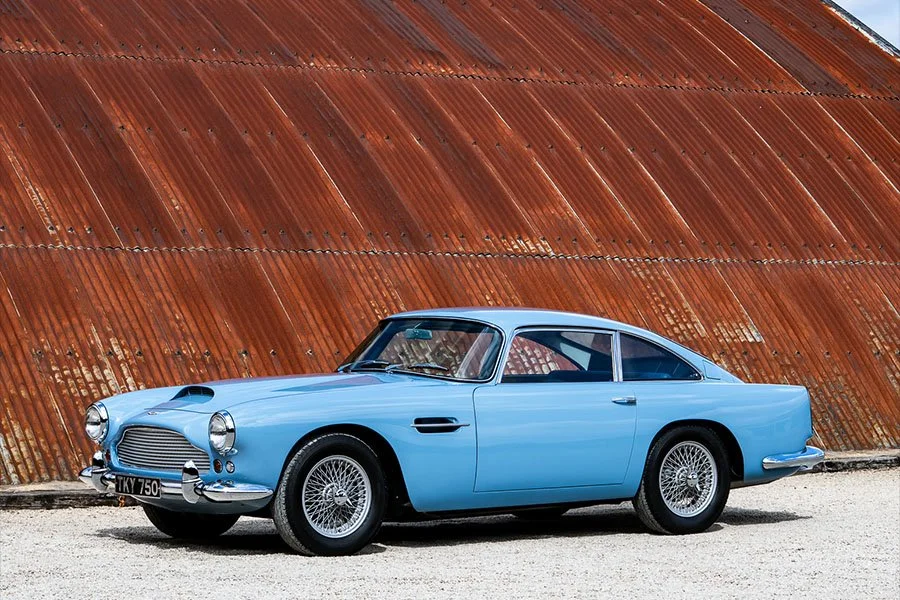
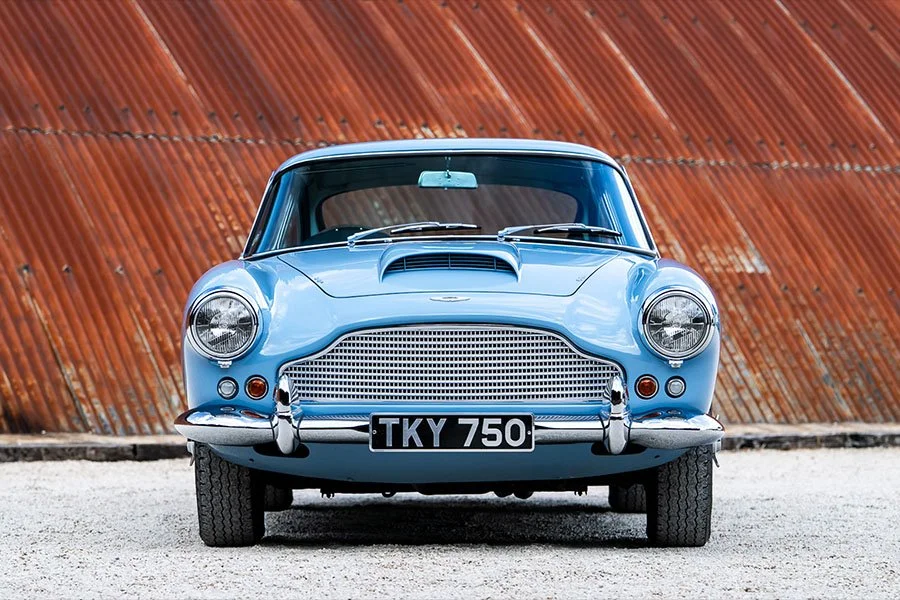
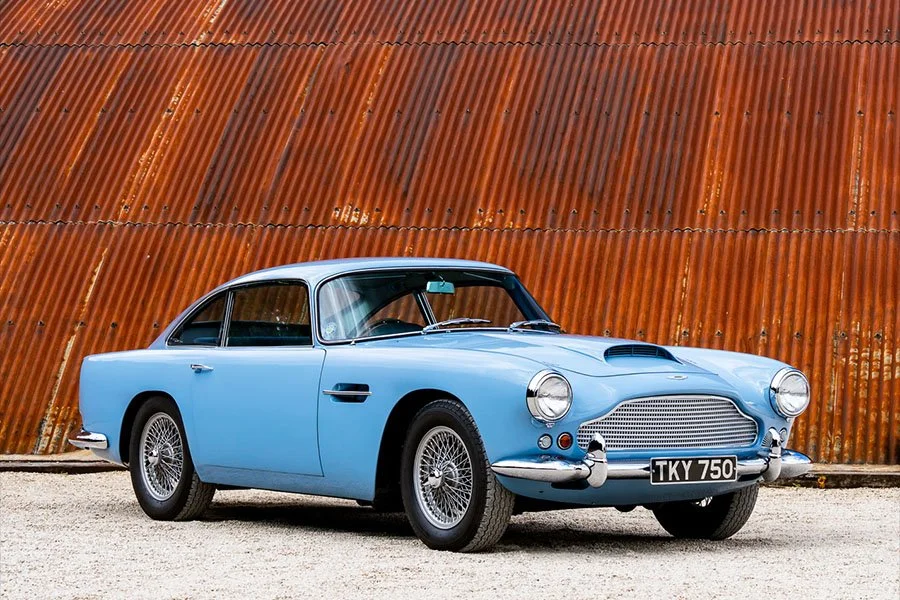
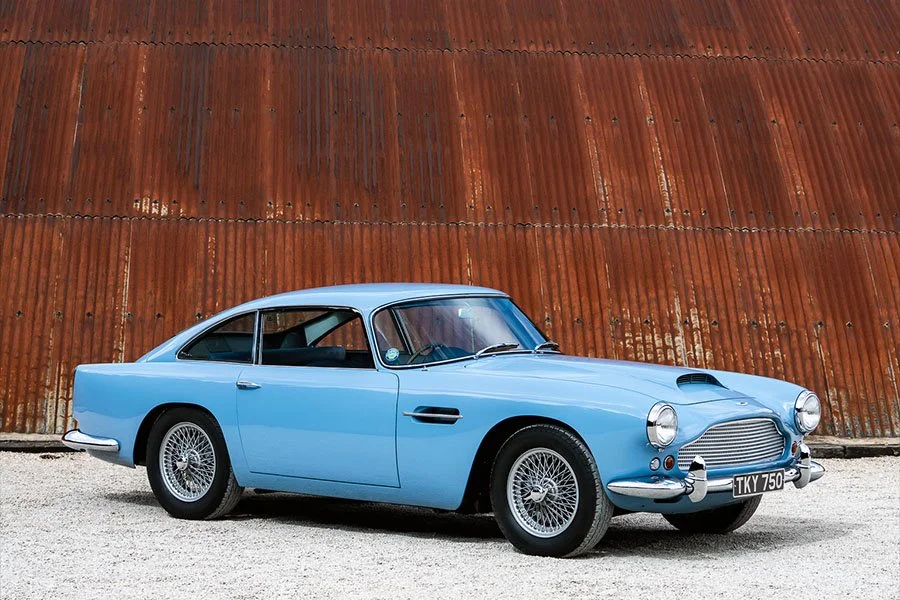
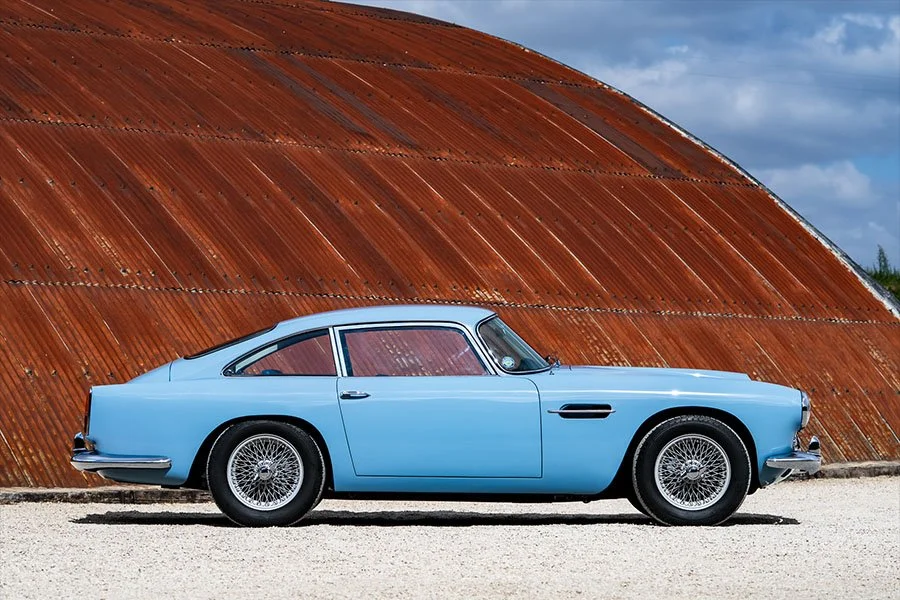
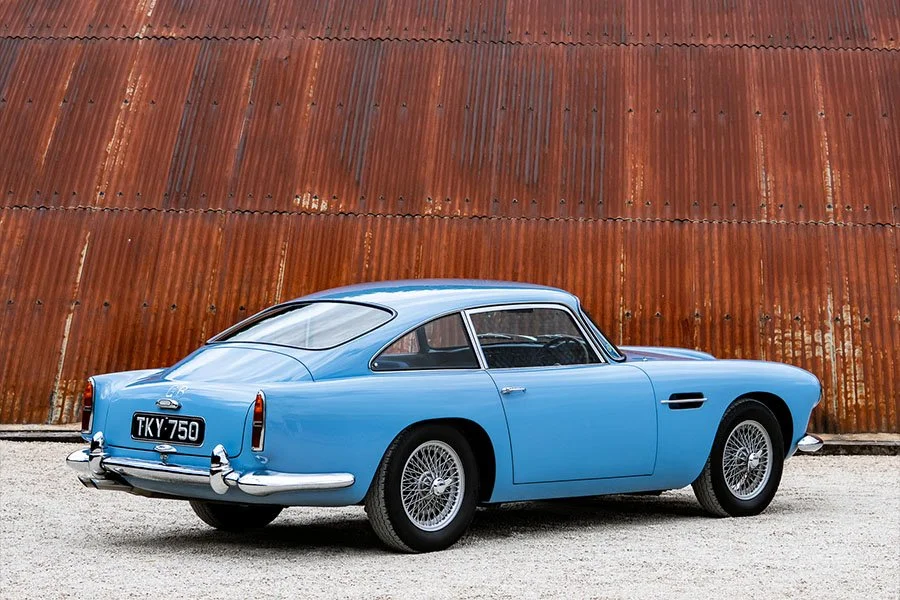
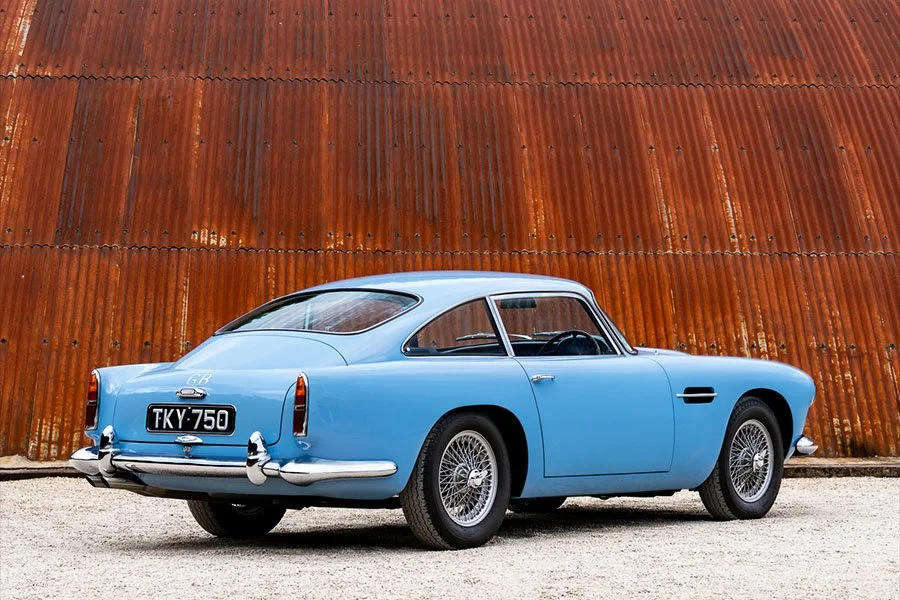
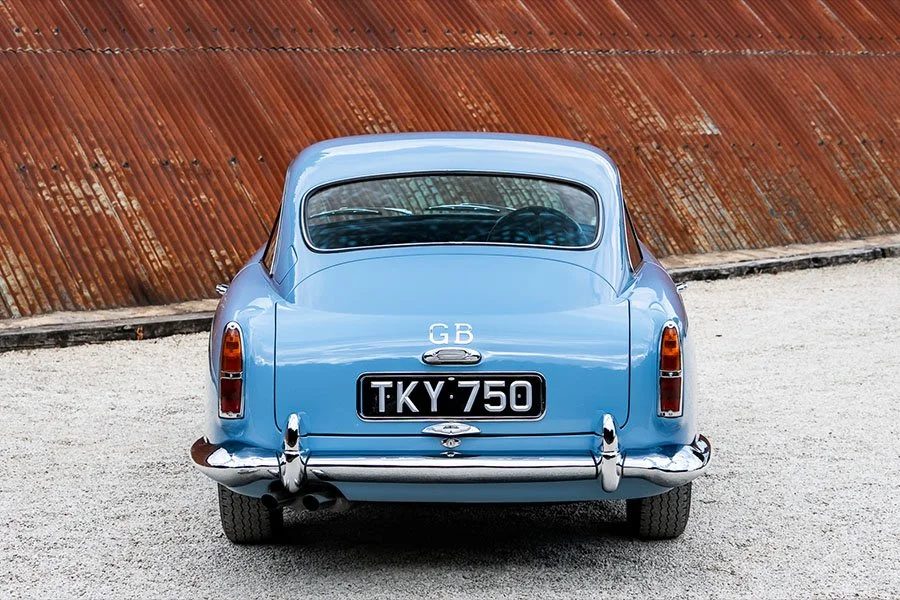
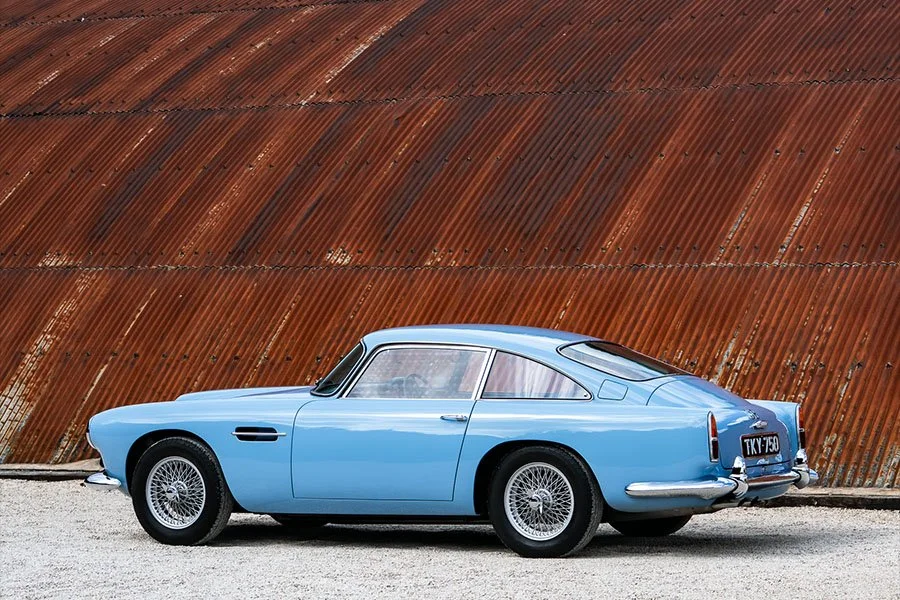
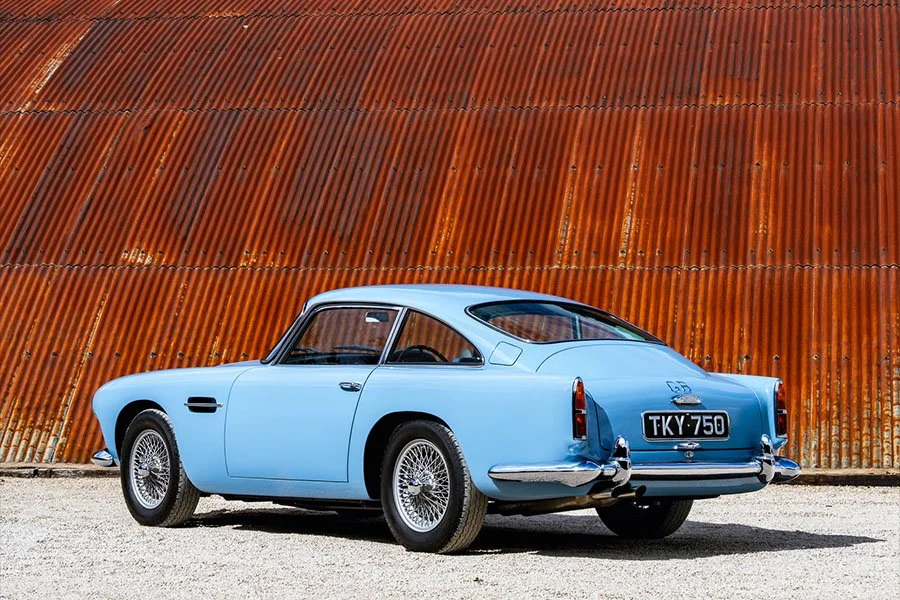
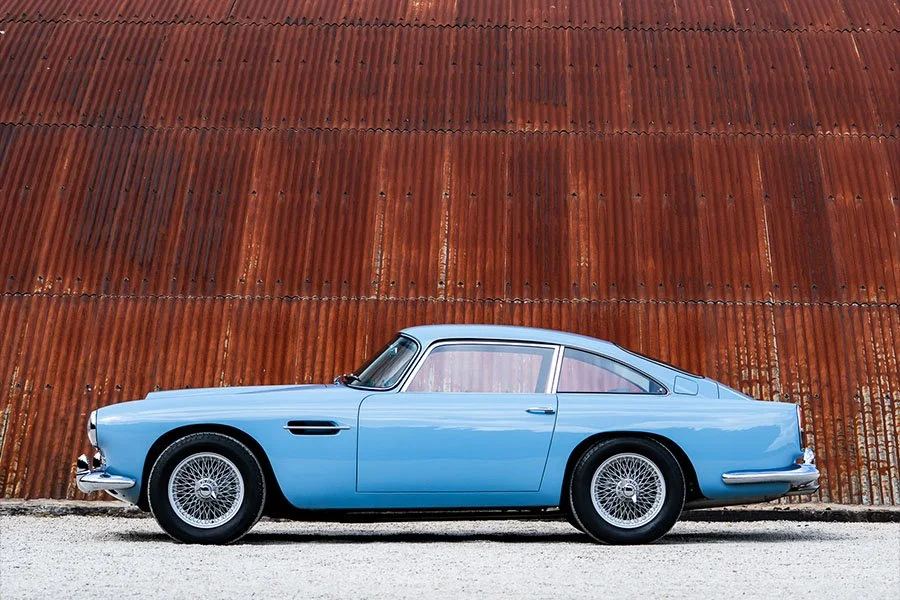
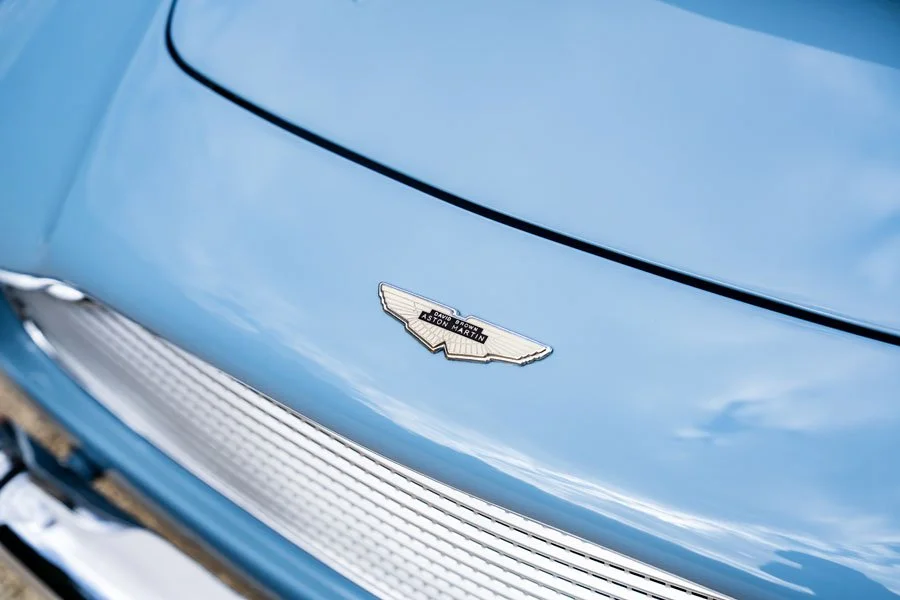
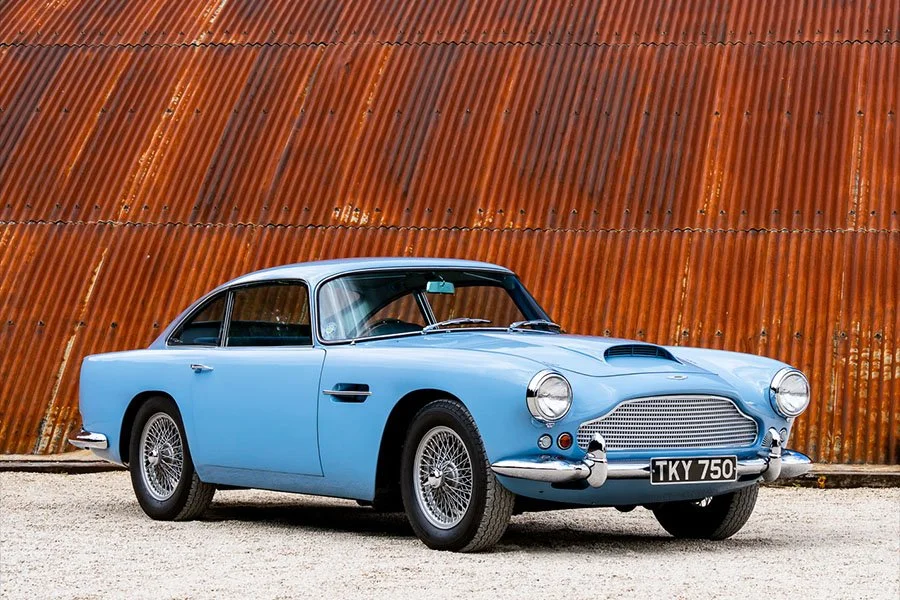
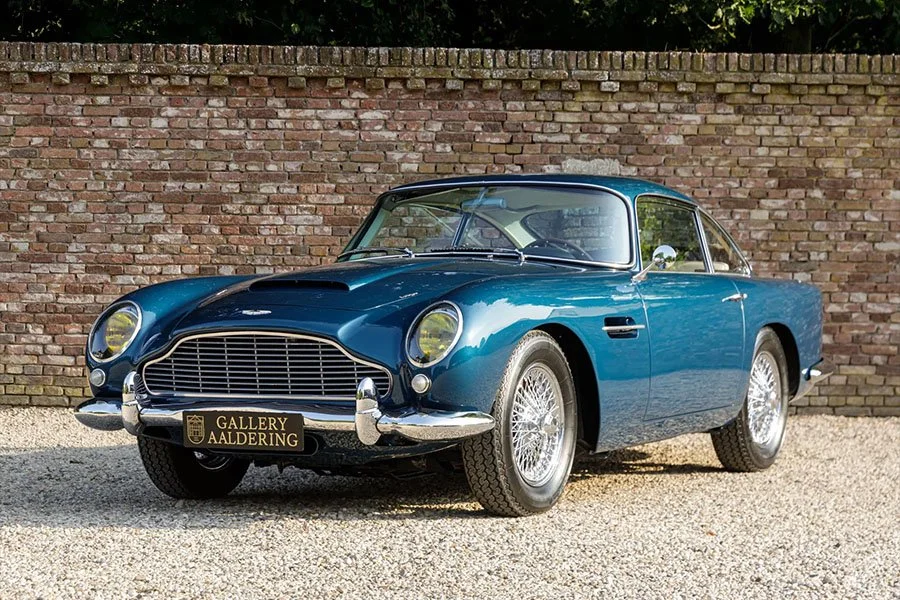
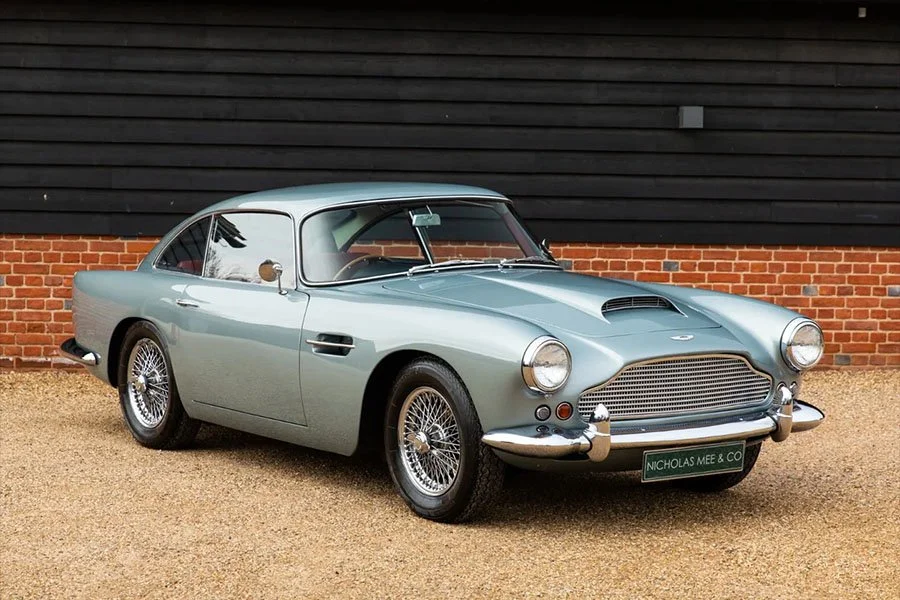
One to Buy: Wedgewood Blue 1960 Aston Martin DB4 Series 2
/ Ben Tyer
When the DB2 was launched in late 1950, Aston Martin found itself with arguably the best two-seat Gran Turismo on the market as evidenced by a series of class-winning performances at the Le Mans 24 Hours. However, by the late 1950s, things had moved on considerably and the British firm needed something new to keep up with the times.
What emerged at the Paris and London Motor Shows of October 1958 was the DB4, a next generation 2+2 superior to anything the likes of Ferrari or Maserati had to offer.
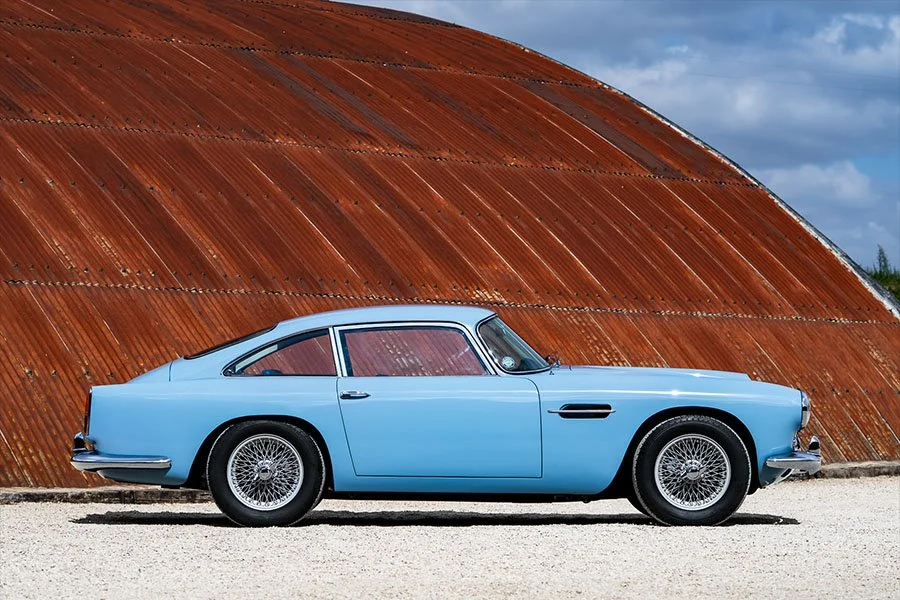
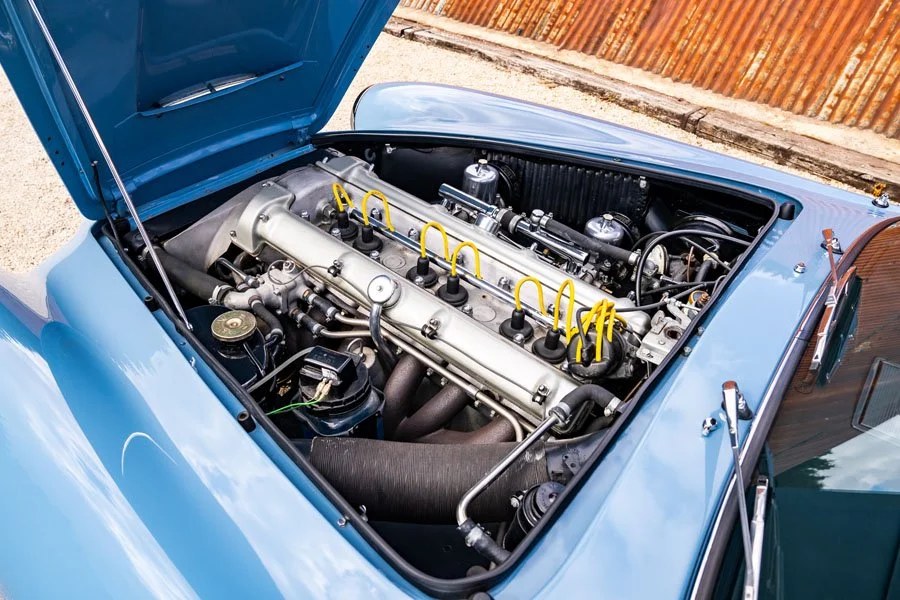
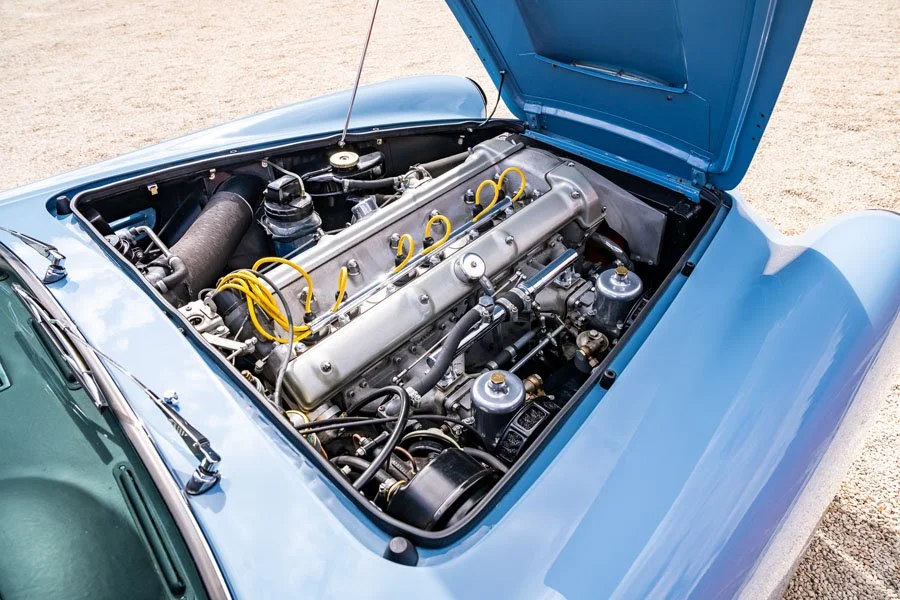
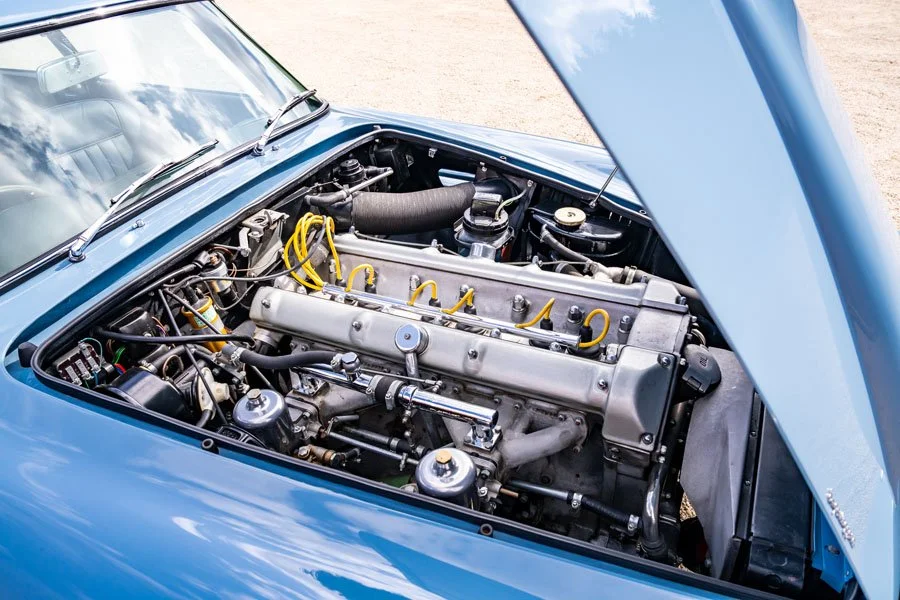
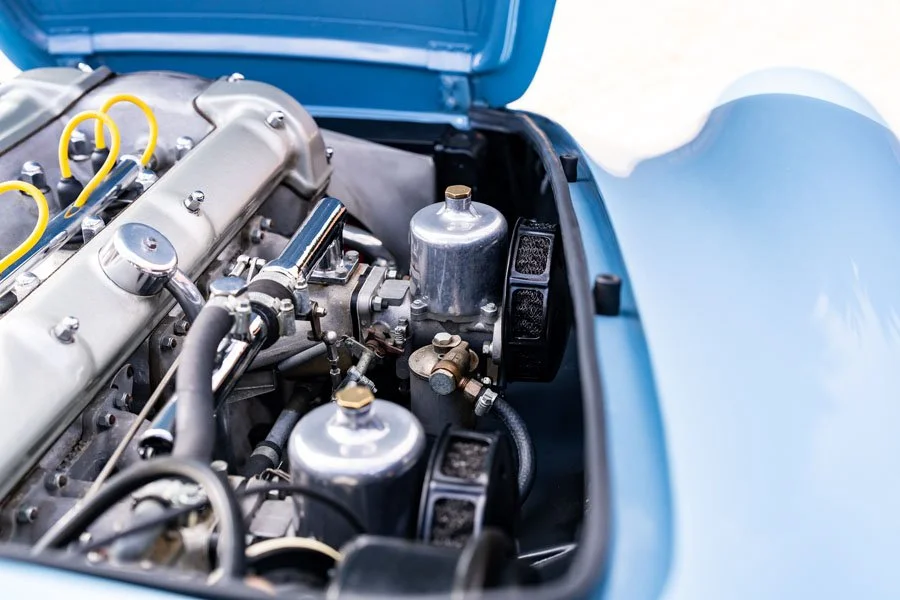
At the heart of the DB4 was a comprehensively re-engineered version of Aston’s all-alloy dual overhead cam straight six which had been enlarged to 3.7-litres and that now produced 240bhp. Based around an advanced pressed steel monocoque with independent front suspension, a live rear axle and disc brakes all round, the new model was draped in stunning aluminium coachwork by Carrozzeria Touring of Milan.
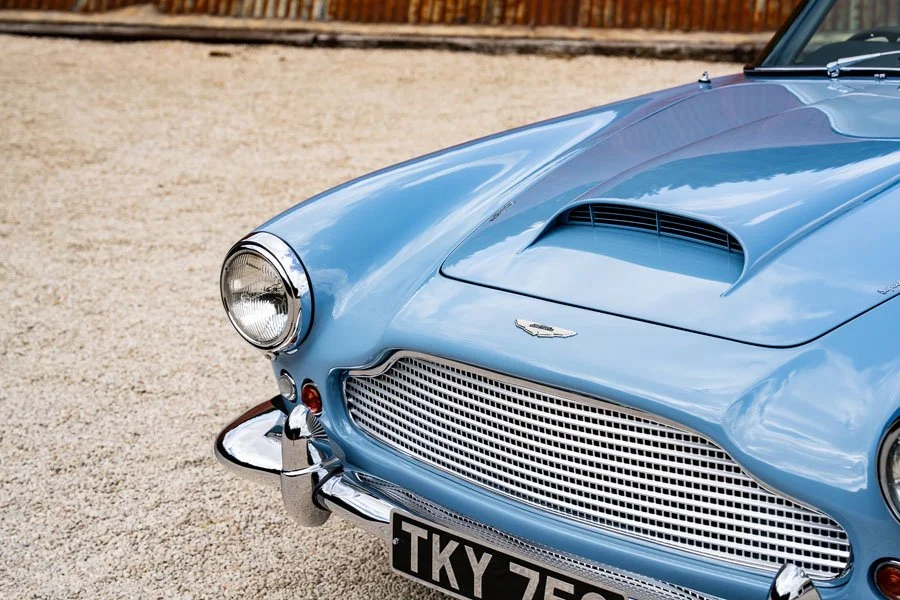
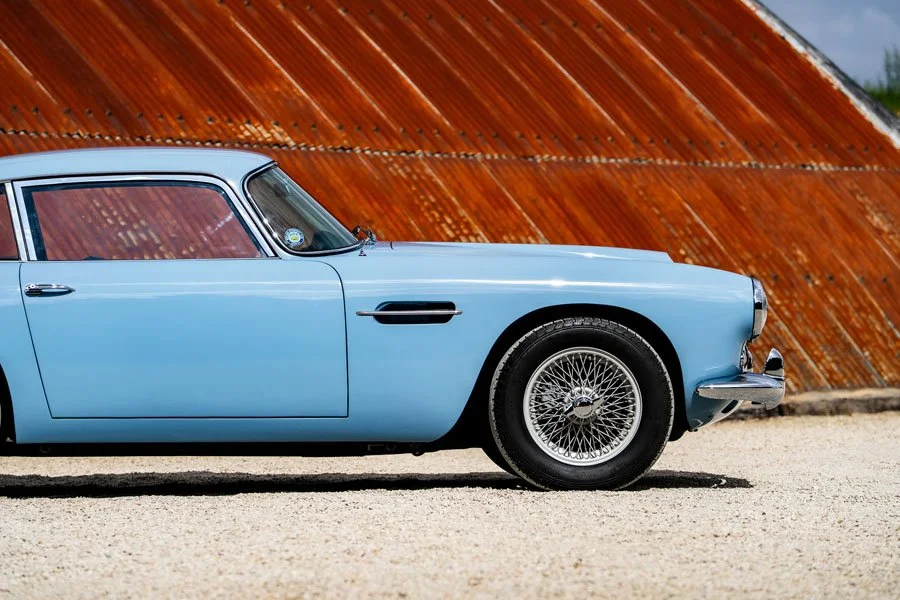
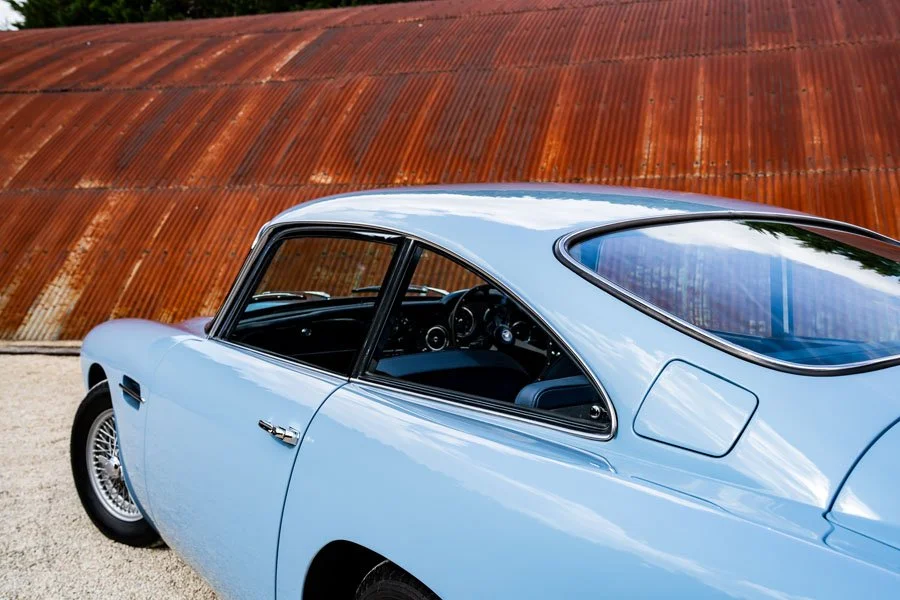
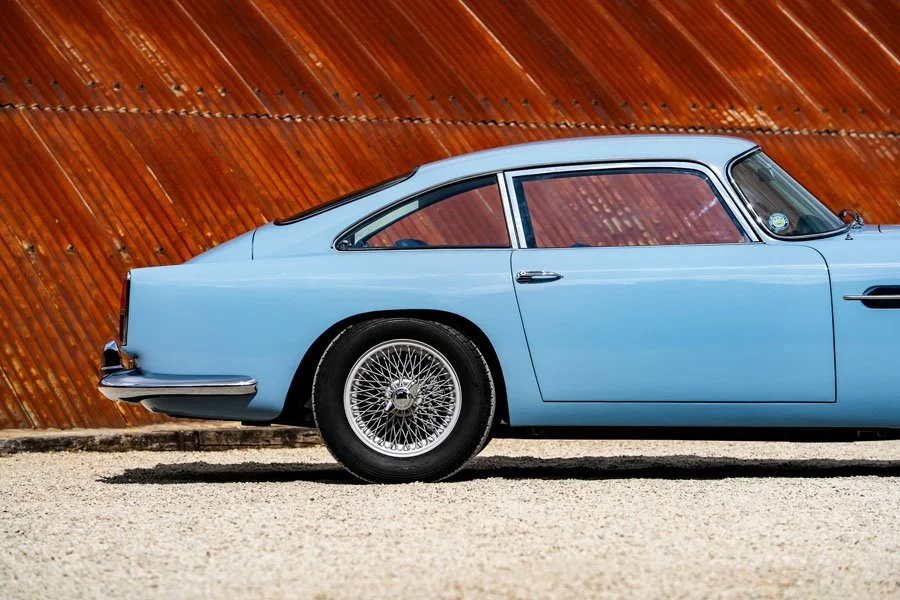
In January 1960, Aston Martin ushered in a second series DB4 that featured a number of technical updates, the most notable of which were a front instead of rear-hinged hood, an enlarged sump, an uprated oil pump, improved front brake calipers and opening rear windows made with flat instead of curved glass.
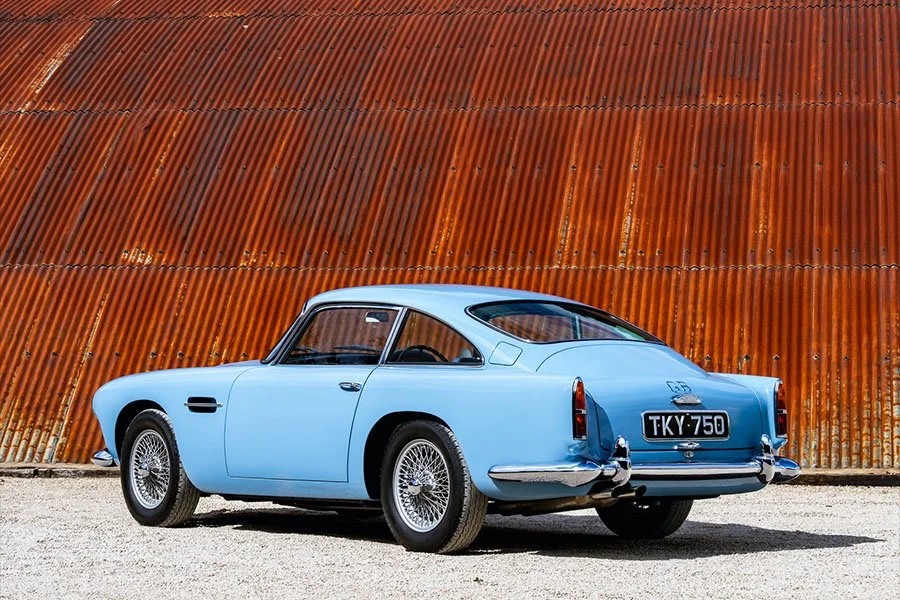
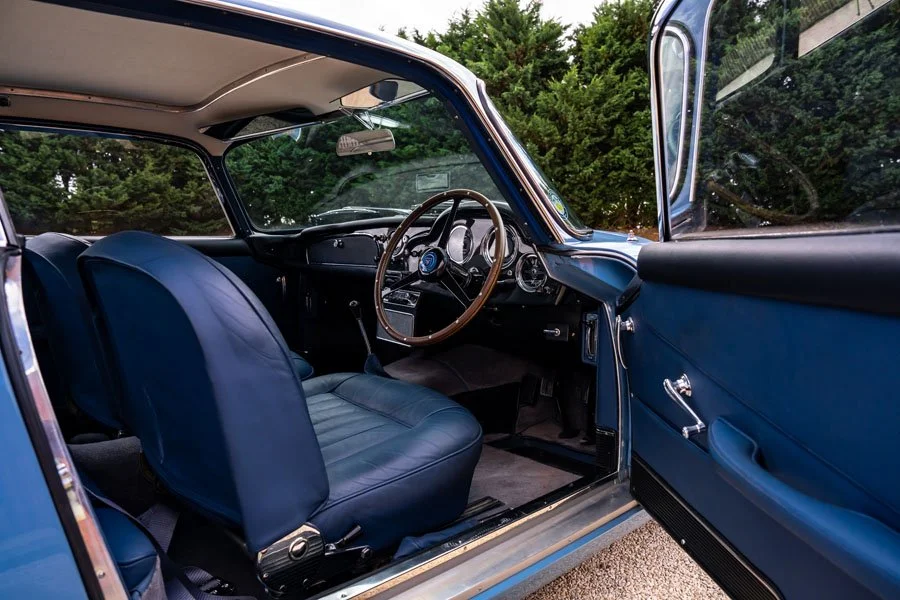
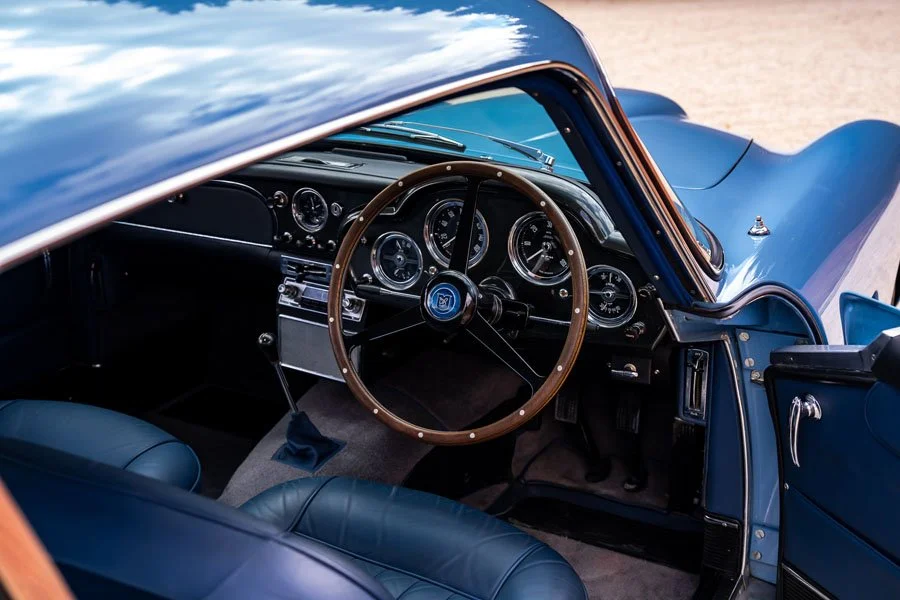
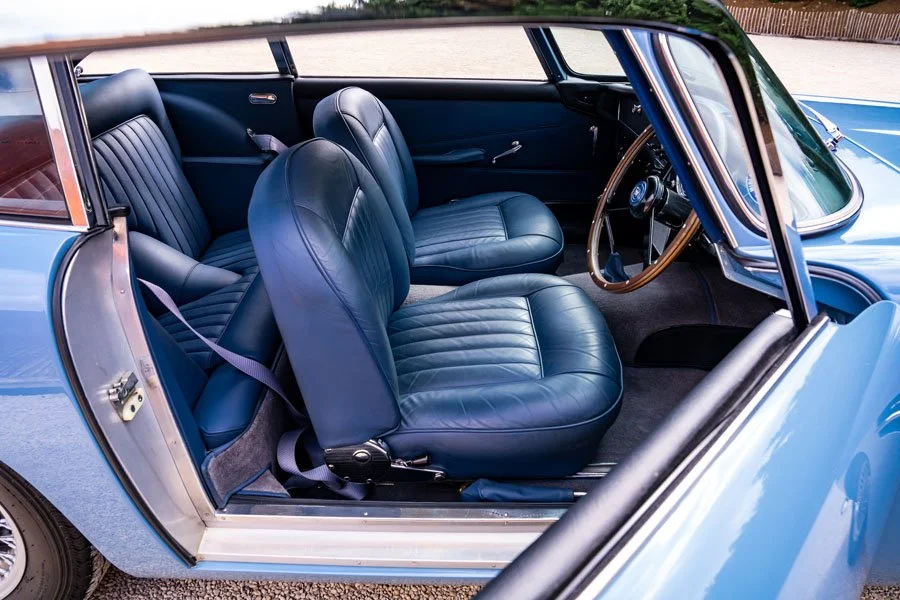
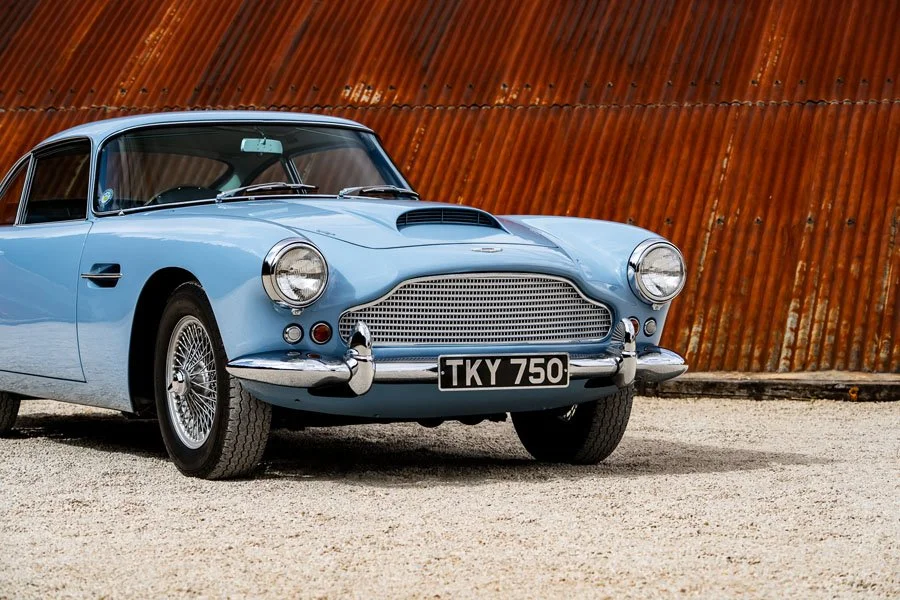
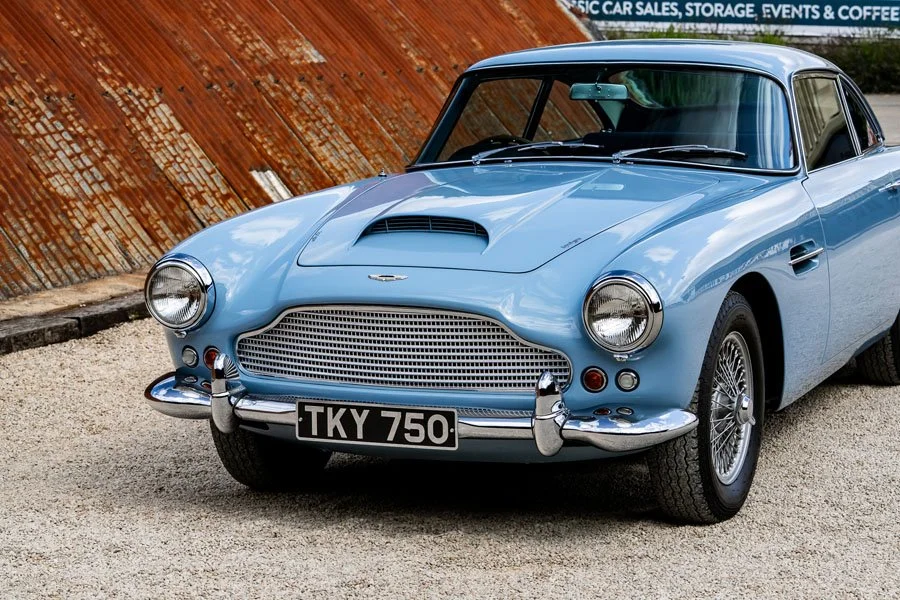
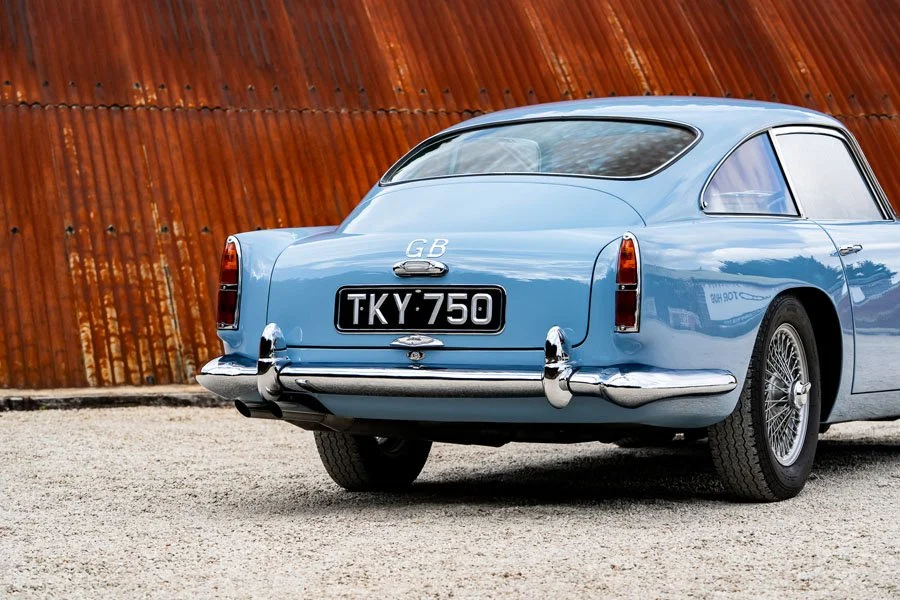
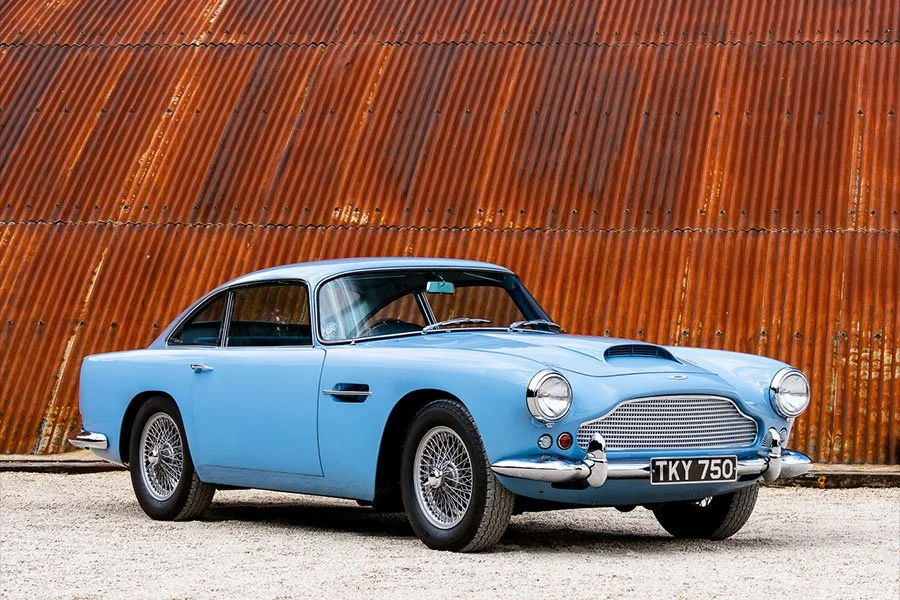
349 copies of the Series 2 DB4 were made between January 1960 and April 1961, one of the most handsomely configured having been chassis DB4/303/R which is currently residing at the Classic Motor Hub showroom in Gloucestershire.
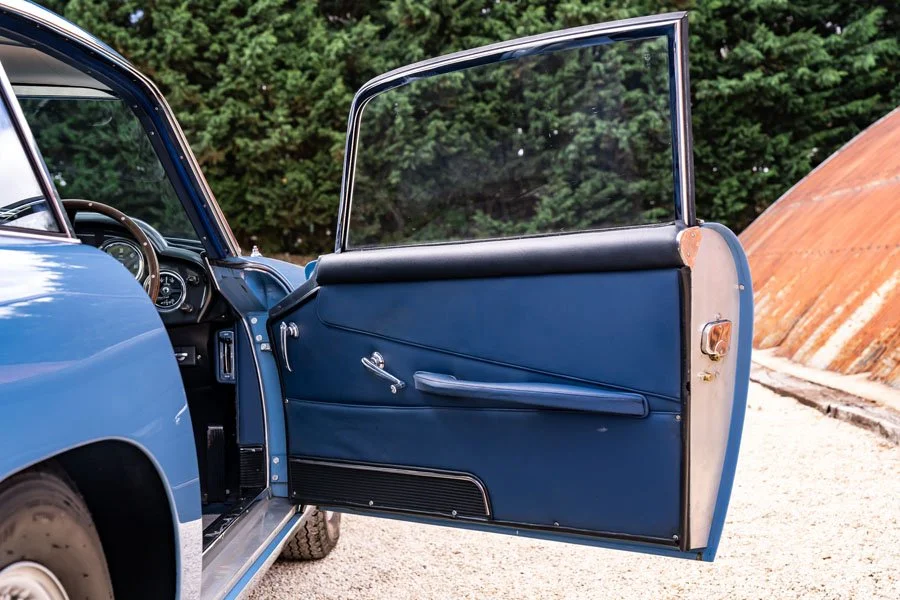
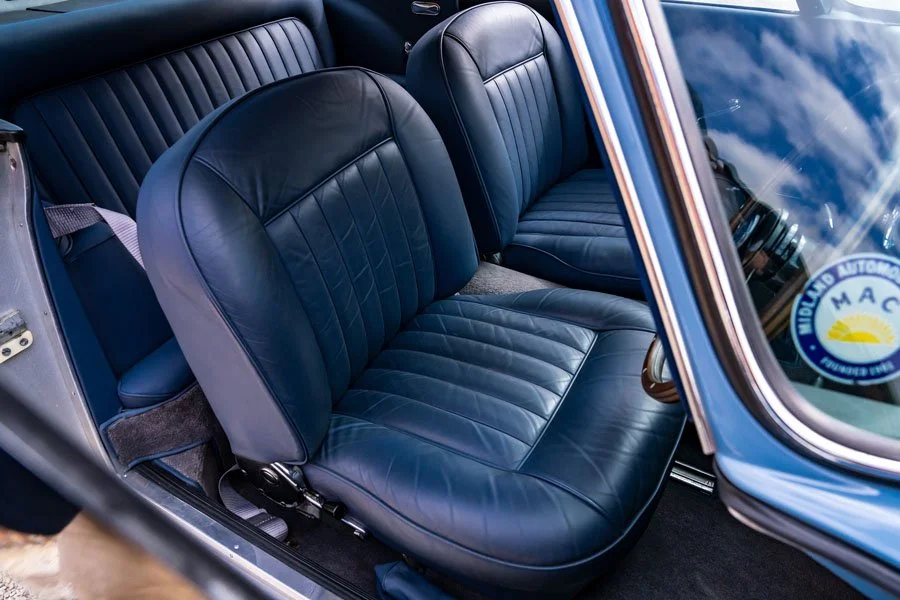
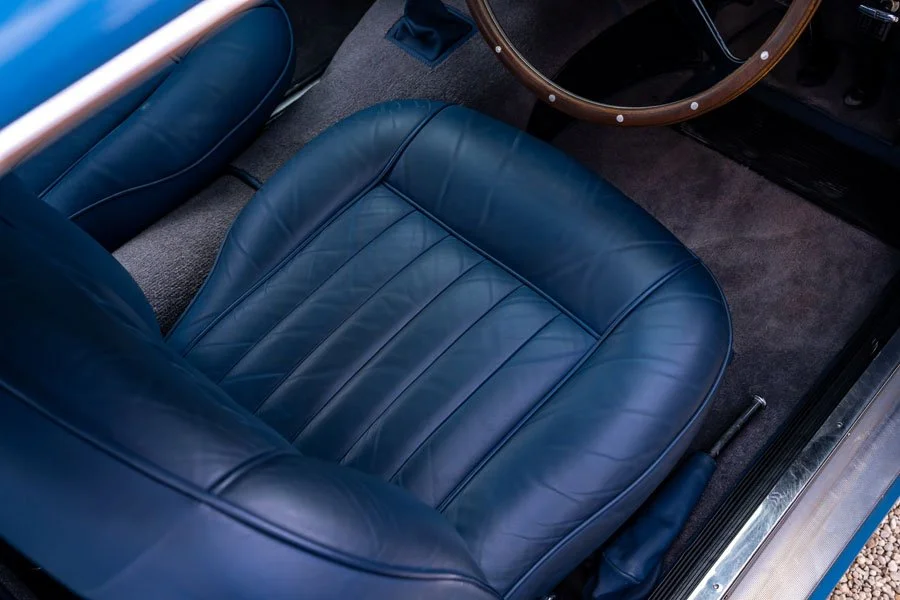
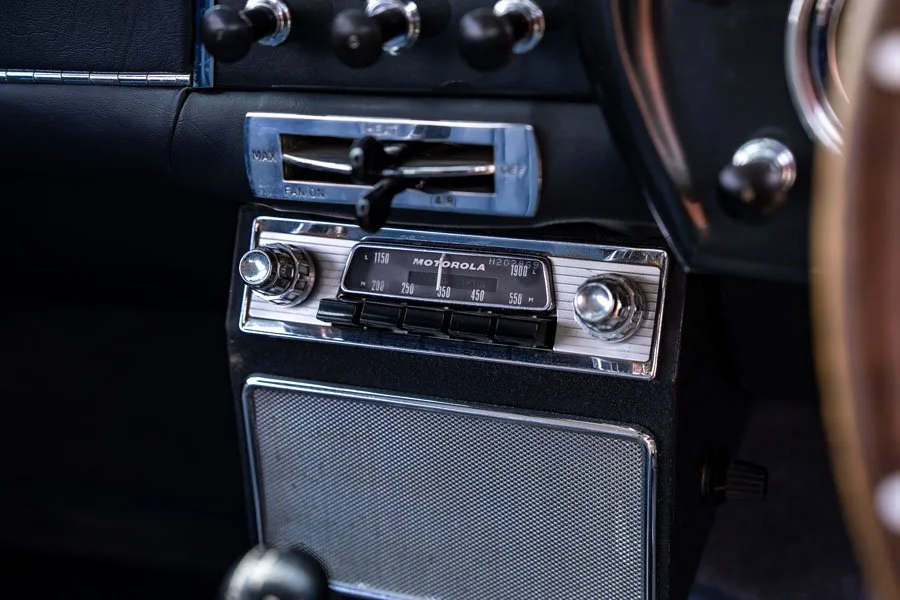
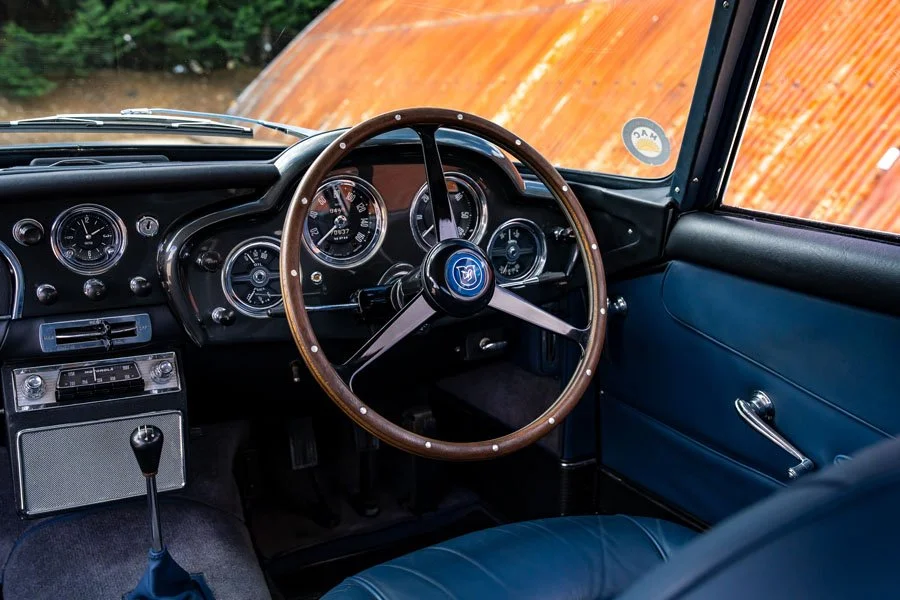
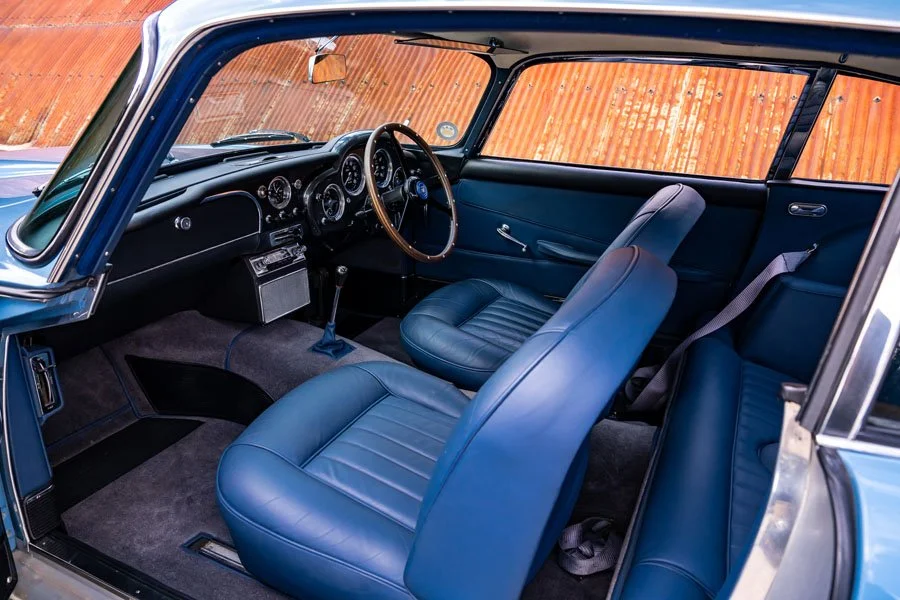
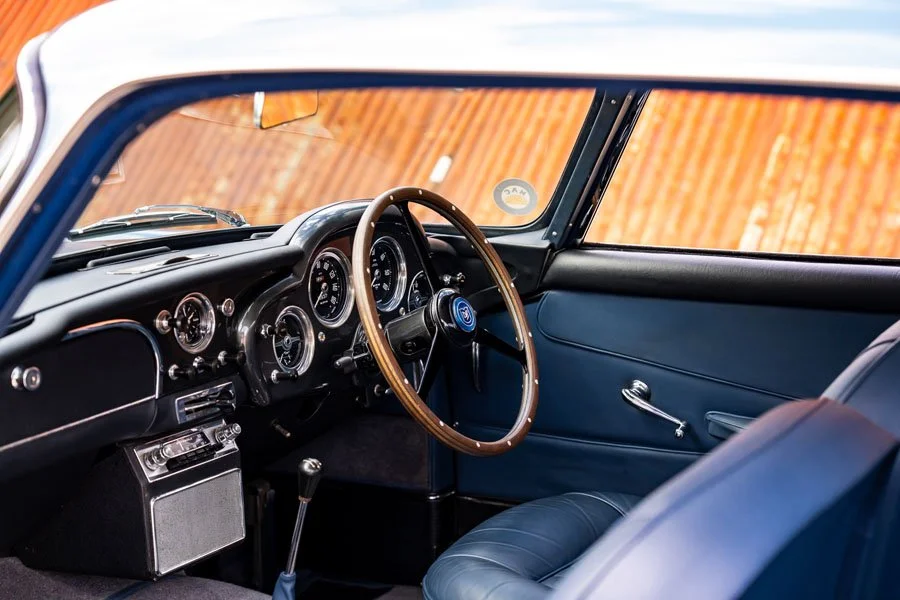
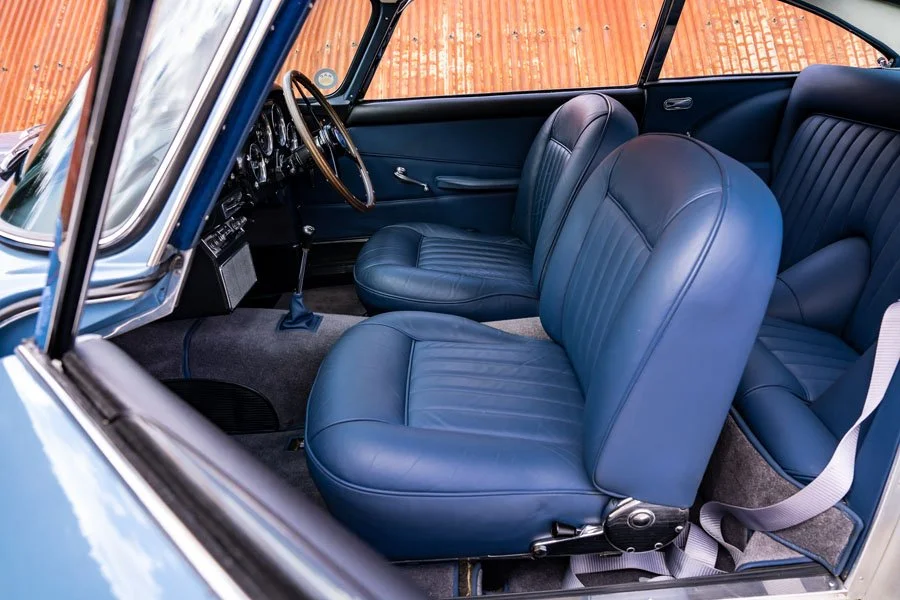
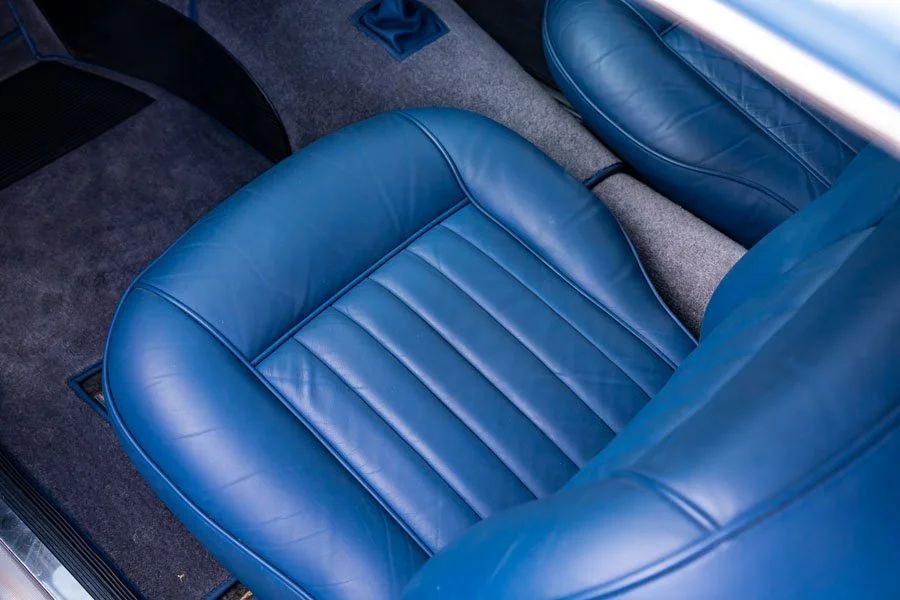
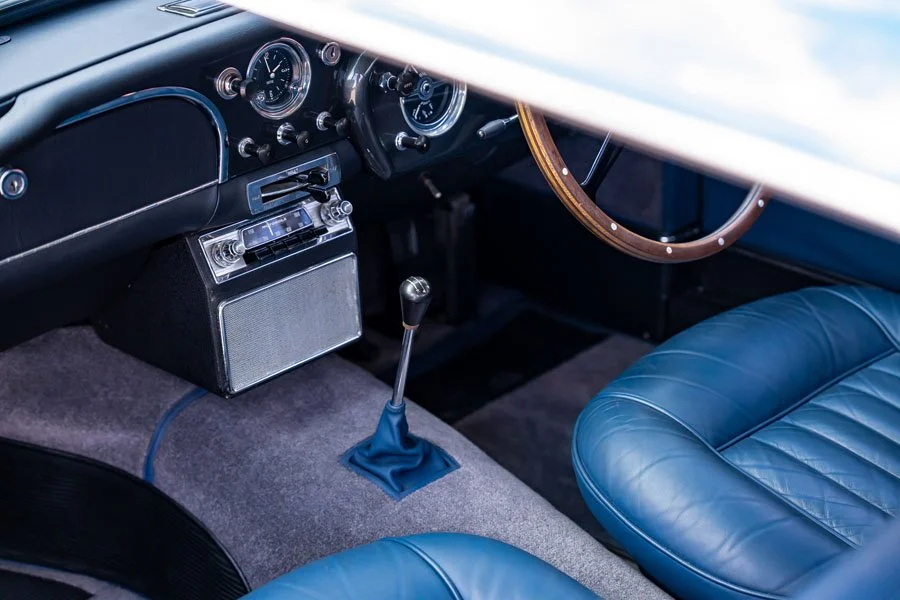
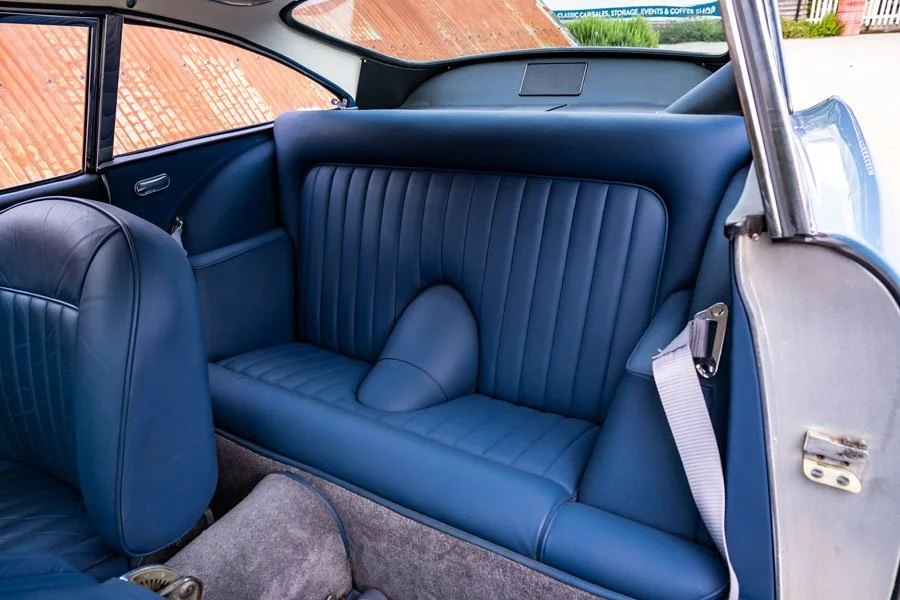
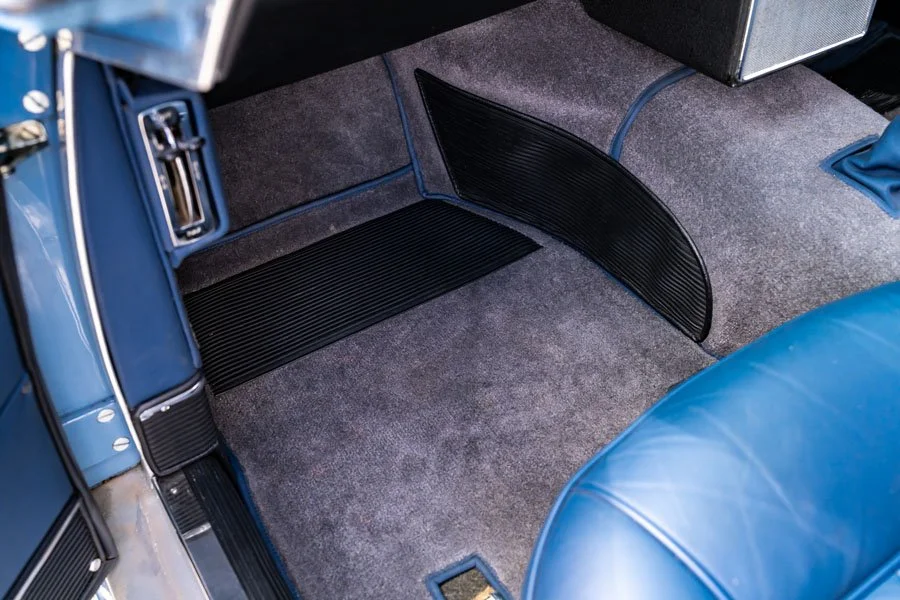
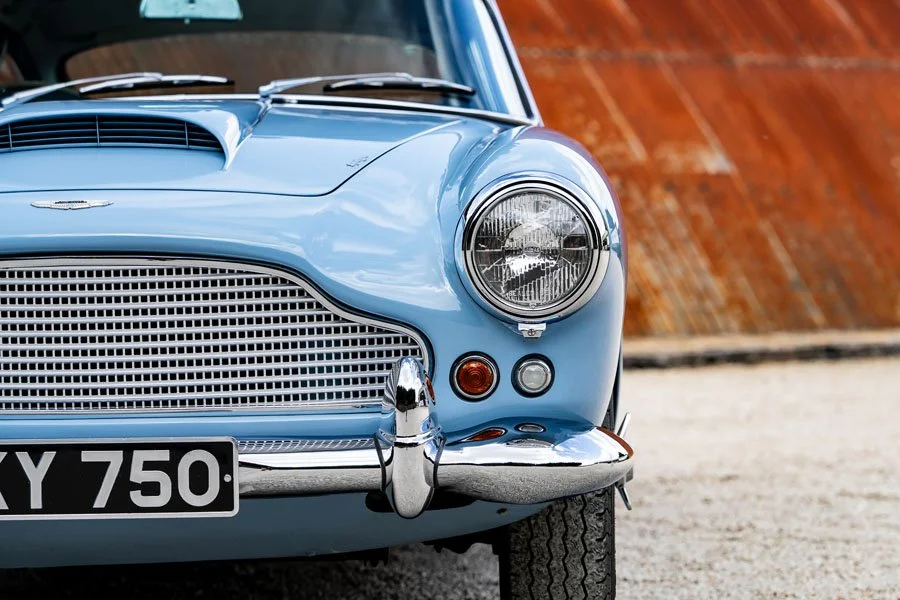
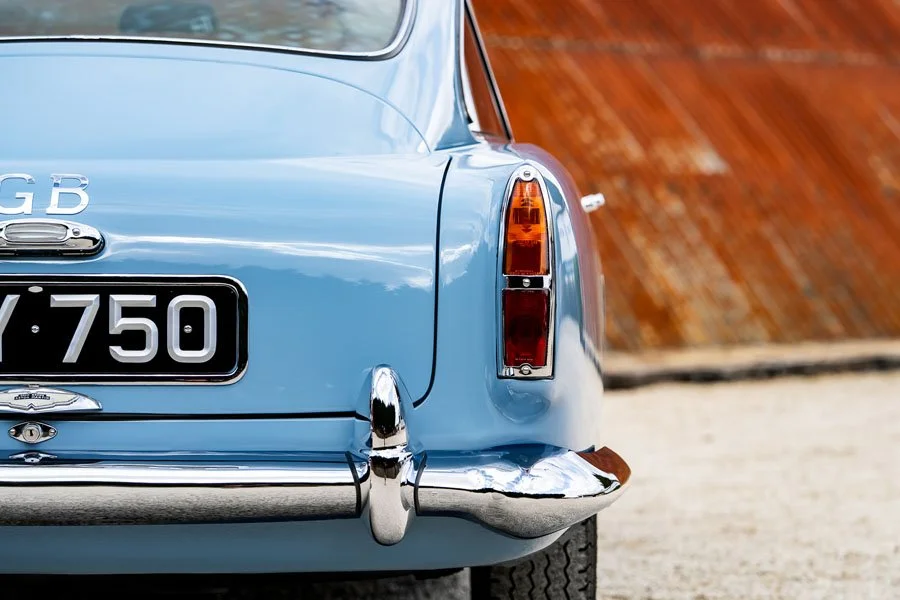
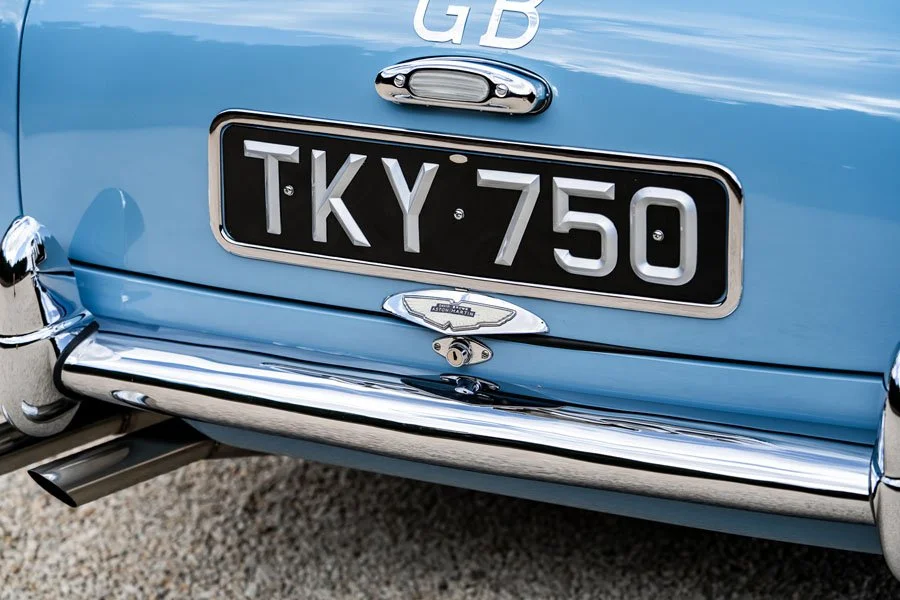
Ordered in gorgeous Wedgewood Blue with Off White upholstery (the latter since changed to Blue), the car was first registered on May 20th 1960 as TKY 750, the number it retains to this day. Importantly, the numbers matching DB4 is accompanied by its original buff logbook and factory build sheet that chronicles the car’s early service history.
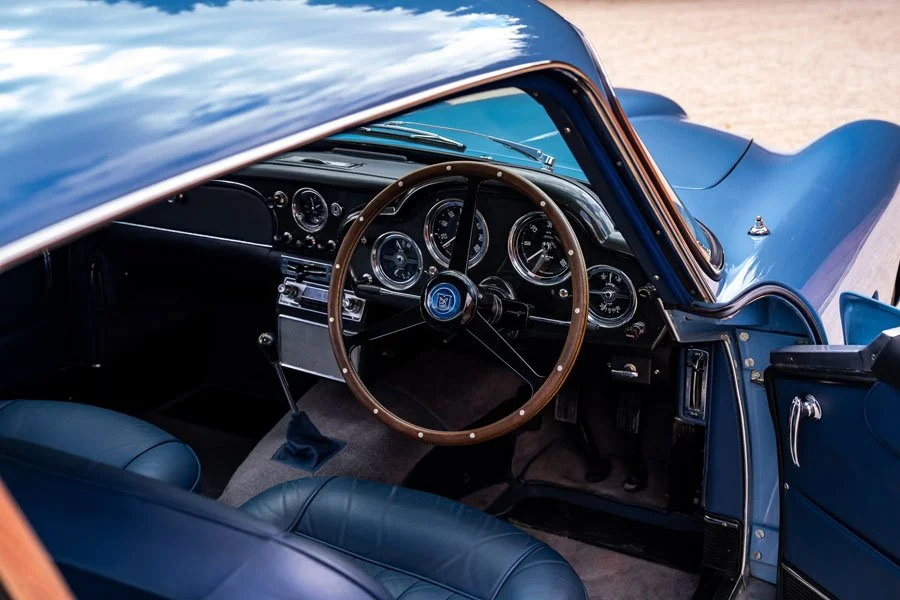
According to Classic Motor Hub: “The logbook traces the DB4’s early ownership through the north of England before it was acquired in May 1964 by Peter Brewer, who used it — in the admirable tradition of the period — to tow his racing cars to historic meetings. Passing through one further owner in Cheshire, the car was acquired by John Nicol in November 1965 and remained within the Nicol family for over forty years following his death in 1986, finally passing out of family hands in 2006. During those four decades, the car accrued approximately 14,000 miles under careful family stewardship, and the history file contains numerous MoT certificates from this period — a record of continuous, well-documented ownership that is increasingly rare among DB4s of any series.
A full restoration was completed in 2015 by Peter Chambers Auto of Tewkesbury, who dismantled the car entirely before returning it to factory specification. The work included a complete engine rebuild and a bare-metal repaint in the original Wedgewood Blue, with parts sourced from Aston Martin Dorset and paintwork carried out by XK Engineering Limited of Coventry. All invoices are present. In 2018 the suspension was comprehensively rebuilt by Aston Martin specialist Nicholas Mee, with the carburettors simultaneously tuned to ensure consistent and accurate running — the work of a house that understands these cars deeply.”
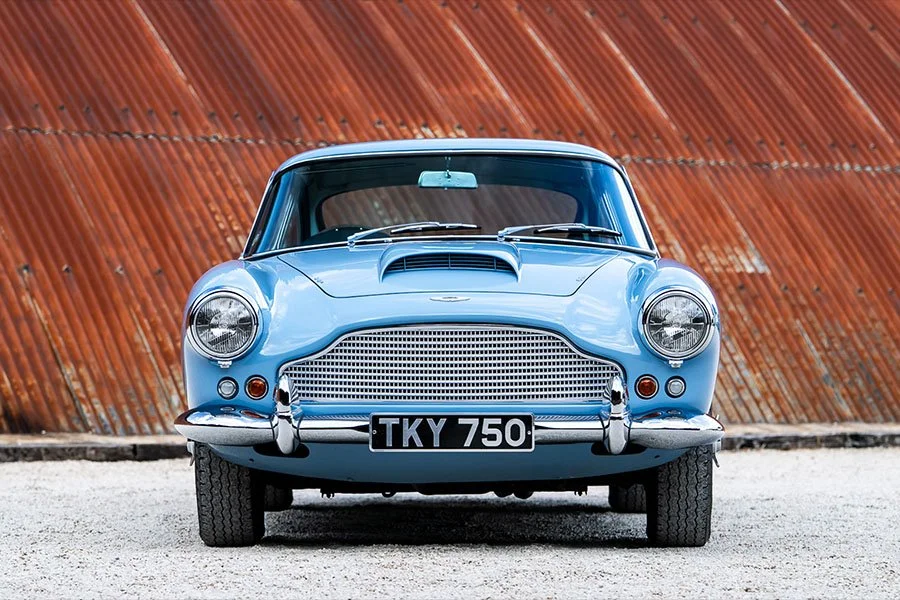
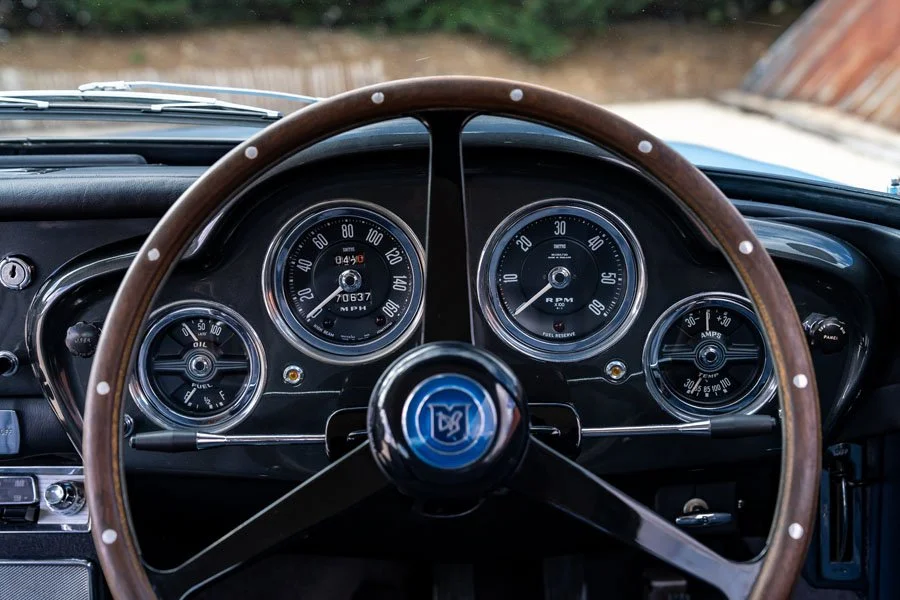
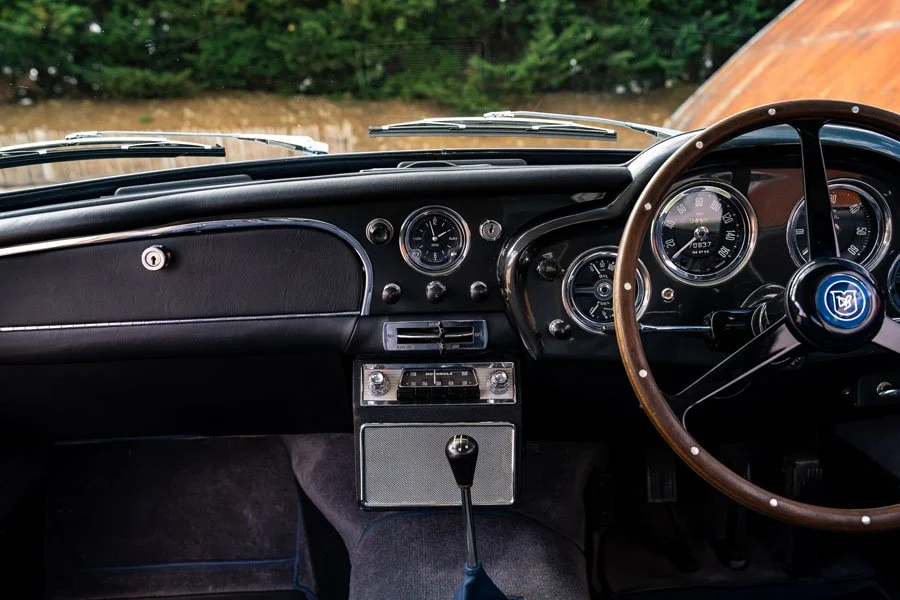
“The car has been well preserved since and presents beautifully throughout, with a history file of exceptional completeness: the original buff logbook, factory build sheet with early service records, full restoration invoices, subsequent specialist invoices, and a continuous ownership record from new.”
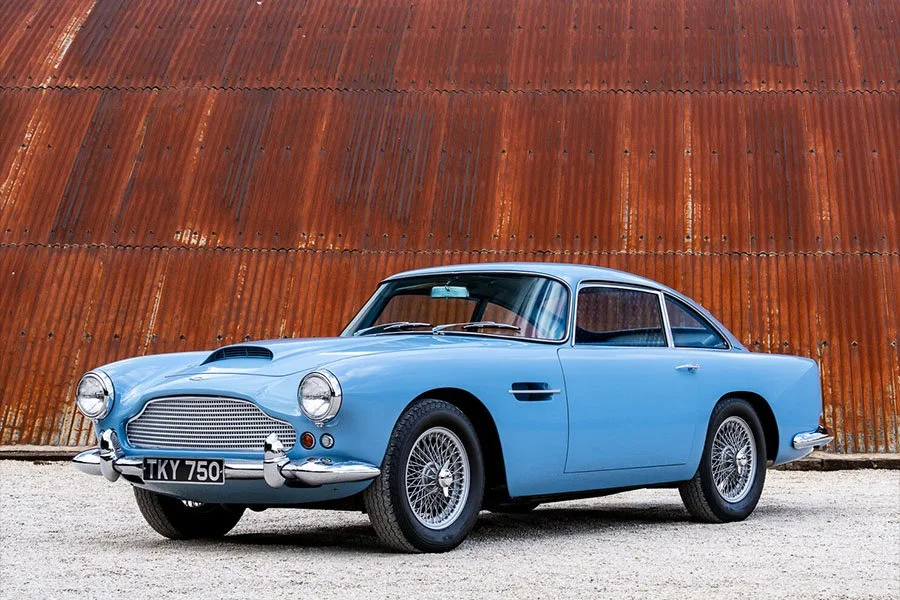
For more information visit the Classic Motor Hub website at: https://classicmotorhub.com/
When the DB2 was launched in late 1950, Aston Martin found itself with arguably the best two-seat Gran Turismo on the market as evidenced by a series of class-winning performances at the Le…
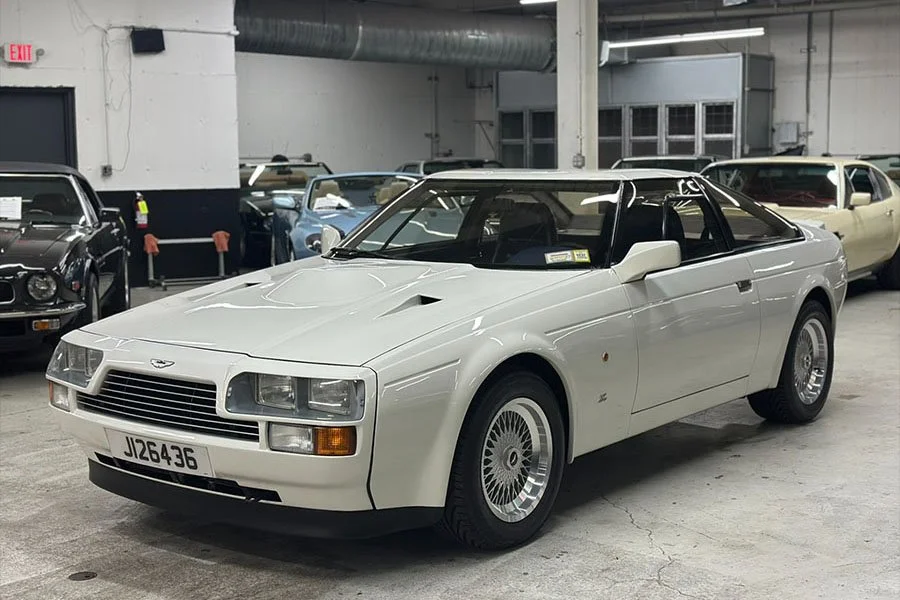
To capitalise on the booming 1980s market for low volume specials, Aston Martin Chairman, Victor Gauntlett, thought the firm should create a premium priced V8 Vantage with special coachwork.
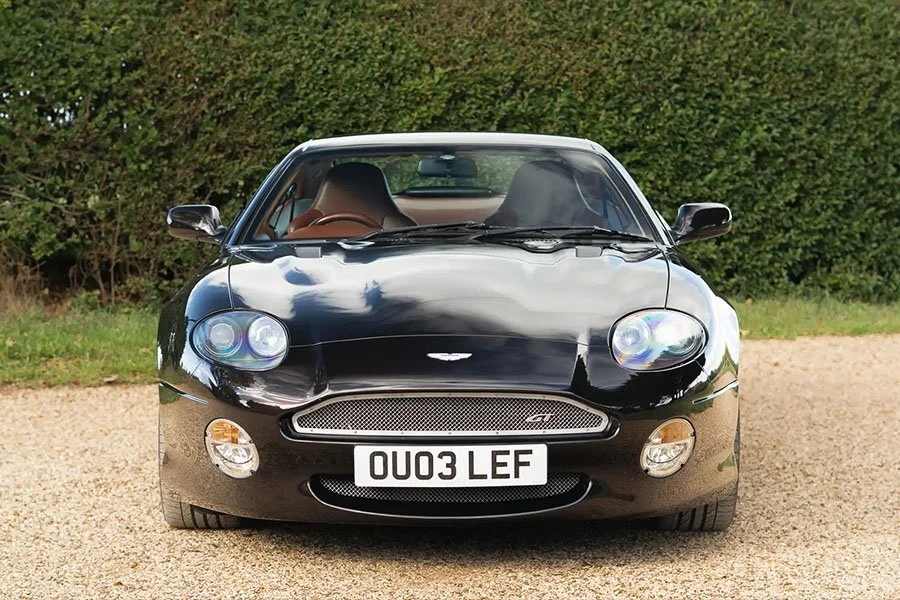
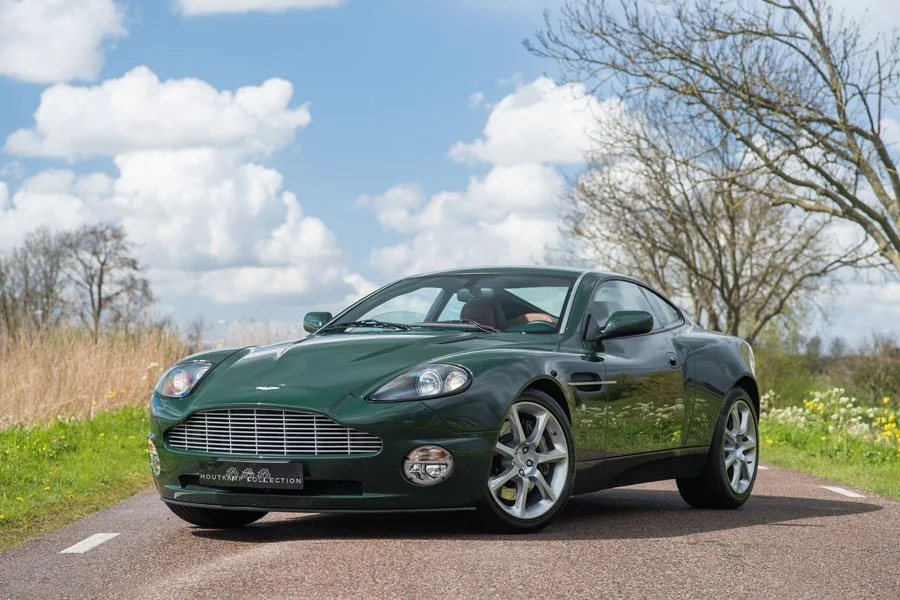
Nearly 40 years after the GT moniker had last adorned one of its cars, Aston Martin revived the Gran Turismo script for a sharper, punchier DB7. Unveiled at the Birmingham Motor Show in…
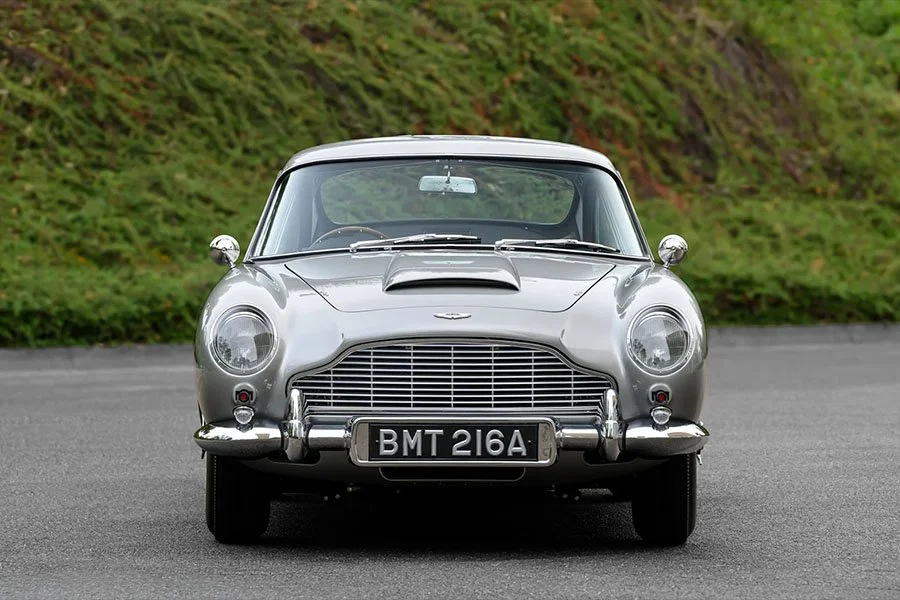
As Britain’s best high performance Coupe, the ultra exclusive Aston Martin DB5 was familiar to anyone with a passing automotive interest. Mid way through production though, the DB5 became…
By combining the air-piercing nose from the short wheelbase DB4 GT, a tuned engine and the familiar long wheelbase DB4 chassis, the fixed head DB4 Vantage offered state-of-art aerodynamics…
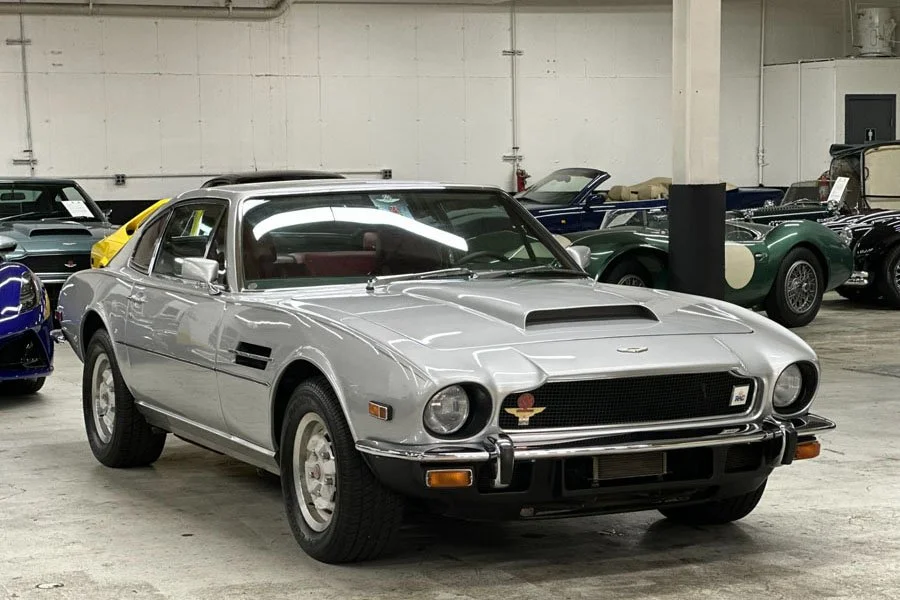
After a tumultuous few years that had seen Aston Martin frozen out of the US market on emissions grounds and then placed into receivership, a new consortium took control in 1975. Although…
Originally designed by Tadek Marek, Aston Martin’s legendary V8 engine had a remarkable career that saw it used in an array of iconic models between 1967 and 2001. For its final fling, during 1992…
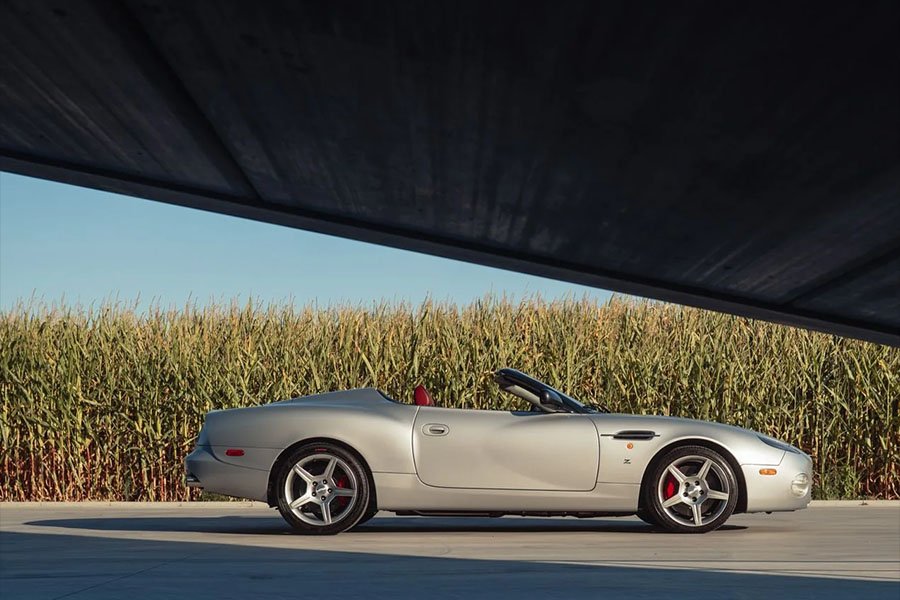
Because the DB7 Zagato Coupe launched in late 2002 was not type approved for sale in the lucrative US market, Aston Martin created a spectacular roof-less limited edition dubbed the DB AR1.
Although Aston Martin had quietly built around half a dozen open top examples of its formidable V8 Vantage for VIP clients during the first half of the 1980s, such a machine was not officially added to…
Despite the passing of almost 70 years, Aston Martin’s most impressive on-track achievement remains that famous 1-2 finish at the Le Mans 24 Hours in 1959 with the DBR1. Of almost equal…
Chassis 0180/L was the first of two GTZs originally painted white although the Australian-bound second example (0186/R) was described as Desert White and came with red upholstery while 0180/L…
Aston Martin chassis DB3S/5 was one of five DB3S constructed in 1953. Built to contest a domestic and World Sportscar Championship programme, the new DB3S wore a beautiful Frank Feeley…
Aston Martin launched the DB4 in late 1958 to replace the ageing DB MkIII which could trace its origins back to 1949. In addition to handsome new Touring of Milan coachwork, the DB4 ushered in a…
By the mid 1980s, the super high end front-engined GT had become something of an endangered species, especially in open-bodied form. Ferrari’s 412 along with the much less expensive Porsche…
Two years after Aston Martin had launched its souped up, short wheelbase, more aerodynamically efficient DB4 GT, the company introduced a visually similar iteration of the regular DB4 with an…
Having experienced a period of relative stability under the stewardship of renowned British industrialist David Brown between 1947 and 1972, Aston Martin Lagonda (AML) found itself in disarray…
Because demand for the V8 Vantage Zagato exceeded the limited run of 50 cars promised by Aston Martin, the British firm was left with a dilemma about how best to satisfy those customers who had…
Chassis LML/50/7 was one of three DB2 team cars produced in 1950. First registered VMF 63 in May 1950, its Cadillac Green sister cars were consecutively registered VMF 64 and VMF 65. For their…
When Aston Martin boss David Brown wanted to create the ultimate low drag super light DB4 GT, he commissioned Zagato of Milan to come up with an air piercing featherweight body. With its…
Amazing period footage from the Aston Martin team’s trip to the 1956 Nurburgring 1000km which was the penultimate round of that year’s World Sportscar Championship.
Although Aston Martin had not planned to make an open top version of its range-topping V8 Vantage, the early 1980s began to see a handful of special order cars built to such a configuration…
When Ferrari returned to the front-engined Gran Turismo market with the critically-acclaimed 550 Maranello in 1996, Aston Martin suddenly found itself with a big budget rival in a sector it had ruled…
Unveiled at the Paris Motor Show in October 1965 as the successor to Aston Martin’s iconic DB5, the DB6 most notably offered a more spacious cockpit that was the result of switching to a longer…
Although prior years had seen some spectacular attempts to bring F1 performance to the street, arguably nothing has come closer to achieving that feat than Aston Martin’s radical Valkyrie.
In addition to Kensington’s Radford coachworks, FLM Panelcraft based two miles across London in Battersea also offered a Shooting Break conversion for Aston Martin’s DB6. In a similar vein to…
Having seen how quickly Ferrari shifted over 200 examples of its premium priced 288 GTO, Aston Martin decided to get in on the act with their own low volume special: a short wheelbase Zagato…
During the late 1980s, nothing in class could match Aston Martin’s formidable X-pack-equipped V8 Vantage. Whereas the likes of Ferrari and Lamborghini only offered models with north of 400bhp in…
During the 1990s, Aston Martin produced a litany of low volume specials for VIP customers, many of which still remain little known today. One such model is the spectacular Vantage V550 / V600…
Chassis 30036 was one of 37 Aston Martin V8 Volantes built with coachwork by Zagato and one of nine completed during the final year of production: 1989. It was configured in Litchfield Black with…
The 1970s was a tumultuous time for Aston Martin which, owing to the effects of multiple ownership changes, poor trading conditions and labour reforms, seemed to lurch from one crisis to another.