One to Buy: 560 mile ex-Phil Bachman 1989 Ferrari 328 GTB
/ Ben Tyer
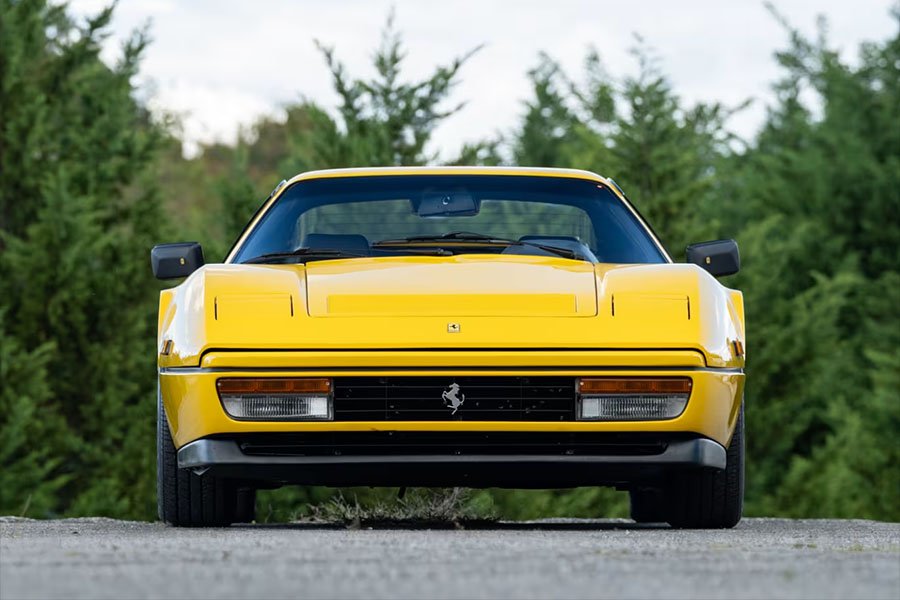
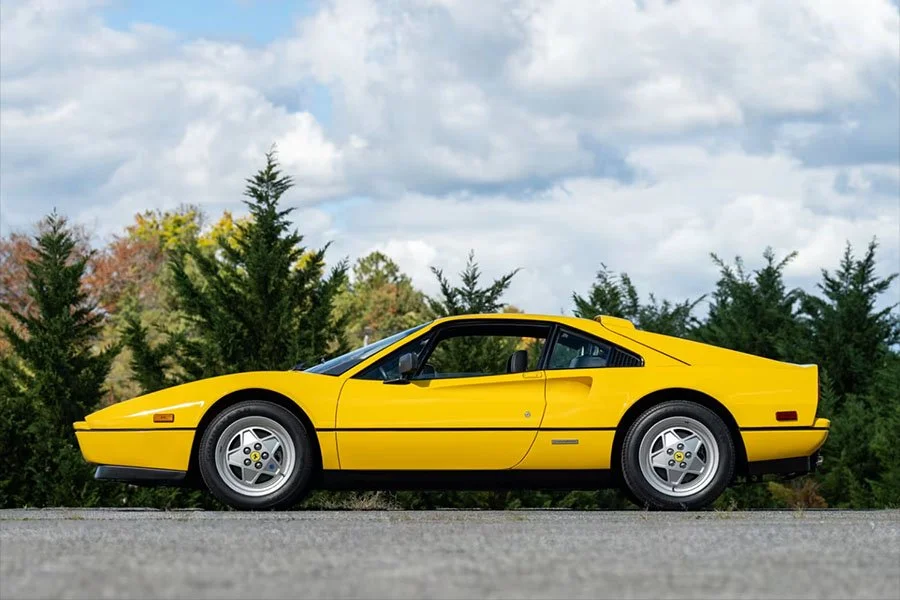
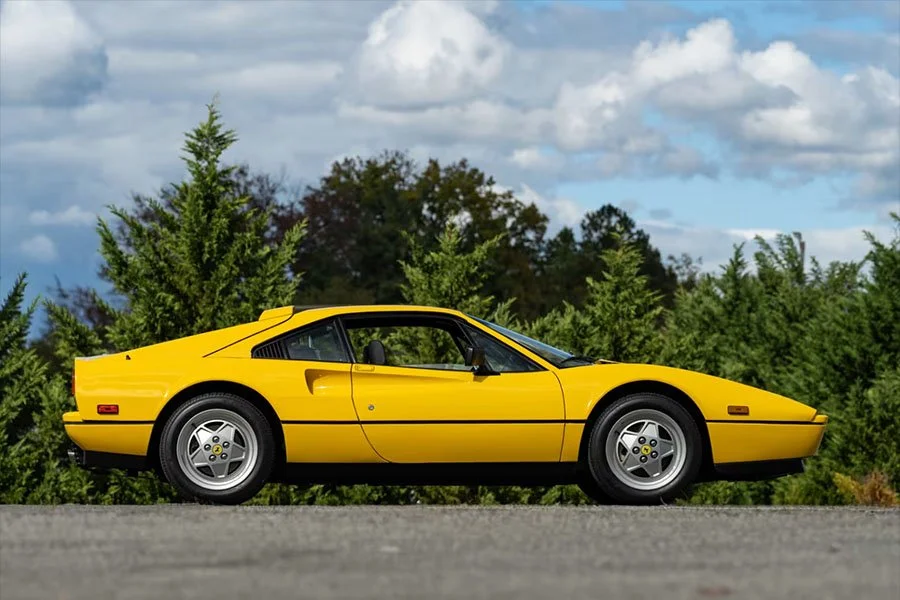
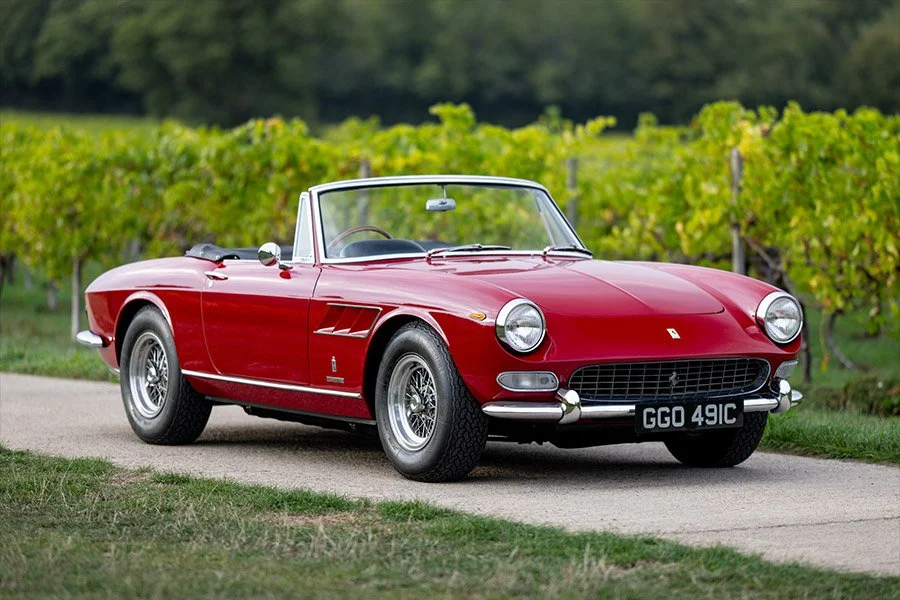
Although the wider performance car market began to embrace ever more aggressive body kits along with some faintly ridiculous aerodynamic appendages during the 1980s, Ferrari’s Pininfarina-styled line of V8-engined two seaters retained the kind of elegant profile for which the Turin design studio had become renowned.
The 328 was launched in late 1985 as a successor to Ferrari’s by now ten year old 308 which, partly on account of its prolonged lifespan but also its technical, aesthetic and dynamic attributes, had smashed the firm’s existing production records.
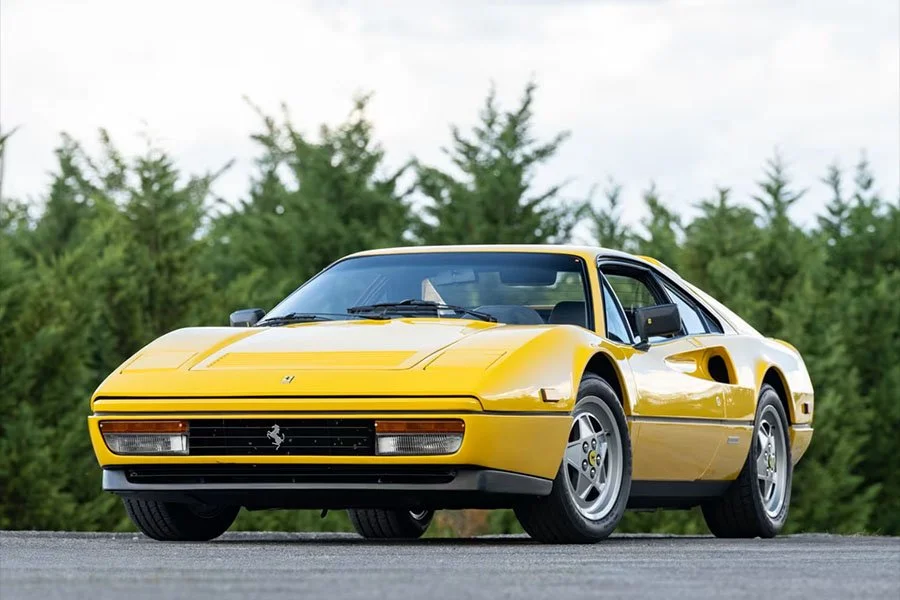
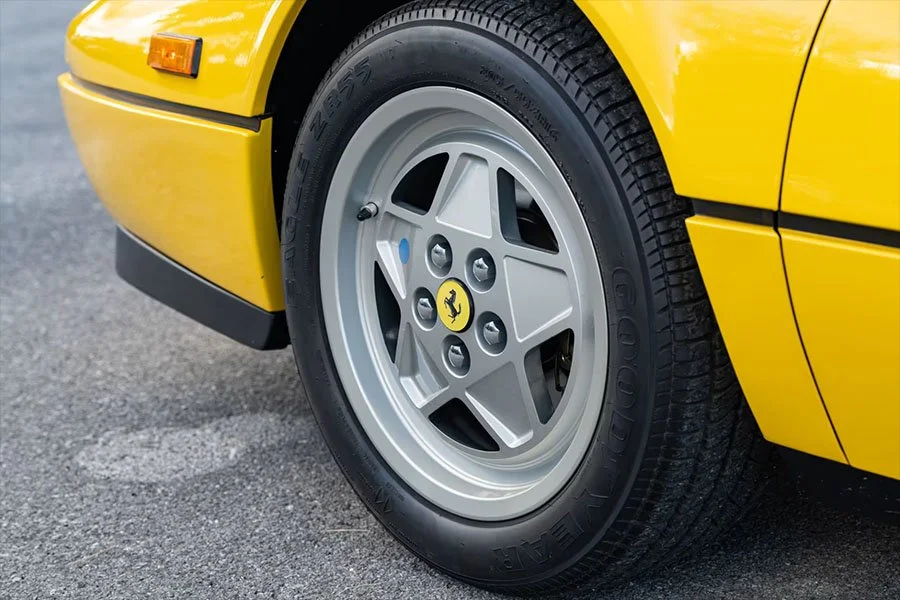
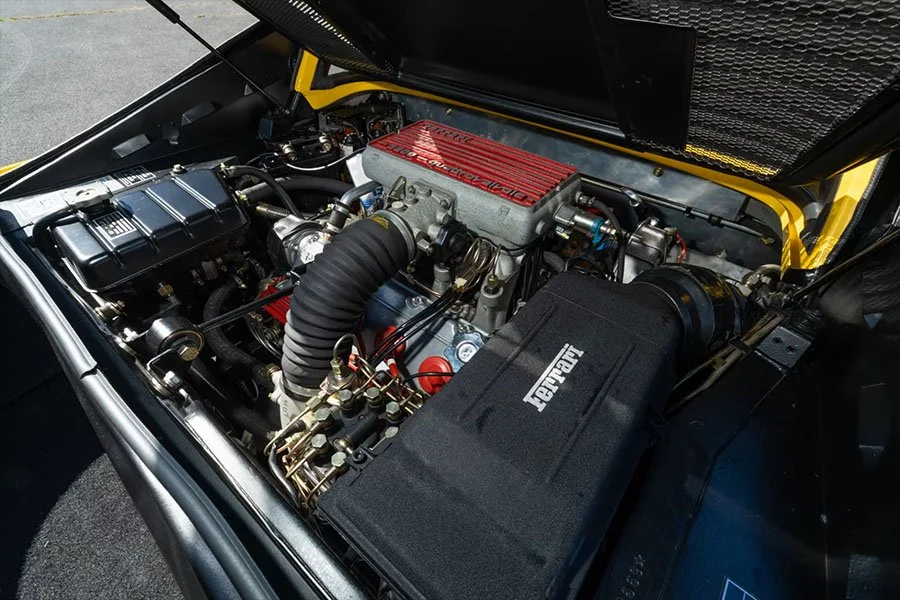
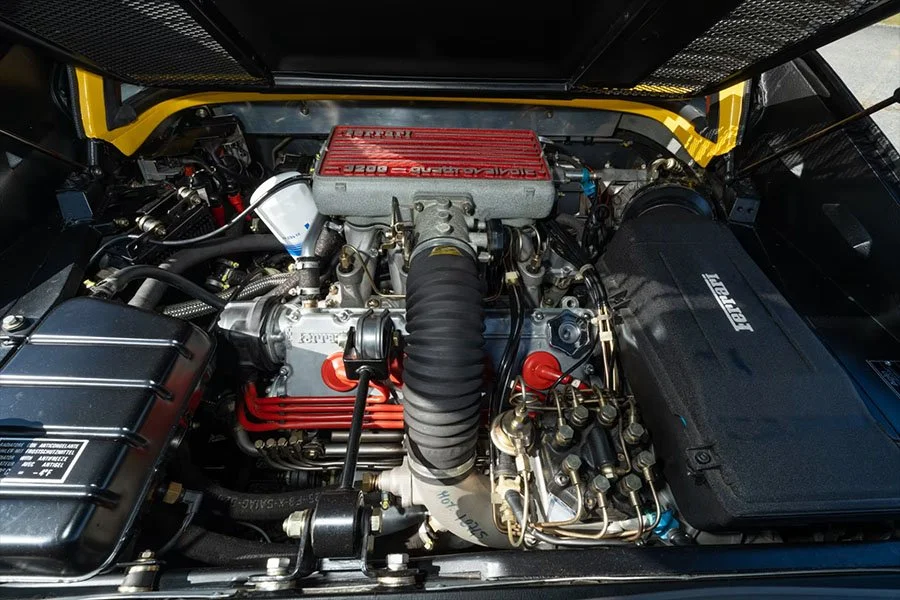
For the 328, Pininfarina was tasked with carrying out a cosmetic refresh while Ferrari focused on improving the mechanical aspects. With this in mind, the engine was enlarged from 3.0 to 3.2-litres and some minor tweaks were made to the suspension, steering, wheels and tyres.
The result was a class-leader that would fill the gap until a clean sheet successor was scheduled to arrive in 1989 (the 348).
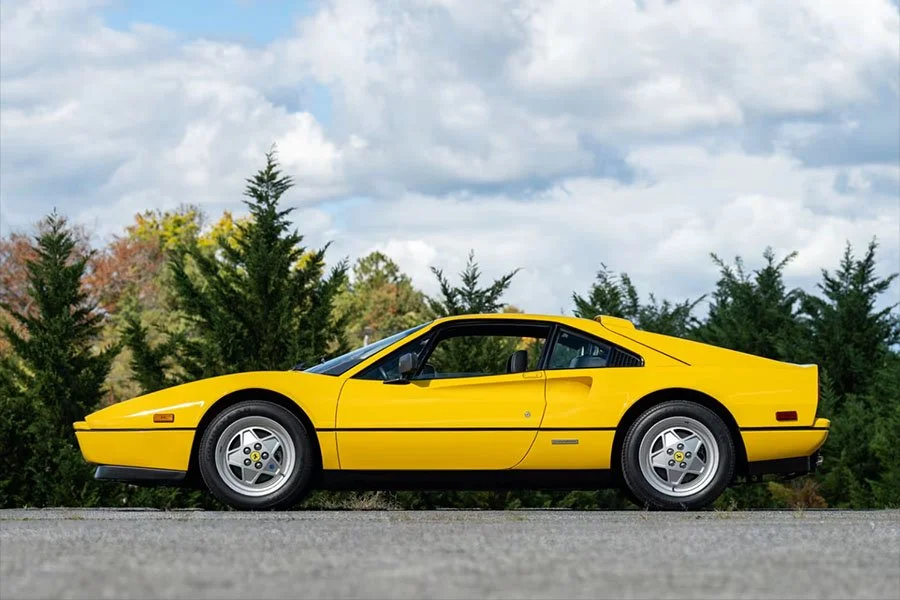
Anyone who has ever scrolled the classifieds for a 328 will know just how conformist most buyers were at the time with the vast majority having ordered their cars in Rosso Corsa.
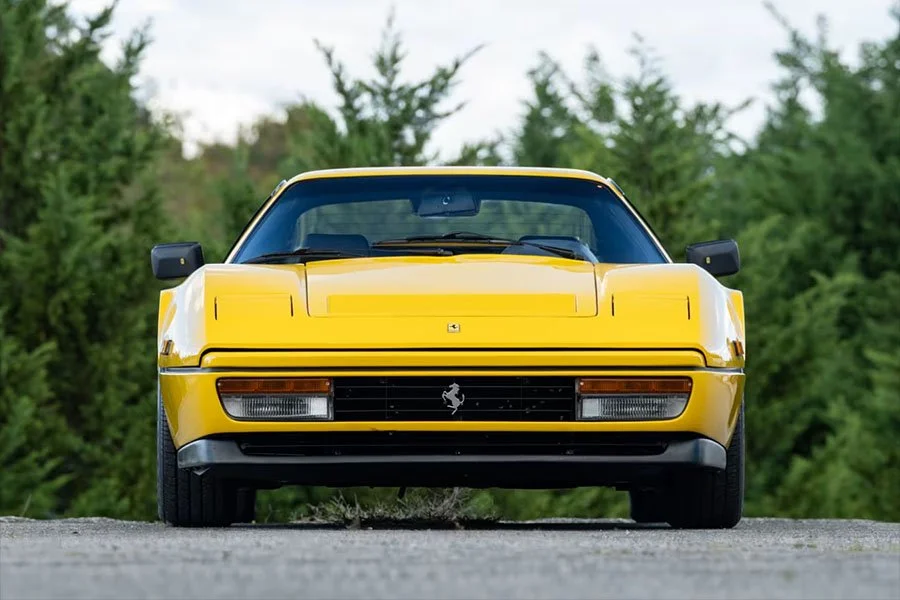
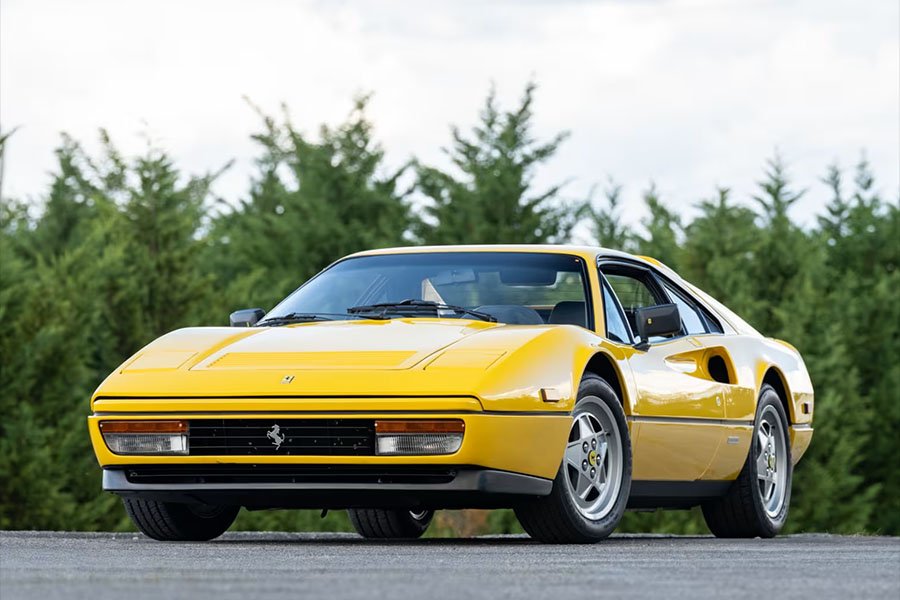
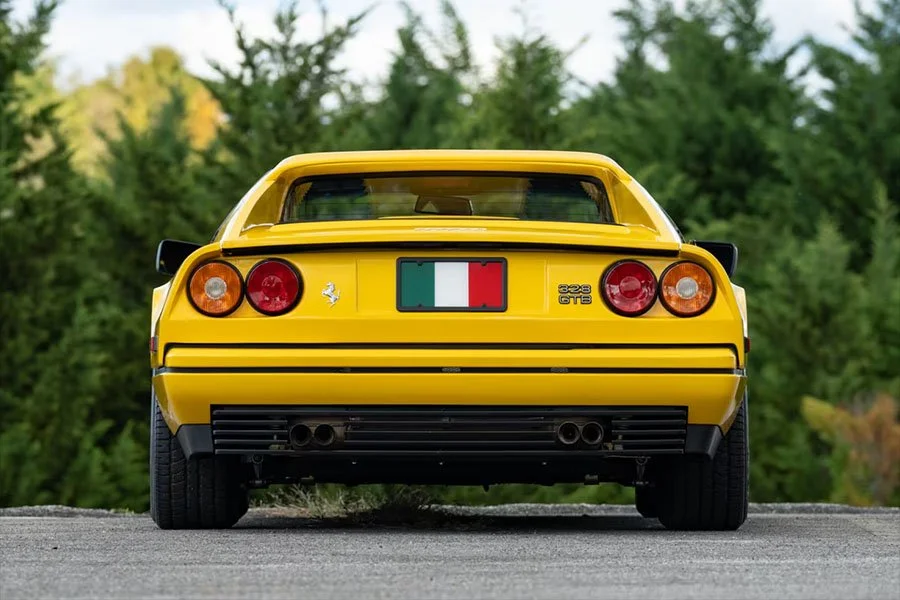
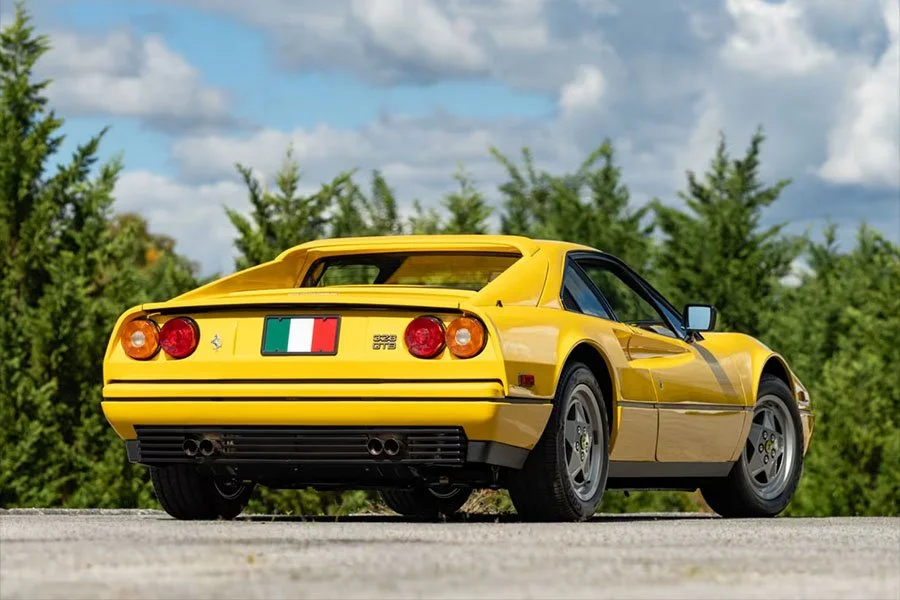
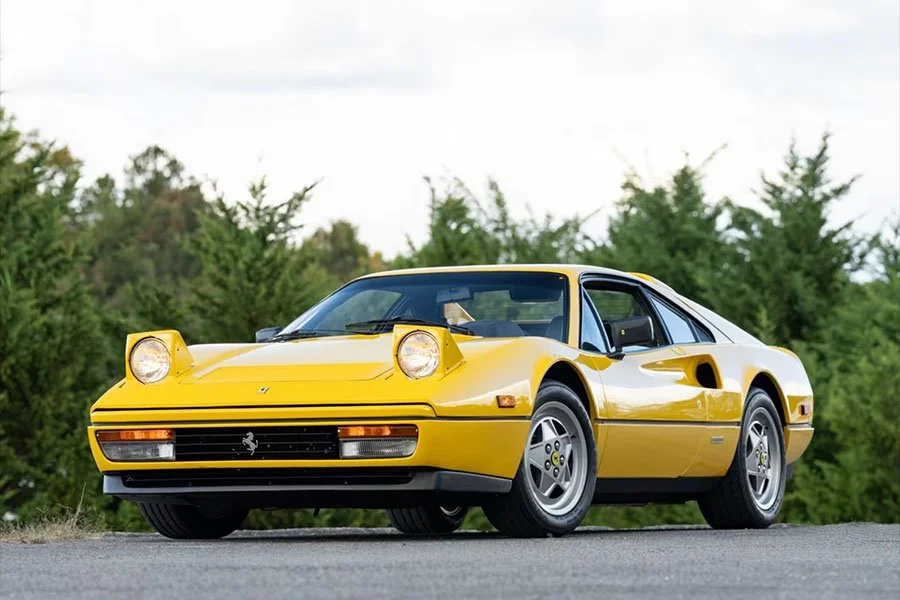
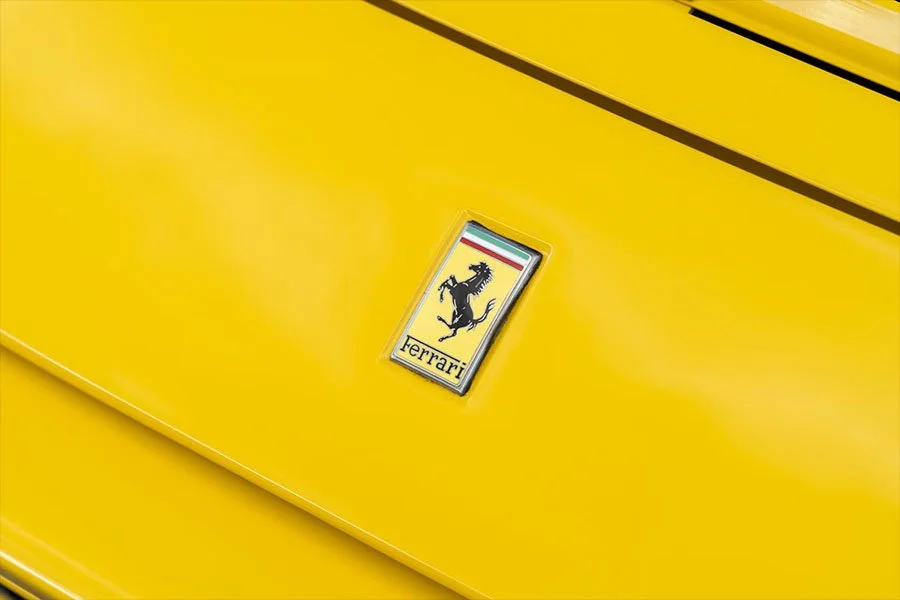
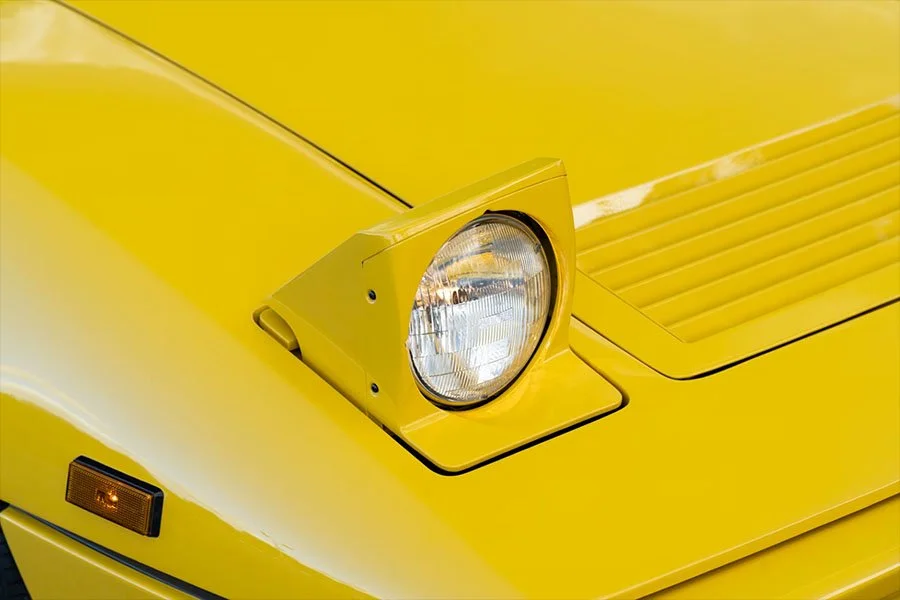
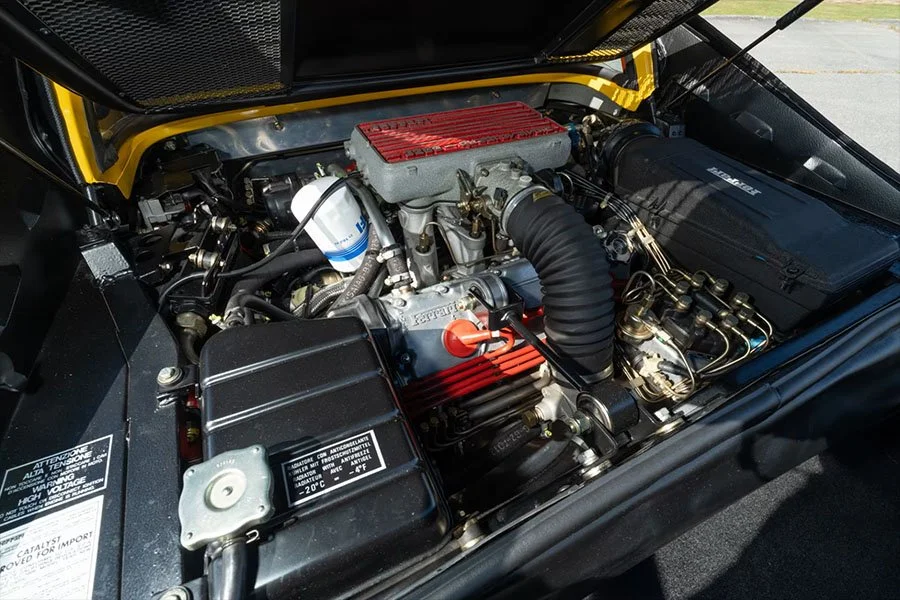
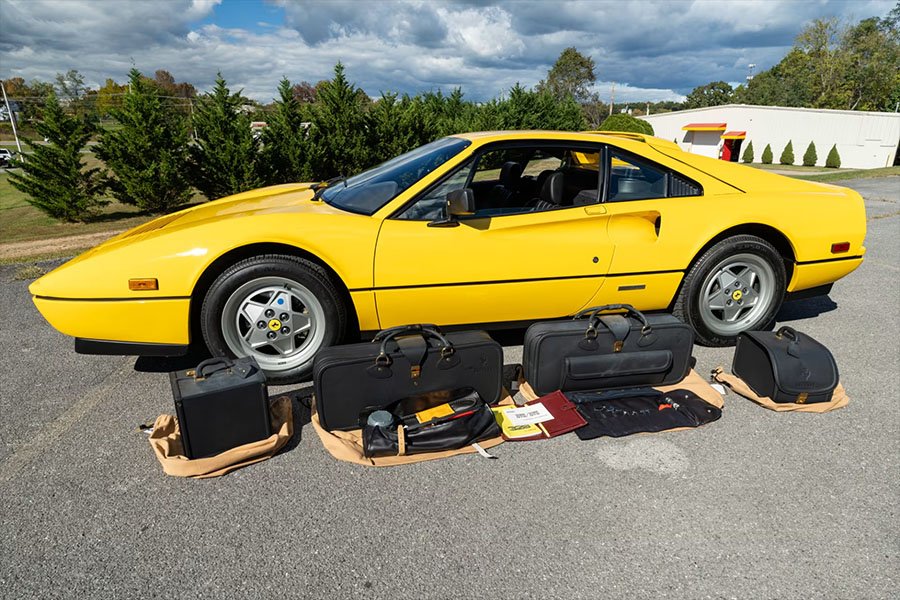
This makes finding a low mileage, unrestored 328 with no stories in any other colour scheme quite the task. However, set to go under the hammer at Mecum’s Kissimmee sale in Florida on January 17th is a practically delivery mileage example that’s definitely not red.
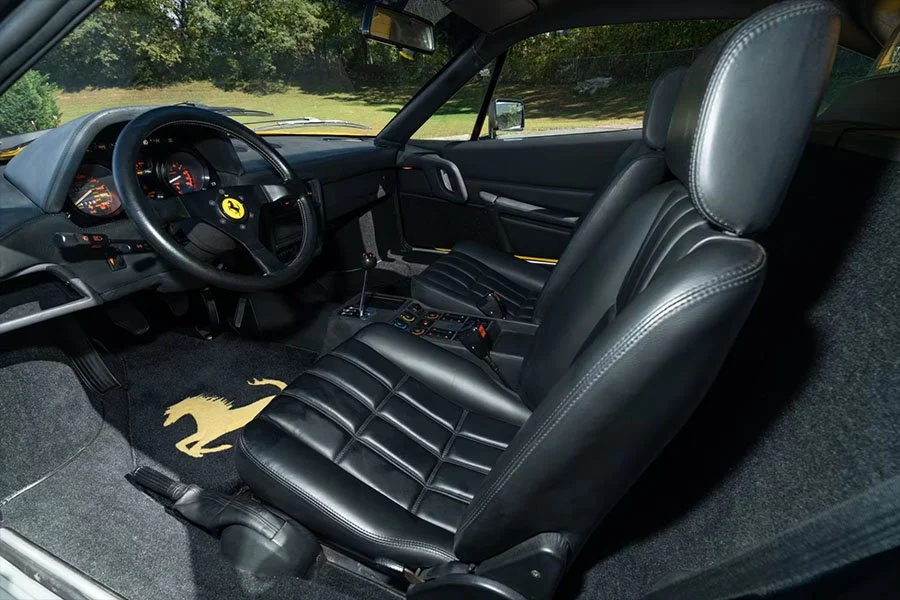
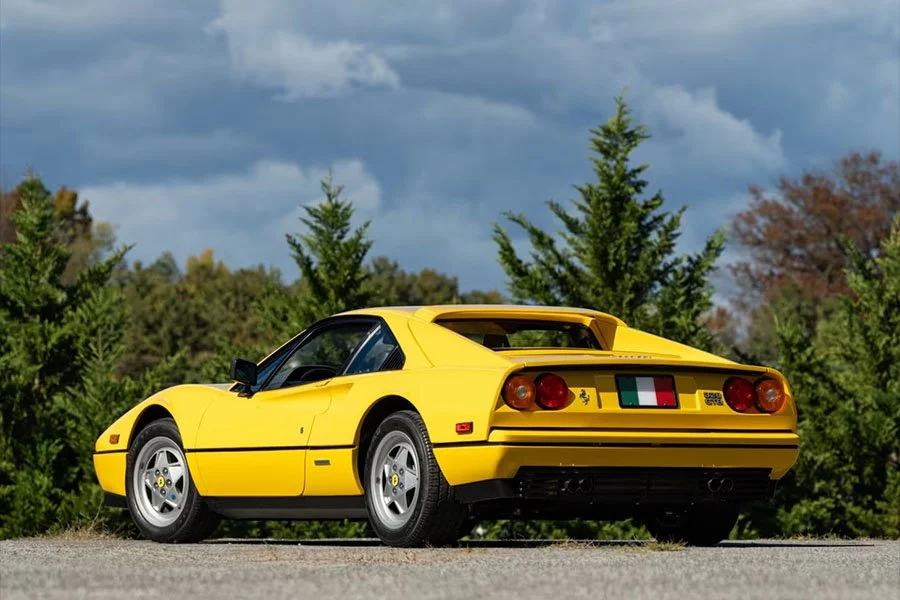
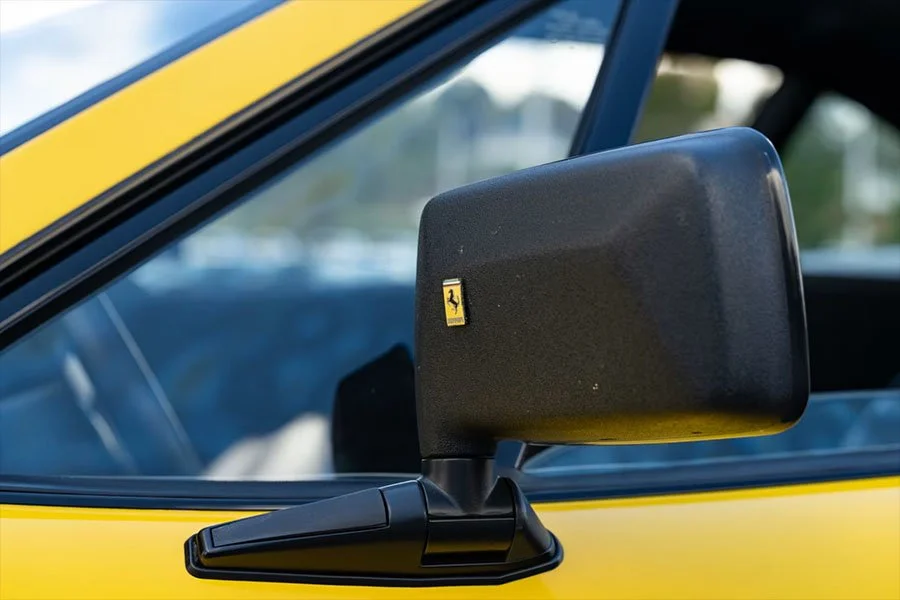
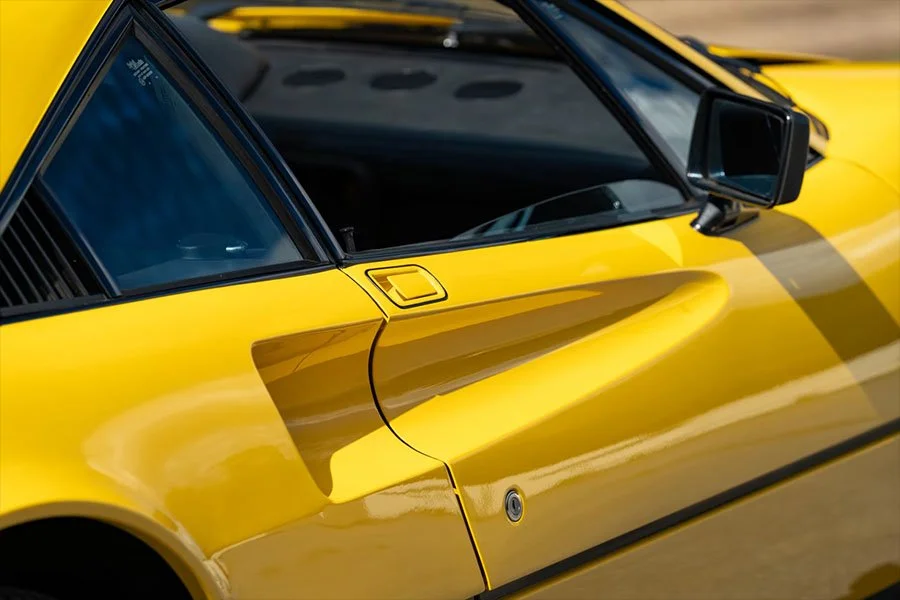
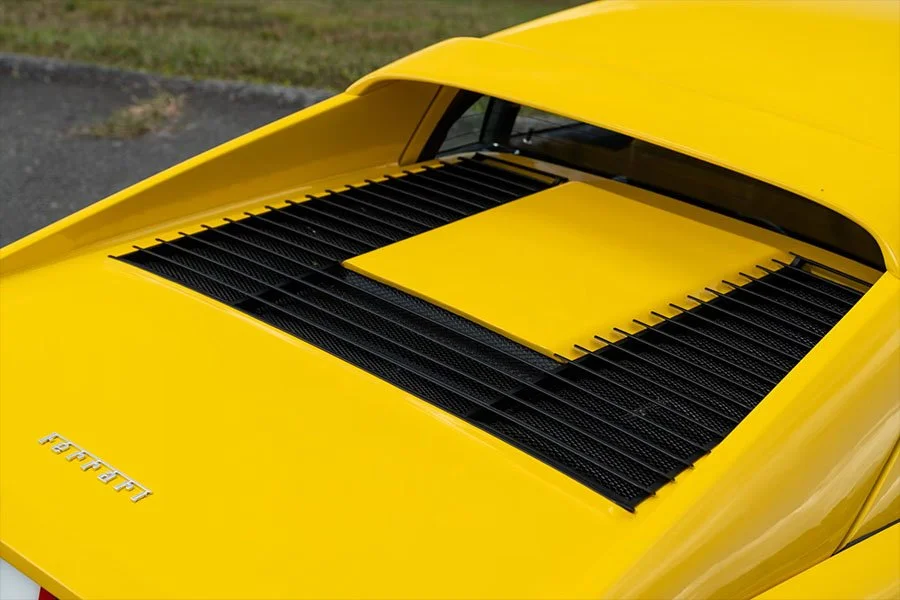
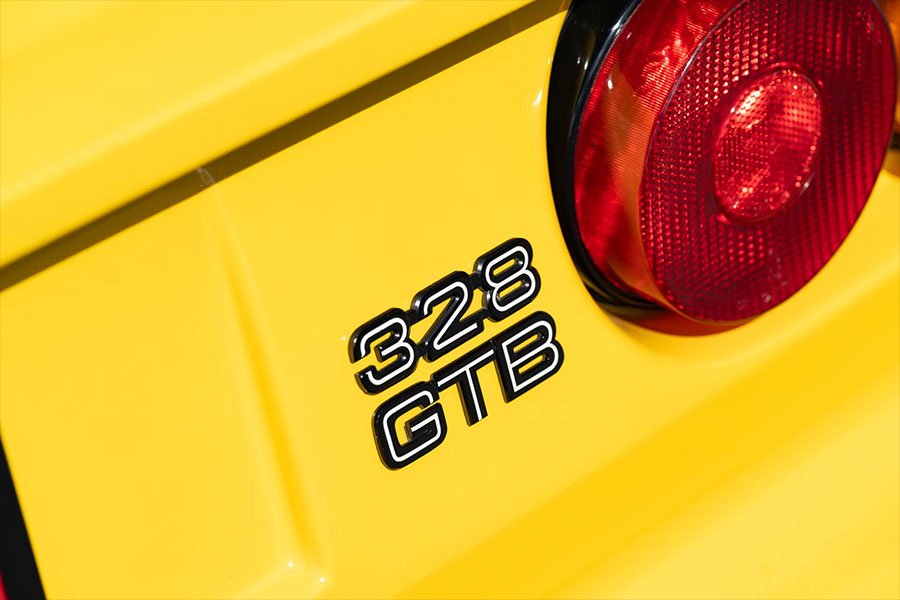
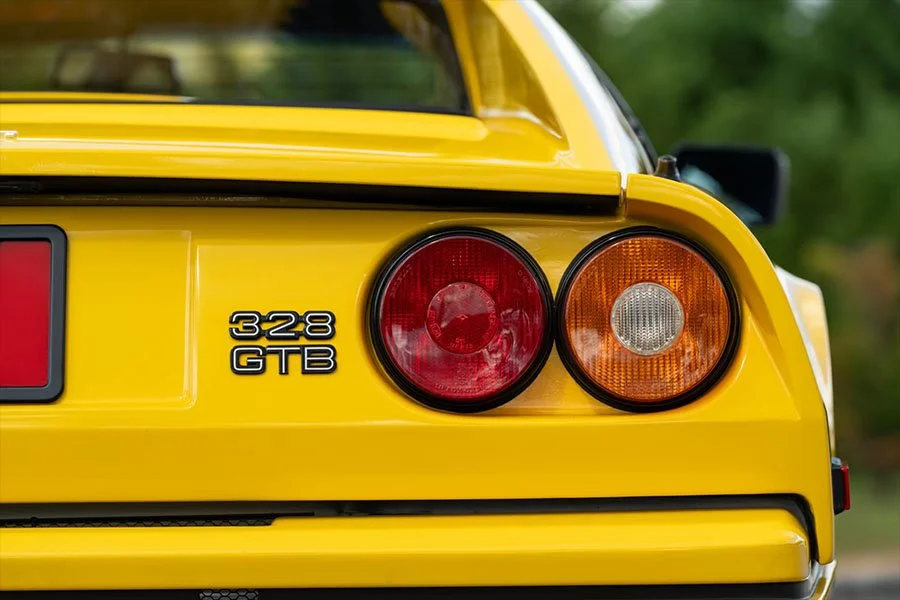
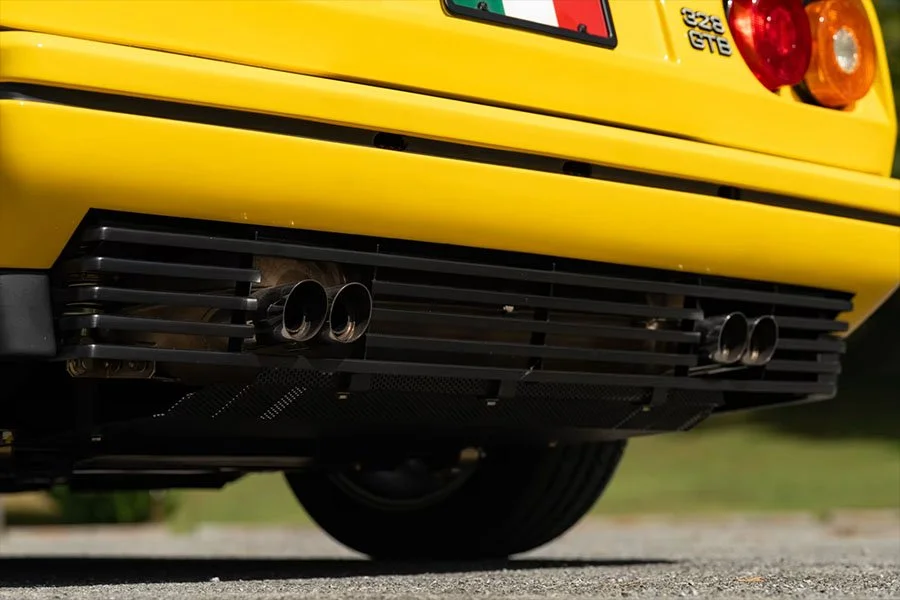
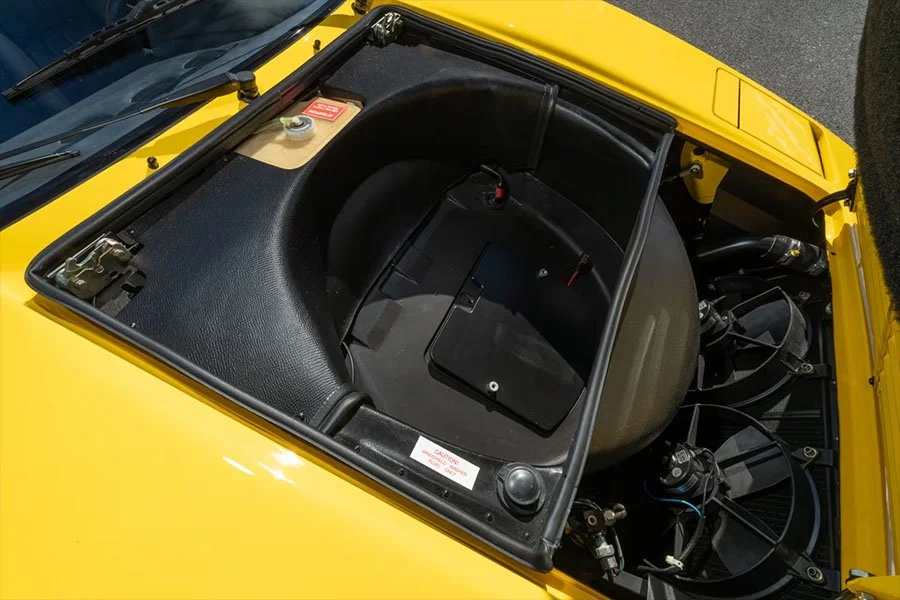
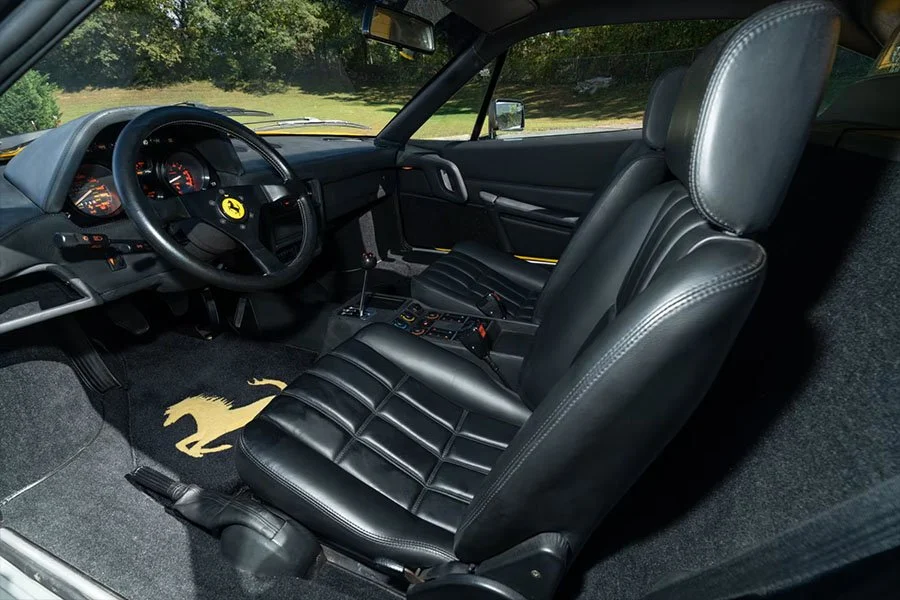
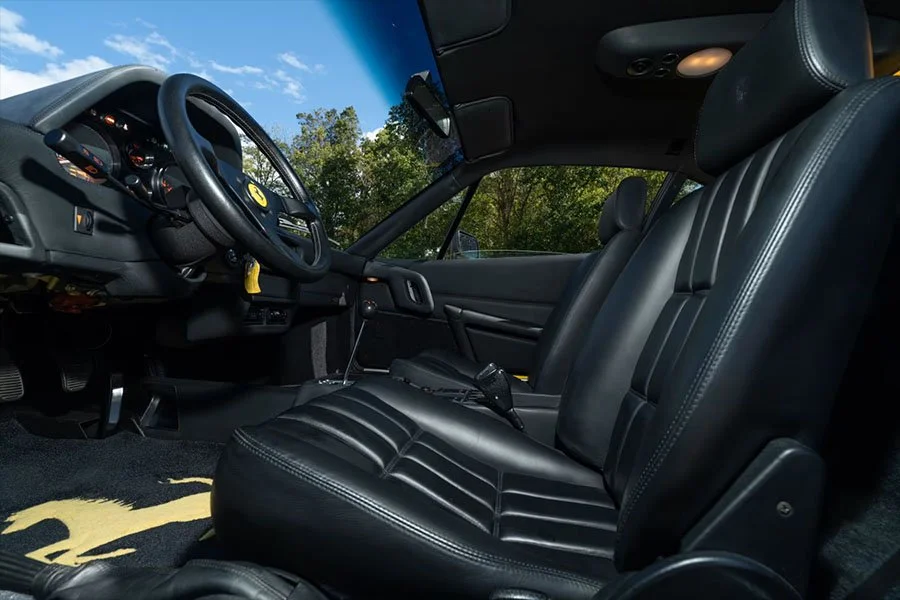
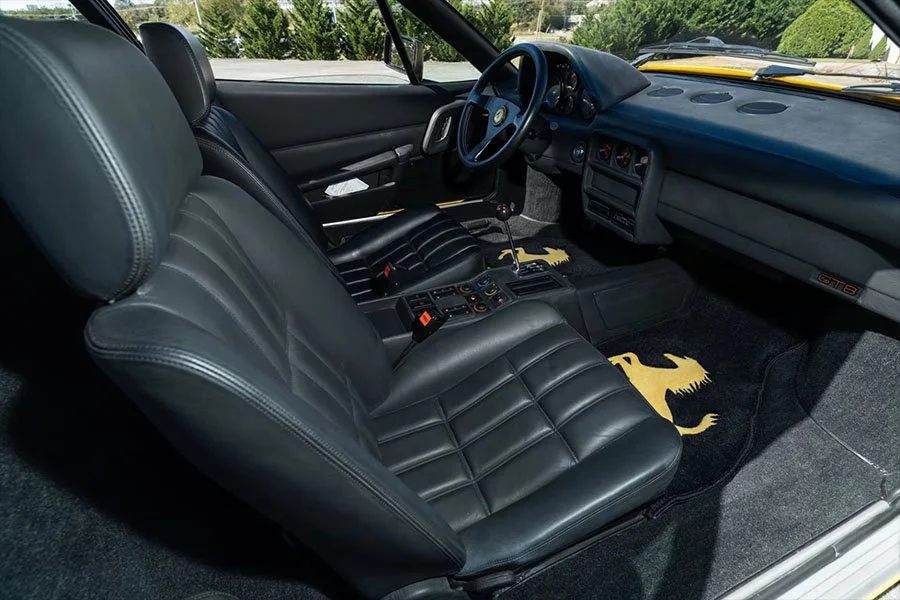
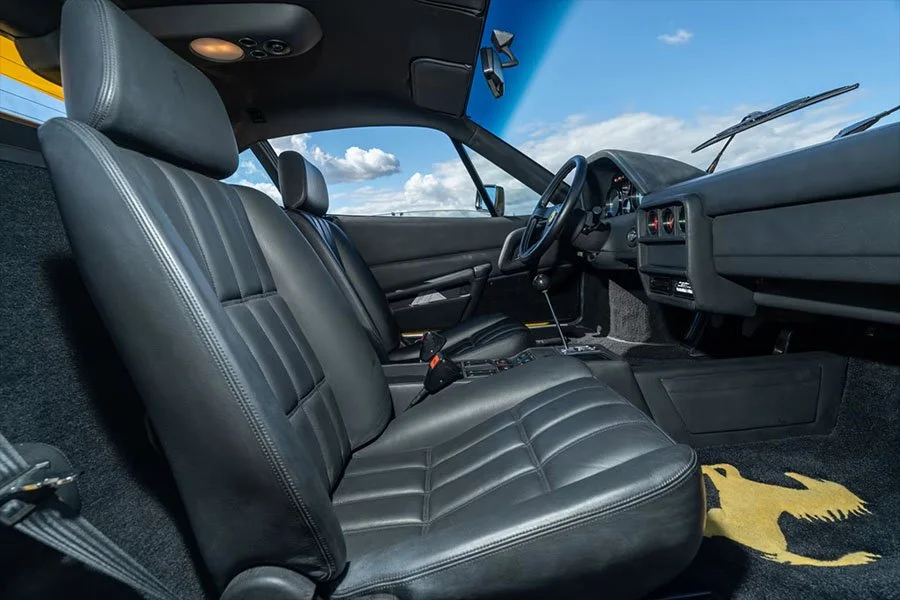
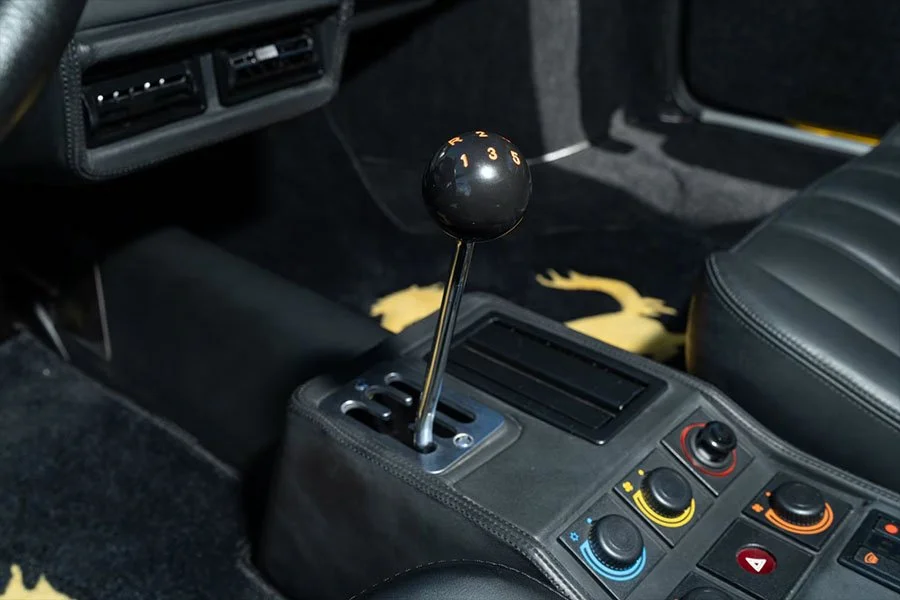
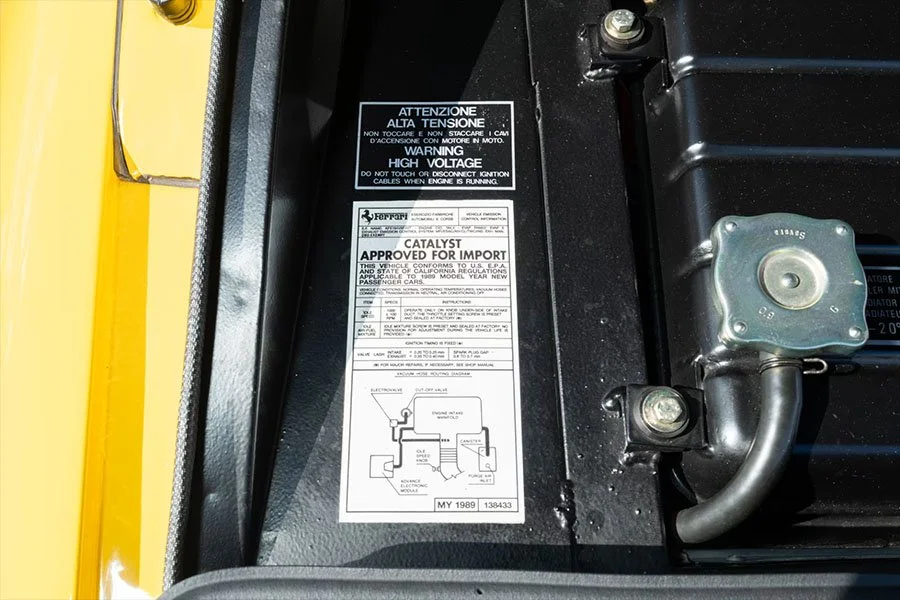
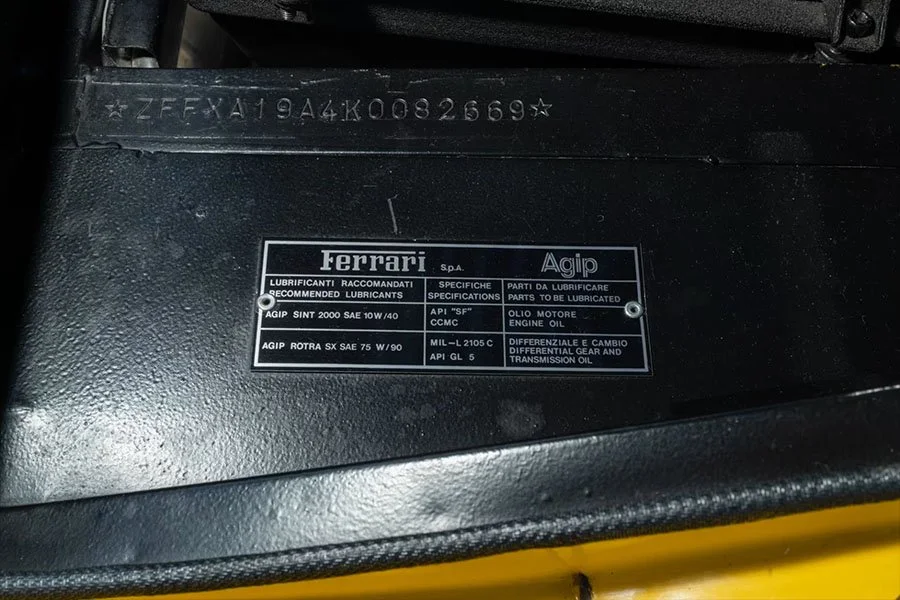
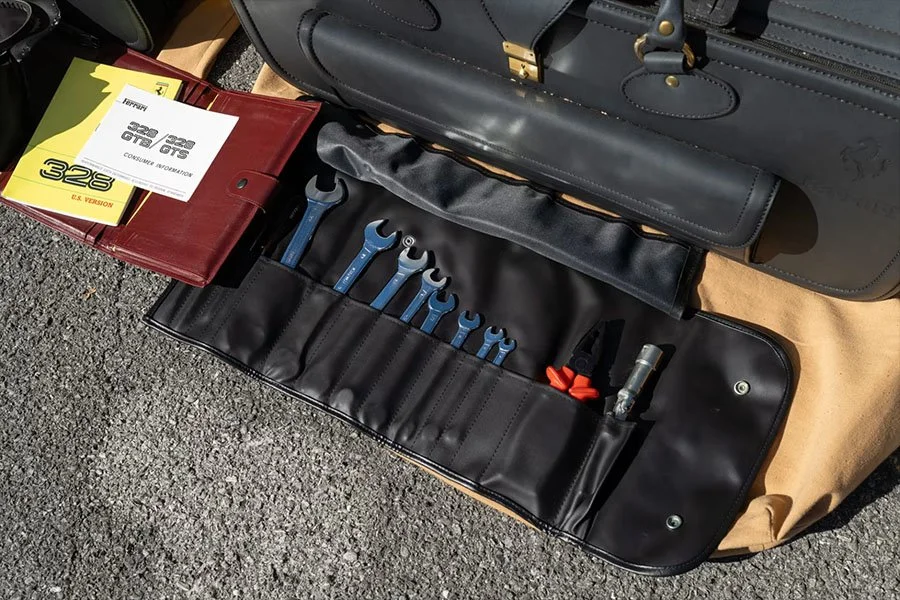
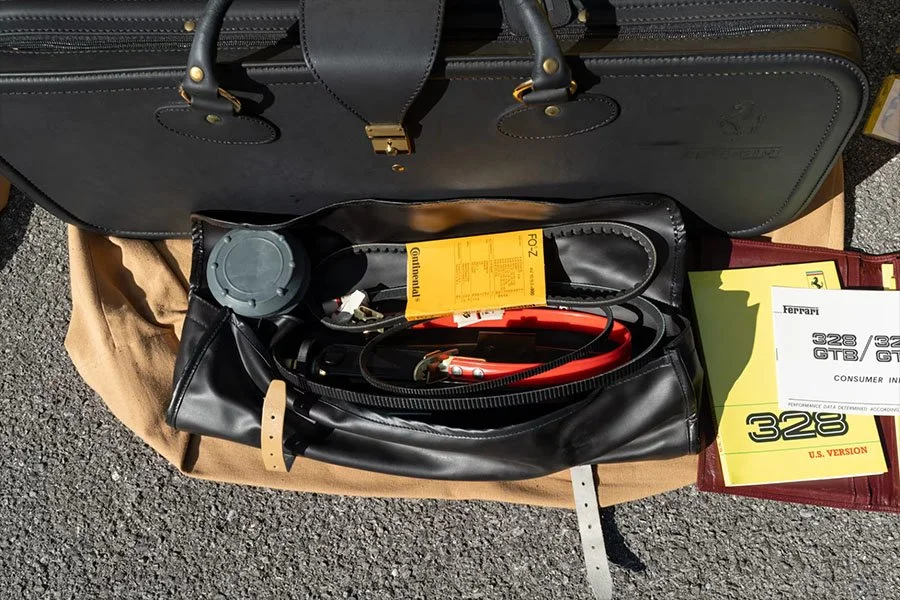
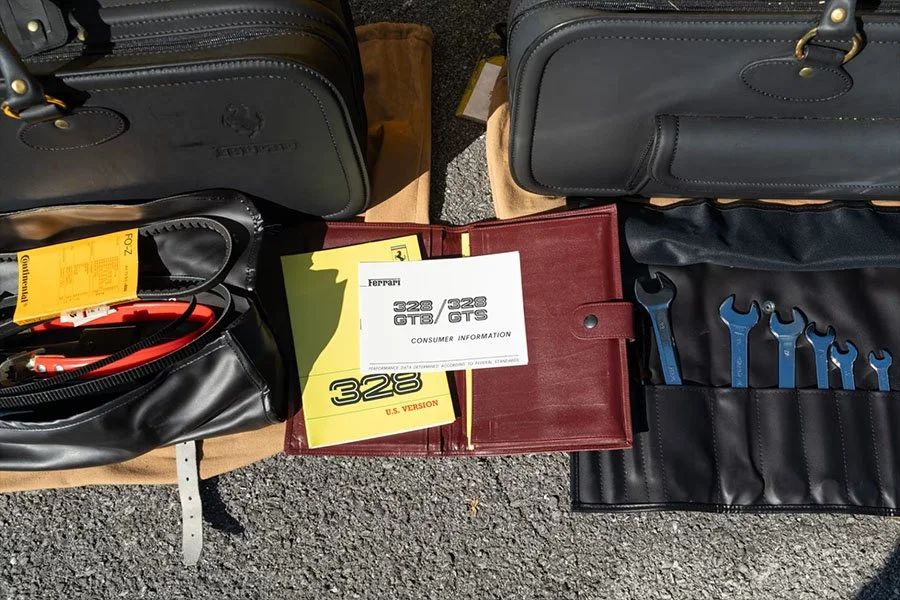
Chassis 82669 is one of 46 Ferraris that Mecum will be selling from the late Phil Bachman’s collection. Bachman ordered the car from Thoroughbred Motorcars in Nashville, Tennessee, with every optional extra to include Schedoni luggage, a full leather dash, a black front grille and a body coloured rear aerofoil.
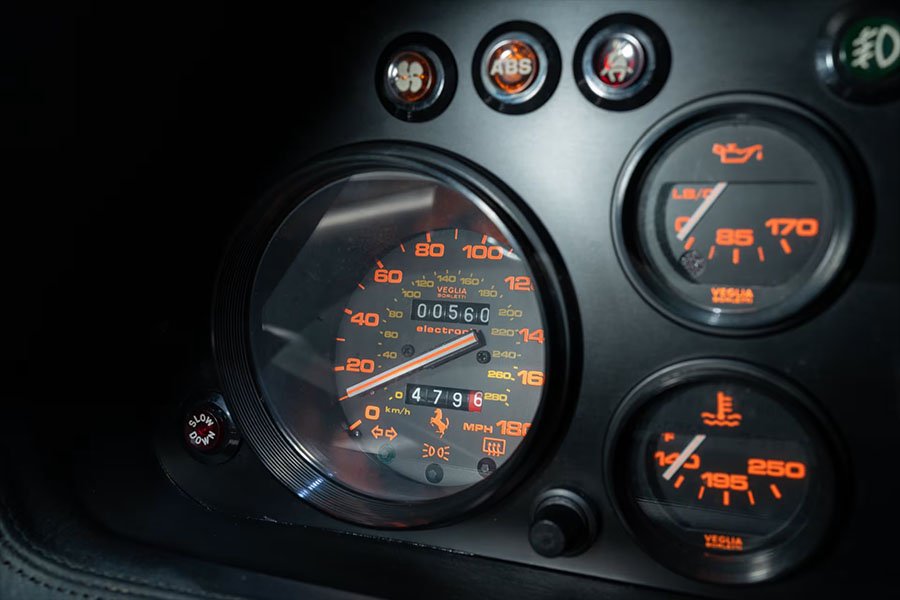
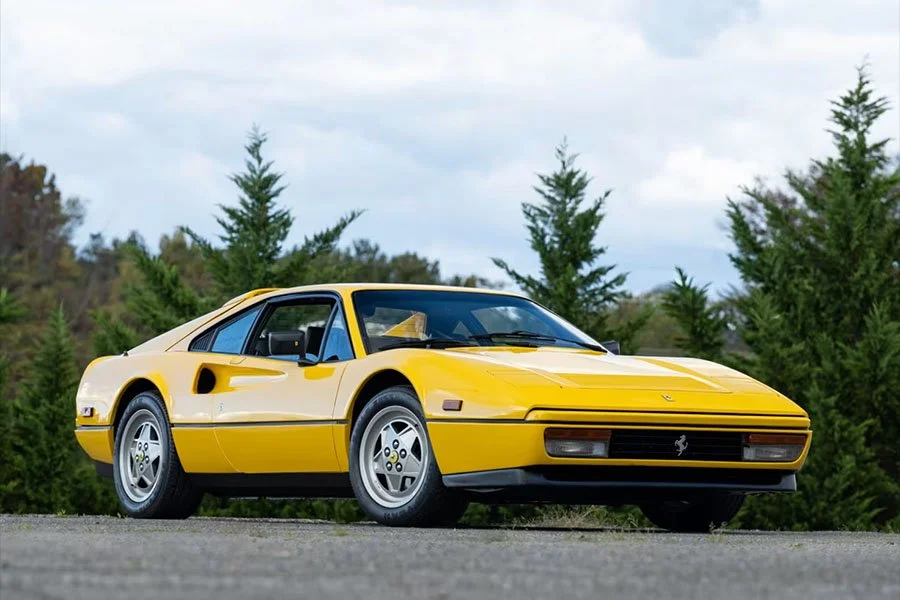
A lesser seen GTB variant (over 80% of 328s were ordered in GTS trim), chassis 82669 is one of just two 328 GTBs produced for the US market in Giallo and the only one configured with Nero upholstery. It has covered just 560 miles and accordingly remains in effectively as-new condition.
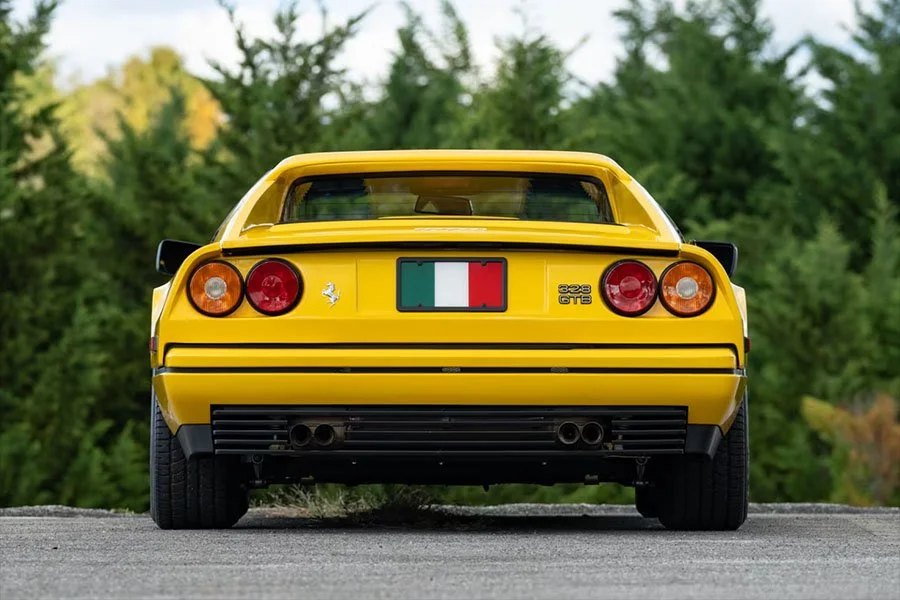
The yellow GTB was one of two 328s ordered by Phil Bachman in 1989; sister car chassis 82961 also being sold by Mecum was a Rosso Corsa GTS with Beige upholstery (the last GTS delivered to the US). Remarkably, Bachman’s red example is showing an even lower 328 miles.
For more information visit the Mecum website at: https://www.mecum.com/
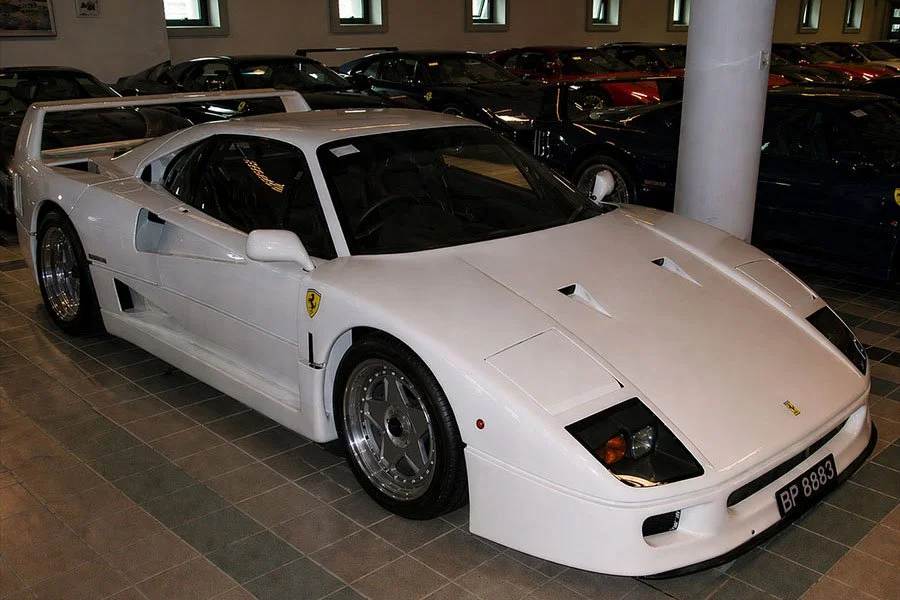
At the peak of the Brunei Royals’ mind-bending car splurge during the mid 1990s, a batch of 288 GTOs was sent to Pininfarina for customisation. Here, some were re-painted out-of-range colours…
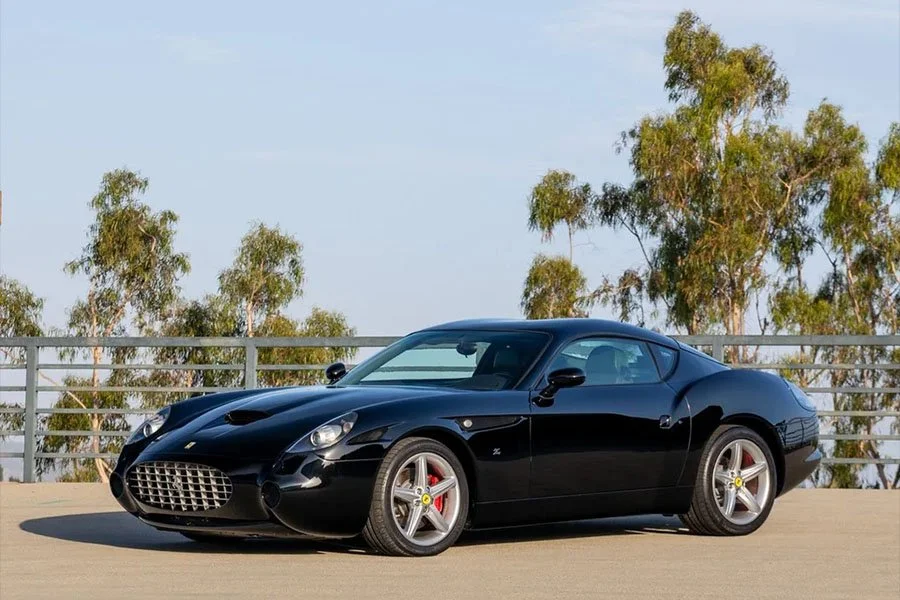
Inspired by Zagato-bodied iterations of the Ferrari 250 GT Competizione, Japanese collector, Yoshiyuki Hayashi, commissioned a coachbuilt mid 2000s revamp based on the 575M. Zagato’s…
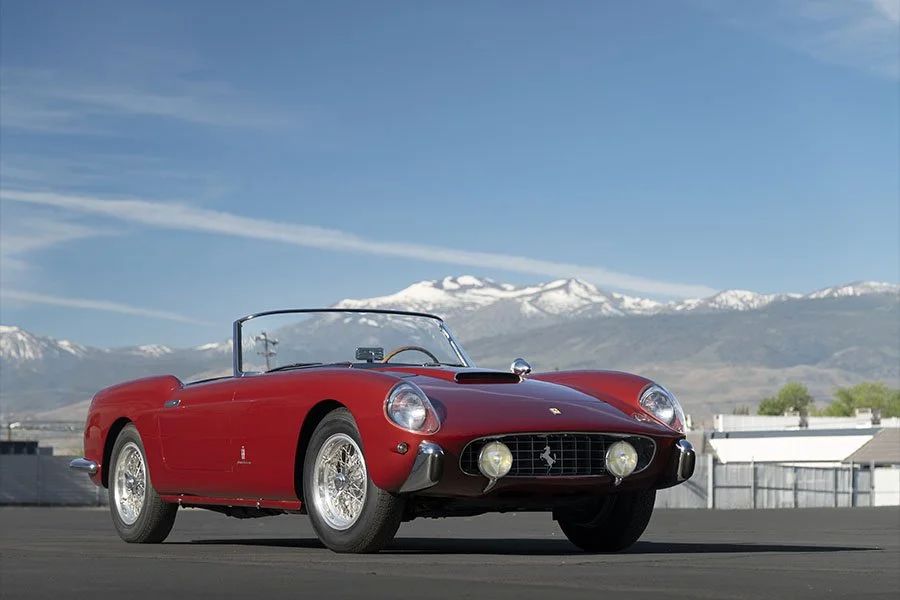
During the late 1950s, arguably the most beautiful two-saeat Roadster offered by any manufacturer was the Pinin Farina-styled first generation Ferrari 250 GT Cabriolet. Underneath rakish lines…
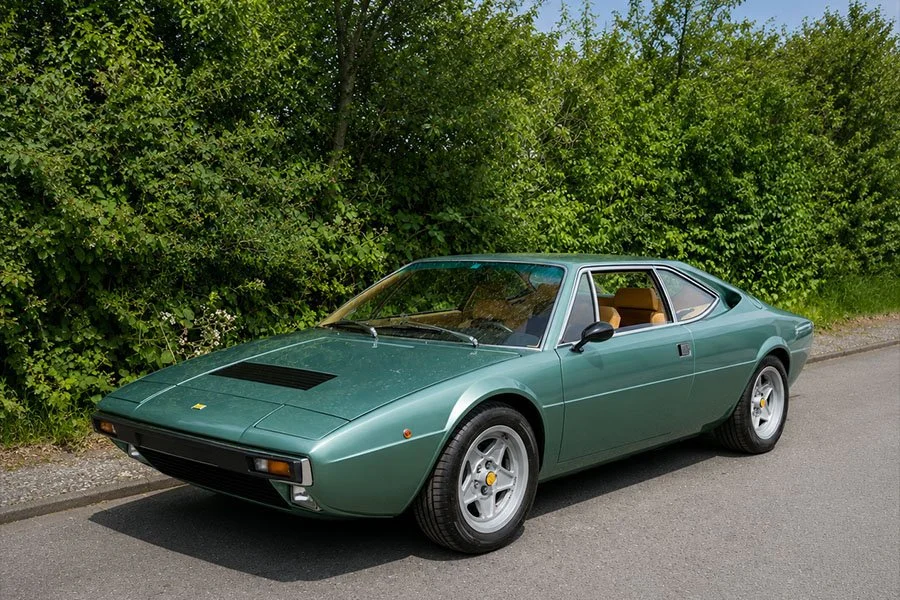
Despite a long-standing relationship with Pininfarina, Ferrari commissioned Carrozzeria Bertone to design and manufacture bodywork for its first V8-engined road car. Unveiled at the Turin Motor Show…
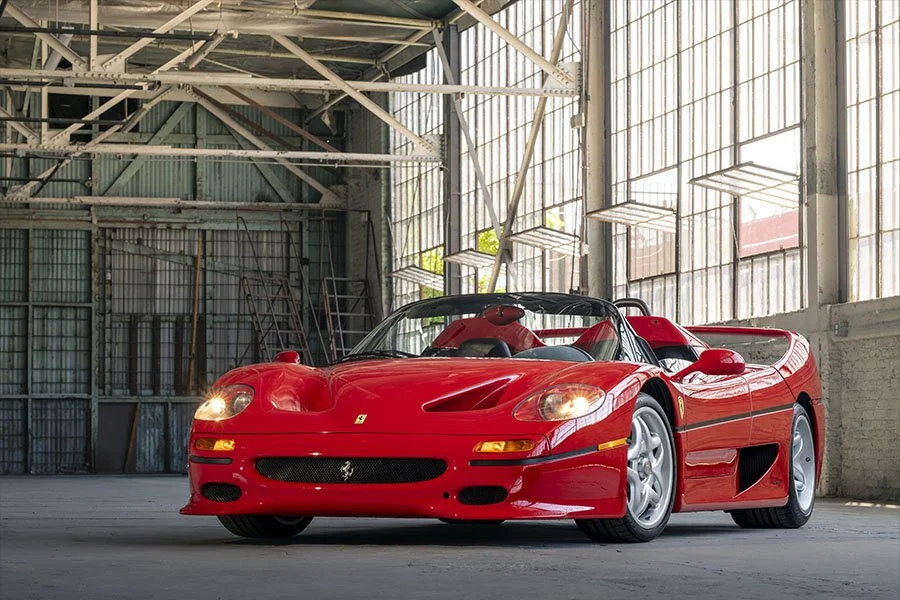
After the 288 GTO and F40 had used twin turbocharged V8s that propelled them to hitherto unseen levels of performance, Ferrari took a different approach for its third generation limited production…
To replace the 2.6-litre 212 Export which had served privateers so well throughout the 1951 season, Ferrari introduced the 2.7-litre 225 Sport for 1952. In total, 21 examples of the 225 Sport were…
Although the onshore Seria field was discovered in 1929, it wasn’t until the 1960s that Brunei became a major player in oil and gas thanks to advances in offshore exploration. Following the opening of the…
Chassis 4219 GT was the third 250 GTO campaigned by US Ferrari distributor Luigi Chinetti’s North American Racing Team (NART). This latest machine followed chassis 3387 GT (which ran at the 1962…
Chassis 002 C was the third car built by Ferrari. It started life as a 159 Sport and followed the brace of 125 Sports numbered chassis 01 C and 02 C. The first car to be fitted with the new type 159…
Despite having utilised a mishmash of styling features from other Ferrari models, the Pininfarina-designed 330 GTC ranks among the prettiest Italian sports cars from a golden age of automotive…
Ever since Ferrari’s debut season as a manufacturer back in 1947, the Italian firm had largely dominated the scene for purpose-built Sports and Prototype racing cars. There had of course been…
The 1967 World Sportscar Championship was anticipated to be one of the most competitive on record with new Group 6 Prototypes in the pipeline from Ferrari, Ford, Chaparral and Lola. The Group…
As a consequence of combining already well-proven design and mechanical features, Ferrari only felt compelled to create a single 330 GTC prototype and that car, chassis 6431, is currently on the…
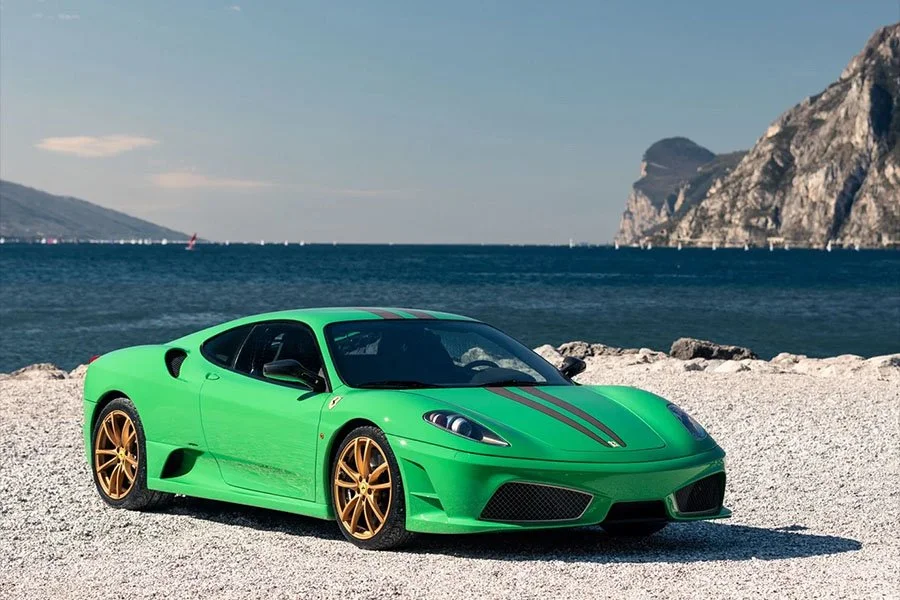
Two-and-a-half years after the F430’s debut, Ferrari unveiled a super hardcore high performance version conceived to take the platform to its absolute limit. 100kg lighter and 20bhp more powerful…
Chassis 87455 was a UK market F40 supplied through Ferrari’s British distributor, Maranello Concessionnaires, in Egham, Surrey. Registered H380 JPA during December 1990, the F40’s first…
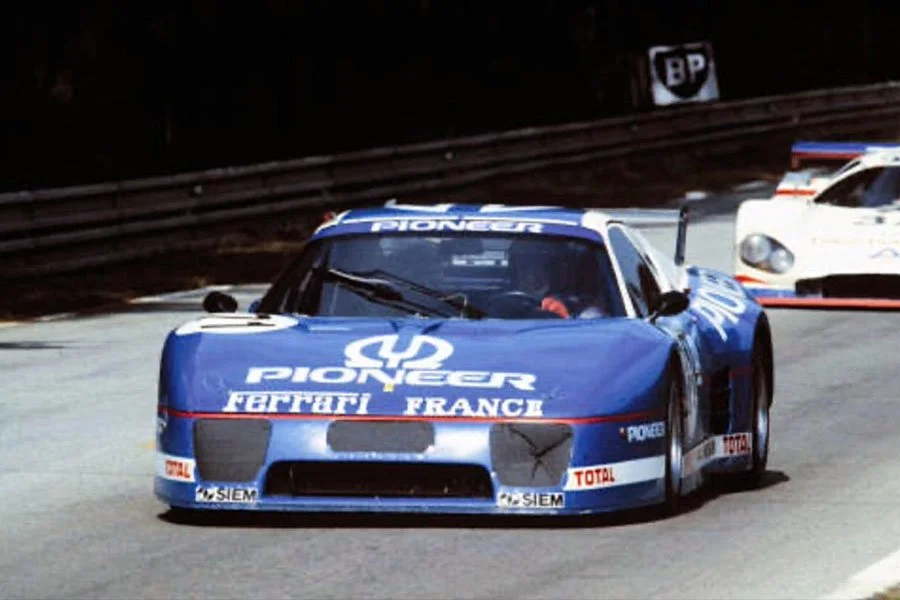
Chassis 41263 was the penultimate 512 BB LM completed and one of five units to emerge during 1982. Built to the ultimate specification for one of these cars, it featured all the latest updates to…
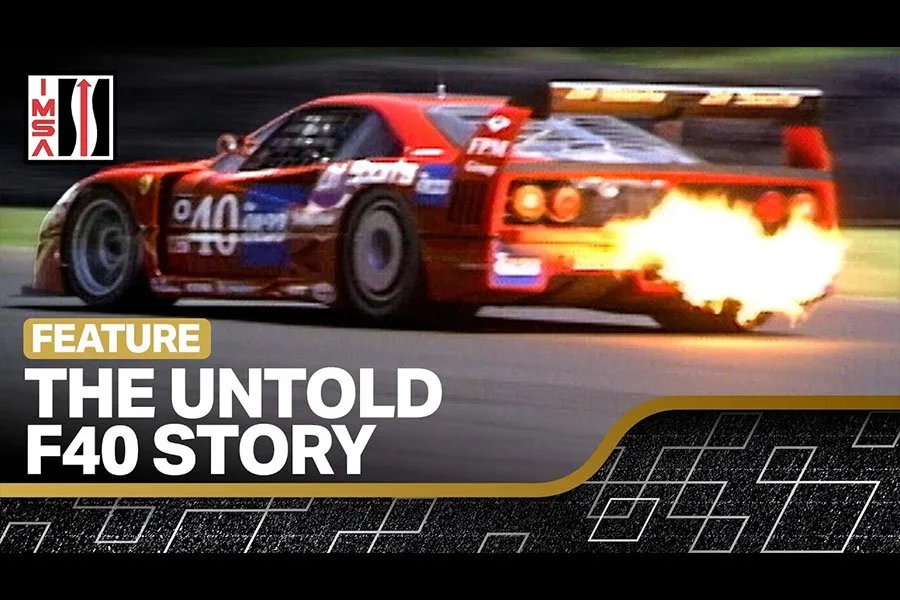
This period feature tells the story of how the Art Sports Ferrari F40 LM came to be. Run by Ferrari France and Charles Pozzi between 1989–1990, the F40 LM in 10 IMSA races claimed five podium finishes and three runner-up results before the high costs ended the program.
Before the 288 GTO emerged as Ferrari’s bona fide Group B homologation special, executives at Maranello commissioned a small series of prototypes for initial evaluation. However, rather than…
The fifth instalment from Ferrari’s occasional line of mid-engined limited run flagships was the LaFerrari which broke cover at the Geneva Motor Show in March 2013. Most notably, the LaFerrari…
By the beginning of 1992, the Testarossa was over eight years old. Since its launch in late 1984, tastes had changed significantly and, as the 1990s dawned, Ferrari’s Flat 12 supercar began to look dated.
Although rival firms had offered road car engines with dual overhead camshafts since the early 1950s, Ferrari did not adopt such a configuration for one of its production models until 1966 when the…
Chassis 27577 was ordered by the Belgian Ferrari distributor, Ecurie Francorchamps, on behalf of Jean Blaton who purchased it to contest the 1979 Le Mans 24 Hour race. Blaton, who raced under…
With production of the much-loved 456 heading into its final stages, Ferrari unveiled a specially configured iteration of what was widely considered its best front-engined 2+2 ever. Presented at…
On February 14th at RM Sotheby’s Cavallino Palm Beach sale in Florida, one of the most beautifully configured vintage Ferraris we have seen in recent months will be going under the hammer.
Owing to the complexities of painting advanced composite panels, Ferrari elected to offer the 288 GTO exclusively in Rosso Corsa which was a shame as the Pininfarina-styled machine would have…
During the mid 1960s, Ferrari customers that wanted the ultimate money-no-object Grand Tourer could order a 500 Superfast. Essentially the last in a line of ultra high end models begun with…
By the 1970s, private commissions for special bodied sports cars had all but died out owing to inflexible modern production processes and the generally depressed state of the global economy.
Within a few years of the deal that had seen Fiat acquire a 50% stake in Automobili Ferrari, the Cavallino Rampante had disappeared from Sports and GT racing. This decision to quit coincided…
In 2001, Ferrari made a successful return to Grand Touring competition when the Michelotto-developed 360 Modena campaigned by JMB Racing won the junior Team and Driver titles of that…
Having signed for Tyrrell mid way through the 1989 season, a combination of devastating single lap pace and wily race craft saw Jean Alesi become F1’s hottest young talent. Despite contesting…