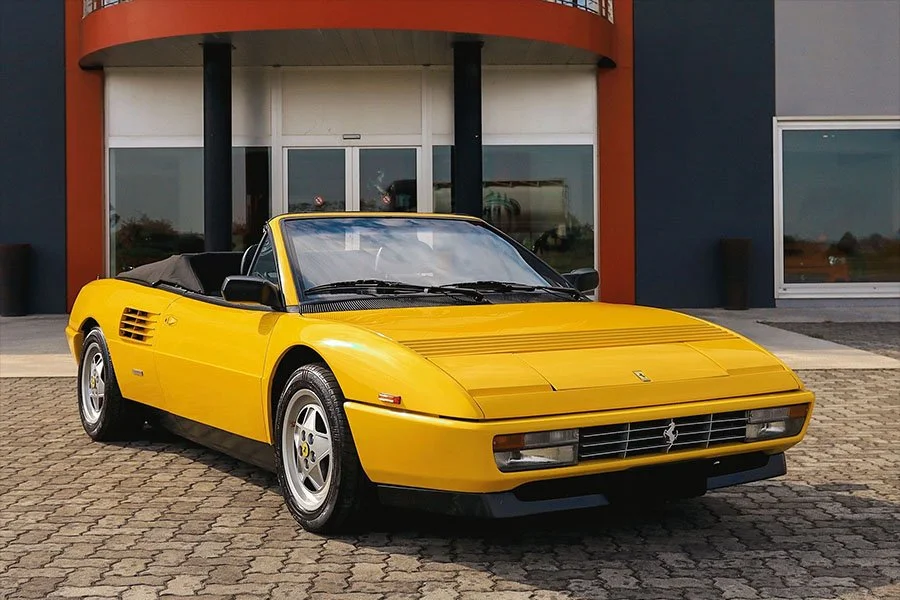
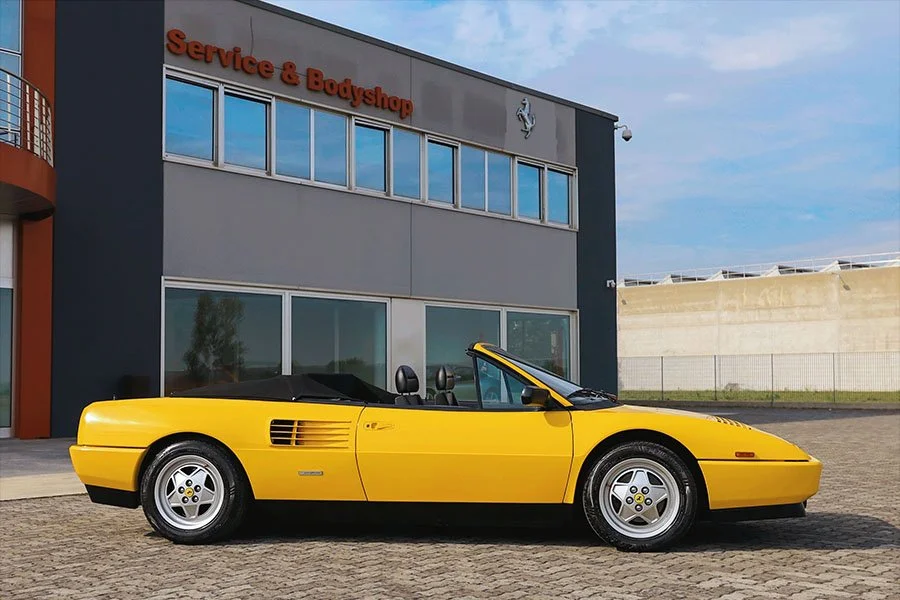
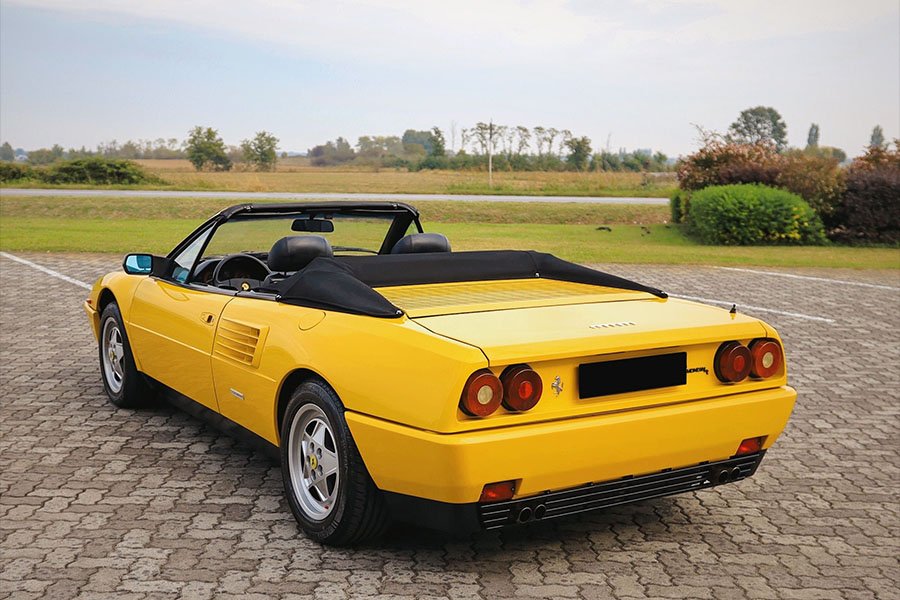
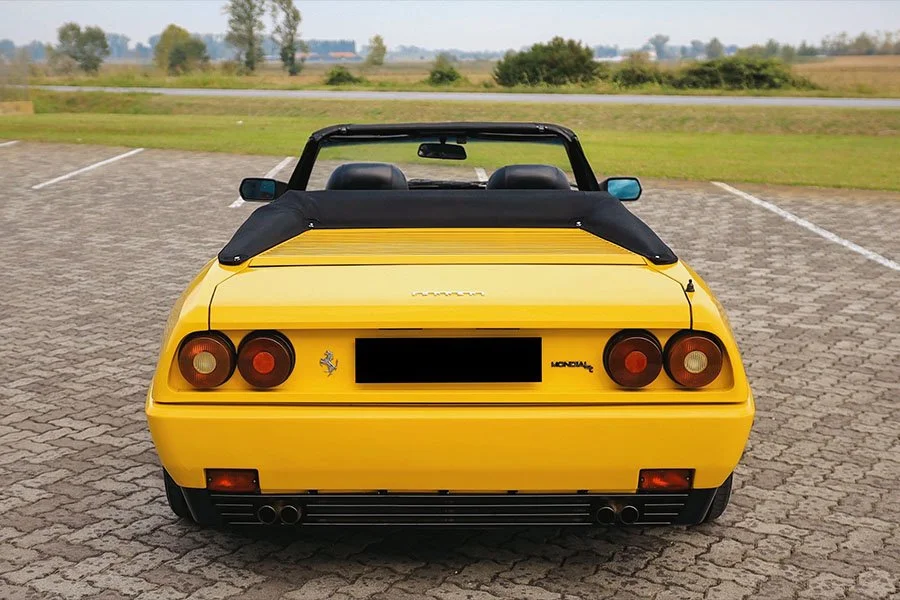
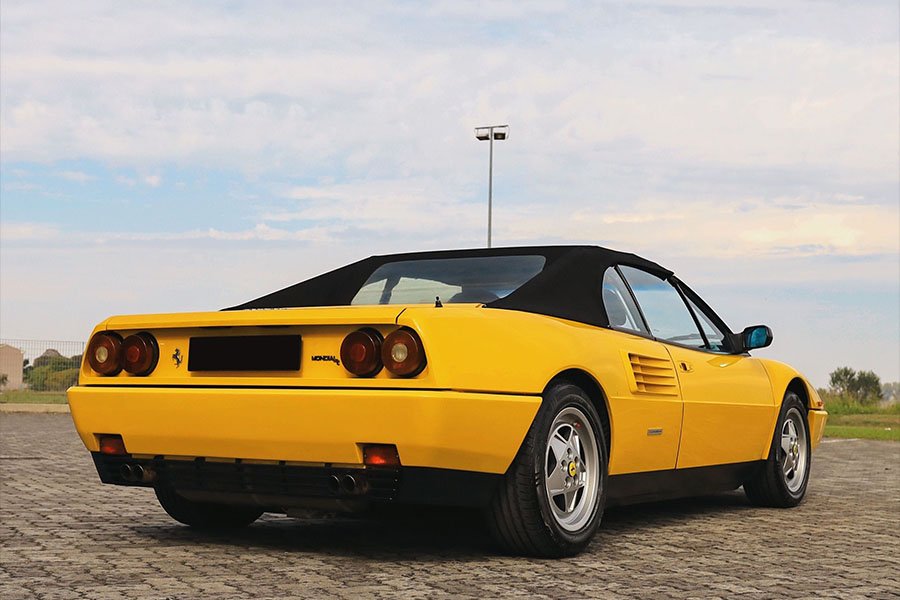
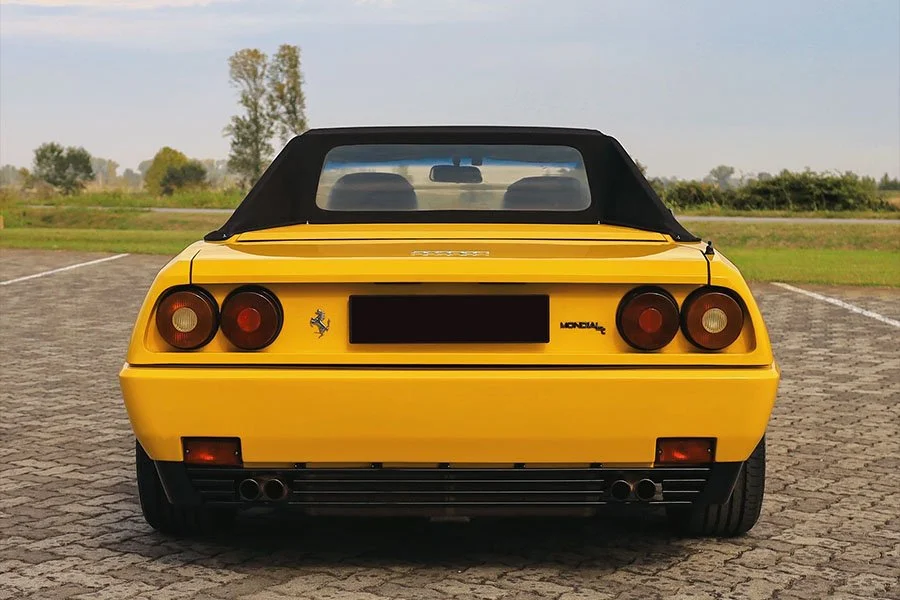
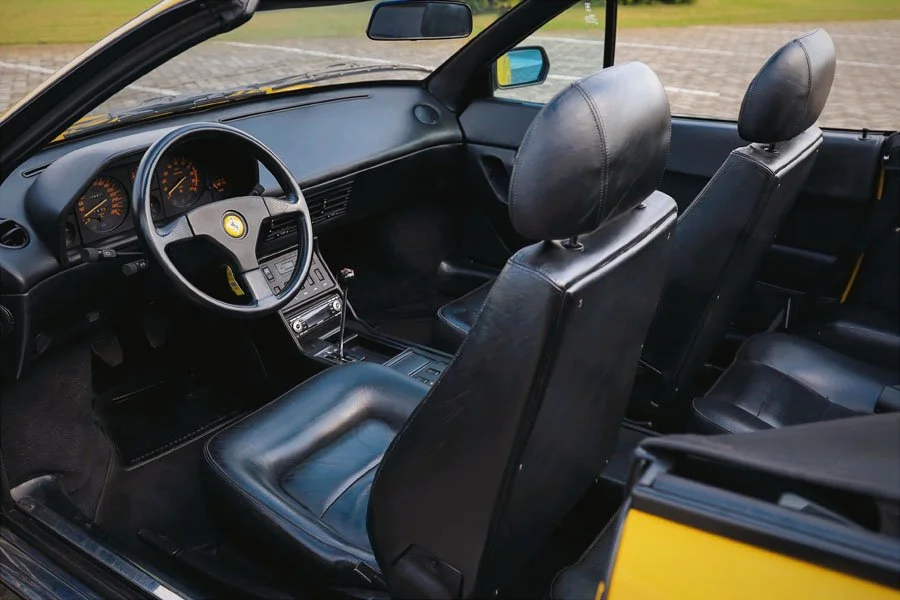
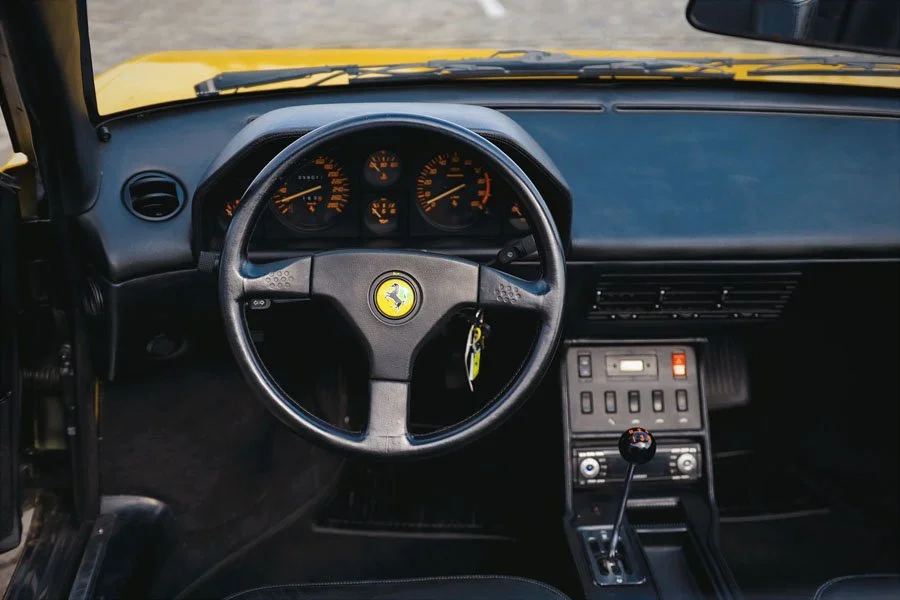
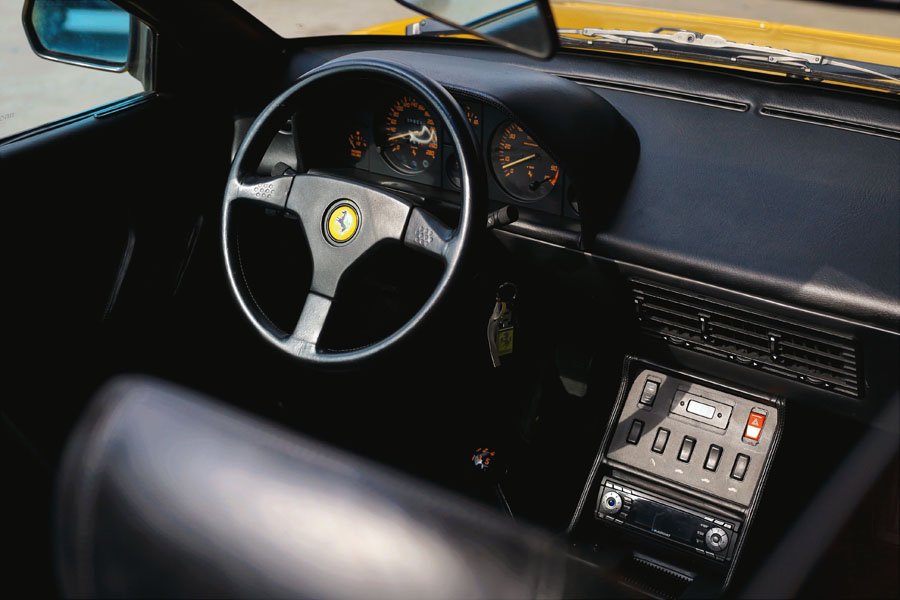
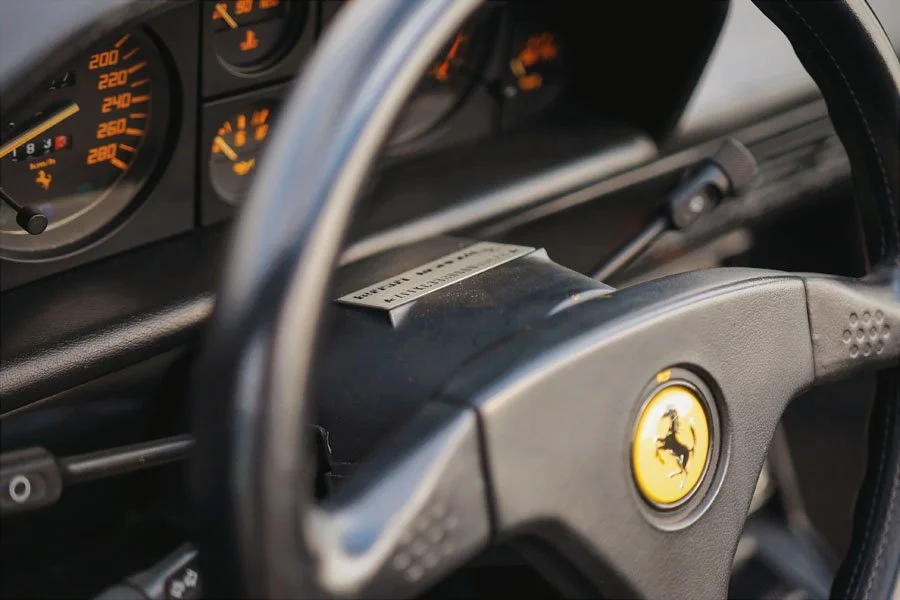
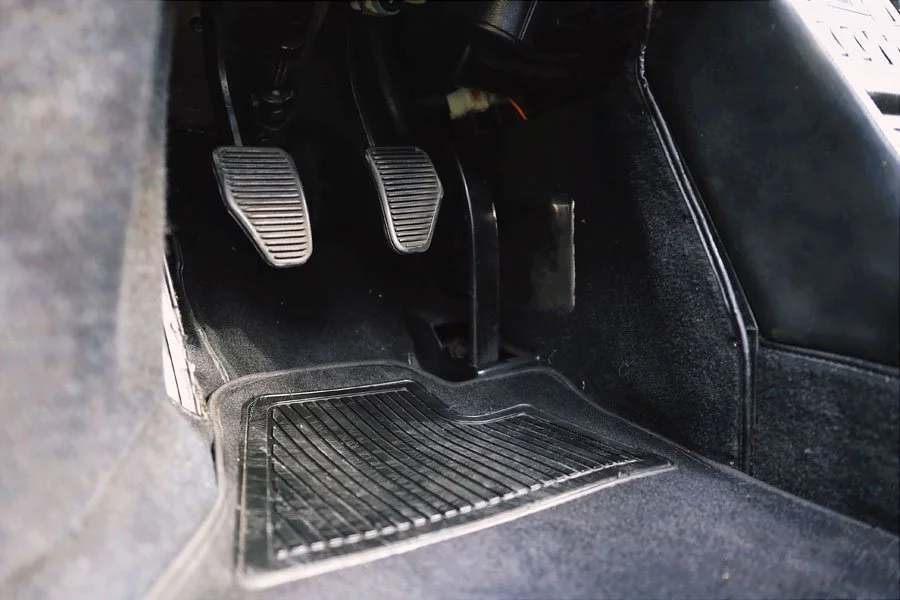
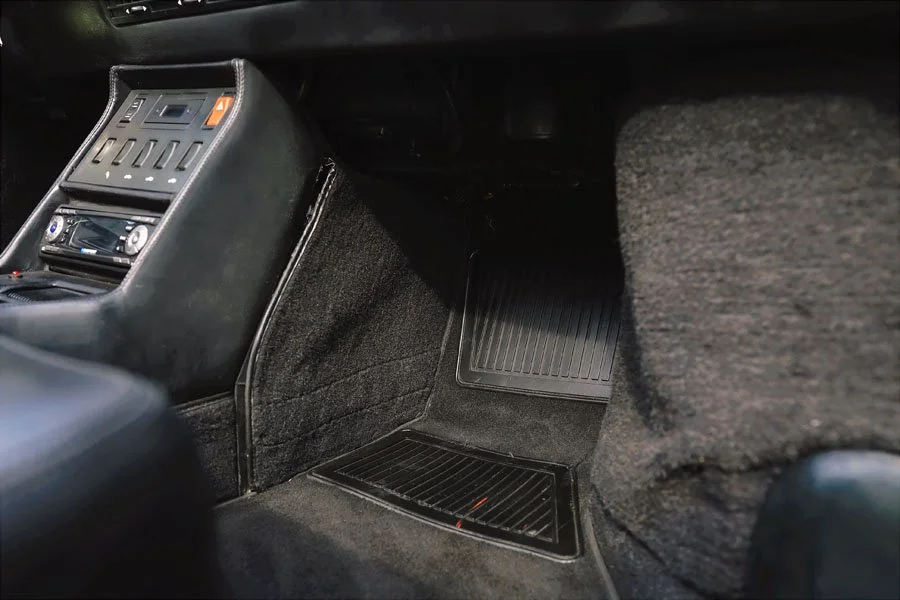
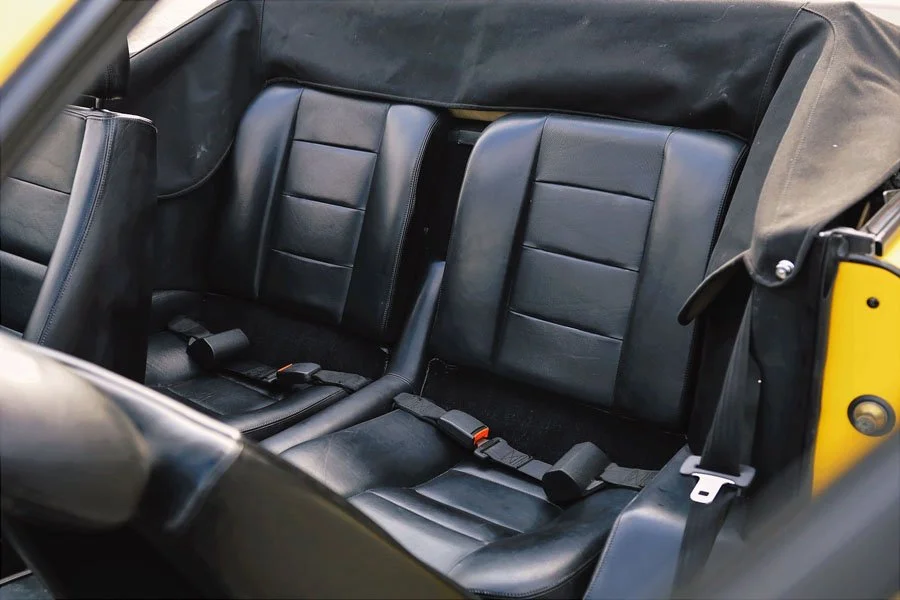
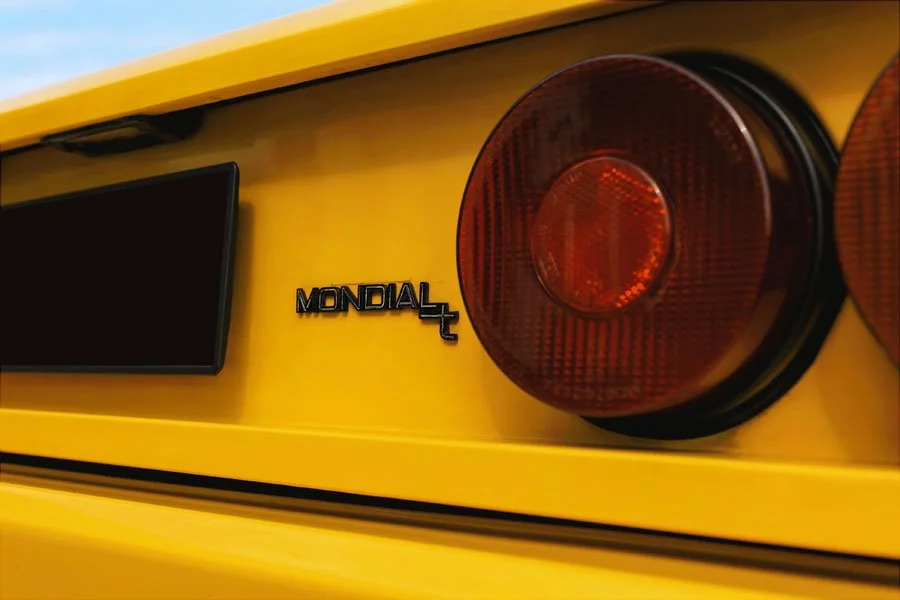
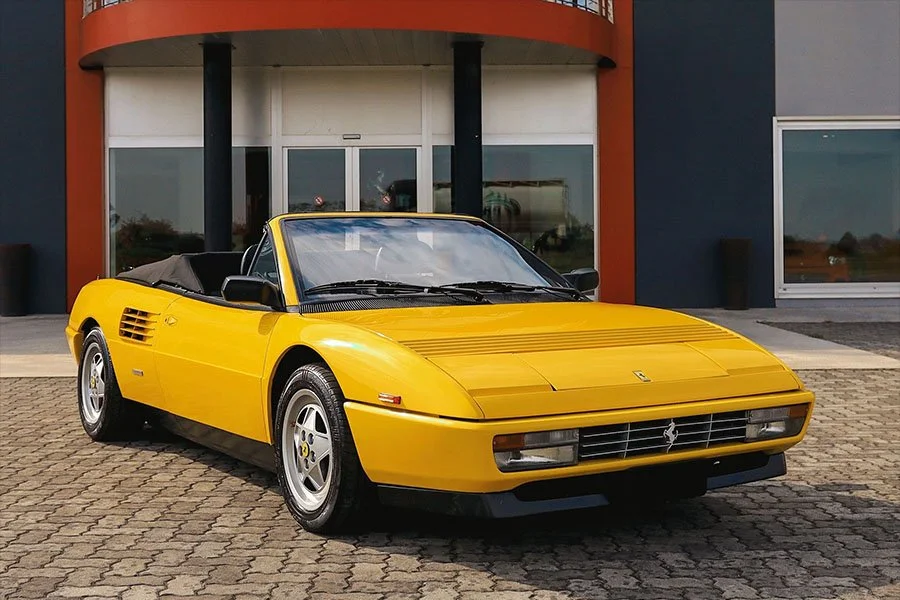
One to Buy: 1 of 12 in Giallo Modena 58,000km 1990 Ferrari Mondial t Cabriolet
/ Ben Tyer
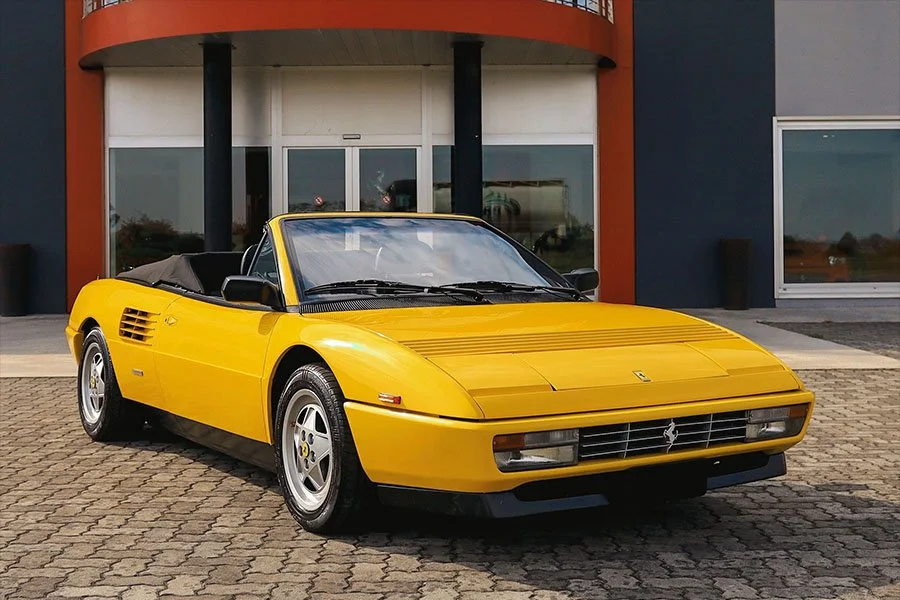
As the fourth generation Mondial would be the last, and therefore a limited programme of updates could have been forgiven, Ferrari actually came up with the most extensive refresh yet for its long running mid-engined 2+2.
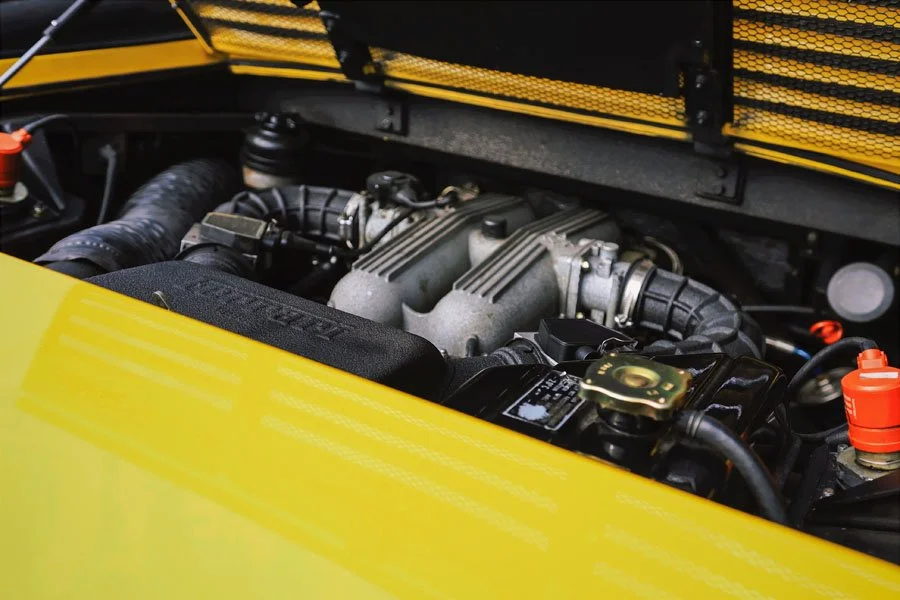
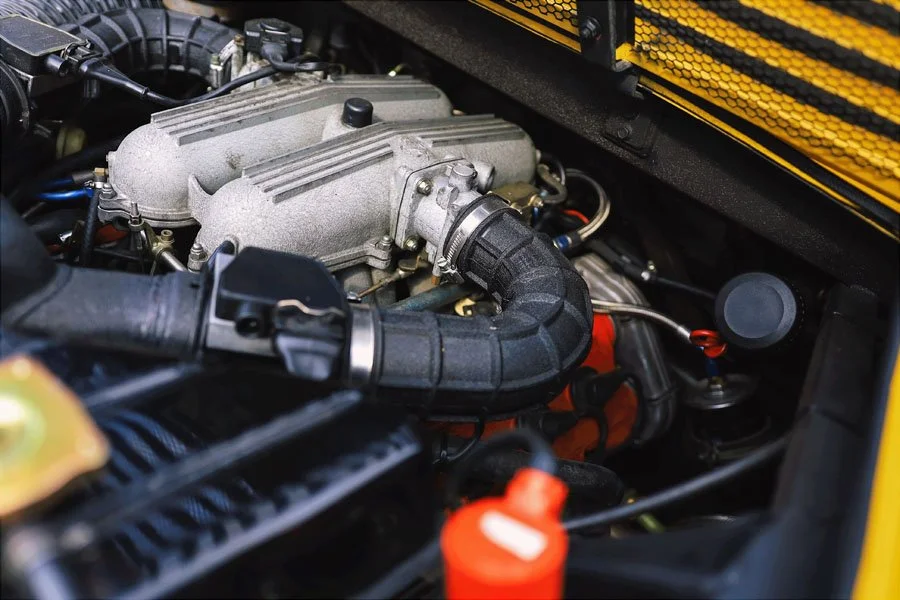
In addition to an engine enlarged from 3.2 to 3.4-litres, the new Mondial t had the orientation of its powertrain reversed with the engine rotated from a transverse to longitudinal position and the gearbox switched around in the opposite fashion. The reason for this not insignificant change was to enable installation of the engine some 13cm lower in the chassis which resulted in superior weight distribution and thus improved handling characteristics.
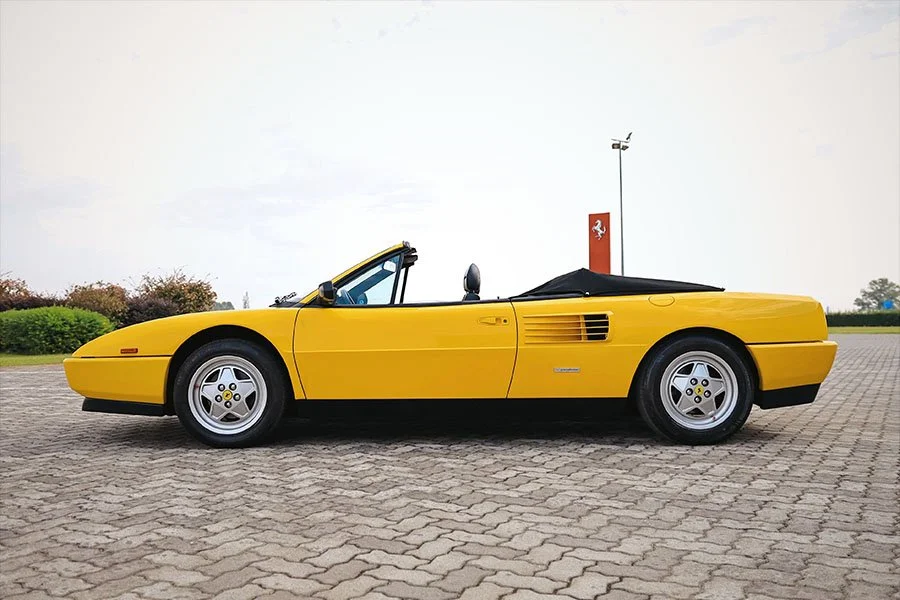
Introduced at the Geneva Motor Show in March 1989, the Mondial t was offered in Coupe and Cabriolet body styles. It joined a Ferrari line up that included the Flat 12-engined Testarossa and the limited production F40 which ran a twin turbocharged V8. For a few months, the Mondial t was also sold alongside the 328 GTB / GTS until the 348 tb / ts arrived in September of ‘89.
In addition to the aforementioned mechanical updates, this final iteration of the Mondial theme ushered in an array of cosmetic tweaks to freshen up the appearance. Power steering and electronically adjustable dampers were also added. Towards the end of production, Ferrari even introduced the option of a Valeo manually-operated clutch-less gearbox.
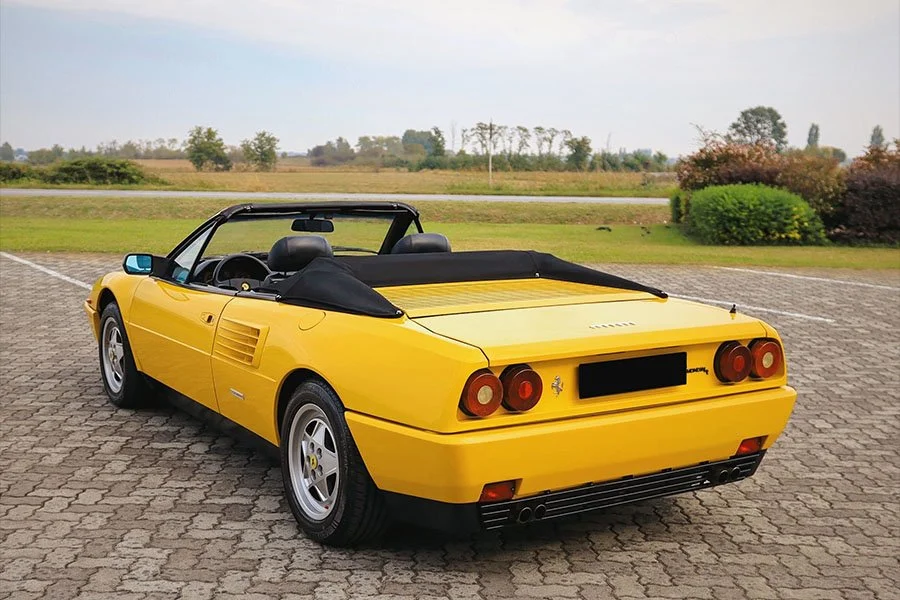
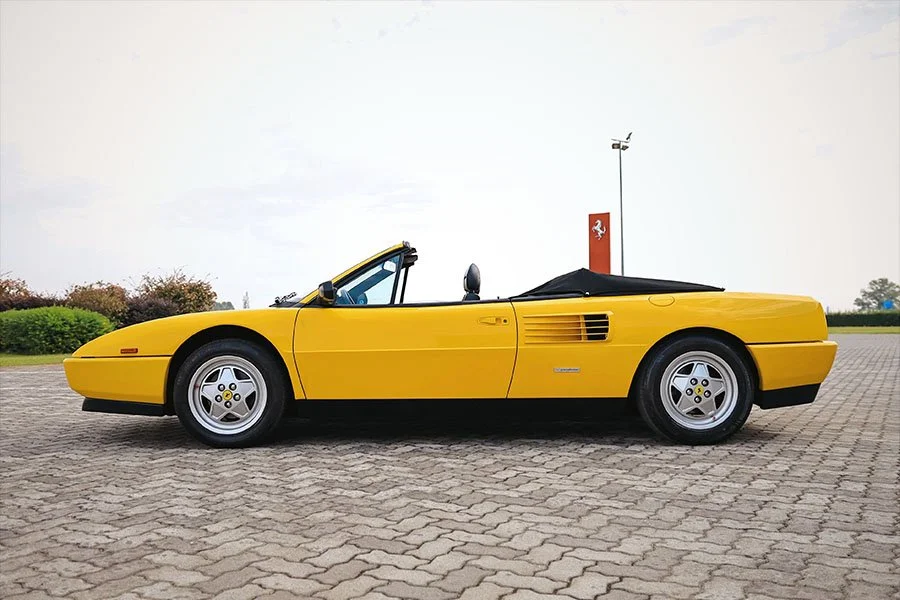
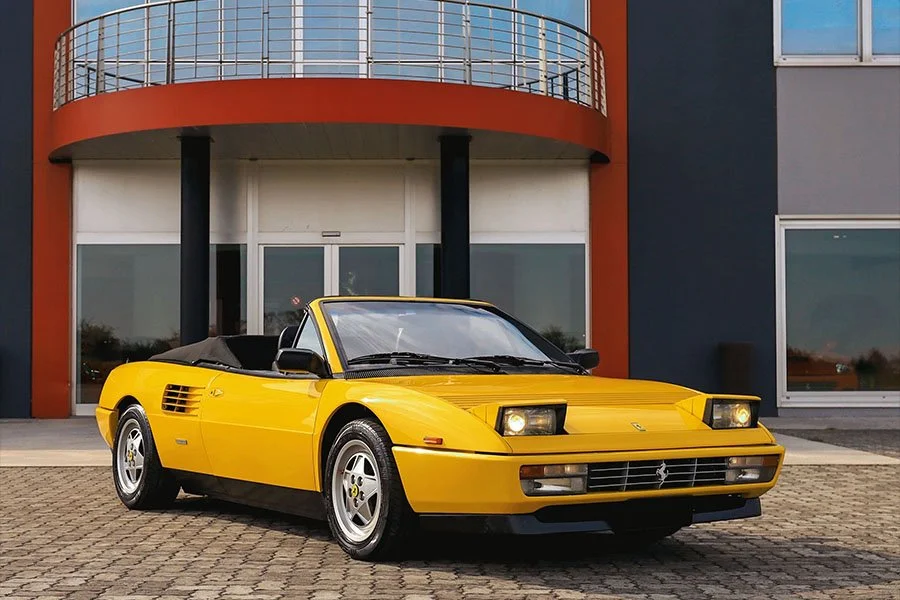
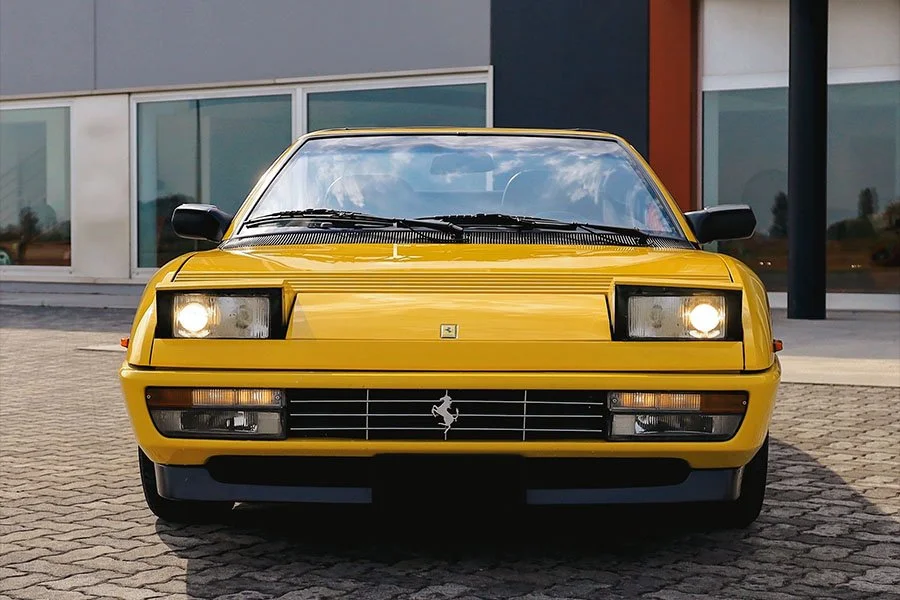
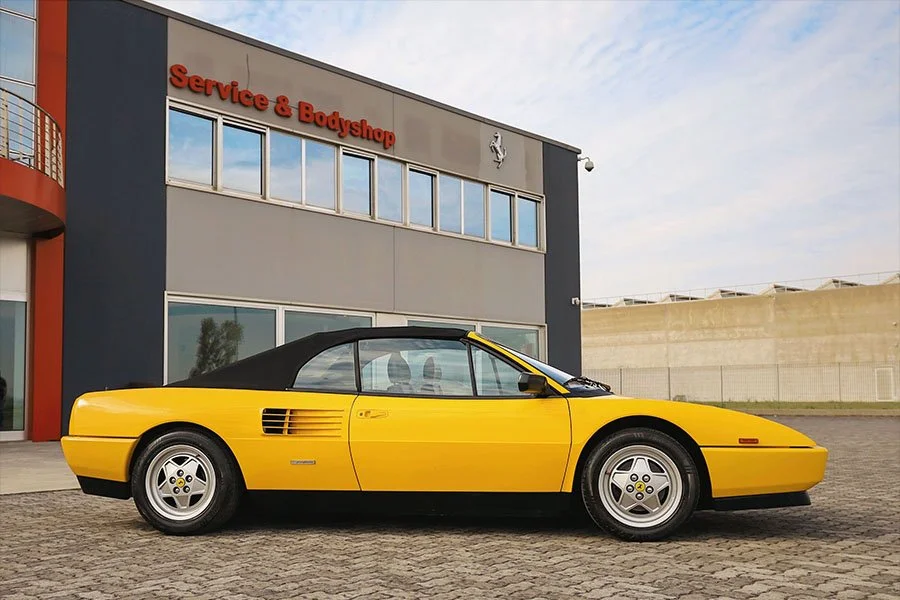
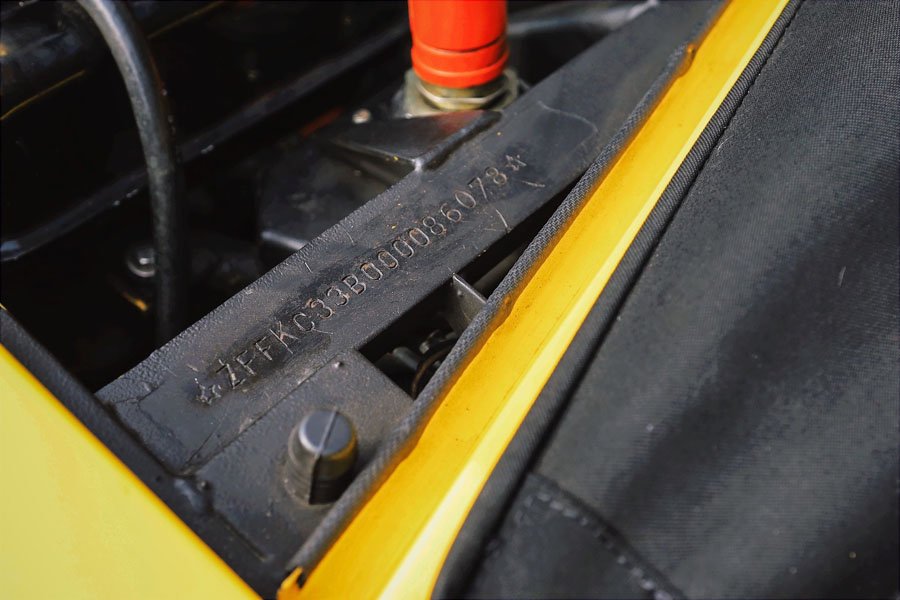
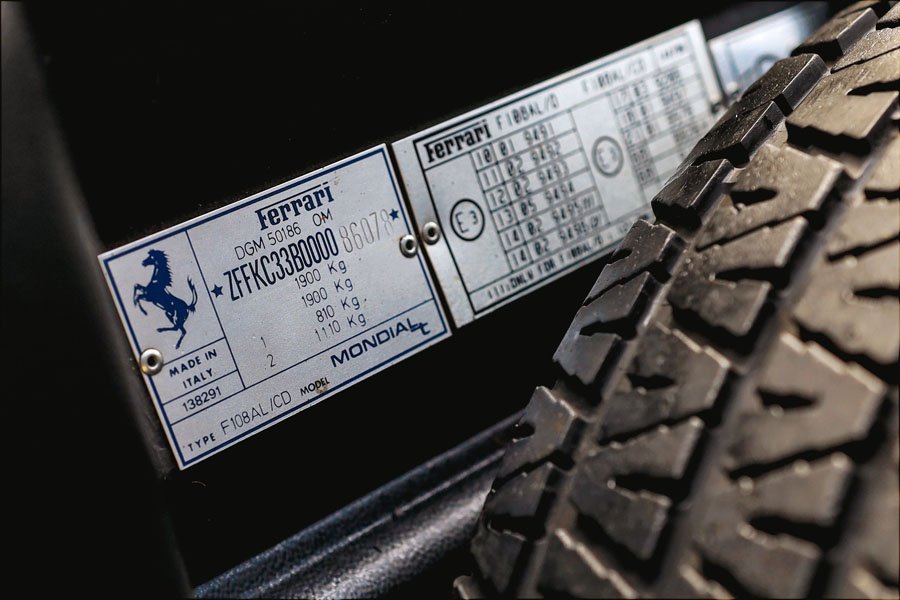
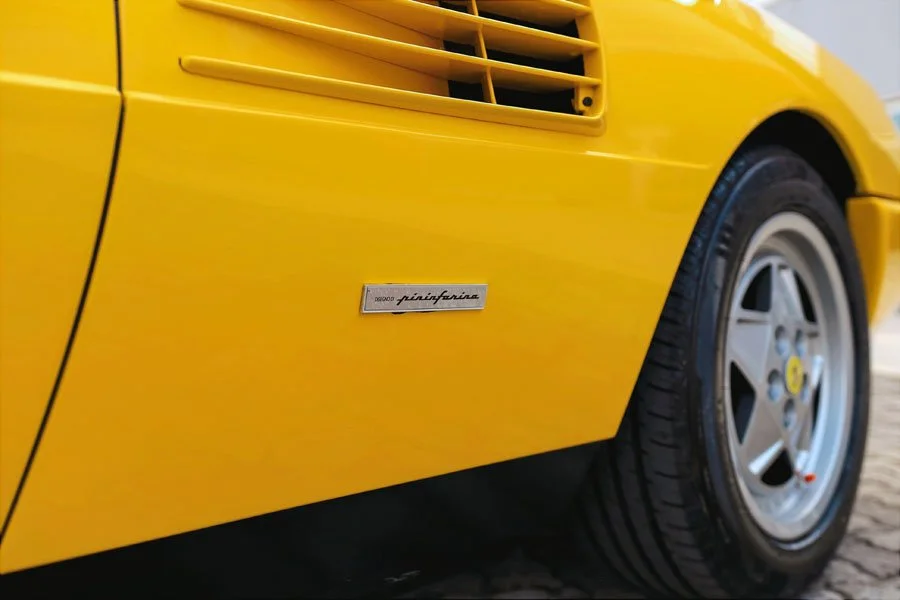
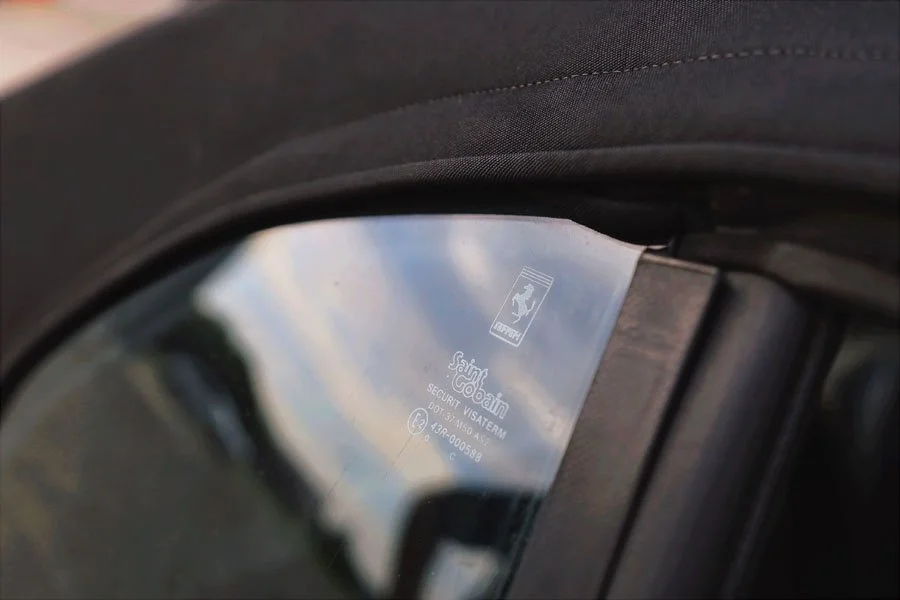
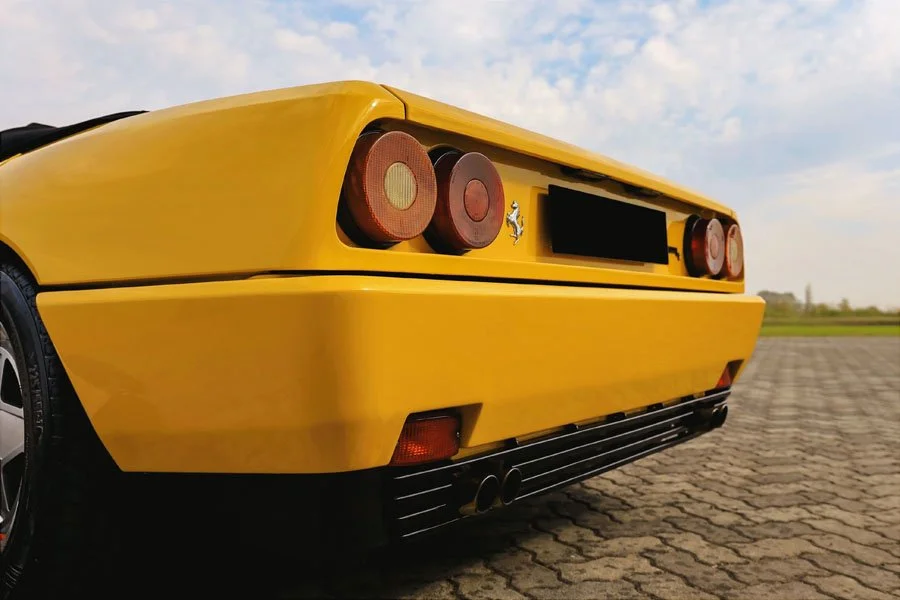
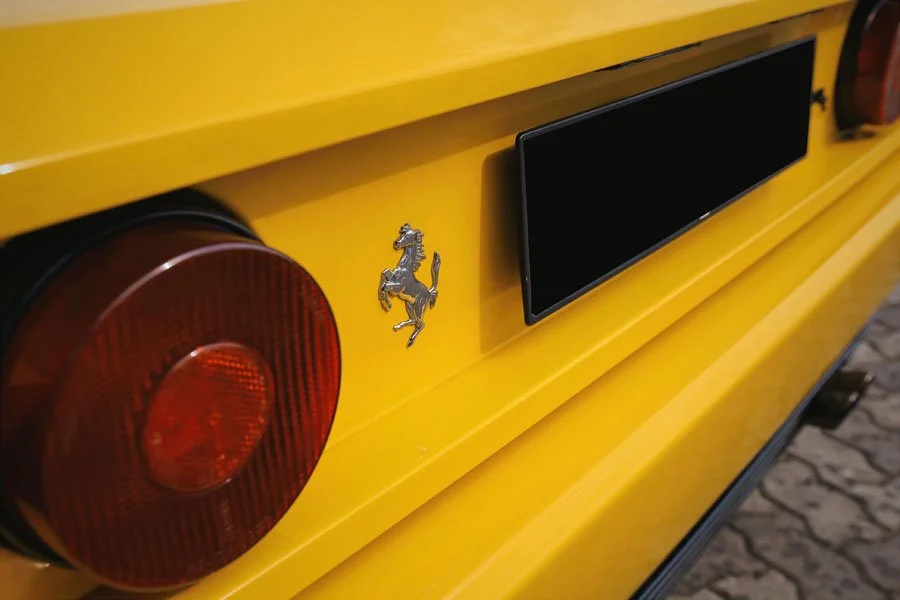
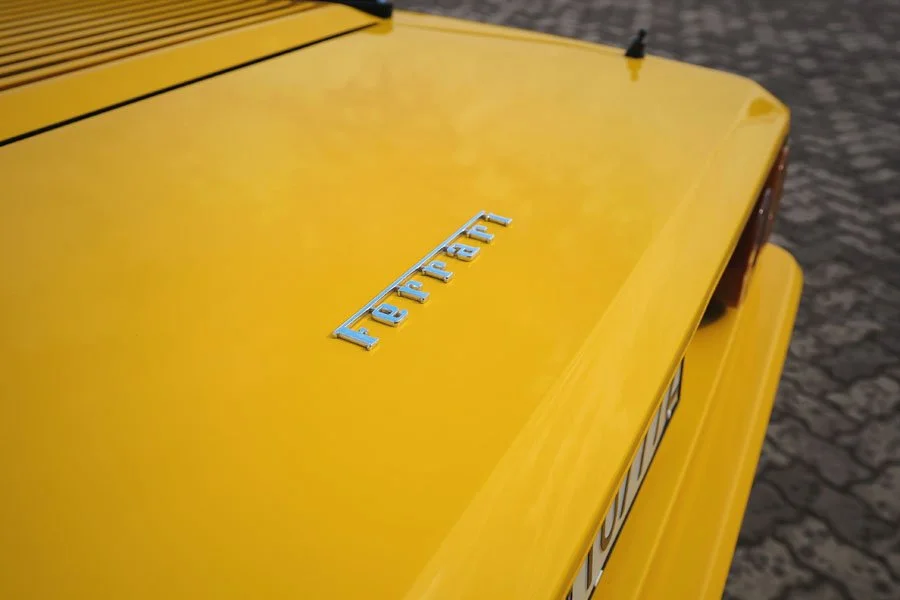
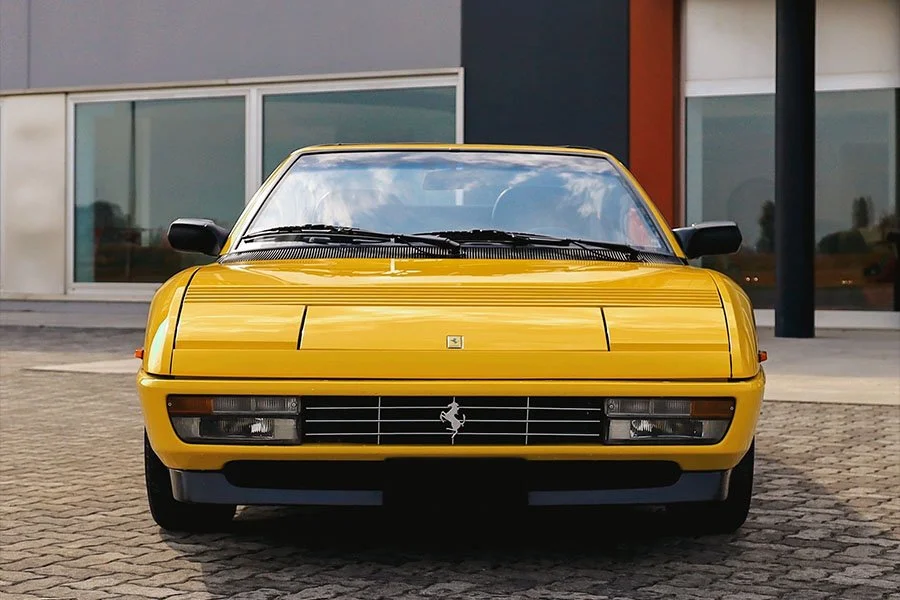
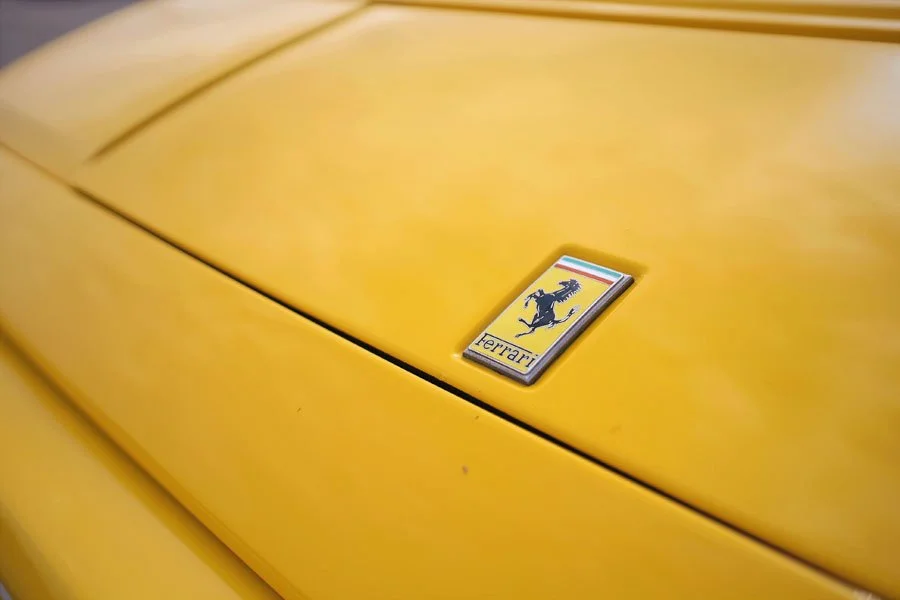
During the Mondial t’s lifetime, Ferrari customers were still largely obsessed with having their cars configured in traditional Rosso Corsa with just a small minority of buyers opting for one of the many alternative shades that often better suited Pininfarina’s designs. However, an Italian buyer that went against convention was the first owner of chassis ZFFKC33B000086078, a 1990 Mondial t Cabriolet, which will be going under the hammer during Artcurial’s sale in Paris on October 25th.
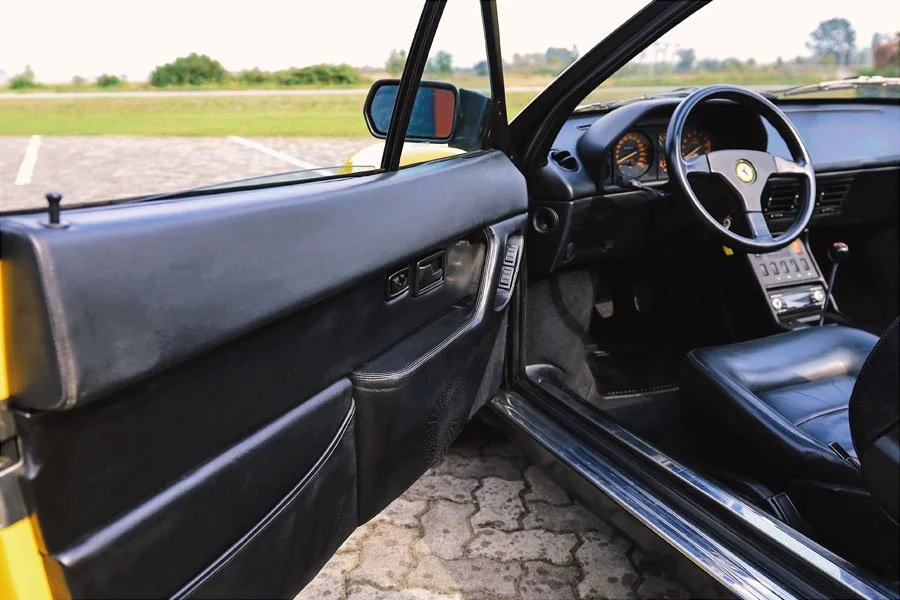
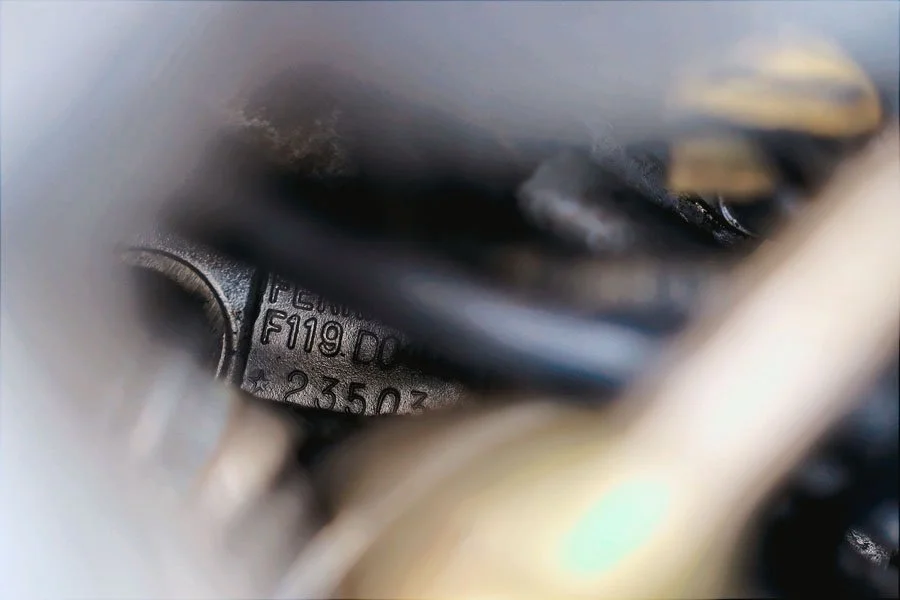
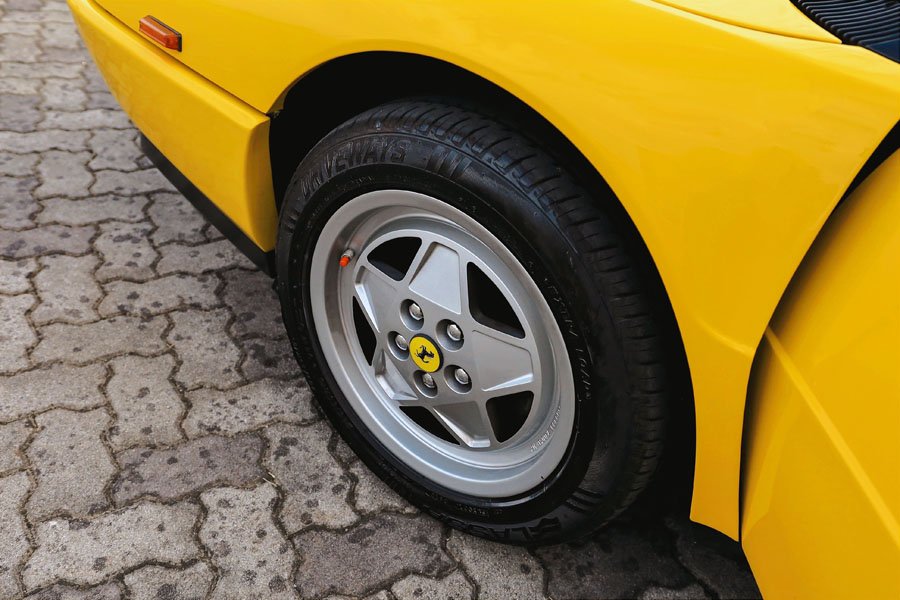
One of just twelve Mondial t Cabriolets painted Giallo Modena, chassis ‘86078’ was supplied by the renowned Ferrari dealership, Sa.Mo.Car SpA in Rome, and registered on September 27th 1990 to its local first owner with whom it remained until 2021. During that time, the car was serviced exclusively by Sa.Mo.Car. Since 2021, chassis ‘86078’ has resided in the hands of two further Italian custodians, both of whom have kept up the car’s frequent maintenance.
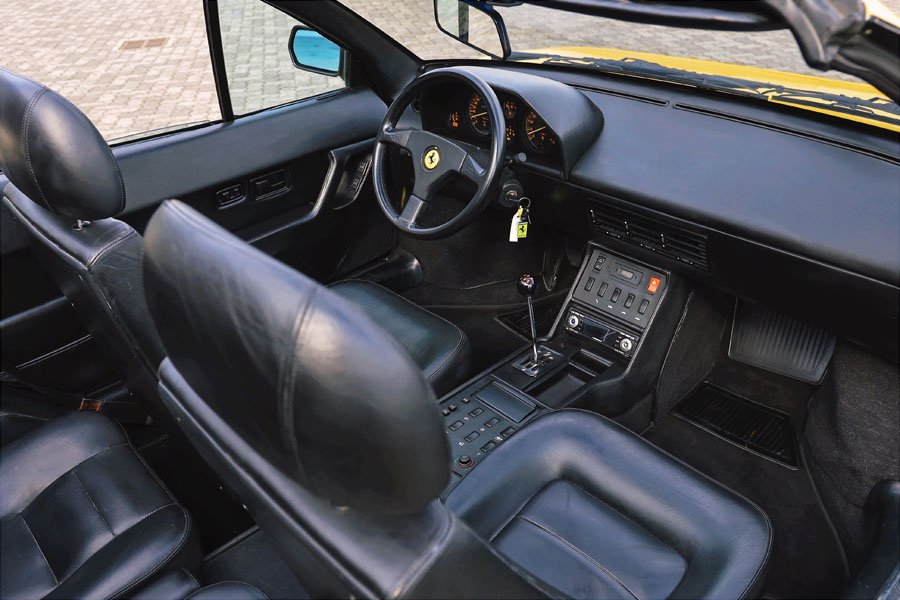
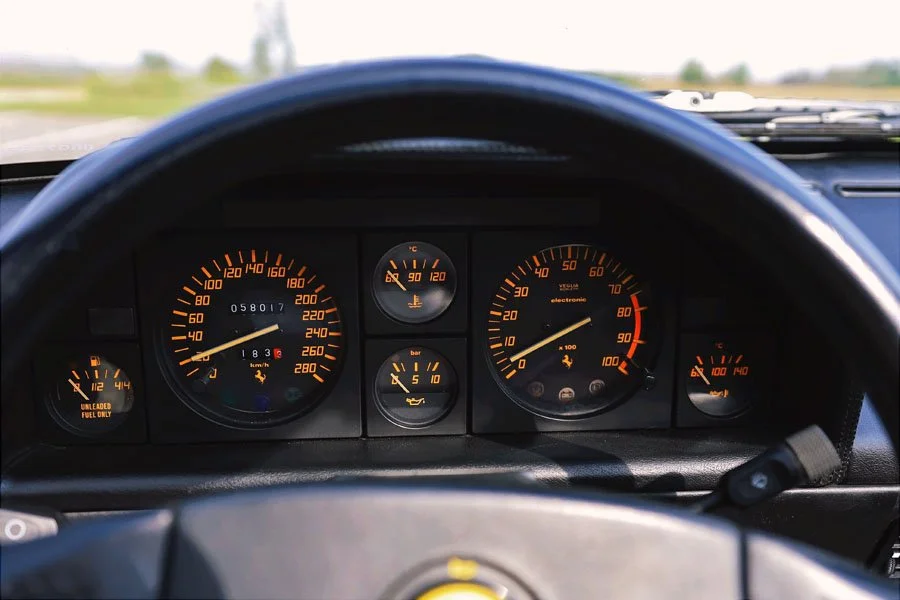
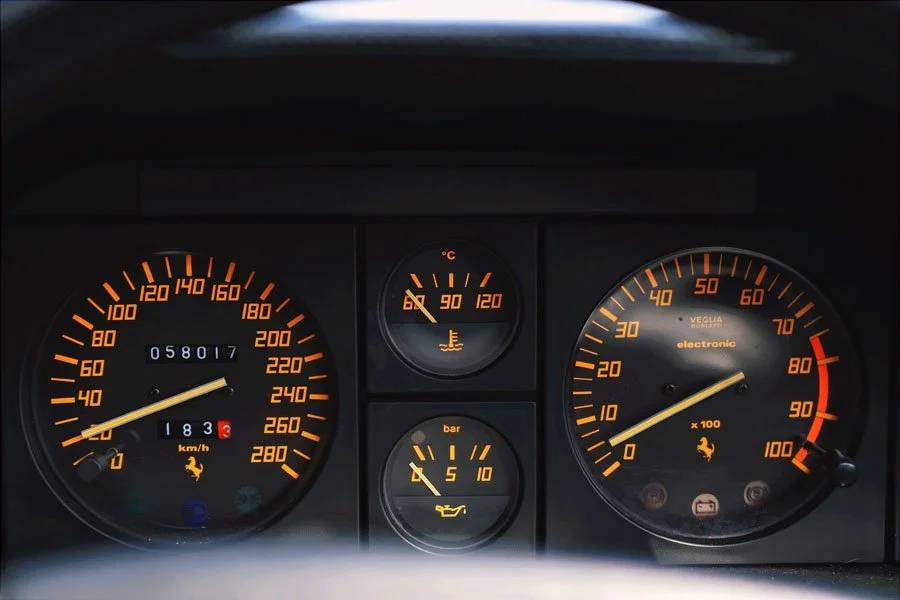
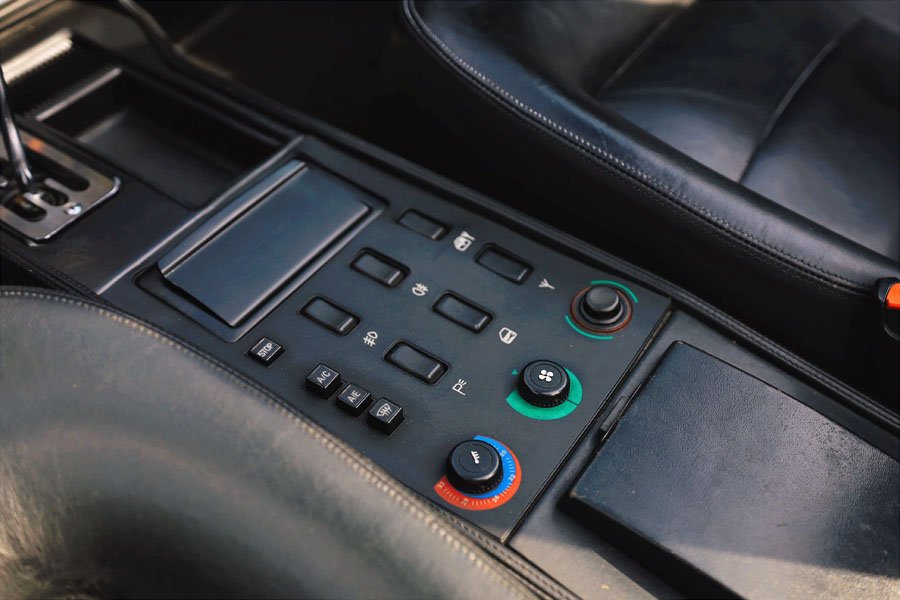
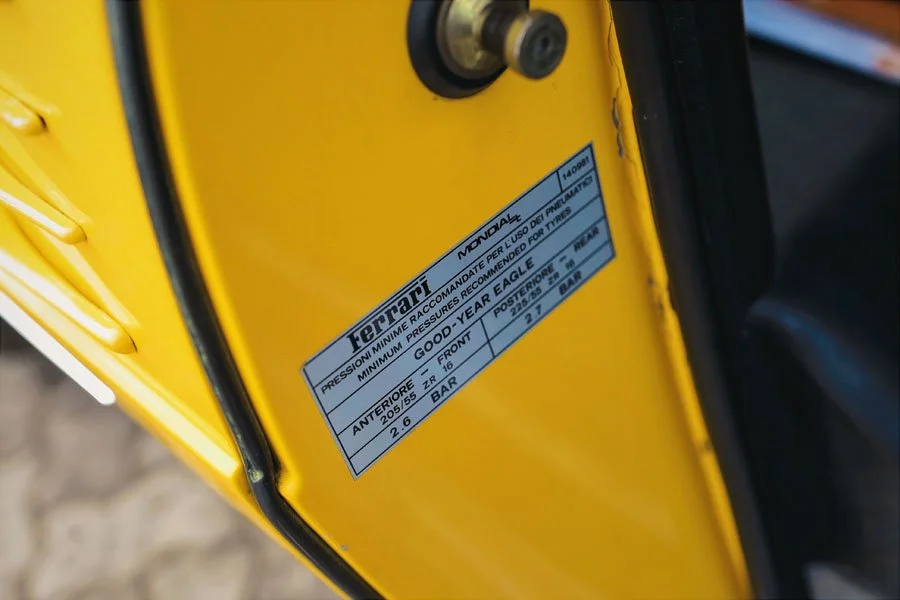
This unusually configured Mondial t heads to auction showing a little over 58,000km on the odometer. The most recent service was carried out by official Ferrari main agent, Maranello Service in Cremona, during September 2026 when the timing belts and fuel pumps were both replaced. Prior to that, the air-conditioning system was overhauled and new tyres fitted.
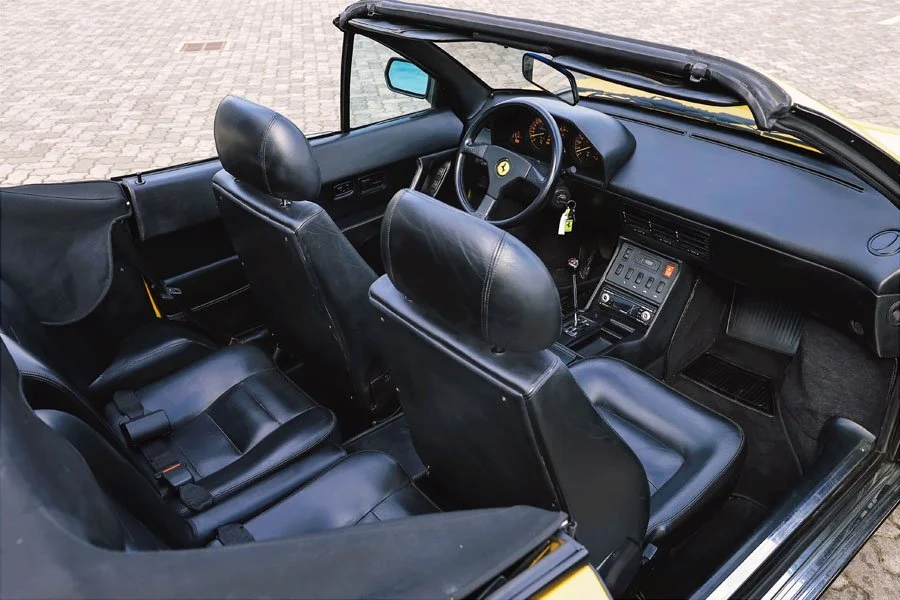
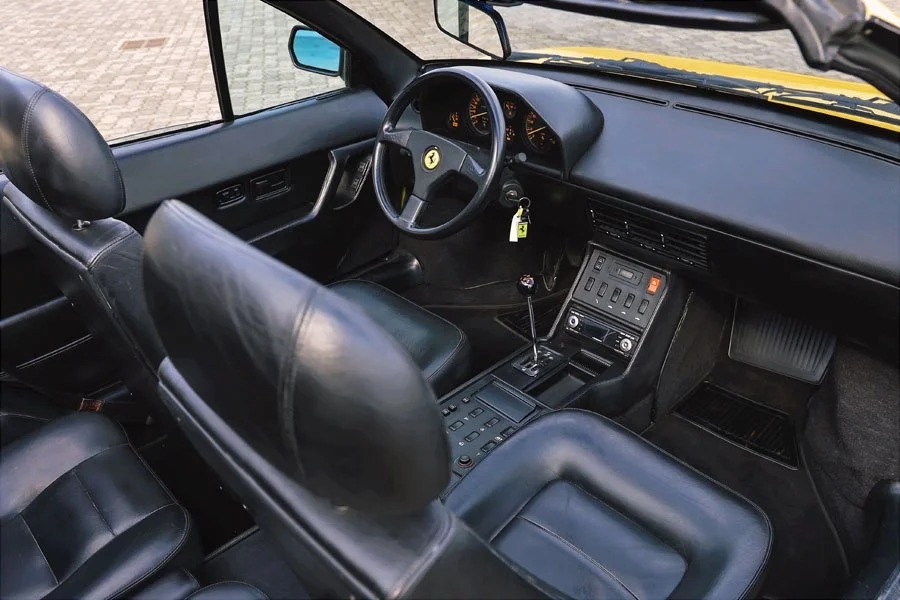
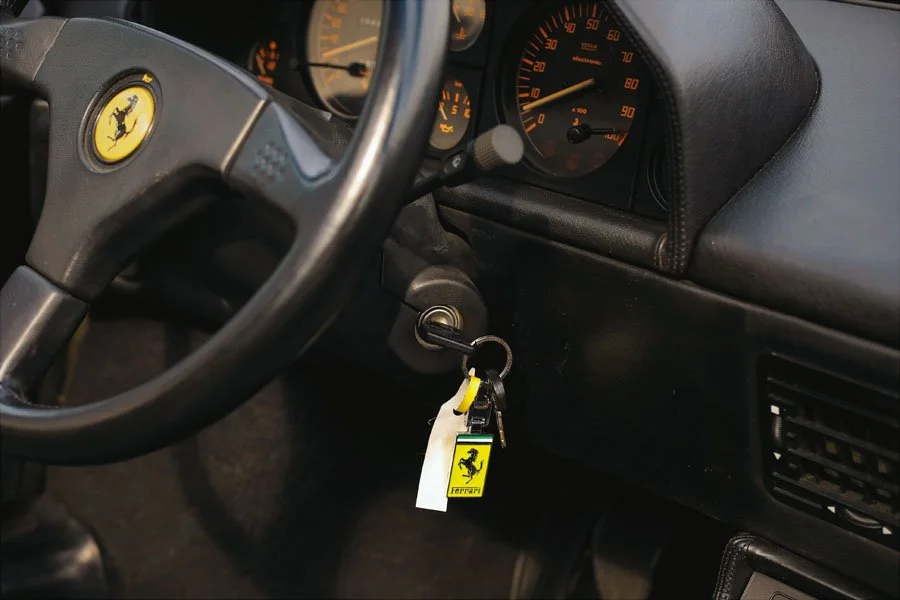
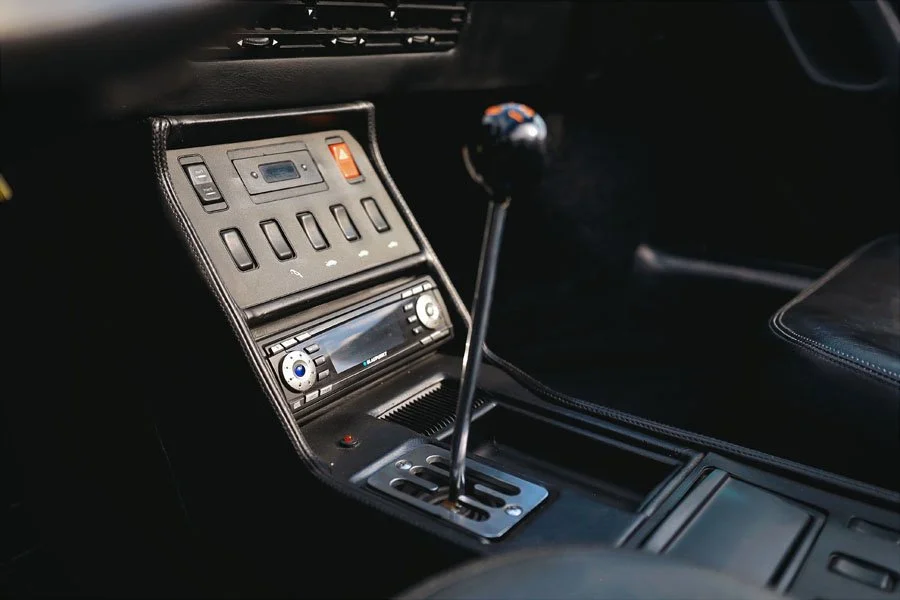
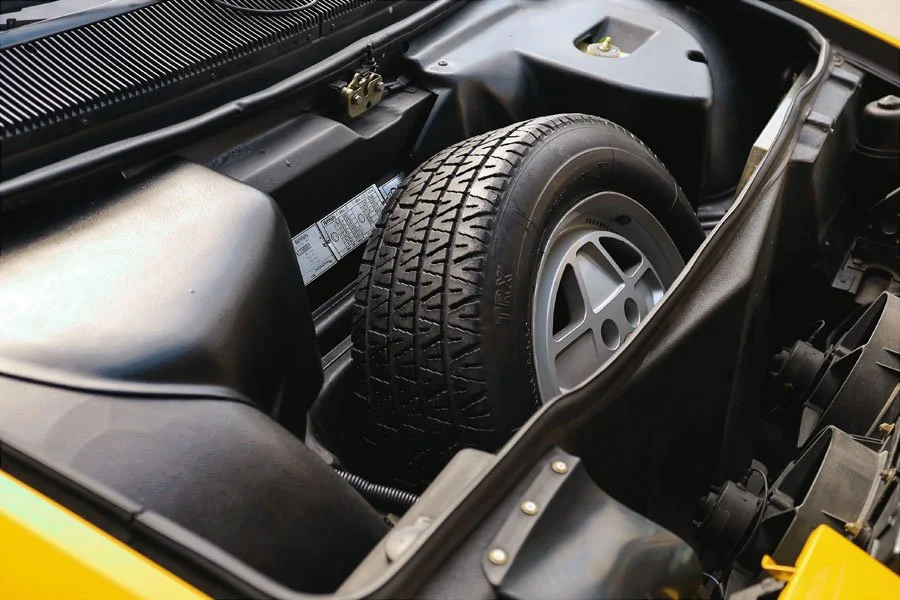
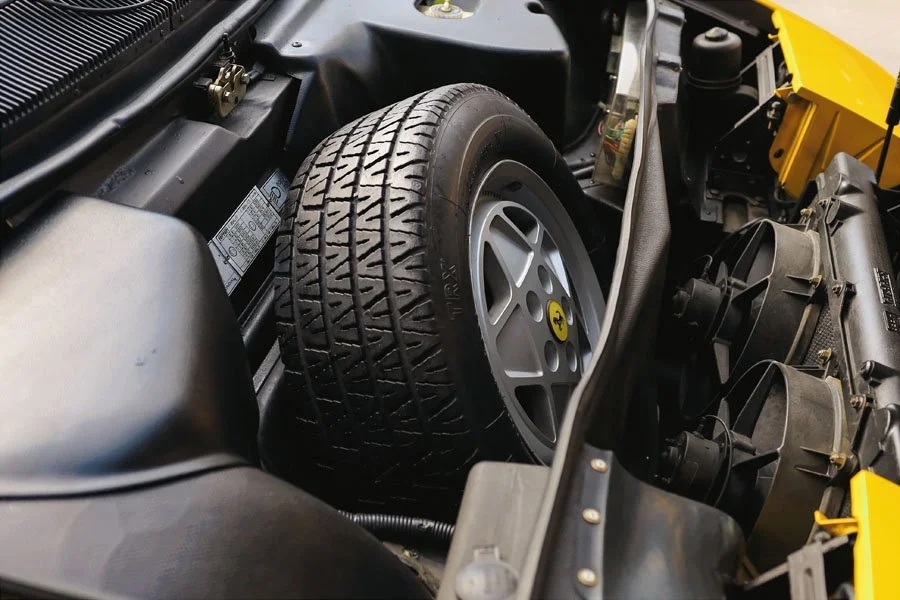
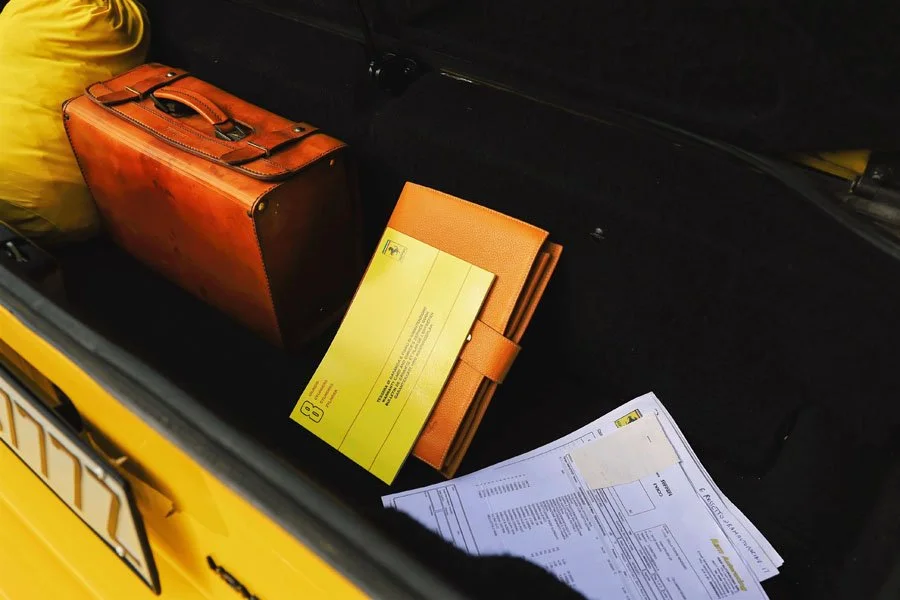
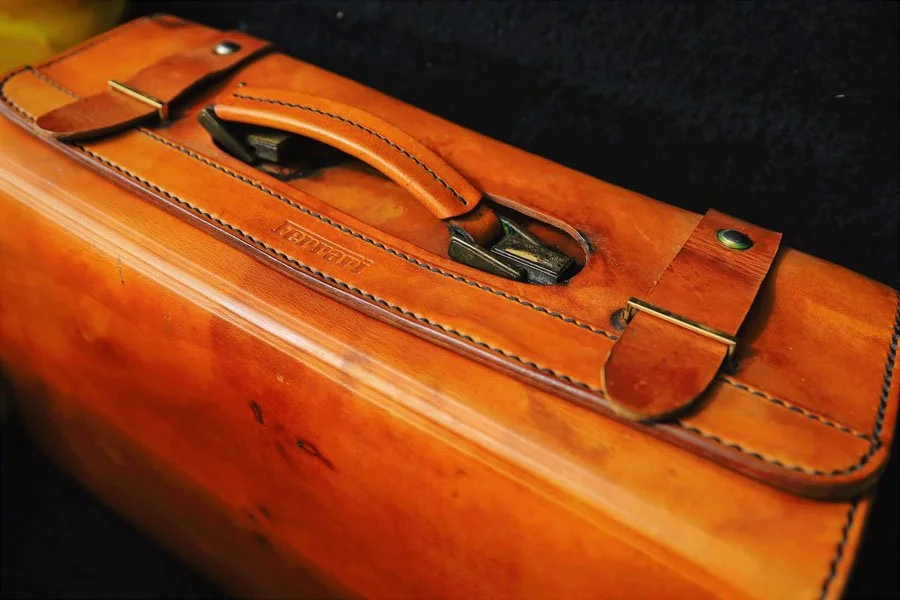
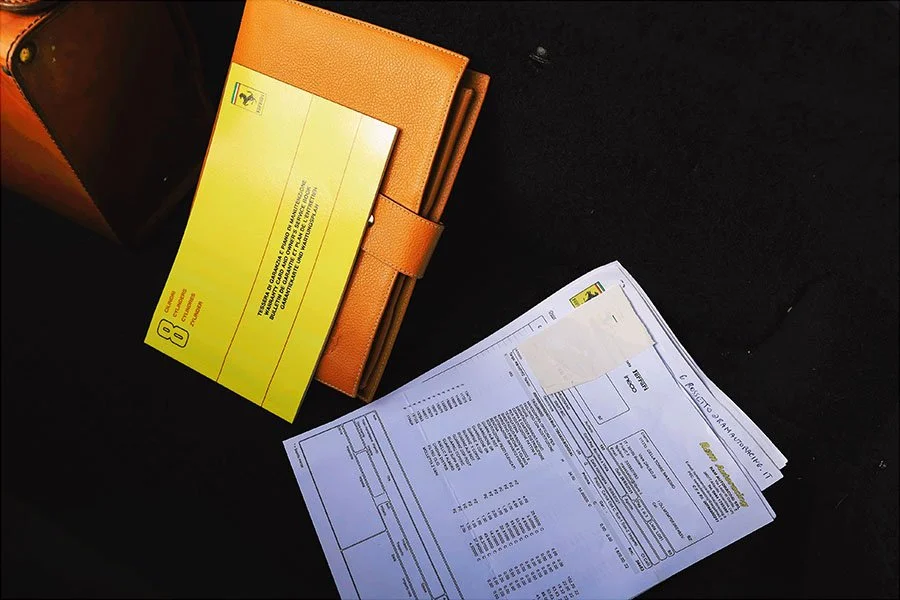
Offered in unrestored, accident-free condition, chassis ‘86078’ is accompanied by its original book pack, tool kit, Schedoni luggage, spare keys, a substantial history file and even the original Rome number plates.
For more information visit the Artcurtial website at: https://www.artcurial.com/en
As the fourth generation Mondial would be the last, and therefore a limited programme of updates could have been forgiven, Ferrari actually came up with the most extensive refresh yet for its long…
In addition to the Gioacchino Colombo-designed 60° V12 that powered Ferrari to considerable competition success, several other engines were commissioned during the company’s early days.
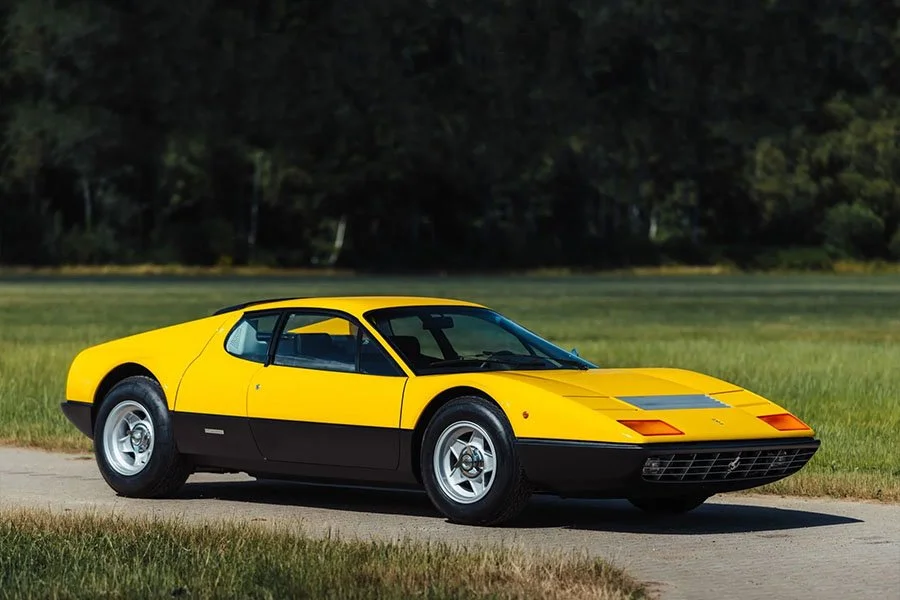
A Ferrari 365 GT4 BB rips through a forest road, with no dialogue or narration to get in the way. Just five liters of mid-engine flat-twelve and a canopy of trees.
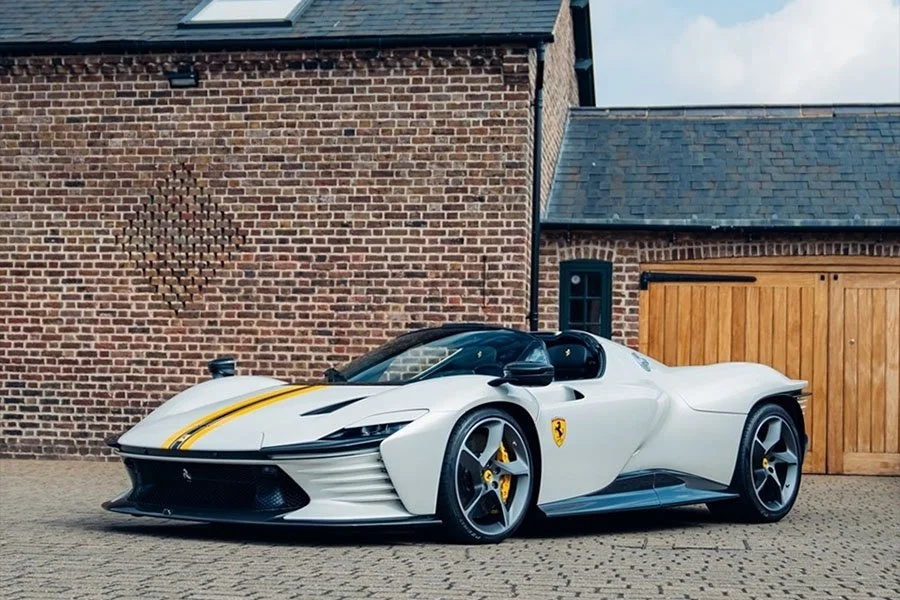
Although it unapolagetically incorporated an array of styling cues from Ferrari concepts of the distant past, the Daytona SP3 has quickly come to be regarded as a modern design classic. Built in a…
Completed in May 1971, chassis 14271 started life in “sand beige” (probably Nocciola Metallizato) with Nero upholstery. It was delivered to Ferrari’s US distributor, Luigi Chinetti, at the 1971 Le Mans…
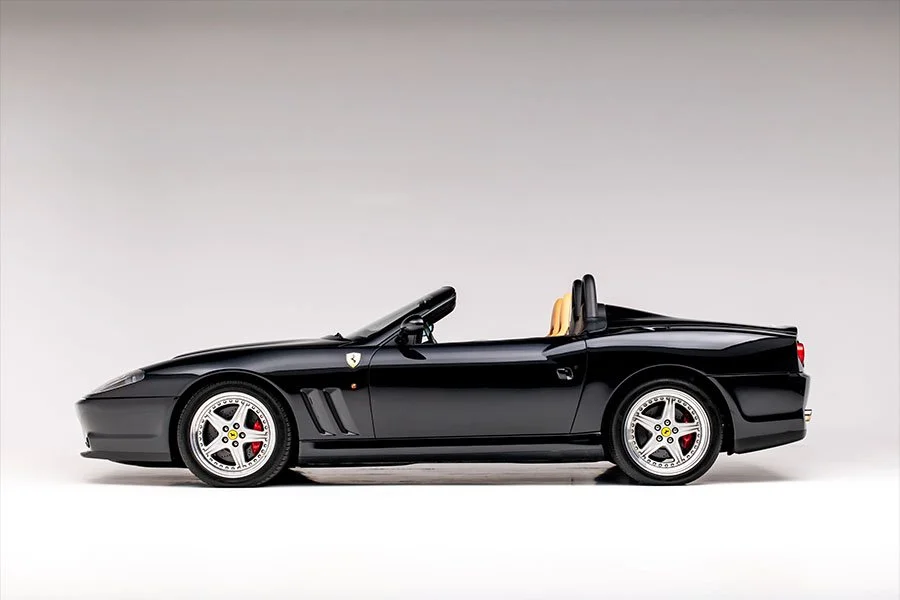
Nearly 20 years after the company had last offered a front V12-engined open two-seater, Ferrari released a spectacular limited edition special based on the critically acclaimed 550 Maranello.
Famously, Enzo Ferrari had been a reluctant adoptee of the mid-engined layout, initially believing “the horse should pull the cart, not push it”. However, after a brace of promising outings with…
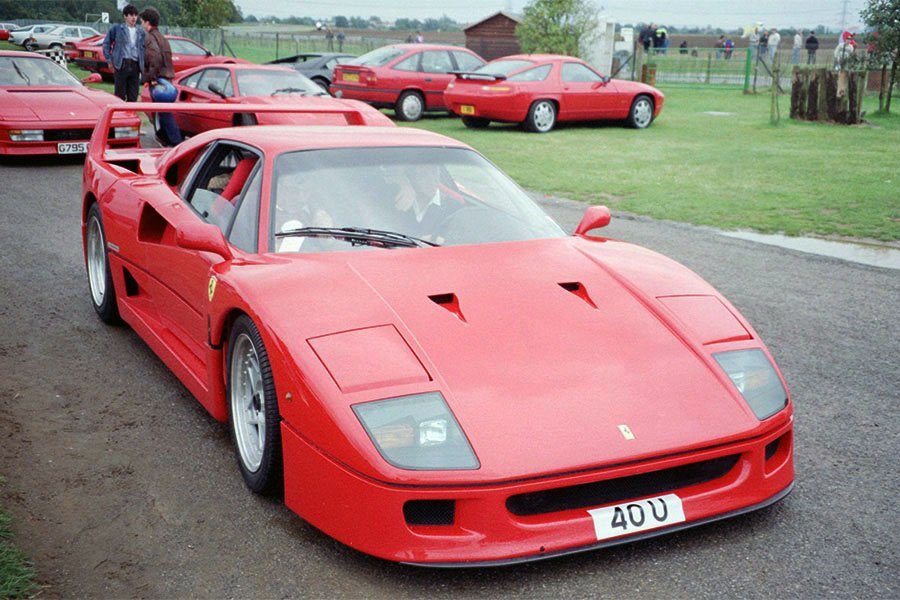
Among the initial batch of F40s supplied to UK customers was chassis 83330 destined for Graypaul Motors in Loughborough. The lucky recipient was Iain Menzies of Holland Park, London, who had…
In terms of his road car division, one of Enzo Ferrari’s best decisions was made over the winter of 1952-1953 when il Commendatore signed an ongoing cooperation agreement with what was then…
Ferrari launched what came to be the ultimate iteration of the 360 Modena at the Bologna Motor Show in December 2003. Dubbed 360 GTC, this latest contender for the junior class of GT racing…
At the peak of the Brunei Royals’ mind-bending car splurge during the mid 1990s, a batch of 288 GTOs was sent to Pininfarina for customisation. Here, some were re-painted out-of-range colours…
Inspired by Zagato-bodied iterations of the Ferrari 250 GT Competizione, Japanese collector, Yoshiyuki Hayashi, commissioned a coachbuilt mid 2000s revamp based on the 575M. Zagato’s…
During the late 1950s, arguably the most beautiful two-saeat Roadster offered by any manufacturer was the Pinin Farina-styled first generation Ferrari 250 GT Cabriolet. Underneath rakish lines…
Despite a long-standing relationship with Pininfarina, Ferrari commissioned Carrozzeria Bertone to design and manufacture bodywork for its first V8-engined road car. Unveiled at the Turin Motor Show…
After the 288 GTO and F40 had used twin turbocharged V8s that propelled them to hitherto unseen levels of performance, Ferrari took a different approach for its third generation limited production…
To replace the 2.6-litre 212 Export which had served privateers so well throughout the 1951 season, Ferrari introduced the 2.7-litre 225 Sport for 1952. In total, 21 examples of the 225 Sport were…
Although the onshore Seria field was discovered in 1929, it wasn’t until the 1960s that Brunei became a major player in oil and gas thanks to advances in offshore exploration. Following the opening of the…
Chassis 4219 GT was the third 250 GTO campaigned by US Ferrari distributor Luigi Chinetti’s North American Racing Team (NART). This latest machine followed chassis 3387 GT (which ran at the 1962…
Chassis 002 C was the third car built by Ferrari. It started life as a 159 Sport and followed the brace of 125 Sports numbered chassis 01 C and 02 C. The first car to be fitted with the new type 159…
Despite having utilised a mishmash of styling features from other Ferrari models, the Pininfarina-designed 330 GTC ranks among the prettiest Italian sports cars from a golden age of automotive…
Ever since Ferrari’s debut season as a manufacturer back in 1947, the Italian firm had largely dominated the scene for purpose-built Sports and Prototype racing cars. There had of course been…
The 1967 World Sportscar Championship was anticipated to be one of the most competitive on record with new Group 6 Prototypes in the pipeline from Ferrari, Ford, Chaparral and Lola. The Group…
As a consequence of combining already well-proven design and mechanical features, Ferrari only felt compelled to create a single 330 GTC prototype and that car, chassis 6431, is currently on the…
Two-and-a-half years after the F430’s debut, Ferrari unveiled a super hardcore high performance version conceived to take the platform to its absolute limit. 100kg lighter and 20bhp more powerful…
Chassis 87455 was a UK market F40 supplied through Ferrari’s British distributor, Maranello Concessionnaires, in Egham, Surrey. Registered H380 JPA during December 1990, the F40’s first…
Chassis 41263 was the penultimate 512 BB LM completed and one of five units to emerge during 1982. Built to the ultimate specification for one of these cars, it featured all the latest updates to…
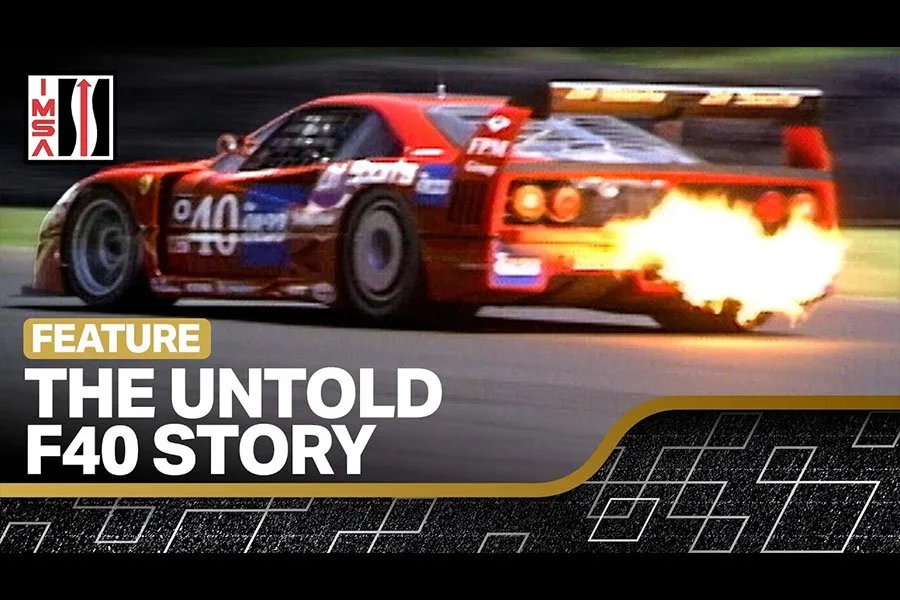
This period feature tells the story of how the Art Sports Ferrari F40 LM came to be. Run by Ferrari France and Charles Pozzi between 1989–1990, the F40 LM in 10 IMSA races claimed five podium finishes and three runner-up results before the high costs ended the program.
Before the 288 GTO emerged as Ferrari’s bona fide Group B homologation special, executives at Maranello commissioned a small series of prototypes for initial evaluation. However, rather than…
The fifth instalment from Ferrari’s occasional line of mid-engined limited run flagships was the LaFerrari which broke cover at the Geneva Motor Show in March 2013. Most notably, the LaFerrari…
Going under the hammer at the RM Sotheby’s auction in Monaco on April 25th is this remarkable example of Ferrari’s first generation Berlinetta Boxer: 365 GT4 BB chassis 17785. Completed on…