One to Buy: 1 of 10 in Formula Red 2002 Honda NSX 3.2 Type R
/ Ben Tyer
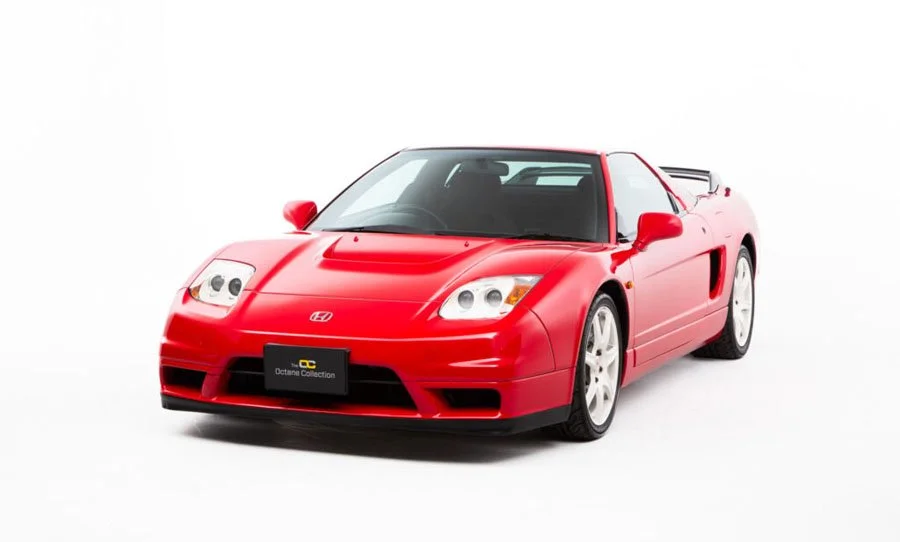
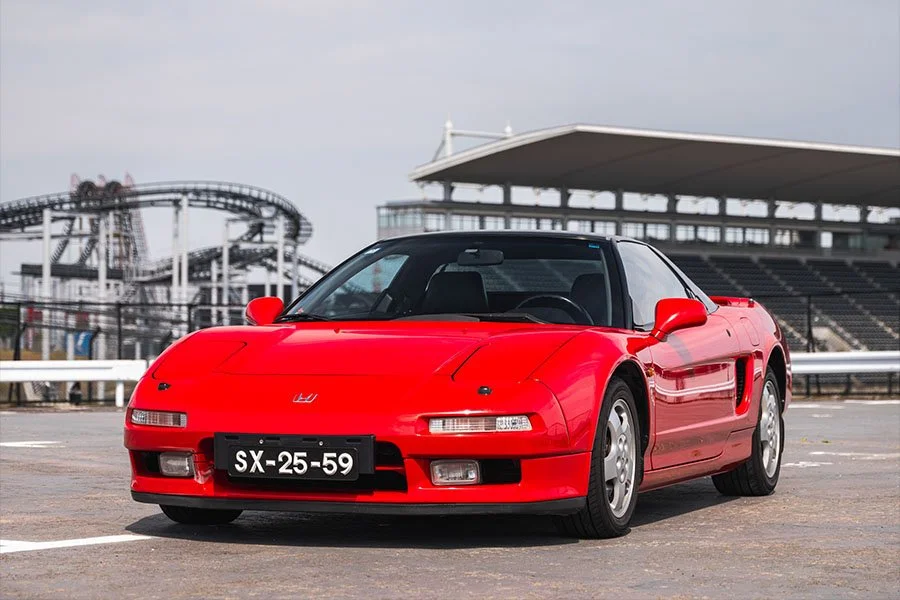
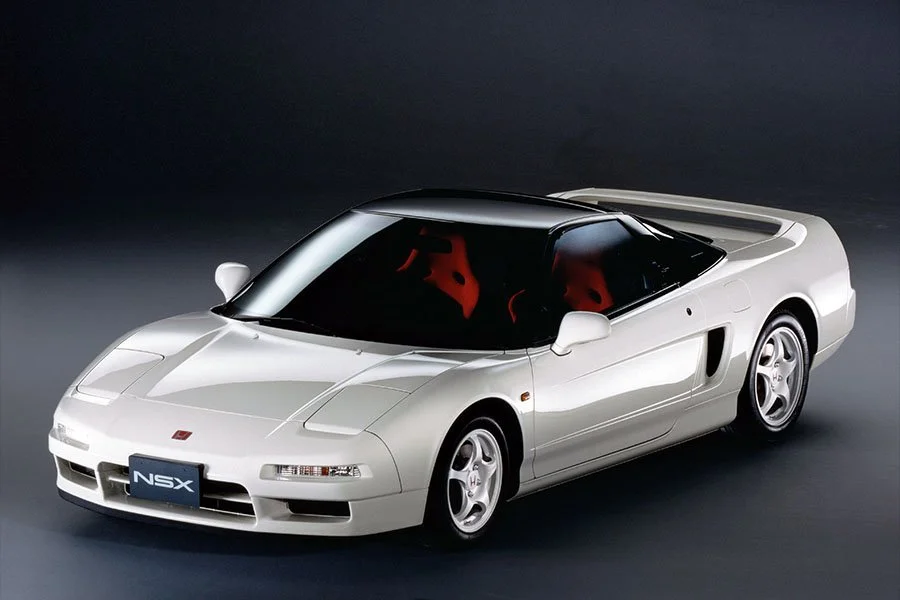
As a consequence of its pioneering extruded aluminium chassis and near perfect engineering balance, the Honda NSX was still considered an industry benchmark more than a decade after its launch.
Inevitably though, sales began to slow dramatically during the NSX’s last few years and the face-lifted derivatives produced from 2002 to 2005 are especially scarce.
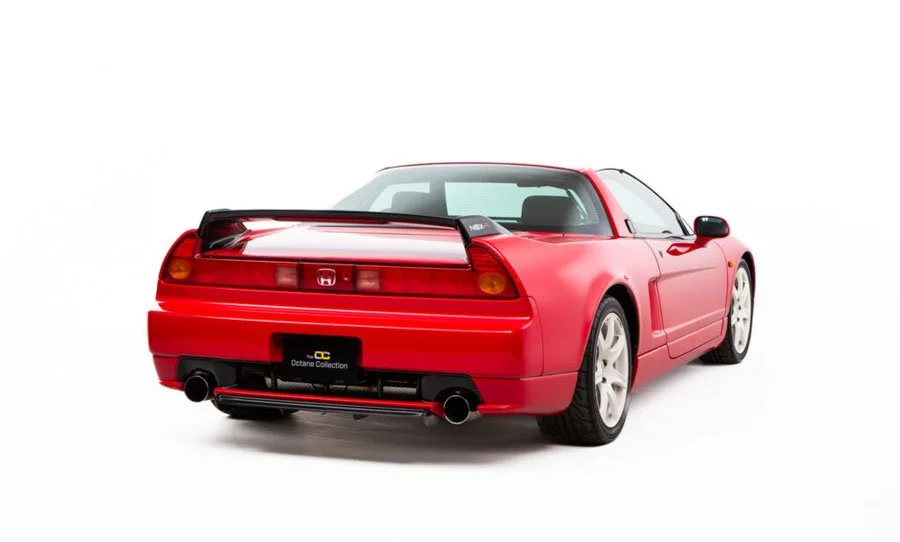
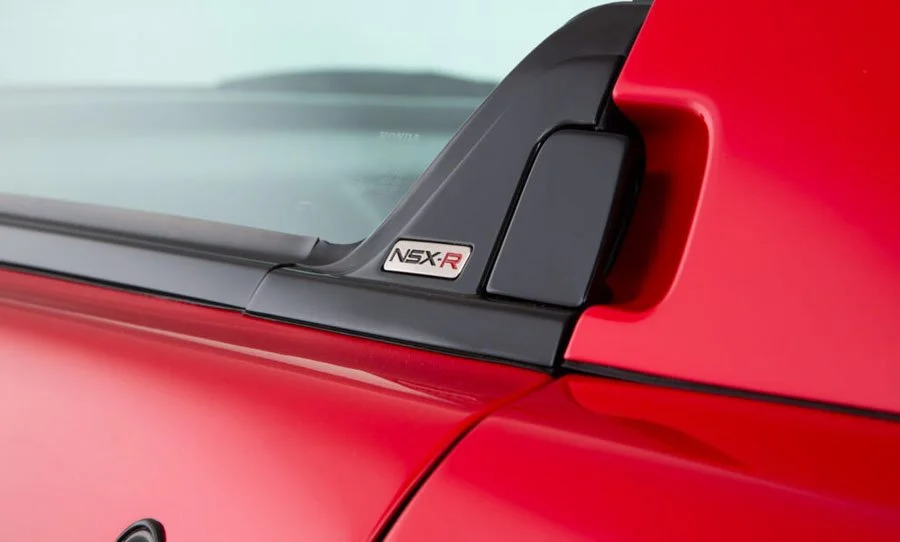
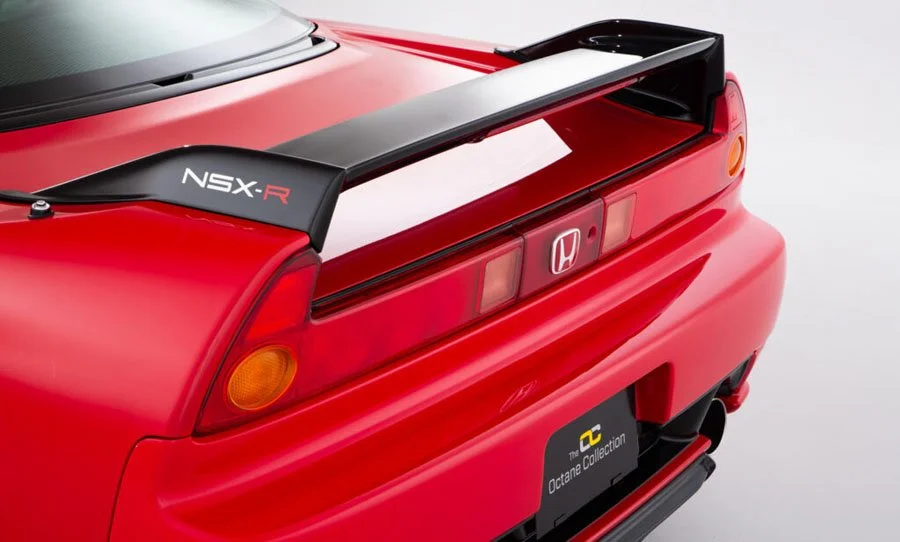
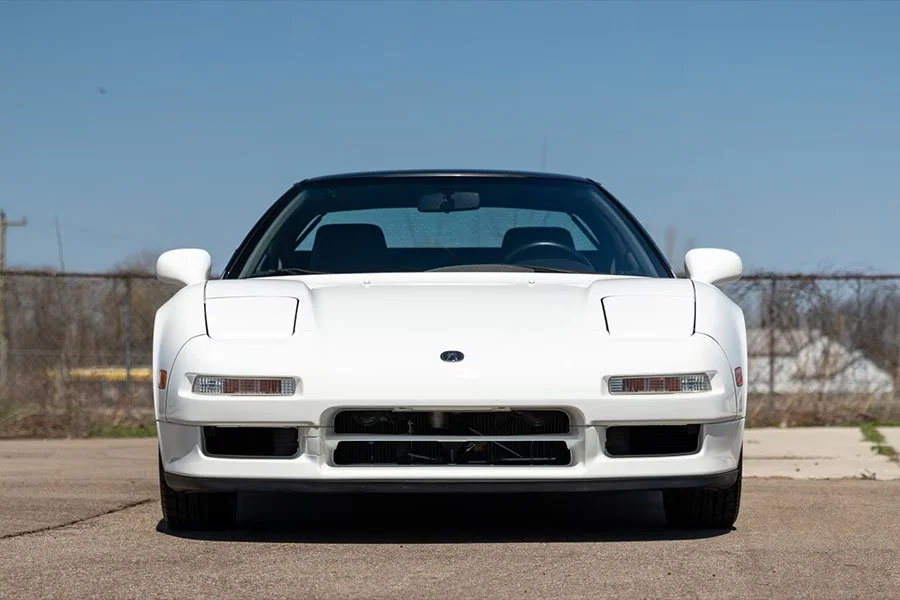
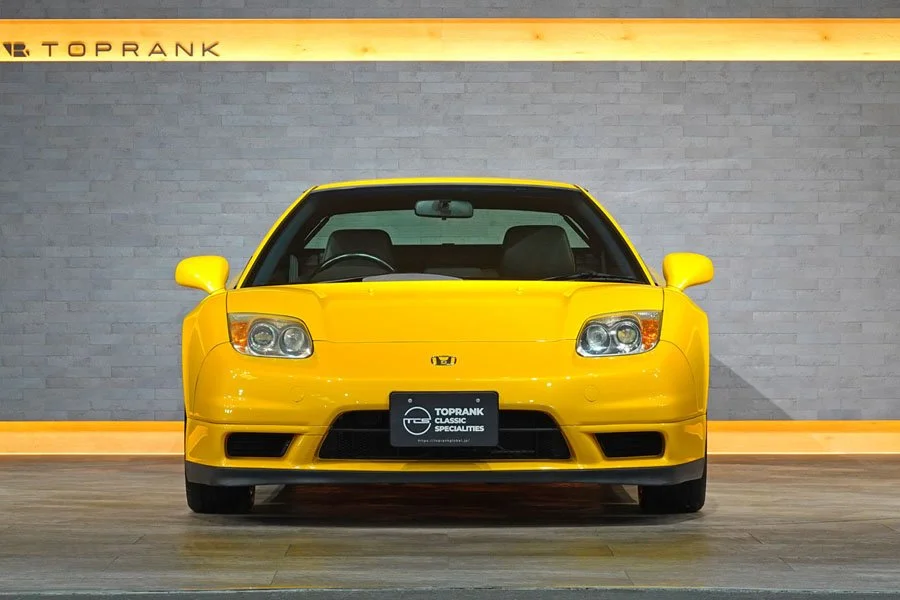
In terms of the face-lifted NSX Type R, a tuned driver focused lightweight special edition in Honda’s typical Type R mould, just 140 were completed. For comparison, this was less than a third of the 483 first generation NSX Type Rs that had been sold between 1992 and ‘95.
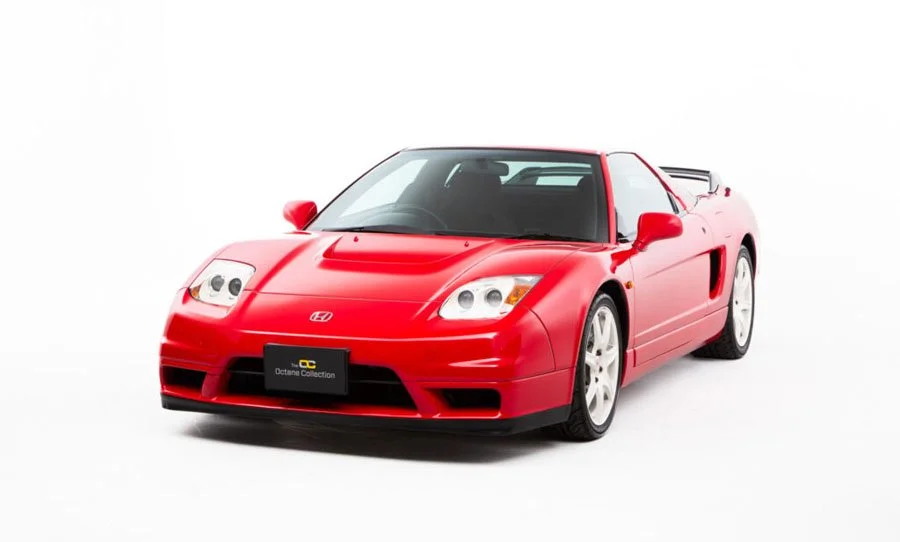
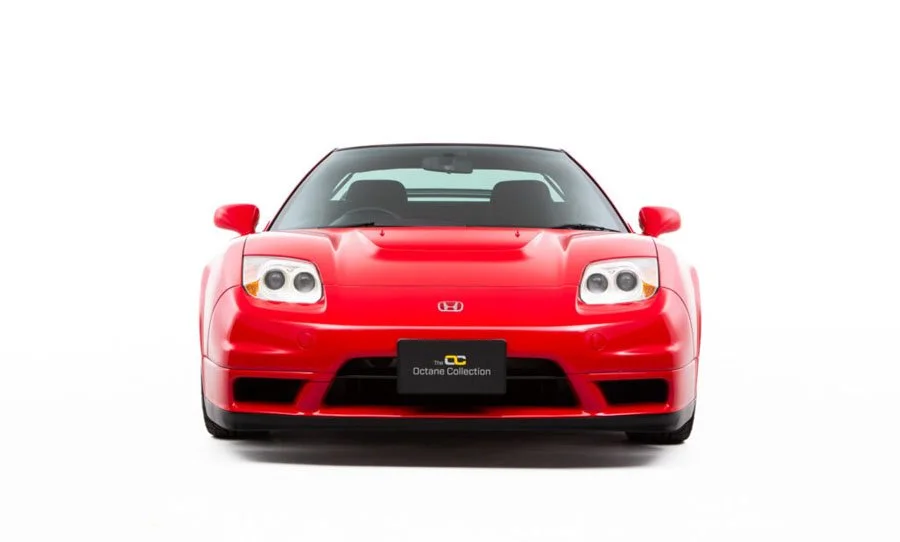
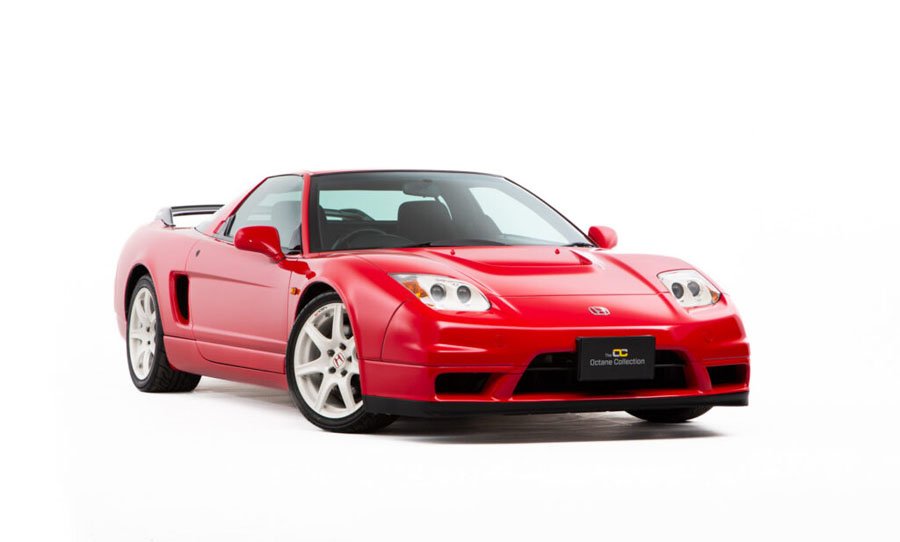
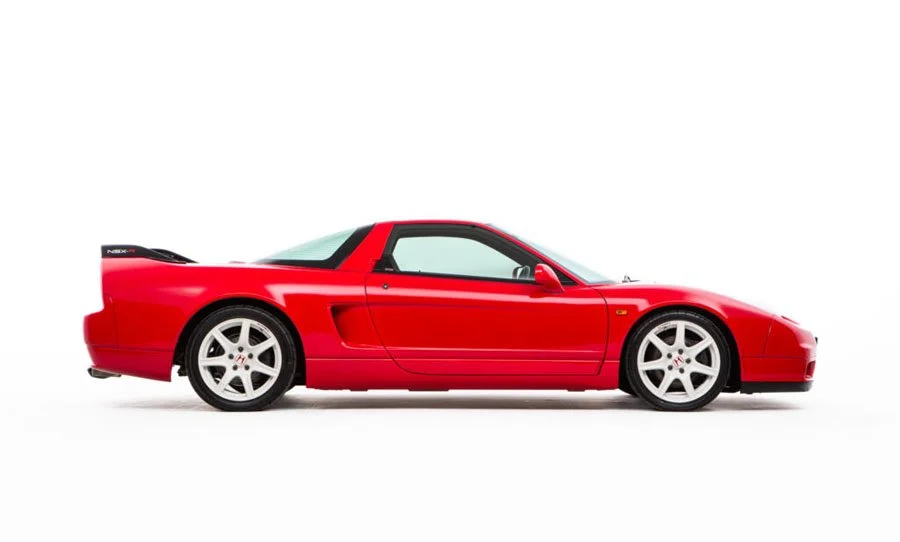
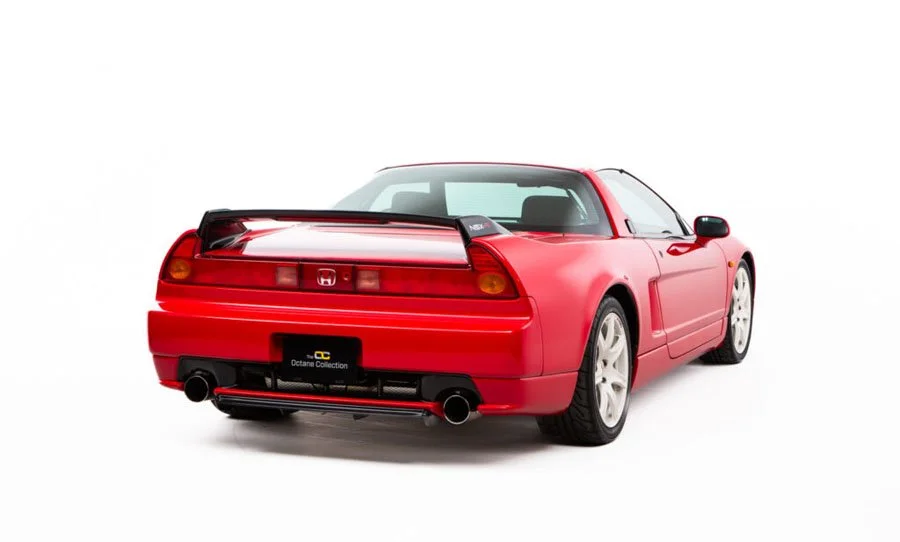
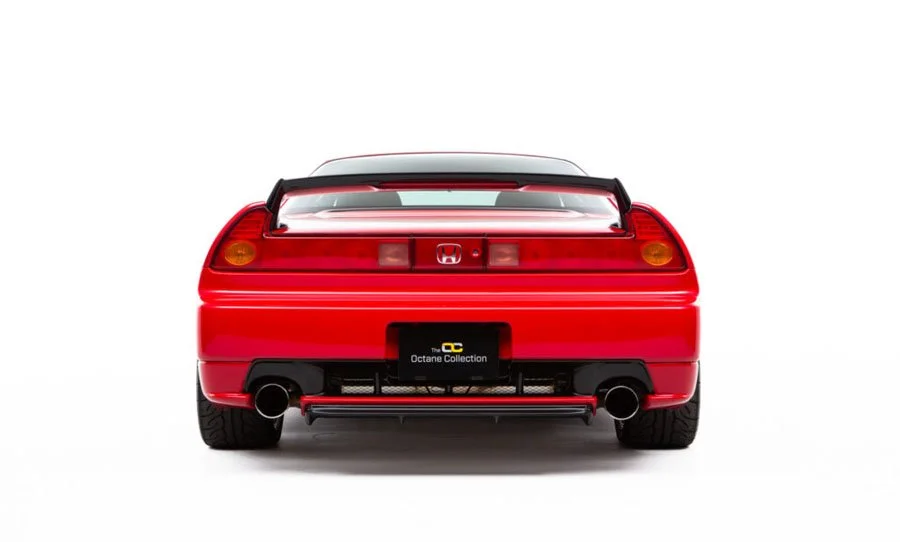
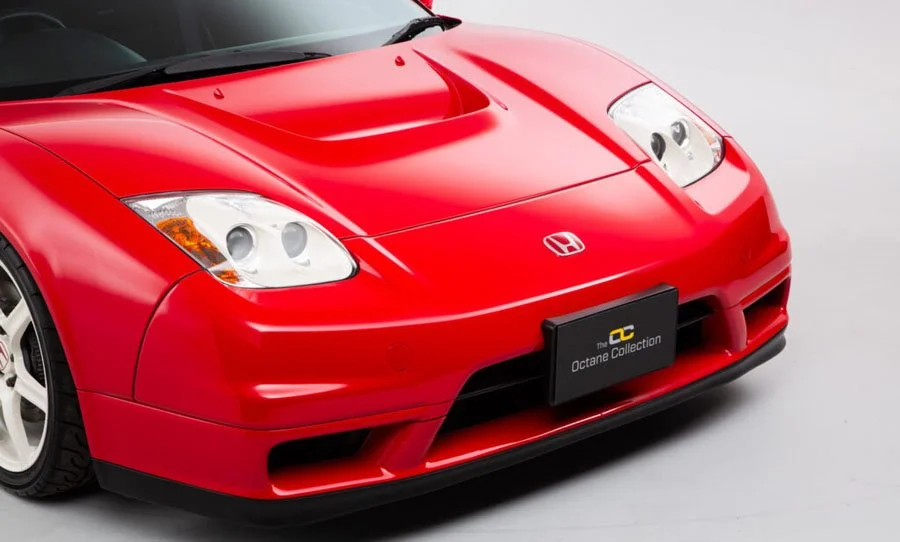
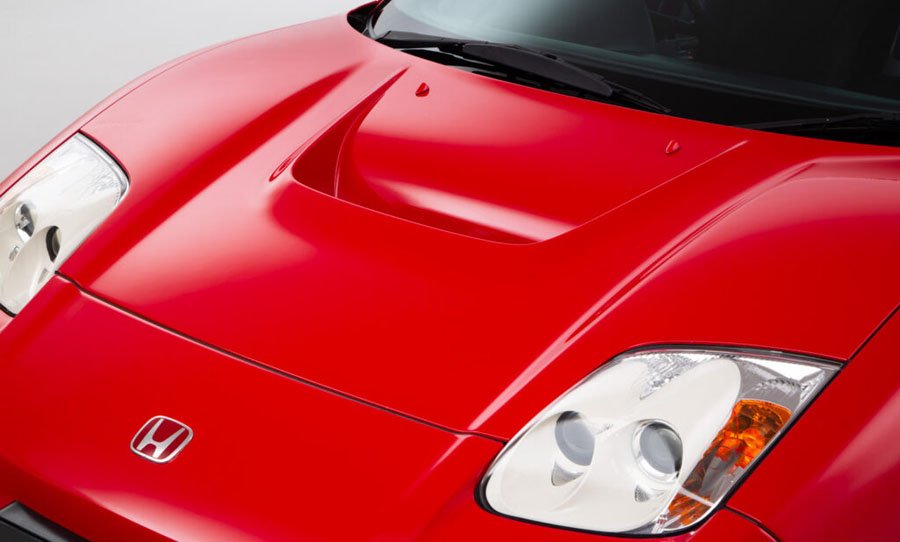
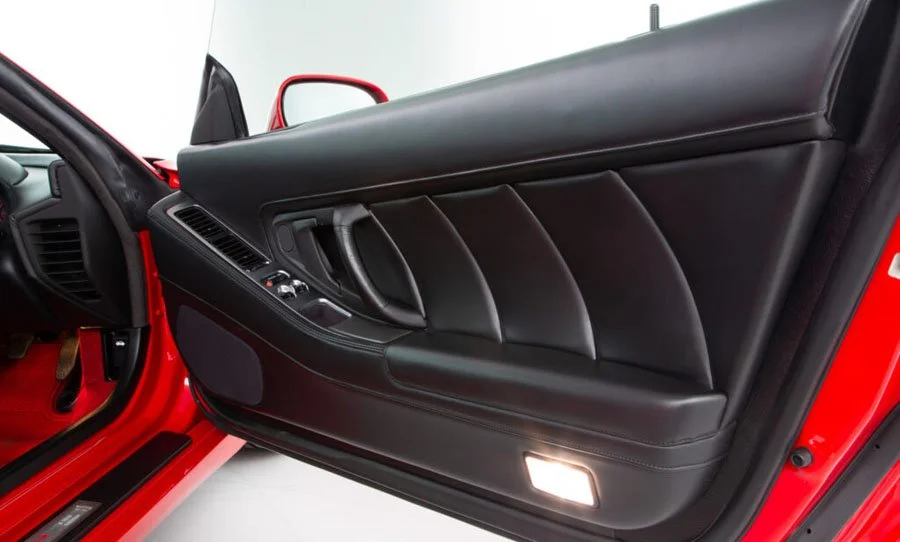
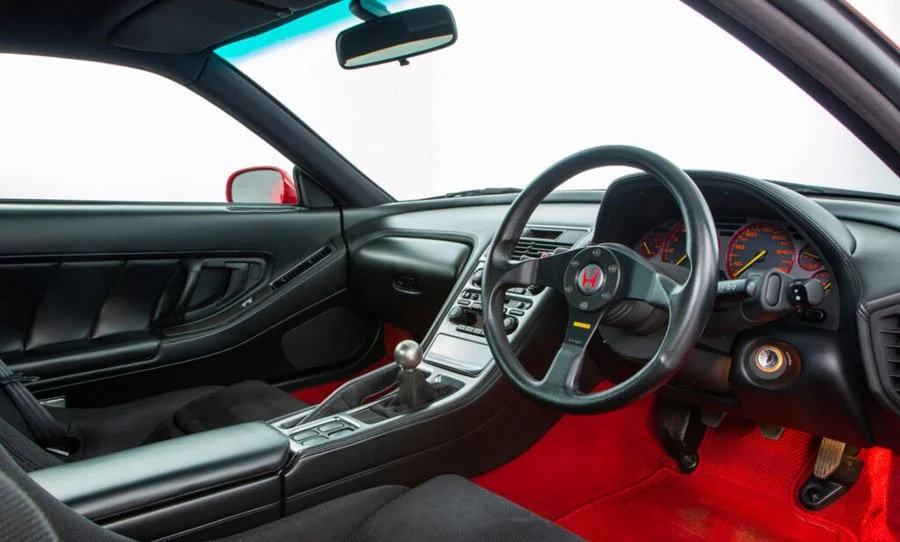
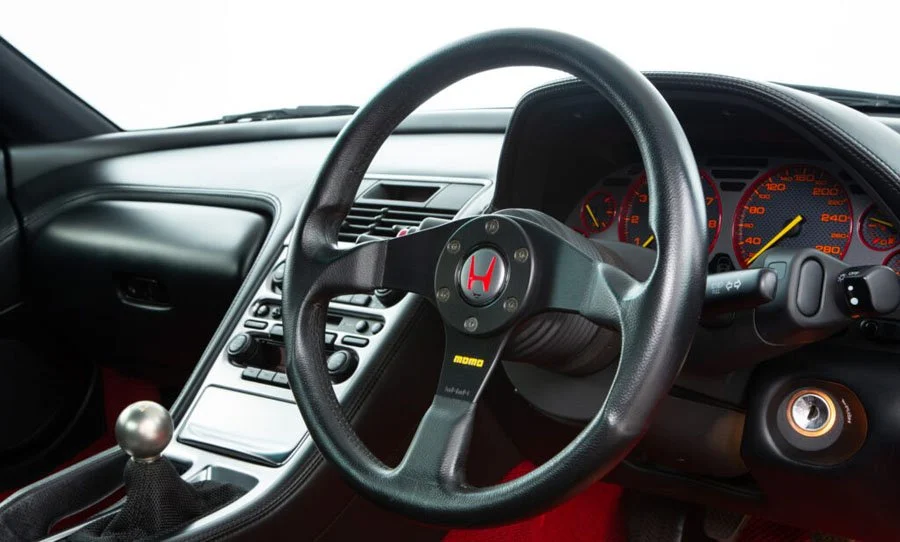
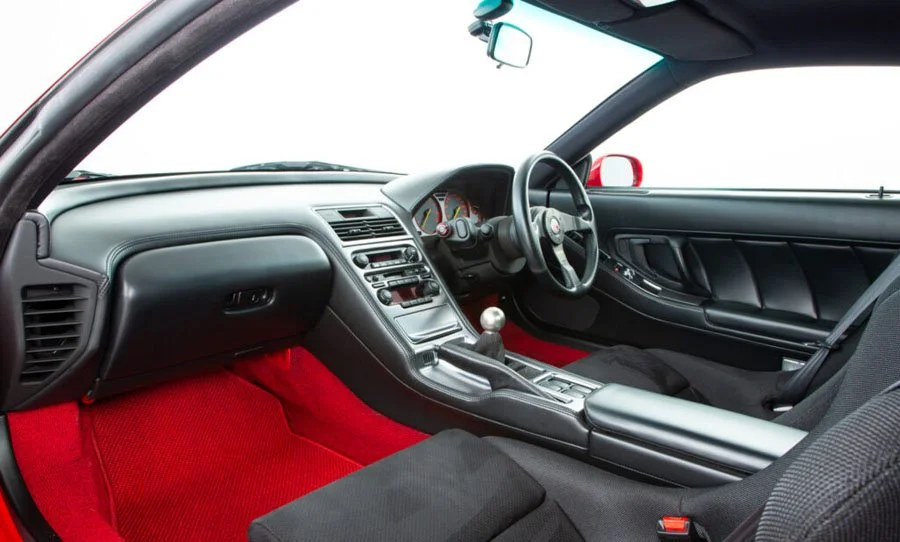
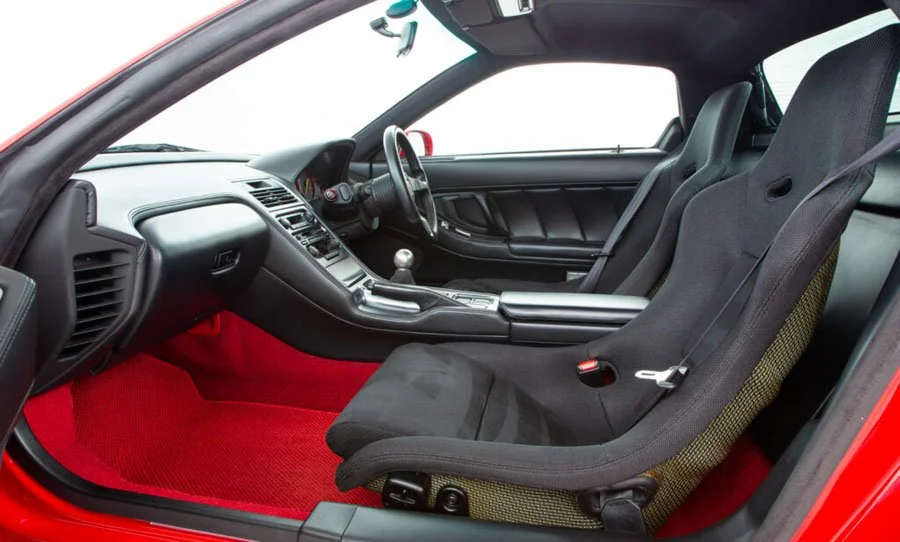
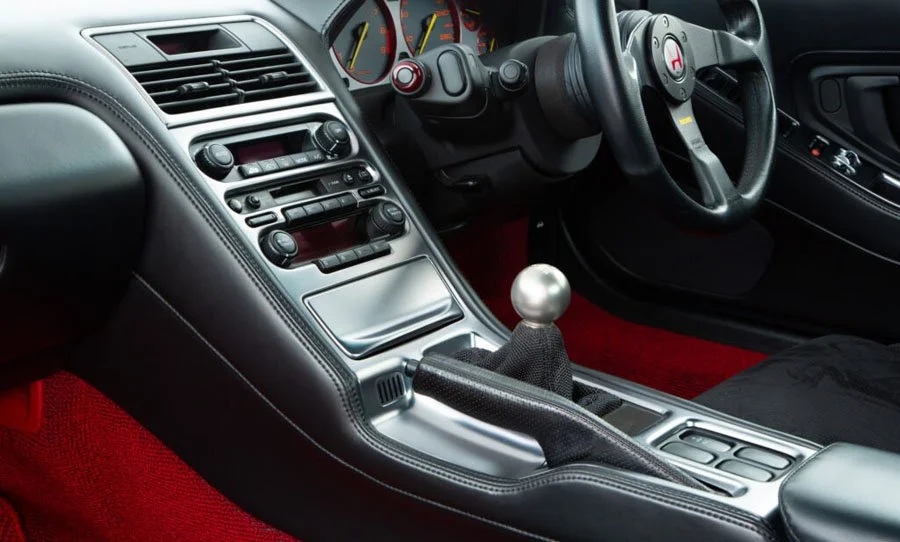
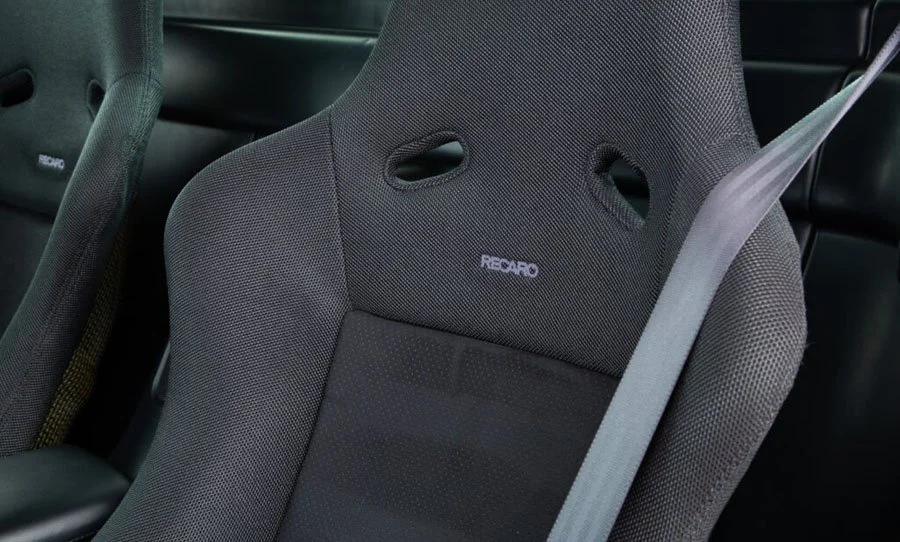
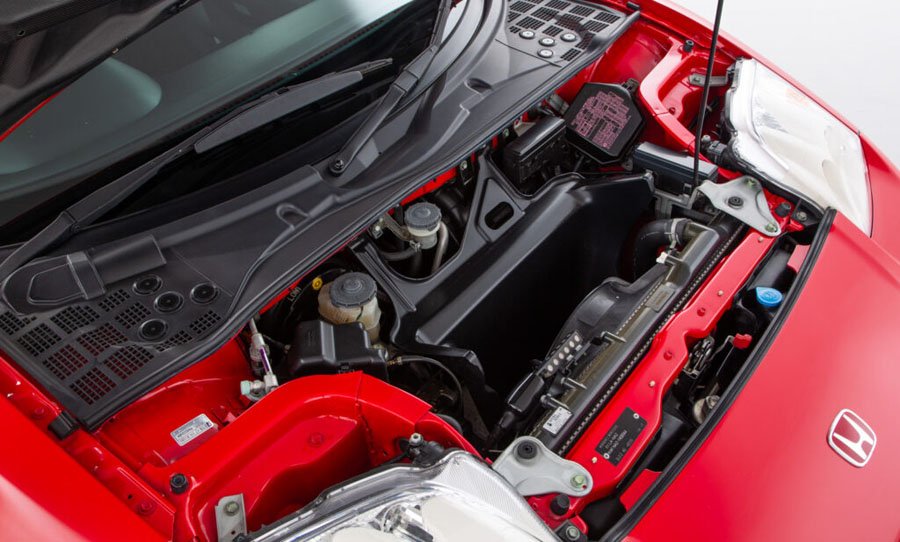
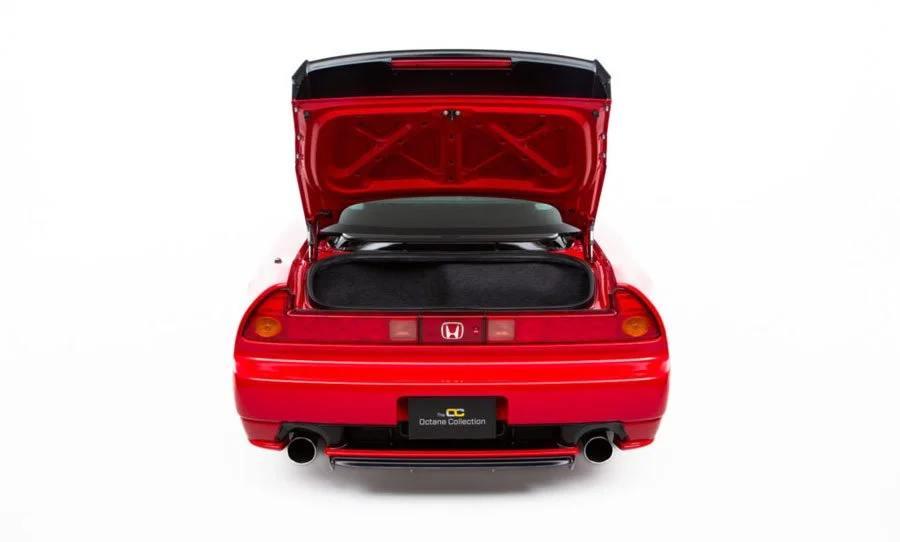
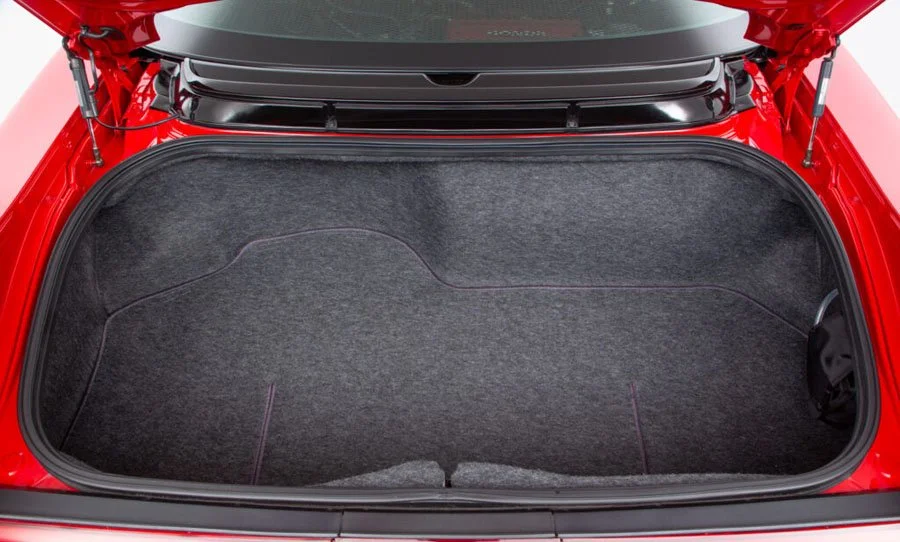
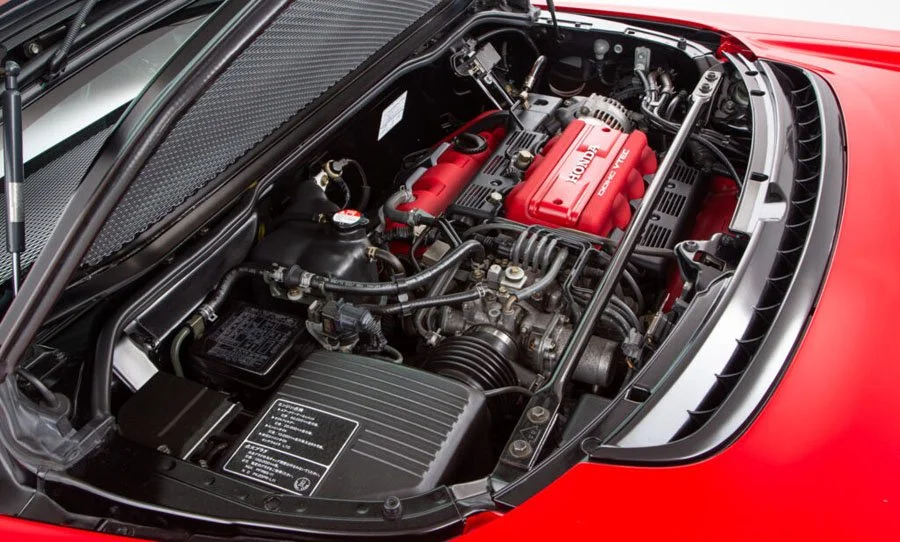
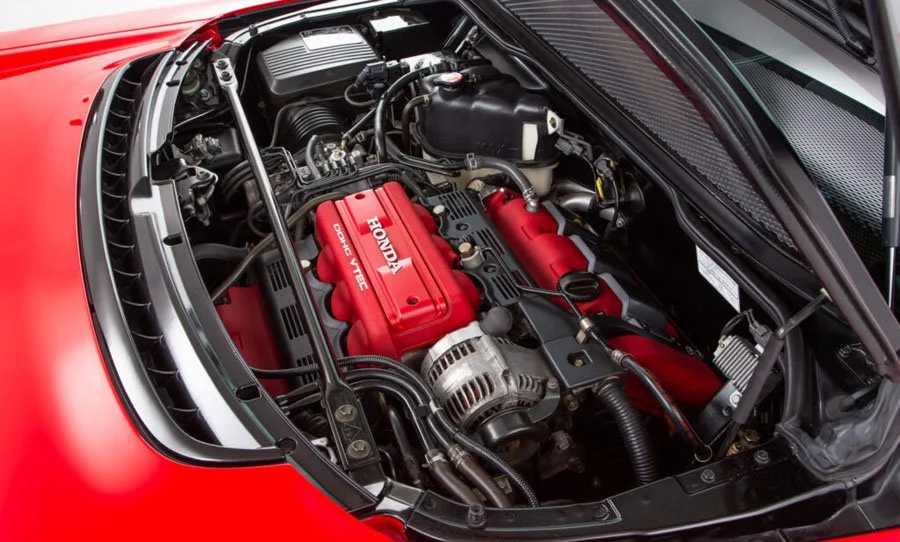
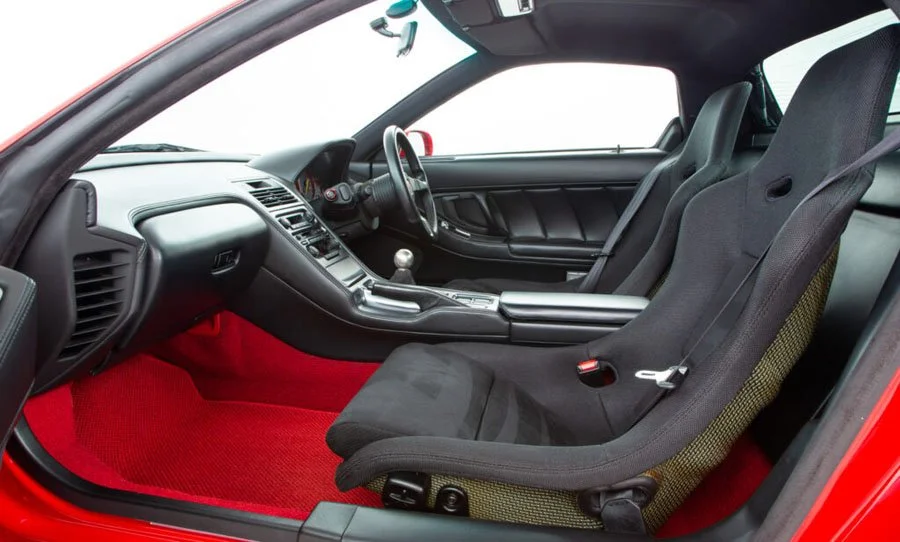
Currently on offer at The Octane Showroom in Horsham, East Sussex, is a particularly interesting and seemingly well-sorted second generation NSX Type R in a rarely seen colour: Formula Red.
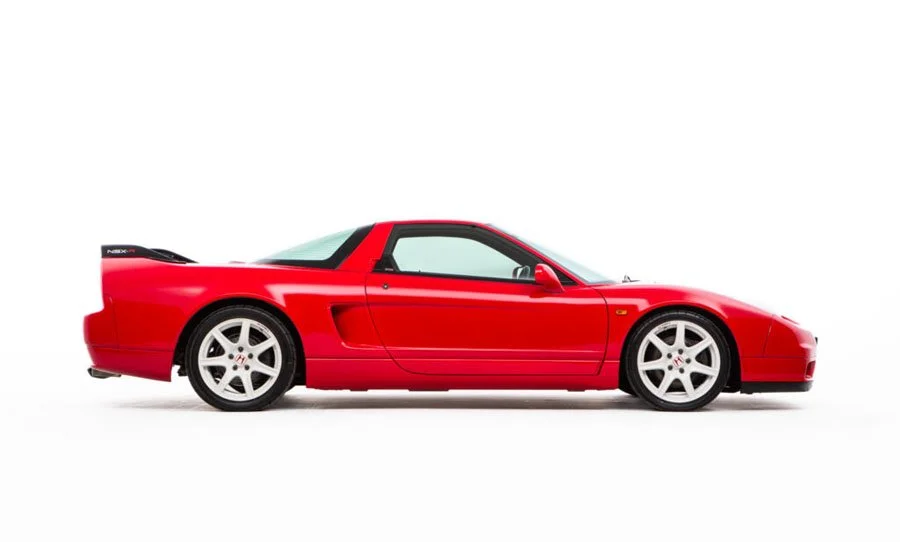
One of just ten such cars, R number 1046 was imported to the UK in 2016, since which time its has resided with one collector who has covered 12,000 miles.
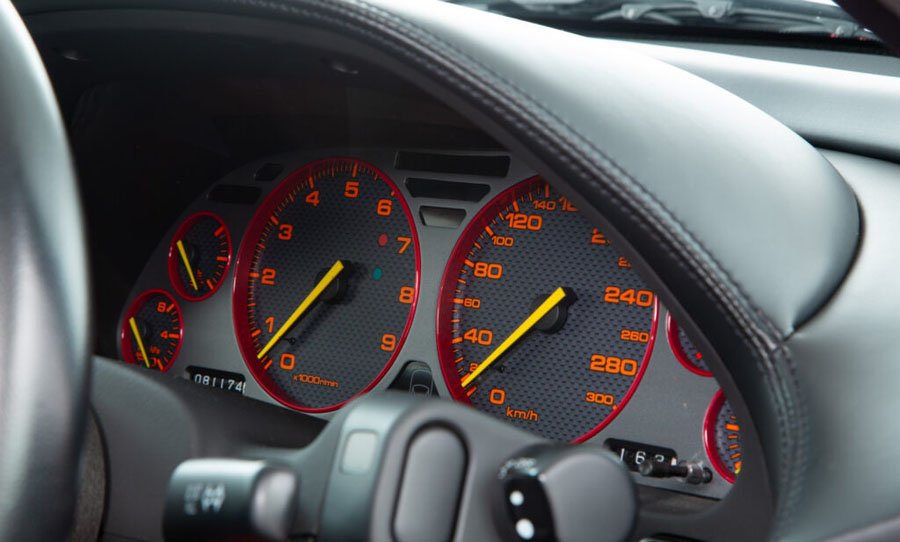
The odometer currently shows a little over 50,000 miles and importantly the car comes with all its original factory literature and service history from new.
For more information visit The Octane Collection website at: https://www.theoctanecollection.com/
The sixth generation Honda Accord was built as three distinct models: one for Japan, one for the Americas, Australia, New Zealand and Southeast Asia and one for Europe. While production of…
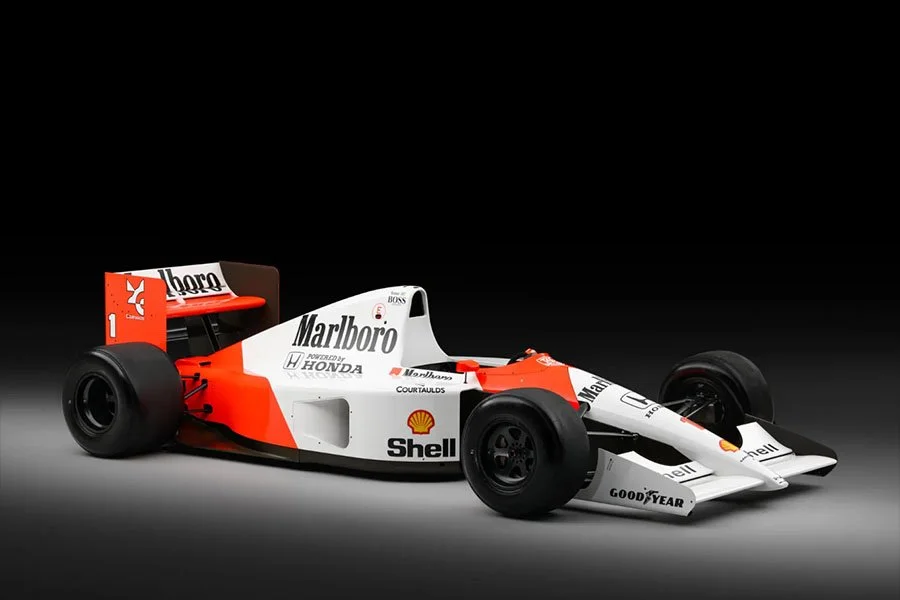
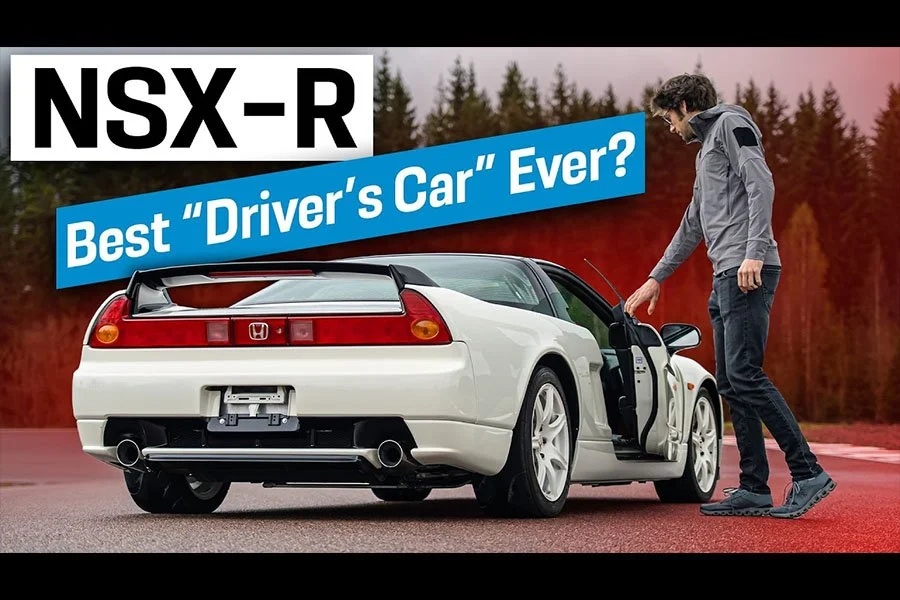
Famously, Ayrton Senna drove a Honda NSX-R round Suzuka in white socks and loafers, so in this latest TDS episode, Henry Catchpole does his best to pay tribute to that iconic footage. He also investigates how a car with only 276HP can stand toe-to-toe with the very best supercars ever made.
To capitalise on its position as the premier Formula 1 engine builder of the time, Honda approved arguably its most ambitious road car project yet, the NSX, a machine that would go head-to-head…
When Honda launched its car building division in 1963, the company offered two miniature models. First to arrive was a diminutive pickup truck powered by either a 356cc dual overhead camshaft…
As some of Europe’s iconic Hot Hatches morphed into second and even third generation variants during the 1990s, they invariably put on weight and lost some of the magic that had made their…
From September 1996, Honda began to equip the manual transmission version of its NSX with an enlarged 3.2-litre V6 engine. Most significantly, the power output went from 270bhp to 290bhp…
Following hot versions of the NSX and Integra, Honda unveiled arguably its most iconic Type R special in August 1997 when the EK9 Civic broke cover. Starting with a seam-welded bodyshell…
Although upon its release the NSX was widely considered the finest mid-range supercar available, the everyday nature of its set-up left certain customers yearning for a hard core version. Something…
After an enormously successful partnership with TAG Porsche that delivered three Driver and two Constructor titles between 1984 and ‘87, McLaren signed an engine supply deal with Honda for 1988.
After the EK9 Civic Type R proved a critical and commercial hit during the second half of the nineties, Honda released an EP3 version at the Geneva Motor Show in March 2001, production of which got…
As a consequence of its pioneering extruded aluminium chassis and near perfect engineering balance, the Honda NSX was still considered an industry benchmark more than a decade after its…
19 months after Porsche had successfully re-launched its hardcore driver-focused 911 Carrera RS, Honda followed suit with what has come to be regarded as Japan’s best sports car of the 20th…
During its early days as an auto manufacturer, Honda focused on the production of two small displacement models: the T360 mini truck and S500 Roadster. Unfortunately, the S500 and its…
For 1997, Honda introduced an NSX with an enlarged C32B engine in order to keep their pioneering flagship on terms with the latest offerings from Ferrari and Porsche. By keeping the…
As far as Ferrari and Porsche were concerned, Honda’s NSX could not have arrived at a worse time. While the Italian-made 348 initially sold well, its on-limit handling left much to be desired…
Launched in September 1995, the DC2 Integra Type R was Honda’s first iteration of a mainstream R-badged model as the firm had previously only offered the flagship NSX with its now legendary high…
Although Honda’s early automotive efforts largely focused on open top two-seat models,by the time the company made its breakthrough into the four-wheel market with the first generation Civic, it had…
After the first generation Civic had proven Honda’s breakthrough model as an auto maker, the firm spent the next ten-or-so years focused on refining its core principles of well-built and reliable…
From a technical and sporting perspective, Honda’s NSX was arguably the most significant Japanese sports car of the 20th century; while models such as the Toyota 2000 GT, Nissan 240Z and Nissan…
Having initially dabbled in the small sports car and utility vehicle market, a lack of early commercial success left Honda ready to quit automobile manufacture had the first generation Civic launched in
Three years after a hardcore driver-focused NSX debuted and introduced the world to the now revered Type R moniker, Honda repeated the trick, but this time using a more attainable base model…
In addition to having been the ultimate expression of Honda’s ground-breaking NSX, the NSX Type R introduced the world to Honda’s performance focused Type R moniker that came to adorn many of…
Having left the family home in Shizuoka aged 15 without any formal education, Soichiro Honda headed for Tokyo where he found work as an apprentice car mechanic. Six years later in 1922, Honda…
Just five examples of the legendary Super GT-inspired NSX Type R GT were built by Honda, one of which was sold to a customer while the other four were retained by the company. Conceived with…
The NSX was arguably the most ambitious sports car project undertaken by a Japanese manufacturer since Toyota embarked on the ill-fated 2000 GT programme which ultimately proved…
Honda conceived their diminutive City range with a view to creating the best economy car of the 1980s. Launched at the Tokyo Motor Show in October 1981, the City also helped Honda target a…
Having initially struggled to make it as a mainstream auto maker, the first generation Civic launched in 1972 transformed Honda’s fortunes to the point that, by the early 1980s, it was one of the biggest…
Having first appeared on an uprated iteration of the critically acclaimed NSX in late 1992, Honda’s Type R moniker was subsequently used for a range of hardcore performance-oriented models that…
2005 saw the All Japan Grand Touring Car Championship re-branded Super GT as the organisers thought the new name better reflected the kind of vehicles that participated which, since 2003, had…
The first generation Civic launched in 1972 was a make-or-break model for Honda’s automobile division. Up until that point, the firm had predominantly focused on Kei cars for the domestic market.