One to Buy: ex-works 1954 Lincoln Capri Coupe 'Carrera Panamericana'
/ Ben Tyer
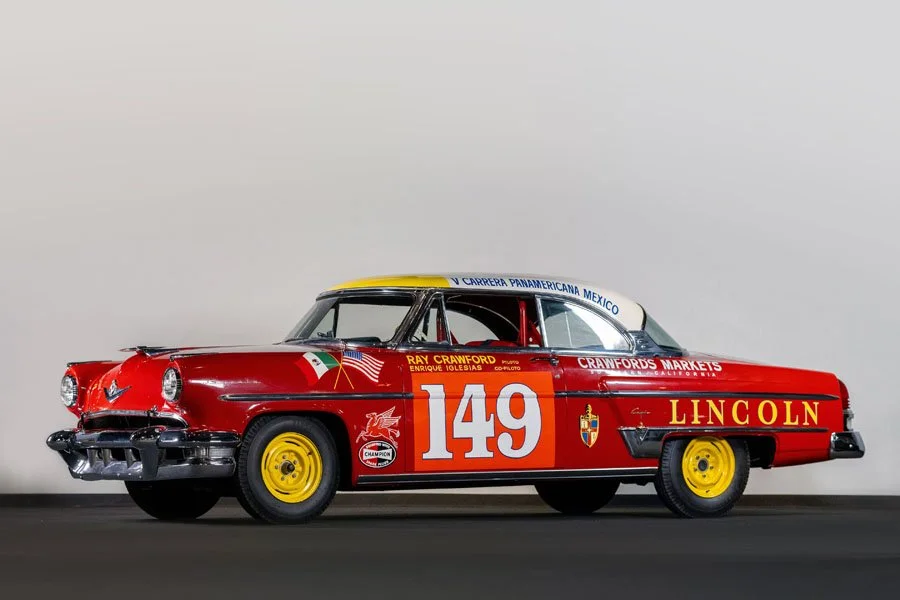
When it comes to great 20th century road races, arguably the most formidable was the Carrera Panamericana which took place over five days and 2000-miles on Mexico’s newly opened section of the Pan-American Highway.
Faster and more dangerous than any road course event taking place in Europe at the time, the Carrera was held for just five years between 1950 and ‘54 and eventually became a formal round of the World Sportscar Championship following its 1953 inception.
Unfortunately, with an enormously high fatality rate (24 competitors and spectators lost their lives), the Carrera Pan Americana became a casualty of the reduced appetite for road racing after 1955’s infamous Le Mans disaster.
The Mexican authorities had already been under pressure to cancel on cost grounds. Thanks to a combination of lax crowd control and exponentially rising speeds (the winning car’s average had gone from 88mph in 1950 to 138mph in 1954), it seemed only a matter of time before the Carrera had its own catastrophe.
Having initially been strictly the preserve of series production road cars, 1952 saw the Carrera Panamericana opened up to purebred Prototypes. From this point, the event was split into categories for Sports and Touring cars.
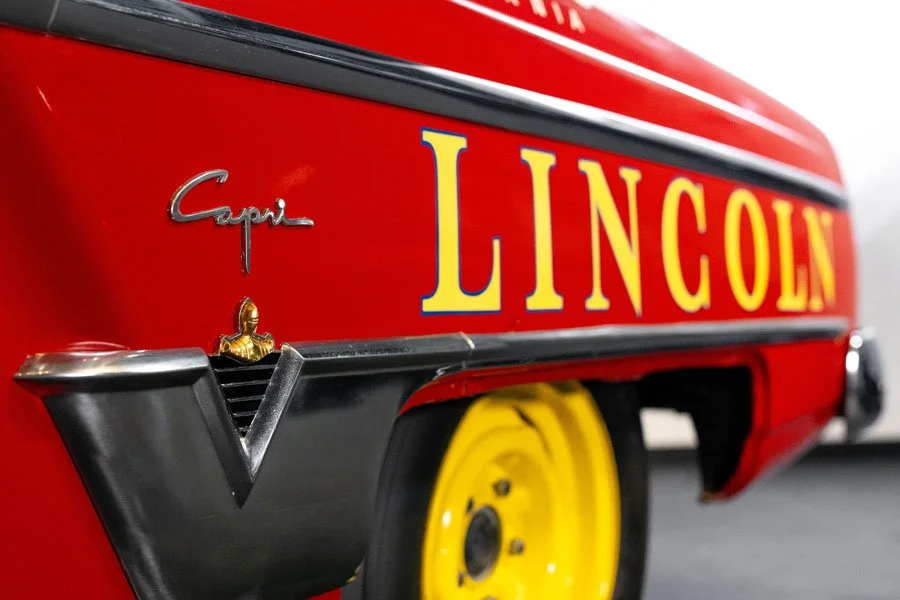
That year, Lincoln’s works trio of Capris took first, second and third in the Touring class, a feat the American firm repeated in 1953. In 1954, the Capris bagged first and second in class to make Lincoln the most consistently successful manufacturer in Carrera Panamericana history.
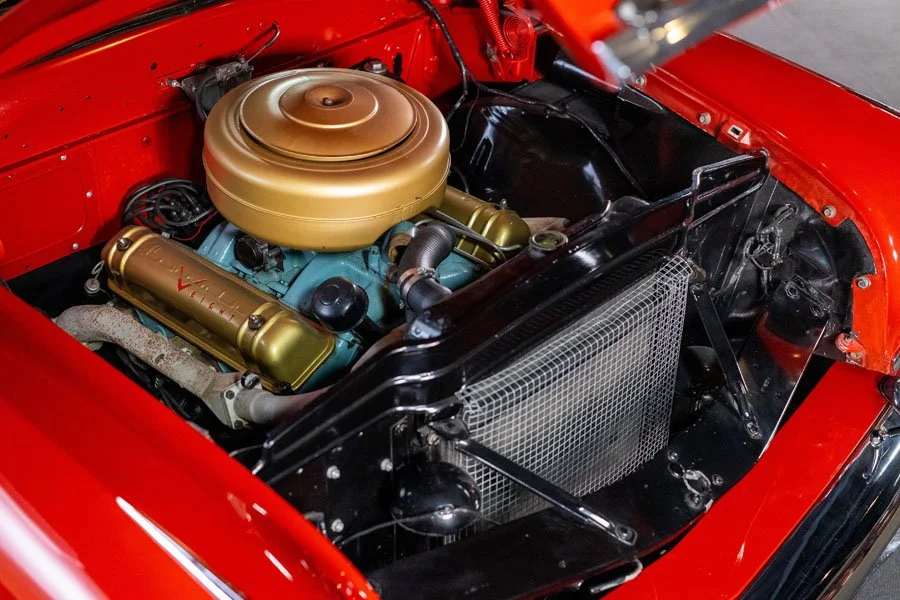
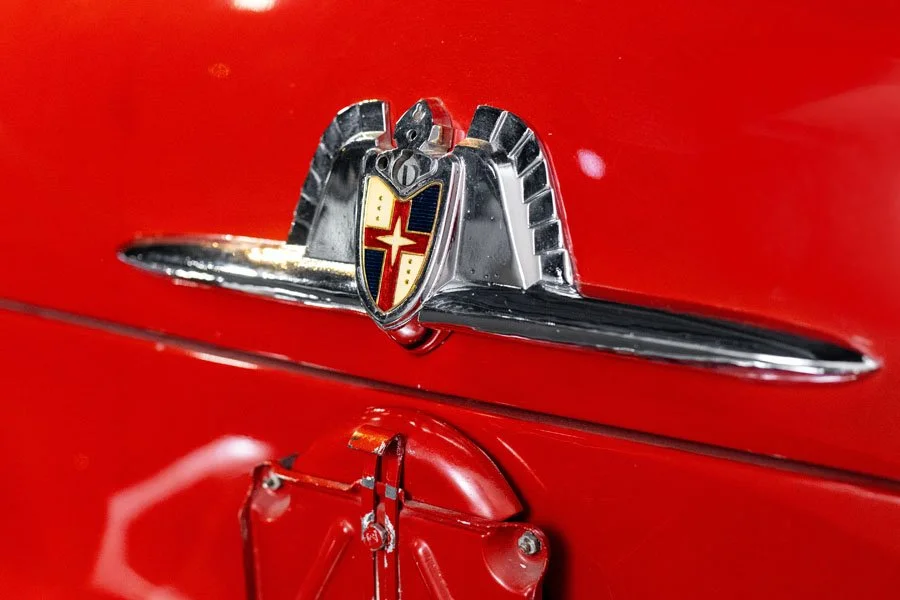
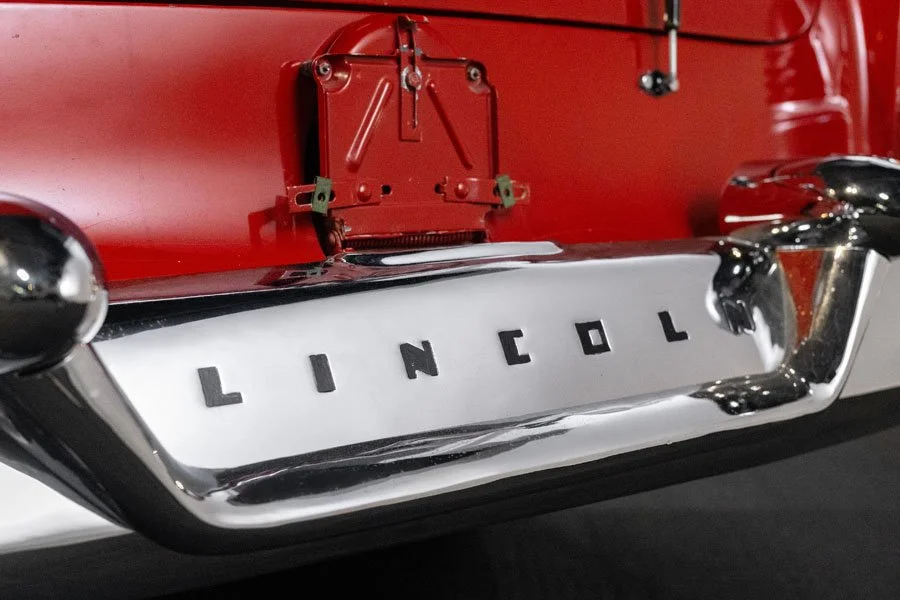
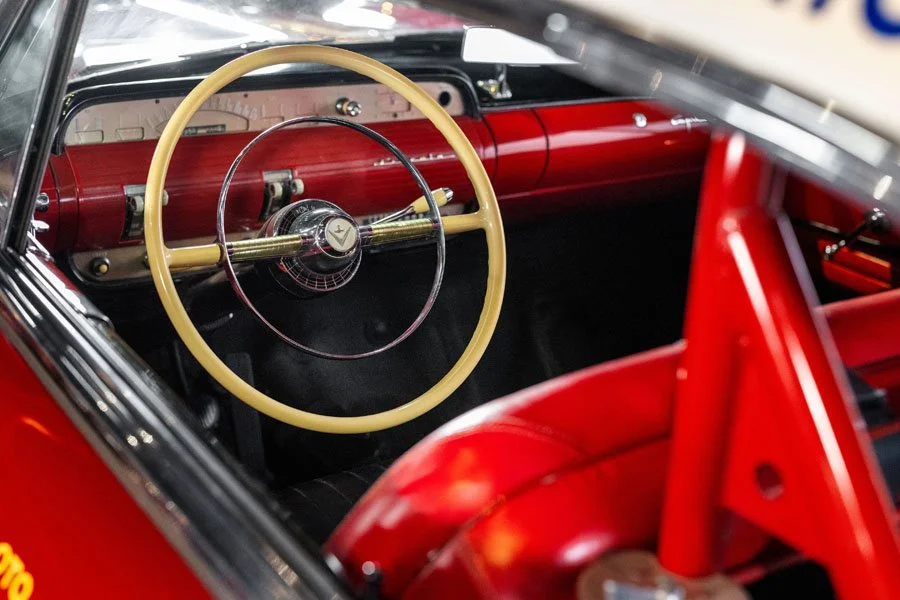
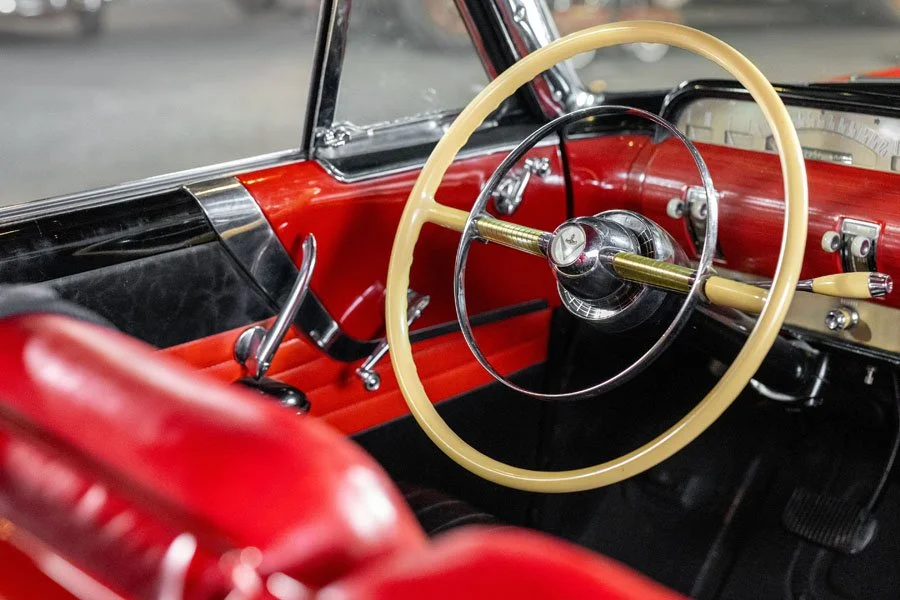
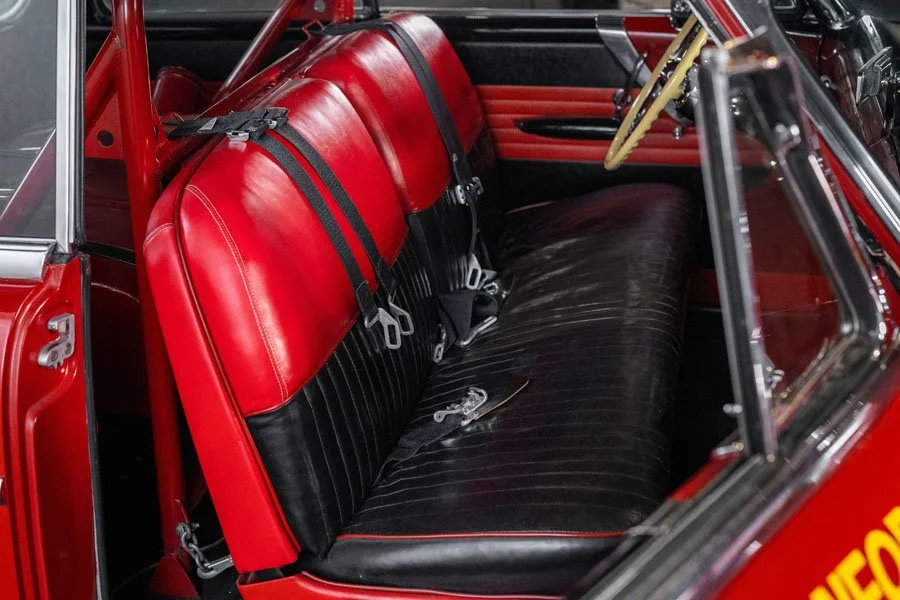
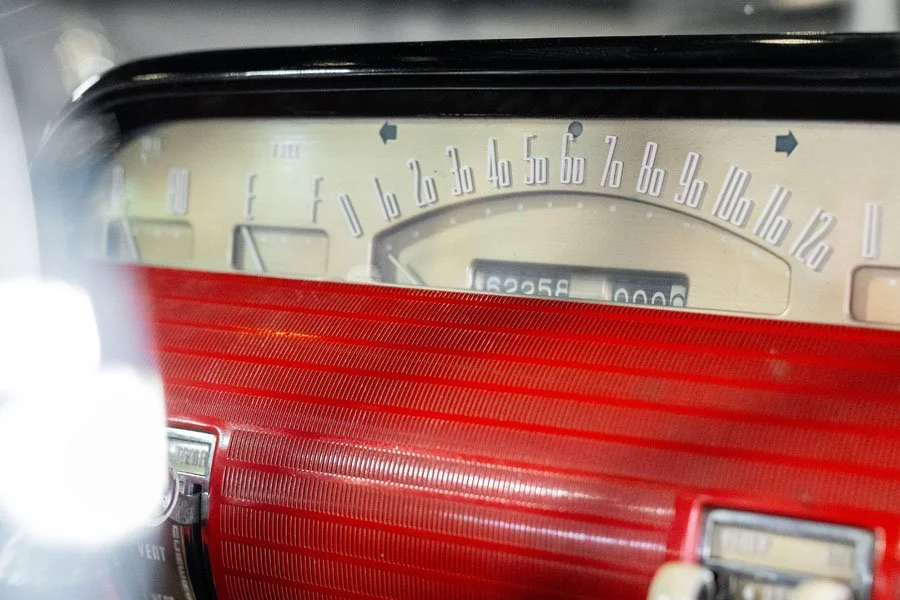
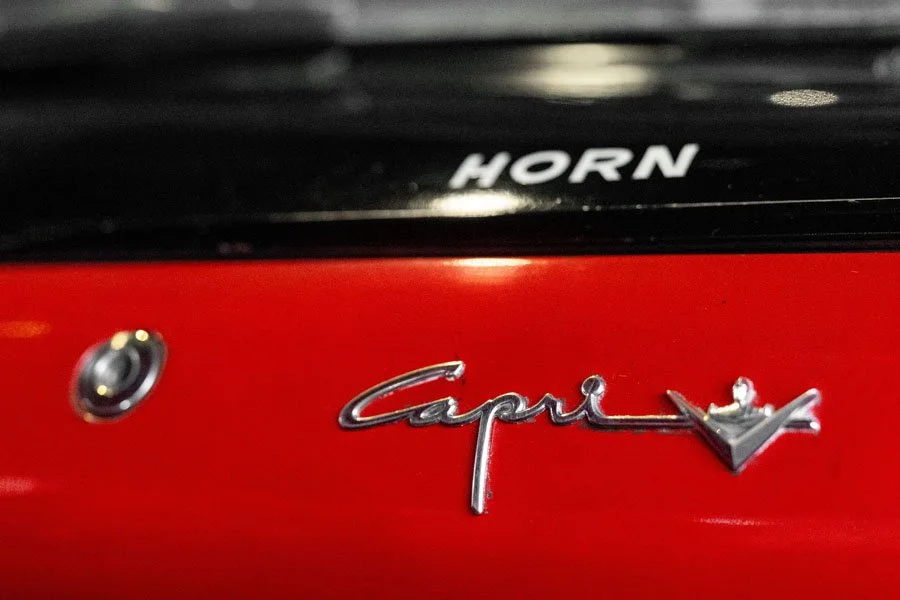
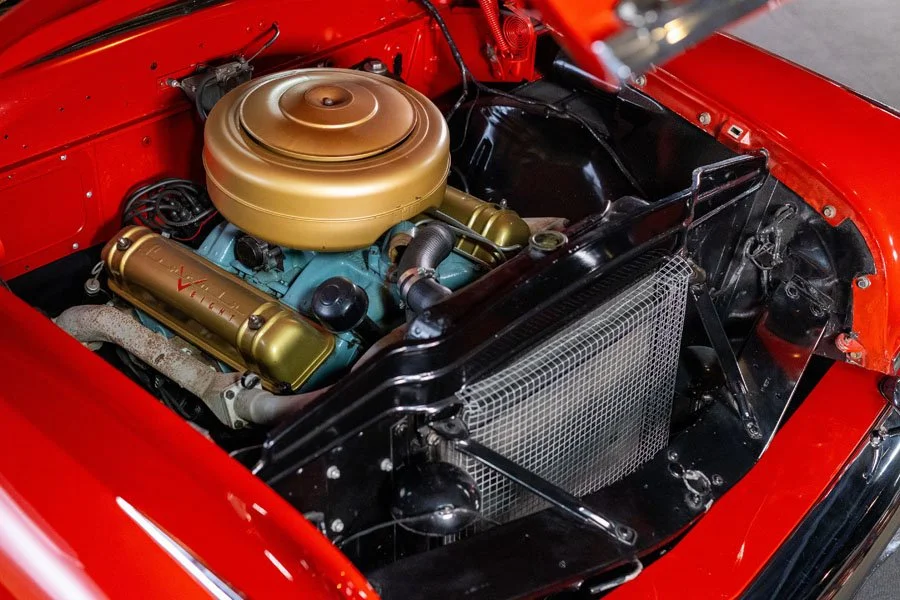
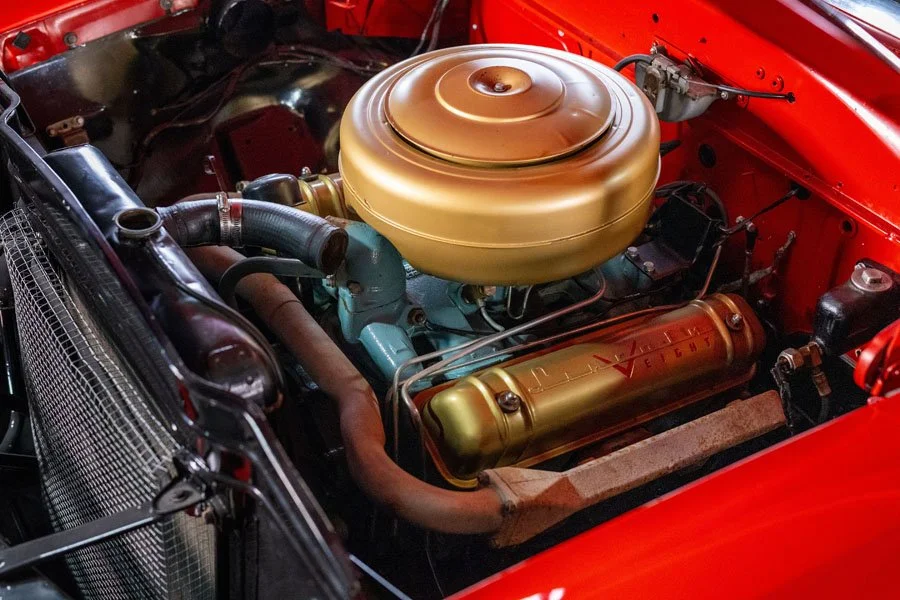
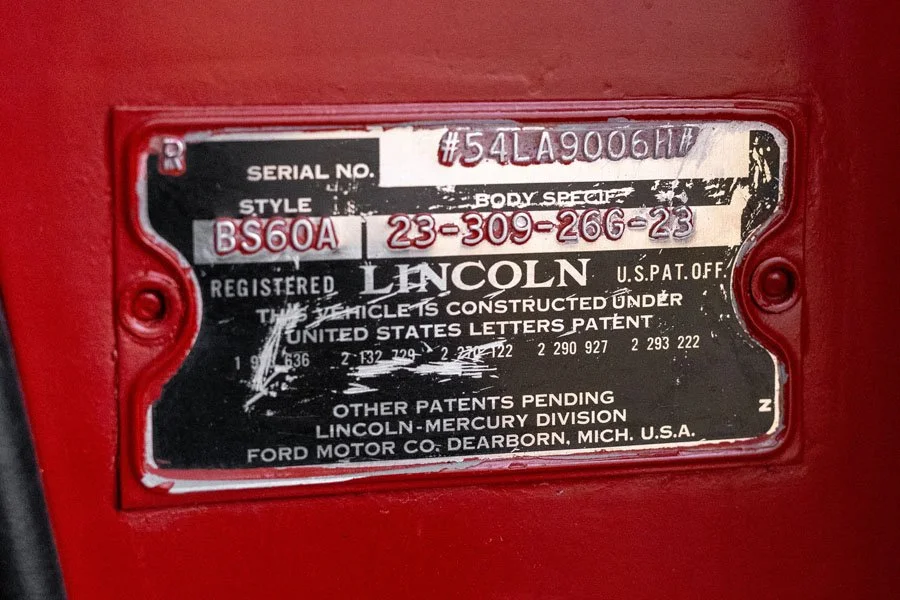
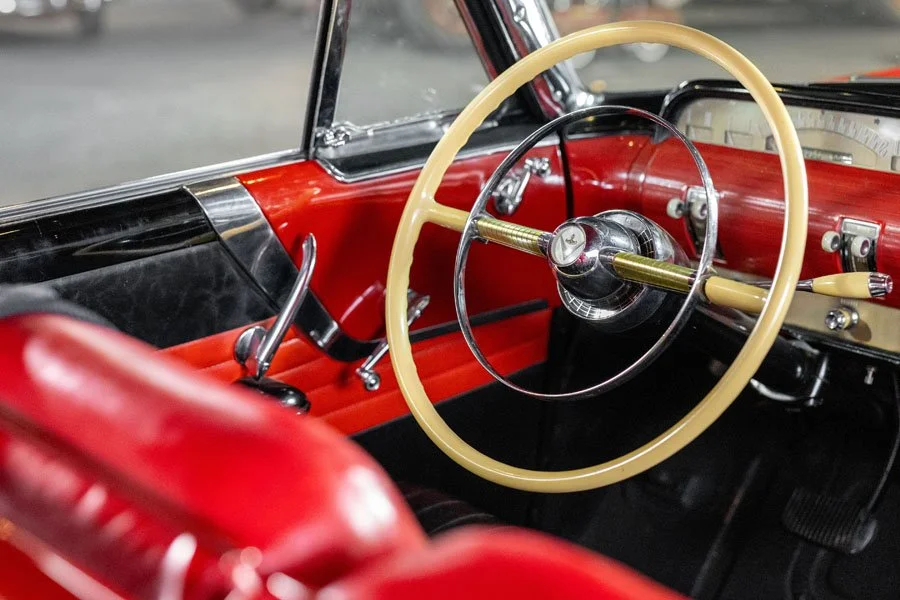
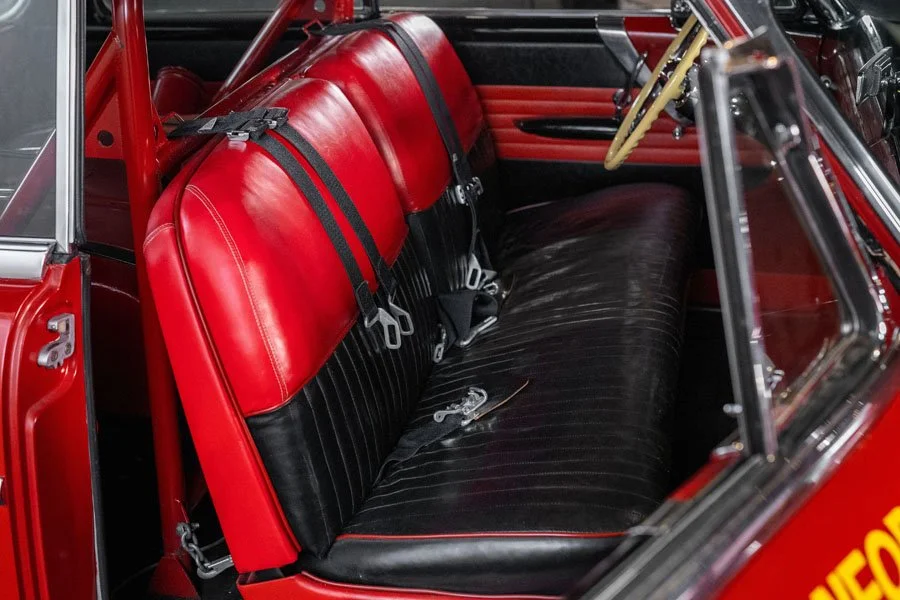
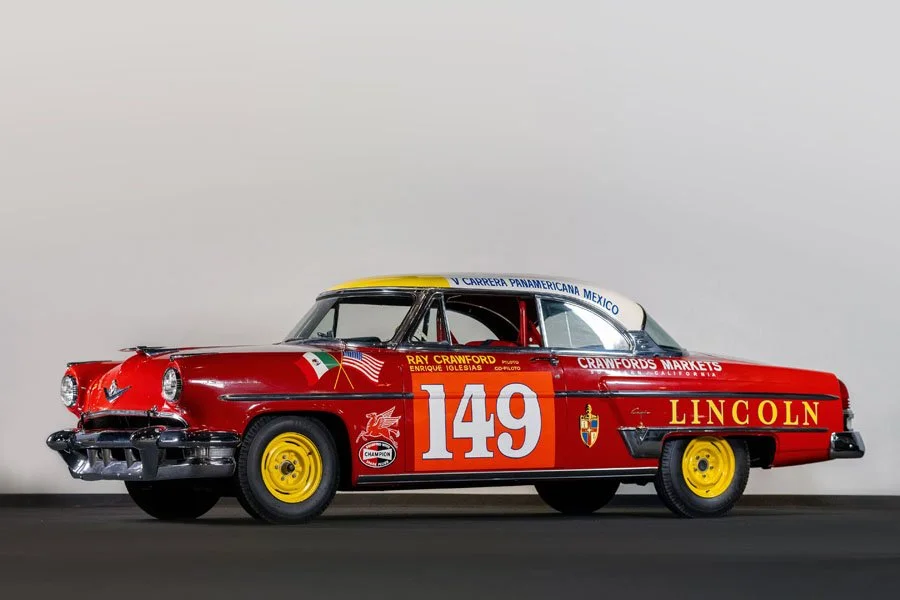
Going under the hammer at Bonhams’ National Automobile Museum auction in Reno on June 13th is the only known survivor of Lincoln's 1954 Carrera Panamericana team: chassis 54LA9006H.
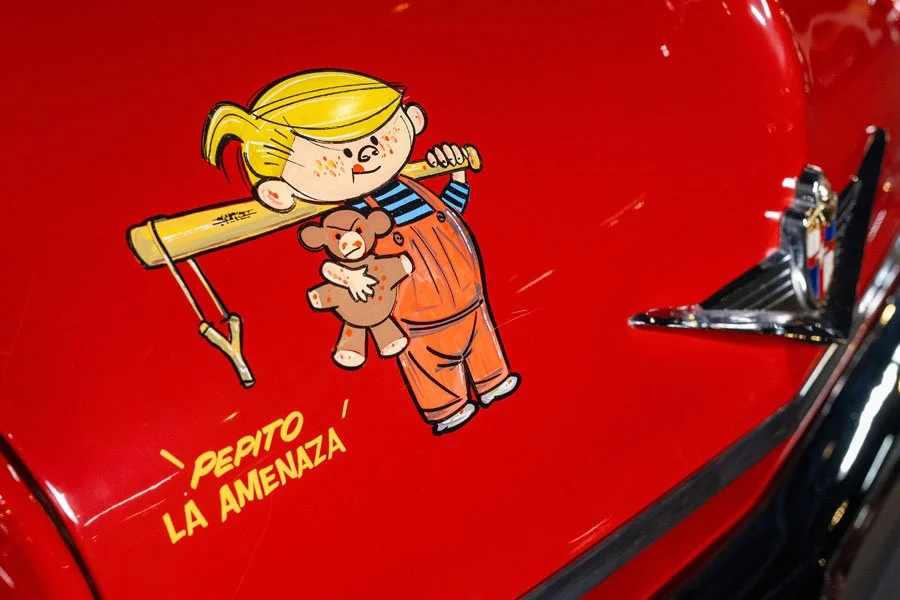
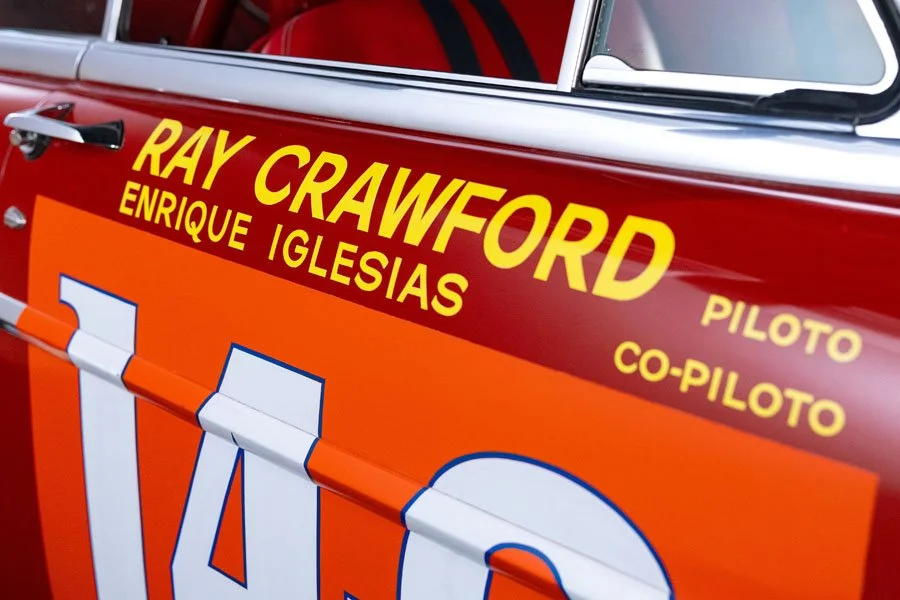
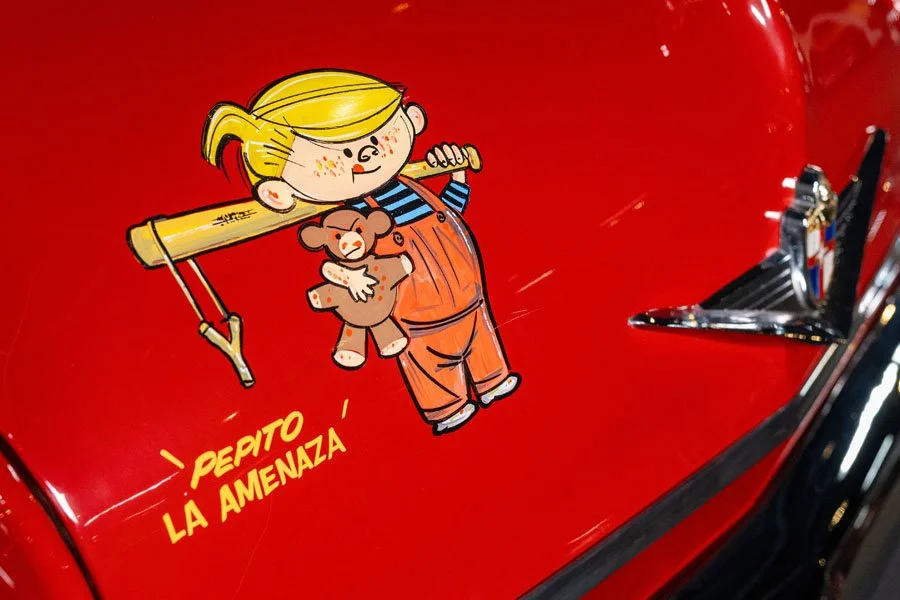
In total, six Capris were prepared for the ‘54 event over at the Long Beach shop of Bill Stroppe and Clay Smith: four race cars and two back up / practice cars. After the event, Lincoln took possession of the fleet, all of which were returned Stroppe and Smith where they were resprayed and numbered to look like Ray Crawford's class winner. The Capris were then scattered across North American Lincoln dealers to publicise the victory.
This car was acquired in rough condition by Harrah's Automobile Collection (which became the National Automobile Museum in 1989) and immediately sent to the Long Beach shop of Holman Moody-Stroppe Inc. for a comprehensive restoration. Work was completed in September 1968 at a cost of nearly $8000.
Unfortunately, despite years of searching by the National Automobile Museum, there is currently no information available as to which car was driven by which driver in the ‘54 Carrera Panamericana. However, according to Bonhams, chassis 54LA9006H “has a characteristic modification known to have been made only to the Carrera Panamericana Lincoln team cars: a pair of holes in the trunk floor where Bill Stroppe fitted two fans with ducting through the floor for brake cooling.”
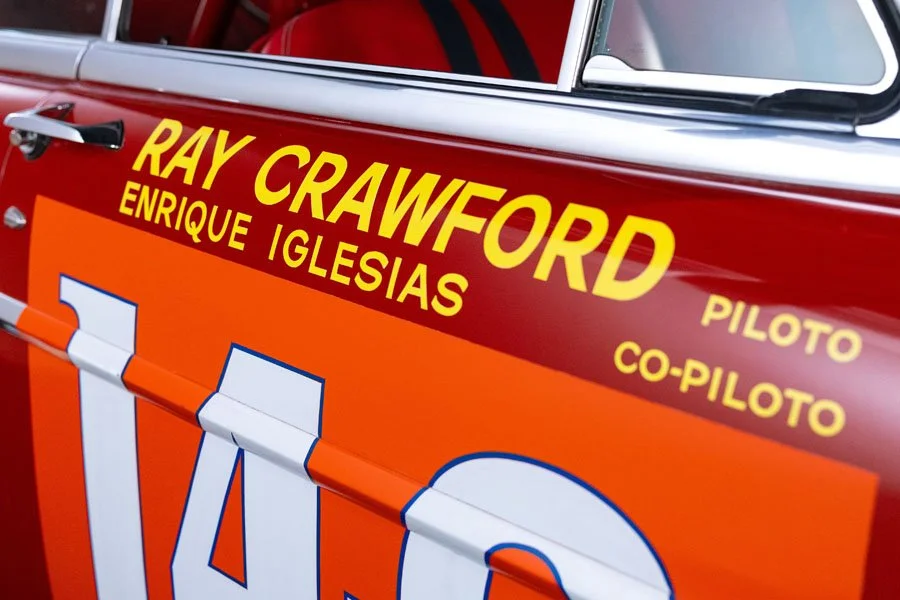
”Upon arrival in Mexico, the scrutineers for Associacion Mexicana Automovilistica viewed these ingenious fittings and quickly ruled them not stock. The fans were removed for the race, but the holes that had been cut in the trunk floor remained. The car also has an original roll bar and a huge 55-gallon fuel tank in the back seat to supplement the standard 23-gallon unit.”
Truly a once in a lifetime opportunity.
For more information visit the Bonhams website at: https://cars.bonhams.com/
With its bulging Coke-bottle shape, slanted headlights and massive tea tray rear spoiler, the 993-type 911 Turbo became an icon of late 90s automotive design. Produced between 1995 and ‘98, this…
In the world of Group A Touring Cars, every twelve months a manufacturer could build batches of 500 Evolution variants (using an already homologated base car) to pave the way for updated…
Aston Martin launched the DB4 in late 1958 to replace the ageing DB MkIII which could trace its origins back to 1949. In addition to handsome new Touring of Milan coachwork, the DB4 ushered in a…
In addition to an in-house 935-inspired K1 and Vaillant-liveried 934 on the books for 1976, the Cologne-based Kremer brothers prepared a 934 financed by German privateer, Gerhard Holup.
Five years after Lamborghini had displayed the original production-spec. Countach (the LP400), an even more dramatic variant was revealed under lights at the Geneva Motor Show in 1978. Dubbed…
Five years after he had joimed Porsche (back when the company was based in the Austrian town of Gmund and the 356/1 prototype was still on the drawing board), engineer Ernst Fuhrmann was given…
Although BMW’s Formula 1 programme of 2000 to 2009 did not deliver on championship-winning potential, it did pave the way for an F1-inspired V10 to find itself in the 2004-2010 M5 and the 2005…
When it comes to most extreme iterations of the 911, three candidates stand out. One is the 1974 Carrera RSR Turbo, another the 935 it spawned which, from 1976, was built in various states of tune.
Inspired by Zagato-bodied iterations of the Ferrari 250 GT Competizione, Japanese collector, Yoshiyuki Hayashi, commissioned a coachbuilt mid 2000s revamp based on the 575M. Zagato’s…
Although the Stratos had it all and then some, the Fiat Group’s replacement was derived from more mainstream fare and proved you didn’t need bona fide supercar characteristics to become the era’s…
During the peak of its popularity in the mid 1980s, the 944 Turbo was selling in almost as many numbers as the 911 Carrera - well over 10,000 a year. However, by the early 1990s, the 944 was…
During the late 1950s, arguably the most beautiful two-saeat Roadster offered by any manufacturer was the Pinin Farina-styled first generation Ferrari 250 GT Cabriolet. Underneath rakish lines…
Owing to poor trading conditions that led to massively reduced demand for high end motor cars, the expensively revived Bugatti company filed for bankruptcy in 1995. However, that wasn’t quite the end…
Launched at the Paris Motor Show in September 1982, the C3 was Audi’s third iteration of its executive-sized 100 model. Also offered in more upmarket 200 trim and sold as the 5000 in the…
When Jaguar displayed the XK120 prototype at the London Motor Show in October 1948, it did so with little expectation of sending the model into production. However, even in the gloom of post-war…
A litany of beautiful and successful Maserati sports racing cars were produced during the 1950s with among the most highly regarded having been the second generation A6 GCS of which 52…
Despite a long-standing relationship with Pininfarina, Ferrari commissioned Carrozzeria Bertone to design and manufacture bodywork for its first V8-engined road car. Unveiled at the Turin Motor Show…
To see off the expected threat from GT1 iterations of the Ferrari F50 and a reverse engineered purpose built racer that Porsche was known to have in development, McLaren created an uprated…
The collaboration to create a V16-powered monster by automotive engineer Claudio Zampolli and music producer Giorgio Moroder was arguably the most ambitious of all the supercars formulated…
During the mid-to-late 1980s, arguably the most elegant sporting Coupes offered by Europe’s high end manufacturers were the Aston Martin V8 and BMW’s E26 M635 CSi. While in Vantage trim the…
Between the 1950s and 1990s, members of the Korps Rijkspolitie, the Dutch National Police responsible for the nation's highways, were issued a variety of open top Porsche patrol cars; 356…
After the 288 GTO and F40 had used twin turbocharged V8s that propelled them to hitherto unseen levels of performance, Ferrari took a different approach for its third generation limited production…
Between 1967 and 1969, Porsche commissioned three transporters from Mercedes-Benz based on the O317 platform. During the years that followed, this handsome trio traversed Europe, initially…
While most examples from Lancia’s 200-strong batch of 037s built to homologate the model for Group B competition led a relatively pampered life, a handful were rallied by their owners and a few…
Owing to tighter emissions legislation, E36 M3s bound for North America had to be fitted with lower compression engines that did not feature the same radical cylinder head, variable valve timing…
Unlike most attempts at retro-themed automotive designs, Alfa Romeo’s spectacular 8C produced between 2007 and 2010 ranks among the most beautiful motor cars of the modern era. Styled by…
Although Nissan’s standard RB26DETT straight six offered formidable tuning potential as evidenced by the litany of circa 1000bhp GT-Rs that had been tweaked with aftermarket parts, when it came to…
To replace the 2.6-litre 212 Export which had served privateers so well throughout the 1951 season, Ferrari introduced the 2.7-litre 225 Sport for 1952. In total, 21 examples of the 225 Sport were…
Porsche most famously came a cropper with regard to trademark law when, in late 1964, the German firm was forced to re-brand its 901 as the 911 because Peugeot had already registered three digit…
Having created one of the 1980’s wildest homologation specials with the Sierra RS Cosworth, Ford took a similar approach when it came to a MkV Escort conceived for top flight rallying. Unveiled in…