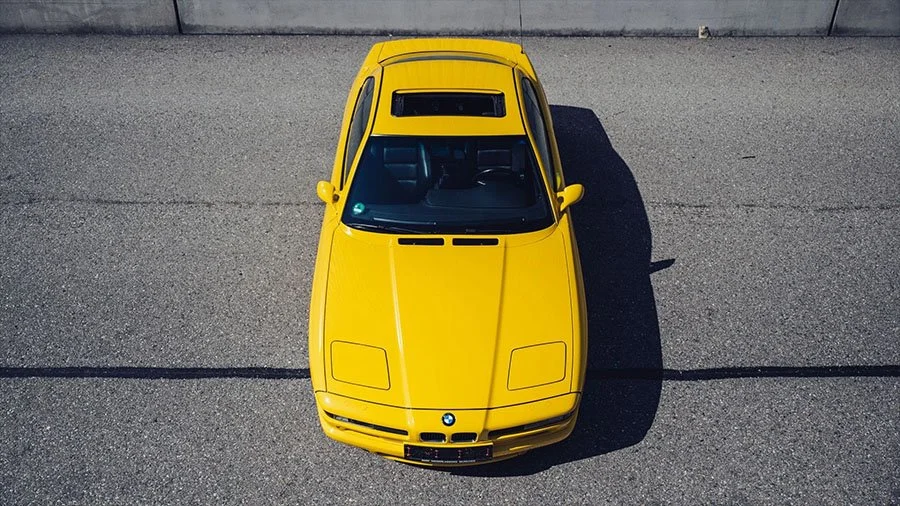
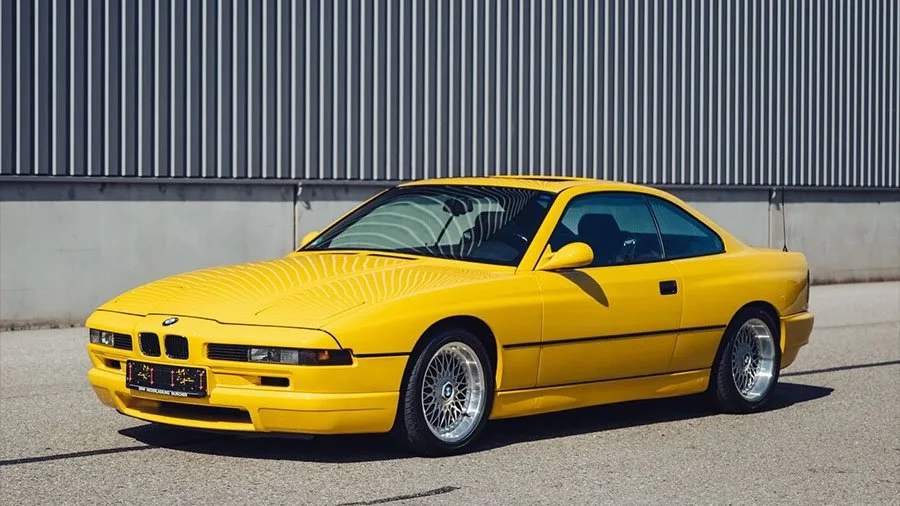
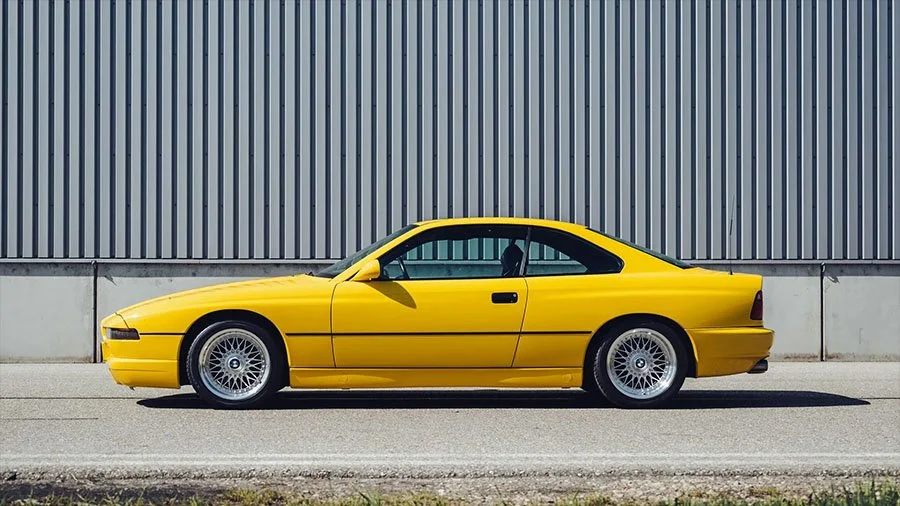
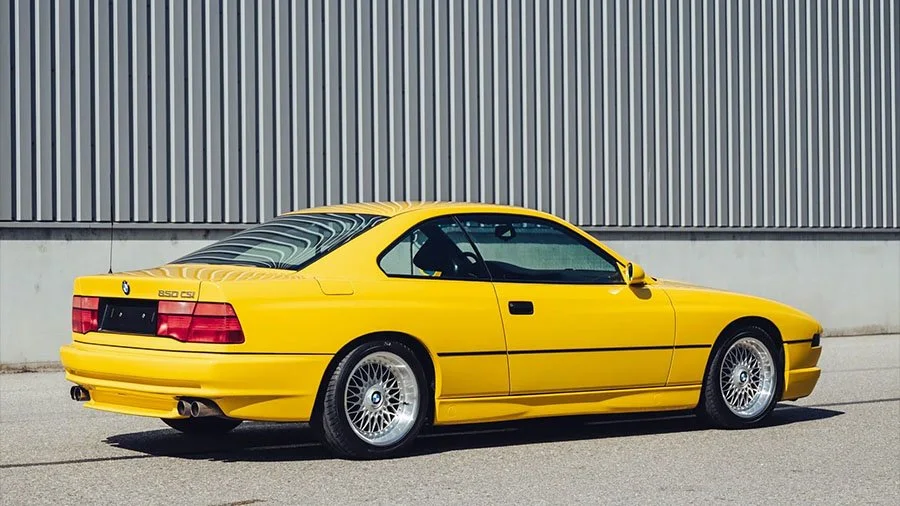
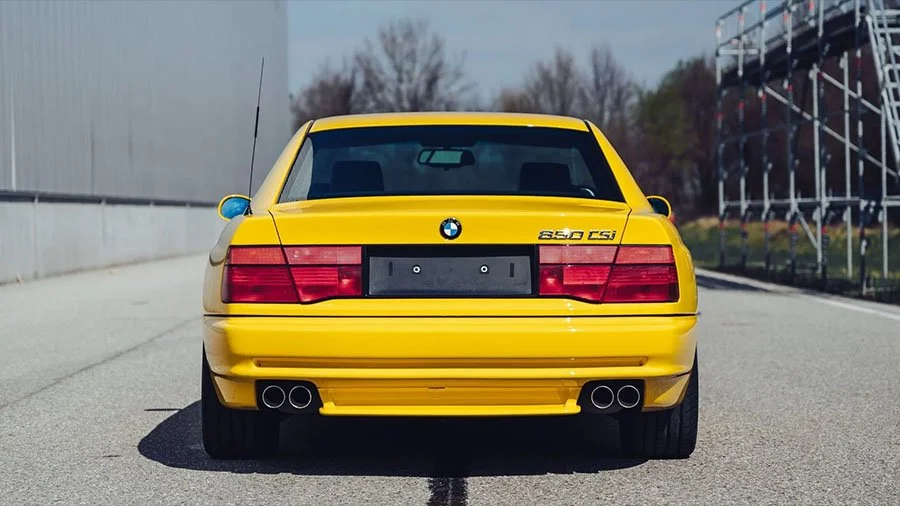
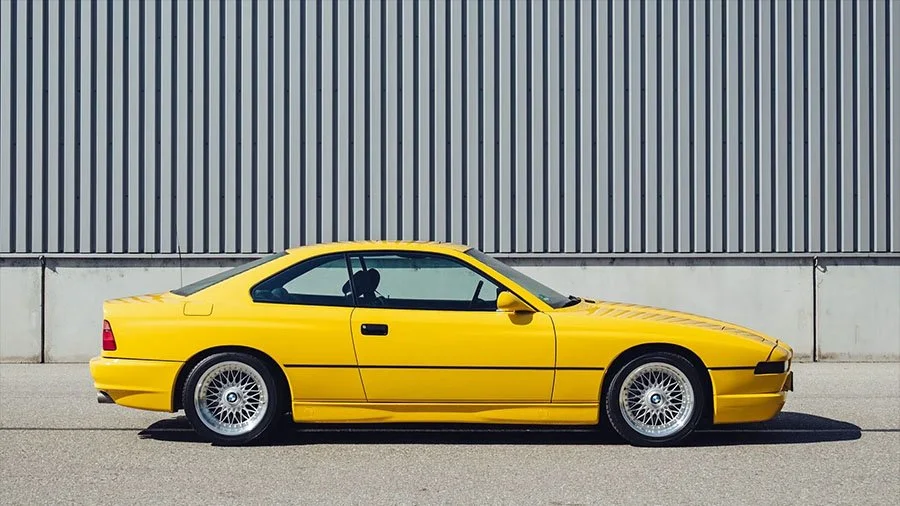
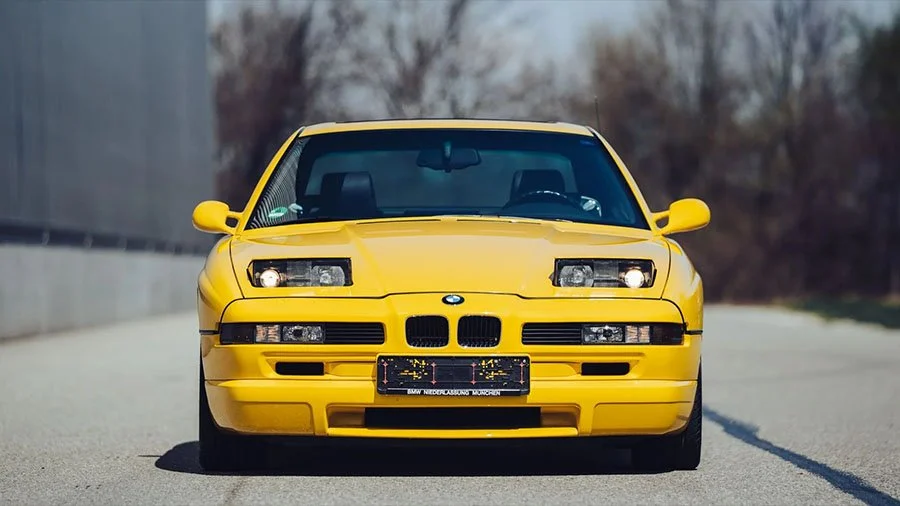
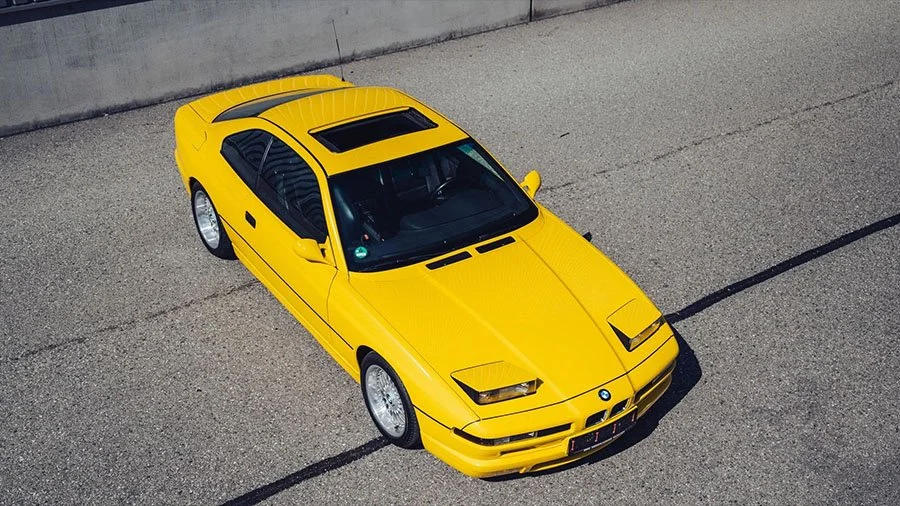
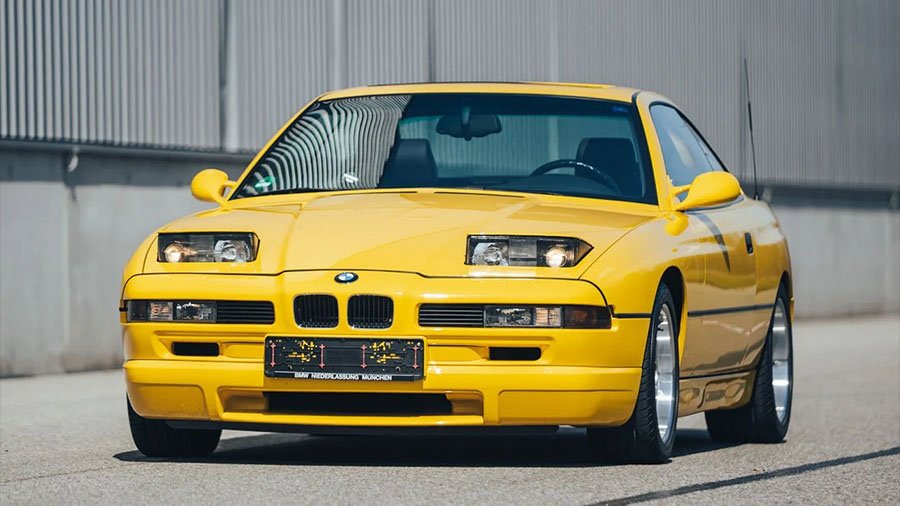
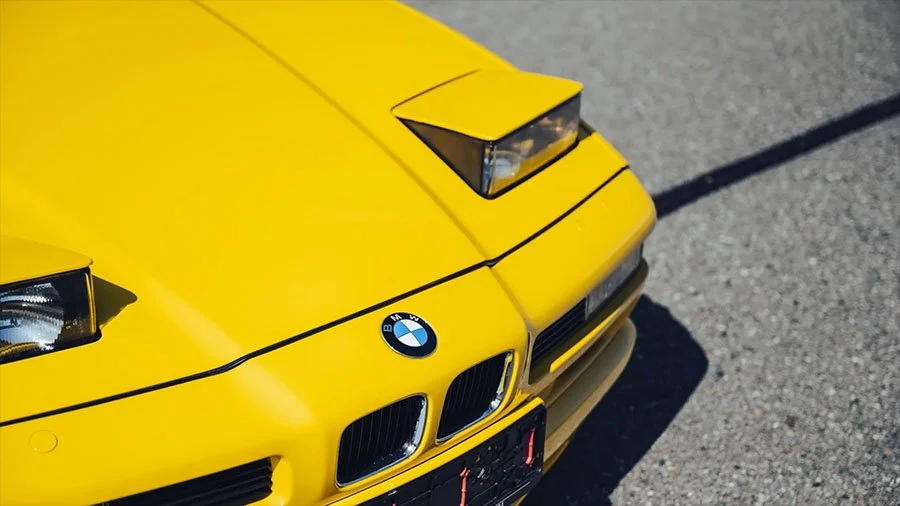
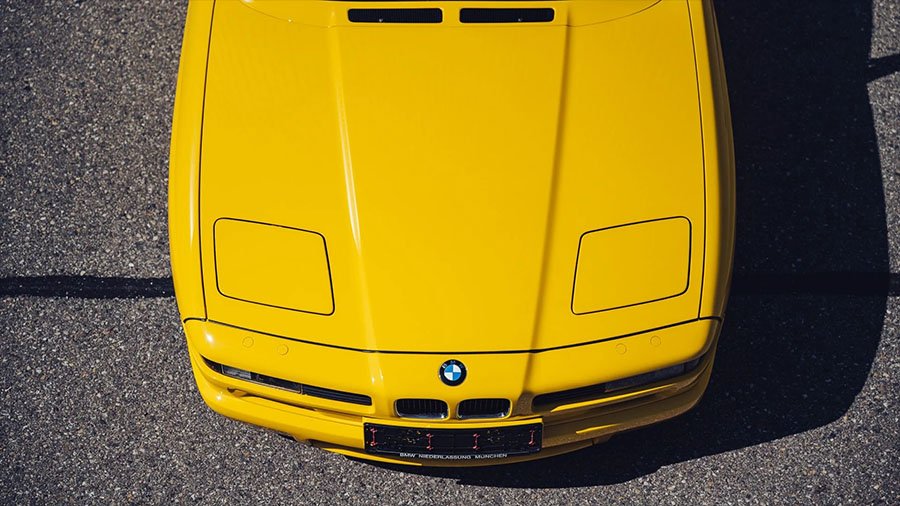
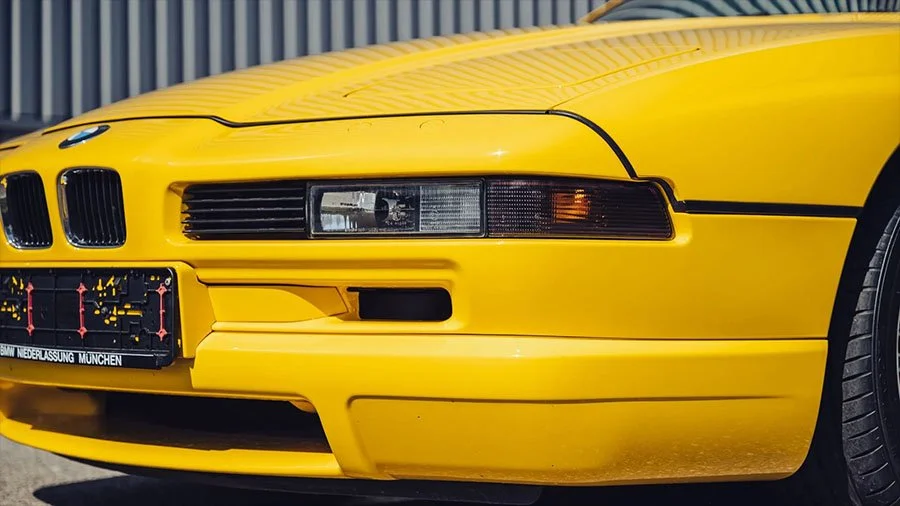
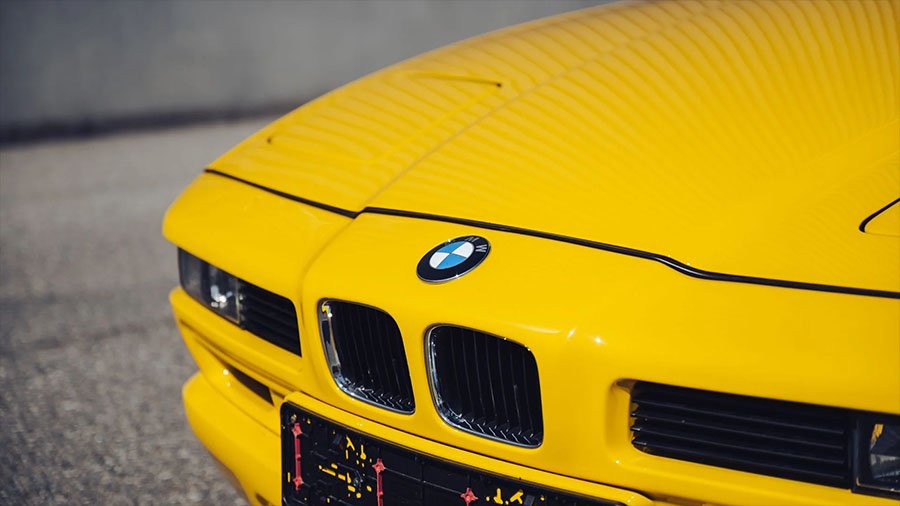
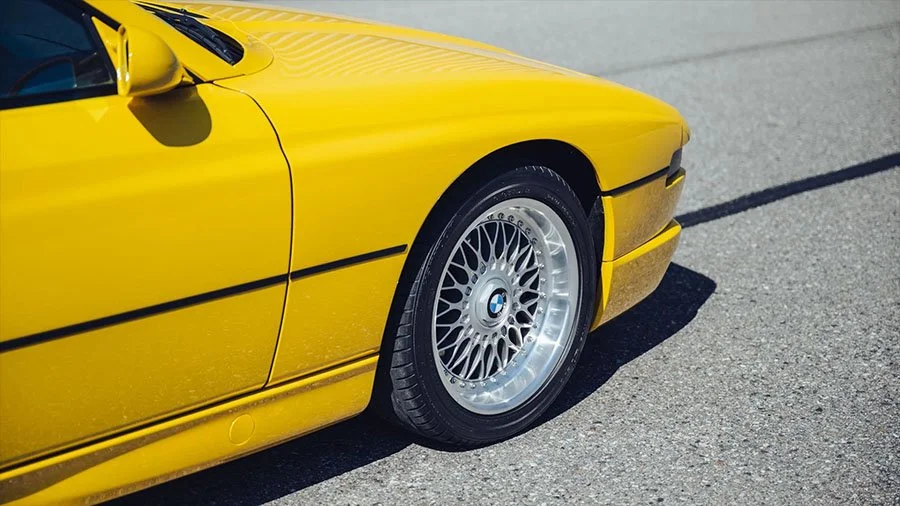
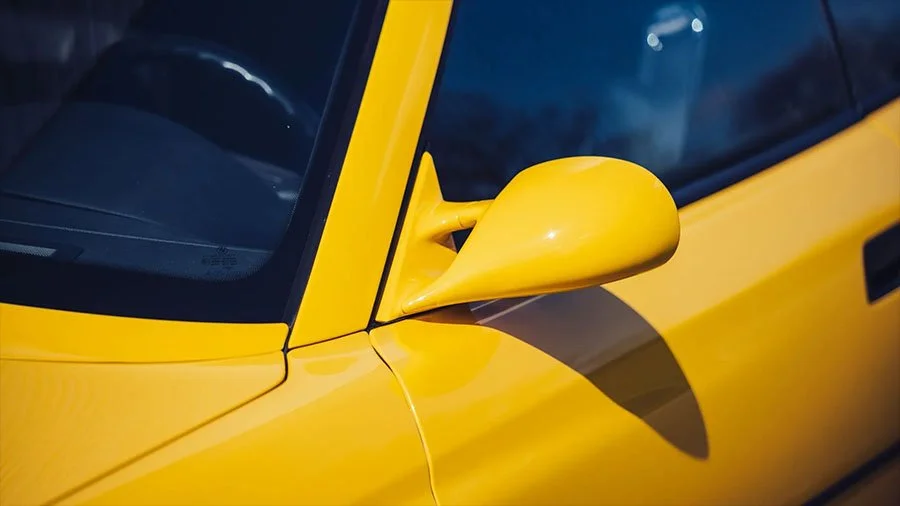
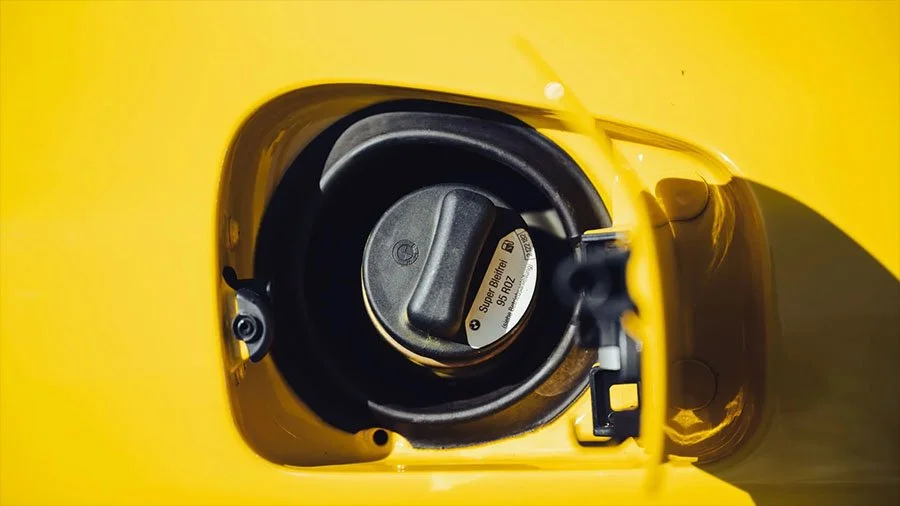
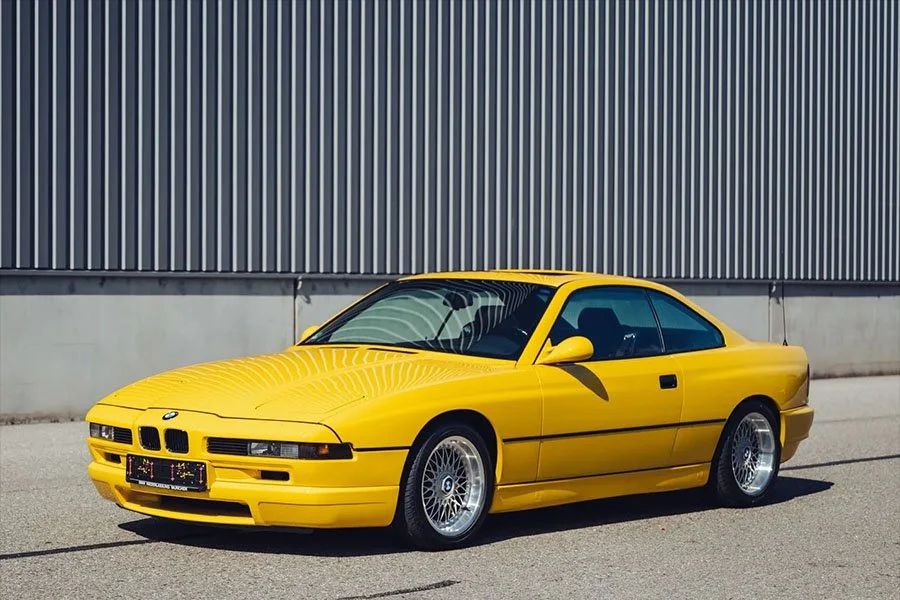
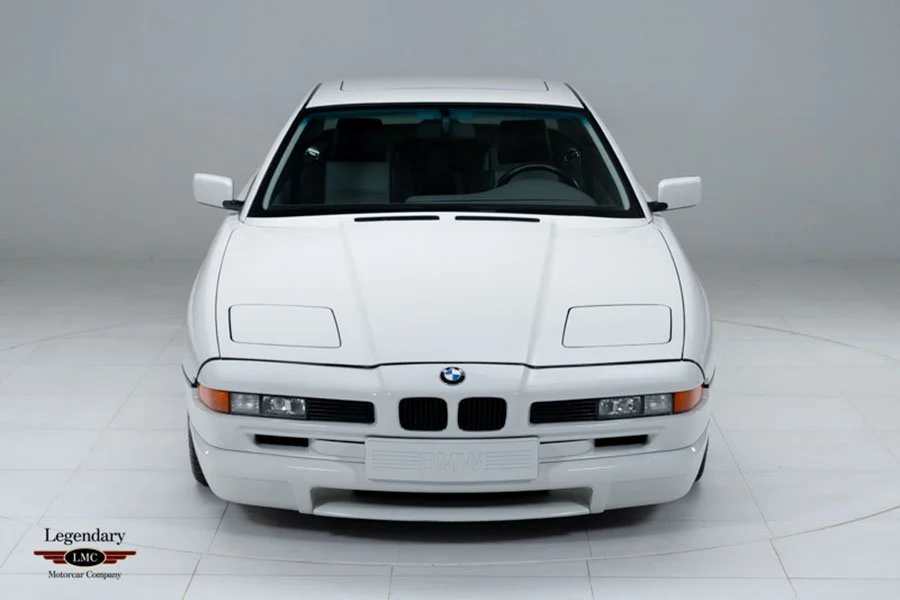
One to Buy: 1 of 8 in Giallo Fly 1993 BMW 850 CSi
/ Ben Tyer
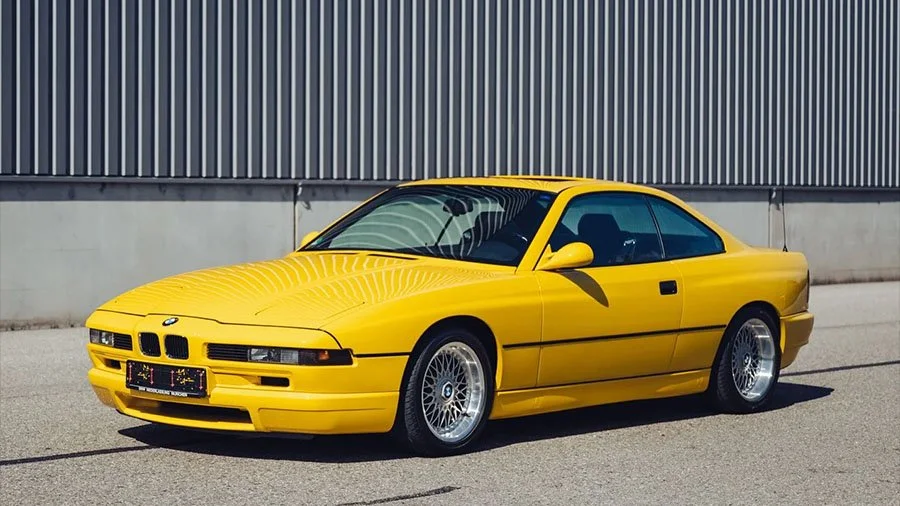
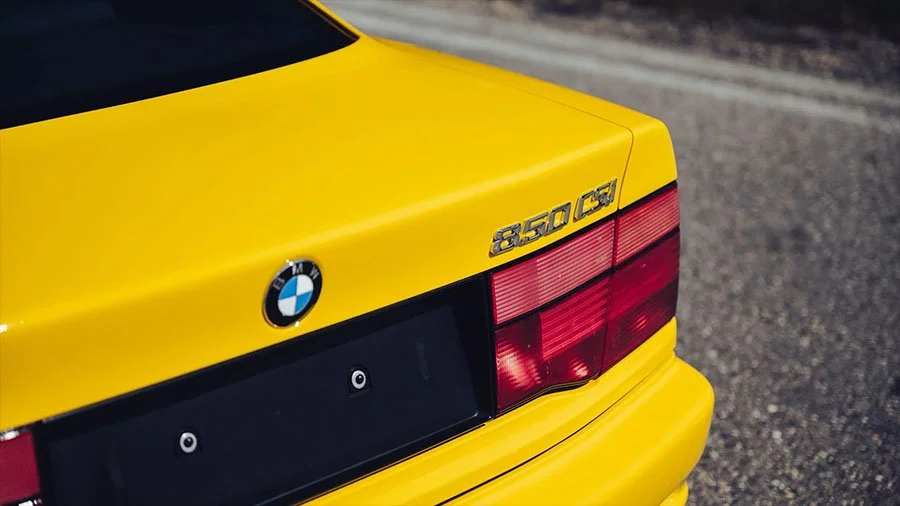
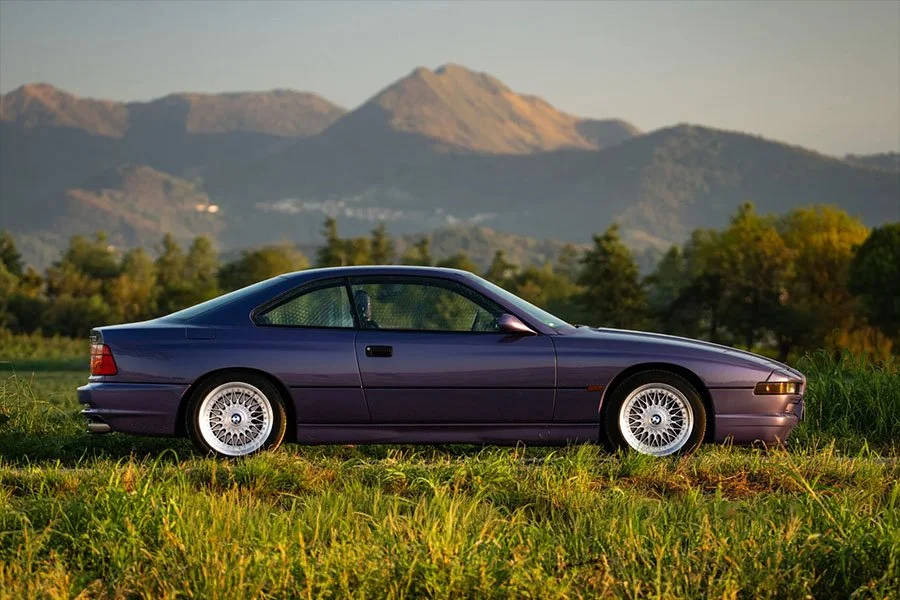
Although it never wore the familiar ‘M’ moniker that graced most of BMW Motorsport’s road cars, the E31-based 850 CSi featured even more performance enhancements than many M-badged models.
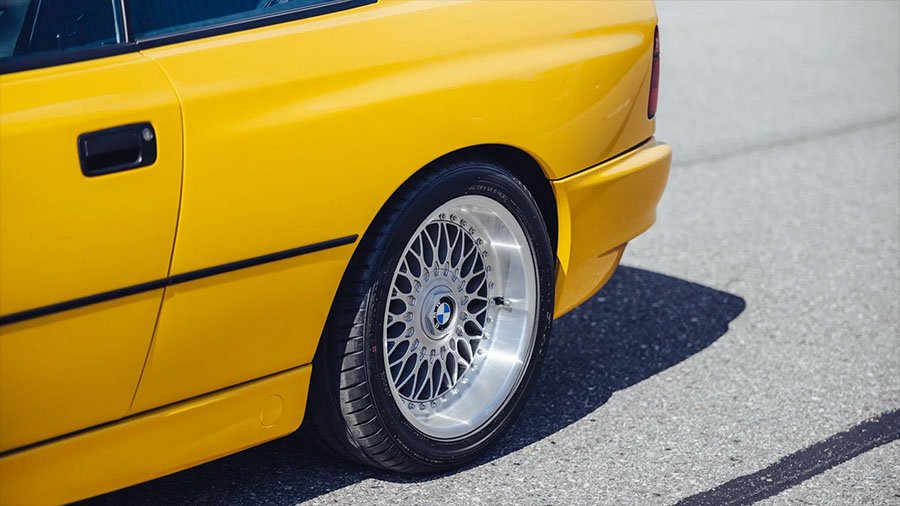
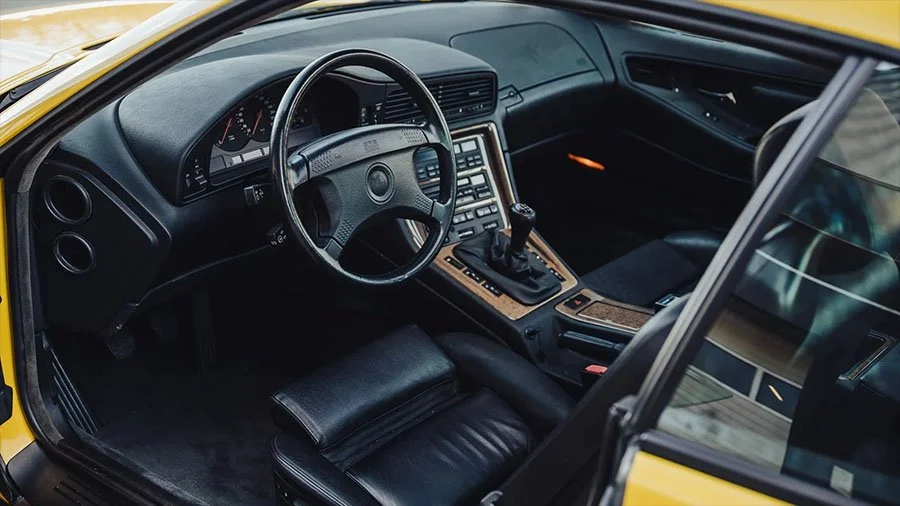
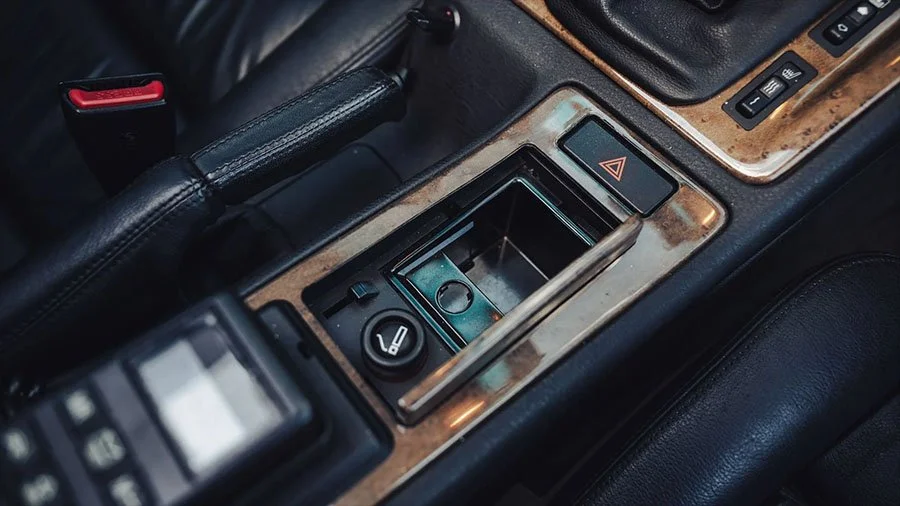
As you would expect, the 850 CSi came with suitably uprated suspension, brakes, steering and wheels. There was also a model specific aero kit and some sporty bits of interior equipment. However, what stood the CSi out as something truly special was in the engine bay.
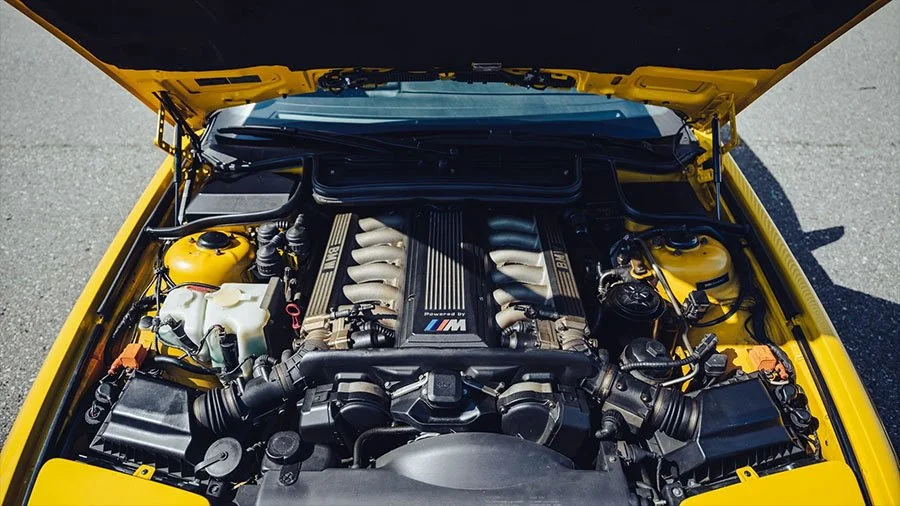
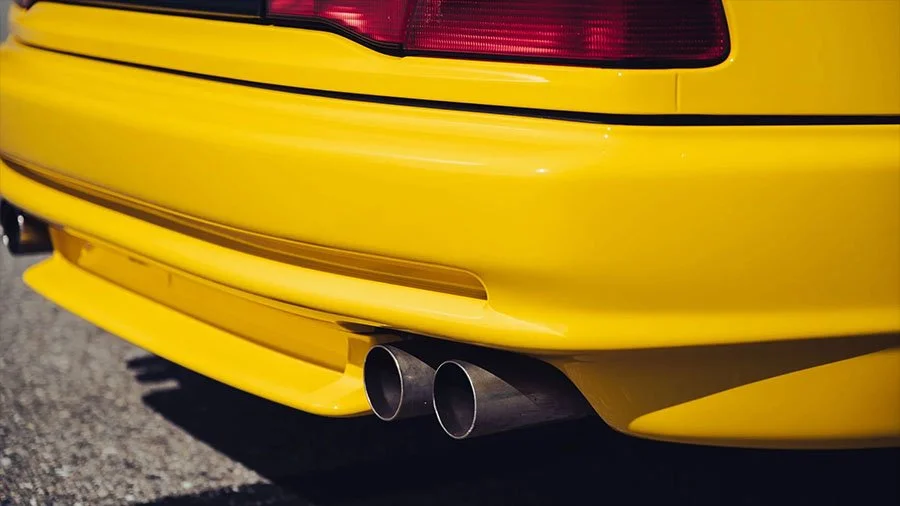
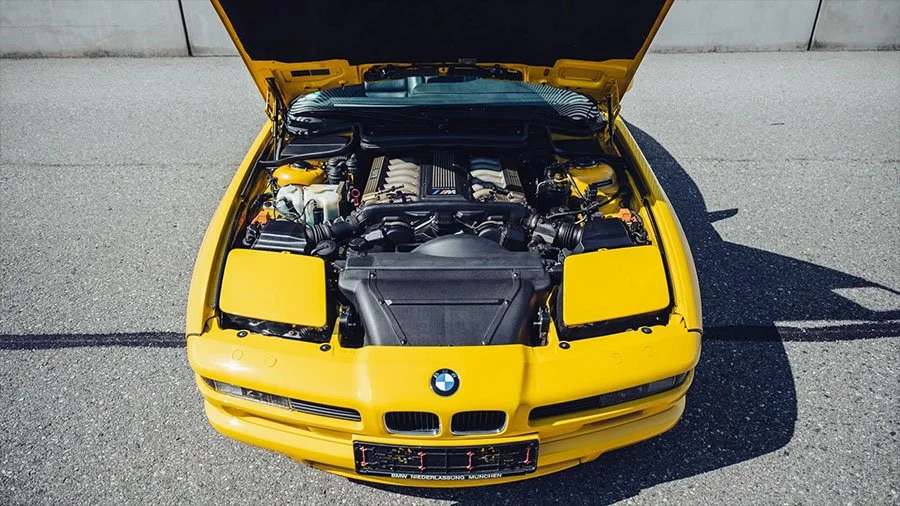
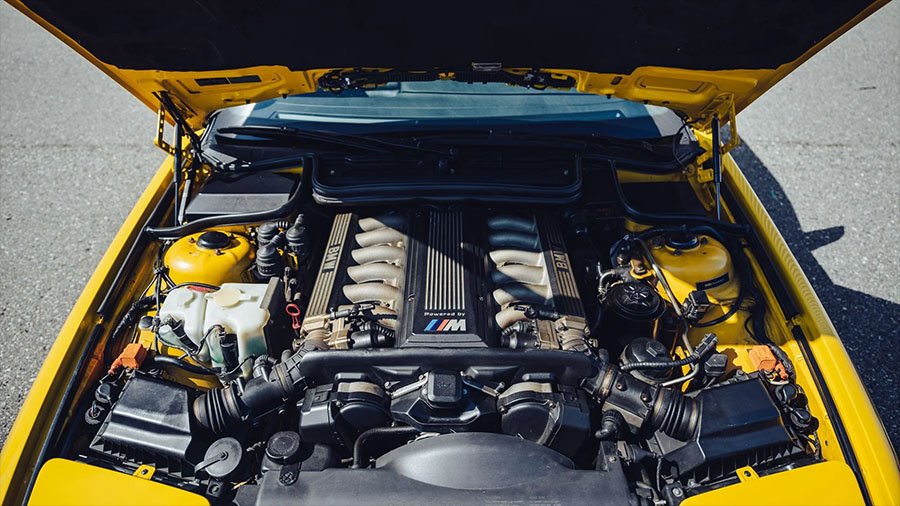
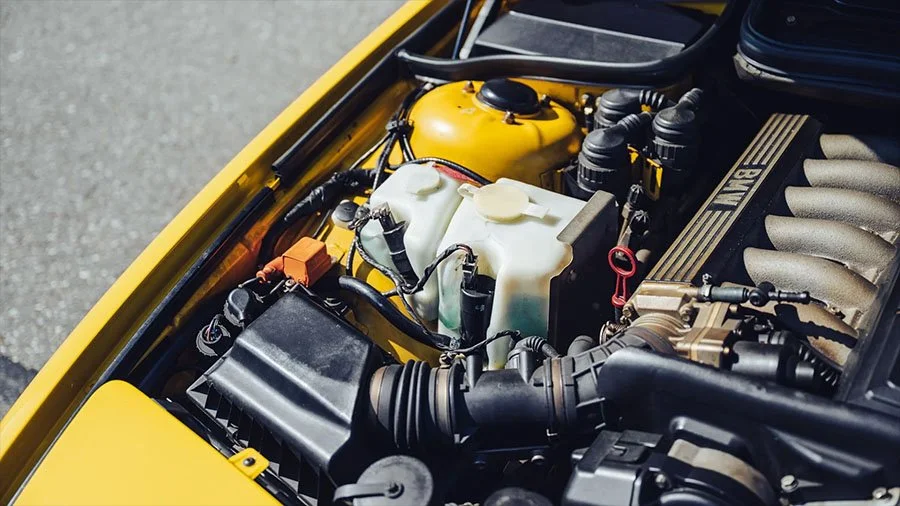
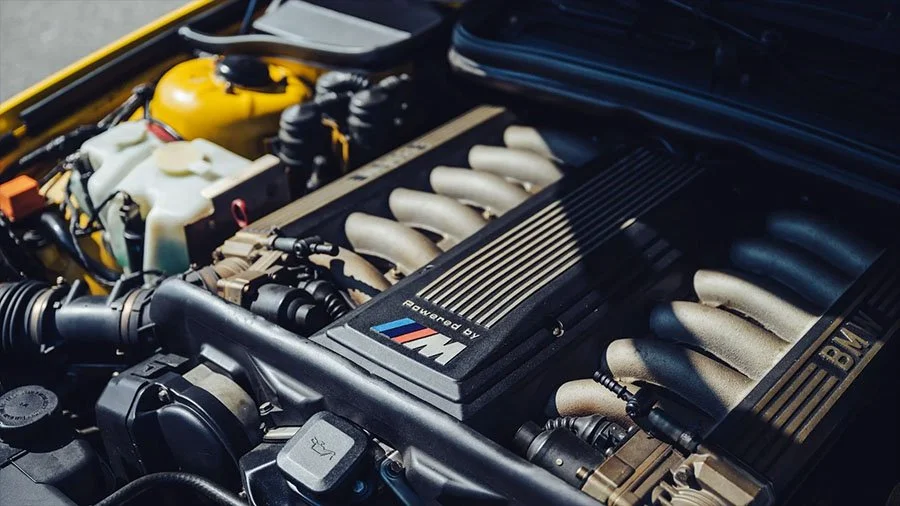
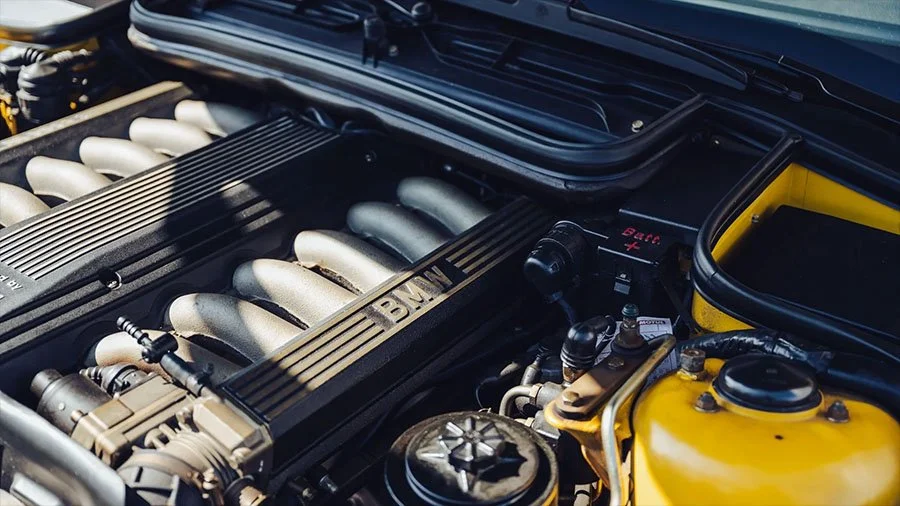
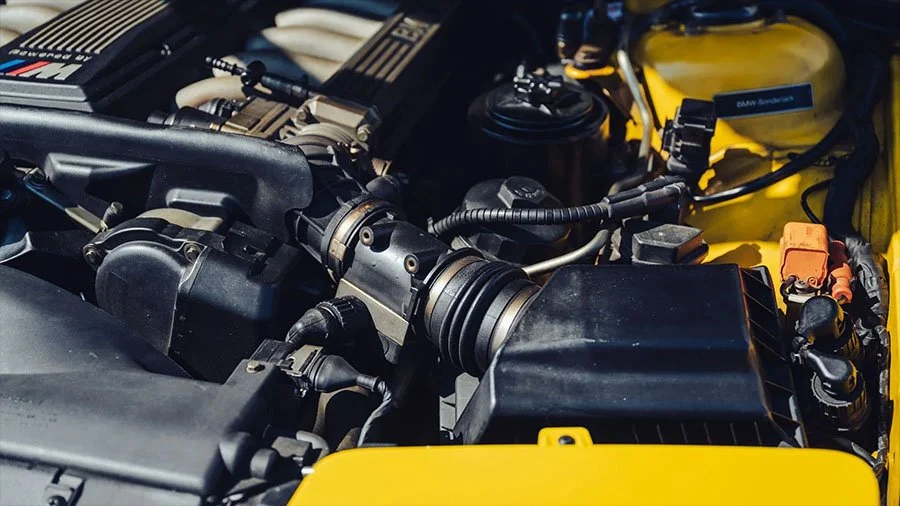
While many BMW Motorsport products ran tuned versions of existing engines, the CSi was fitted with a uniquely enlarged version of the parent company’s monster V12. Taken out to 5.6-litres, the S70 B56 motor got lightweight aluminium pistons, more aggressive valve timing, a forged crankshaft, a separate engine oil cooler, the latest Bosch DME 1.7 engine management, an increased compression ratio and a trick exhaust system.
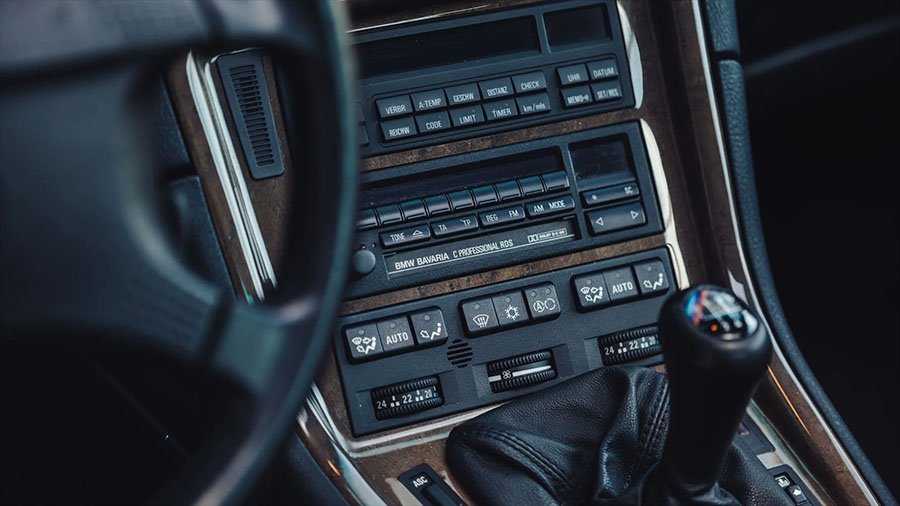
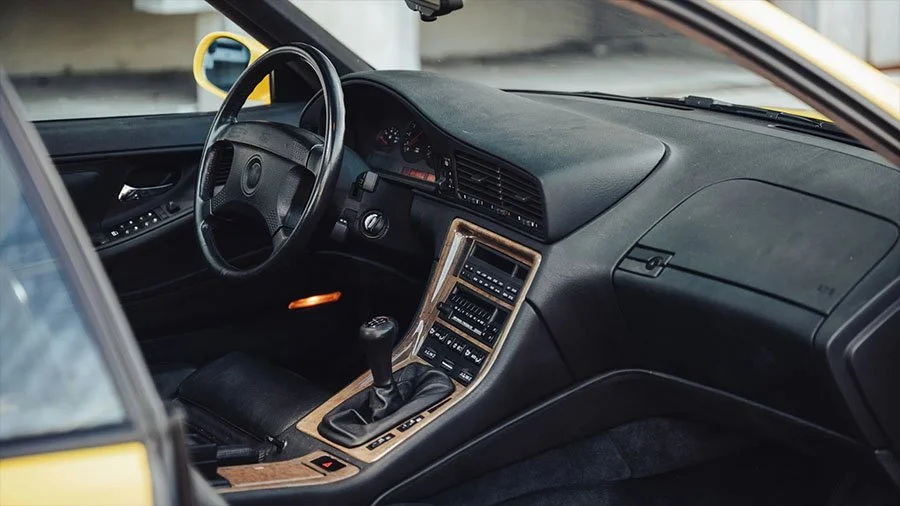
Also new was an electronic engine performance control system (EML) which, via a central control panel-mounted toggle switch, enabled the driver to choose between two modes (Komfort and Sport) that varied throttle sensitivity. In addition, EML managed the CSi-specific gear-dependent rev limiter along with the adaptive idle point detection.
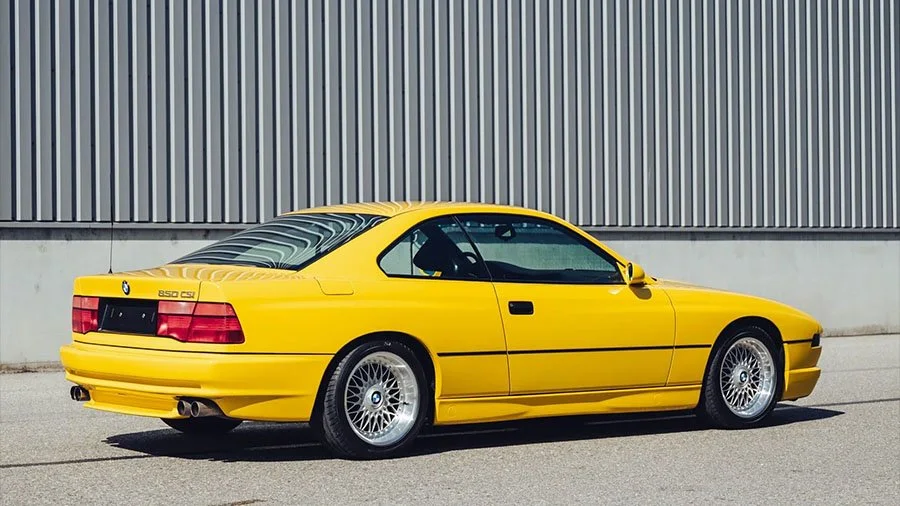
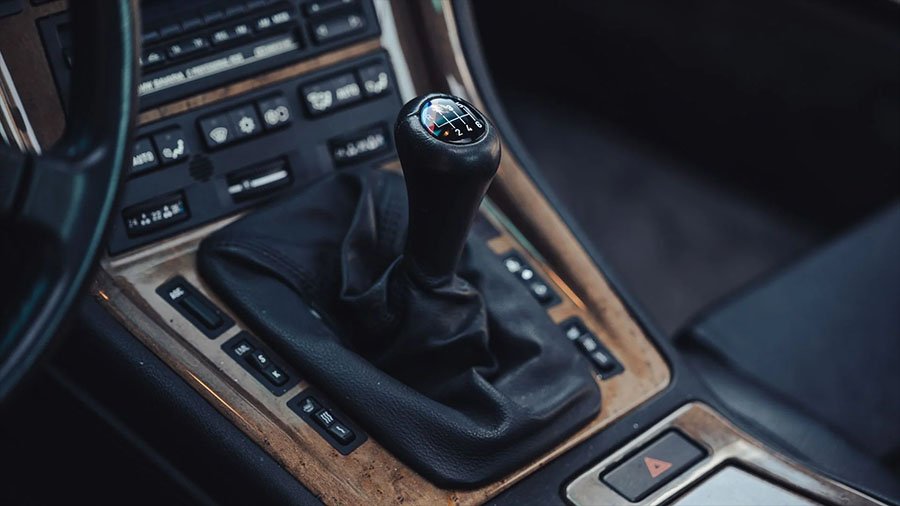
All told, the S70 B65 motor pumped out a mighty 380bhp at 5300rpm and 406lb-ft at 4000rpm. This was transmitted through a custom six-speed manual gearbox with separate oil cooling system, a single-plate clutch, a limited-slip differential, a CSi-specific separate differential oil cooler and rear axle with specially configured 2.93:1 ratio.
Unfortunately, as a consequence of poor trading conditions, barely 1500 copies of the 850 CSi were completed between 1992 and 1996 and, today, these rarely seen flagships have come to be regarded as highly sought collector pieces.
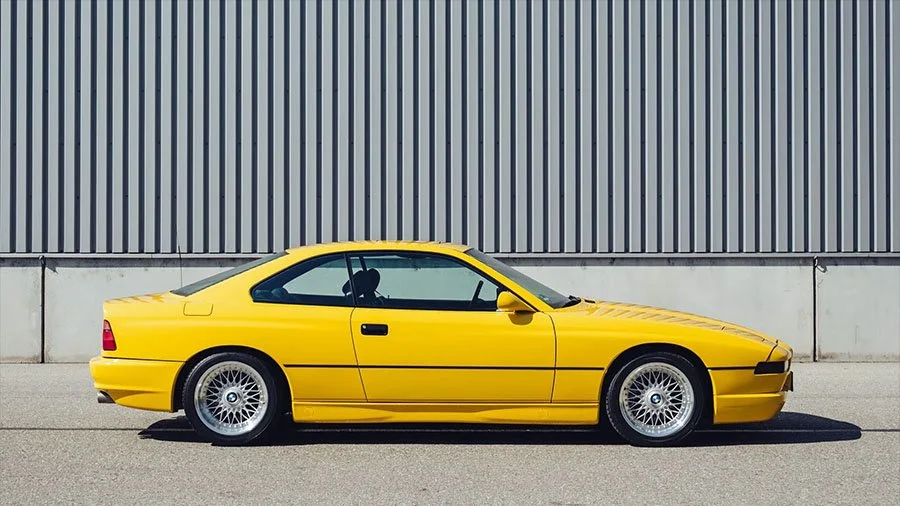
Going under the hammer at tomorrow’s Broad Arrow Auctions’ Villa d’Este sale is one of the most interesting examples of the 850 CSi to have emerged recently: chassis WBSEG91080CC00428.
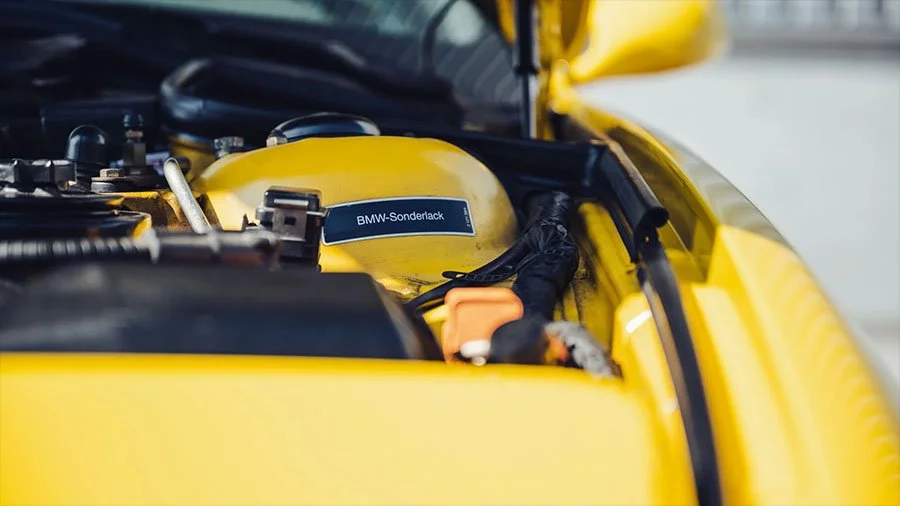
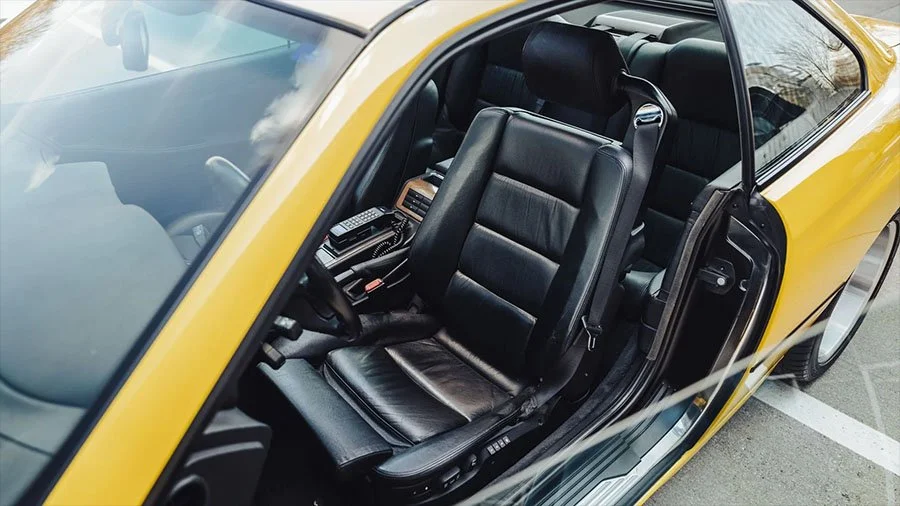
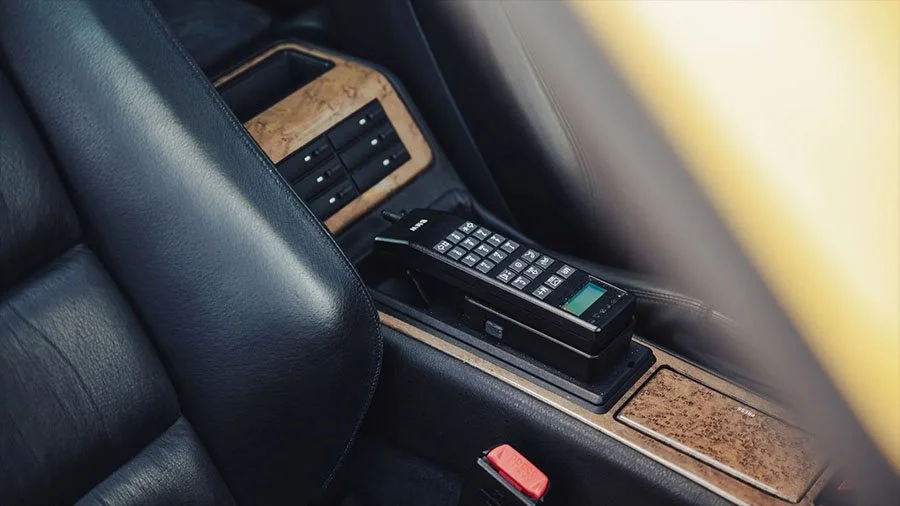
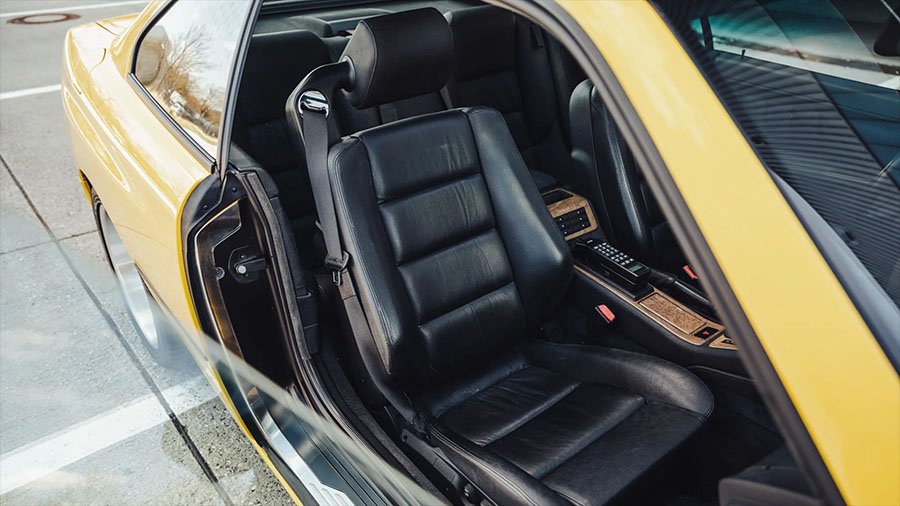
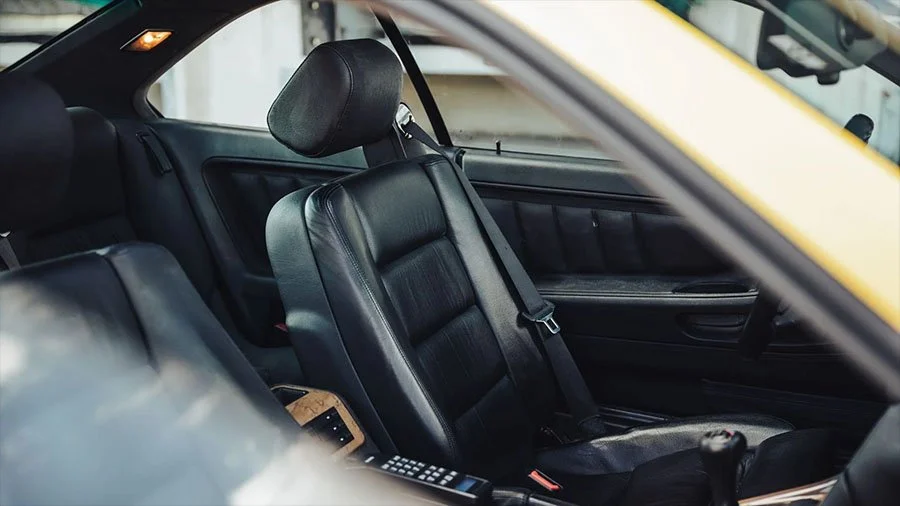
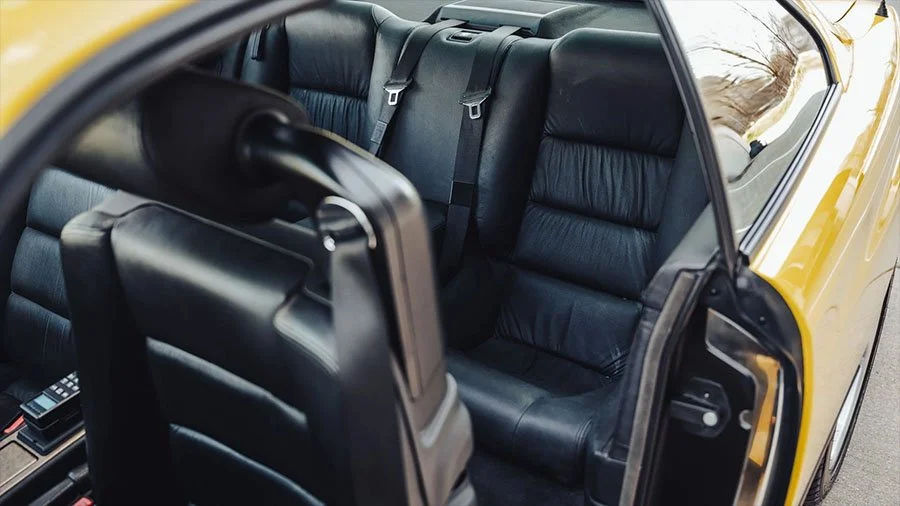
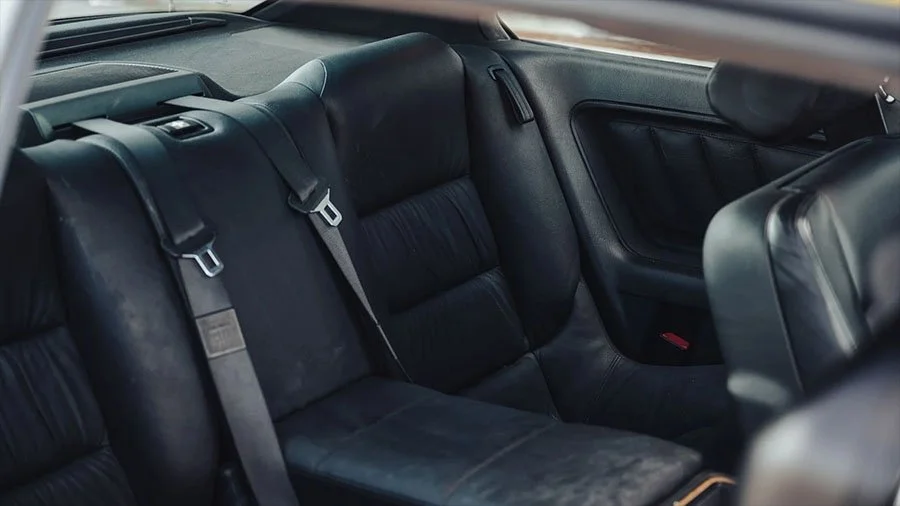
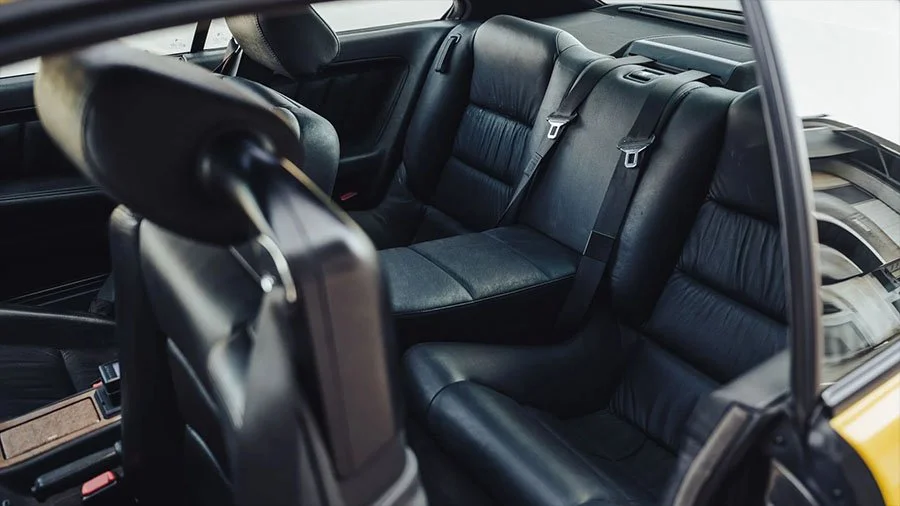
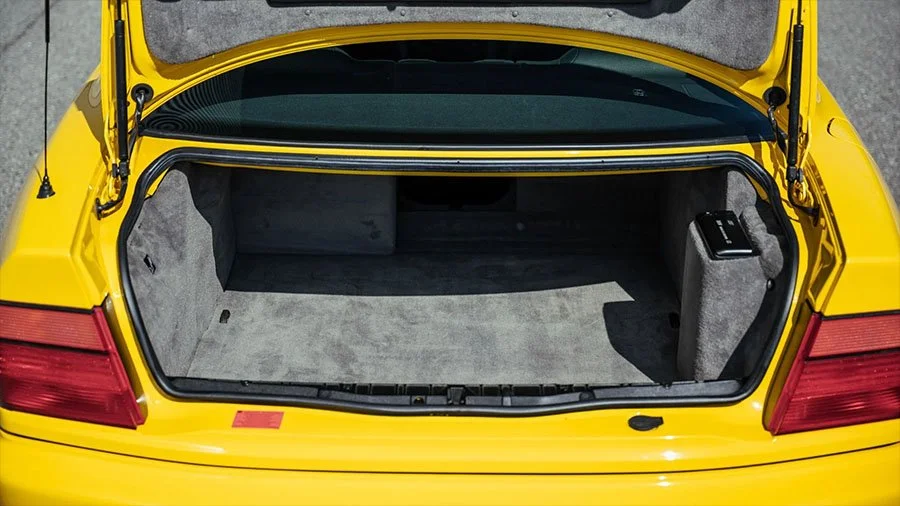
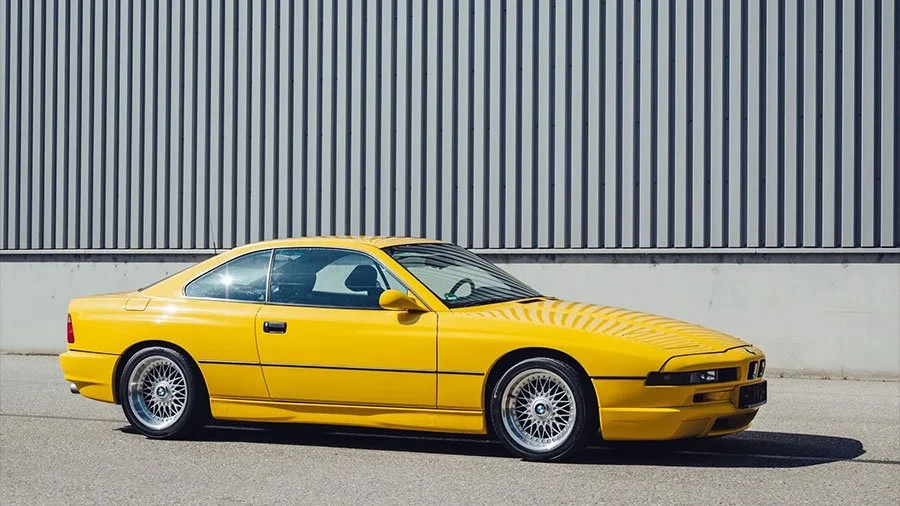
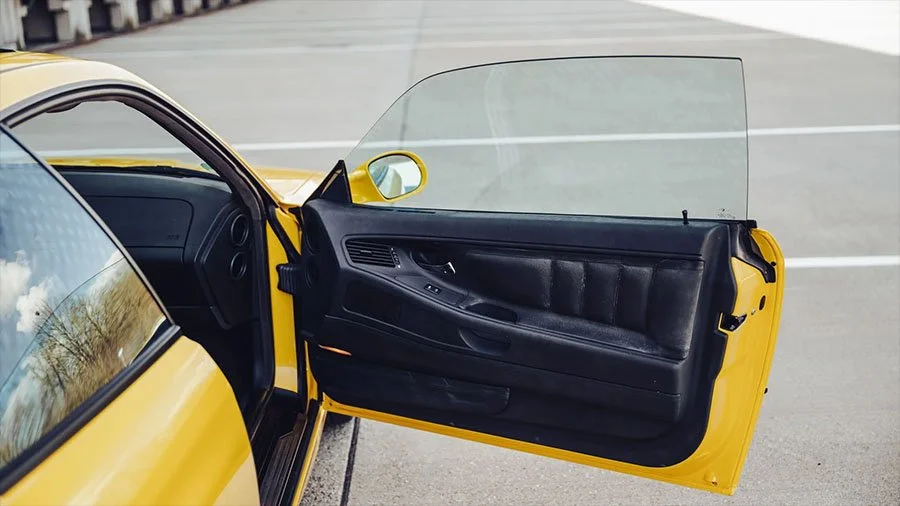
Ordered as a showroom centrepiece by Berlin BMW main agent, Richard Schiel GmbH, chassis ‘00428’ was configured in spectacular Giallo Fly, one of eight such cars produced by BMW Individual. The car was further optioned with Anthracite Buffalo leather upholstery, fine wood trim, a sunroof, a power rear sunshade and an auxiliary heater.
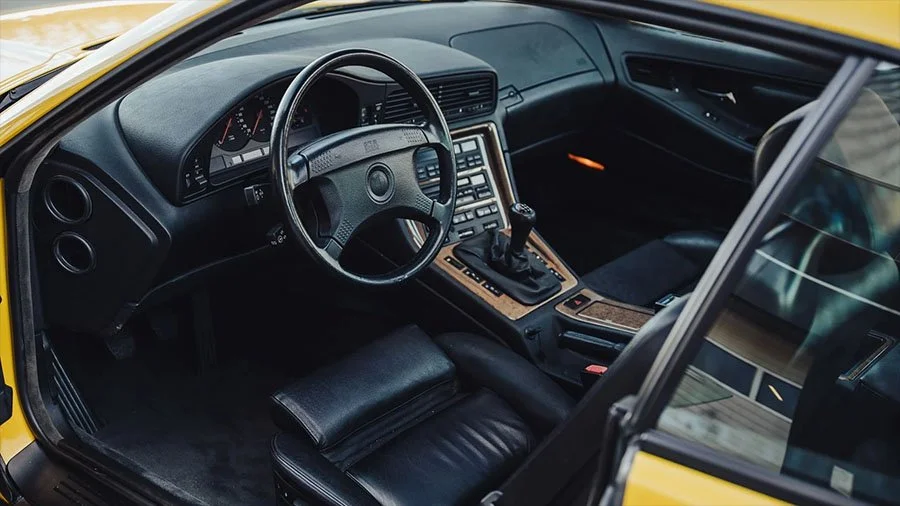
First registered by Richard Schiel GmbH on August 25th 1993, the BMW remained in Berlin until it was sold to Rudiger Faltz GmbH. In turn, Faltz sold the CSi to a collector from Luxembourg on May 10th 1997 at which point the odometer read 15,800km.
Chassis ‘00428’ returned to Bavaria when a collector from Taufkirchen acquired it on August 10th 2007. Broad Arrow state: “a minor accident affecting the front of the car occurred in March 2009 at 38,206km and was repaired to factory standard by the official branch of BMW in Munich for nearly €15.000 and received a BMW Accident Repair Certificate.”
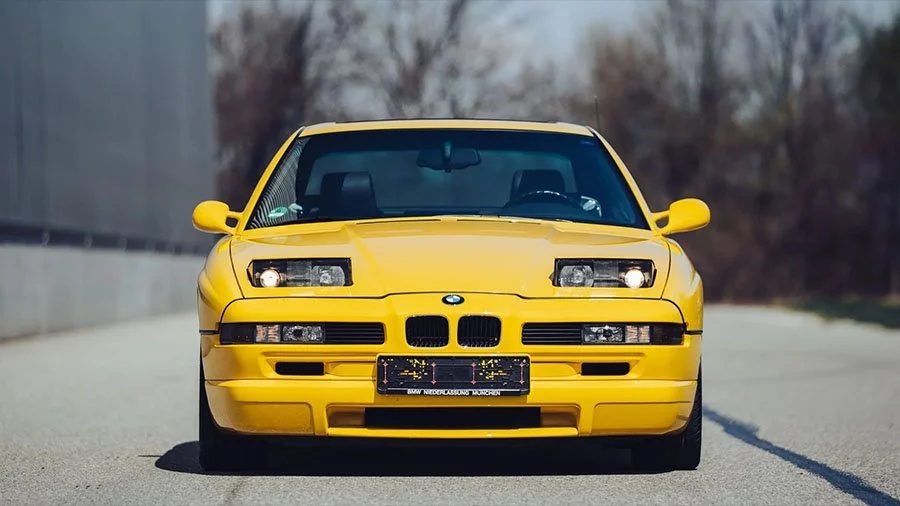
The car then passed through another custodian before entering the current owner's collection on October 19th 2019. ‘00428’ was then completely refinished in its original Giallo Fly.
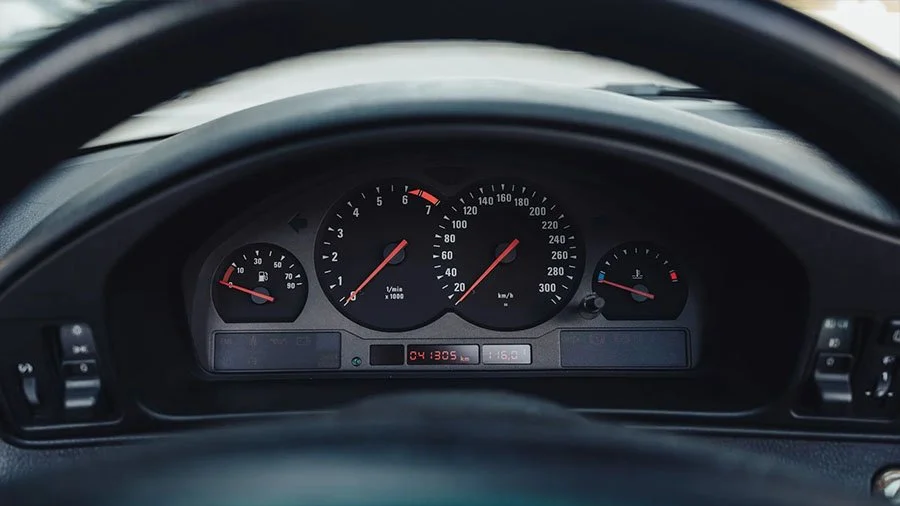
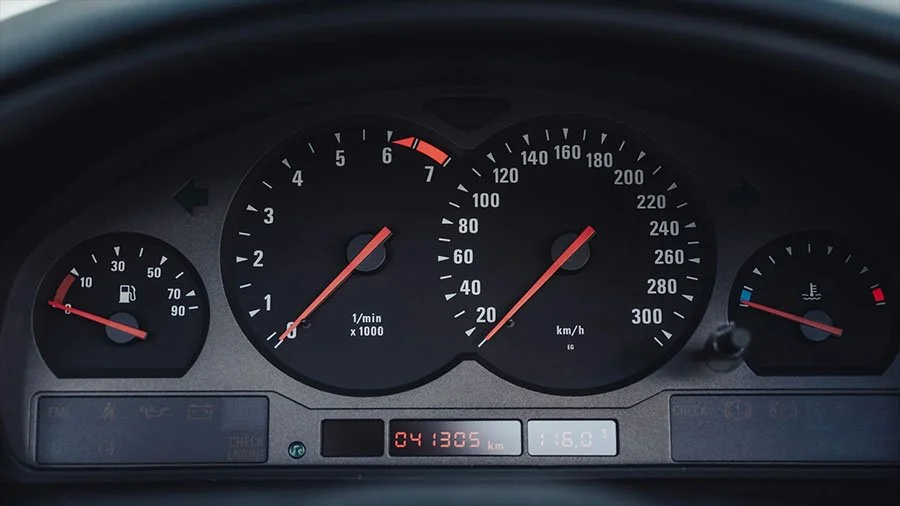
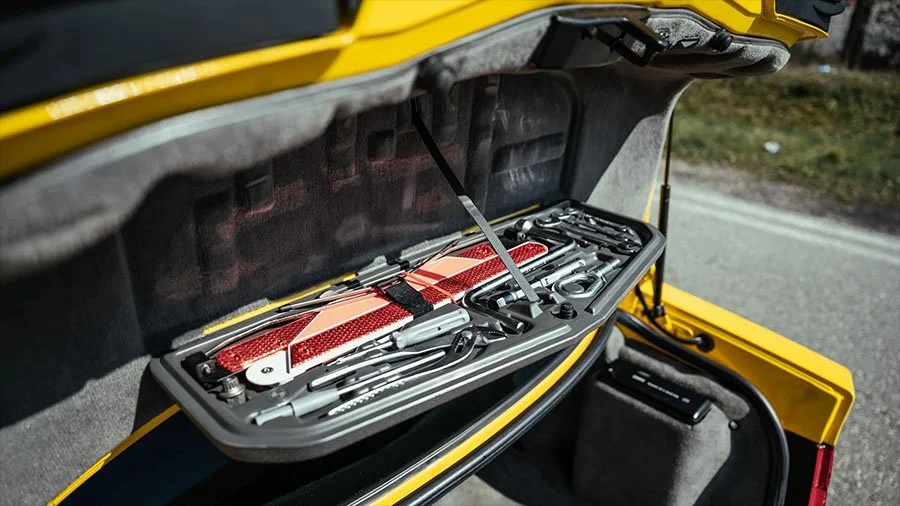
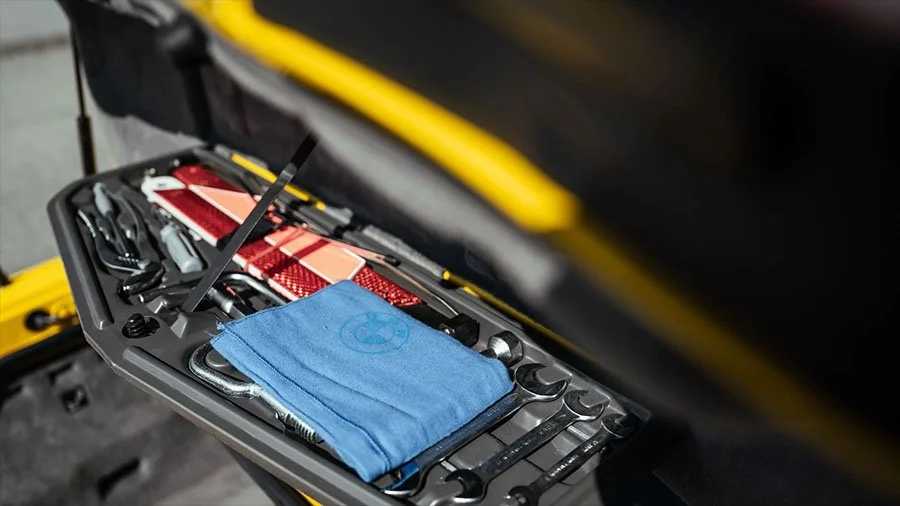
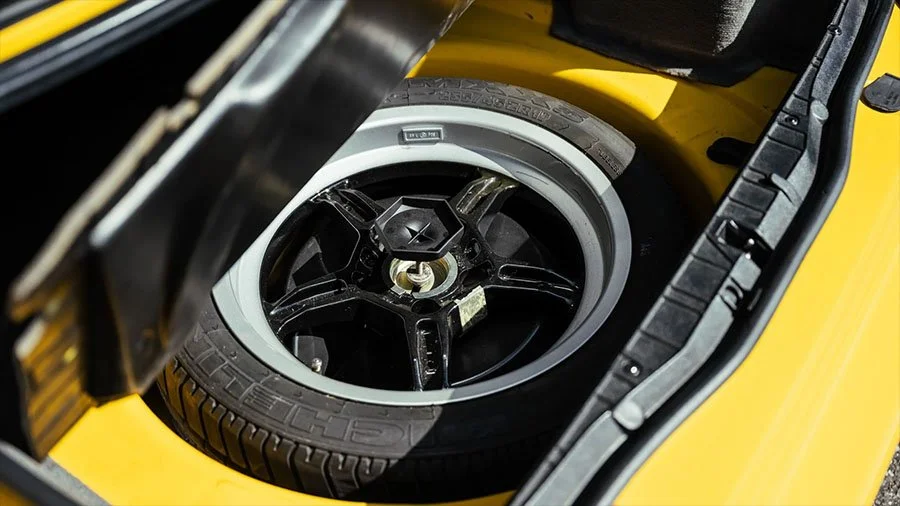
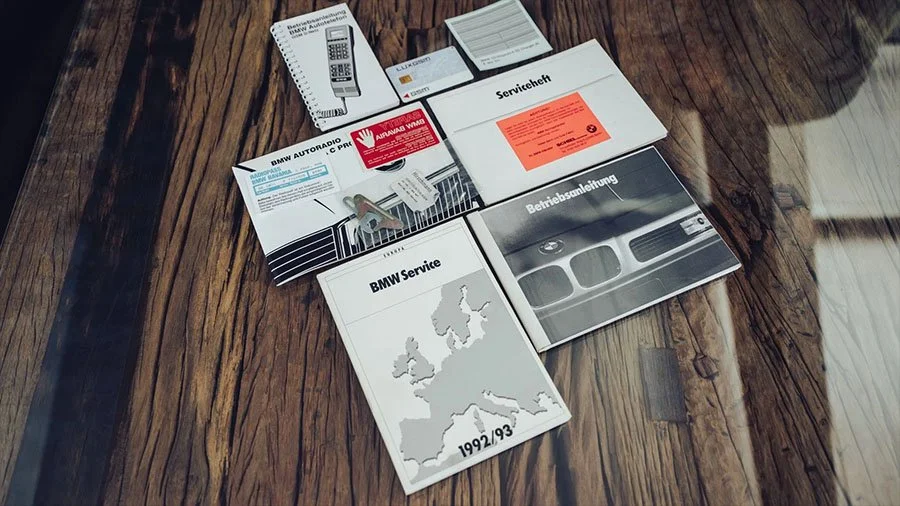
This stunning 850 CSi heads to auction accompanied by a well documented history with just over 41,000km on the odometer.
For more information visit the Broad Arrow Auctions website at: https://www.broadarrowauctions.com/
Although BMW’s Formula 1 programme of 2000 to 2009 did not deliver on championship-winning potential, it did pave the way for an F1-inspired V10 to find itself in the 2004-2010 M5 and the 2005…
During the mid-to-late 1980s, arguably the most elegant sporting Coupes offered by Europe’s high end manufacturers were the Aston Martin V8 and BMW’s E26 M635 CSi. While in Vantage trim the…
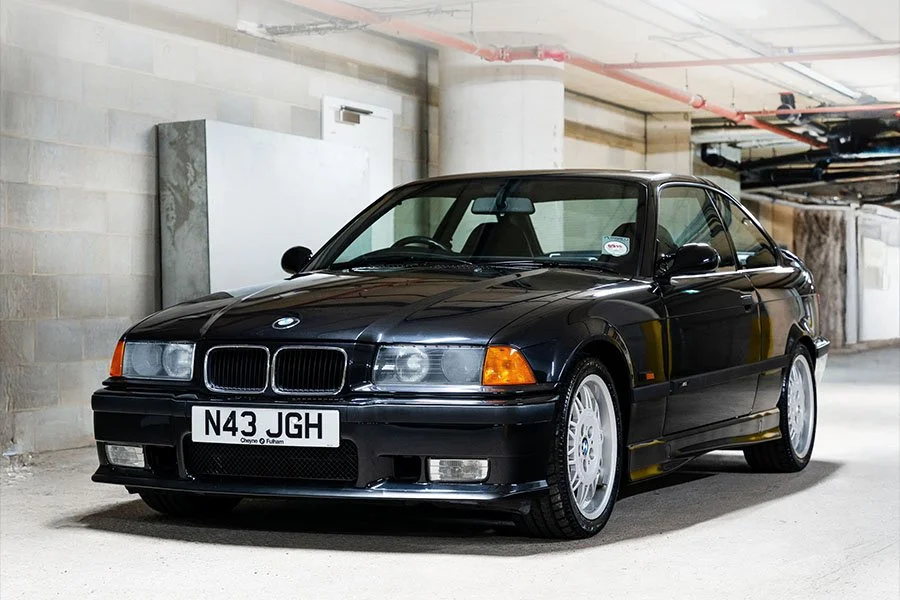
Owing to tighter emissions legislation, E36 M3s bound for North America had to be fitted with lower compression engines that did not feature the same radical cylinder head, variable valve timing…
After a five-year spell campaigning the E36 M3 GTR, BMW’s North American competition partner, Prototype Technology Group (PTG), switched focus to the new E46-based Motorsport 3-series.
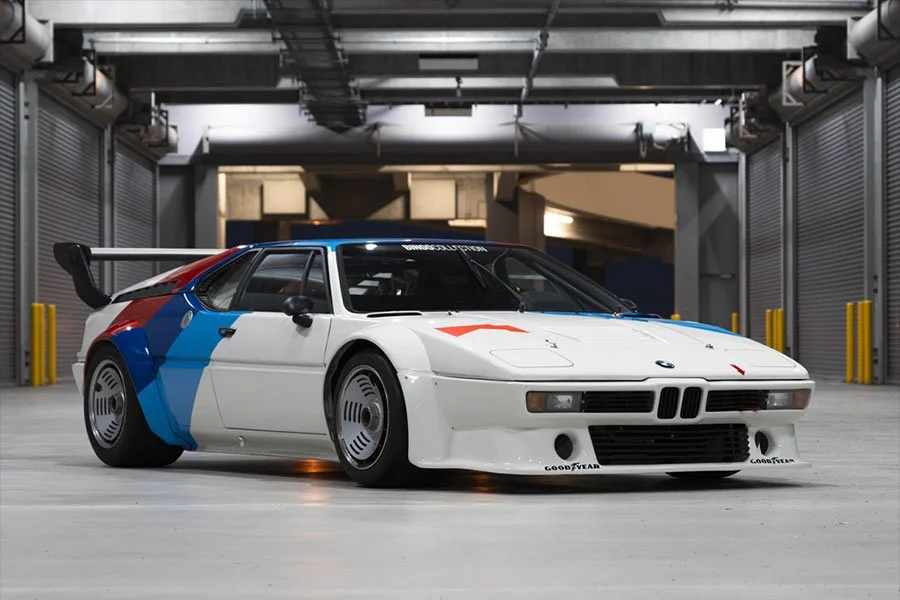
To promote its highly anticipated M1, the first mid-engined road car in BMW’s history, a fleet of three early examples were retained for promotional use. Of these, just one was finished in Blue, chassis…
Produced for just 16 months between March 2011 and June 2012, BMW shifted a little over 6000 copies of its E82-based 1M Coupe. By contrast, the contemporary M3, manufactured from 2007 until…
Although it never wore the familiar ‘M’ moniker that graced most of BMW Motorsport’s road cars, the E31-based 850 CSi featured even more performance enhancements than many M-badged…
Despite having been up against much newer and more highly developed opposition, BMW’s iconic E30 M3 still proved itself a winning platform during the car’s sixth and final season in the Deutsche…
Perhaps the least well known BMW Motorsport product to emerge during the 1990s was the E31 850 CSi built in limited numbers between 1992 and 1996. Despite its lack of an “M” moniker, practically…
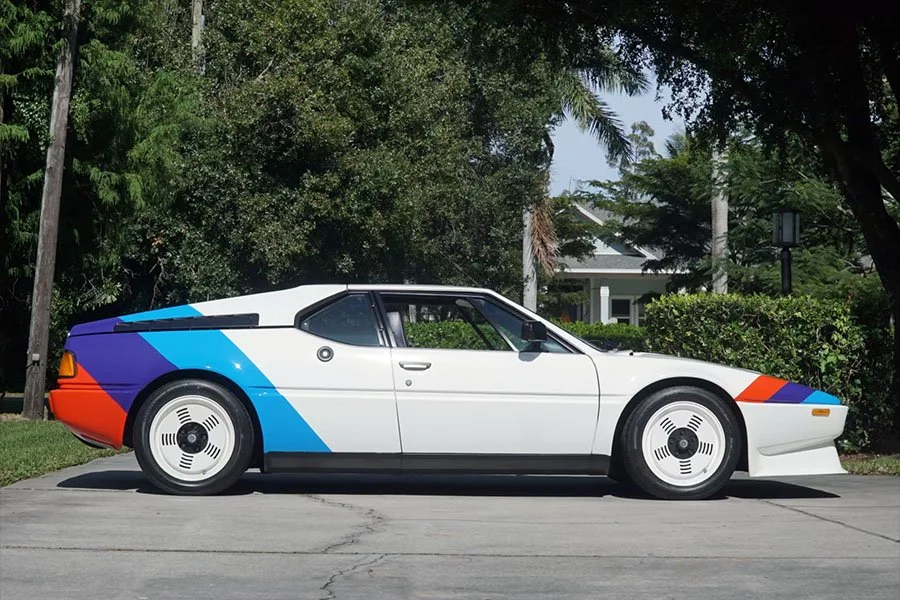
Although BMW’s Group 4 M1 is best remembered for the Procar series from which it took its name, once a much-delayed homologation process had been rubber stamped, the model did go on to…
Having commissioned the first two instalments of its burgeoning Art Car theme in time for the 1975 and ‘76 Le Mans 24 Hour races, BMW went on to order a third machine that would appear at the…
Perhaps counter-intuitively, the lightest body style from BMW’s V8-powered M3 line produced between 2007 and 2013 was the four-door E90 Sedan which tipped the scales at 50kg less than a…
Although France was among the last major European nations to organise a national Touring Car championship, the Gallic series saw an explosion of interest during the mid-to-late 1970s when it…
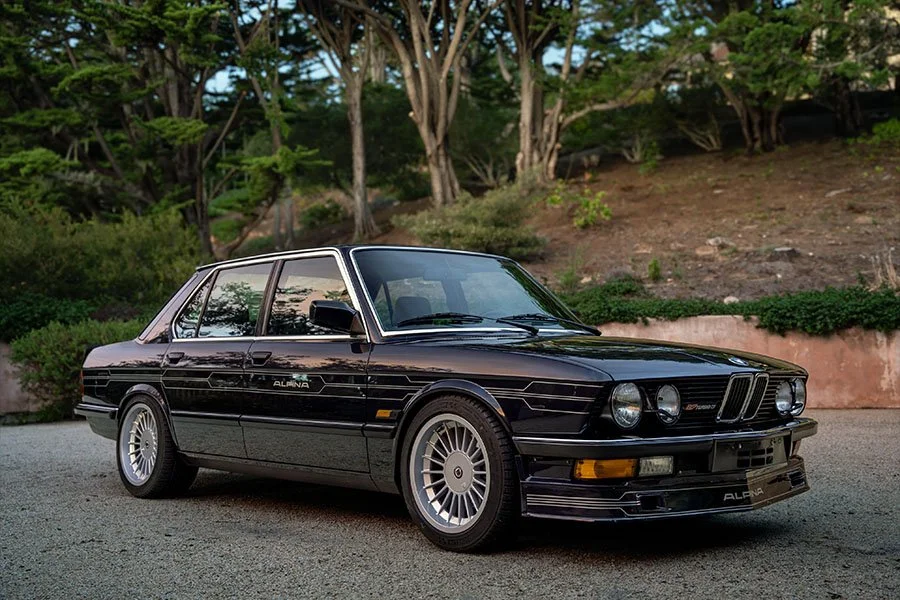
When it comes to hot executive Saloons of the 1980s, Alpina’s B7 Turbo has it all. Starting with a BMW E28 535i, Alpina added its familiar blend of uprated suspension, wider wheels, a limited-slip…
In addition to the examples sold to customers, BMW Motorsport retained a good stock of M1 Procars for its own requirements. Of these, some were destined for works use in the Procar series while a few…
As the most successful F1 driver on the grid with 17 victories and two Drivers’ titles, Niki Lauda would already have been among the favourites to walk away with the 1979 Procar Championship.
At the Paris Motor Show in October 1972, BMW unveiled a styling concept with a turbocharged version of the two-litre M10 engine. The Paul Bracq-designed E25 Turbo had a mid-mounted…
Considering just how unbelievably ugly most BMWs from the modern era have become, it may surprise some of our younger readers that, from the late 1960s through to the early 2000s, the…
Although the 3.2-litre E36 M3 Evolution has the most powerful engine fitted to BMW Motorsport’s compact 90s offering, our favourite iteration of the second generation M3 was the limited run GT…
Even though an oil crisis caused by a 1973-1974 war in the Middle East massively curtailed its works career, BMW’s E9 CSL remained the best top flight Group 2 racing car throughout the remainder of…
By dropping a close relative of the M1’s dual overhead cam 24 valve straight six into the elegant Paul Bracq-designed 6-series bodyshell which was then further enhanced with uprated…
For 1995, BMW decided to run its E36-based M3 GTR in IMSA’s popular GTS-2 category for GT racing cars. The programme was managed on BMW’s behalf by Tom Milner’s Prototype…
Having been conceived with the primary intention of serving as the basis for a Group 4 and 5 racing programme, the prospect of a multi-year homologation delay owing to production issues meant…
When it came to an off-the-shelf mid-sized super saloon during the first half of the 1980s, nothing in the Mercedes-Benz, Jaguar or Alfa Romeo arsenal could touch the BMW Motorsport-enhanced…
With a bigger bodyshell and more refined six cylinder engine than the outgoing E30 M3 (which had used a racey four cylinder motor), in many ways BMW’s E36-based expression of the M3 theme felt…
The 1980s really was a great time for large-engined German Grand Tourers with Audi, BMW and Porsche all taking a divergent approach with the Quattro, M635 CSi and 928 respectively. For an…
Unfortunately, owing to poor trading conditions caused by a global economic recession, over the winter of 1991-1992 BMW elected to abandon its plans for an M1 successor after Ital Design had…
The earliest Alpina-tuned variants of the Paul Bracq-styled E12 arrived very soon after this, the first generation 5-series, made its debut at the Frankfurt Motor Show in September 1972. Having initially…
Although the radical M8 never made it into production, BMW Motorsport did work their magic on another iteration of the E31 8-series: the 850 CSi. Unusually, the 850 CSi did without the familiar…
Following the launch of BMW’s range-topping E31 8-series at the Frankfurt Motor Show in September 1989, the Munich firm’s Motorsport department began work on a pair of high…