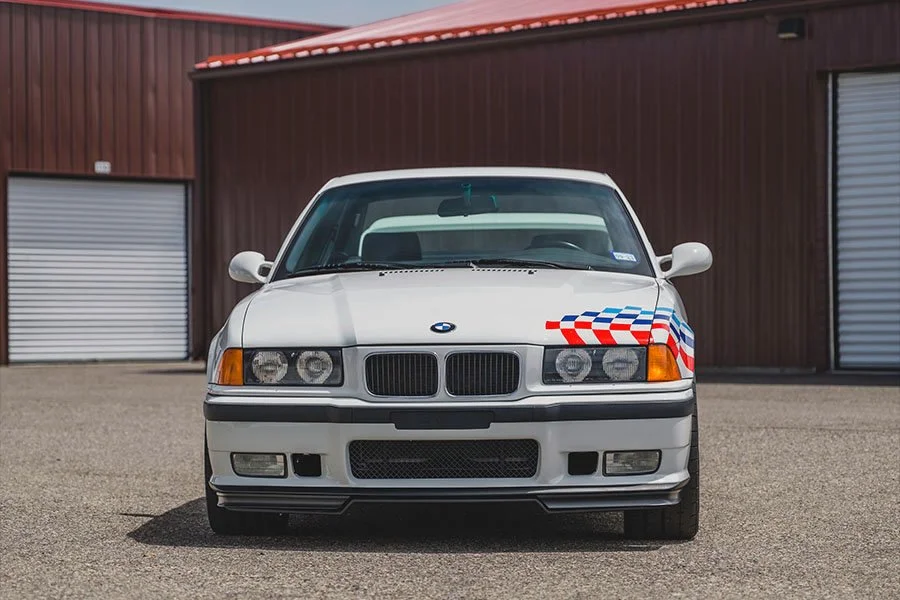
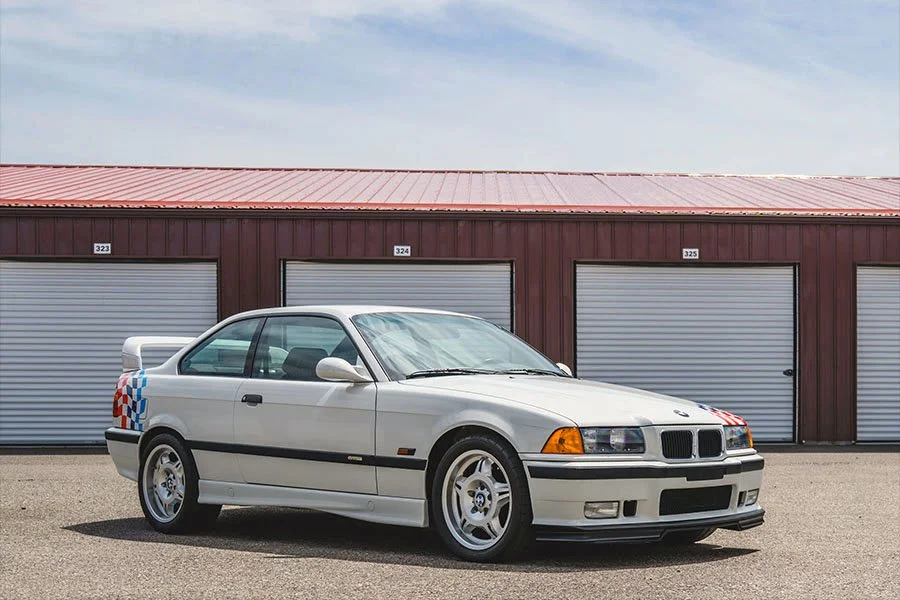
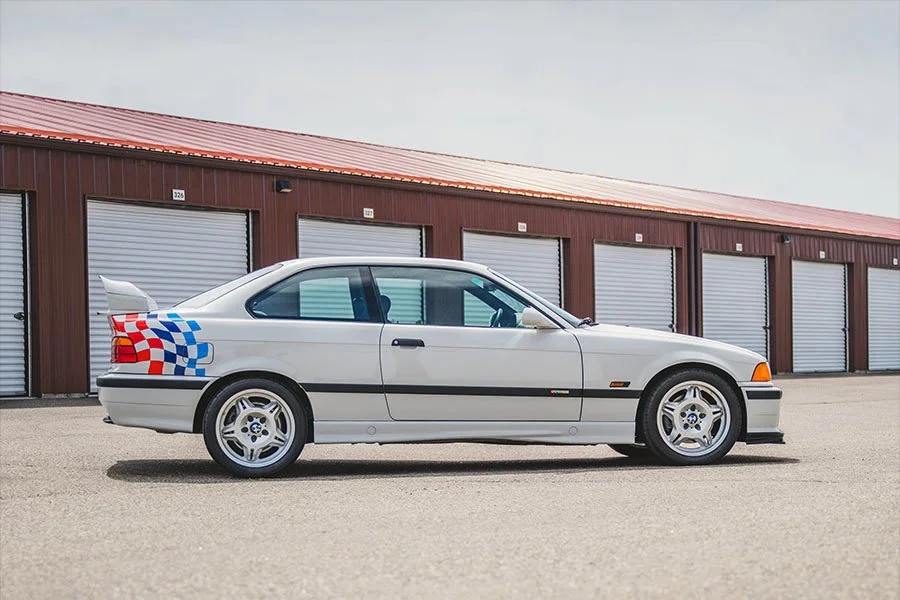
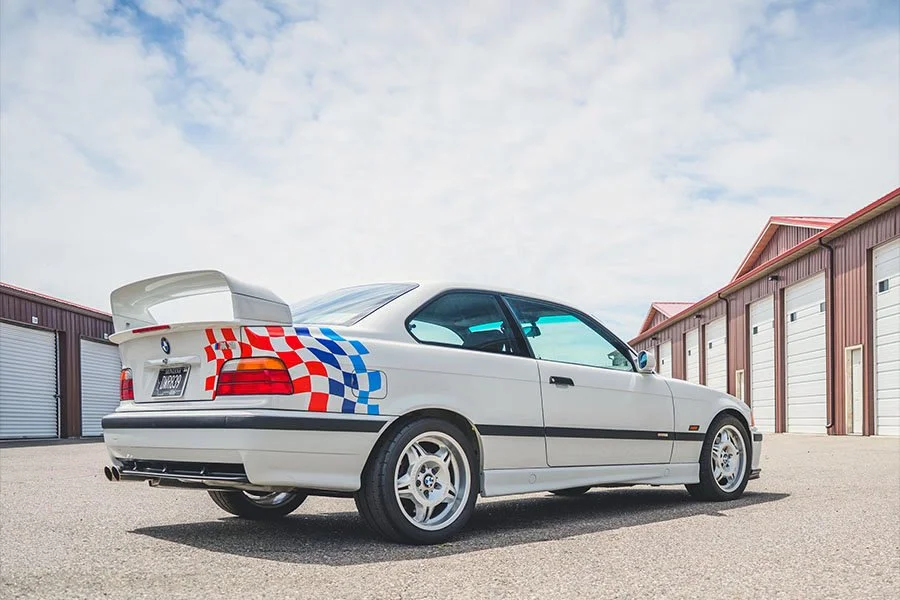
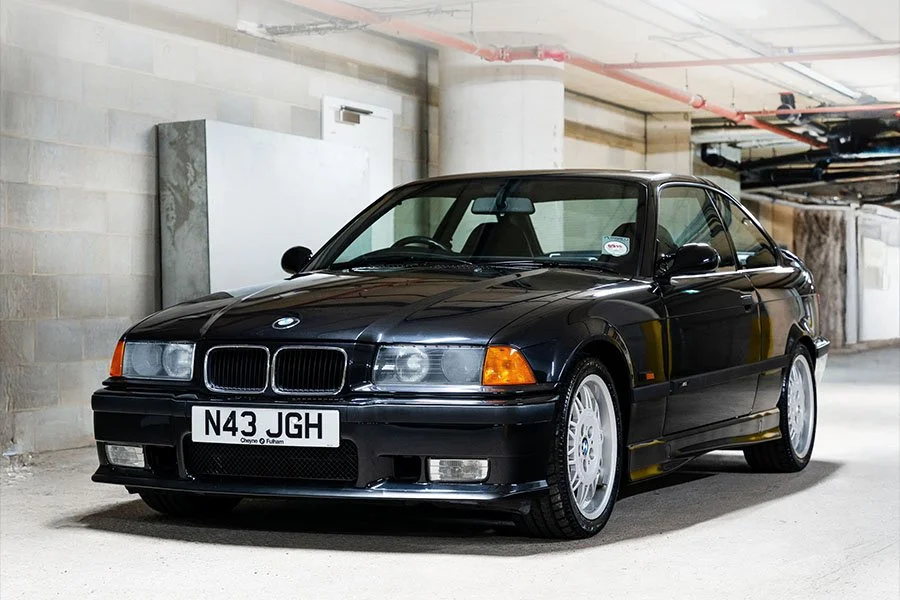
One to Buy: 11,000 mile 1995 BMW E36 M3 3.0 Lightweight
/ Ben Tyer
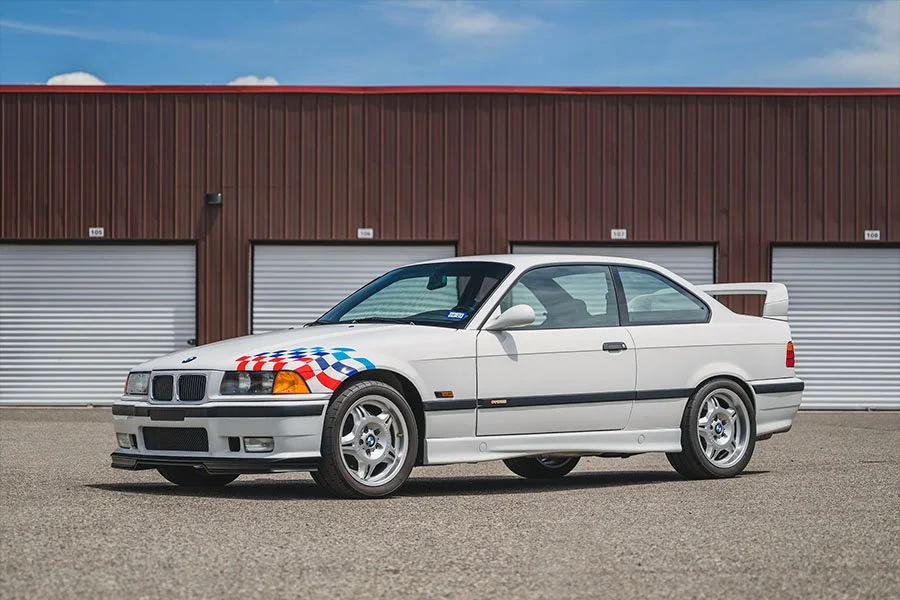
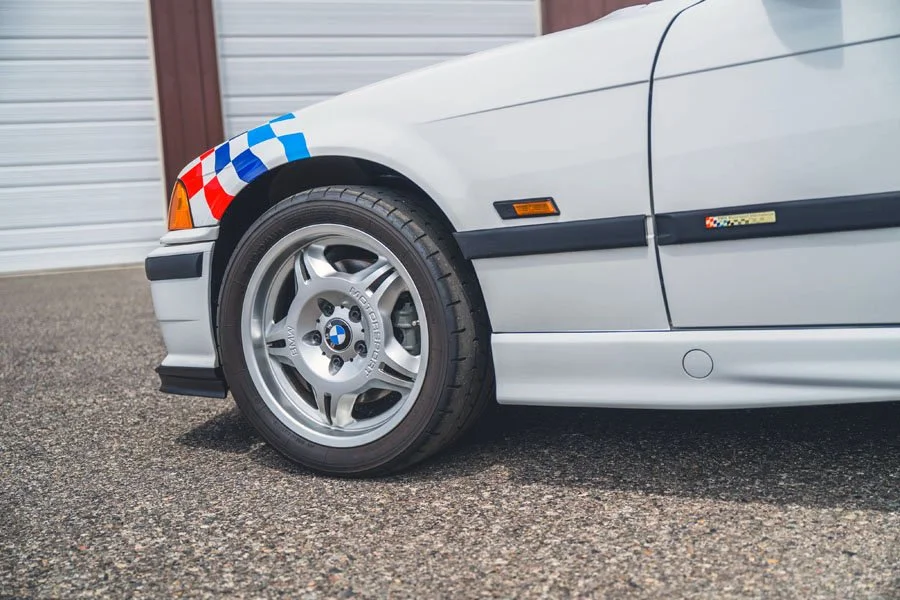
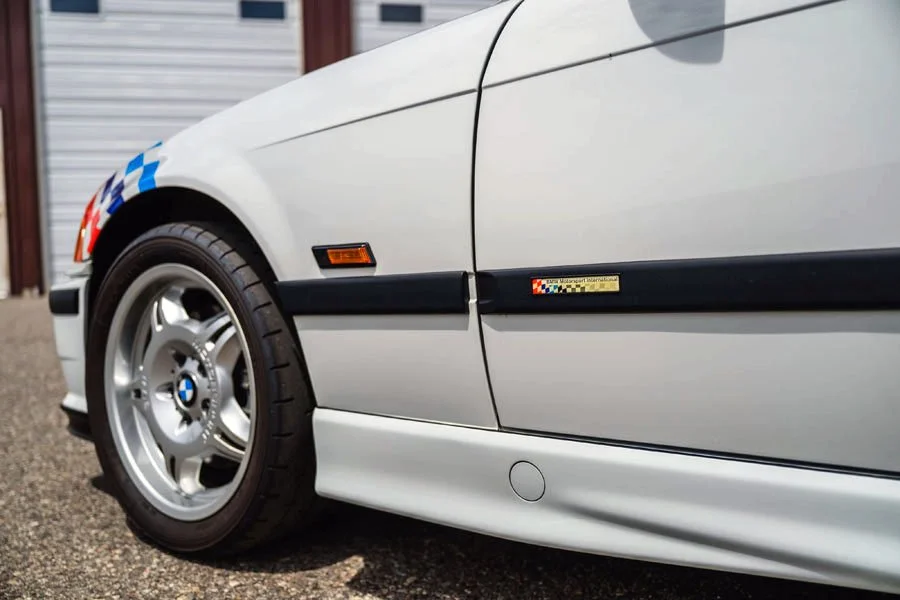
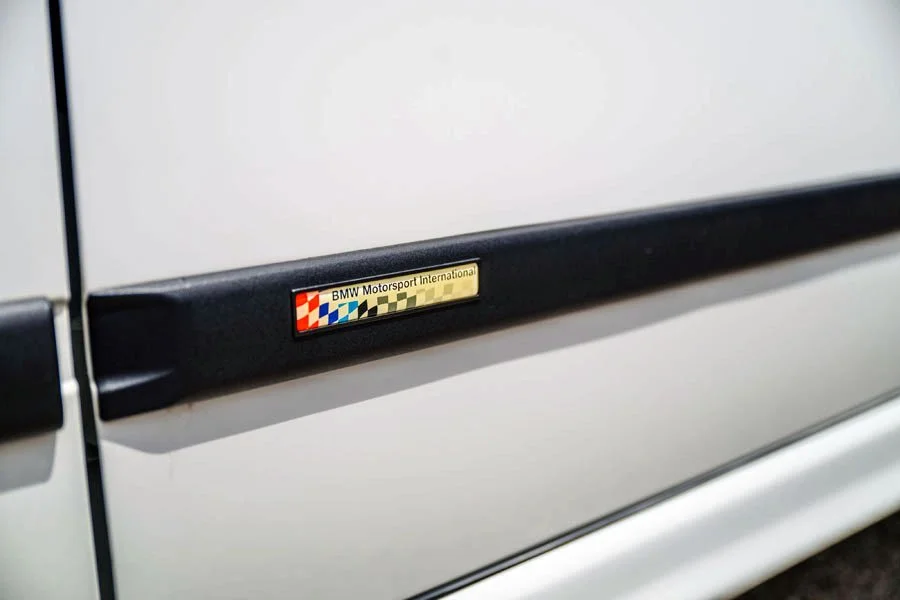
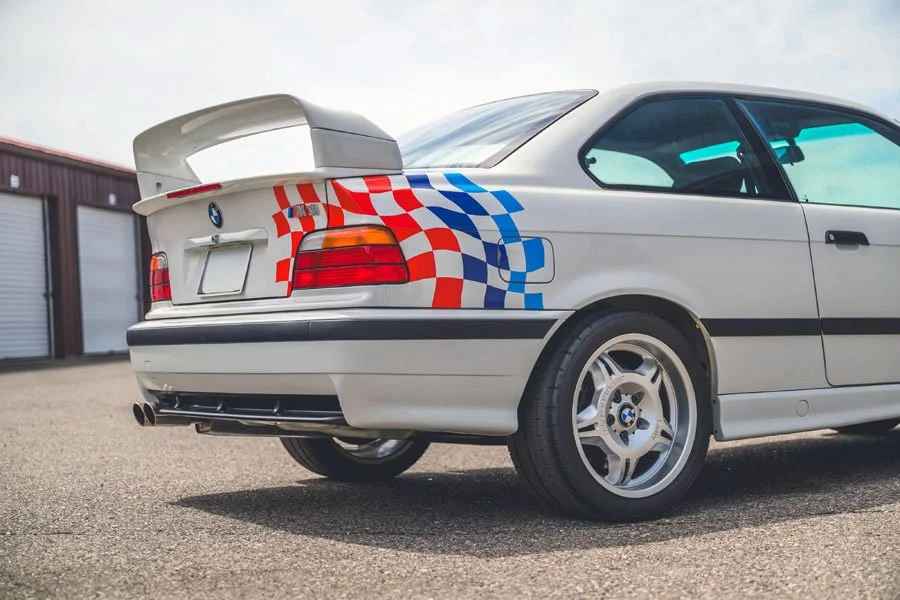
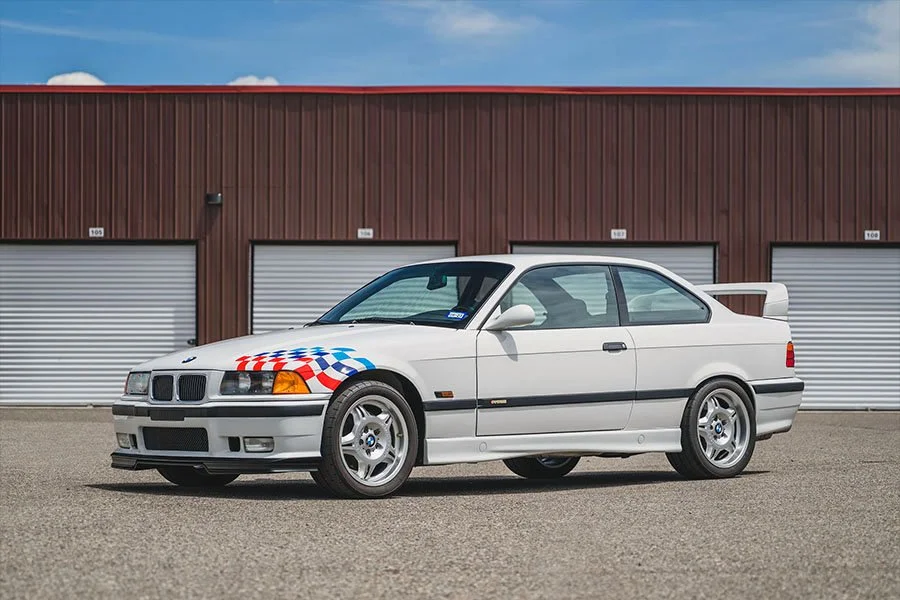
Owing to tighter emissions legislation, E36 M3s bound for North America had to be fitted with lower compression engines that did not feature the same radical cylinder head, variable valve timing system and individual throttle bodies of Euro spec. derivatives. However, to capitalise on the firm’s high profile IMSA campaign which kicked off in 1995, BMW did offer its US customers the lightest E36 M3 produced.
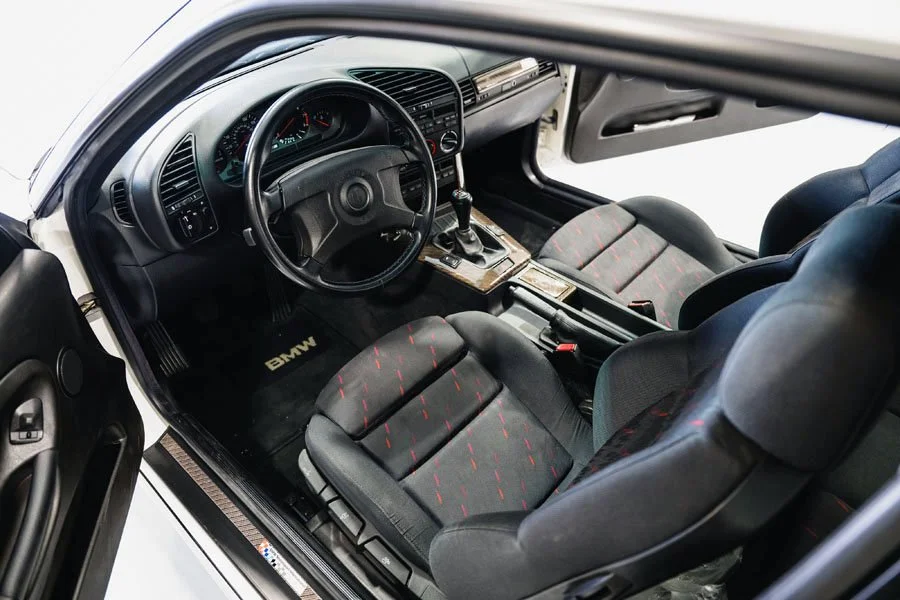
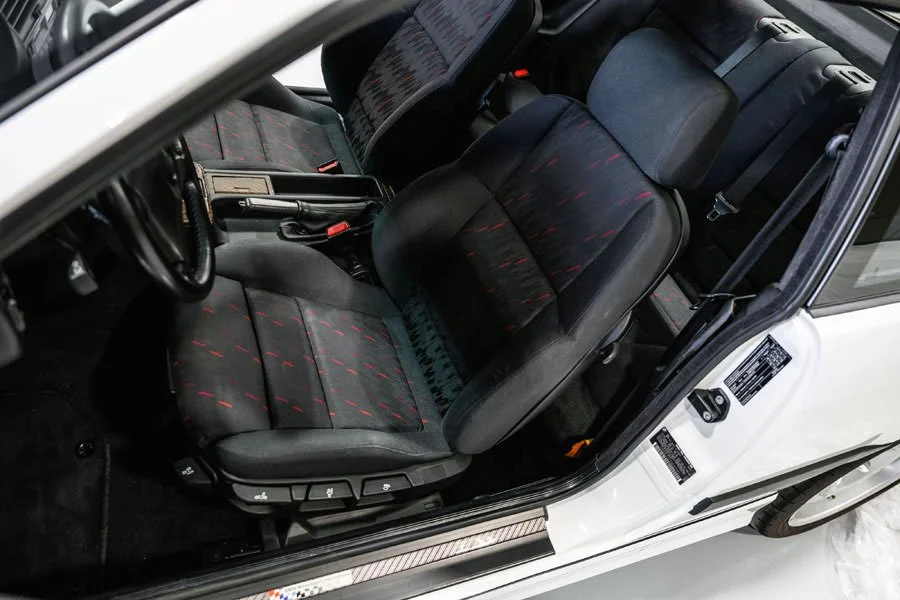
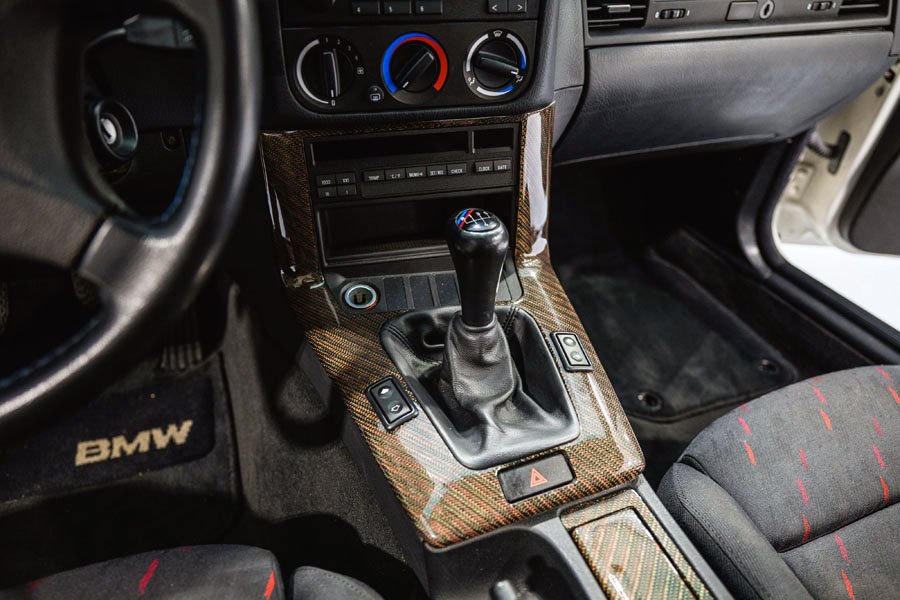
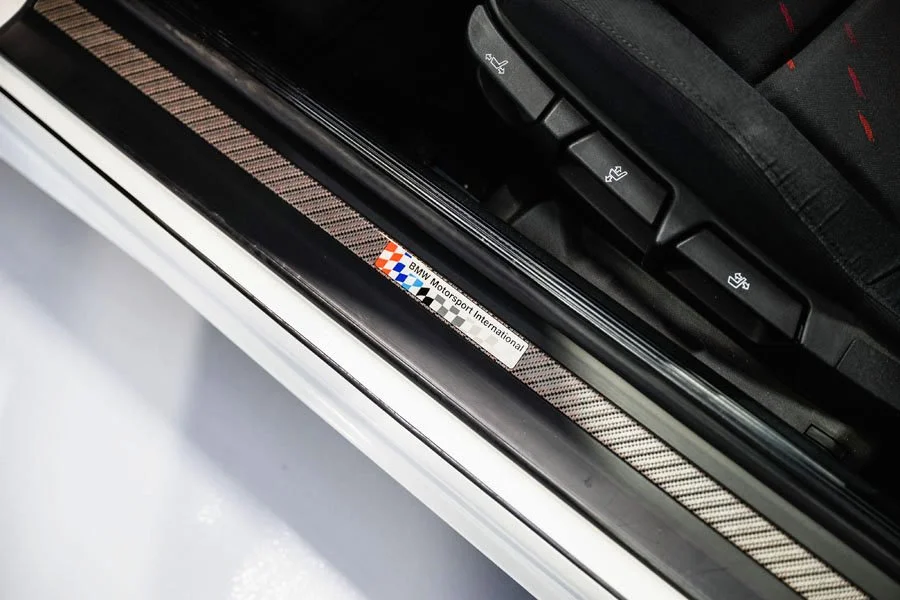
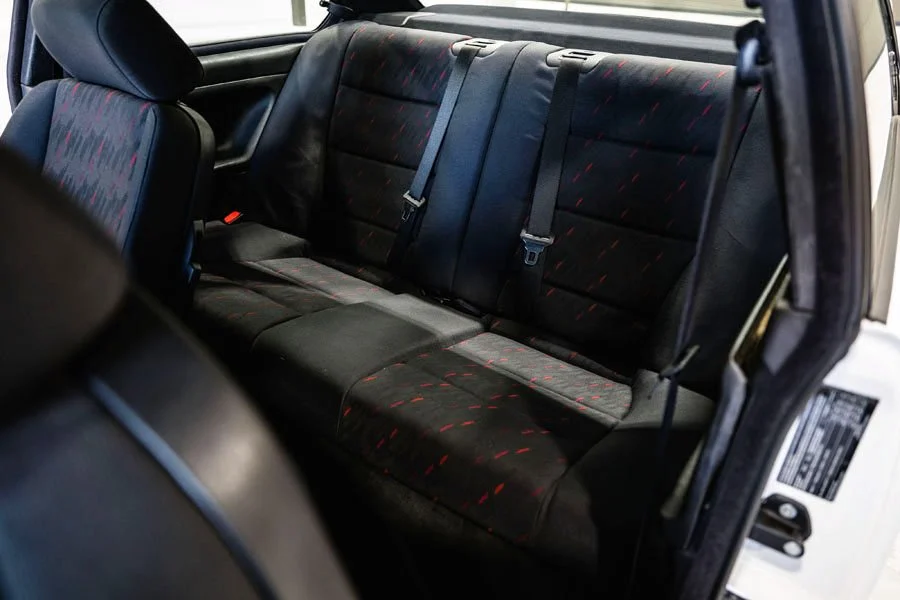
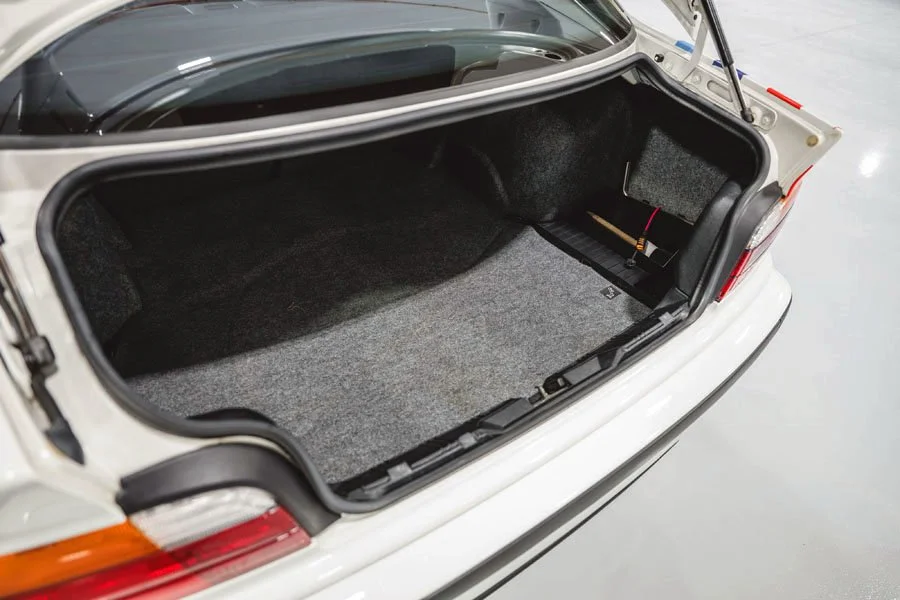
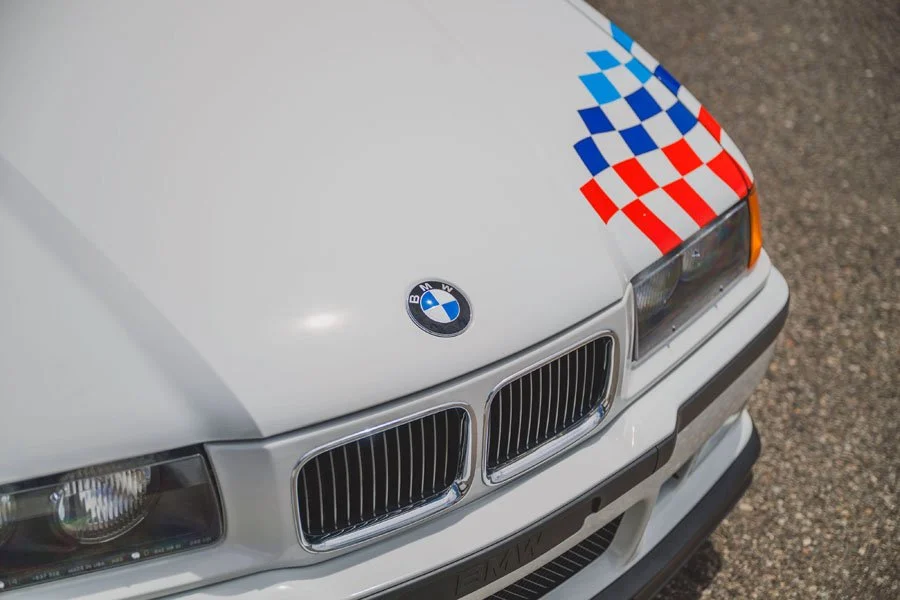
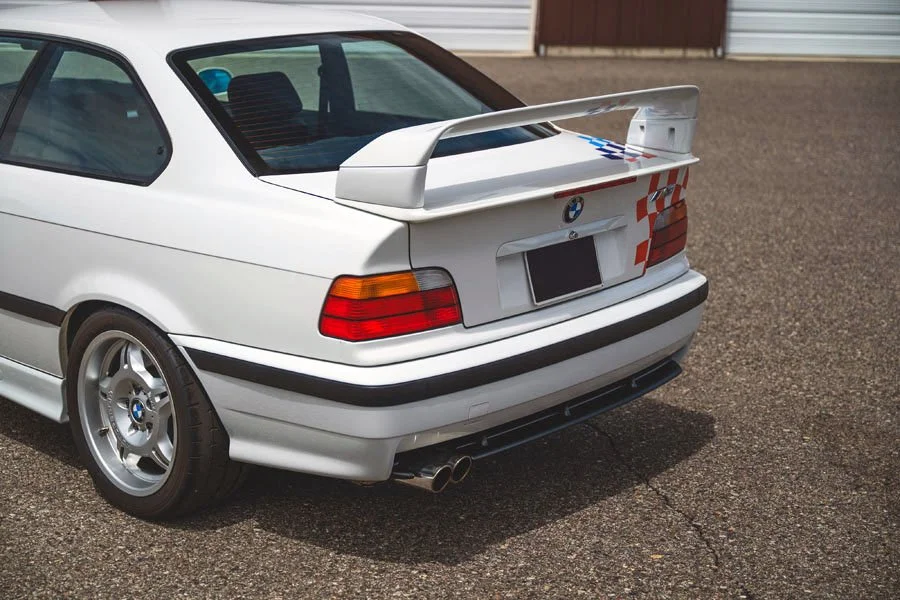
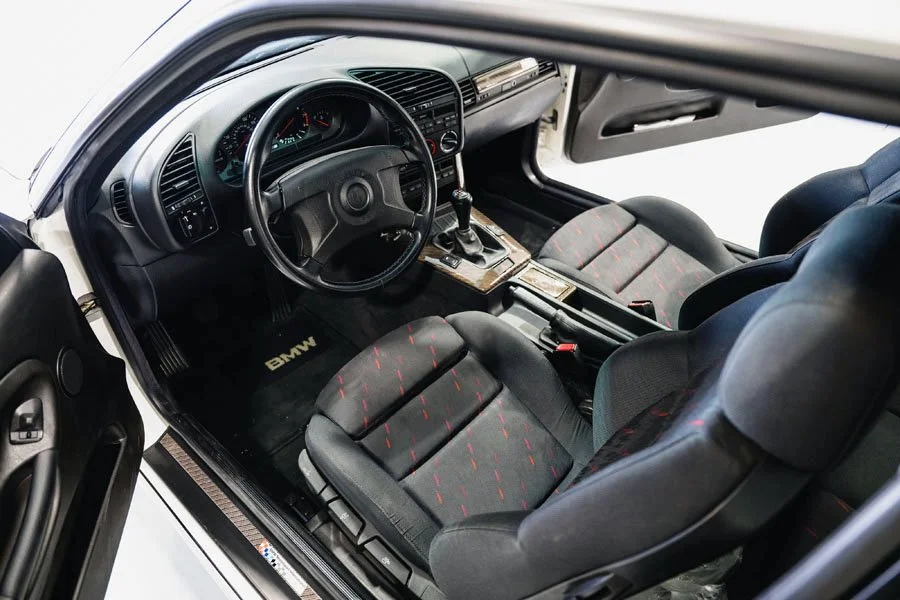
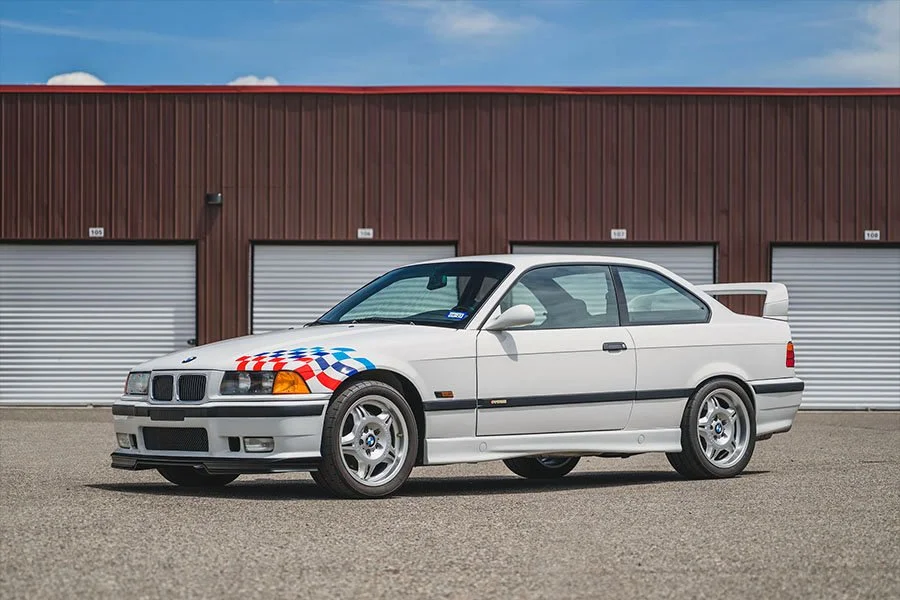
Tipping the scales at some 122kg less than a Euro spec. M3 Coupe, the limited run M3 Lightweight came with an extremely basic cockpit that featured no air-conditioning, audio system or leather upholstery. The high-backed electric Vader seats normally fitted to M3 Coupes were switched for manually adjustable Sports seats from the regular E36. The alarm and much of the sound insulation was also junked along with the spare wheel, tool kit and jack.
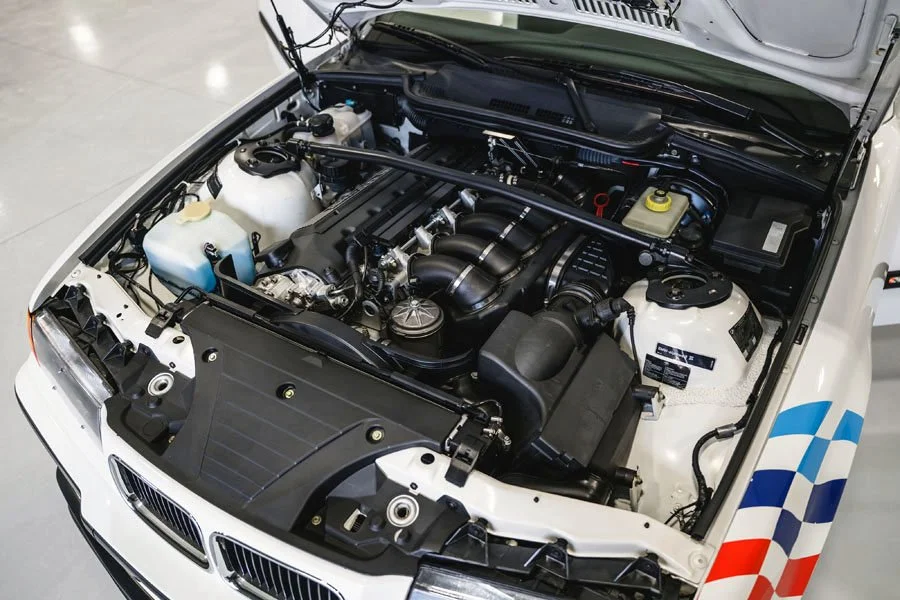
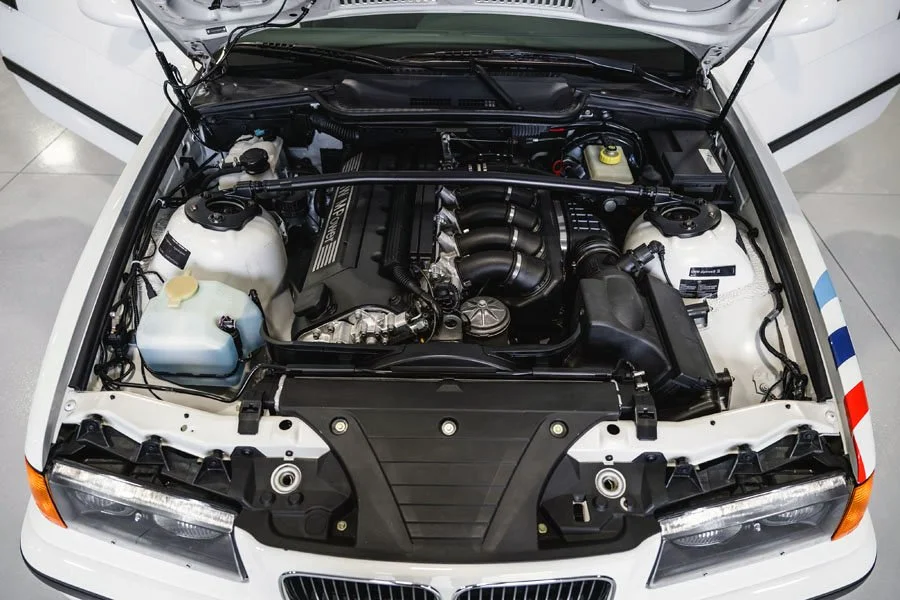
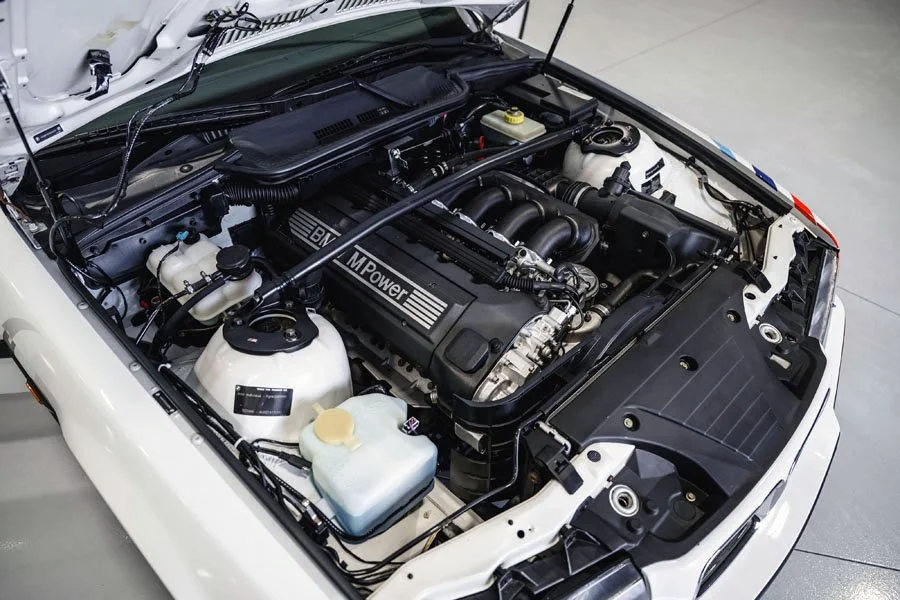
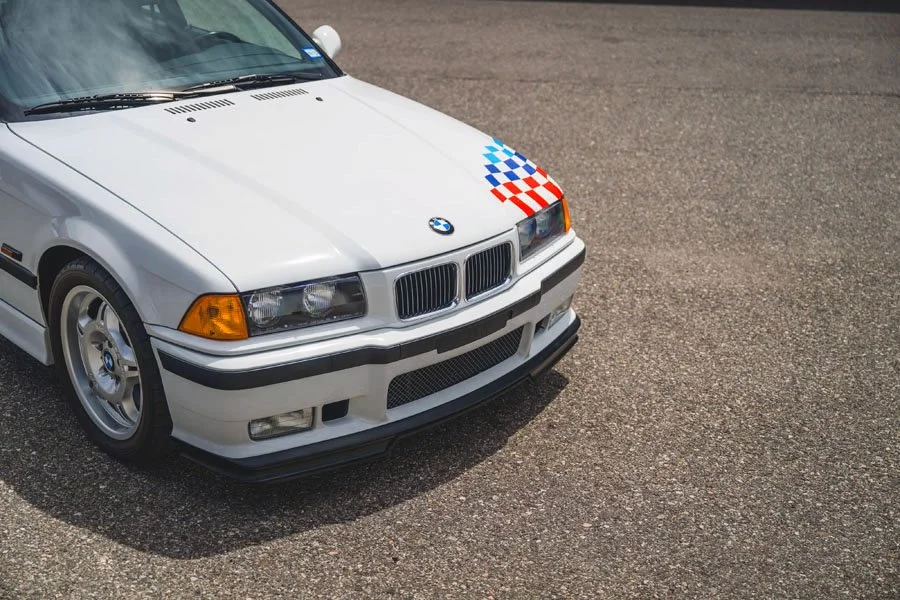
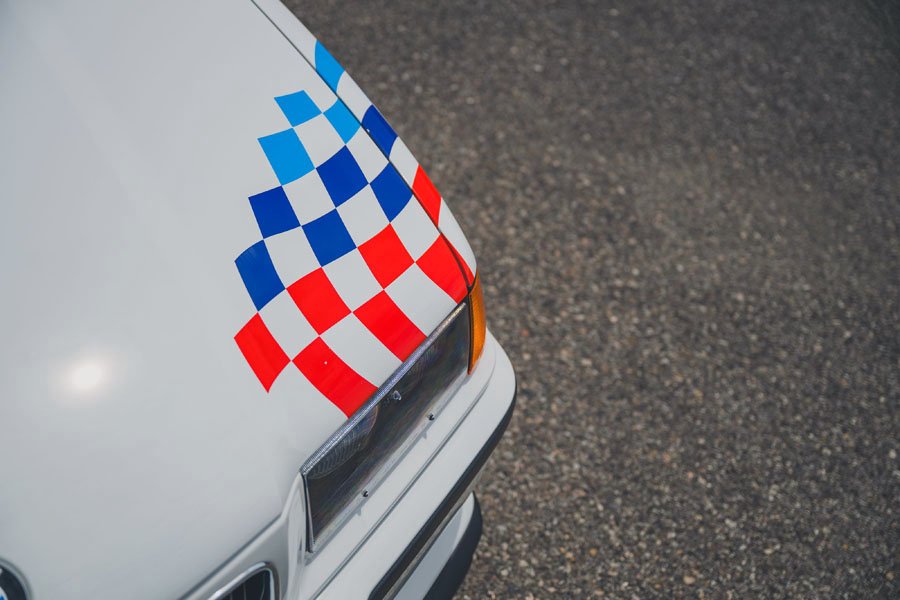
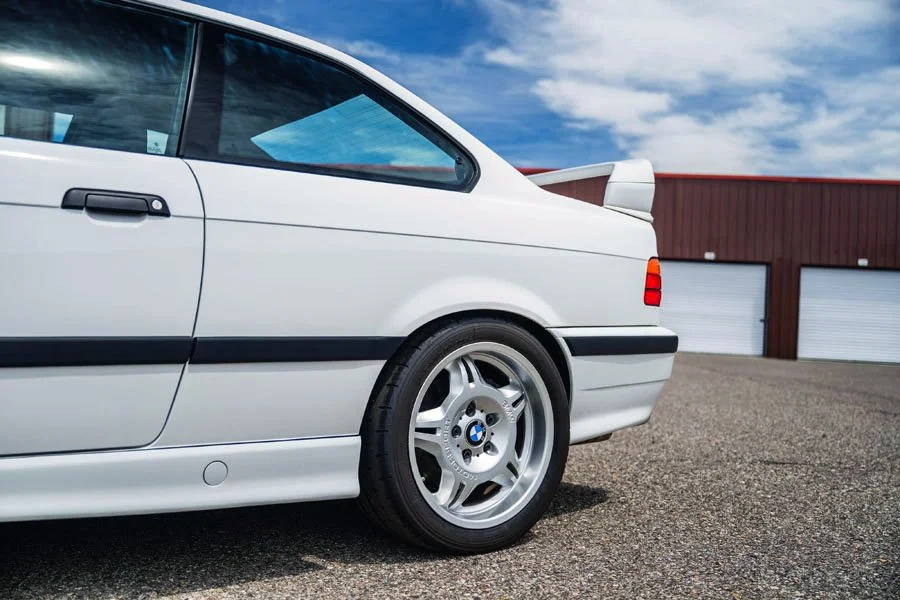
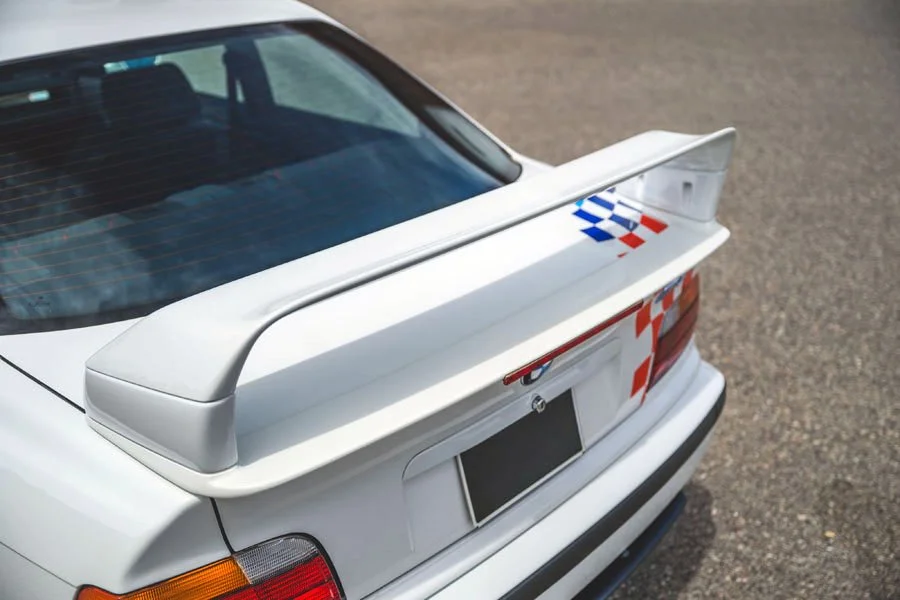
In addition to an M3 GT front splitter and a couple of other cosmetic tweaks, each car came with a Racing Kit supplied in the trunk that comprised a baffled oil pan with dual pick-up (to ensure constant oil flow in hard cornering), a front strut brace, a lower cross brace and a massive adjustable rear spoiler.
With its close-ratio five-speed gearbox and less hefty specification, the M3 Lightweight was an extremely quick machine – arguably the best driving E36 of all. Unsurprisingly then, the planned run of 85 production cars was over-subscribed and 115 M3 Lightweights were delivered to customers. Factoring in the eleven prototypes, 126 were built in total.
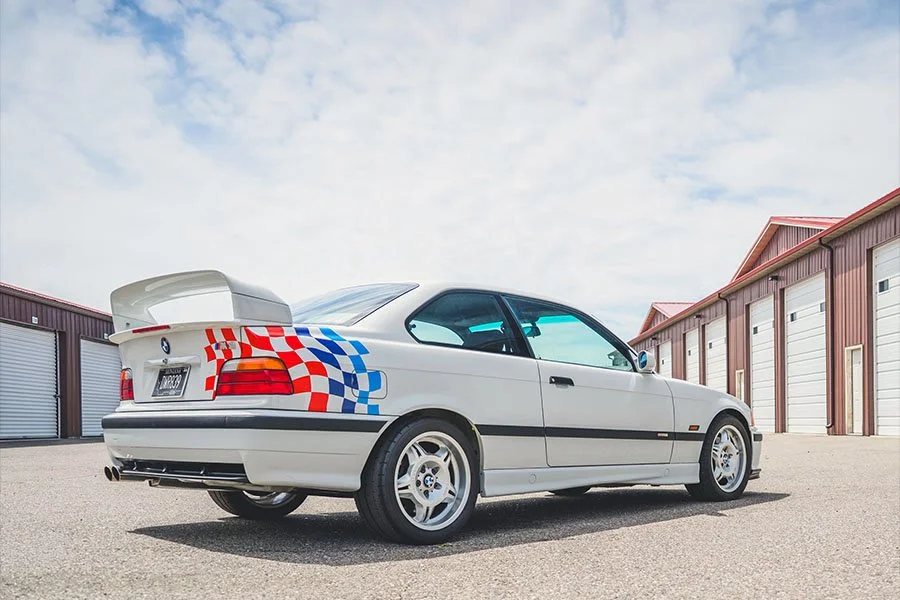
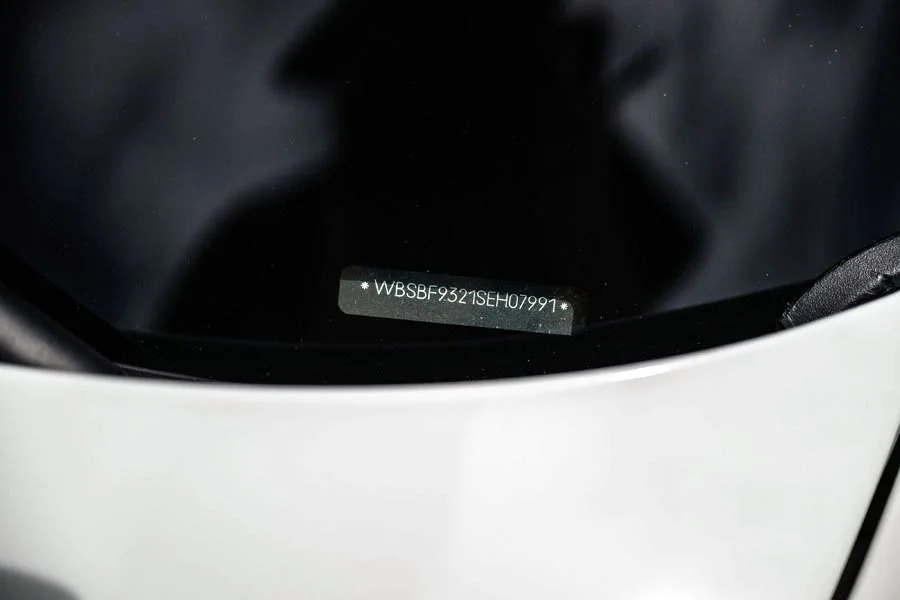
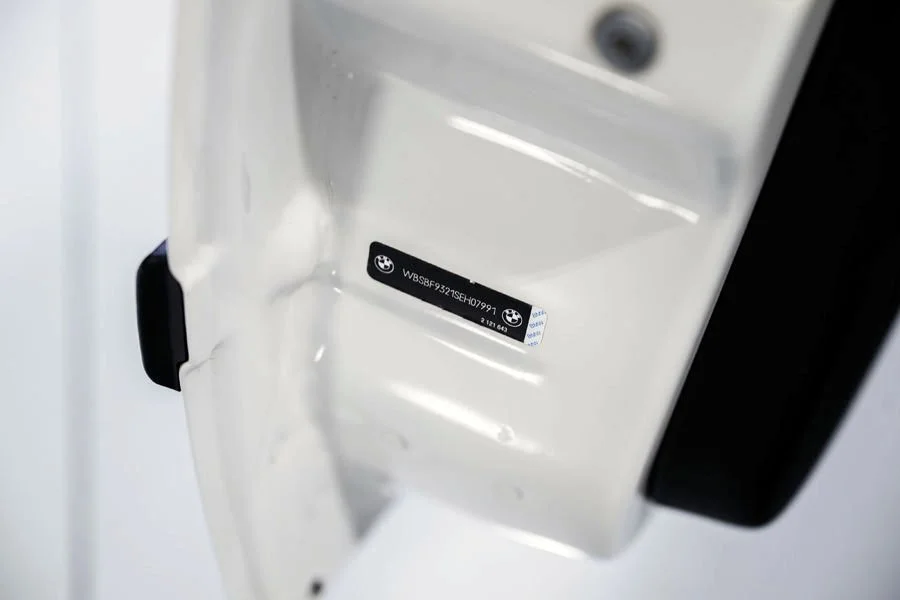
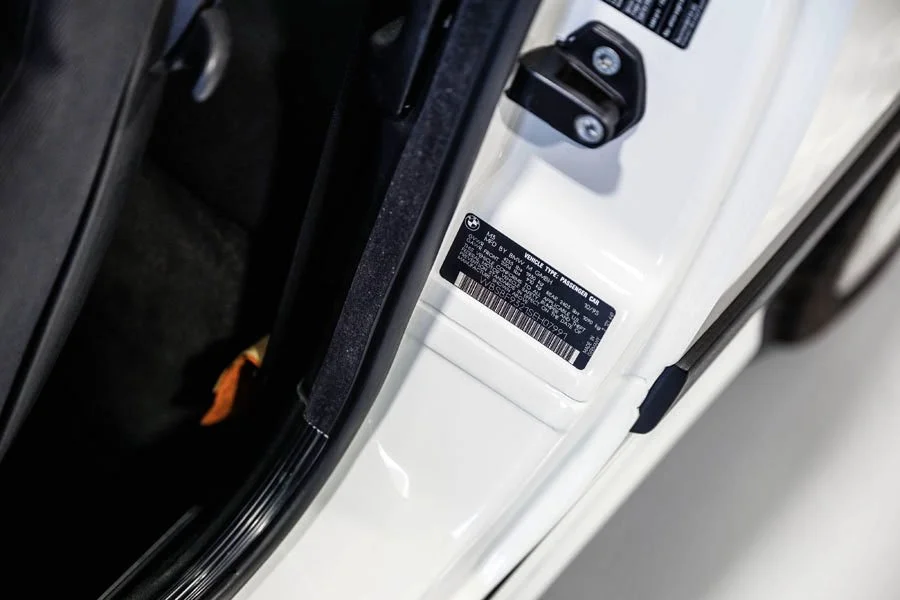
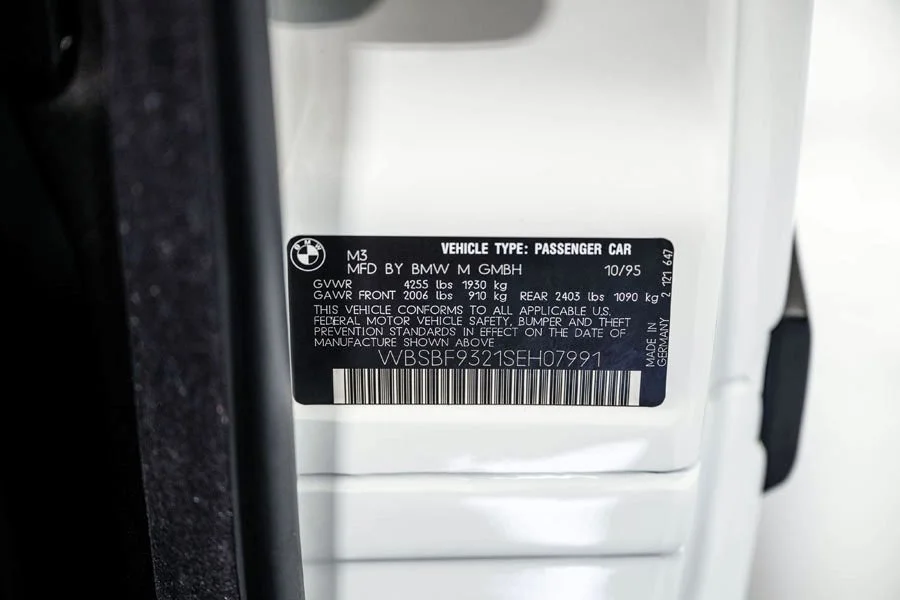
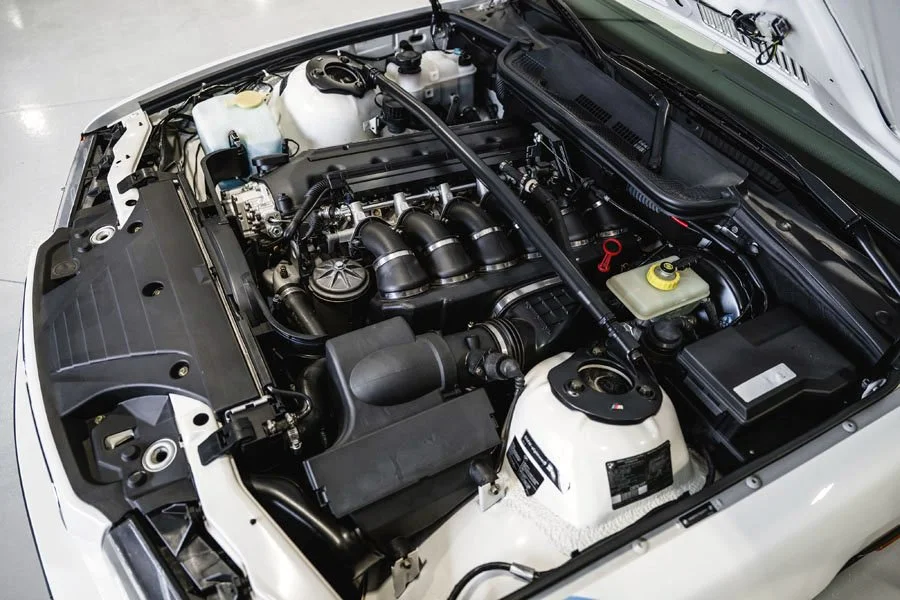
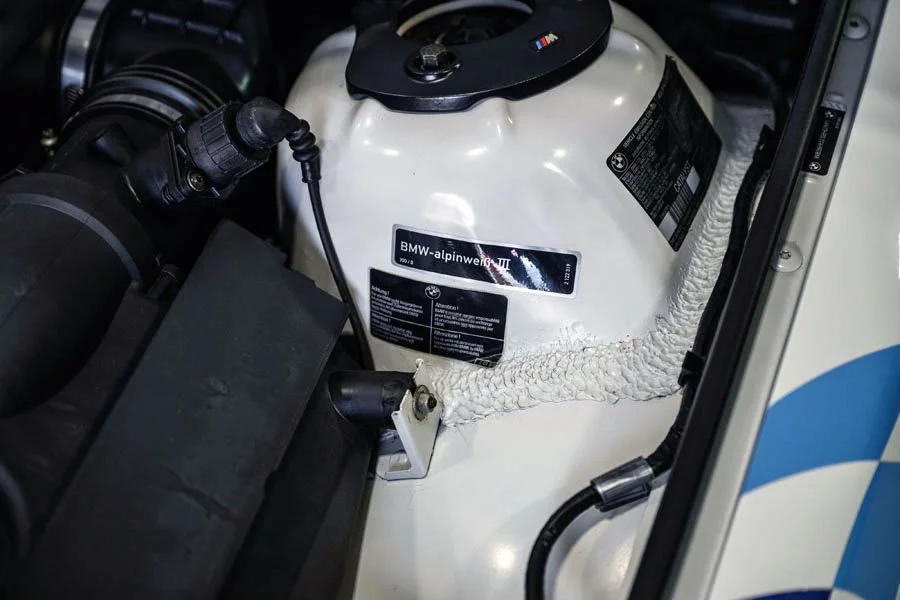
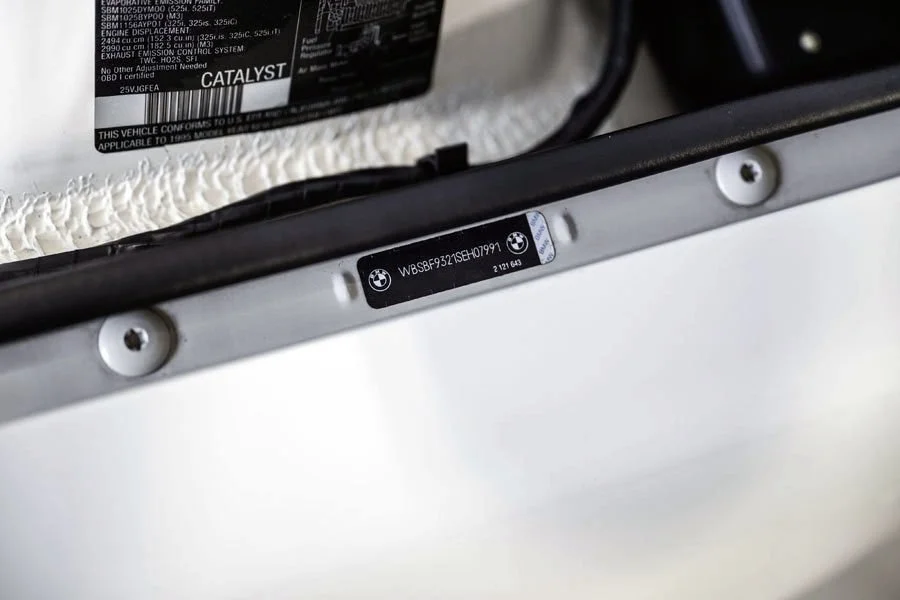
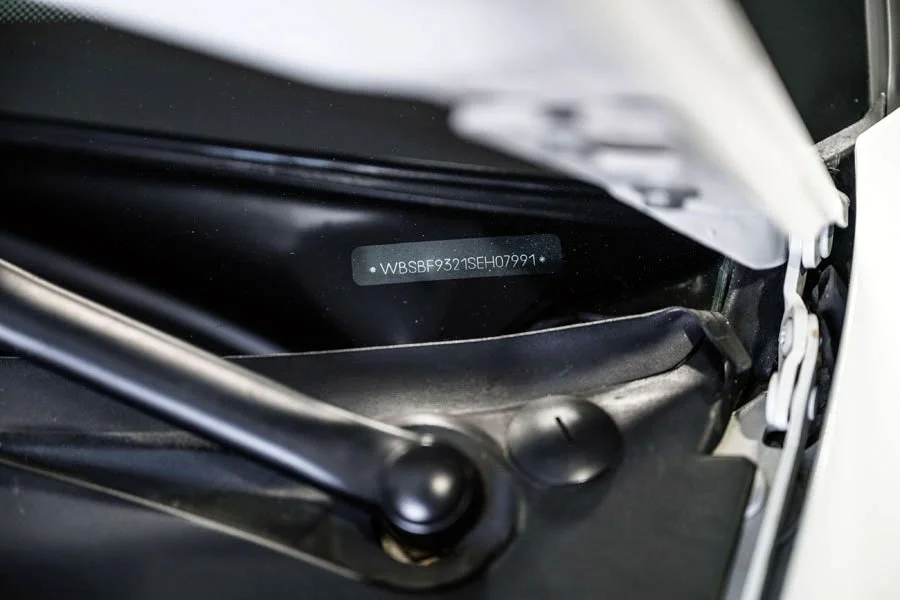
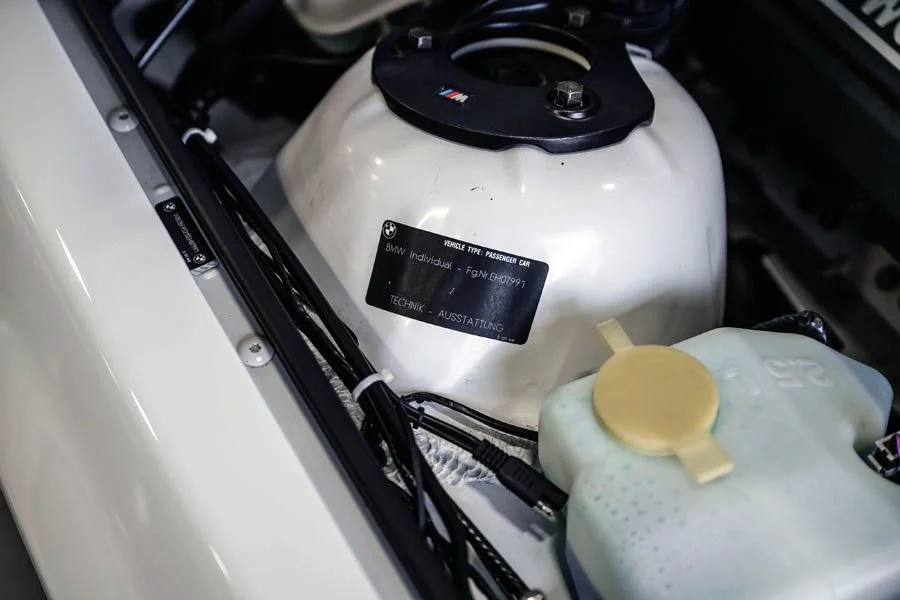
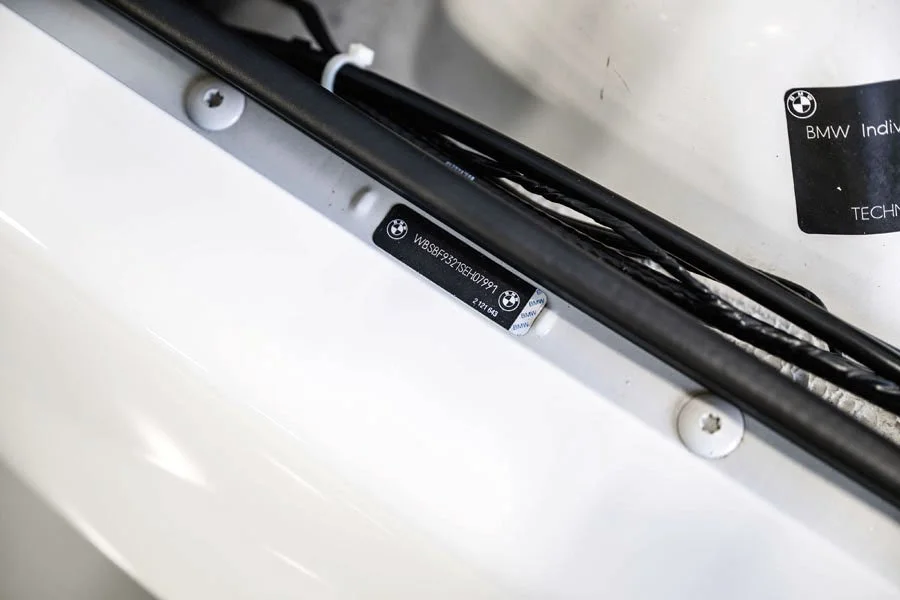
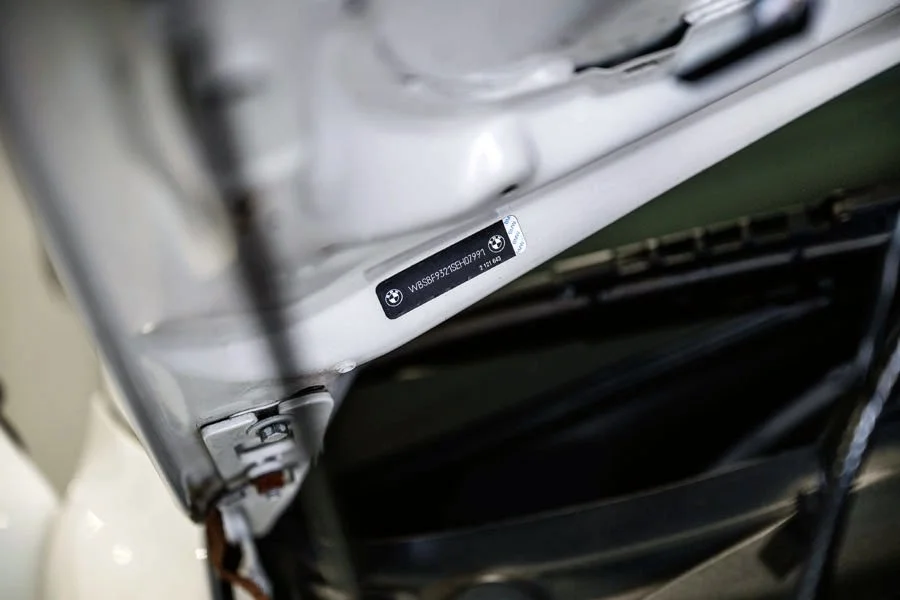
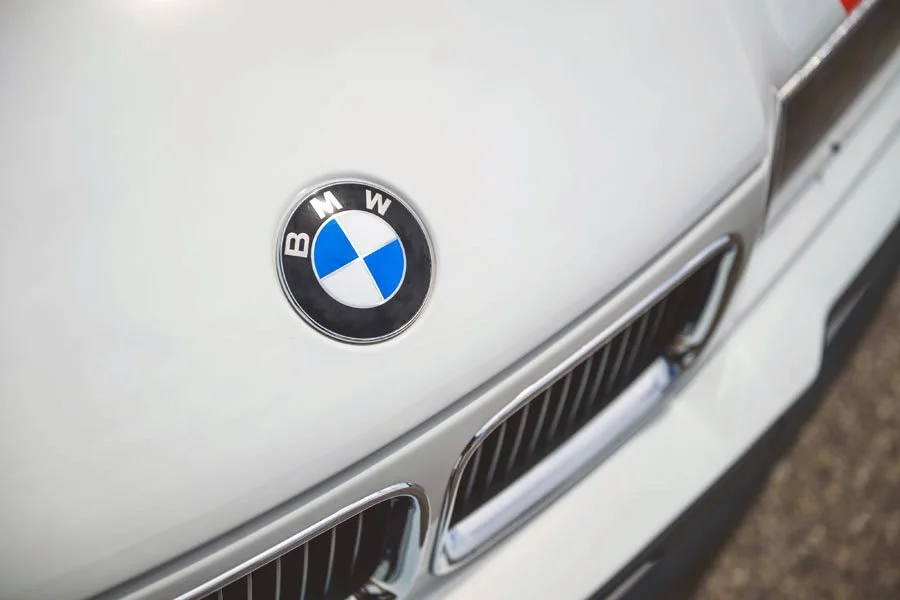
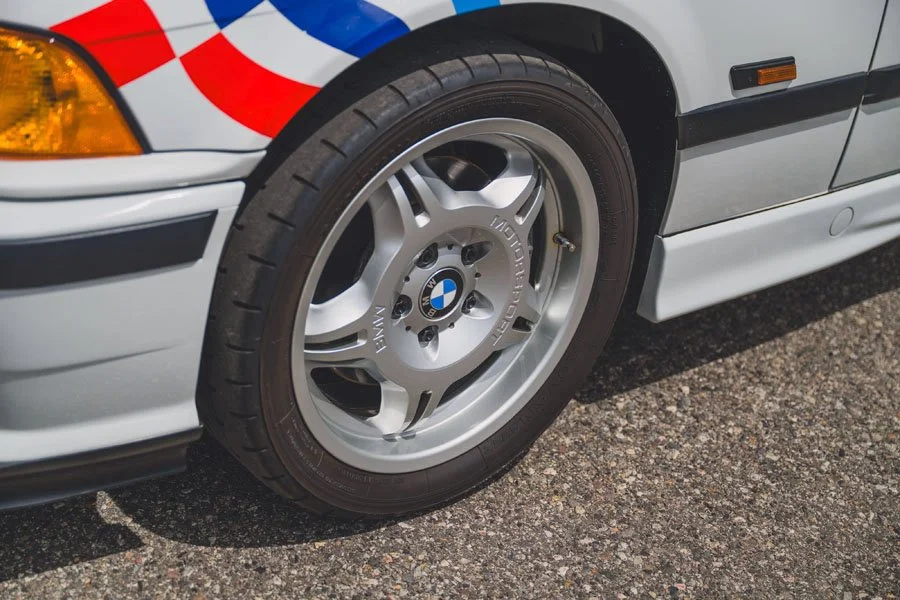
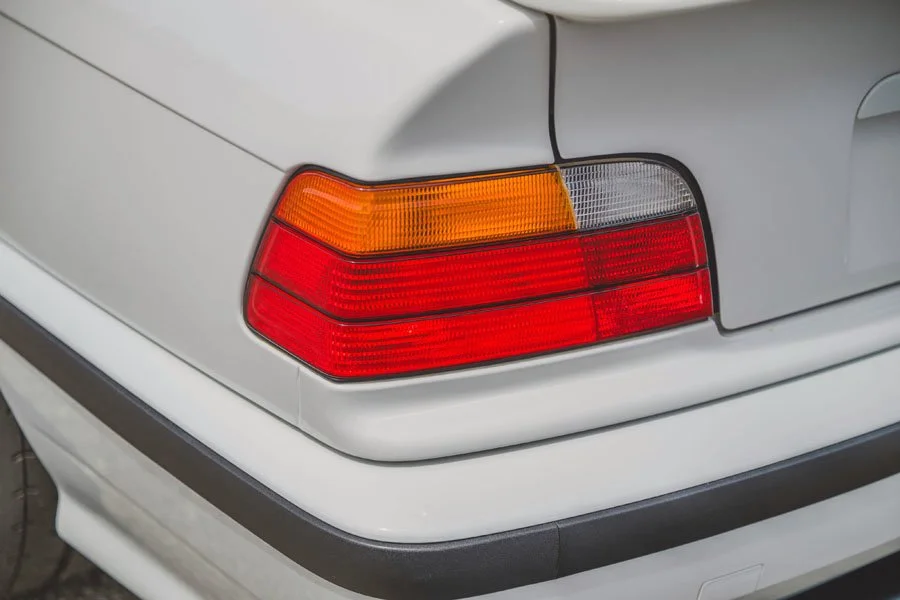
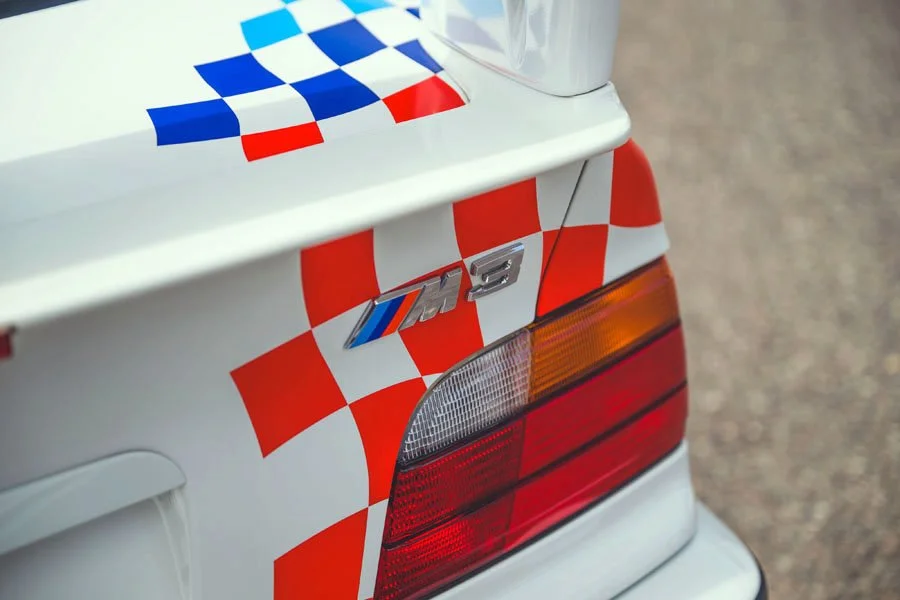
Set to go under the hammer at RM Sotheby’s Monterey sale scheduled for August 13th through 15th is an M3 Lightweight that combines the best of both worlds: the pared-back specification of an original car with a full fat Euro motor: chassis WBSBF9321SEH07991.
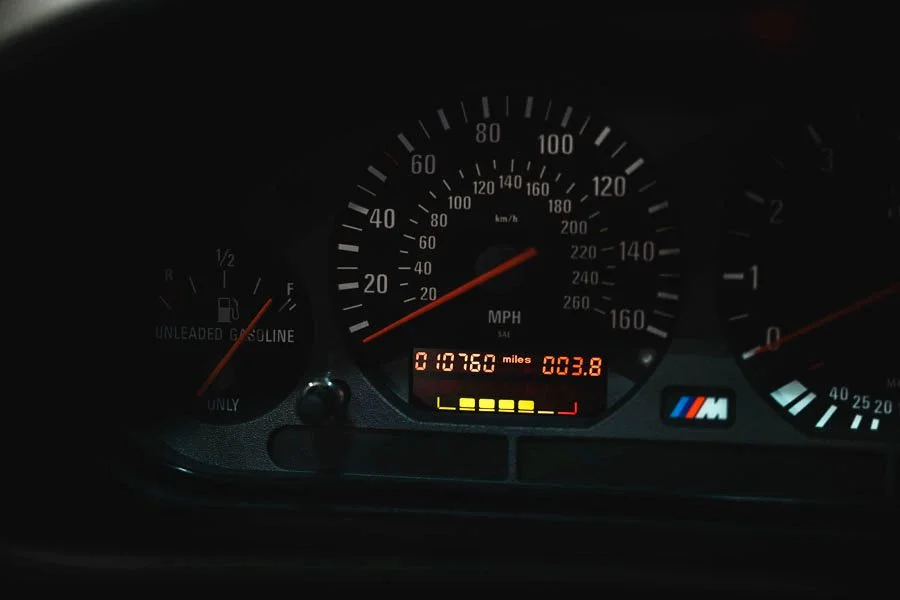
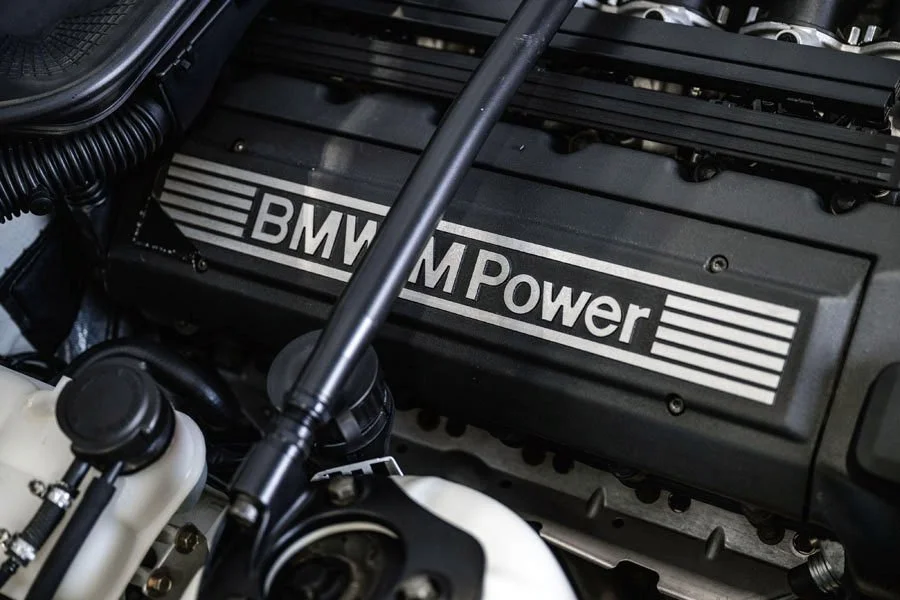
Delivered new to Walter Swick of Cleveland, Ohio, chassis ‘07991’ was taken to TC Kline of Columbus for its engine conversion to European specification around the turn of the millennium. Since then, the car has passed through the hands of several US owners. It heads to auction with a little under 11,000 miles on the odometer and is accompanied by a large file of documentation that includes the original window sticker.
For more information visit the RM Sotheby’s website at: https://rmsothebys.com/
Although BMW’s Formula 1 programme of 2000 to 2009 did not deliver on championship-winning potential, it did pave the way for an F1-inspired V10 to find itself in the 2004-2010 M5 and the 2005…
During the mid-to-late 1980s, arguably the most elegant sporting Coupes offered by Europe’s high end manufacturers were the Aston Martin V8 and BMW’s E26 M635 CSi. While in Vantage trim the…
Owing to tighter emissions legislation, E36 M3s bound for North America had to be fitted with lower compression engines that did not feature the same radical cylinder head, variable valve timing…
After a five-year spell campaigning the E36 M3 GTR, BMW’s North American competition partner, Prototype Technology Group (PTG), switched focus to the new E46-based Motorsport 3-series.
To promote its highly anticipated M1, the first mid-engined road car in BMW’s history, a fleet of three early examples were retained for promotional use. Of these, just one was finished in Blue, chassis…
Produced for just 16 months between March 2011 and June 2012, BMW shifted a little over 6000 copies of its E82-based 1M Coupe. By contrast, the contemporary M3, manufactured from 2007 until…
Although it never wore the familiar ‘M’ moniker that graced most of BMW Motorsport’s road cars, the E31-based 850 CSi featured even more performance enhancements than many M-badged…
Despite having been up against much newer and more highly developed opposition, BMW’s iconic E30 M3 still proved itself a winning platform during the car’s sixth and final season in the Deutsche…
Perhaps the least well known BMW Motorsport product to emerge during the 1990s was the E31 850 CSi built in limited numbers between 1992 and 1996. Despite its lack of an “M” moniker, practically…
Although BMW’s Group 4 M1 is best remembered for the Procar series from which it took its name, once a much-delayed homologation process had been rubber stamped, the model did go on to…
Having commissioned the first two instalments of its burgeoning Art Car theme in time for the 1975 and ‘76 Le Mans 24 Hour races, BMW went on to order a third machine that would appear at the…
Perhaps counter-intuitively, the lightest body style from BMW’s V8-powered M3 line produced between 2007 and 2013 was the four-door E90 Sedan which tipped the scales at 50kg less than a…
Although France was among the last major European nations to organise a national Touring Car championship, the Gallic series saw an explosion of interest during the mid-to-late 1970s when it…
When it comes to hot executive Saloons of the 1980s, Alpina’s B7 Turbo has it all. Starting with a BMW E28 535i, Alpina added its familiar blend of uprated suspension, wider wheels, a limited-slip…
In addition to the examples sold to customers, BMW Motorsport retained a good stock of M1 Procars for its own requirements. Of these, some were destined for works use in the Procar series while a few…
As the most successful F1 driver on the grid with 17 victories and two Drivers’ titles, Niki Lauda would already have been among the favourites to walk away with the 1979 Procar Championship.
At the Paris Motor Show in October 1972, BMW unveiled a styling concept with a turbocharged version of the two-litre M10 engine. The Paul Bracq-designed E25 Turbo had a mid-mounted…
Considering just how unbelievably ugly most BMWs from the modern era have become, it may surprise some of our younger readers that, from the late 1960s through to the early 2000s, the…
Although the 3.2-litre E36 M3 Evolution has the most powerful engine fitted to BMW Motorsport’s compact 90s offering, our favourite iteration of the second generation M3 was the limited run GT…
Even though an oil crisis caused by a 1973-1974 war in the Middle East massively curtailed its works career, BMW’s E9 CSL remained the best top flight Group 2 racing car throughout the remainder of…
By dropping a close relative of the M1’s dual overhead cam 24 valve straight six into the elegant Paul Bracq-designed 6-series bodyshell which was then further enhanced with uprated…
For 1995, BMW decided to run its E36-based M3 GTR in IMSA’s popular GTS-2 category for GT racing cars. The programme was managed on BMW’s behalf by Tom Milner’s Prototype…
Having been conceived with the primary intention of serving as the basis for a Group 4 and 5 racing programme, the prospect of a multi-year homologation delay owing to production issues meant…
When it came to an off-the-shelf mid-sized super saloon during the first half of the 1980s, nothing in the Mercedes-Benz, Jaguar or Alfa Romeo arsenal could touch the BMW Motorsport-enhanced…
With a bigger bodyshell and more refined six cylinder engine than the outgoing E30 M3 (which had used a racey four cylinder motor), in many ways BMW’s E36-based expression of the M3 theme felt…
The 1980s really was a great time for large-engined German Grand Tourers with Audi, BMW and Porsche all taking a divergent approach with the Quattro, M635 CSi and 928 respectively. For an…
Unfortunately, owing to poor trading conditions caused by a global economic recession, over the winter of 1991-1992 BMW elected to abandon its plans for an M1 successor after Ital Design had…
The earliest Alpina-tuned variants of the Paul Bracq-styled E12 arrived very soon after this, the first generation 5-series, made its debut at the Frankfurt Motor Show in September 1972. Having initially…
Although the radical M8 never made it into production, BMW Motorsport did work their magic on another iteration of the E31 8-series: the 850 CSi. Unusually, the 850 CSi did without the familiar…
Following the launch of BMW’s range-topping E31 8-series at the Frankfurt Motor Show in September 1989, the Munich firm’s Motorsport department began work on a pair of high…