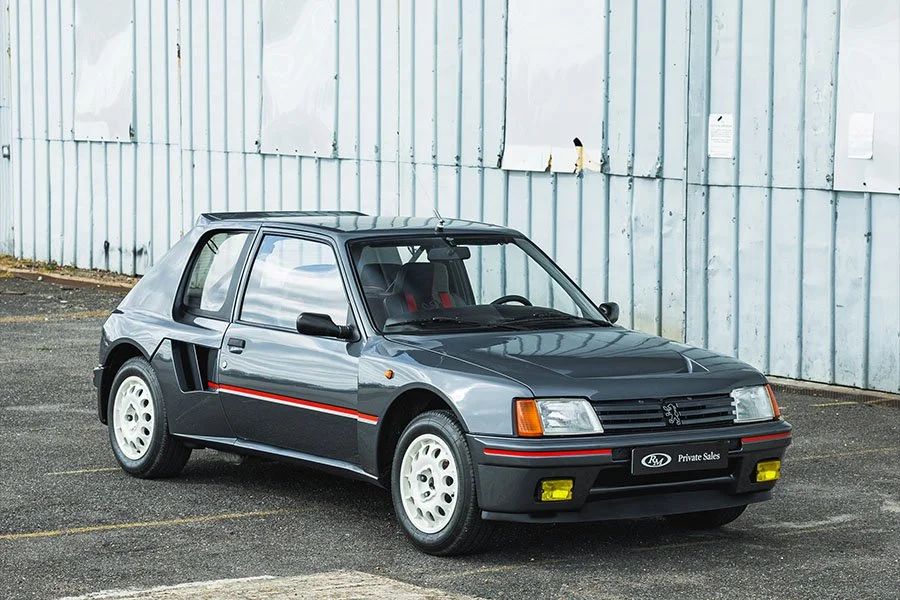
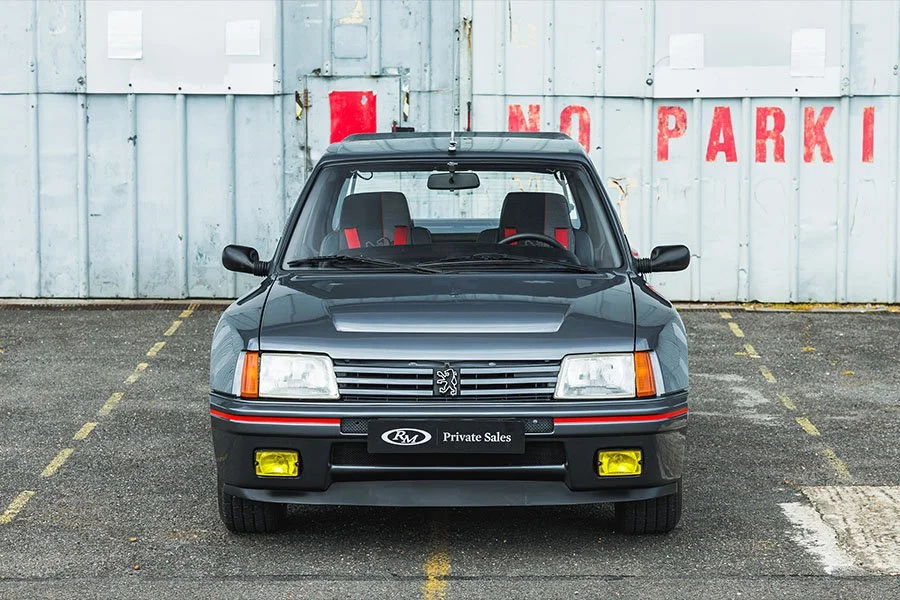
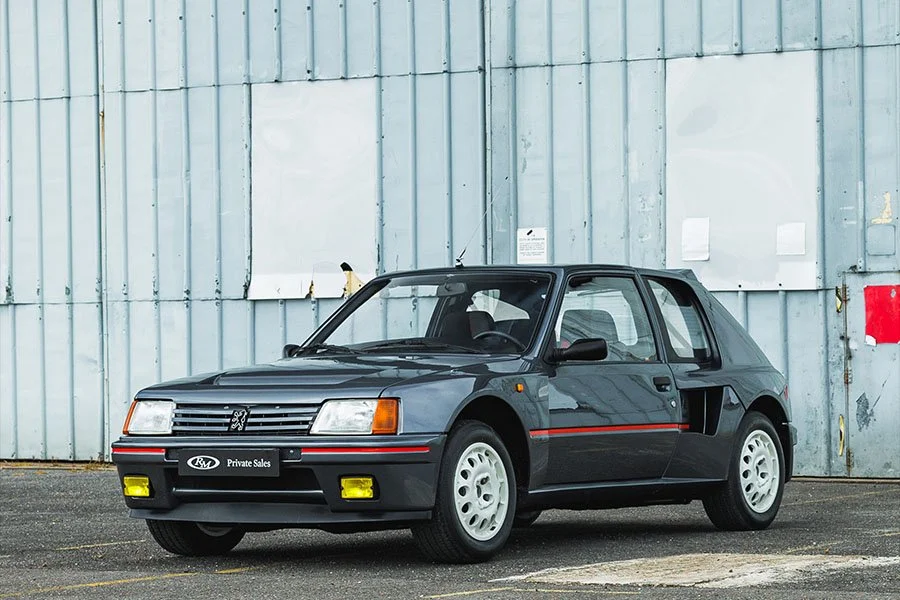
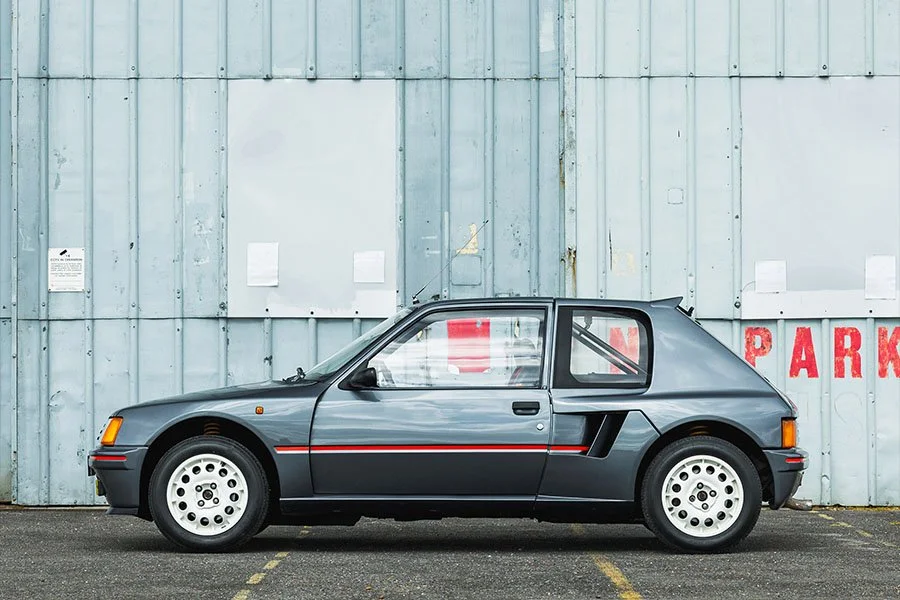
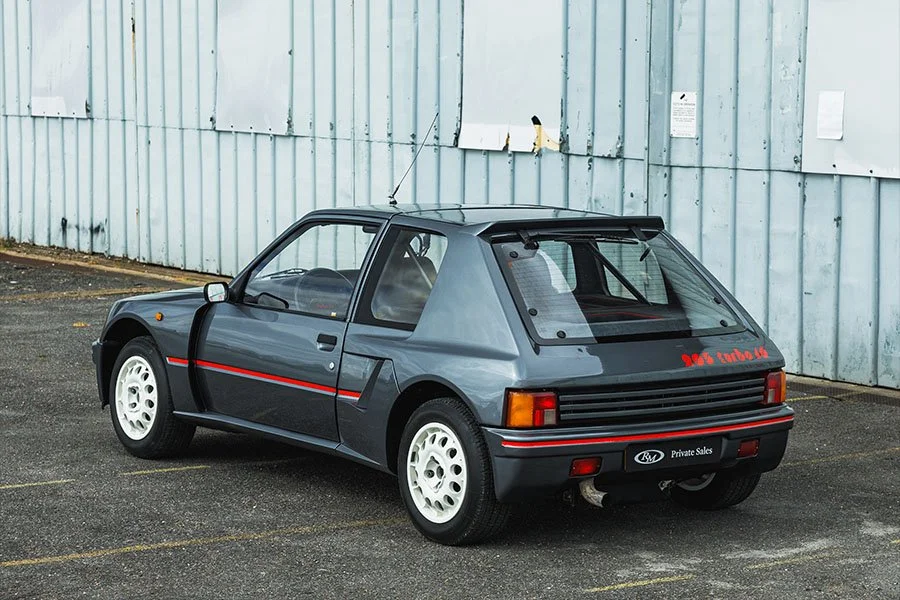
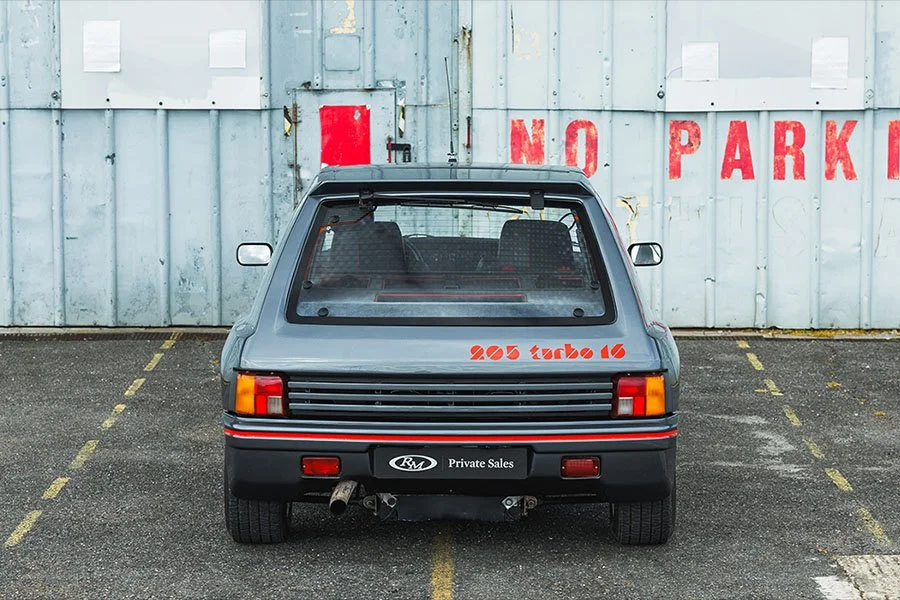
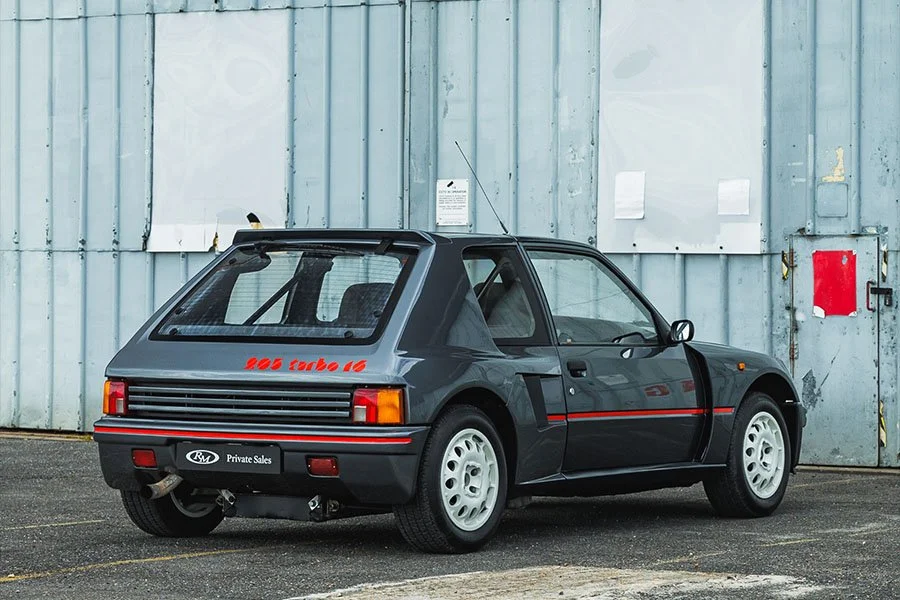
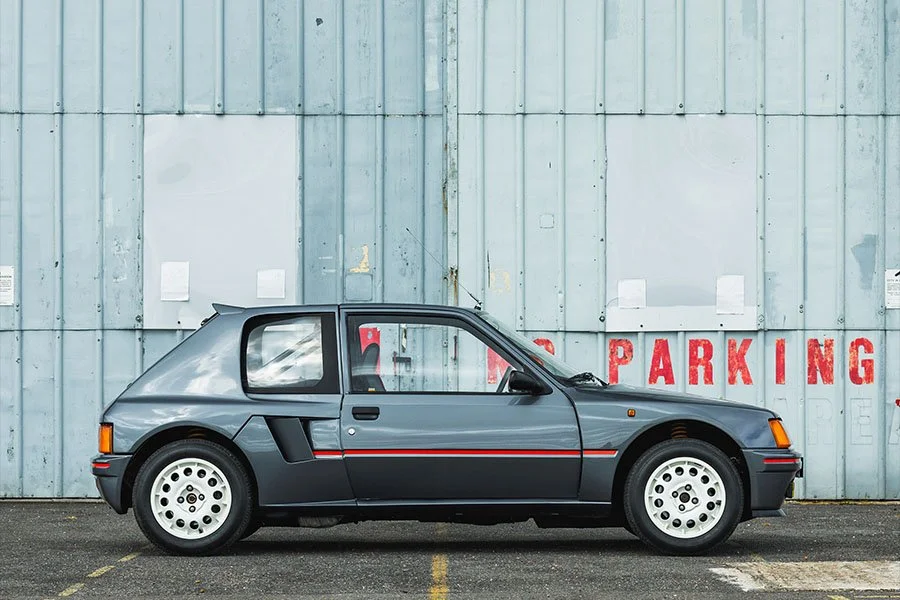
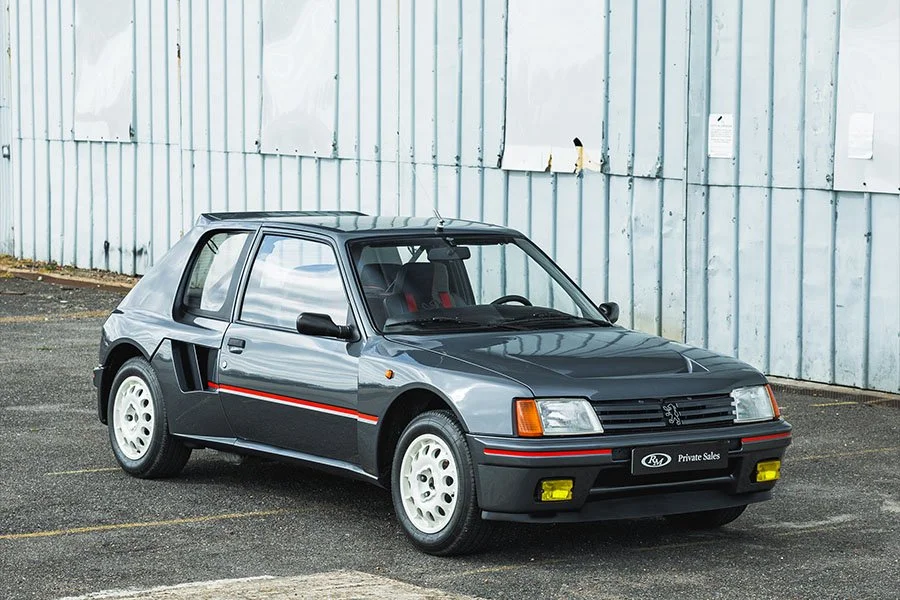
One to Buy: 12,500km ex-press fleet 1984 Peugeot 205 T16
/
While Audi temporarily gained an edge in top flight rallying thanks to the Quattro’s state-of-art four-wheel drive system, Lancia became the first manufacturer to exploit the sport’s new Group B regulations with its often quicker 037.
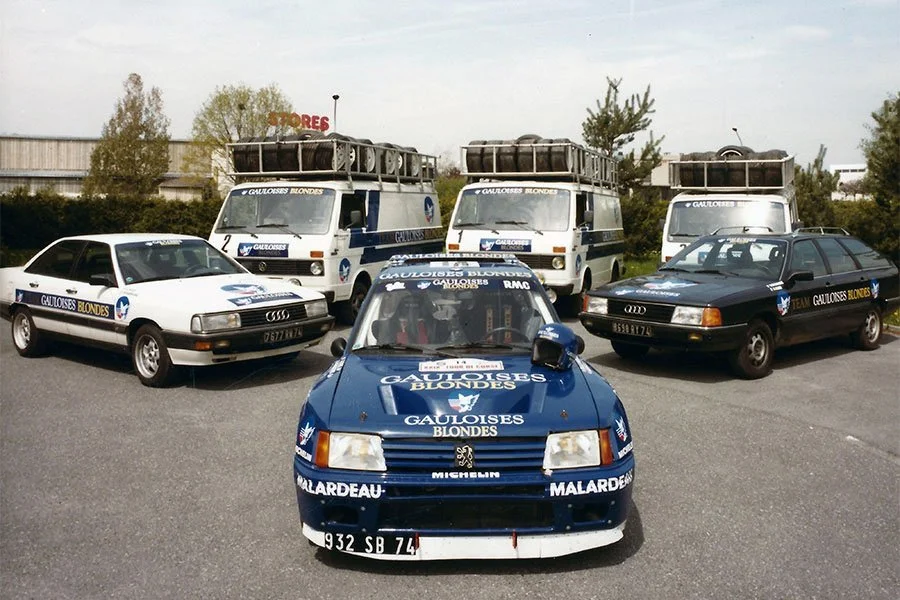
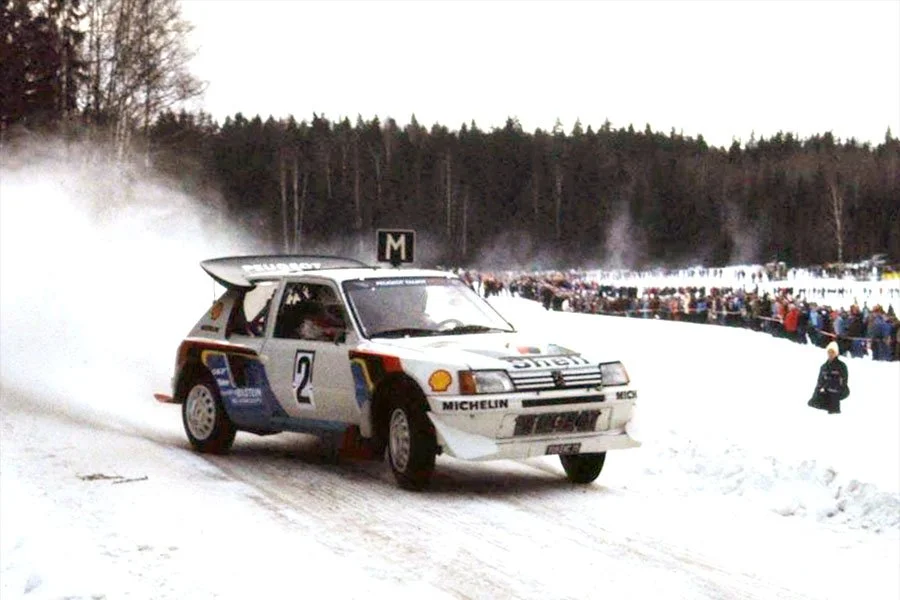
However, for reasons of complexity and weight, Lancia opted not to go the four-wheel drive route with the 037 which meant, after the technically superior and four-wheel drive 205 T16 Group B special arrived at the Tour de Corse in May 1984, Peugeot took control of the World Rally Championship and the T16 became the most successful model of rallying’s most famous era.
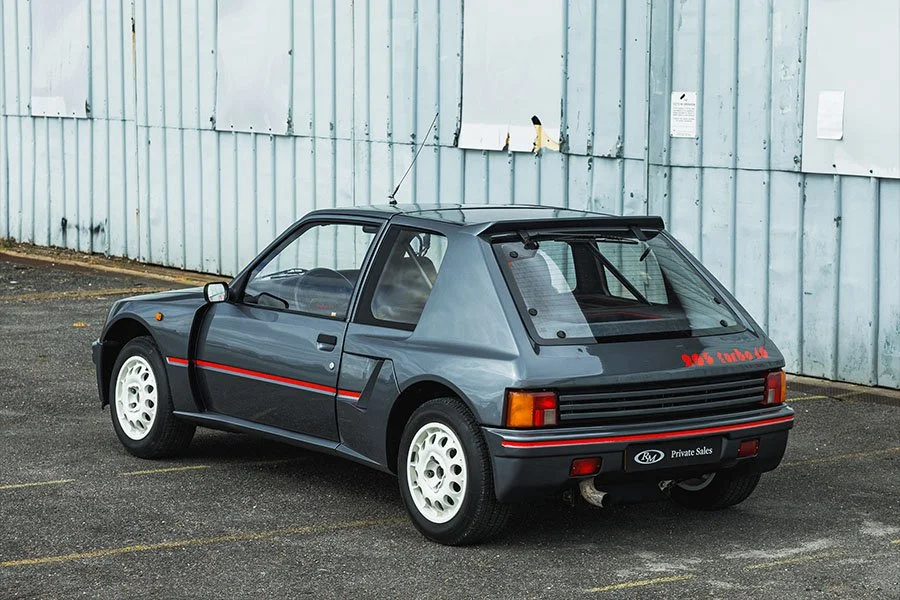
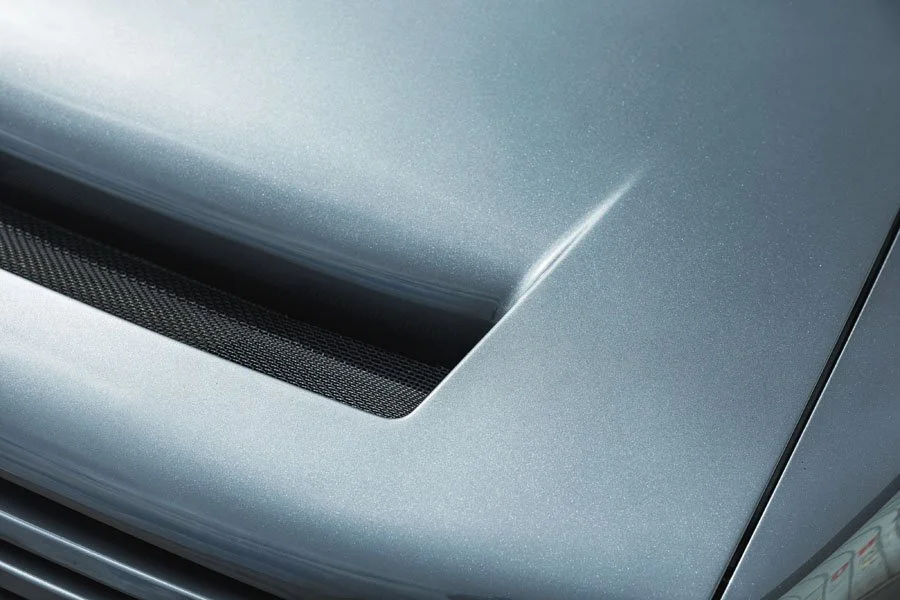
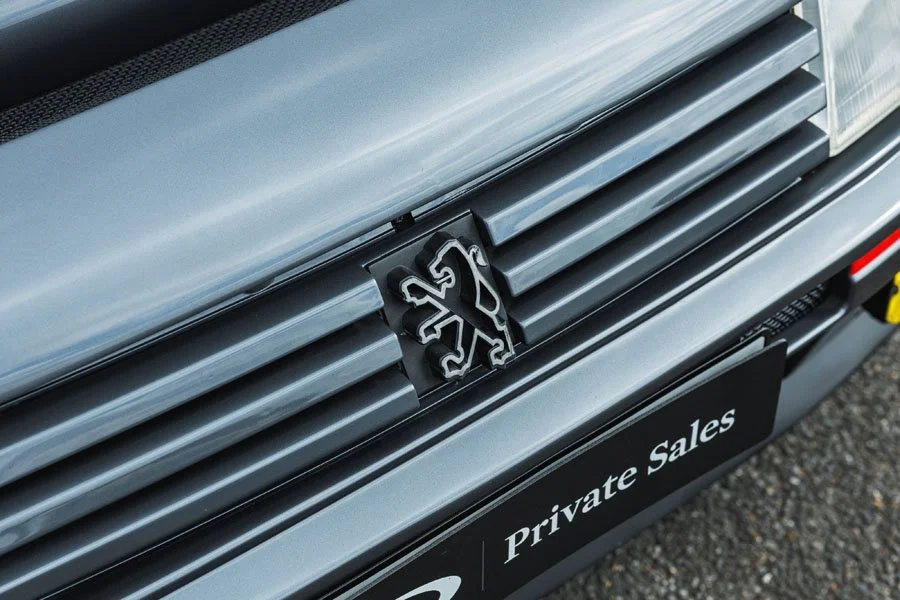
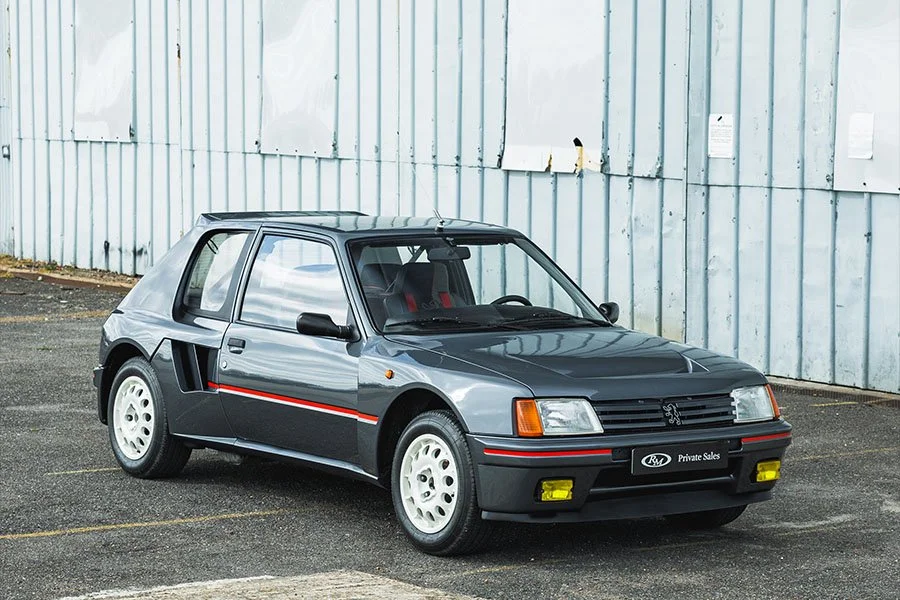
Peugeot had secured homologation for the spectacular Evolution 1 and 2 T16s campaigned in the WRC by building a 200-strong batch of purpose-built road cars. Produced exclusively in left-hand drive between late 1983 and early 1984, the 205 T16 road car weighed 1145kg, had a 130mph top speed and six second 0-62mph time.
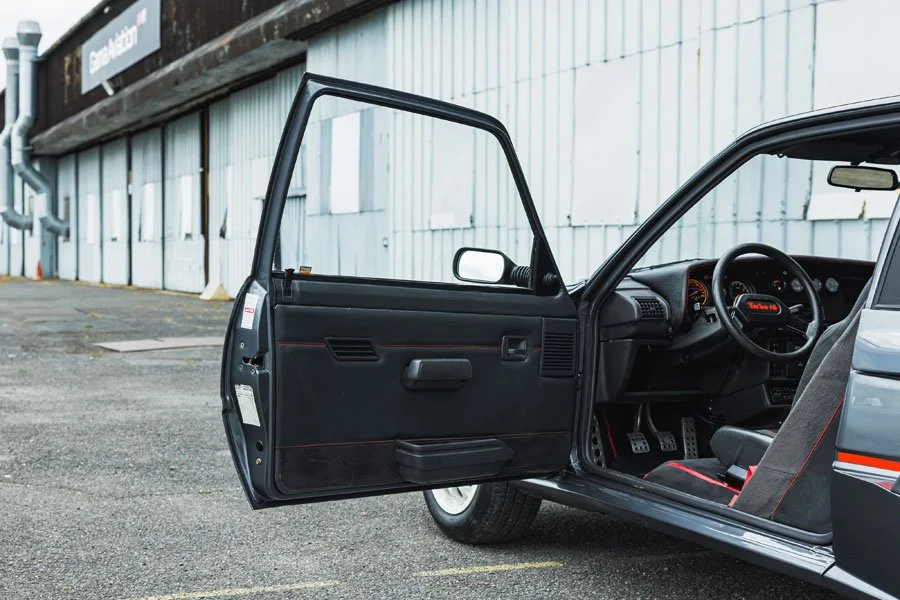
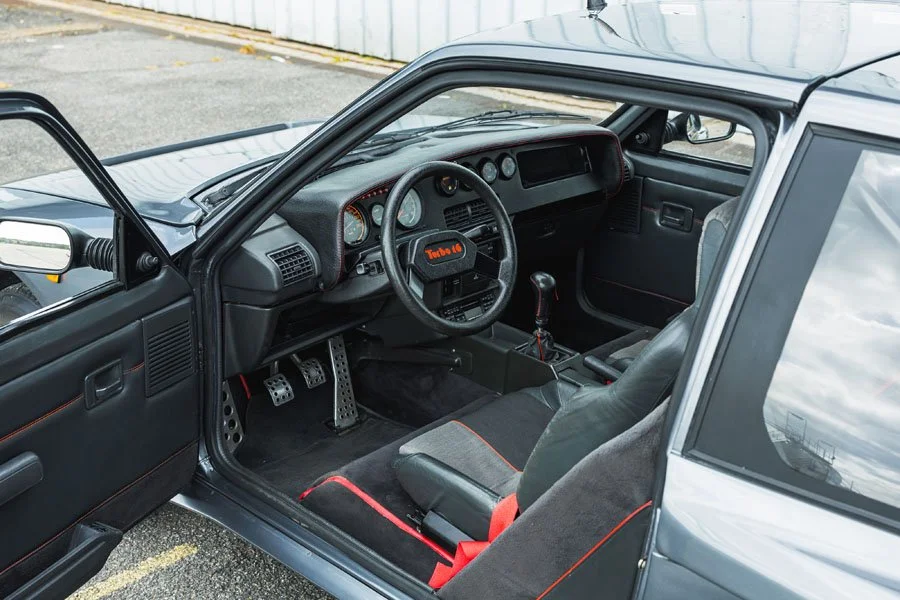
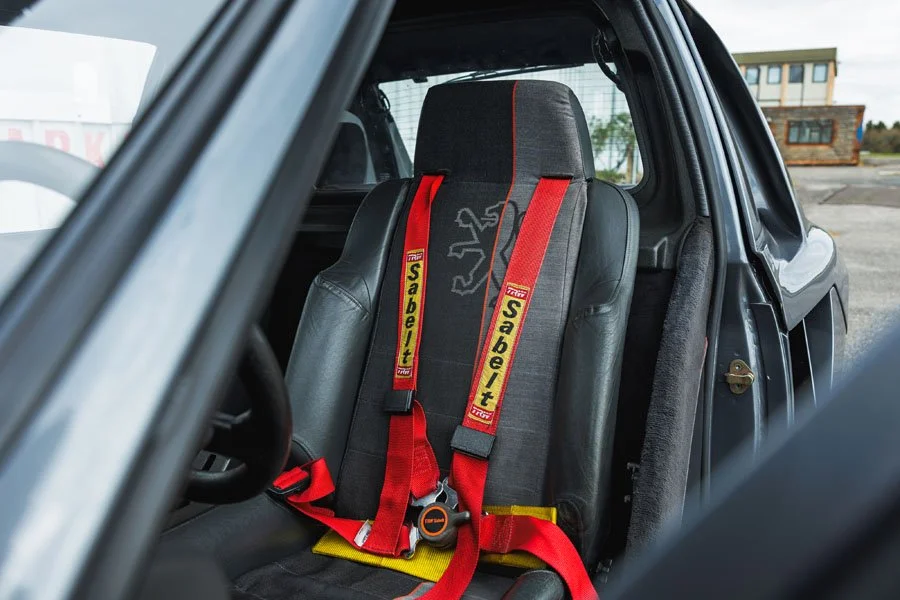
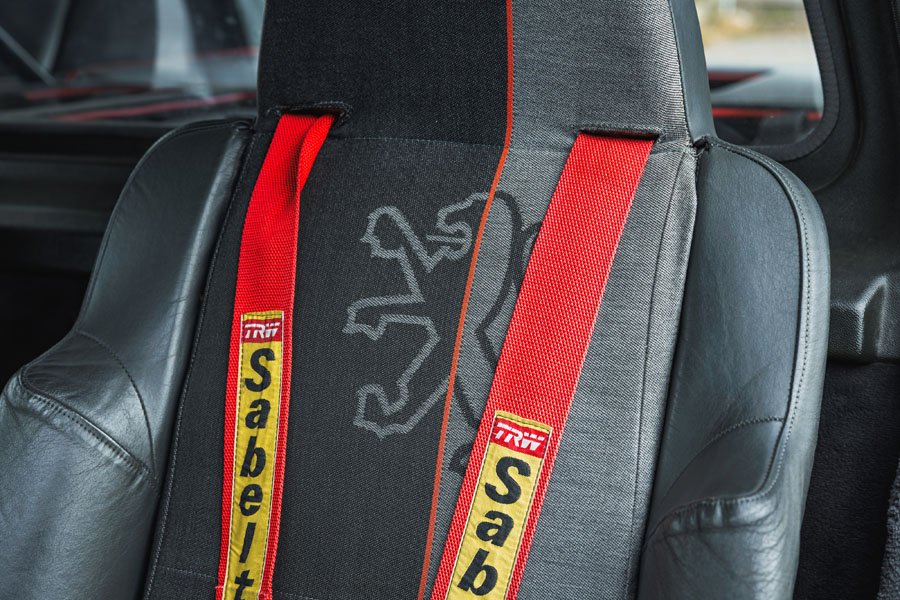
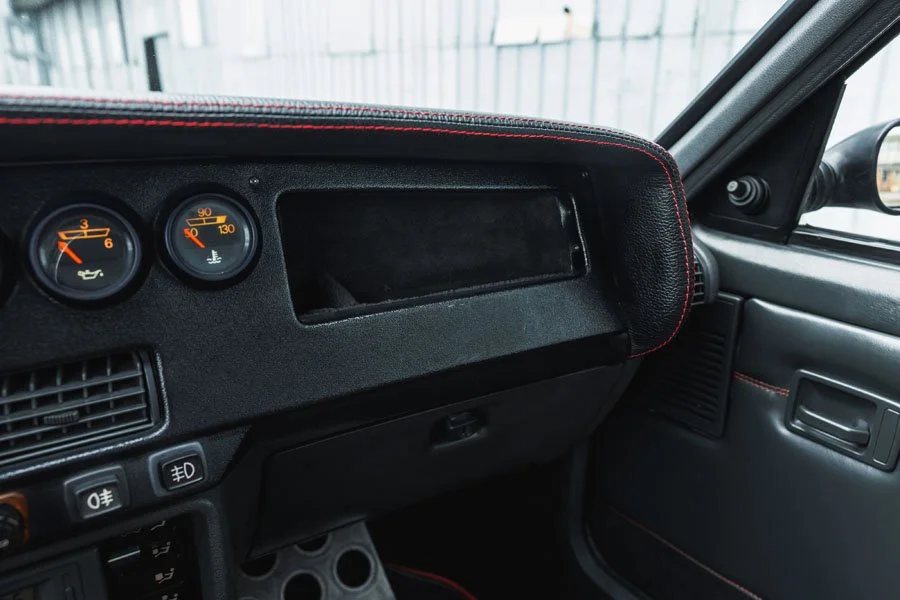
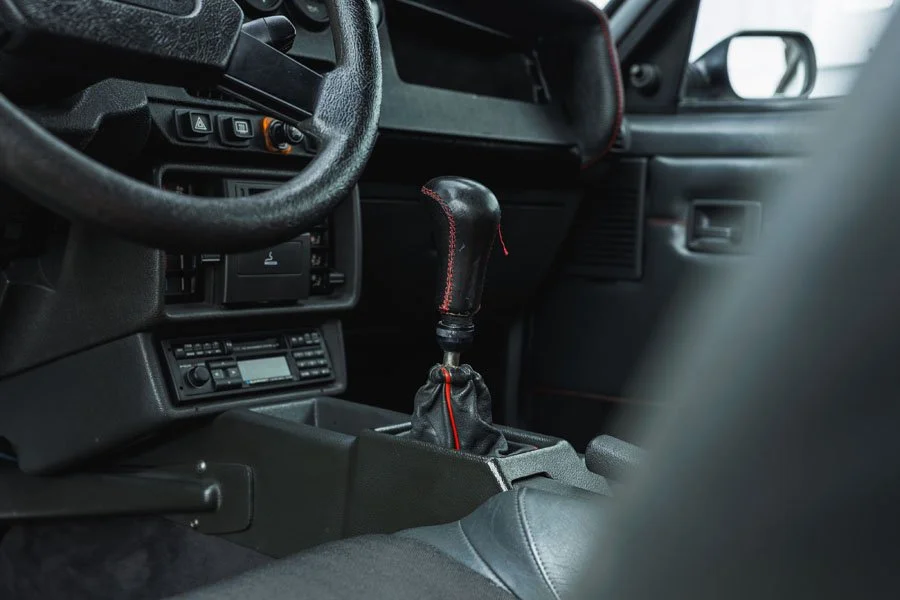
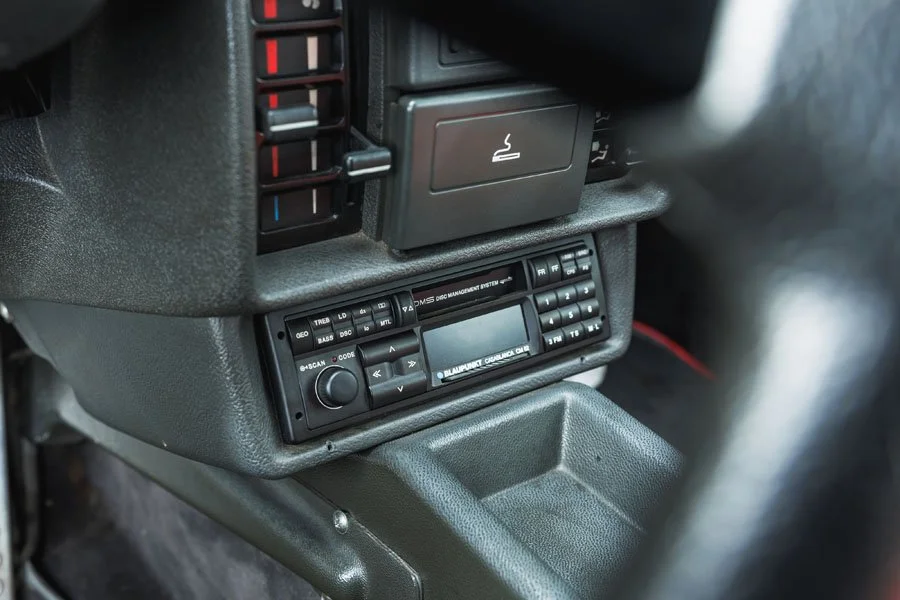
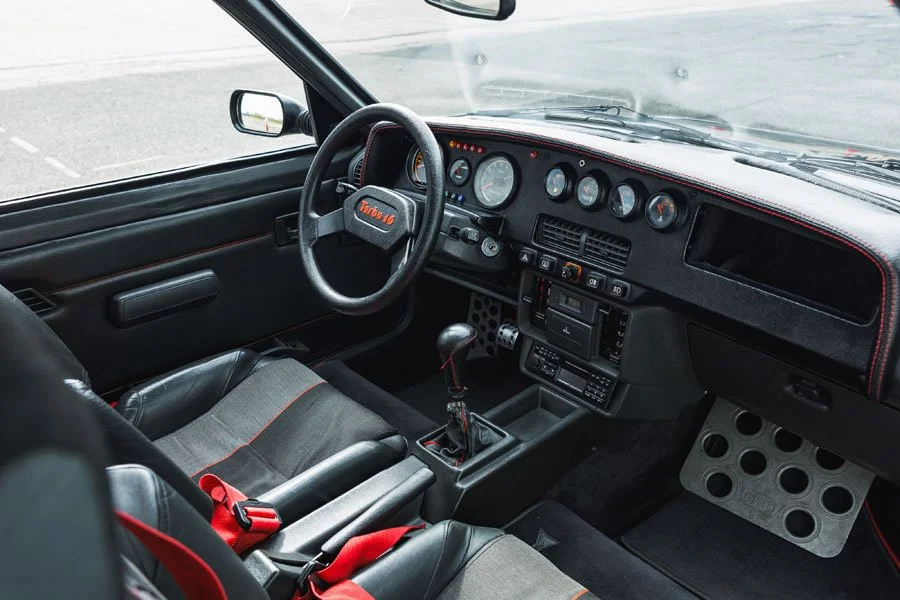
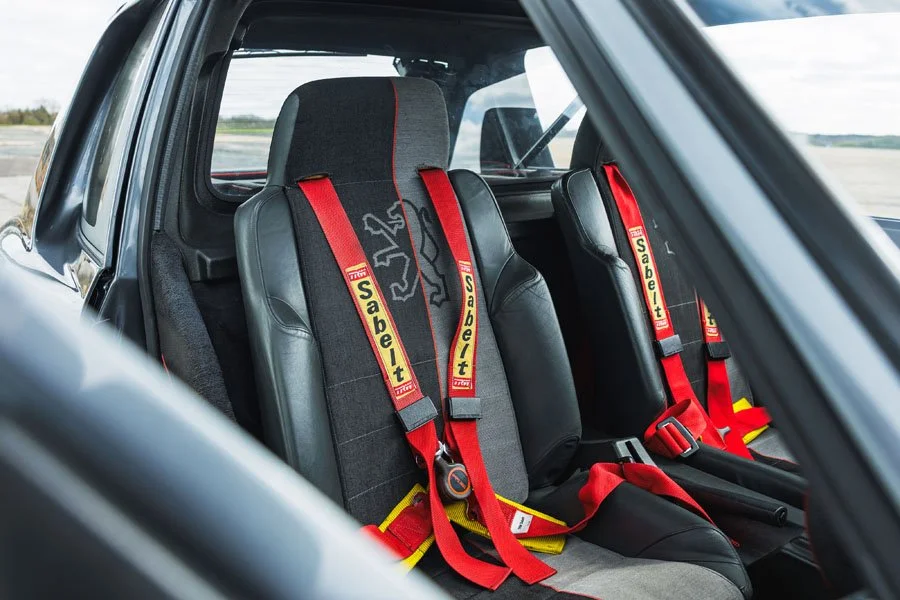
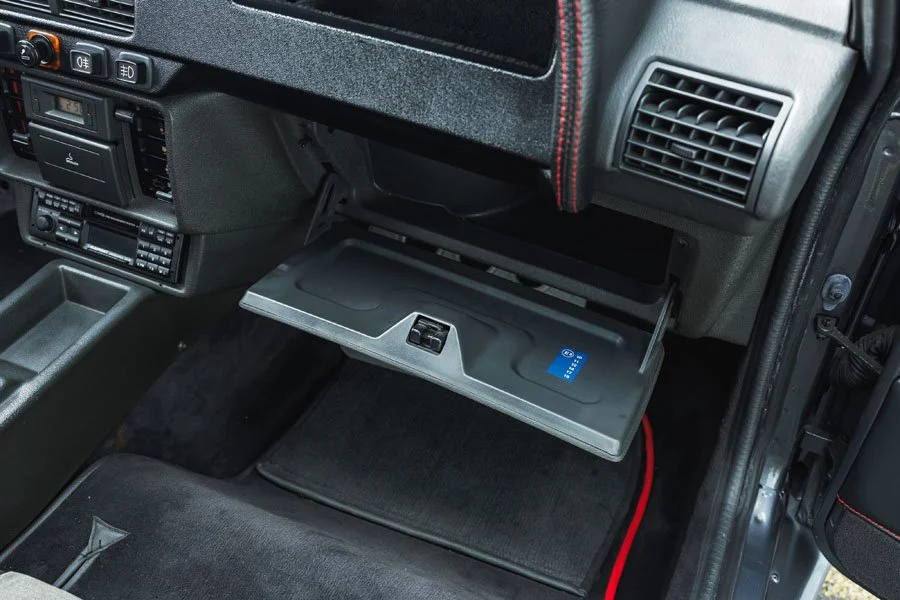
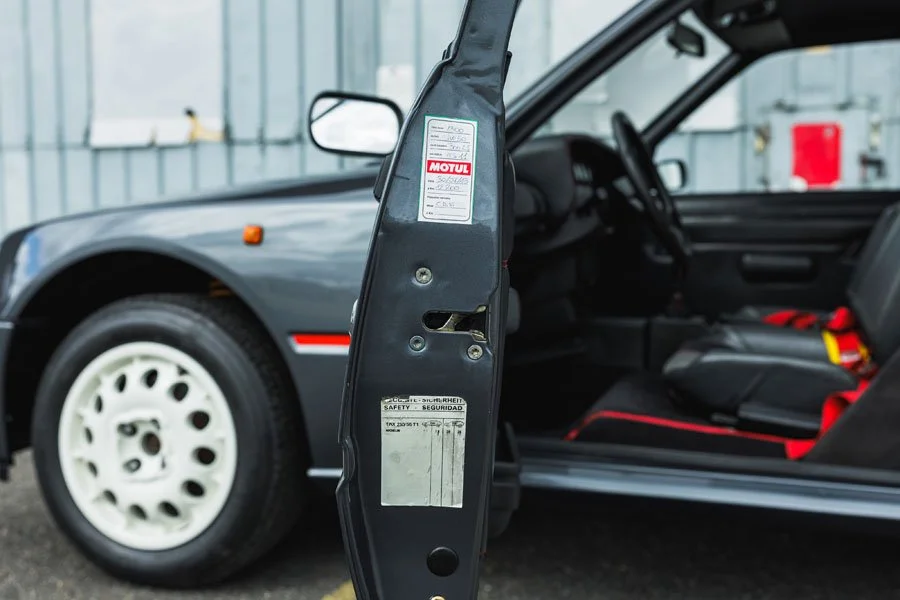
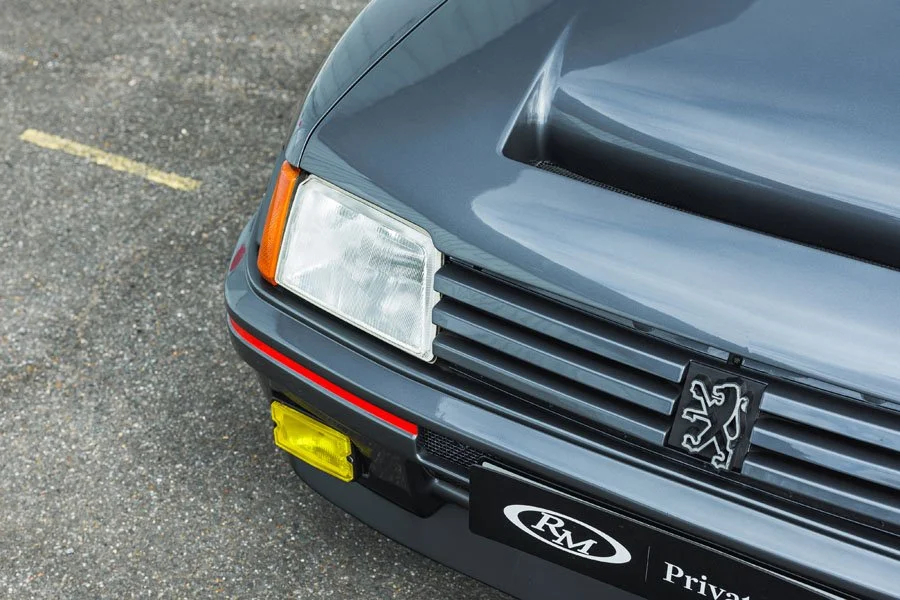
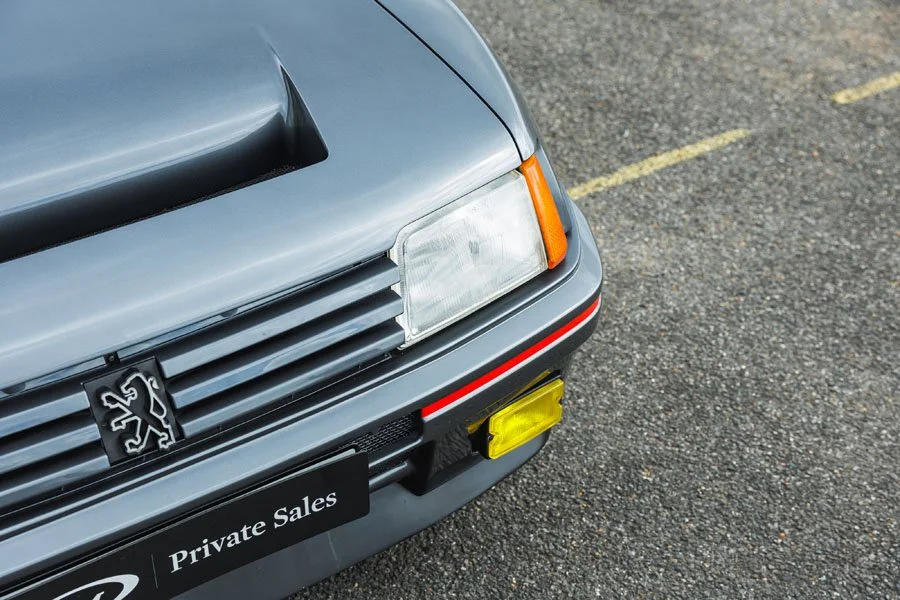
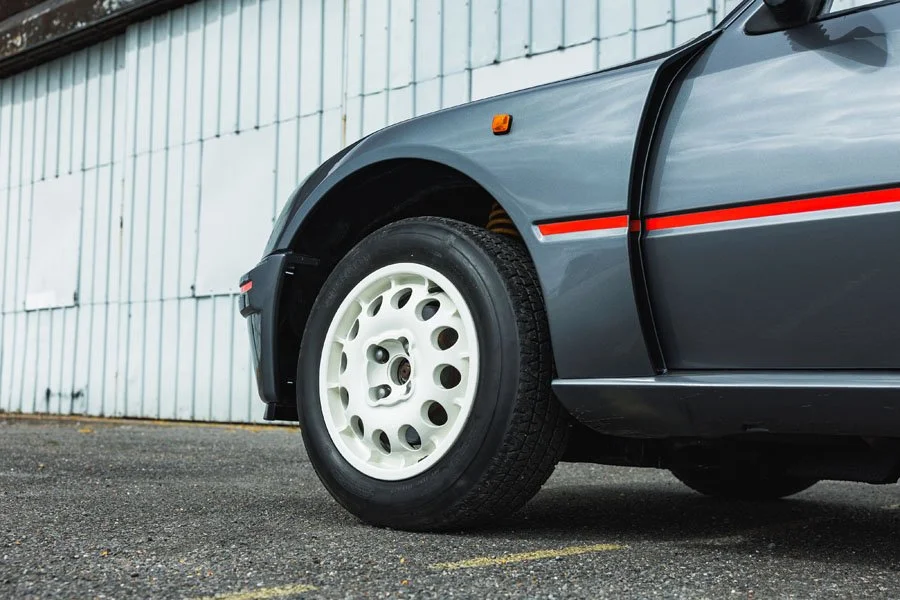
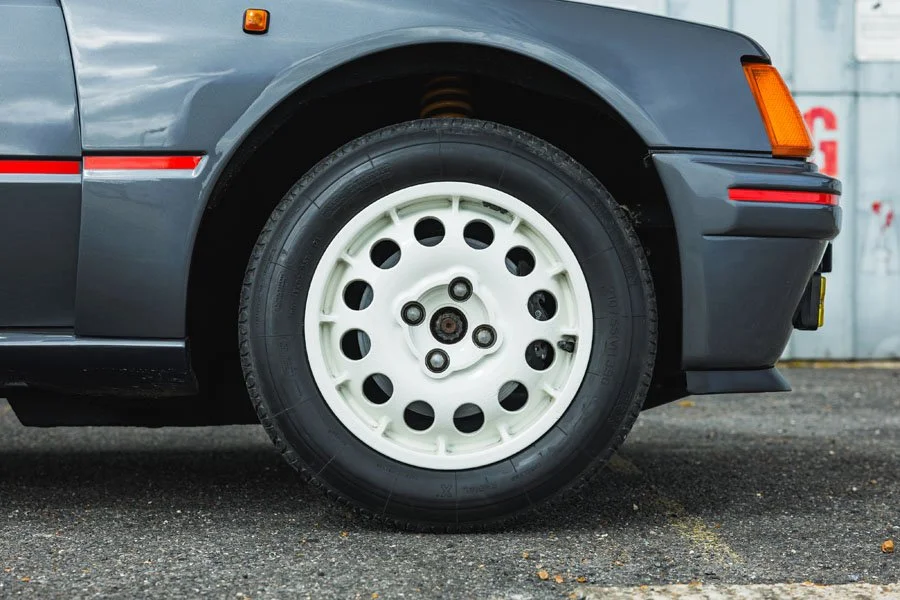
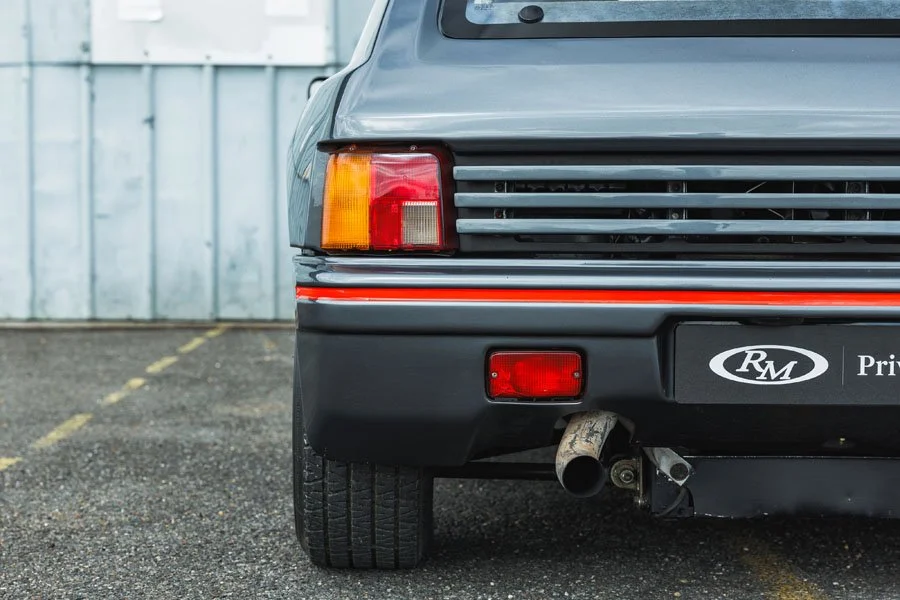
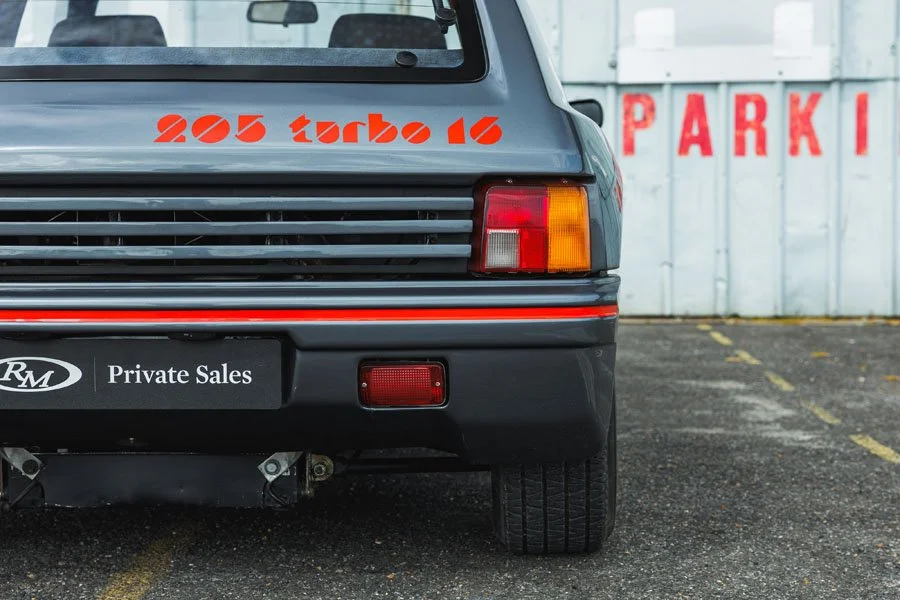
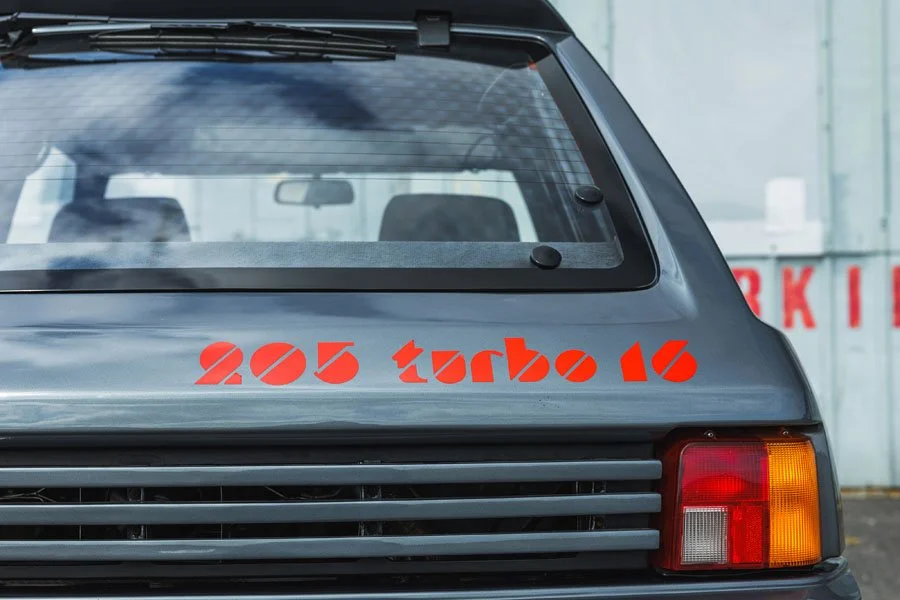
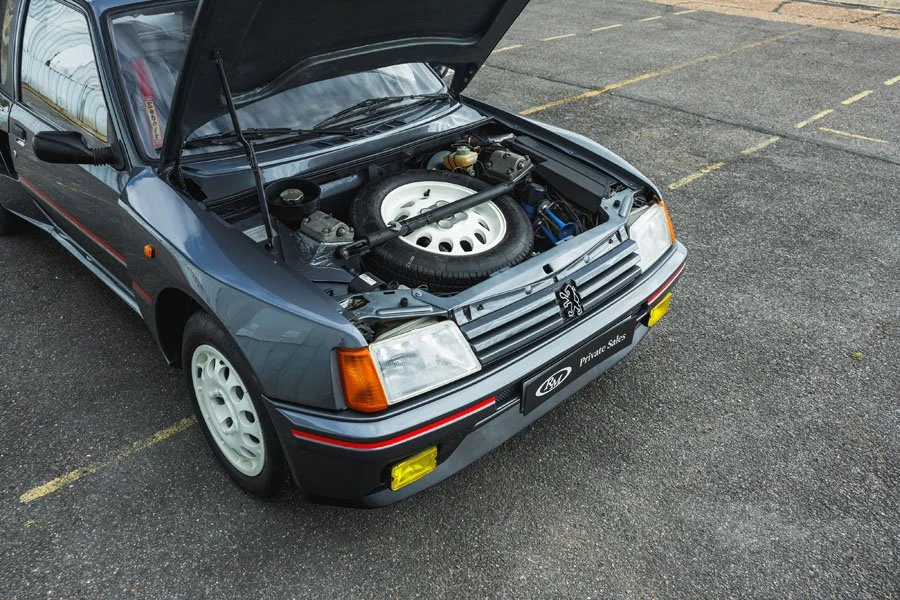
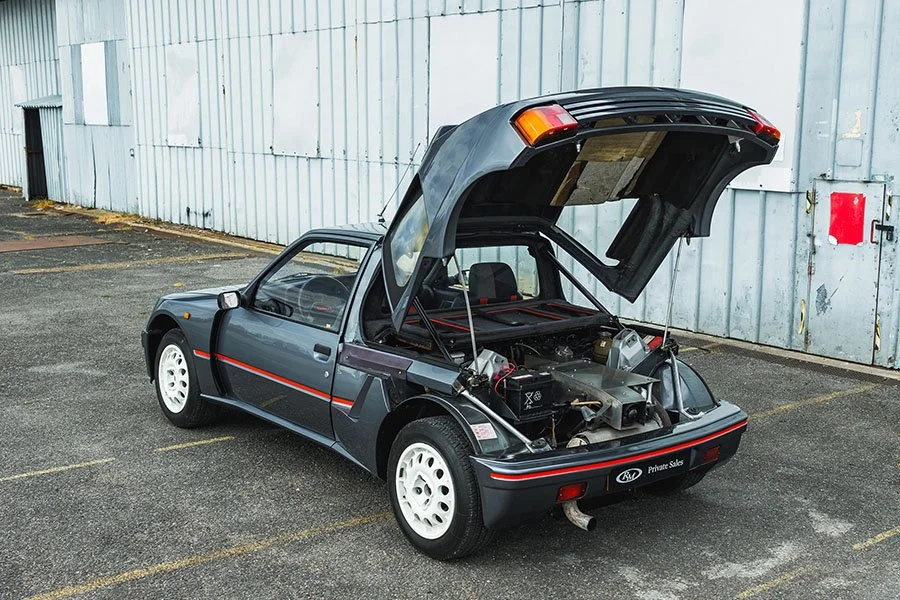
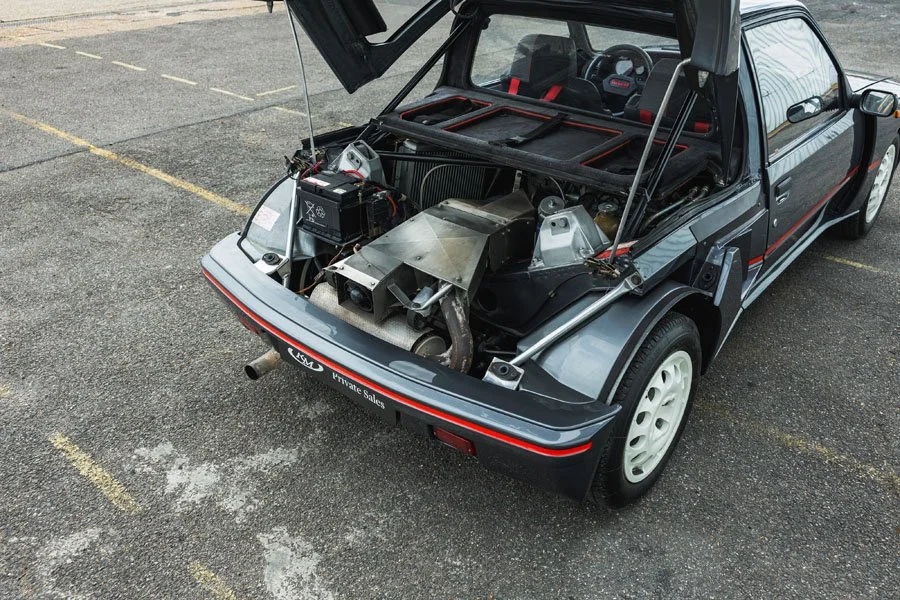
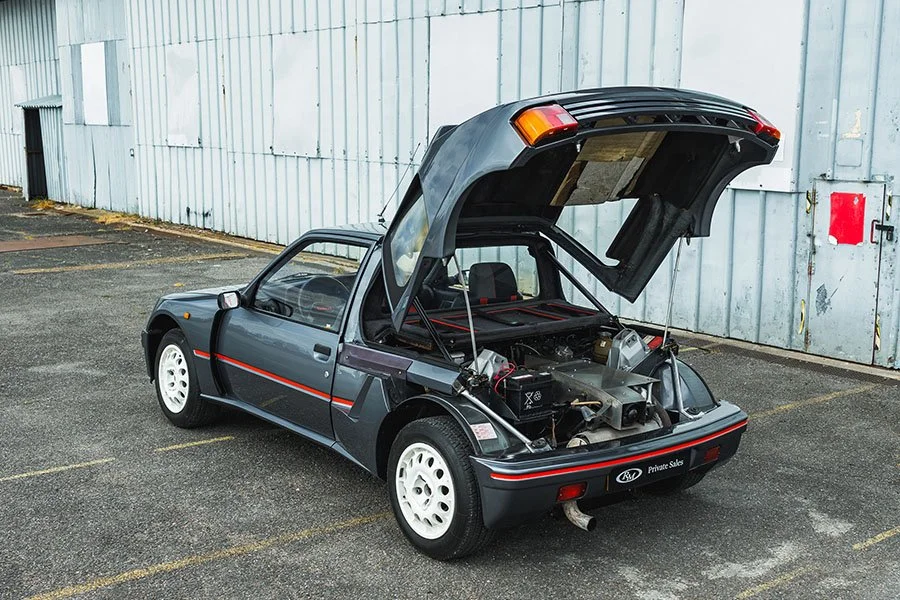
Although a handful of T16s emerged from the factory in special order colour schemes, almost the entire production run was painted grey with a red coachline and two-tone black-grey leather and fabric upholstery.
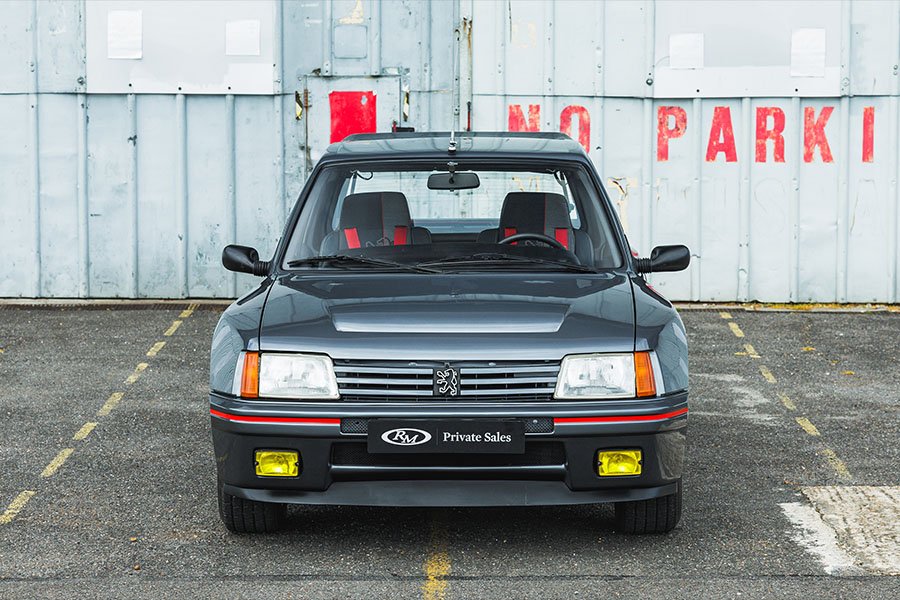
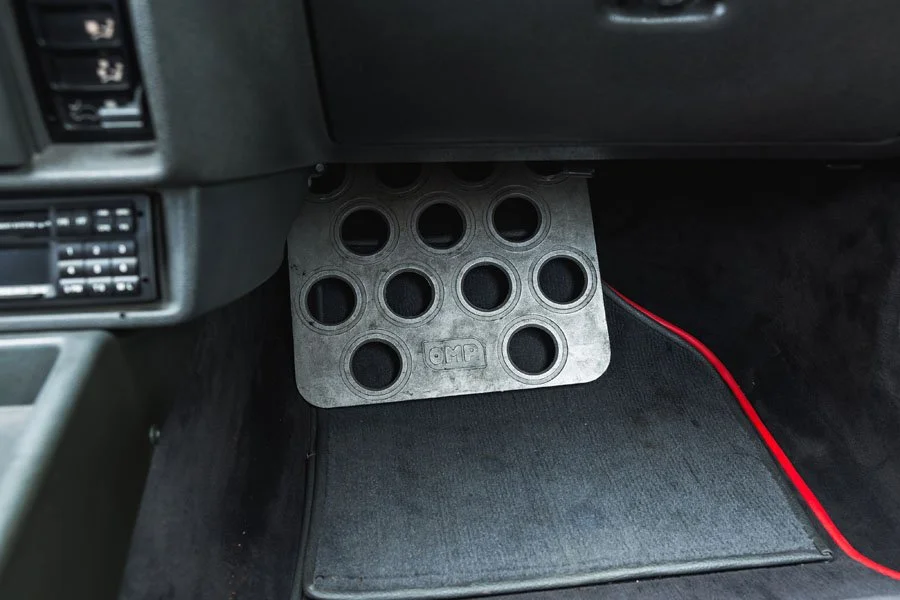
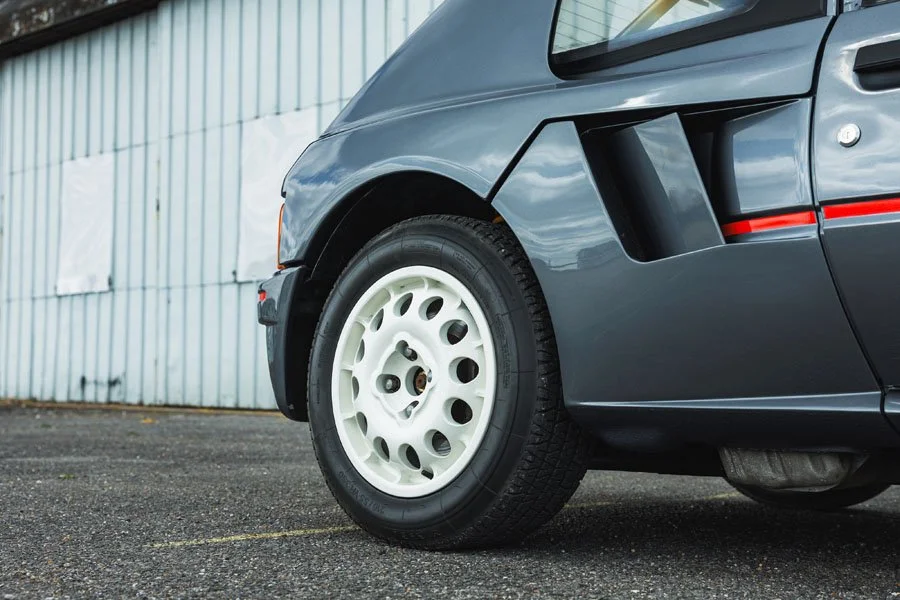
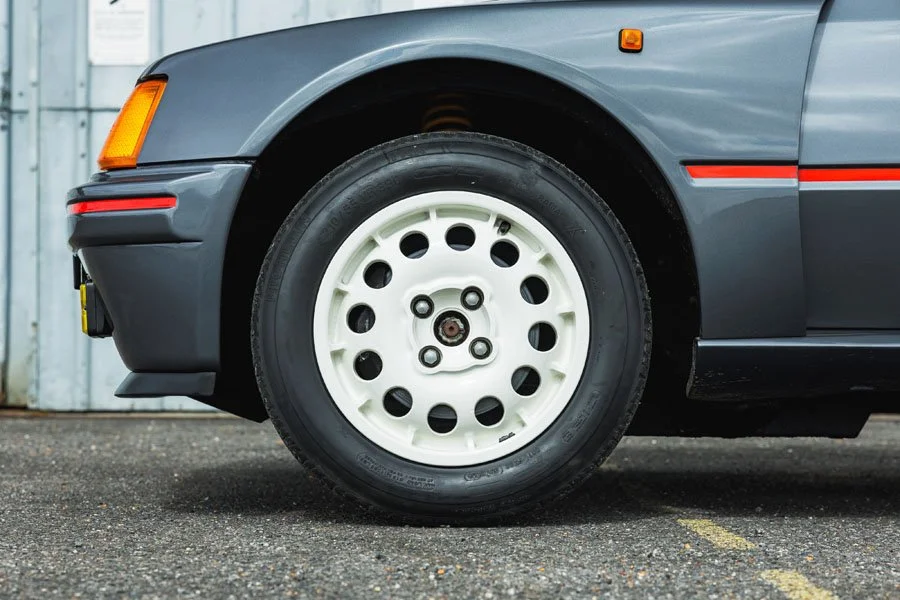
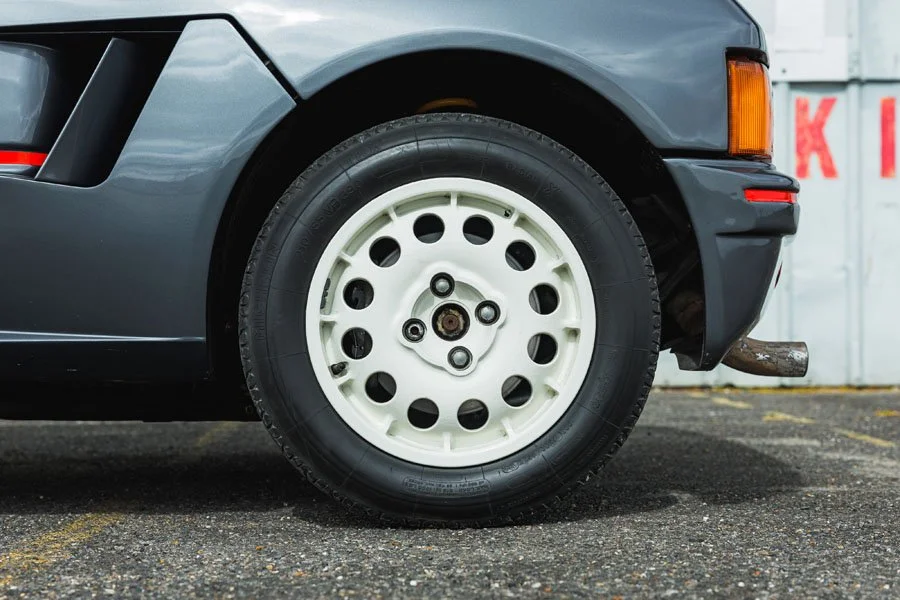
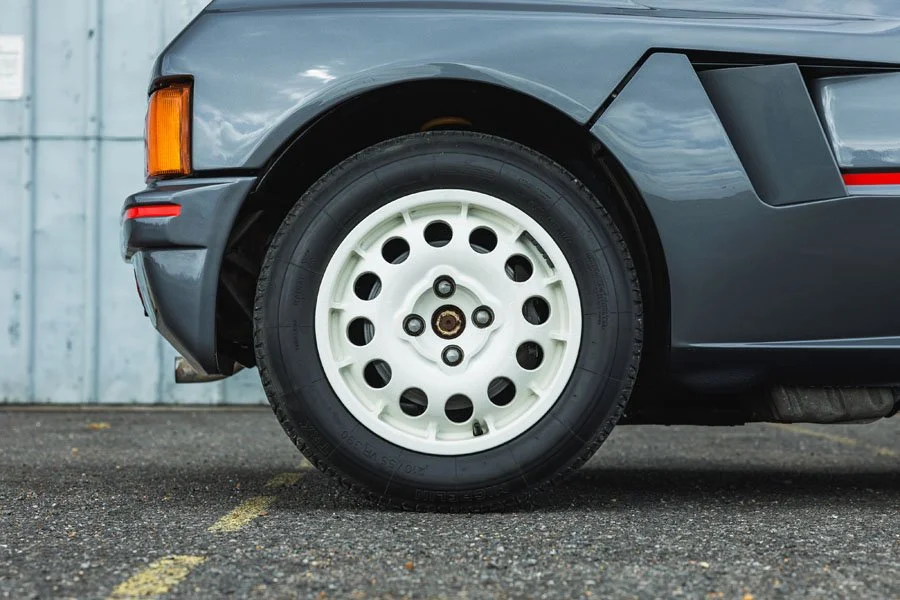
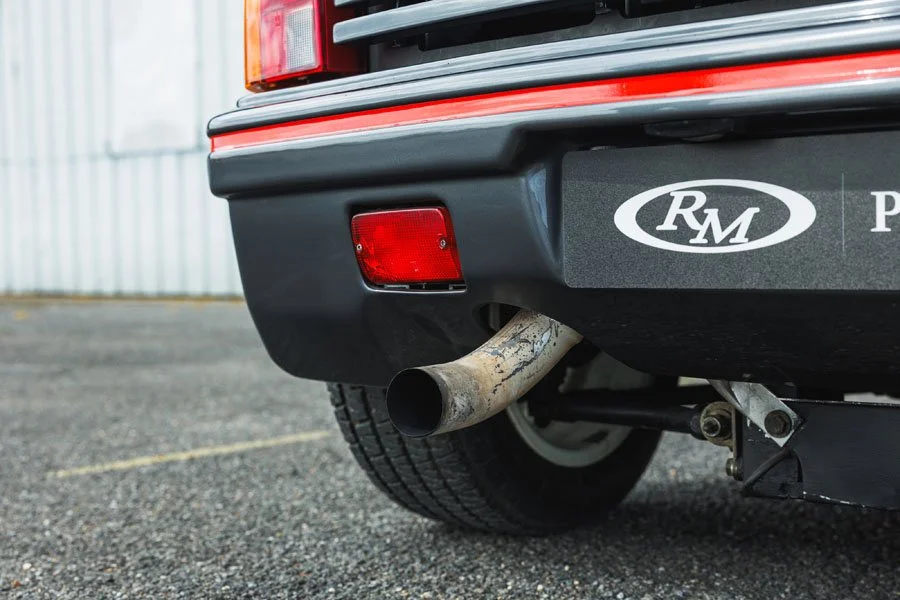
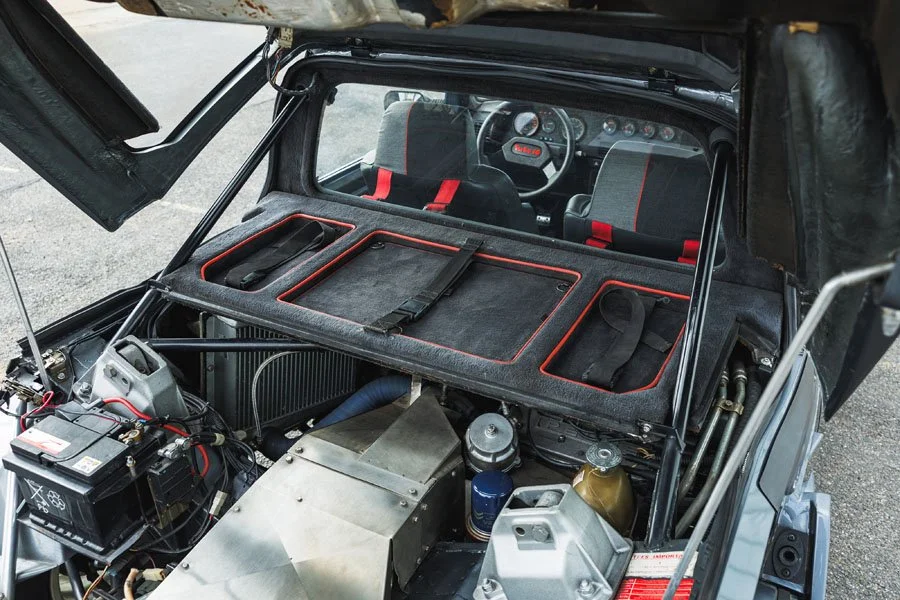
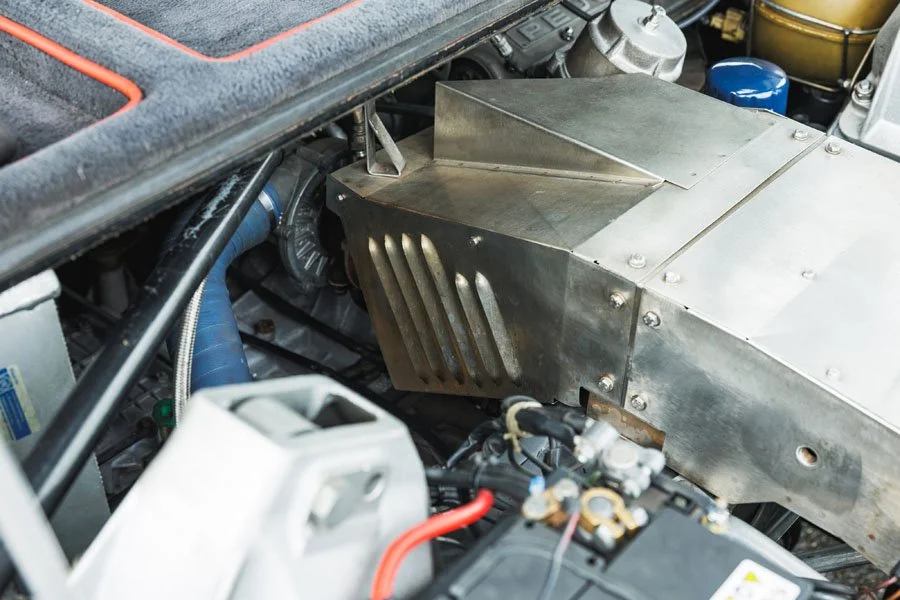
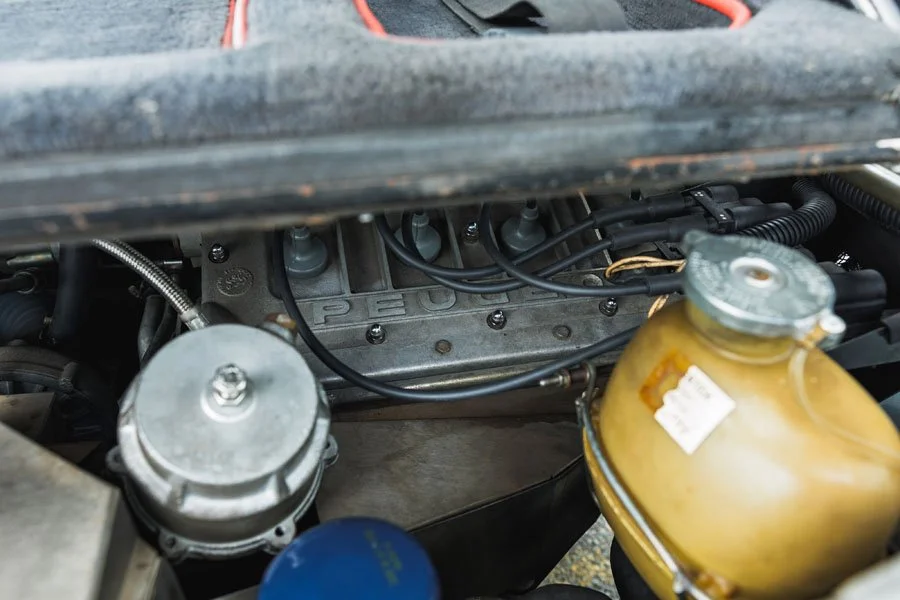
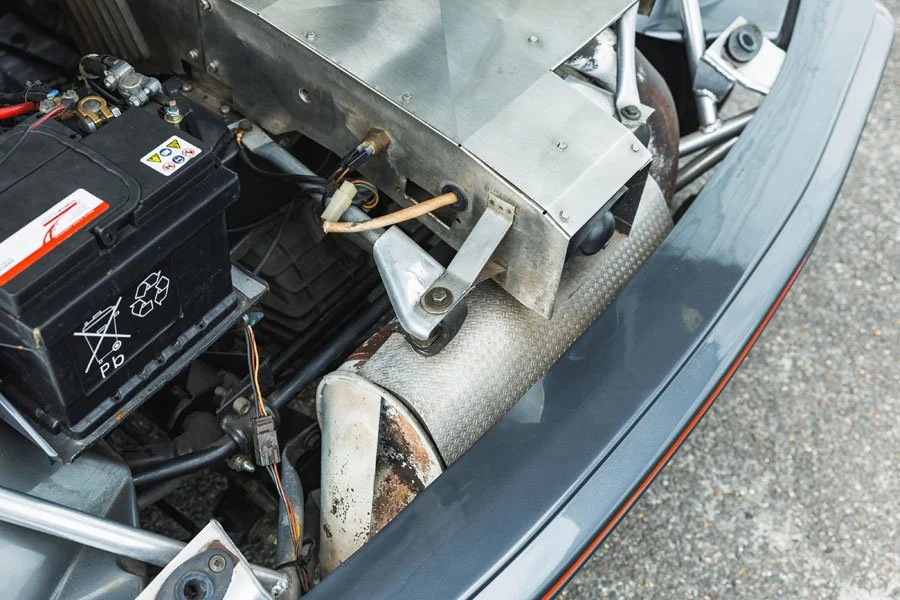
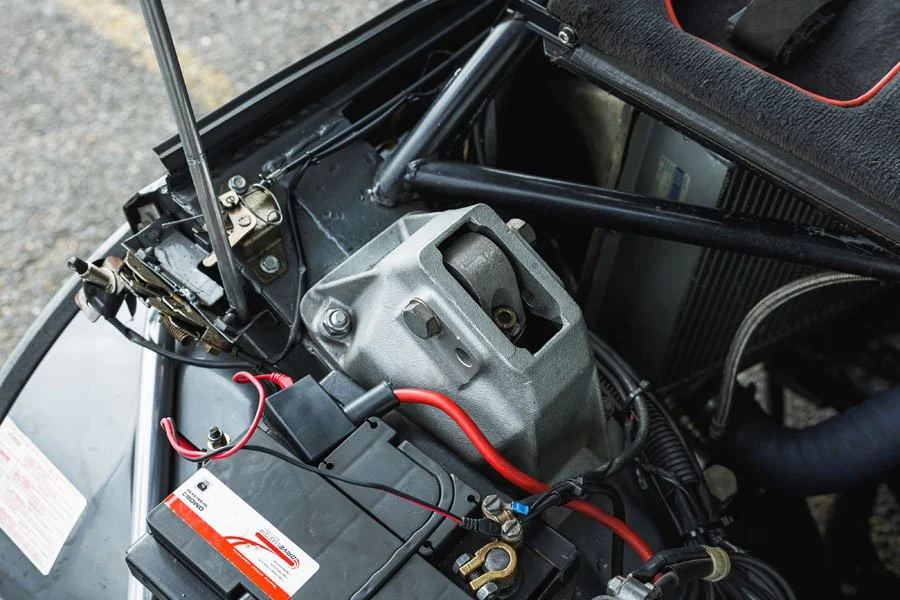
One of the most interesting T16 road cars we’ve seen recently is currently on offer in the UK with RM Sothey’s Private Sales division.
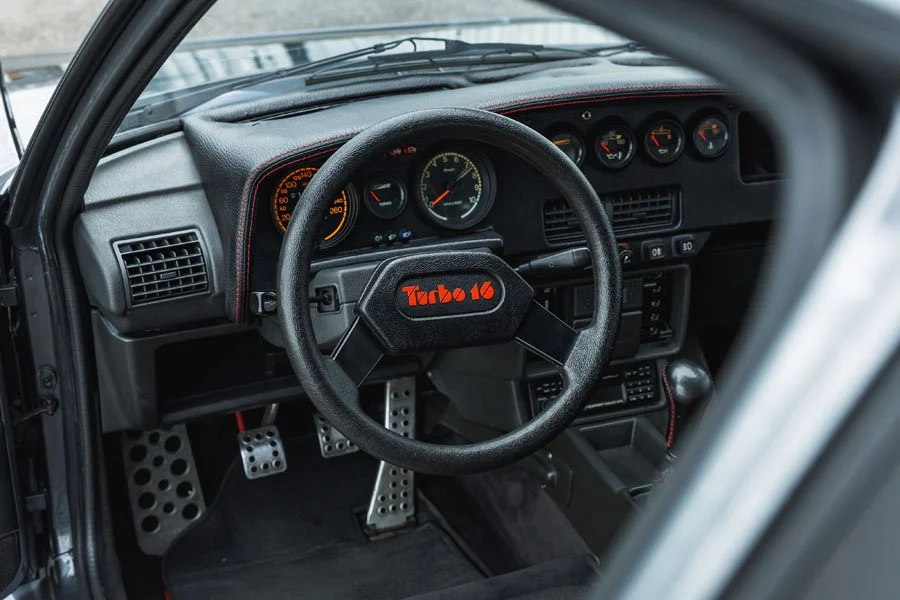
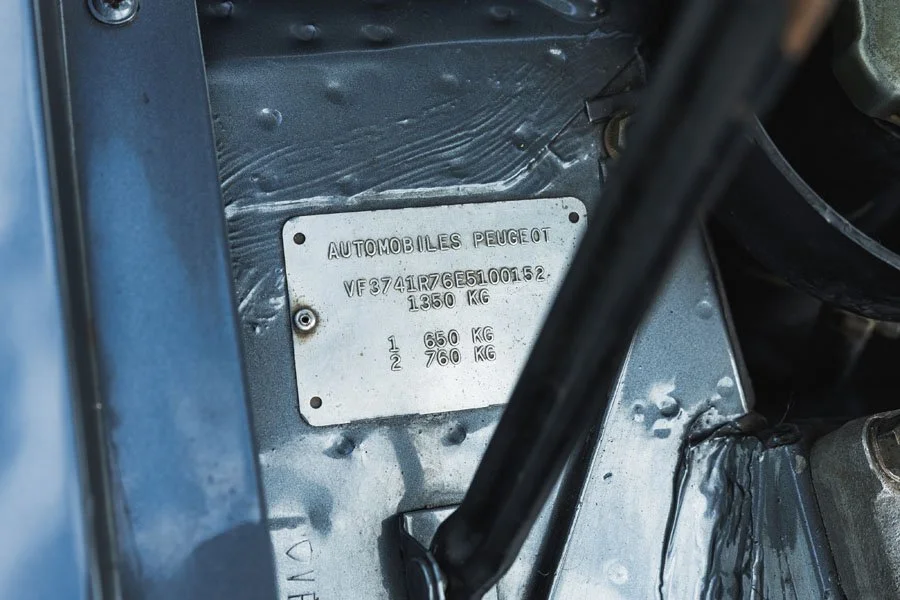
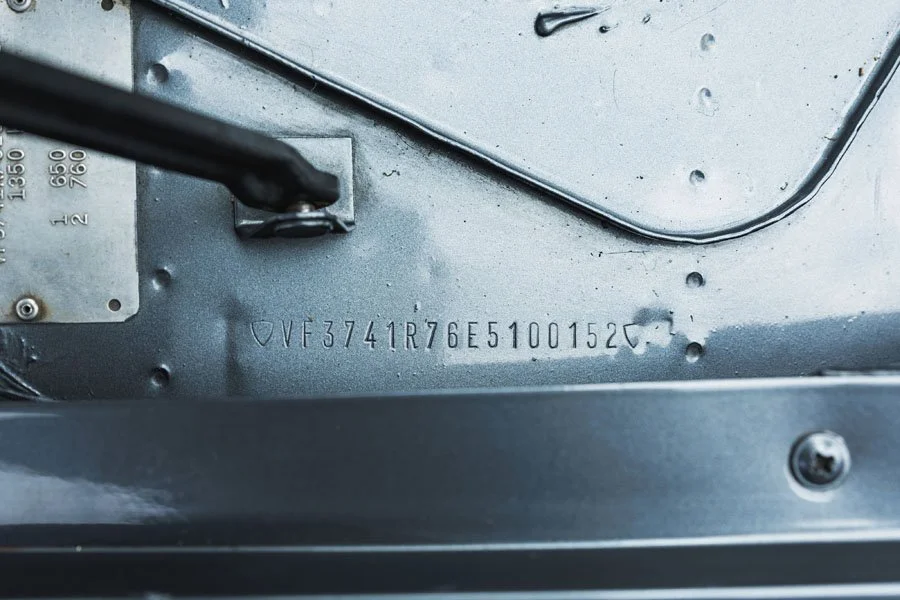
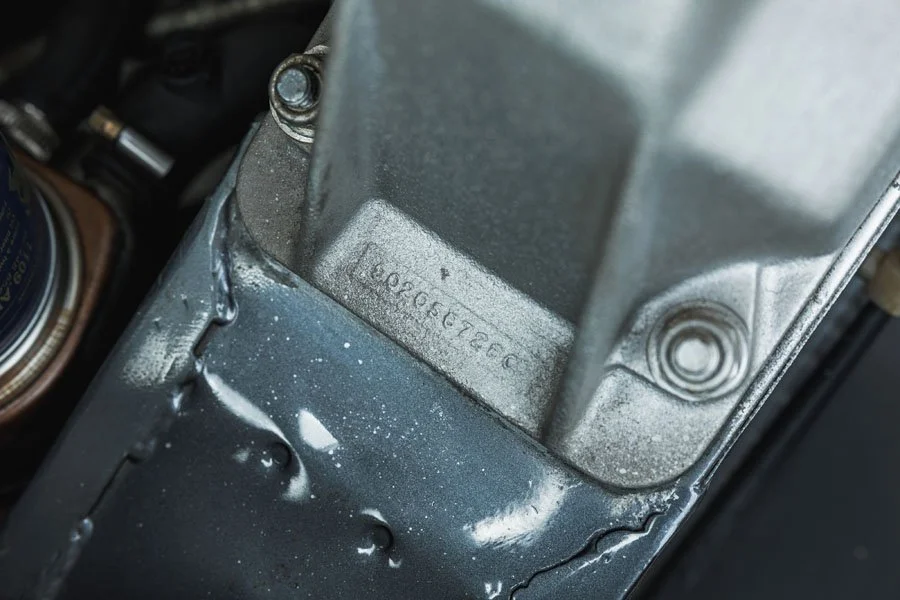
In an attempt to stimulate sales, chassis VF3741R76E5100152 was allocated to Peugeot’s Italian distributor for promotional duties. During its time as a press car, ‘100152’ most famously appeared in the November 1984 edition of Quattroruote magazine. For this, it was driven by reigning Italian F3 title-holder, Ivan Capelli, who shortly afterwards became 1984 European F3 champion.
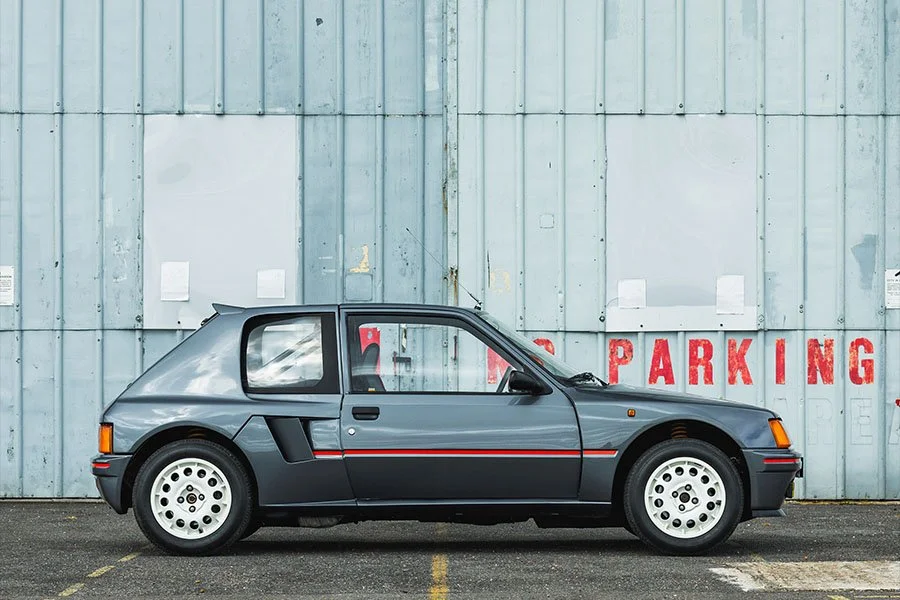
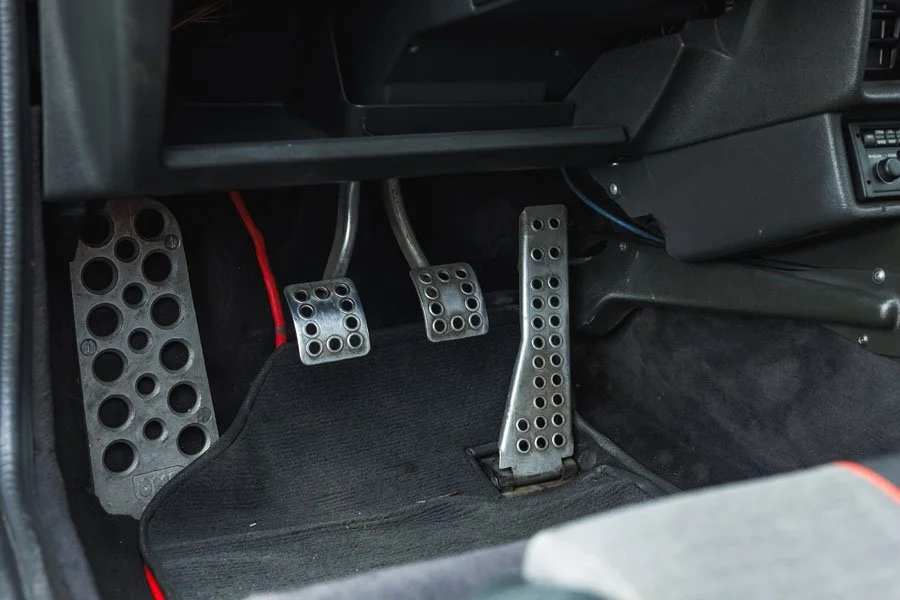
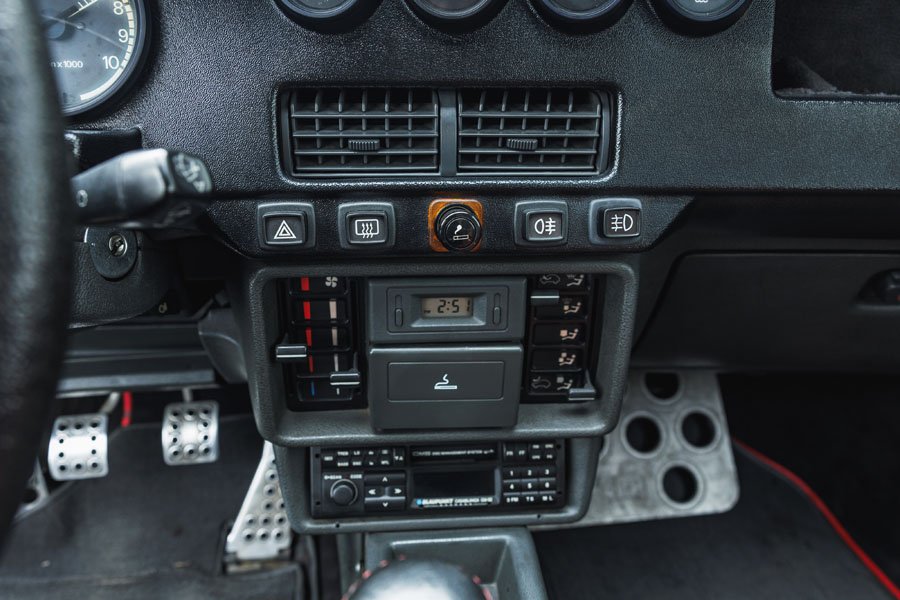
Paraphrasing, Capelli wrote: “You can see it was born as a race car as soon as you sit behind the wheel: the setup is perfect. The controls are all placed correctly and the seat height is optimal, ensuring perfect visibility. It’s a very easy car to drive. You enjoy driving it even in fast corners thanks to the integral traction that is not invasive, and the weight distribution is excellent.
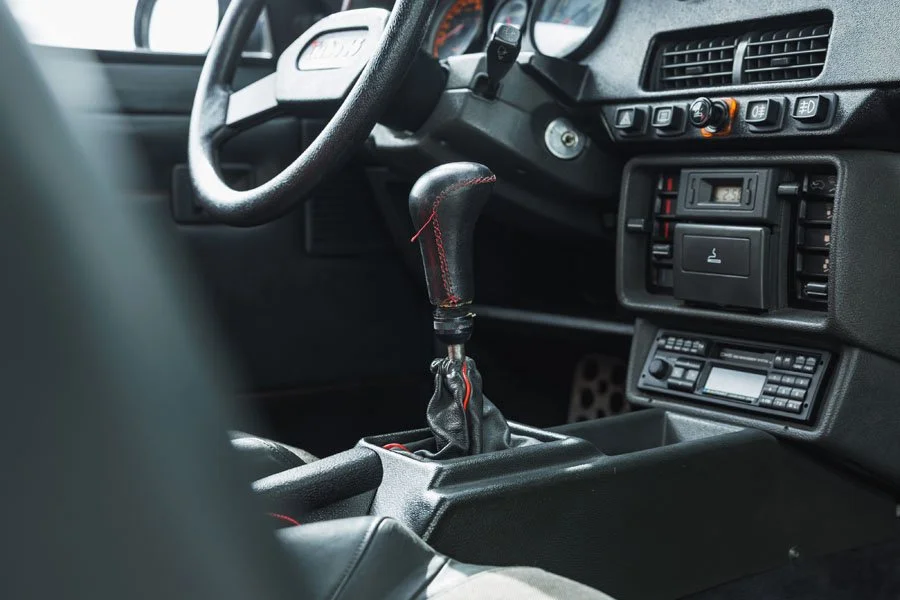
When the turbo kicks in the car becomes smoother, in my opinion, and without too violent a response. The gearbox has exceptional manoeuvrability, quick gear changes and no unpleasant friction. And finally the brakes, in which, as in those of racing cars, you feel gradual engagement. Also here the results are excellent. The initial ‘dead’ travel is slight, then perfect. Power and balance can be modulated well, and even the shock absorbers don’t seem to have any fading and offer the right pedal sensitivity.”
Documentation on file from the Automobile Club d’Italia confirms this was the very car that bore registration MI 64806W as driven by Capelli for Quattroruote.
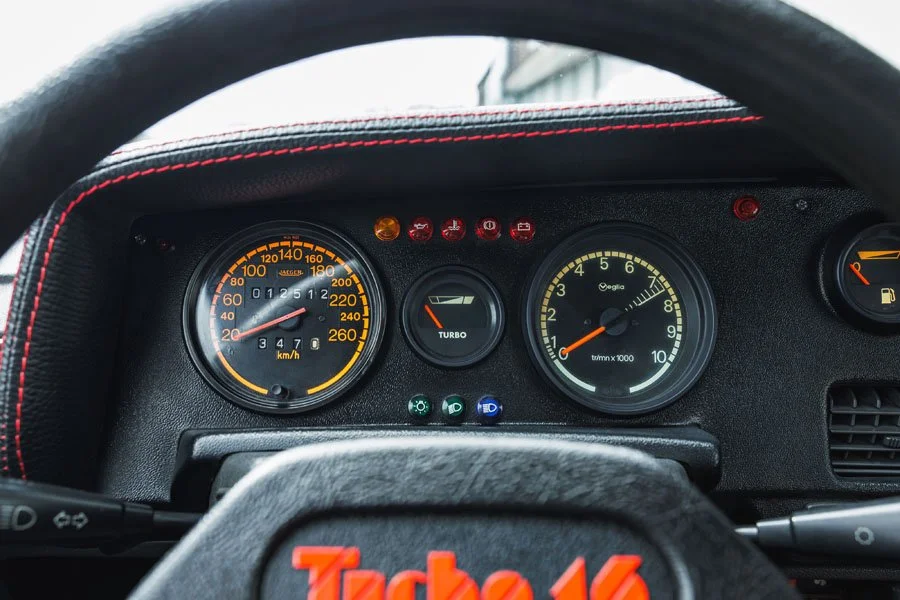
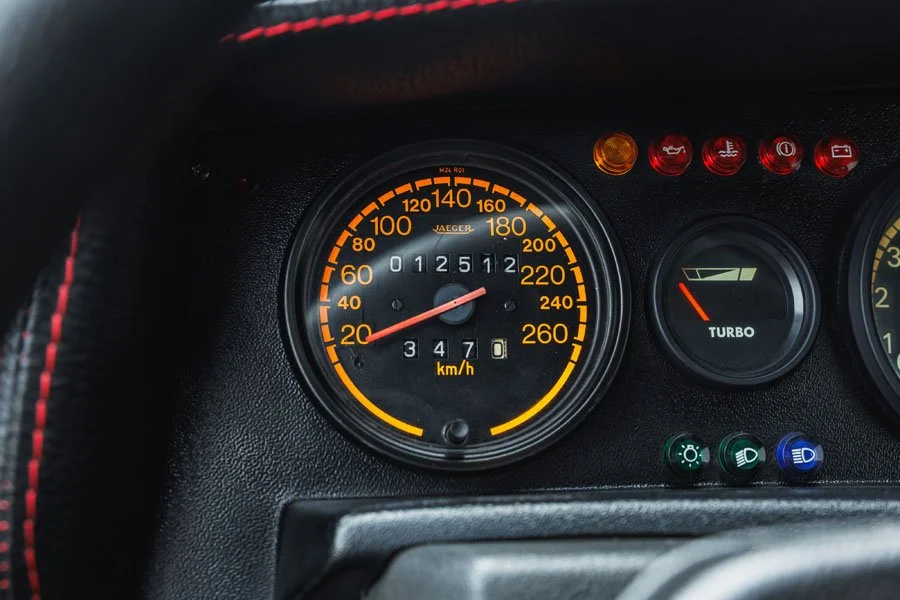
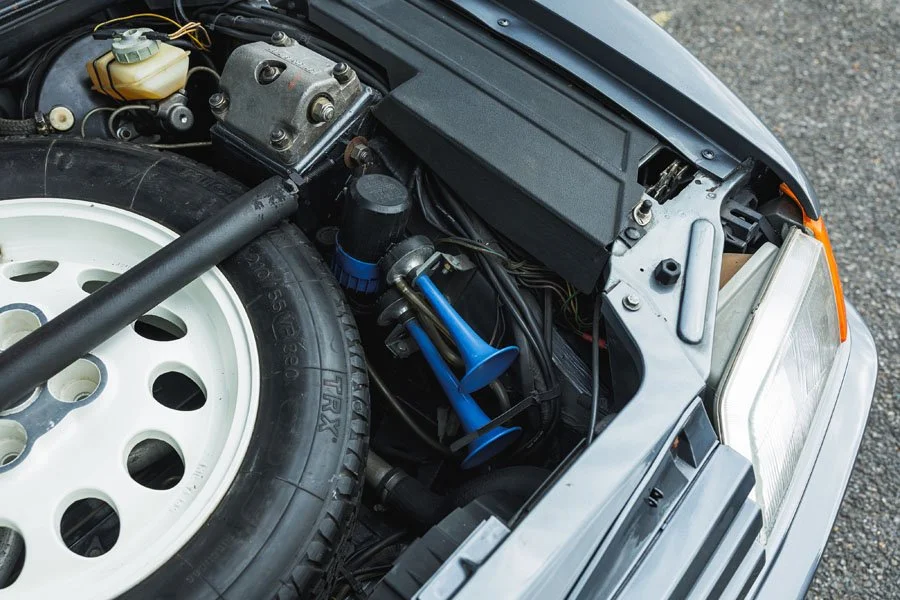
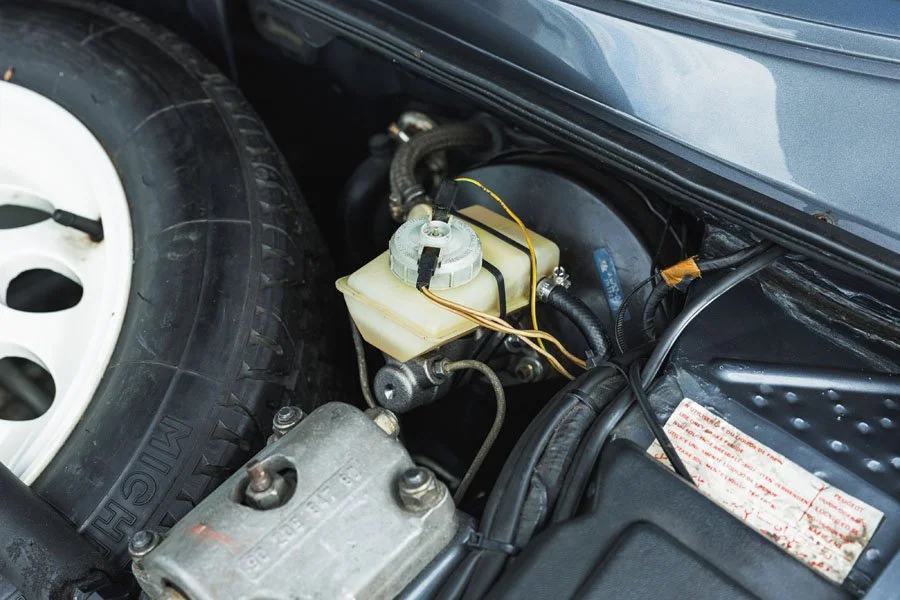
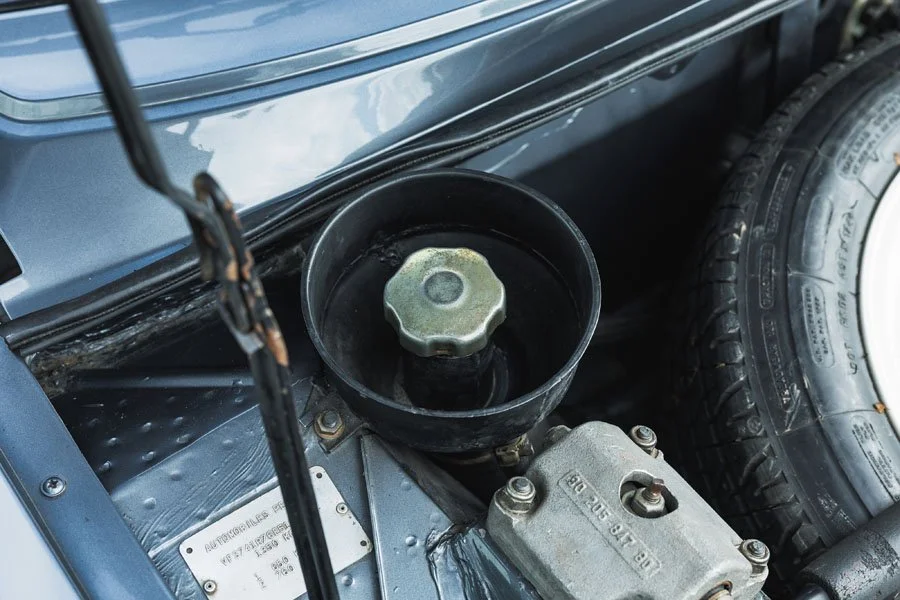
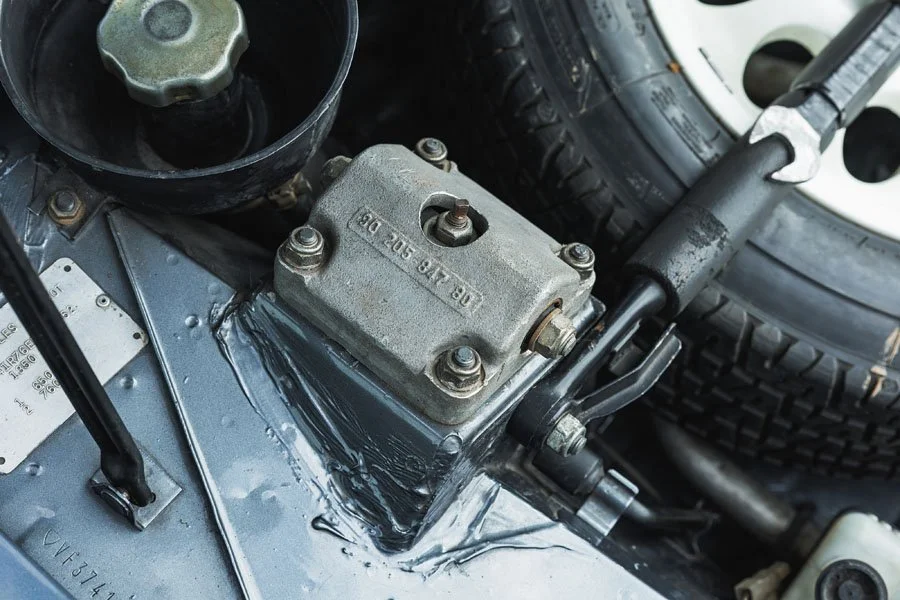
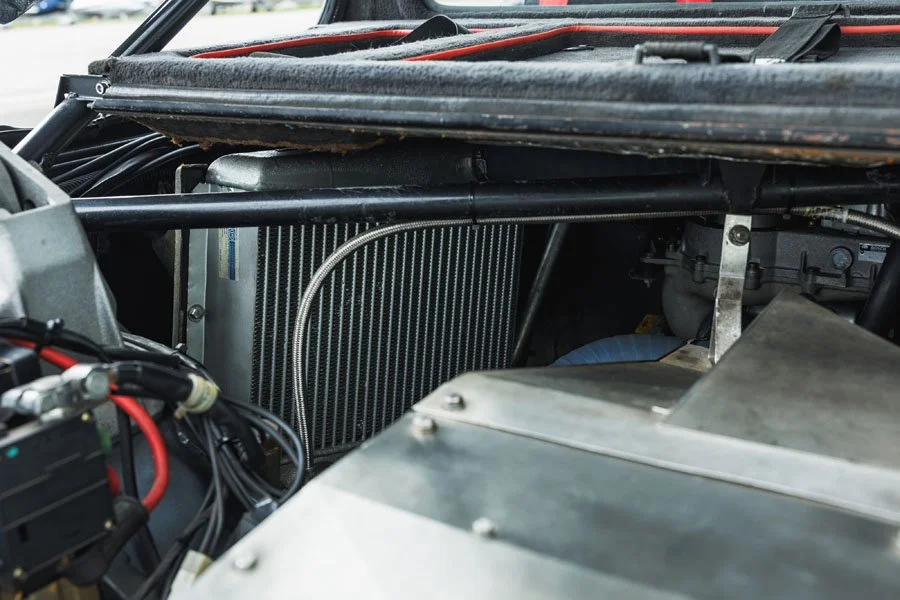
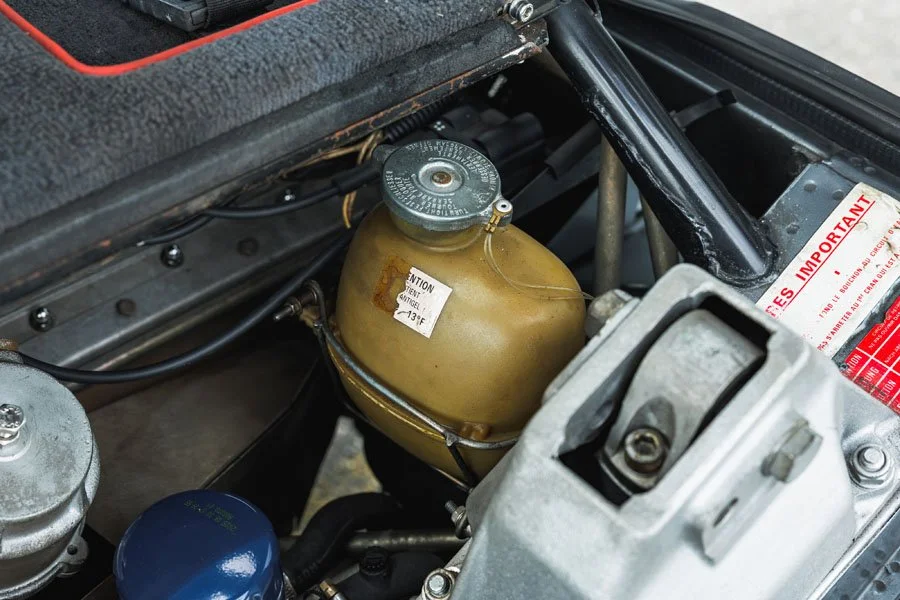
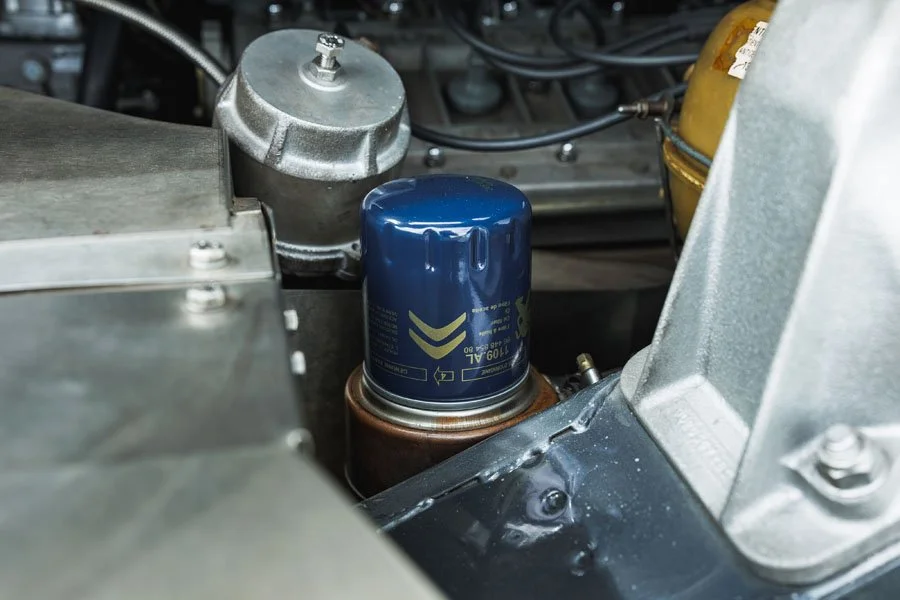
Although little is known of ‘100152’s subsequent Italian history, since 2015 the car has undergone a substantial programme of maintenance to include a major mechanical recommissioning. Imported to the UK in 2016, chassis ‘100152’ is currently showing a little over 12,500km on the odometer.