VIN: the Essex Wire Corp. / Paddy NcNally / John Jordan Ford GT40 Mk1 chassis P/1038
/ Ben Tyer
HISTORY OF CHASSIS P/1038
Chassis P/1038 was one of four Mk1 GT40s sold to the Essex Wire Corporation. It joined P/1001 and P/1010 (which the firm had received in 1965) and P/1026 which was another new car for the ‘66 campaign.
Founded in 1930, by 1965 the Essex Wire Corporation operated 44 wire manufacturing plants and had annual sales of $355m. It supplied magnet wire to industrial, energy and automotive customers around the world.
In 1959 Walter Probst became the President of Essex (assuming control from founder Addison Holton).
During 1965, Probst took the company public on the New York Stock Exchange. He also elected to embark on a marketing partnership with Ford that would see the Essex Wire name go racing with the GT40, Shelby Cobra and Shelby Mustang.
Painted Essex Wire’s trademark white and red colour scheme, chassis P/1038 contested four events for the team in 1966 with its debut coming at the Le Mans Test held over the weekend of April 2nd and 3rd. Skip Scott took the new car round in eighth fastest overall and third fastest of the over two-litre Sports cars.
Six weeks later Scott won his class in the 35 lap British Sportscar Championship race at Silverstone (the International Trophy on May 14th). This event was very much a warm-up for P/1038’s next outing at the Spa 1000km World Sportscar Championship race where Peter Revson joined the team.
Revson and Scott had a sensational run to third overall and first in class in Belgium (May 22nd), after which P/1038 headed for the Le Mans 24 Hours.
Having demonstrated itself as the best prepared Mk1 GT40 around, it was no surprise to see P/1038’s stellar drivers holding tenth overall and heading the Sports car class after four hours racing at la Sarthe. By mid-distance (4am on Sunday morning) it had risen to fifth overall. However, when the engine blew at around 8am, the gallant effort came to an end.
At some point during the next few months Essex Wire sold P/1038 to British Autosport journalist and driver manager, Paddy McNally. McNally ran the GT40 at one event, the 1967 Sebring 12 Hours on April 1st, where under the Autosport International banner the now white and black-striped car finished an impressive eighth overall in the hands of Bob Grossman and William McNamara (good enough for second in the five-litre Sports car class).
Via Mike Spence, Paddy McNally sold P/1038 to British club driver and cereal magnate John Jordan who went on to race the GT40 extensively in Special GT and club level events from mid 1967 to late 1969 (taking in nearly 100 contests!).
Jordan retained the car until 1970, at which point it was sold to John Bailey. It has remained hidden from view ever since.
Notable History
White with Red stripes
Essex Wire Corporation, Fort Wayne, Indiana
03/04/1966 IND Le Mans Test (S. Scott) 8th oa, 3rd S2.0+ class (#11)
14/05/1966 BSC Silverstone International (S. Scott) 6th oa, 1st S class (#25)
22/05/1966 WSC Spa 1000km (P. Revson / S. Scott) 3rd oa, 1st S2.0+ class (#42)
19/06/1966 WSC Le Mans 24 Hours (S. Scott / P. Revson) DNF (#59)
Paddy McNally (Autosport International), London
White with Black stripes
01/04/1967 WSC Sebring 12 Hours (B. Grossman / W. McNamara) 8th oa, 2nd S5.0 class (#17)
1967 sold to John Jordan, Bedfordshire
Raced in club events throughout the UK between 1967 and 1969 (mostly Silverstone, Snetterton and Thruxton)
1970 sold to John Bailey, UK
Text copyright: Supercar Nostalgia
Photo copyright: unattributed
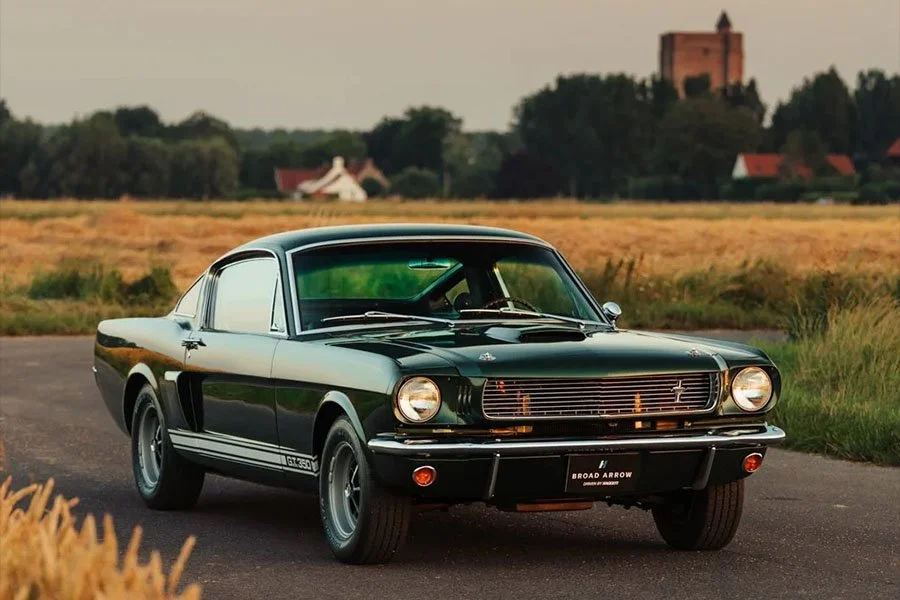
Only a tiny fraction of Shelby’s Ford Mustang-based GT350s made their way across to Europe in period, one of which was chassis SFM6S775 whose first owner was a key player in the GT40…
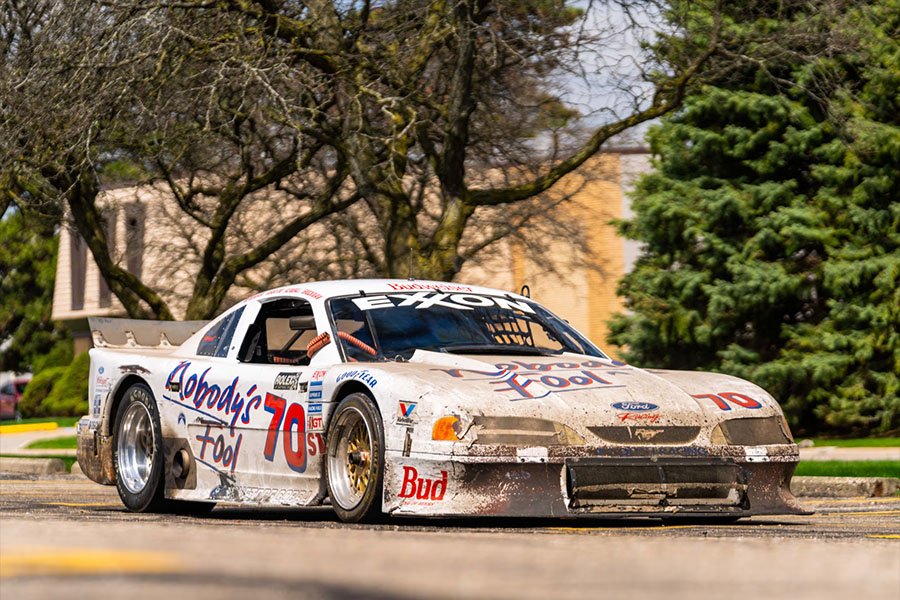
Arguably the three biggest Hollywood icons to have taken up motor racing in their spare time were James Dean, Steve McQueen and Paul Newman. While Dean’s promising track career was cut short…
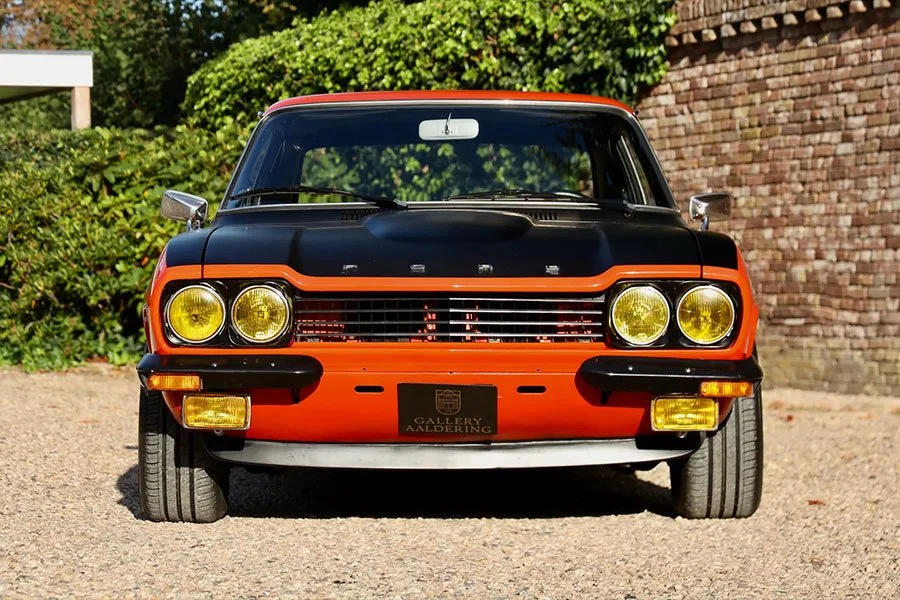
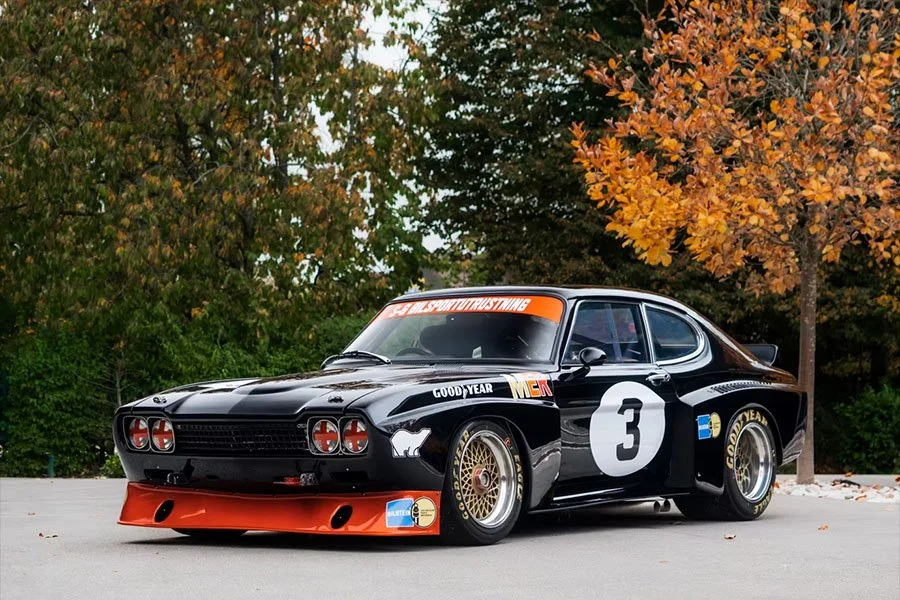
During four years in production between early 1970 and late 1973, Ford’s Capri RS2600 Group 2 homologation special underwent a series of changes aimed at broadening its appeal. The first 50…
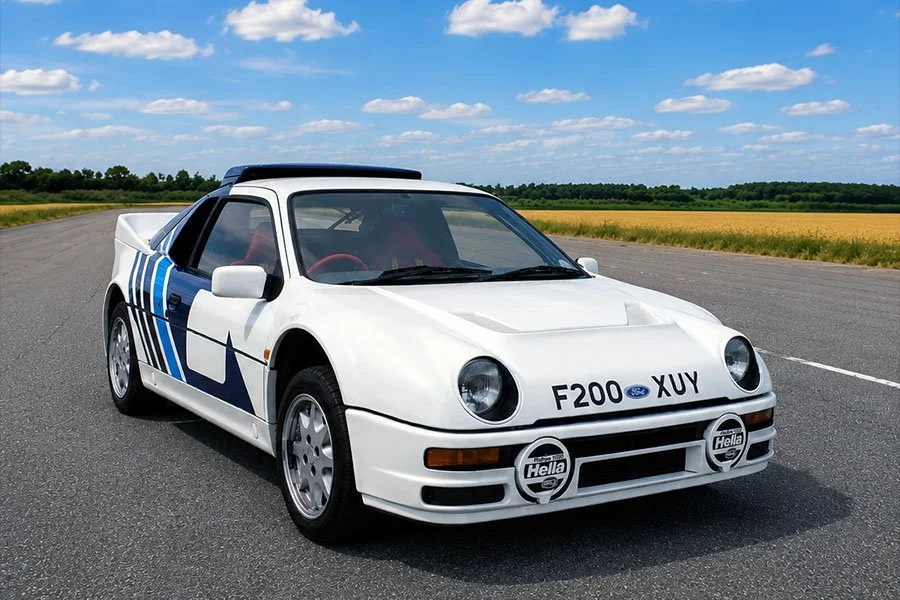
The Group B regulations that came into effect from 1982 stipulated that, to compete, a manufacturer first had to build at least 200 base copies of the car they wanted to run. However, the base car was…
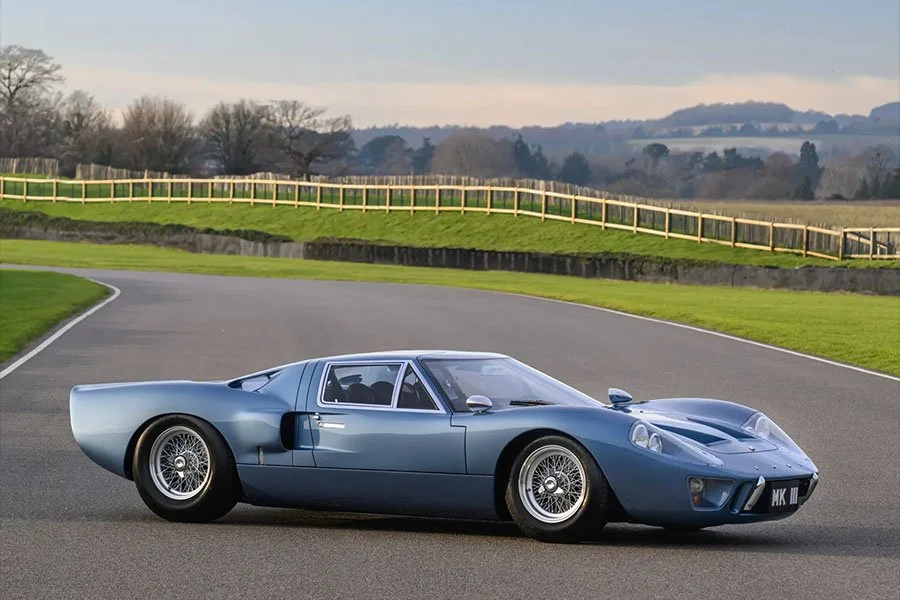
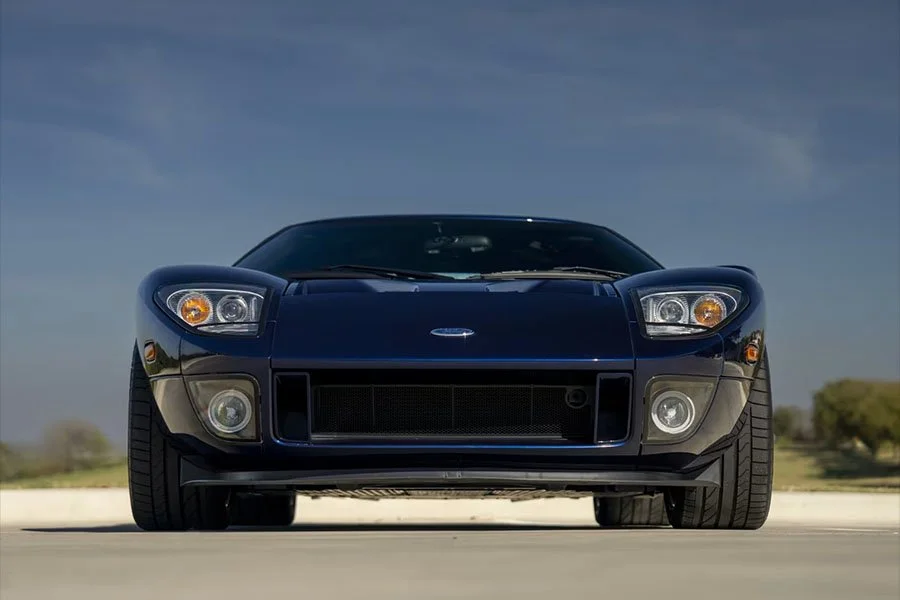
Famously, Ford’s attempt to create a softer, more commercially appealing iteration of the GT40 proved a commercial flop; having hoped to shift a run of at least 20 units, just seven copies of…
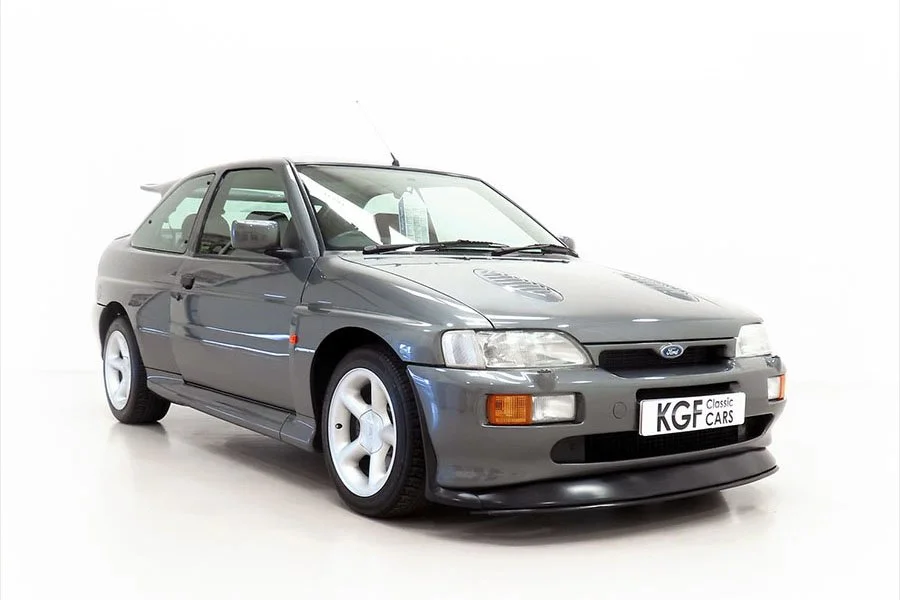
Having created one of the 1980’s wildest homologation specials with the Sierra RS Cosworth, Ford took a similar approach when it came to a MkV Escort conceived for top flight rallying. Unveiled in…

Over the course of five weeks during April and May of 1970, members of the Royal Automobile Club and Motor Sports Association in the UK organised a high profile marathon that travelled a 16,000…
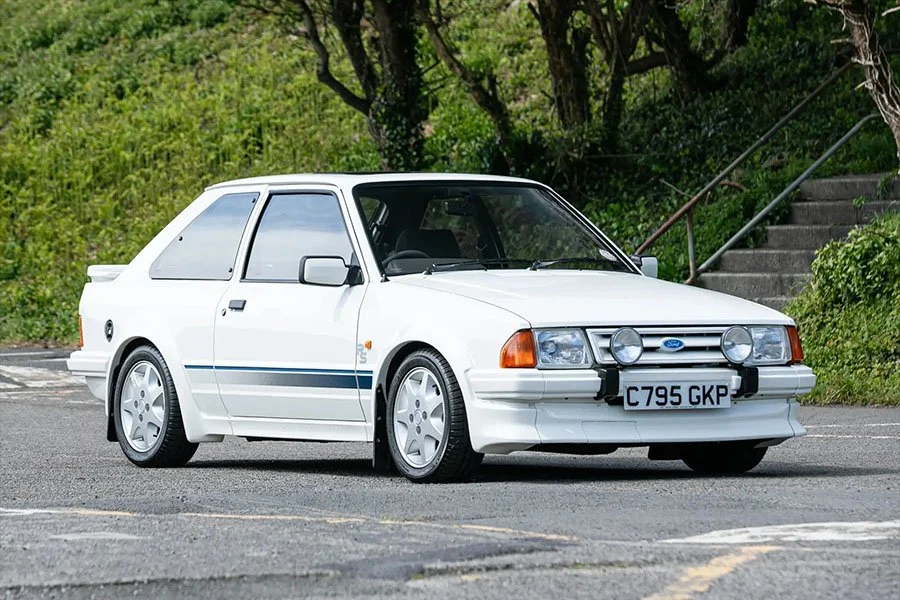
To replace the normally aspirated RS1600i which had failed to set the world alight in Group A competition, Ford created its first forced induction Escort for public consumption: the RS Turbo.
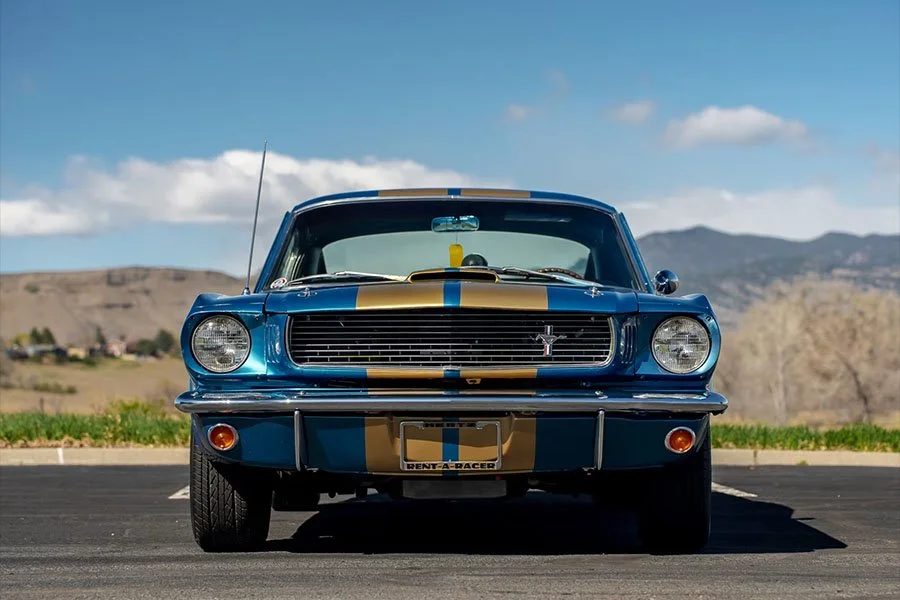
In September 1965, Ford signed an agreement with Hertz Rental to supply 1000 special copies of the Shelby Mustang GT350. The resultant GT350H would be available to Hertz Sports Club members for…
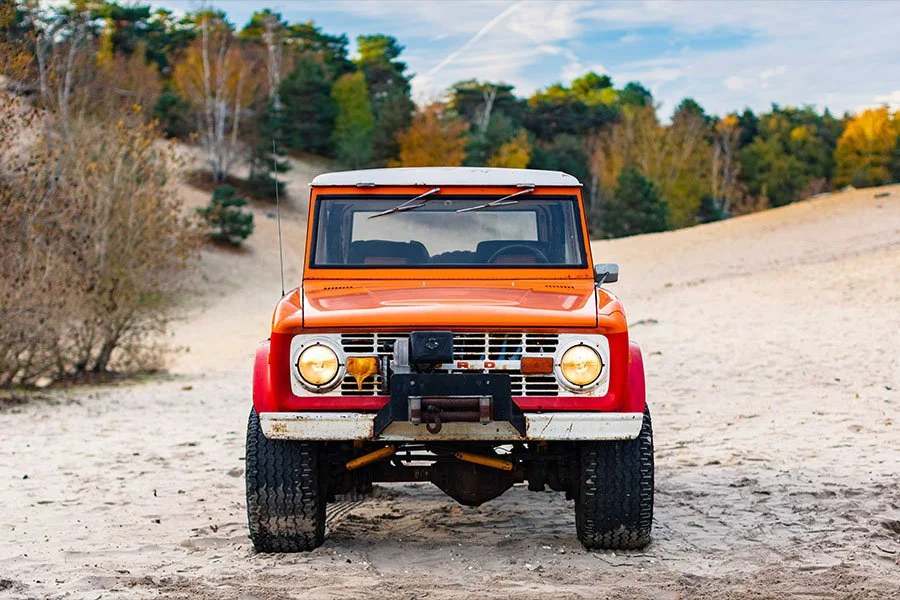
Launched in August 1965 for the 1966 model year, the Bronco was conceived as Ford’s offering for a Sport Utility Vehicle market that was rapidly beginning to gain popularity. Using a box-section body…
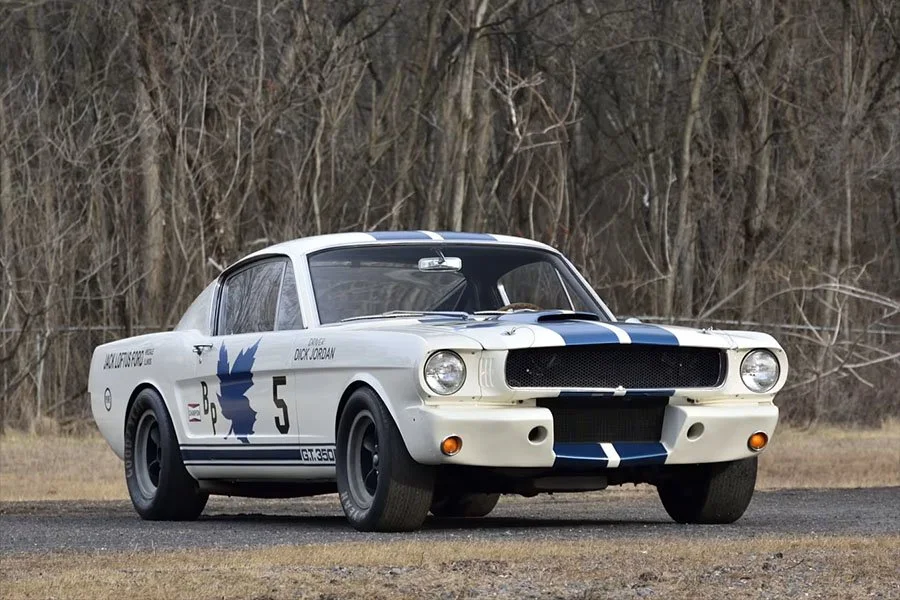
To pave the way for an attack on the SCCA B Production Championship, Ford commissioned Shelby to create the GT350 Mustang, at least 100 of which would have to be manufactured in order to…
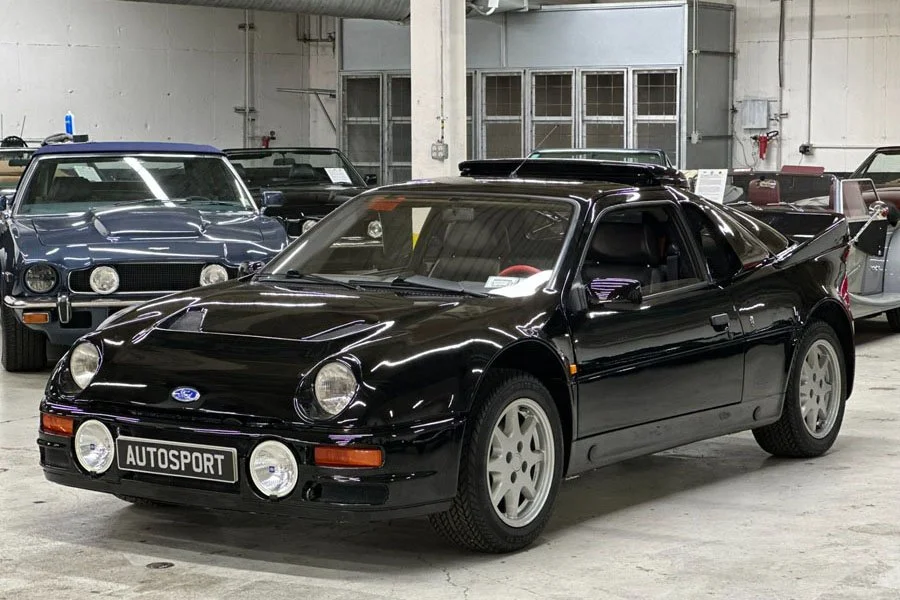
Like most manufacturers that created Group B homologation specials, Ford found it very difficult to sell the RS200 when new. Therefore, to broaden its appeal, between 1987 and 1989 (after…
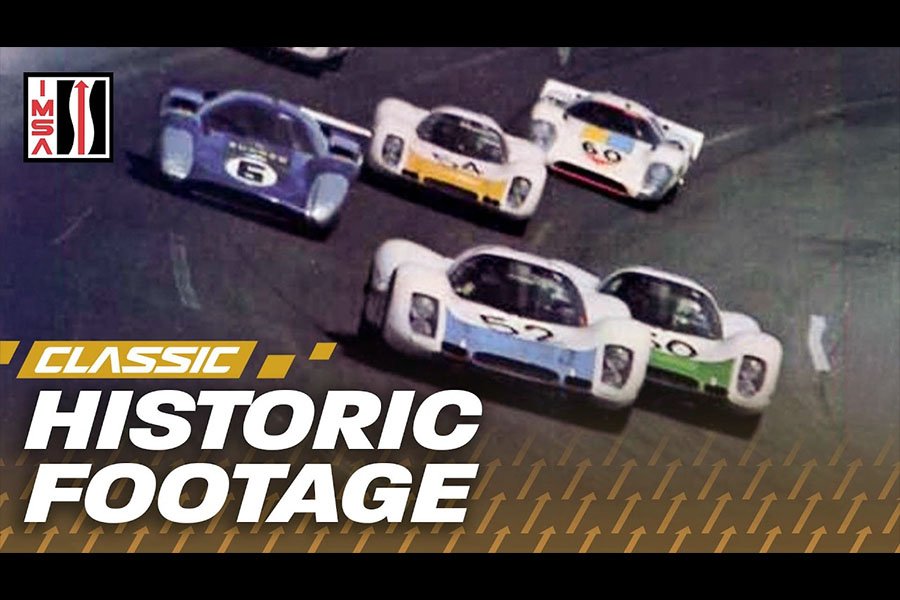
Relive one of the most dramatic chapters in Daytona endurance racing with this classic film from the 1969 24 Hours of Daytona. Porsche was widely expected to dominate again, but in a stunning turn of events the Sunoco-liveried Lola T70 Mk.3B GT Chevrolet took overall victory.
When BMW homologated its radical ‘Batmobile’ aero kit for the 3.0 CSL mid way through 1973, the balance of power in Group 2 Touring Car racing swung inexorably towards the Munich manufacturer.
Unlike some of its other iconic performance models such as the Mustang and RS line of European specials which were more or less ever present, Ford didn’t get serious about building a replacement…
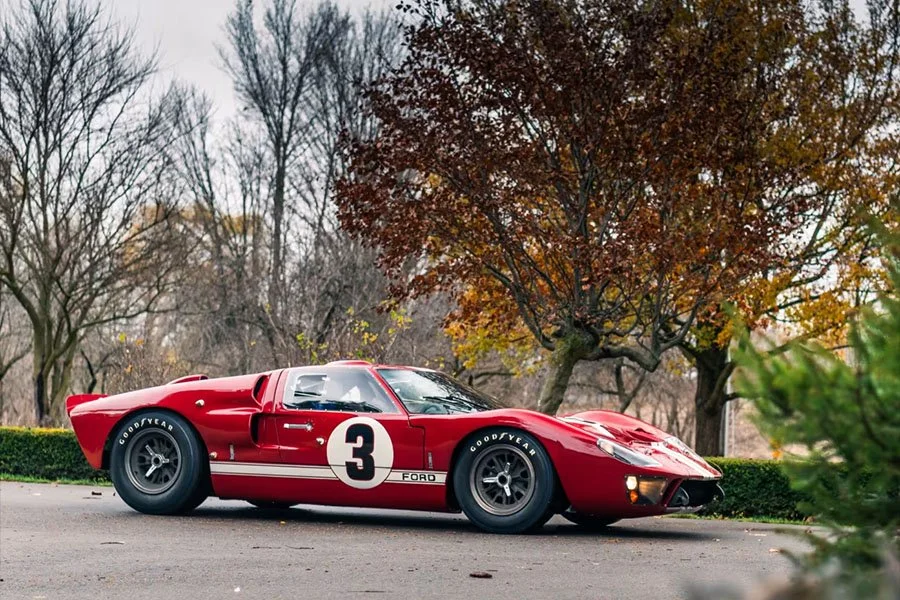
Having thundered around Le Mans with a pair of experimental GT40s running enormous seven-litre engines in 1965, Ford became convinced big block motors were the route to success at ultra high…
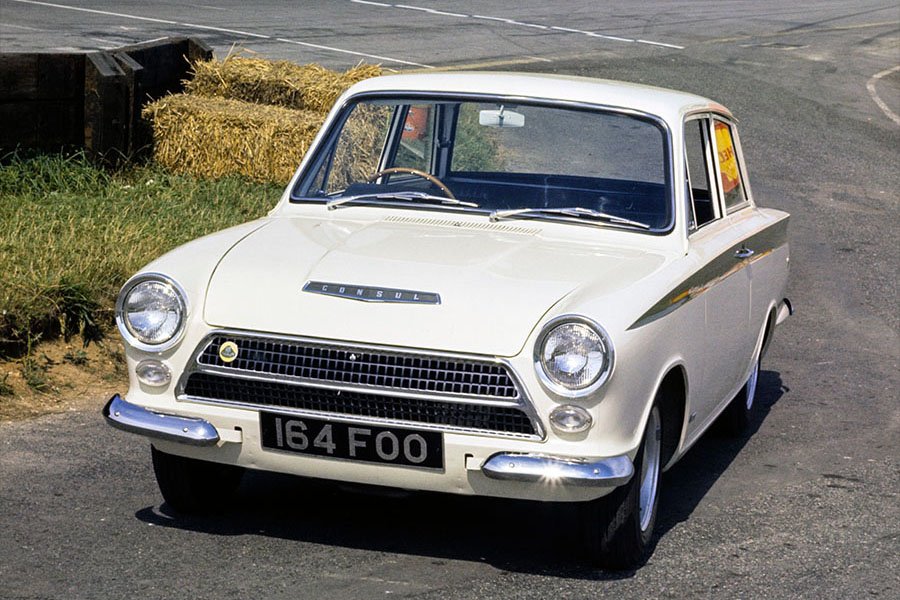
In 1962, the North American Automobile Manufacturers Association lifted its ban on US car builders having any motor sport involvement. Imposed during 1957 as a response to the 1955 Le Mans…

During the last three decades of the 20th century, the closest Ford came to creating a successor to its four-time Le Mans-winning GT of the 1960s was the RS200: a purpose-built rally special…

Ford’s Total Performance programme of the 1960s spawned some legendary machinery of which the four-time Le Mans winning GT40 is particularly revered. The company’s engines were also…

Ford wasn’t able to create the all-wheel drive Sierra Cosworth that it wanted, something in the Audi Quattro mould, until the MT75 gearbox came on stream in late 1988. Having initially used the…

In October 1966, John Wyer was visiting New York on business when he took a call from Gulf Oil Executive Vice President, Grady Davis. The two men had met for the first time at the Sebring 12 Hours…

Although Ford dealers had expressed concern about their ability to sell the 5000 Sierra RS Cosworths required to get the car homologated into the FIA’s Group A category, customers couldn’t…

The newly formed BMW Motorsport operation with its big budget CSL arrived on the 1973 Touring Car scene with one simple aim: to de-throne the works Ford squad that had reined supreme with its…

When the World Rally Championship switched from Group A to WRC regulations for the 1997 season, one of the older generation cars to get a new lease of life was Ford’s Escort RS Cosworth. In…

If you didn’t get enough from our recent article on the Capri Mk3 Werks Turbo, here’s a bit more Zakspeed Ford goodness: Jorg van Ommen’s iconic Denim-backed Group 4 Mk2 Escort from the…

In light of the Mustang’s massive commercial success, Ford of Europe decided to create a scaled down version better suited to the Old World. The resultant Capri was launched at the Brussels…

Chassis P/1018 was one of two Mk1 GT40s built to race trim for promotional use. It was commissioned by Ford on behalf of Carroll Shelby whose firm had undertaken much development…

After a 34 year production run that had seen several million cars built across six different generations, Ford elected to kill off its eponymous Escort in favour of an all-new model: the Focus.

Having replaced the sixth generation Escort with the Focus in 1998, Ford made its customers wait until late 2002 until deliveries of an RS-badged version began. Very much inspired by Ford’s World…

Famously, in order to secure the fabled YBB motor for its Sierra RS Cosworth, Ford had to place an order for 15,000 engines which was three times the number needed to qualify for Group A…