VIN: the Alan Mann Racing / Malcolm Guthrie Ford GT40 Mk1 chassis P/1009A
/ Ben Tyer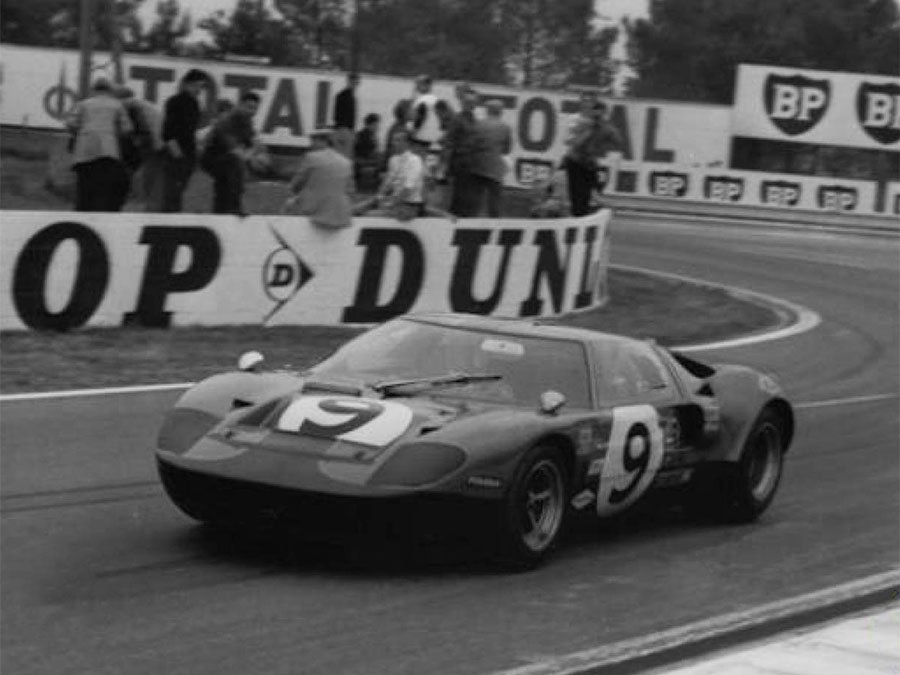
HISTORY OF CHASSIS P/1009A
Chassis P/1009A was a lightweight GT40 tub constructed in 1969 by John Wyer Automotive Engineering (JWAE).
The JWAE organisation in England (which started life as Ford Advanced Vehicles) had acquired the GT40 rights in late 1966 after Ford decided to switch focus to the all-American Mk4.
JWAE supplied P/1009A to Alan Mann Racing (AMR) on behalf of Malcolm Guthrie who had heavily crashed his other GT40 (chassis P/1009) at the Kyalami 9 Hours in November 1968. Rather than have P/1009 repaired, Guthrie elected to purchase a brand new lightweight tub which AMR built up in time for its debut at the 1969 Le Mans 24 Hours.
Malcolm Guthrie was the grandson of financier, Sir Connop Guthrie, and the son of Sir Giles Guthrie, an aviator and merchant banker. In 1968, Malcolm Guthrie had taken up Formula 3 motor racing with a Frank Williams-run Brabham. That year, he also purchased a Lamborghini Miura which was followed by his first GT40 a few months later.
Chassis P/1009A appeared at the 1969 Le Mans as an Alan Mann Racing entry where it was driven by Guthrie and AMR-contracted Frank Gardner.
The grey and maroon car was powered by a 465bhp five-litre all-steel Holman Moody engine with Gurney heads and Tecalemit fuel-injection. Many suspension parts from the Mk2 GT40 were incorporated as well as Kelsey Hayes 1.25-inch ventilated disc brakes instead of the usual Girling items.
Grid positions were dictated by engine size which meant P/1009A started ninth.
Unfortunately, the opening lap was marred by the fiery death of John Woolfe who crashed his brand new Porsche 917 on the approach to White House. Gardner was caught up in the melee and, having run over much burning fuel, P/1009A briefly caught fire. Luckily the flames extinguished themselves within a few corners.
After the wreckage from Woolfe’s crash was cleared the race re-started.
Soon after, Gardner was motoring down the Mulsanne Straight when he felt a driveshaft doughnut let go. He made it back to the pits where a new doughnut was fitted after a lengthy stop.
Following another breakage during the sixth hour, the team decided to call it a day; the same problem had occurred in practice which led to the belief they had been supplied with a faulty batch.
Thereafter, P/1009A raced as a Malcolm Guthrie entry for the remainder of its career.
During the rest of the ‘69 season, Guthrie most notably picked up a couple of good results during the end-of-year Springbok series. He and Paddy Driver finished third overall at the Cape Town 3 Hours, sixth overall at the Lourenco Marques 3 Hours and fourth overall at the Bulawayo 3 Hours. In P/1009A’s final competitive outing, Guthrie and Driver finished 13th overall at the Pietermaritzburg 3 Hours.
Upon its return from Africa, P/1009A was rebuilt as road car.
In 1971 it was sold to New Yorker, Gil Jackson. Jackson also acquired chassis P/1085 around the same time and had the two cars shipped across the Atlantic together. He is understood to have owned both GT40s ever since.
Notable History
Grey with Maroon stripe
15/06/1969 WSC Le Mans 24 Hours (F. Gardner / M. Guthrie) DNF (#9)
29/06/1969 IND Norisring 200 mile (M. Guthrie) DNF (#10)
13/07/1969 IND Hockenheim Solituderennen (M. Guthrie) 10th oa, 2nd S5.0 class (#22)
16/08/1969 IND Oulton Park Gold Cup Oulton Park (M. Guthrie) DNS (#??)
08/11/1969 SPR Kyalami 9 Hours (M. Guthrie / P. Driver) DNF (#8)
22/11/1969 SPR Cape Town 3 Hours (M. Guthrie / P. Driver) 3rd oa, 3rd 2.0+ class (#8)
05/12/1969 SPR Lourenco Marques 3 Hours (M. Guthrie / P. Driver) 6th oa, 5th 2.0+ class (#8)
13/12/1969 SPR Bulawayo 3 Hours (M. Guthrie / P. Driver) 4th oa, 3rd 2.0+ class (#8)
27/12/1969 SPR Pietermaritzburg 3 Hours (M. Guthrie / P. Driver) 13th oa, 2nd 2.0+ class (#8)
Rebuilt as road car
1971 sold to Gil Jackson, New York
Text copyright: Supercar Nostalgia
Photo copyright: unattributed
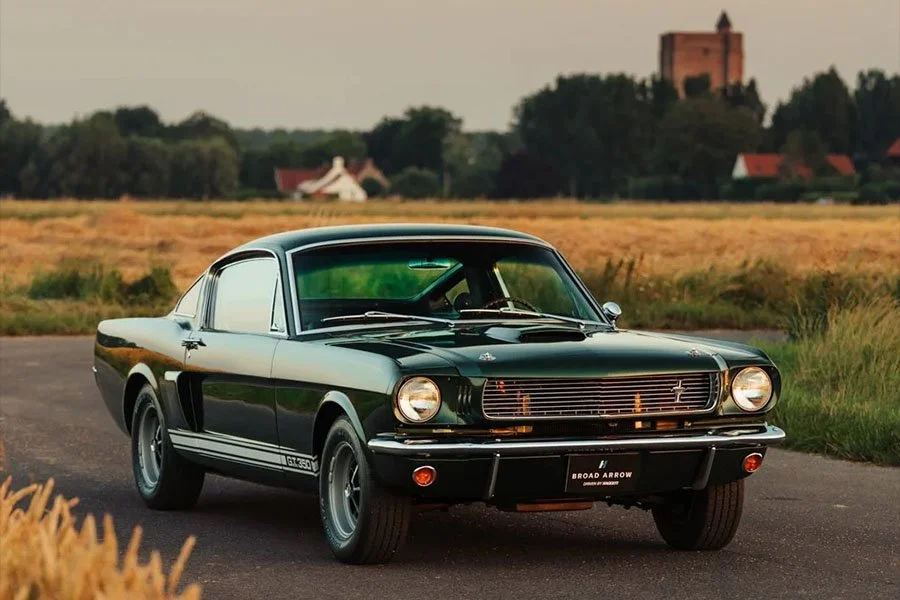
Only a tiny fraction of Shelby’s Ford Mustang-based GT350s made their way across to Europe in period, one of which was chassis SFM6S775 whose first owner was a key player in the GT40…
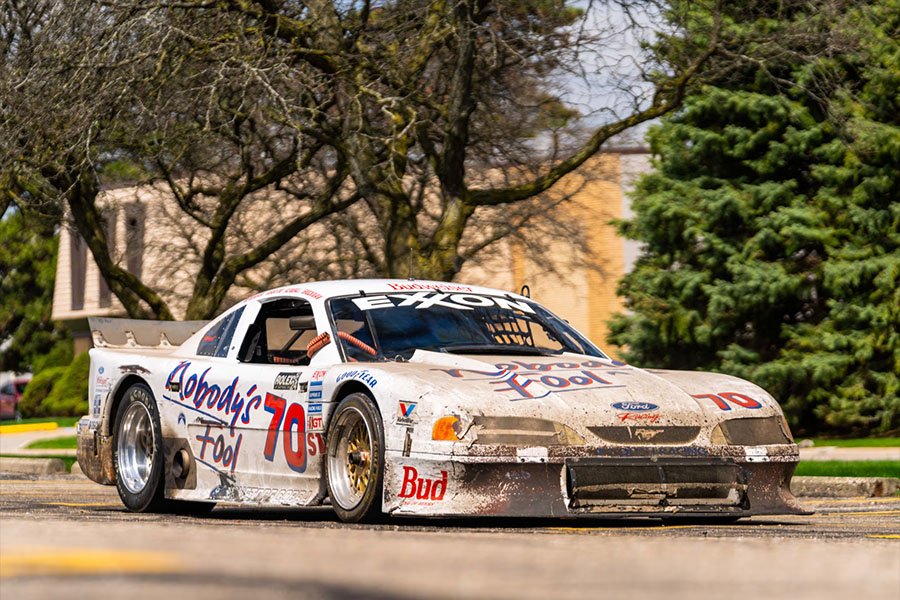
Arguably the three biggest Hollywood icons to have taken up motor racing in their spare time were James Dean, Steve McQueen and Paul Newman. While Dean’s promising track career was cut short…
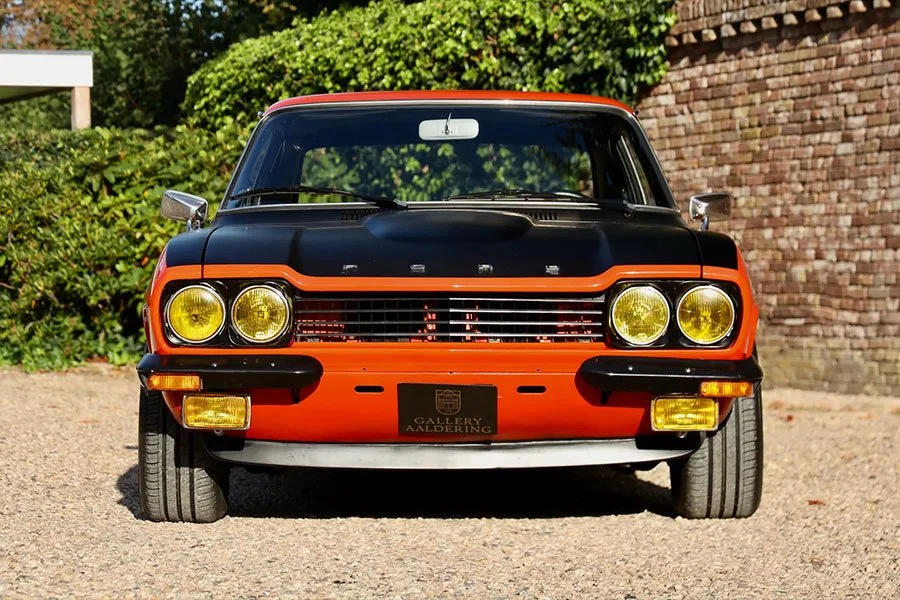
During four years in production between early 1970 and late 1973, Ford’s Capri RS2600 Group 2 homologation special underwent a series of changes aimed at broadening its appeal. The first 50…
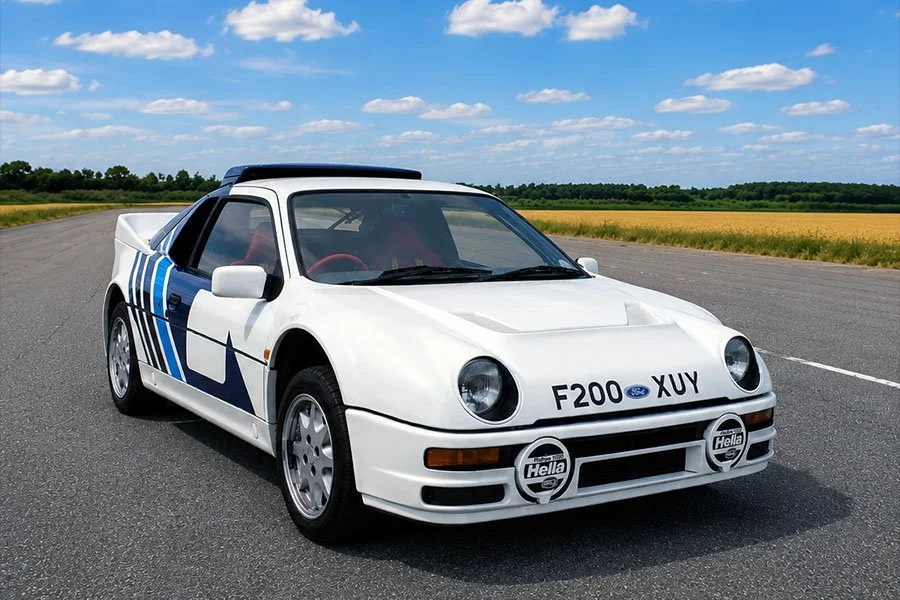
The Group B regulations that came into effect from 1982 stipulated that, to compete, a manufacturer first had to build at least 200 base copies of the car they wanted to run. However, the base car was…
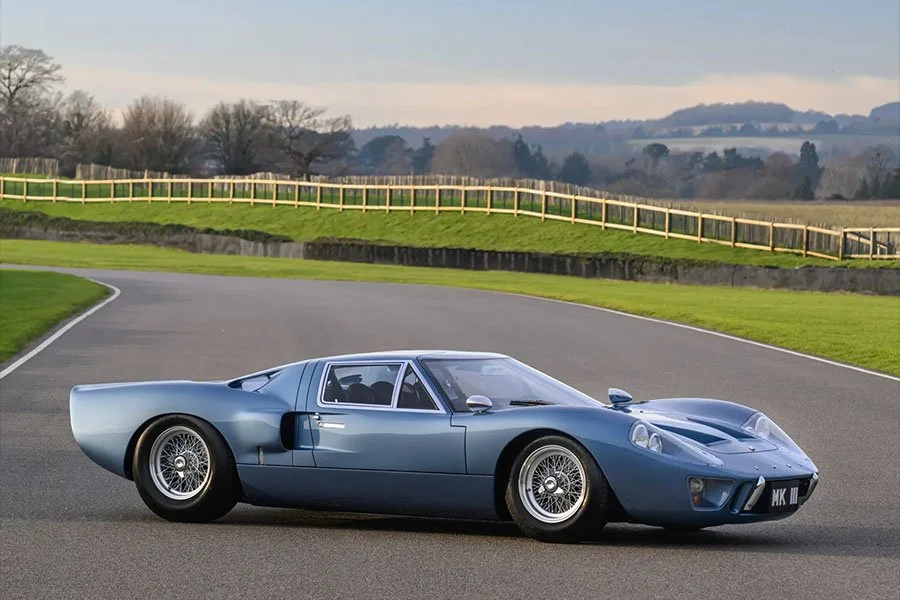
Famously, Ford’s attempt to create a softer, more commercially appealing iteration of the GT40 proved a commercial flop; having hoped to shift a run of at least 20 units, just seven copies of…
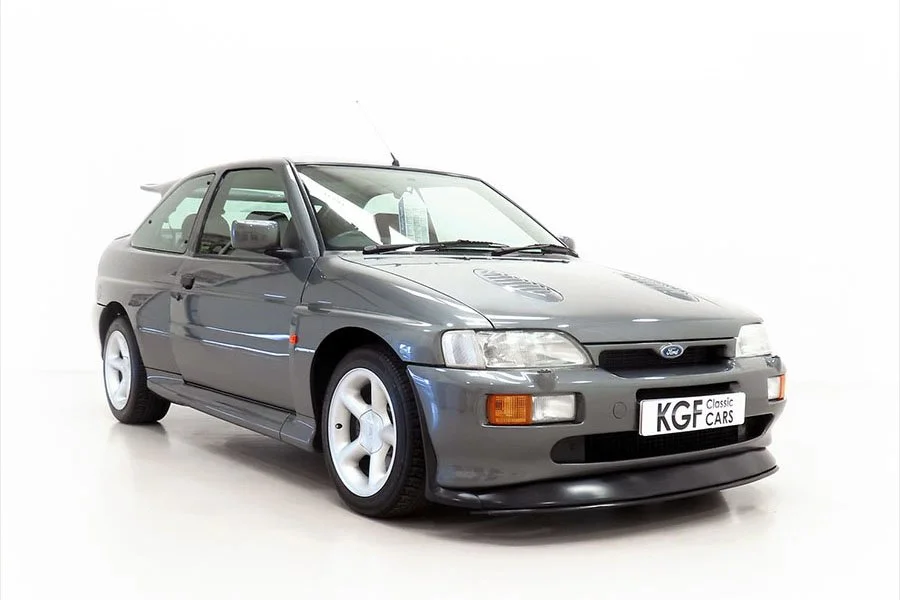
Having created one of the 1980’s wildest homologation specials with the Sierra RS Cosworth, Ford took a similar approach when it came to a MkV Escort conceived for top flight rallying. Unveiled in…

Over the course of five weeks during April and May of 1970, members of the Royal Automobile Club and Motor Sports Association in the UK organised a high profile marathon that travelled a 16,000…
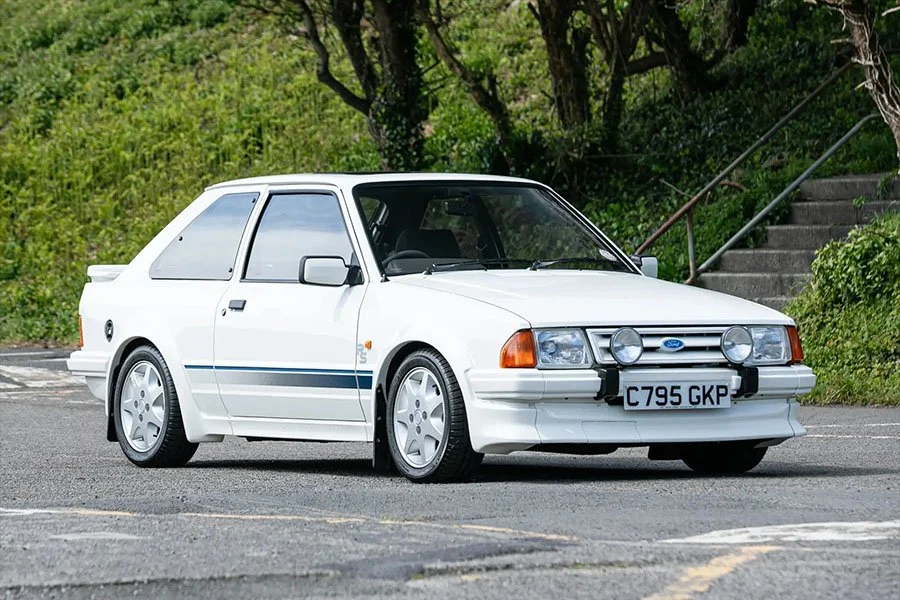
To replace the normally aspirated RS1600i which had failed to set the world alight in Group A competition, Ford created its first forced induction Escort for public consumption: the RS Turbo.
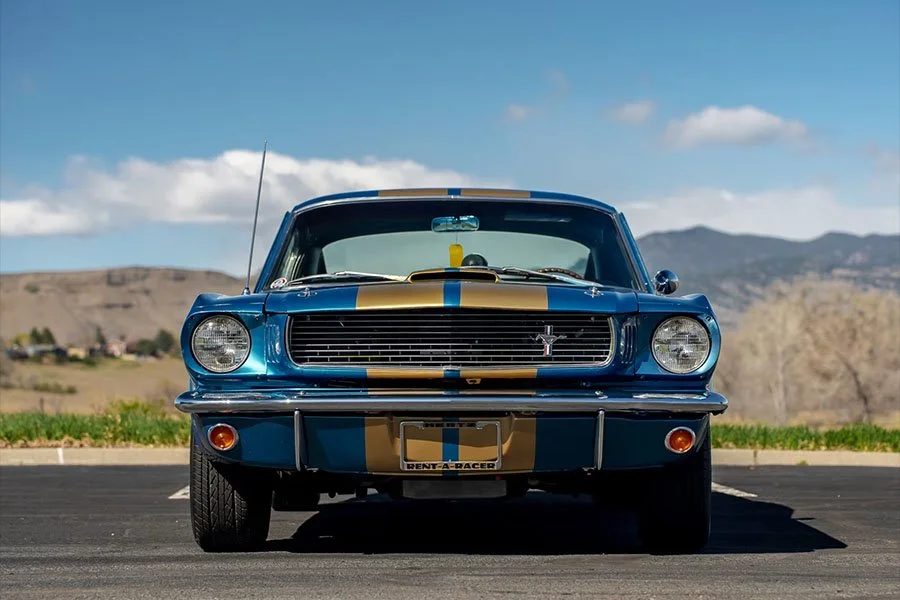
In September 1965, Ford signed an agreement with Hertz Rental to supply 1000 special copies of the Shelby Mustang GT350. The resultant GT350H would be available to Hertz Sports Club members for…
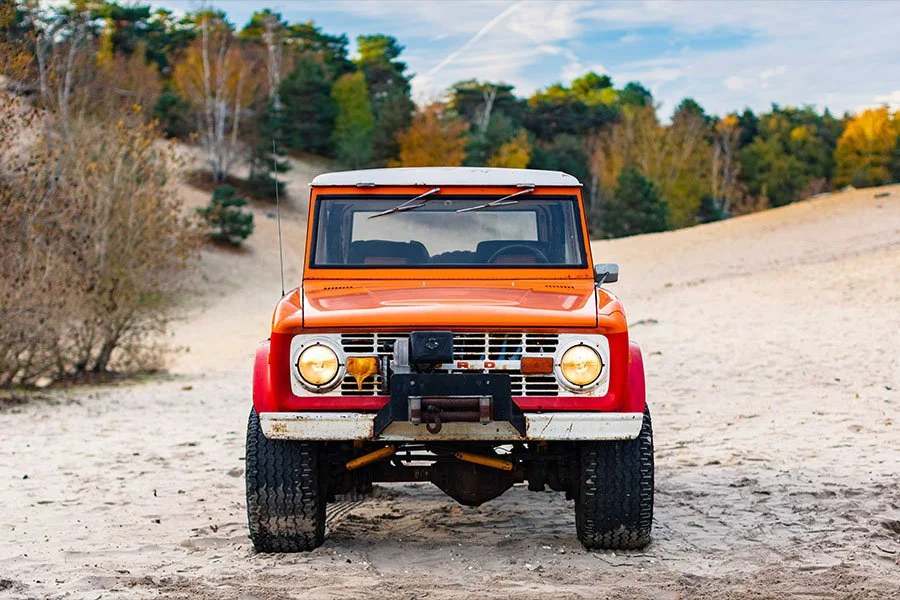
Launched in August 1965 for the 1966 model year, the Bronco was conceived as Ford’s offering for a Sport Utility Vehicle market that was rapidly beginning to gain popularity. Using a box-section body…
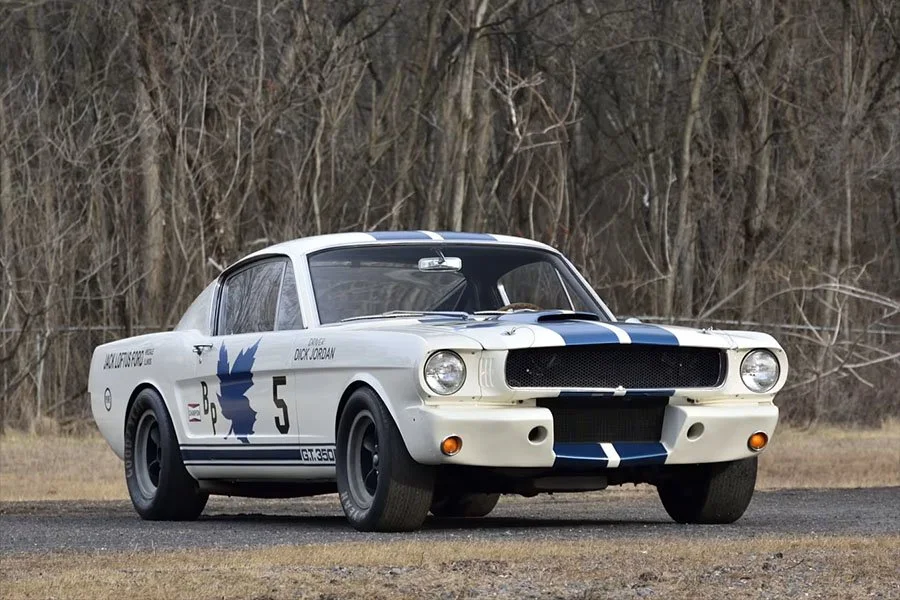
To pave the way for an attack on the SCCA B Production Championship, Ford commissioned Shelby to create the GT350 Mustang, at least 100 of which would have to be manufactured in order to…
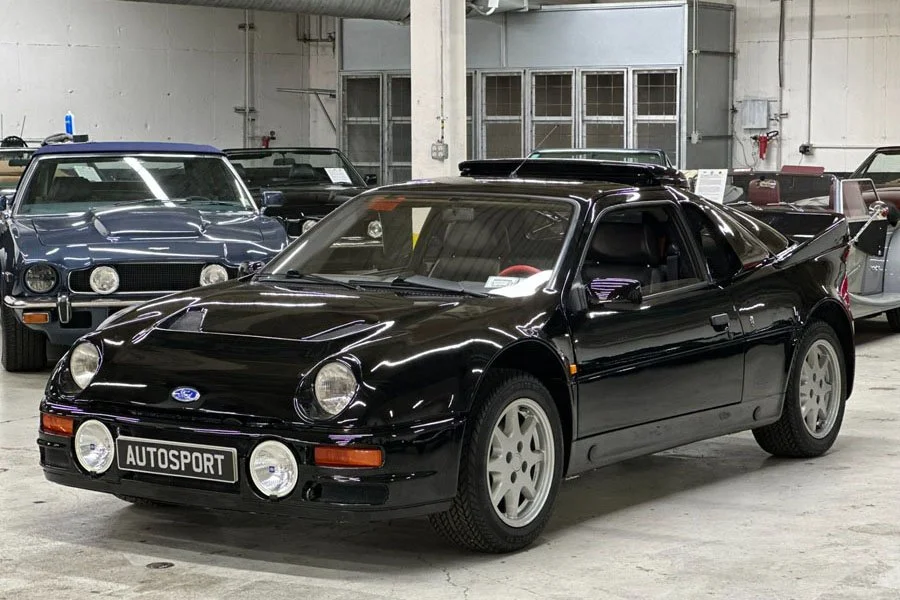
Like most manufacturers that created Group B homologation specials, Ford found it very difficult to sell the RS200 when new. Therefore, to broaden its appeal, between 1987 and 1989 (after…
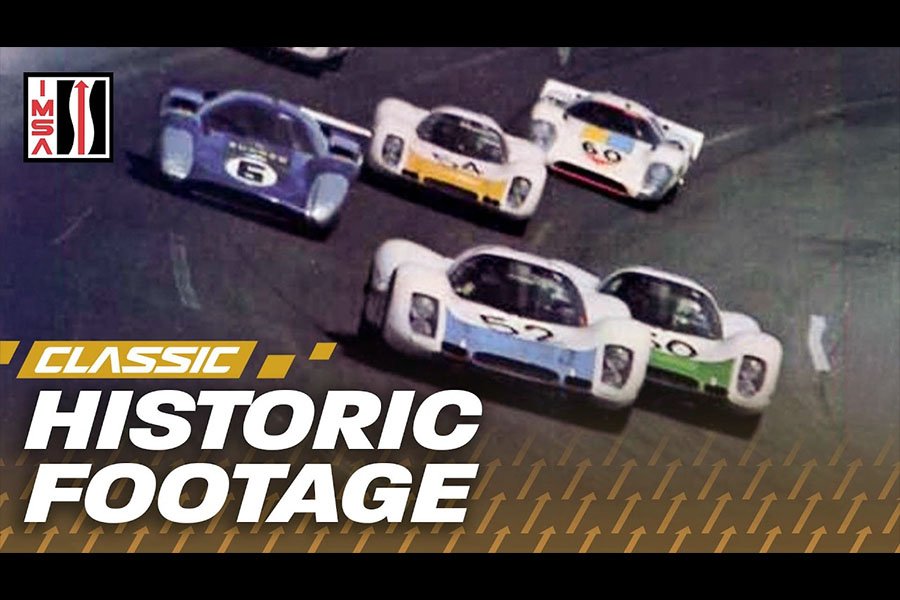
Relive one of the most dramatic chapters in Daytona endurance racing with this classic film from the 1969 24 Hours of Daytona. Porsche was widely expected to dominate again, but in a stunning turn of events the Sunoco-liveried Lola T70 Mk.3B GT Chevrolet took overall victory.
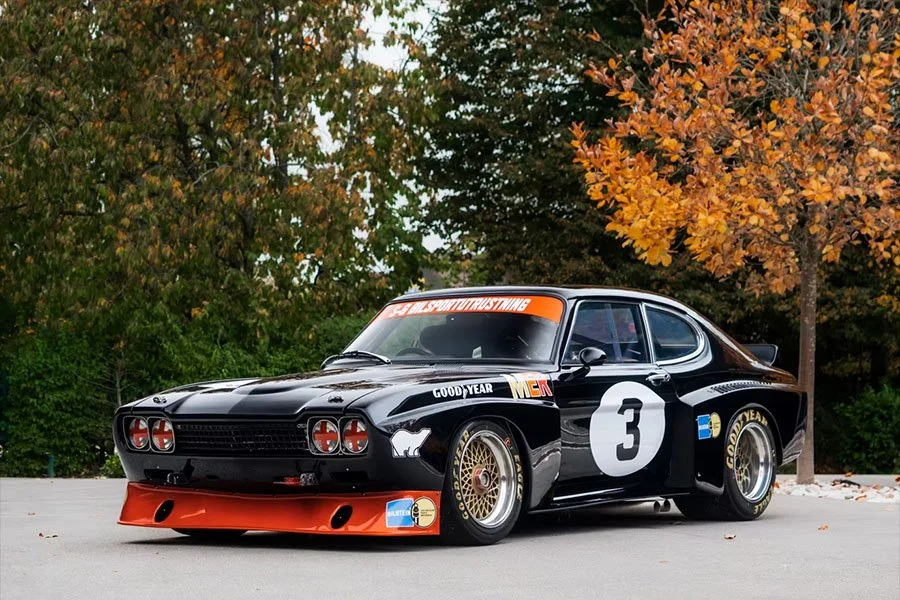
When BMW homologated its radical ‘Batmobile’ aero kit for the 3.0 CSL mid way through 1973, the balance of power in Group 2 Touring Car racing swung inexorably towards the Munich manufacturer.
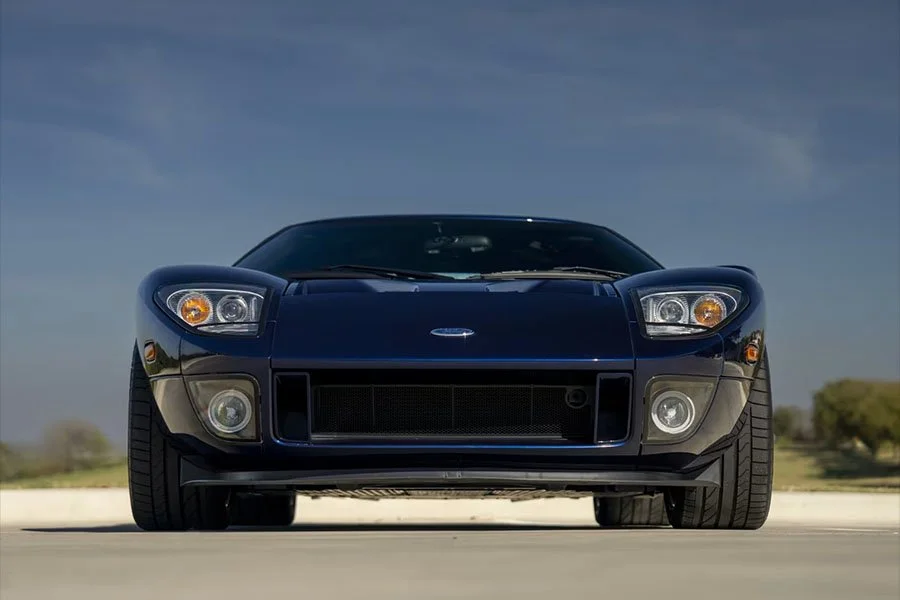
Unlike some of its other iconic performance models such as the Mustang and RS line of European specials which were more or less ever present, Ford didn’t get serious about building a replacement…
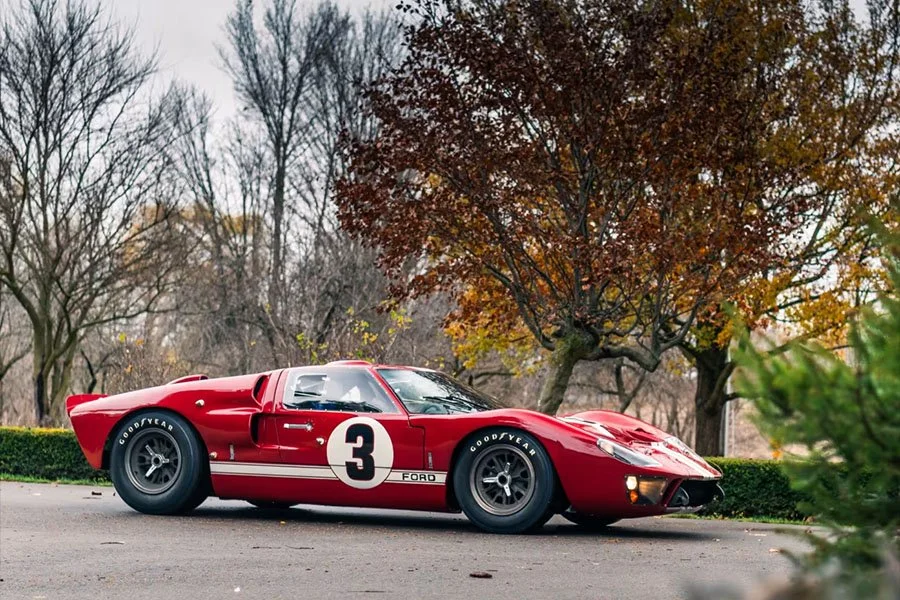
Having thundered around Le Mans with a pair of experimental GT40s running enormous seven-litre engines in 1965, Ford became convinced big block motors were the route to success at ultra high…
In 1962, the North American Automobile Manufacturers Association lifted its ban on US car builders having any motor sport involvement. Imposed during 1957 as a response to the 1955 Le Mans…

During the last three decades of the 20th century, the closest Ford came to creating a successor to its four-time Le Mans-winning GT of the 1960s was the RS200: a purpose-built rally special…

Ford’s Total Performance programme of the 1960s spawned some legendary machinery of which the four-time Le Mans winning GT40 is particularly revered. The company’s engines were also…

Ford wasn’t able to create the all-wheel drive Sierra Cosworth that it wanted, something in the Audi Quattro mould, until the MT75 gearbox came on stream in late 1988. Having initially used the…

In October 1966, John Wyer was visiting New York on business when he took a call from Gulf Oil Executive Vice President, Grady Davis. The two men had met for the first time at the Sebring 12 Hours…

Although Ford dealers had expressed concern about their ability to sell the 5000 Sierra RS Cosworths required to get the car homologated into the FIA’s Group A category, customers couldn’t…

The newly formed BMW Motorsport operation with its big budget CSL arrived on the 1973 Touring Car scene with one simple aim: to de-throne the works Ford squad that had reined supreme with its…

When the World Rally Championship switched from Group A to WRC regulations for the 1997 season, one of the older generation cars to get a new lease of life was Ford’s Escort RS Cosworth. In…

If you didn’t get enough from our recent article on the Capri Mk3 Werks Turbo, here’s a bit more Zakspeed Ford goodness: Jorg van Ommen’s iconic Denim-backed Group 4 Mk2 Escort from the…

In light of the Mustang’s massive commercial success, Ford of Europe decided to create a scaled down version better suited to the Old World. The resultant Capri was launched at the Brussels…

Chassis P/1018 was one of two Mk1 GT40s built to race trim for promotional use. It was commissioned by Ford on behalf of Carroll Shelby whose firm had undertaken much development…

After a 34 year production run that had seen several million cars built across six different generations, Ford elected to kill off its eponymous Escort in favour of an all-new model: the Focus.

Having replaced the sixth generation Escort with the Focus in 1998, Ford made its customers wait until late 2002 until deliveries of an RS-badged version began. Very much inspired by Ford’s World…

Famously, in order to secure the fabled YBB motor for its Sierra RS Cosworth, Ford had to place an order for 15,000 engines which was three times the number needed to qualify for Group A…