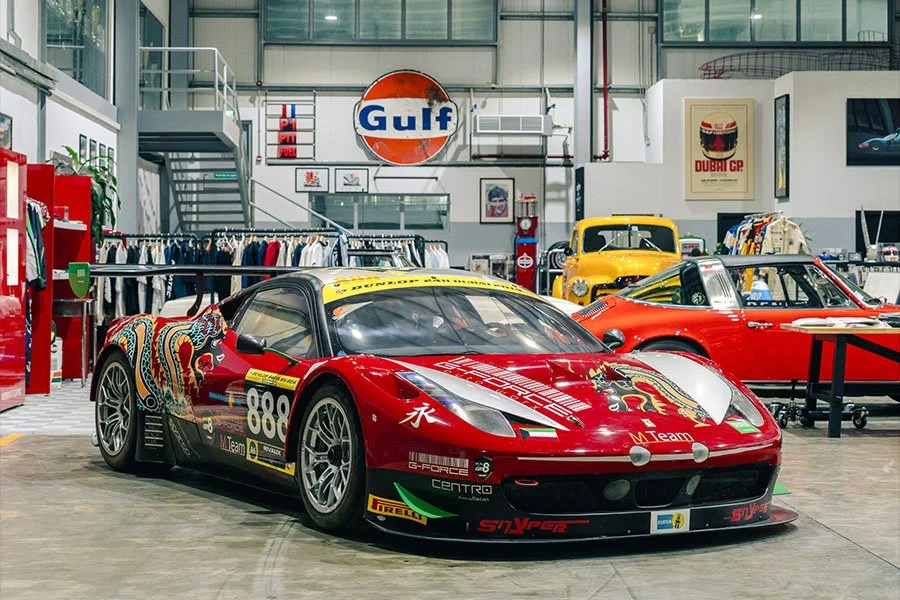
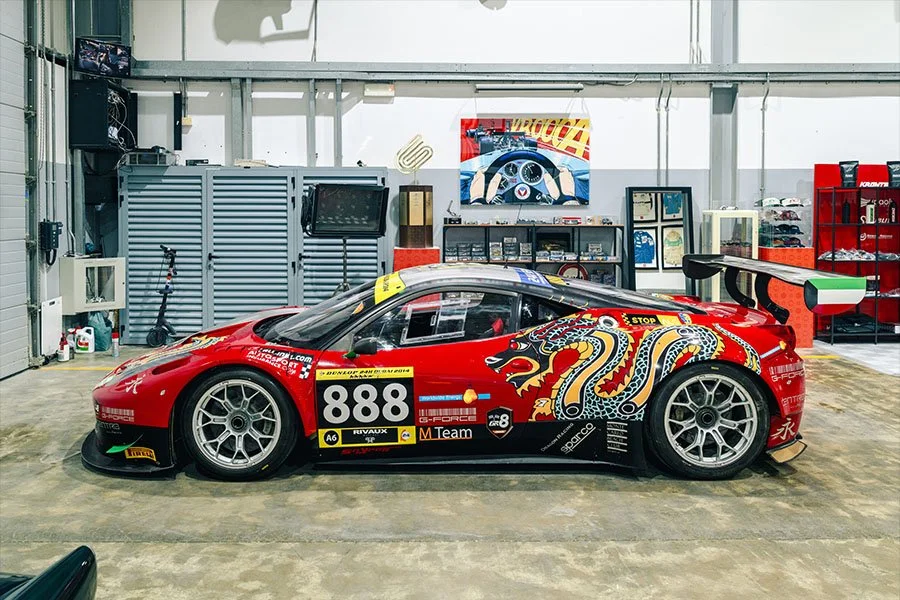
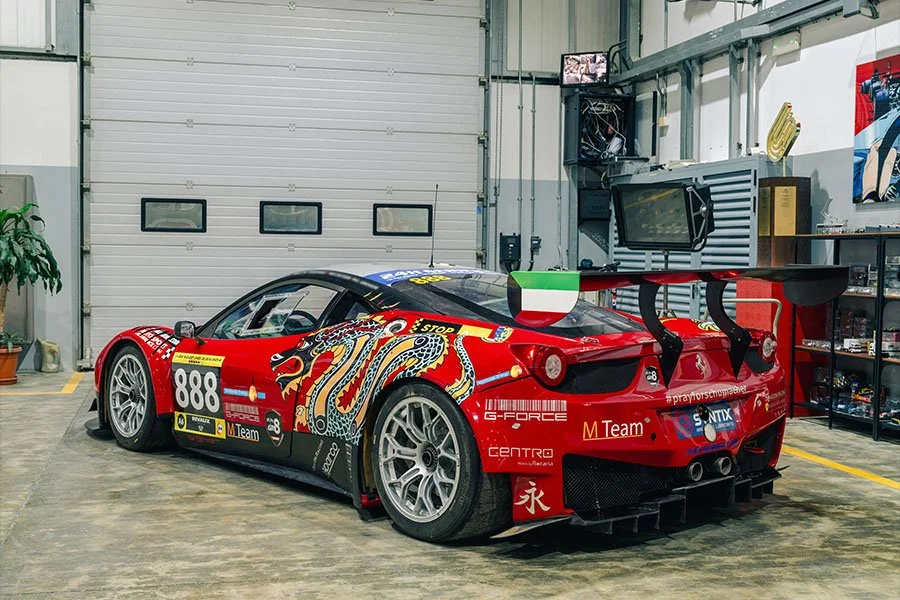
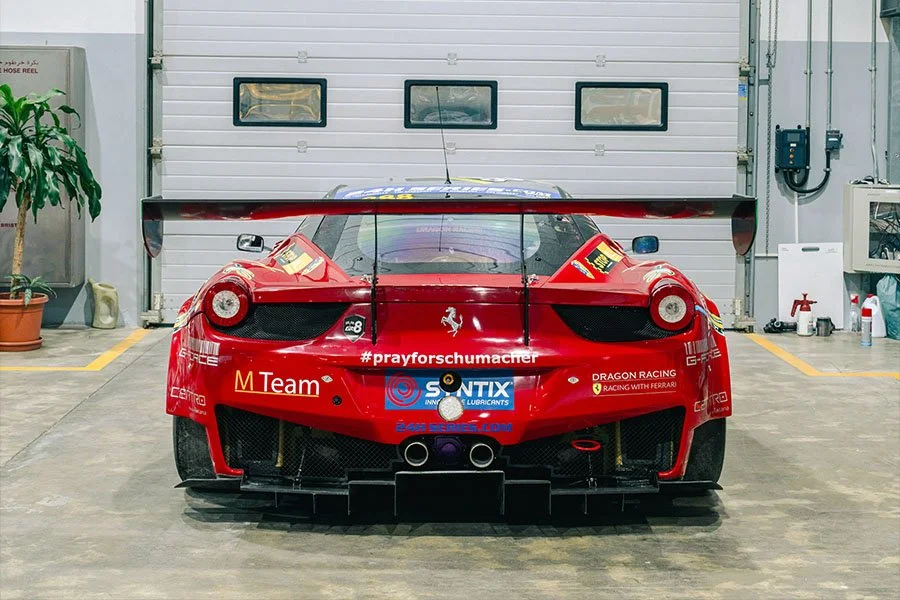
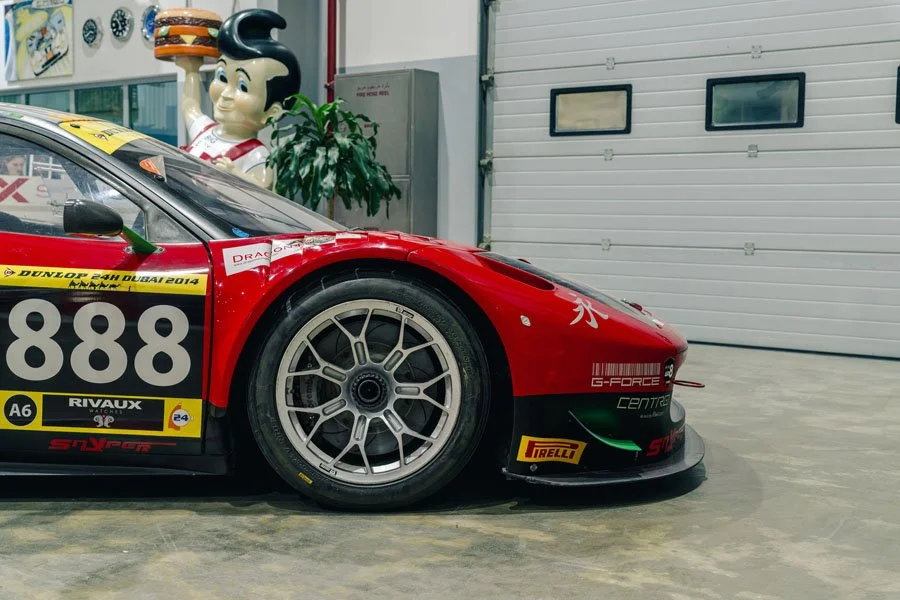
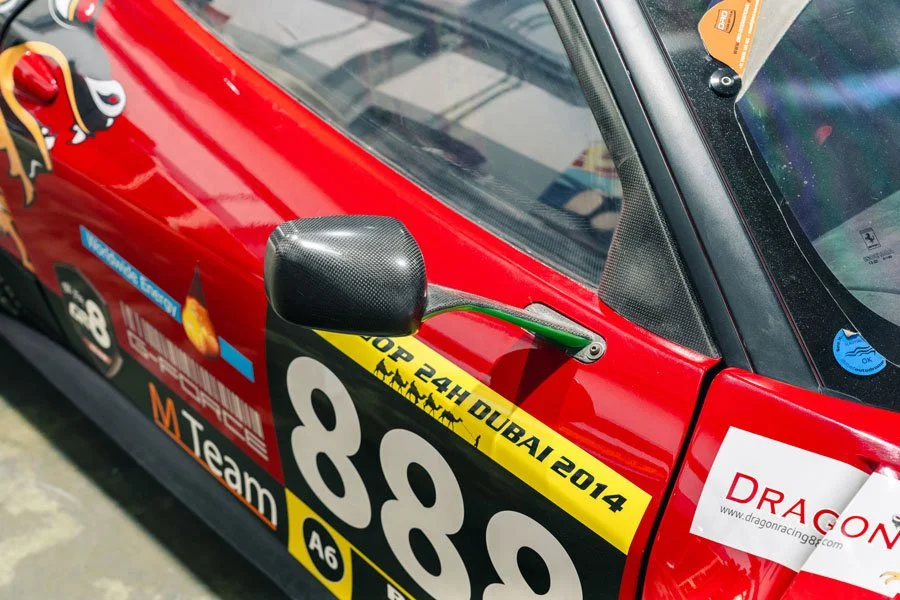
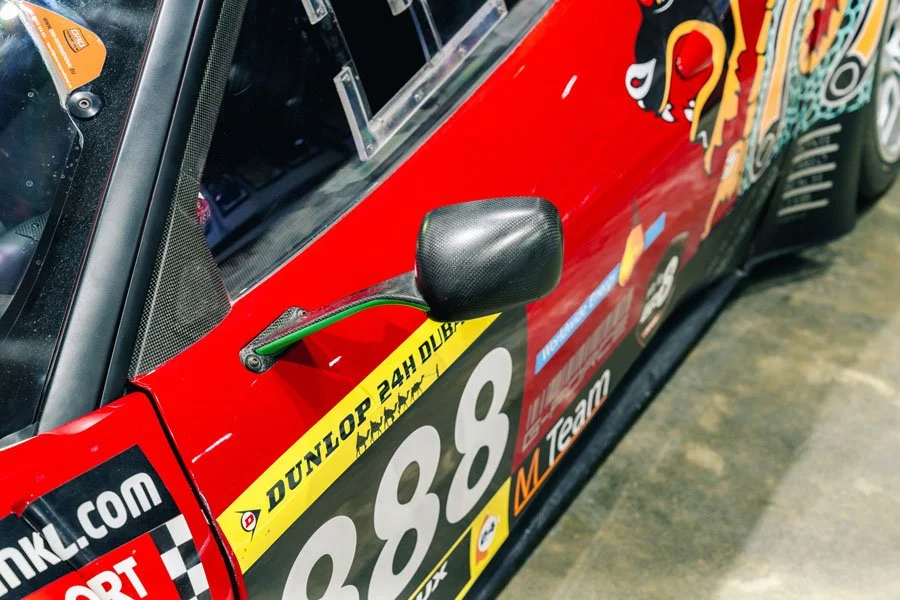
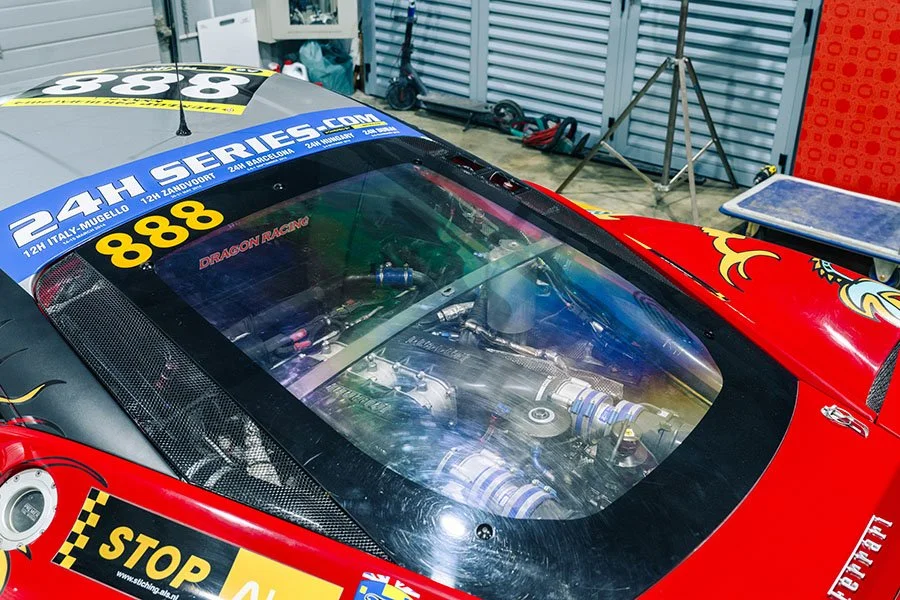
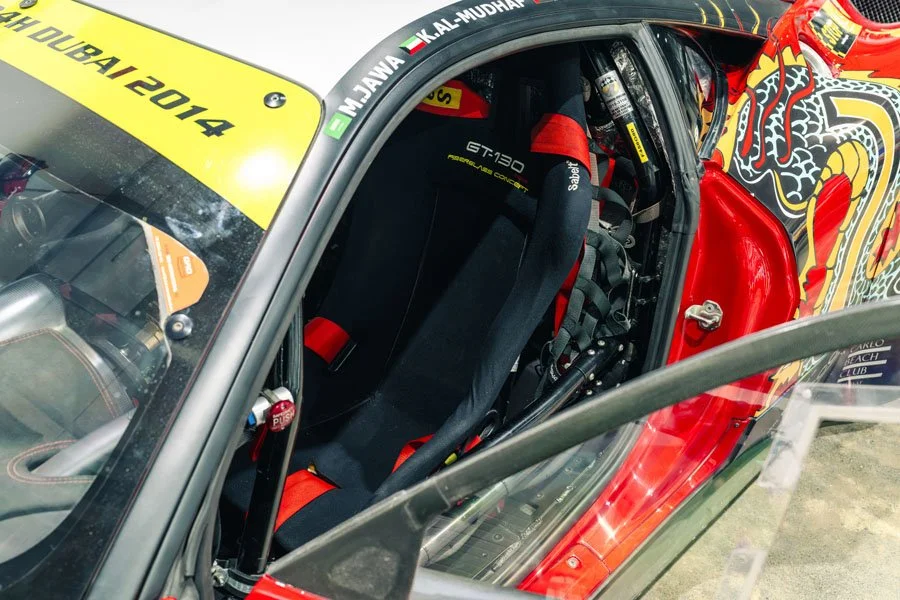
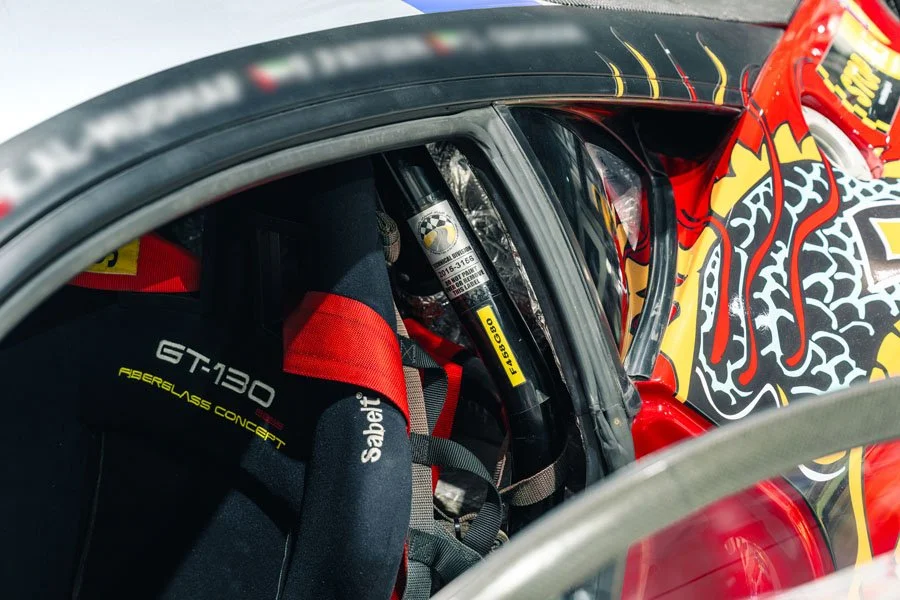
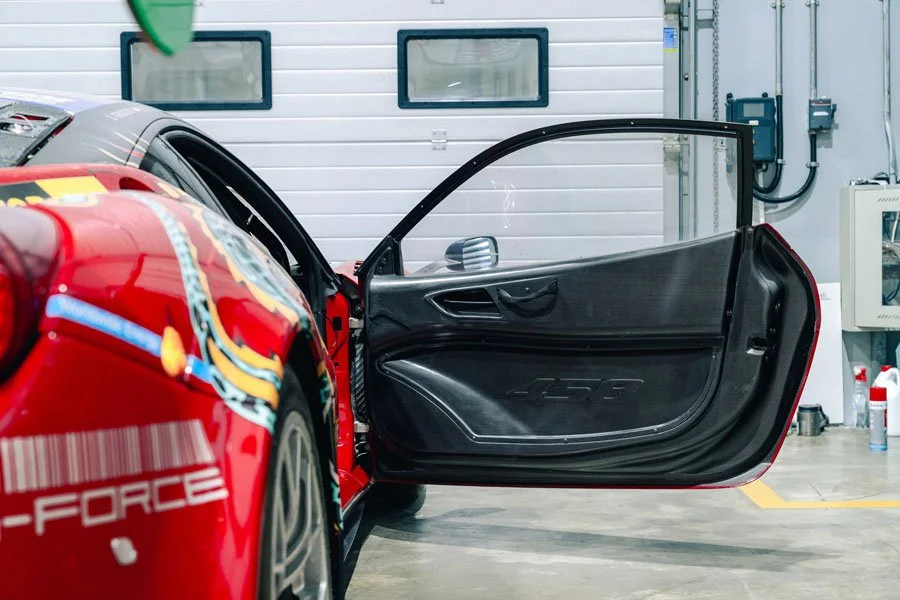
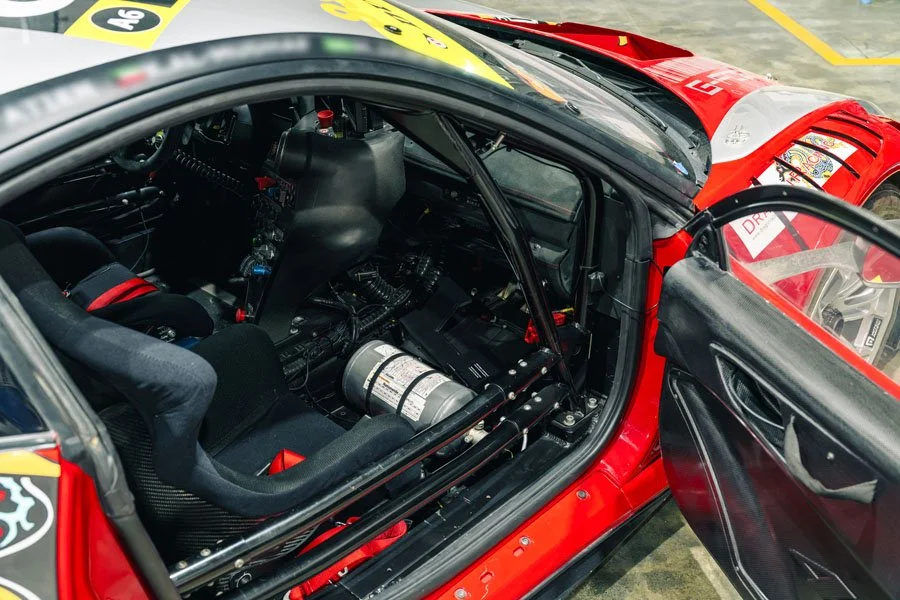
One to Buy: ex-Dragon Racing Dubai 24 Hour class-winning 2013 Ferrari 458 Italia GT3
/ Ben Tyer
Not so long ago, the idea of hot Ferrari production cars commanding prices comfortably in excess of their GT racing siblings would have seemed absurd. However, in the over-hyped world of 21st century Ferrari specials, that is the current reality.
This odd scenario is perfectly illustrated by consecutive lots that will be going under the hammer during RM Sotheby’s Abu Dhabi Collectors’ Week sale on December 9th.
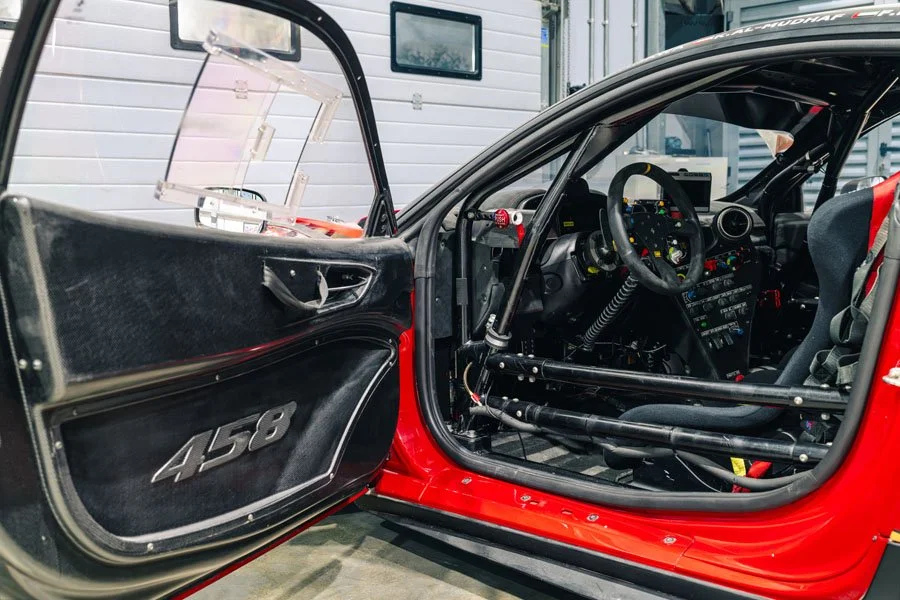
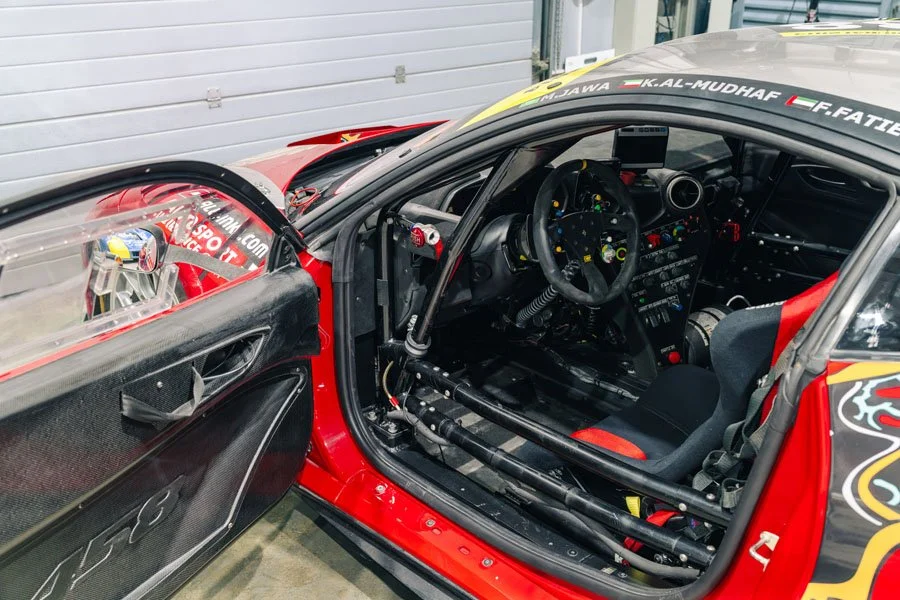
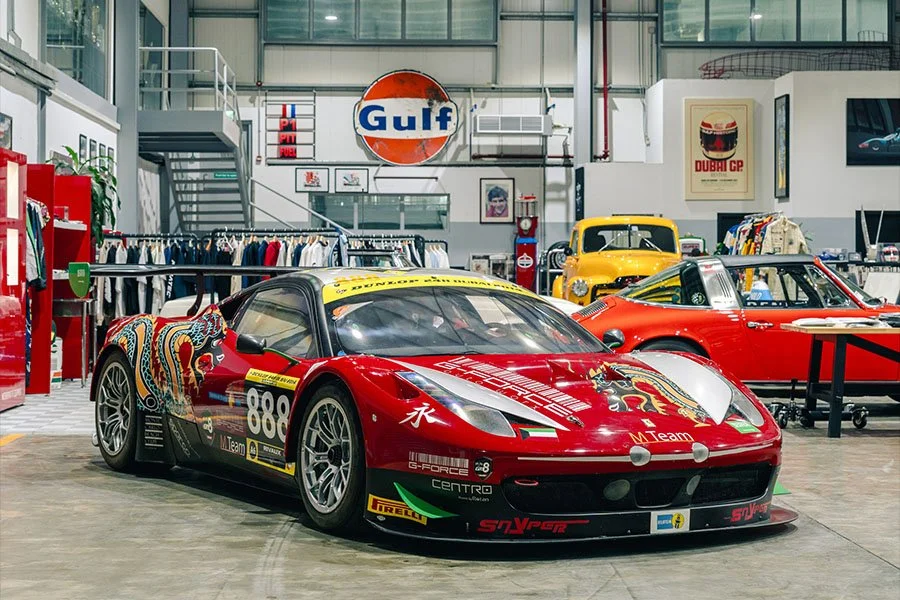
First up is a 458 Italia GT3 with a class-winning history in 24 Hour endurance races estimated at USD $450,000 to $550,000. Immediately following is a 15,000km Rosso Corsa 458 Speciale, a model built in the low thousands, predicted to reach between $550,000 and $700,000. One car looks great value, the other not so much.
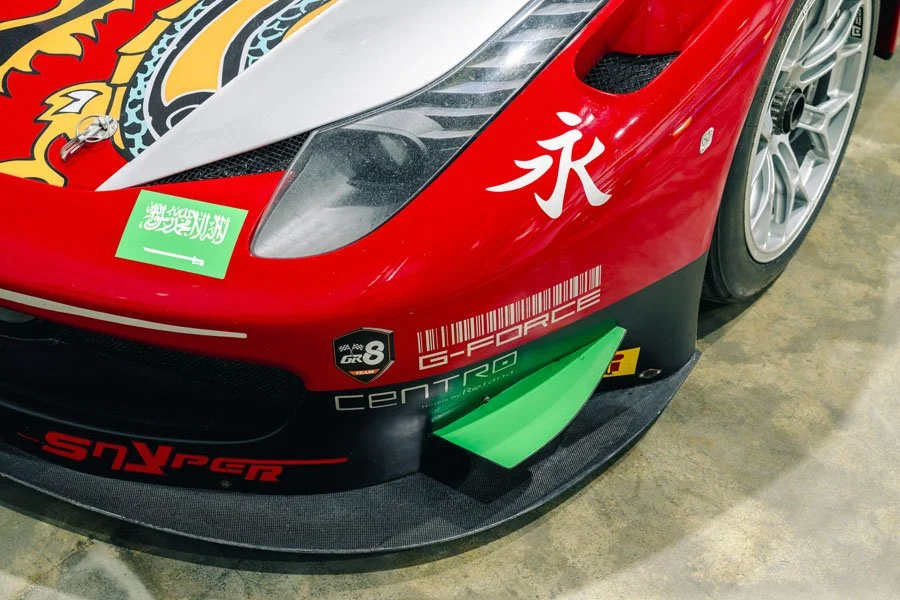
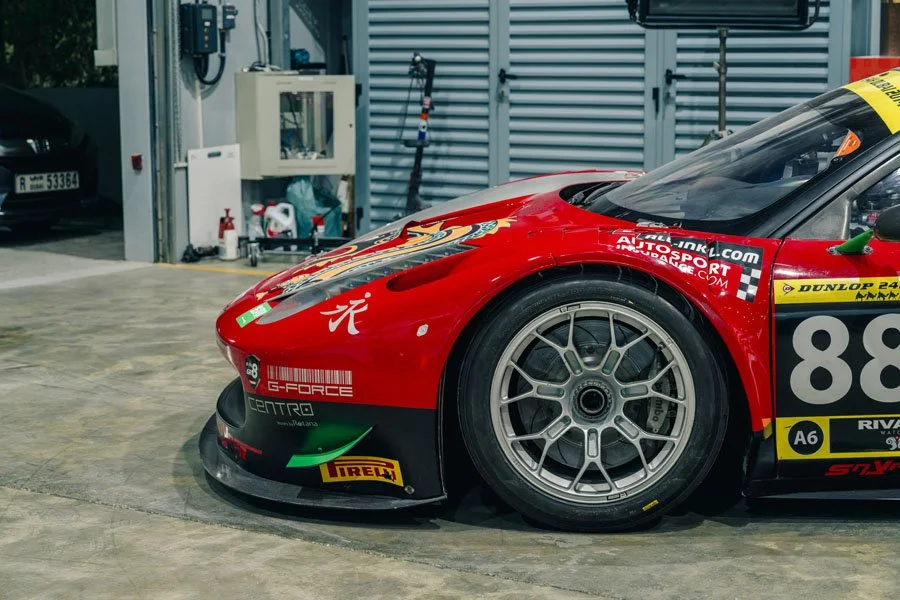
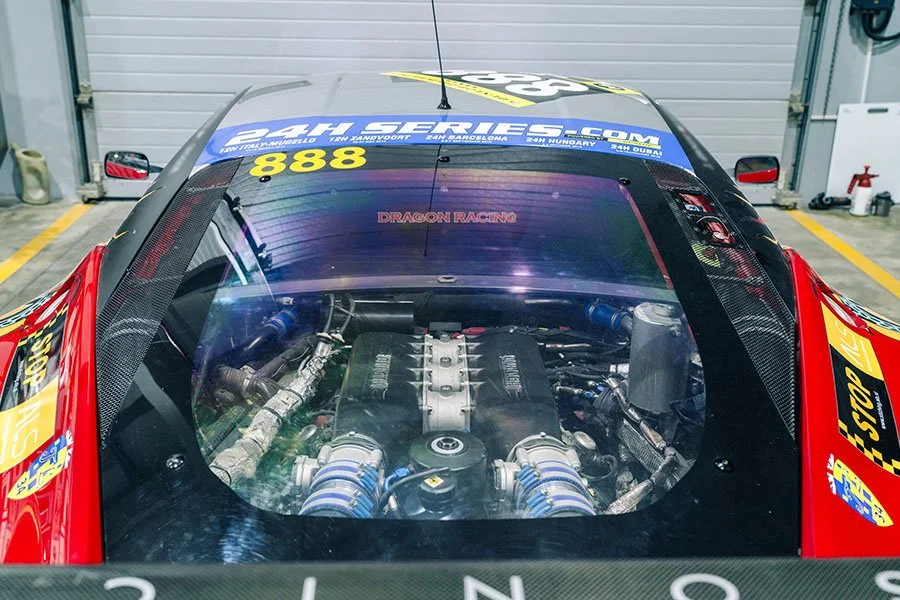
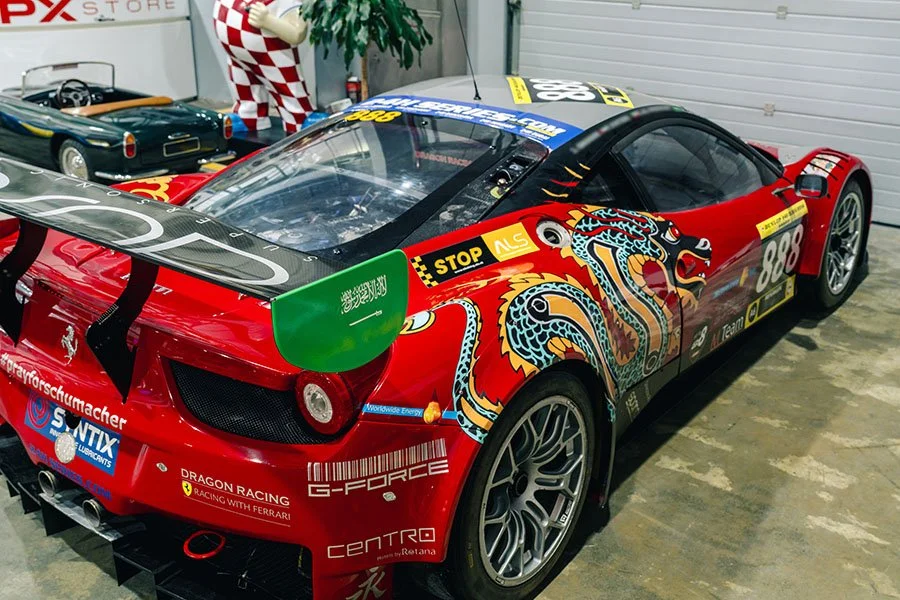
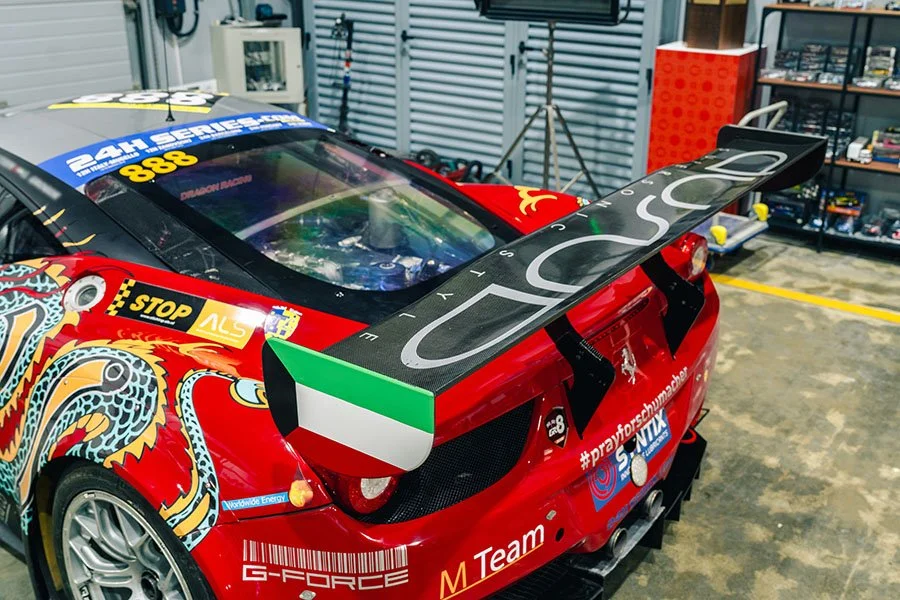
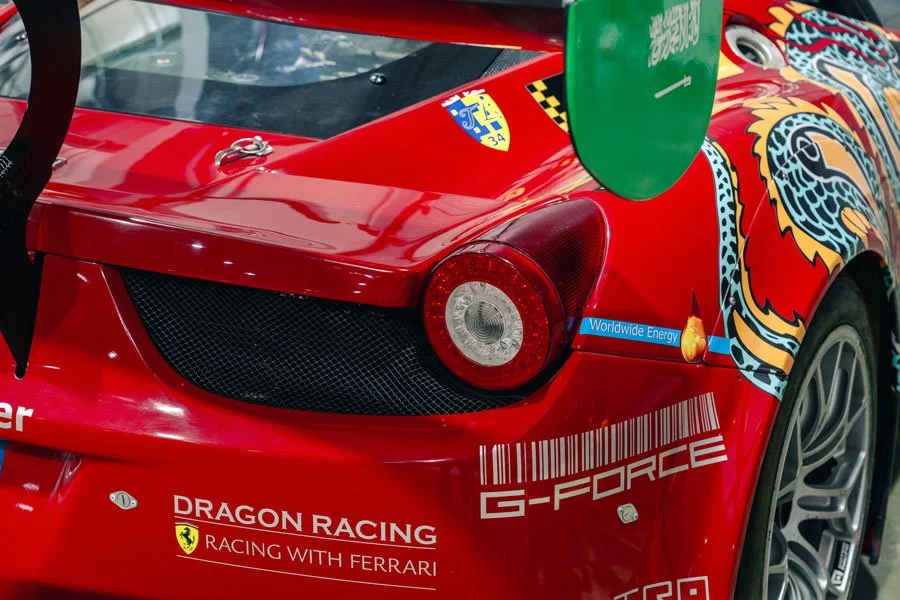
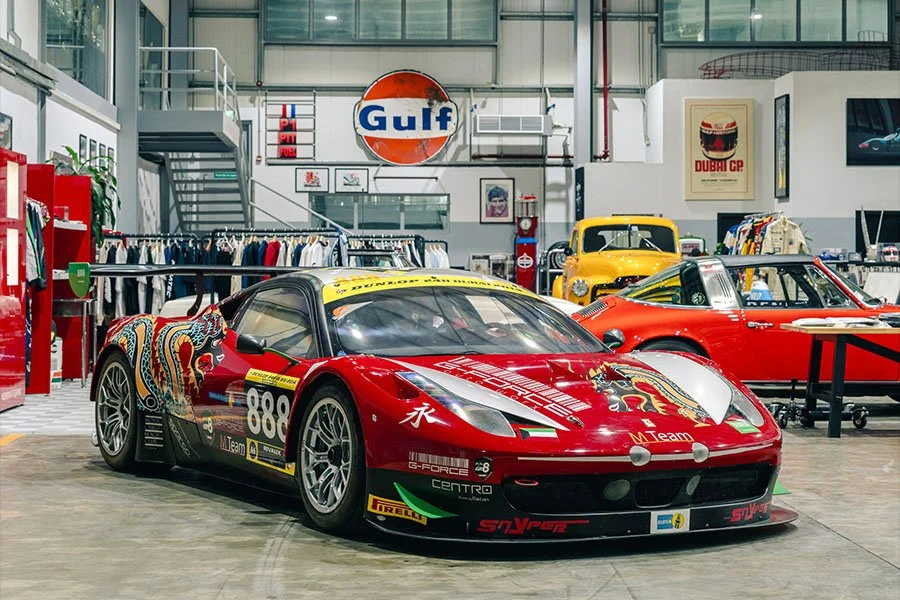
In total, 110 copies of the 458 Italia GT3 were built by Michelotto between 2011 and 2015. October of 2013 saw this car, chassis 3480, delivered to the Dubai-based Dragon Racing outfit run by Leon Price and Jack Gerber.
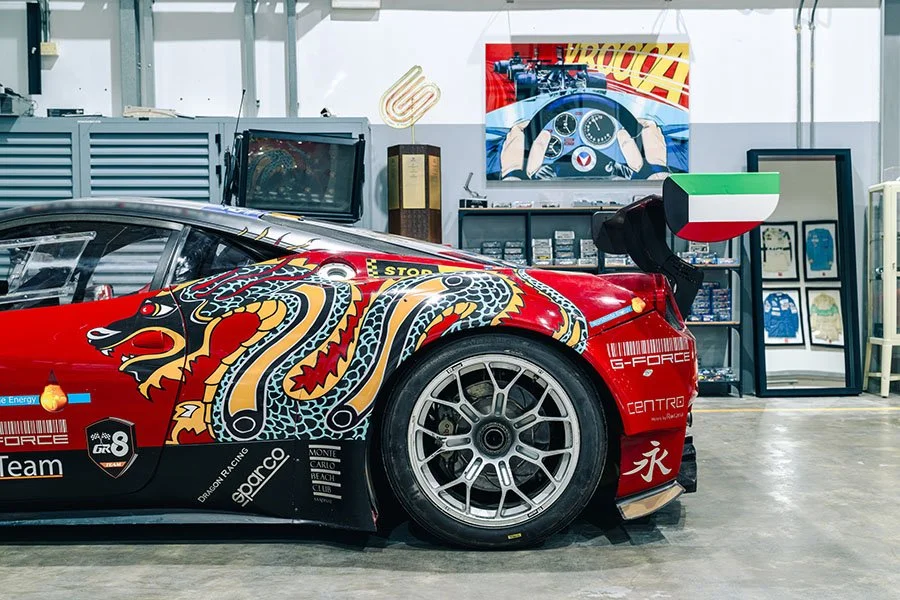
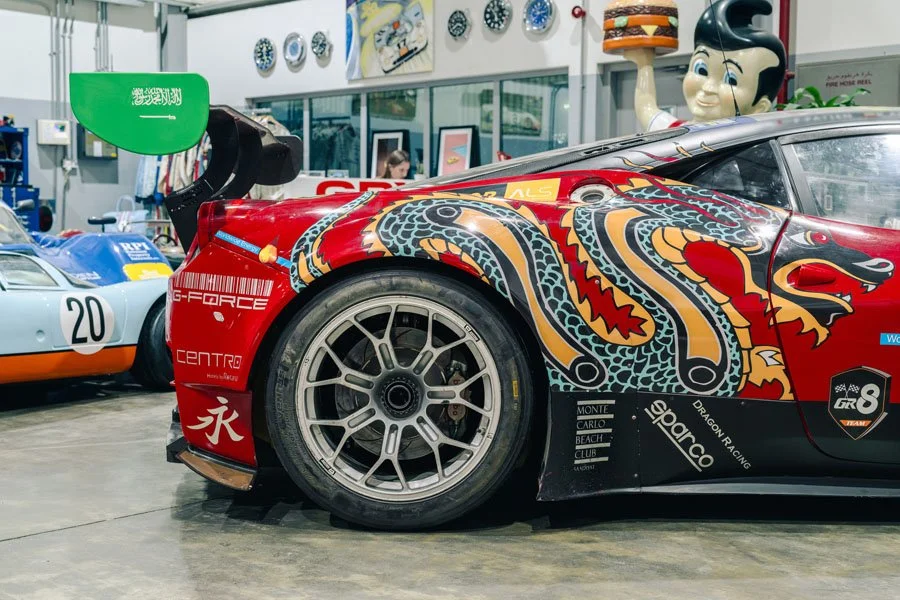
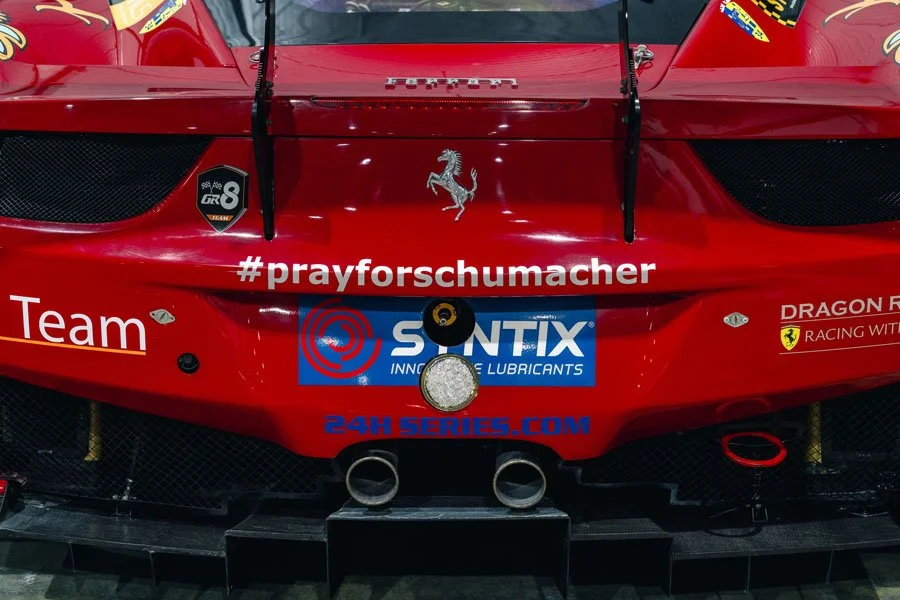
The car most notably appeared in back-to-back editions of the Dubai 24 Hours, finishing seventh overall in 2014 and third in 2015. On both occasions chassis 3480 won its class, placing it in an extremely rarefied group of Ferraris that have emerged victorious in 24 Hour endurance contests.
According to RM Sotheby’s “The consigning owner returned the 458 GT3 to Dragon Racing in November 2026 for inspection. The corresponding report—available to view in full on file—recommends the renewal of safety equipment, a replacement front-left radiator and cooling duct pipes, plus driveshaft service. For further guidance, please speak to an RM Sotheby’s Car Specialist.”
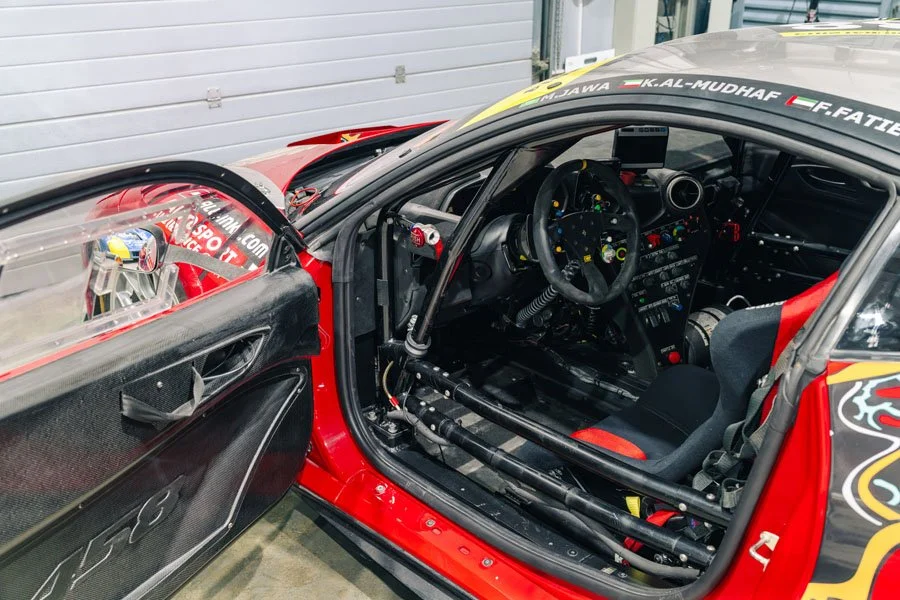
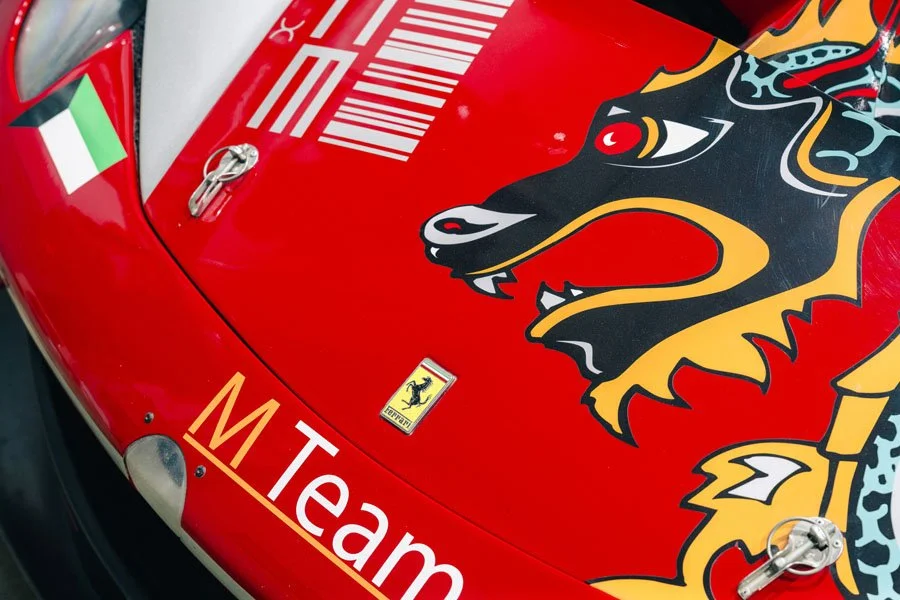
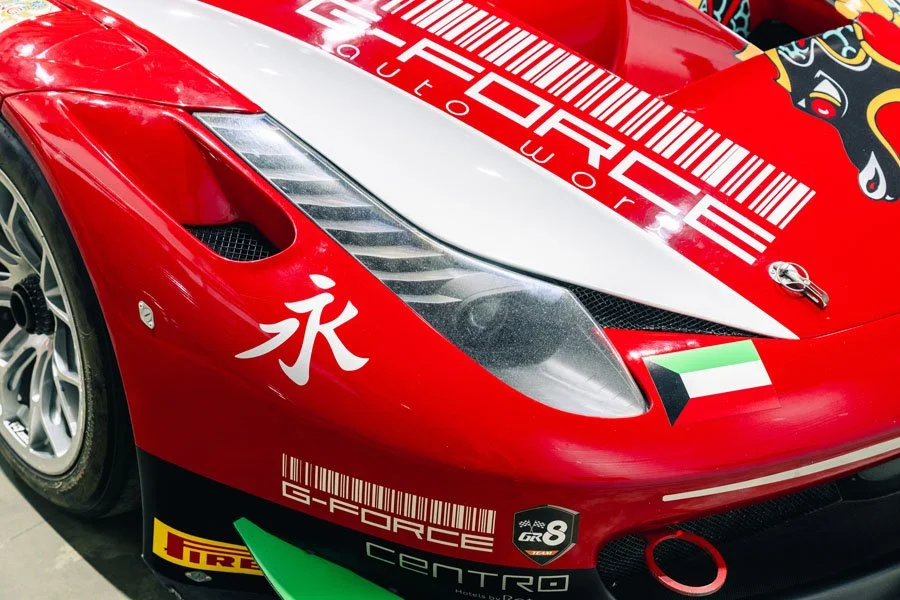
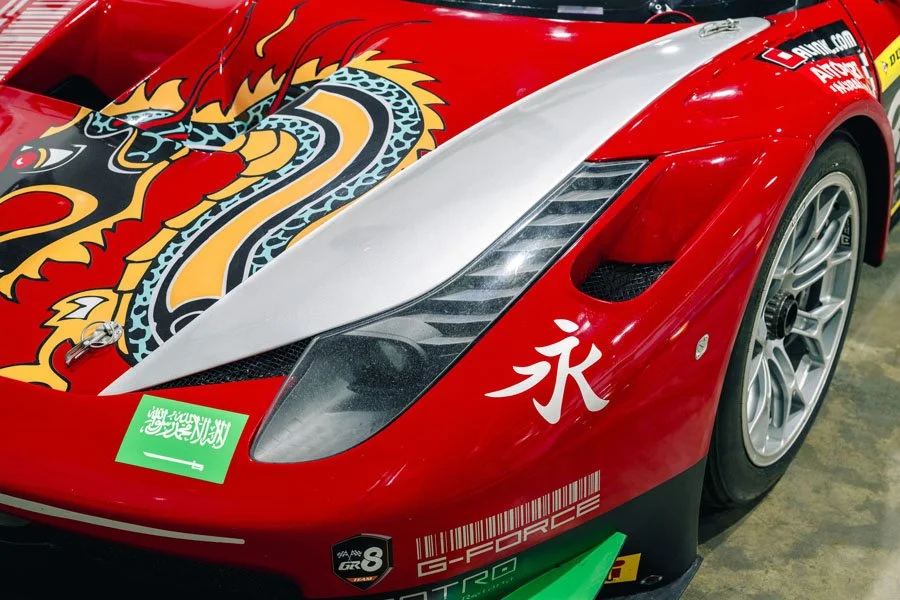
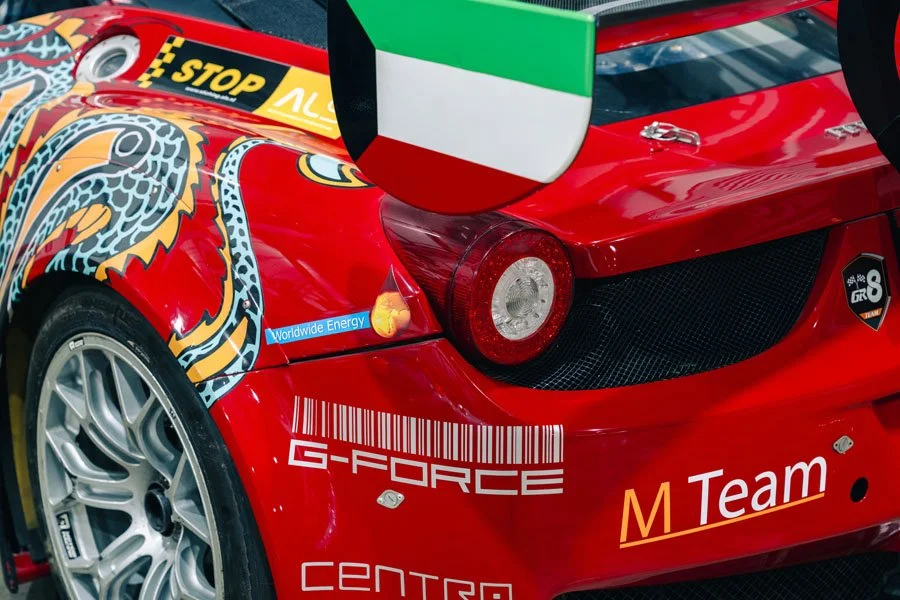
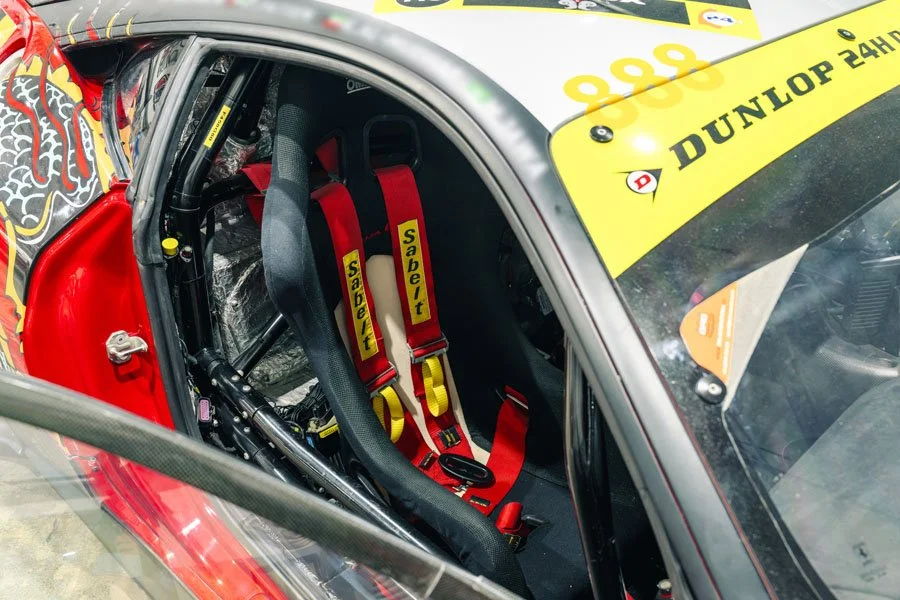
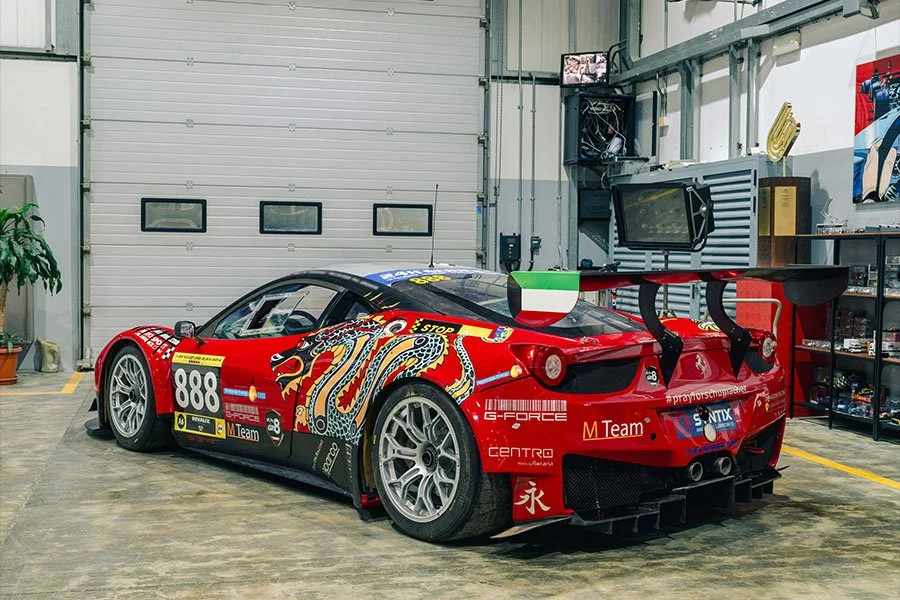
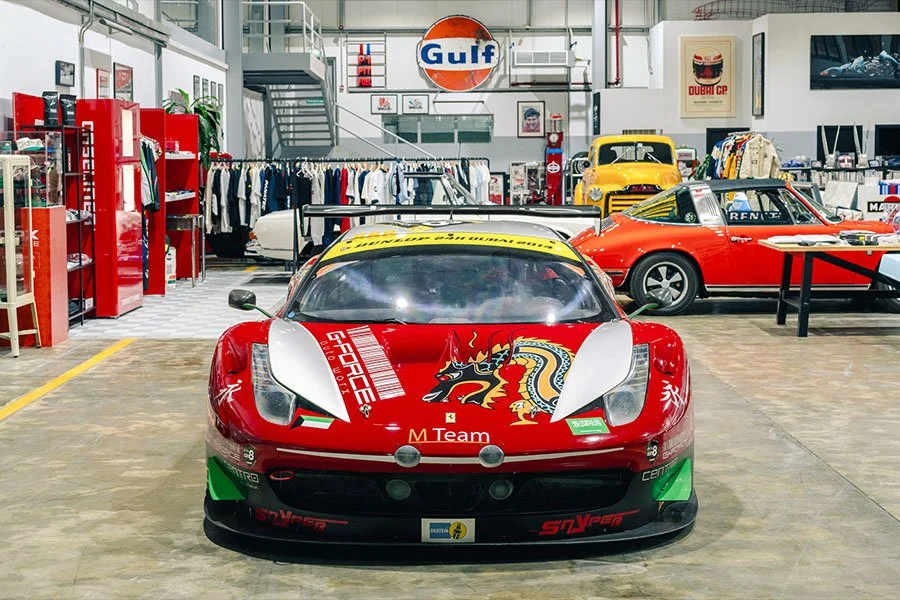
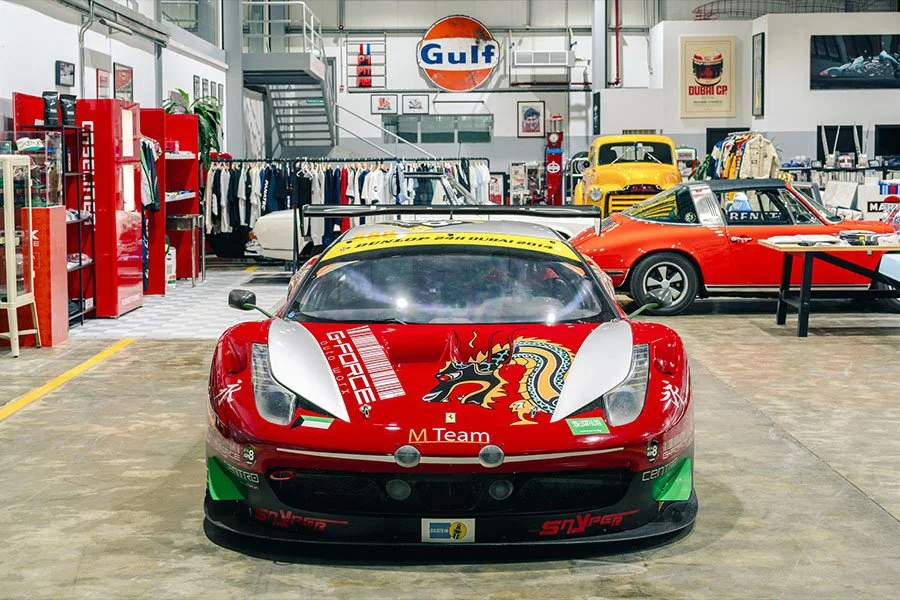
“The car presents in the #888 livery—the race number and dragon artwork representing good luck in Chinese culture, a tribute to Dragon Racing chairman Leon Price’s time spent in Hong Kong—as used in the 2014 instalment of the 24 Hours of Dubai.”
For more information visit the RM Sotheby’s website at: https://rmsothebys.com/
Not so long ago, the idea of hot Ferrari production cars commanding prices comfortably in excess of their GT racing siblings would have seemed absurd. However, in the over-hyped world of 21st…
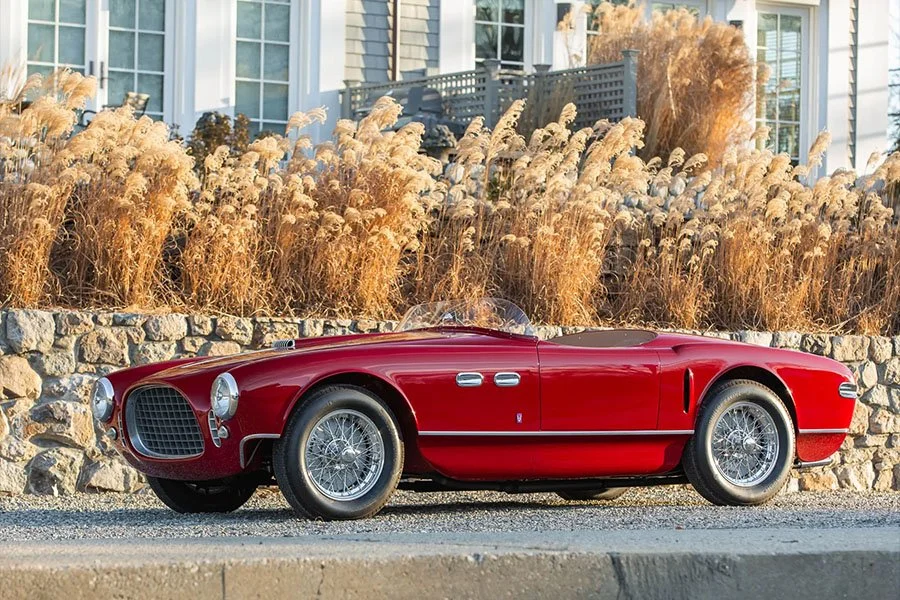
With works teams in attendance from Ferrari, Jaguar, Mercedes-Benz, Aston Martin and Talbot, the 1952 Mille Miglia was arguably the most fiercely contested running of Italy’s epic 1000 mile road…
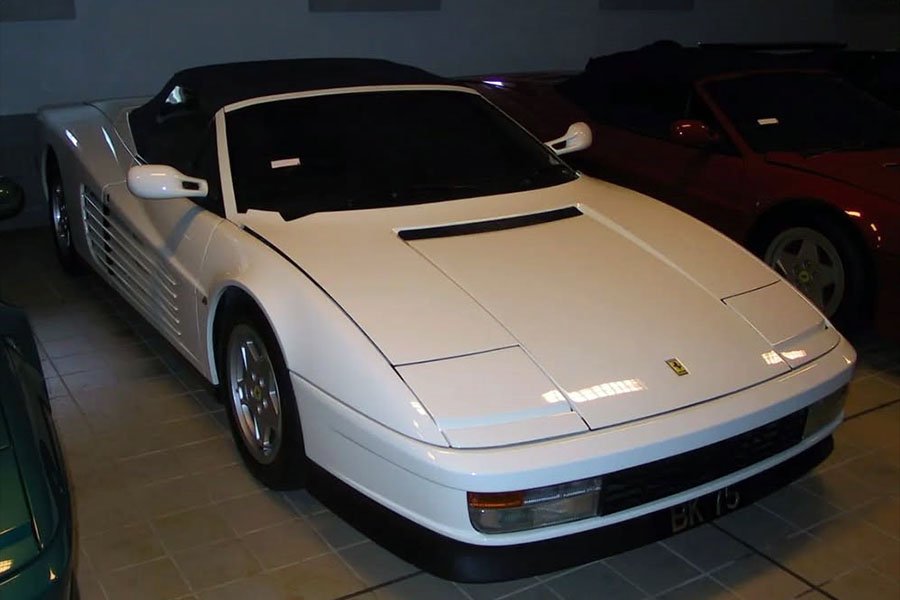
Although a Testarossa Spider was built in 1986 and gifted to Fiat Chairman, Gianni Agnelli, Ferrari elected not to offer its Flat 12-engined icon in open bodied trim even though such a machine would…
Although the Pininfarina-era of Ferrari styling from the 1950s through to the mid 2010s was best characterised by elegant orthodoxy, cutting edge design did have its place albeit generally for…
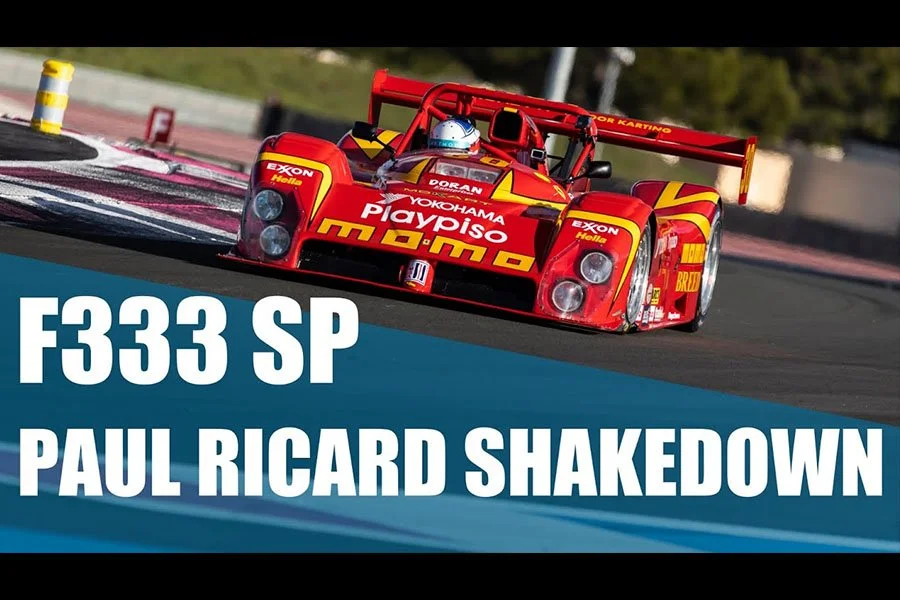
Endurance racing driver Emmanuel Collard takes the 333 SP for a shakedown at the Paul Ricard circuit. The track was not fully dry and still greasy from showers so he's not exploiting the car’s incredible capabilities.
ed line up of Berlinetta, Coupe, Cabriolet and Spyder bodies for the 250 GT during the second half of the 1950s, Pinin Farina produced a considerable variety of designs, some of which served to…
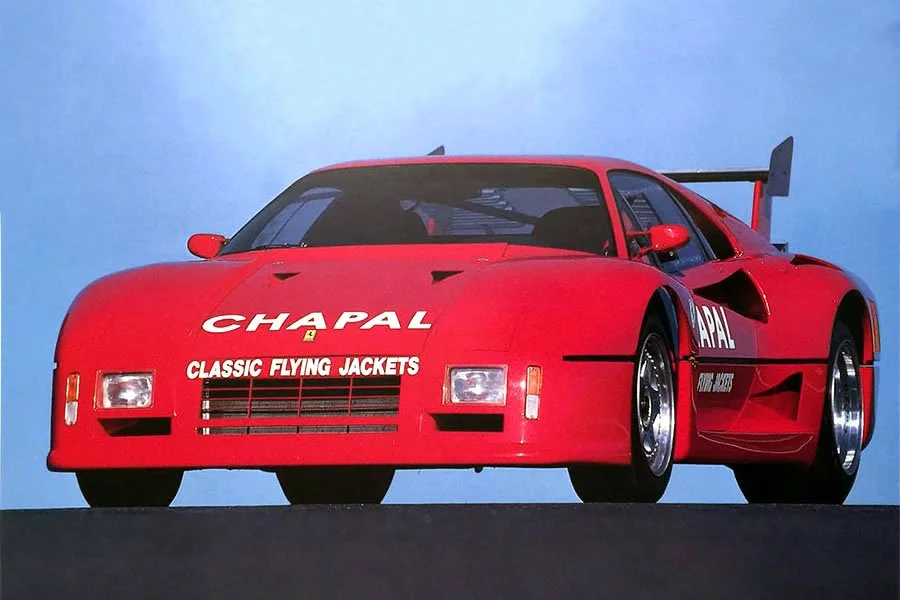
Chassis 70167 was the second GTO Evoluzione built from a six-car production run. The first three served as Ferrari test cars during the mid 1980s. The second three were built for VIP customers in 1988.
Rather than create a simple Drop Head conversion of the rakish 275 GTB, Ferrari decided to offer the 275 GTS with a completely different look. Just a couple hundred of these two-seat Spyders…
As the fourth generation Mondial would be the last, and therefore a limited programme of updates could have been forgiven, Ferrari actually came up with the most extensive refresh yet for its long…
In addition to the Gioacchino Colombo-designed 60° V12 that powered Ferrari to considerable competition success, several other engines were commissioned during the company’s early days.
A Ferrari 365 GT4 BB rips through a forest road, with no dialogue or narration to get in the way. Just five liters of mid-engine flat-twelve and a canopy of trees.
Although it unapolagetically incorporated an array of styling cues from Ferrari concepts of the distant past, the Daytona SP3 has quickly come to be regarded as a modern design classic. Built in a…
Completed in May 1971, chassis 14271 started life in “sand beige” (probably Nocciola Metallizato) with Nero upholstery. It was delivered to Ferrari’s US distributor, Luigi Chinetti, at the 1971 Le Mans…
Nearly 20 years after the company had last offered a front V12-engined open two-seater, Ferrari released a spectacular limited edition special based on the critically acclaimed 550 Maranello.
Famously, Enzo Ferrari had been a reluctant adoptee of the mid-engined layout, initially believing “the horse should pull the cart, not push it”. However, after a brace of promising outings with…
Among the initial batch of F40s supplied to UK customers was chassis 83330 destined for Graypaul Motors in Loughborough. The lucky recipient was Iain Menzies of Holland Park, London, who had…
In terms of his road car division, one of Enzo Ferrari’s best decisions was made over the winter of 1952-1953 when il Commendatore signed an ongoing cooperation agreement with what was then…
Ferrari launched what came to be the ultimate iteration of the 360 Modena at the Bologna Motor Show in December 2003. Dubbed 360 GTC, this latest contender for the junior class of GT racing…
At the peak of the Brunei Royals’ mind-bending car splurge during the mid 1990s, a batch of 288 GTOs was sent to Pininfarina for customisation. Here, some were re-painted out-of-range colours…
Inspired by Zagato-bodied iterations of the Ferrari 250 GT Competizione, Japanese collector, Yoshiyuki Hayashi, commissioned a coachbuilt mid 2000s revamp based on the 575M. Zagato’s…
During the late 1950s, arguably the most beautiful two-saeat Roadster offered by any manufacturer was the Pinin Farina-styled first generation Ferrari 250 GT Cabriolet. Underneath rakish lines…
Despite a long-standing relationship with Pininfarina, Ferrari commissioned Carrozzeria Bertone to design and manufacture bodywork for its first V8-engined road car. Unveiled at the Turin Motor Show…
After the 288 GTO and F40 had used twin turbocharged V8s that propelled them to hitherto unseen levels of performance, Ferrari took a different approach for its third generation limited production…
To replace the 2.6-litre 212 Export which had served privateers so well throughout the 1951 season, Ferrari introduced the 2.7-litre 225 Sport for 1952. In total, 21 examples of the 225 Sport were…
Although the onshore Seria field was discovered in 1929, it wasn’t until the 1960s that Brunei became a major player in oil and gas thanks to advances in offshore exploration. Following the opening of the…
Chassis 4219 GT was the third 250 GTO campaigned by US Ferrari distributor Luigi Chinetti’s North American Racing Team (NART). This latest machine followed chassis 3387 GT (which ran at the 1962…
Chassis 002 C was the third car built by Ferrari. It started life as a 159 Sport and followed the brace of 125 Sports numbered chassis 01 C and 02 C. The first car to be fitted with the new type 159…
Despite having utilised a mishmash of styling features from other Ferrari models, the Pininfarina-designed 330 GTC ranks among the prettiest Italian sports cars from a golden age of automotive…
Ever since Ferrari’s debut season as a manufacturer back in 1947, the Italian firm had largely dominated the scene for purpose-built Sports and Prototype racing cars. There had of course been…
The 1967 World Sportscar Championship was anticipated to be one of the most competitive on record with new Group 6 Prototypes in the pipeline from Ferrari, Ford, Chaparral and Lola. The Group…