One to Buy: 25,000km Solar Yellow 1995 Toyota Celica ST205 GT-Four
/ Ben Tyer
The Group A era from the early 1980s to the mid-late 90s spawned a fabulous array of homologation specials, some of which paved the way for great circuit racers and others, rally icons.
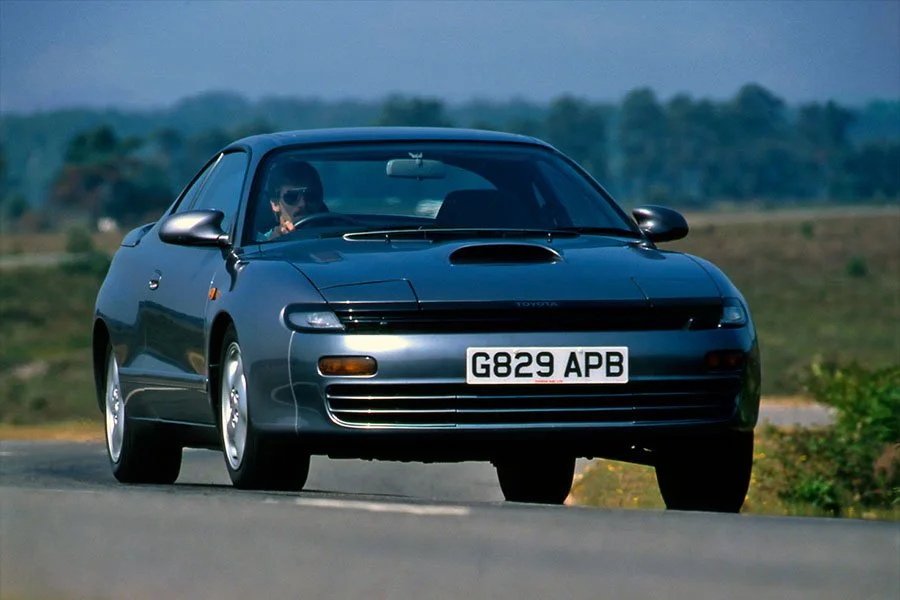
Built between 1994 and 1999, the ST205-type GT-Four was the last of Toyota’s Celica-based Group A specials. At the time of the ST205’s launch, the GT-Four programme (started back in 1986 with the ST165) had garnered four Driver and two Manufacturer WRC titles. Toyota inevitably expected to collect more silverware heading into the 1995 season which would be the first full year of competition for the ST205.
As it transpired, Toyota’s ‘94 champ, Didier Auriol, took just a single win in ‘95 (at the Tour de Corse) and lost his crown to Subaru’s Colin McRae. Subaru also claimed Toyota’s Manufacturers’ crown. Meanwhile, Auriol’s win-less but more consistent team-mate, Juha Kankkunen, had been in contention for the ‘95 Drivers’ championship. Disastrously though, Toyota was caught using illegal turbo restrictors at the penultimate event of the year (Rally Catalunya).
Toyota and their drivers were ultimately stripped of all their championship points and the Japanese manufacturer was issued a one-year ban by the FIA. FIA president, Max Mosley, called the illegal turbo restrictor "the most sophisticated device I've ever seen in 30 years of motor sports."
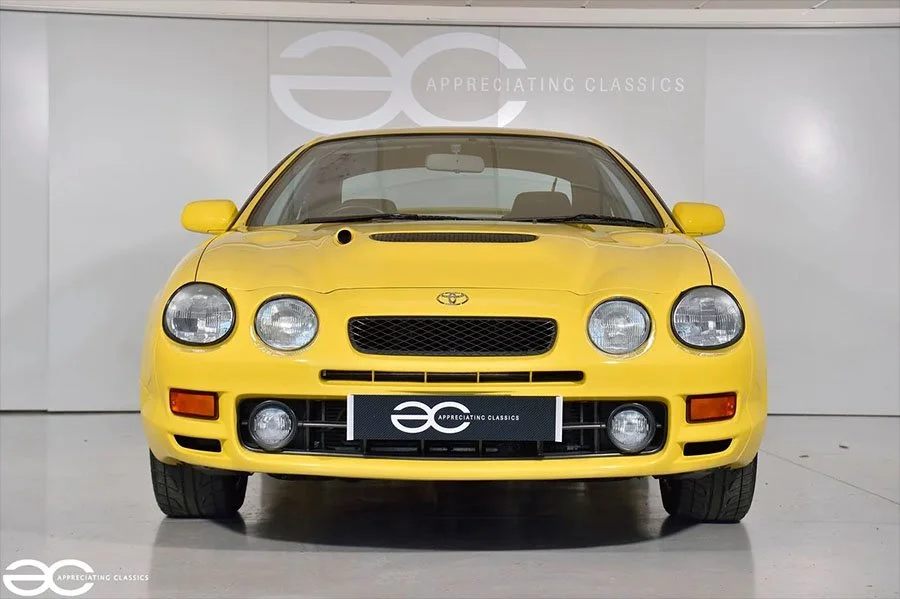
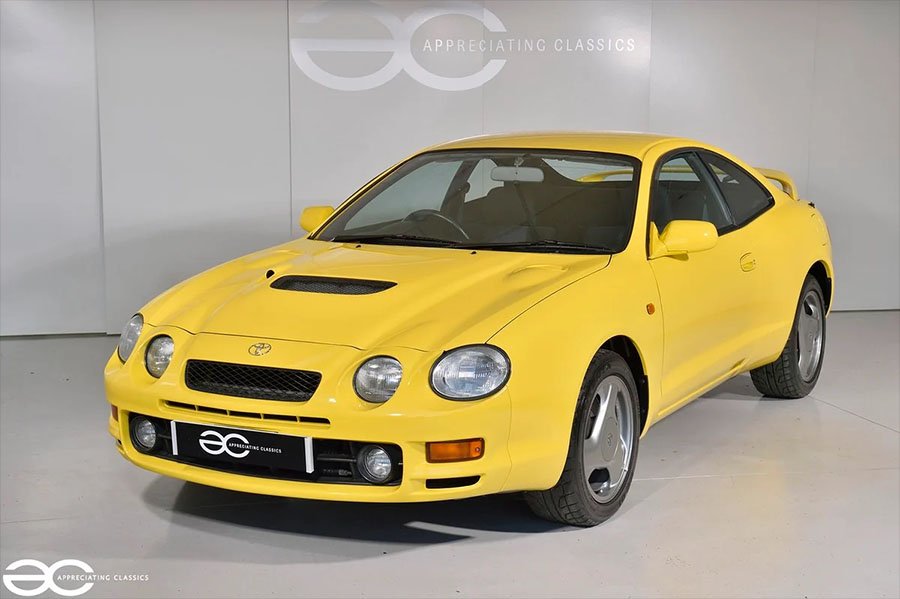
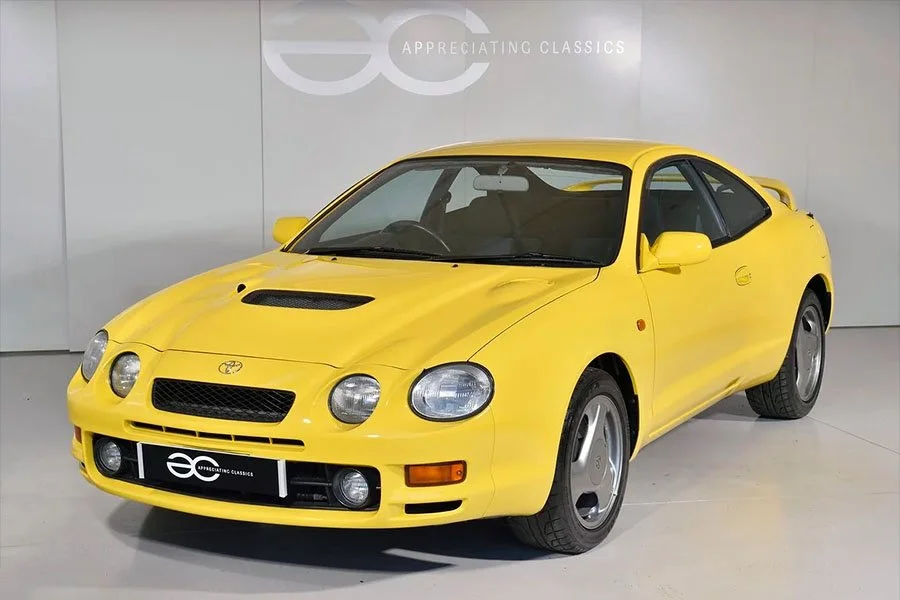
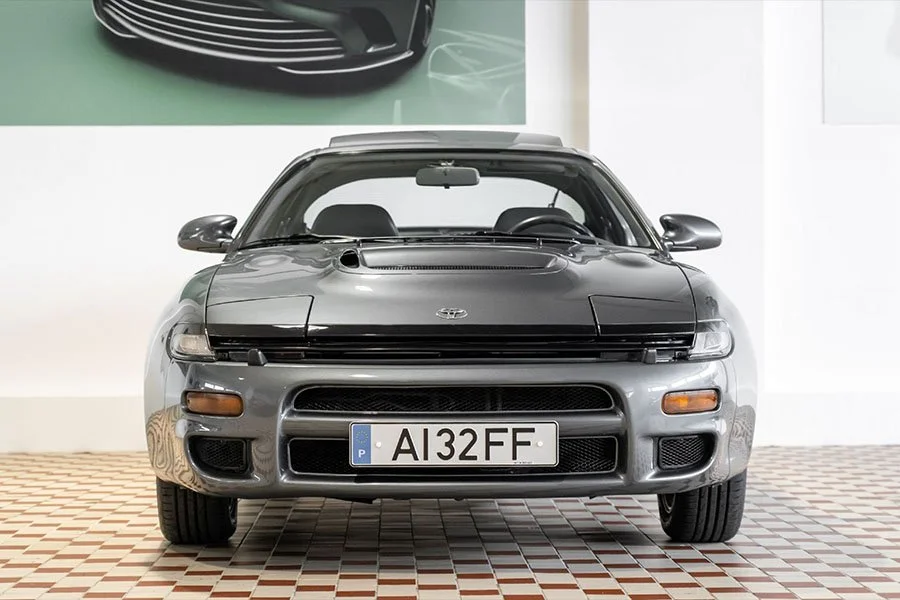
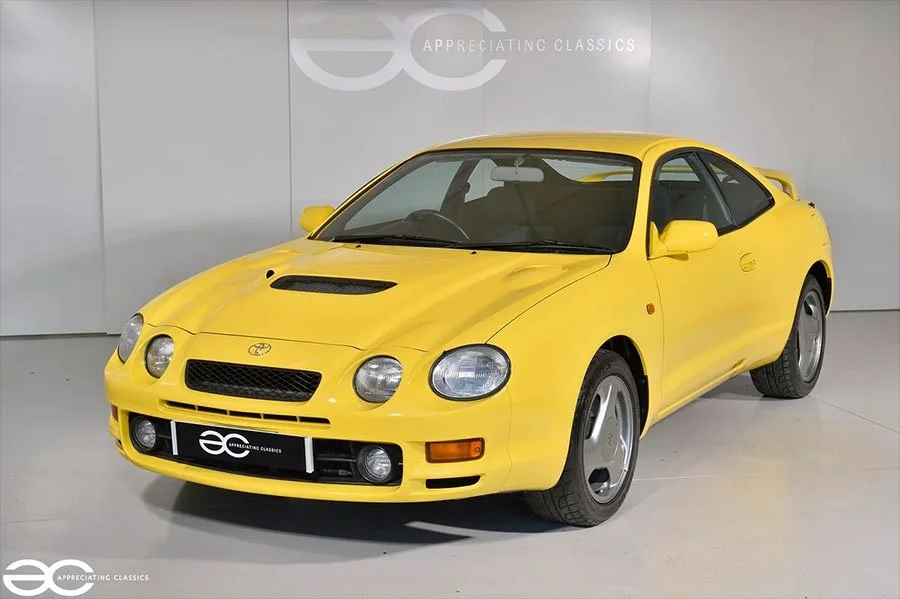
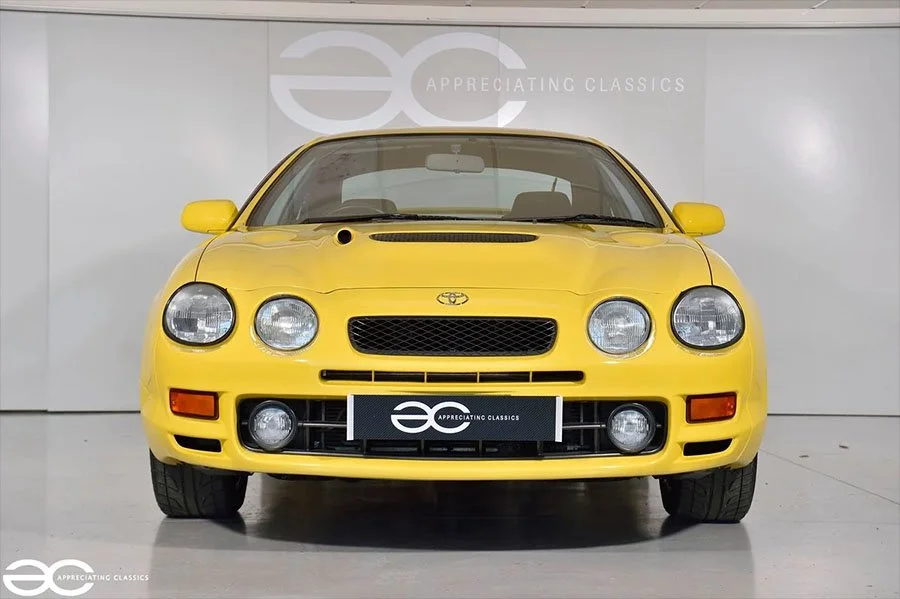
Compared to some other Japanese Group A homologation specials, the ST205 GT-Four still looks good value as evidenced by this most likely ‘best of type’ example currently residing at the Appreciating Classics showroom in Norwich, Norfolk.
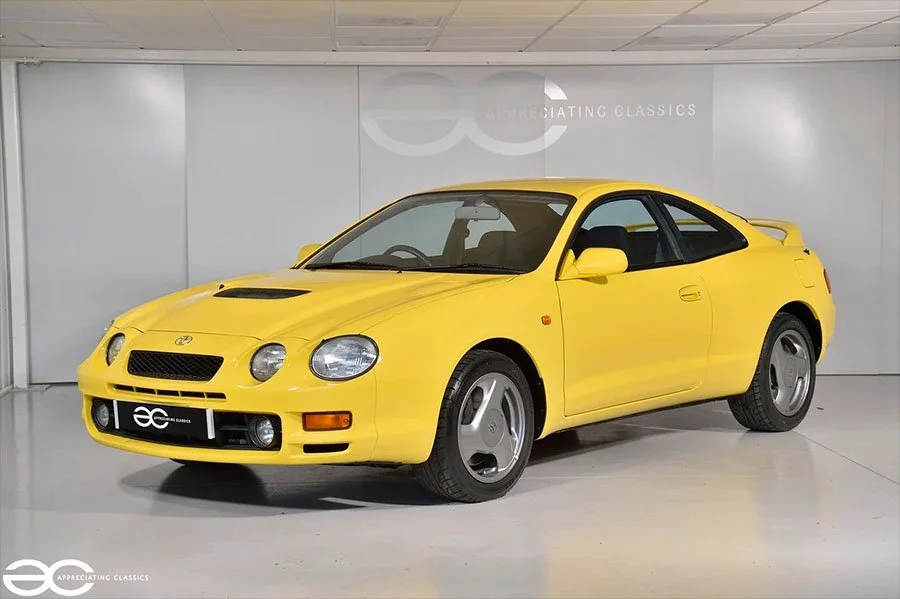
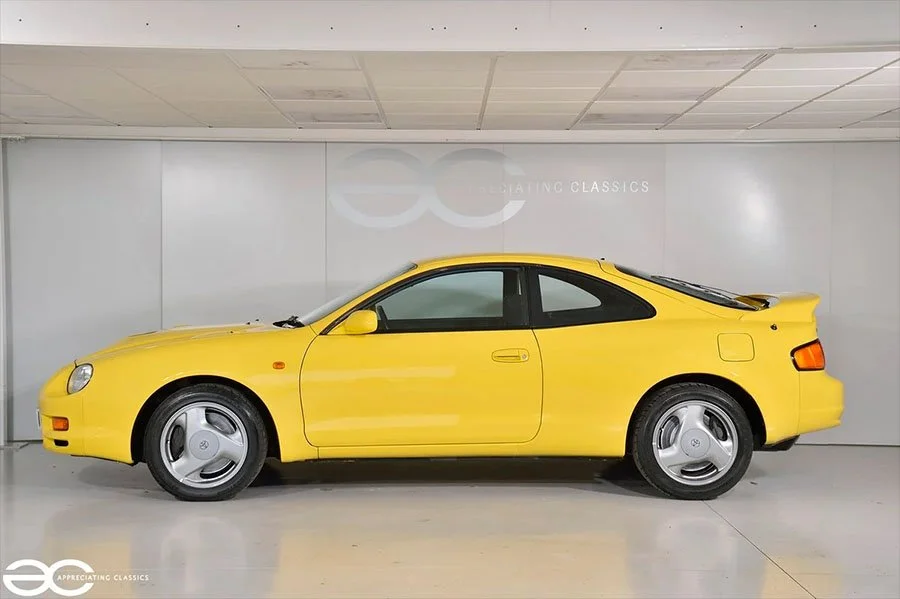
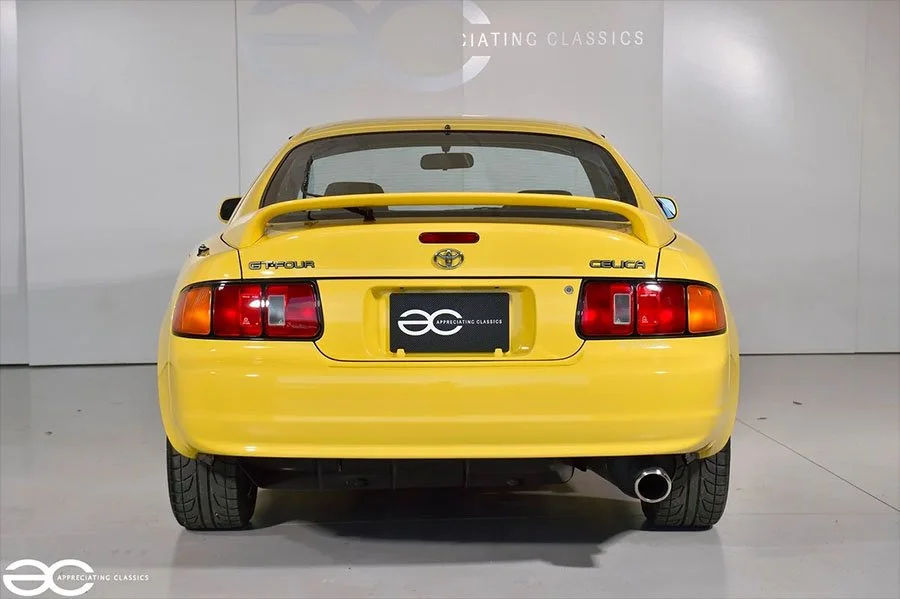
Configured in arguably the most desirable colour schemes for one of these cars, Solar Yellow, this 1995 example was owned by just a single Japanese custodian who sent the car for 13 services during its life out in Asia. At the point of export, it was given a very respectable 4.5B out of 5 by the Japanese authorities.
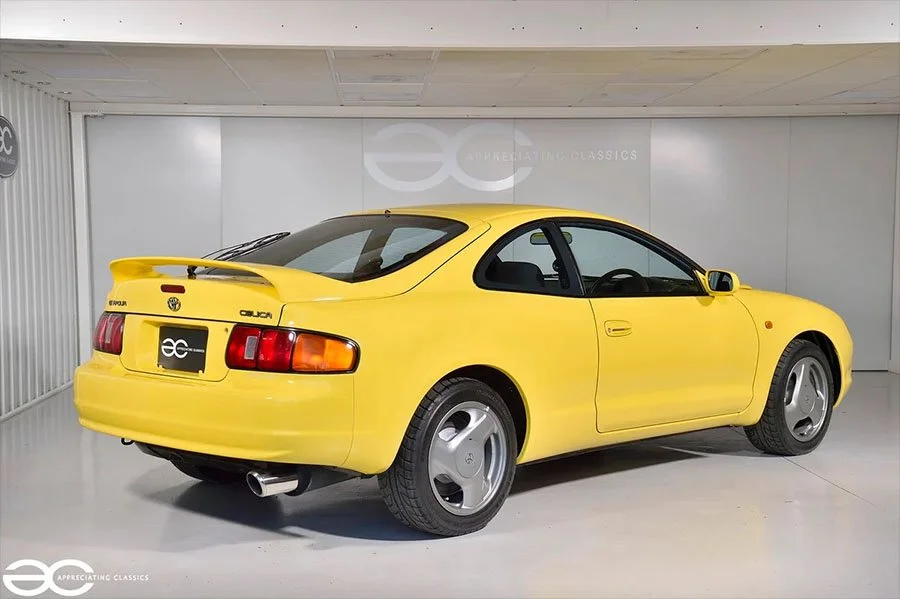
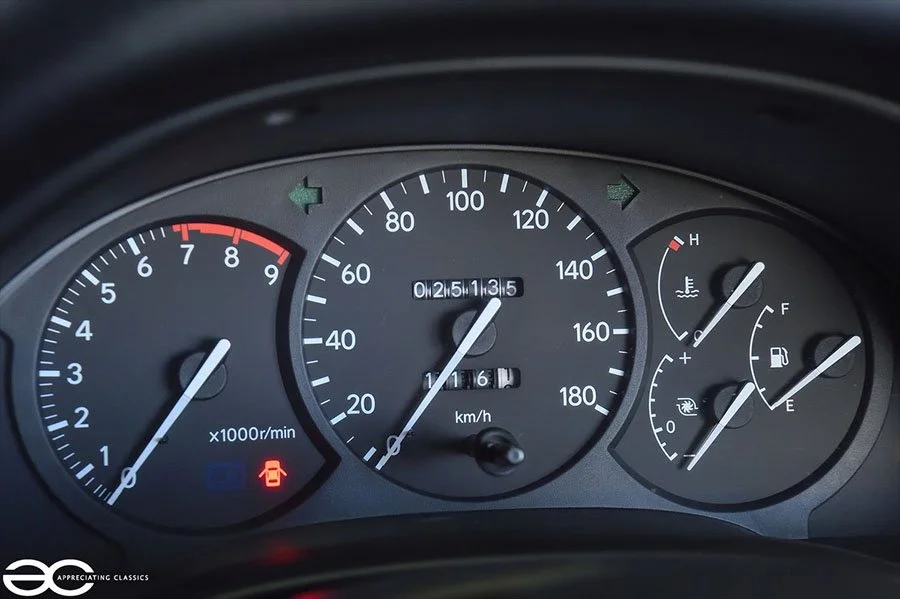
Since arriving in the UK, the Celica has resided in two British collections. Today, the superb, unrestored and unmodified example of arguably the ultimate GT-Four is showing a little over 25,000km. It is accompanied by the original book pack.
According to Appreciating Classics: “When the car previously arrived with us in the UK, we carried out a full service, including the all important cambelt. Plus we cleaned the underside which is in splendid condition. To finish, we cavity waxed all box sections/chassis rails/sills and then we of course detailed the car throughout. Since then the car has been in a private collection with a regular customer, stored in a heated garage as part of a selection of very special cars.”
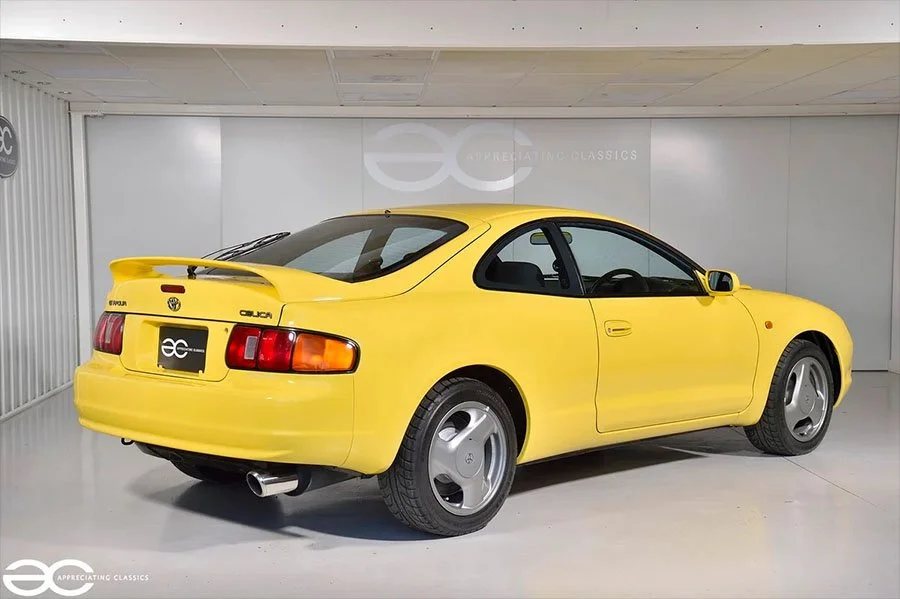
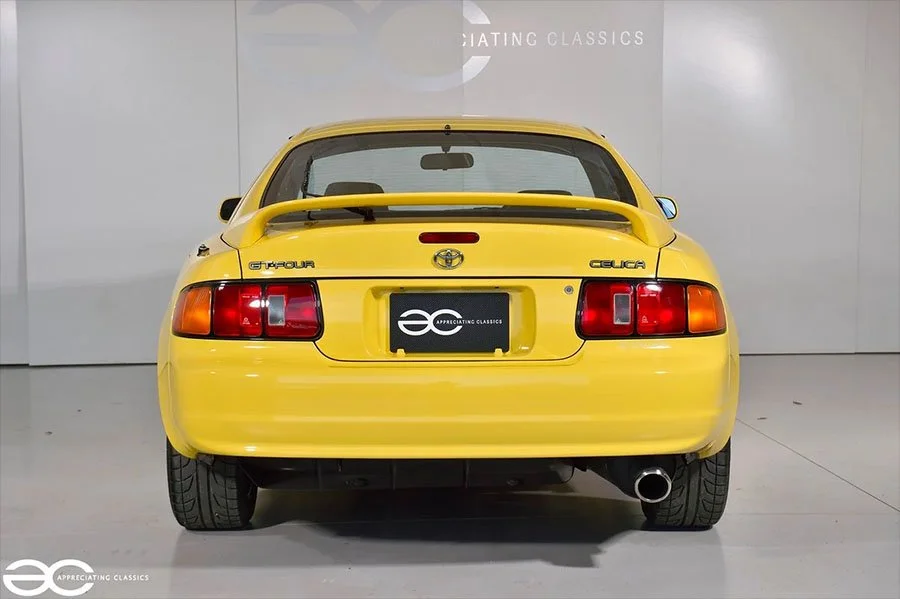
“All paintwork is original having been checked with a paint depth gauge. A fresh detail has really helped the yellow paint ‘pop’, with no swirls or marks to mention. All badges, glass & lights are original items in good condition. The only change to the exterior is the addition of a dealer decal on the rear bumper.
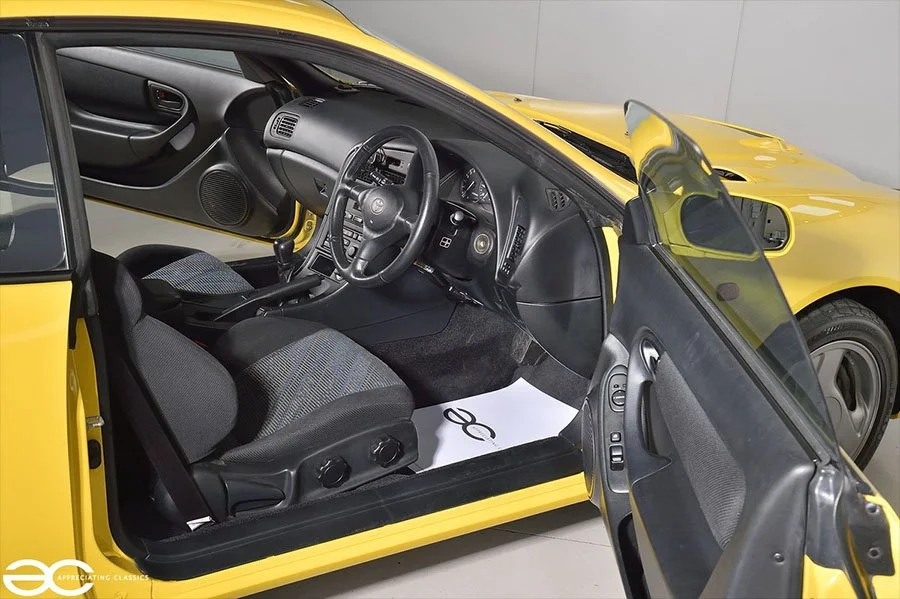
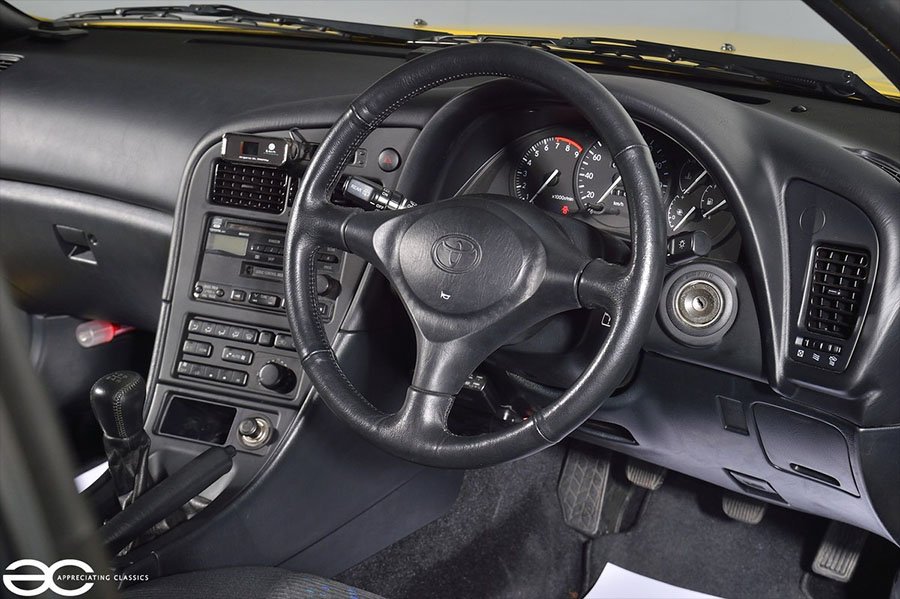
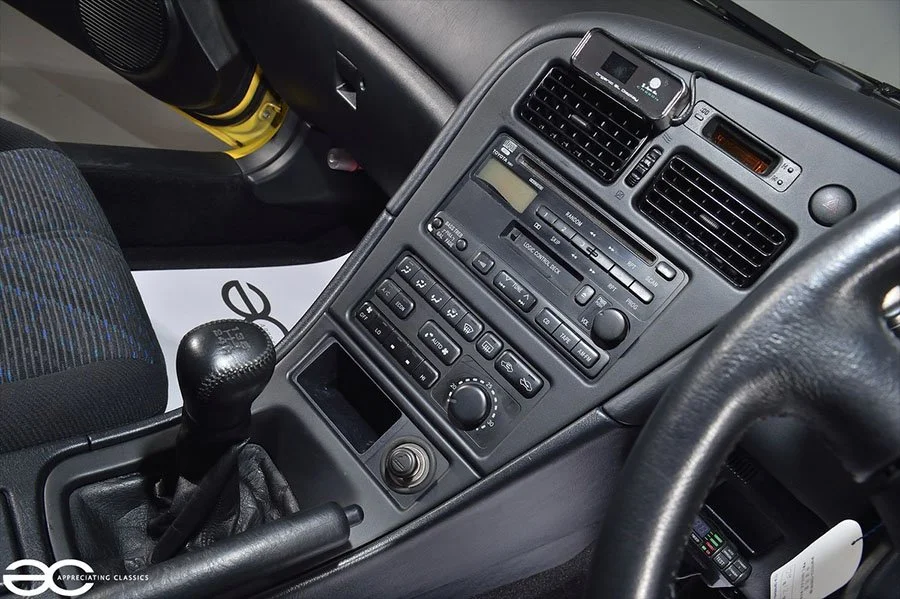
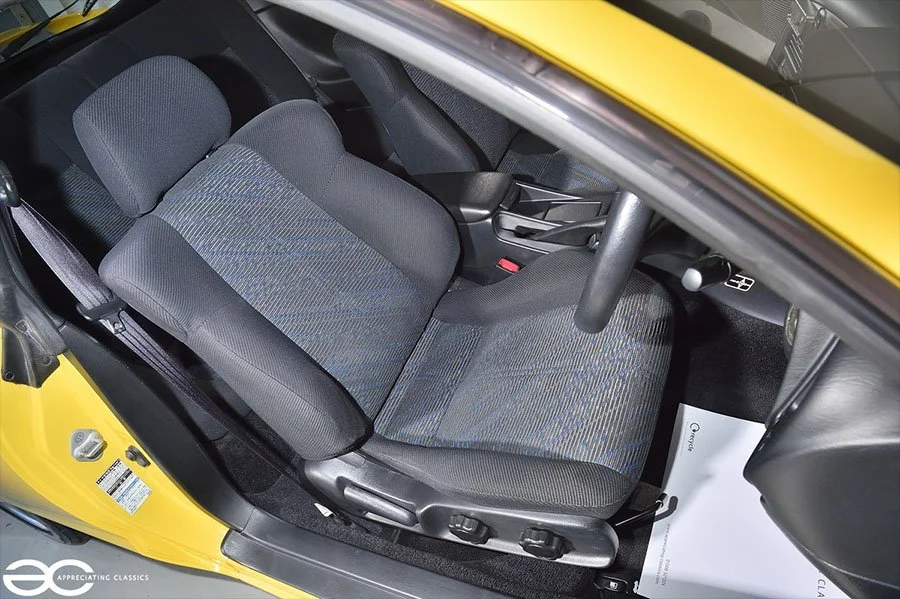
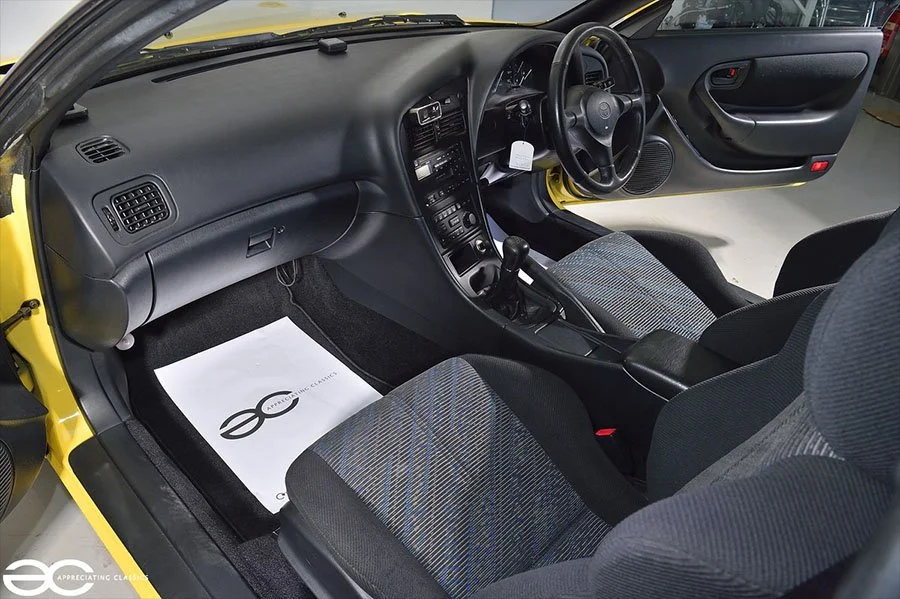
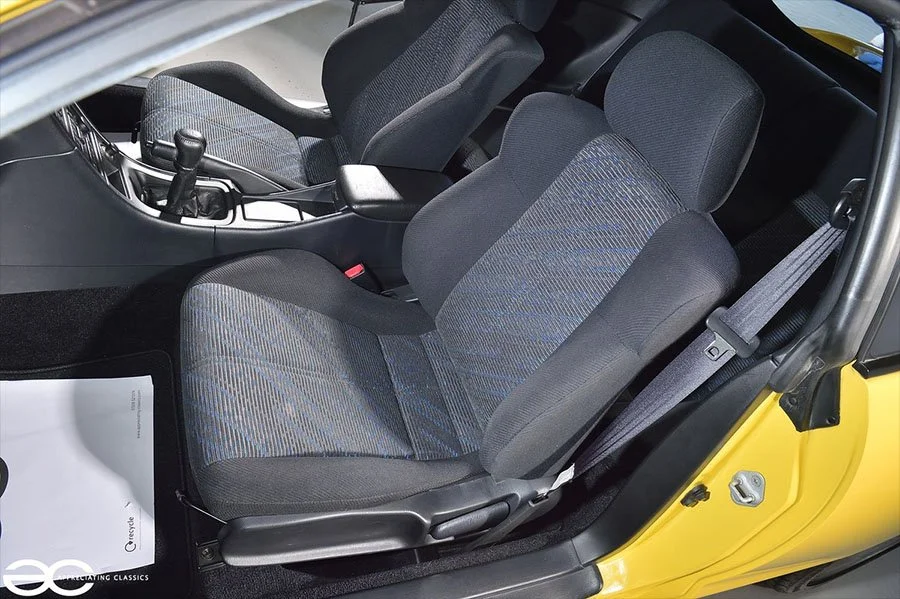
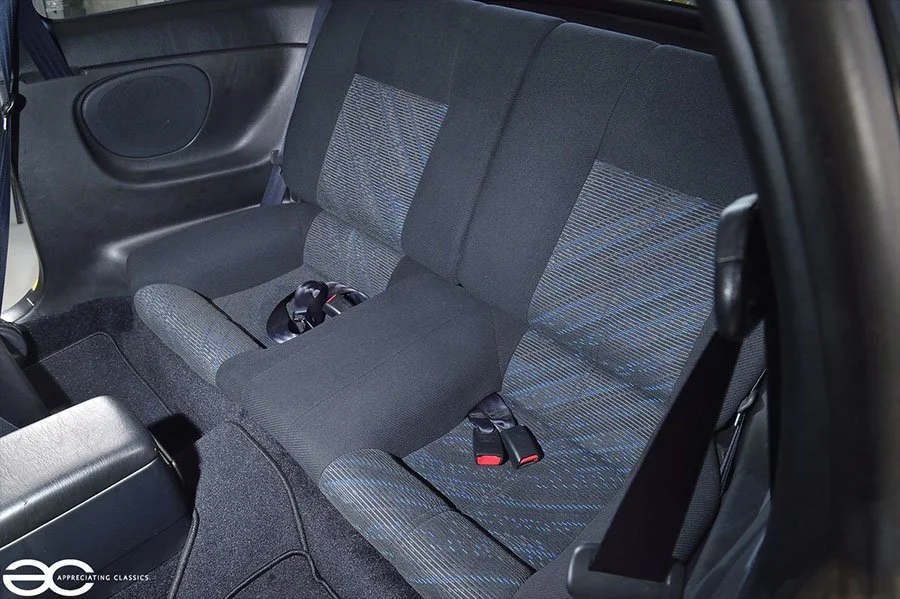
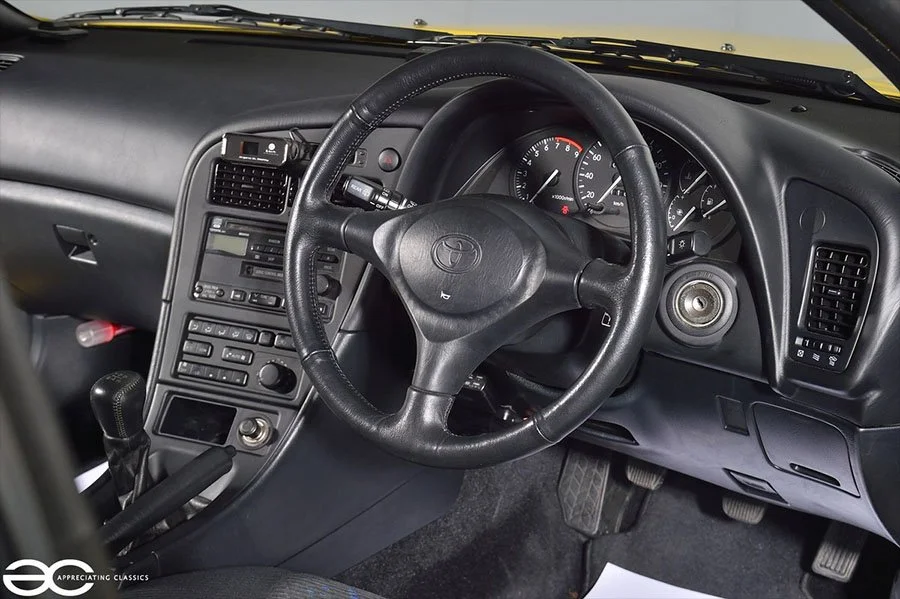
As per the exterior, the interior is in very nice condition. All seats are superb, the original Toyota Celica carpet mats are still in place and all switchgear works as it should. All trims are in good order, the carpet is free of any damage and this extends to the boot area too, which looks as though it has never been used. The steering wheel, gear knob, pedal rubbers & handbrake lever are all showing very minimal wear.”
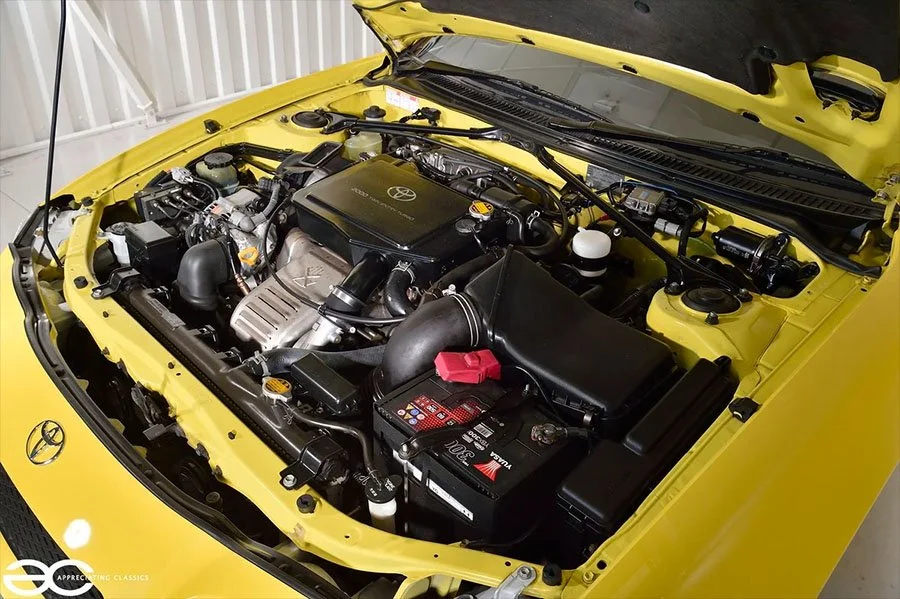
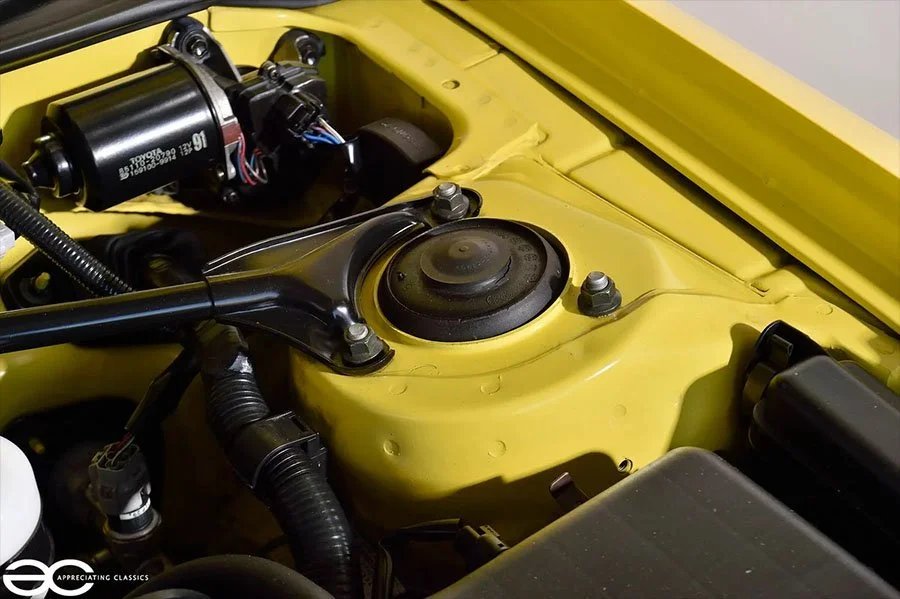
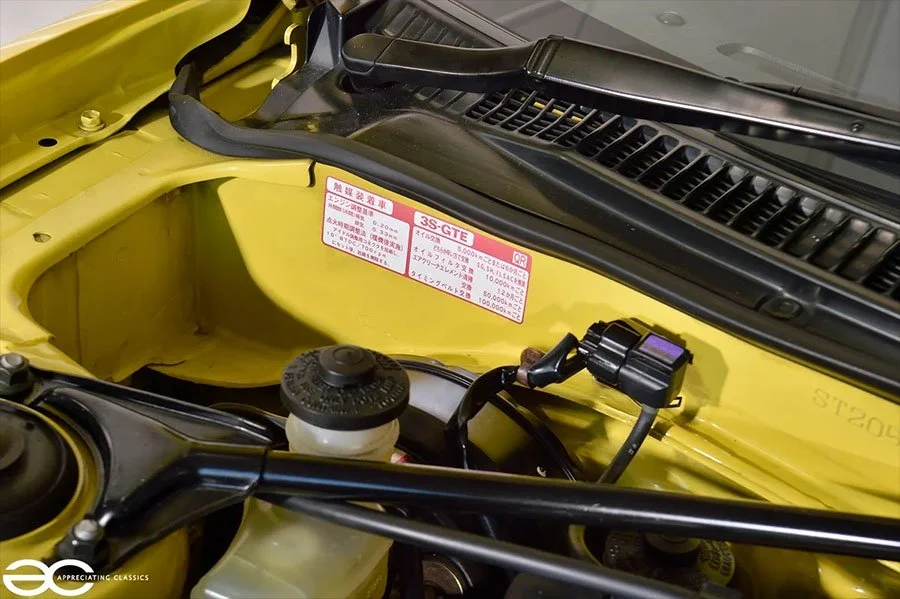
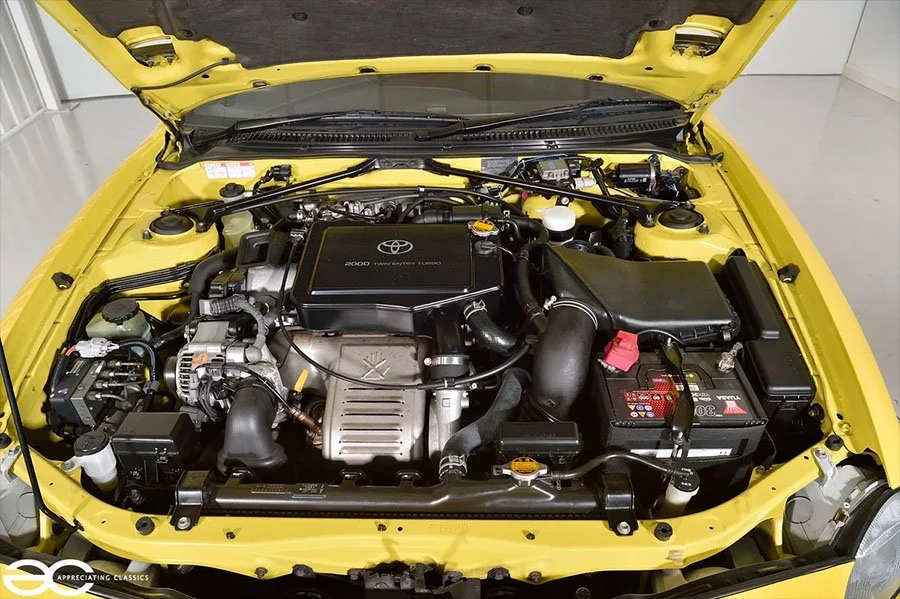
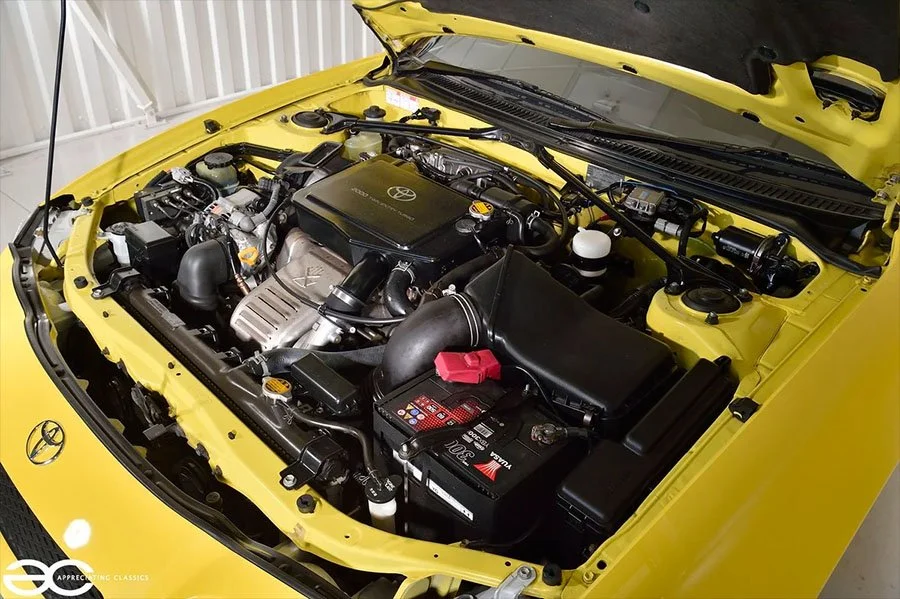
Mechanically, this example is without any modifications, presented exactly as Toyota intended. Fully serviced by ourselves within our workshop facility. The engine bay itself presents beautifully. The running gear & underside condition is absolutely superb and original.”
For more information visit the Appreciating Classics website at: https://www.appreciating-classics.com/
The Group A era from the early 1980s to the mid-late 90s spawned a fabulous array of homologation specials, some of which paved the way for great circuit racers and others, rally icons.
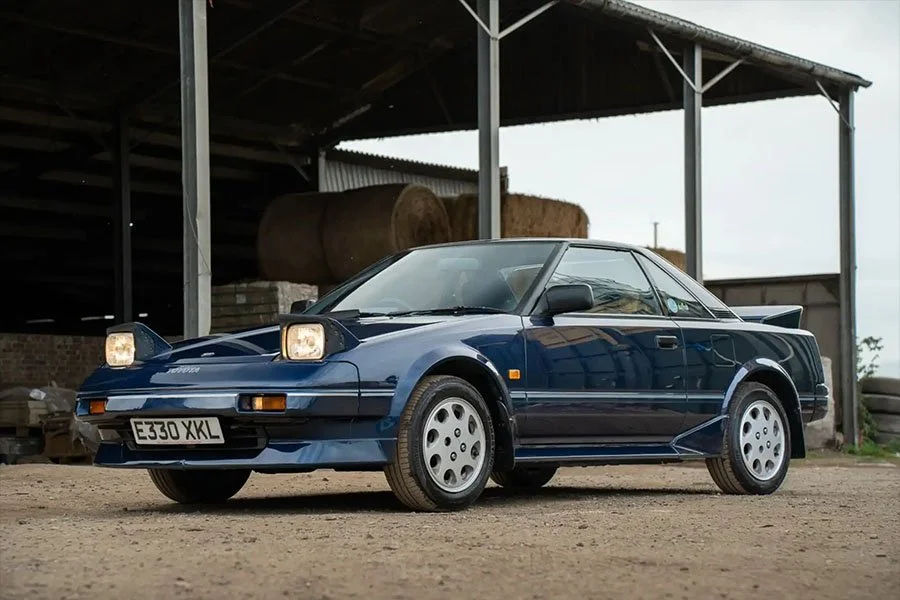
If the Peugeot 205 GTi had the hot hatch market in its pocket for most of the 1980s, the only choice for a compact class mid-engined two-seater was Toyota’s first generation MR2. Launched in mid…
Having initially been conceived as a long wheelbase version of the Celica created to rival Nissan’s 280 ZX, the Toyota Supra became a standalone model in late 1981 for the 1982 model year. 15 years…
For 1985, Toyota decided to embark on a factory Sportscar programme with the intention of becoming the first Japanese manufacturer to win at Le Mans. However, the Group C era could not…
Although Toyota released the heavily revised Celica ST185 in late 1989, the Japanese manufacturer continued to run its older ST165 in the World Rally Championship for another two seasons until an…
We love a vintage Toyota off roader here at Supercar Nostalgia and one of our recent favourites will be going under the hammer at Mecum’s Kissimmee auction in Florida on January 10th. Completed in…
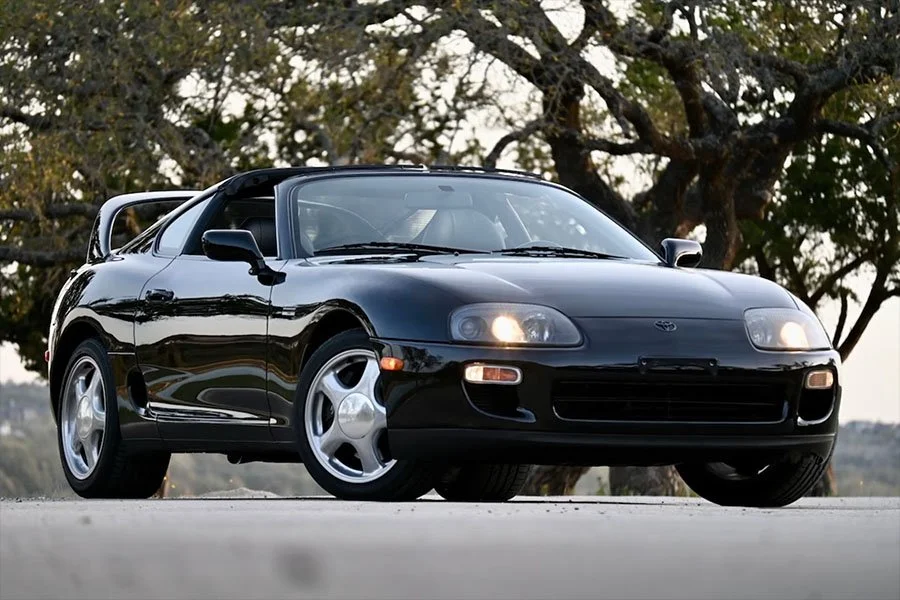
For the fourth generation Supra, Toyota focused on creating its highest performance model thus far. Accordingly, this latest iteration of the popular Supra theme (code-named A80) came in for a…
After Group B cars were banned from the World Rally Championship and Group A took over as the premier class, Lancia’s Martini-backed Deltas collected a trio of back-to-back Driver and…
In terms of iconic four-wheel drive utility vehicles from the 20th century, Toyota’s first generation Land Cruiser is right up there with the best of them. Initially offered as a two-door Hardtop, Toyota…
Although Mazda became the first Japanese manufacturer to take outright victory at Le Mans, Toyota had arguably been even more committed to the cause having spent vast sums on its various…
Despite an enviable back catalogue of sporting motor cars that variously achieved icon status, massive commercial success or major competition honours, until the late 2000s Toyota had never…
With the first generation Mr2 having proven a massive commercial success (Toyota shifted nearly 165,000 of the things in five years) it was no surprise that the Japanese giant launched a second…
Having unveiled the 2000 GT amid great fanfare in late 1965, customer deliveries began in the spring of 1967 by which stage Toyota’s hoped-for figure of 1000 sales a month was already looking…
Having successfully campaigned third generation A60 Celicas on Toyota’s behalf in IMSA’s junior GTU category, Dan Gurney’s renowned All American Racers was commissioned by the Japanese…
Although the gen. three Celica TCT was fairly conventional by the super specialised nature of most Group B creations, its toughness and reliability helped Toyota to half-a-dozen WRC wins on the…
Toyota’s 2000 GT represented the first attempt to build a high-end production sports car by a Japanese manufacturer. Powered by a dual overhead cam 150bhp two-litre straight six, the 2000 GT…
Although Toyota’s seven-year $2b F1 programme of 2002 to 2009 ultimately yielded just 13 podiums from 139 starts and a best finish of fourth in the 2004 Constructors’ championship, it led to the firm…
Toyota created its offshoot Lexus brand in 1989 to market the company’s new LS 400 luxury saloon in foreign regions. The LS 400 was a critically acclaimed four door sedan conceived to take on the…
Having presented a trio of design concepts for their new front-engined supercar since 2005, Lexus finally unveiled the finalised LFA at the Tokyo Motor Show in October 2009. Production versions then…
For the 1988 season, Toyota created the 88C which was a fairly straightforward evolution of the previous year’s 87C. These updated cars, again powered by a turbocharged 2.1-litre 3S-GT inline four…
Toyota’s iconic 2000 GT came about as the result of a proposal from Yamaha who wanted to create a two-seat Grand Tourer in the mould of Jaguar’s E-type. At the time, Yamaha had a…
Toyota first started to compete in top flight rallying during the early 1970s when the firm began a long-term association with Swedish driver, Ove Andersson. In 1975, Andersson’s rallying operation…
Auto manufacturers began to adopt the mid-engined layout for their small displacement sports cars in the late 1960s. By the early 1970s, models like the Porsche 914 and Fiat X1/9 were being sold in vast…
Toyota’s Group 7 programme began in the autumn of 1967 when the green light was given for it to replace the 2000 GT which had been campaigned in various disciplines since 1966. The new…
After encouraging results with the 2000 GT-based 311 S at the 1966 Japanese Grand Prix and Suzuka 1000km, Toyota decided to attempt a series of high speed endurance records. The choice…
Toyota first started to compete in top flight rallying during the early 1970s when the firm began a long-term association with Swedish driver, Ove Andersson. In 1975, Andersson’s rallying operation…
During the 2000 GT development phase, Toyota decided to take their first step into the world of motor racing. At the time, Japan was still recovering from the affects of World War 2. While the…
In December 1964, the Toyota and Yamaha Motor Companies began a collaboration to produce a sleek high performance Coupe unlike anything yet seen from a Japanese manufacturer. Toyota…
You Only Live Twice was the fifth James Bond movie and was set largely in Japan. Bond was once again played by Sean Connery and the plot for this latest adventure involved the terrorist…