One to Buy: 1992 Mercedes-Benz W124 Coupe AMG 3.4
/ Ben Tyer
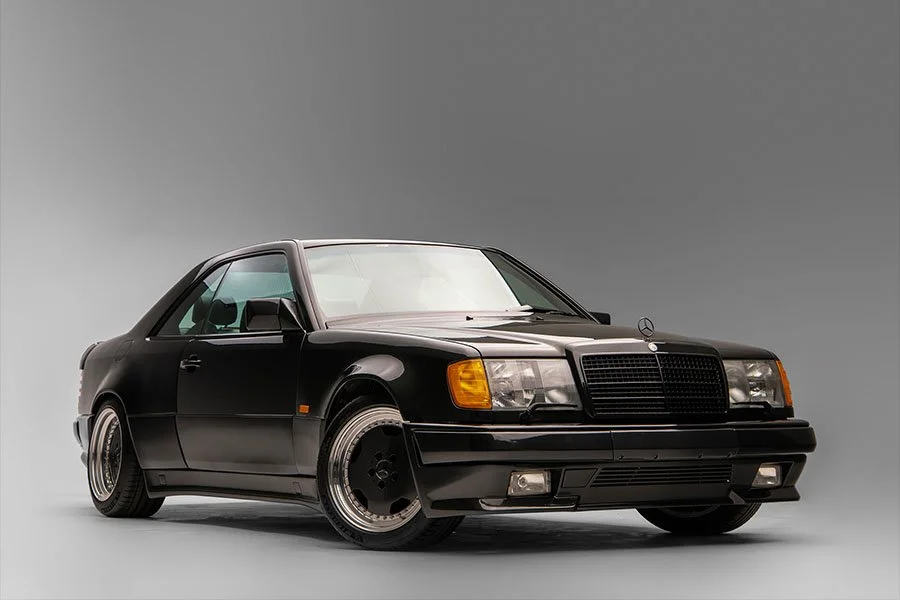
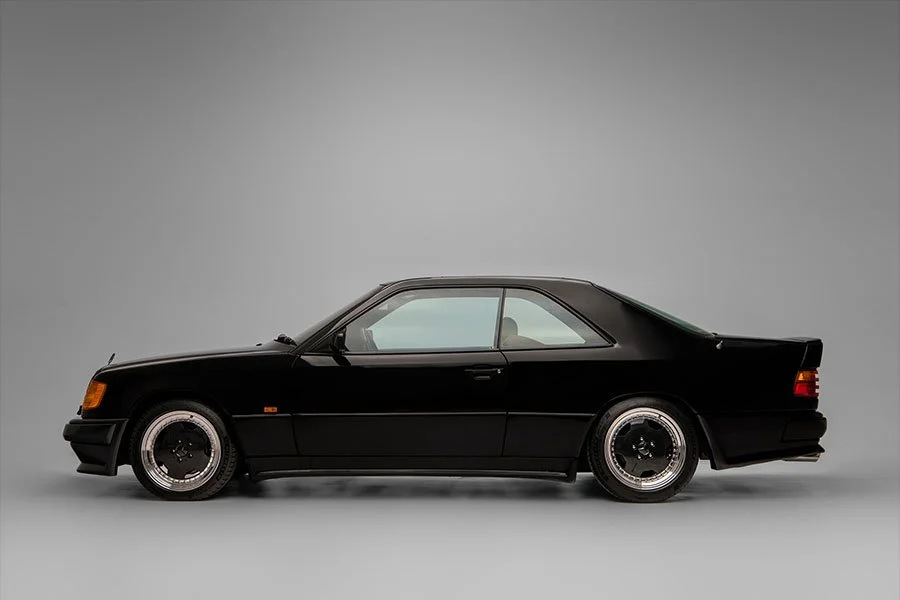
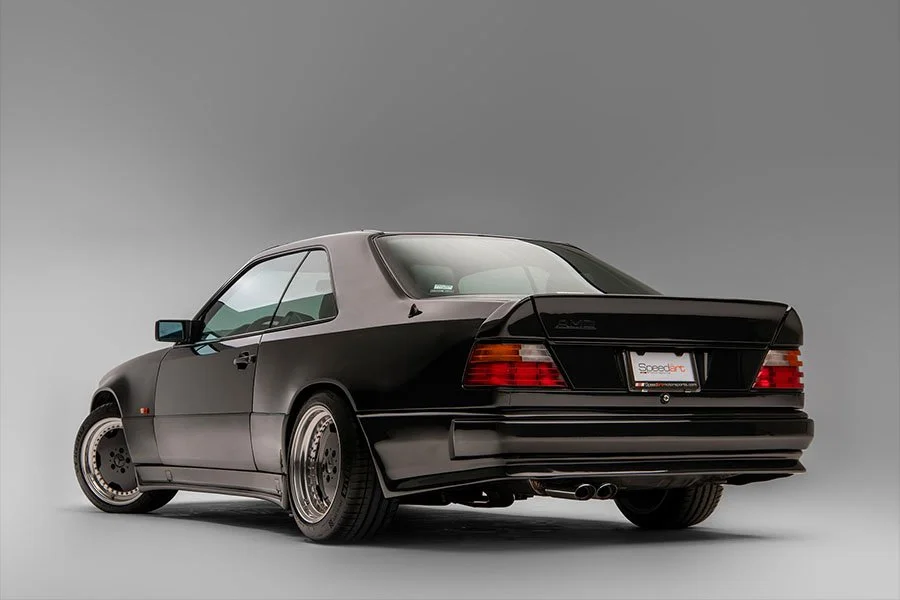
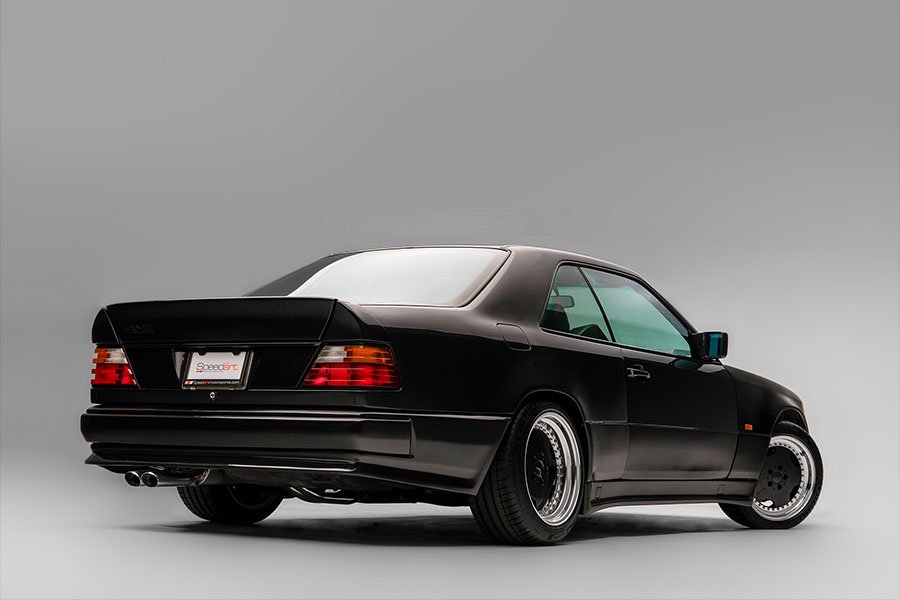
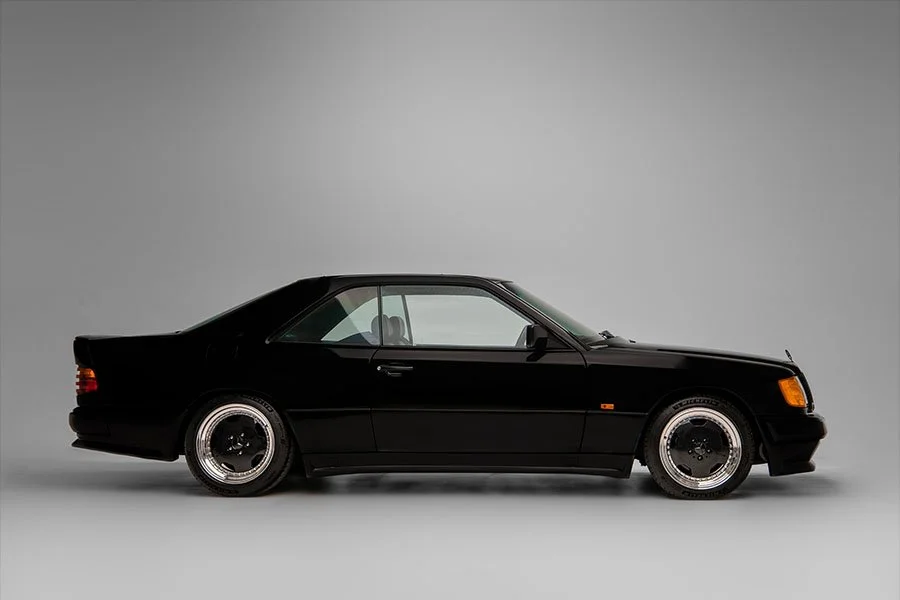
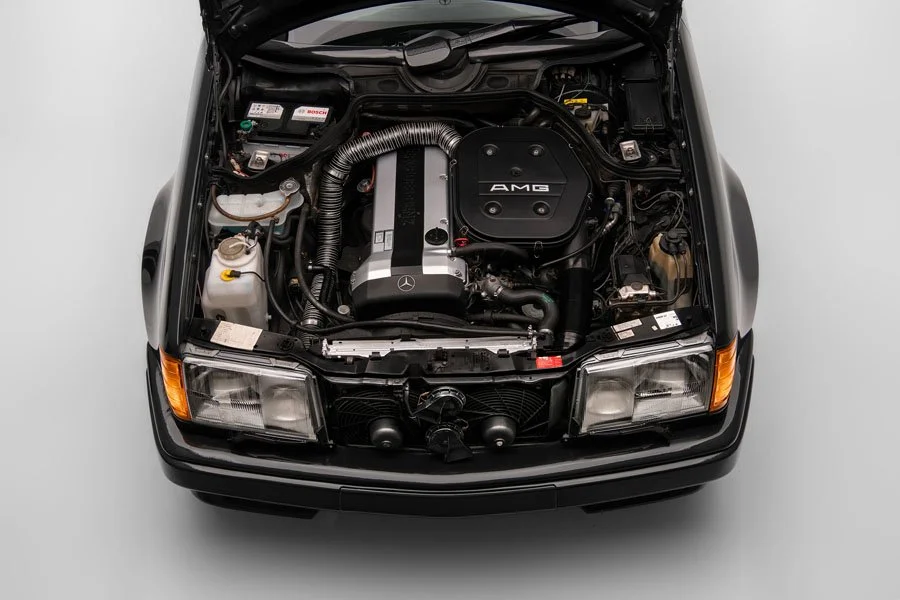
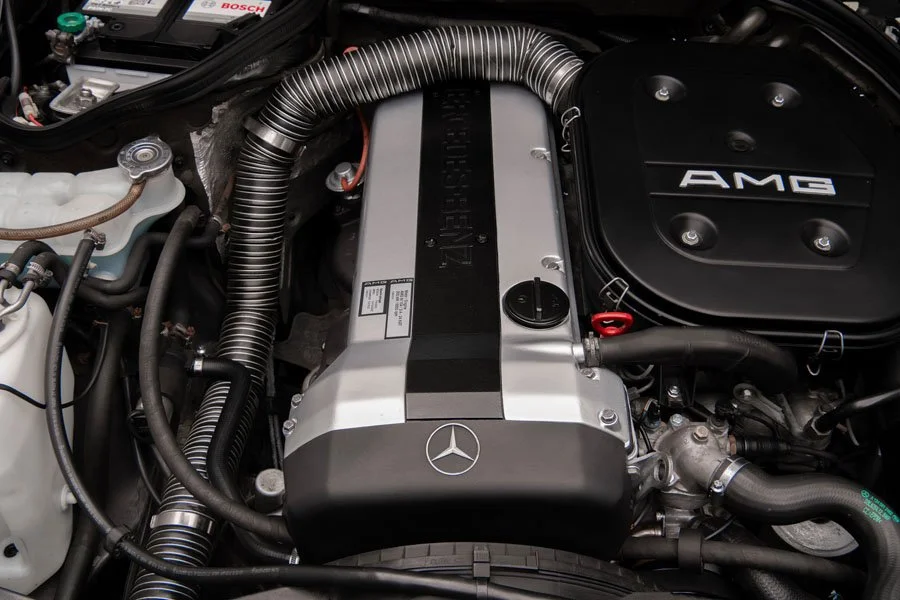
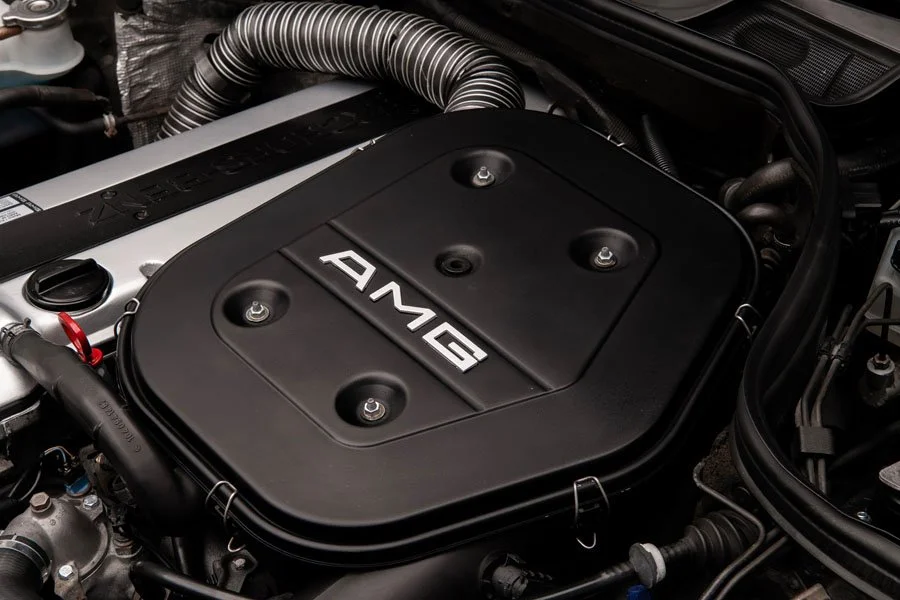
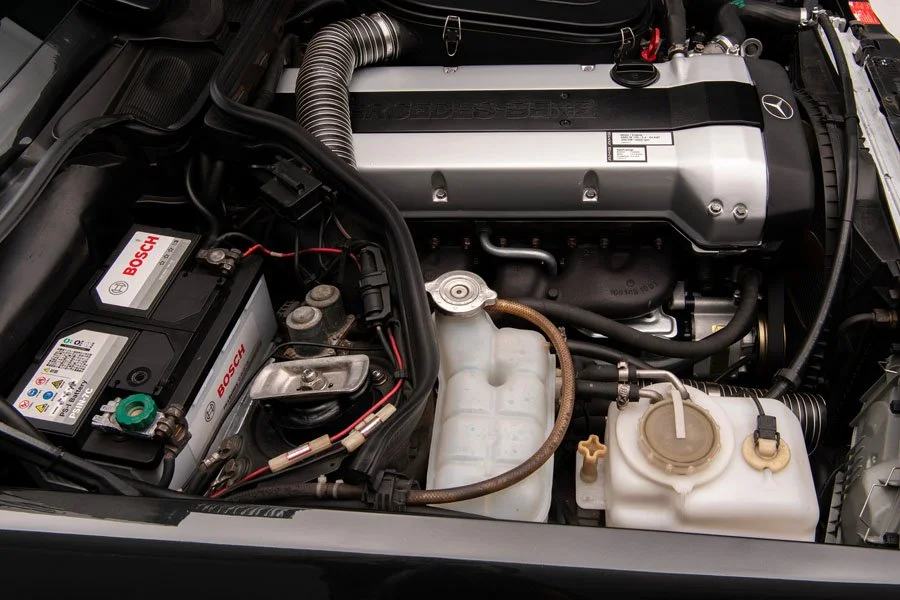
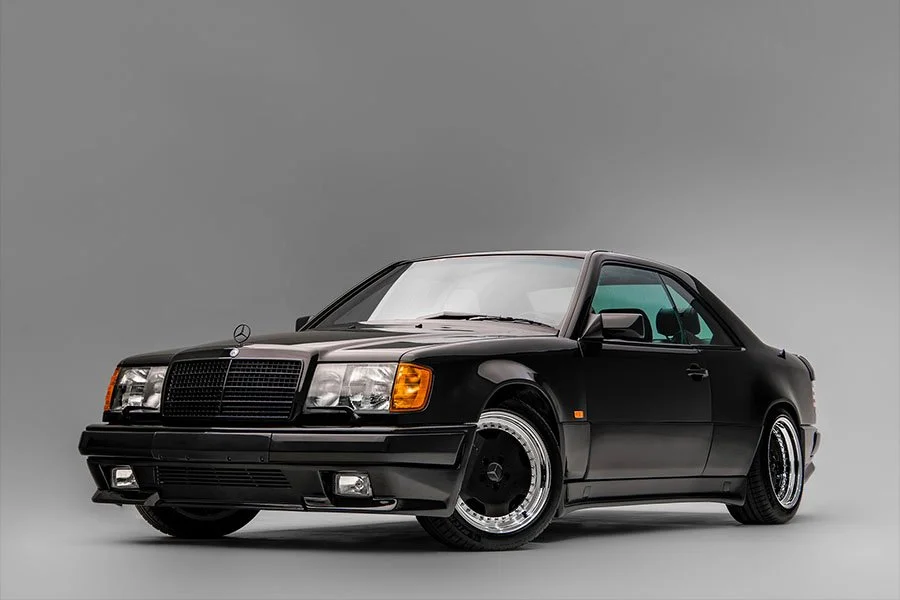
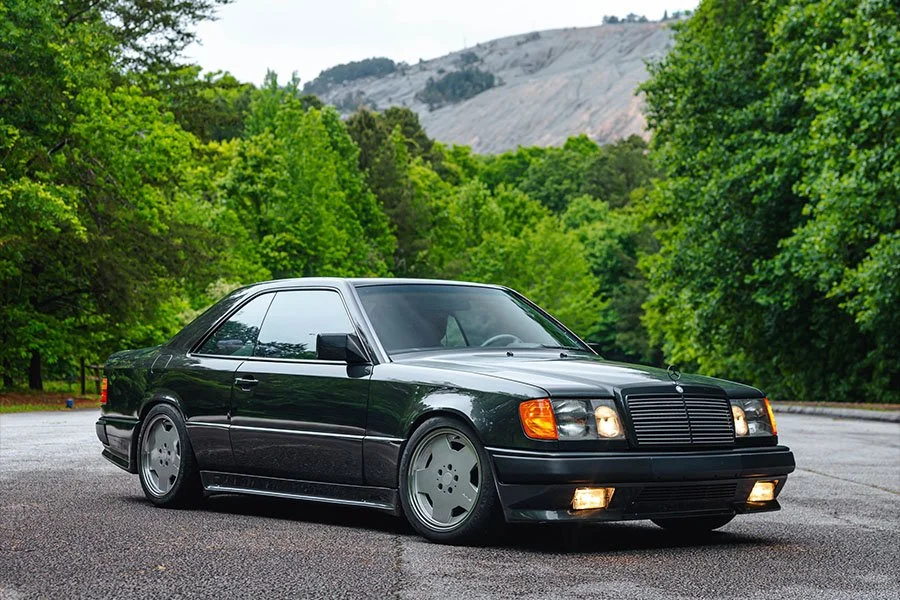
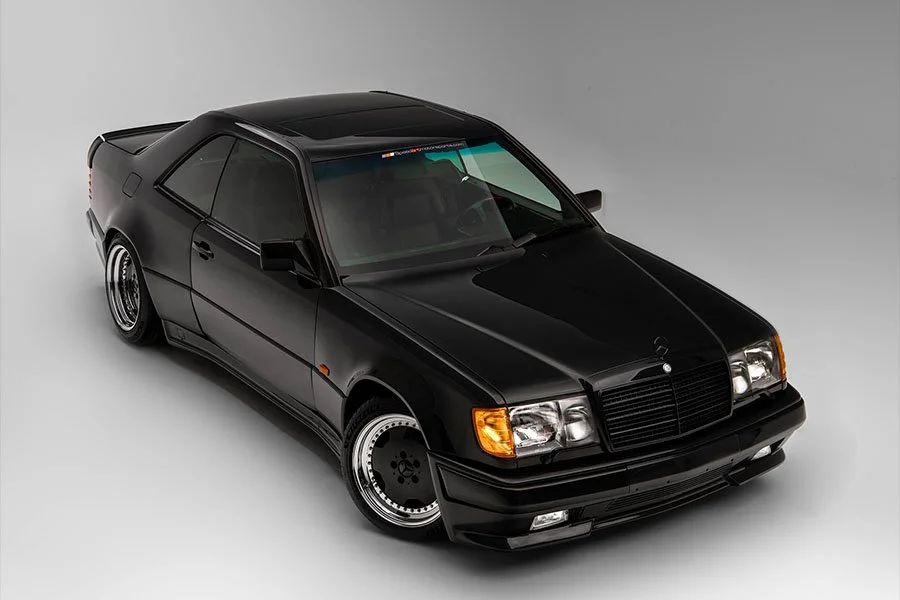
In addition to the widely publicised V8-engined Hammer, AMG produced a lesser known and somewhat more refined Mercedes W124 E-class that came with an enlarged 3.4-litre version of the firm’s smooth-as-silk inline six.
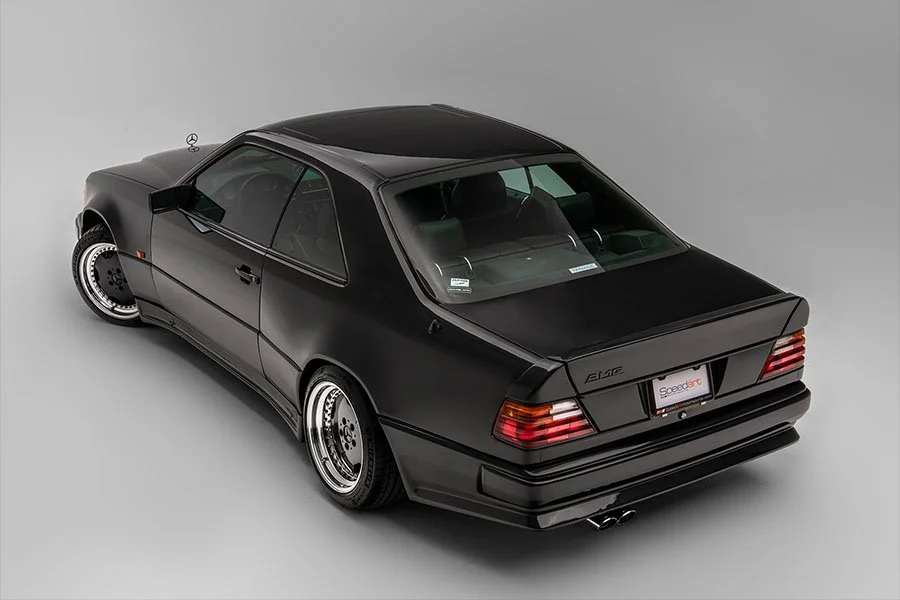
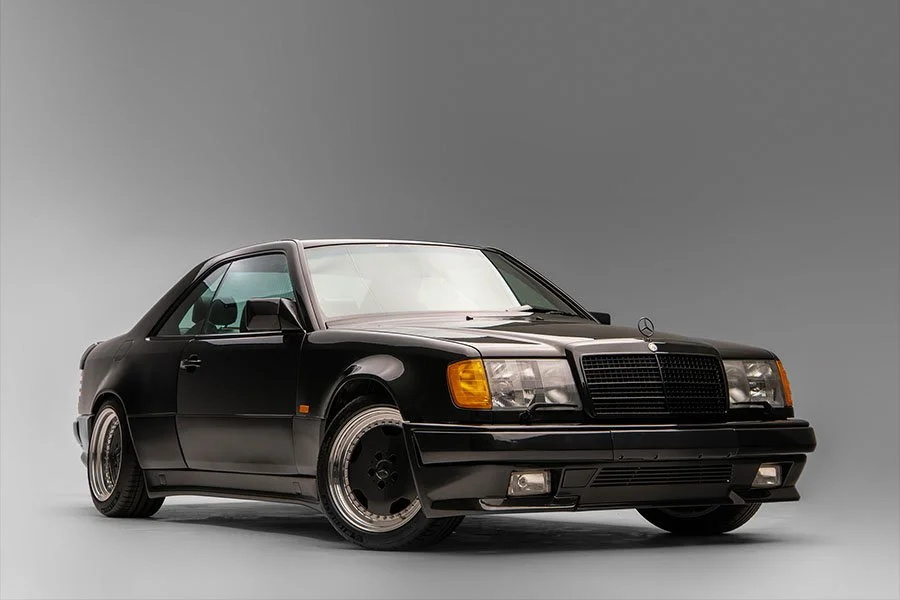
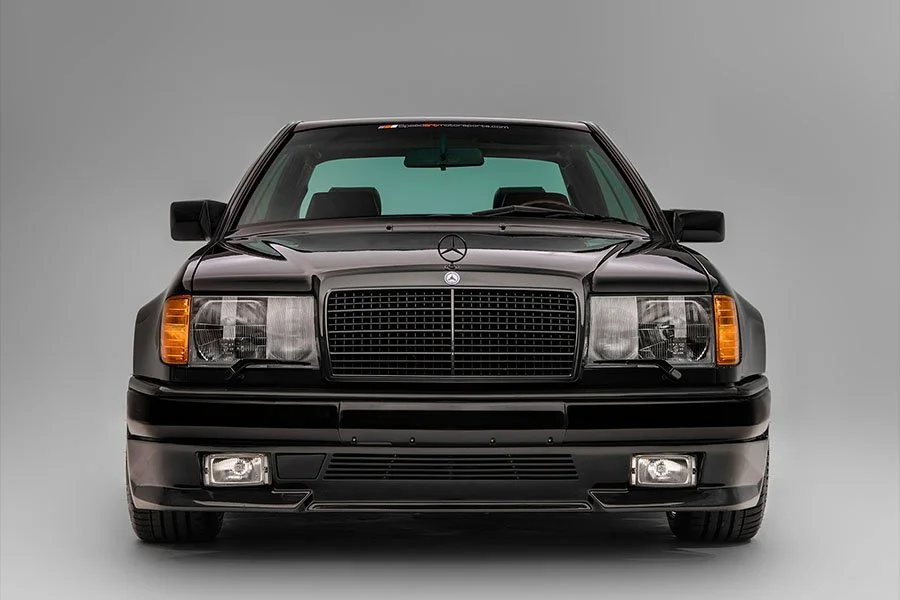
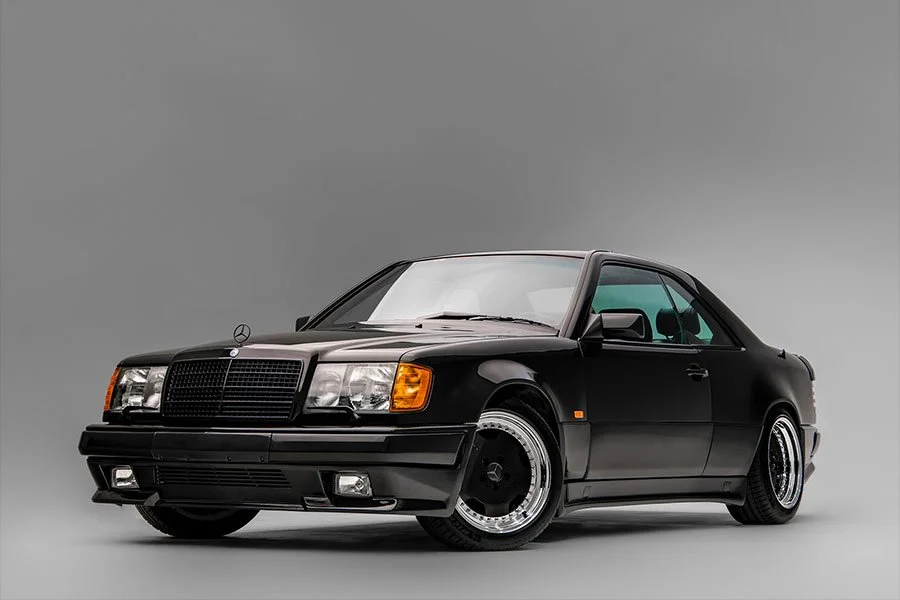
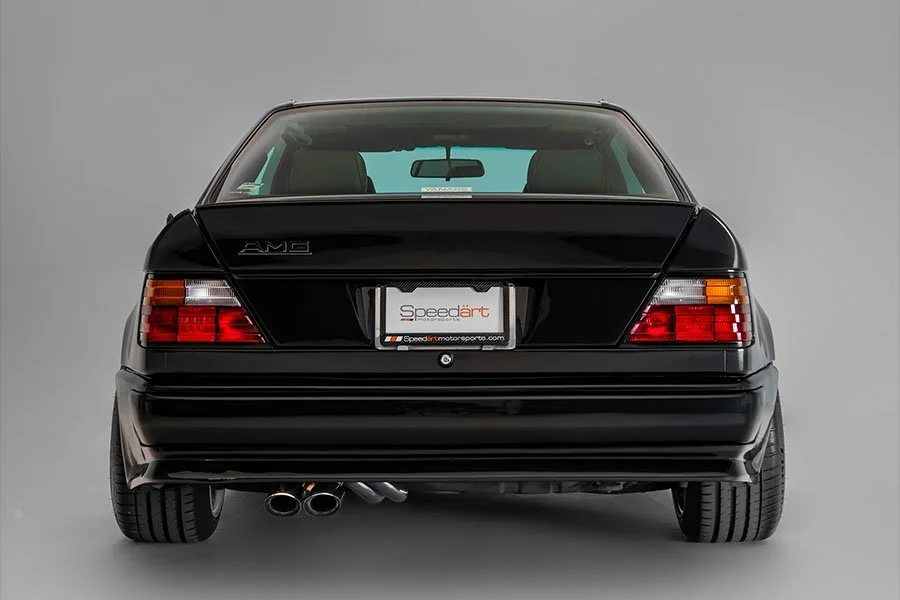
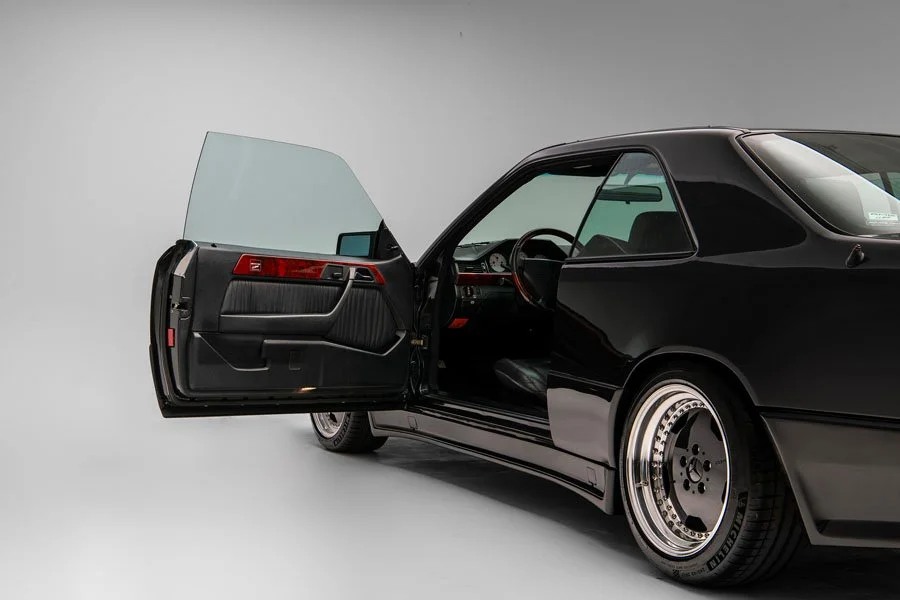
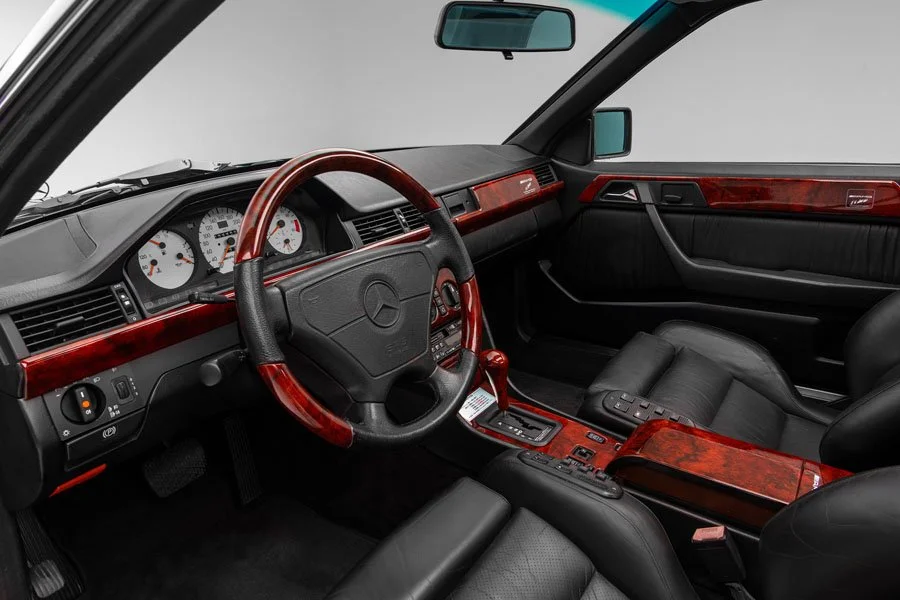
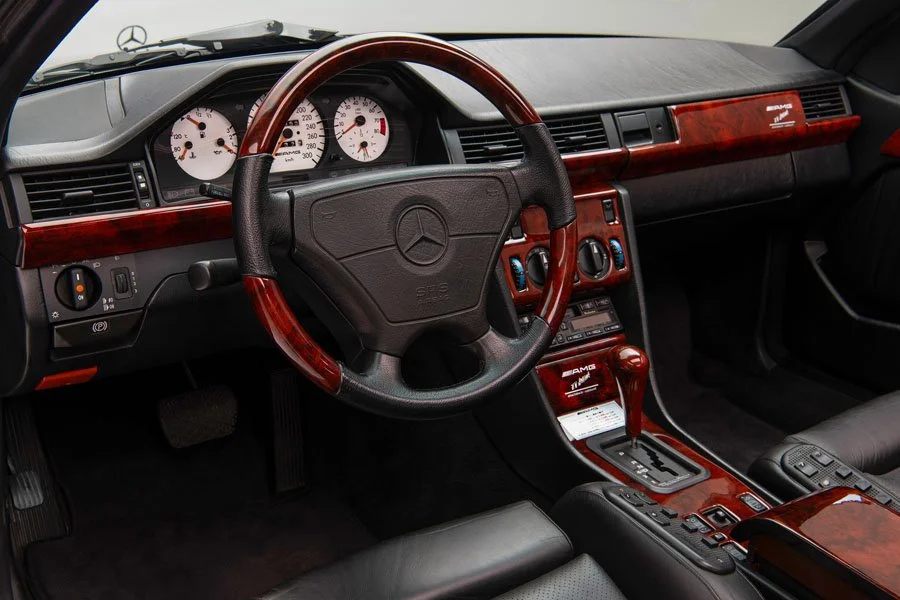
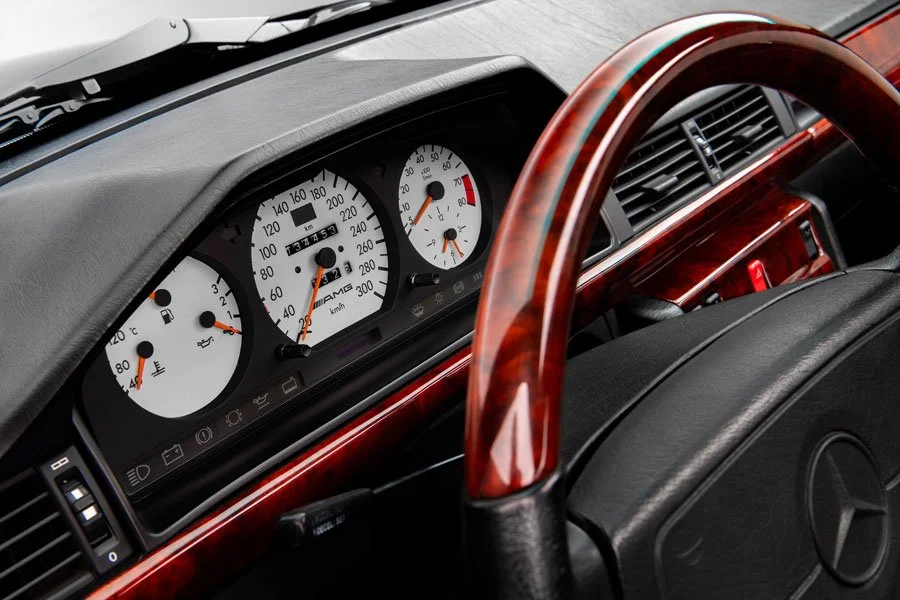
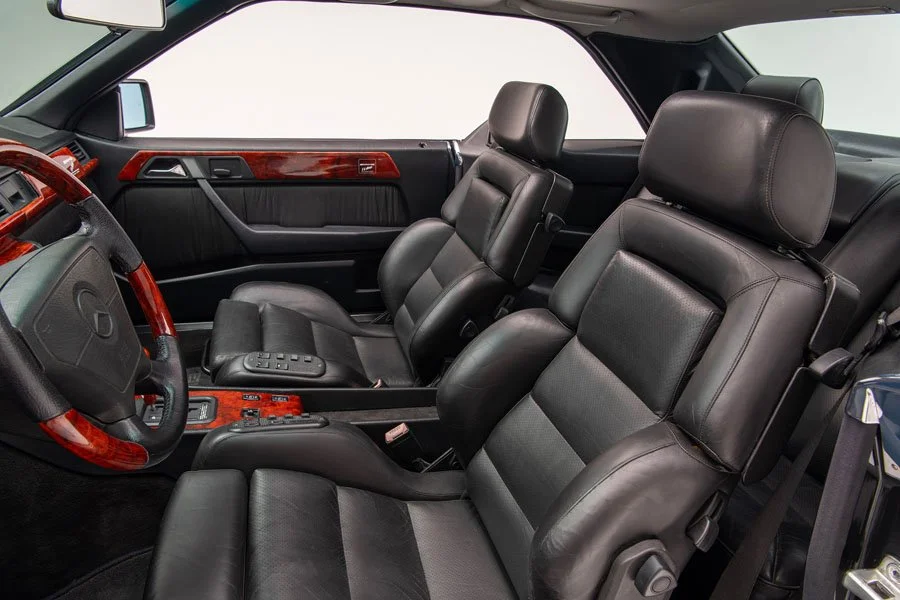
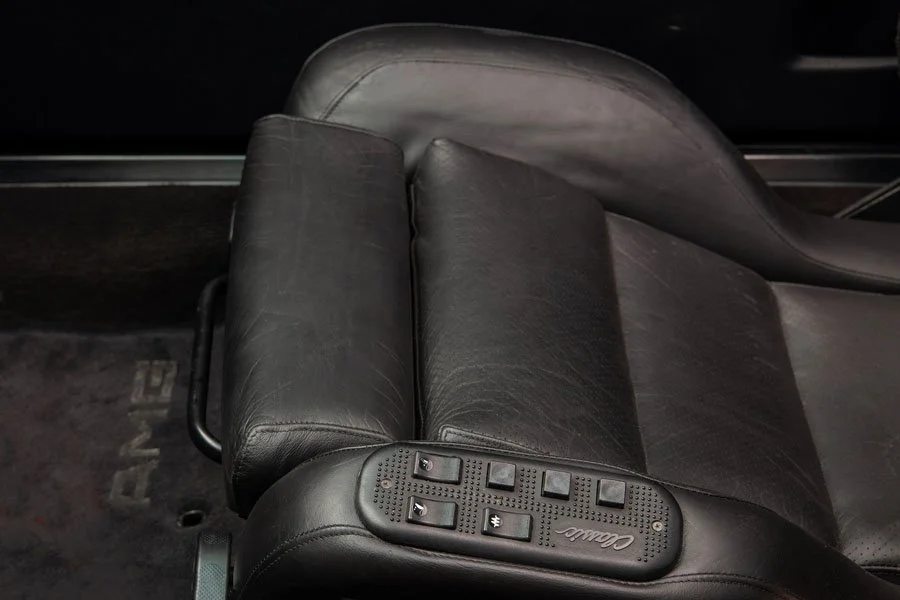
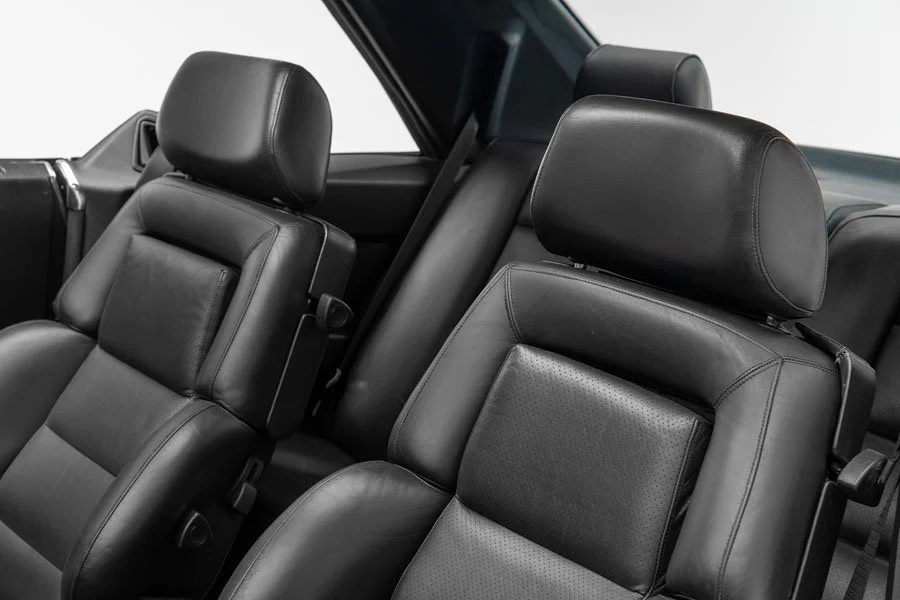
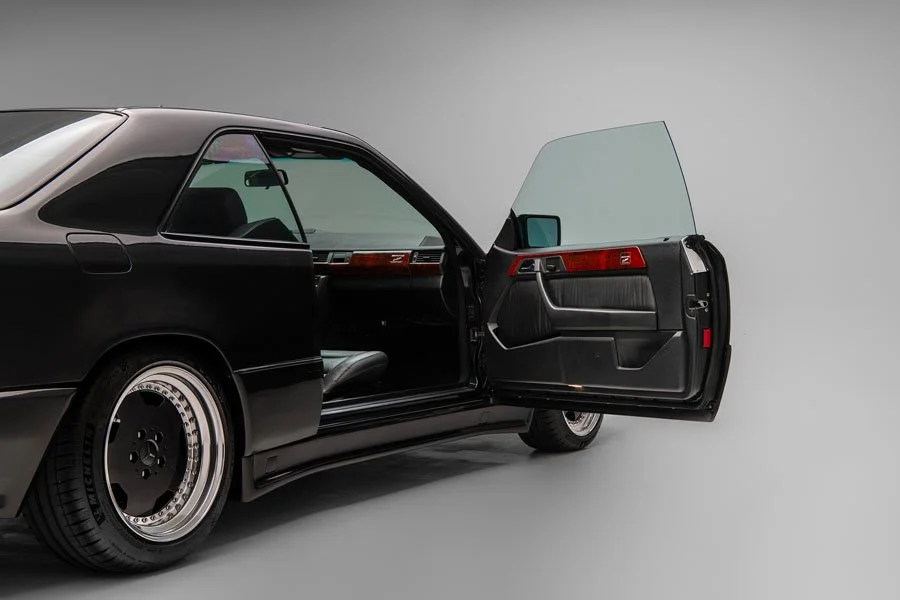
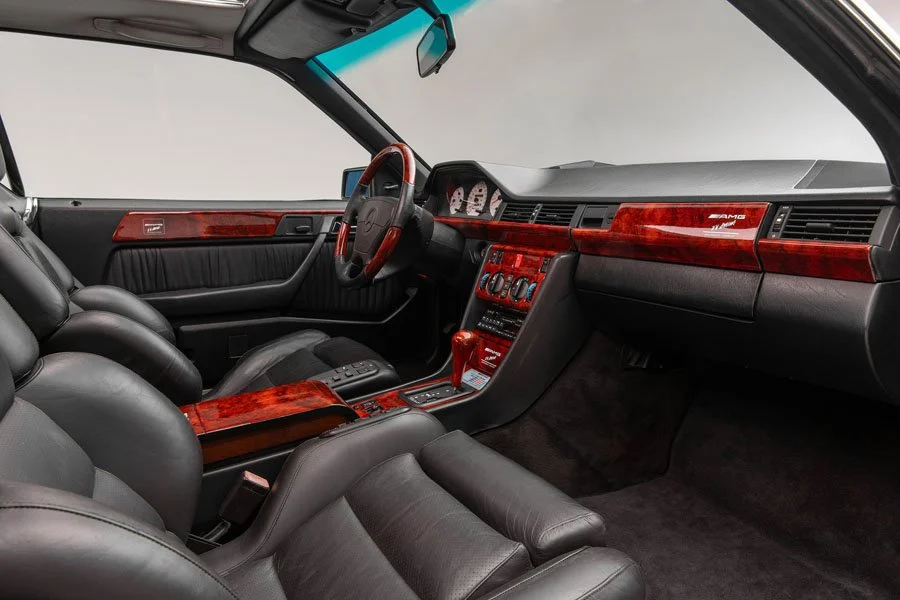
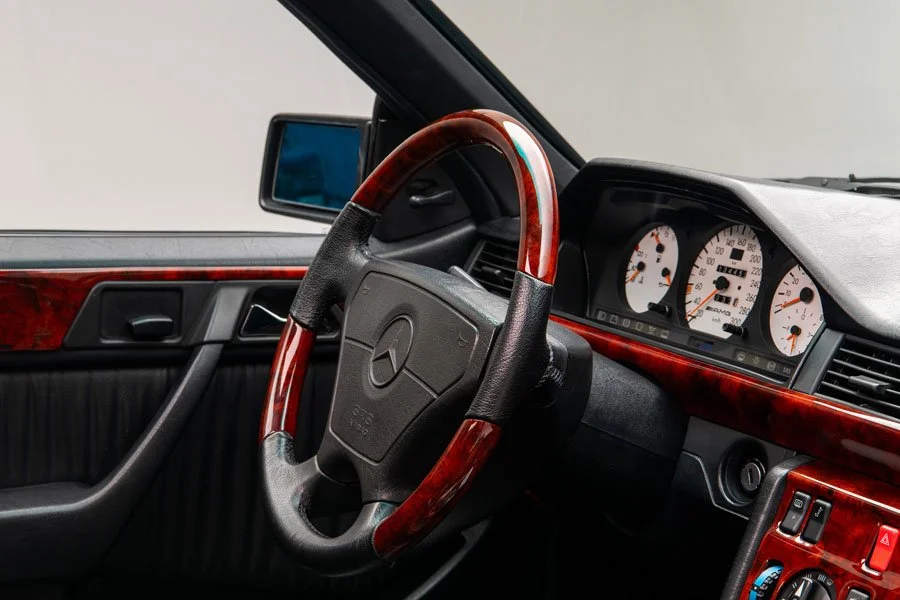
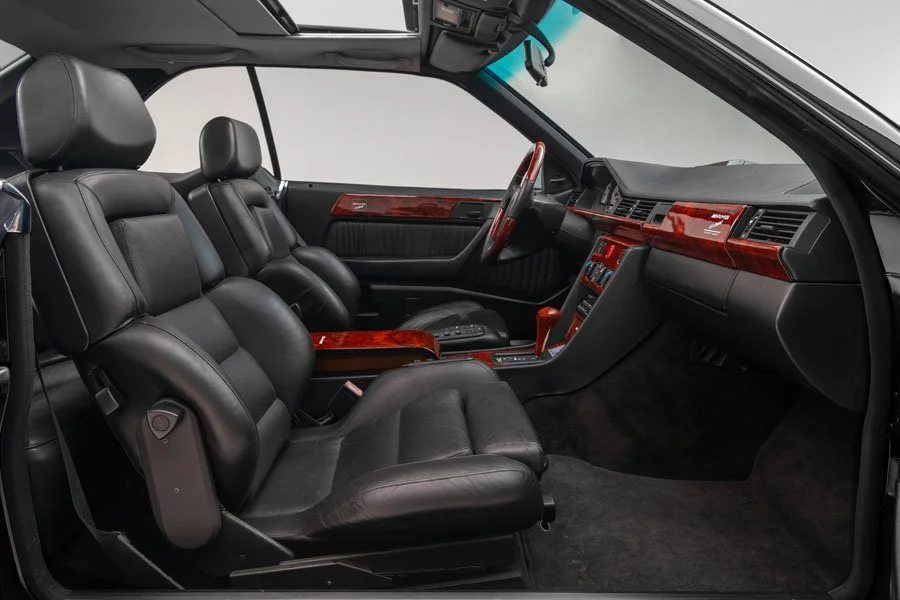
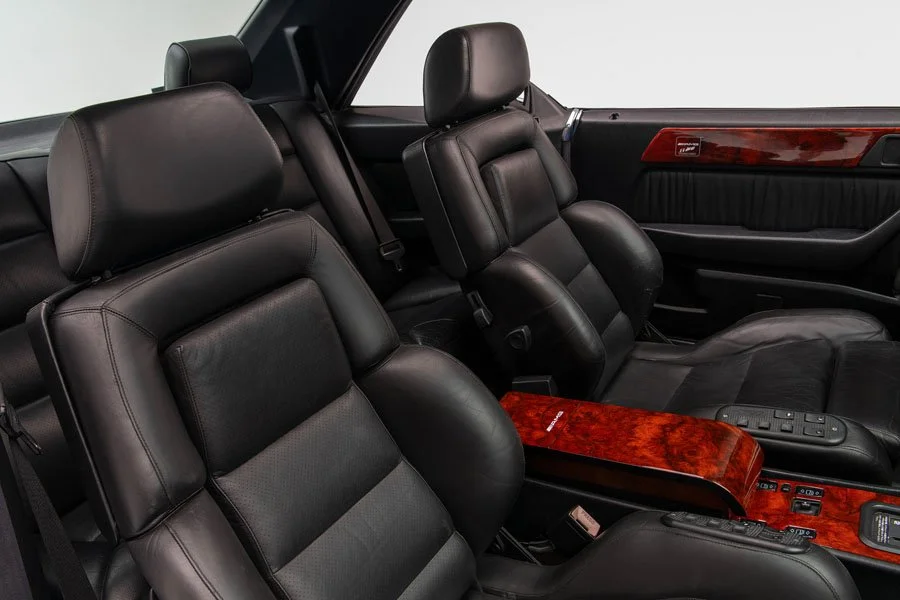
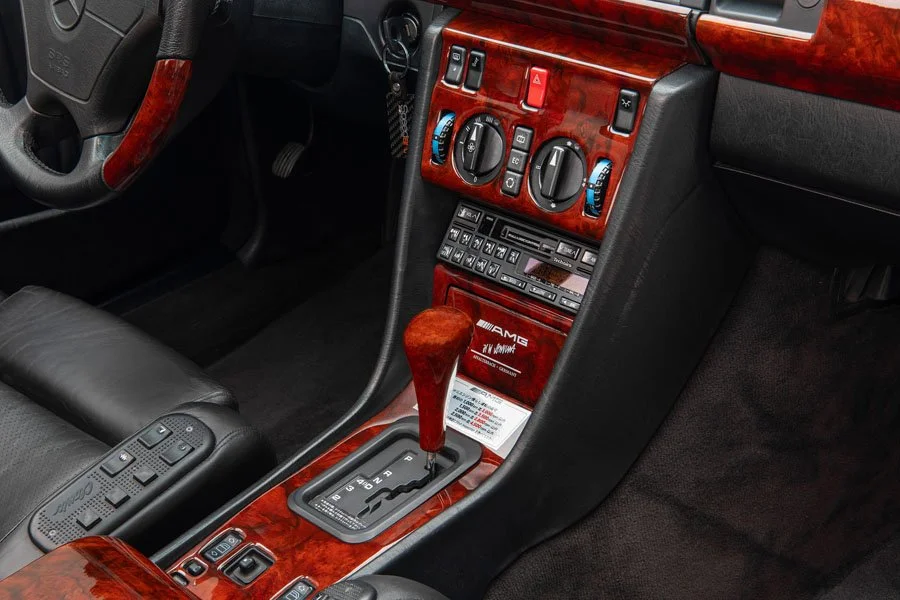
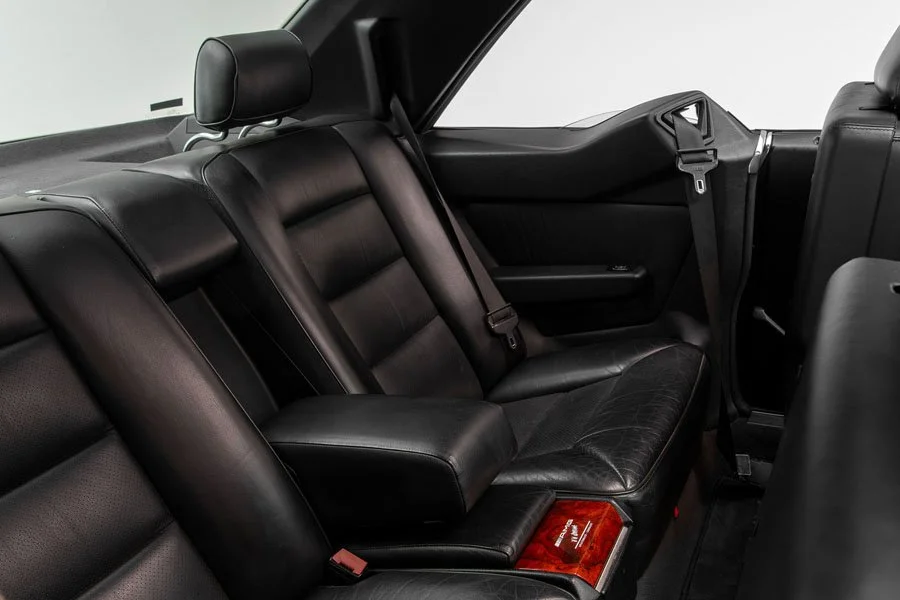
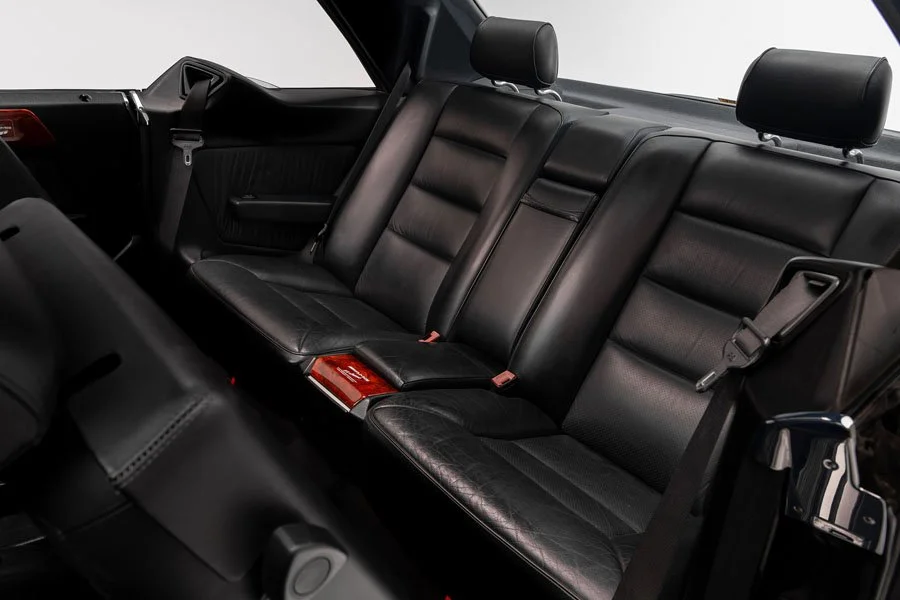
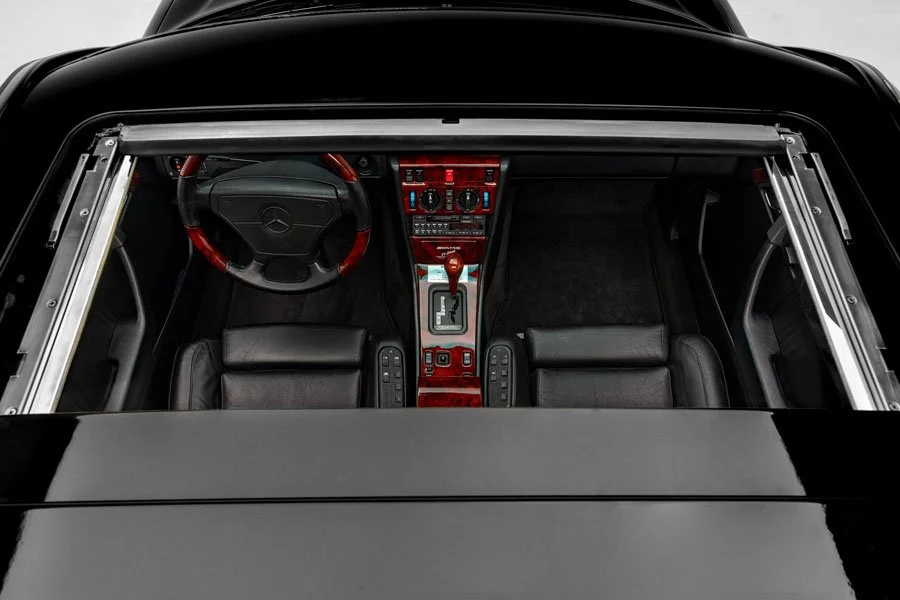
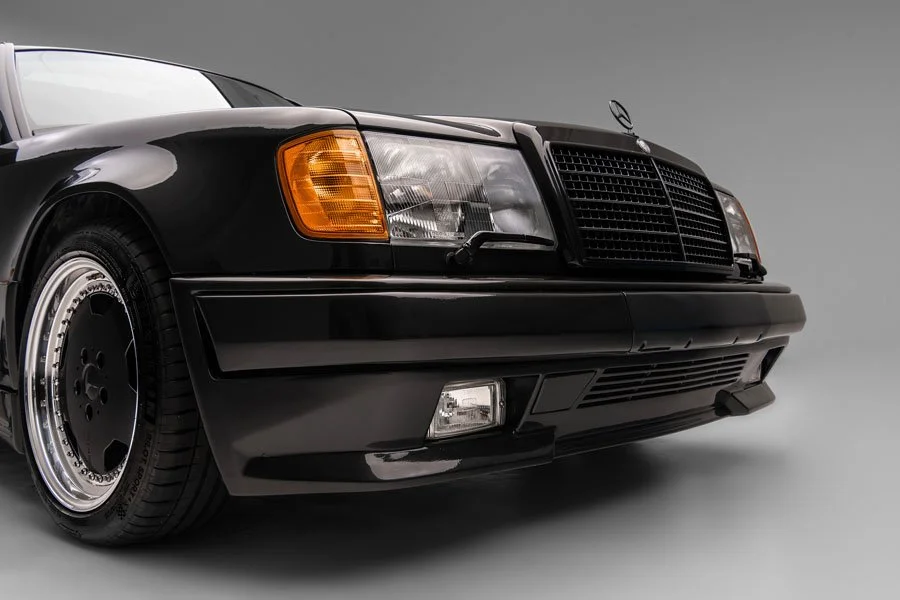
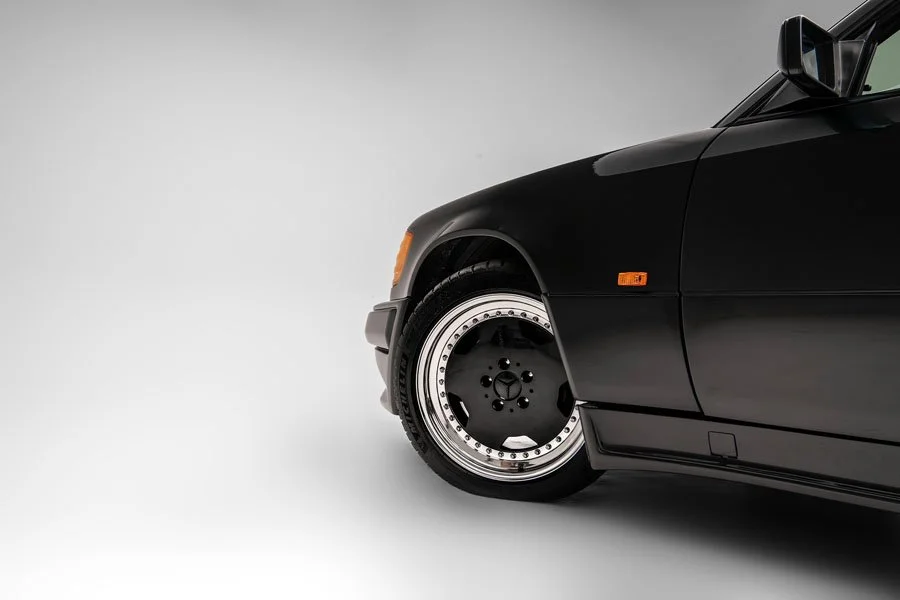
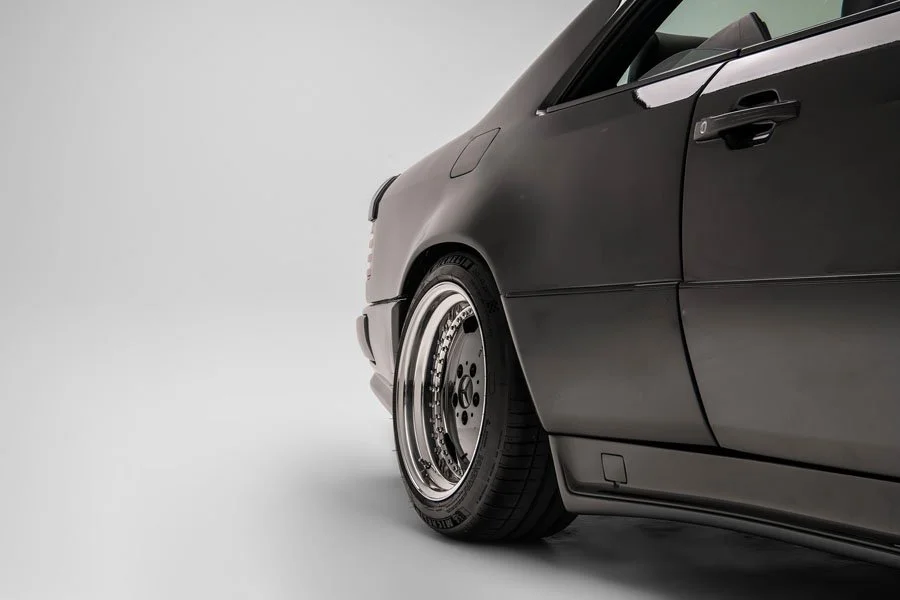
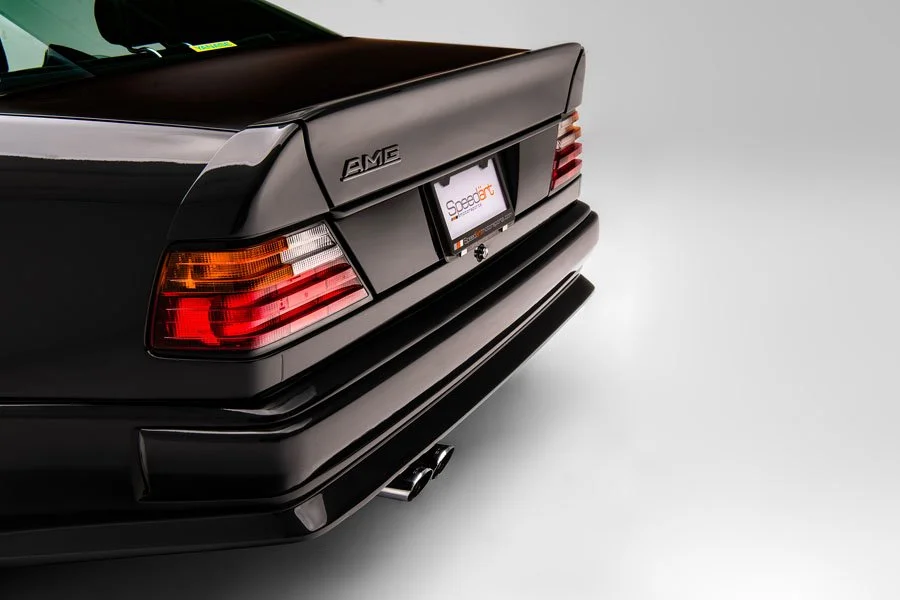
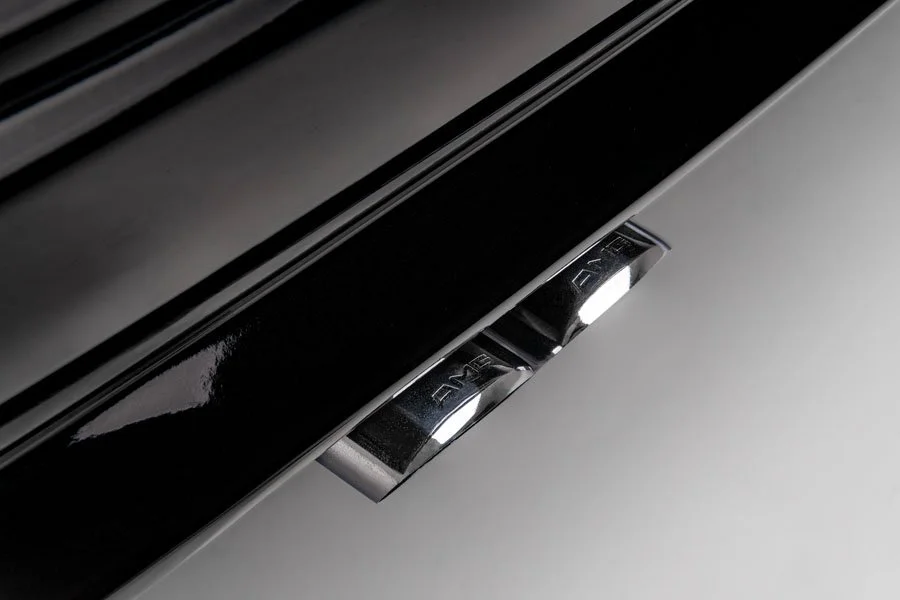
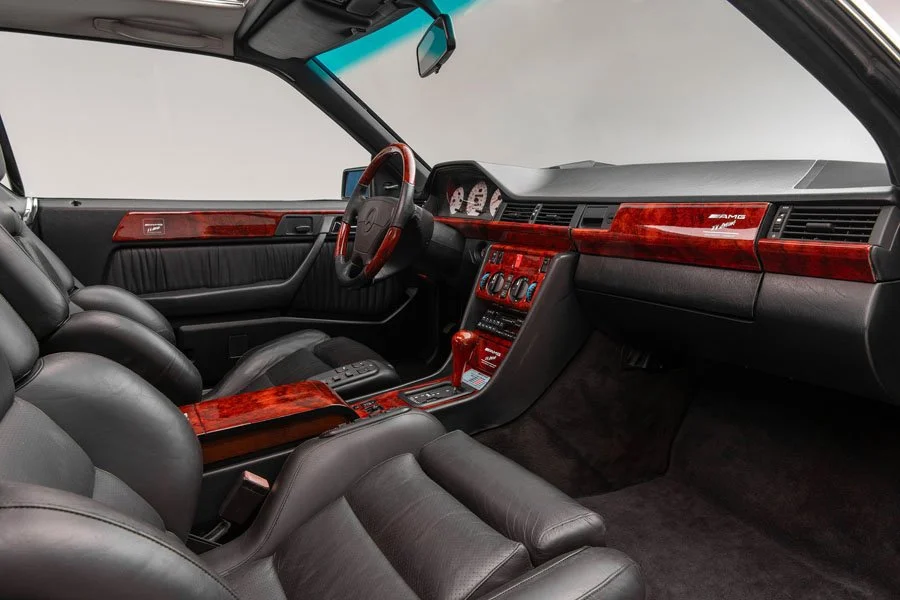
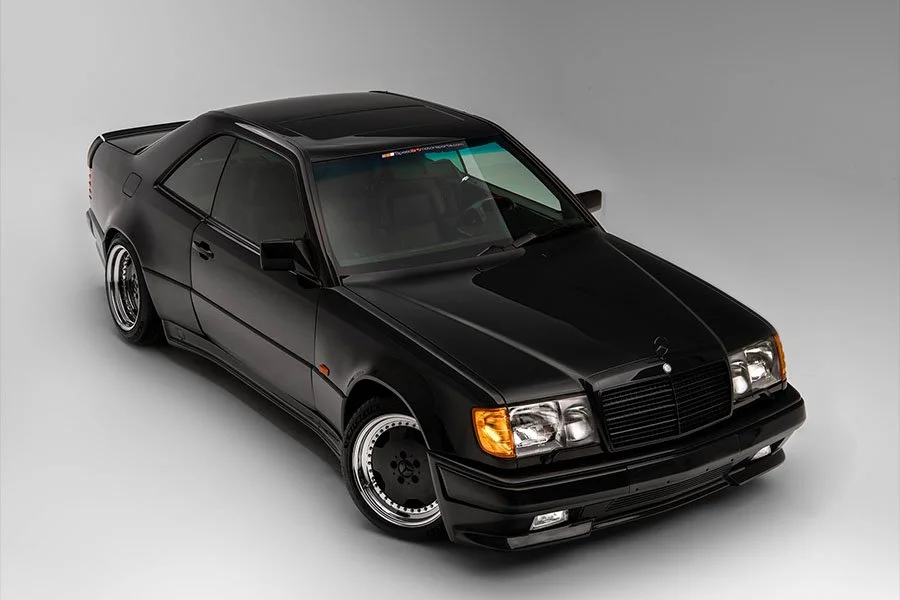
Tuned to produce 272bhp (which represented a circa 100bhp gain over stock), the much-modified engine was combined with an array of further upgrades that resulted in each car costing more than double that of its donor. Chassis enhancements included custom springs and dampers that firmed things up and dropped the ride height. 17-inch split rim wheels were also fitted along with AMG’s trademark body kit, subtly flared arches, a 300kmh / 200mph speedometer and AMG steering wheel. Beyond that, extra customisation could be carried out with AMG offering a full widebody conversion, Recaro front seats, special wood finishes, white-faced dials and high end in-car electronics.
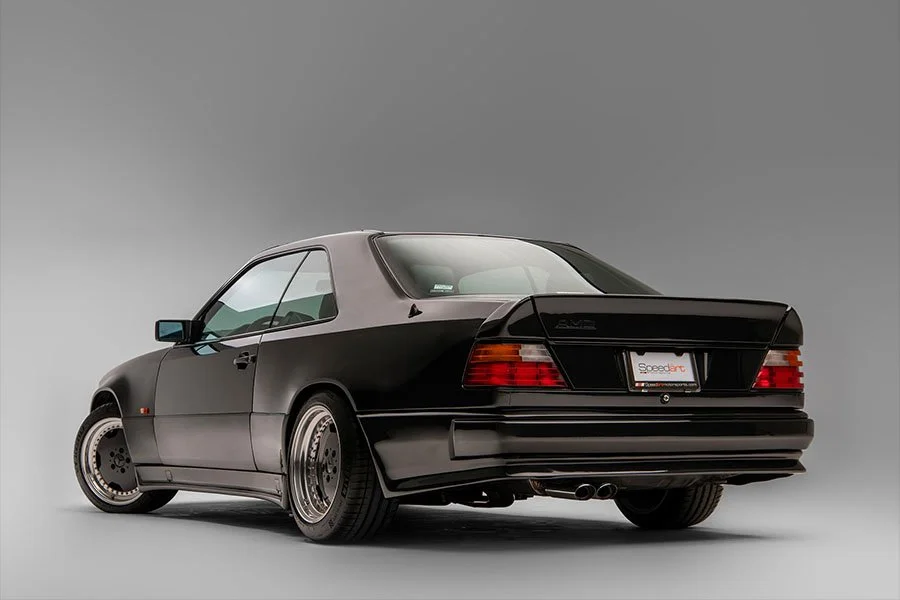
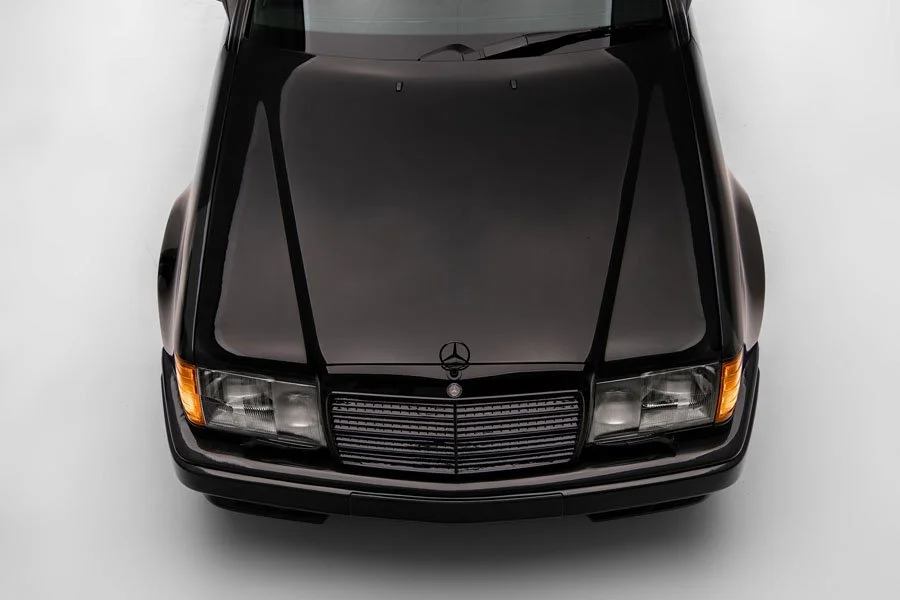
Understandably, very few 3.4-litre W124s ever emerged with practically everything AMG offered, however, just such a car is currently residing at the Speedart Motorsports showroom in Miami.
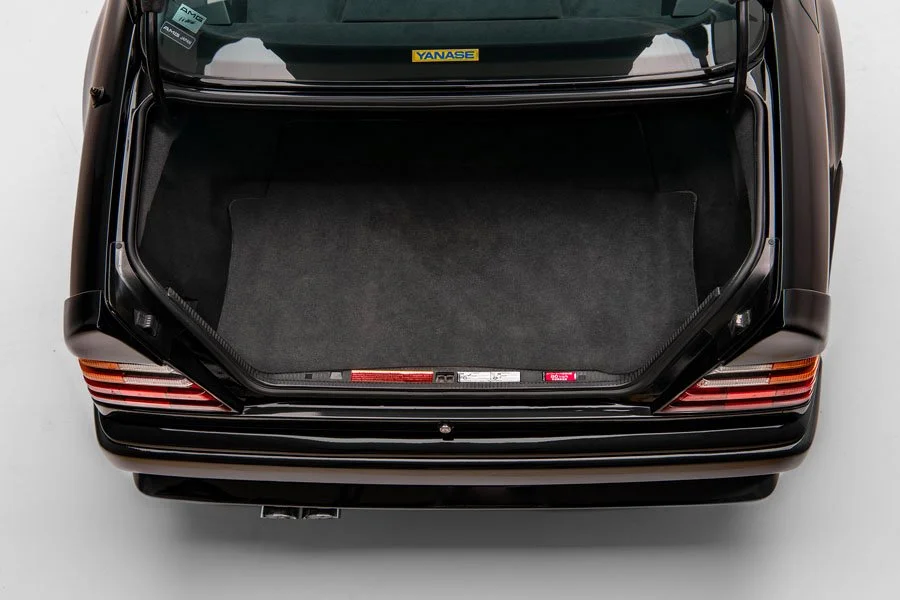
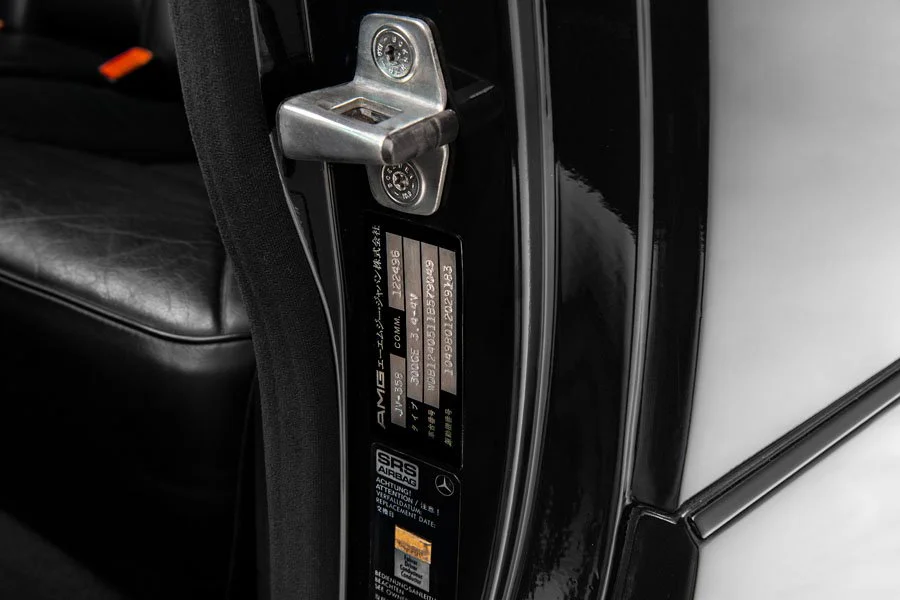
Chassis WDB1240511B579049 was converted by Yanase-run AMG Japan which had been established in 1987 to build complete cars with parts supplied from AMG’s headquarters in Affalterbach.
According to Speedart Motorsports: “Following its Mercedes-Benz production, documented AMG conversion, and processing through AMG Japan, the automobile entered Japanese registration in March 1992. The surviving government registration history records its first Japanese registration on March 31st 1992 under the regional registration number: Fukuoka 33 つ 5941. The registered owner was Yanase Co., Ltd. in Tokyo and the registered user was Hayashi Co., Ltd. in Fukuoka City.”
“This is a particularly revealing first entry. Yanase’s position as legal owner, with a corporate entity in Fukuoka recorded as the user, is consistent with a dealer-arranged or financed delivery to a corporate client. It establishes the car’s initial placement through the official Japanese Mercedes-Benz and AMG distribution environment rather than through a later private or parallel-market import.
The registration archive indicates that the automobile remained under its original arrangement for approximately seven years. That duration is meaningful. Rather than being quickly traded as an exotic novelty, the car appears to have remained in stable corporate use from its initial registration in March 1992 until its first recorded transfer in June 1999.”
“The period coincided with the collapse of Japan’s Bubble Economy and the severe adjustment that followed. Many expensive imported cars entered the used market during these years, yet this AMG appears to have remained with its initial custodian through much of the decade. Its survival in documented condition through that economic transition is an important part of its history.”
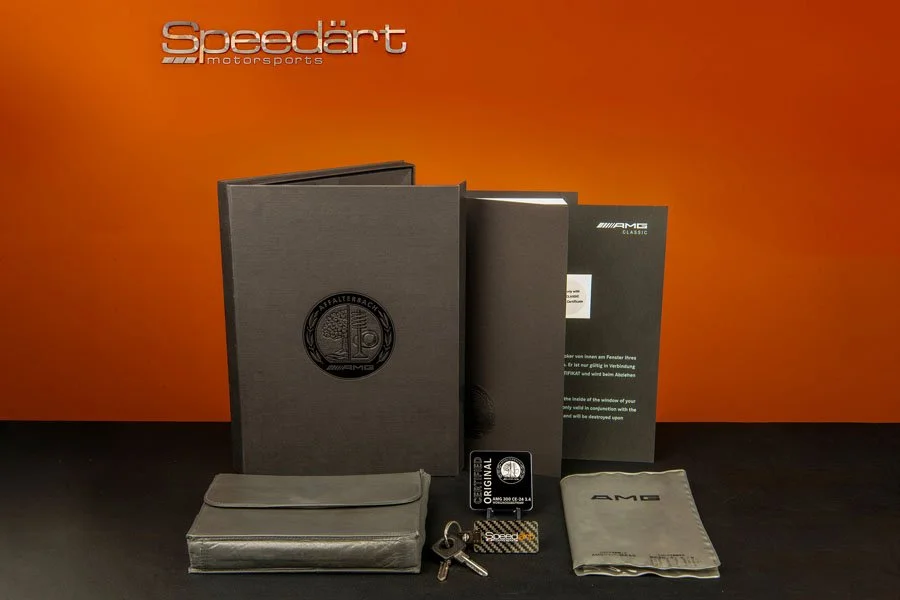
Chassis ‘579049’ remained in Japan until March 2026, by which point it had passed through the hands of four subsequent custodians. In February 2026, the car was issued Mercedes-AMG GmbH’s Homologation and Certification which was followed in April 2026 by AMG Classic’s Conversion Confirmation.
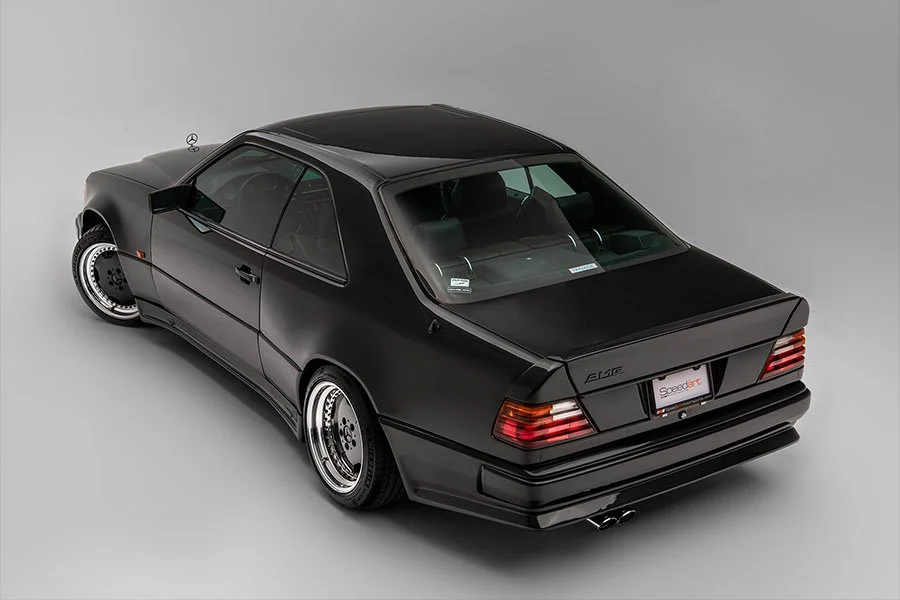
Since its arrival in the United States, chassis ‘579049’ has undergone an extensive recommissioning by marque specialist 1st Avenue European of San Diego, California. Today, the car has covered a little over 134,000km and looks to be in splendid condition throughout.
For more information visit the Speedart Motorsports website at: https://speedartmotorsports.com/
In addition to the widely publicised V8-engined Hammer, AMG produced a lesser known and somewhat more refined Mercedes W124 E-class that came with an enlarged 3.4-litre version of the…
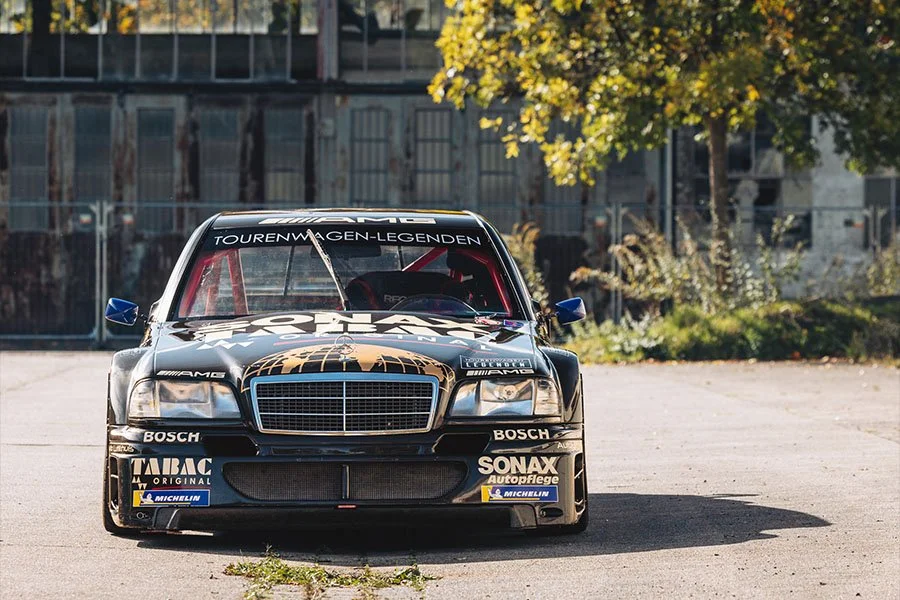
The 1995 DTM and concurrent ITC series were three-way factory battles between Mercedes-Benz (with its W202-based C-class), Alfa Romeo (with the spectacular 155 V6 Ti) and Opel (Calibra V6 4x4).
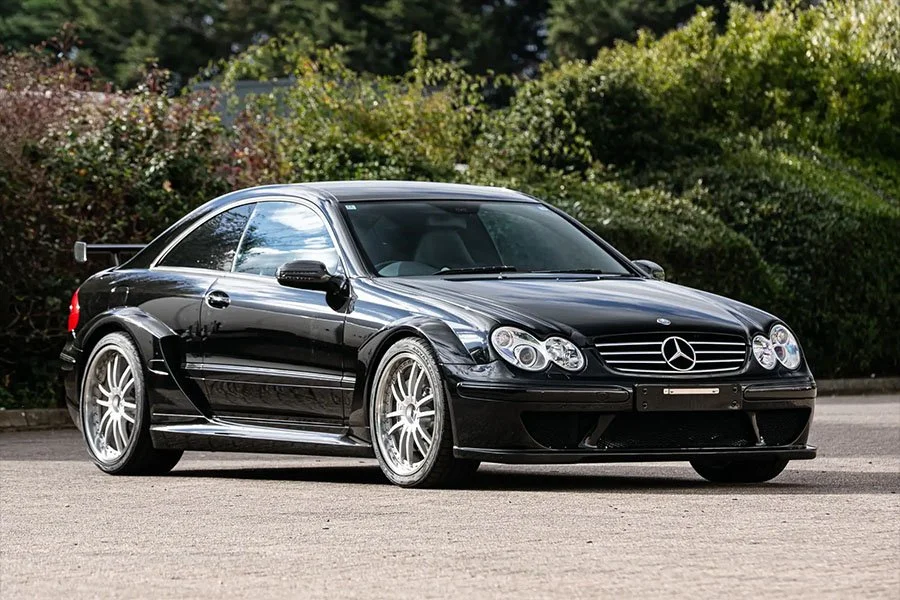
To celebrate Bernd Scneider’s 2003 DTM Drivers’ title and back-to-back Team Championships for the second generation CLK in the Deutsche Tourenwagen Masters, Mercedes-Benz cooked…
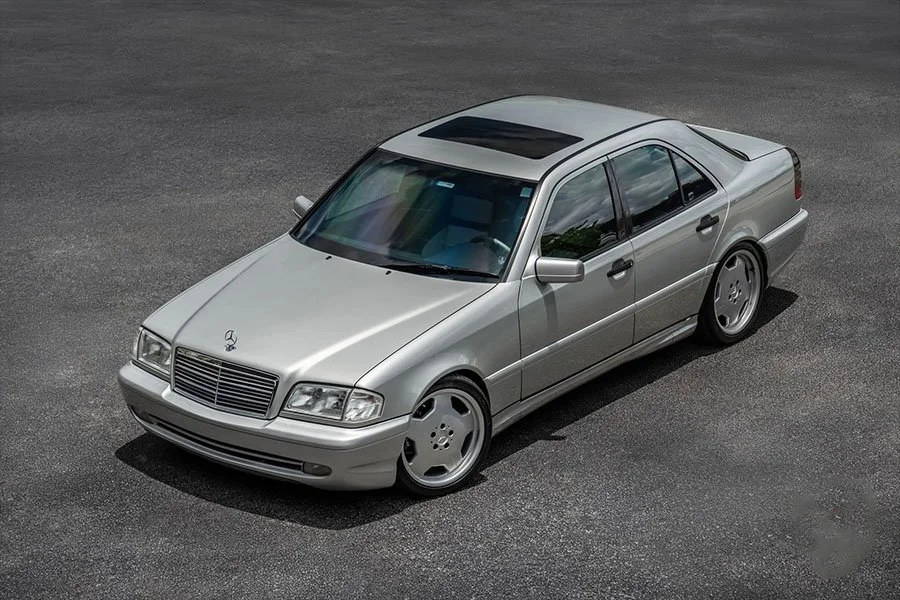
Four years after the straight six-powered C-class-based C 36 AMG was launched, Mercedes-Benz replaced it with the V8-engined C 43. A second body style was introduced at the same time; from…
Unfortunately, the return of Mercedes-Benz to top flight motor racing was cut short by the infamous events at Le Mans in 1955 when the 300 SLR of Pierre Levegh barrel rolled into a crowd. Levegh and…
Although Mercedes’ second generation SL was not a direct replacement for the W198, the new W113 began a line of supremely elegant open top boulevard cruisers that offered unmatched…
The six-round 1955 World Sportscar Championship comprised endurance events in Argentina, the USA, France, Great Britain and a brace of Italian road races. Mercedes were to participate from…
Following a 13 year absence, Mercedes-Benz returned to motor racing in 1952 with the W194 300 SL. A three-litre straight six-powered Sports Prototype, the W194 proved an enormous success…
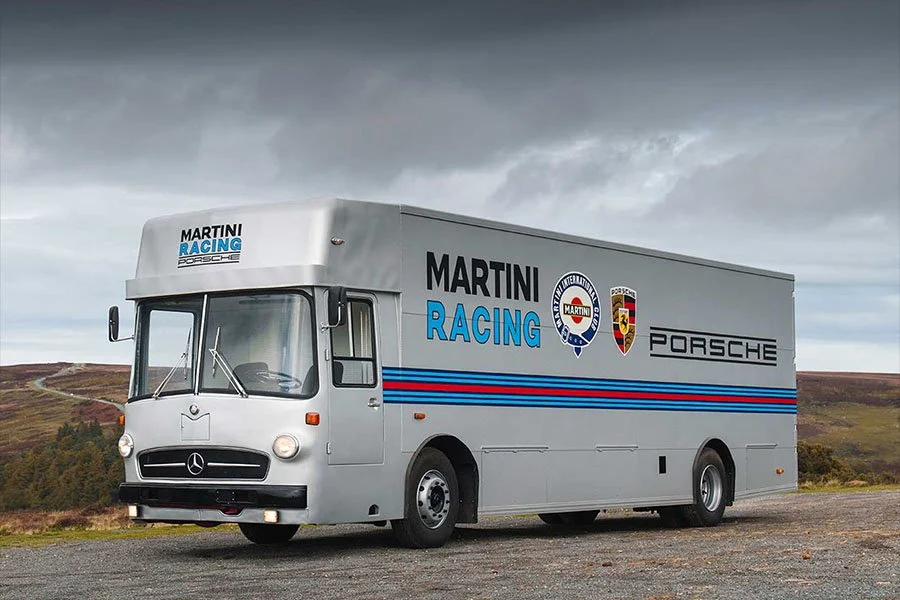
Between 1967 and 1969, Porsche commissioned three transporters from Mercedes-Benz based on the O317 platform. During the years that followed, this handsome trio traversed Europe, initially…
After Mercedes’ collaboration with its F1 engine partner McLaren yielded the commercially disappointing SLR, the German firm elected to produce its next flagship sports car entirely in-house.
Having plumbed a 5.6-litre dual overhead cam 32 valve V8 into the W124 E-class in 1986, AMG went on to offer an even more epic 6-litre 385bhp version from 1987. Thanks to their status as the fastest…
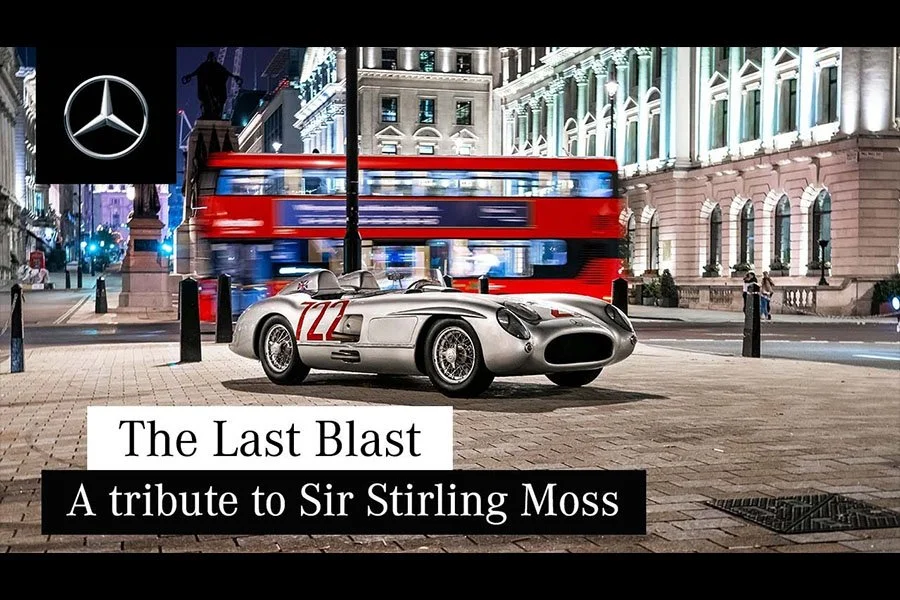
Farewell to a legend: “The Last Blast” follows the unparalleled drive of the famous Mercedes-Benz 300 SLR “722” in a London tribute to Sir Stirling Moss.
Chassis 040.5500758 was the 300 SL Gullwing famously entered by Mercedes-Benz for the 1955 Mille Miglia which took place over the weekend of April 30th and May 1st. Although an aluminium…
Although by the time Mercedes decided to support a DTM programme the 190 E 2.3-16 was up against much newer machinery (chiefly BMW’s E30 M3), the firm’s compact class W201 ultimately…
Having already collaborated on a small series of existing models, the first Mercedes-Benz conceived at the pre-production stage with AMG emerged at the Frankfurt Motor Show in September 1993.
Chassis 198.040.5500840 was the second of four W198 300 SLs purchased by renowned race team owner, Rob Walker. A White aluminium-bodied example riding on Rudge wheels, this latest machine…
At Artcurial’s sale in Paris on January 27th, one of the most fascinating 300 SL Gullwings we have encountered will be going under the hammer: chassis 198.040.6500019. Ordered through the…
After World War 2, Mercedes-Benz initially got itself back on a sound financial footing with a range of superbly crafted but largely unexciting models. Initially, a re-entry to the world of motor racing was…
In addition to a productionised version of the 300 SL raced to victory at the 1952 Le Mans 24 Hours and Carrera Panamericana, Mercedes’ recently appointed distributor for the United States, Max…
At the Frankfurt Motor Show in September 1963, Mercedes-Benz launched its new super high end 600. Conceived to rival anything Rolls-Royce or Bentley had to offer, the 600 (model code W100)…
Considering its substantial price and seemingly limited market, the fact that Mercedes managed to sell 1400 examples of the W198 300 SL Gullwing between 1954 and ‘57 remains truly remarkable.
Had sales of the base SLR met expectations, it’s doubtful whether Mercedes would have produced the wild Stirling Moss edition which, with its lack of roof, windscreen and other basic amenities, was…
Having created arguably the greatest super sports car of its day with the W198 300 SL Gullwing, Mercedes-Benz went on to sweat the Sport Leicht moniker with a line of luxurious boulevard cruisers…
In terms of the hottest brand new car available in the final months of the 1987-1990 collector car boom, it’s hard to argue against the wild Mercedes-Benz 190 E 2.5-16 in Evolution 2 trim. Built right at…
Having quit circuit racing in 1955 following the infamous tragedy at that year’s Le Mans 24 Hours, the late 1980s saw Mercedes-Benz return with a top flight Sports car programme and an attack on…
Although the Mercedes-Benz 190 E went on to achieve great things in DTM during its twilight years, perhaps the most famous event contested by the model was a one-off twelve lap race…
When Mercedes unveiled their Gullwing-doored 300 SL at the New York Motor Show in February 1954, wealthy buyers from all four corners of the globe were suddenly able to go and order a…
Completed on September 24th 1954, chassis 4500012 was ordered by Mercedes-Benz to serve as a ‘Standwagen’ or show car. Accordingly, it was configured in trademark Silver Grey Metallic paint…
Unveiled at the New York Motor Show in April 2007, the CLK63 AMG Black Series was Mercedes’ second iteration of its Black Series line. Conceived as a street legal version of the official Safety Car…
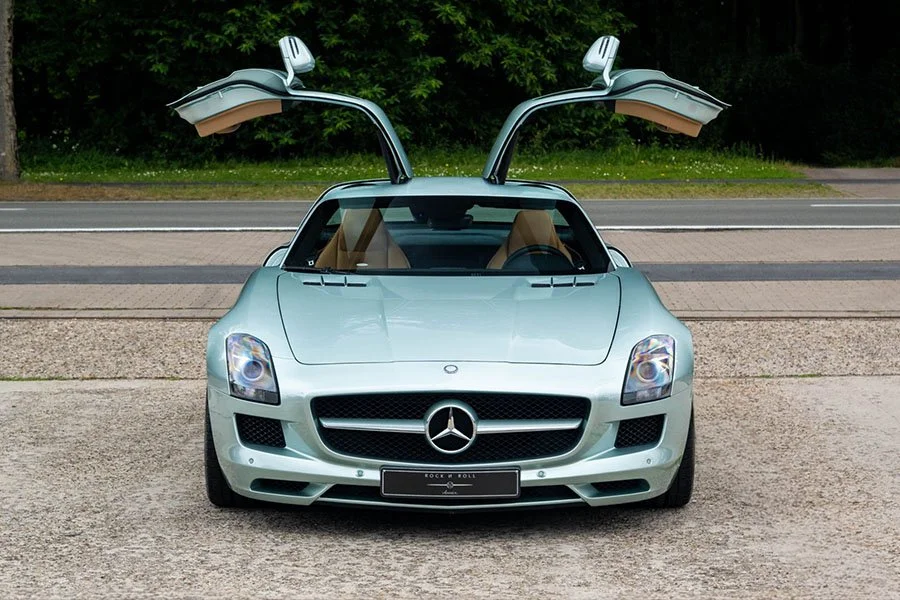
After an agonising 55 year wait during which various prototypes of potential successors emerged that never made it into production, Mercedes-Benz finally unveiled an heir to its legendary W198 300…