VIN: the works / Ricardo Grandio Maserati A6 GCS Series 2 chassis 2078
/ Ben Tyer
HISTORY OF CHASSIS 2078
Chassis 2078 was a Series 2 Maserati A6 GCS with Spyder coachwork by Fiandri & Malagoli. It was built up as a works car for the 1954 season, during which it was allocated to Luigi Musso who drove it to seven under two-litre class wins.
The first of these victories came at the Giro di Sicilia, a 1088km single lap of Sicily on April 4th. On that occasion, Musso was navigated by O. Donatelli and 2078 finished fourth overall.
The car’s next outing was at the Mille Miglia which was round three of the 1954 World Sportscar Championship. Musso and his navigator, Augusto Zocco, completed the 1000 mile loop from Brescia, down to Rome and back again, in twelve hours flat. 2078 finished third overall and, remarkably, was just nine seconds behind the works Ferrari 500 Mondial of Vittorio Marzotto that took the runner up spot.
From mid-May to Mid-August, Musso and 2078 racked up half-a-dozen class wins in Italian road races to include the Napoli GP, Targa Florio, Giro dell’Umbria, Circuito di Caserta, Giro delle Calabria and Circuito di Senigallia.
Perhaps the finest of these performances was at the Targa Florio where Musso finished second overall behind outright winner, Piero Taruffi, in a Lancia D24.
Thanks to his stellar form behind the wheel of the little red Maserati, Musso was crowned the 1954 under two-litre Italian champion.
His final outing in 2078 came at the penultimate World Sportscar Championship event of the year: the Dundrod Tourist Trophy in Northern Ireland. Co-driven by Sergio Mantovani, Musso finished the 1050km event in fifth overall to secure yet another class win.
During February 1955, Maserati sold chassis 2078 to amateur racing driver, Ricardo Grandio in Buenos Aires.
Grandio’s first outing with the car was at the Buenos Aires 1000km World Sportscar Championship race on January 23rd 1955 where he was co-driven by Jose Faraoni. Now painted black with a broad white centre stripe, 2078 appeared under a Equipo Presidente Peron entry and finished third overall (first in the under three-litre category).
Grandio picked up several more good results during the rest of 1955 to include fifth overall and first in class at the Independenzia GP.
In 1956, 2078 was raced on just a handful of occasions. Afterwards, the Maserati was sold to local garage proprietor, Alberto Gomez.
The car then went through the hands of a couple more Argentine owners before being repatriated back to Italy in 1984. It has since been restored to 1954 trim.
Notable History
Officine Alfieri Maserati
04/04/1954 IND Giro di Sicilia (L. Musso / O. Donatelli) 4th oa, 1st S2.0 class (#336)
02/05/1954 WSC Mille Miglia (L. Musso / A. Zocca) 3rd oa, 2nd S2.0 class (#500)
16/05/1954 IND Napoli GP, Posillipo (L. Musso) 1st oa (#??)
30/05/1954 IND Targa Florio (L. Musso) 2nd oa, 1st S2.0 class (#60)
06/06/1954 IND Giro dell'Umbria (L. Musso) 2nd oa, 2nd S1.1+ class (#1621)
13/06/1954 IND Circuito di Caserta (L. Musso) 1st oa, 1st S1.1+ class (#??)
20/06/1954 IND Imola GP (L. Musso) 3rd oa, 3rd S2.0 class (#??)
04/07/1954 IND Cidonio GP, L’Aquila (L. Musso) ran (#??)
25/07/1954 IND Messina 10 Hours (L. Musso / G. Musso) DNF (#??)
02/08/1954 IND Giro delle Calabria (L. Musso) 3rd oa, 1st S2.0 class (#??)
08/08/1954 IND Circuito di Senigallia 2.0 Race (L. Musso) 1st oa, 1st S2.0 class (#??)
11/09/1954 WSC Dundrod Tourist Trophy (L.Musso / S. Mantovani) 5th oa, 1st S2.0 class (#57)
02/1955 sold to Ricardo Grandio, Buenos Aires
Re-painted Black & White
23/01/1955 WSC Buenos Aires 1000km (R. Grandio / J. Faraoni) 3rd oa, 1st S3.0 class (#30)
13/03/1955 ARG Buenos Aires (R. Grandio) ran (#??)
17/04/1955 ARG Buenos Aires (R. Grandio) 3rd oa, 1st 2.0 class (#??)
10/07/1955 IND Independenzia GP (R. Grandio) 5th oa, 1st 2.0 class (#??)
14/08/1955 ARG El Bosque, La Plata (R. Grandio) DNF (#??)
28/08/1955 ARG Buenos Aires (R. Grandio) 4th oa, 1st 2.0 class (#??)
04/12/1955 IND Kilometro Lanzado-Autopista Ezeiza (R. Grandio) 3rd oa (#??)
29/01/1956 WSC Buenos Aires 1000km (R. Grandio / A. Rodriguez-Larreta) DNF (#23)
06/06/1956 ARG Argentine 500 mile, Rafaele (R. Grandio) 3rd oa (#??)
Sold to Alberto Gomez, Buenos Aires
Early 1980s repatriated to Italy
Text copyright: Supercar Nostalgia
Photo copyright: Maserati - https://maserati.com
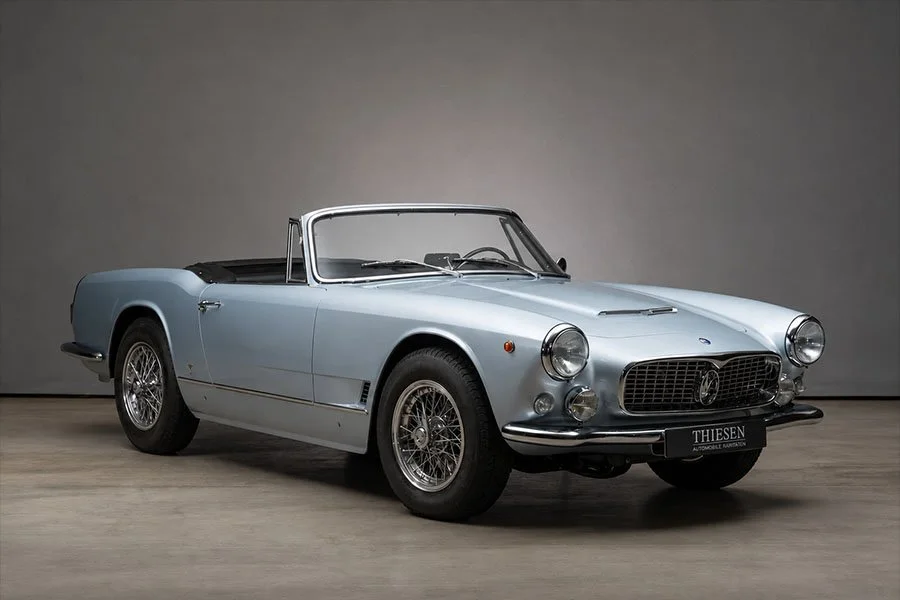
Prior to the 3500 GT’s arrival, Maserati’s road cars had been low volume coachbuilt specials manufactured in an insufficient number to cover the firm’s extensive racing activities. By contrast…
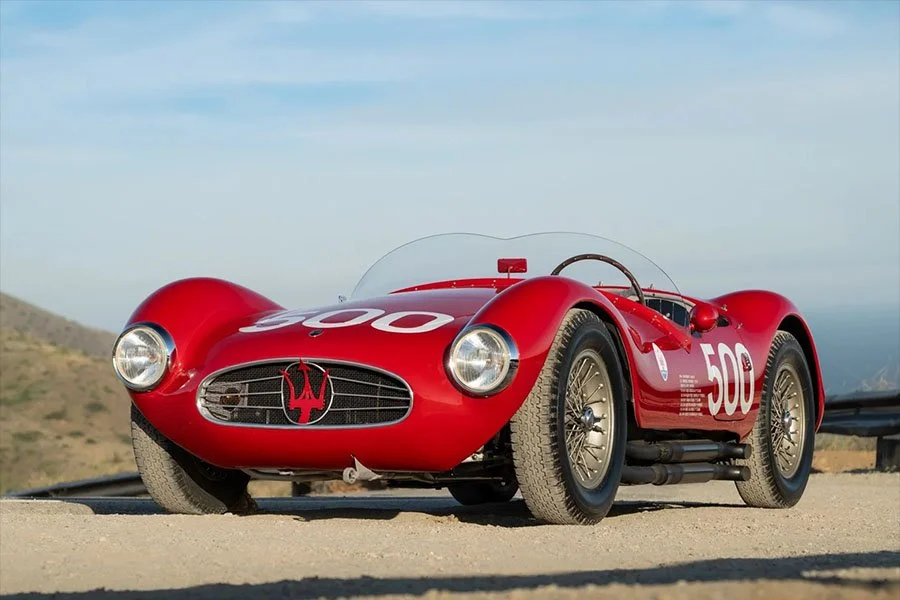
A litany of beautiful and successful Maserati sports racing cars were produced during the 1950s with among the most highly regarded having been the second generation A6 GCS of which 52…
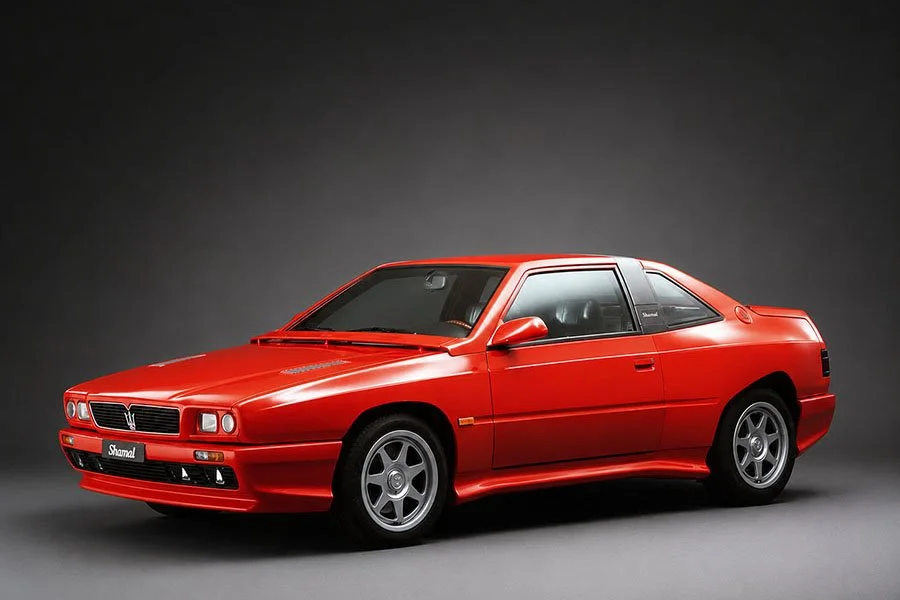
Conceived as a more affordable model that could sell in far greater numbers than Maseratis of the past, the Biturbo came to exemplify Alejandro de Tomaso’s time in charge of Il Tridente.
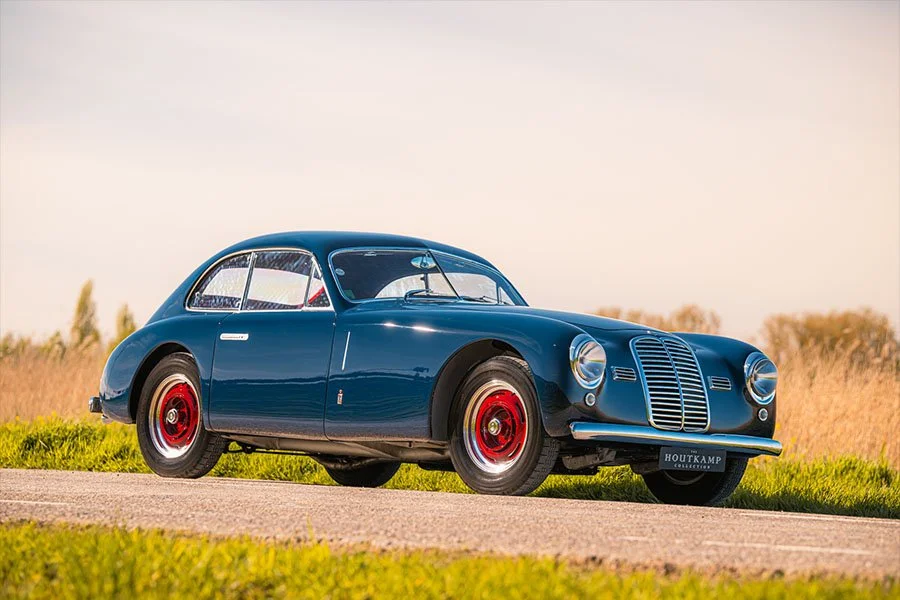
In an austere post-World War 2 environment, Maserati, which from 1947 came under total control of the Orsi family, had to get serious about building a potentially lucrative line of road cars. The firm had…

As the pre-eminent force in Wedge design, it was unsurprising that Maserati commissioned Bertone to style its front-engined Grand Tourer for the 1970s which came to be known as the Khamsin. Under…
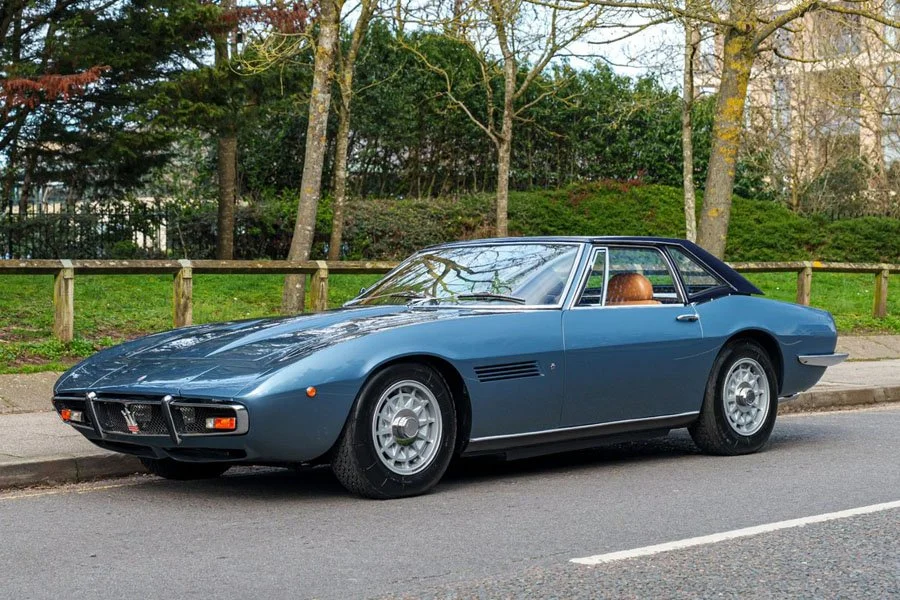
Around four years after Ghibli production had started, Maserati replaced the model’s original 4.7-litre V8 with a 4.9-litre unit thus creating the Ghibli SS. The SS engine engine was enlarged thanks a…
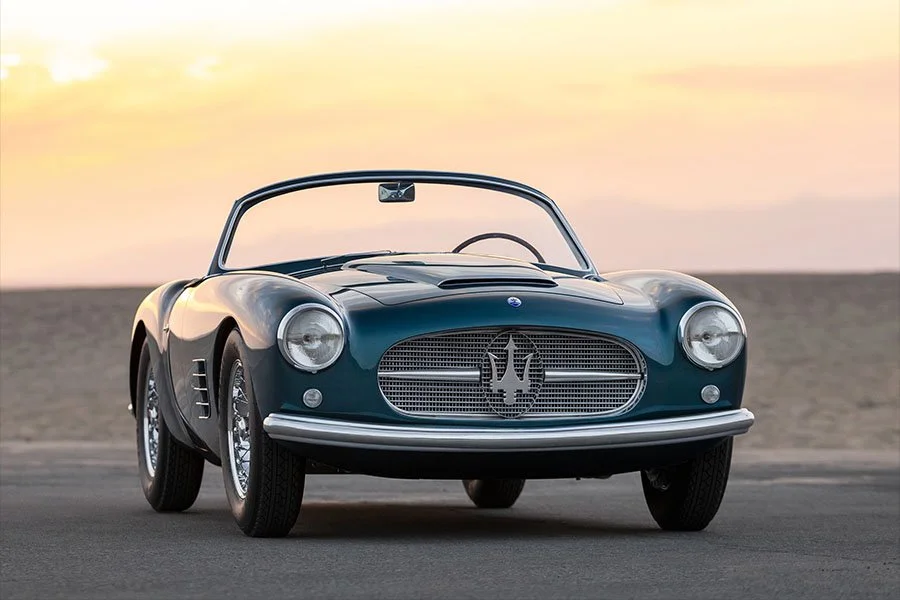
Since the Wedge era, Carozzeria Zagato has embraced a largely unconventional design language that frequently divides opinion. However, although the Milan coachbuilder has always demonstrated…
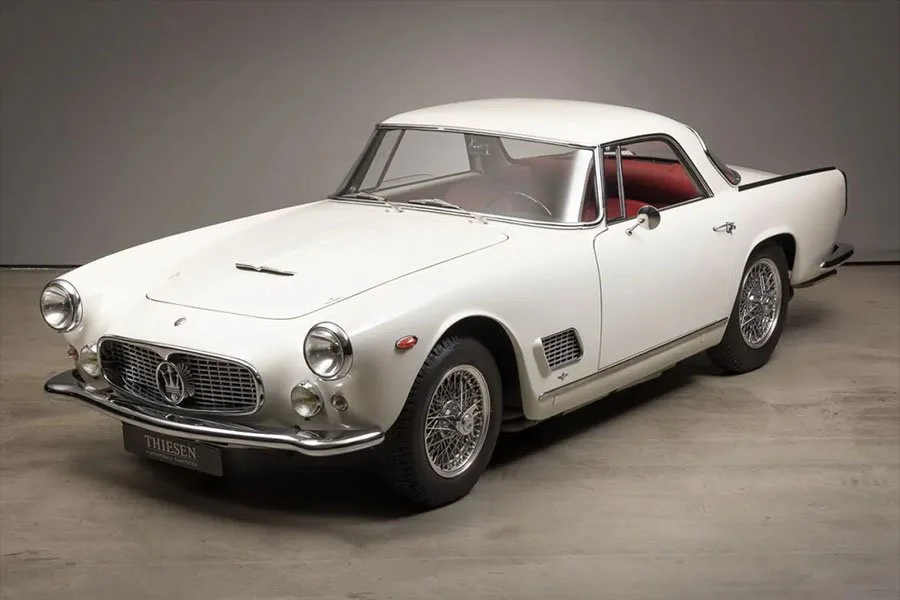
Up until the late 1950s, Maserati’s road car division was focused on low volume coachbuilt models that did not generate sufficient income to cover the firm’s expensive Formula 1 and Sports car racing…
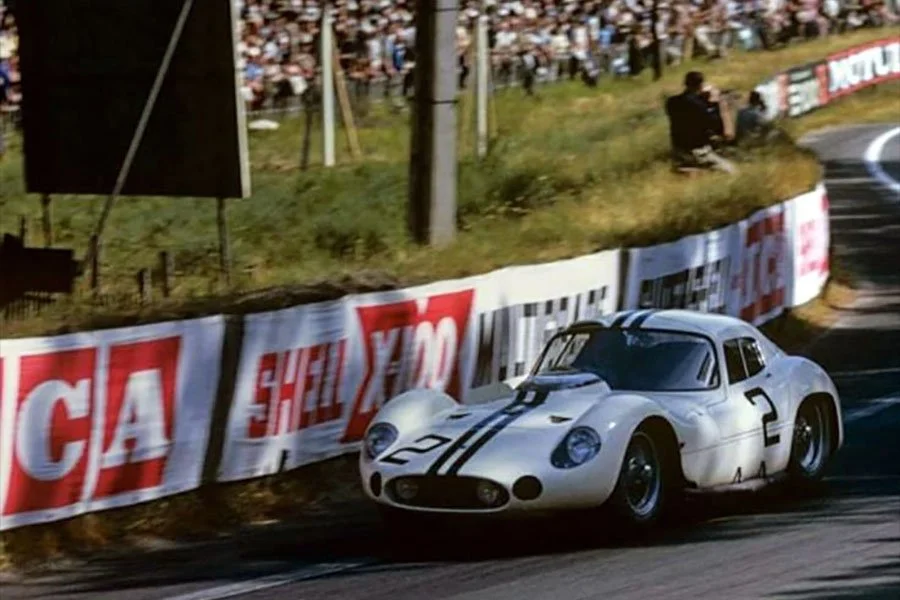
For 1962, the World Sportscar Championship was split into two categories: the International Championship for GT Manufacturers and the Coupe des Sports. In addition, the calendar was…
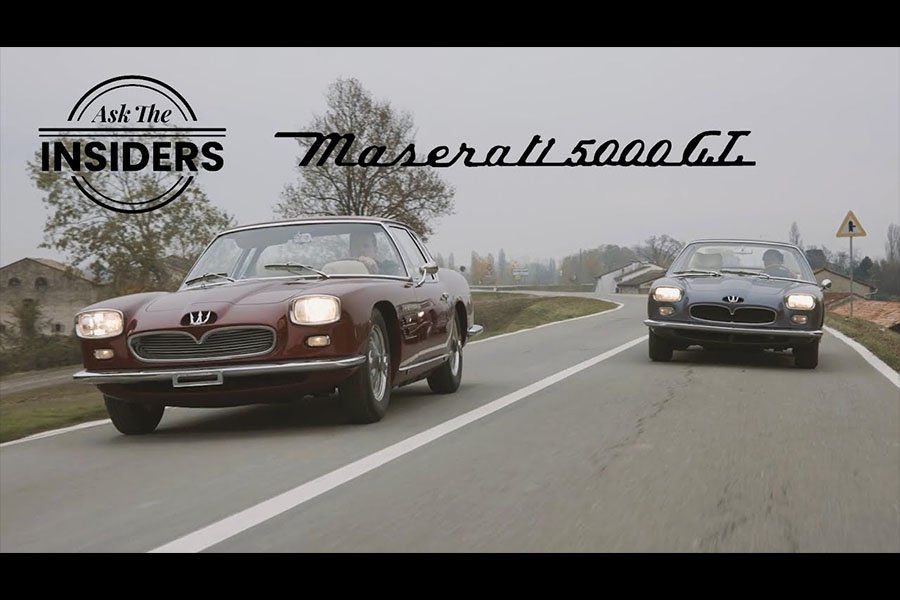
Boasting a top speed of 170mph+ and a $21,500 price tag, it was the most powerful and most expensive Italian supercar you could buy new in 1962. Most people have never seen one – hardly…

A few months after Citroen took control of Maserati in January 1968, the Italian firm began work on a two-seat mid-engined flagship; it would be the first road-going Maserati to adopt this exciting…

Thanks to radical new concealed headlights, the avant-garde Maserati Ghibli cut a real dash compared to its original two-seat GT rival: the more classically-styled Ferrari 275 GTB/4. Deliveries…

To style the body and interior for its new front-engined Grand Tourer that would effectively replace the outgoing Ghibli and Mexico, Maserati turned to Bertone, a design studio at the height of its…

Despite having been conceived strictly as a road car, in late 1972 Maserati’s French distributor, Jean Thepenier, commissioned a Group 4 racing version of the mid-engined Bora with which to contest…

Unlike the more numerous Touring-styled 3500 GT Coupe, Maserati’s open top variant of the theme was based on a short wheelbase chassis with coachwork by Vignale. In typical Vignale…

Following on from the original A6 GCS which since 1947 had proven an enormously successful mount for the popular under two-litre Sports car class, Maserati produced an improved Series 2…

Maserati unveiled its first true wedge-profiled production car, the Khamsin, at the Paris Motor Show in October 1973. Impressively, chief Bertone stylist, Marcello Gandini, had incorporated all…

Although the Touring-bodied 3500 GT and GTi ranked as arguably the most handsome 2+2 Grand Tourers on offer during the late 1950s and early 1960s, Maserati elected to commission Carrozzeria…

Two and a half years after the original Merak had been launched (at the Paris Motor Show in October 1972), Maserati unveiled a much-improved version to replace it. Dubbed the Merak SS…

Having exclusively produced cars for competition use since 1926, Maserati decided to expand into the lucrative market for road-going passenger vehicles following the conclusion of World War 2.

When it debuted in prototype form at the Turin Motor Show in October 1966, there was nothing on the market to compare with Maserati’s new Tipo 115 Ghibli. Styled by Giorgetto Giugiaro over at…

Having assumed full control of Maserati in May 1993 (following the acquisition of an initial 49% stake in December 1989), Fiat sold 50% of the Modena-based company to Ferrari (another Fiat subsidiary)…

Soon after the Ferrari Enzo had been launched, parent company Fiat gave the green light for a GT1 racing version to be developed. However, instead of being badged as a Ferrari, the new machine…

Launched at the Paris Motor Show in October 1954, the A6G/54 was Maserati’s Grand Touring version of the second generation A6GCS sports racing car (often dubbed the A6GCS/53) which had proven…

Chassis 048 was the first of two Maserati 5000 GTs equipped with coachwork by Frua. Although not officially signed off until June 18th 1962, chassis 048 was completed in time to go on display at…

Chassis 060 was one of two late production examples of the Maserati 5000 GT that received coachwork by Frua of Turin. It was commissioned by 25 year old Paris-domiciled Shah Karim al…

Launched at the Turin Motor Show in October 1966, the Maserati Tipo 115 Ghibli was a rakish two-seat Coupe styled by Giorgetto Giugiaro at Ghia. Under the skin it was very much in the traditional…

The 3500 GT (Tipo 101) was born as a result of a realisation that Maserati finally had to get serious about building a production model that could be sold in the high hundreds or even thousands.

Buyers for super high end Grand Tourers in the early 1960s needed to look only in one place: Italy. Between them, bitter rivals Ferrari and Maserati had the market for truly customisable 160mph-plus…

In its first full season of competition (2005), Maserati’s MC12 secured both the FIA GT Manufacturers’ and Teams’ titles. Of the four FIA GT Championship races that fell to the MC12 in 2005, undoubtedly…