One to Buy: ex-works 1954 Maserati A6 GCS Series 2
/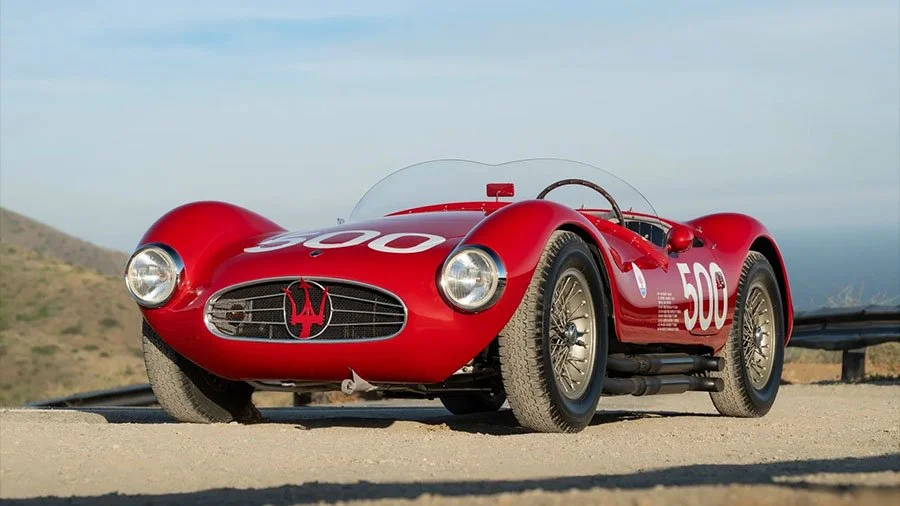
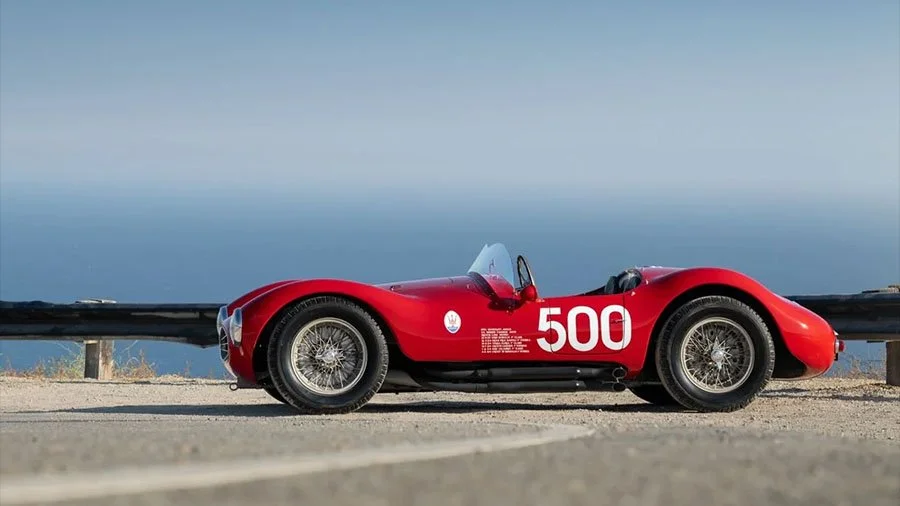
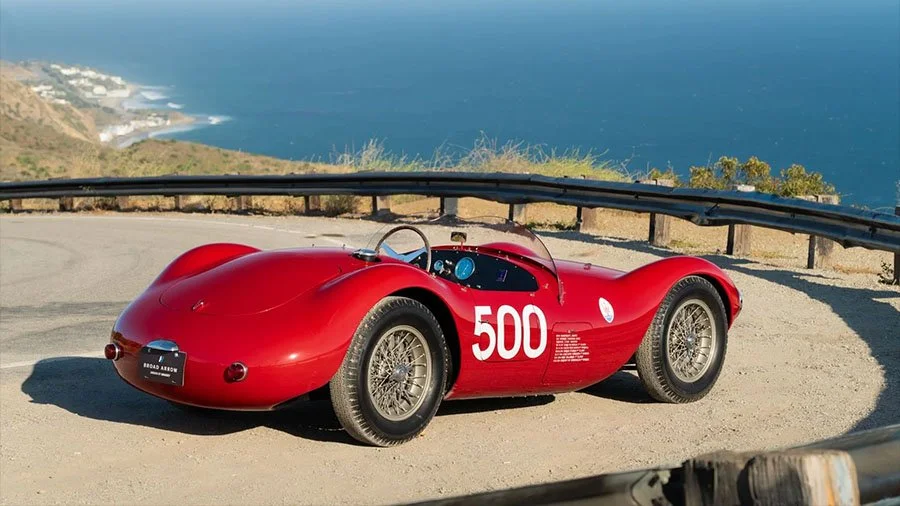
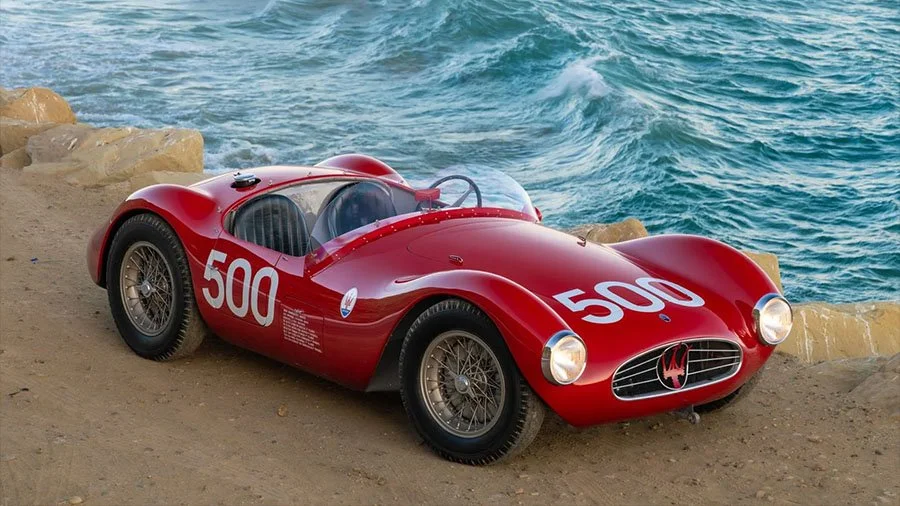
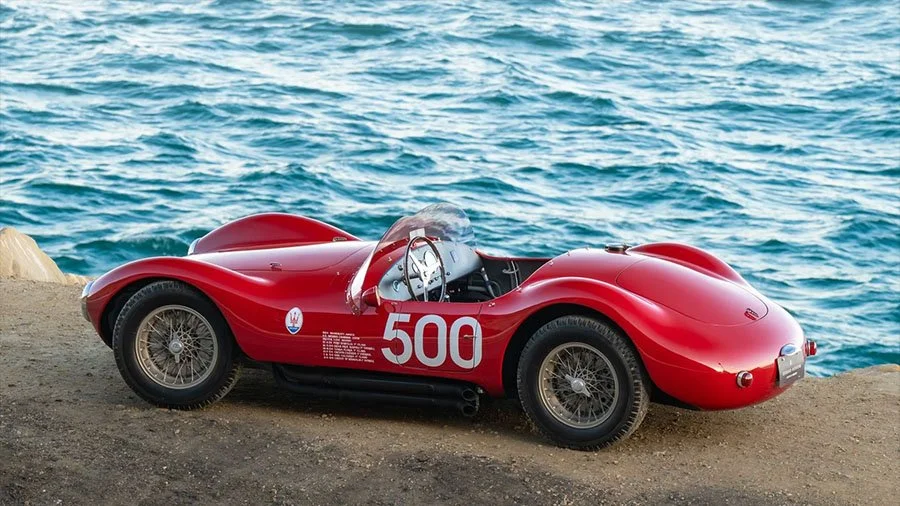
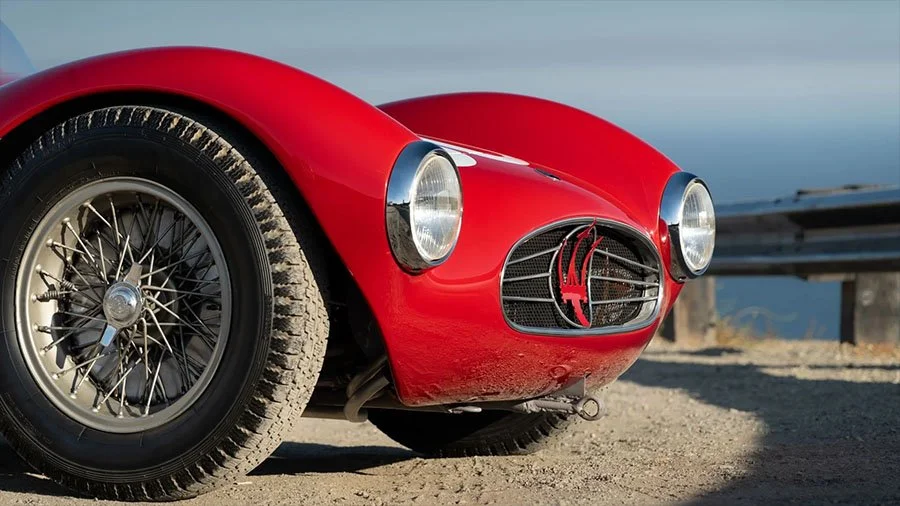
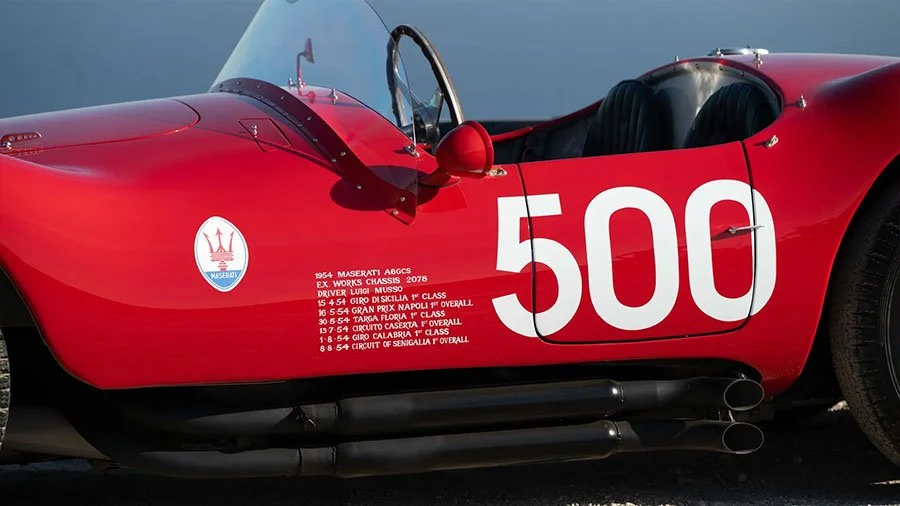
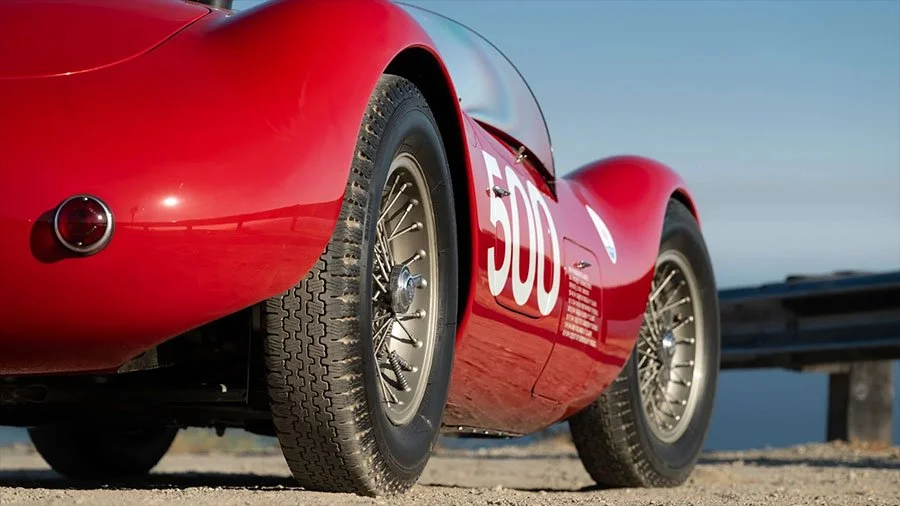
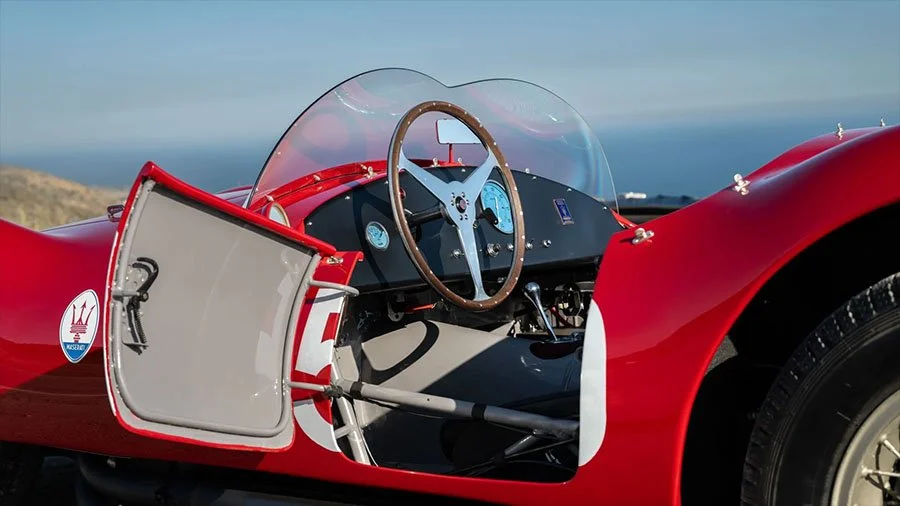
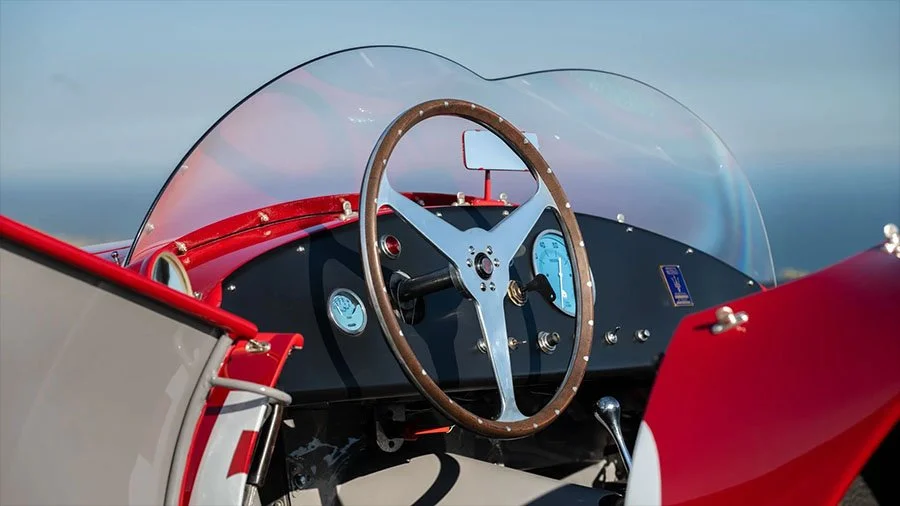
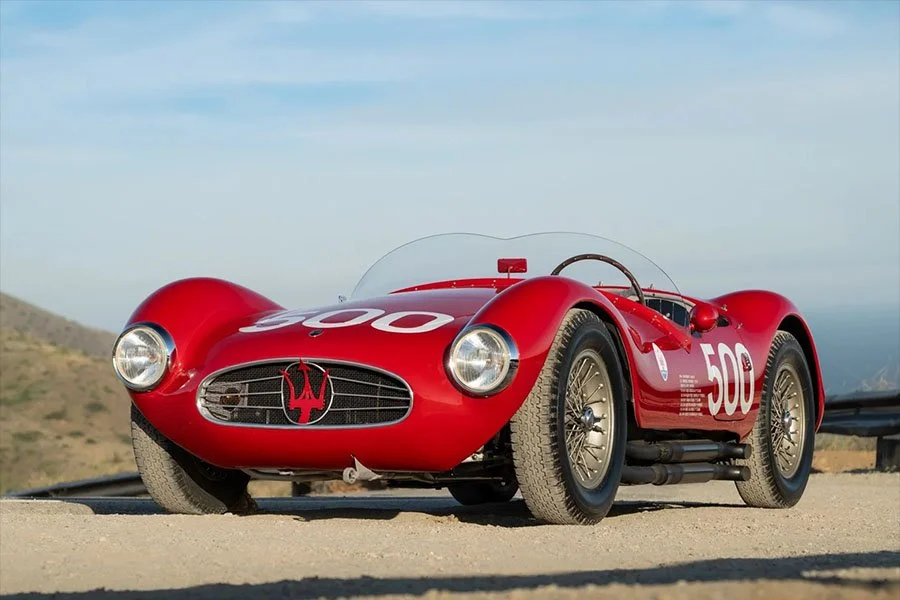
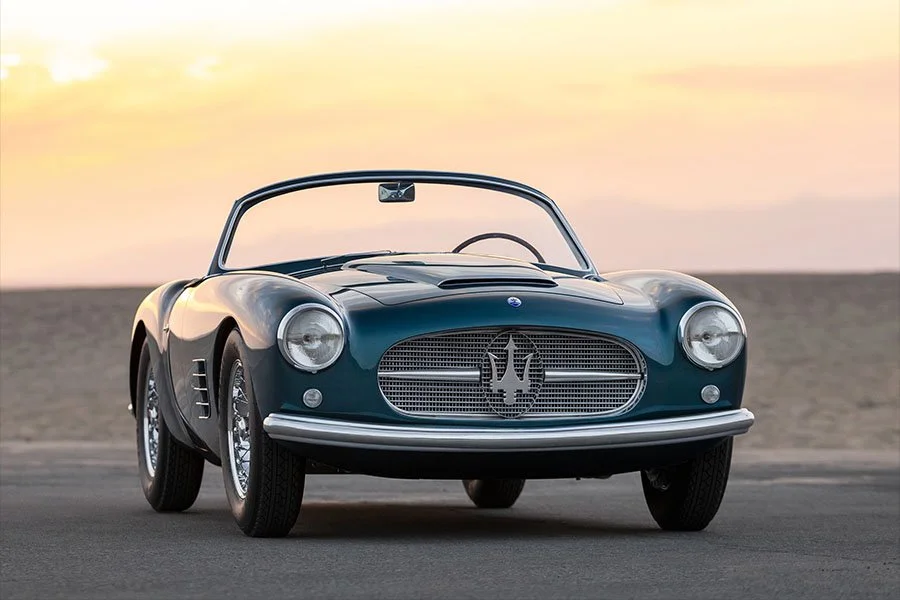
A litany of beautiful and successful Maserati sports racing cars were produced during the 1950s with among the most highly regarded having been the second generation A6 GCS of which 52 copies emerged between 1953 and ‘55.
Durable and extremely competitive, the A6 GCS/53 immediately established itself as the premier under 2-litre sports racer of its day. The car’s debut outing on the 1953 Mille Miglia saw privateers Emilio Giletti and Guerino Berocchi claim sixth overall and first in class, after which this latest iteration of the A6 GCS went onto achieve great success perhaps best evidenced by Luigi Musso’s back-to-back under 2-litre Italian Sportscar Championship titles in 1953 and ‘54.
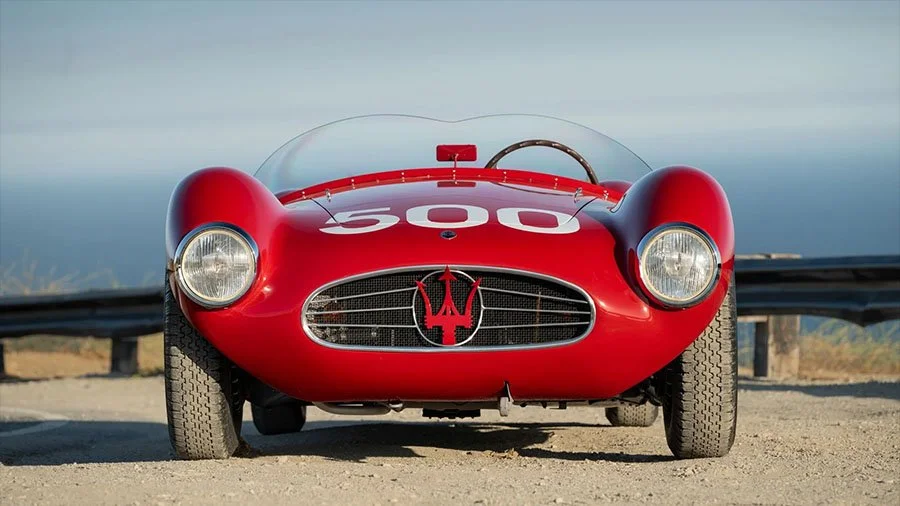
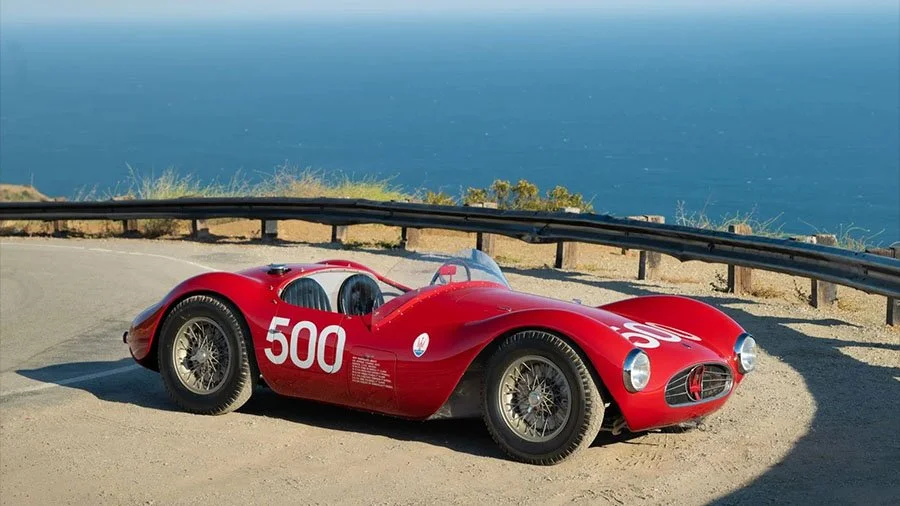
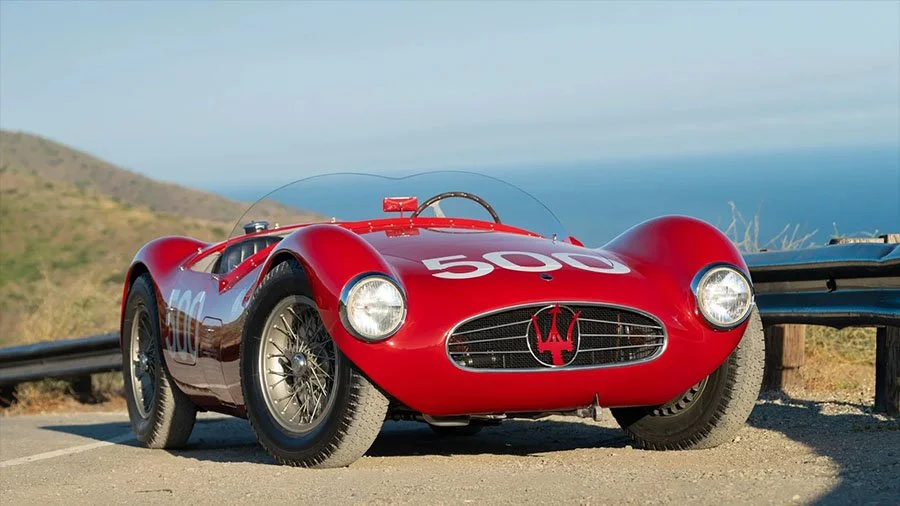
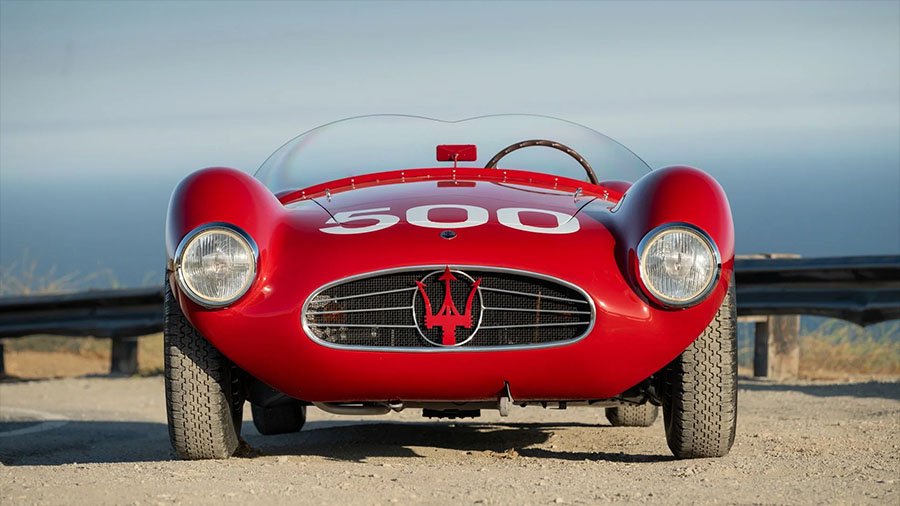
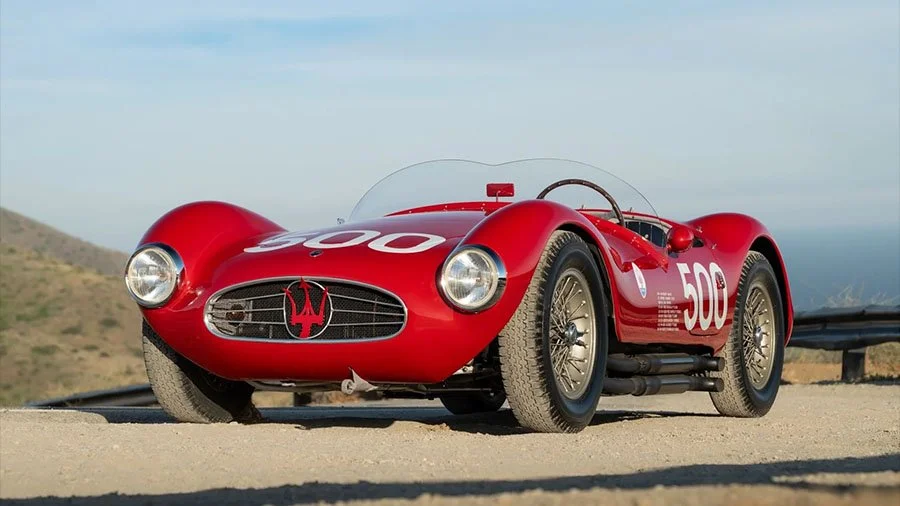
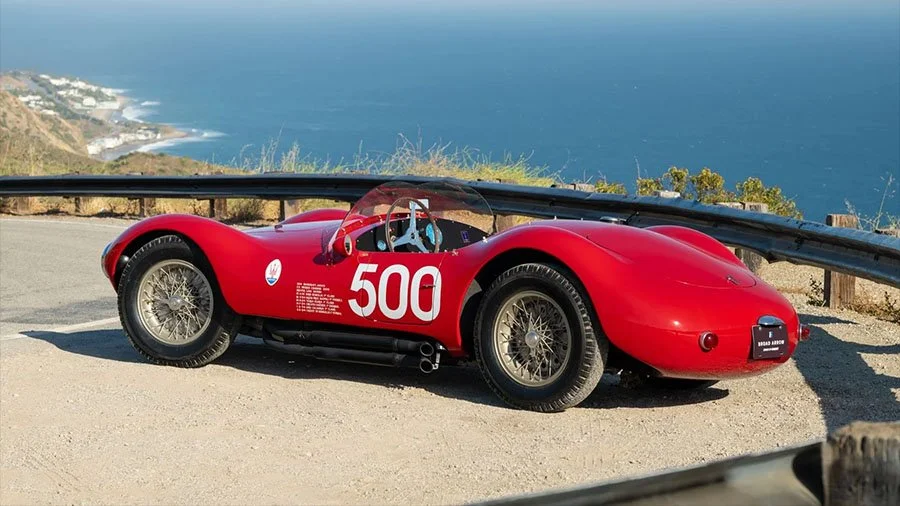
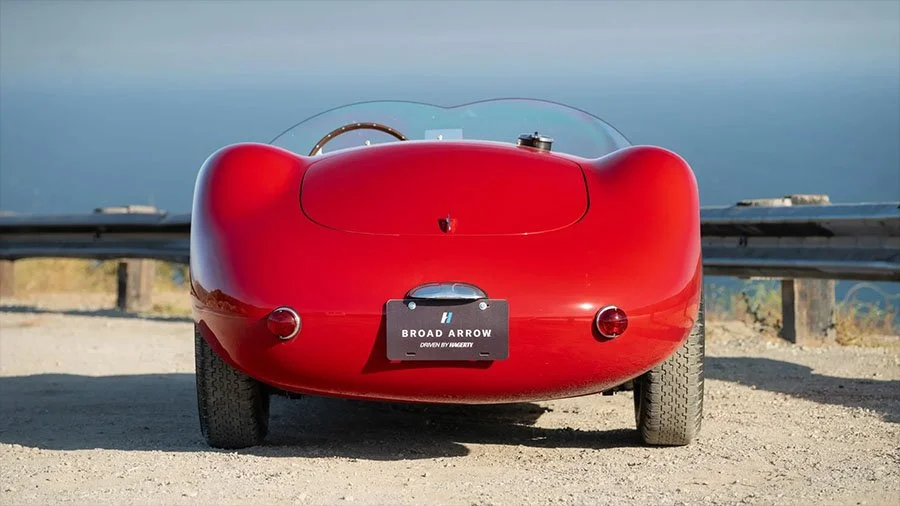
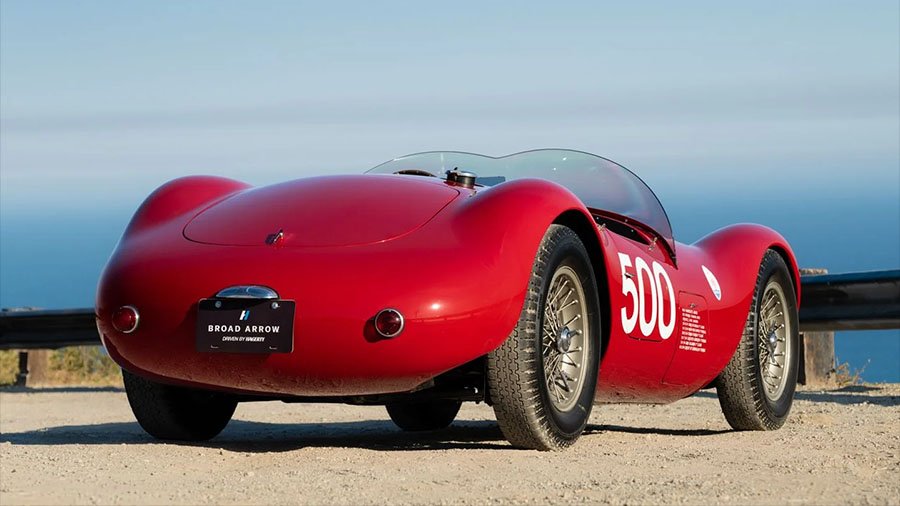
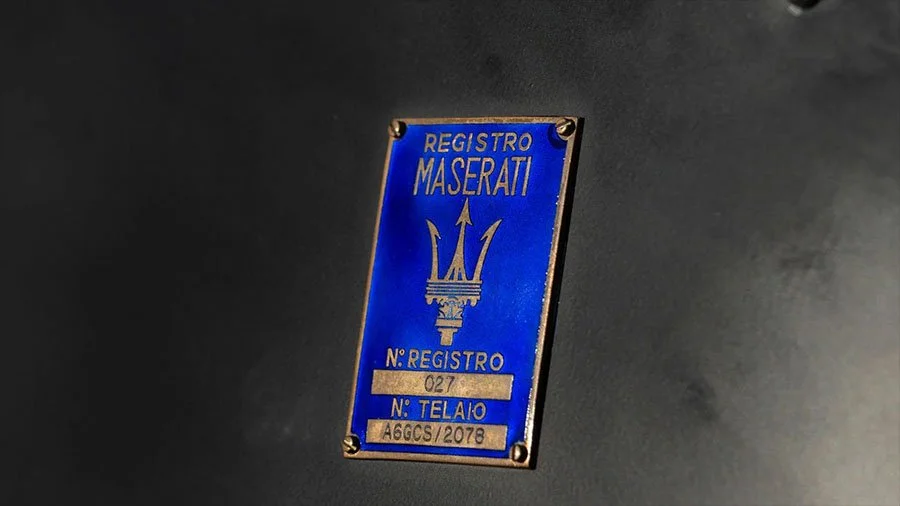
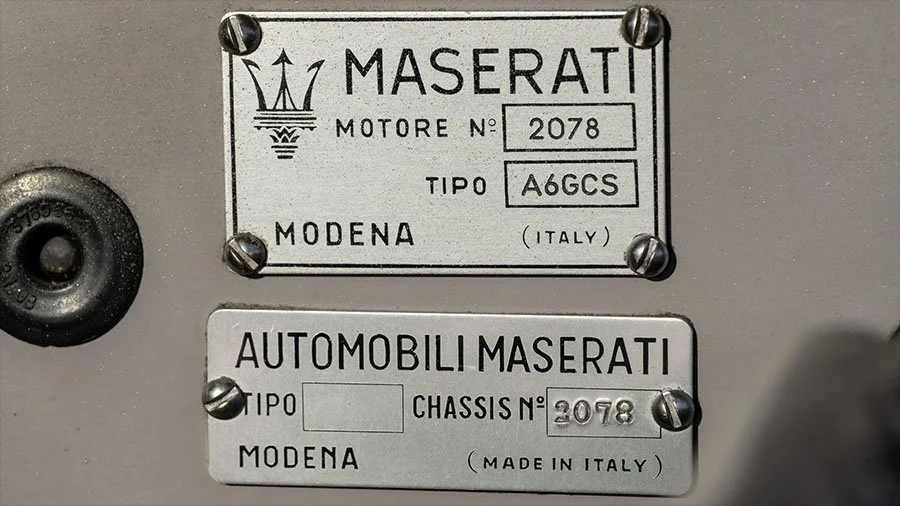
On August 14th, one of those cars used by Musso in 1954 will be going under the hammer at Broad Arrow Auctions’ sale taking place at The Quail: chassis 2078.
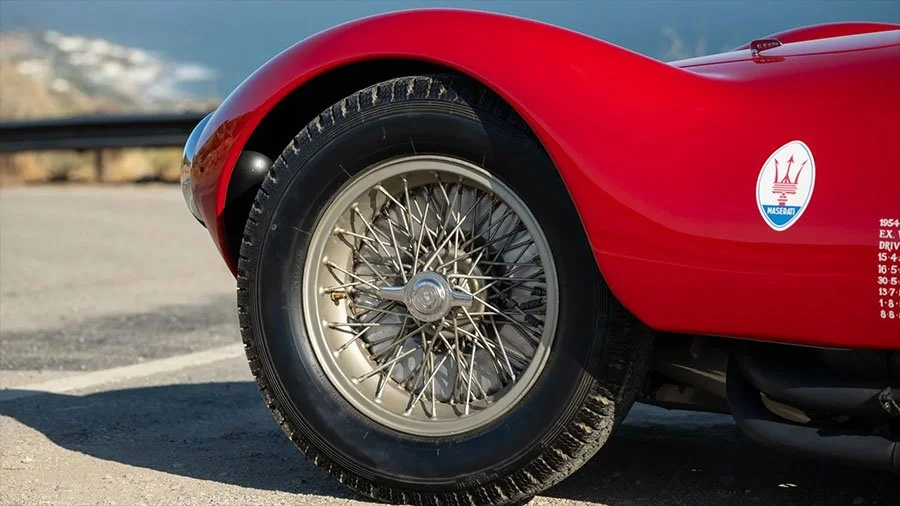
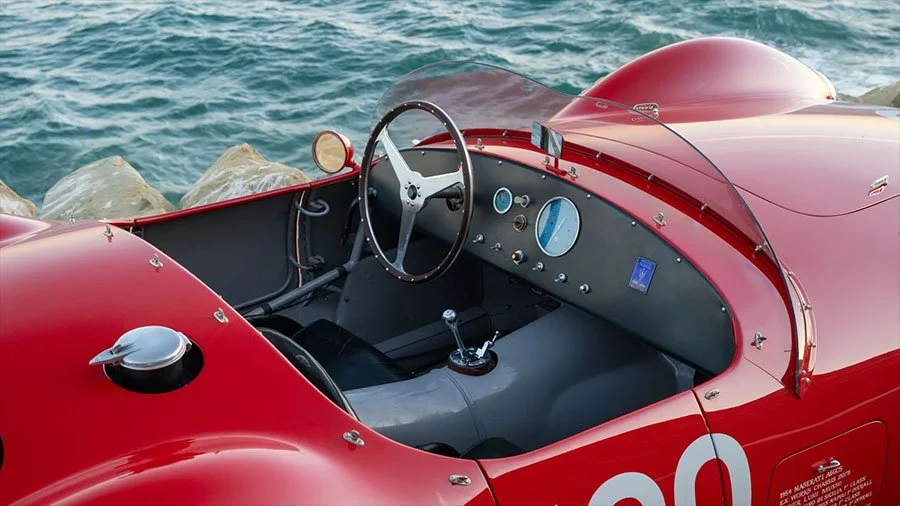
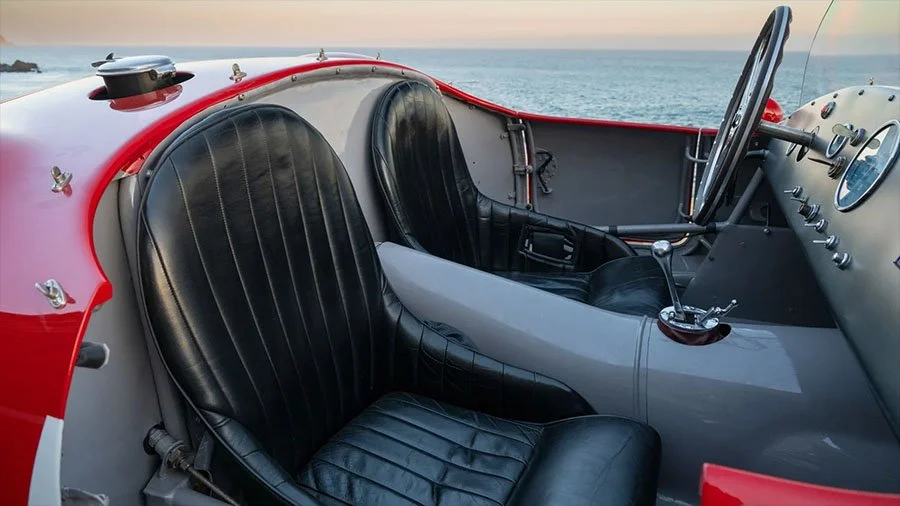
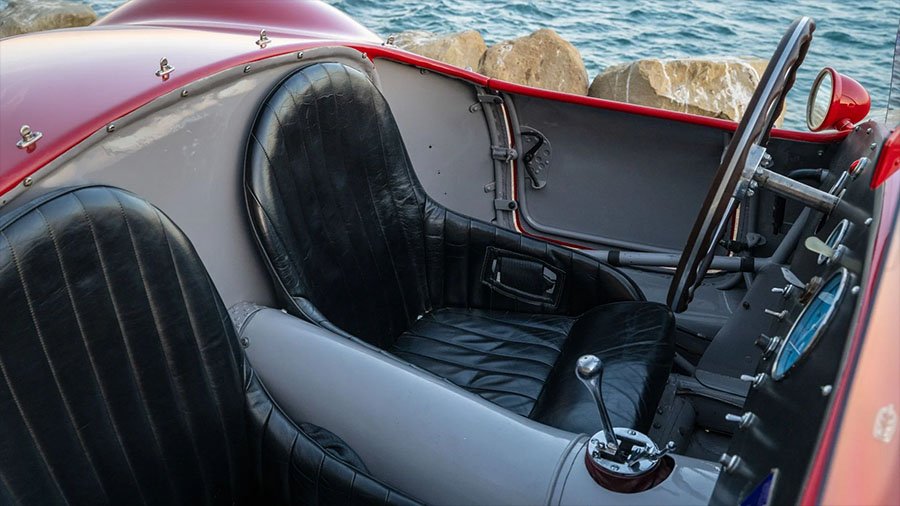
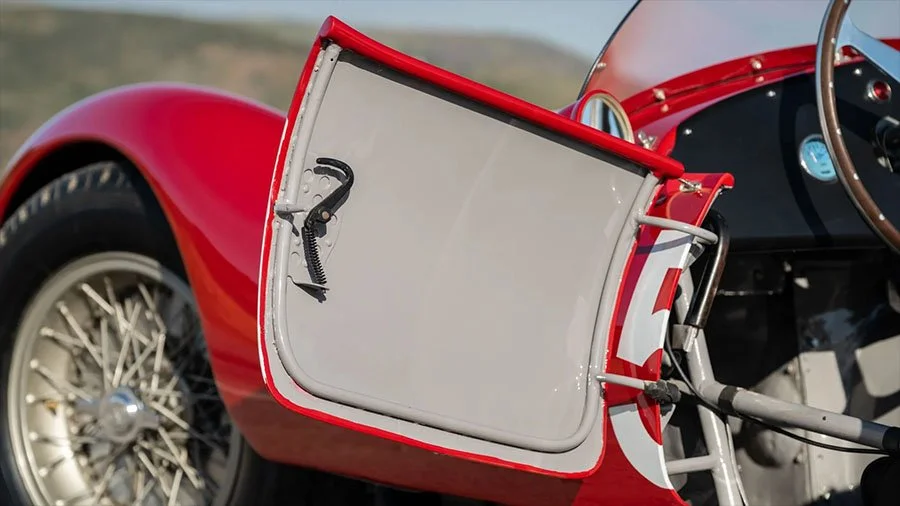
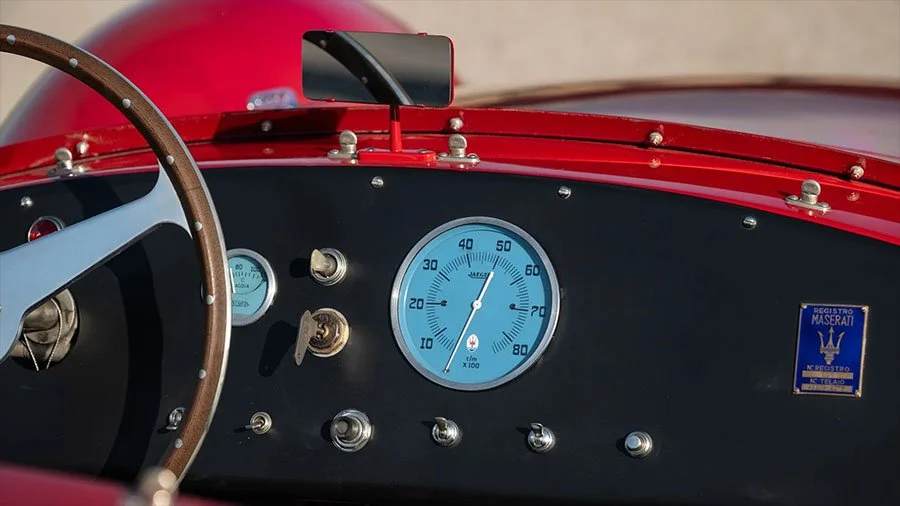
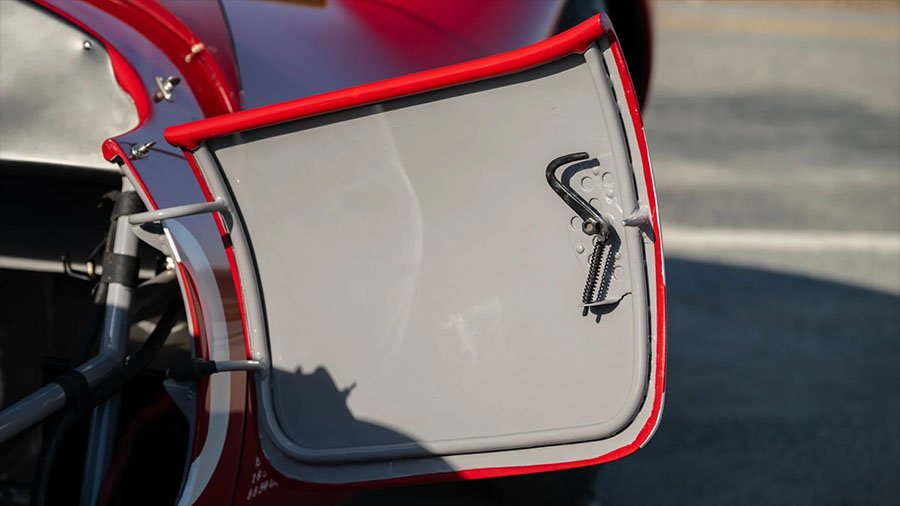
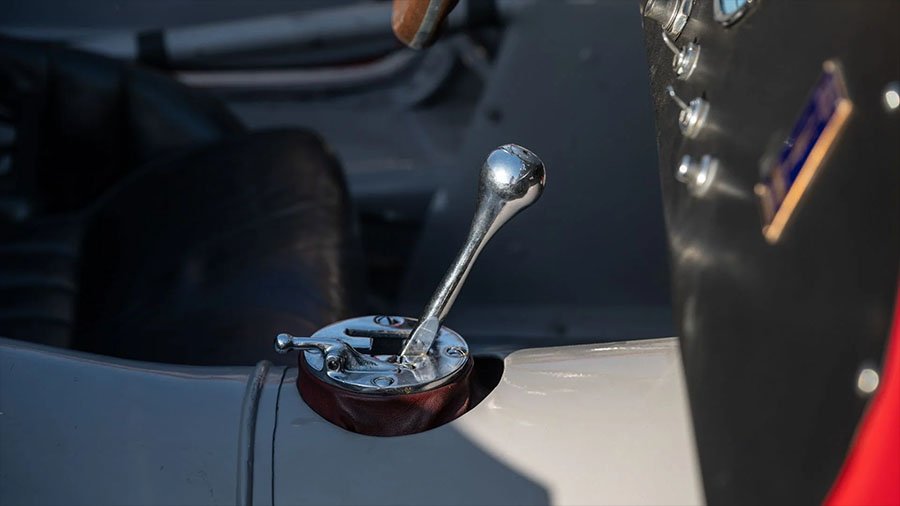
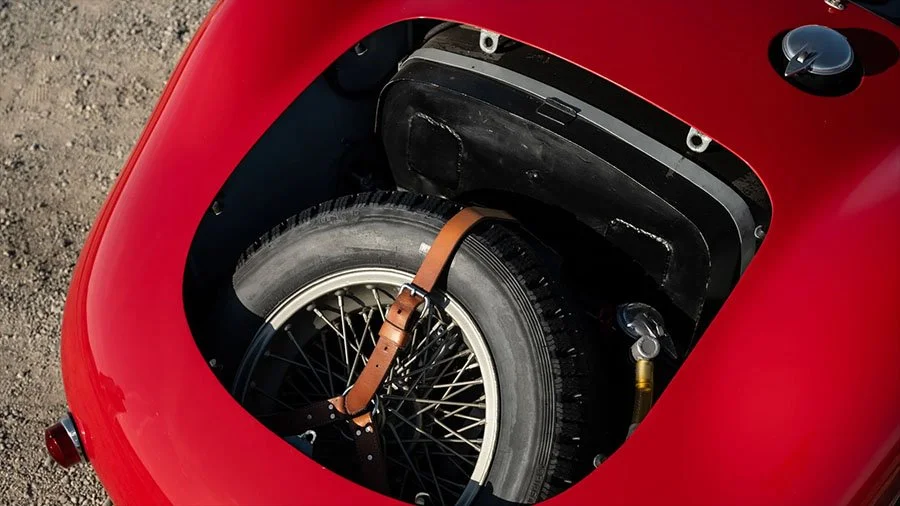
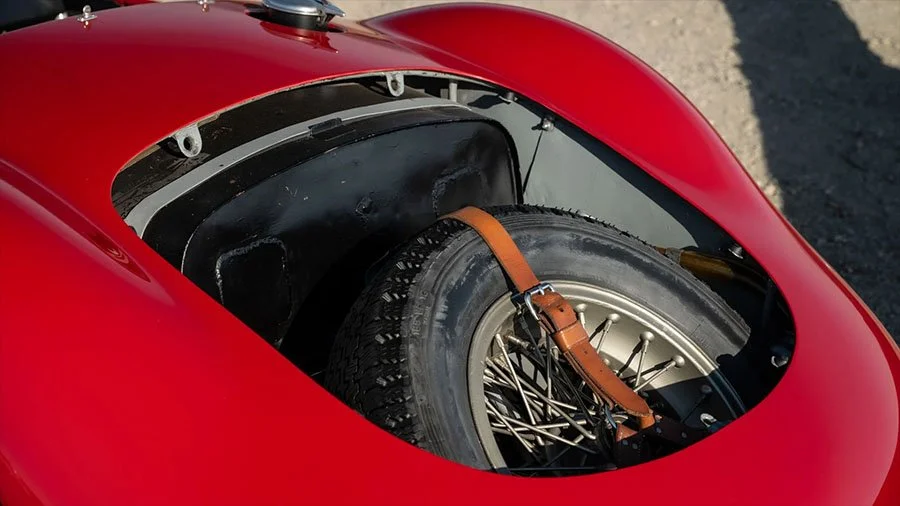
Completed in March 1954 with bodywork by Carrozzeria Fiandri & Malagoli, chassis 2078 is understood to have been allocated as one of two works entries for the ‘54 Le Mans 24 Hours, however, because the team’s transporter broke down en route, both cars missed scrutineering and neither started the race.
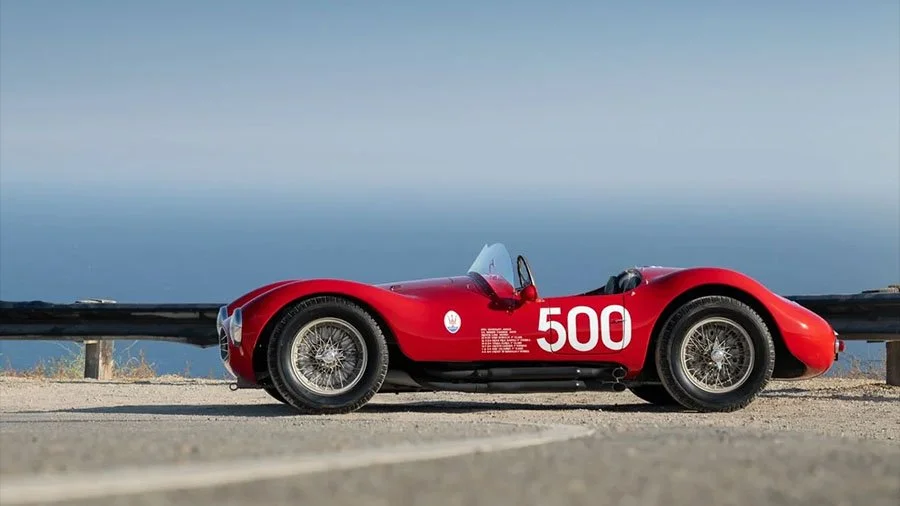
Chassis 2078 subsequently made its competition debut at the Messina 10 Hour night race which took place over July 24th and 25th where Luigi Musso (driving alongside his brother, Giuseppe) set fastest lap and a new track record. Unfortunately though, they were ultimately classified as a DNF owing to three hours spent in the pits to repair a damaged fuel tank.
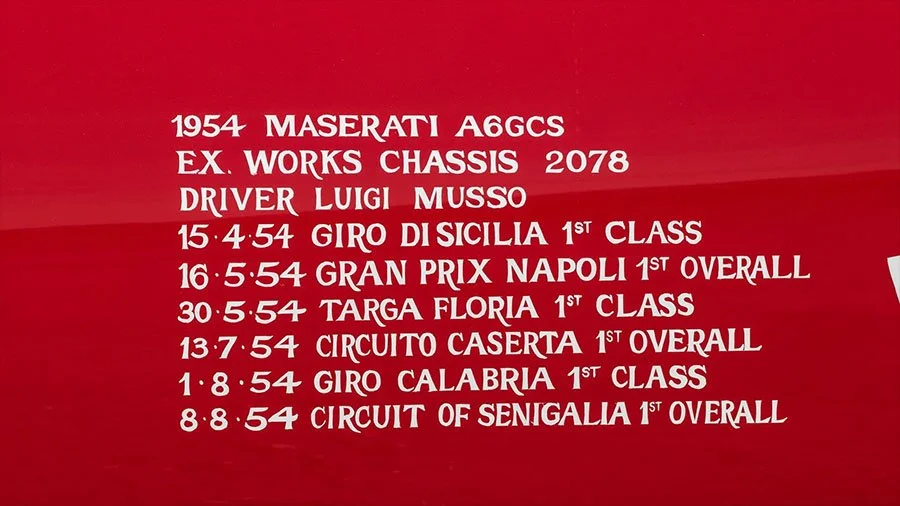
The rest of the 1954 season proved much more successful. Driving chassis 2078, Luigi Musso finished third overall and first in class on the Giro delle Calabrie road race (August 2nd), after which he won the Circuito di Senigallia for under two-litre cars (August 8th).
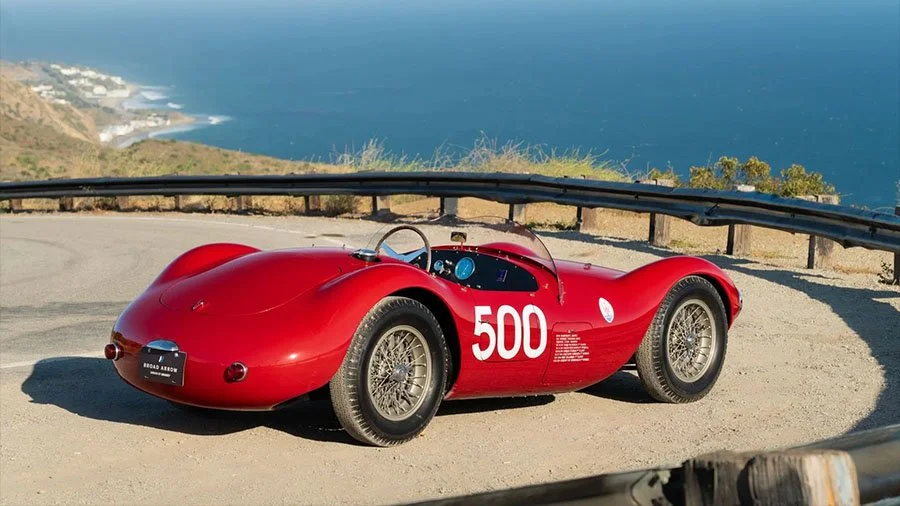
Musso then shared chassis 2078 at the Dundrod Tourist Trophy World Sportscar Championship handicap event in Northern Ireland (September 11th) where he and Sergio Mantovani collected third overall and won their class.
Eight days later (September 19th), Cesare Perdisa drove chassis 2078 at the Bologna-Passo della Raticosa Hillclimb for the Trofeo Felice Bonetto, finishing second overall and winning his class.
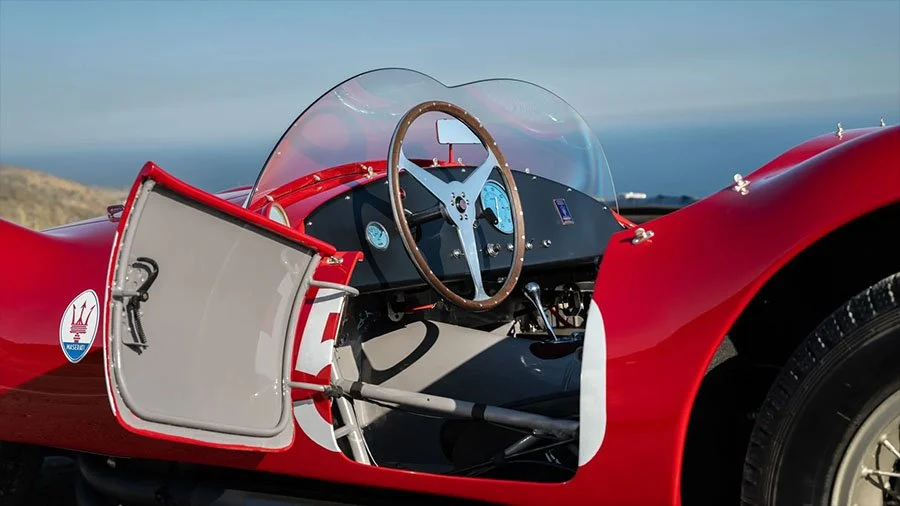
Thanks to an impressive points tally, many of which were accrued driving chassis 2078, Luigi Musso was crowned the under 2-litre Italian Sportscar Champion for the second year in succession.
Having been sold to Argentine privateer Ricardio Grandio, in January 1955 Maserati shipped chassis 2078 to South America. Painted in the black and white livery of Equipo Presidente Peron and wearing backing from the Instituto de Cultura Física, Grandio and Jose Manuel Faraoni piloted chassis 2078 to third overall and class victory at the ‘55 World Sportscar Championship season-opener: the Buenos Aires 1000km.
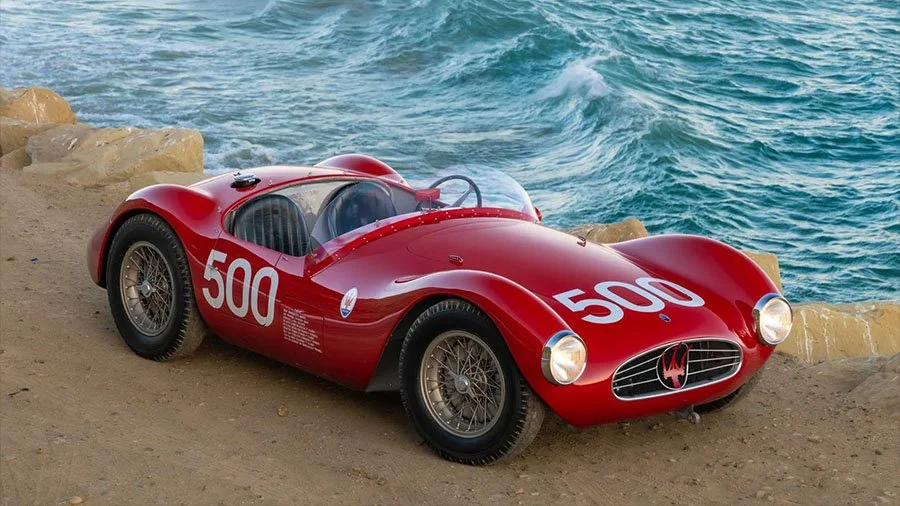
The car was then campaigned extensively by Grandio throughout the remainder of 1955 and 1956. By January 1958, chassis 2078 had passed to brothers Carlos and Julio Guimarey. Subsequent Argentine owners through the 1960s included Buenos Aires garage proprietor, Alberto Gomez (known locally as El Mago de Ugarteche—the Wizard of Ugarteche) and later his close friend, Enzo Tasco, who acquired the car without an engine and located an original A6 GCS unit from a boat.
The Maserati then passed to Guillermo Vago in circa 1967 who in turn sold it to Jorge Macome. Macome undertook a costly restoration and campaigned 2078 in local street races before selling it back to Vago to fund the purchase of a Maserati 300 S. From Vago, the Maserati passed to the Argentine racing driver and exporter, Lucio Bollaert.
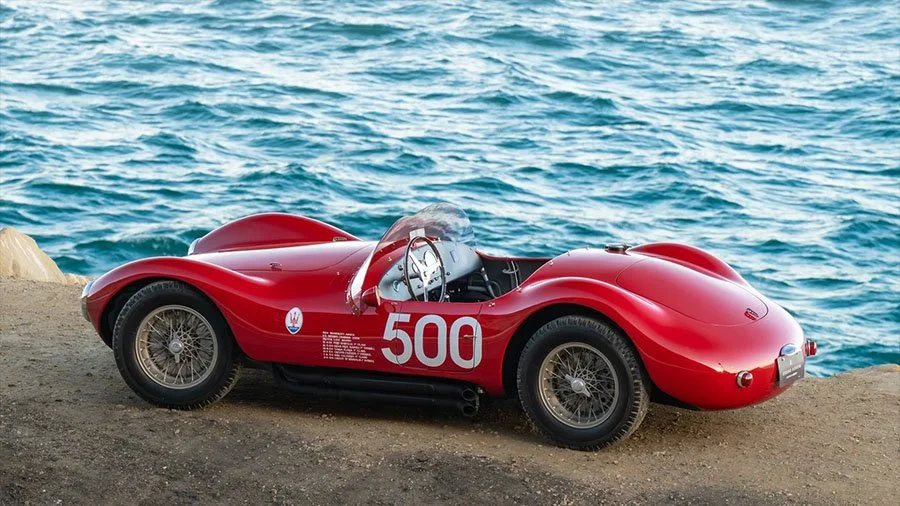
Gianni Vitali acquired chassis 2078 in 1986 and committed it to a faithful restoration with bodywork by Carrozzeria Campana of Modena and mechanical rebuilding by Arborini.
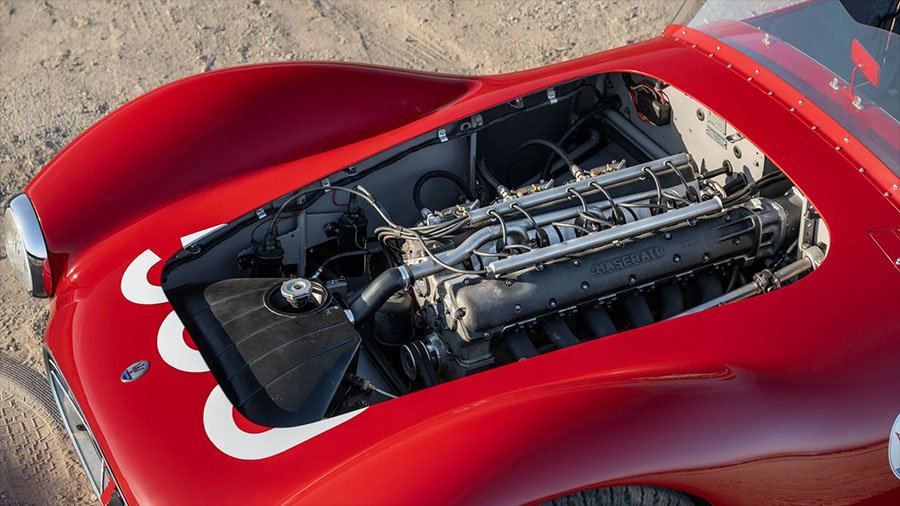
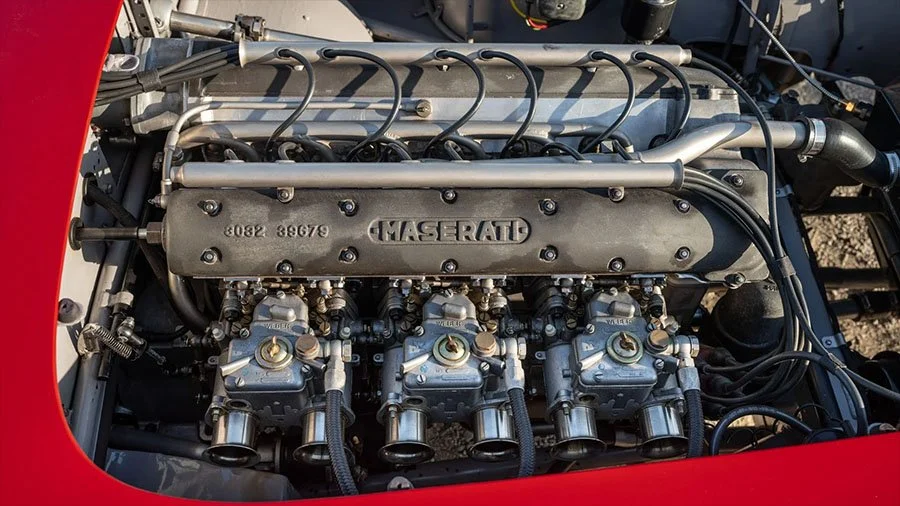
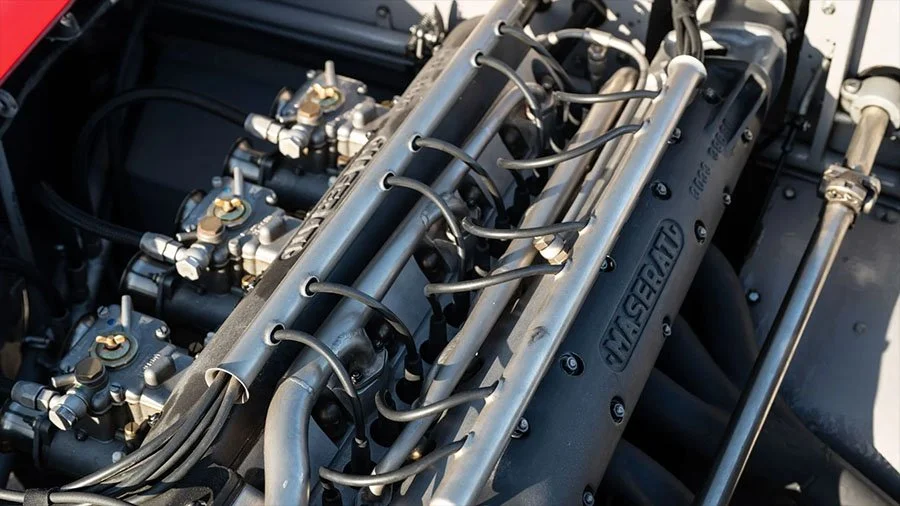
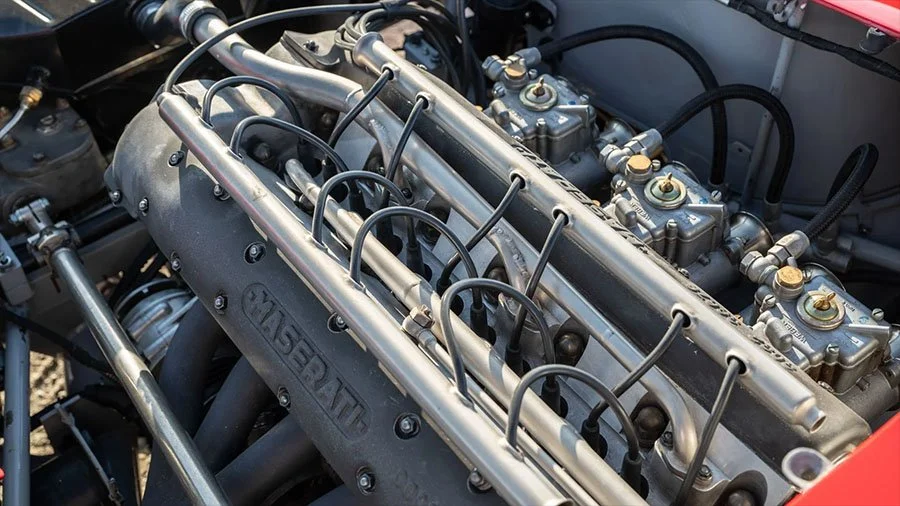
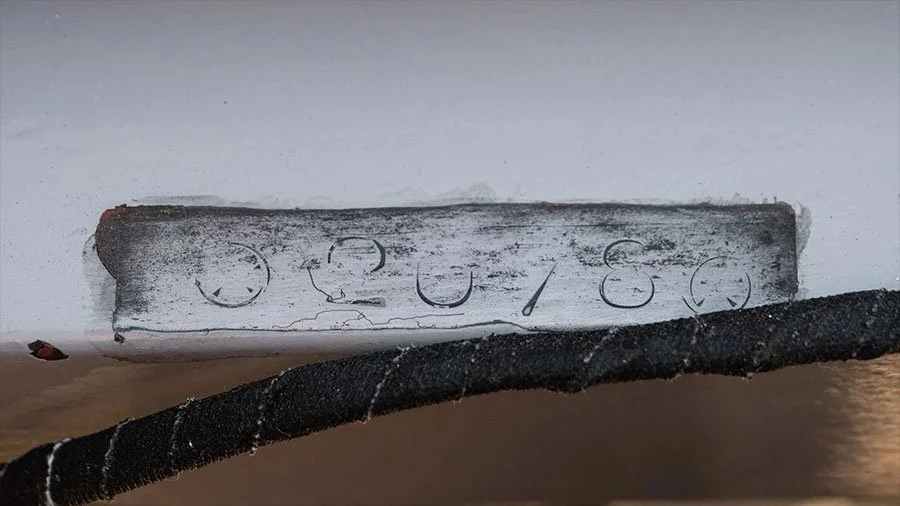
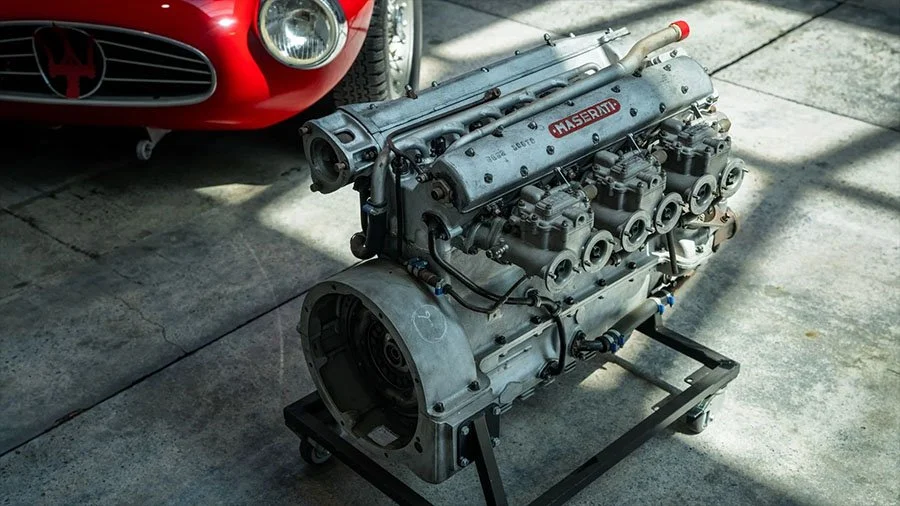
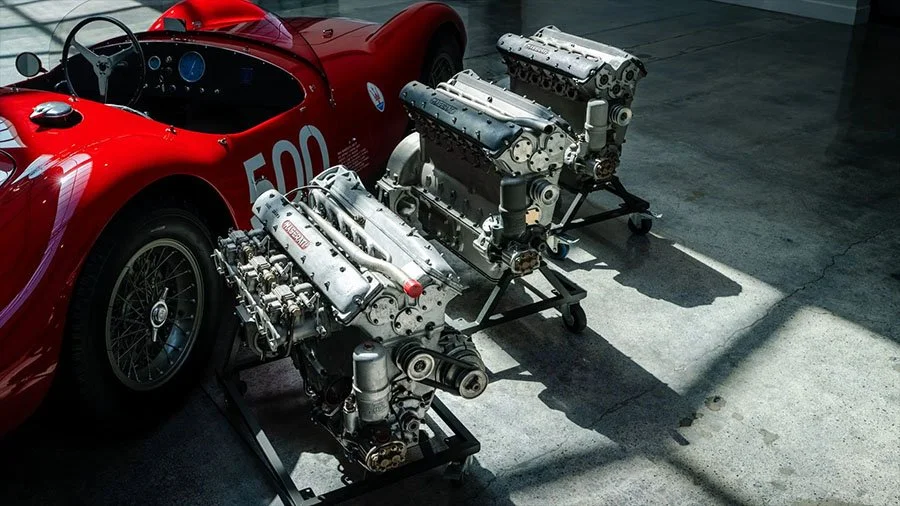
Since 1998, chassis 2078 has resided with an American collector who has cherished it for nearly 30 years. Crosthwaite & Gardiner inspected and serviced the car prior to shipment across the Atlantic and were subsequently commissioned by the owner, in concert with other A6 GCS custodians, to fabricate a small batch of reproduction engines using the original Maserati unit stamped “2078” as the master pattern. The first of these, numbered “001,” was installed in 2078 and remains in the car today.
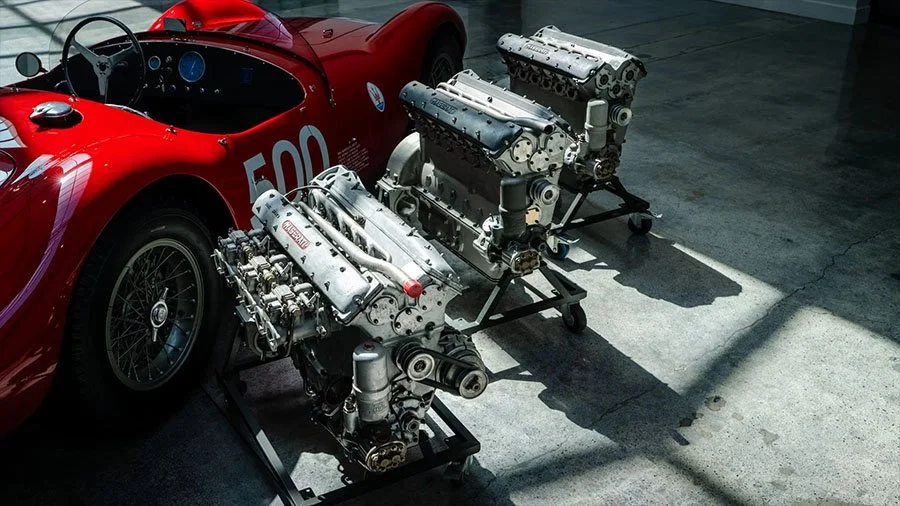
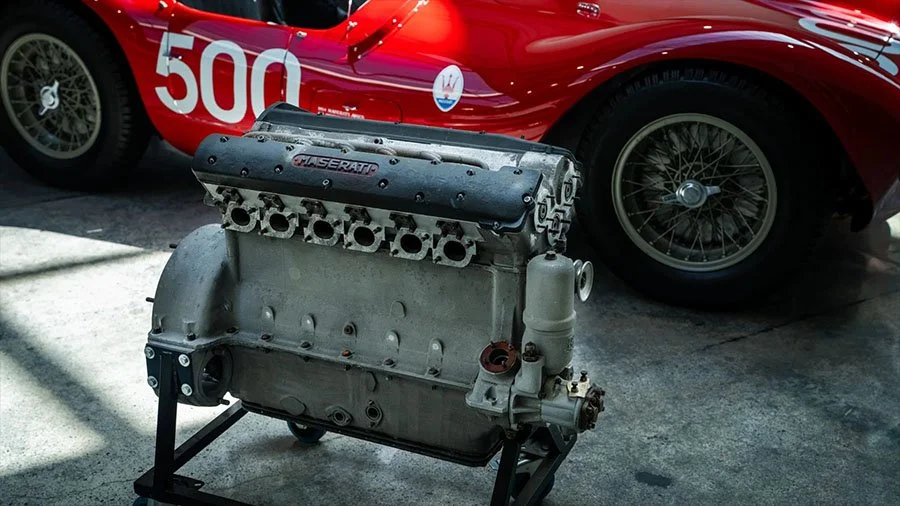
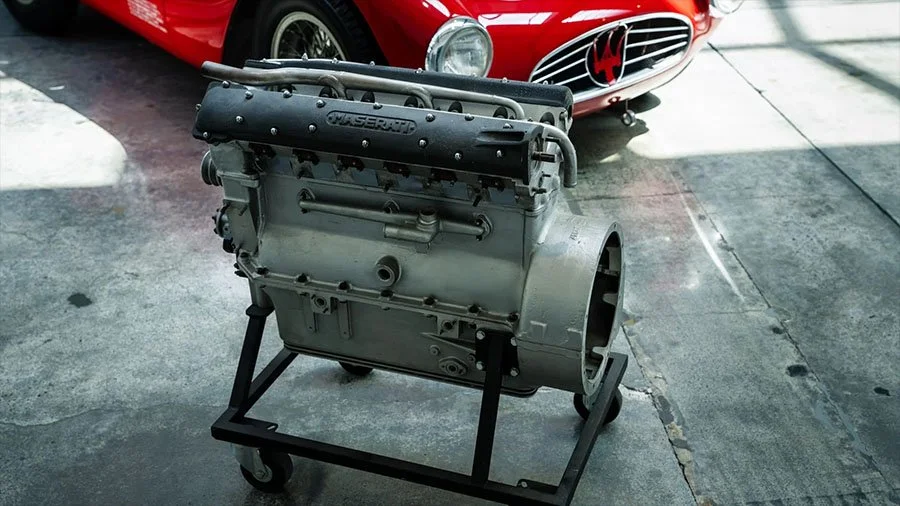
The original Maserati engine stamped “2078” that came with the car is retained on a dedicated stand for safeguarding. The car is also accompanied by a second original Maserati A6 GCS engine stamped “2078,” acquired from noted Swiss collector Carlo Voegele circa 2019 and an earlier reproduction engine understood to be of Italian origin.