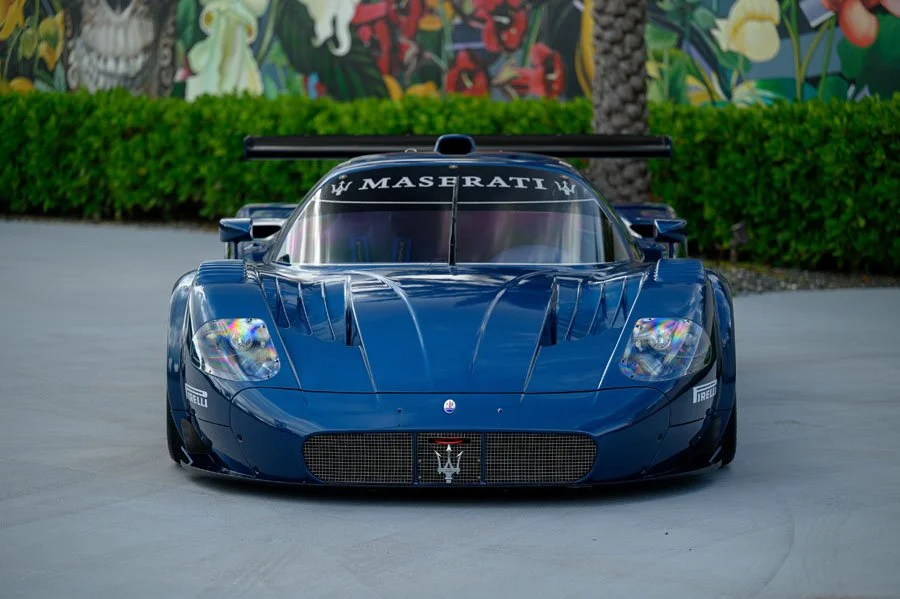
One to Buy: 123 miles from new 1 of 12 built 2006 Maserati MC12 Corse
/ Ben Tyer
In its first full season of competition (2005), Maserati’s MC12 secured both the FIA GT Manufacturers’ and Teams’ titles.
Of the four FIA GT Championship races that fell to the MC12 in 2005, undoubtedly the most significant came at the season’s centrepiece event, the Spa 24 Hours, which took place from July 30th to 31st. On this occasion, the Vitaphone Racing entry of Eric van de Poele, Michel Bartels and Timo Scheider won by two laps from the JMB Racing sister car driven by Andrea Bertolini, Karl Wendlinger and Phillipp Peter.
It was the Vitaphone crew that also went on to take that year’s Teams’ title.
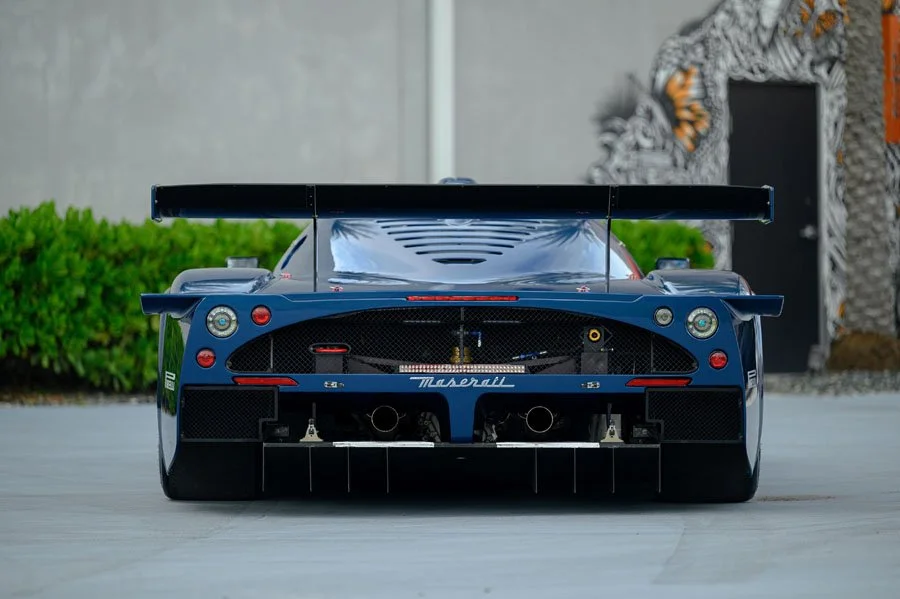
Following their satisfactory debut campaign and a no less impressive start to 2006, Maserati decided to offer an extraordinary MC12 track car based on the GT1 competition version.
Created in much the same vein as Ferrari’s Enzo-based FXX, the resultant MC12 Corse was built in a limited run and originally priced at $1.7m.
Like the FXX, the MC12 Corse offered customers the opportunity to run a front-line GT-style racing car at private track sessions. One prototype and twelve customer cars were built.
The key difference between the GT1 and Corse versions was that the latter did not need to comply with any specific regulations. Maserati were therefore able to remove the otherwise mandatory air restrictors and, with 756bhp on tap, the Corse became easily the most powerful MC12 ever built.
Going under the hammer at Bonhams’ Scottsdale auction at The Weston Kierland Resort & Spa on January 27th is chassis 003 of the twelve MC12 Corse customer cars. Configured in what is undoubtedly the best colour scheme for any MC12 (Blue Victory), chassis 003 is offered in as new condition having covered a mere 123 miles.
For further information, visit the Bonhams website at: https://www.bonhams.com/
A litany of beautiful and successful Maserati sports racing cars were produced during the 1950s with among the most highly regarded having been the second generation A6 GCS of which 52…
Conceived as a more affordable model that could sell in far greater numbers than Maseratis of the past, the Biturbo came to exemplify Alejandro de Tomaso’s time in charge of Il Tridente.
In an austere post-World War 2 environment, Maserati, which from 1947 came under total control of the Orsi family, had to get serious about building a potentially lucrative line of road cars. The firm had…
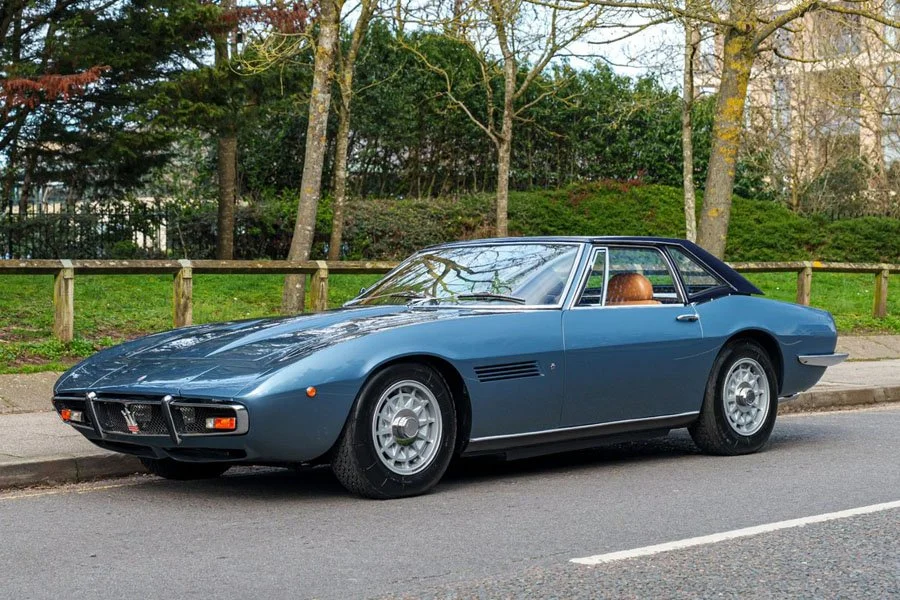
As the pre-eminent force in Wedge design, it was unsurprising that Maserati commissioned Bertone to style its front-engined Grand Tourer for the 1970s which came to be known as the Khamsin. Under…
Around four years after Ghibli production had started, Maserati replaced the model’s original 4.7-litre V8 with a 4.9-litre unit thus creating the Ghibli SS. The SS engine engine was enlarged thanks a…
Since the Wedge era, Carozzeria Zagato has embraced a largely unconventional design language that frequently divides opinion. However, although the Milan coachbuilder has always demonstrated…
Up until the late 1950s, Maserati’s road car division was focused on low volume coachbuilt models that did not generate sufficient income to cover the firm’s expensive Formula 1 and Sports car racing…
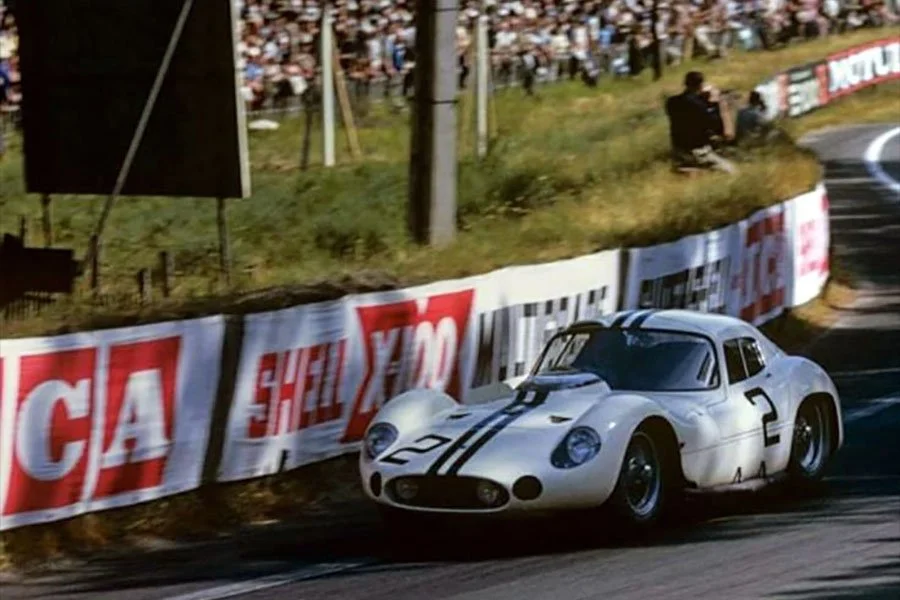
For 1962, the World Sportscar Championship was split into two categories: the International Championship for GT Manufacturers and the Coupe des Sports. In addition, the calendar was…
Boasting a top speed of 170mph+ and a $21,500 price tag, it was the most powerful and most expensive Italian supercar you could buy new in 1962. Most people have never seen one – hardly…
A few months after Citroen took control of Maserati in January 1968, the Italian firm began work on a two-seat mid-engined flagship; it would be the first road-going Maserati to adopt this exciting…
Thanks to radical new concealed headlights, the avant-garde Maserati Ghibli cut a real dash compared to its original two-seat GT rival: the more classically-styled Ferrari 275 GTB/4. Deliveries…
To style the body and interior for its new front-engined Grand Tourer that would effectively replace the outgoing Ghibli and Mexico, Maserati turned to Bertone, a design studio at the height of its…
Despite having been conceived strictly as a road car, in late 1972 Maserati’s French distributor, Jean Thepenier, commissioned a Group 4 racing version of the mid-engined Bora with which to contest…
Unlike the more numerous Touring-styled 3500 GT Coupe, Maserati’s open top variant of the theme was based on a short wheelbase chassis with coachwork by Vignale. In typical Vignale…
Following on from the original A6 GCS which since 1947 had proven an enormously successful mount for the popular under two-litre Sports car class, Maserati produced an improved Series 2…
Maserati unveiled its first true wedge-profiled production car, the Khamsin, at the Paris Motor Show in October 1973. Impressively, chief Bertone stylist, Marcello Gandini, had incorporated all…
Although the Touring-bodied 3500 GT and GTi ranked as arguably the most handsome 2+2 Grand Tourers on offer during the late 1950s and early 1960s, Maserati elected to commission Carrozzeria…
Two and a half years after the original Merak had been launched (at the Paris Motor Show in October 1972), Maserati unveiled a much-improved version to replace it. Dubbed the Merak SS…
Having exclusively produced cars for competition use since 1926, Maserati decided to expand into the lucrative market for road-going passenger vehicles following the conclusion of World War 2.
When it debuted in prototype form at the Turin Motor Show in October 1966, there was nothing on the market to compare with Maserati’s new Tipo 115 Ghibli. Styled by Giorgetto Giugiaro over at…
Having assumed full control of Maserati in May 1993 (following the acquisition of an initial 49% stake in December 1989), Fiat sold 50% of the Modena-based company to Ferrari (another Fiat subsidiary)…
Soon after the Ferrari Enzo had been launched, parent company Fiat gave the green light for a GT1 racing version to be developed. However, instead of being badged as a Ferrari, the new machine…
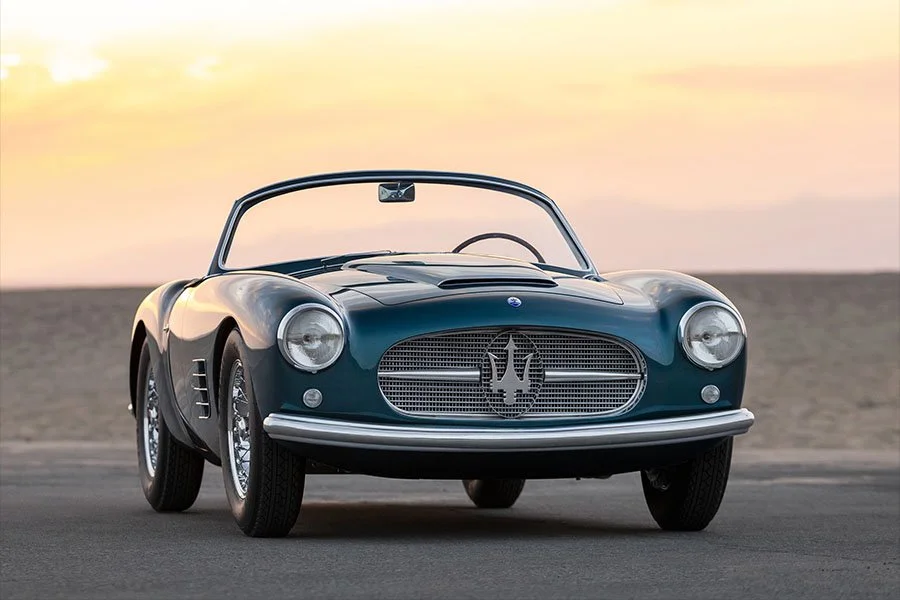
Launched at the Paris Motor Show in October 1954, the A6G/54 was Maserati’s Grand Touring version of the second generation A6GCS sports racing car (often dubbed the A6GCS/53) which had proven…
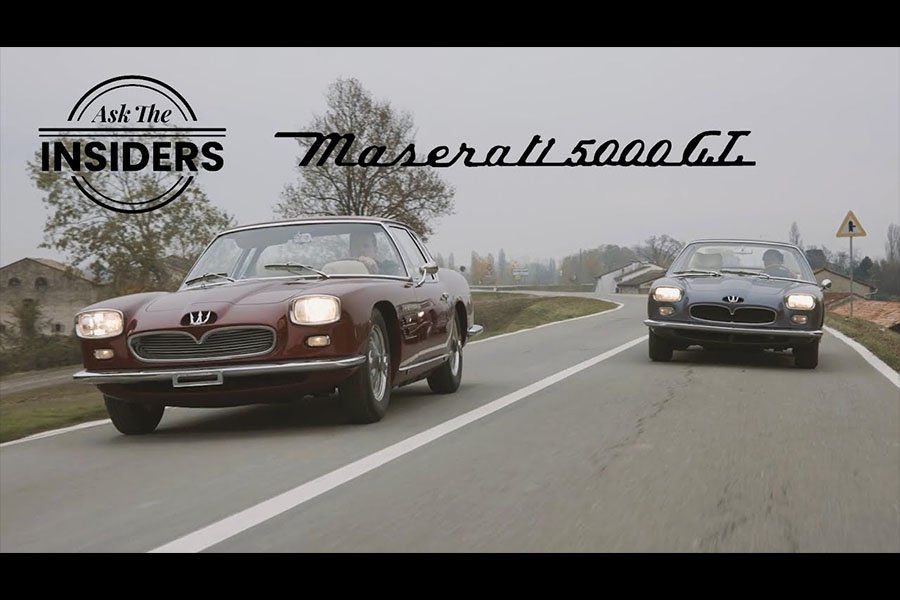
Chassis 048 was the first of two Maserati 5000 GTs equipped with coachwork by Frua. Although not officially signed off until June 18th 1962, chassis 048 was completed in time to go on display at…
Chassis 060 was one of two late production examples of the Maserati 5000 GT that received coachwork by Frua of Turin. It was commissioned by 25 year old Paris-domiciled Shah Karim al…
Launched at the Turin Motor Show in October 1966, the Maserati Tipo 115 Ghibli was a rakish two-seat Coupe styled by Giorgetto Giugiaro at Ghia. Under the skin it was very much in the traditional…
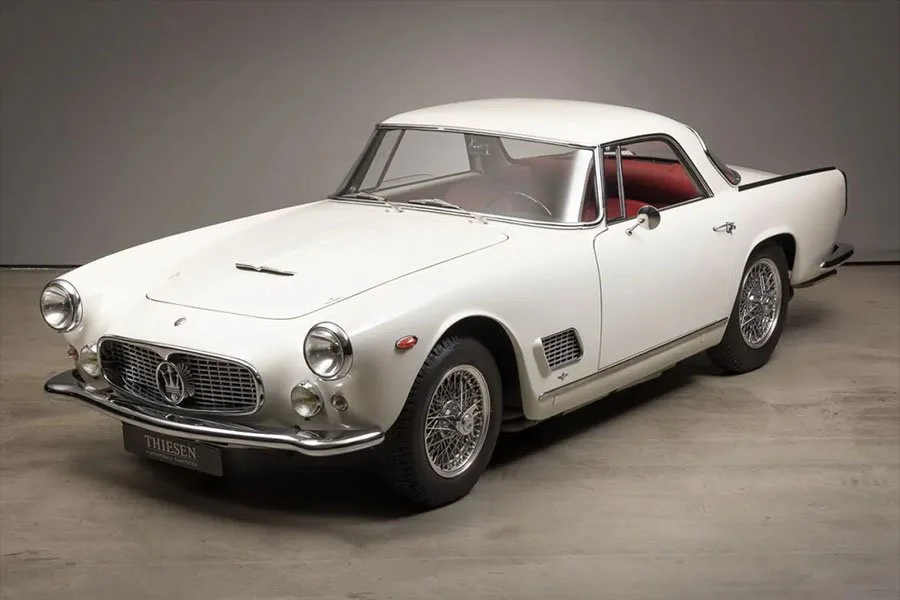
The 3500 GT (Tipo 101) was born as a result of a realisation that Maserati finally had to get serious about building a production model that could be sold in the high hundreds or even thousands.
Buyers for super high end Grand Tourers in the early 1960s needed to look only in one place: Italy. Between them, bitter rivals Ferrari and Maserati had the market for truly customisable 160mph-plus…
In its first full season of competition (2005), Maserati’s MC12 secured both the FIA GT Manufacturers’ and Teams’ titles. Of the four FIA GT Championship races that fell to the MC12 in 2005, undoubtedly…
In a similar fashion to the Mercedes-Benz 300 SLR which was a sports racing version of the W196 Formula 1 car, Maserati’s 300 S was heavily derived from the fabled 250F. Built around a tubular…