VIN: the Brunei Royal Family Ferrari F40 LM chassis 88523
/ Ben Tyer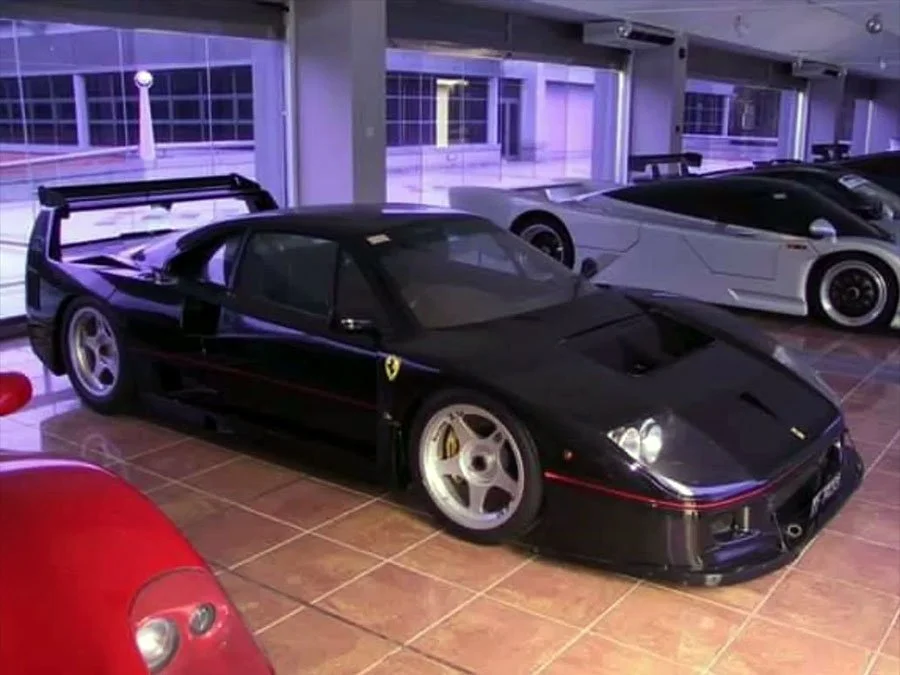
HISTORY OF CHASSIS 88523
Completed at the Michelotto works in December 1990, chassis 88523 was purchased by the Brunei Royal Family as part of the fast expanding collection being put together by the Sultan and his brother, Prine Jefri.
The Sultan, Hassanal Bolkiah, had been buying high end sports cars since the 1960s – while studying in England he purchased, among others, a Lamborghini Miura and Maserati Ghibli. Later, funded by the enormous expansion of Brunei’s enormous gas and oil fields, the Brunei Royals began to order batches of the best sports and luxury cars, many of which were built to highly customised trim at vast expense.
Of the at least ten F40s purchased by the Brunei Royals, 88523 was the only LM.
And, like most of those other F40s, chassis 88523 was sent to Pininfarina for transformation to the Sultan’s preferred specification.
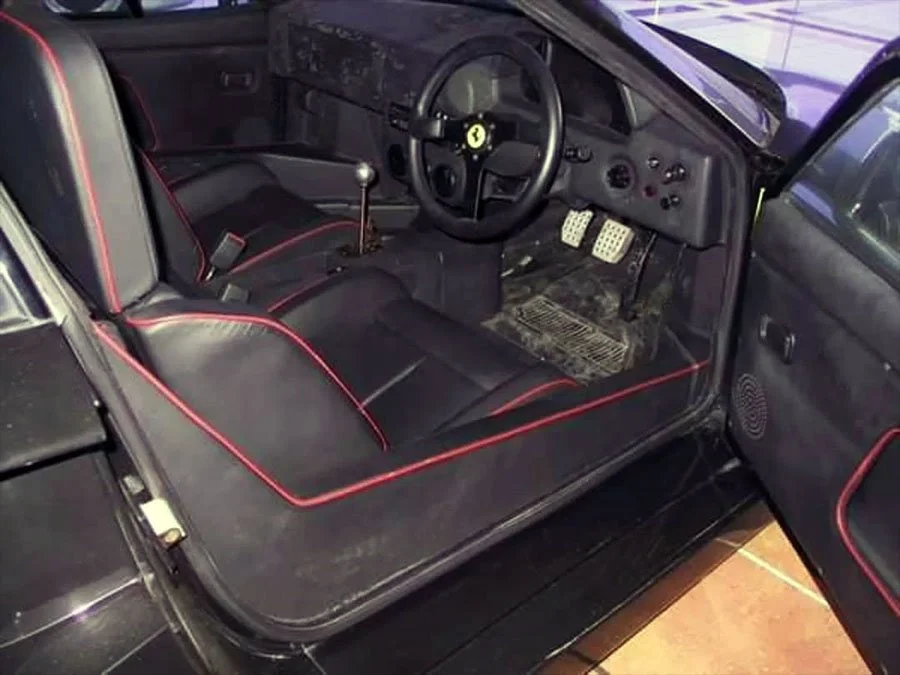
In this case, 88523 emerged from the Pininfarina works with its original colour scheme of Rosso Corsa over a Nero swage line reversed. Inside, Pininfarina converted the car to right-hand drive and fitted the same kind of luxury spec. fixtures found on most of the other Brunei F40s. This included installation of Testarossa-style seats, full Nero leather upholstery with Rosso piping, electric windows, conventional door handles and air-conditioning (the controls for which were mounted on a brand new central control panel).
Upon completion, chassis 88523 was shipped to Brunei where it assumed the registration KF7899. This uniquely configured F40 LM has remained in the Brunei Royal Family collection ever since.
Text copyright: Supercar Notalgia
Photo copyright: unattributed
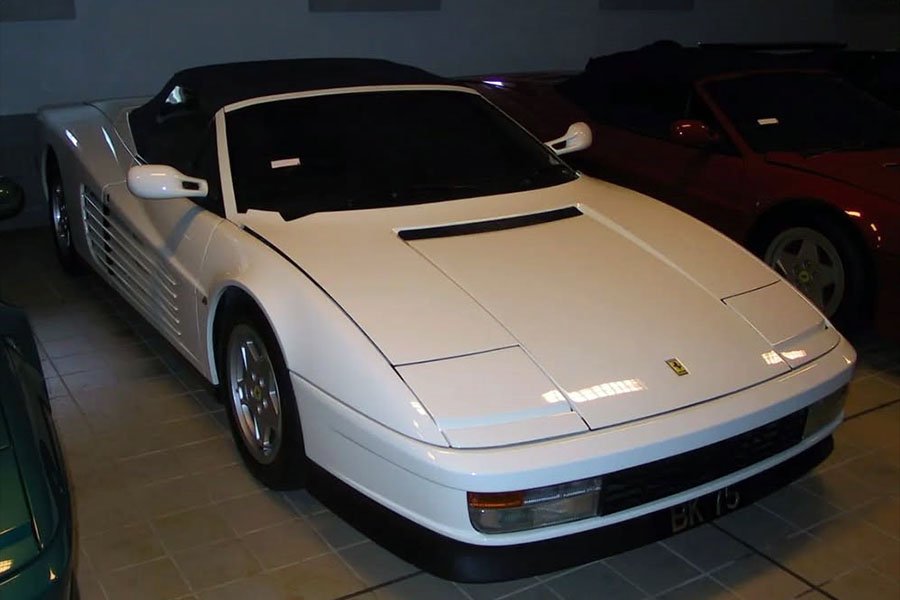
Although a Testarossa Spider was built in 1986 and gifted to Fiat Chairman, Gianni Agnelli, Ferrari elected not to offer its Flat 12-engined icon in open bodied trim even though such a machine would…
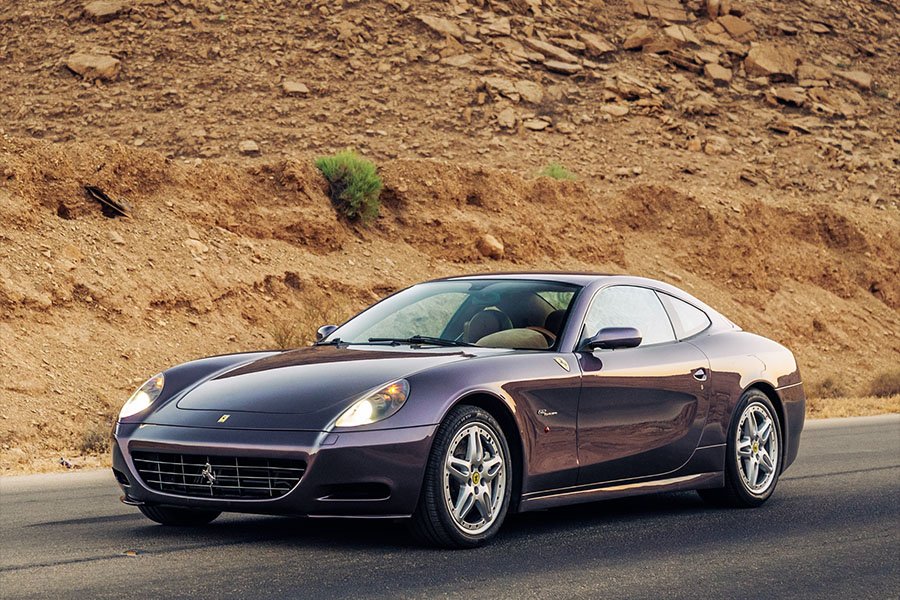
Although the Pininfarina-era of Ferrari styling from the 1950s through to the mid 2010s was best characterised by elegant orthodoxy, cutting edge design did have its place albeit generally for…
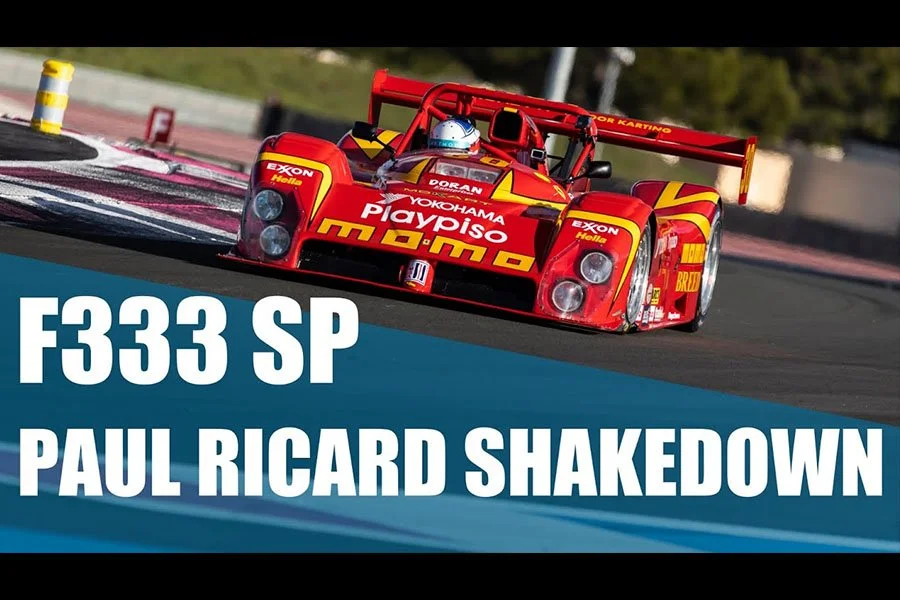
Endurance racing driver Emmanuel Collard takes the 333 SP for a shakedown at the Paul Ricard circuit. The track was not fully dry and still greasy from showers so he's not exploiting the car’s incredible capabilities.
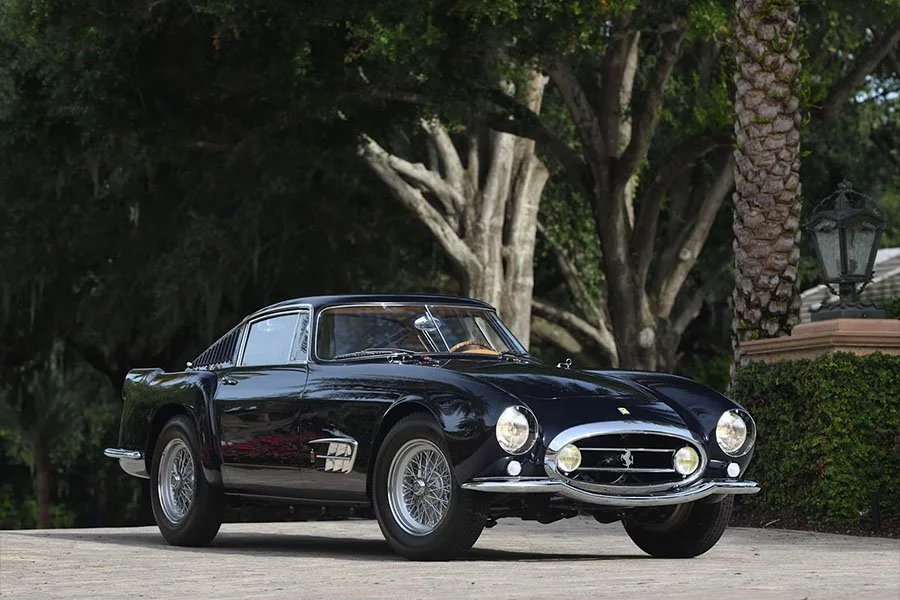
ed line up of Berlinetta, Coupe, Cabriolet and Spyder bodies for the 250 GT during the second half of the 1950s, Pinin Farina produced a considerable variety of designs, some of which served to…
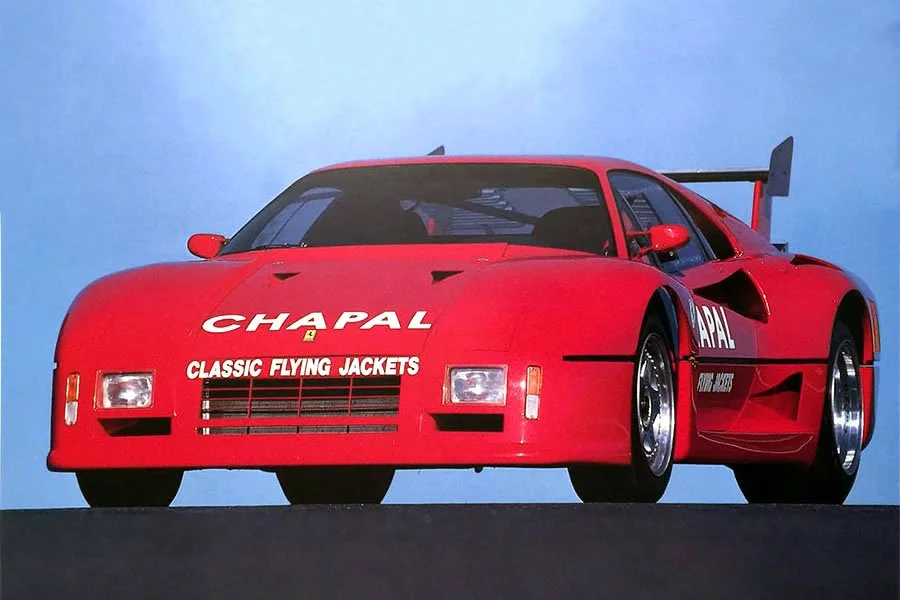
Chassis 70167 was the second GTO Evoluzione built from a six-car production run. The first three served as Ferrari test cars during the mid 1980s. The second three were built for VIP customers in 1988.
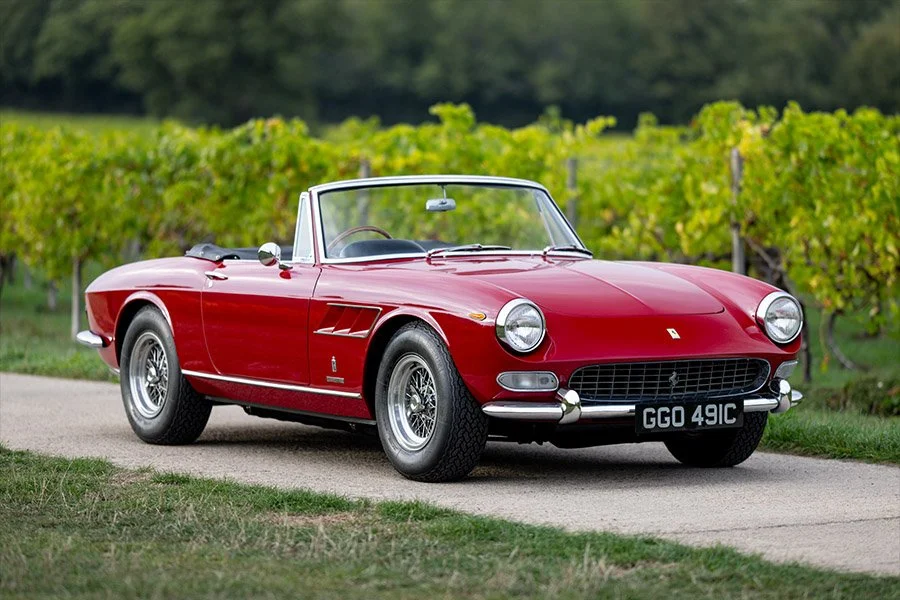
Rather than create a simple Drop Head conversion of the rakish 275 GTB, Ferrari decided to offer the 275 GTS with a completely different look. Just a couple hundred of these two-seat Spyders…
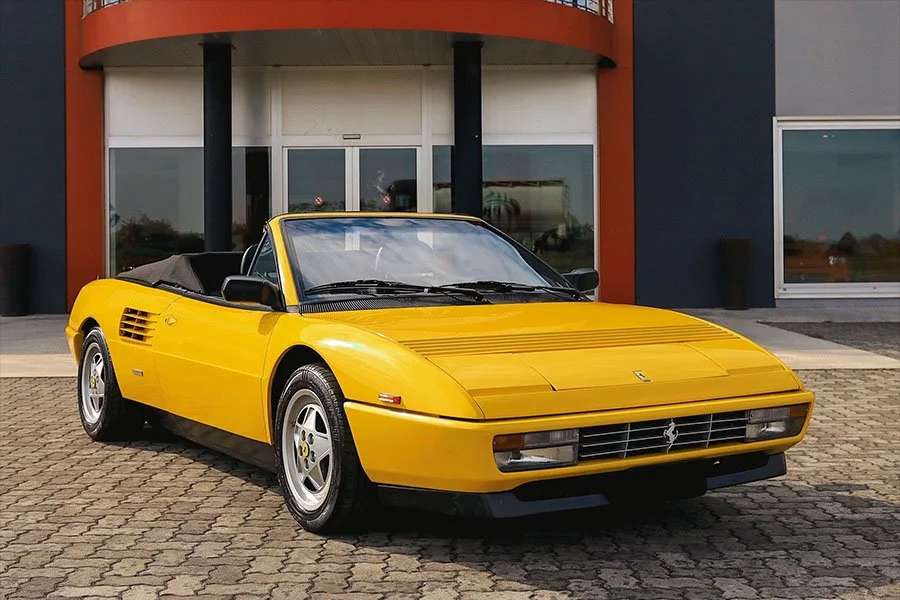
As the fourth generation Mondial would be the last, and therefore a limited programme of updates could have been forgiven, Ferrari actually came up with the most extensive refresh yet for its long…
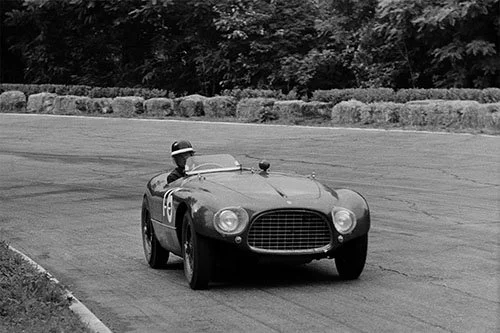
In addition to the Gioacchino Colombo-designed 60° V12 that powered Ferrari to considerable competition success, several other engines were commissioned during the company’s early days.
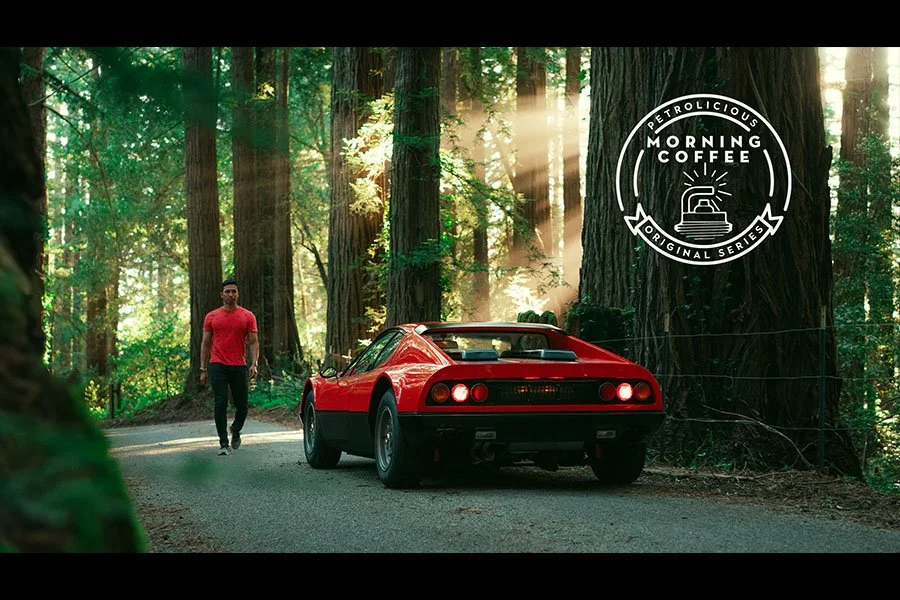
A Ferrari 365 GT4 BB rips through a forest road, with no dialogue or narration to get in the way. Just five liters of mid-engine flat-twelve and a canopy of trees.
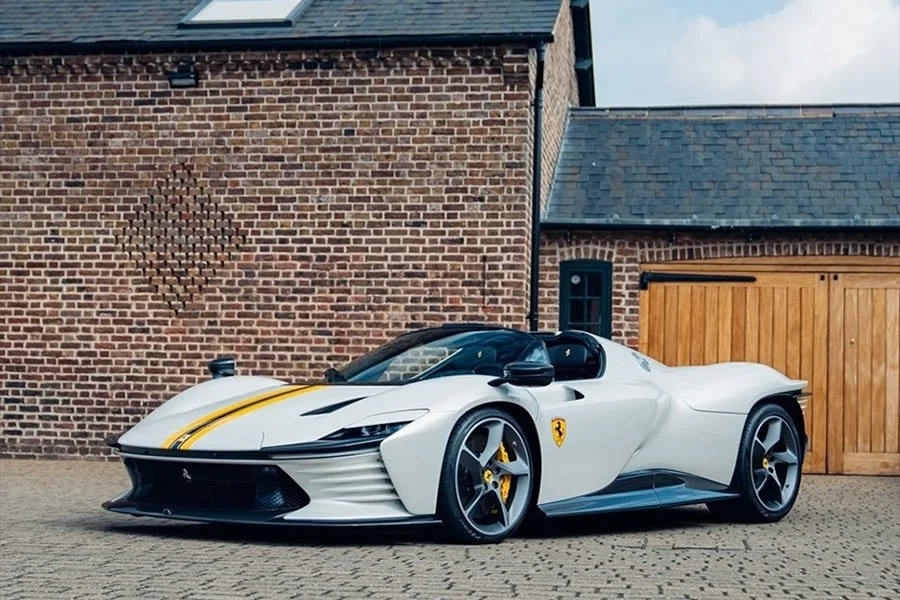
Although it unapolagetically incorporated an array of styling cues from Ferrari concepts of the distant past, the Daytona SP3 has quickly come to be regarded as a modern design classic. Built in a…

Completed in May 1971, chassis 14271 started life in “sand beige” (probably Nocciola Metallizato) with Nero upholstery. It was delivered to Ferrari’s US distributor, Luigi Chinetti, at the 1971 Le Mans…
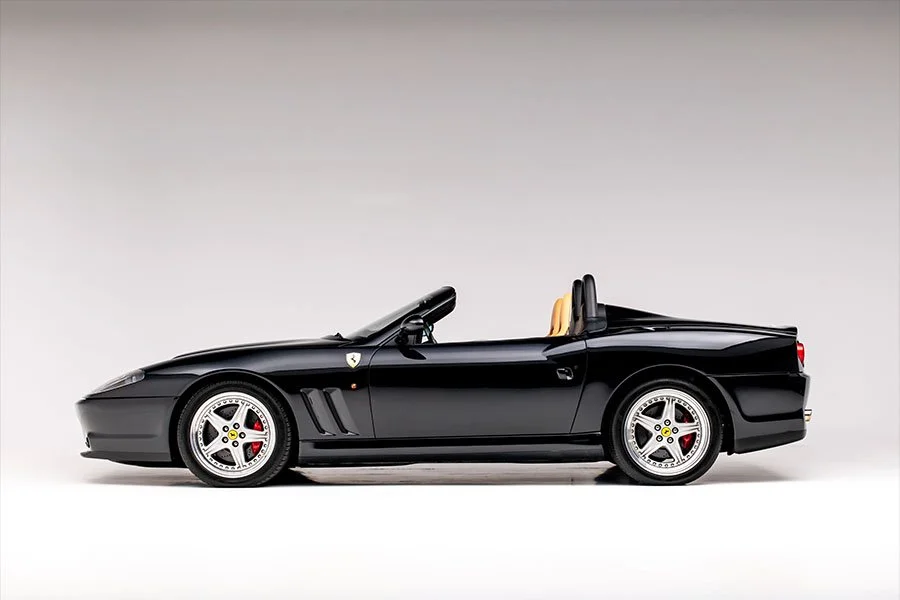
Nearly 20 years after the company had last offered a front V12-engined open two-seater, Ferrari released a spectacular limited edition special based on the critically acclaimed 550 Maranello.
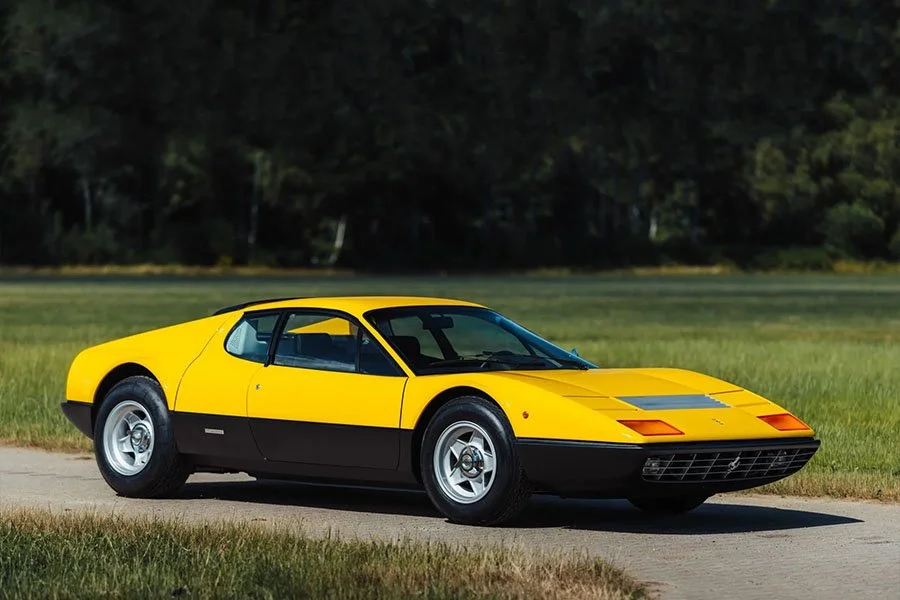
Famously, Enzo Ferrari had been a reluctant adoptee of the mid-engined layout, initially believing “the horse should pull the cart, not push it”. However, after a brace of promising outings with…
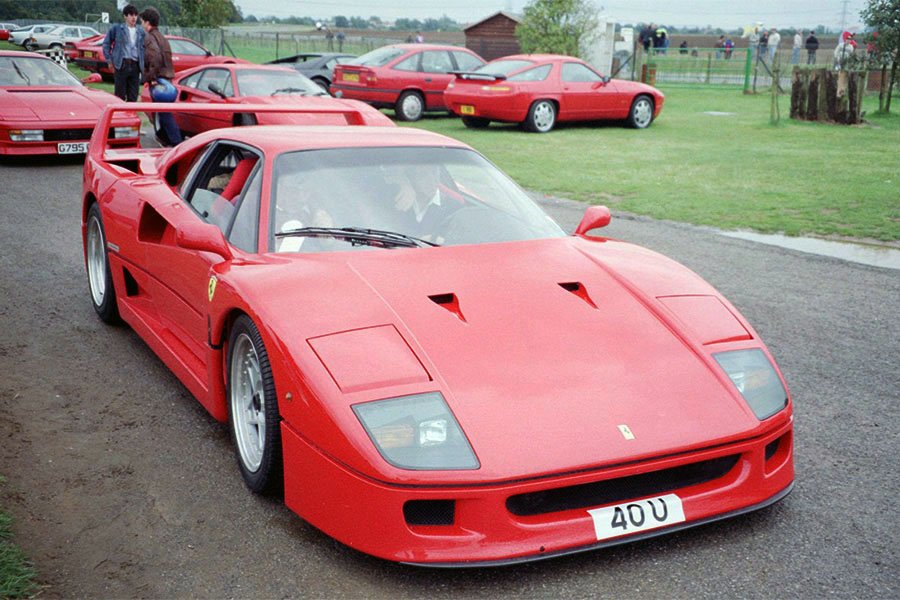
Among the initial batch of F40s supplied to UK customers was chassis 83330 destined for Graypaul Motors in Loughborough. The lucky recipient was Iain Menzies of Holland Park, London, who had…
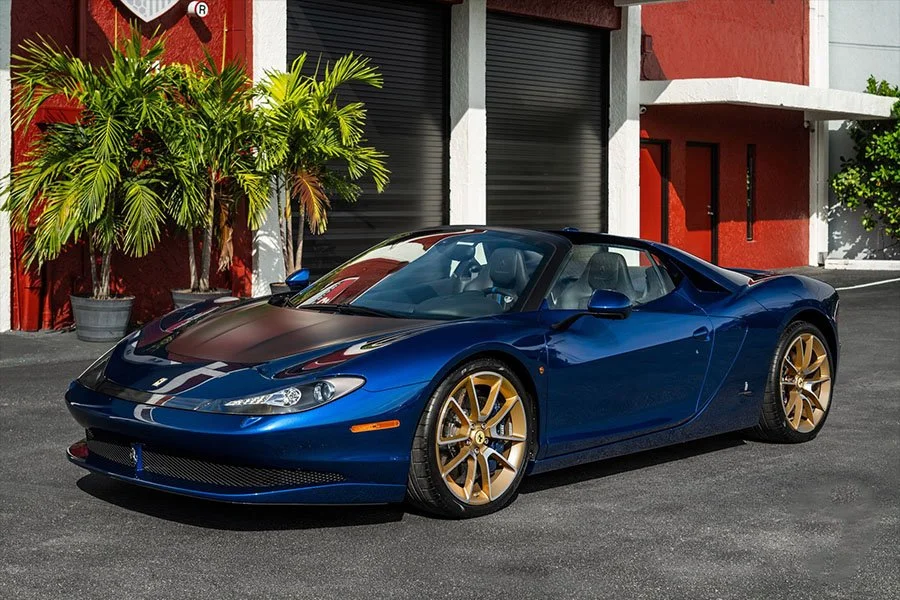
In terms of his road car division, one of Enzo Ferrari’s best decisions was made over the winter of 1952-1953 when il Commendatore signed an ongoing cooperation agreement with what was then…
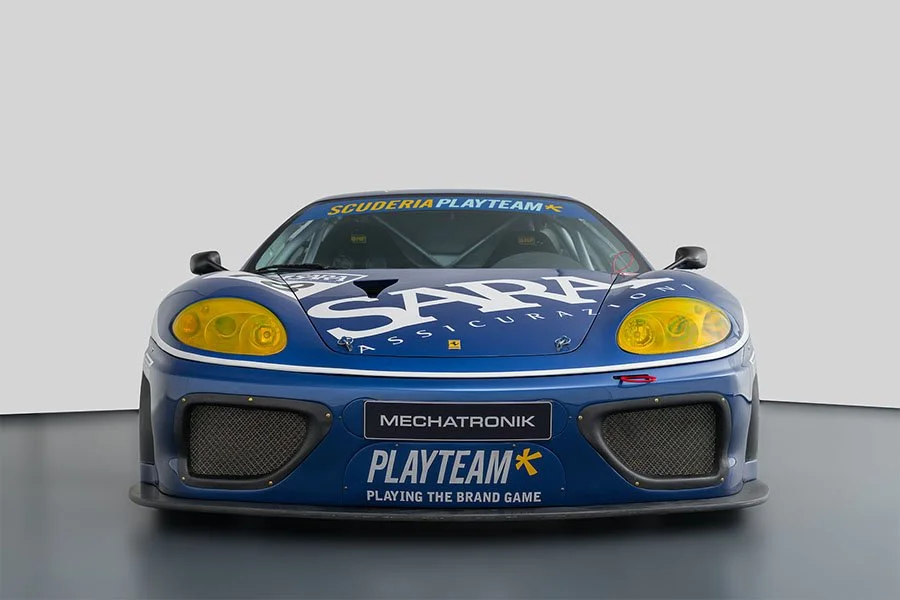
Ferrari launched what came to be the ultimate iteration of the 360 Modena at the Bologna Motor Show in December 2003. Dubbed 360 GTC, this latest contender for the junior class of GT racing…
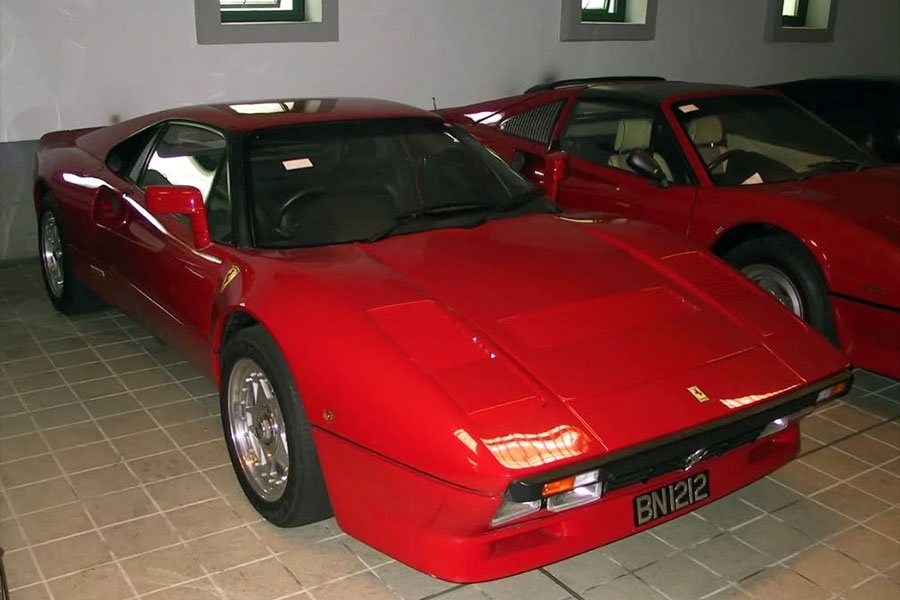
At the peak of the Brunei Royals’ mind-bending car splurge during the mid 1990s, a batch of 288 GTOs was sent to Pininfarina for customisation. Here, some were re-painted out-of-range colours…
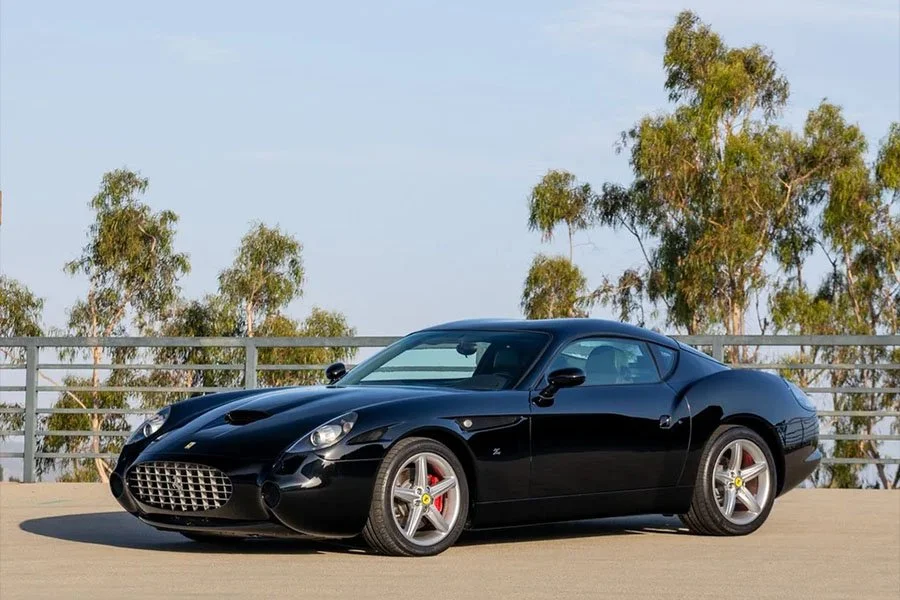
Inspired by Zagato-bodied iterations of the Ferrari 250 GT Competizione, Japanese collector, Yoshiyuki Hayashi, commissioned a coachbuilt mid 2000s revamp based on the 575M. Zagato’s…
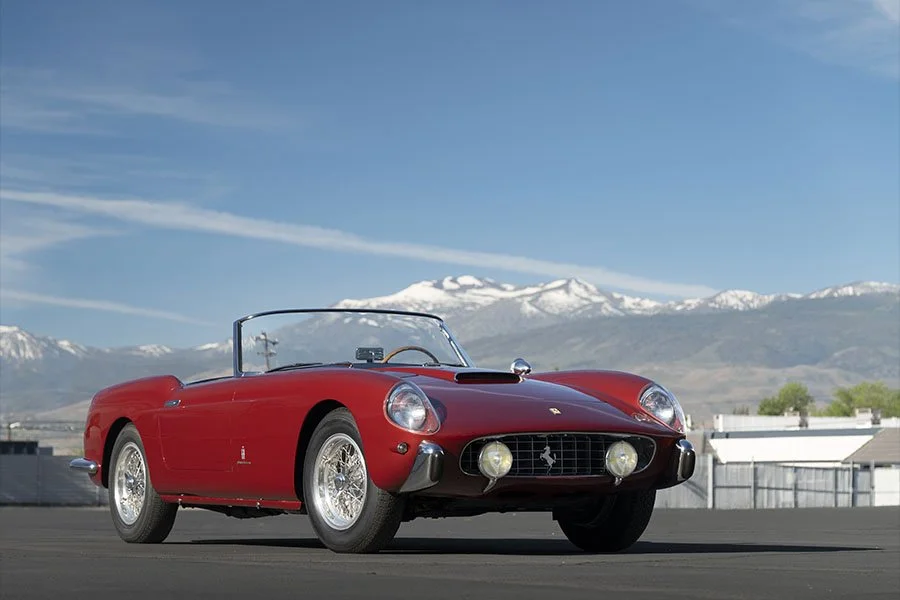
During the late 1950s, arguably the most beautiful two-saeat Roadster offered by any manufacturer was the Pinin Farina-styled first generation Ferrari 250 GT Cabriolet. Underneath rakish lines…
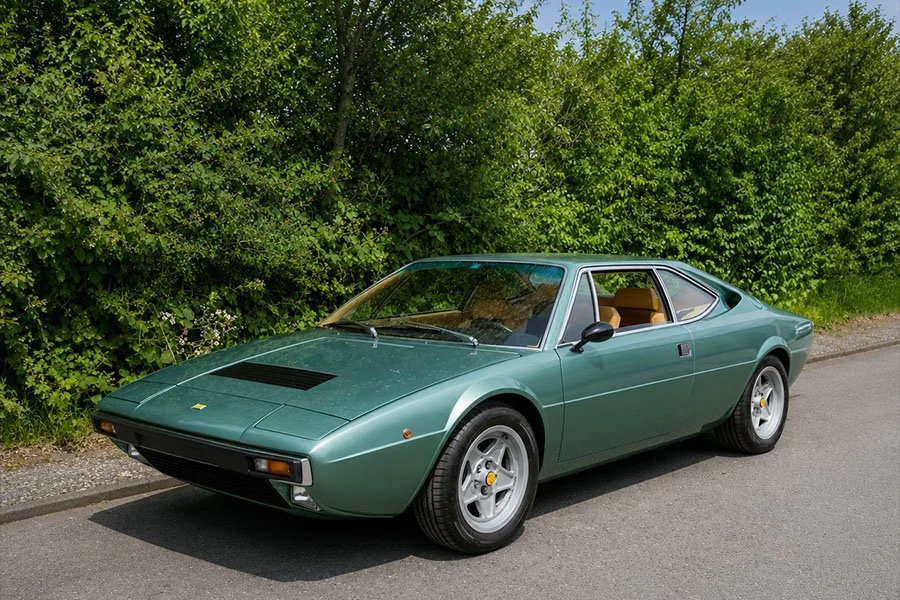
Despite a long-standing relationship with Pininfarina, Ferrari commissioned Carrozzeria Bertone to design and manufacture bodywork for its first V8-engined road car. Unveiled at the Turin Motor Show…
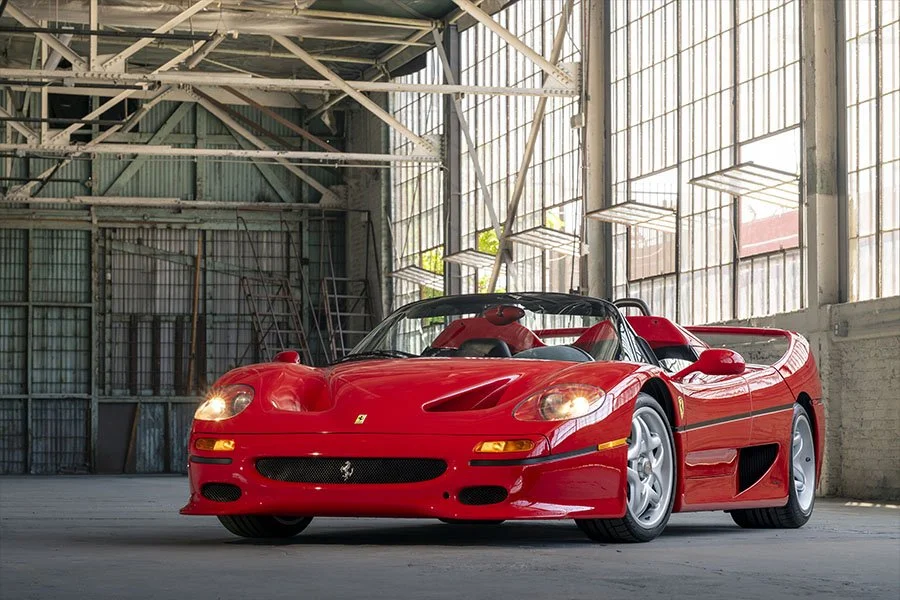
After the 288 GTO and F40 had used twin turbocharged V8s that propelled them to hitherto unseen levels of performance, Ferrari took a different approach for its third generation limited production…
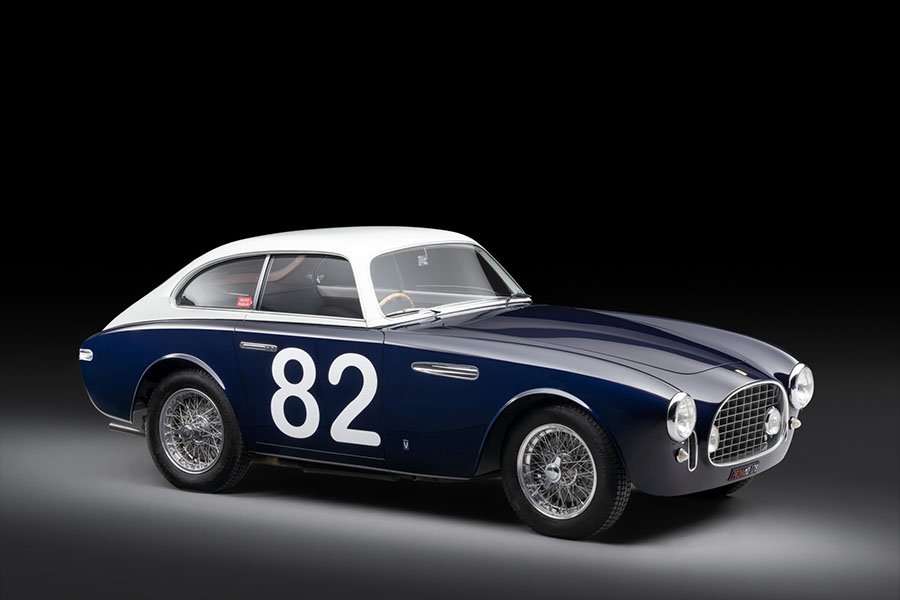
To replace the 2.6-litre 212 Export which had served privateers so well throughout the 1951 season, Ferrari introduced the 2.7-litre 225 Sport for 1952. In total, 21 examples of the 225 Sport were…
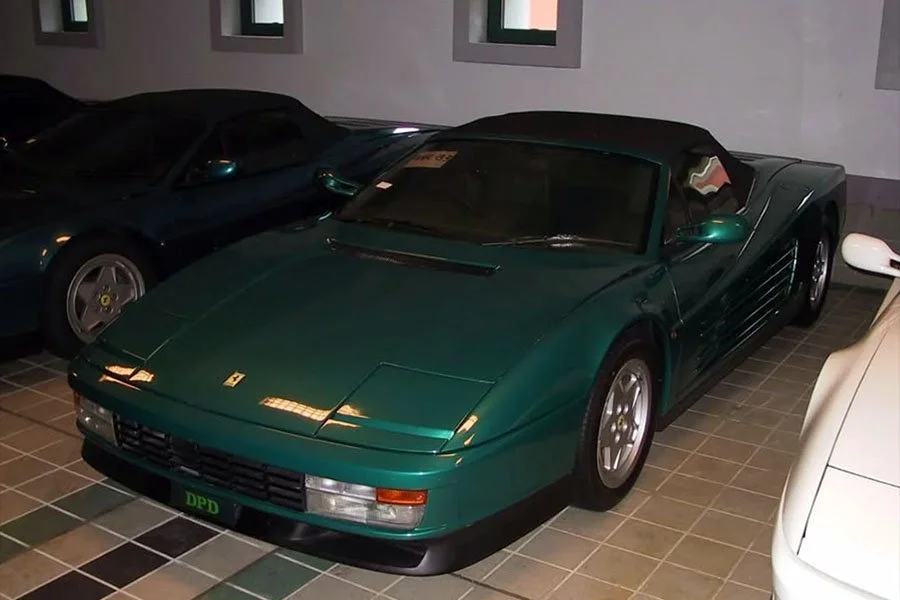
Although the onshore Seria field was discovered in 1929, it wasn’t until the 1960s that Brunei became a major player in oil and gas thanks to advances in offshore exploration. Following the opening of the…
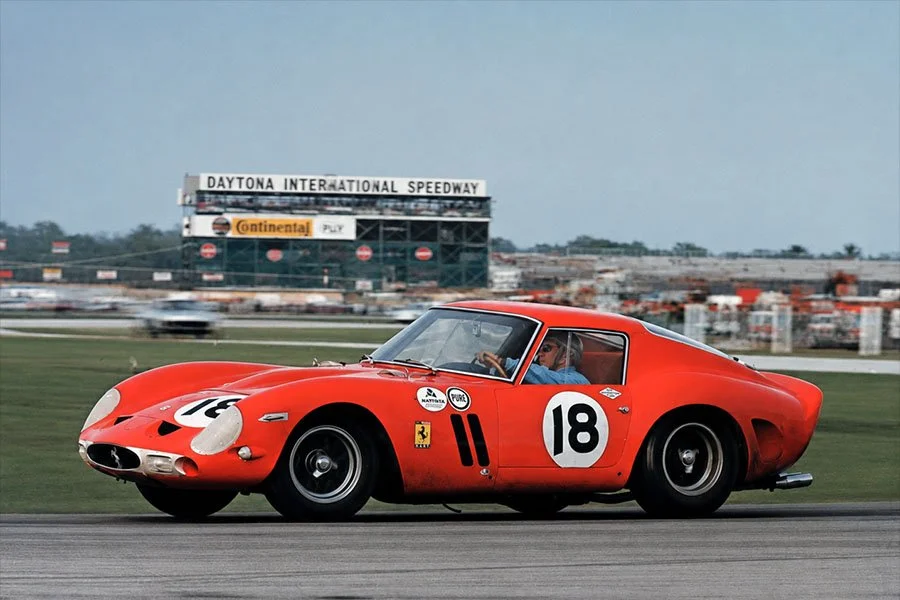
Chassis 4219 GT was the third 250 GTO campaigned by US Ferrari distributor Luigi Chinetti’s North American Racing Team (NART). This latest machine followed chassis 3387 GT (which ran at the 1962…
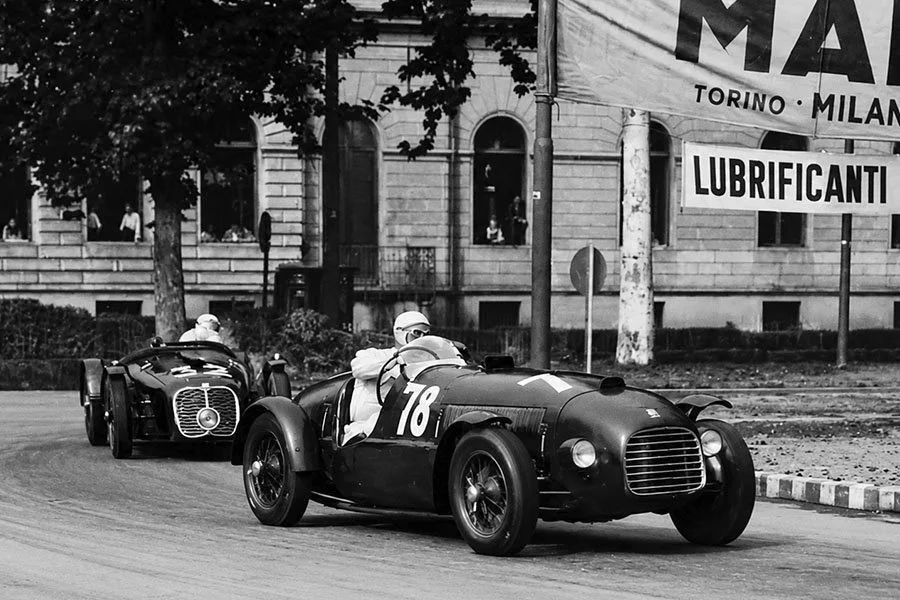
Chassis 002 C was the third car built by Ferrari. It started life as a 159 Sport and followed the brace of 125 Sports numbered chassis 01 C and 02 C. The first car to be fitted with the new type 159…
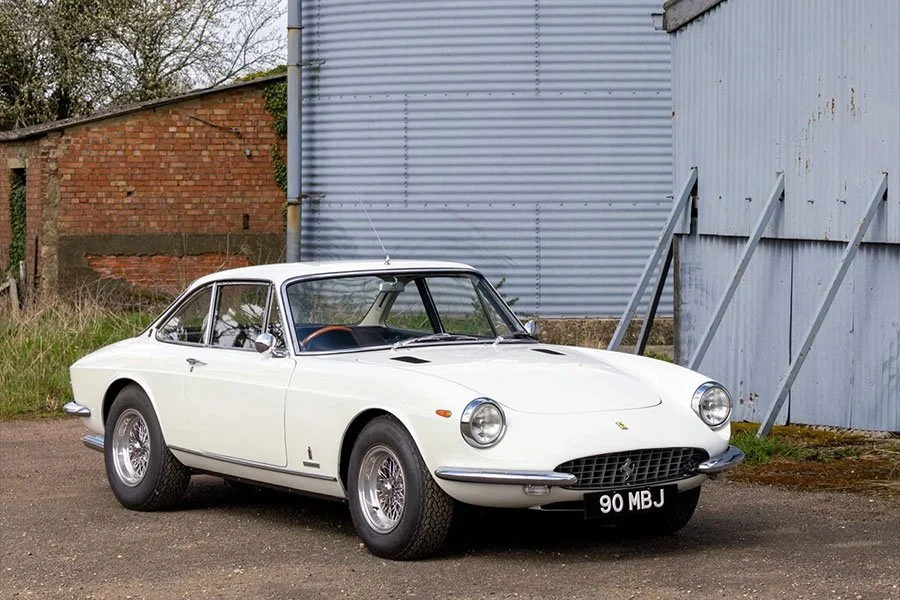
Despite having utilised a mishmash of styling features from other Ferrari models, the Pininfarina-designed 330 GTC ranks among the prettiest Italian sports cars from a golden age of automotive…
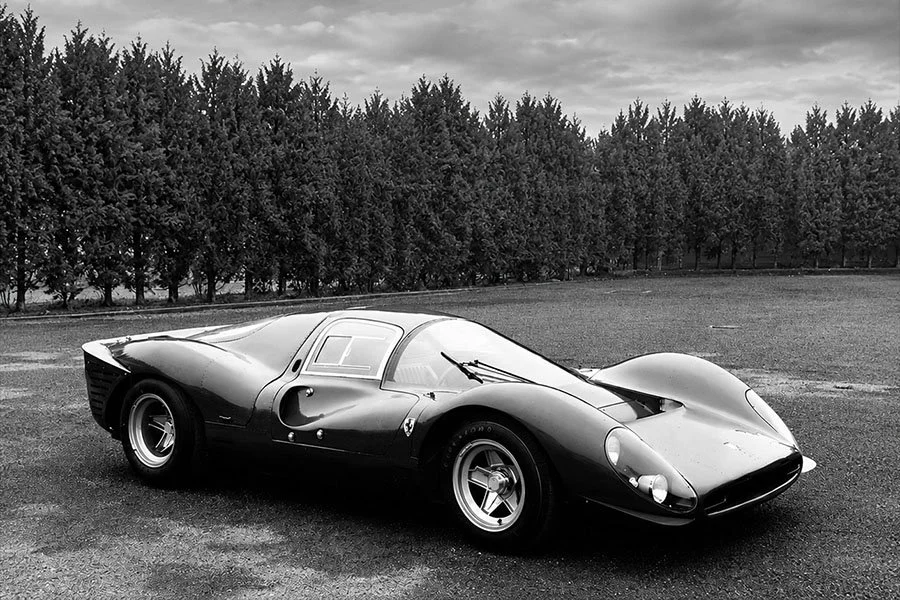
Ever since Ferrari’s debut season as a manufacturer back in 1947, the Italian firm had largely dominated the scene for purpose-built Sports and Prototype racing cars. There had of course been…
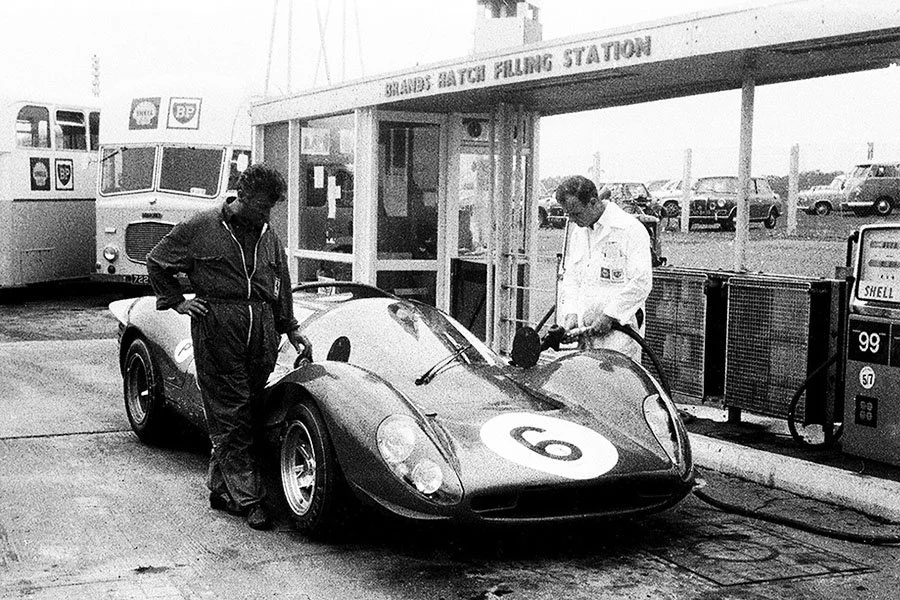
The 1967 World Sportscar Championship was anticipated to be one of the most competitive on record with new Group 6 Prototypes in the pipeline from Ferrari, Ford, Chaparral and Lola. The Group…
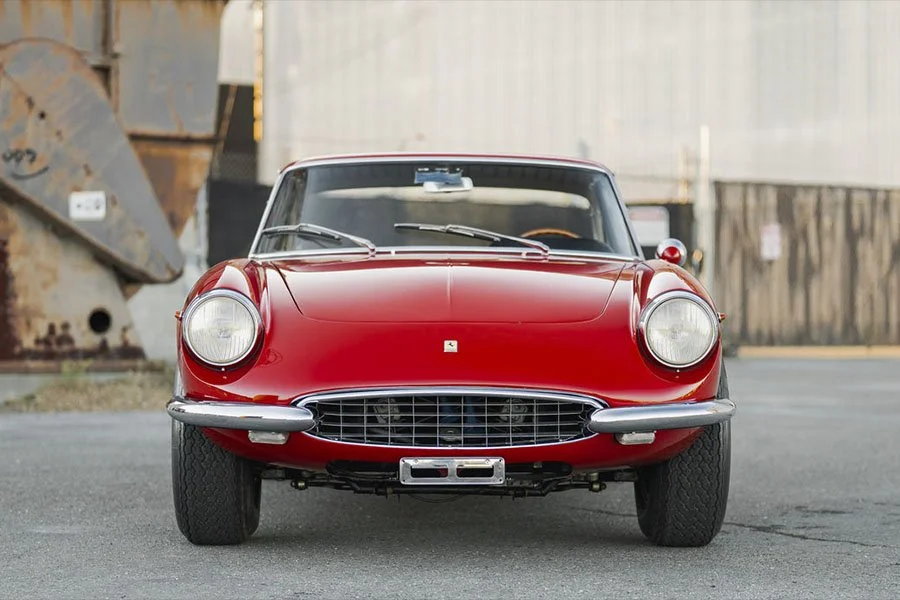
As a consequence of combining already well-proven design and mechanical features, Ferrari only felt compelled to create a single 330 GTC prototype and that car, chassis 6431, is currently on the…
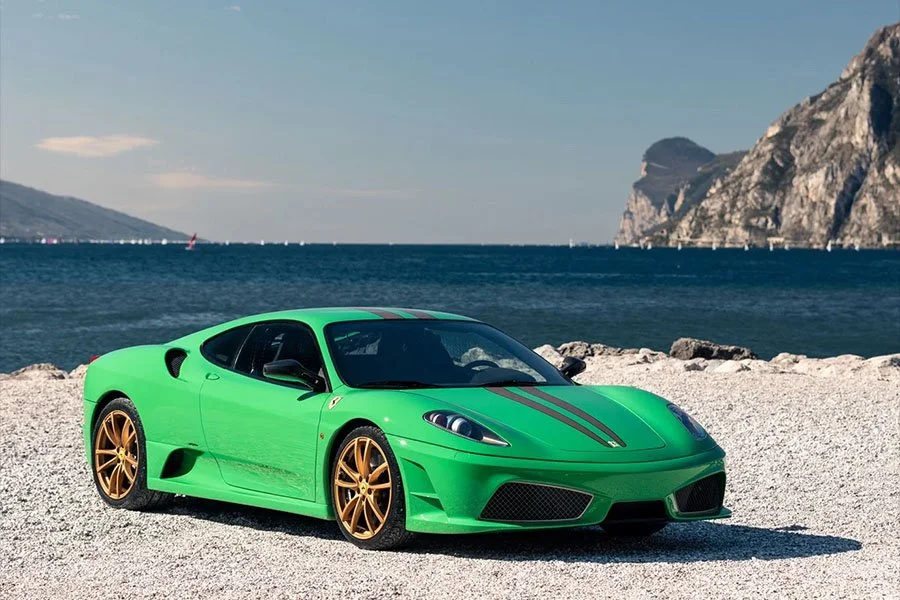
Two-and-a-half years after the F430’s debut, Ferrari unveiled a super hardcore high performance version conceived to take the platform to its absolute limit. 100kg lighter and 20bhp more powerful…