The 12C goes P1 - a Historical & Technical Appraisal of the McLaren 650S
/
BACKGROUND
After collaborating with its F1 engine supplier, Mercedes-Benz, to design and build the C199 SLR between 2004 and 2010, McLaren re-launched its road car division with the critically acclaimed 12C.
Unveiled in July 2010, the 12C was based around a carbonfibre tub with state-of-art continually adjustable electro-hydraulic damping system. In the engine bay was McLaren’s brand new Type M838T twin turbocharged 90° flat crank V8 hooked up to a seven-speed paddle-shift Seamless Shift Gearbox. All told, the 12C re-wrote what could be expected from a mid-range super sports car.
Having kicked Ferrari’s 458, the Lamborghini Gallardo and Porsche’s 911 Turbo into the long grass, McLaren set its sights on the market for top flight limited run vehicles characterised by the recent Ferrari Enzo, Porsche Carrera GT, Bugatti Veyron and the Pagani Zonda.
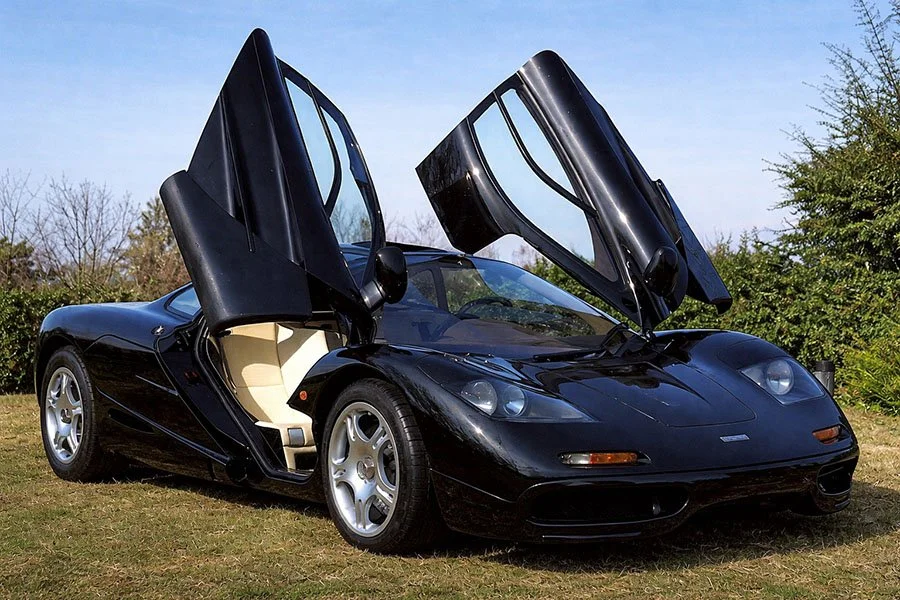
What emerged in concept trim at the Paris Motor Show in September 2012 (and production ready at Geneva the following March) was the epic P1. With its 12C-derived 903bhp hybrid powertrain, superb handling dynamics and radical new design language, the P1 came to be regarded as a modern day successor to McLaren’s iconic F1 road car from the 1990s.
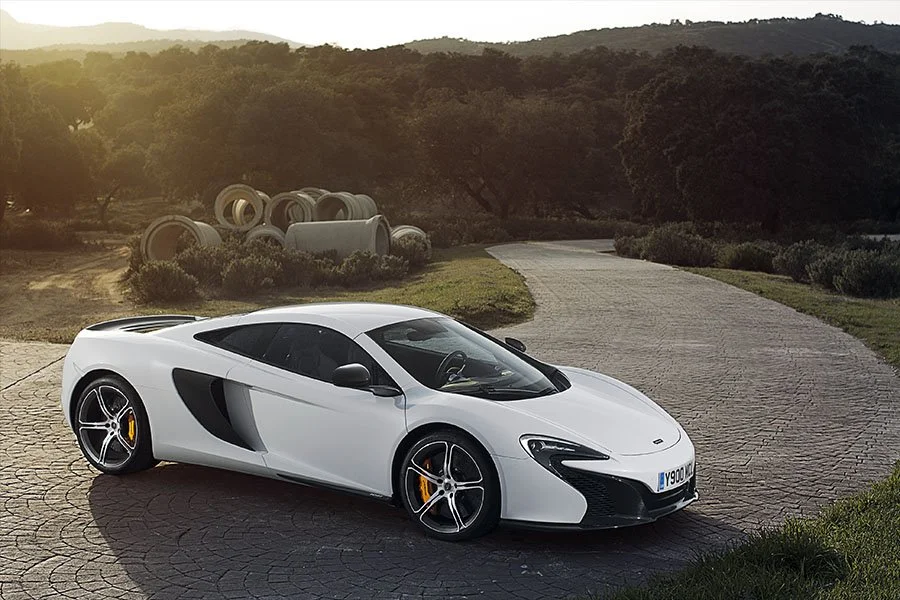
To complement this two-car line up, McLaren wanted to add an additional model that would sit just above the 12C and retail for around 20% more. Most noticeably, the new machine would combine styling elements from the P1 to create something that was visually more exciting than the rather clinical 12C. In addition, engineering lessons learned from the P1 would be applied for a more responsive, more driver-focused set up thanks to further optimised engine, transmission, braking and suspension systems.
Announced in February 2014 ahead of a physical launch at the Geneva Motor Show in March, the new McLaren’s 650S moniker was a reference to the output of its twin turbocharged V8 engine. At 650 PS (equivalent to 641bhp), it represented a useful gain over the 12C which, since the 2013 model year, had pumped out 625 PS (616bhp).
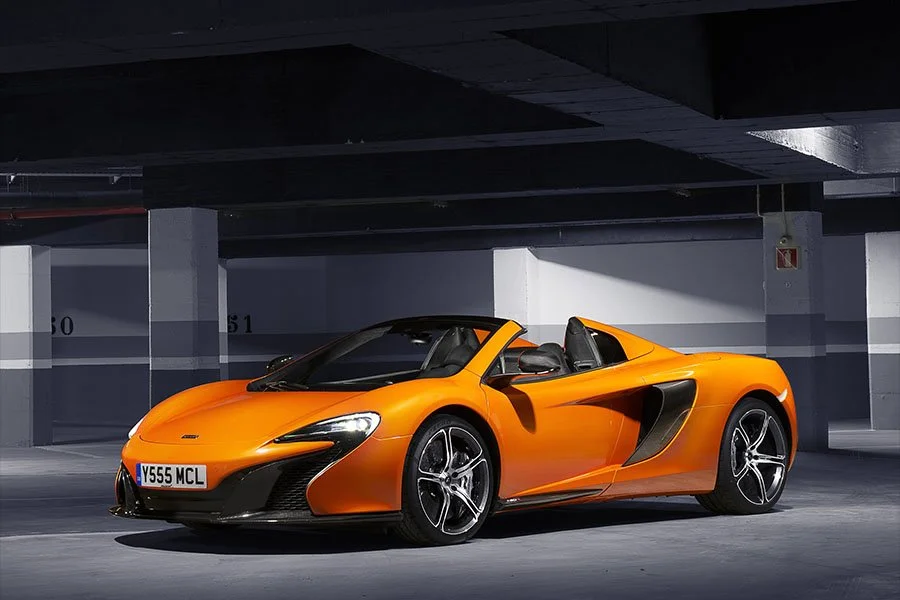
Production began soon after the 650S took its bow in Geneva with customers being offered Coupe and Spider body styles from the outset.
CHASSIS
Around 75% of components used on the 650S were imported from the 12C to include its single piece carbonfibre monocoque which McLaren referred to as the Carbon MonoCell. Weighing in at 80kg, the MonoCell was manufactured by Carbo Tech in Salzburg and had aluminium subframes attached at either end to support the engine, suspension and other ancillary equipment.
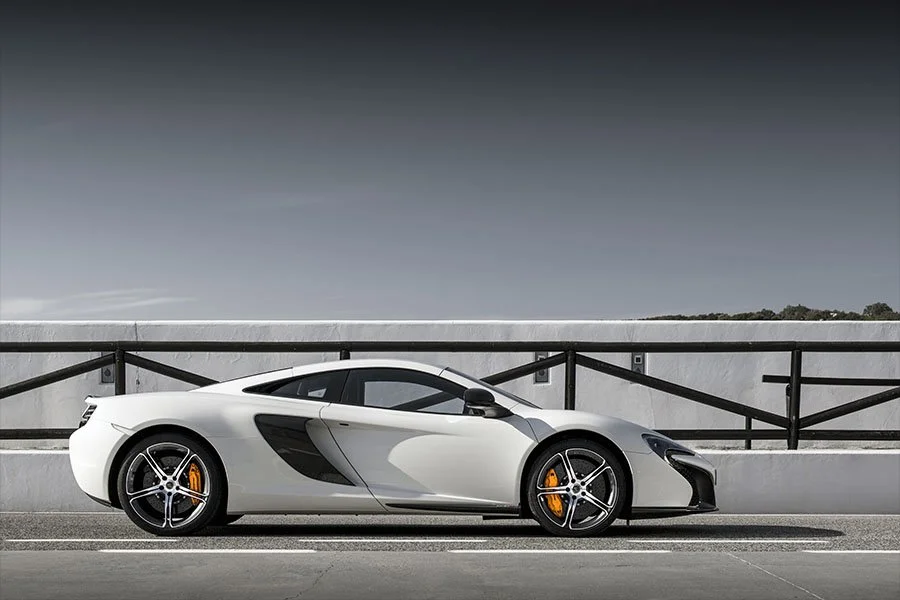
As before, the wheelbase measured 2670mm. Similarly, a 72-litre fuel tank was installed between the cockpit and engine.
Like the 12C, the 650S used an advanced double wishbone suspension arrangement with ProActive Chassis Control (PCC). Instead of traditional dampers and anti-roll bars, PCC featured interconnected electro-hydraulic dampers with continually adjusted pressure rates to control pitch and roll which gave a soft compliant ride at low speeds and firmed up under faster driving conditions.
A Handling button on the centre console gave the choice of three drive modes: Normal, Sport and Track. An Electronic Stability Control system was also installed along with electro-hydraulic variable rate power steering.
For the 650S, McLaren enhanced the PCC system for improved ride quality. Damper modes were recalibrated to improve driver engagement with these updates especially noticeable in Sport mode.
New damper mounts and revised top bushes on the 650S improved ride comfort and reduced noise, vibration and harshness. Additionally, spring stiffness was increased by 22% at the front and 37% at the rear.
Although the steering system on the 650S was shared with the 12C, additional downforce generated by the new model yielded sharper turn-in performance with greater precision and more balanced feedback.
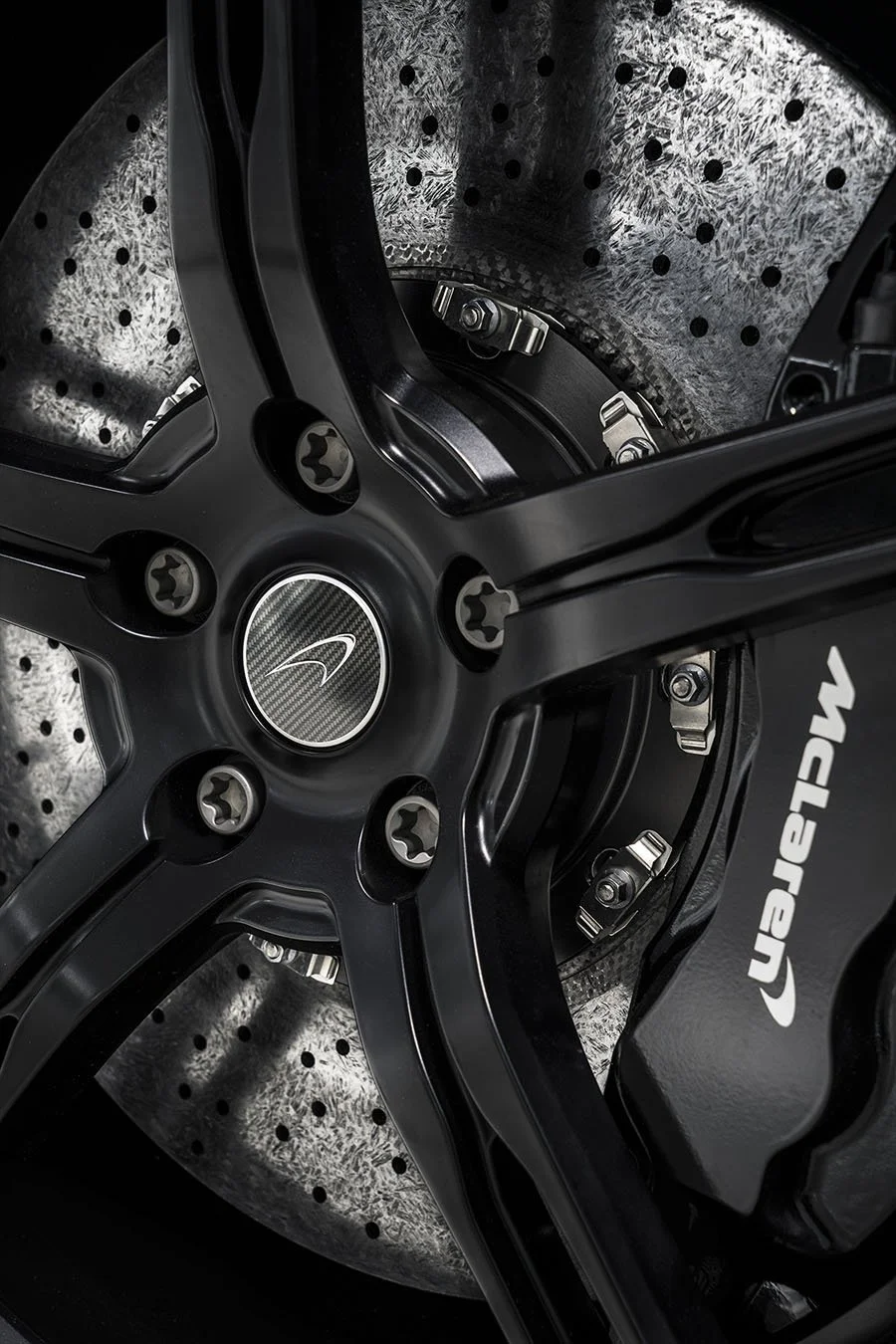
Whereas the 12C came with cast-iron ventilated brake discs, the 650S got McLaren’s normally optional carbon ceramics as standard. 394mm diameter discs with 6-piston calipers were installed at the front and 380mm discs with 4-piston calipers at the rear.
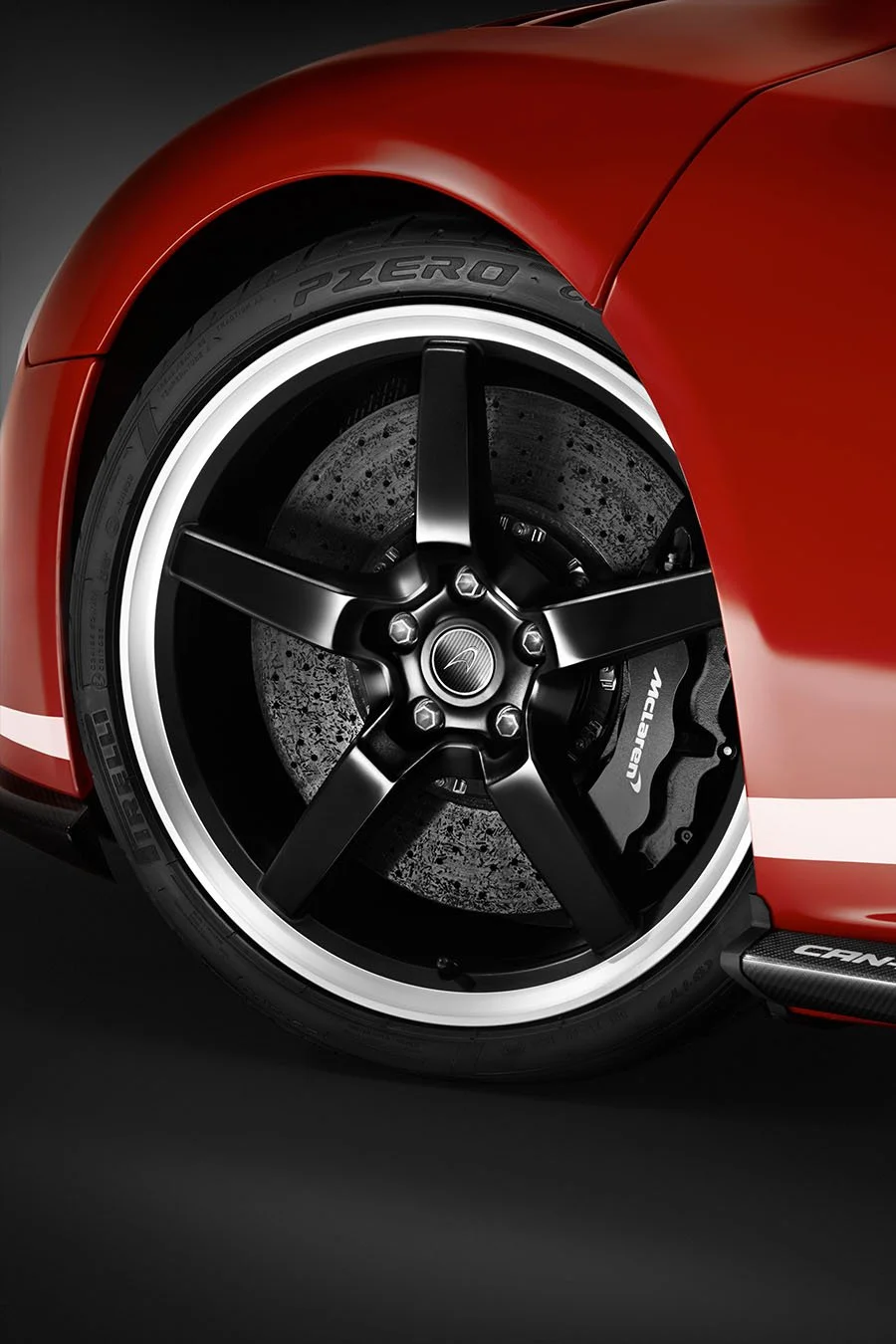
New forged five-spoke lightweight forged alloy wheels were available in silver, stealth black or with a diamond cut finish. As per the 12C, they measured 19 x 8.5-inches at the front, 20 x 11-inches J at the rear but were now shod with specially developed MC1-branded 235/35 R19 and 305/30 R20 Pirelli P Zero tyres that offered a wider contact patch.
ENGINE / TRANSMISSION
Mounted longitudinally behind the carbon tub was the latest iteration of McLaren’s Type M838T twin turbocharged 90° flat crank V8. Once again, it featured an all-alloy construction, dry-sump lubrication, dual overhead camshafts and four valves per cylinder. The extremely fuel efficient motor also employed state-of-the-art variable valve timing.
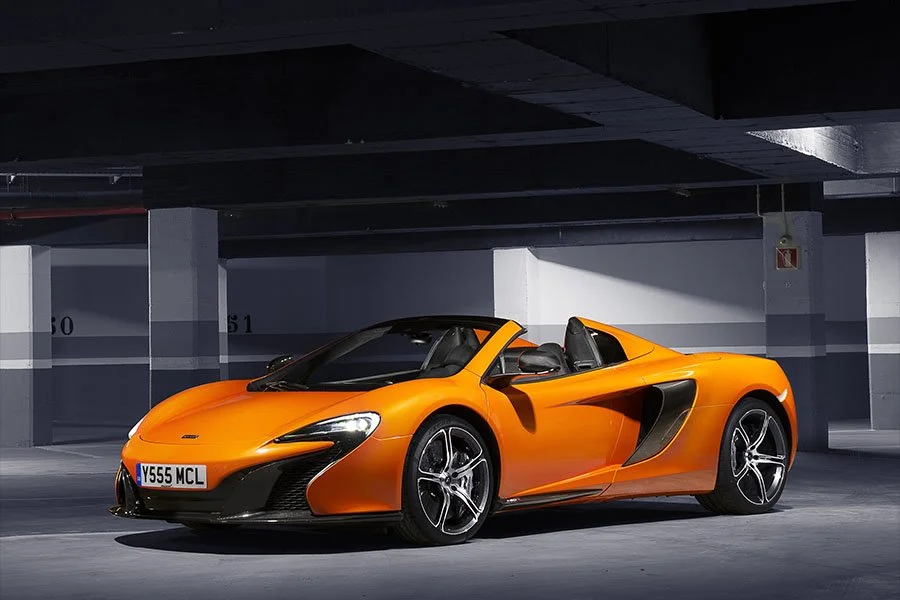
Displacement was unchanged at 3799cc thanks to a bore and stroke of 93mm and 69.9mm respectively.
Engine management was via a Bosch-supplied ME17.8.3 system. The charge air cooler, condenser and radiators came from Visteon.
Engines were built for McLaren by development partner Ricardo in Shoreham.
The unique 650S motors were modified for more power, improved throttle response and reduced emissions.
They came with special pistons, free-flow cylinder heads with new exhaust valves, revised camshaft timing and a lightweight exhaust system. Throttle mapping was specific to this latest model, cooling systems were optimised and the engine had its redline increased to 8500rpm.
With an unchanged 8.7:1 compression ratio, McLaren claimed peak output figures of 641bhp at 7250rpm and 500lb-ft at 6000rpm for the 650S. By way of comparison, the engine in the updated 2013 model year 12C developed 616bhp at 7500rpm and had a torque rating of 443lb-ft from 3000rpm to 7000rpm.
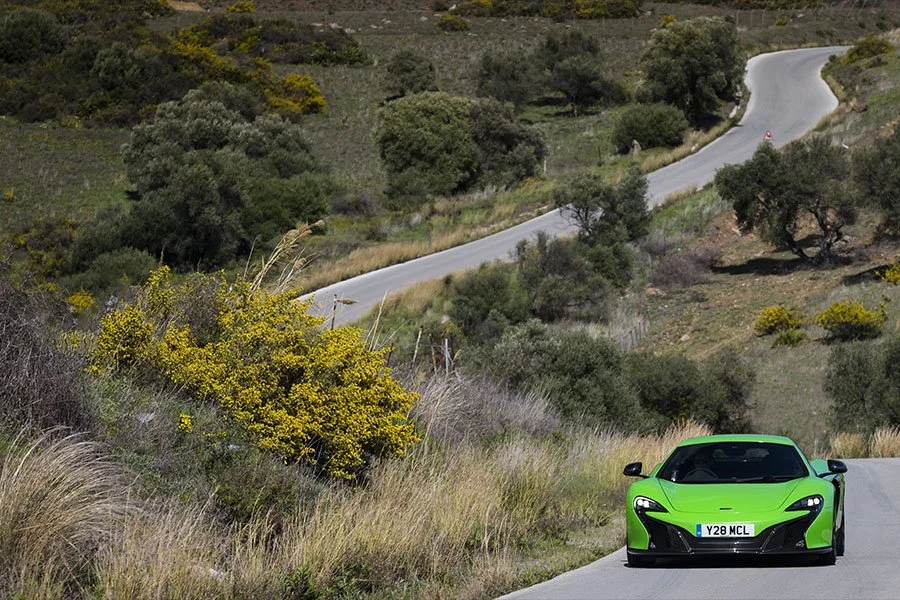
The 650S used the existing seven-speed dual clutch Seamless Shift Gearbox (SSG) manufactured by Graziono Transmissioni. It featured a pre-cog system that pre-loaded the clutch allowing virtually instantaneous gear changes.
Alongside the Handling button on the centre console was a Powertrain button which offered Normal, Sport and Track modes which varied gear shift speeds.
The open differential used an F1-style brake steer system where the inside rear wheel braked during fast cornering to reduce understeer (effectively brake-based torque vectoring).
The aforementioned traction control system offered a choice of four stability modes: Winter, Normal, Sport and Track.
A launch control function was also installed.
For the 650S, the powertrain modes were optimised to provide slicker, quicker shifts and smoother, more predictable low-speed driving. Under hard acceleration in Track mode, what McLaren dubbed 'inertia push' harnessed built up kinetic energy to deliver an impulse of torque as the next gear was engaged which resulted in no drop in the rate of acceleration as the driver shifted up a gear. Also new was 'cylinder cut' technology that produced an exhaust flare (momentarily interrupting the spark and popping the fuel on re-ignition).
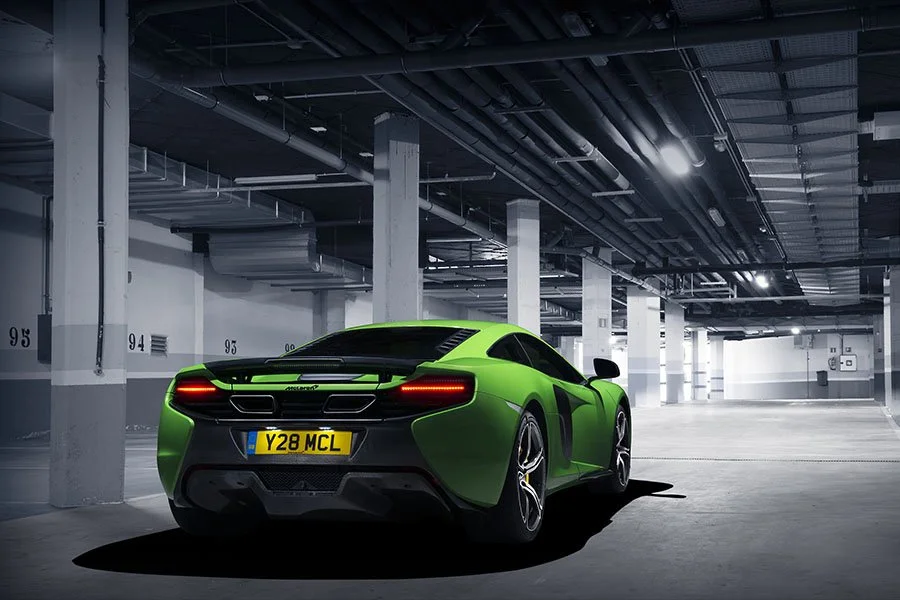
The Electronic Stability Programme on the 650S was recalibrated to intervene a little less aggressively.
BODYWORK
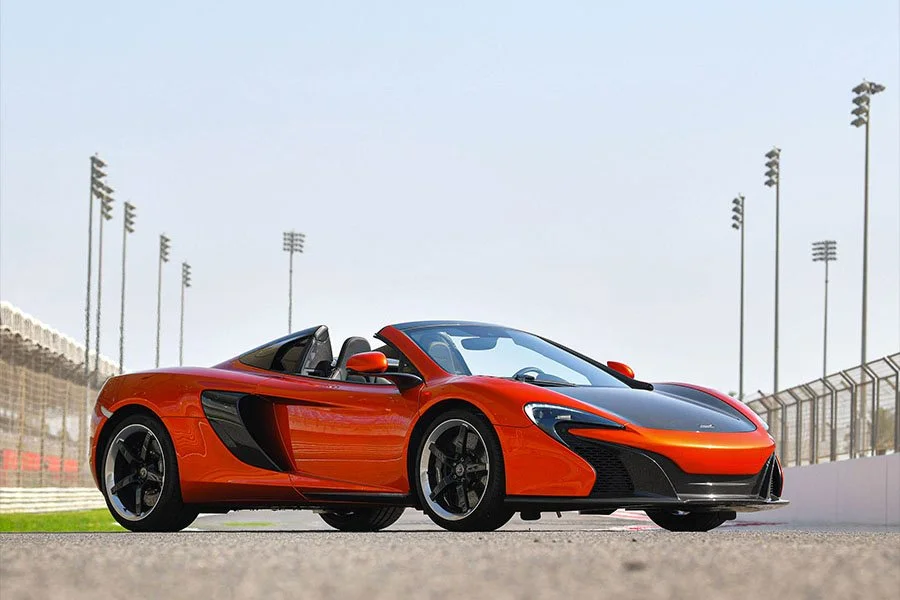
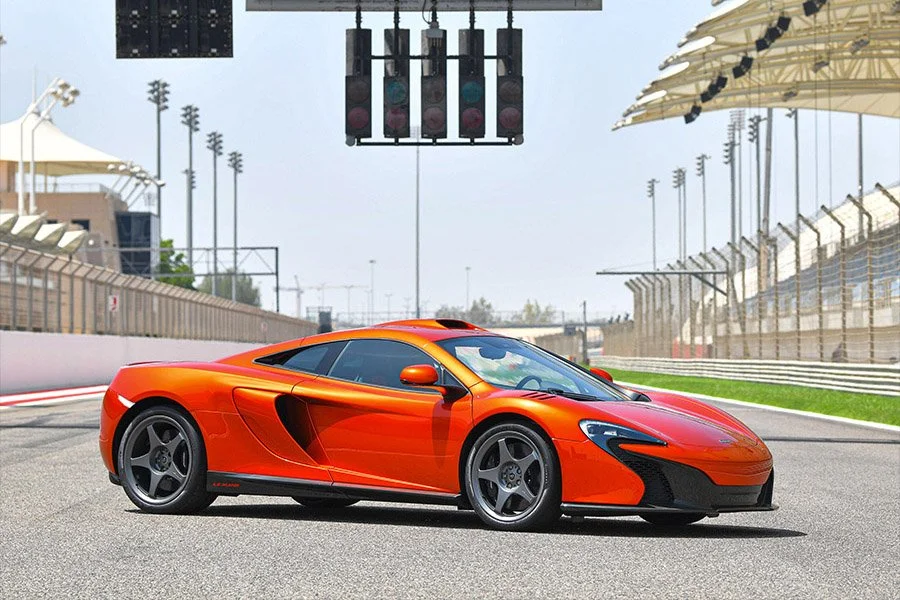
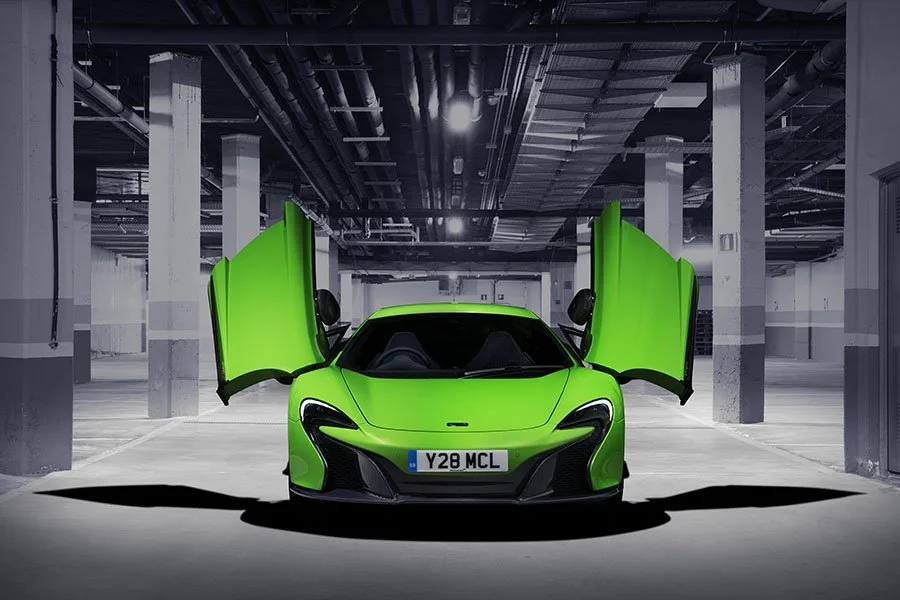
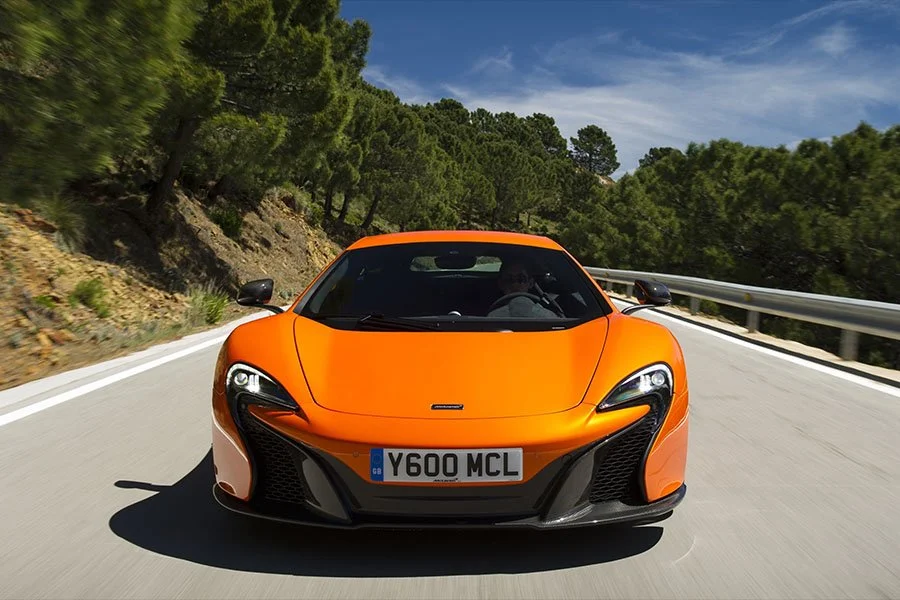
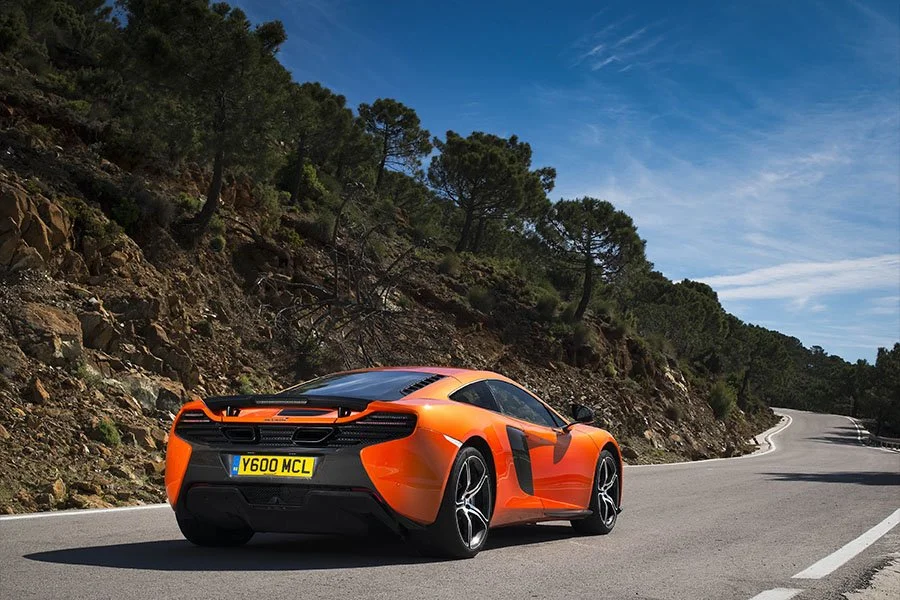
Bodywork for the 650S mixed elements from the existing 12C with an array of P1-inspired details to bring in a fresh family design language.
Fore of the A-pillars, everything on the 650S was new with LED headlights, a completely redesigned front bumper assembly that housed dramatically enlarged air intakes and a massive front splitter that increased downforce. Mounted on the front lid was a new badge inspired by the type McLaren fitted to the iconic 1990s F1.
Down each flank, simplified engine intake scoops were fitted and each dihedral butterfly door gained a new P1-style blade that channelled air from the trailing edge of the front splitter.
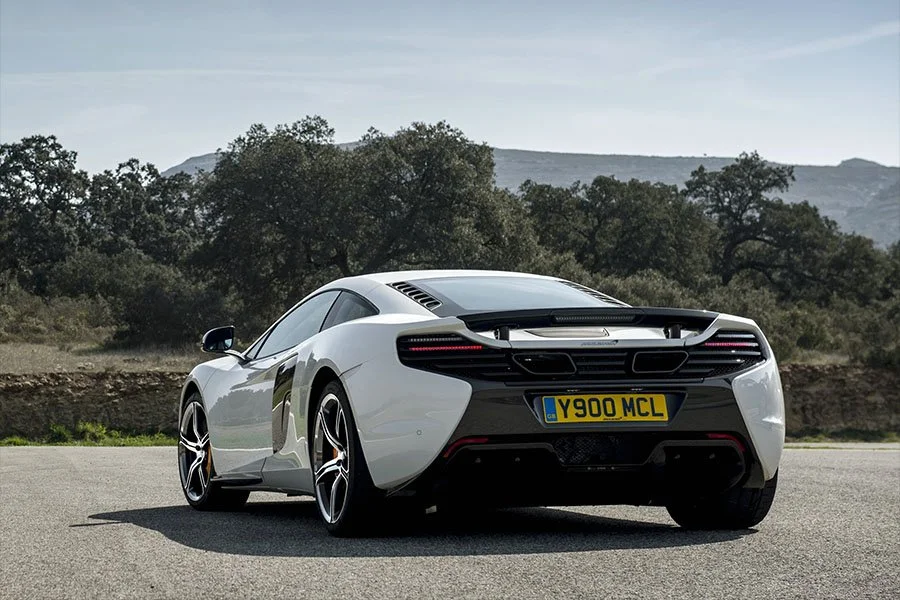
At the rear, the 12C’s slatted fascia that housed the tail lights and shrouded the high rise exhausts was carried over. Lower down, a new bi-colour three-piece bumper assembly with Palladium Grey inlay mimicked the P1 and featured a more prominent rear diffuser underneath.
For increased stability, the active airbrake as fitted to the 12C now deployed whenever the car sensed extra downforce was advisable as opposed to simply under hard braking or when manually operated in Aero mode.
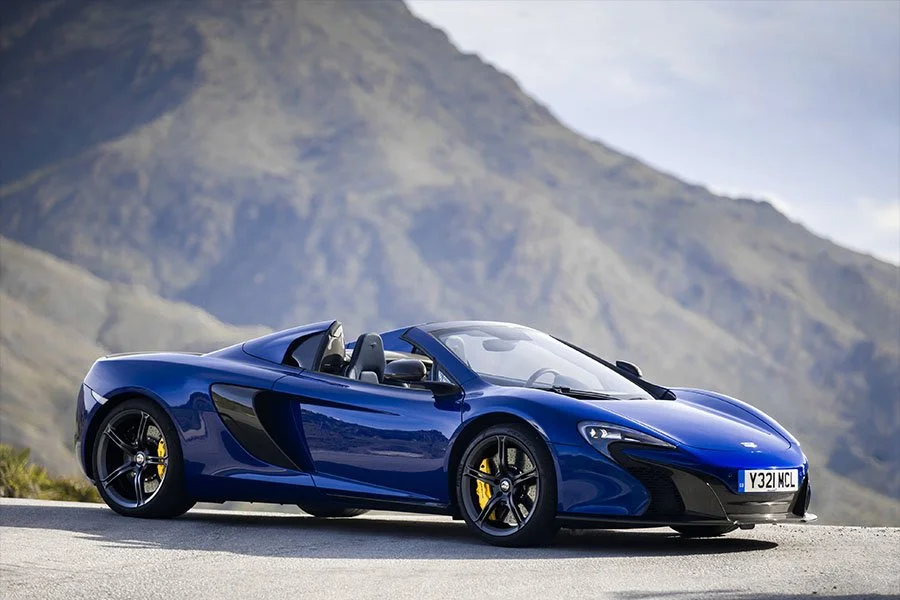
Whereas the 650S Coupe came with a fixed roof and glass engine cover, the Spider version featured a retractable folding hard top.
As McLaren’s MonoCell chassis had been designed from the outset with a convertible version in mind, no additional strengthening was required. The Spider’s rollover system included a steel structure inside each of the rear buttress-type supports to absorb shocks and protect the occupants. To limit weight gain, the car was not equipped with an active pop-up rollover protection system.
The two-piece retractable hard top could be raised or lowered in 17 seconds and while the vehicle was travelling at speeds of up to 30kmh. It came with a heated glass rear window that could be lowered independently of the roof. With the roof down, the rear window served as a wind deflector to reduce cabin buffeting. When lowered, the roof was concealed under a body coloured tonneau. If the hood was raised, the area under the tonneau could be used for additional storage space.
All told, the 650S bodywork had an identical drag coefficient to the 12C, but generated much greater levels of downforce with McLaren quoting a 24% increase at 150mph.
INTERIOR
Inside, practically all of the fixtures and fittings adopted for the 650S were imported from the 12C.
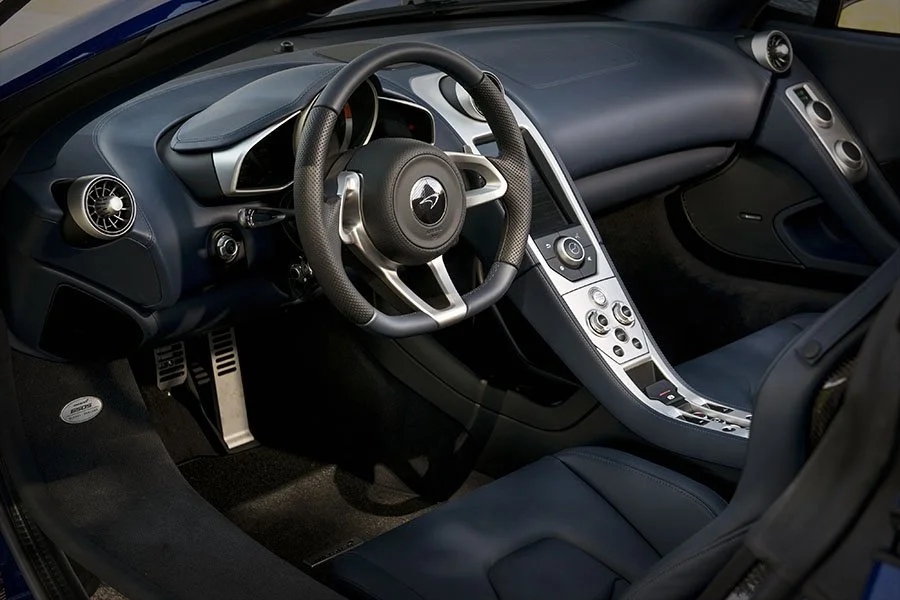
For the new model, the interior automatically came trimmed in alcantara (to include the headliner).
The other new feature fitted as standard was a second generation IRIS satellite navigation system with Bluetooth connectivity, a DAB digital radio (SIRIUS satellite radio in North America), wireless tethering, audio streaming and voice control.
Two-piece seats (electrically adjustable for height) were positioned close together to improve weight distribution and avoid any pedal clearance problems from wheel well intrusion.
The dash was integrated with a slim centre console that gave a wraparound effect for the occupants. Directly behind the three-spoke leather-rimmed steering wheel was a large analogue tachometer inset with a digital speedometer. To the left was an illustrated warning display and to the right were digital read outs for temperatures and levels. At the extremities on each side were an array of individual warning lights.
The forward section of the slim centre console housed a 7-inch touch screen and rotary control knob. Underneath was a control panel with the rest of the switchgear. Additional control panels were located on each of the doors.
The list of standard equipment included a Meridian four-speaker sound system, keyless entry, keyless start, dual zone air-conditioning, rain-sensing wipers and cruise control.
OPTIONS
650S customers could personalise their car with an array of options.
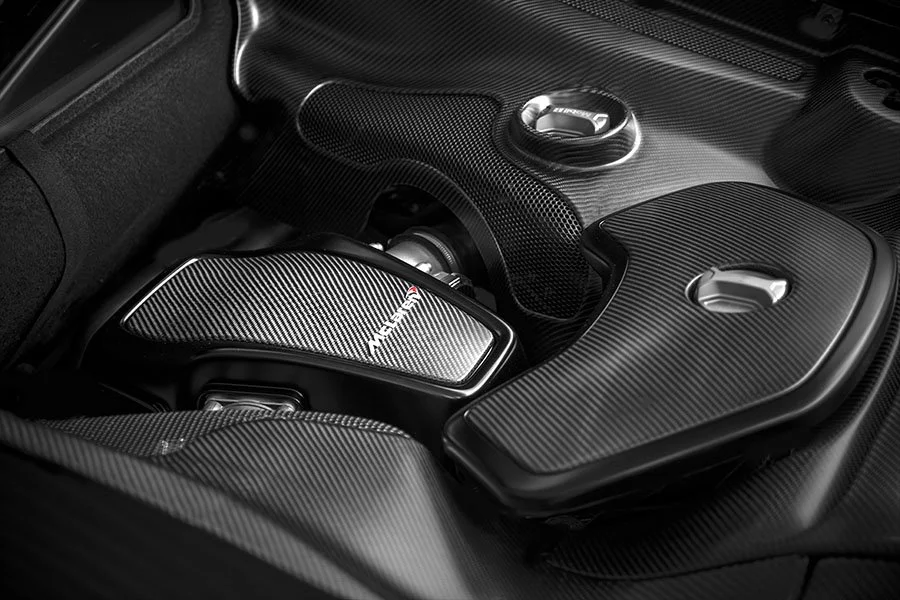
For the exterior, McLaren offered an exposed carbonfibre finish for the airbrake, rear diffuser, engine covers, front splitter, mirror casings, rear bumper inlay, door blades and side intakes.
Special or Elite paint shades were available along with a Silver finish pack.
Instead of the normal lightweight forged wheels, lightweight forged wheels II could be selected or even super-lightweight forged wheels. A Stealth wheel finish, a diamond cut wheel finish, cast-iron brakes and coloured brake calipers could be specified too along with a Sport exhaust and alloy oil and coolant caps.
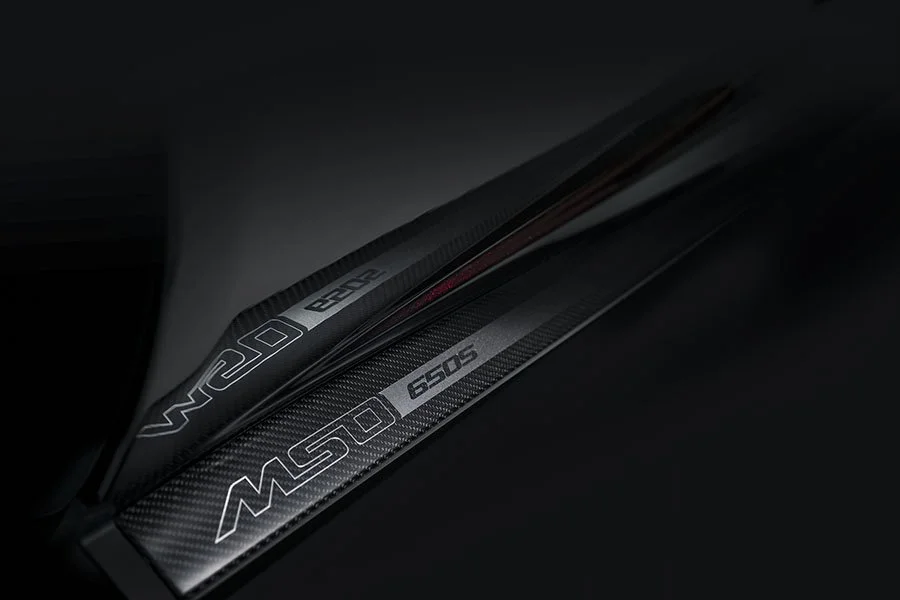
For the cockpit, buyers could select P1-style fixed-back carbonfibre racing seats, electric and heated memory seats, full leather upholstery, a leather Sport interior, a semi aniline Sport interior, alcantara and leather upholstery, contrast piping for alcantara upholstery, contrast stitching, an alcantara steering wheel, a colour coordinated steering wheel, a custom zoned interior, an extended leather upper zone in Nappa or semi aniline upholstery, an electric steering column adjustment which included a Comfort mode to aid ingress and egress, a Meridian seven-speaker Surround Sound audio system with seven-channel amplifier, an ashtray, a fire extinguisher, an extended carbon fibre interior pack and exposed carbonfibre for the seat backs, wheelarches and sill panels (the latter of which was also offered with brand or model logos).
For added practicality, a rear parking camera, parking sensors and vehicle lifter could be ordered.
Through the McLaren Special Operations department a 650S could be further enhanced with a roof intake scoop (Coupe only), full-length side skirts, an exposed carbonfibre MSO GT3-style rear diffuser, exposed carbonfibre mirror arms and matching front lid, louvred carbonfibre front wings with vented wheel arch liners, exposed carbonfibre vent bezels, exposed carbonfibre extended gear shift paddles and sill tops and a carbonfibre steering wheel (trimmed in leather or alcantara).
WEIGHT / PERFORMANCE
At 1330kg, the 650S Coupe weighed exactly the same as a fixed head 12C. Similarly, the Spider variant tipped the scales at 40kg extra.
McLaren quoted top speed figures of 207mph for the Coupe and 204mph for the Spider.
Both variants had a 0-62mph time of 3 seconds (compared to 3.1 seconds for the 2013 model year 12C).
MSO 650S
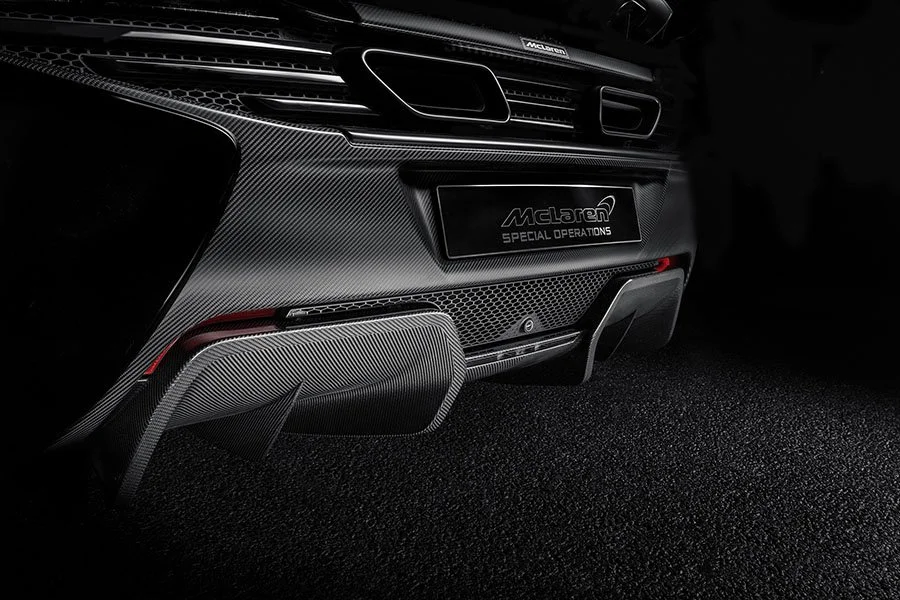
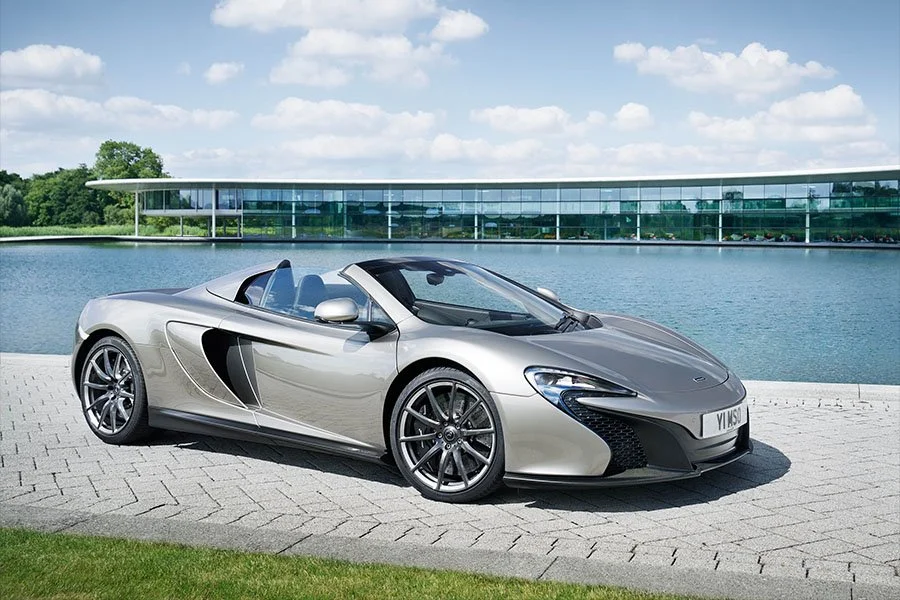
At the Beijing Motor Show in April 2014, McLaren unveiled the MSO 650S Coupe prototype (depicted below) which had been developed by McLaren Special Operations to showcase the range of MSO designed and engineered upgrades available for the 650S.
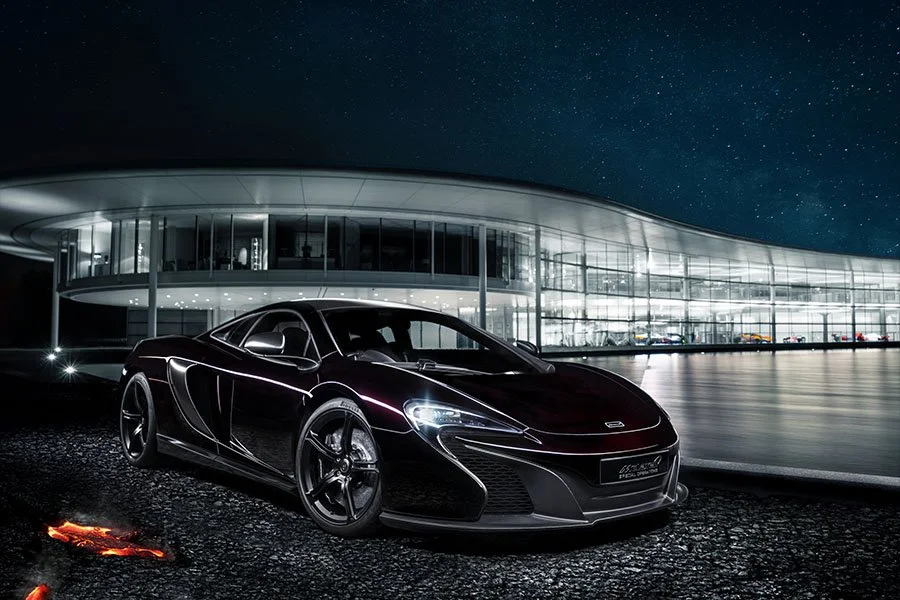
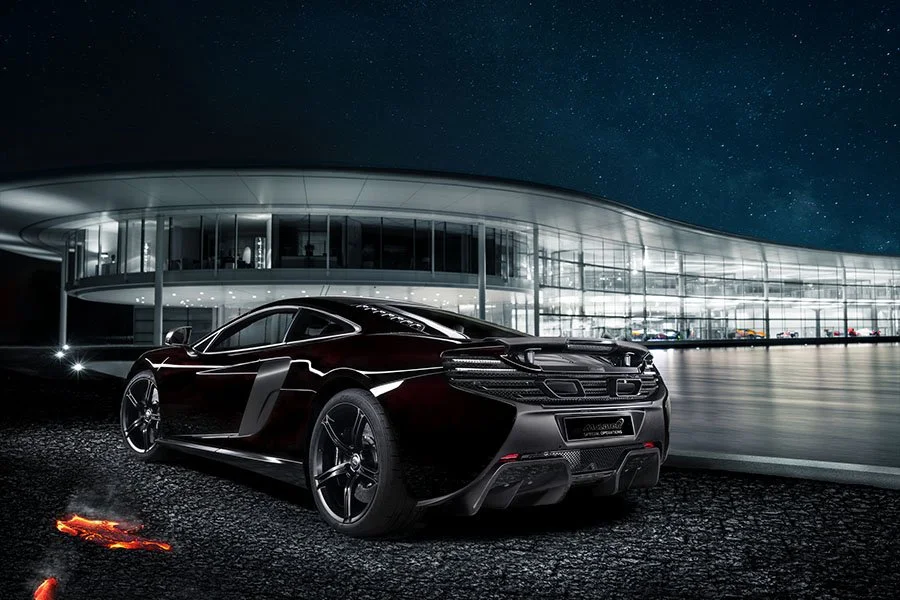
Thanks to a positive response, a production version was then presented at the Goodwood Festival of Speed in June where it was announced a run of 50 cars would be built with customers able to select either Coupe or Spider bodywork.
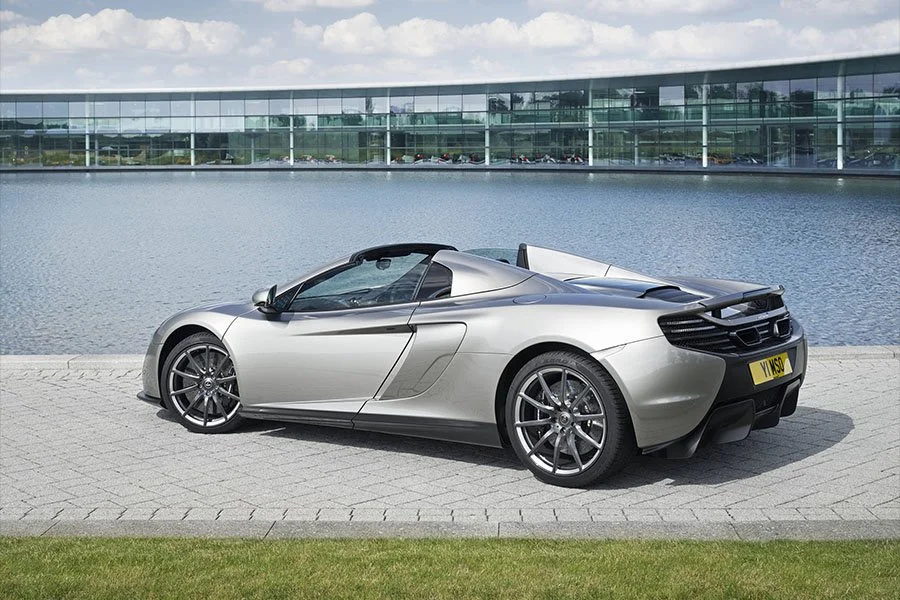
Externally, each car came with full-length MSO-branded side skirts instead of the short door blades normally fitted and the more aggressive MSO GT3-style rear diffuser. The skirts, rear diffuser, tail fascia inlay, front splitter and adjoining intake blades were fashioned from exposed carbonfibre with a satin finish.
Also fitted as standard were ten-spoke Super Lightweight alloy wheels with Palladium coloured centres, a diamond cut rim and titanium wheel bolts.
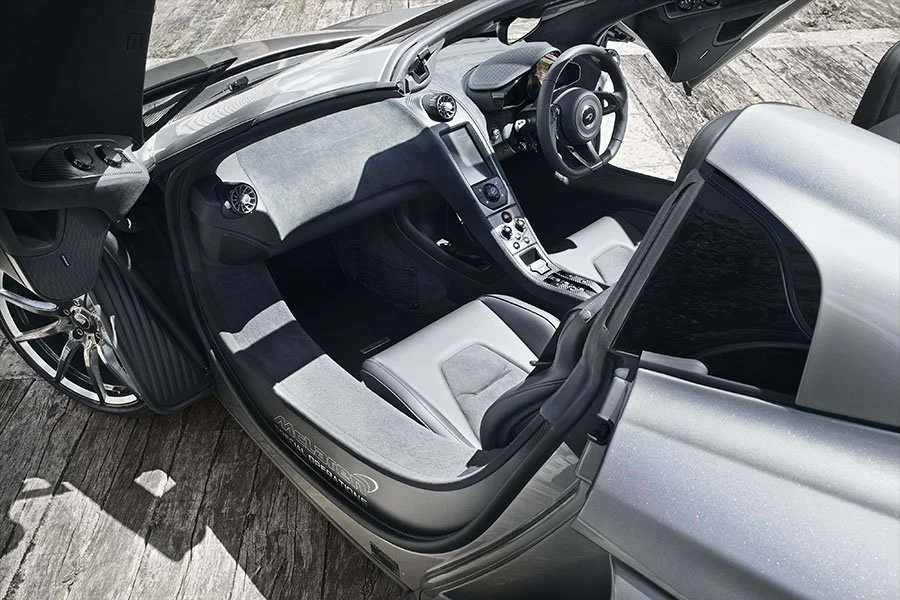
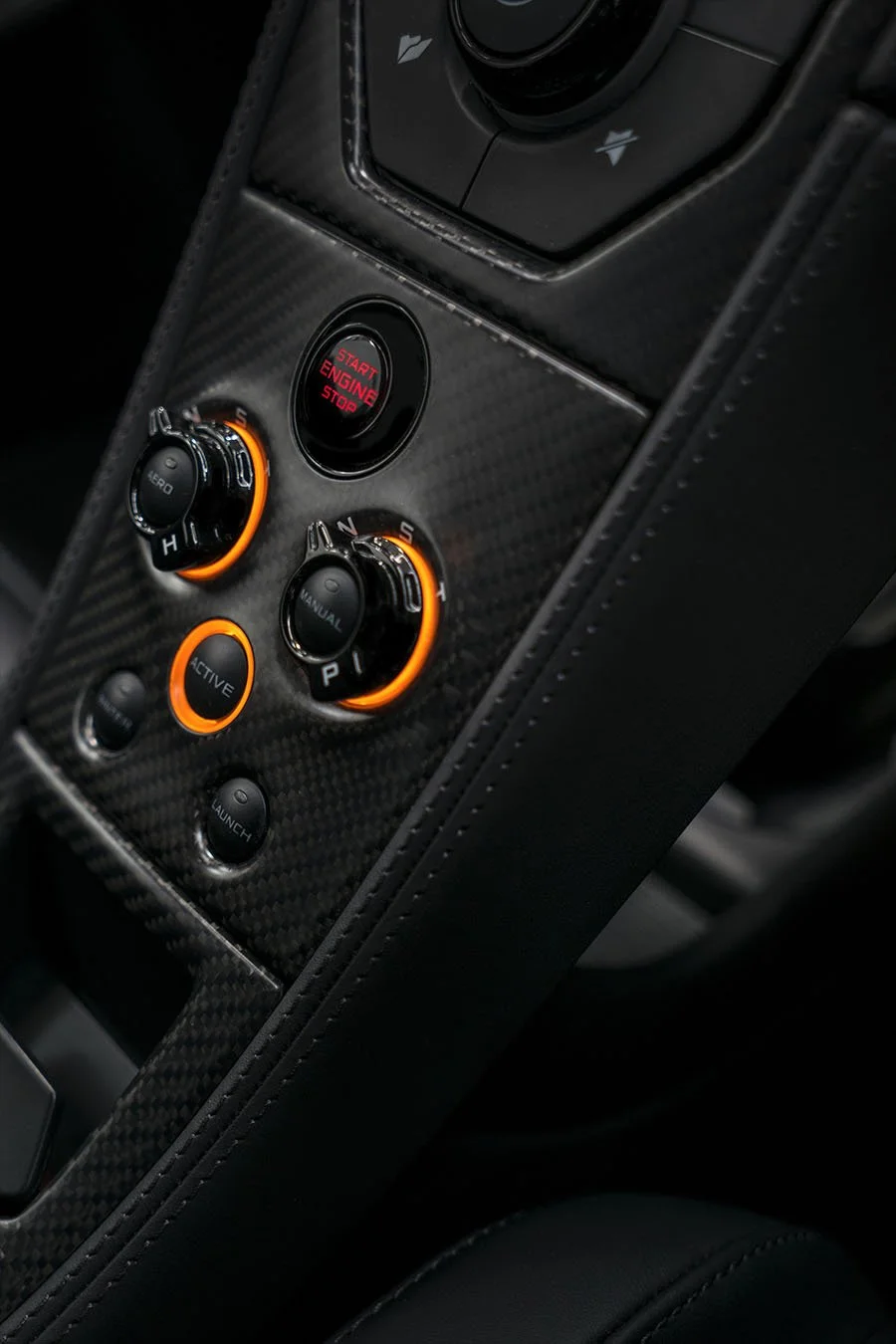
Inside, the MSO 650S featured carbon black leather and alcantara upholstery, satin exposed carbonfibre detailing throughout the driver and passenger zones combined and gloss exposed carbonfibre applied to the air vents and handling and powertrain switchgear.
Each car was also fitted with a dedication plaque mounted to the MSO-branded exposed carbon fibre cockpit sill panels and accompanied by a luxury MSO-branded leather holdall.
McLaren offered three special heavy metallic paint finishes for these MSO special editions: Papaya Spark, Agrigan Black and Sarigan Quartz. However, customers were free to choose an alternative shade and could further personalise their MSO 650S with any combination of options they desired.
625C
In September 2014, McLaren announced a new 650S-based model created exclusively for the fast-growing Asian market. Most notably, the 625C (covered in detail separately) featured a couple of cosmetic tweaks, an engine with 625 PS (616bhp), softer damping in Normal mode and a slightly lower price.
650S LE MANS COUPE
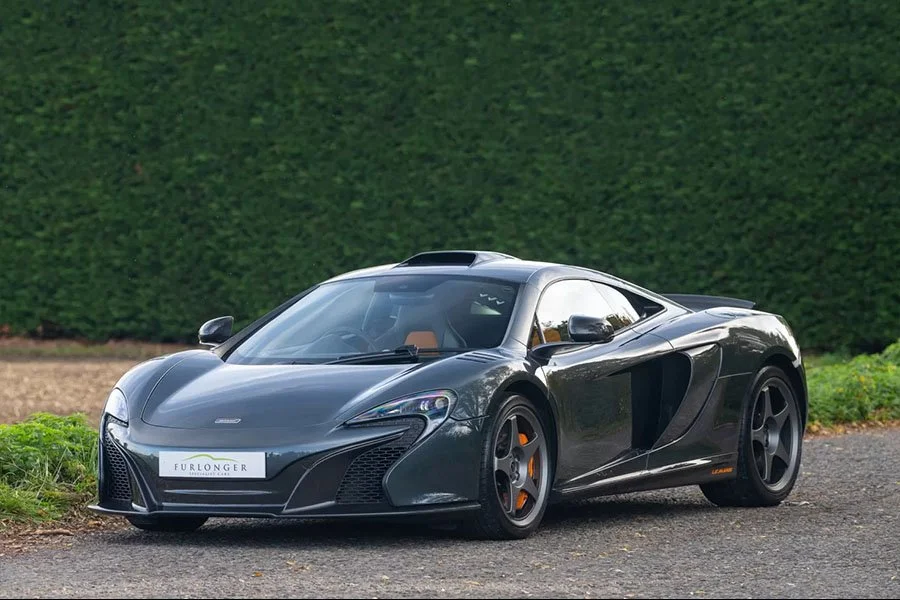
To celebrate the 20th anniversary of McLaren’s victory at the 1995 Le Mans 24 Hours, a limited run of 50 650S Coupes was announced in January 2015 and given a physical launch five months later during the Goodwood Festival of Speed.
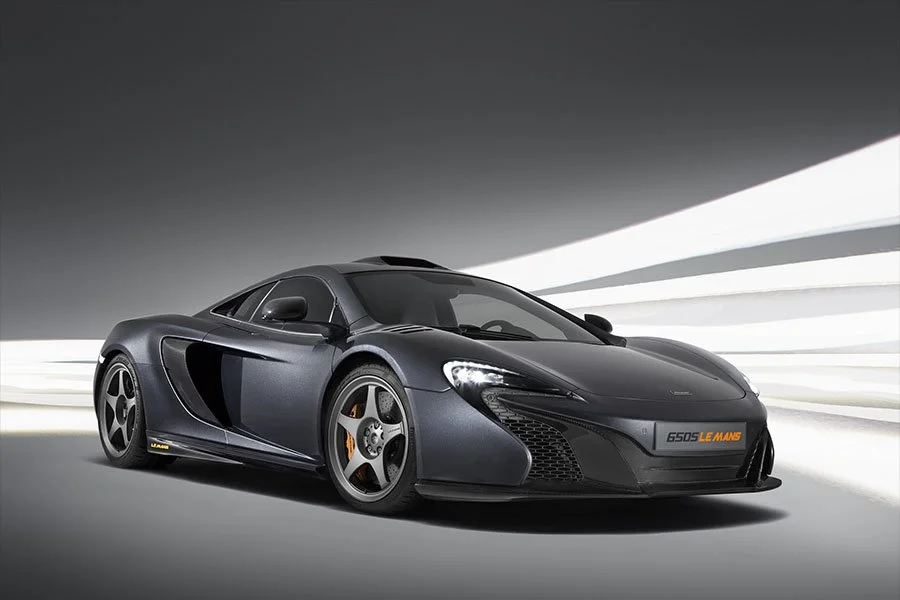
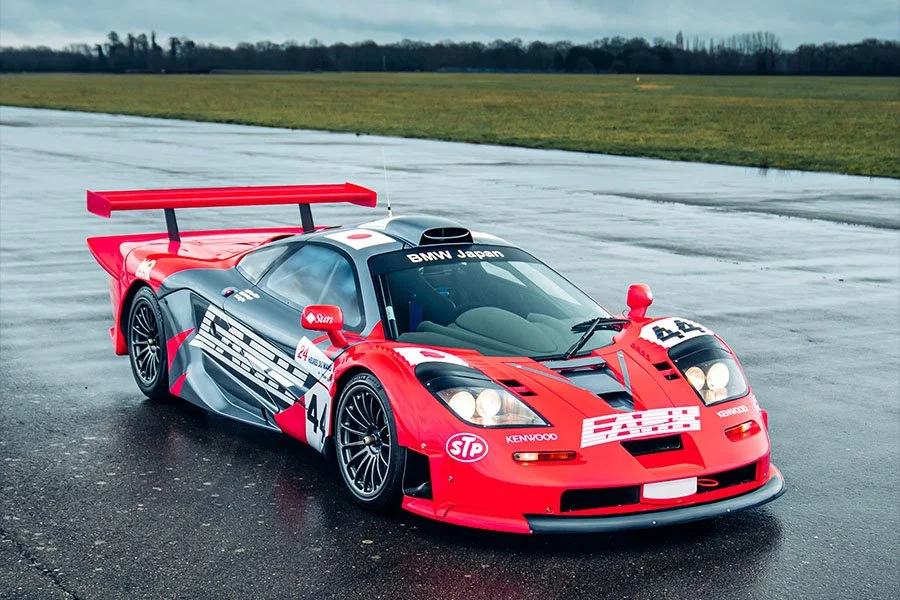
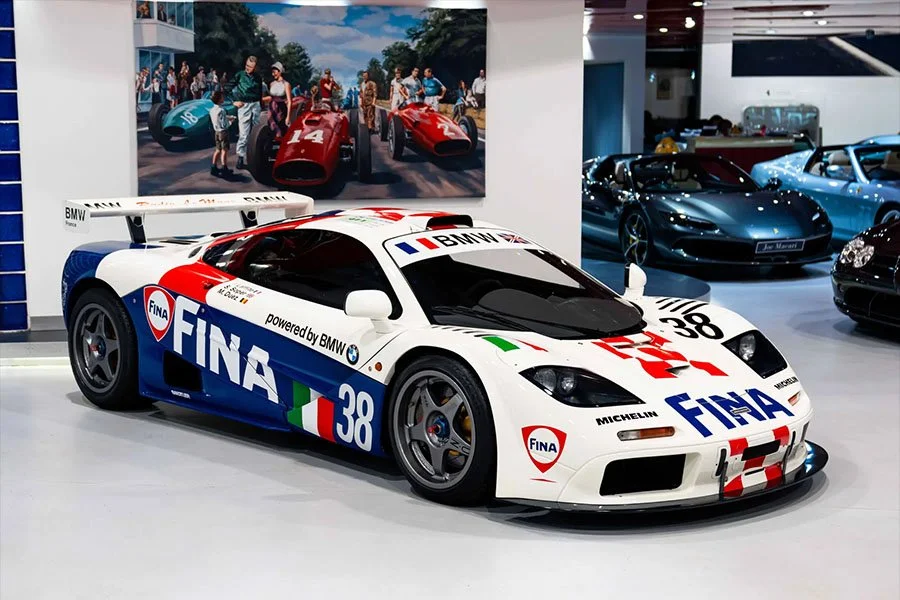
Created by McLaren Special Operations in collaboration with McLaren F1 road car designer, Peter Stevens, the special edition 650S Le Mans featured an array of details inspired by the famous Ueno Clinic-backed F1 GTR driven to that famous victory at la Sarthe.
Bodywork enhancements included a roof-mounted intake snorkel, front fenders with three F1 GTR-style cooling vents, full length side skirts and the more aggressive GT3-style rear diffuser. The skirts, side intake scoops, rear diffuser, tail fascia inlay, front splitter and adjoining intake blades were fashioned from exposed carbonfibre with a gloss finish.
Each side skirt was adorned with a ‘Le Mans’ script painted McLaren Orange to match the brake calipers. Also fitted were a unique set of Le Mans edition F1 GTR-style lightweight five-spoke wheels.
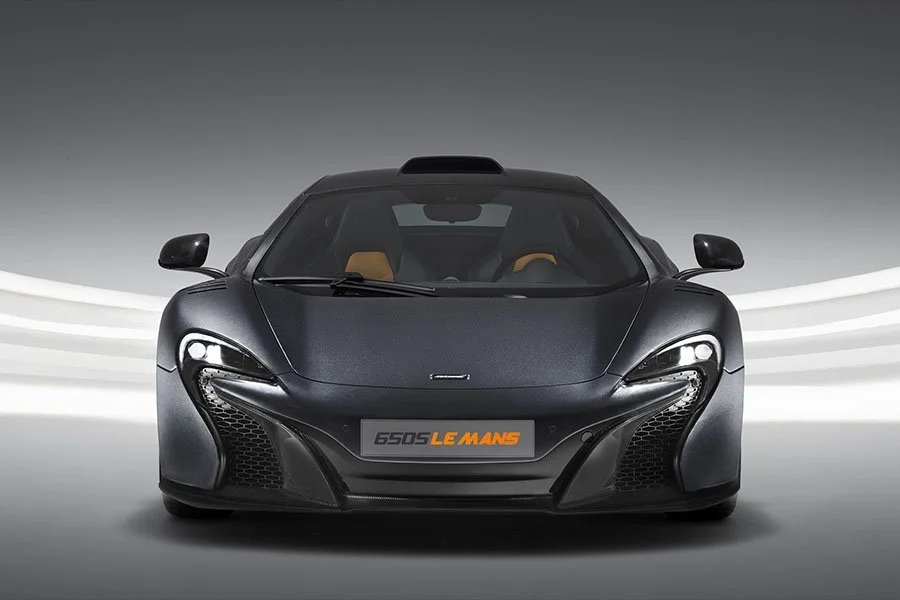
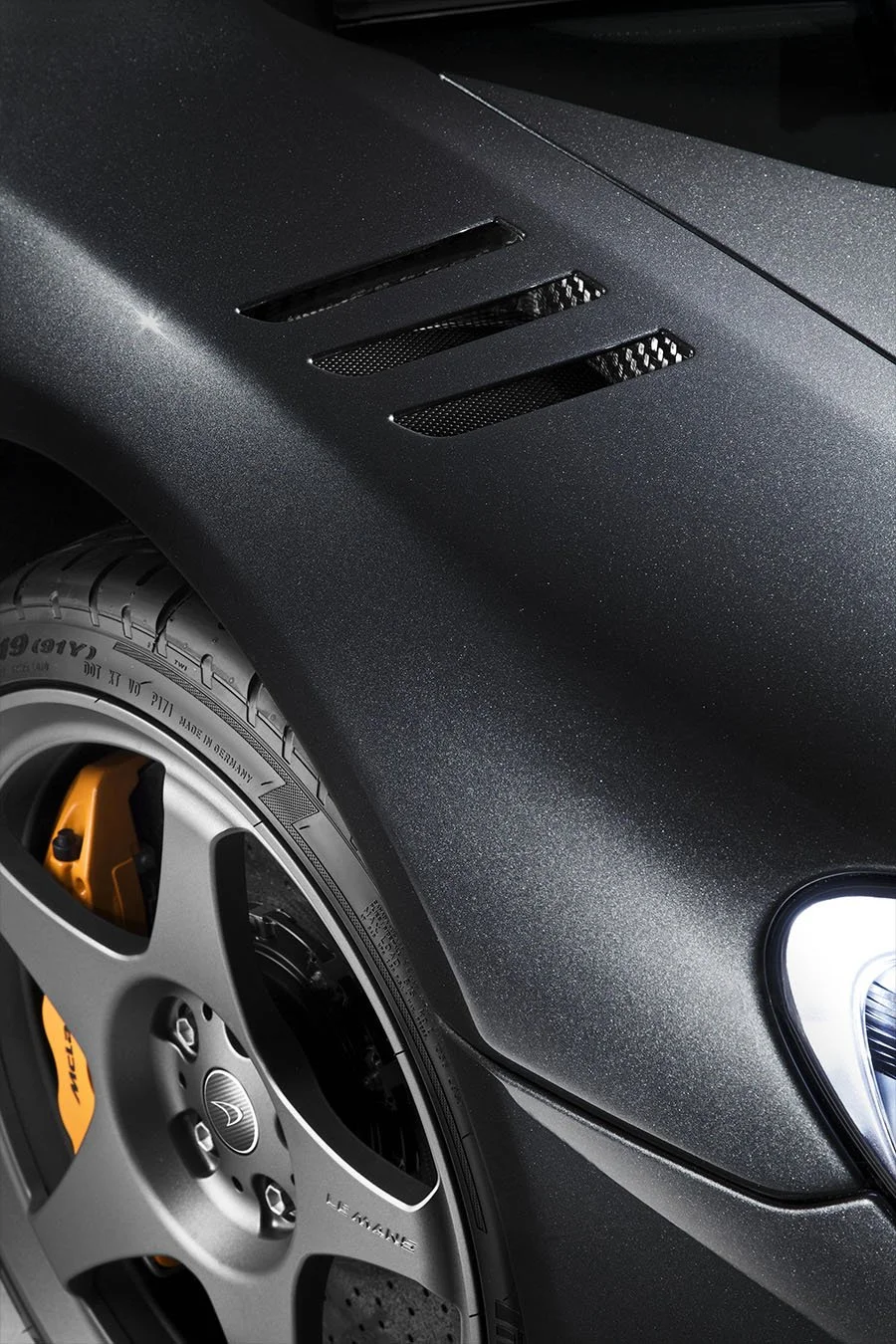
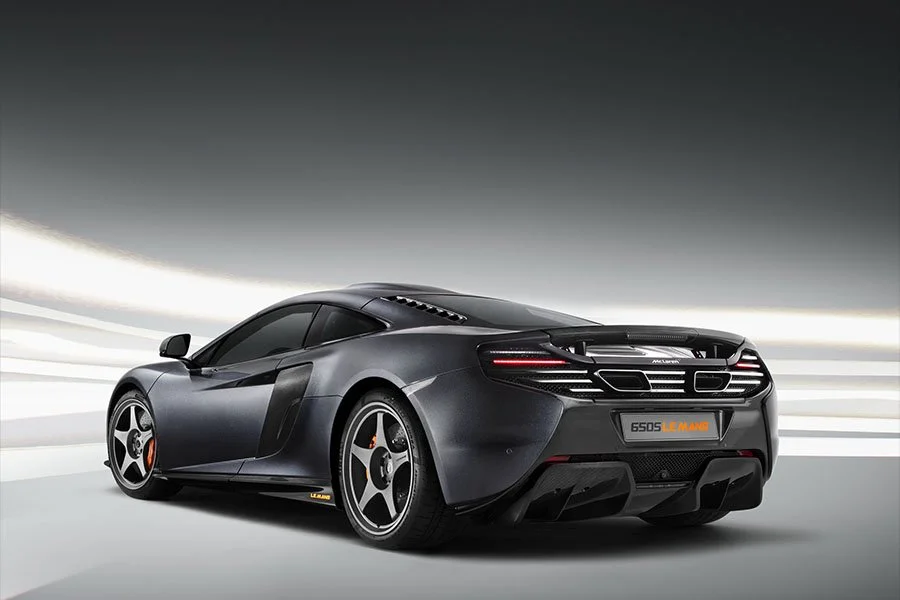
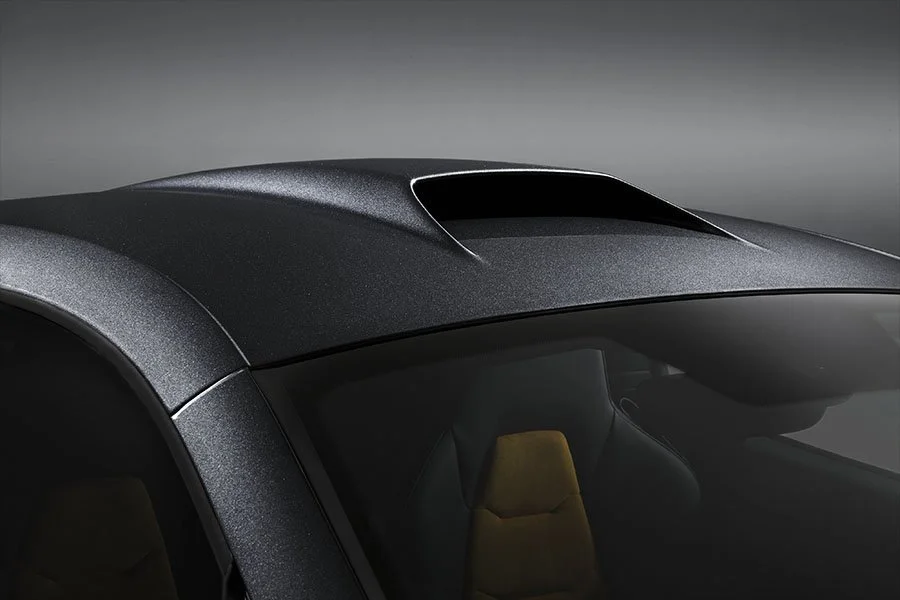
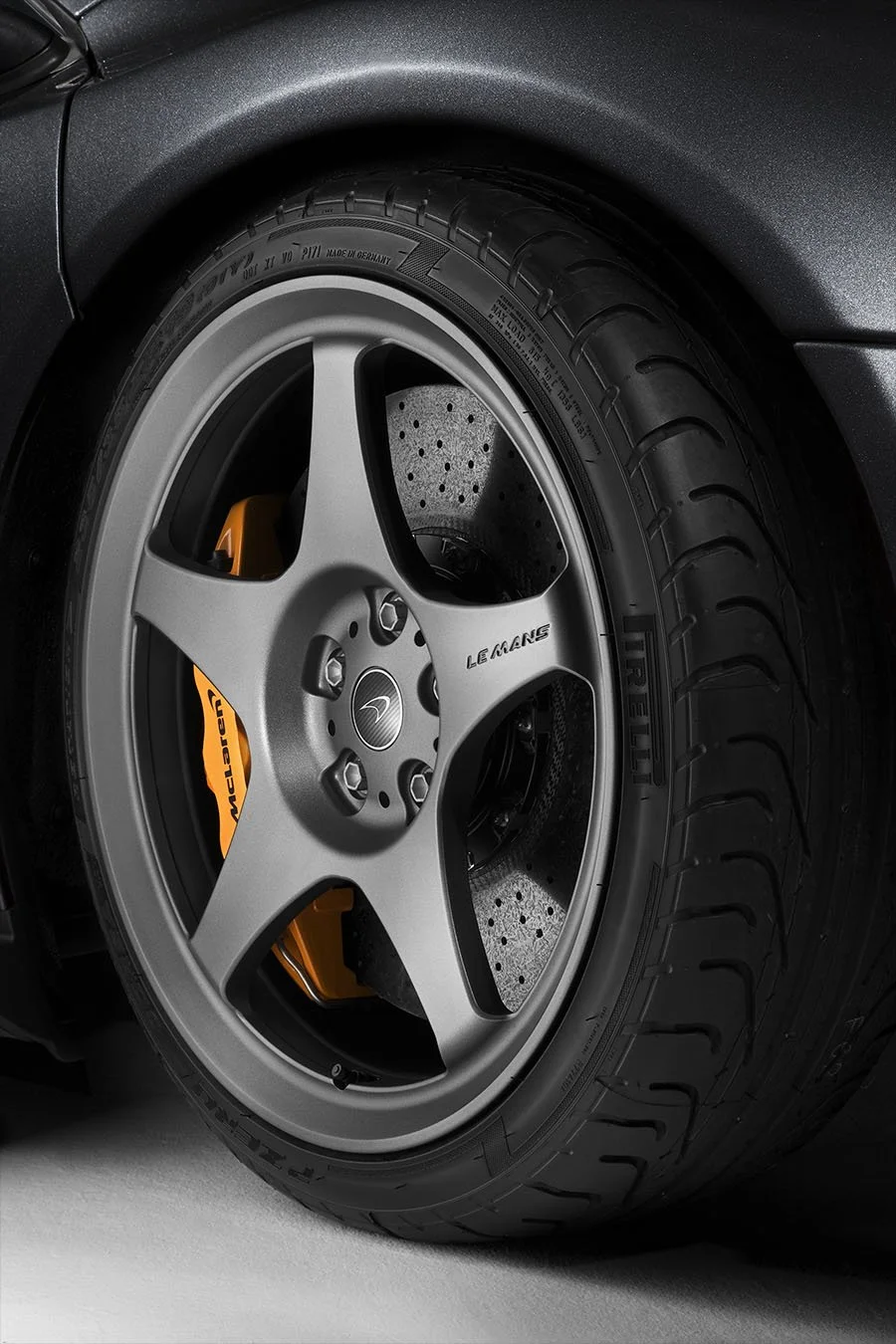
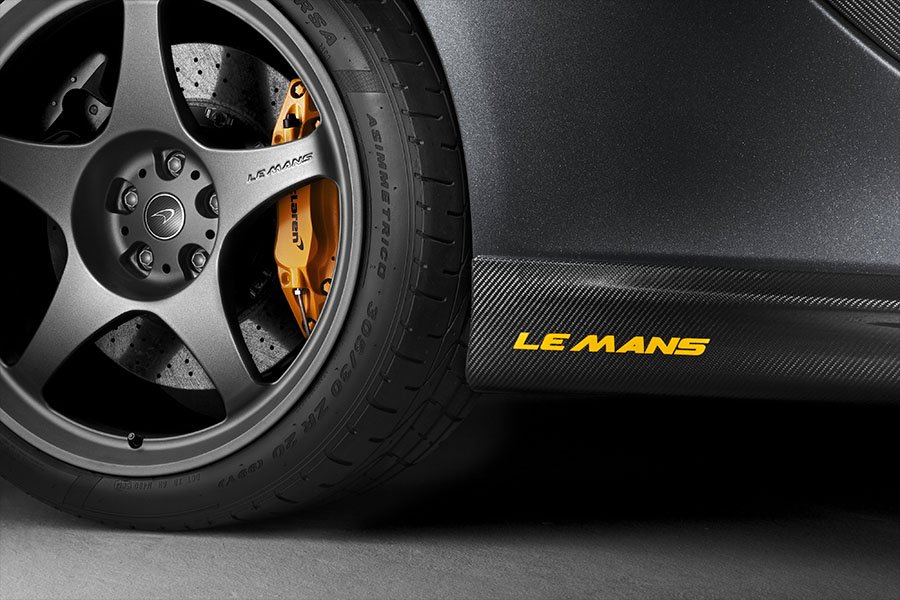
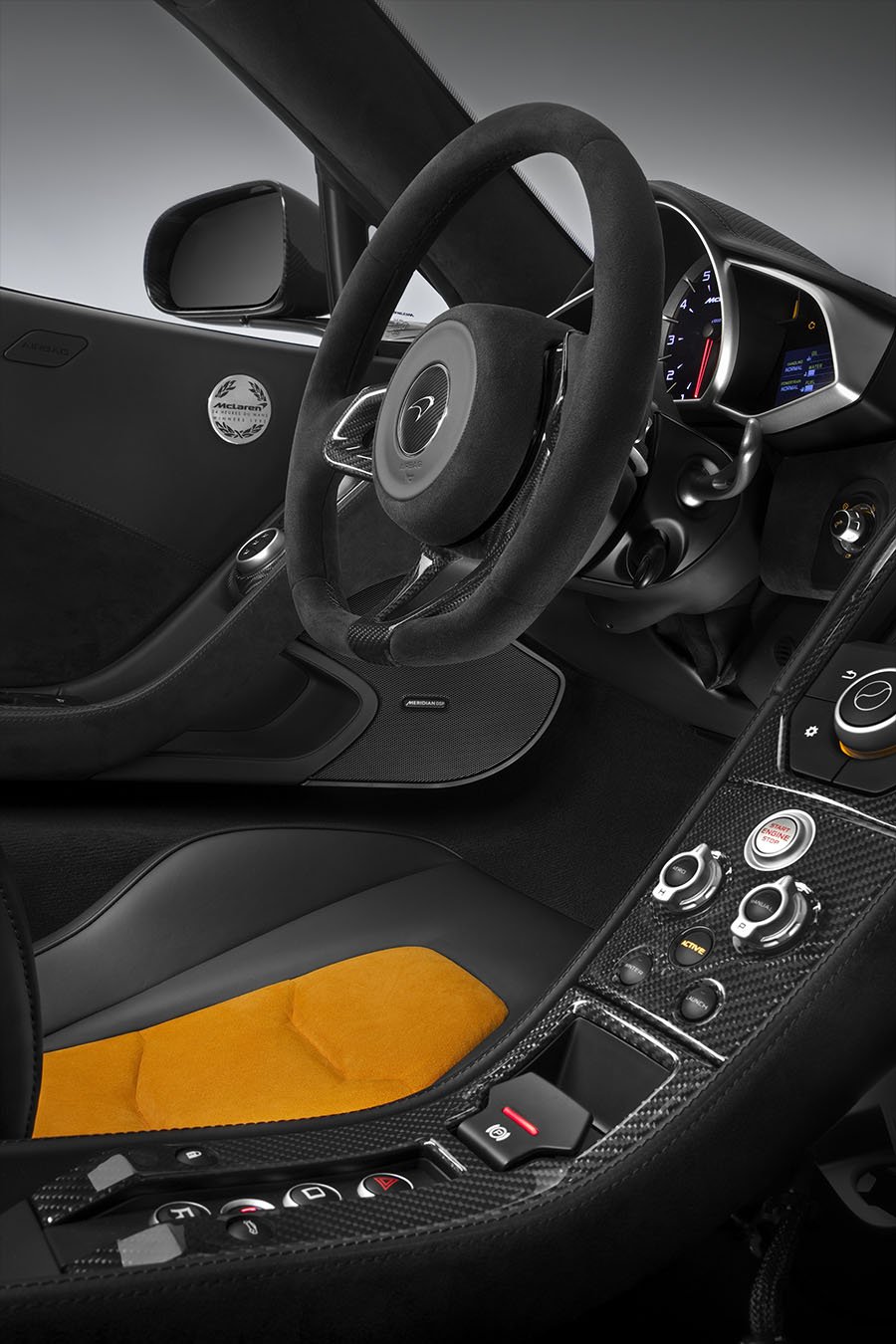
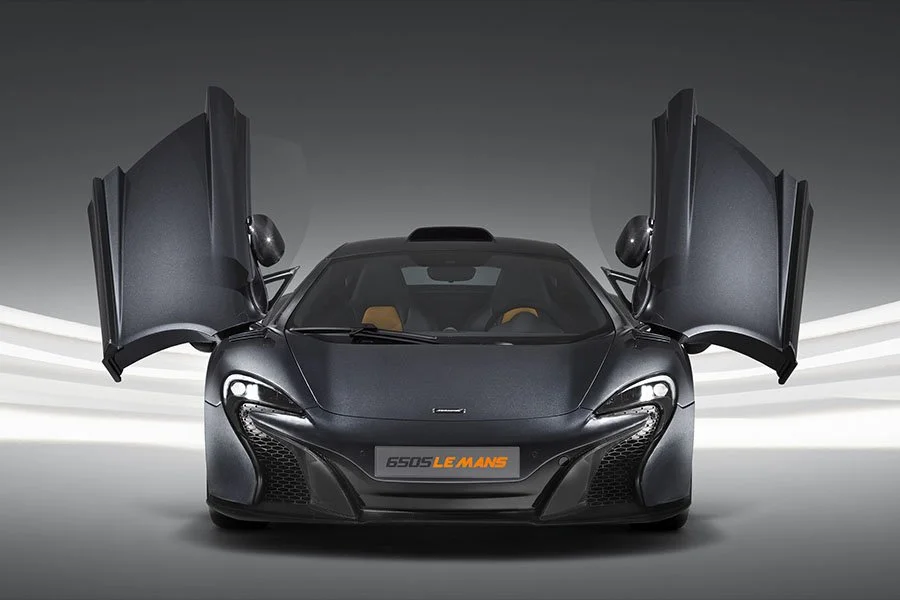
Most customers opted for special metallic Sarthe Grey paint that mimicked the ‘95 Le Mans winner.
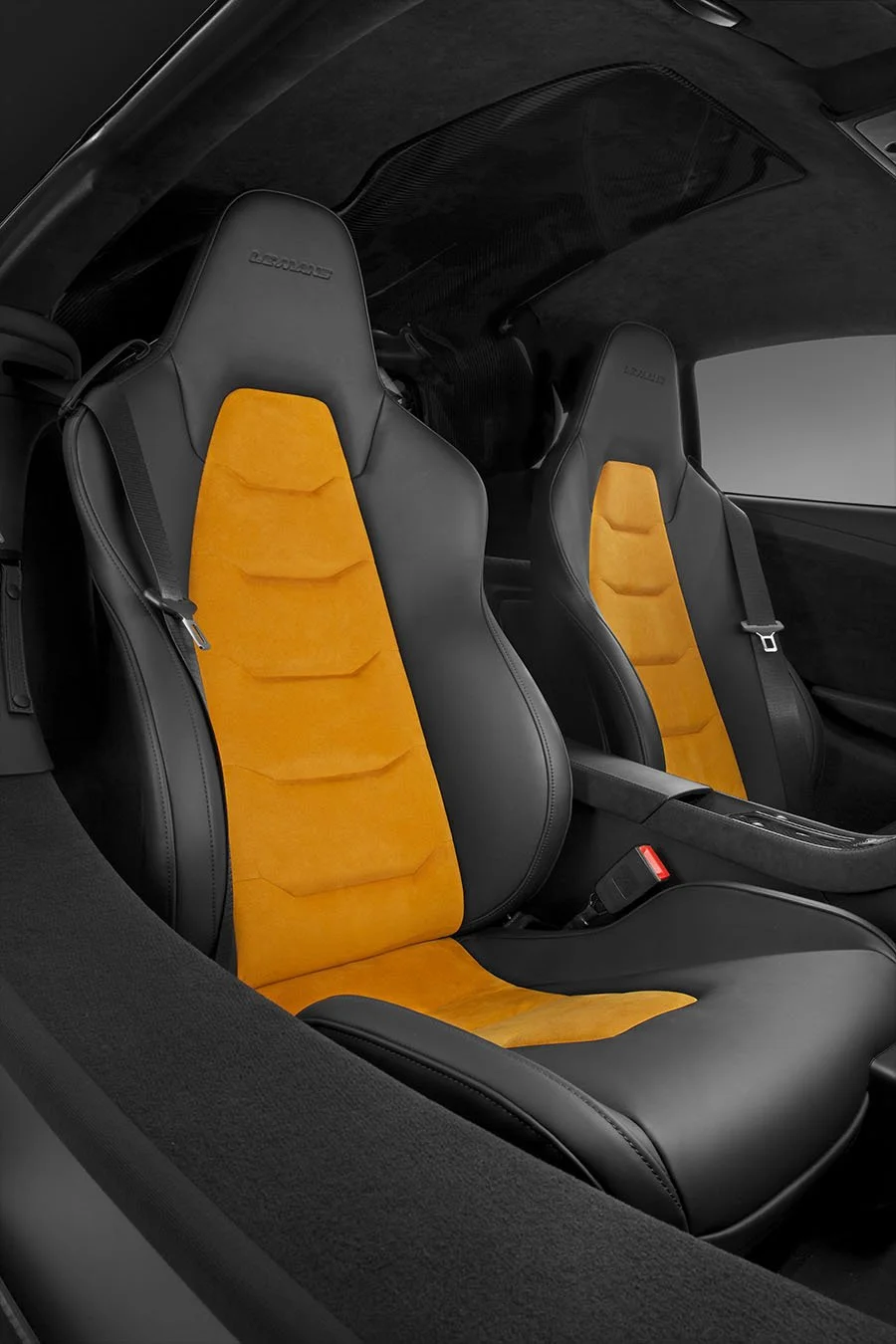
Inside, black leather Sports seats featured McLaren Orange alcantara inlays and a Le Mans script embossed onto each headrest. A similar script also adorned the floor mats and a dedication plate was added to each door card. Parking sensors, a Meridian surround sound audio system and axle lifting system were fitted as standard.
675LT
In August 2015, McLaren announced a lighter, more powerful, more driver focused version of the 650S dubbed the 675LT (covered separately).
650S CAN-AM SPIDER
To celebrate the 50th anniversary of the inaugural Can-Am Championship, a series in which McLaren won five back-to-back Team and Driver titles between 1967 and ‘71, October 2015 saw a limited run of 50 special edition 650S Spiders announced.
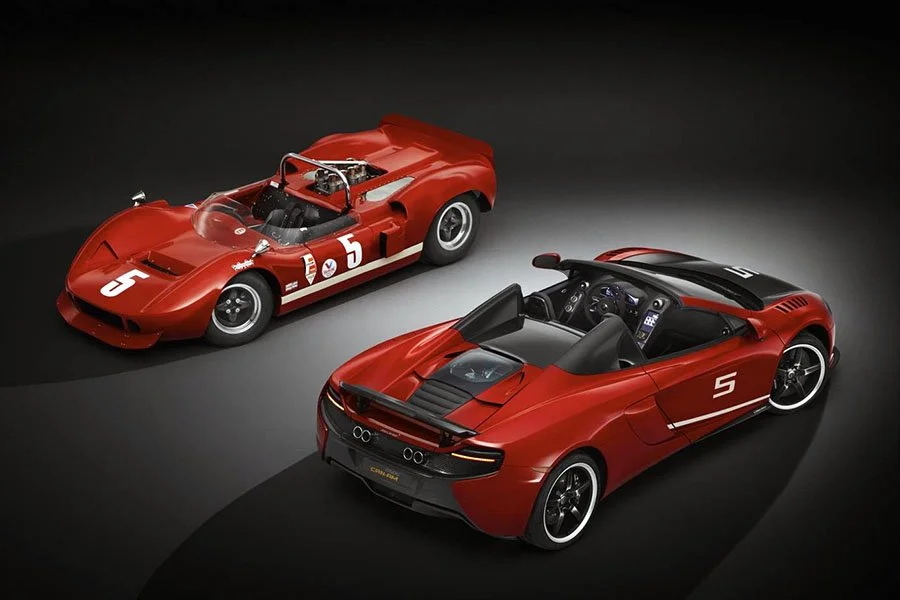
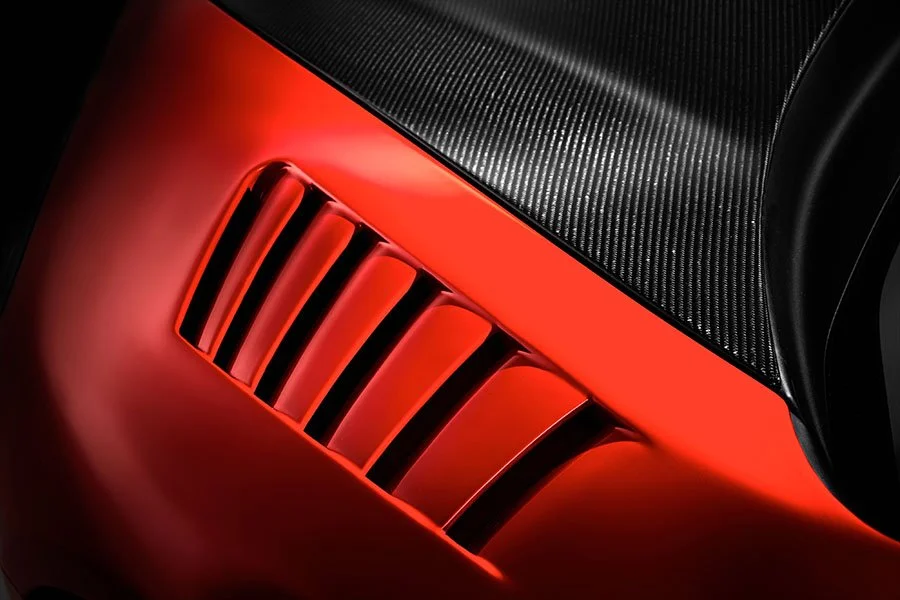
Each 650S Can-Am Spider featured an MSO polished stainless steel exhaust, the four circular exit pipes of which were shrouded by a new exposed carbonfibre rear grille. Exposed carbonfibre was also used for the roof, tonneau, front lid, air brake, front splitter and adjoining intake blades, the Can-Am-branded door blades, rear diffuser, tail fascia inlay and cockpit sill panels.
A set of special lightweight forged alloy Can-Am wheels featured gloss-black centres, a diamond cut rim and titanium bolts. Black-painted calipers were standard.
McLaren offered the 650S Can-Am Spider in three colour schemes: Mars Red over Black leather upholstery with Stone Grey alcantara inlays, Papaya Spark over Black leather upholstery with Blue alcantara inlays and Onyx Black over Black leather upholstery with Red alcantara inlays. Each version could also be specified with a corresponding racing livery.
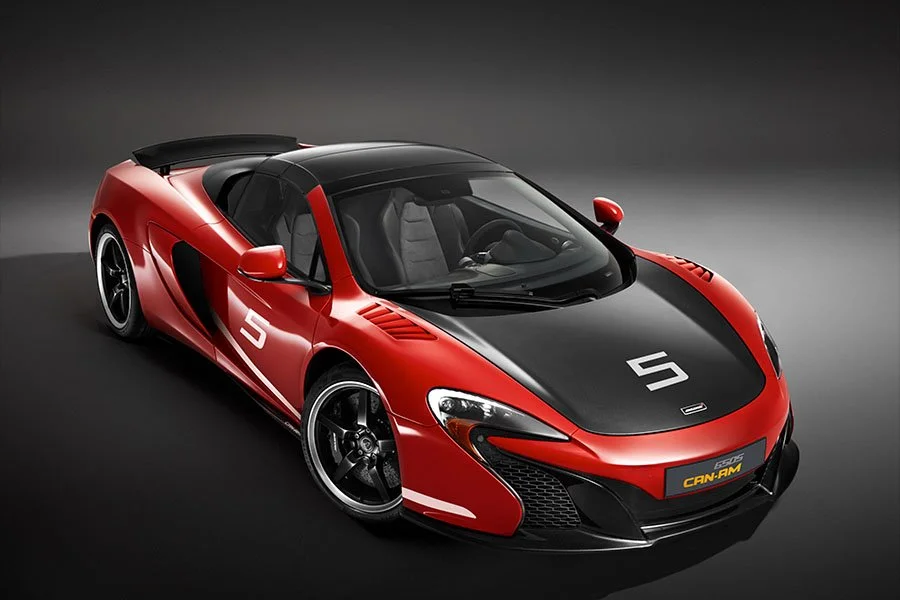
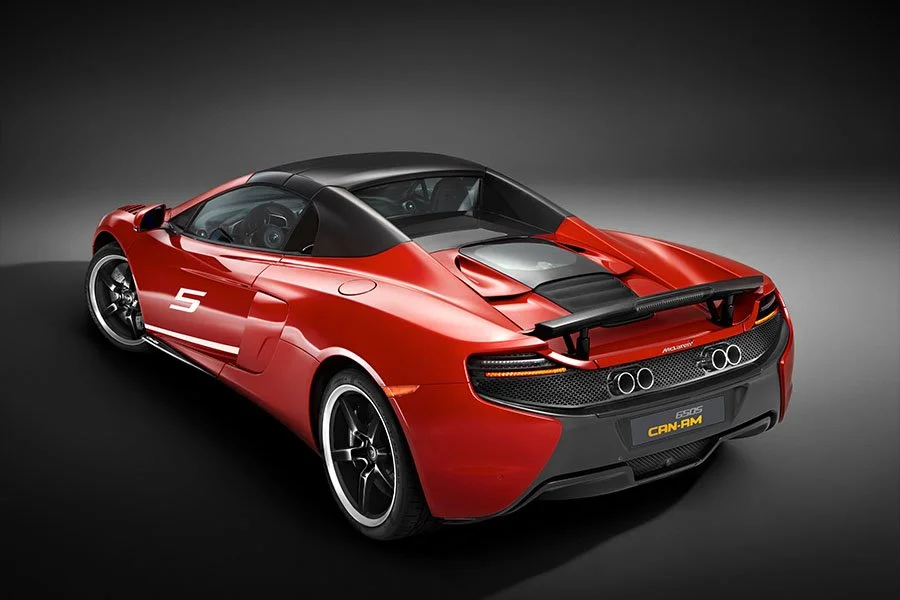
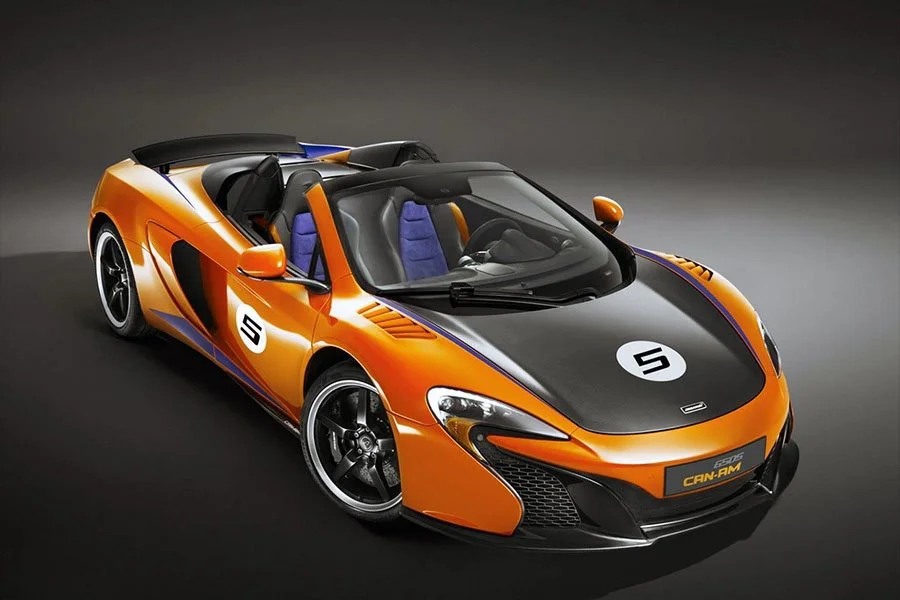
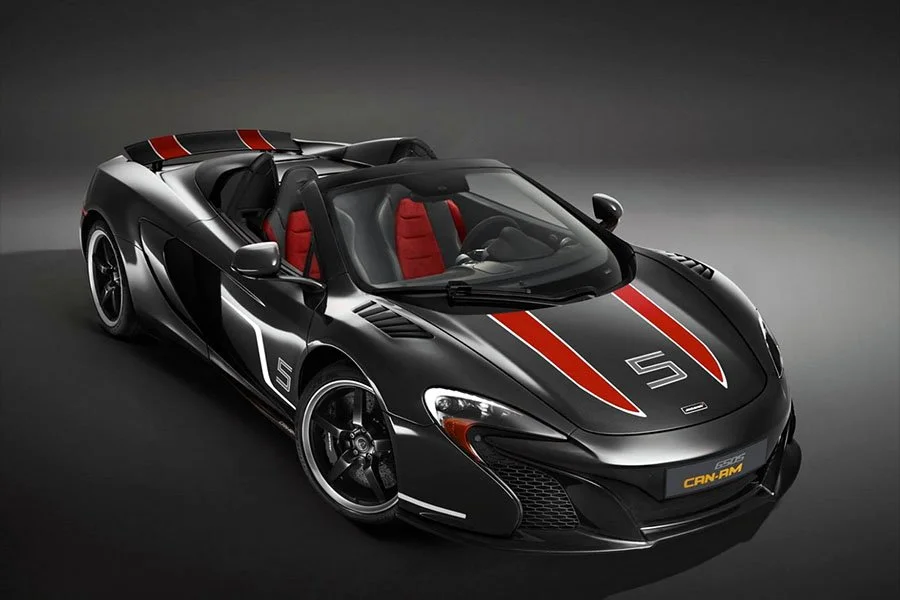
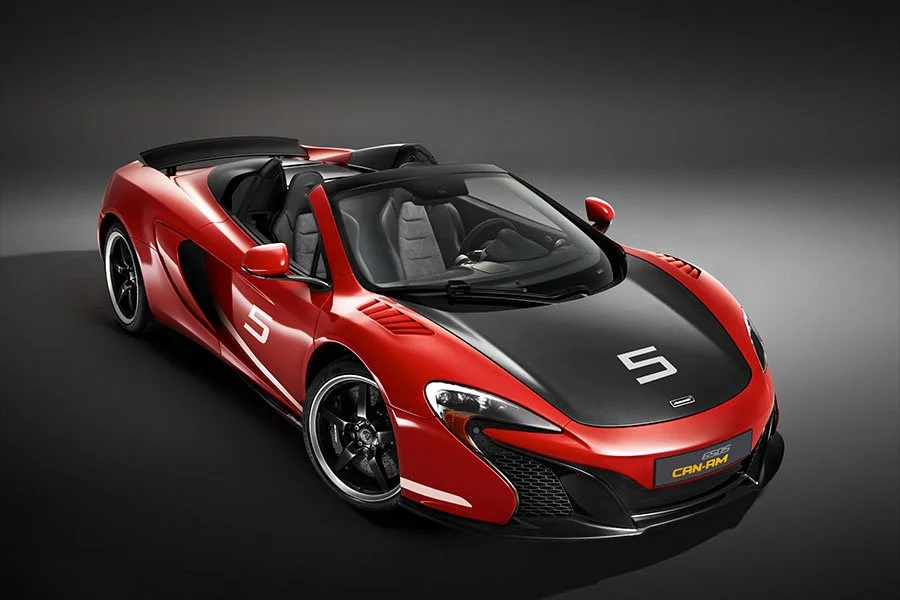
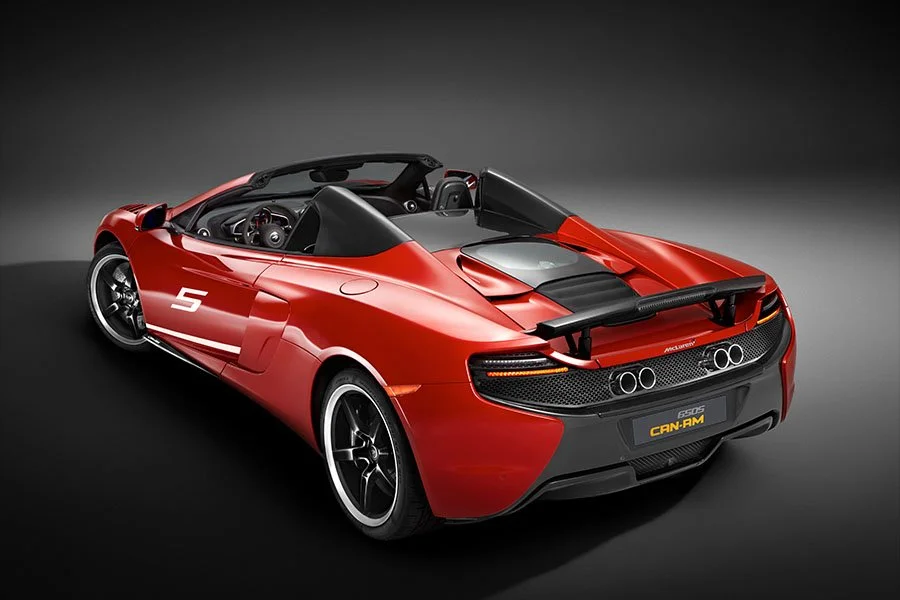
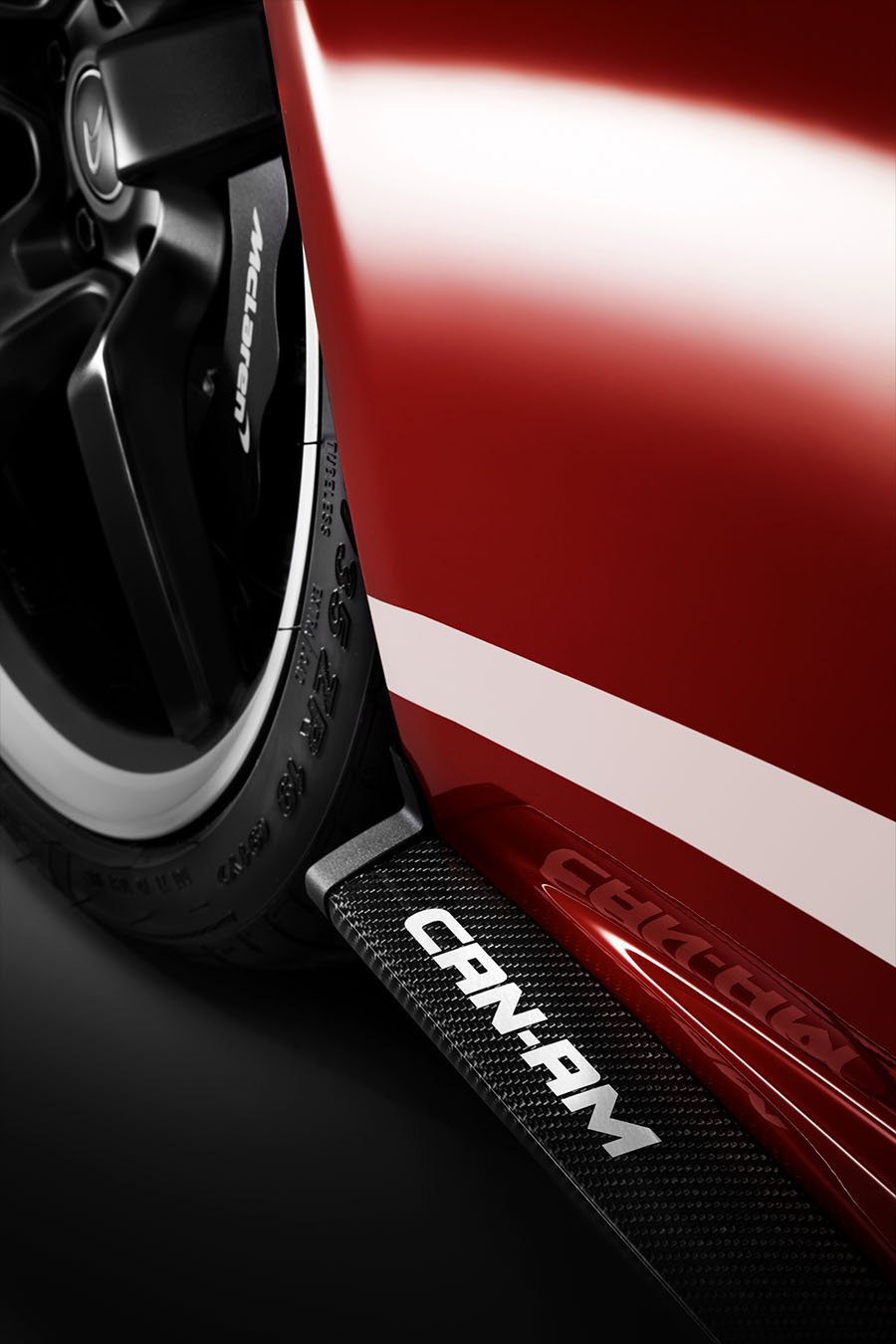
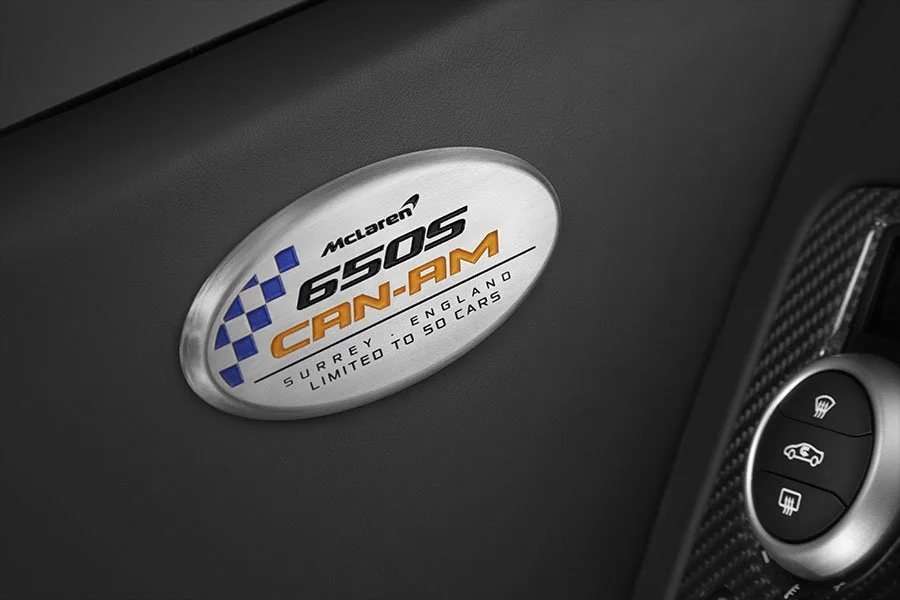
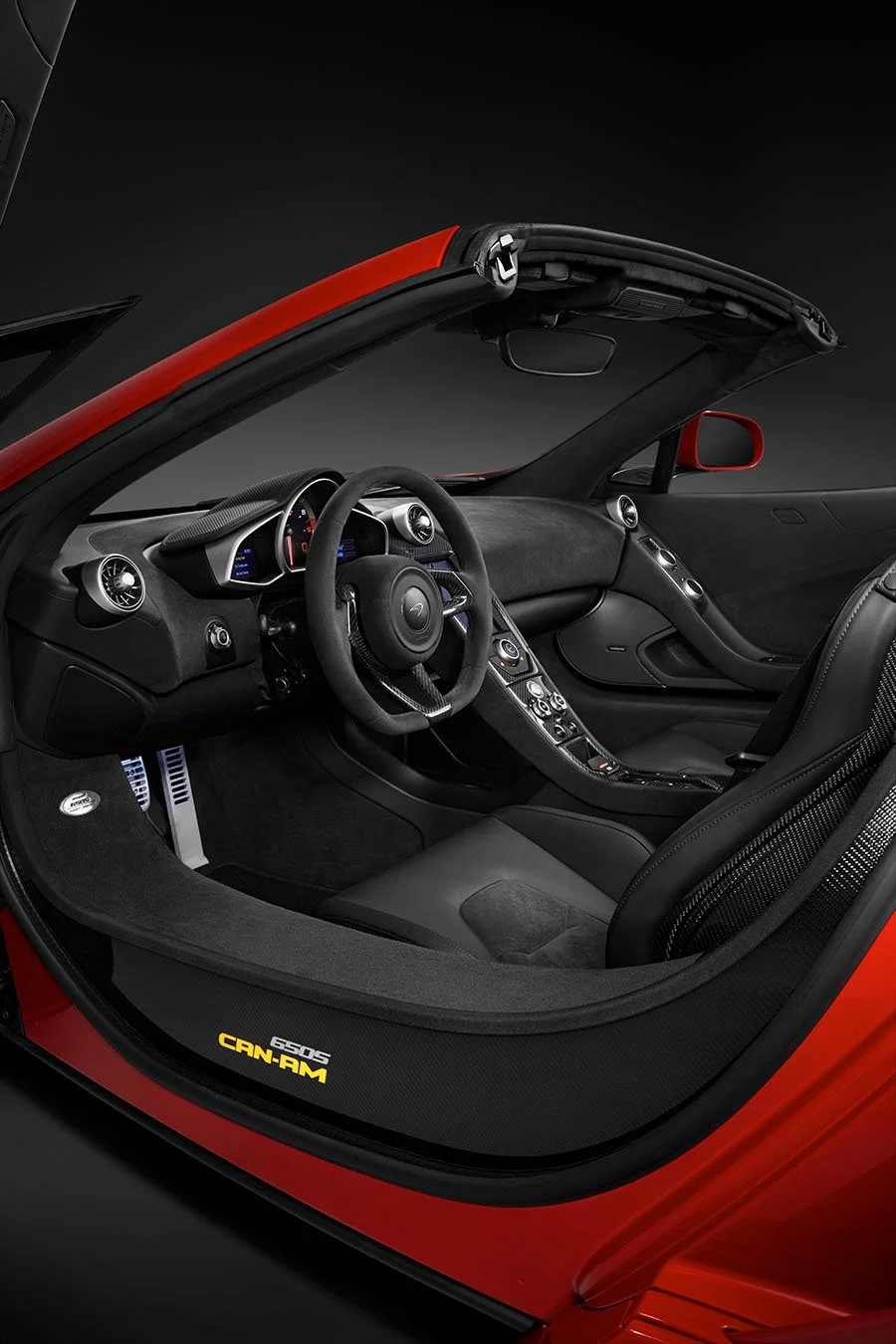
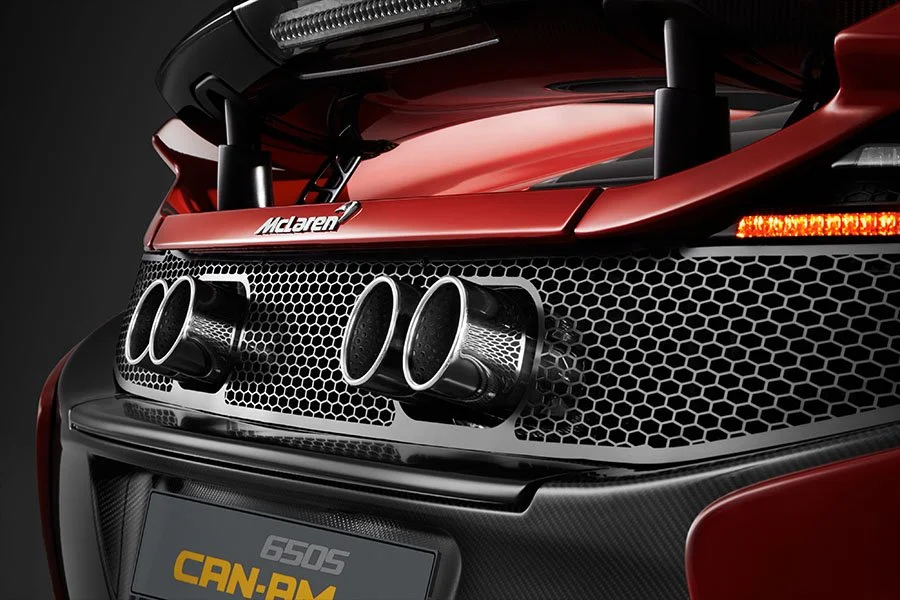
Inside, the 650S Can-Am Spyder featured leather upholstery with alcantara seat inlays and contrast stitching, both the carbonfibre and extended carbonfibre interior upgrade, a 650S Can-Am-branded monocell and a dedication plaque on the driver’s door.
END OF PRODUCTION
650S production came to an end in early 2017 by which time around 2600 examples are believed to have been completed with circa 75% of these leaving the factory in Spider trim.
Text copyright: Supercar Nostalgia
Photo copyright: McLaren - https://www.mclaren.com