One to Buy: ex-Clark Gable 1952 Jaguar XK120 OTS Roadster George Barris Custom
/ Ben Tyer
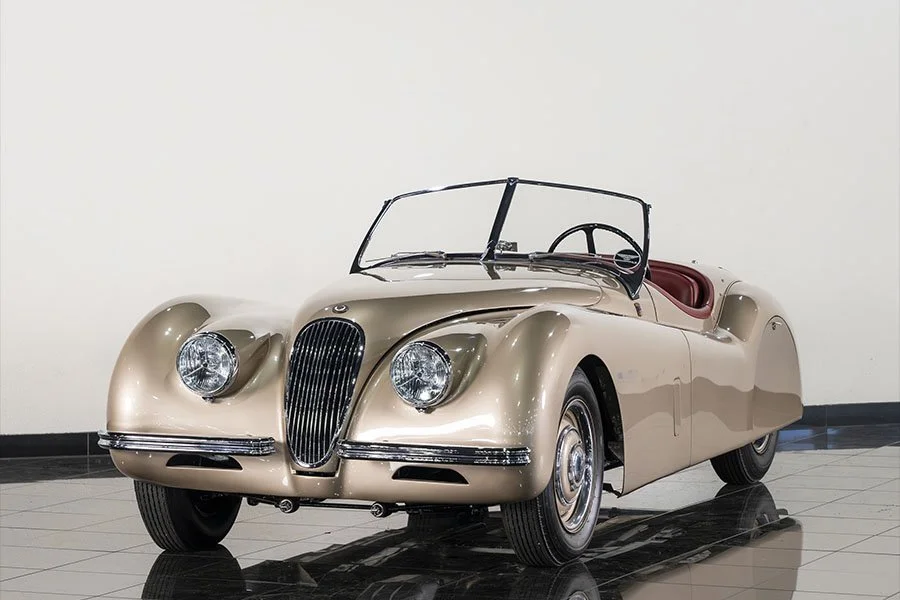
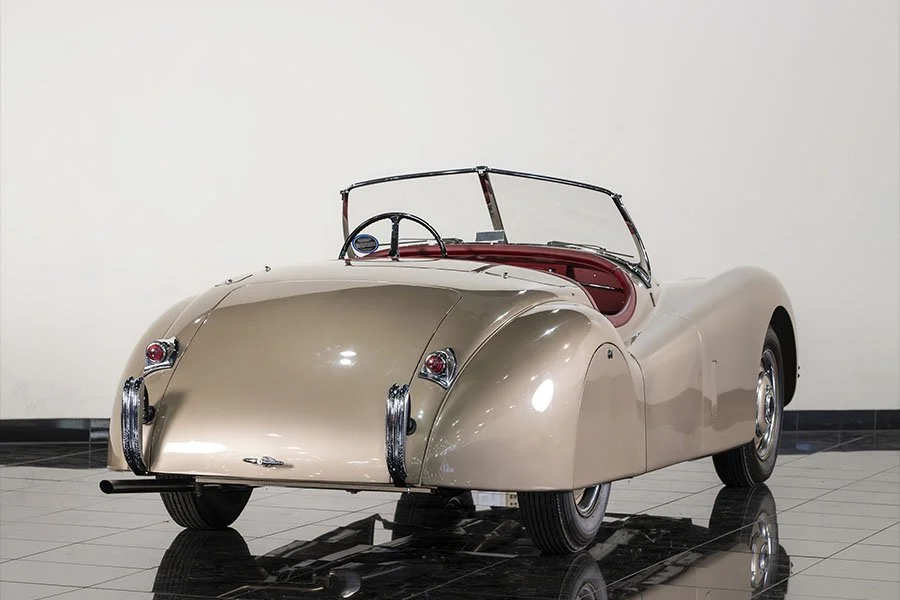
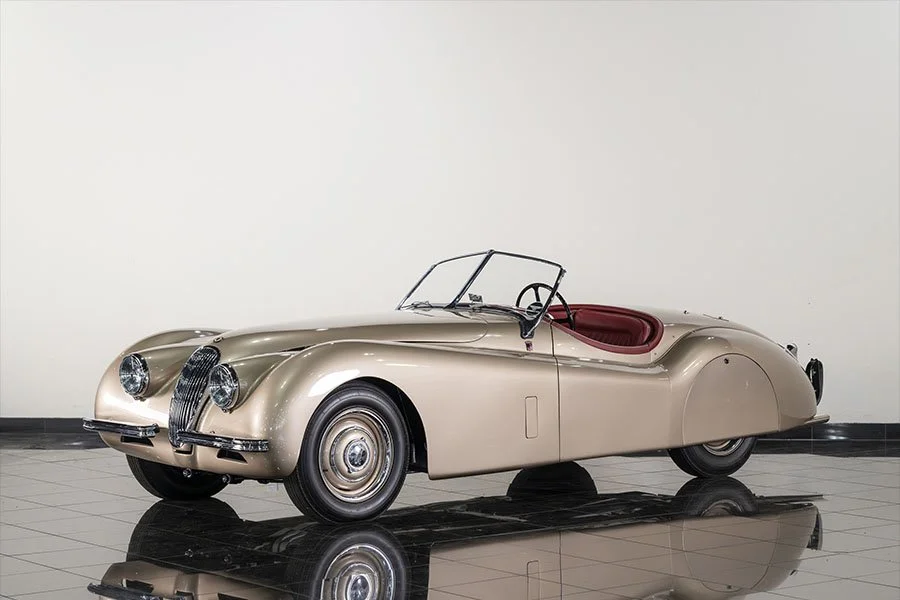
Hollywood icon Clark Gable owned three Jaguar XK120 OTS Roadsters. His first was chassis 670003 (completed in June 1949, the third left-hand drive XK120 built), his second was chassis 672282 (completed May ‘52) and his third was this car: chassis 672623 (completed July ‘52).
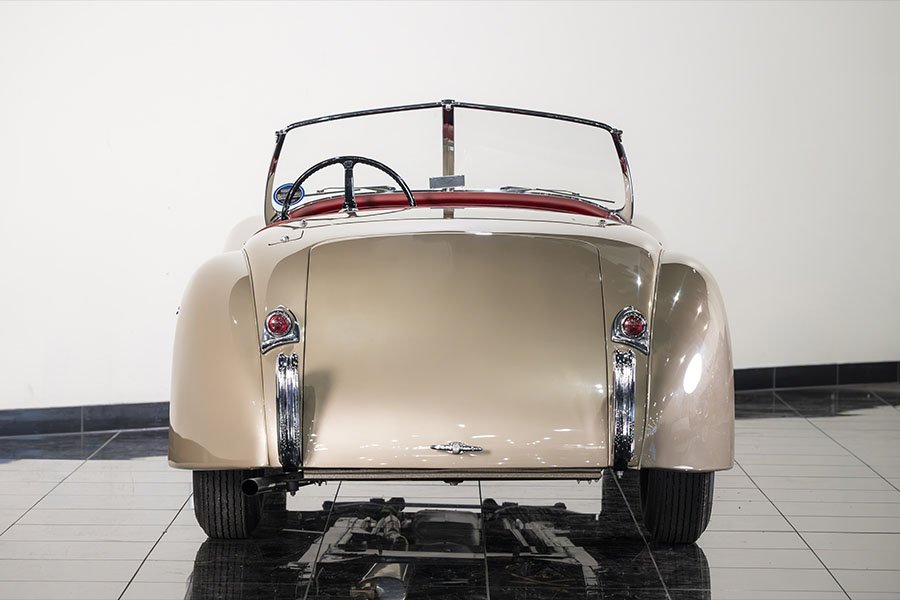
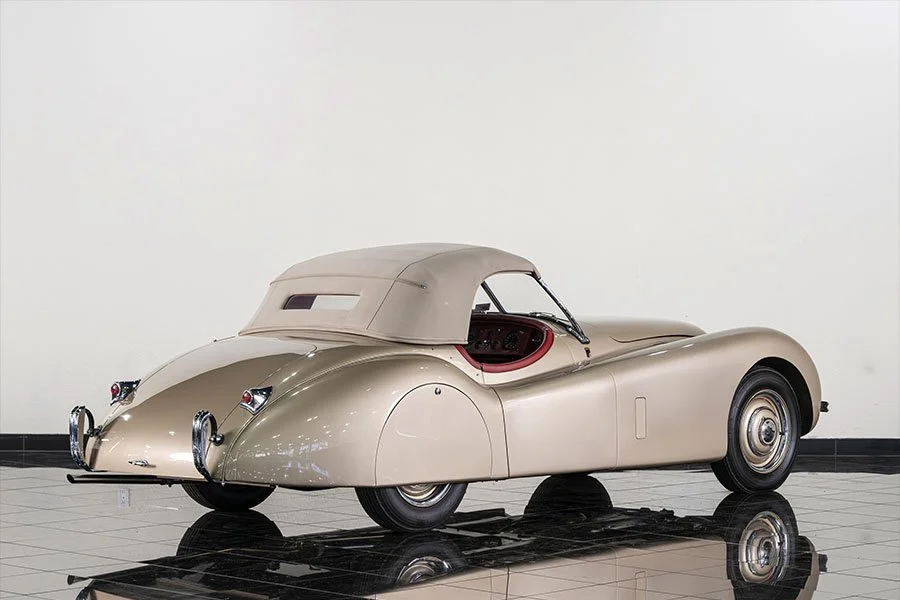
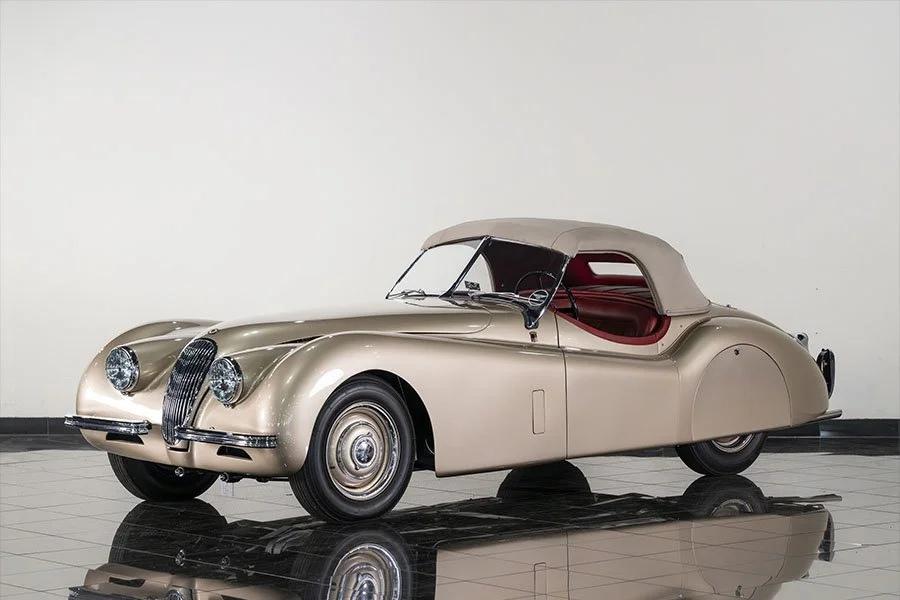
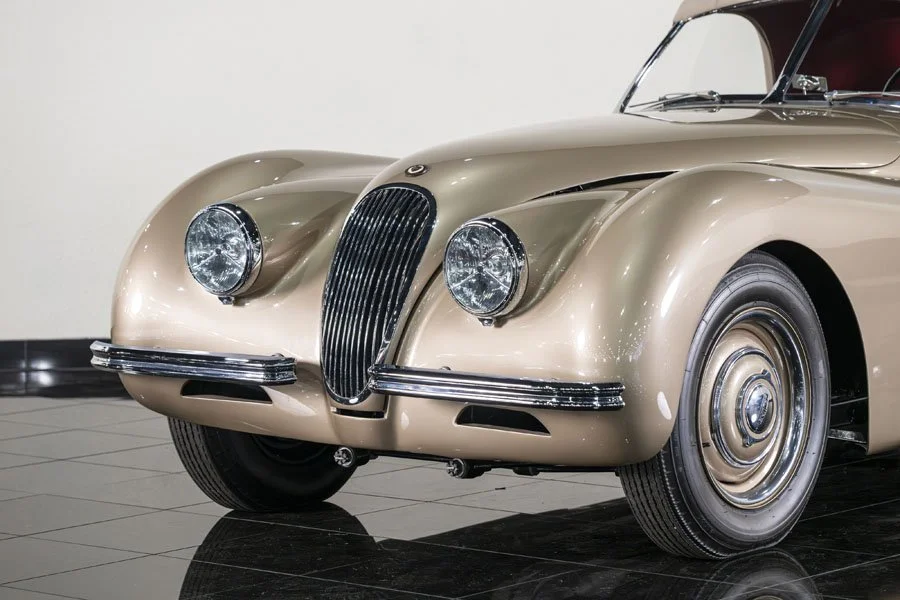
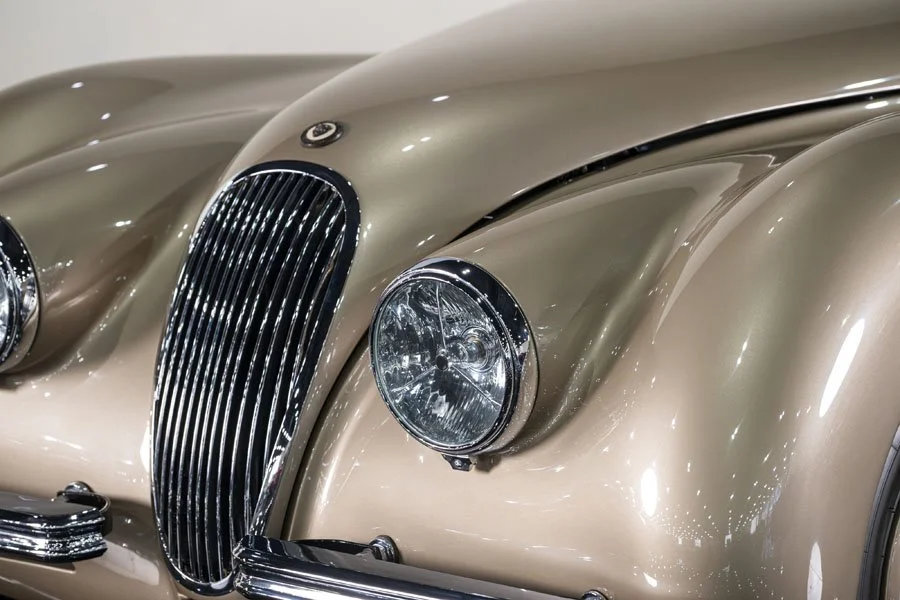
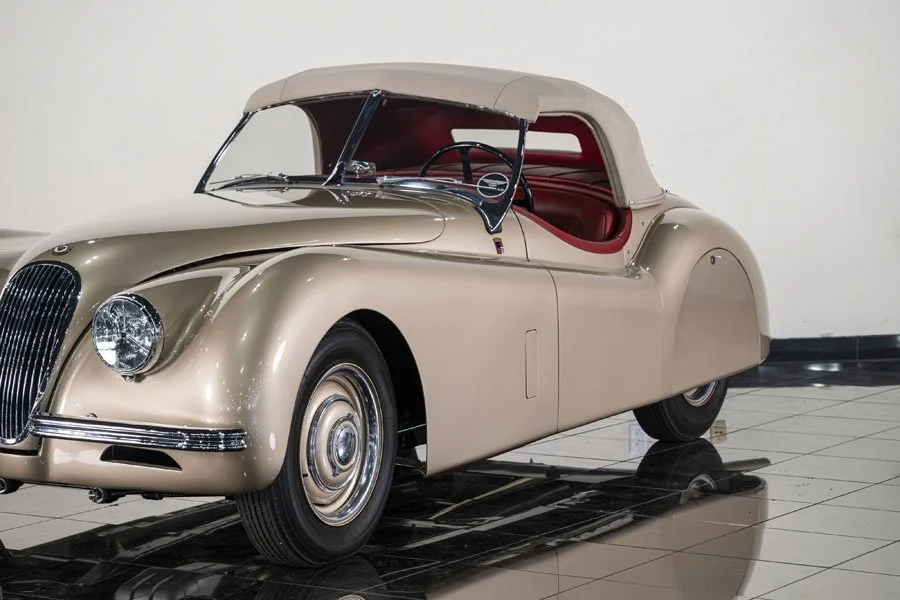
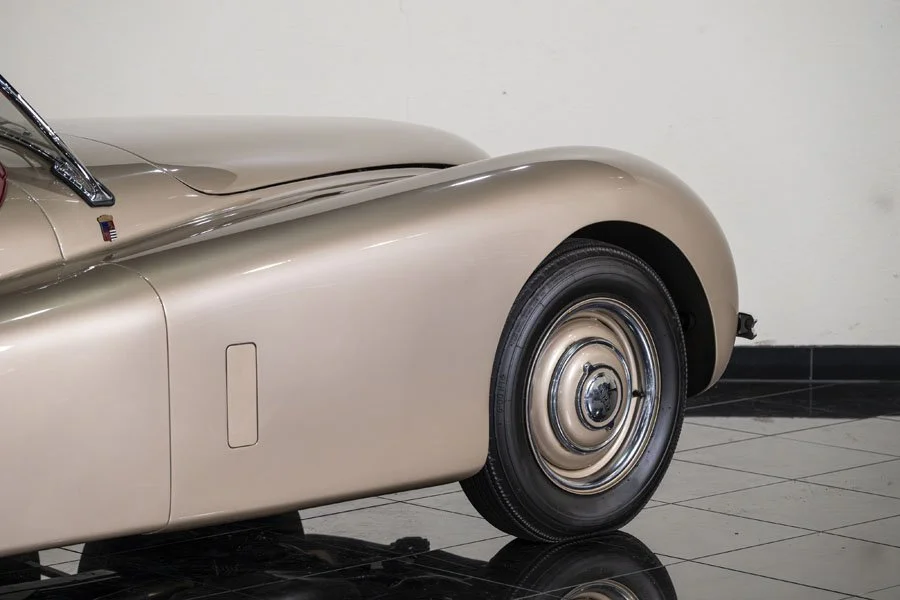
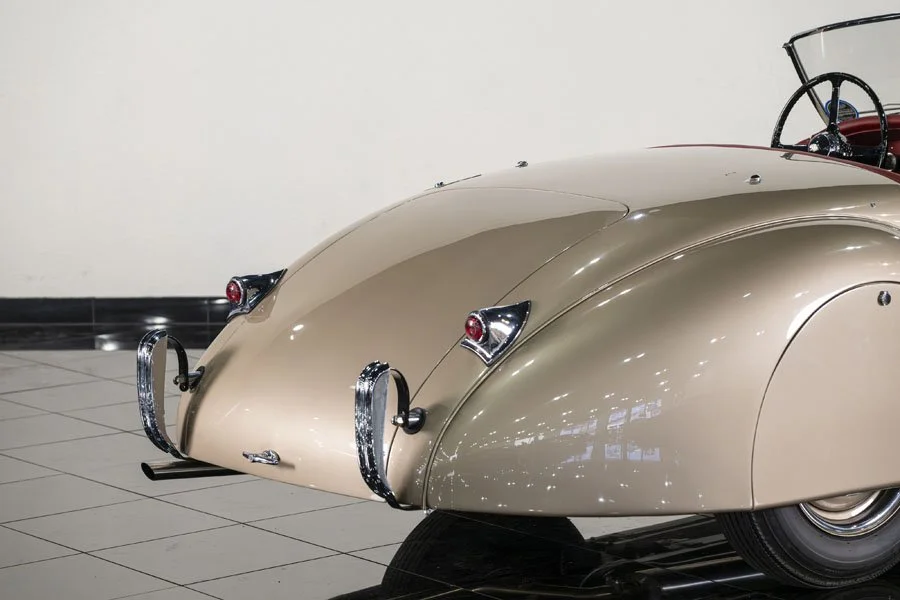
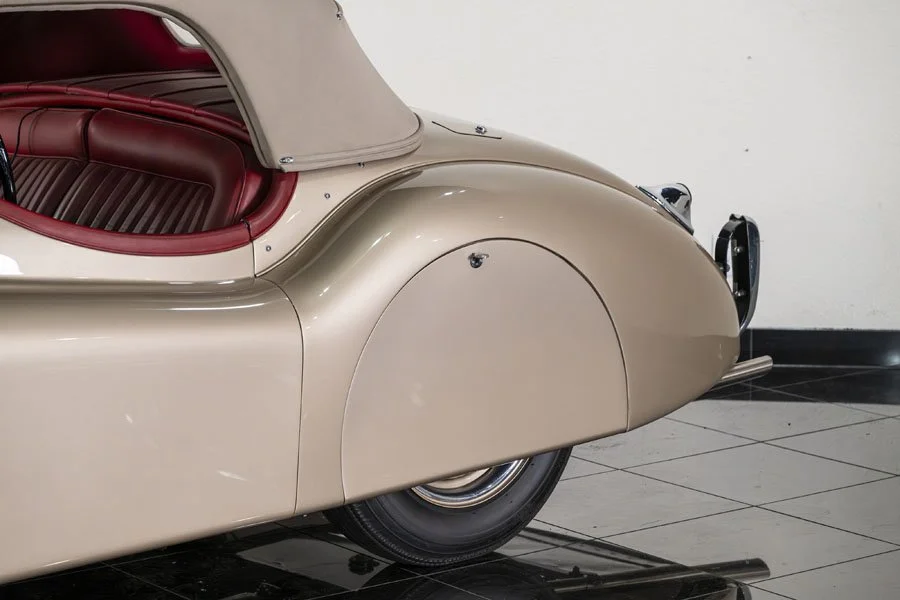
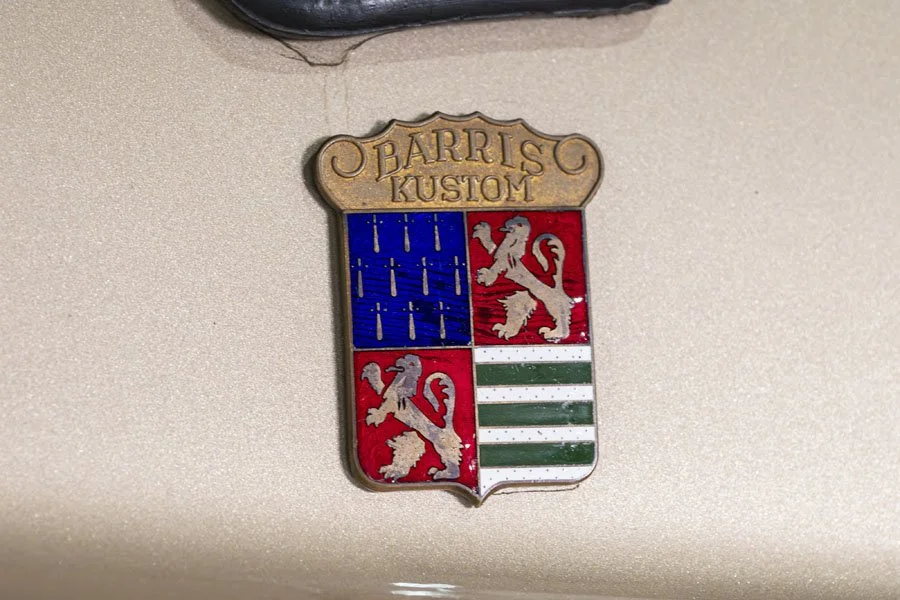
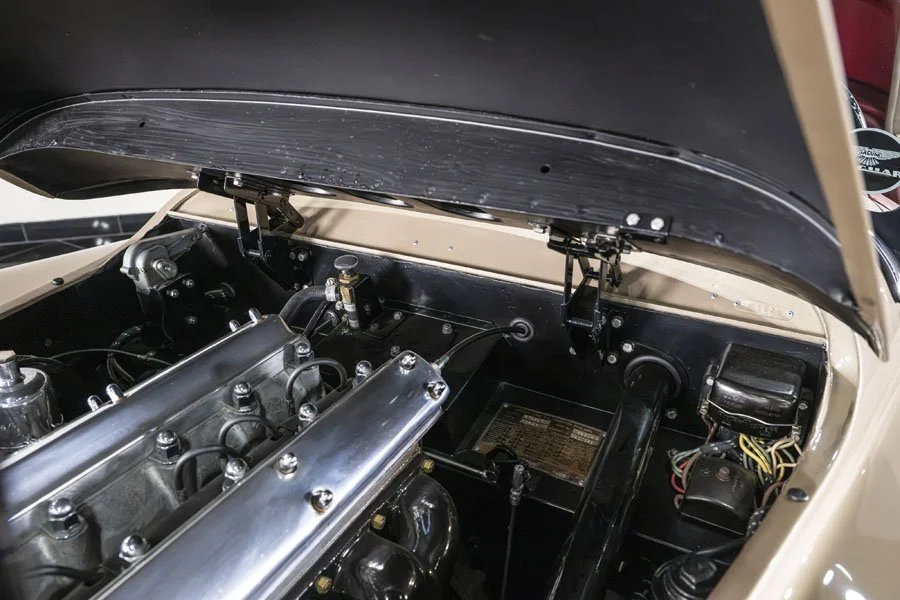
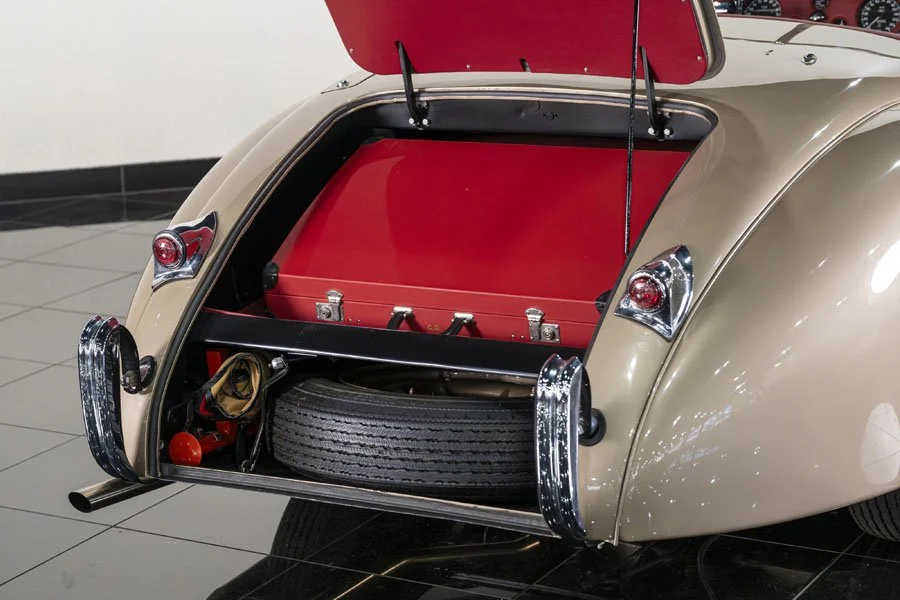
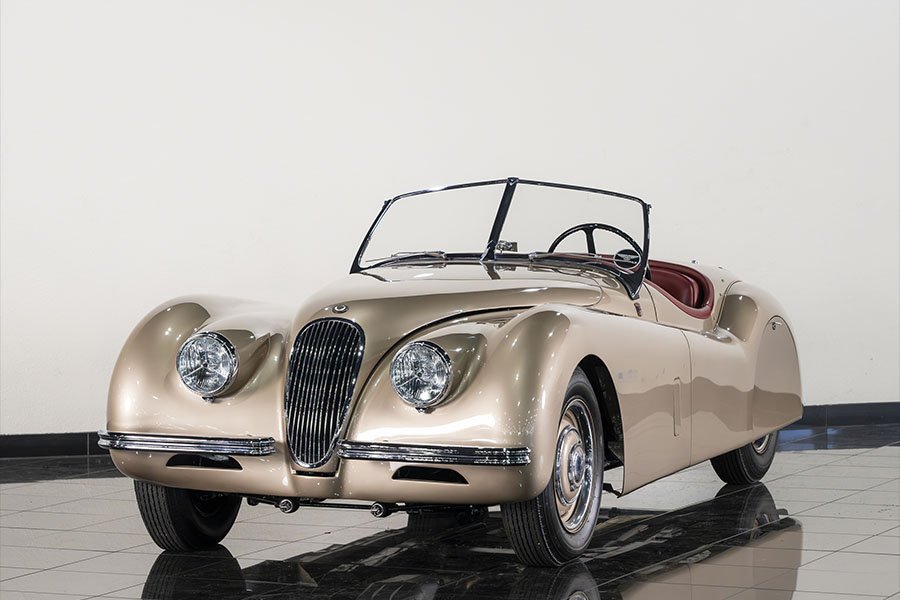
Not only the last, chassis 672623 was arguably Gable’s most distinctive XK120, having been sent to the legendary customisation shop of George Barris. Here, the headlight trim was shaved, the trunk lid was smoothed and the rear licence plate repositioned for a cleaner look. Similarly, the fender-mounted turn-signal plinths and exterior mirrors were deleted.
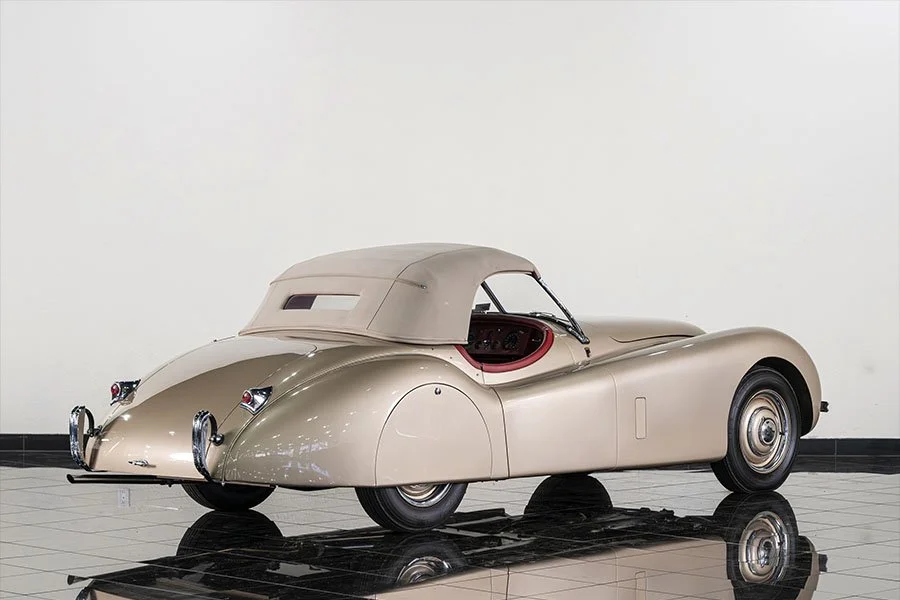
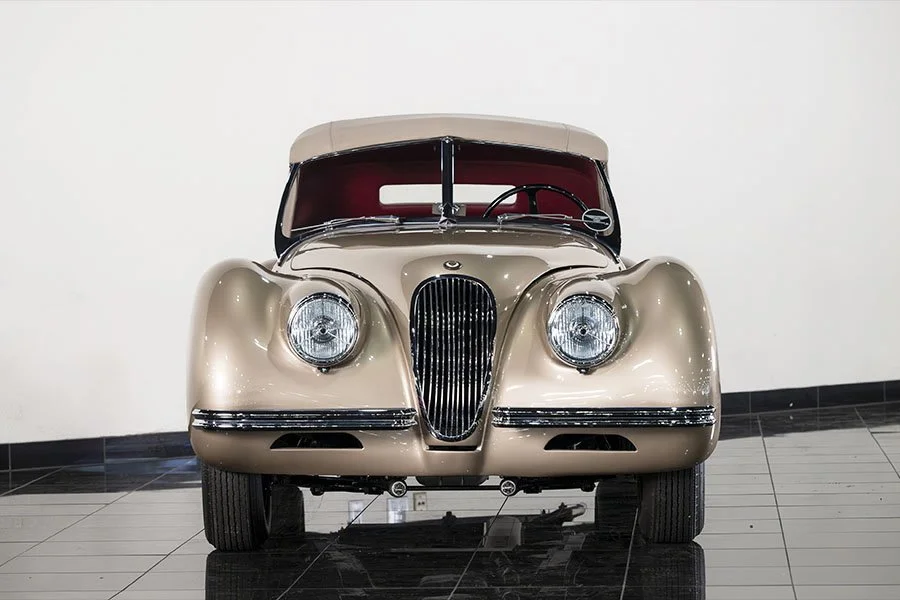
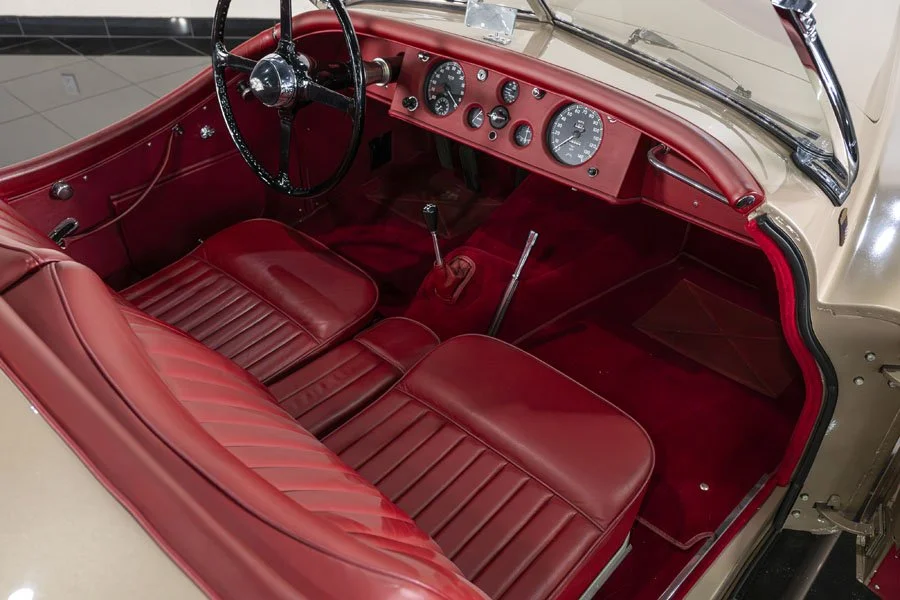
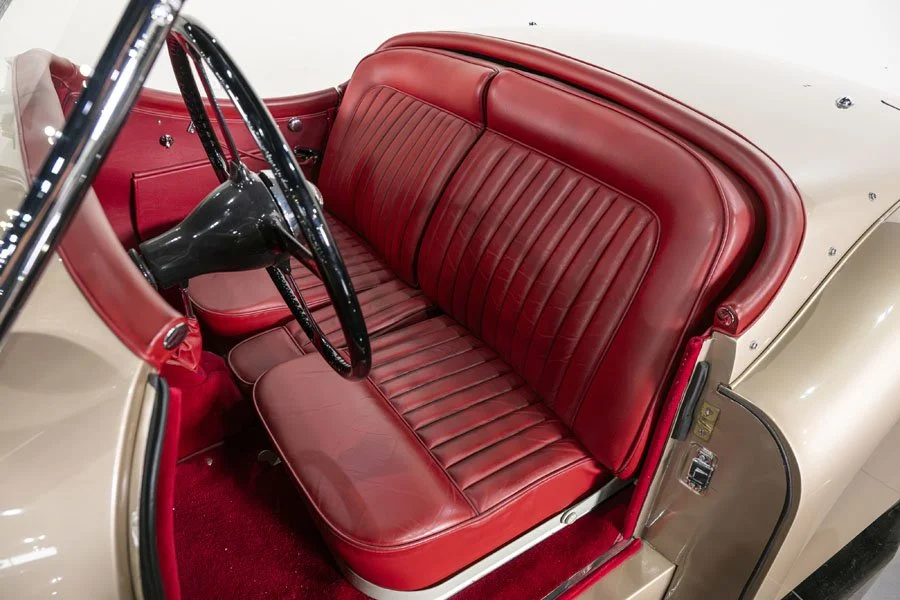
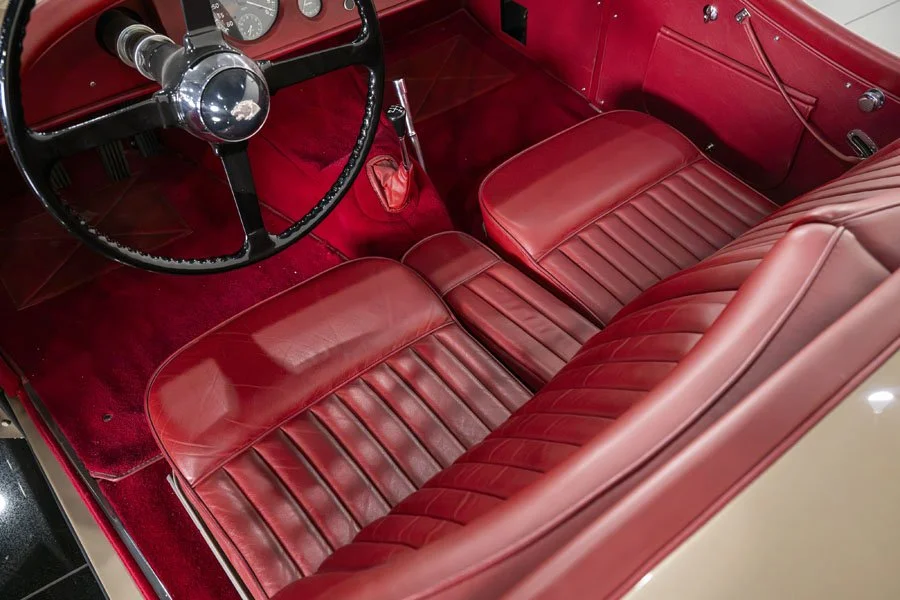
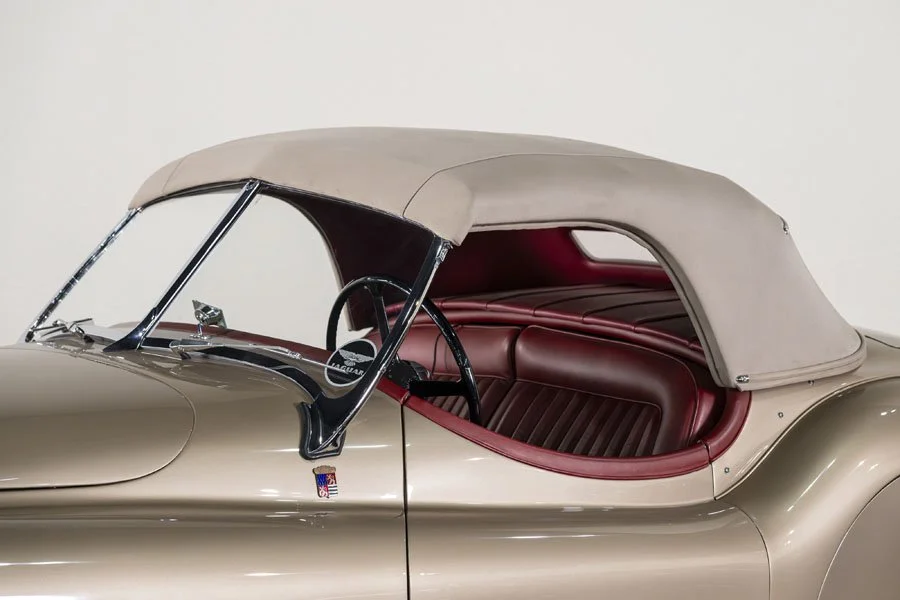
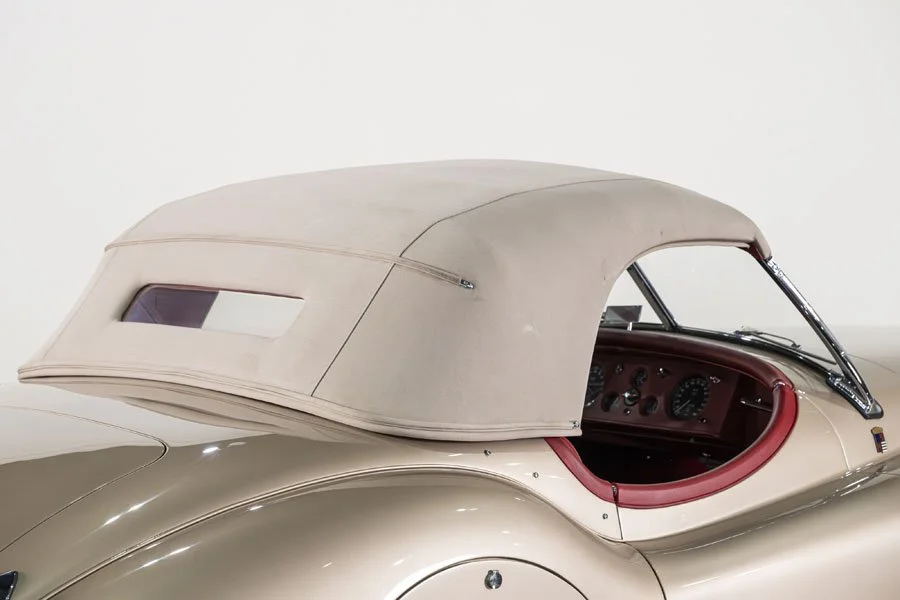
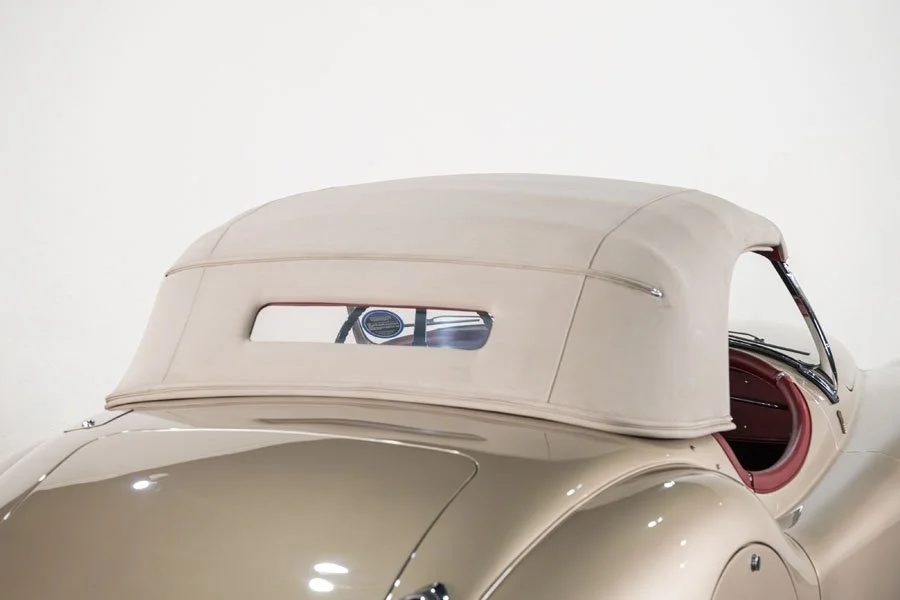
Most striking though was Gable’s request for a Carson-style hardtop trimmed in tan fabric to mimic the appearance of a canvas roof. The XK120’s factory Battleship Grey paint was switched to a sophisticated light gold and its original red upholstery retained.
On January 28th, chassis 672623 will be going under the hammer as part of The Boeckmann Collection during RM Sotheby’s sale in Phoenix, Arizona.
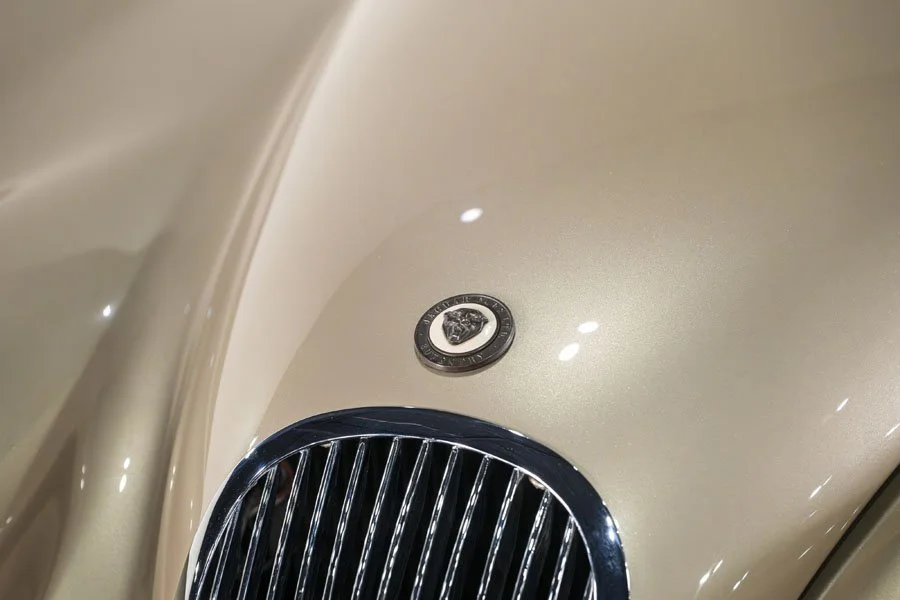
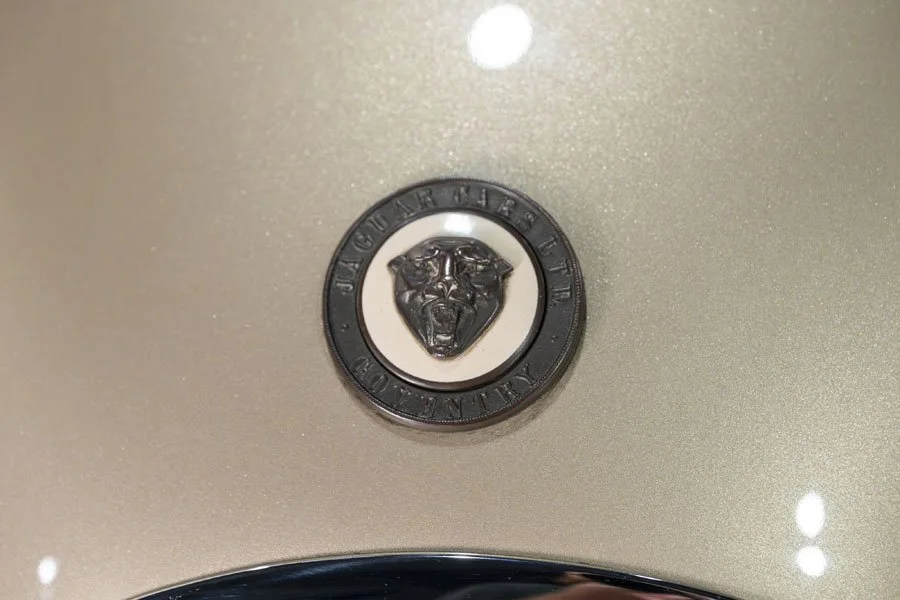
According to RM Sotheby’s: “The car is believed to have remained in California through 1956 when it was sold and reportedly saw little use over the ensuing decades. In 2010, its extraordinary history was rediscovered by an Illinois enthusiast who immediately recognised the significance of its unusual hardtop and surviving Barris badges. His research ultimately led him to George Barris himself, who not only remembered the car and the work performed by his shop but produced a period photograph depicting Gable with the Jaguar, accompanied by a personal thank-you note acknowledging the custom work.
The XK120 was subsequently entrusted to marque specialist Jim Kakuska of JK Restorations in Oswego, Illinois, where it underwent a meticulous concours-quality restoration with particular attention paid to faithfully recreating the distinctive details that set Gable’s car apart. Upon completion, the restoration’s quality was recognised through invitations to some of the world’s most prestigious automotive gatherings, including displays at Pebble Beach, Amelia Island, and Greenwich.”
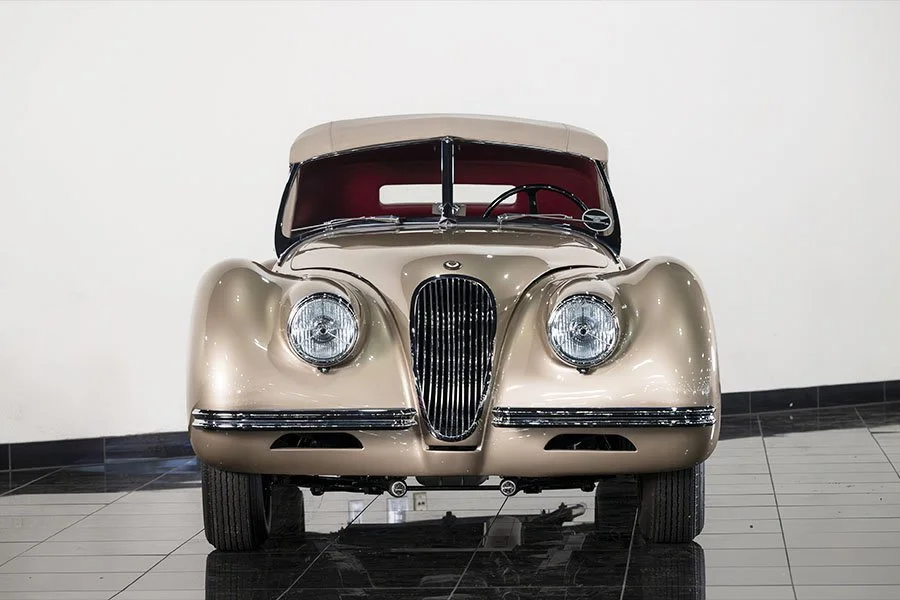
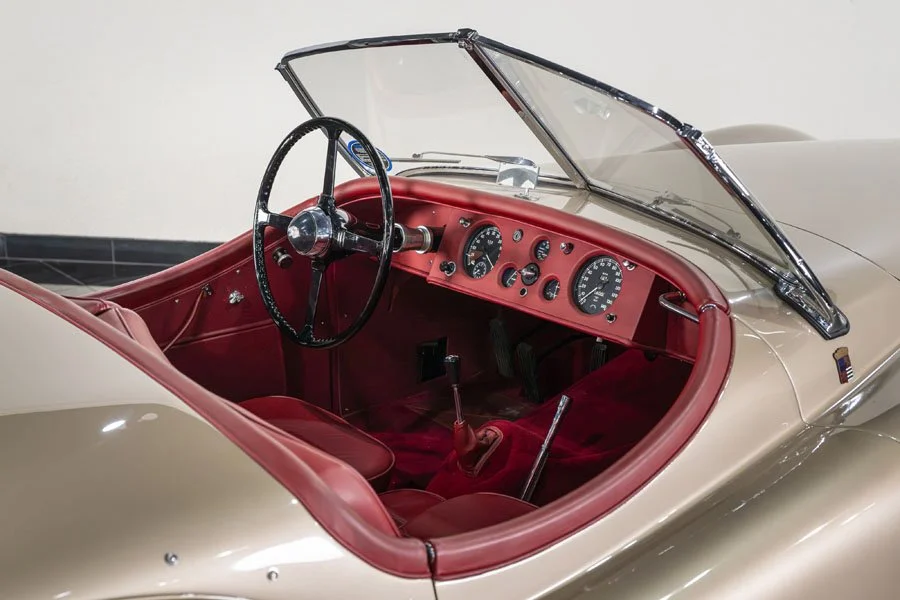
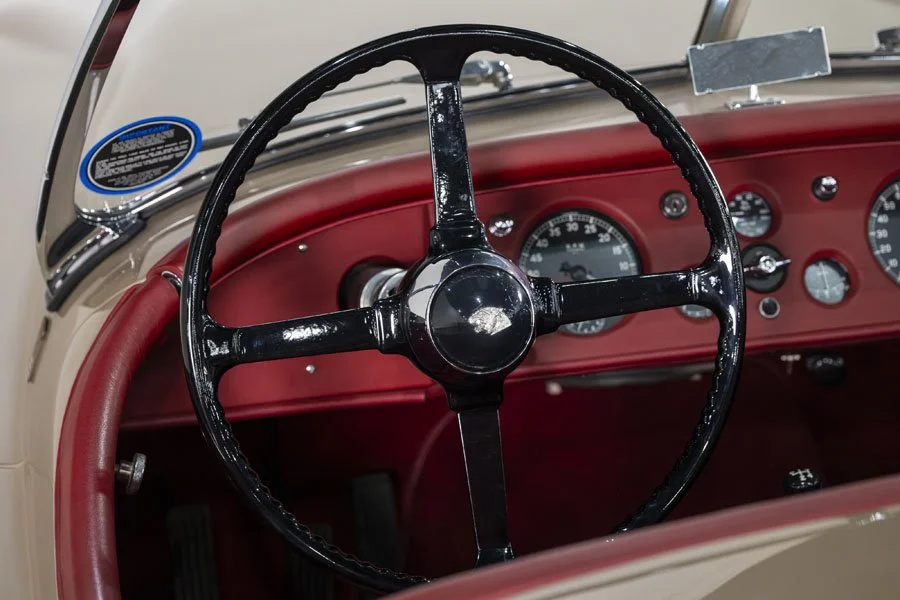
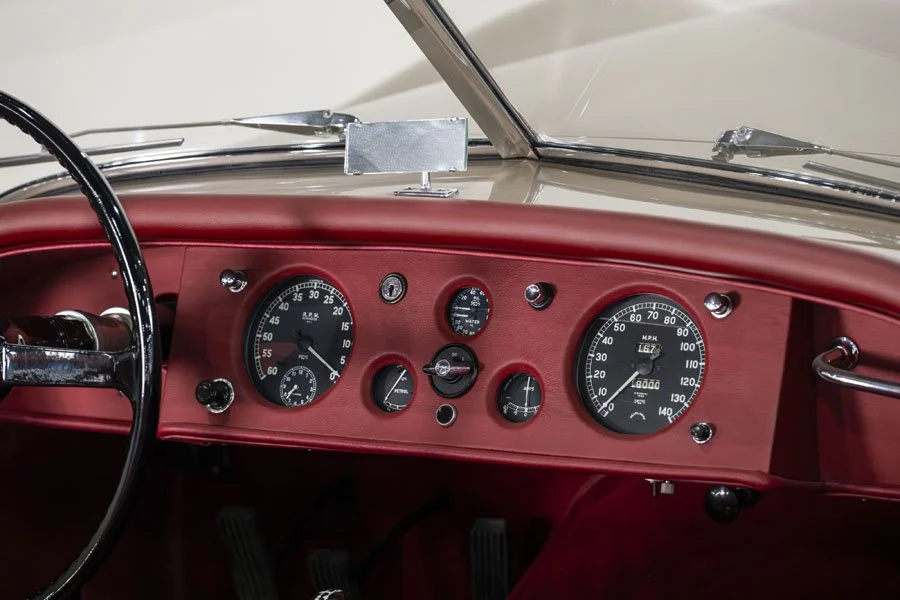
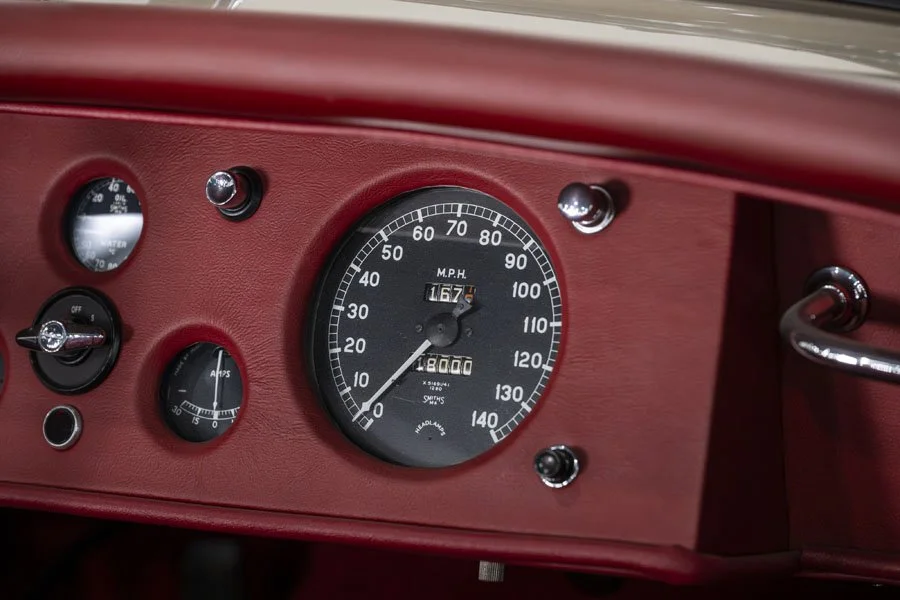
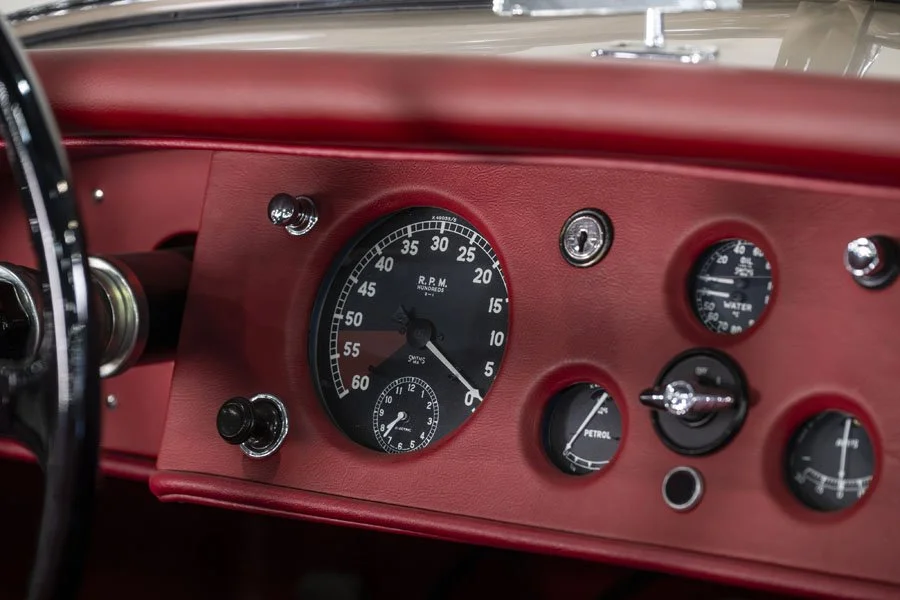
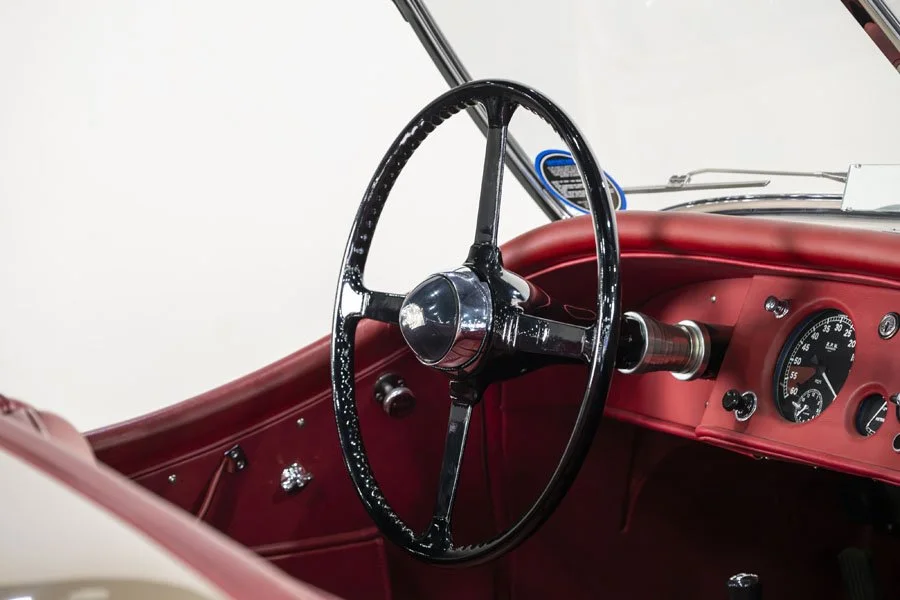
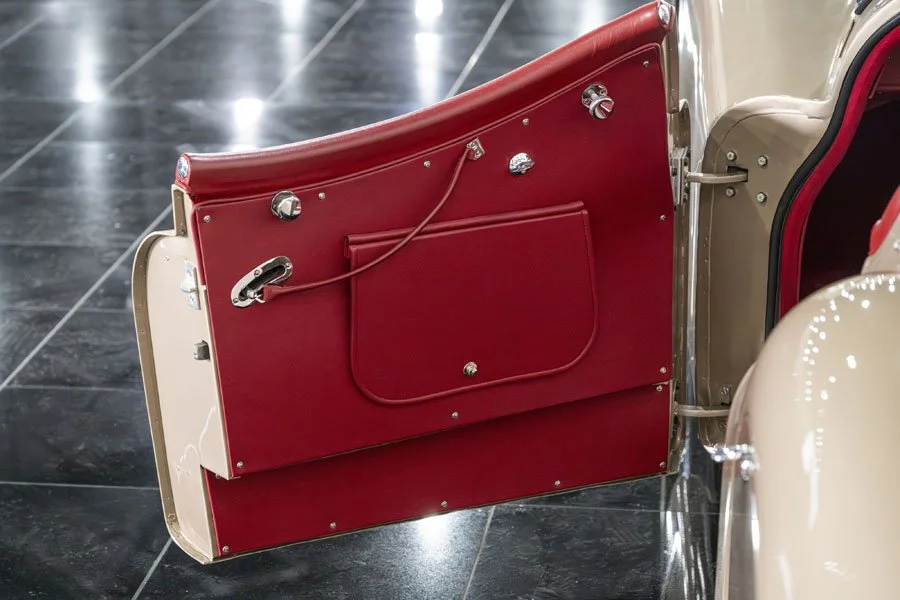
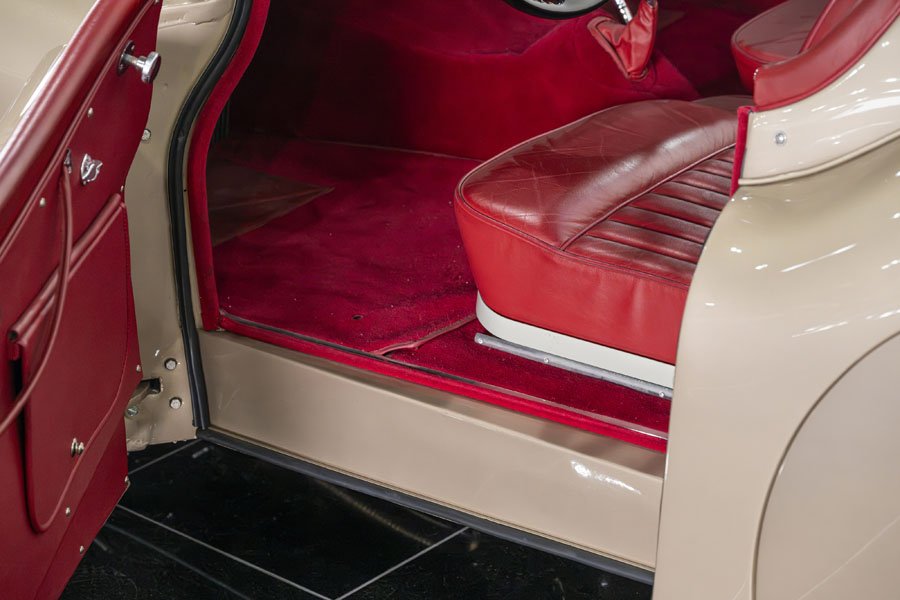
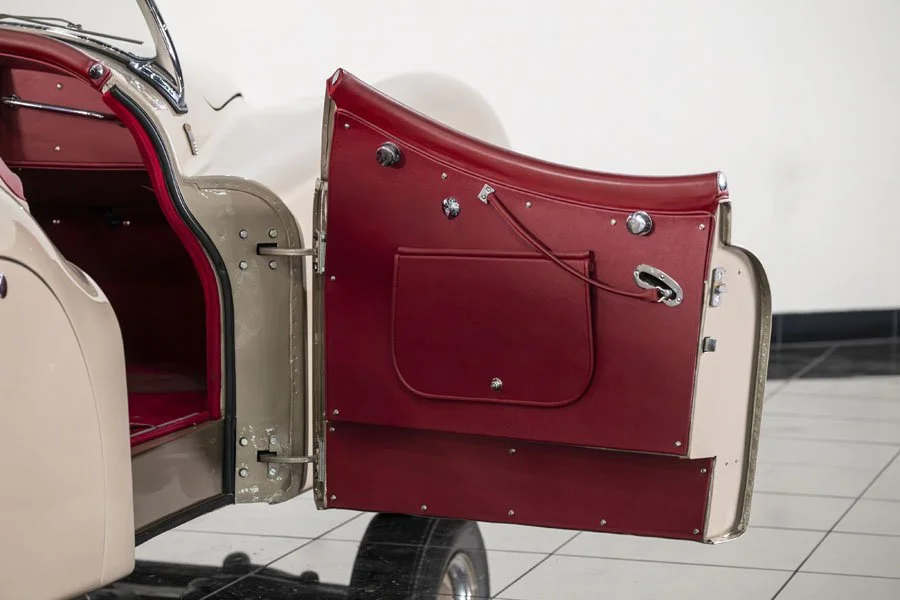
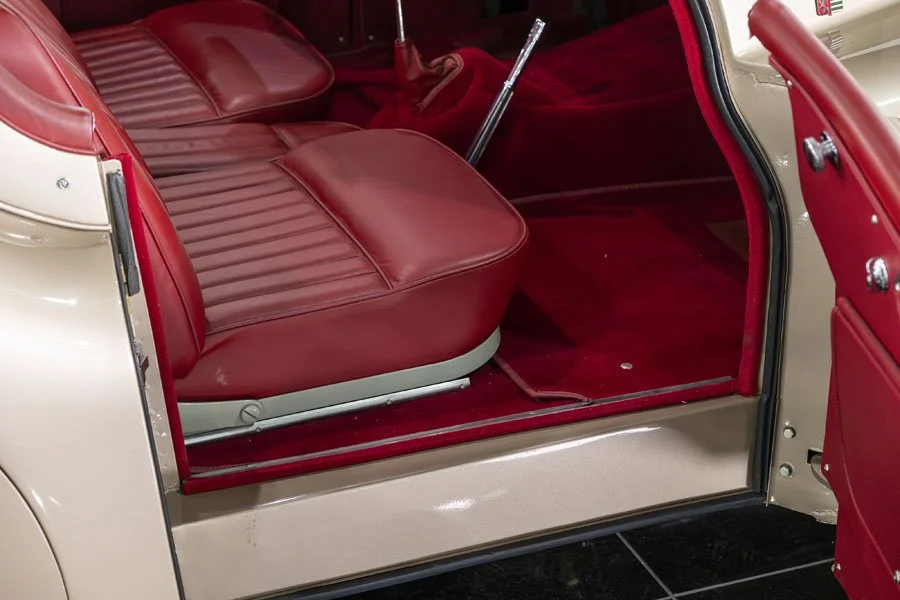
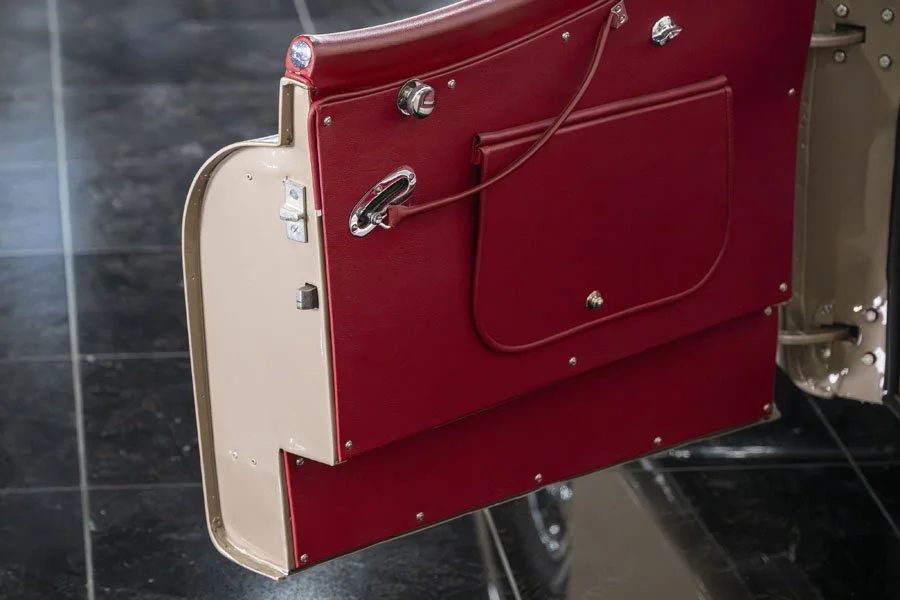
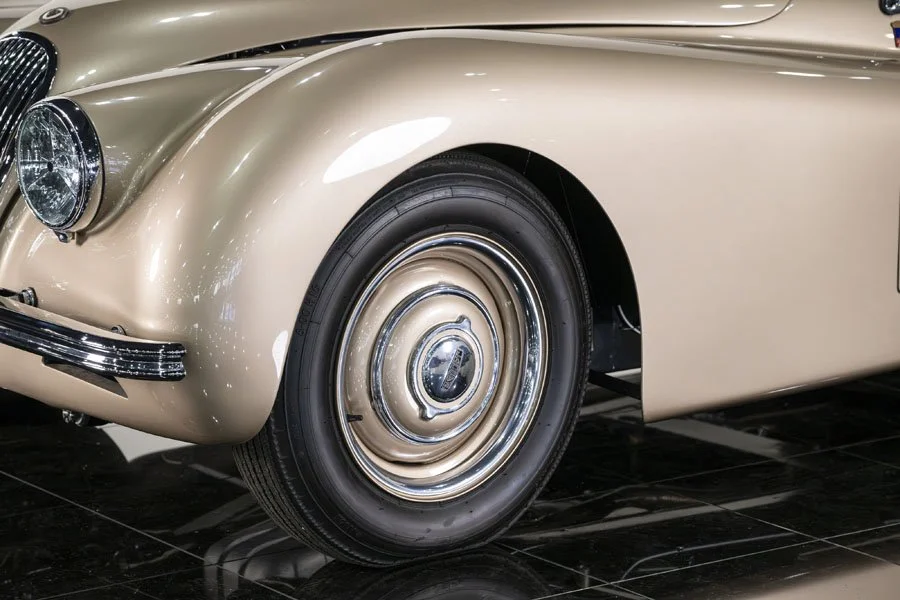
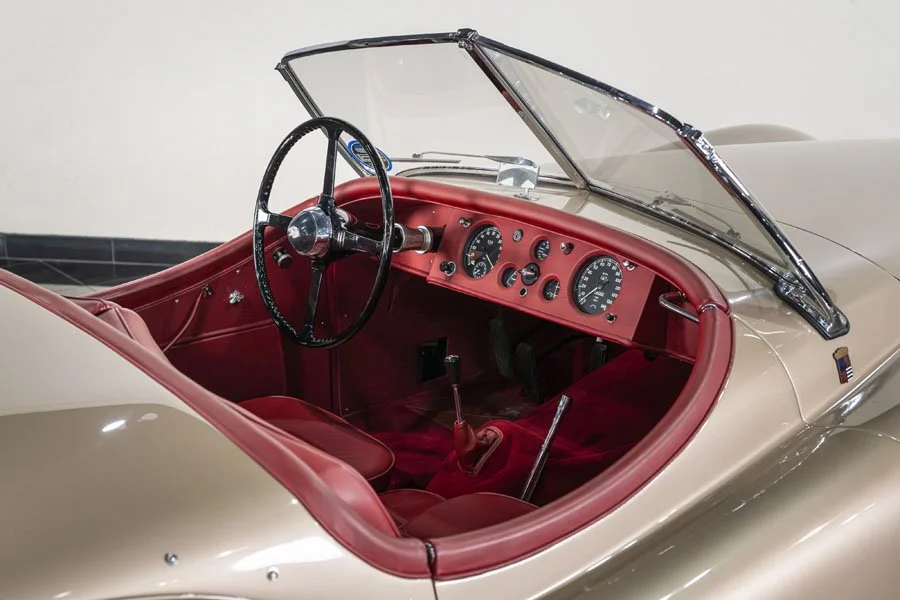
“Today, the XK120 presents with the same combination of individuality and glamour that would have captivated Gable more than seven decades ago. Its lustrous gold-bronze finish provides a spectacular contrast to the richly trimmed cabin, upholstered in red leather with matching cockpit rails and complementary dashboard details. Above it sits the meticulously restored hardtop, retaining its tan canvas exterior and leather-trimmed parcel shelf.
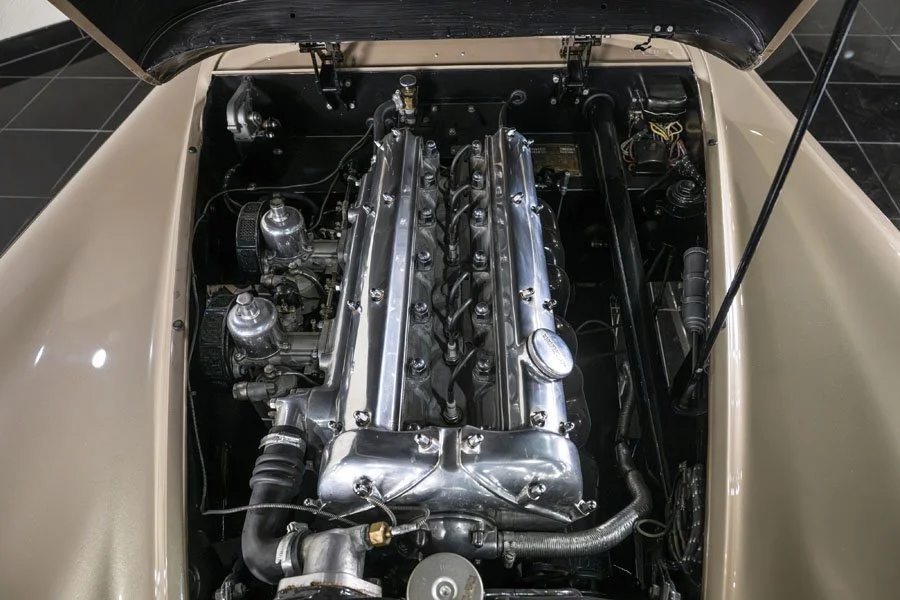
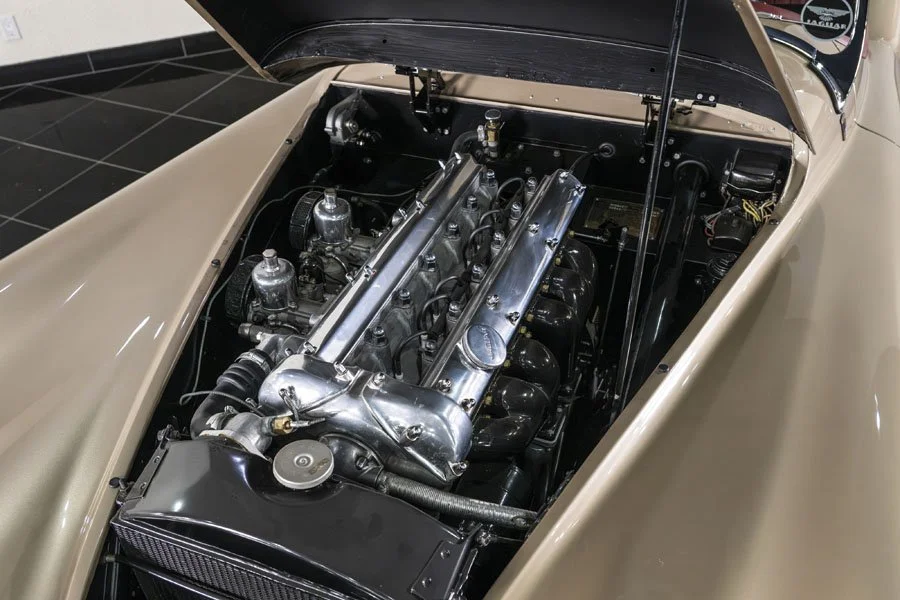
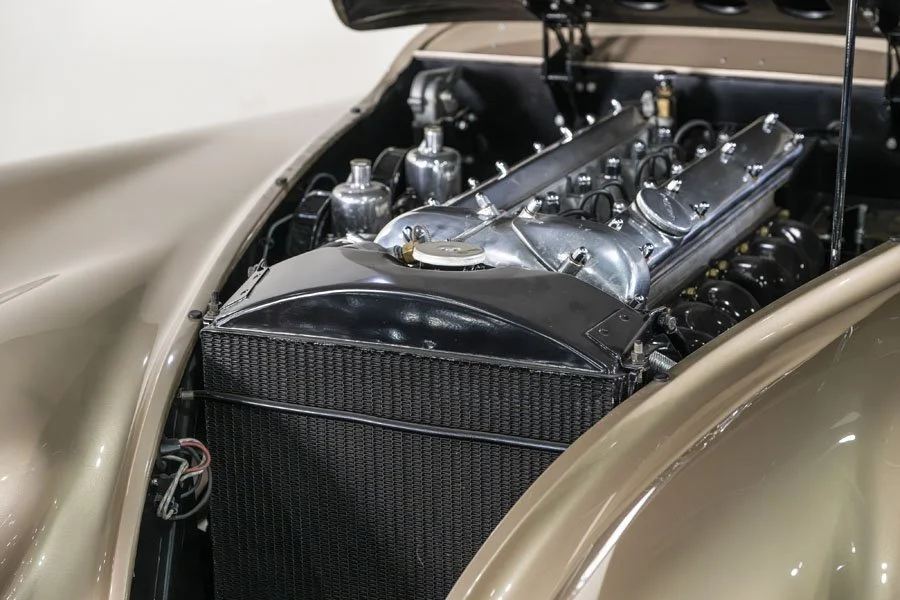
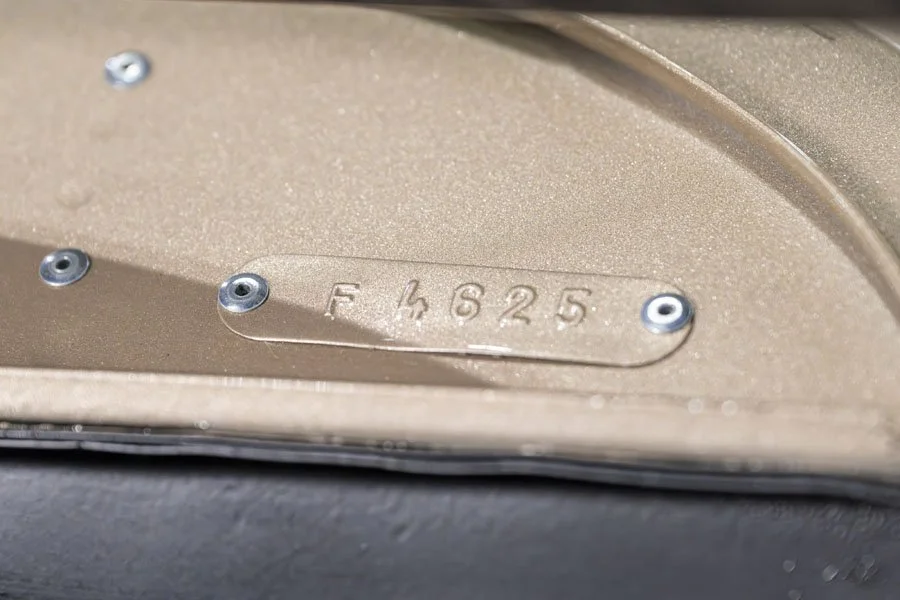
Importantly, inspection has confirmed that the car retains its matching-numbers chassis, body, engine, and cylinder head. It is further accompanied by a Jaguar Daimler Heritage Trust Certificate, a Barris Kustom Certificate of Authenticity, and images of Gable with the car.”
For more information visit the RM Sotheby’s website at: https://rmsothebys.com/
Hollywood icon Clark Gable owned three Jaguar XK120 OTS Roadsters. His first was chassis 670003 (completed in June 1949, the third left-hand drive XK120 built), his second was chassis 672282…
The return of GT cars to Le Mans during the early 1990s coincided with two of the track’s biggest controversies in years. Having been the exclusive preserve of out-and-out Sports Prototypes since…
Although it went up against the rule-bending Ferrari 250 GTO which was scandalously accepted into the Group 3 Grand Touring class, Jaguar’s E-type Lightweight gave a very good account of itself at…
When Jaguar displayed the XK120 prototype at the London Motor Show in October 1948, it did so with little expectation of sending the model into production. However, even in the gloom of post-war…
Based on the legendary Jaguar XJR-9 race car, this XJR-15 owned by Dr. Jasbir Dhillon was one of only 53 made and was the predecessor to the XJ220!
Three years after Jaguar had debuted the all-conquering tube framed C-type, the Coventry firm released arguably the most advanced sports racing car of its day. Based around a state-of-art…
As denoted by its ‘885’ VIN prefix, chassis 885002 was a left-hand drive E-type FHC. It was completed in mid 1960 as the second ‘proper’ E-type FHC. Together with the original FHC…
Having successfully managed Jaguar’s European Touring Car Championship effort with the XJS between 1982 and ‘84 (a programme that yielded 16 wins and the 1984 Driver’s title), Tom Walkinshaw…
Although Jaguar had officially decided to withdraw from motor racing a few years prior, a batch of seven specially prepared E-types were prepared for competition use during the 1961 season…
Watch Mike Hawthorn, with a film camera strapped to the back of his D-Type Jaguar and a microphone fitted, commentate his way around the famous Le Mans circuit in 1956.
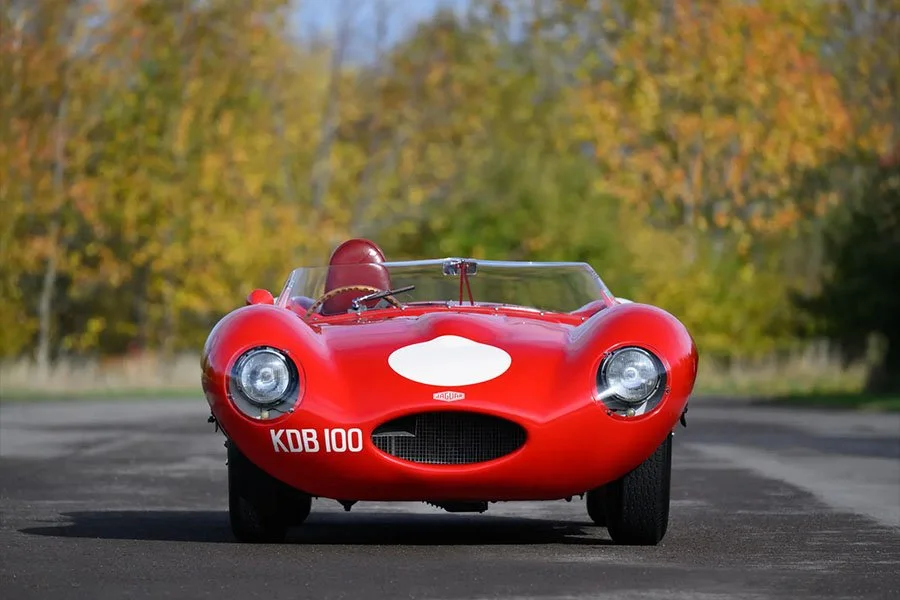
Only two D-types were originally painted red by the Jaguar factory in Browns Lane, Coventry, one of which is this car, chassis XKD 518, currently on offer at the Fiskens showroom in London.
Motorhead magazine teams up with Luke Huxham to give you a glimpse into the life of three young, at-heart car enthusiasts who own three extremely unique Le Mans cars: the Mazda 767B, a Jaguar XJ220LM, and the already famous road-going Porsche 962C.
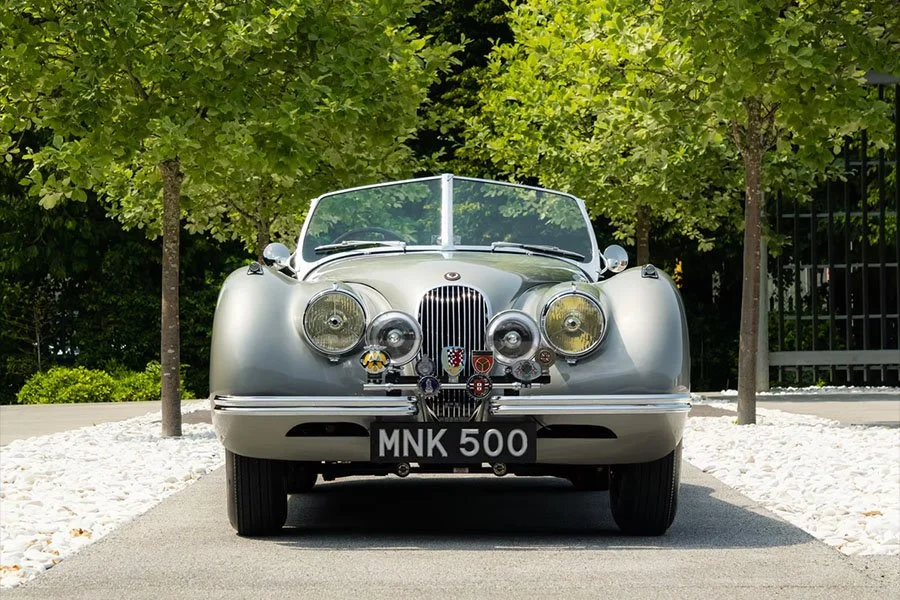
When XK120 production got underway in June 1949 (just eight months after the prototype had caused a sensation at the ‘48 London Motor Show), nothing could rival the new Jaguar’s combination of price…
Having been in with a shout of scoring an unlikely victory using an almost bog standard XK120 at the 1950 Le Mans 24 Hours, Jaguar went all-in with a purpose built machine for 1951: the XKC (better…
Chassis 029 started life as a Pastel Green C-type dispatched to Jaguar’s West Coast distributor, Charles Hornburg in Los Angeles, on November 24th 1952. It was subsequently sold to Francisco…
After seven years of unprecedented success with the XK120, C-type and D-type, in October 1956 Jaguar announced that it was to officially withdraw from all forms of motor racing. Having won the…
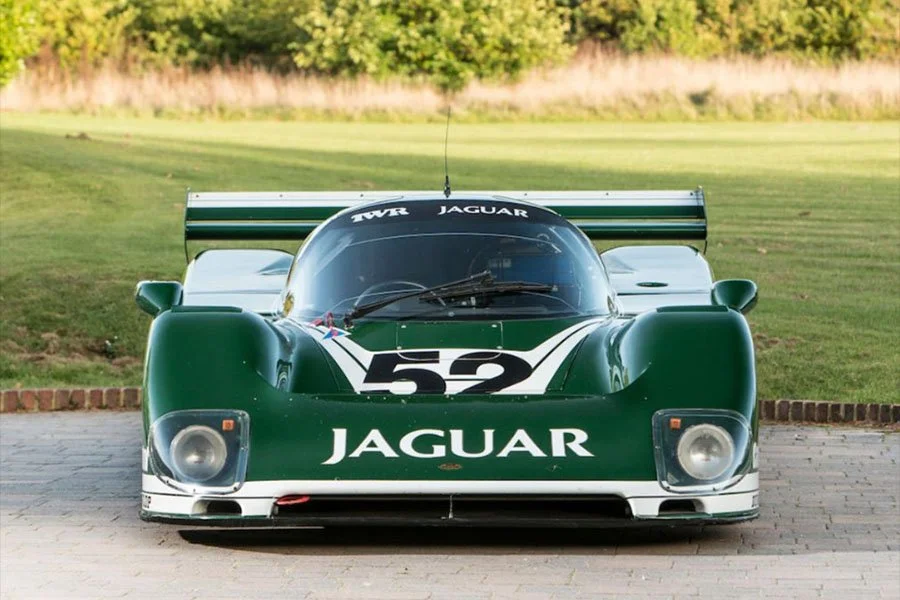
With nigh on 30 years having passed since Jaguar had decided to quit top flight Sports car racing, the British firm made a big splash with a high profile return mid-way through the 1985 season using…
Whatever order you put them in, it is commonly regarded that the BMC Mini, Porsche 911, Volkswagen Beetle and Jaguar E-type were the most iconic automotive designs of the 20th…
Towards the end of 1987, a small group of Jaguar engineers began work on a road-going successor to the C and D-types that had won the Le Mans 24 Hours five times between 1951 and…
Chassis 046 was one of two XJR-15 road cars supplied to the Brunei Royal Family. Total XJR-15 production was 53 units. The Sultan (Hassanal Bolkiah) and his brother Prince Jefri, who was…
Although Germany was rightly regarded as the centre for super tuner activity from the 1970s through to the 1990s, a handful of British firms also created some epic machinery, one of which was Lister.
With a little over 12,000 units built, Jaguar’s XK120 was the most commercially successful top flight sports car of the late 1940s / early 1950s. Six years after the XK120 prototype had made its debut…
Although Jaguar had supplied a handful of competition-prepared ‘ZP’ E-types to special customers for 1961, a more comprehensively uprated Lightweight version was developed for 1963…
Chassis 009 was one of two XJR-15s supplied to the Brunei Royal Family, both of which were completed in road as opposed to race specification. This first example was configured in the only…
The fire at Jaguar’s Browns Lane factory in Coventry on the evening of Tuesday 12th February 1957 affected around one quarter of the complex. Having started in the tyre store, it ripped through the…
On January 18th at Mecum’s Kissimmee auction in Florida, one of the most famous movie cars of the modern era will be going under the hammer: Austin Powers’ Jaguar E-type 4.2 OTS Roadster…
Of the myriad machines that have claimed status of “Le Mans racing car for the road”, arguably none have come closer to fulfilling that mantra than Jaguar’s XK SS of 1957. When the XK SS was…
With the XK120 having rewritten the rulebook in terms of what could be expected from a vaguely affordable sports car, Jaguar understandably opted for evolution rather than revolution when it came…
Launched at the Geneva Motor Show in March 1961, the Jaguar E-type redefined what could be expected from a car priced at such a lot less than an Aston Martin, Ferrari or Maserati. In addition…
The JaguarSport Intercontinental Challenge of 1991 remains arguably the most spectacular one-make racing series ever organised. It comprised three events, supporting the F1 races at Monaco…