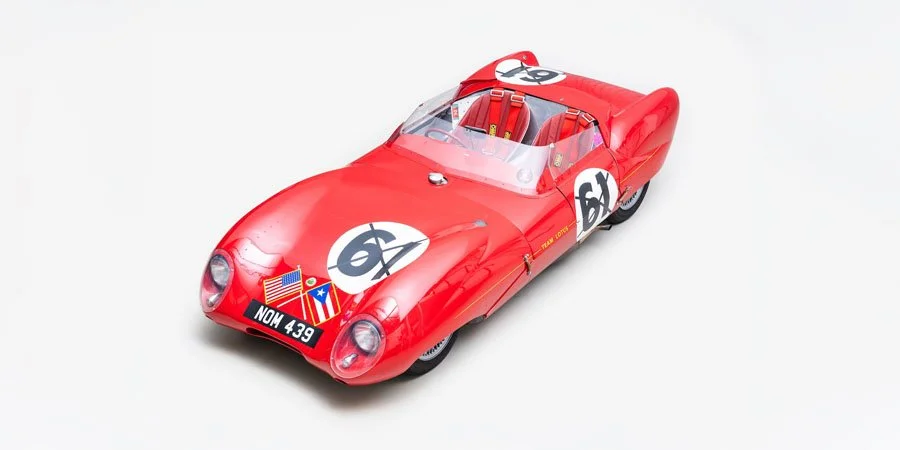
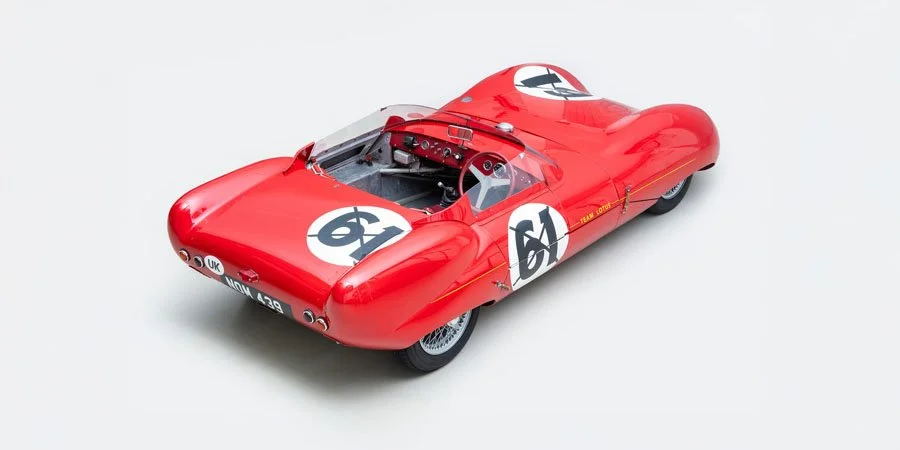
One to Buy: ex-Puerto Rico Team (Team Lotus) 1957 Lotus Eleven Series 1 Le Mans
/ Ben Tyer
Owing to their exceedingly competitive nature and accessible price, most Lotus Elevens were raced long and hard during their formative years and in their second life got heavily modified for historic racing.
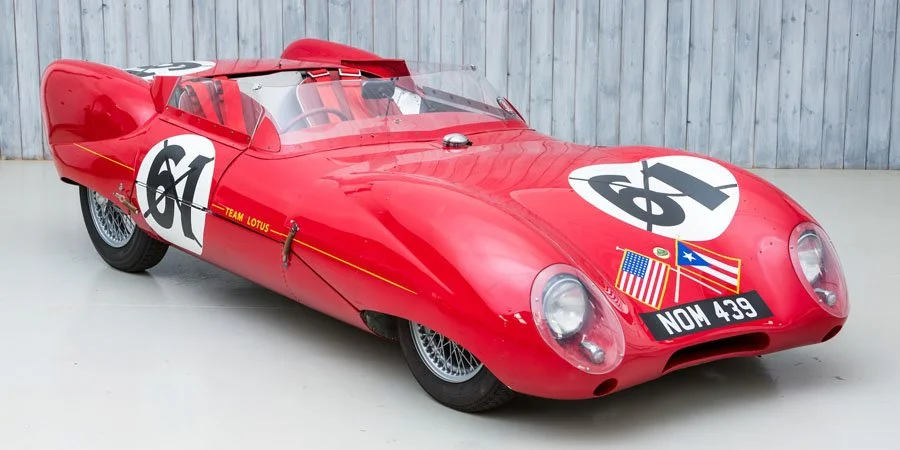
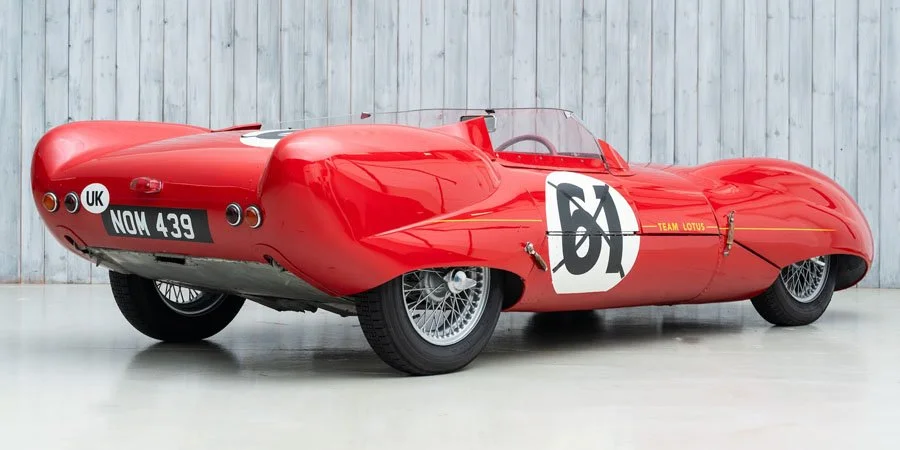
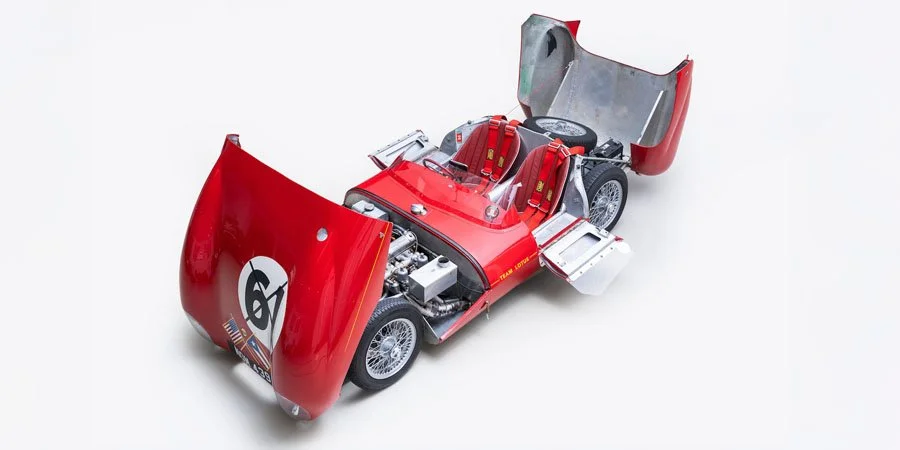
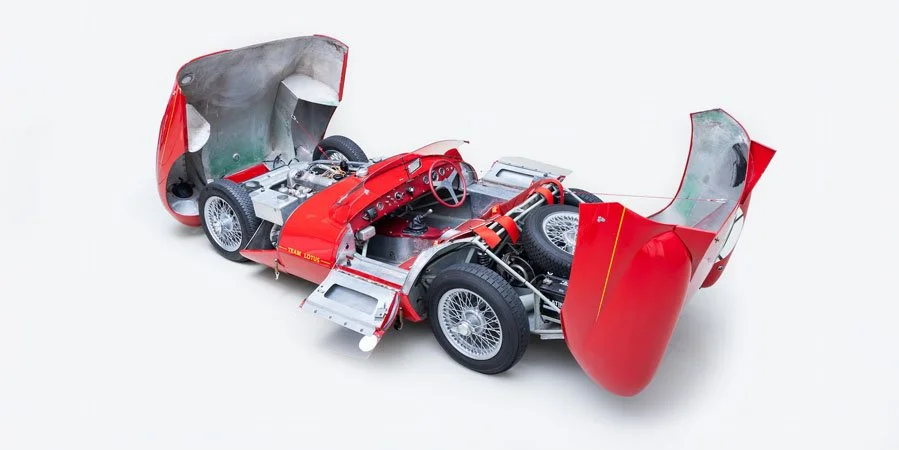
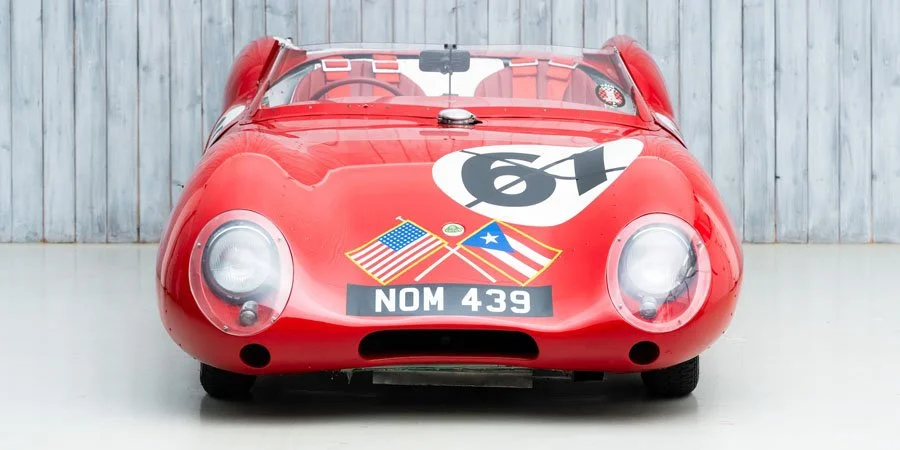
As a consequence, many Elevens lack originality, but that it certainly not the case with this unusually configured example currently on offer at the William I’Anson showroom in Gloucestershire.
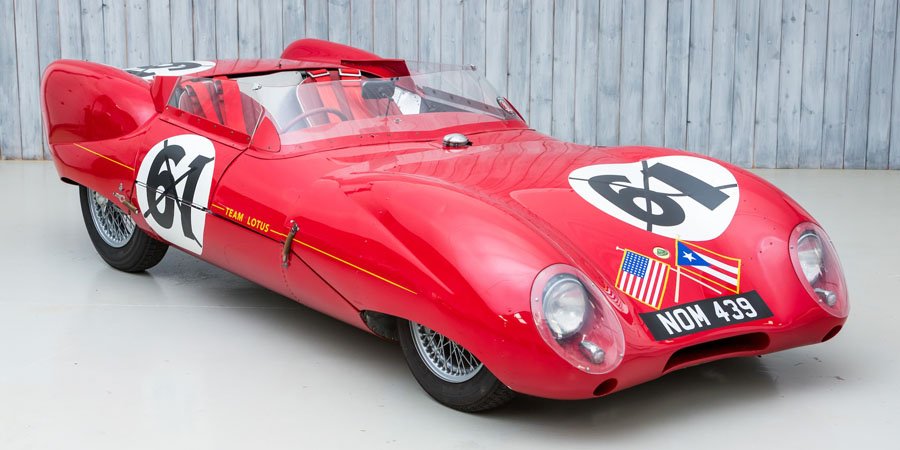
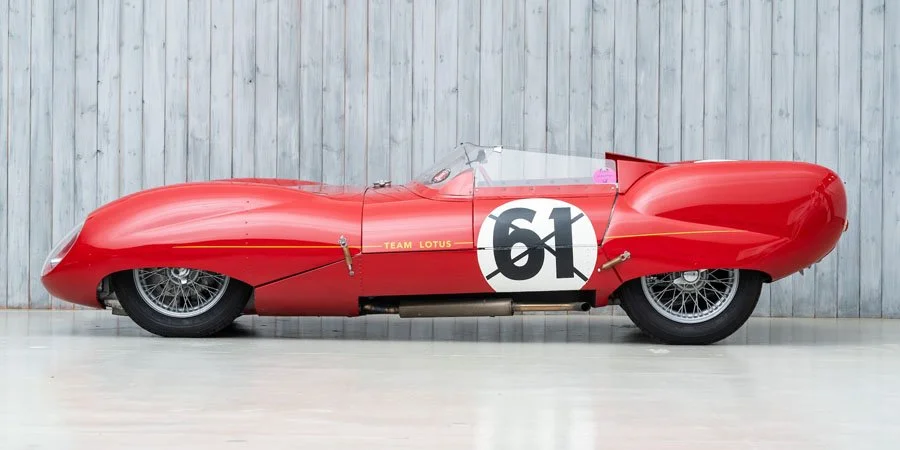
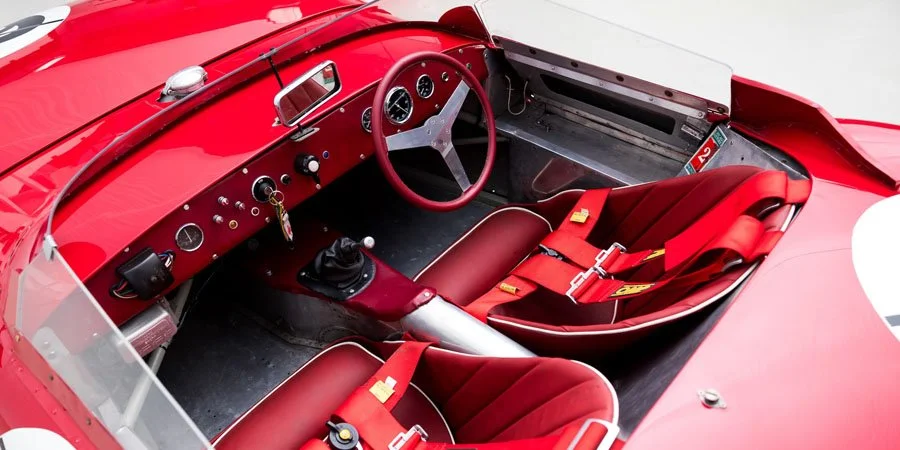
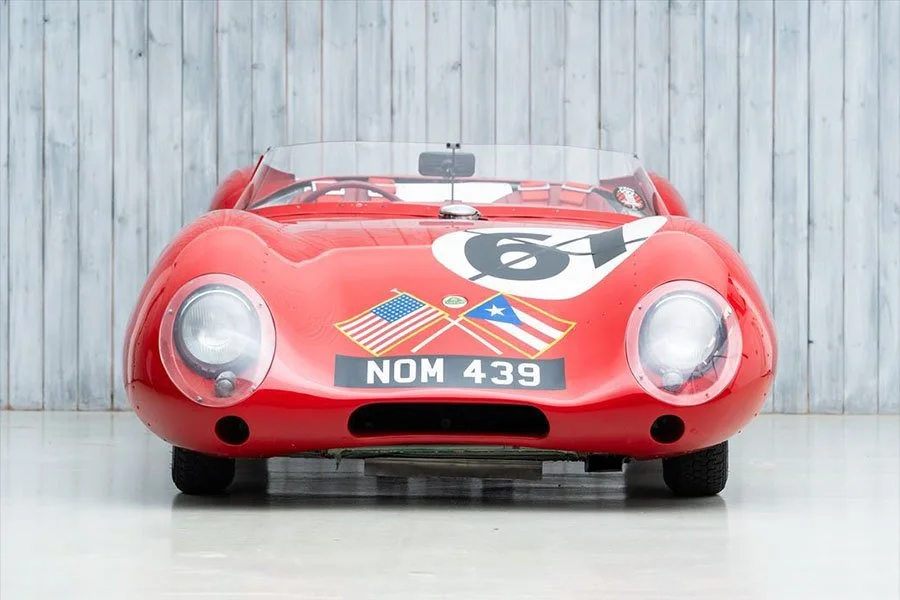
Chassis 274 emerged from the Lotus factory in Hornsey, North London, as a late Series 1 built to ultimate Le Mans trim. Moreover, it was among just a handful completed in wide chassis Sebring configuration.
Upon completion, chassis 274 was shipped to Florida with three matching cars in order to contest the 1957 Sebring 12 Hours, round two of that year’s World Sportscar Championship.
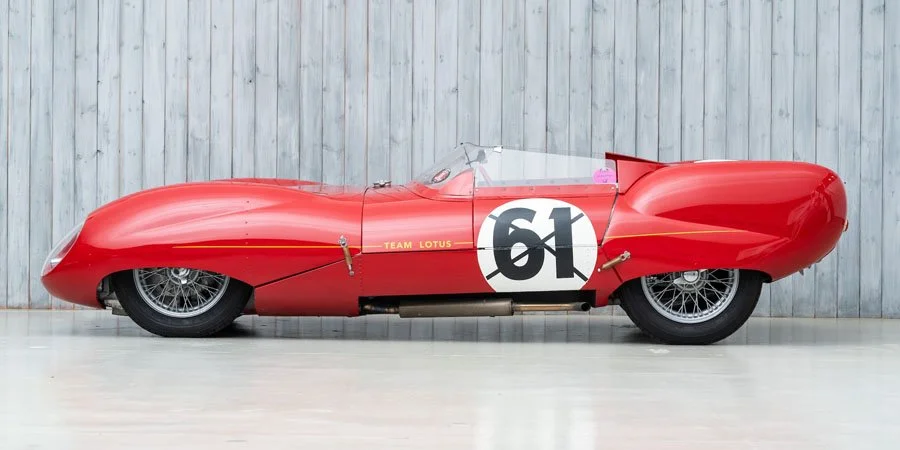
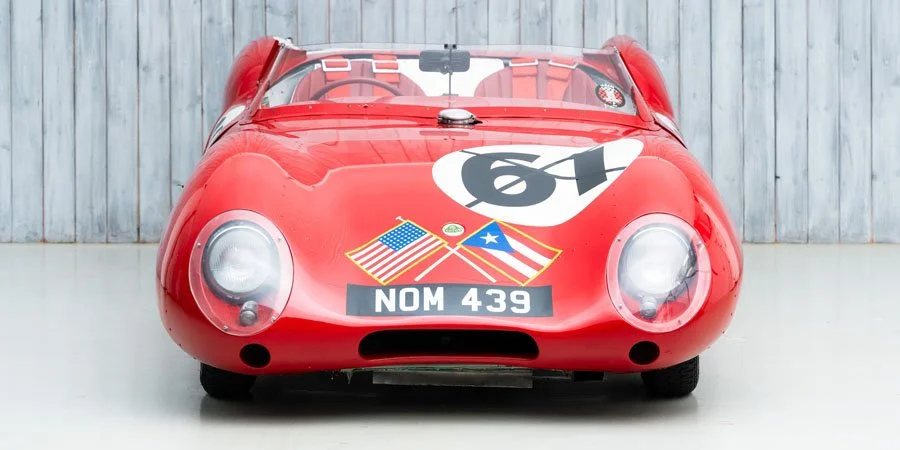
All four of the Elevens were pre-sold but would run at Sebring as Team Lotus entries. Chassis 274 was painted red, initially registered 9 EHX and destined for the Puerto Rico Club outfit. In terms of the other trio, one was painted white with blue stripes and two were finished in traditional green.
After twelve hours running, just two of the Elevens made the chequered flag: chassis 276 driven by Colin Chapman, Joe Sheppard and Dick Dungan crossed the line eleventh overall to win the 1.1-litre Sports class while Victor Merino, Luis Pedrerra and Rafael Rosales brought the bright red chassis 274 home in 32nd overall to bag the final podium spot in the S1.1 category.
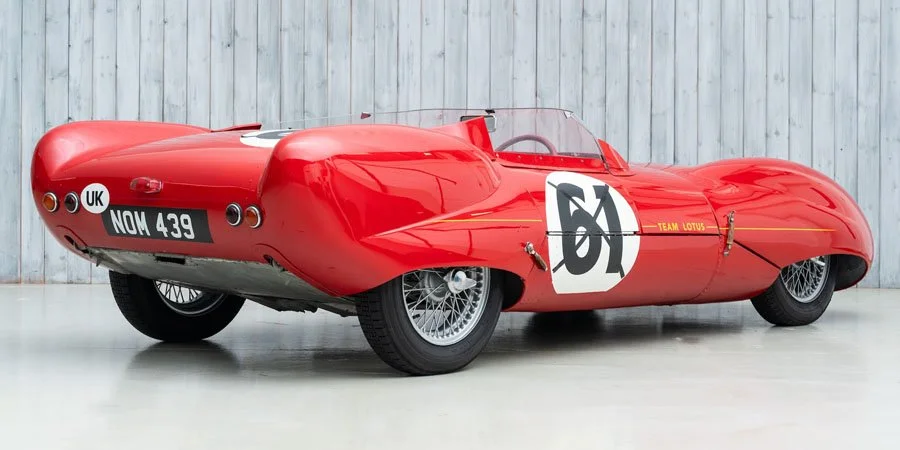
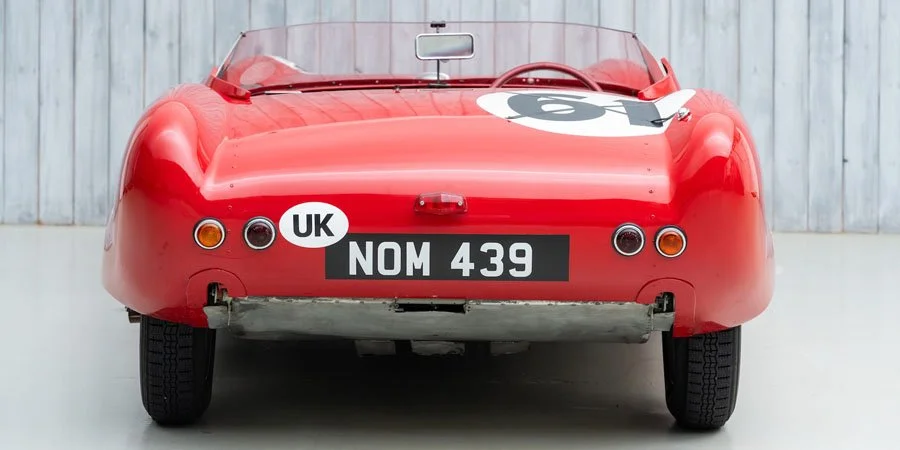
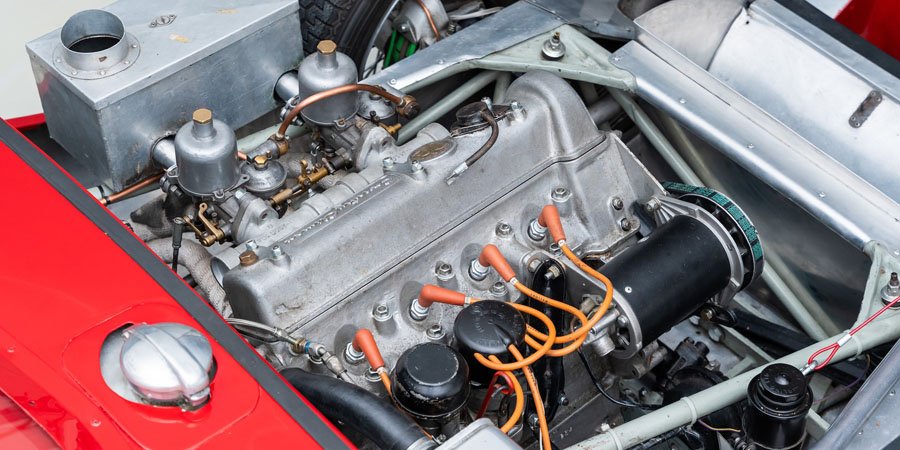
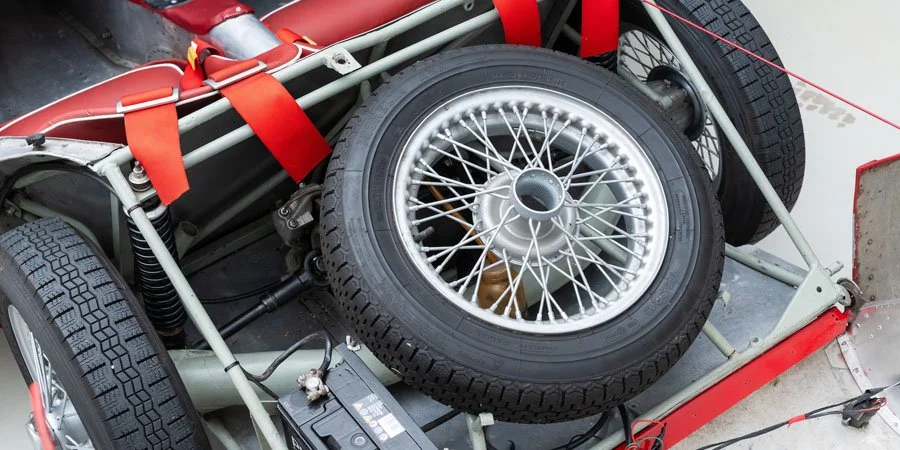
Chassis 274 continued to race sparingly until 1965 but has been preserved in remarkably original condition, retaining its factory chassis, body and 1100cc Coventry Climx engine (FWA400-7013).
Since returning to the UK, sympathetic works have since been carried out by Lotus guru Mike Brotherhood and Bob Dove. Testament to the car’s condition was its recent trip through France to Le Mans Classic with the Historic Lotus Register.
For more information visit the William I’Anson website at: https://williamianson.com/
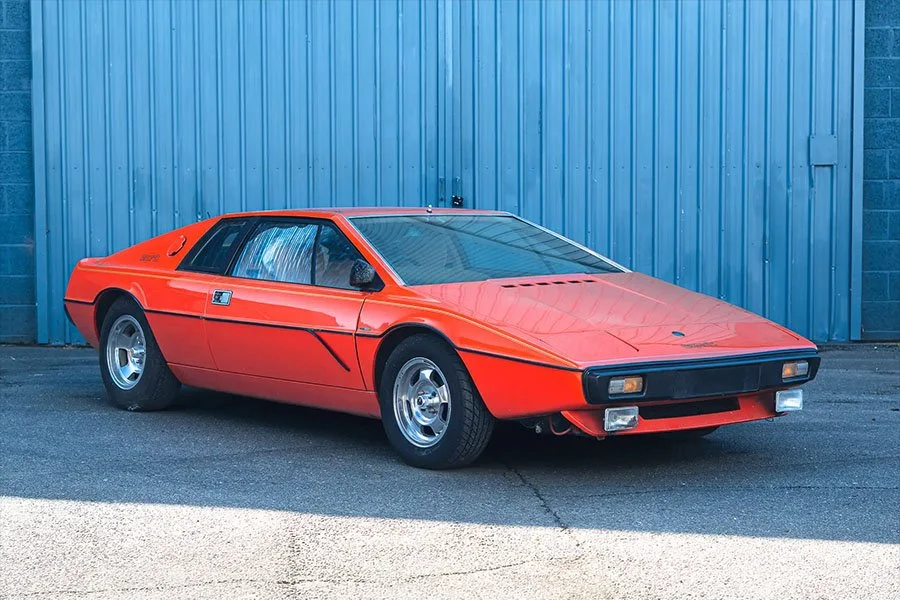
Chassis 10859 was one of three Esprit Turbo development prototypes built ahead of a small series of pre-production examples. Shortly before the new model was launched, Lotus signed the Essex…
Owing to their exceedingly competitive nature and accessible price, most Lotus Elevens were raced long and hard during their formative years and in their second life got heavily modified for historic…
In 1962, the North American Automobile Manufacturers Association lifted its ban on US car builders having any motor sport involvement. Imposed during 1957 as a response to the 1955 Le Mans…
Following the untimely death of Colin Chapman in December 1982, Lotus recruited ex-Matra and Ligier designer Gerard Ducarouge to create a new line of F1 cars. Ducarouge arrived at a team in…
Between 1957 and 1963, Lotus lost money on every Type 14 Elite they sold. Instead of a conventional separate body and chassis, the Elite was built around an advanced monocoque made from glass…
Having shown much promise, initially in Touring Cars and then Formula Junior, Jochen Rindt was soon able to turn professional. The 1965 season saw Rindt drive for Cooper in F1 and win Le Mans…
While some of its contemporaries have ballooned in value over the last 20 years, the Type 14 Lotus Elite still remains relatively accessible. With its perfectly proportioned bodywork, state-of-art…
In addition to his two Drivers’ titles and 25 wins from 72 World Championship Formula 1 starts, Jim Clark’s remarkable career saw him collect an additional 19 non-championship F1 victories, a win at…
Having already released a couple of super hardcore Sport-badged variants since the Elise had gone into production during mid 1996, Lotus unveiled a souped-up mainstream iteration dubbed the Elise…
Although in later years the Turbo generally stole all the headlines when it came anything Esprit, the normally aspirated variants with their fizzy engines and lightweight mid-engined delicacy were…
Like other late 20th century automotive icons such as the Porsche 911, Lamborghini Countach and Aston Martin V8, the Lotus Esprit was good enough to warrant a remarkably long production run – in…
Other than Porsche’s 911, few cars can rival the Lotus Esprit for the longevity of its styling. Originally penned by Giorgetto Giugiaro and subsequently updated by the Ital Design chief for the Turbo…
When it came to in-house-built high performance Saloon cars, BMW’s Motorsport division had the sector pretty much sewn up throughout the 1980s. However, when General Motors acquired Lotus in…
Lotus created the Type 62 for a works campaign in the 1969 two-litre Group 6 Prototype class. Two chassis were built and they appeared in the same Gold Leaf colours as the Team Lotus F1 cars. Using…
Conceived as a more compact replacement for previous models like the Mk9 and Mk10, the Lotus Eleven went on to become arguably the most successful small displacement sports racing car of its…
Once a couple of early production issues had been sorted, the critically acclaimed Type 26 Elan swelled the coffers at Lotus. Two years after launch, and with around 800 units completed, an S2…
In 1967, Lotus main dealer Mike Spence Ltd. created the Elan BRM special edition which most notably offered a tuned engine and unique colour scheme. At the time, Mike Spence was in his…
Having studied structural engineering at University College London, Colin Chapman left higher education without a degree in 1948. He subsequently went on to do a brief stint with the Royal Air…
Having set the world of motor racing alight with a line of immensely successful sports cars, Lotus introduced the state-of-art Type 14 Elite at the London Motor Show in October 1957. Based around…
Having been launched in 172bhp normally aspirated and 215bhp turbocharged trim during late 1987, Lotus added a range-topping version of their restyled X180 Esprit in May 1989. The resultant…
In the year 2000, Lotus Sport arranged a one-make racing series for specially prepared versions of the Elise that were supplied, maintained, set-up and transported by the factory. A grid of over 20…
By the darn of the new millennium, Lotus were offering three different variations of the critically acclaimed Elise. There was the entry level 118bhp version launched at the Frankfurt Motor Show in…
Lotus introduced the Mk9 in March 1955 as more advanced version of the existing Mk8 complete with a smaller engine to contest the under 1100cc class. With its stubby low-line body and dramatic…
Lotus decided on a more back-to-basics approach for their successor to the Elite which had been based around a state-of-the-art fibreglass monocoque. The resultant Elan debuted at the London…
Lotus launched their heavily revised new turbocharged Esprit at the Geneva Motor Show in March 1980. Initially the forced induction Esprit was available exclusively in Essex Commemorative trim to…
Although company founder Colin Chapman had attempted to move Lotus further upmarket during the 1970s, his “simplify, then add lightness” philosophy was still evident in models like the Esprit…
Chassis 6114 was a Type 45 Elan S3 DHC supplied new to Associated British Productions in Teddington, London. It was the second Elan destined for use in the popular TV show, The Avengers…
Chassis 26/4143 was an Elan S2 ordered by Jack Gordon of New Providence in the Bahamas. Gordon purchased the car to contest the Nassau Speed Week races in which he had previously run an…
Launched at the London Motor Show in October 1962, the Type 26 Elan was conceived to replace the Type 14 Lotus Elite which had most famously incorporated a state-of-the-art fibreglass monocoque…
Of all the Esprits built between 1976 and 2004, the Sport 300 ranks as arguably the most highly regarded. Conceived as a road-going derivative of the 1992 IMSA Supercar Championship-winning…