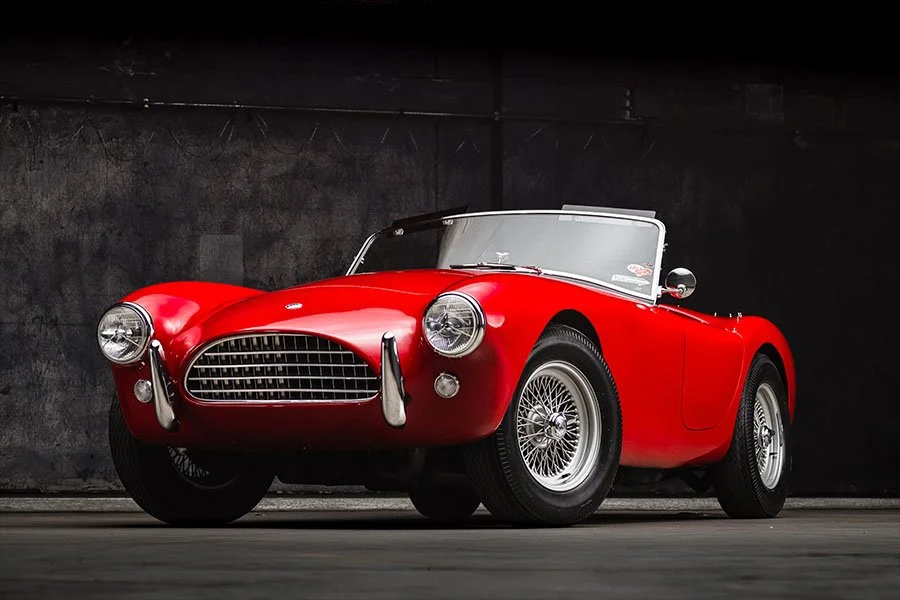
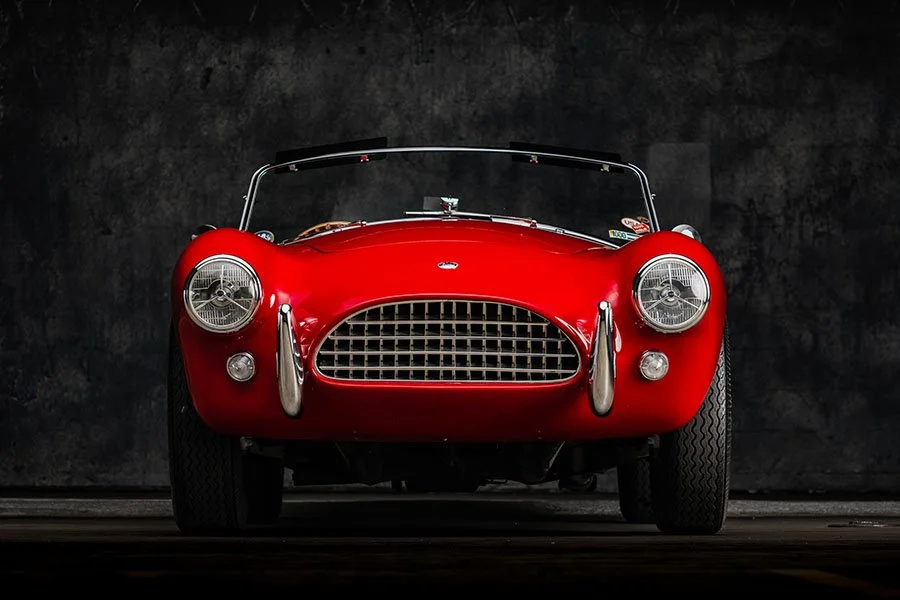
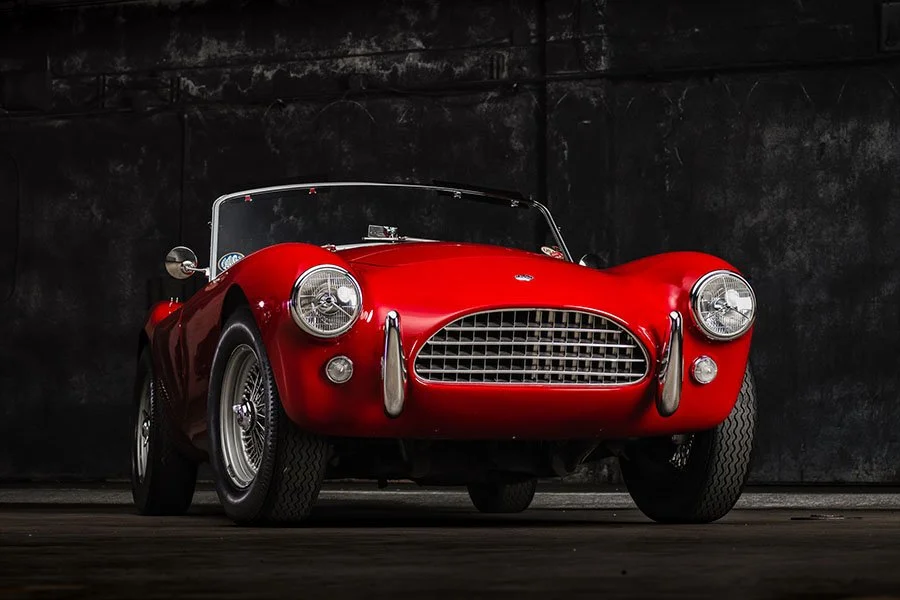
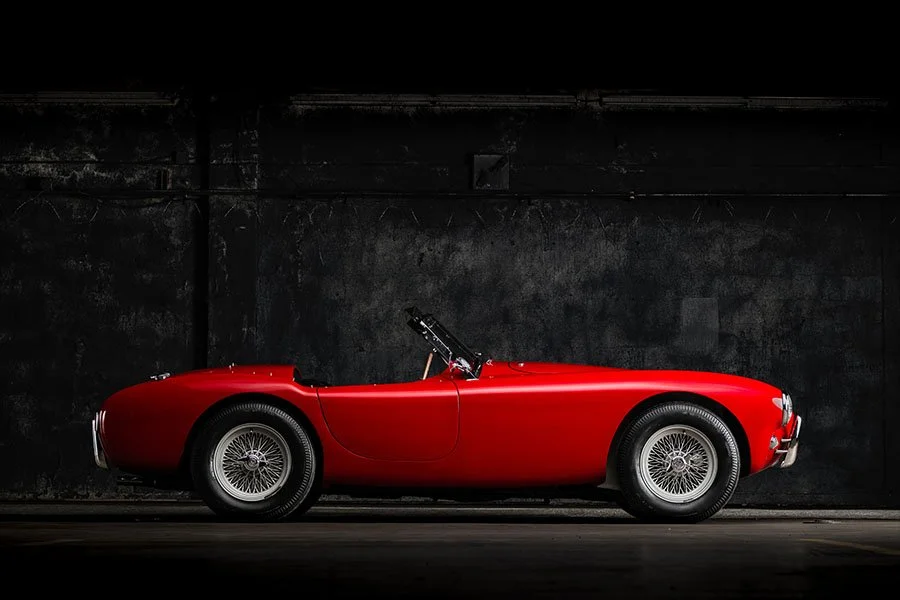
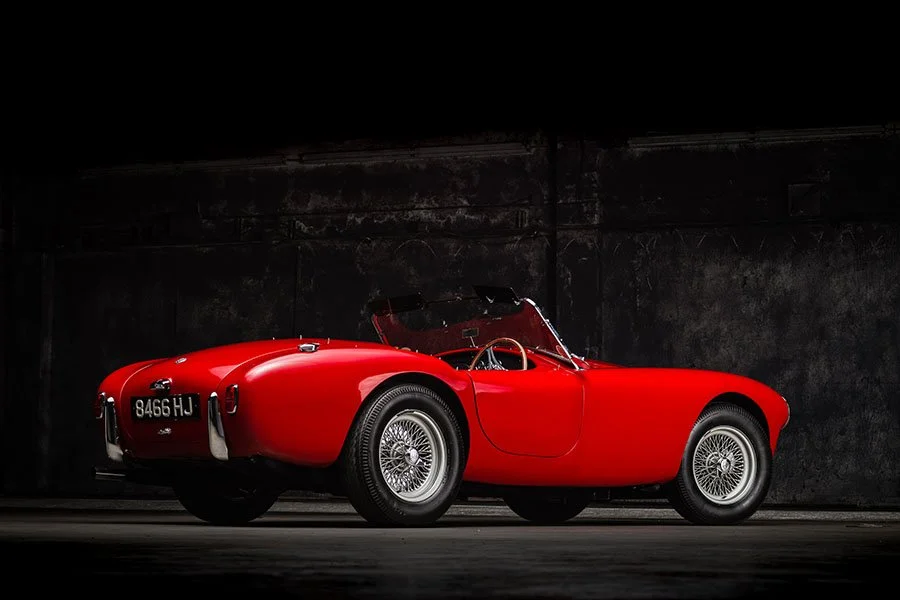
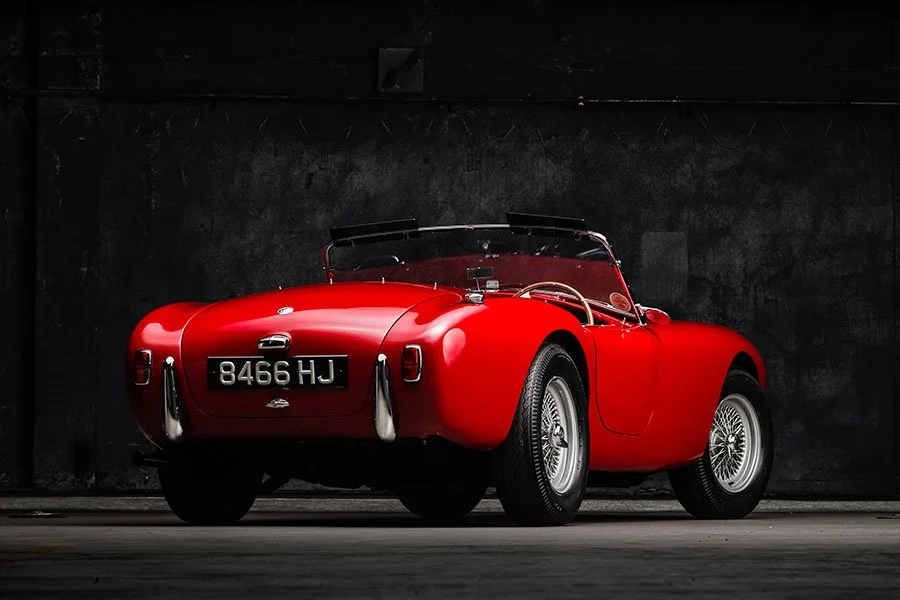
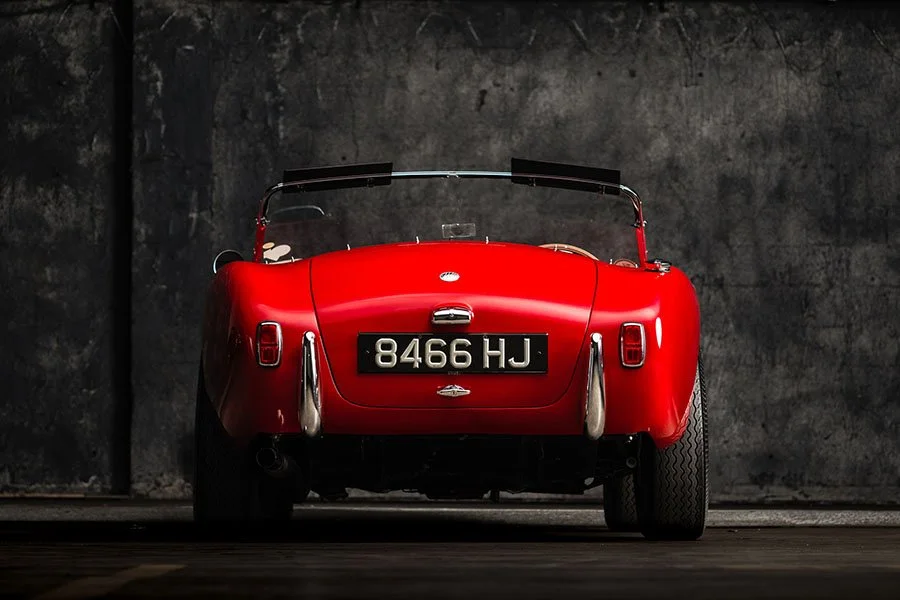
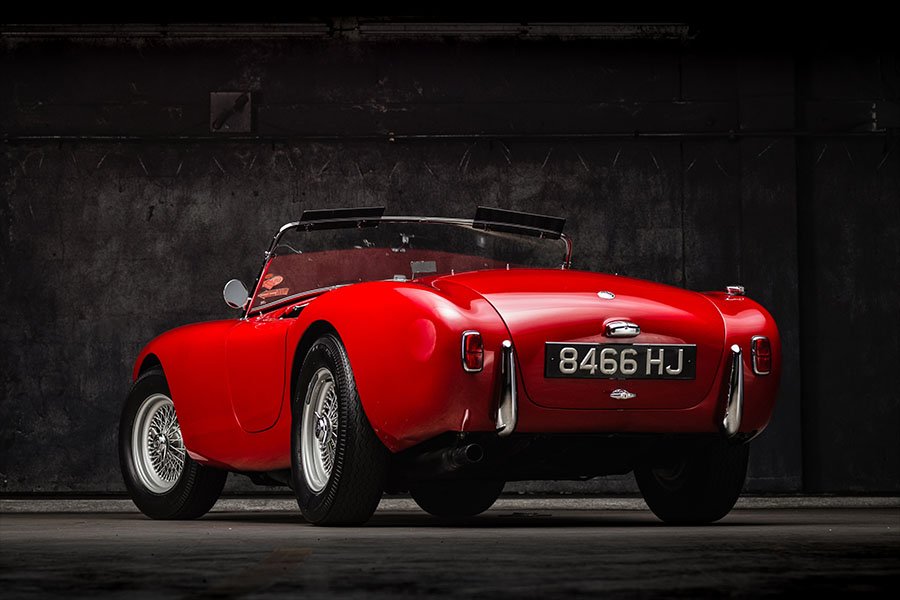
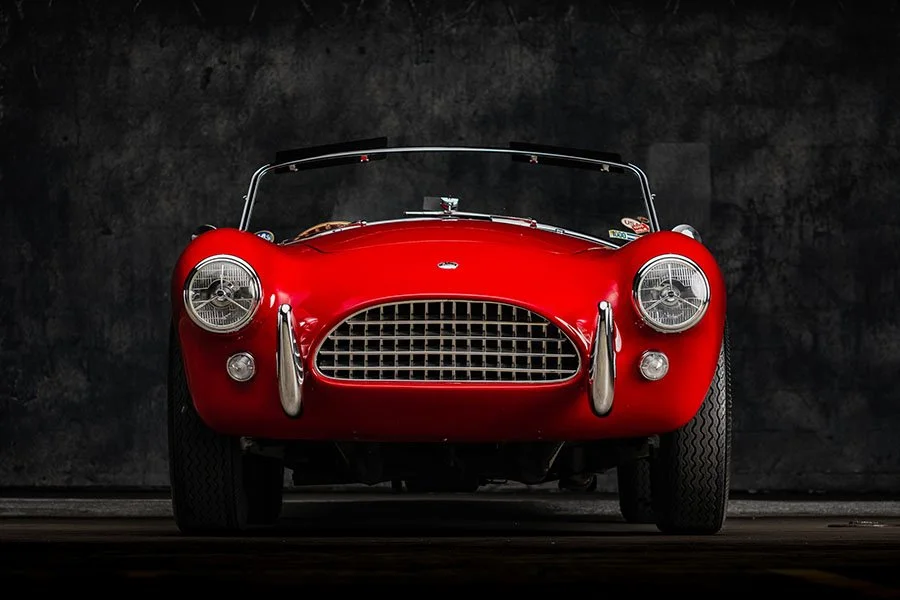
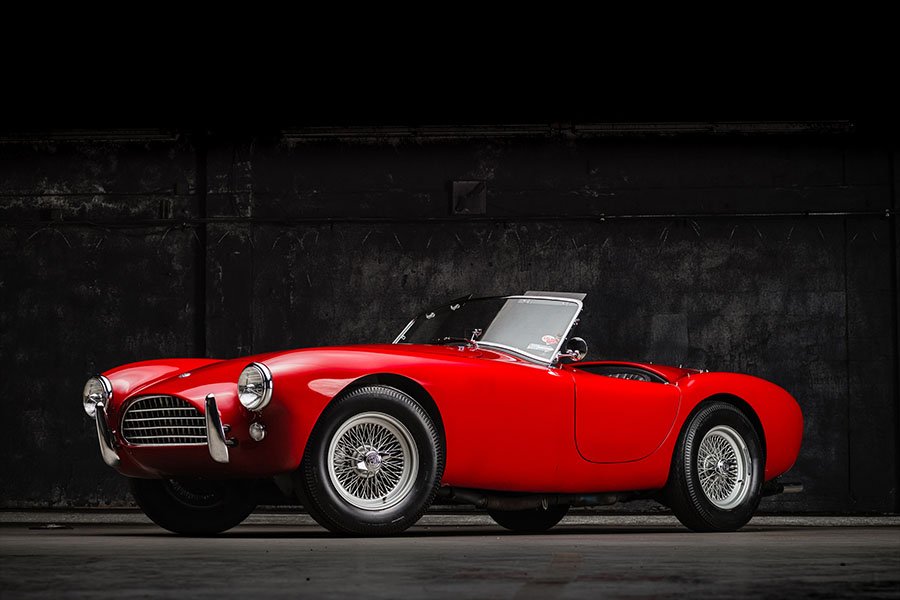
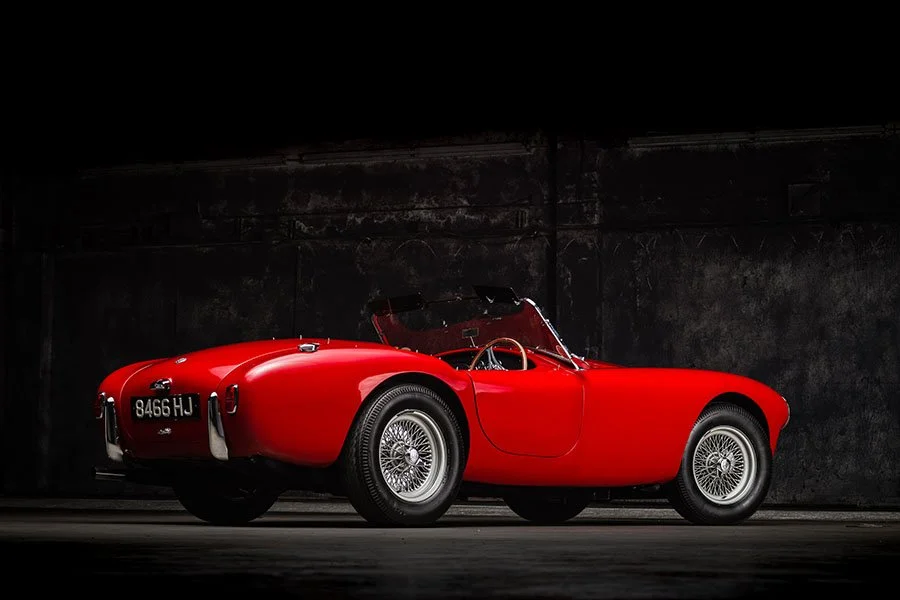
One to Buy: 1 of 26 in RHD 1963 AC Ace Ruddspeed
/ Ben Tyer
Having originally been offered with 85 to 102bhp versions of AC’s own two-litre inline six cylinder engine, from 1956 both the Ace and Aceca could be ordered with a Bristol power unit. The new option came about after Ruddspeed founder and AC agent, Ken Rudd, created his own Bristol-engined Ace which he raced with great success.
Although AC bought up a good stock of these new engines, when Bristol announced in 1960 that it was to discontinue production of the Type 100 motor, Kenn Rudd suggested his company could step in with an even more potent option: Ruddspeed versions of Ford’s contemporary 2.6-litre straight six tuned to produced between 120 and 170bhp.
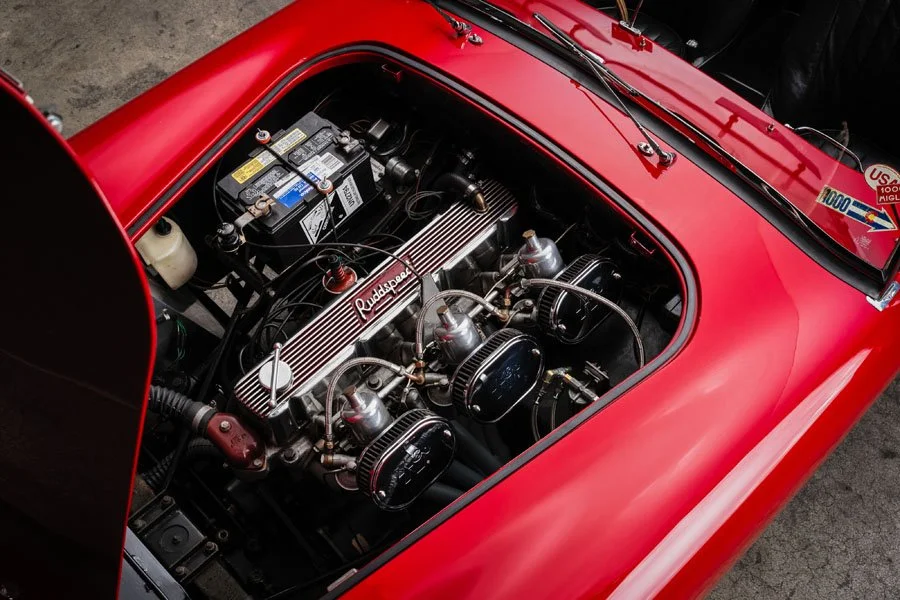
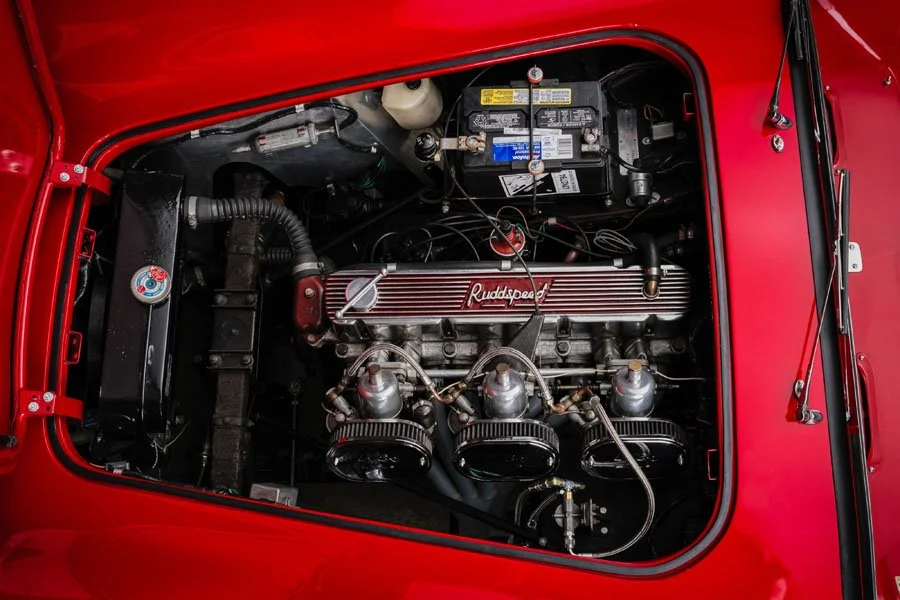
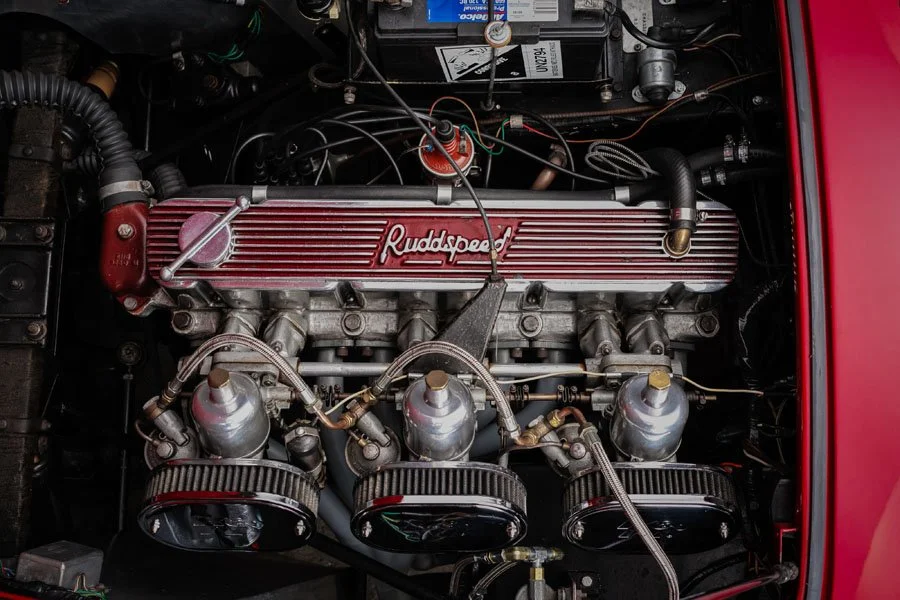
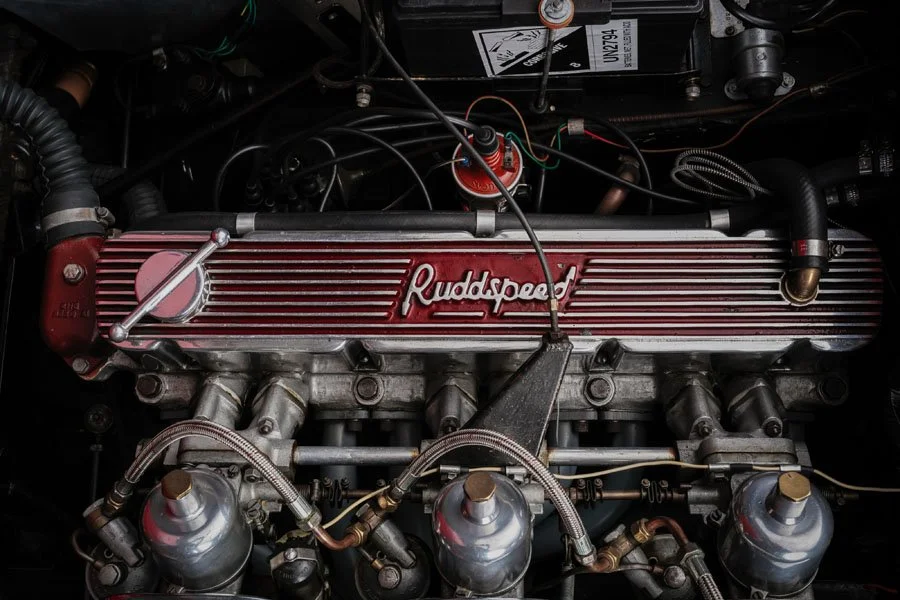
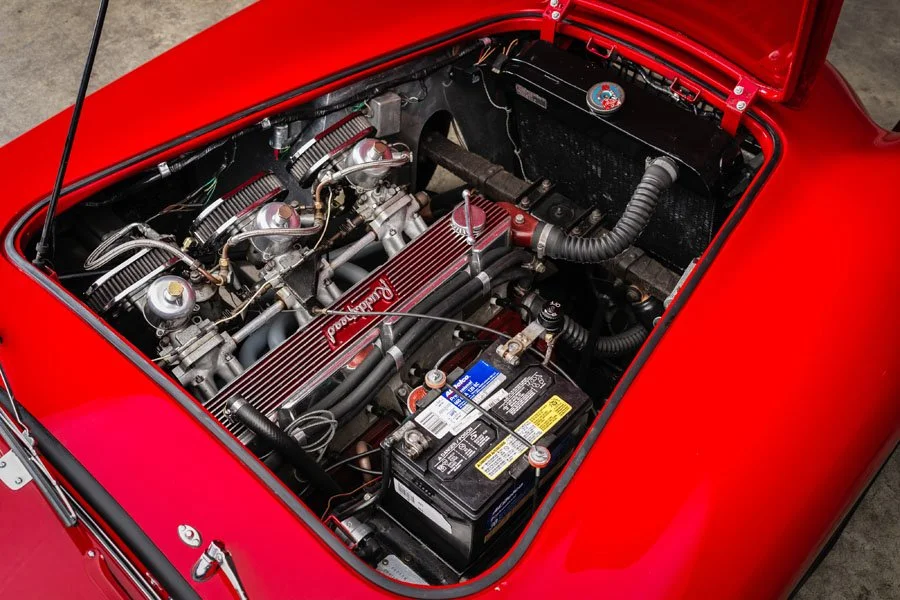
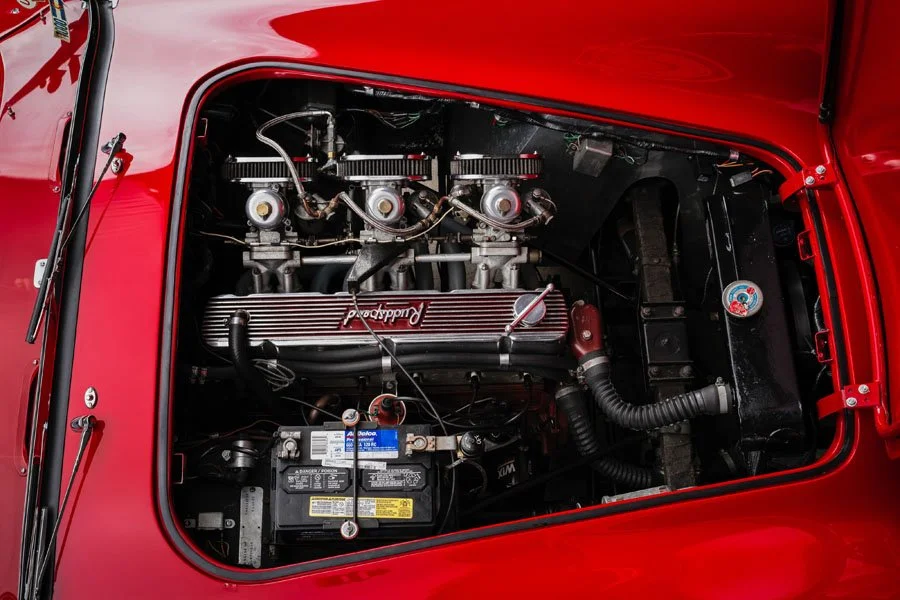
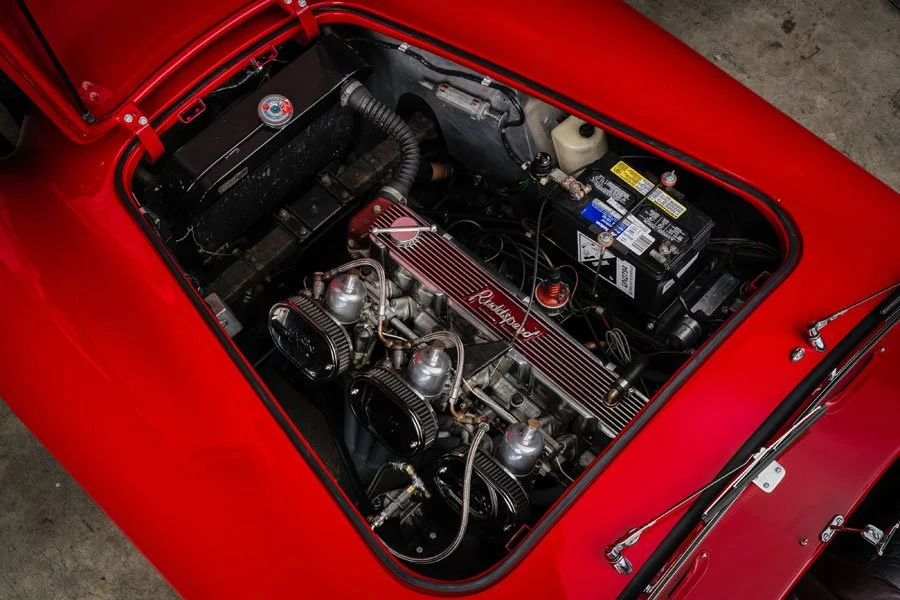
Officially launched at the London Motor Show in October 1961, the Ruddspeed Ford engine was offered in four states of tune. In Stage 1 trim, the Ace and Aceca received a Ruddspeed-modified version of the existing head with polished ports and larger inlet and exhaust valves. A triple intake manifold was also fitted along with three SU H6 1.75-inch carburettors and a new exhaust system. Peak output was 120bhp at 5000rpm. The Stage 2 engine included lightweight pistons and produced 125bhp at 5500rpm.
In Stage 3 trim, Ruddspeed added a special Rubery Owen-made Raymond Mays Mk3 six-port aluminium cylinder head plus lightweight pushrods for 155bhp at 5500rpm. Customers could also request a ‘semi-Stage 3’ set up without lightweight pistons and pushrods which pumped out 140bhp at 5000rpm. The ultimate Stage 4 upgrade included everything already mentioned but with a bank of three Weber 40 DCOE2 carburettors instead of the normal SU items. Peak output in this configuration was 170bhp at 5500rpm.
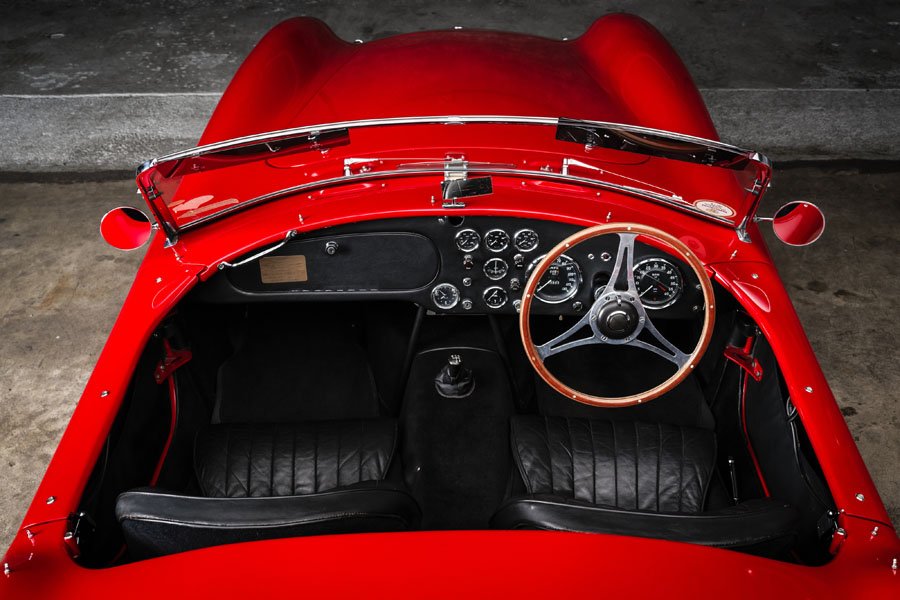
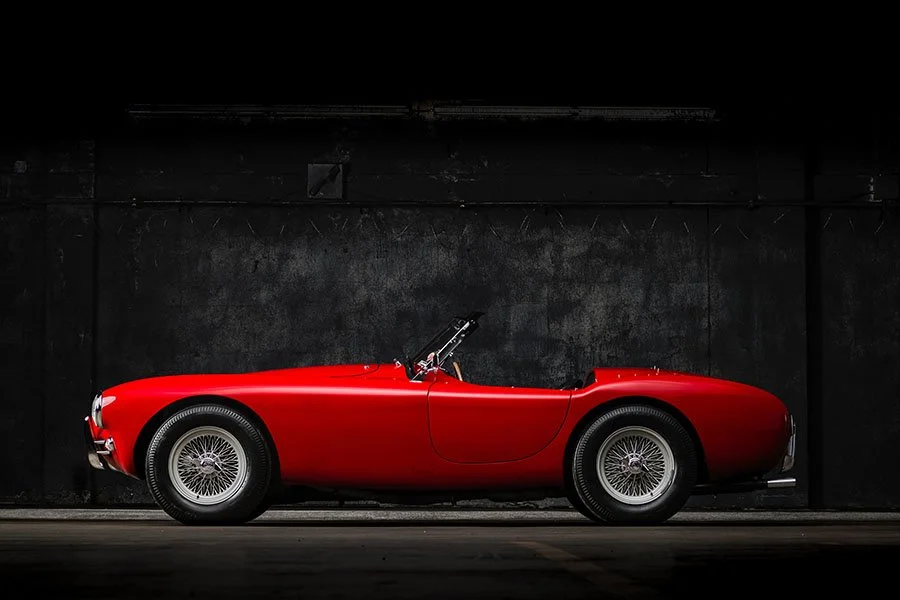
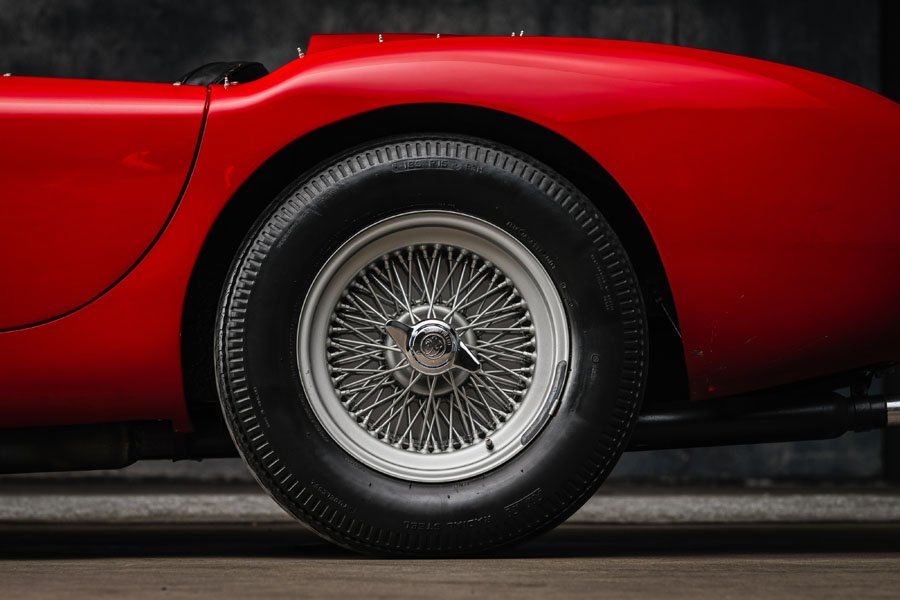
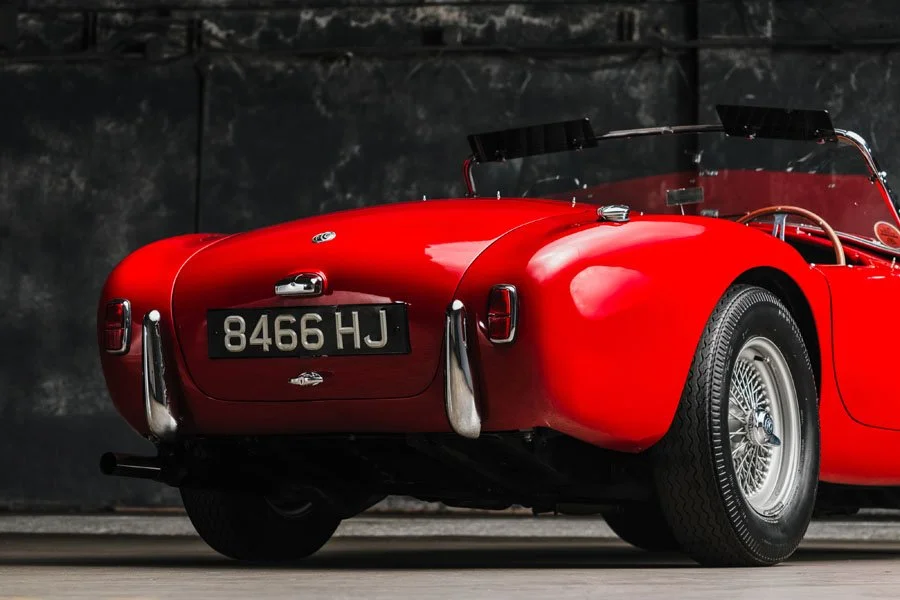
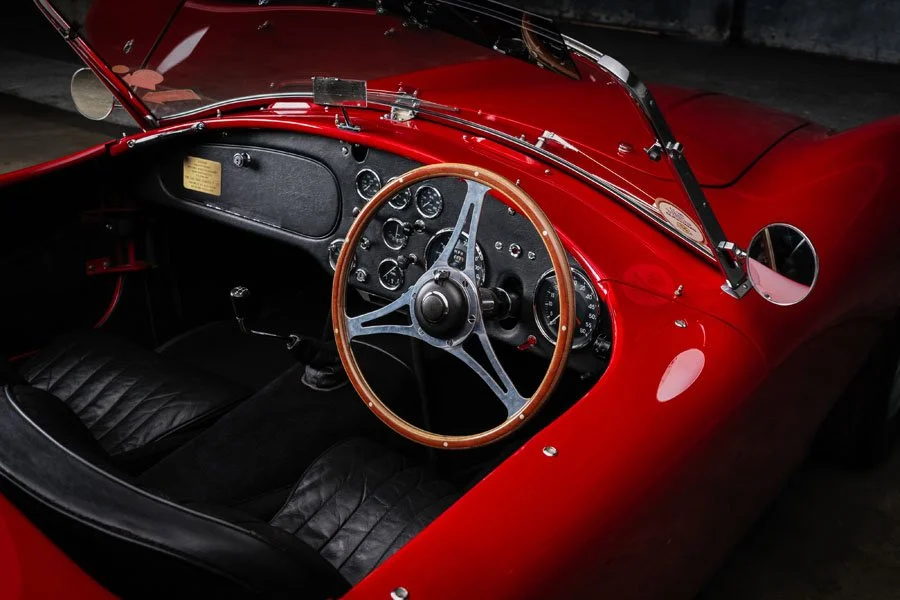
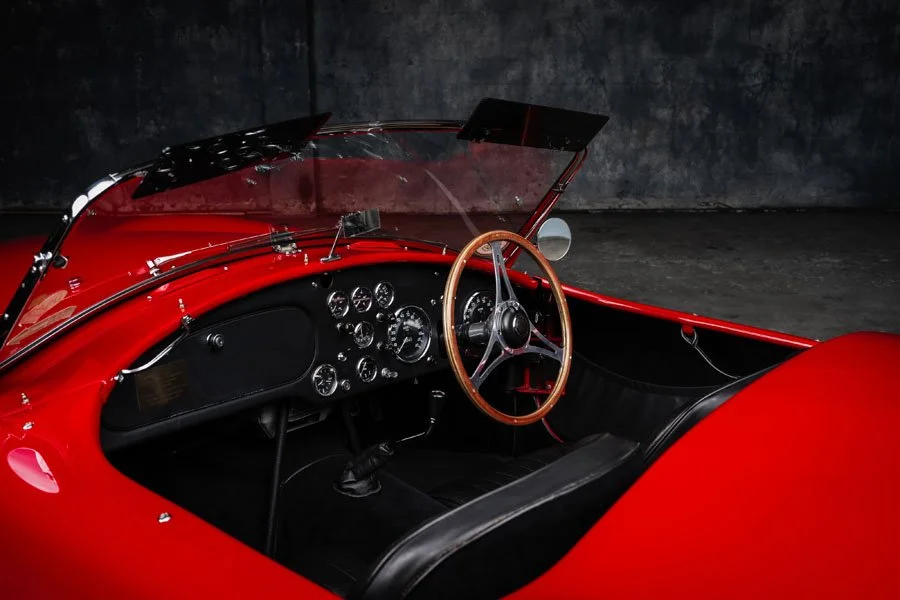
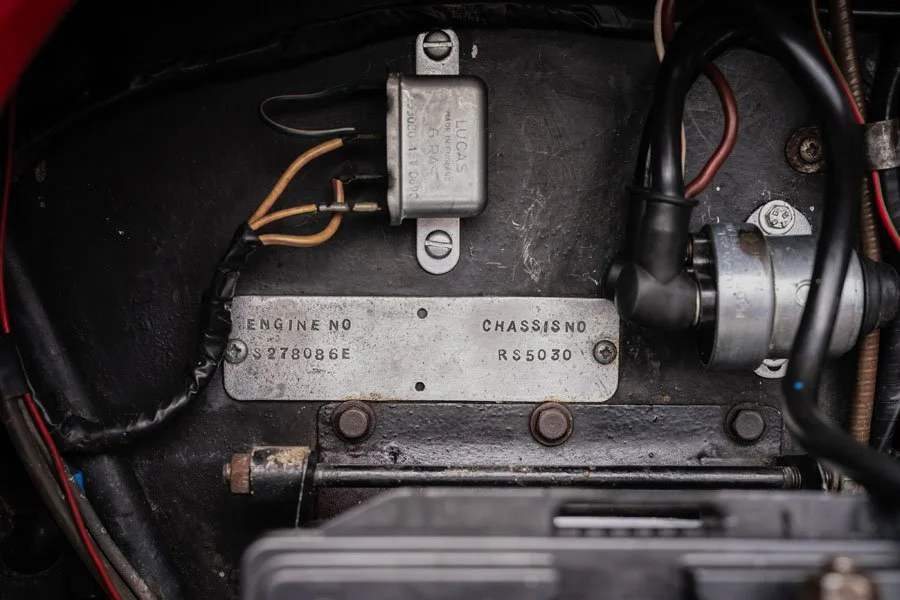
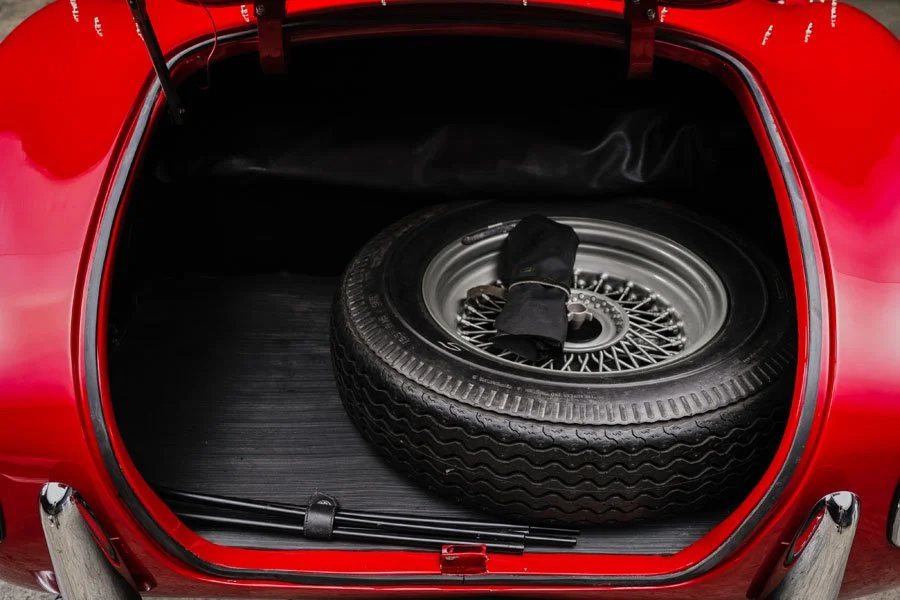
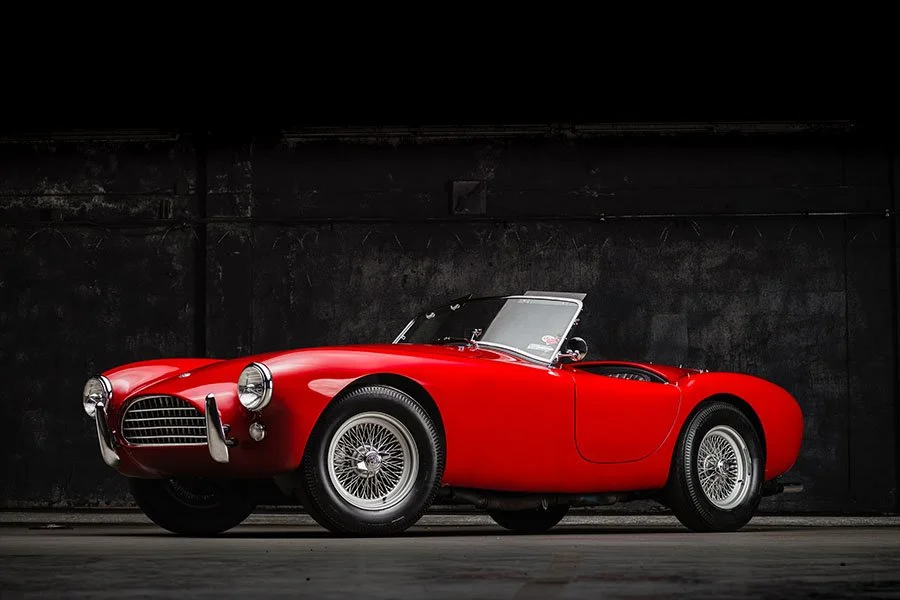
Just 37 copies of the Ruddspeed-engined Ace were built by AC between 1961 and 1963, the 30th having been chassis RS5030 which will be going under the hammer at RM Sotheby’s Monterey sale scheduled for August 12th to 14th.
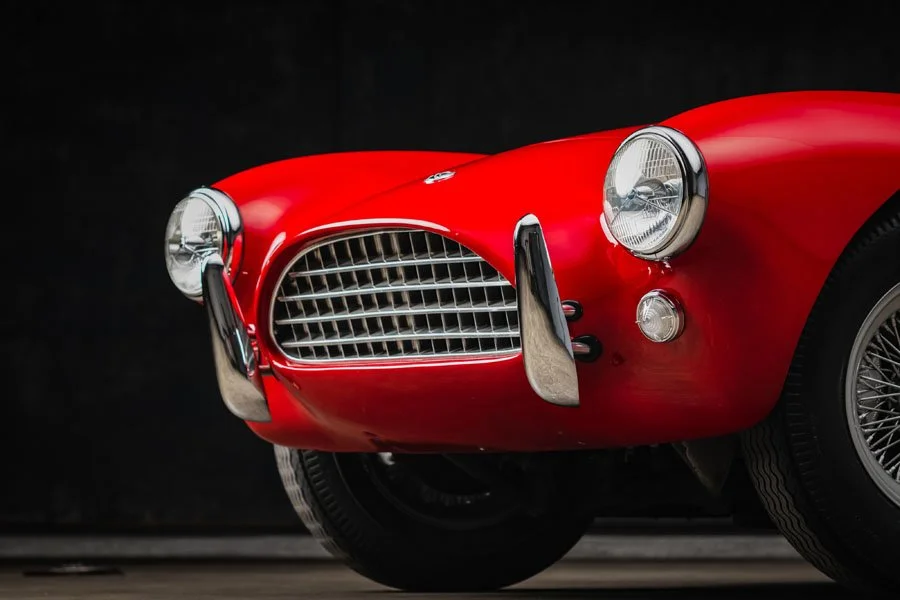
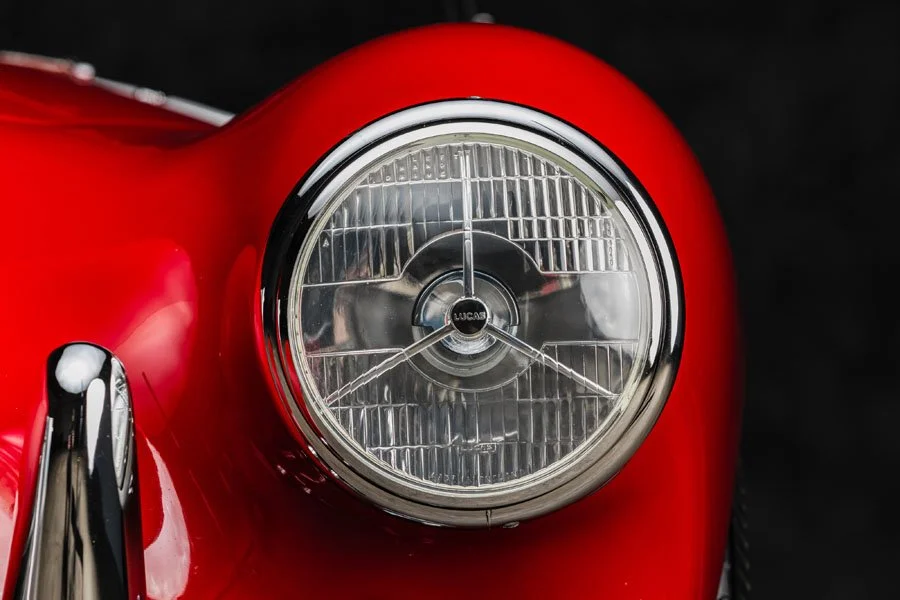
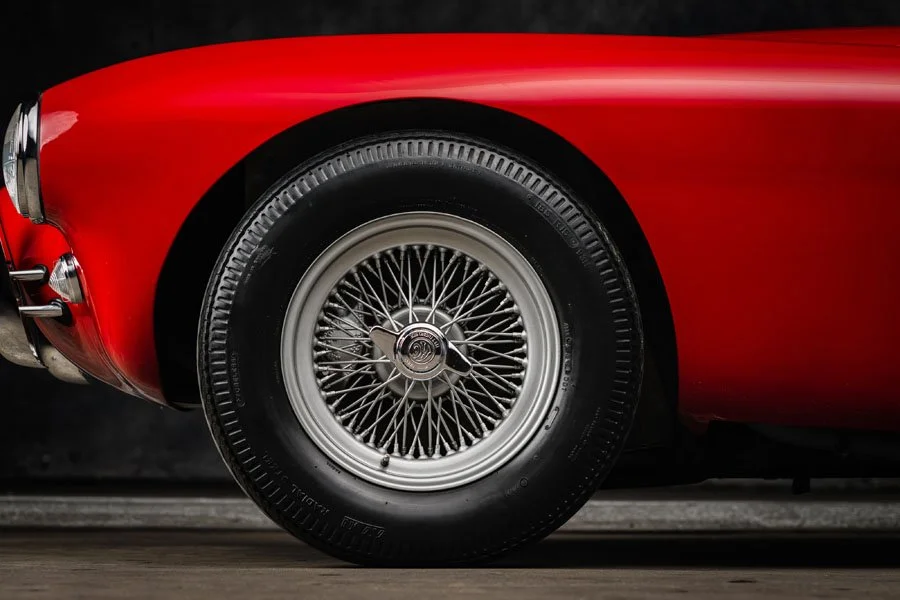
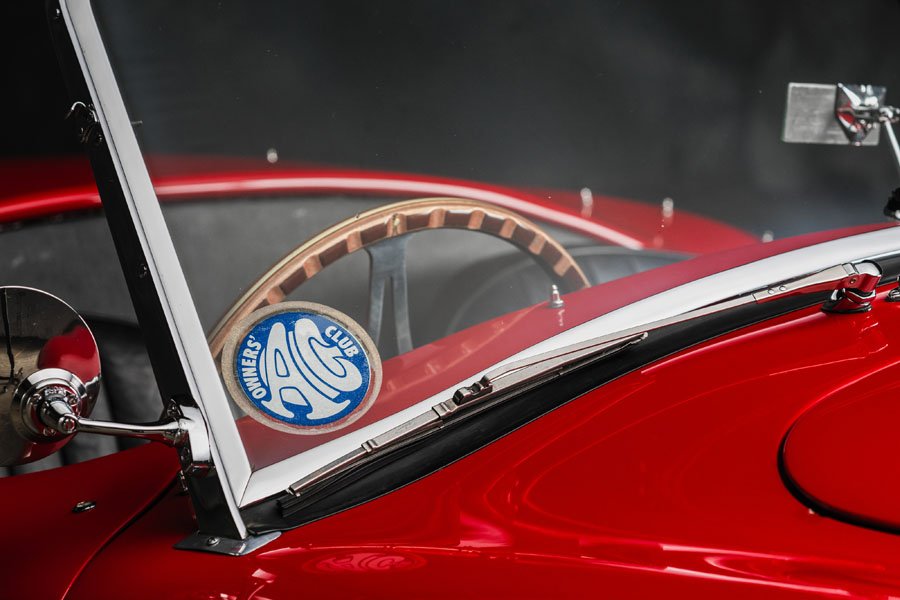
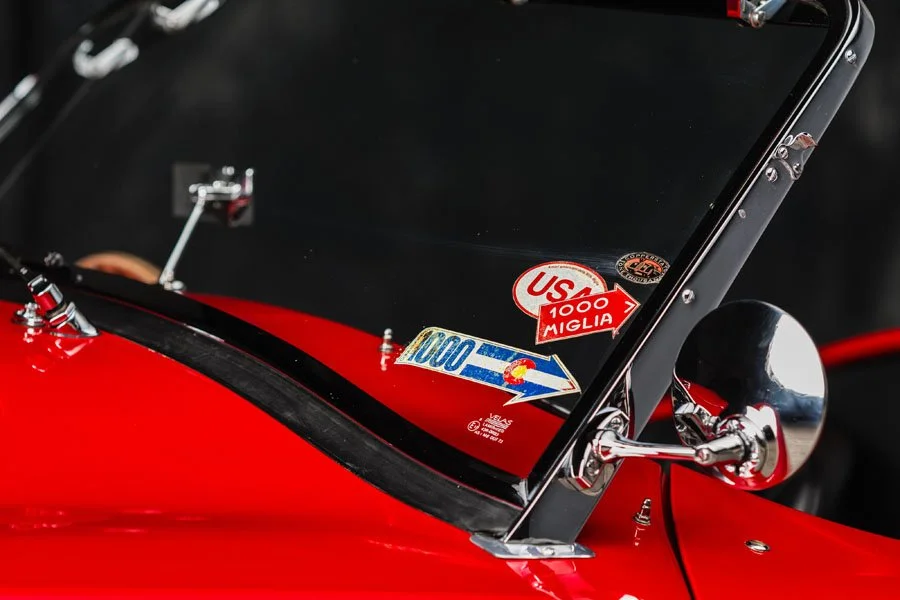
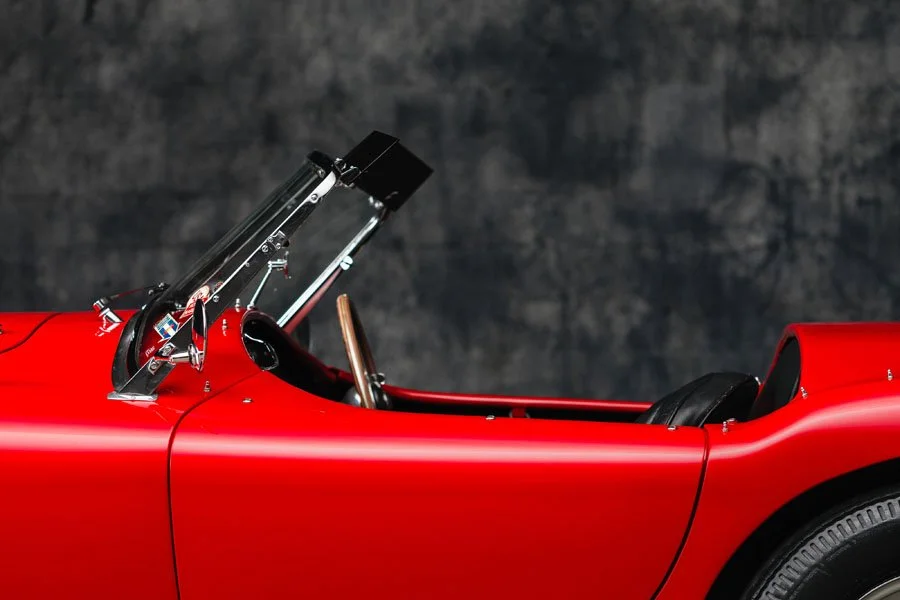
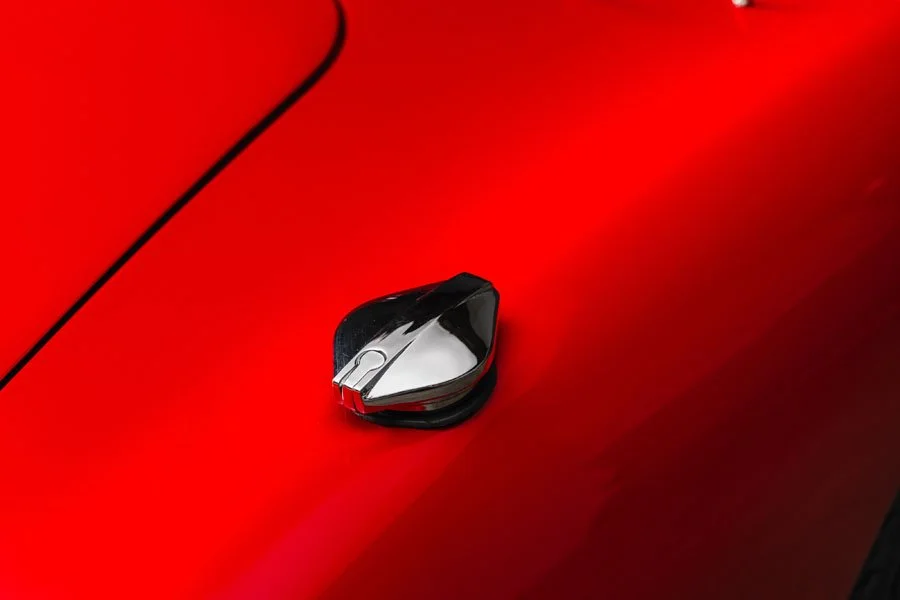
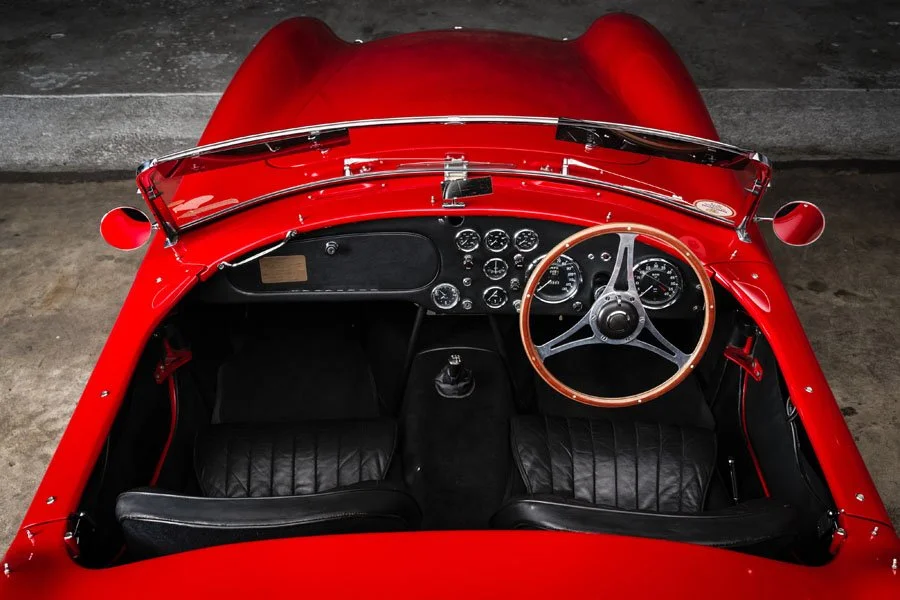
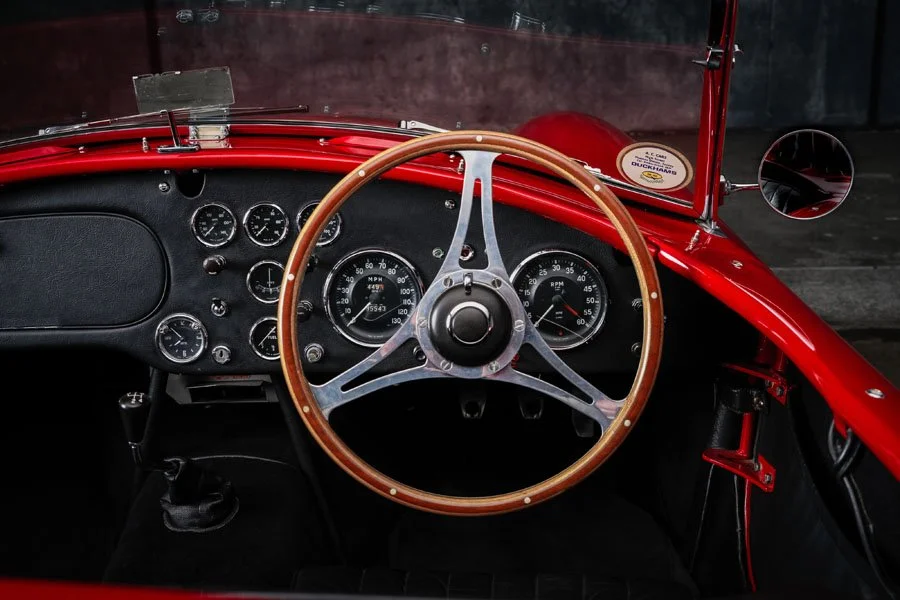
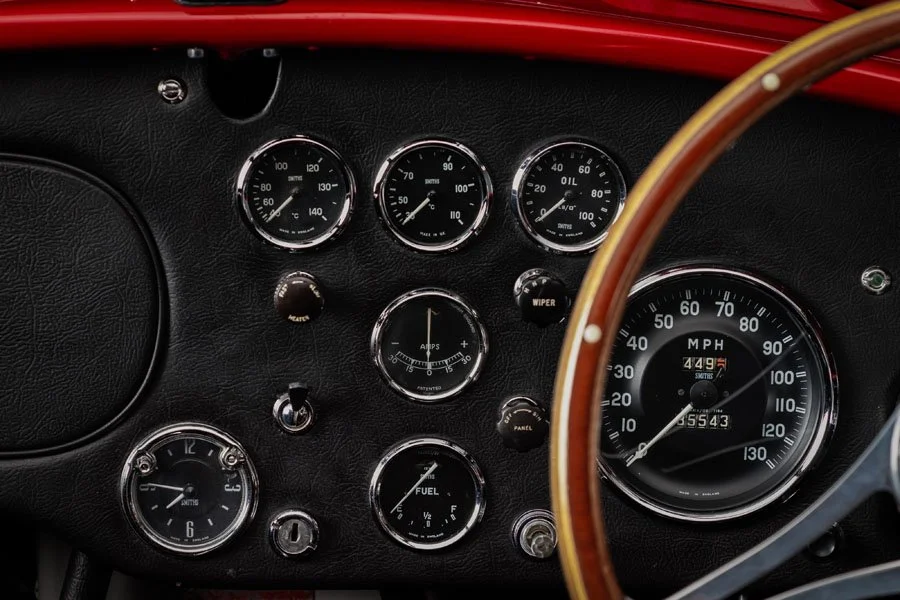
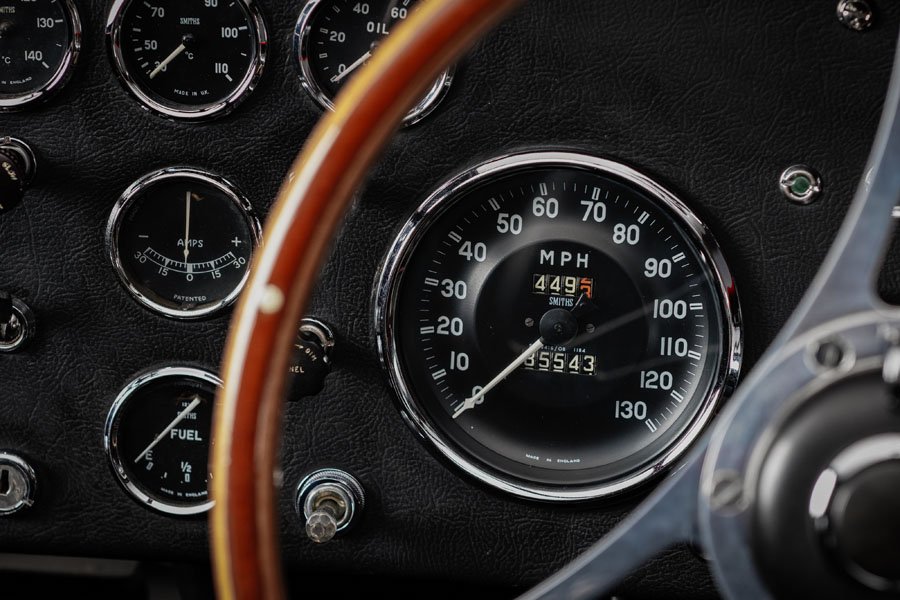
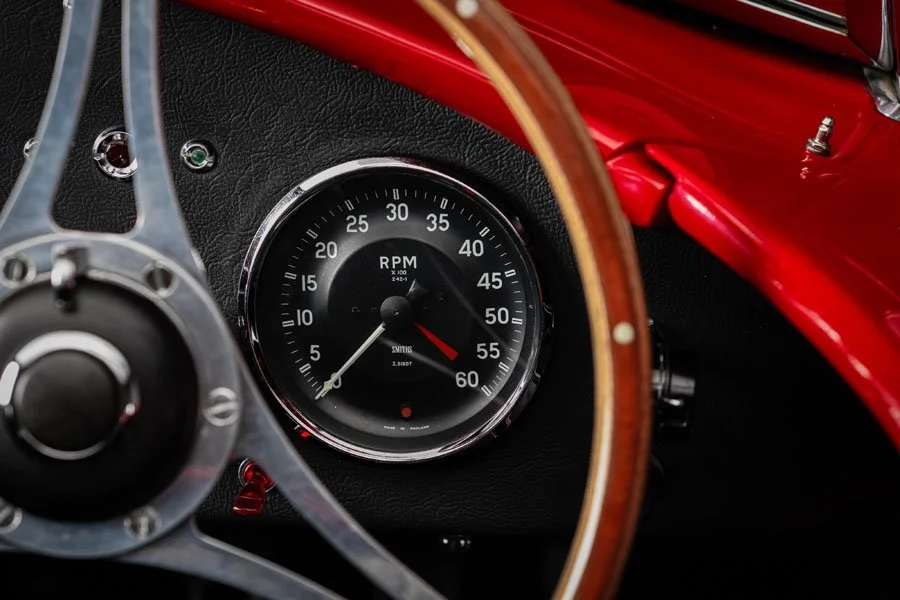
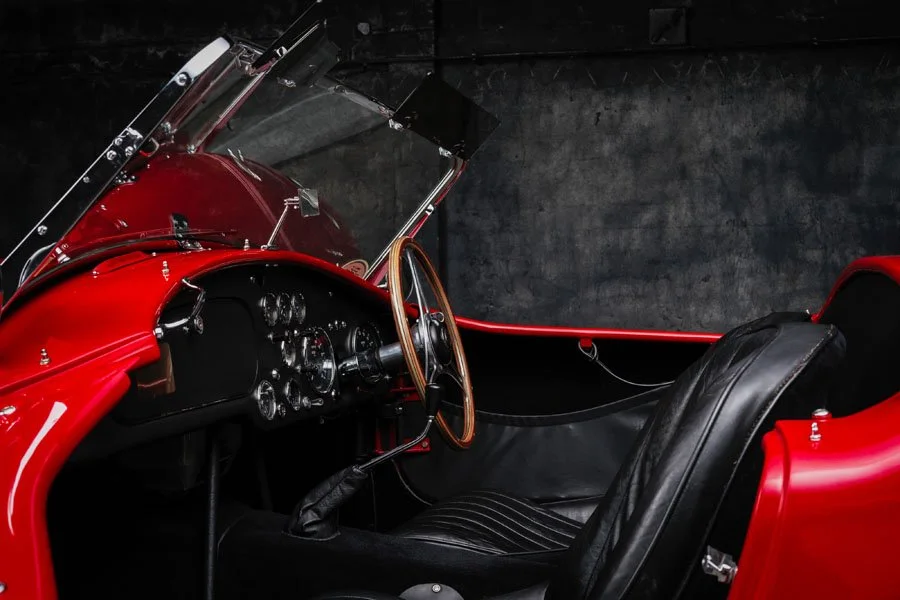
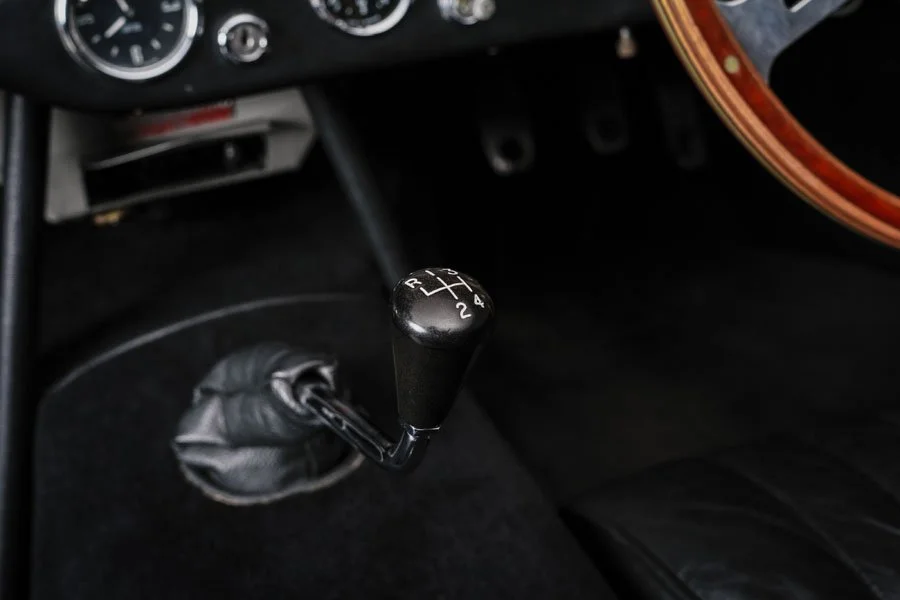
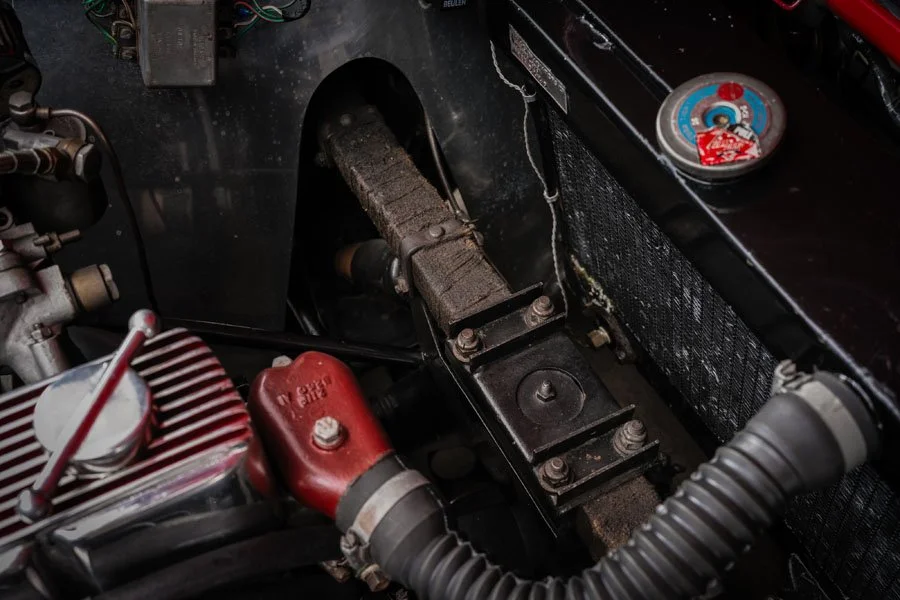
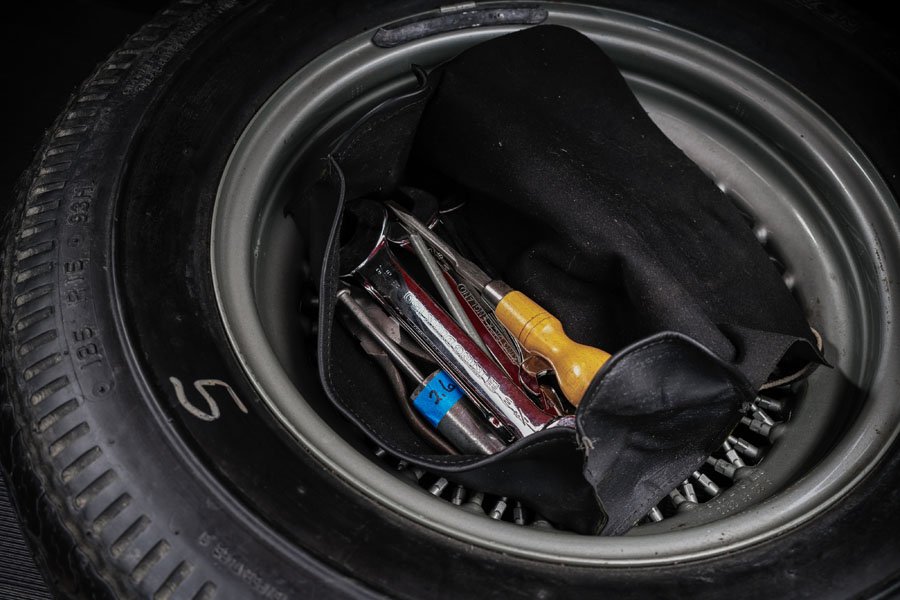
Delivered to its first owner in 1963, RS5030 was one of the 26 right-hand drive Aces destined for the British domestic market. Still accompanied by its original UK logbook, the car features a replacement engine block but retains its original Raymond Mays head and optional Ruddspeed rocker cover. Said to have been restored to a high standard, chassis RS5030 has in recent years been used on the California Mille, Copperstate 1000 and Colorado Grand.
For more information visit the RM Sotheby’s website at: https://rmsothebys.com/
CSX2174 was one of 453 Cobra road cars built with the 289-engine. Completed in left-hand drive with a Vineyard Green exterior, the new car was famously loaned to the actor, Steve McQueen, for a…
Of the myriad Cobra variants, one of our favourites here at Supercar Nostalgia is the comparatively little known AC-badged, 427-chassis’d but 289-engined iteration sold by AC Cars in Great Britain…
Although the Ace and Aceca proved themselves formidable competitors right out of the box, their obvious weak spot was an engine that could trace its origins all the way back to 1919. Nevertheless, a…
Despite having initially been powered by AC’s own almost prehistoric engine, a combination of light weight and excellent handling characteristics enabled the Ace and Aceca to become serious…
One of the rarest Cobra options offered by Shelby was the Dragonsnake pack. Conceived with drag racing in mind, it included items like modified rear fenders to accommodate slick-shod American…
When the pace of life was a little different, a reasonably wealthy motoring enthusiast could buy themselves a sports car and field an entry for some of Europe’s greatest motoring adventures. At…
COB6107 was one of 25 Cobra Mk3s built with the 289 engine for the British and European market. As Ford had acquired the Cobra trademark, these cars were marketed as AC 289 Sports. In addition to…
Two years after the first production-ready Ace had emerged from AC’s Thames Ditton factory, renowned engineer and amateur racing driver Ken Rudd debuted his Bristol-powered example at…
To get his exciting Cobra project off the ground ahead of any potential financial input from Ford, Carroll Shelby teamed up with professional racing driver and high end European car dealer, Ed…
Launched in prototype form at the London Motor Show in October 1953, the open two-seat Ace and its fixed head sister, the Aceca, were conceived to replace AC’s ageing 2-litre Saloon and catapult…
Having retired from a successful driving career that most notably yielded outright victories at the 1959 Le Mans 24 Hours and Goodwood Tourist Trophy (both under the employment of the Aston…
During World War 2, AC’s Thames-Ditton factory had produced Swordfish and Albacore components for Fairey Aviation along with Ordnance QF 6-pounder anti-tank guns, glider undercarriages, flame…
In addition to the revered Shelby Cobras, AC Cars in Great Britain, who had done much development work and still handled the lion’s share of the assembly process, sold Cobras…
In 1965, the Essex Wire Corporation went public on the New York Stock Exchange and embarked on a marketing partnership with Ford that saw the firm go racing with the GT40, Shelby Cobra and…
In 1963, half a dozen 289-engined GT class Shelby Cobras were built to Competition Le Mans trim. This small batch of cars were inspired by a pair of Cobras that had contested the Le Mans 24 Hour…
For many collectors and enthusiasts, the ultimate incarnation of the legendary AC / Shelby Cobra is the seven-litre 427 Competition. Produced between 1965 and ‘67, just 23 of these legendary…
Launched at the London Motor Show in October 1953, the Ace was AC’s highly anticipated replacement for their ageing 2-Litre range. Production of the John Tojeiro-designed machine got…
As a consequence of its lusty 260 cubic-inch V8 engine, light weight construction and excellent handling characteristics, the Mk1 Shelby Cobra was a fast and reliable entry for all manner of motor…
Chassis CSX2136 was the first of six 289-engined GT class Shelby Cobras built to Le Mans Replica trim. This small batch of cars was inspired by a pair of Cobras that had contested the Le Mans 24…
For many, the 427-engined wide-bodied Competition Cobra remains the definitive incarnation of the collaboration between AC and Carroll Shelby. Shelby had originally hoped to produce 100…
Chassis CSX2220 was a 289-engined AC Shelby Cobra originally completed in left-hand drive with Princess Blue paint and Red trim. It was invoiced to Shelby American on November 14th 1963 and…
Having originally been offered with 85 to 102bhp versions of AC’s own two-litre inline six cylinder engine, from 1956 both the Ace and Aceca could be ordered with a Bristol power unit. The new…
Chassis CSX3019 was an AC Shelby Cobra built to competition specification in left-hand drive with a seven-litre dry-sumped engine. Painted black, it was ordered by attorney, Edward Freutel Jr., who…