VIN: the works Mercedes-Benz W196S 300 SLR chassis 0004/55
/ Ben Tyer
HISTORY OF CHASSIS 0004/55
Chassis 0004 was the most extensively campaigned 300 SLR. It appeared in all six races attended by the model in 1955 and won on three occasions.
The car’s first competitive appearance was at the Mille Miglia held over April 30th and May 1st. One of four SLRs entered, it was driven by Stirling Moss and navigated by Denis Jenkinson.
By the southerly Rome checkpoint, Moss had taken command and held a near two-minute lead which was further extended at Viterbo when the second placed Ferrari retired.
Fangio, driving solo in the sister car, eventually finished second, 22 minutes behind Moss who broke almost every available record en route to a famous victory.
0004 next appeared at the Nurburgring Eifelrennen on May 29th where it was driven by Karl Kling. Three SLRs were in attendance for what was Germany’s biggest sports car race; the others were allocated to Moss and Fangio.
By half-distance, the silver cars had a three-minute lead over the opposition. Unfortunately, on lap eight (of ten) third-placed Kling developed valve gear trouble. He finished fourth.
The fateful 1955 Le Mans 24 Hours was next where 0004 was entered for Karl Kling and Andre Simon. An air brake was added to each SLR which consisted of a hinged flap operated by hydraulic rams controlled from a lever on the dash.
Kling was twelfth at the end of lap one and had moved up to sixth with an hour gone.
However, half an hour later, tragedy struck.
In one of the sister SLRs, Pierre Levegh hit the back of an Austin-Healey which had swerved to avoid a Jaguar D-type entering the pits at the last moment.
Levegh’s SLR launched into the air, skipped over a protective earth bank at 125mph and barrel rolled into the crowd.
Levegh was thrown from the car and fatally fractured his skull. 83 spectators were killed in what remains motor racing’s most catastrophic crash.
Both remaining SLRs were subsequently withdrawn from the race when lying first (Moss / Fangio) and third (Kling / Simon).
Stirling Moss was back in 0004 for the Swedish Grand Prix on August 7th. Held at the brand new Rabelov circuit, Moss took pole and shot away at the start, only to relinquish the lead to Fangio on lap four.
Against a top quality field, the race was a demonstration of Mercedes’ superiority with Moss invariably a yard or so behind Fangio in his customary role as shadow to the F1 world champion.
Fangio took the win and Moss placed second in 0004.
Three cars were then entered for both of the last two races of the year: the Dundrod Tourist Trophy and Targa Florio.
In the hands of Stirling Moss, first with John Fitch and then Peter Collins, 0004 took victory in both events to secure Mercedes the 1955 World Sportscar Championship.
Moss and Fitch won in Northern Ireland after an epic battle with the works Mike Hawthorn / Desmond Titterington Jaguar D-type.
In Sicily, Moss and Collins performed one of the greatest comebacks in history to overturn a twelve-minute deficit and win by nearly five minutes.
After a sometime bruising 1955 campaign, 0004 was refurbished and transferred to the Mercedes-Benz factory collection.
Today it ranks as perhaps the most valuable motor car in the world.
Notable History
Daimler-Benz AG
01/05/1955 WSC Mille Miglia (S. Moss / D. Jenkinson) 1st oa, 1st S2.0+ class (#722)
29/05/1955 GSC Nurburgring Eifelrennen (K. Kling) 4th oa, 4th S1.5+ class (#2)
12/06/1955 WSC Le Mans 24 Hours (K. Kling / A. Simon) WDN (#21)
07/08/1955 IND Swedish GP, Rabelov (S. Moss) 2nd oa (#2)
18/09/1955 WSC Dundrod Tourist Trophy (S. Moss / J. Fitch) 1st oa, 1st S3.0 class (#10)
16/10/1955 WSC Targa Florio (S. Moss / P. Collins) 1st oa, 1st S2.0+ class (#104)
Retained by Daimler-Benz
Text copyright: Supercar Nostalgia
Photo copyright: Mercedes-Benz - https://www.mercedes-benz.com
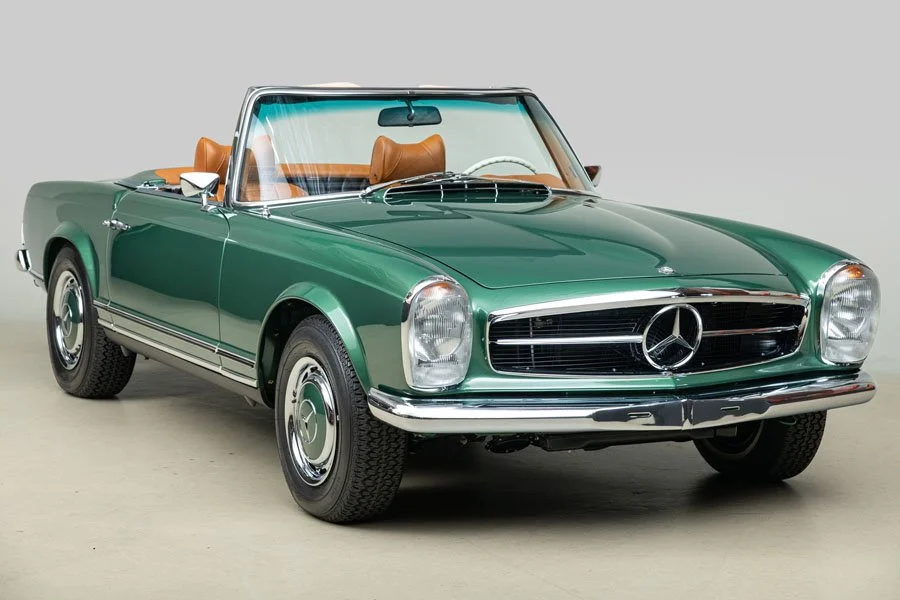
Although Mercedes’ second generation SL was not a direct replacement for the W198, the new W113 began a line of supremely elegant open top boulevard cruisers that offered unmatched…
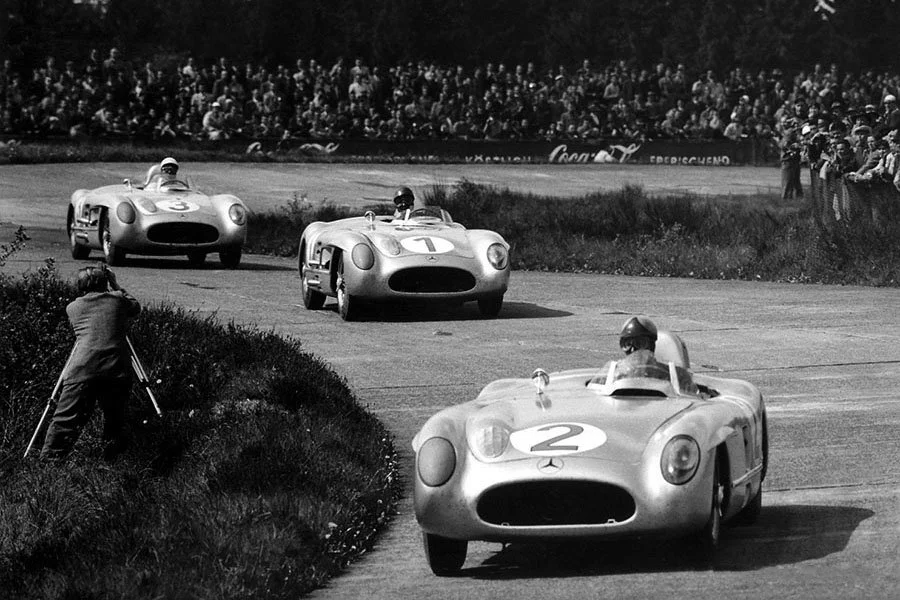
The six-round 1955 World Sportscar Championship comprised endurance events in Argentina, the USA, France, Great Britain and a brace of Italian road races. Mercedes were to participate from…
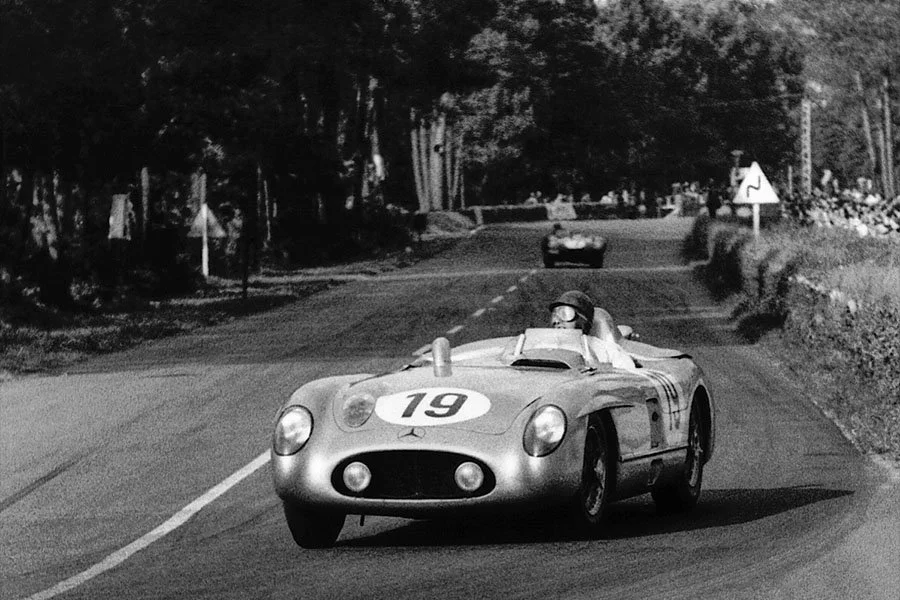
Following a 13 year absence, Mercedes-Benz returned to motor racing in 1952 with the W194 300 SL. A three-litre straight six-powered Sports Prototype, the W194 proved an enormous success…
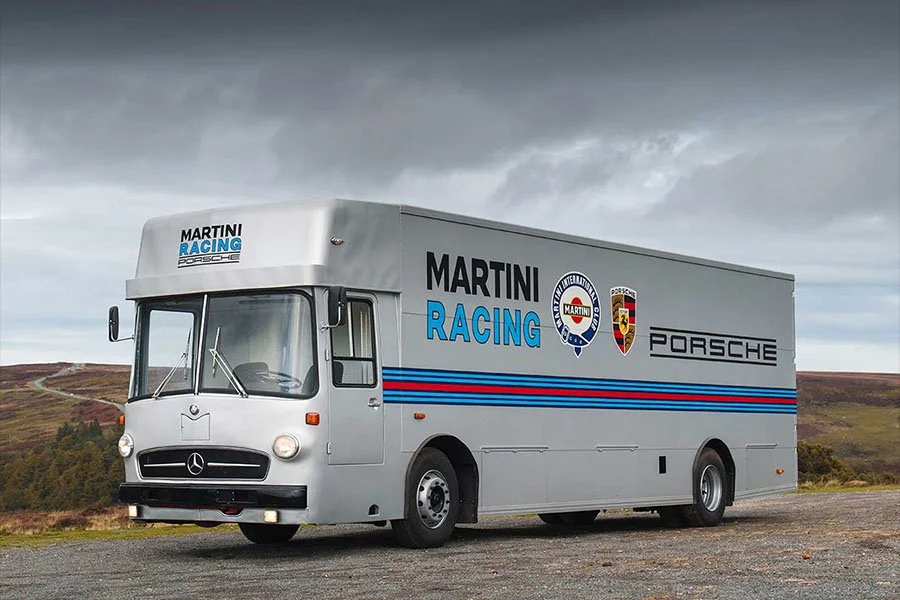
Between 1967 and 1969, Porsche commissioned three transporters from Mercedes-Benz based on the O317 platform. During the years that followed, this handsome trio traversed Europe, initially…
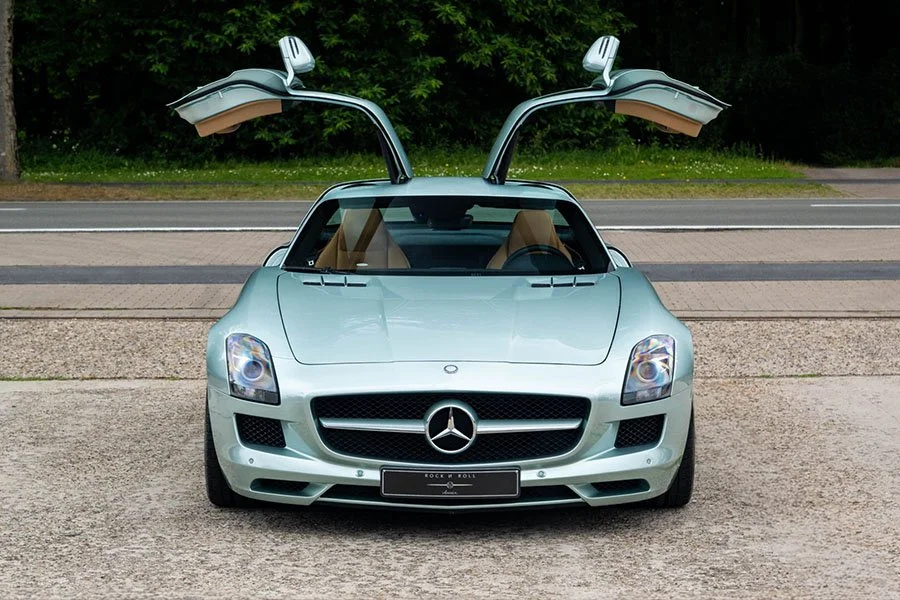
After Mercedes’ collaboration with its F1 engine partner McLaren yielded the commercially disappointing SLR, the German firm elected to produce its next flagship sports car entirely in-house.
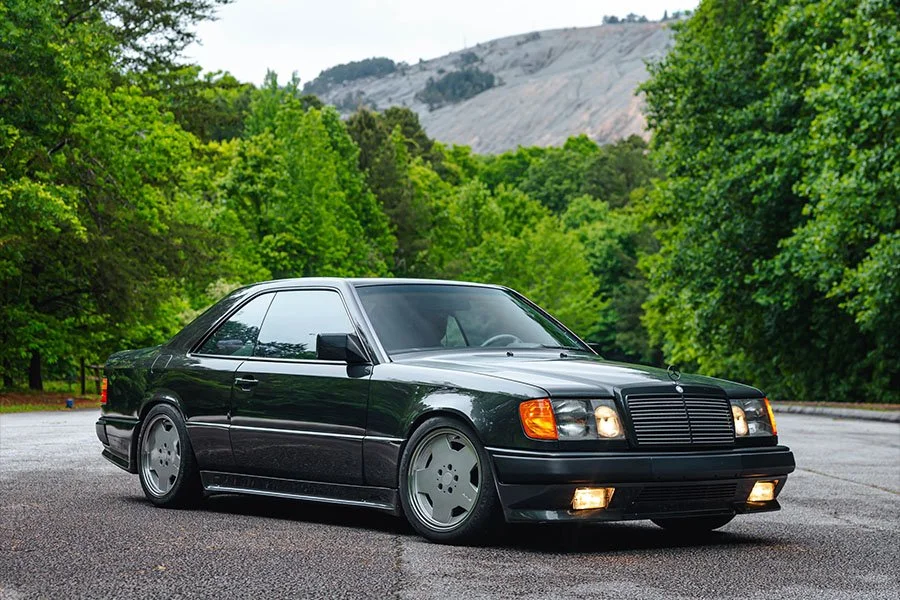
Having plumbed a 5.6-litre dual overhead cam 32 valve V8 into the W124 E-class in 1986, AMG went on to offer an even more epic 6-litre 385bhp version from 1987. Thanks to their status as the fastest…
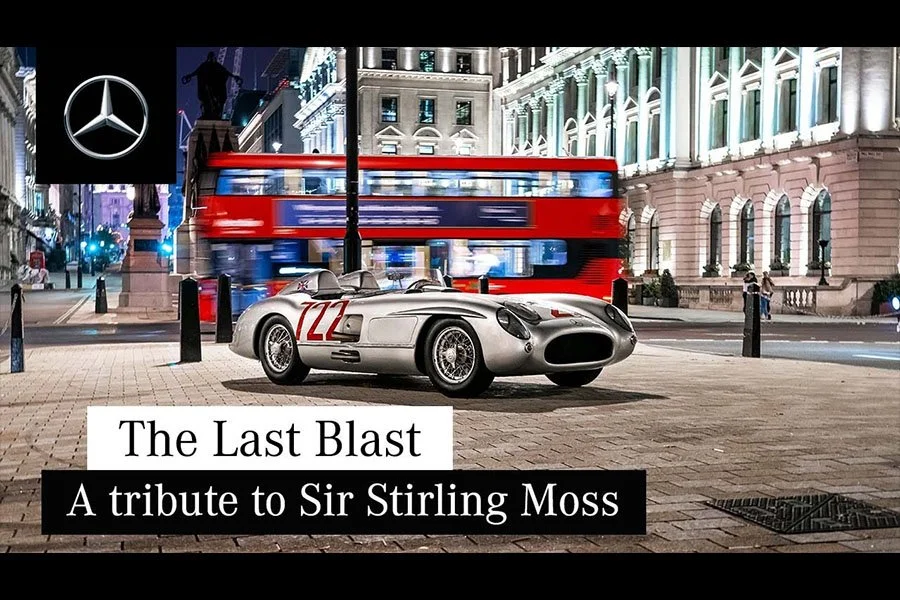
Farewell to a legend: “The Last Blast” follows the unparalleled drive of the famous Mercedes-Benz 300 SLR “722” in a London tribute to Sir Stirling Moss.

Chassis 040.5500758 was the 300 SL Gullwing famously entered by Mercedes-Benz for the 1955 Mille Miglia which took place over the weekend of April 30th and May 1st. Although an aluminium…
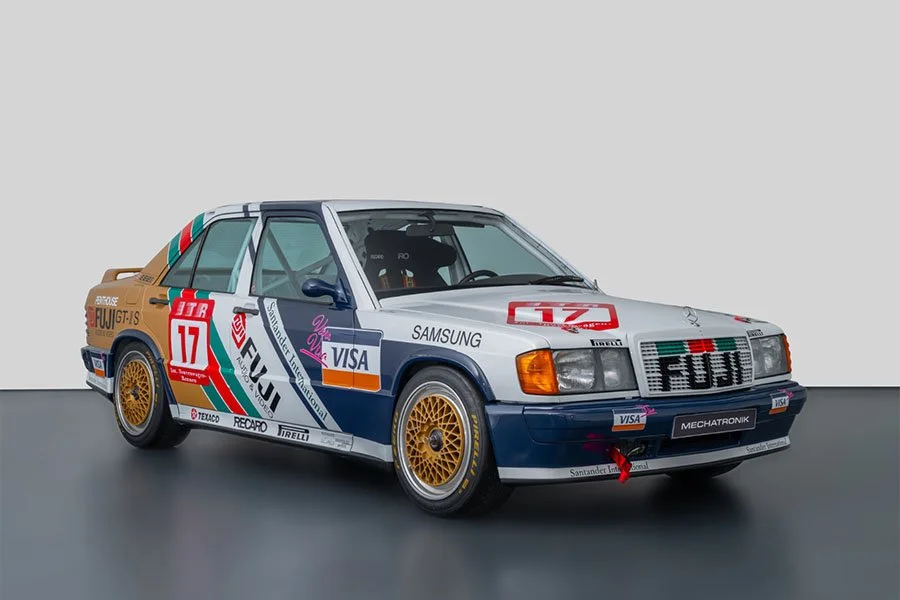
Although by the time Mercedes decided to support a DTM programme the 190 E 2.3-16 was up against much newer machinery (chiefly BMW’s E30 M3), the firm’s compact class W201 ultimately…
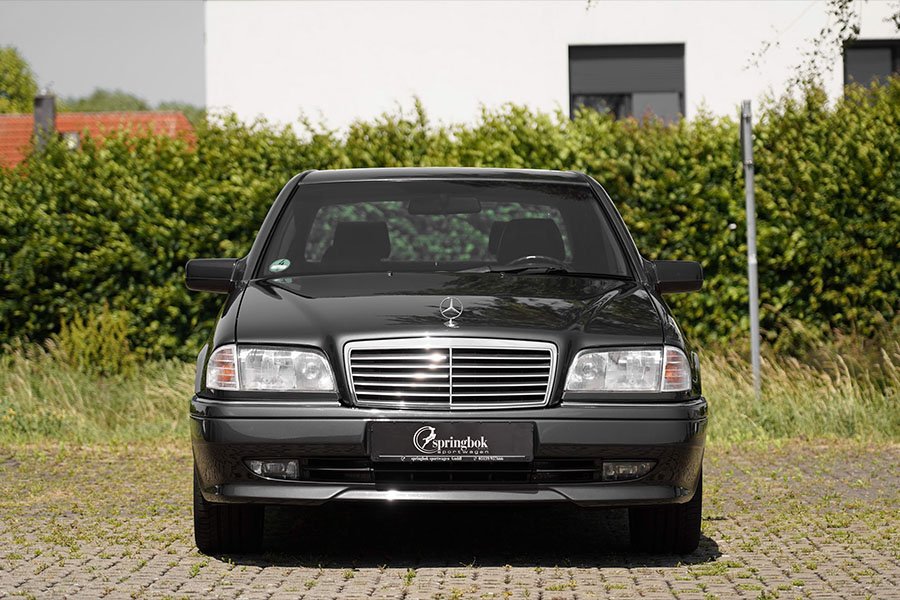
Having already collaborated on a small series of existing models, the first Mercedes-Benz conceived at the pre-production stage with AMG emerged at the Frankfurt Motor Show in September 1993.
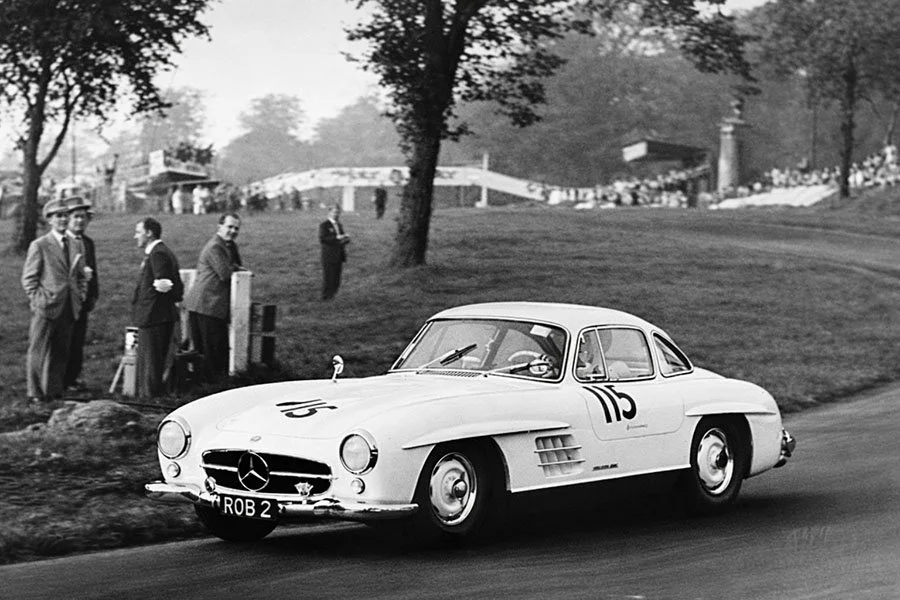
Chassis 198.040.5500840 was the second of four W198 300 SLs purchased by renowned race team owner, Rob Walker. A White aluminium-bodied example riding on Rudge wheels, this latest machine…
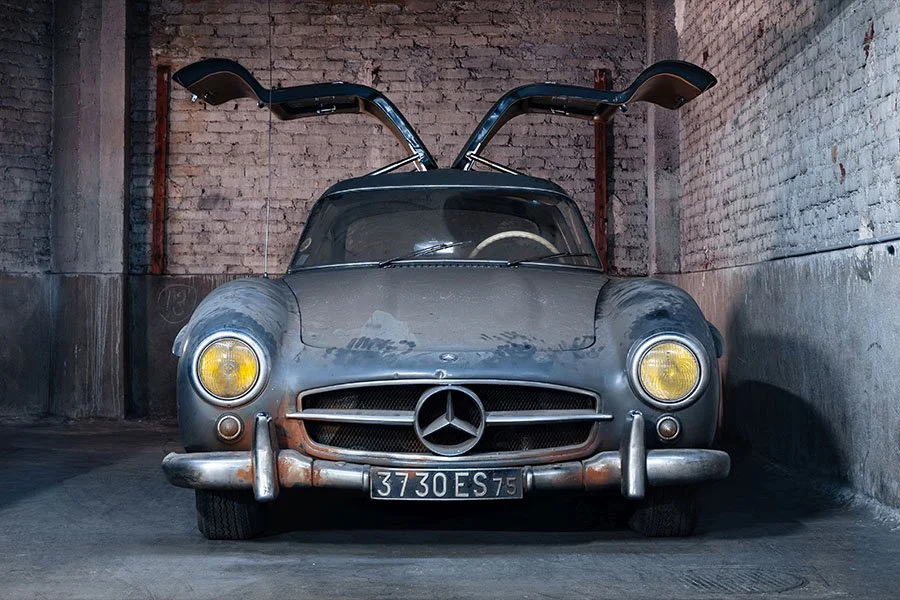
At Artcurial’s sale in Paris on January 27th, one of the most fascinating 300 SL Gullwings we have encountered will be going under the hammer: chassis 198.040.6500019. Ordered through the…
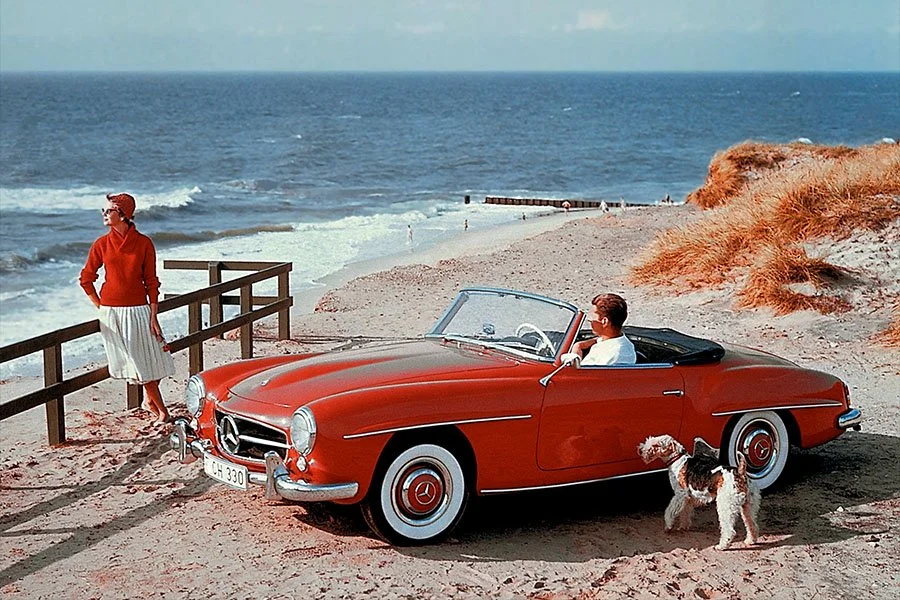
After World War 2, Mercedes-Benz initially got itself back on a sound financial footing with a range of superbly crafted but largely unexciting models. Initially, a re-entry to the world of motor racing was…
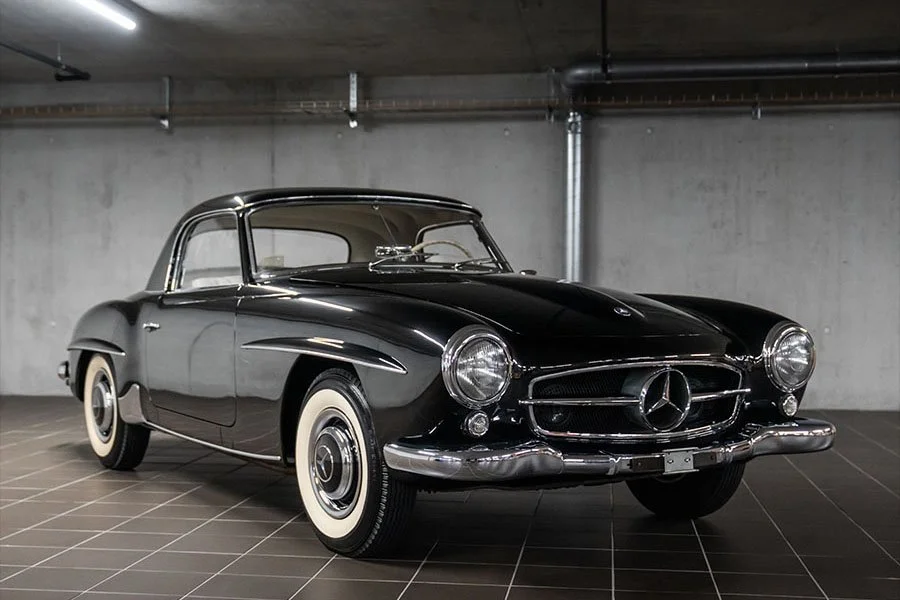
In addition to a productionised version of the 300 SL raced to victory at the 1952 Le Mans 24 Hours and Carrera Panamericana, Mercedes’ recently appointed distributor for the United States, Max…
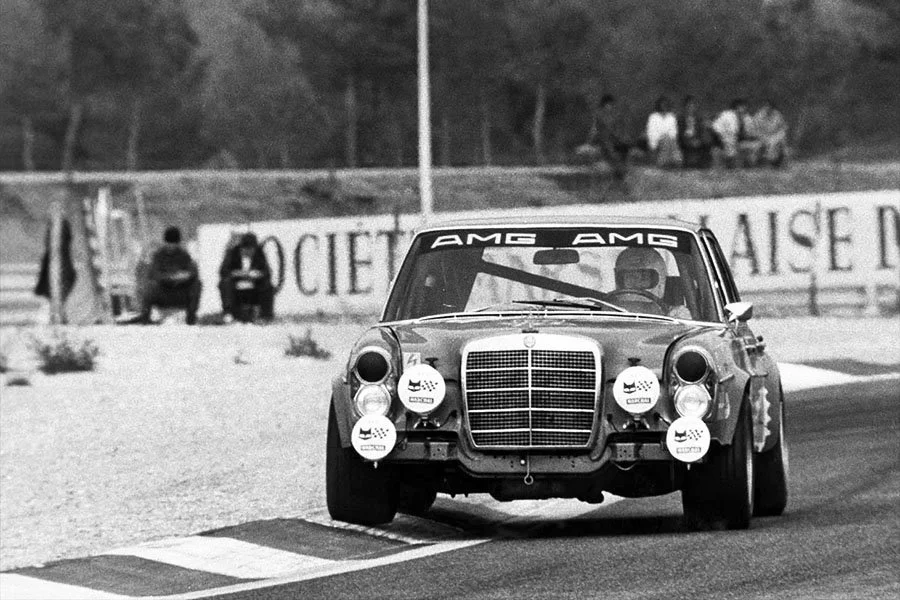
At the Frankfurt Motor Show in September 1963, Mercedes-Benz launched its new super high end 600. Conceived to rival anything Rolls-Royce or Bentley had to offer, the 600 (model code W100)…

Considering its substantial price and seemingly limited market, the fact that Mercedes managed to sell 1400 examples of the W198 300 SL Gullwing between 1954 and ‘57 remains truly remarkable.

Had sales of the base SLR met expectations, it’s doubtful whether Mercedes would have produced the wild Stirling Moss edition which, with its lack of roof, windscreen and other basic amenities, was…

Having created arguably the greatest super sports car of its day with the W198 300 SL Gullwing, Mercedes-Benz went on to sweat the Sport Leicht moniker with a line of luxurious boulevard cruisers…

In terms of the hottest brand new car available in the final months of the 1987-1990 collector car boom, it’s hard to argue against the wild Mercedes-Benz 190 E 2.5-16 in Evolution 2 trim. Built right at…

Having quit circuit racing in 1955 following the infamous tragedy at that year’s Le Mans 24 Hours, the late 1980s saw Mercedes-Benz return with a top flight Sports car programme and an attack on…

Although the Mercedes-Benz 190 E went on to achieve great things in DTM during its twilight years, perhaps the most famous event contested by the model was a one-off twelve lap race…

When Mercedes unveiled their Gullwing-doored 300 SL at the New York Motor Show in February 1954, wealthy buyers from all four corners of the globe were suddenly able to go and order a…

Completed on September 24th 1954, chassis 4500012 was ordered by Mercedes-Benz to serve as a ‘Standwagen’ or show car. Accordingly, it was configured in trademark Silver Grey Metallic paint…

Unveiled at the New York Motor Show in April 2007, the CLK63 AMG Black Series was Mercedes’ second iteration of its Black Series line. Conceived as a street legal version of the official Safety Car…

After an agonising 55 year wait during which various prototypes of potential successors emerged that never made it into production, Mercedes-Benz finally unveiled an heir to its legendary W198 300…

In addition to the outrageous V8-powered Hammer, AMG also offered a slightly toned down version of the timeless Mercedes-Benz W124 E-class using the company’s renowned straight six. At its heart…

Chassis 00009/52 was one of ten W194 300 SLs built for the 1952 racing season. Of these, eight saw competitive action. An eleventh W194 was subsequently assembled to serve as a development mule…

Arguably the most famous win of Mercedes’ dominant 1955 World Sportscar Championship campaign with the 300 SLR came at the 1955 Mille Miglia where Stirling Moss and Denis Jenkinson…

Introduced at the New York Motor Show in February 1954, Mercedes’ Gullwing-doored W198 300 SL re-wrote the rulebook in terms of what could be expected from a series production super sports car.

Today, RM Sotheby’s broke the record for the most valuable Formula 1 car ever sold: the Mercedes-Benz W196R Stromlinienwagen chassis 00009/54. One of four known complete…