VIN: the works BMW 507 chassis 70145
/ Ben Tyer
HISTORY OF CHASSIS 70145
Chassis 70145 was one of 218 Series 2 507s built by BMW.
Compared to the Series 1, the Series 2 featured a smaller fuel tank (now mounted in the boot floor), a bigger dash with repositioned switchgear, an integrated audio speaker, a larger glovebox and a grab handle on the dash fascia (as opposed to on top of the dash).
Chassis 70145 was retained by BMW for use as a press and promotional car. Painted red and equipped with a hardtop and special tuned engine, it starred in a number of publicity photographs, some of which were taken in the Bavarian Alps.
In addition, as part of this role the car was driven competitively by Hans Stuck whom BMW had recruited in an ambassadorial role to promote the 507.
In 1958, Stuck had driven another works 507 (chassis 70096, a Feather White example) in a number of European Mountain Championship events.
For 1959, he used chassis 70145 which had been registered on the Munich plate M-MJ 769.
Stuck variously appeared at the Gaisberg, Klosters-Davos and Wurzenpass hillclimbs. His best result that season was fifth overall and second in the GT category at Gaisberg.
Chassis 70145 has not been seen in public for many years.
Notable History
Red, Hardtop
Registered M-MJ 769 and retained as a workd press demonstrator
16/08/1959 EMC Gaisberg Hillclimb (H.J. Stuck) 5th oa, 2nd GT class (#81)
30/08/1959 EMC Klosters-Davos Hillclimb (H.J. Stuck) NC (#121)
27/09/1959 IND Wurzenpass Hillclimb (H.J. Stuck) ran (#133)
Text copyright: Supercar Nostalgia
Photo copyright: BMW - https://www.bmw.com
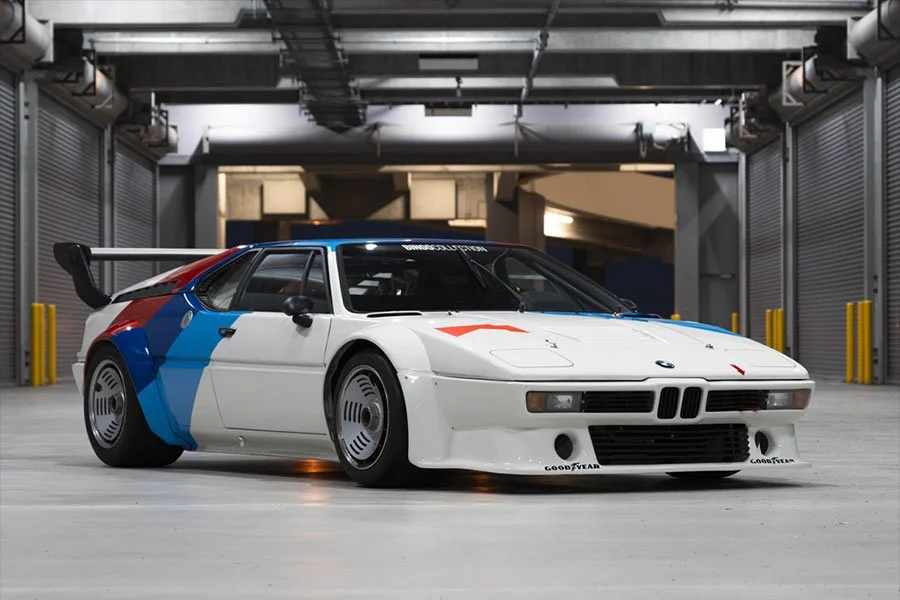
As the most successful F1 driver on the grid with 17 victories and two Drivers’ titles, Niki Lauda would already have been among the favourites to walk away with the 1979 Procar Championship.
At the Paris Motor Show in October 1972, BMW unveiled a styling concept with a turbocharged version of the two-litre M10 engine. The Paul Bracq-designed E25 Turbo had a mid-mounted…
Considering just how unbelievably ugly most BMWs from the modern era have become, it may surprise some of our younger readers that, from the late 1960s through to the early 2000s, the…
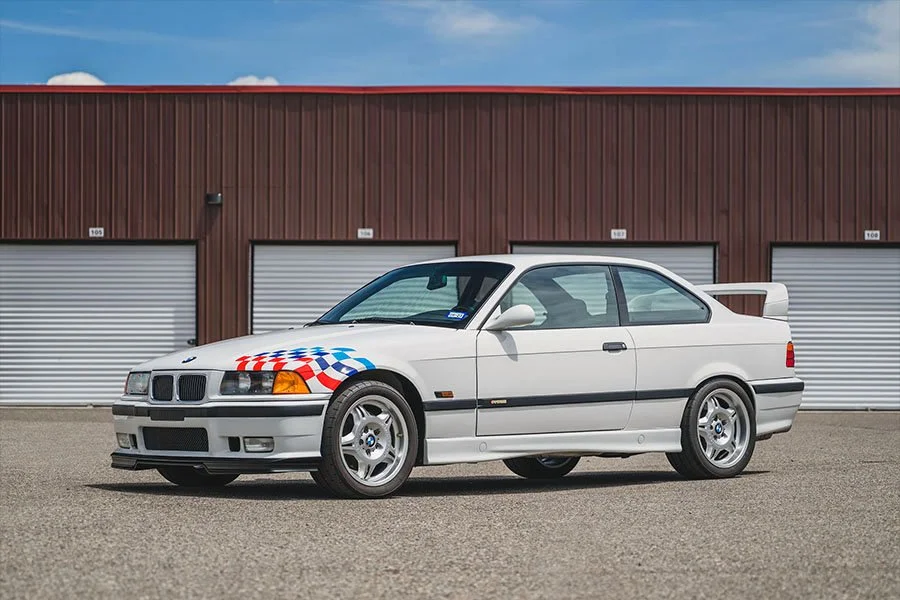
Although the 3.2-litre E36 M3 Evolution has the most powerful engine fitted to BMW Motorsport’s compact 90s offering, our favourite iteration of the second generation M3 was the limited run GT…
Even though an oil crisis caused by a 1973-1974 war in the Middle East massively curtailed its works career, BMW’s E9 CSL remained the best top flight Group 2 racing car throughout the remainder of…
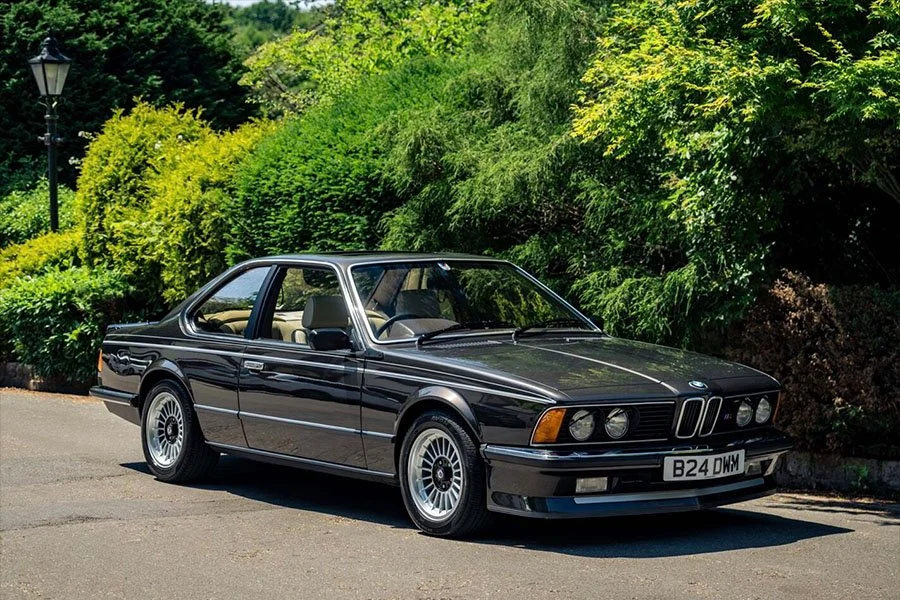
By dropping a close relative of the M1’s dual overhead cam 24 valve straight six into the elegant Paul Bracq-designed 6-series bodyshell which was then further enhanced with uprated…
For 1995, BMW decided to run its E36-based M3 GTR in IMSA’s popular GTS-2 category for GT racing cars. The programme was managed on BMW’s behalf by Tom Milner’s Prototype…
Having been conceived with the primary intention of serving as the basis for a Group 4 and 5 racing programme, the prospect of a multi-year homologation delay owing to production issues meant…
When it came to an off-the-shelf mid-sized super saloon during the first half of the 1980s, nothing in the Mercedes-Benz, Jaguar or Alfa Romeo arsenal could touch the BMW Motorsport-enhanced…
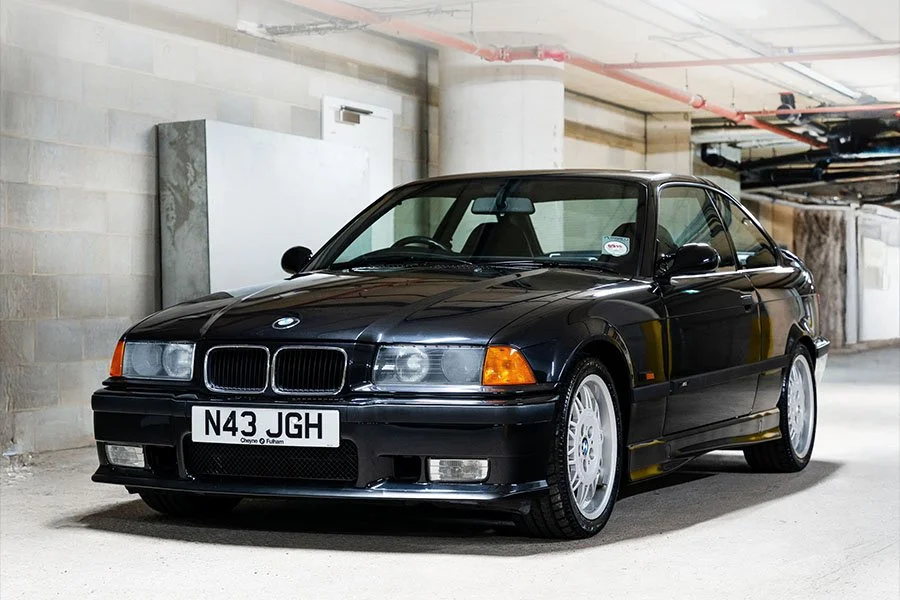
With a bigger bodyshell and more refined six cylinder engine than the outgoing E30 M3 (which had used a racey four cylinder motor), in many ways BMW’s E36-based expression of the M3 theme felt…
Having commissioned the first two instalments of its burgeoning Art Car theme in time for the 1975 and ‘76 Le Mans 24 Hour races, BMW went on to order a third machine that would appear at the…
The 1980s really was a great time for large-engined German Grand Tourers with Audi, BMW and Porsche all taking a divergent approach with the Quattro, M635 CSi and 928 respectively. For an…
Unfortunately, owing to poor trading conditions caused by a global economic recession, over the winter of 1991-1992 BMW elected to abandon its plans for an M1 successor after Ital Design had…
The earliest Alpina-tuned variants of the Paul Bracq-styled E12 arrived very soon after this, the first generation 5-series, made its debut at the Frankfurt Motor Show in September 1972. Having initially…
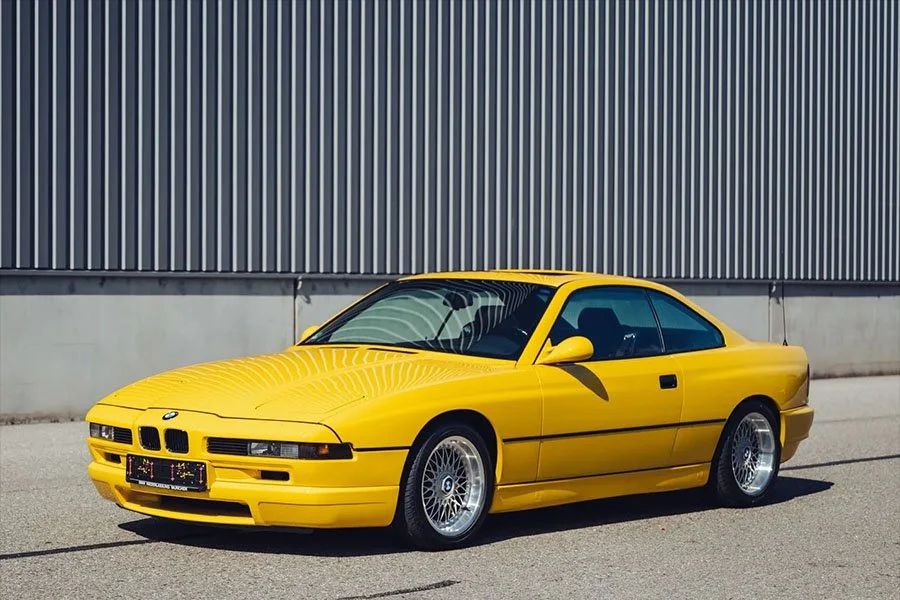
Although the radical M8 never made it into production, BMW Motorsport did work their magic on another iteration of the E31 8-series: the 850 CSi. Unusually, the 850 CSi did without the familiar…
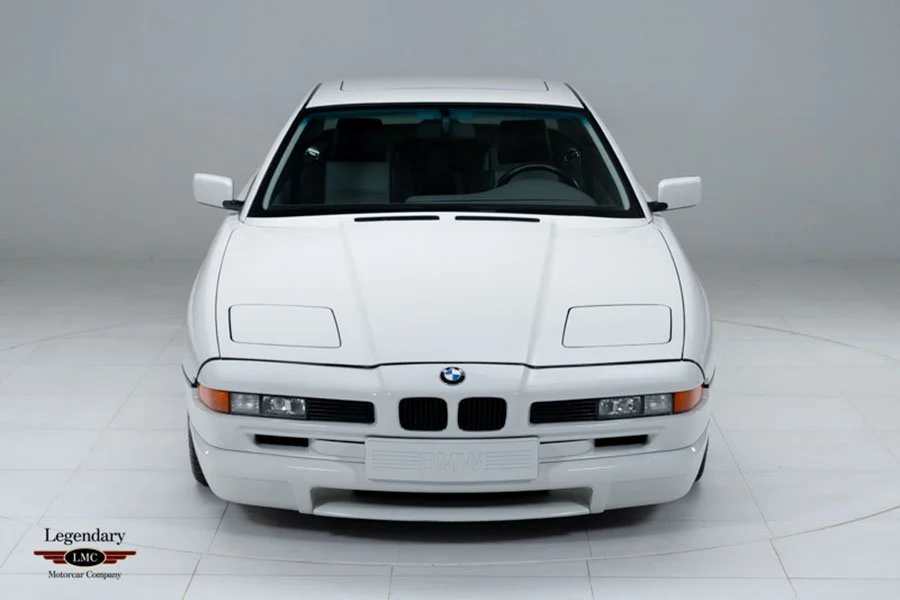
Following the launch of BMW’s range-topping E31 8-series at the Frankfurt Motor Show in September 1989, the Munich firm’s Motorsport department began work on a pair of high…
In March 2001, 18 months after the E46 M3’s launch, BMW added their Sequential Manual Gearbox II to the options list (SMG II). Following on from the original SMG unit offered on the E36 M3, this…
After the success of BMW’s first Art Car, an E9 CSL painted by Alexander Calder which garnered a huge amount of publicity at the 1975 Le Mans 24 Hours, the Munich firm commissioned a second…
The European Touring Car Championship’s Group A formula kicked off in 1982 and saw BMW’s E28 528i emerge as the premier challenger in the top flight Division 3 category. However, with four…
Having employed straight six engines for its range-topping Motorposrt-tuned 5-series since the 1970s, BMW broke with convention and shoehorned a five-litre V8 into the E39 M5 launched in 1998.
BMW first introduced a turbocharged iteration of the 2002 in order to retain its competitive advantage over Porsche and Alfa Romeo in the premier Division 3 category of the 1969 European…
Having been created with the sole intention of toppling Ford from its position atop the premier Division 1 class in Touring Car racing, the BMW Motorsport-developed E9-based 3.0 CSL did just that…
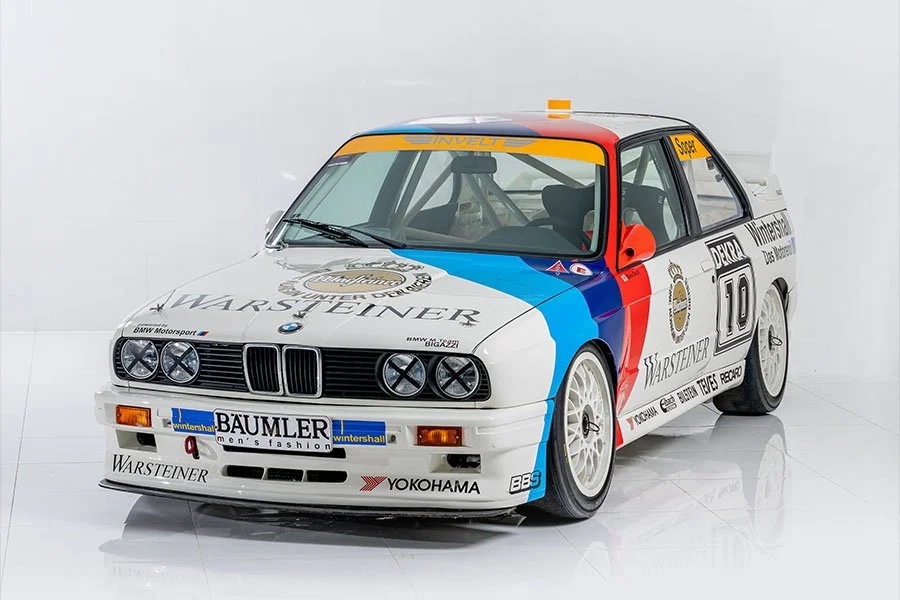
Compared to the first generation E30 M3 which was a raucous and comparatively unrefined homologation special conceived purely to create the most effective Group A racing car possible, the…
Chassis 4301066 was the M1 Procar supplied to German-domiciled Austrian privateer, Franz Konrad. Having successfully campaigned a Porsche 914/6 GT during 1973 and ‘74, Konrad moved…
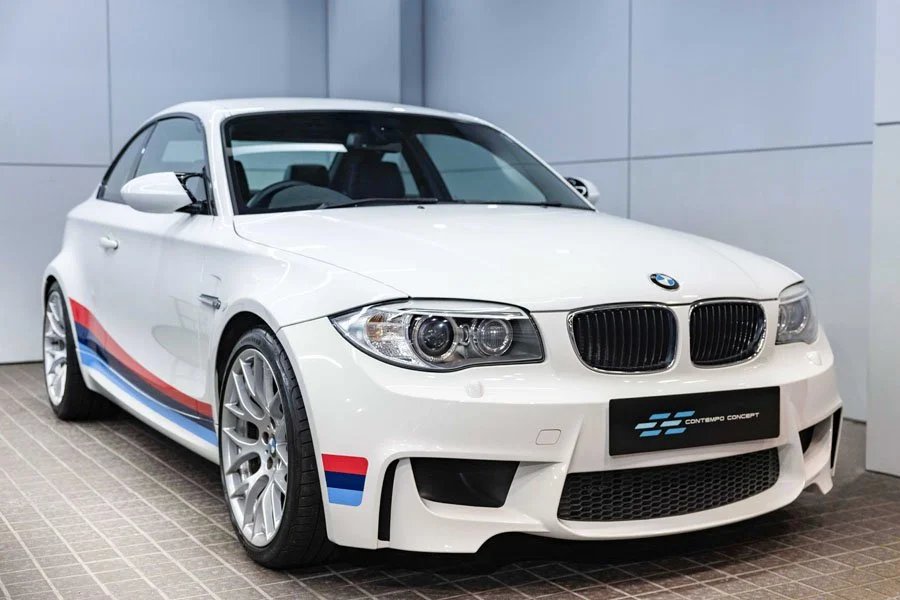
Thanks to compact dimensions and low weight, a BMW Motorsport-tuned version of the E82 1-series was always going to become a critically acclaimed performance icon. Effectively an early…
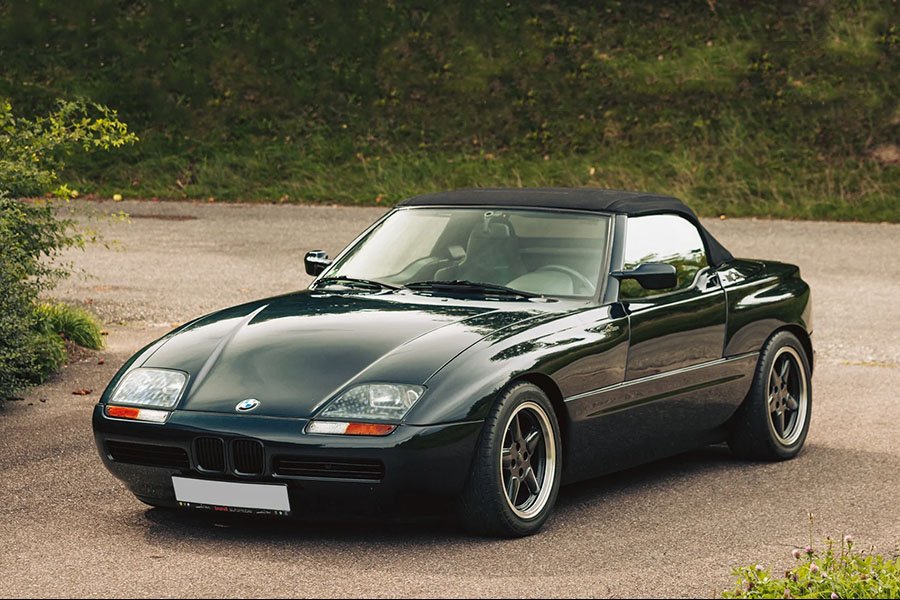
Despite having been blessed with a chassis capable of handling far more power than it got, BMW ultimately resisted calls to offer a more potent iteration of its first modern two-seat roadster: the Z1.
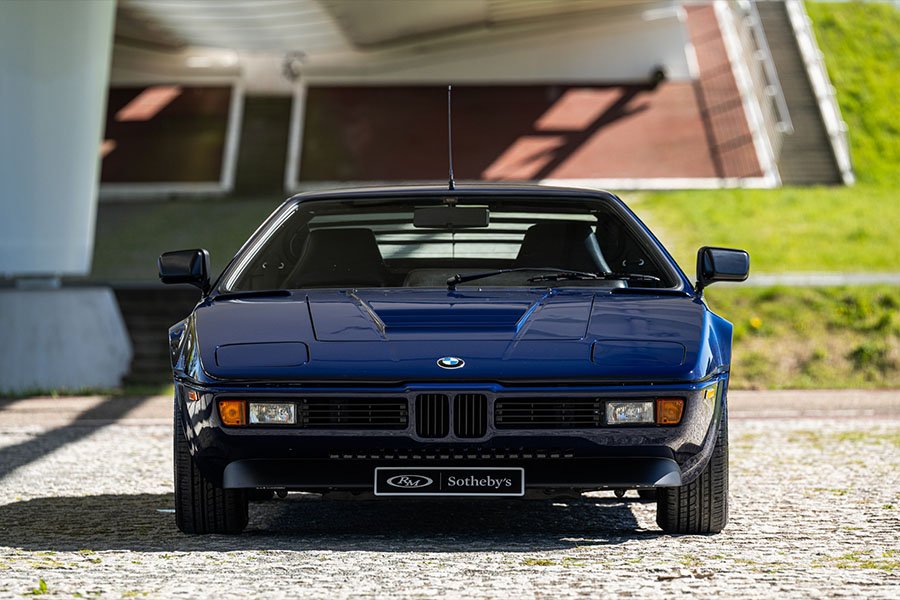
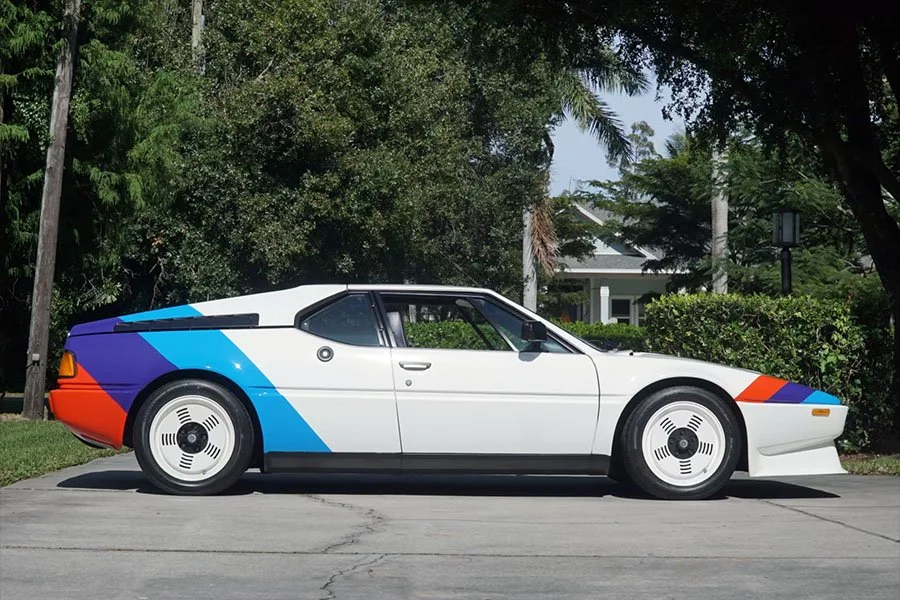
BMW conceived the M1 supercar project to complement its existing Formula 2 engine supply deal and Group 5 Division 2 E21 320i programme. With a turbocharged iteration of M1’s 3.5-litre straight…
Having relied upon various iterations of the company’s fabled straight six engine for previous M5s, BMW’s new E39-based Motorsport saloon incorporated an all-alloy five-litre V8 that developed a…
Unveiled at the Frankfurt Motor Show in September 1983, the E24-based M635 CSi was BMW Motorsport’s first effort at the parent company’s grand 6-seriwa 2+2 Coupe. In the engine bay of…
Of the myriad top flight drivers employed by BMW Motorsport for the CSL racing programme, none was more closely associated with the ‘Batmobile’s on-track success than Hans-Joachim Stuck.