Guide: BMW Art Car #11 - BMW Z1 'A. R. Penck'
/ Ben Tyer
BACKGROUND
The eleventh creation in BMW’s Art Car series was the work of Ralf Winkler who was better known under the pseudonym, A. R. Penck.
BMW commissioned a flurry of Art Cars in the late 1980s and early 1990s; between 1989 and 1992 seven were completed to sit alongside the first half dozen that had been painted between 1975 and 1986.
A. R. Penck’s Art Car was uniquely based on a Z1 roadster.
BMW Z1
Built between 1988 and 1991, the Z1 was BMW’s first two-seat Roadster since the 507 which had nearly bankrupted the company as a result of higher than expected production costs.
The Z1 was initially a concept developed by BMW’s new R&D department, BMW Technik, which had been established in 1985 to come up with avant-garde concepts for future vehicles and technologies.
Assembled around an innovative steel monocoque, the Z1’s body was made entirely of easily removable injection-moulded thermoplastic panels. Undoubtedly the car’s most attention-grabbing feature was its vertically sliding electric doors that dropped into oversized sills.
Power came courtesy of BMW’s 2.5-litre Type M20 B25 straight six engine which was canted at 20° to allow a lower hood profile.
Precisely 8000 Z1s were manufactured before the model was discontinued.
One of the last 1991 examples was allocated to BMW’s Art Car programme.


A.R. PENCK
Self-taught German artist A. R. Penck held his first exhibition at the age of 17 and, in the years that followed, Penck devoted most of his time to the works of Picasso, Rembrandt and prehistoric cave paintings. In 1960/1961, the latter resulted in his famous silhouette ‘Matchstick Man’.
During the 1980s, Penck became one of the foremost exponents of New Figuration and his work was shown by major museums throughout the West.
In addition to stick figures and graphic icons reminiscent of the Neolithic era, Penck was an exponent of Asian calligraphy and graffiti art. He became best known for paintings with pictographic, neo-primitivist imagery of human figures and other totemic forms.
PENCK’S Z1
For his Art Car, Penck selected a Z1 painted Top Red with Dark Grey Nubuck and camouflage interior. The bright red roadster was then emblazoned with Penck’s signature symbols and legendary stick figures which resulted in one of BMW’s most appealing Art Cars.
Text copyright: Supercar Nostalgia
Photo copyright: BMW - https://www.bmw.com
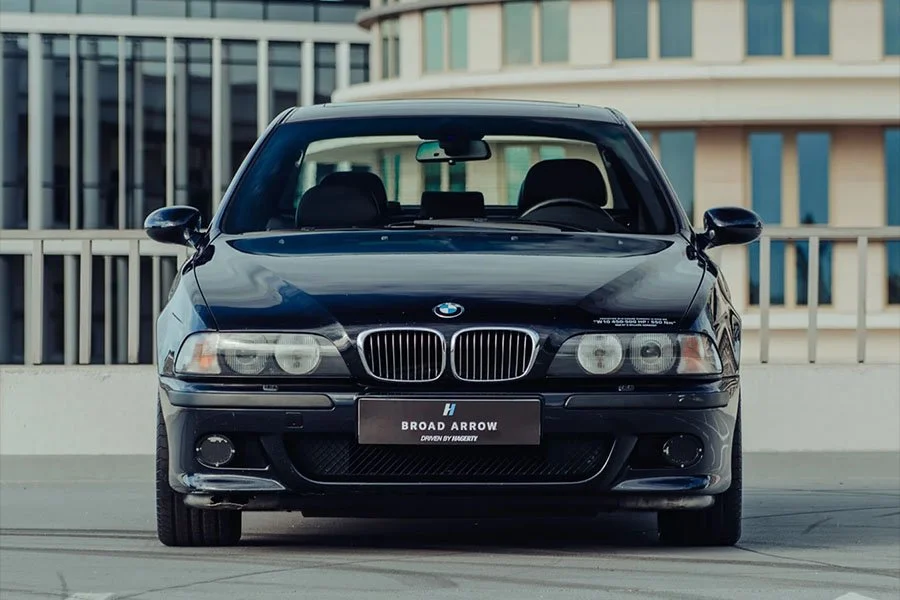
Having used straight six engines for all prior versions of its hot Motorsport 5-series, the E39 M5 launched in 1998 came with an enlarged and suitably uprated version of the V8 found in the 540i.
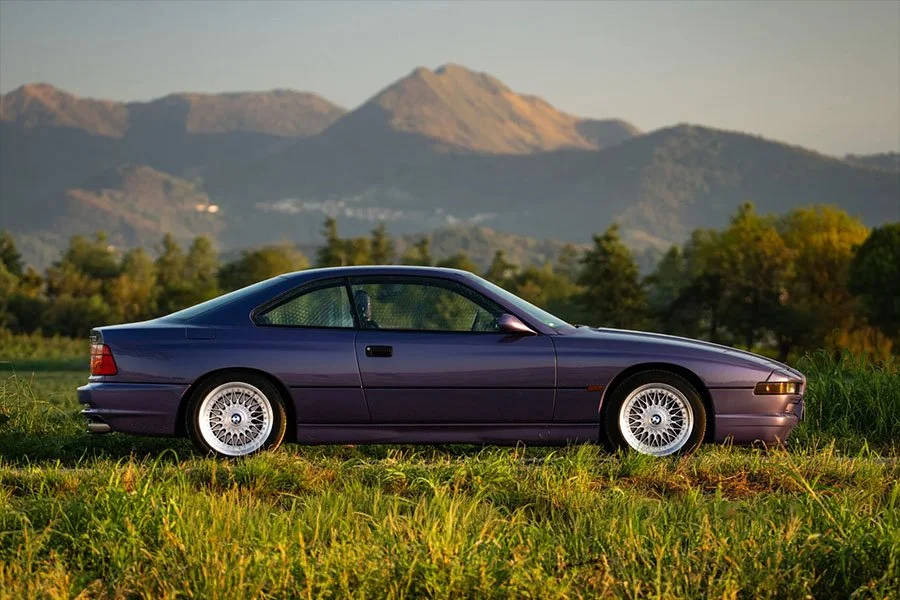
When in 1986 BMW unveiled the first V12 from a German manufacturer since Word War 2, it was obvious the firm’s Motorsport department would be keen to apply their magic touch. Immensely…

BMW Motorsport created the original E30 M3 as a Group A homologation special for Touring Car racing and Rallying. Between 1986 and 1992, the M3 proved extremely effective and claimed a huge…
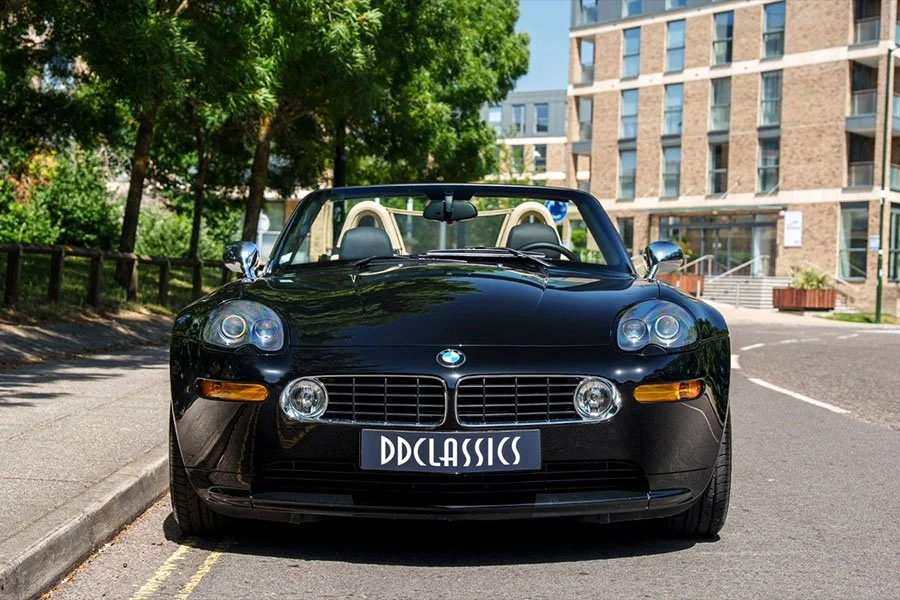
At the Frankfurt Motor Show in September 1999, BMW unveiled a flagship Roadster inspired by the car that nearly drove the company to bankruptcy 40 years beforehand: the legendary late fifties 507.
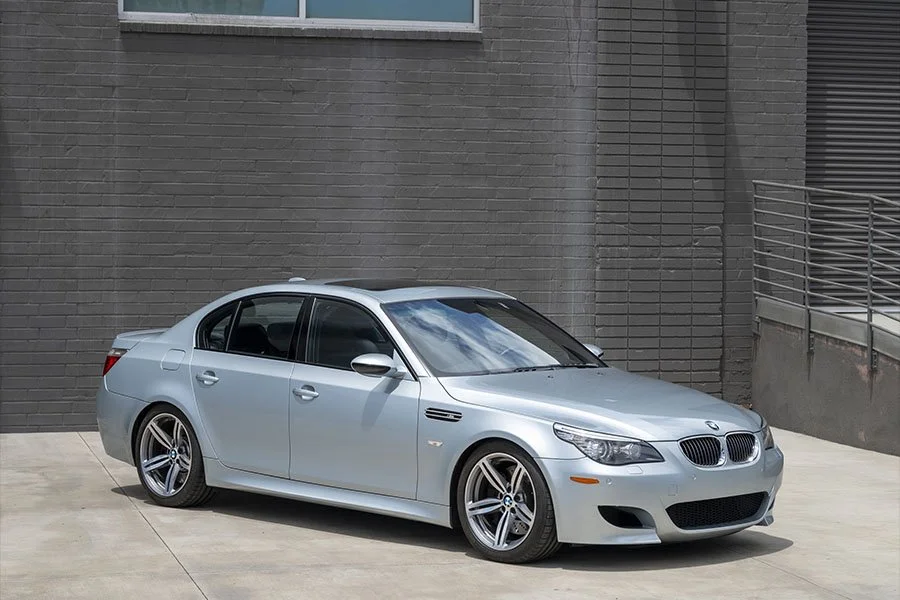
Although BMW’s Formula 1 programme of 2000 to 2009 did not deliver on championship-winning potential, it did pave the way for an F1-inspired V10 to find itself in the 2004-2010 M5 and the 2005…
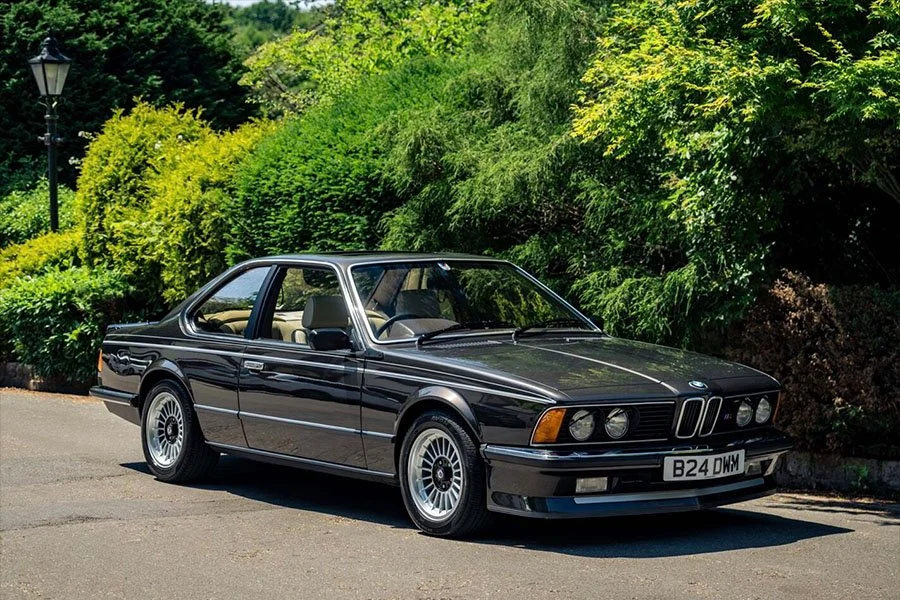
During the mid-to-late 1980s, arguably the most elegant sporting Coupes offered by Europe’s high end manufacturers were the Aston Martin V8 and BMW’s E26 M635 CSi. While in Vantage trim the…
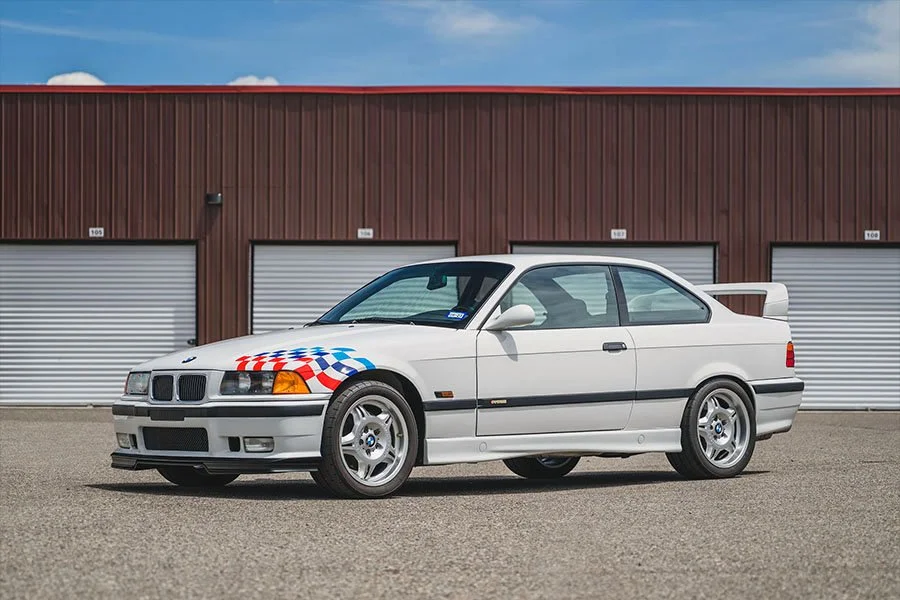
Owing to tighter emissions legislation, E36 M3s bound for North America had to be fitted with lower compression engines that did not feature the same radical cylinder head, variable valve timing…
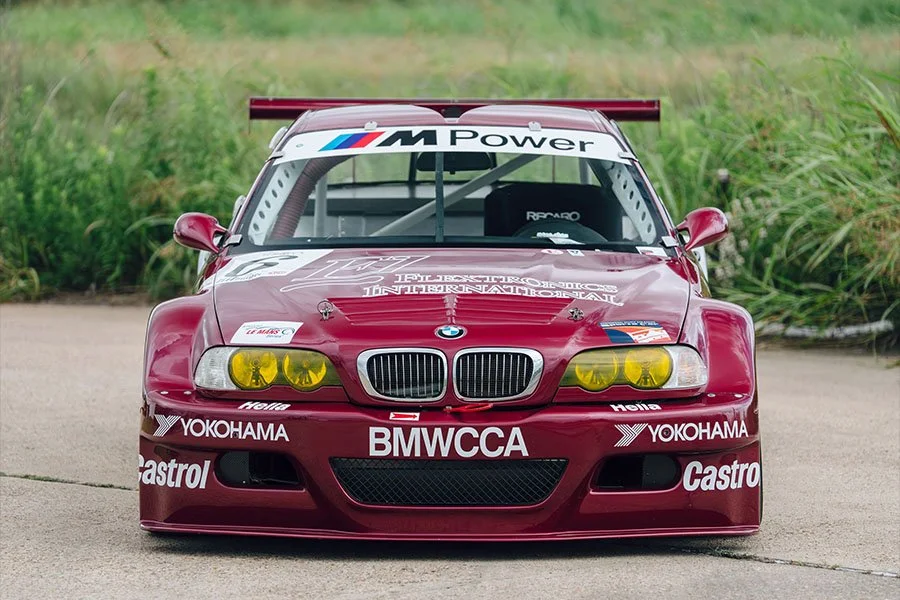
After a five-year spell campaigning the E36 M3 GTR, BMW’s North American competition partner, Prototype Technology Group (PTG), switched focus to the new E46-based Motorsport 3-series.
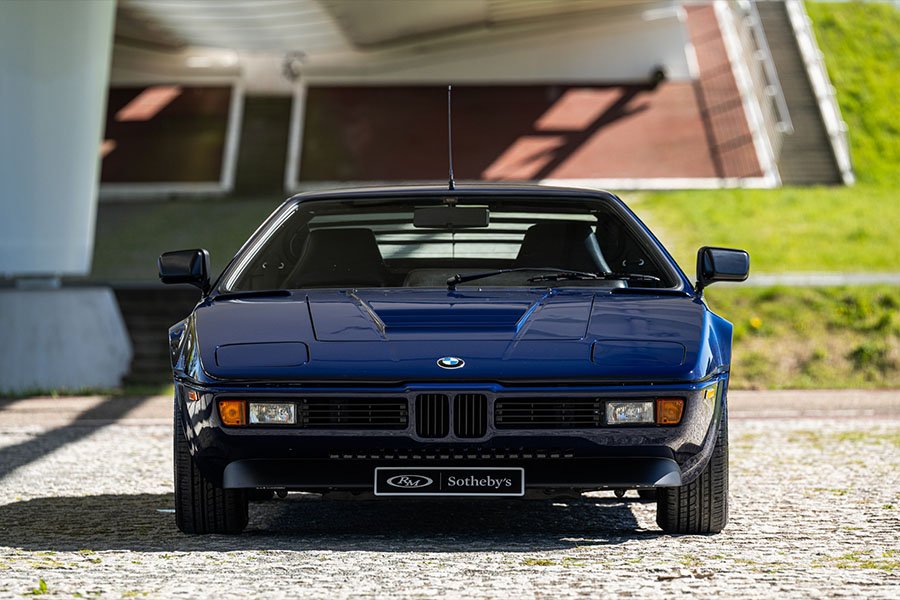
To promote its highly anticipated M1, the first mid-engined road car in BMW’s history, a fleet of three early examples were retained for promotional use. Of these, just one was finished in Blue, chassis…
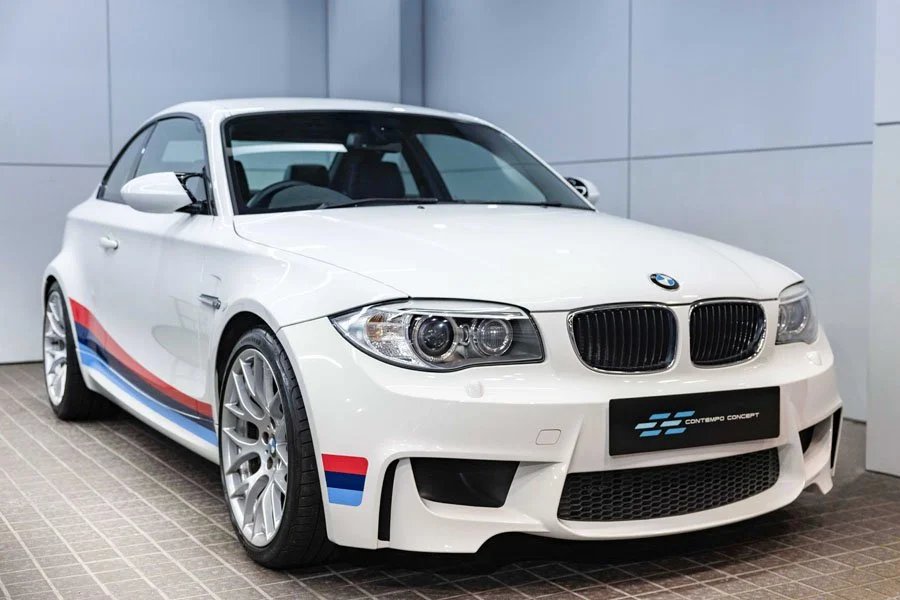
Produced for just 16 months between March 2011 and June 2012, BMW shifted a little over 6000 copies of its E82-based 1M Coupe. By contrast, the contemporary M3, manufactured from 2007 until…
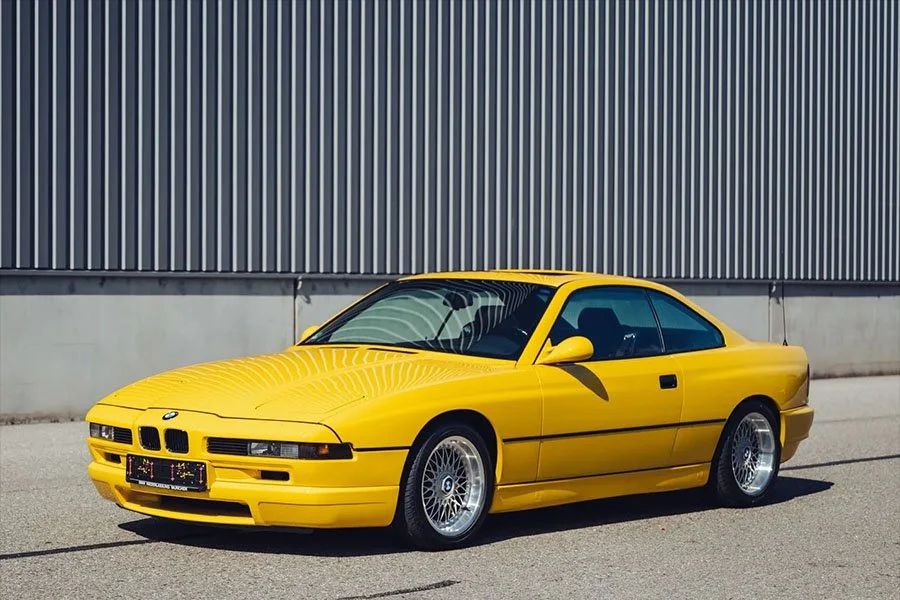
Although it never wore the familiar ‘M’ moniker that graced most of BMW Motorsport’s road cars, the E31-based 850 CSi featured even more performance enhancements than many M-badged…
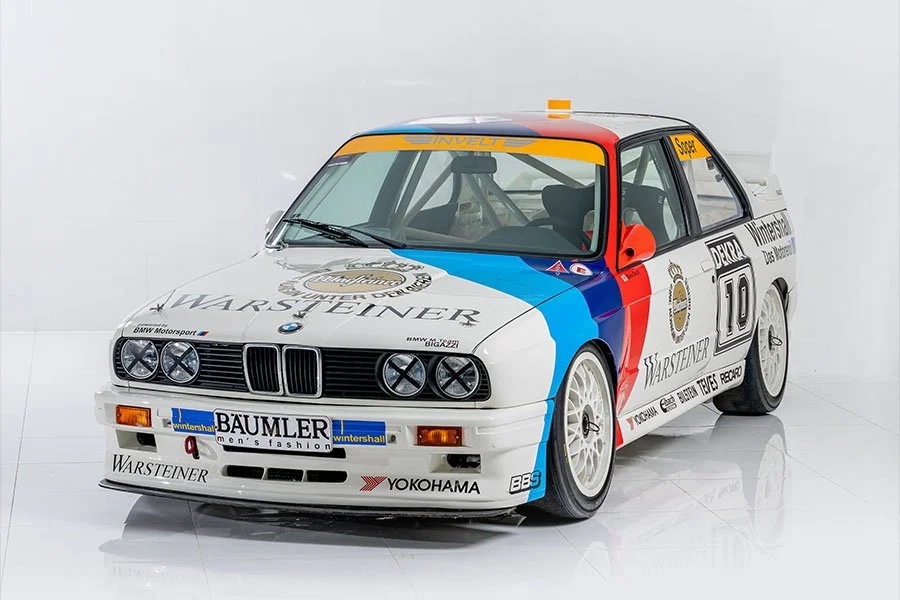
Despite having been up against much newer and more highly developed opposition, BMW’s iconic E30 M3 still proved itself a winning platform during the car’s sixth and final season in the Deutsche…
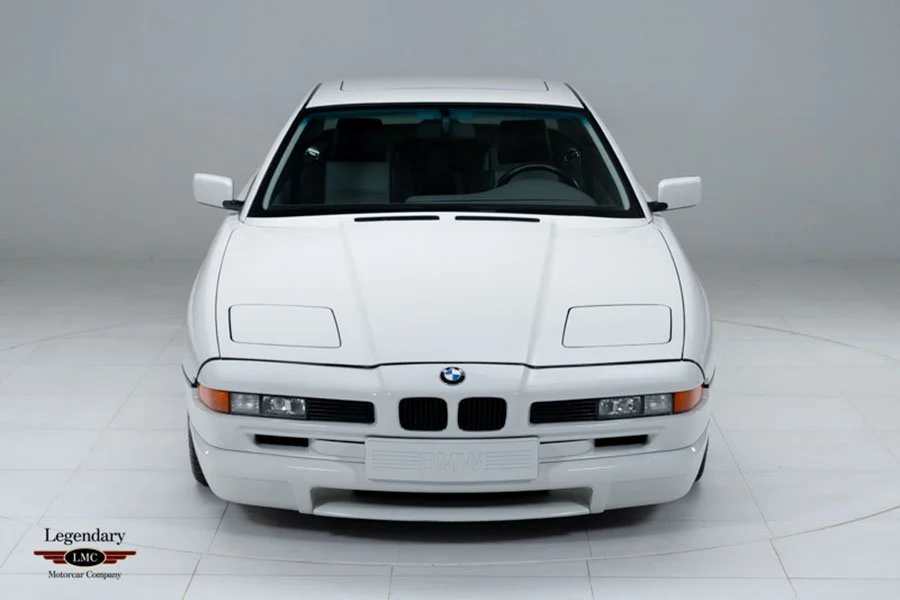
Perhaps the least well known BMW Motorsport product to emerge during the 1990s was the E31 850 CSi built in limited numbers between 1992 and 1996. Despite its lack of an “M” moniker, practically…
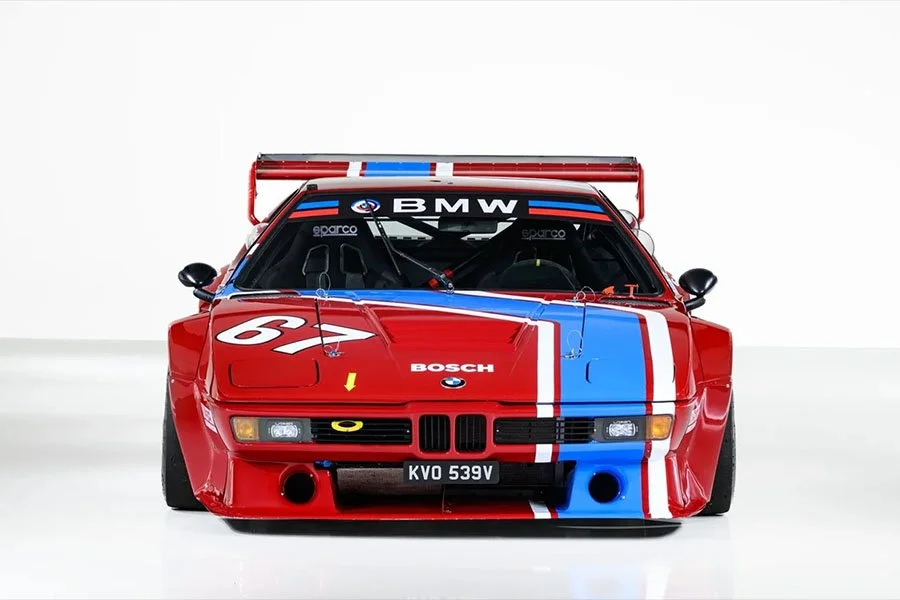
Although BMW’s Group 4 M1 is best remembered for the Procar series from which it took its name, once a much-delayed homologation process had been rubber stamped, the model did go on to…

Having commissioned the first two instalments of its burgeoning Art Car theme in time for the 1975 and ‘76 Le Mans 24 Hour races, BMW went on to order a third machine that would appear at the…
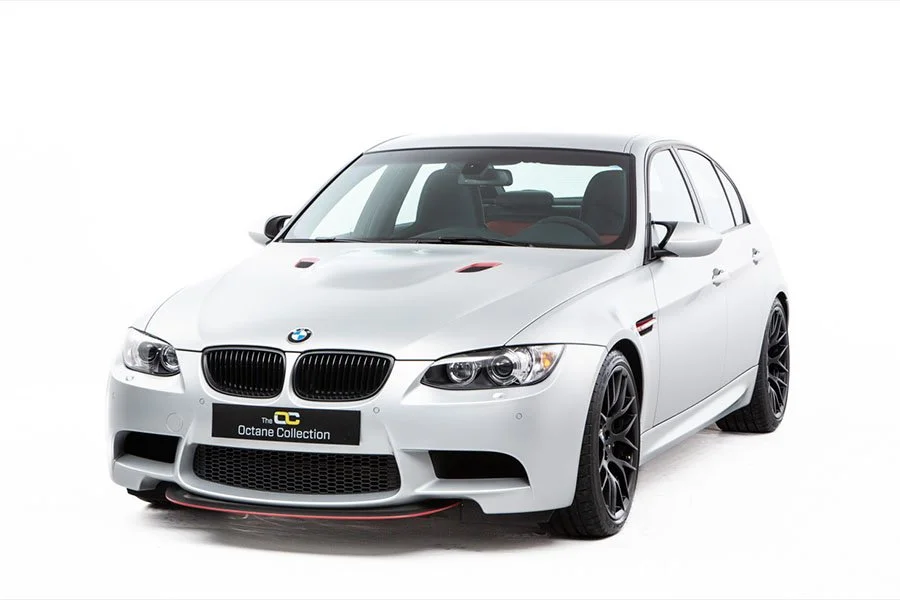
Perhaps counter-intuitively, the lightest body style from BMW’s V8-powered M3 line produced between 2007 and 2013 was the four-door E90 Sedan which tipped the scales at 50kg less than a…
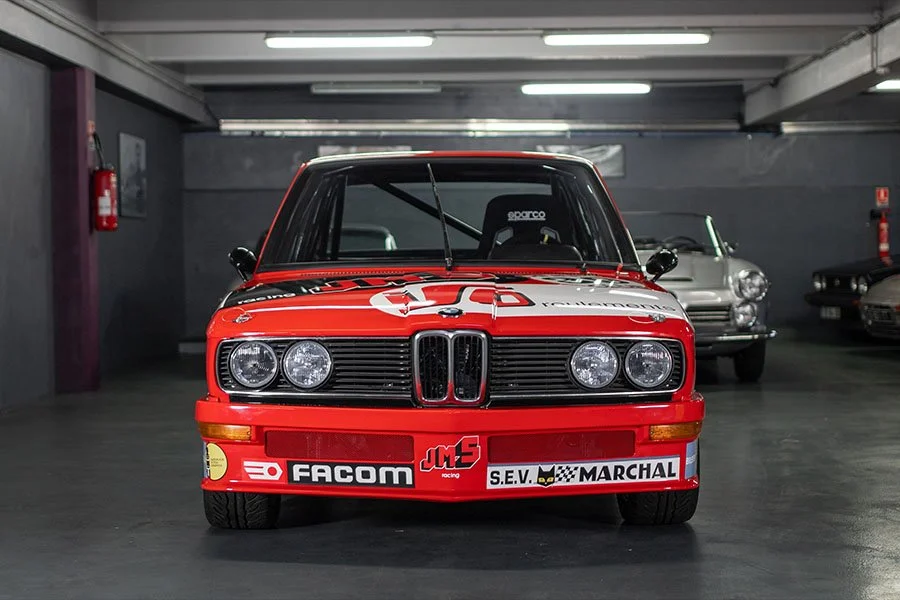
Although France was among the last major European nations to organise a national Touring Car championship, the Gallic series saw an explosion of interest during the mid-to-late 1970s when it…
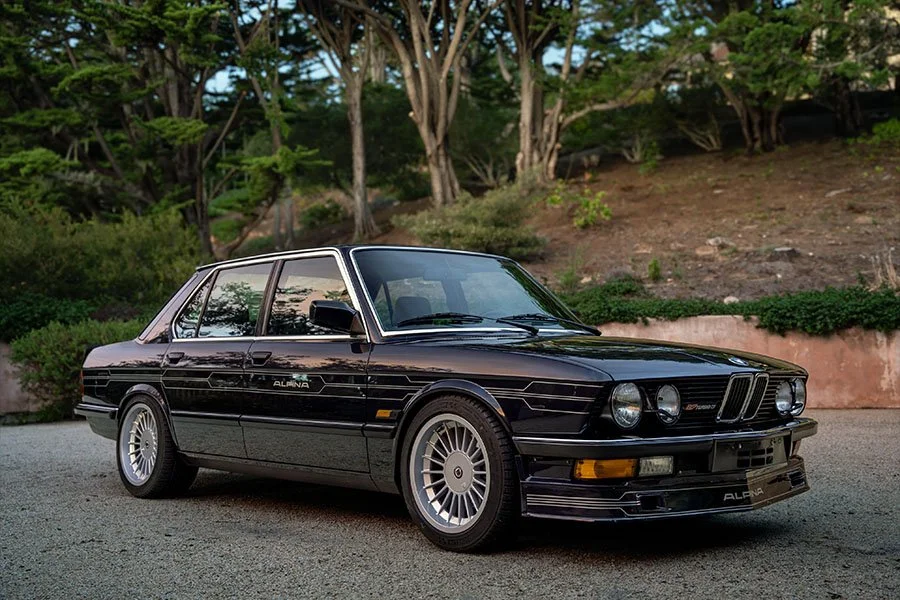
When it comes to hot executive Saloons of the 1980s, Alpina’s B7 Turbo has it all. Starting with a BMW E28 535i, Alpina added its familiar blend of uprated suspension, wider wheels, a limited-slip…
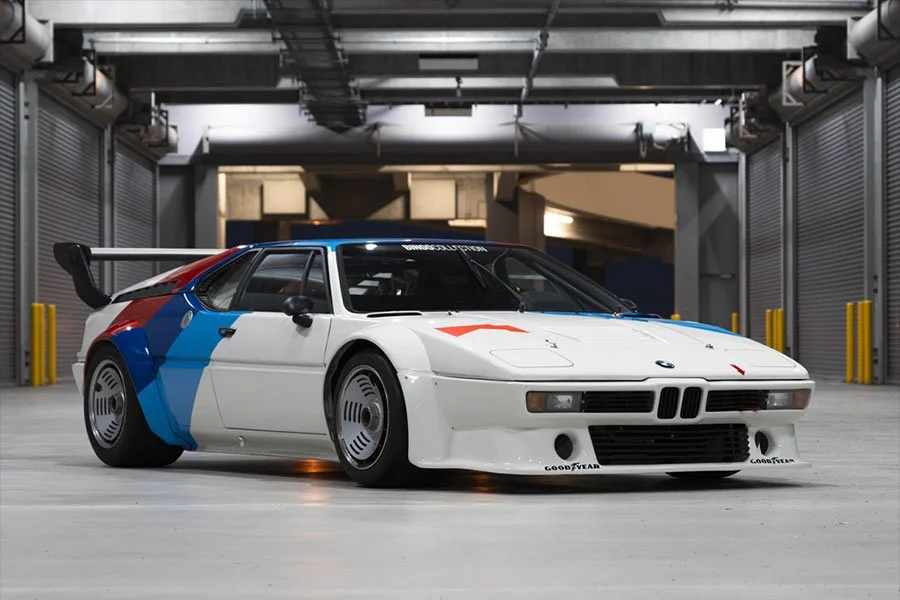
In addition to the examples sold to customers, BMW Motorsport retained a good stock of M1 Procars for its own requirements. Of these, some were destined for works use in the Procar series while a few…
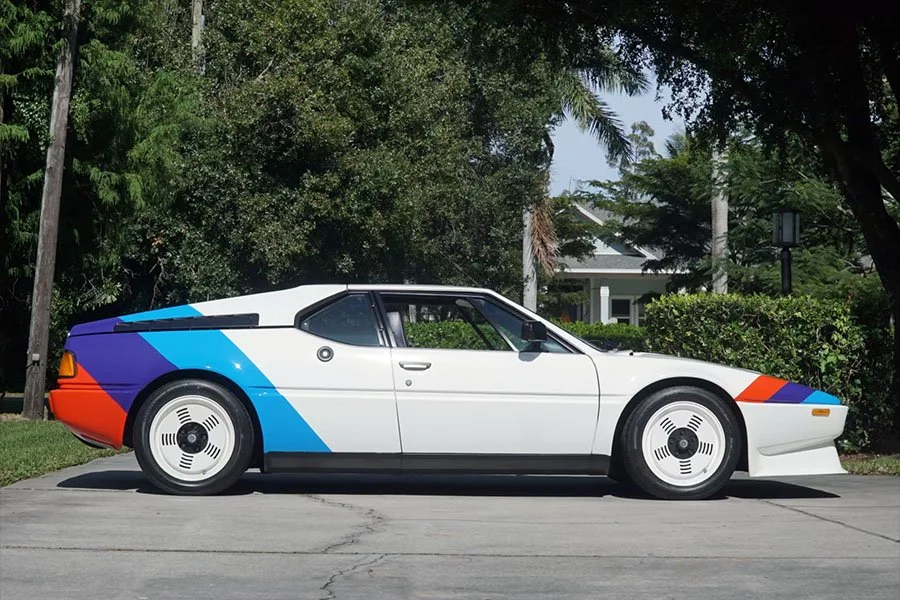
As the most successful F1 driver on the grid with 17 victories and two Drivers’ titles, Niki Lauda would already have been among the favourites to walk away with the 1979 Procar Championship.

At the Paris Motor Show in October 1972, BMW unveiled a styling concept with a turbocharged version of the two-litre M10 engine. The Paul Bracq-designed E25 Turbo had a mid-mounted…

Considering just how unbelievably ugly most BMWs from the modern era have become, it may surprise some of our younger readers that, from the late 1960s through to the early 2000s, the…

Although the 3.2-litre E36 M3 Evolution has the most powerful engine fitted to BMW Motorsport’s compact 90s offering, our favourite iteration of the second generation M3 was the limited run GT…

Even though an oil crisis caused by a 1973-1974 war in the Middle East massively curtailed its works career, BMW’s E9 CSL remained the best top flight Group 2 racing car throughout the remainder of…

By dropping a close relative of the M1’s dual overhead cam 24 valve straight six into the elegant Paul Bracq-designed 6-series bodyshell which was then further enhanced with uprated…

For 1995, BMW decided to run its E36-based M3 GTR in IMSA’s popular GTS-2 category for GT racing cars. The programme was managed on BMW’s behalf by Tom Milner’s Prototype…

Having been conceived with the primary intention of serving as the basis for a Group 4 and 5 racing programme, the prospect of a multi-year homologation delay owing to production issues meant…

When it came to an off-the-shelf mid-sized super saloon during the first half of the 1980s, nothing in the Mercedes-Benz, Jaguar or Alfa Romeo arsenal could touch the BMW Motorsport-enhanced…
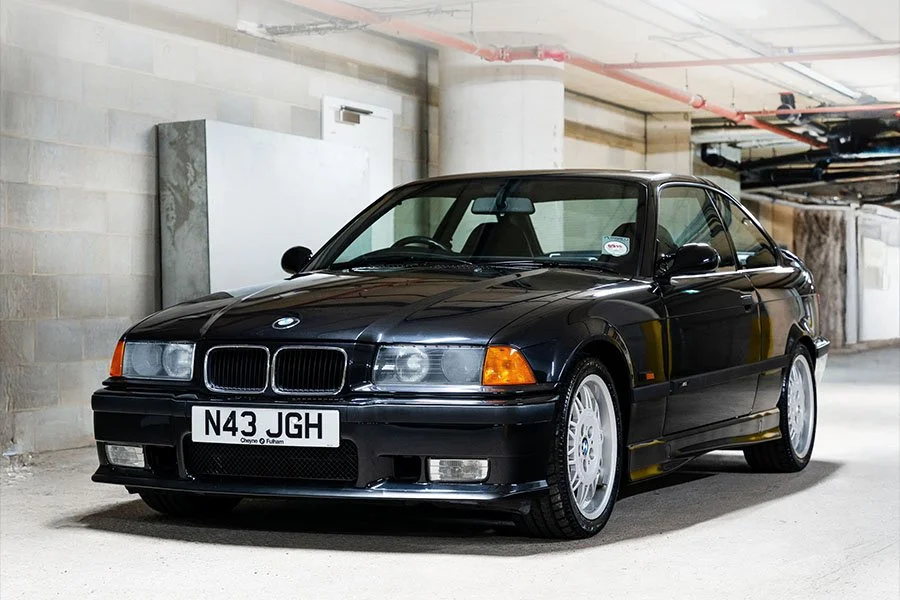
With a bigger bodyshell and more refined six cylinder engine than the outgoing E30 M3 (which had used a racey four cylinder motor), in many ways BMW’s E36-based expression of the M3 theme felt…

The 1980s really was a great time for large-engined German Grand Tourers with Audi, BMW and Porsche all taking a divergent approach with the Quattro, M635 CSi and 928 respectively. For an…