<<<PORTAL INDEX
PRE 1960 PORSCHE FOR SALE>>>
Latest pre 1960 Porsche Features
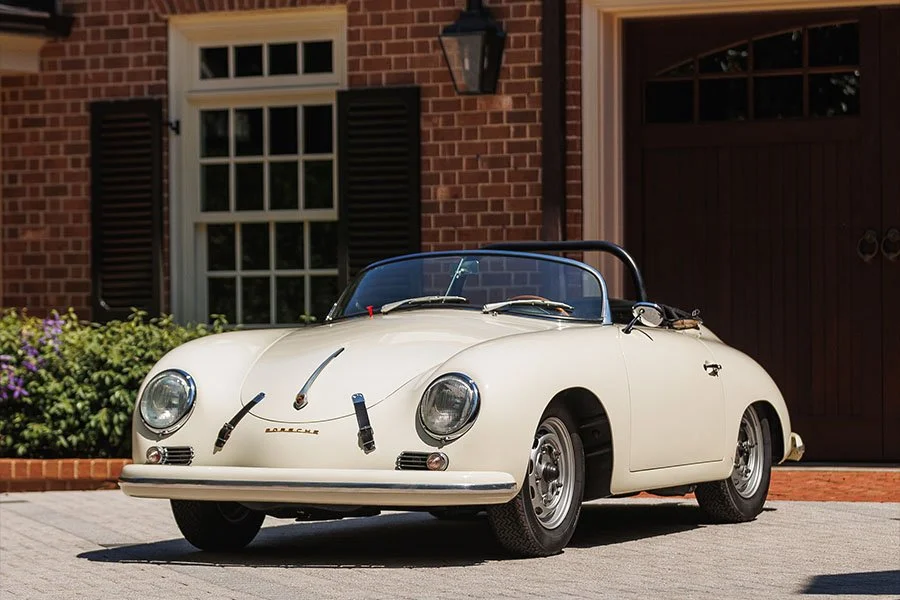
Five years after he had joimed Porsche (back when the company was based in the Austrian town of Gmund and the 356/1 prototype was still on the drawing board), engineer Ernst Fuhrmann was given…
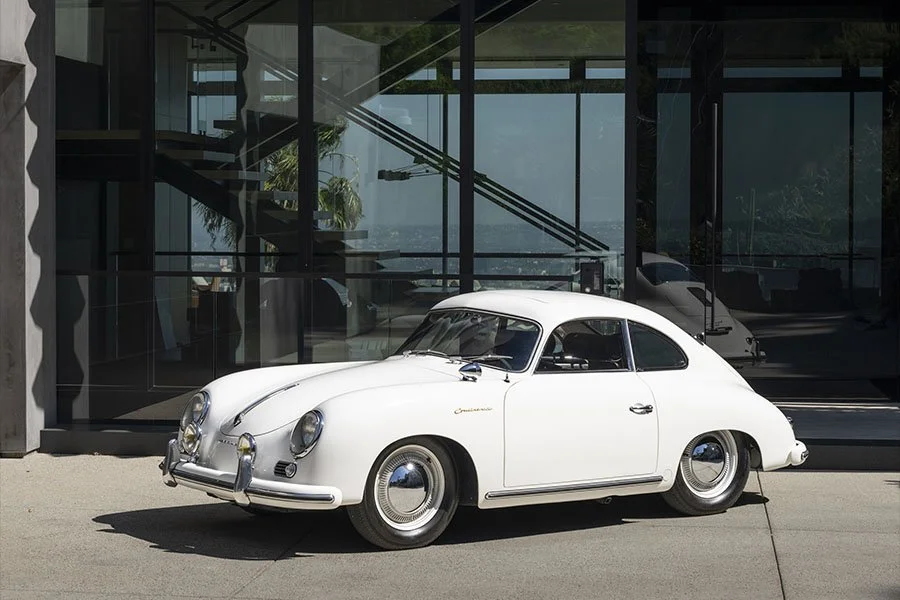
Porsche most famously came a cropper with regard to trademark law when, in late 1964, the German firm was forced to re-brand its 901 as the 911 because Peugeot had already registered three digit…
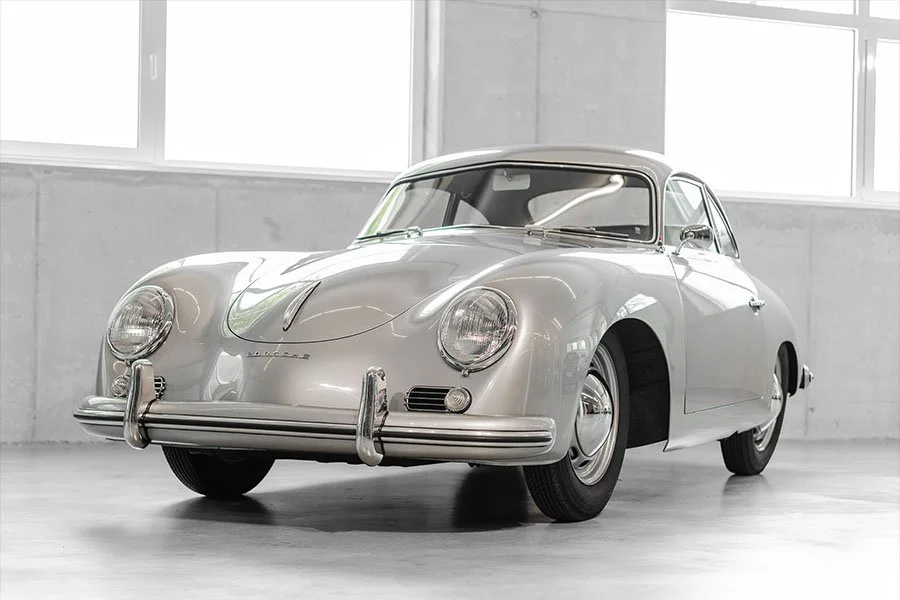
Prior to the arrival of Ernst Fuhrmann’s exceedingly complex four cam Carrera motor which was offered in the 356 from late 1955, the ultimate engine for Porsche’s little flyer was the 1500cc pushrod…
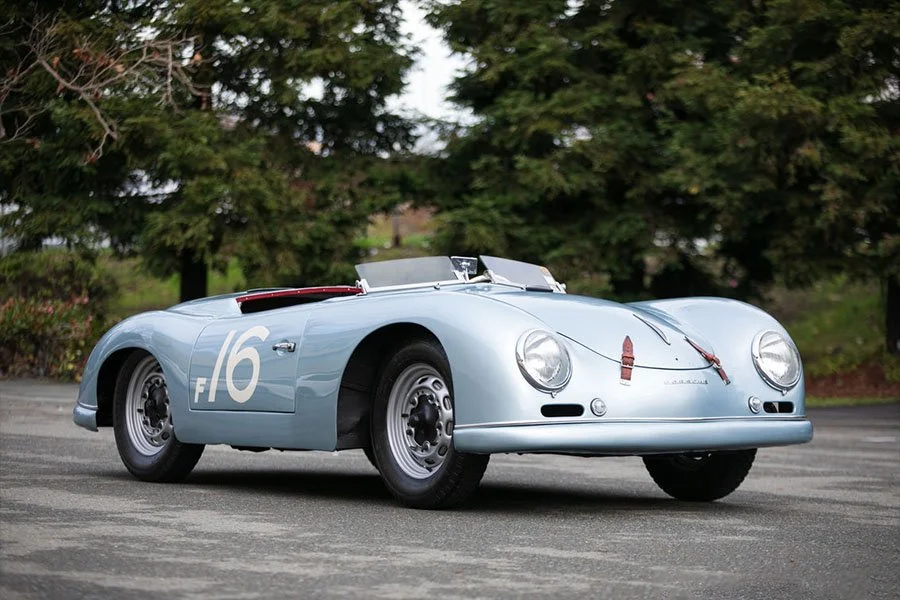
Prior to the arrival of Porsche’s own purpose-built Sports racing car in 1953 (the 550), a small number of well-connected privateers created their own interpretation of such a vehicle. Among…
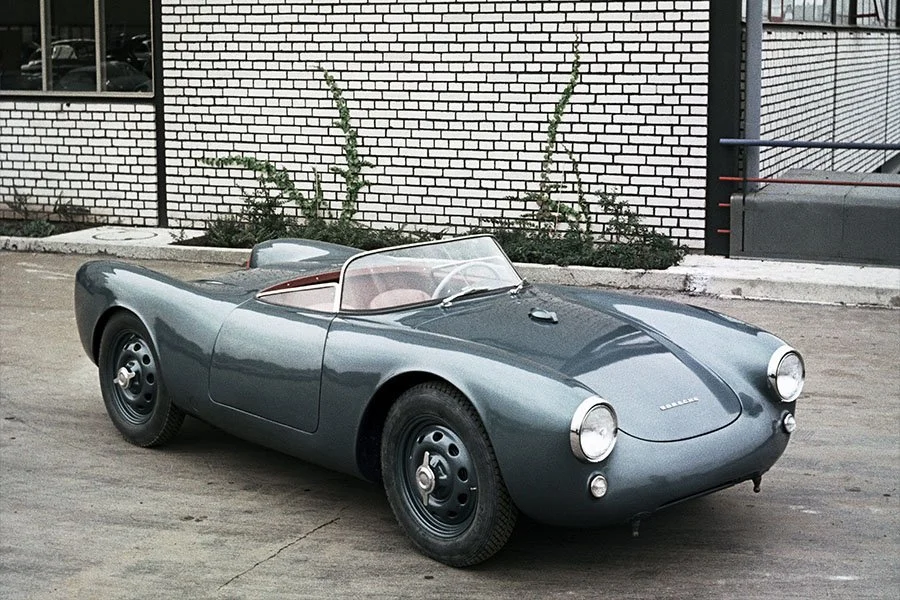
Although the fast and tough 356 had proven itself a formidable competitor in every discipline of motor sport, Porsche knew that a purpose-built machine, something designed from the ground up…
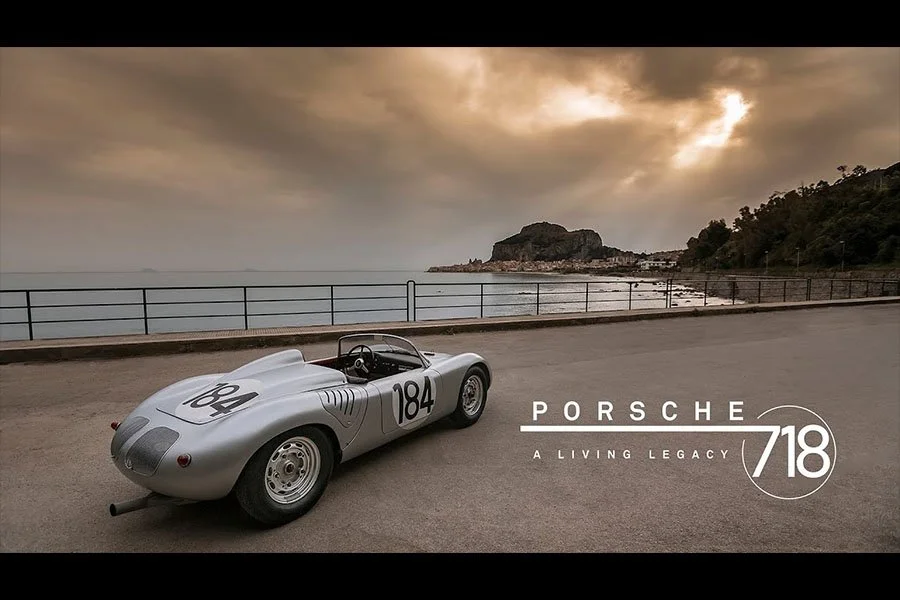
“Once you get it on song, get up to 7,000-plus-revs, it was absolutely amazing,” says racing driver Derek Bell, “…and the fact you could brake so perfectly, flick it into a corner, put the power on…it just wanted the hell driven out of it.”

If you wanted the best production-based Porsche racer in 1957, that car was the 356 A Carrera GT Lightweight. Bristling with all the best gear, at its heart was the ultimate 110bhp iteration of…

The liberation that comes from driving a well-sorted but cosmetically scruffy classic car is difficult to underestimate. Once freed from the worry that driving a car can compromise its clinical perfection, a…

Unveiled at the Frankfurt Motor Show in September 1954, the Speedster was conceived as a lightweight, back-to-basics iteration of the 356 that would be of particular interest to those…

During the late 1950s, Porsche’s ultimate properly appointed road car was a 356 Carrera GS de Luxe. As its name suggested it combined the radical four-cam Carrera engine with a luxuriously equipped…

Chassis 02 was one of the two 550s with which Porsche began its first sports car racing programme. Built to 550/1 specification, this brace of cars (01 and 02) both received a chassis and body…

Chassis 01 was the first 550 assembled by Porsche and one of two examples completed to 550/1 specification. This pair (01 and 02) both received a chassis and body fabricated by Weidenhausen in…

Although Porsche had scored some impressive results with the aluminium-bodied 356 SL (perhaps the most notable of which had been back-to-back class wins at the Le Mans 24 Hours in 1951 and ‘52…

By the autumn of 1951 Porsche’s fortunes had been transformed. When 356 production began in 1949, it did so at a converted Austrian sawmill because the firm’s Zuffenhausen plant in Stuttgart…

Having been used in the firm’s 550 racing cars since 1953, Porsche began to offer the 356 A with an Ernst Fuhrmann-designed dual overhead cam Carrera engine during the second half of 1955.

Following its victorious debut at the Nurburgring Eifelrennen in May 1953, the Porsche 550 established itself as the car to beat in the under 1500cc class of international Sports car racing.

Five years after he had joimed Porsche (back when the company was based in the Austrian town of Gmund and the 356/1 prototype was still on the drawing board), engineer Ernst Fuhrmann was given…

Chassis 0036 was the 550 purchased new by Frankfurt racing driver, Theo Helfrich. Between 1949 and 1953, Helfrich mostly campaigned Veritas cars in a mixture of sports and monoposto events.

In October 1950, Porsche took a stand at the Paris Salon which, at the time, was the most important motor show on the calendar. Here, Porsche management held a meeting with French car dealer and…

Chassis 84855 was a 356 A Speedster purchased new by legendary actor and noted motor racing enthusiast, Steve McQueen. Having spent three years in the US Marines, which he joined shortly…

Chassis 0141 was one of the last Porsche 550s built. It was completed in March 1958 and dispatched to the Austrian distributor, Porsche Salzburg. The 550 was purchased by Austrian composer, pianist…

Chassis 0031 was completed on March 12th 1955. It was painted silver with red accents. The buyer was Walter Ringgenberg, a hotelier and restaurateur from Bern. Ringgenberg was a personal…


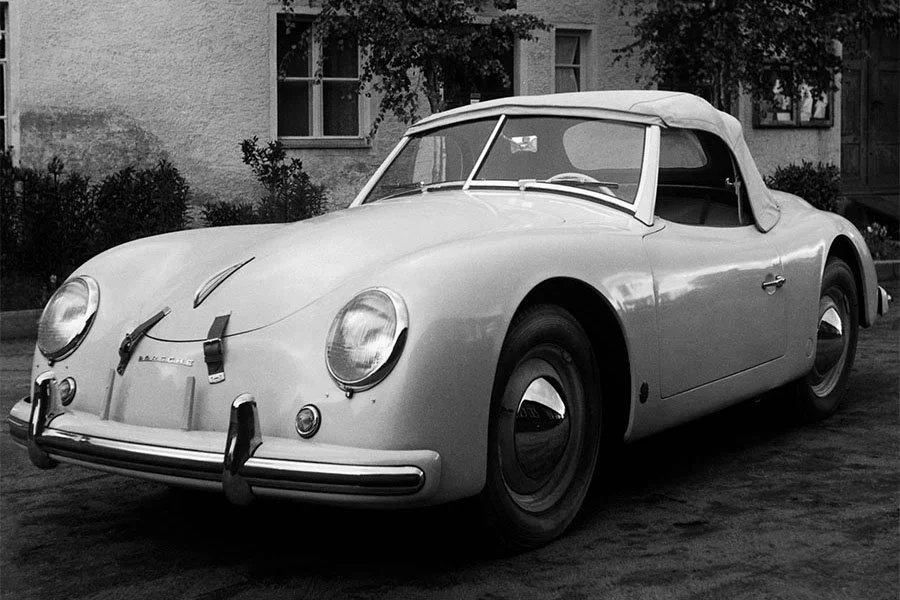
At the Paris Motor Show in October 1950, Porsche management held a meeting with American car dealer, Max Hoffman. Hoffman was already the Volkswagen and Jaguar distributor for North America…

Since its 1948 introduction, the Porsche 356 had proved a runaway success. Ferry Porsche had originally anticipated a production run of 500 would satisfy demand but, by late 1959, over 30,000…
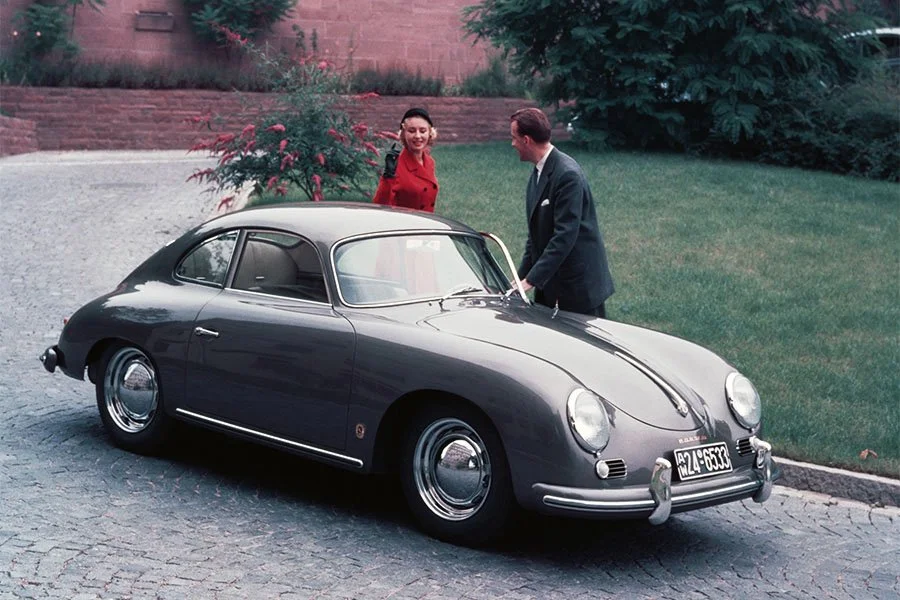
After Porsche moved its operations back to Stuttgart in the winter of 1949-1950, sales of the newly productionised 356 soared. The company had relocated to the remote Austrian village of Gmund in…
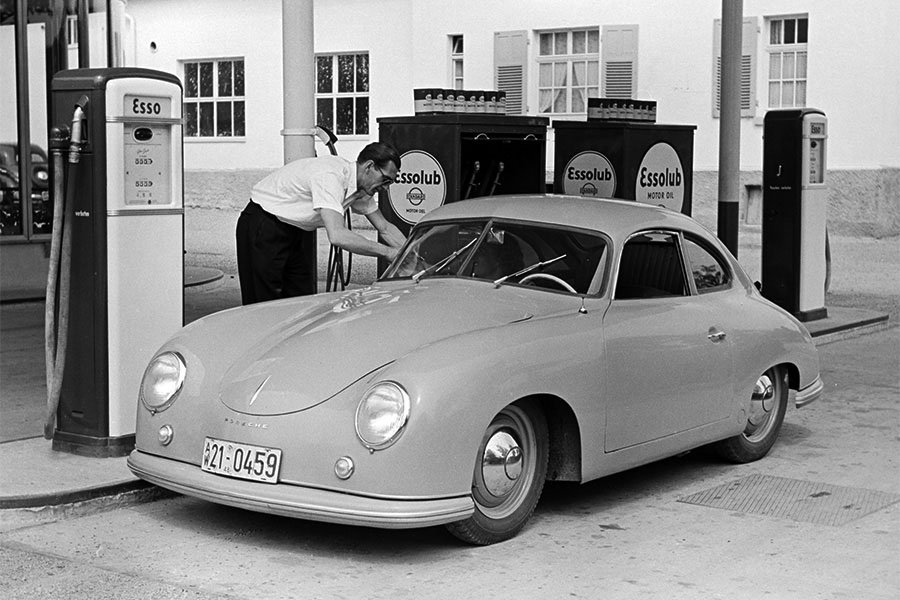
Faced with relentless Allied bombing raids, Porsche moved from Zuffenhausen in Stuttgart to the remote Austrian town of Gmund during 1944. However, the extremely cramped facility (an old…

Ferry Porsche’s first chassis drawings for the 356 were laid down in July 1947. At this point, his father, Ferdinand, and brother-in-law, Anton Piech, were still imprisoned for war crimes. In…

When Ferdinand Porsche established his own engineering office in April 1931, he was already a renowned designer following spells at Austro-Daimler and Steyr. Dr. Ing. h.c. F. Porsche GmbH…
Choose your model…

Debut: Jun 1948 Gmund
Prototype 2-seat Roadster
1.1 F4 35bhp
1 built 1948

Debut: Mar 1949 Geneva
2+2 Coupe / Cabriolet
1.1 F4 40bhp
52 built 1949-1951

Debut: Mar 1950 Stuttgart
2+2 Coupe / Cabriolet / Speedster
1.1-1.5 F4 40-70bhp
10,466 built 1950-1955

Debut: Jun 1951 Le Mans
2-seat Coupe
1.1 F4 46bhp - 1.5 F4 72bhp
11 built 1951-1952

Debut: Apr 1952 Stuttgart
4-seat Coupe / Cabriolet
1.5 F4 60bhp
1-2 built 1952

Debut: May 1952 Stuttgart
2-seat Roadster
1.5 F4 60-70bhp
17 built 1952

Debut: May 1953 Nurburgring
2-seat Sports Prototype
1.5 F4 78bhp
2 built 1953
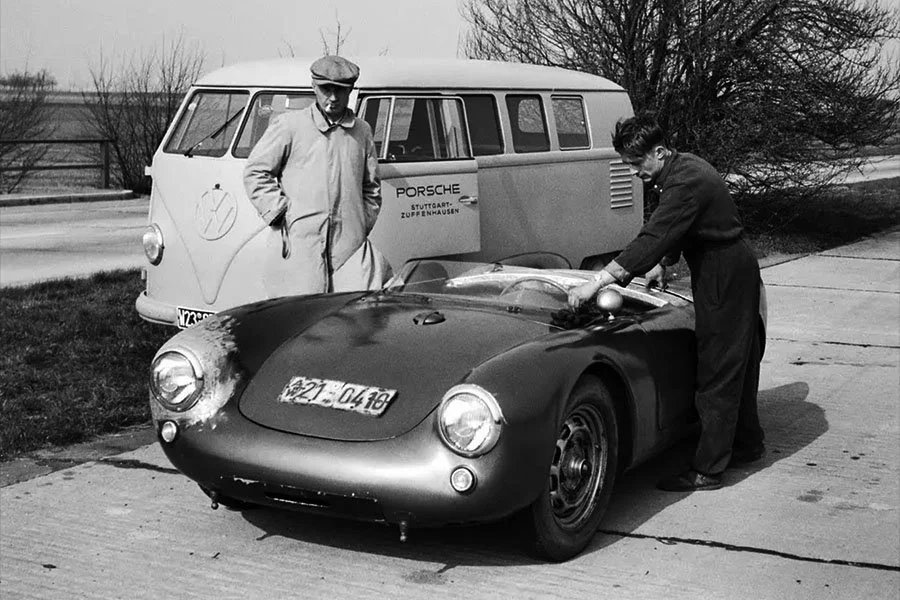
Debut: August 1953 Nurburgring
2-seat Sports Prototype
1.1, 1.3 + 1.5 F4 93-117bhp
13 built 1953-1955
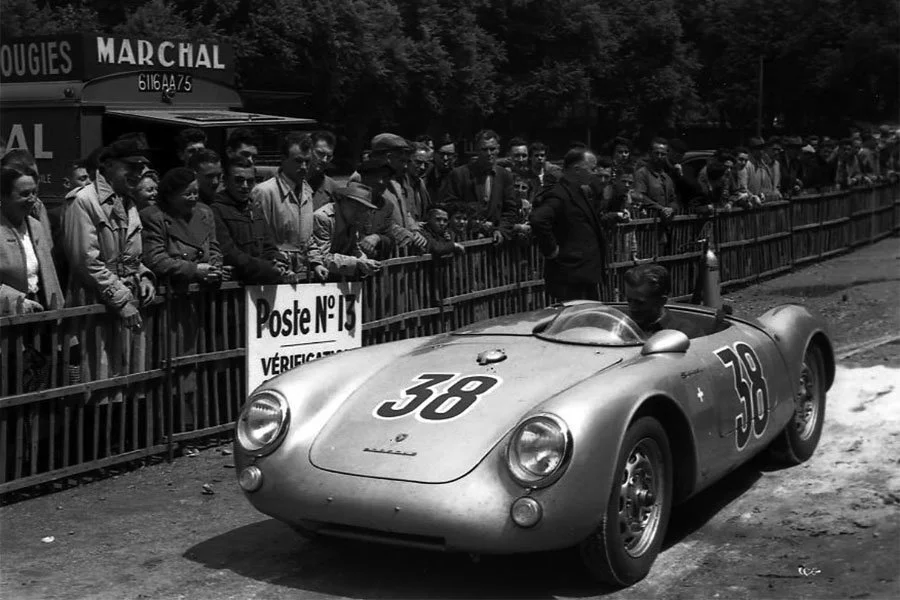
Debut: January 1955 Buenos Aires
2-seat Sports Prototype
1.5 F4 110bhp
75 built 1954-1956

Debut: Sep 1955 Frankfurt
2+2 Coupe / Cabriolet / Speedster
1.3-1.6 F4 44-75bhp
20,525 built 1955-1959

Debut: Sep 1959 Frankfurt
2+2 Coupe / Cabriolet / Roadster
1.6 F4 60-90bhp
31,491 built 1959-1963